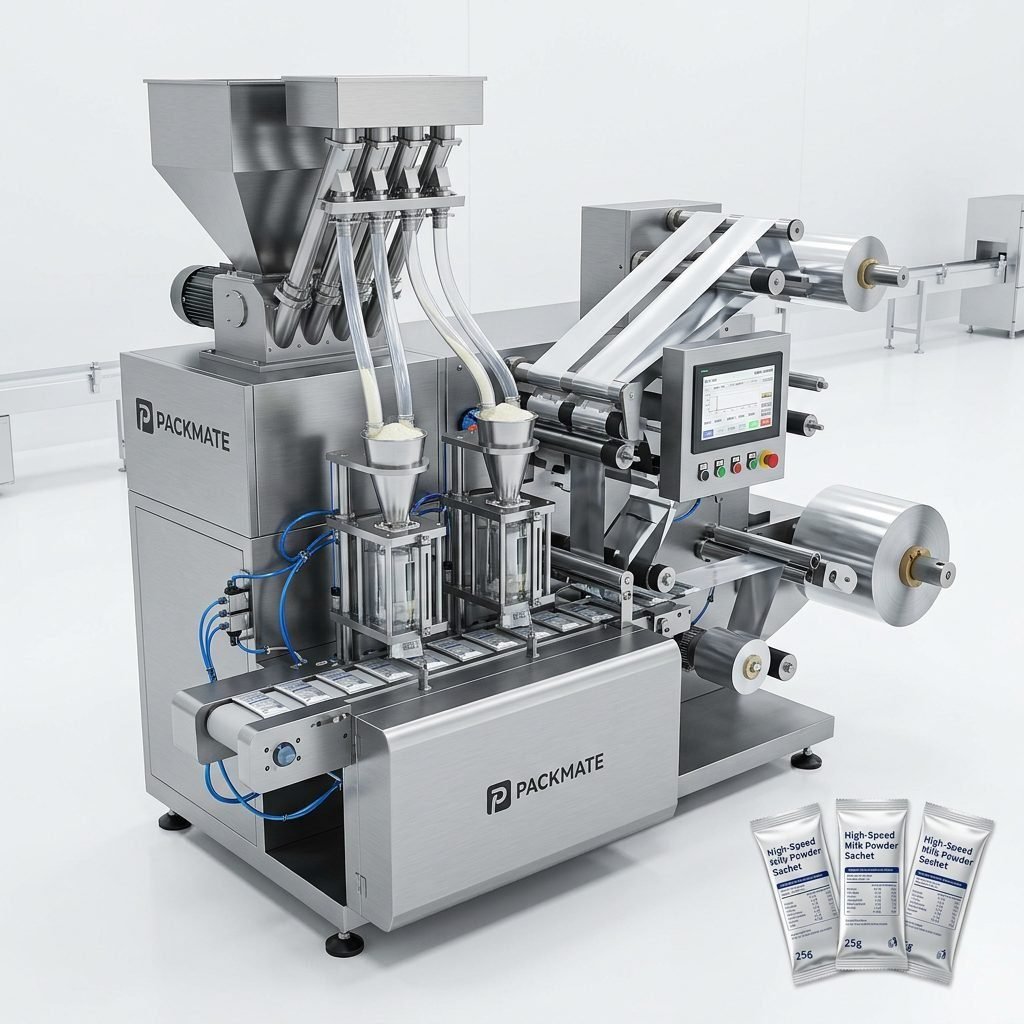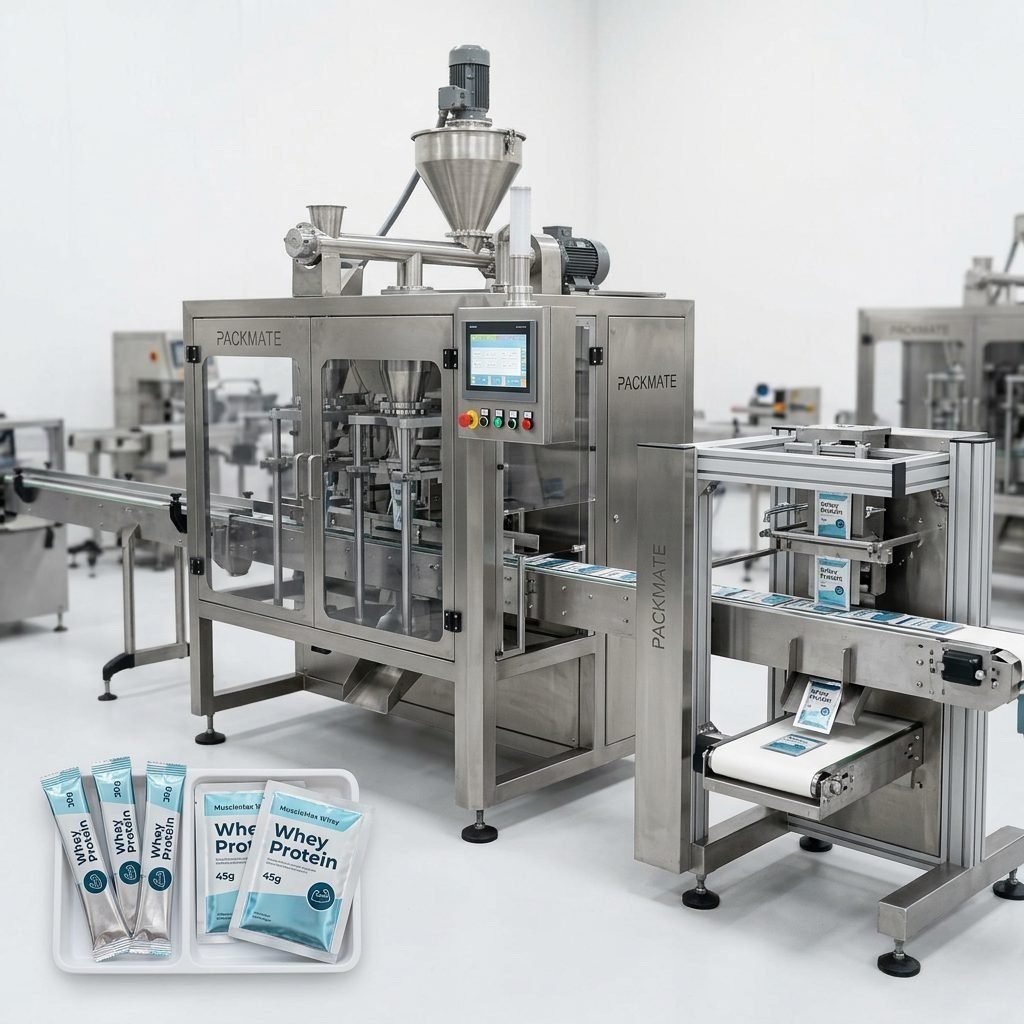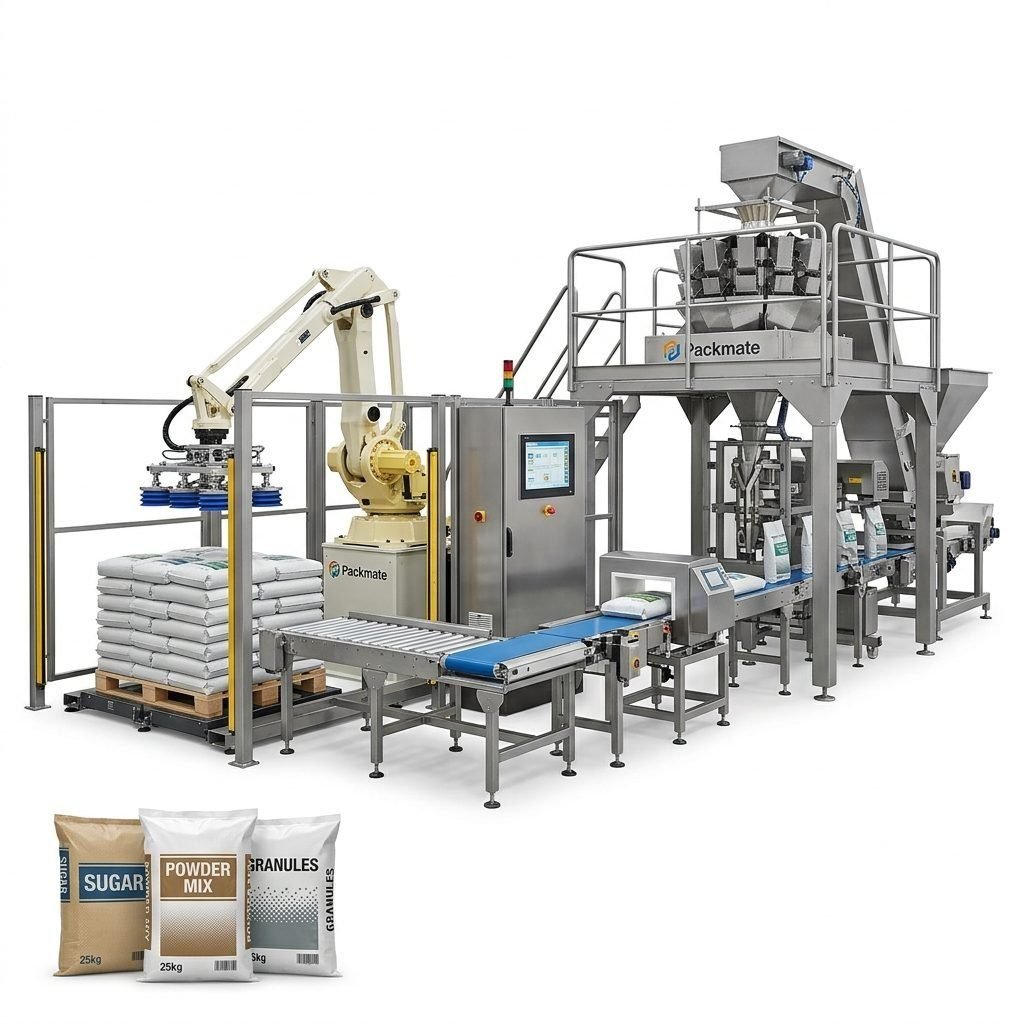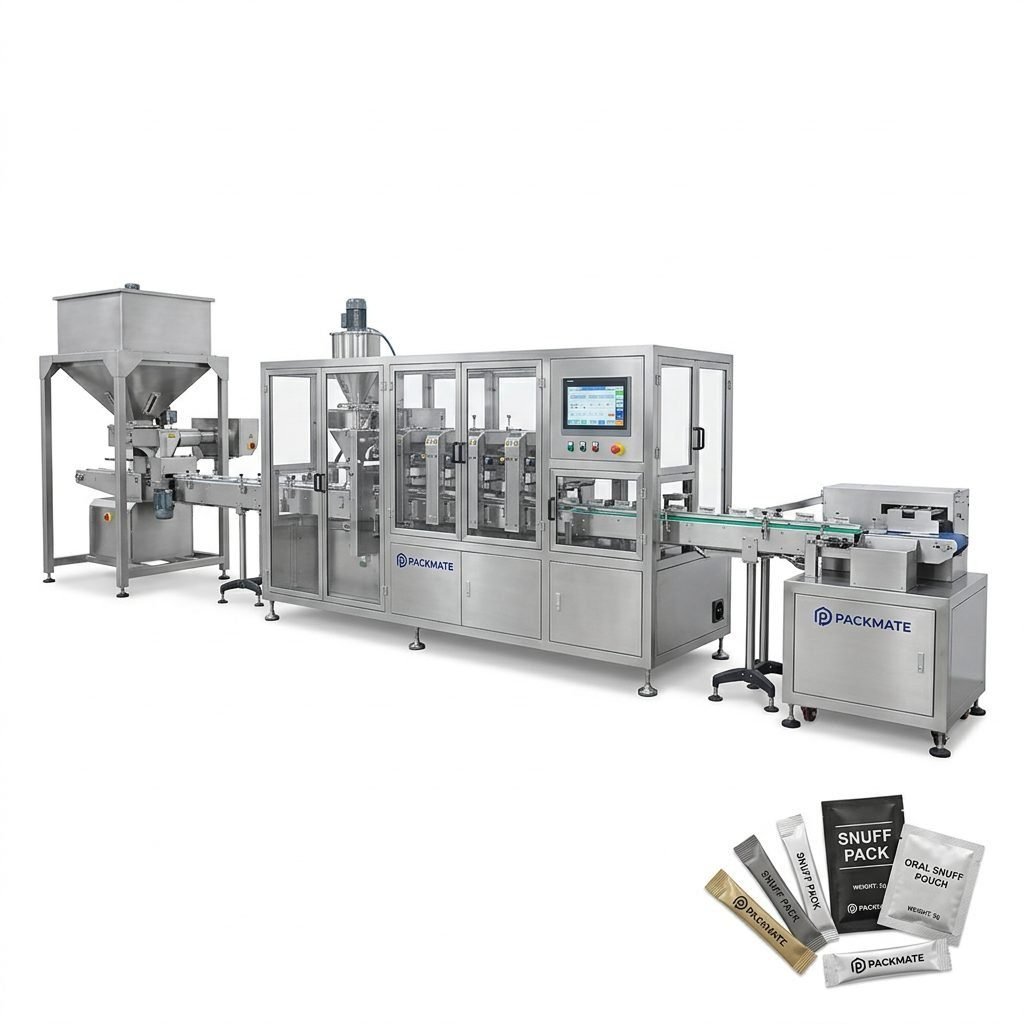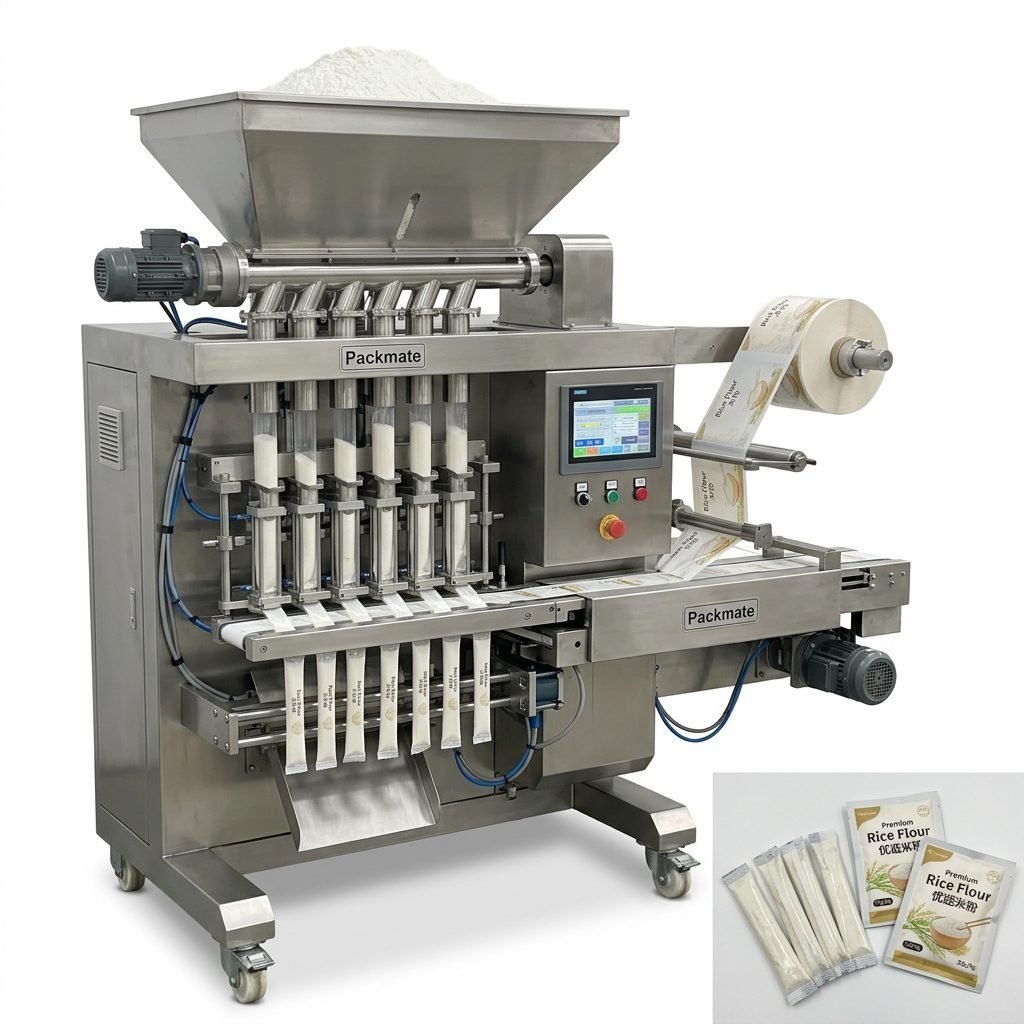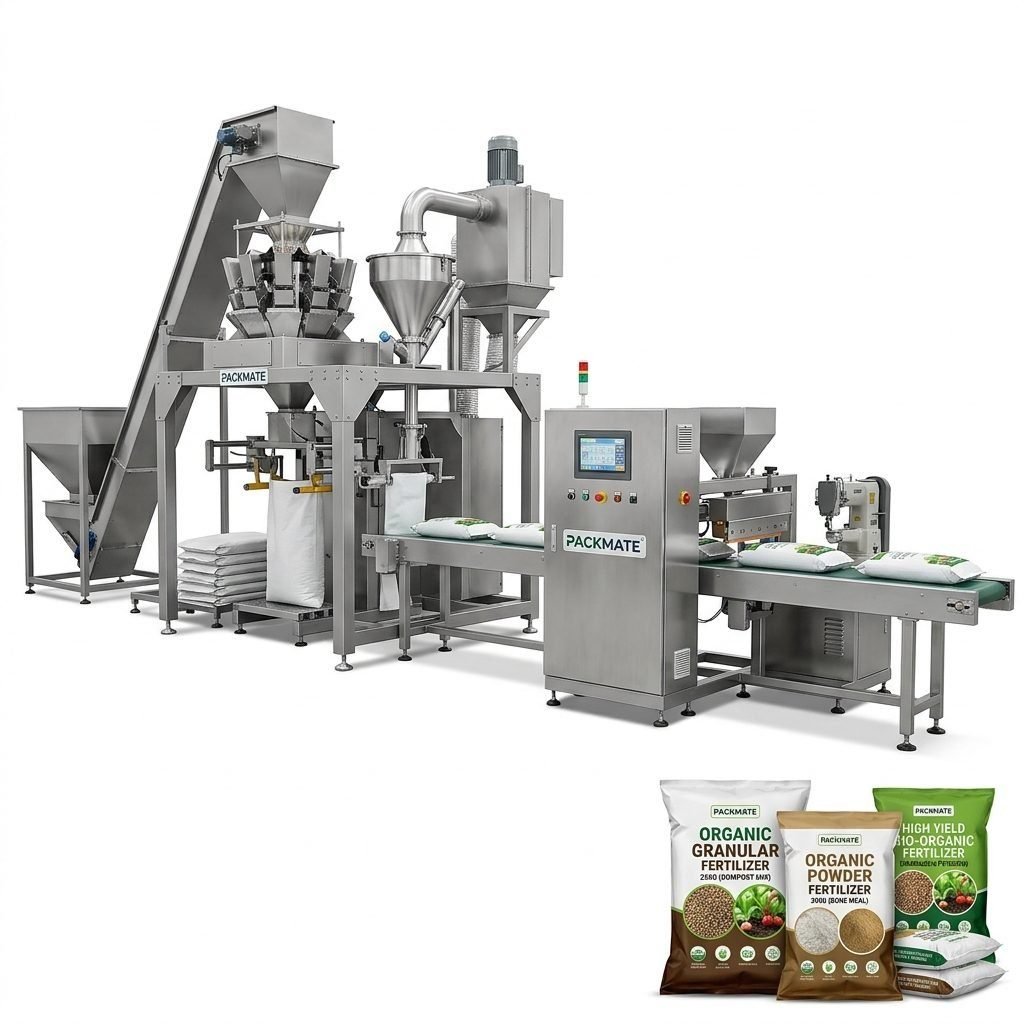
The poultry industry is undergoing a significant transformation, driven by the need for greater efficiency, enhanced food safety, and improved profitability. At the heart of this change is the adoption of automated packaging systems. These smart systems are revolutionizing how poultry products are handled, portioned, sealed, and prepared for distribution, moving far beyond the limitations of manual labor and semi-automated processes.
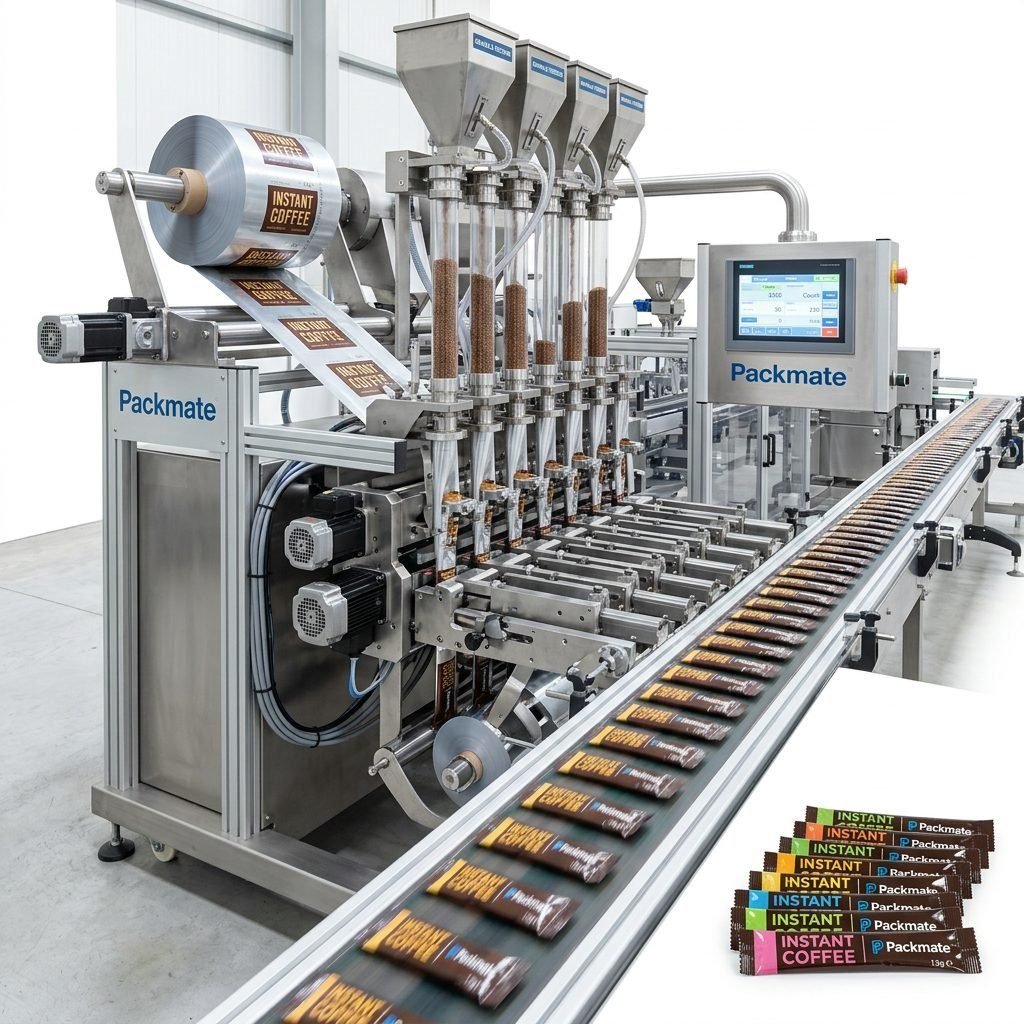
The Core Advantages of Automated Poultry Packaging
Modern automated packaging lines for poultry integrate several key technologies: high-speed weighing and portioning, precision vacuum sealing, modified atmosphere packaging (MAP), automated labeling, and advanced vision inspection systems. This integration creates a seamless, controlled flow from the processing line to the final box, minimizing human contact and maximizing consistency.
Key Benefits at a Glance
- Dramatically Increased Throughput: Machines can operate 24/7 at speeds far exceeding manual capabilities, handling thousands of packages per hour.
- Enhanced Food Safety & Hygiene: Reduced human handling lowers contamination risks. Systems often include automatic sanitization cycles and work within hygienic enclosures.
- Superior Product Consistency: Every package receives the exact same weight, seal quality, and gas mixture (for MAP), ensuring brand integrity and customer satisfaction.
- Significant Labor Cost Savings: Automation reduces reliance on large manual labor teams for repetitive tasks like placing, sealing, and boxing.
- Reduced Product Giveaway: Precision weighing systems ensure portions are exact, saving millions in product “giveaway” over time.
- Improved Traceability: Automated systems can print and apply labels with batch codes, expiry dates, and barcodes, enabling full supply chain tracking.
Driving Efficiency from Processing to Pallet
Efficiency in poultry packaging isn’t just about speed; it’s about optimizing the entire workflow. Automated systems streamline operations by performing multiple functions in a single, continuous line. For instance, a breast fillet can be automatically weighed, placed into a pre-formed tray, covered with film, vacuum-sealed, gas-flushed (for MAP), labeled, and packed into a master case without manual intervention. This continuous flow eliminates bottlenecks, reduces product handling damage, and optimizes floor space.
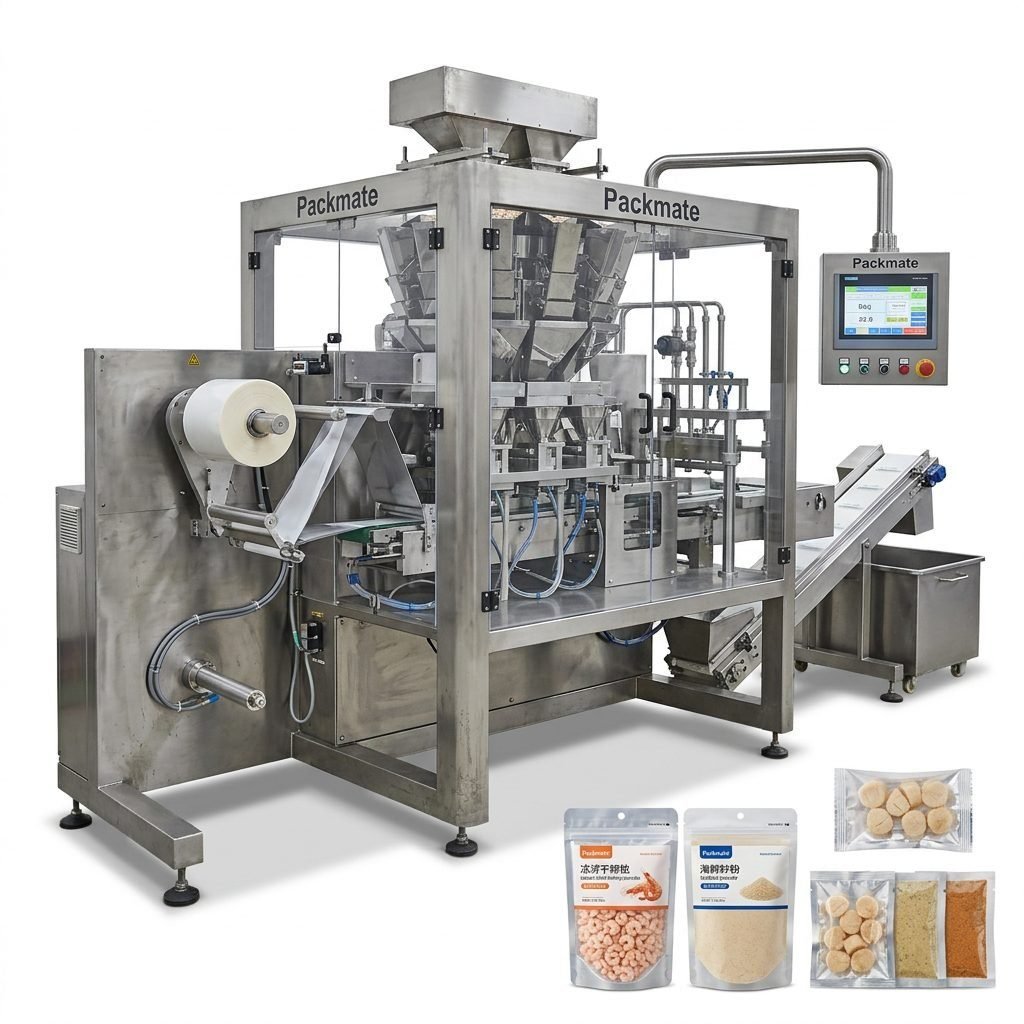
A New Standard in Food Safety
Food safety is paramount in poultry. Automated packaging directly addresses critical control points. By minimizing human contact, the risk of microbial contamination from workers is drastically reduced. Furthermore, technologies like Modified Atmosphere Packaging (MAP) actively extend shelf life by replacing the air inside the package with a mixture of gases like carbon dioxide and nitrogen, inhibiting the growth of spoilage bacteria. Automated vision inspection systems provide a final, unbiased check for seal integrity, correct labeling, and even foreign objects, ensuring only perfect packages leave the facility.
Cost Savings: Beyond Labor Reduction
While reducing labor costs is a major driver, the financial benefits of automation are multifaceted:
| Cost Area | Impact of Automation |
|---|---|
| Material Usage | Precision film dispensing and sealing reduce material waste (e.g., film, trays). |
| Product Yield | Exact portion control eliminates costly overfilling (“giveaway”). |
| Energy & Utilities | Modern machines are more energy-efficient and optimize gas usage in MAP. |
| Compliance & Recalls | Improved traceability and consistency lower the risk of costly recalls and compliance issues. |
| Downtime | Higher reliability and predictive maintenance capabilities reduce unplanned stoppages. |
The Role of Leading Manufacturers
The global shift towards automation has been supported by advanced manufacturers who design and build these complex systems. Companies like Ludyway, with over 30 years of experience, specialize in creating turnkey packaging lines that can be tailored to specific poultry products, from whole birds and parts to further-processed items like marinated fillets or ready-to-cook meals. Their expertise in integrating weighing, sealing, and labeling into a cohesive system is critical for poultry processors looking to scale.
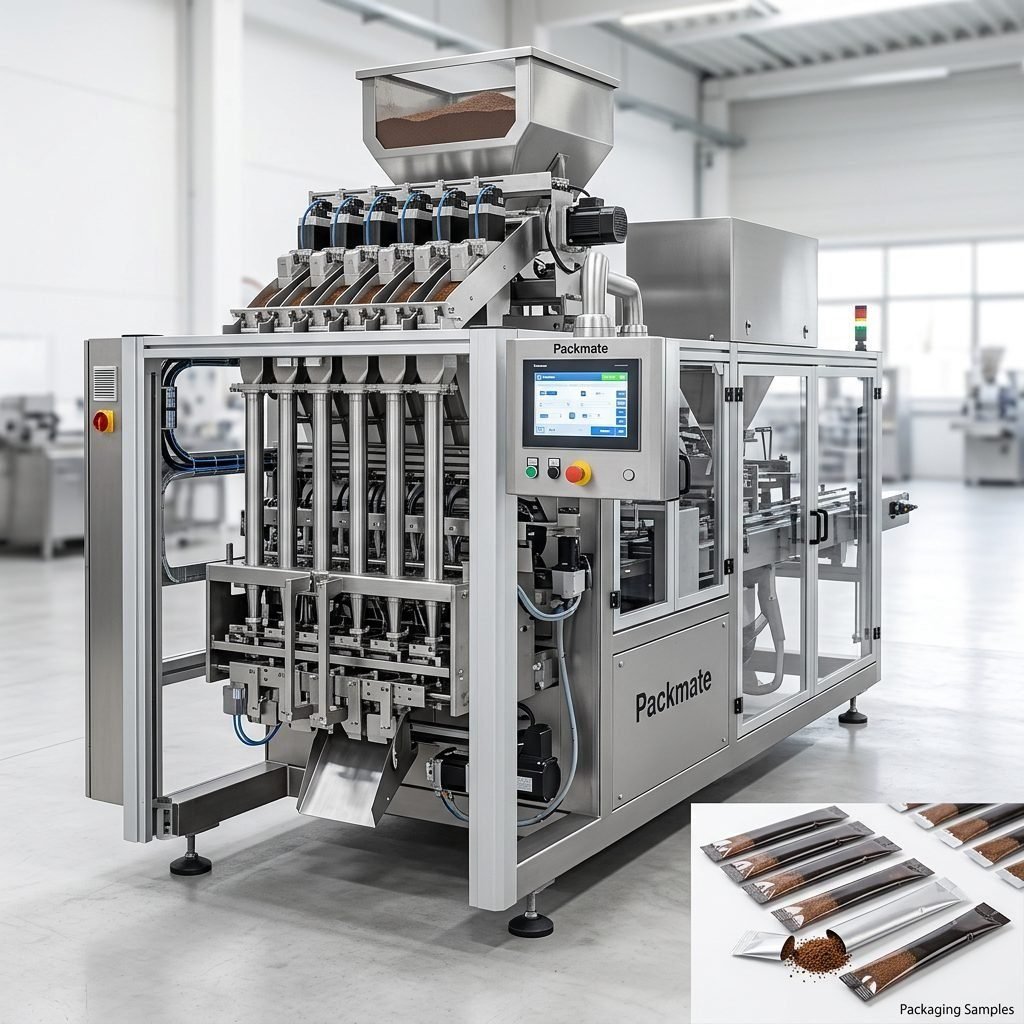
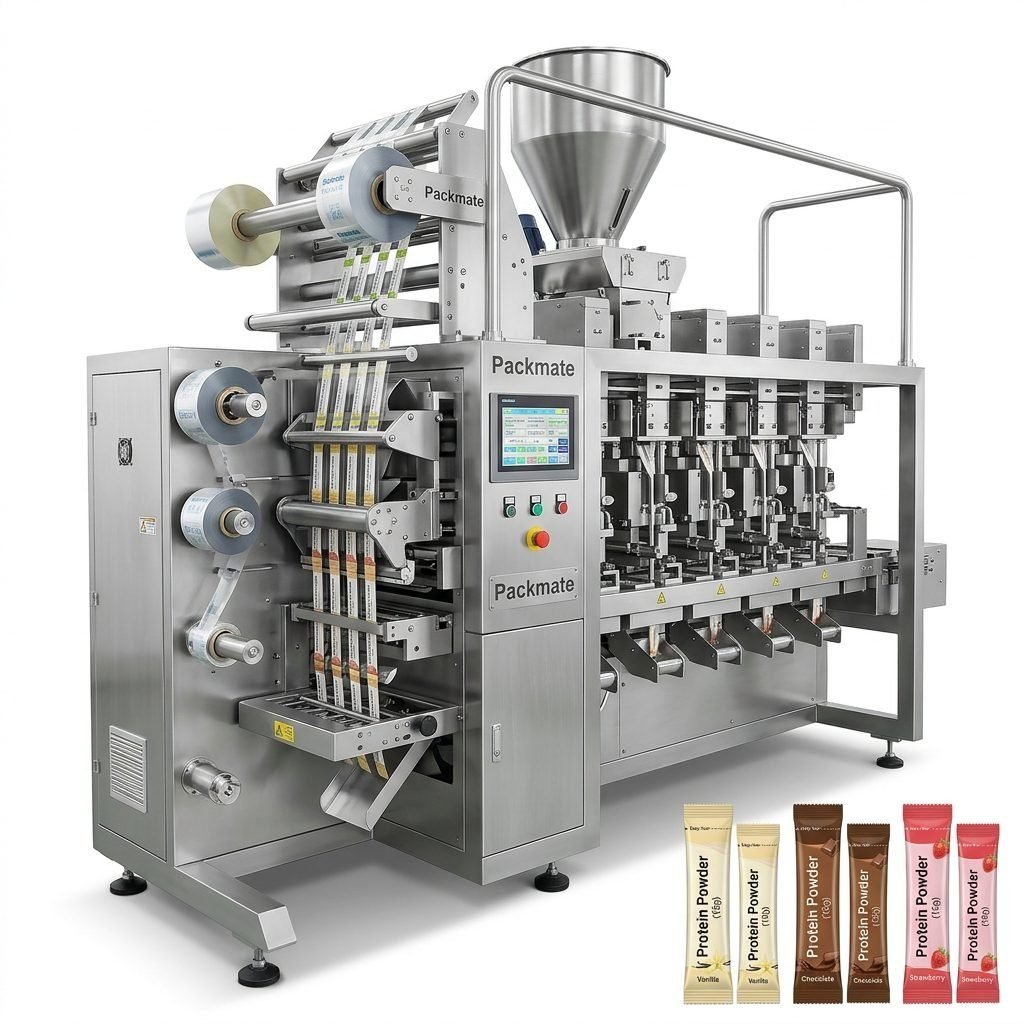
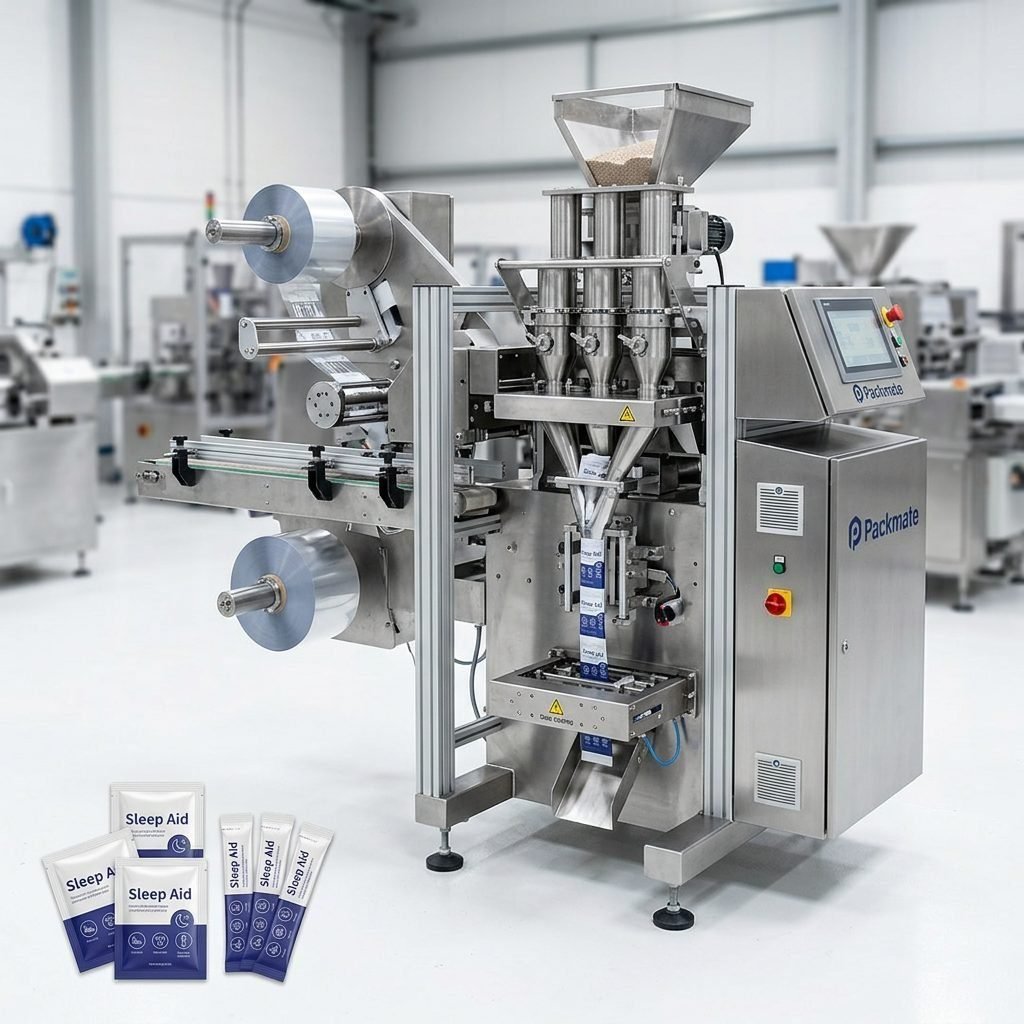
Similarly, specialists like SnusMachinery, while known for niche pouch packaging, exemplify the high-speed, multi-lane precision that is increasingly demanded in poultry for portion-controlled packs, such as pre-marinated pouches or single-serve meal components. The principles of high-speed, hygienic pouch filling are directly transferable to certain poultry applications.
Adapting to Market Demands: Europe, North America, and Beyond
Market demands vary globally, and smart packaging systems must adapt. In Europe and North America</strong, stringent regulations on food safety, labeling, and sustainability are paramount. Automated systems ensure compliance through precise labeling, tamper-evident seals, and reduced material waste. Consumers in these regions also demand convenience, driving the need for automated lines that can produce ready-to-cook, seasoned, and MAP poultry products with extended shelf life.
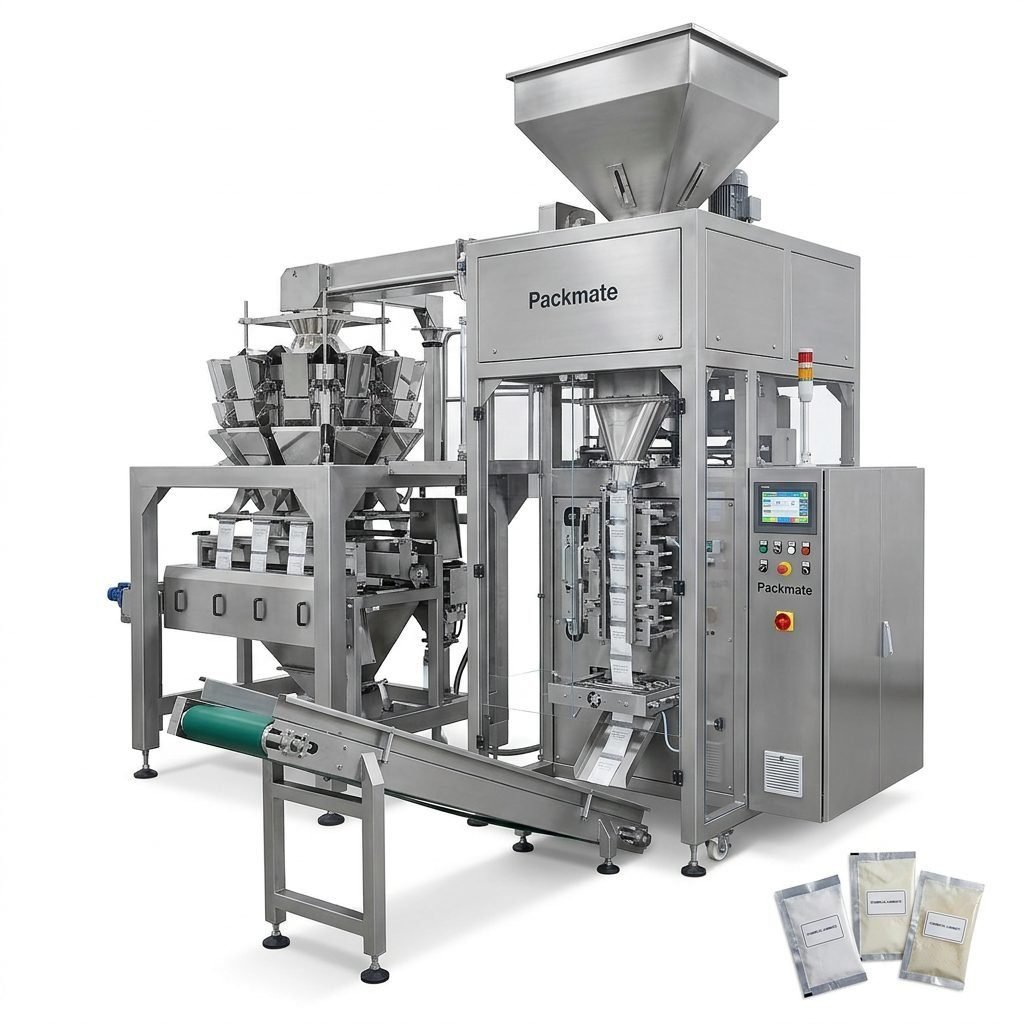
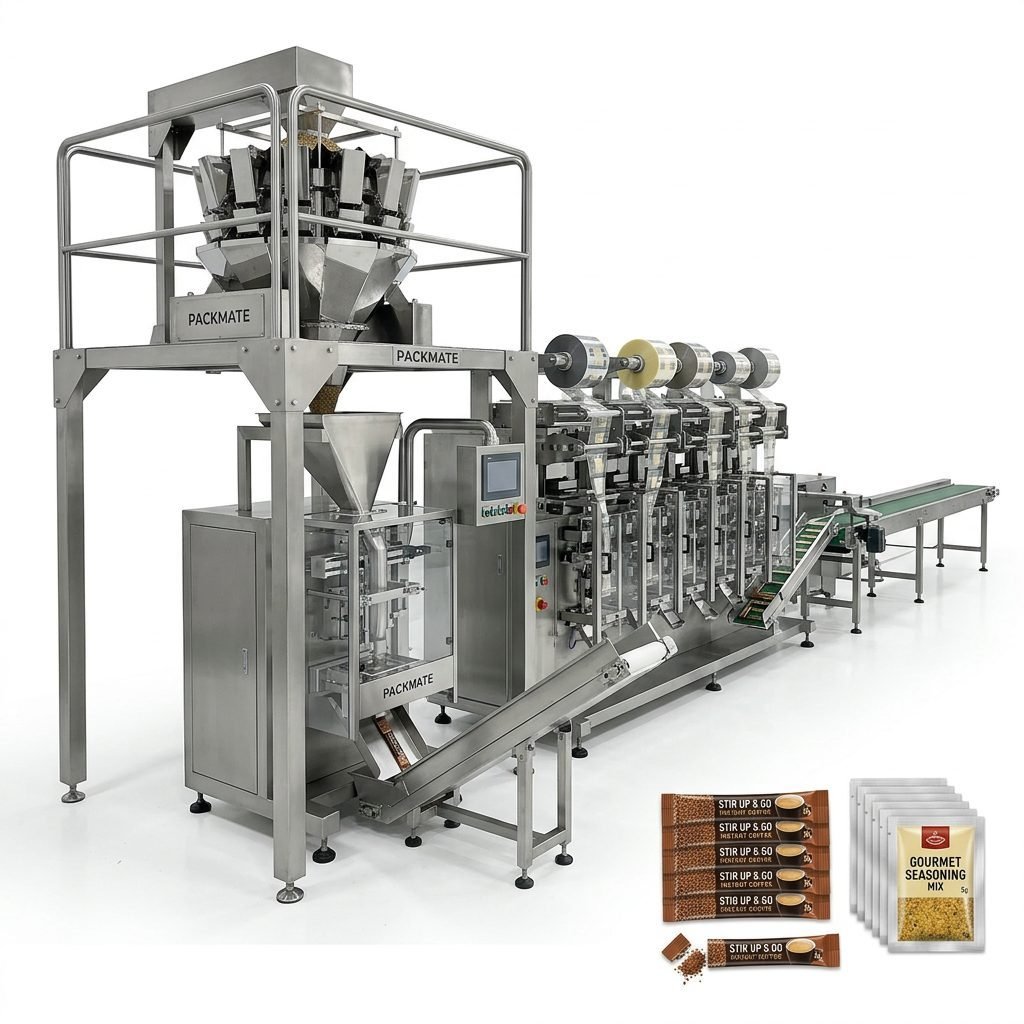
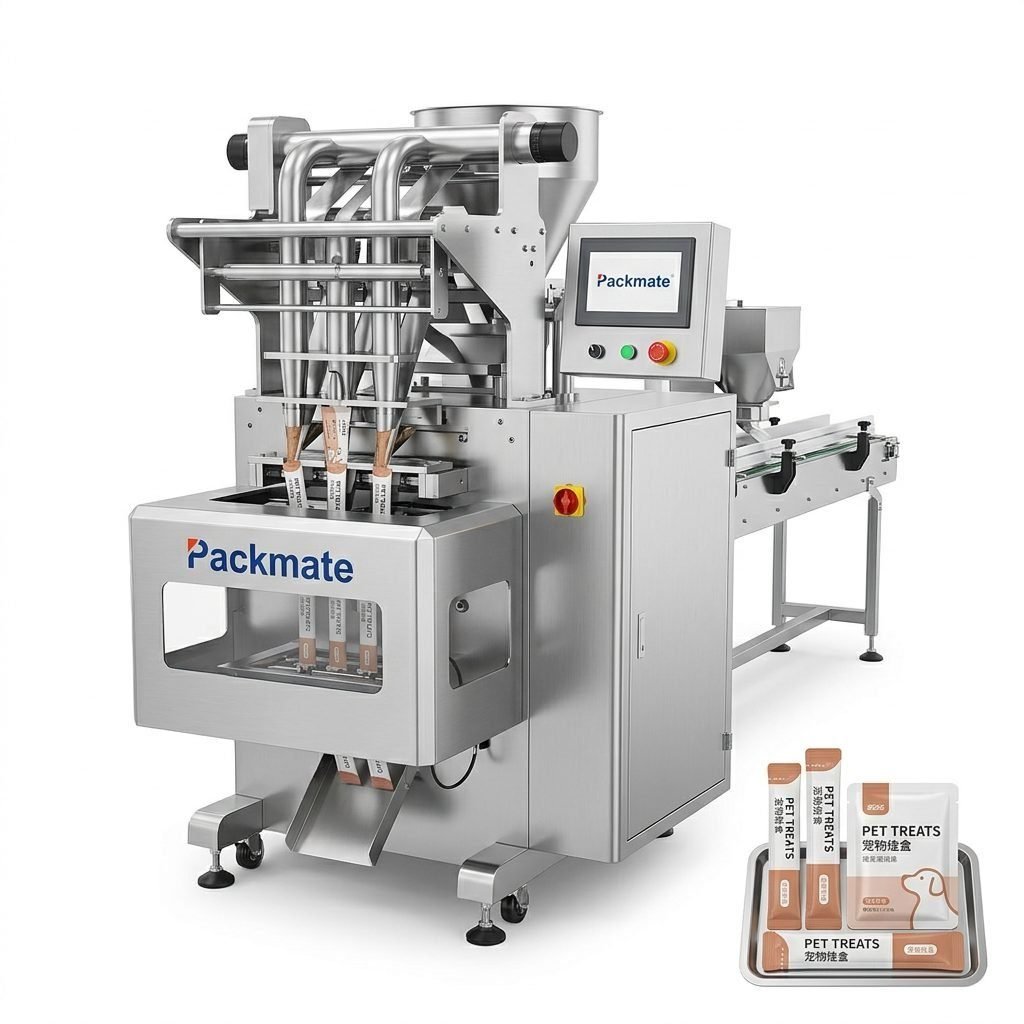
In high-growth markets across the Middle East, Africa, and Southeast Asia, the focus is often on achieving scale and efficiency to meet rising domestic demand and export opportunities. Here, the reliability and throughput of automated lines from suppliers like Packmate Machinery help processors modernize their operations, improve product quality for both local and international supermarkets, and compete more effectively.
Integration and the Future: Smart Factories
The future of poultry packaging lies in deeper integration with Industry 4.0 principles. The next generation of automated systems are “smart.” They are equipped with sensors and connected to factory networks, providing real-time data on Overall Equipment Effectiveness (OEE), predictive maintenance alerts, and detailed production analytics. This allows managers to optimize line performance dynamically, reduce waste proactively, and ensure seamless integration with upstream processing and downstream logistics systems.
Companies that focus on complete line integration, such as PacklineOEM, are pivotal in this evolution. They don’t just supply machines; they deliver synchronized systems where conveyors, robots, packers, and palletizers communicate, creating a truly intelligent and flexible packaging cell that can adapt to different product SKUs with minimal changeover time.
Frequently Asked Questions (FAQs)
1. What is the typical return on investment (ROI) for an automated poultry packaging line?
ROI depends on scale, labor costs, and current efficiency. Typically, processors see a payback period of 1-3 years through labor savings, reduced giveaway, higher throughput, and fewer quality-related losses.
2. Can automated systems handle different poultry products and package sizes?
Yes. Modern systems are highly flexible. With quick-change tooling and programmable logic controllers (PLCs), lines can switch between product types (e.g., from wings to breasts) and package formats (trays, pouches, bulk bags) with minimal downtime.
3. How does automation improve food safety compared to manual packaging?
Automation reduces direct human contact with the product, a major contamination vector. It also ensures consistent, hermetic seals and allows for integration of checkweighers and vision systems that automatically reject non-conforming packages.
4. Are these systems suitable for small to medium-sized poultry processors?
Absolutely. Manufacturers like PackingMachineOEM offer scalable and modular solutions. You can start with a core automated machine (like a vacuum sealer with automatic loading) and expand into a full line as your business grows, making automation accessible at various scales.
5. What kind of technical support is available for automated packaging lines?
Reputable suppliers provide comprehensive support, including installation supervision, operator training, remote diagnostics, and readily available spare parts. Choosing an established manufacturer with a strong global service network is crucial for minimizing operational risk.