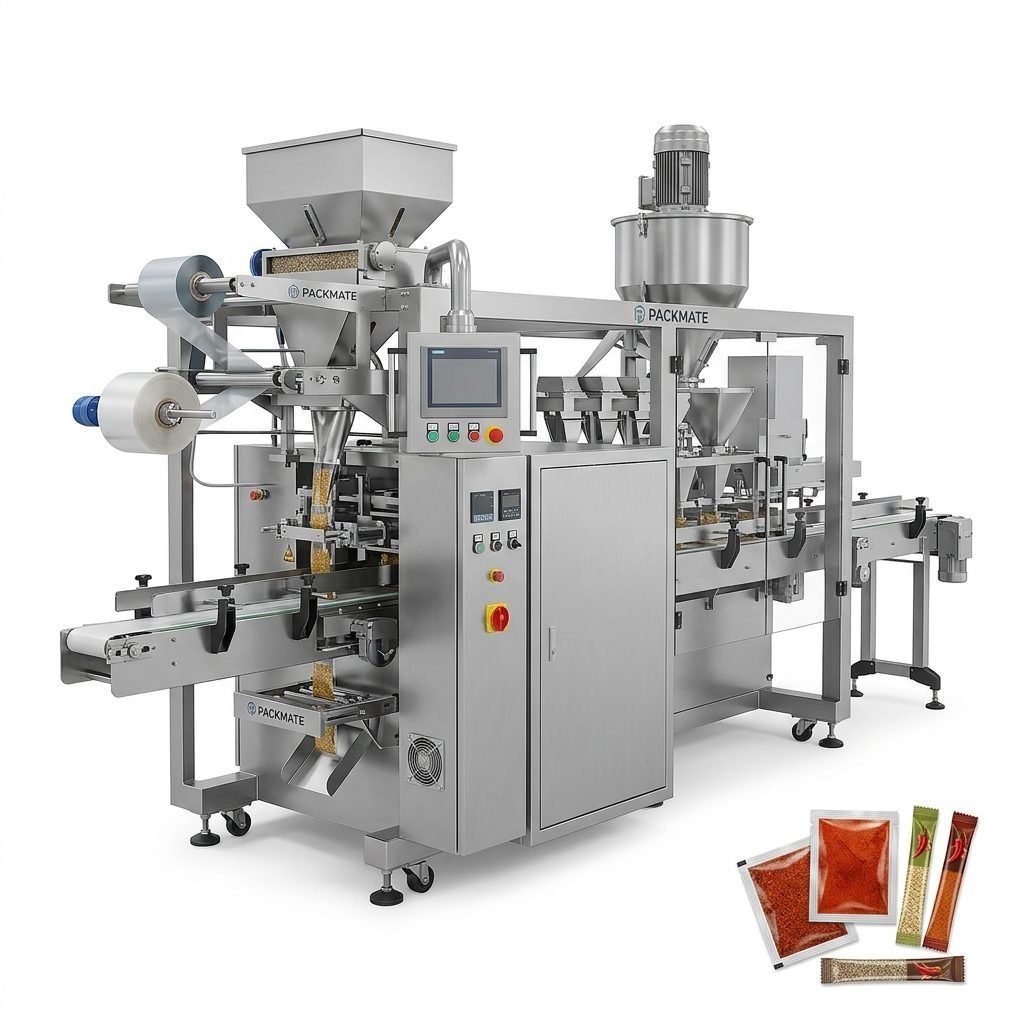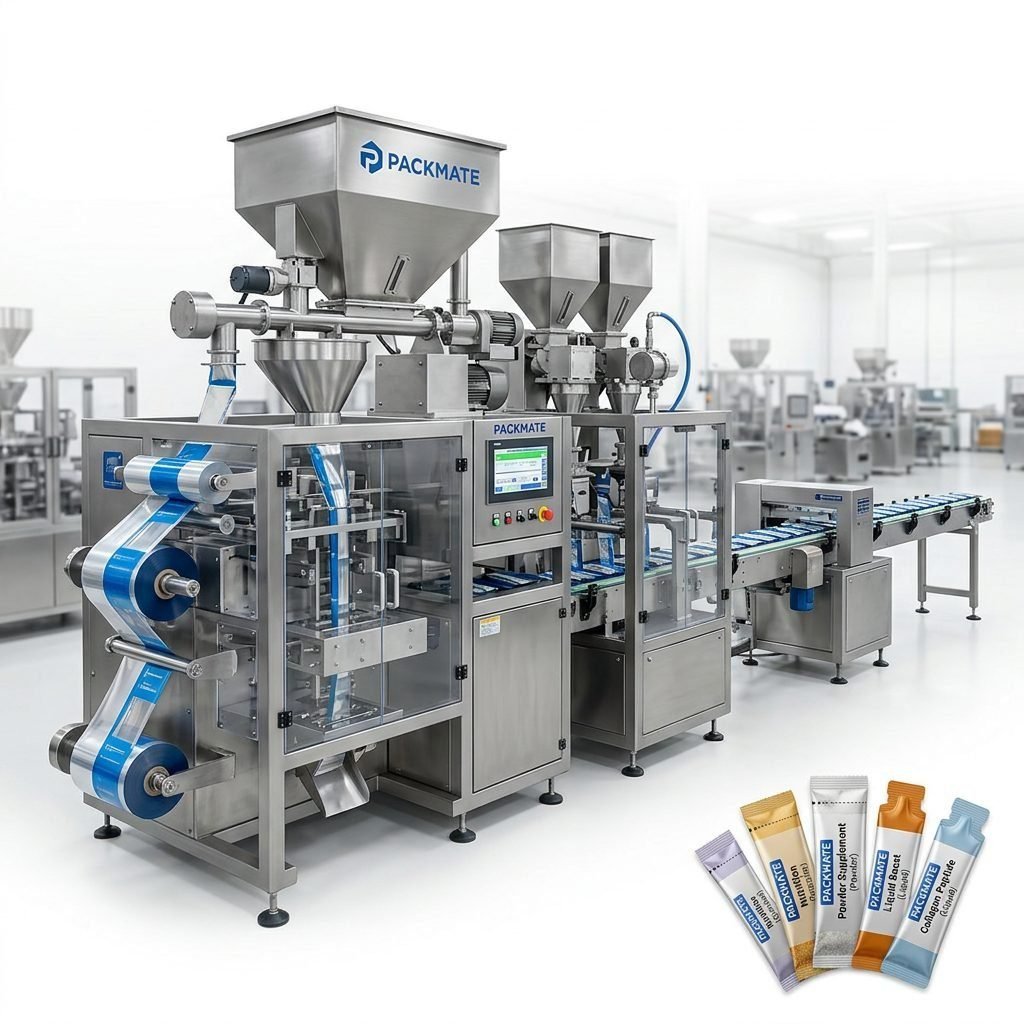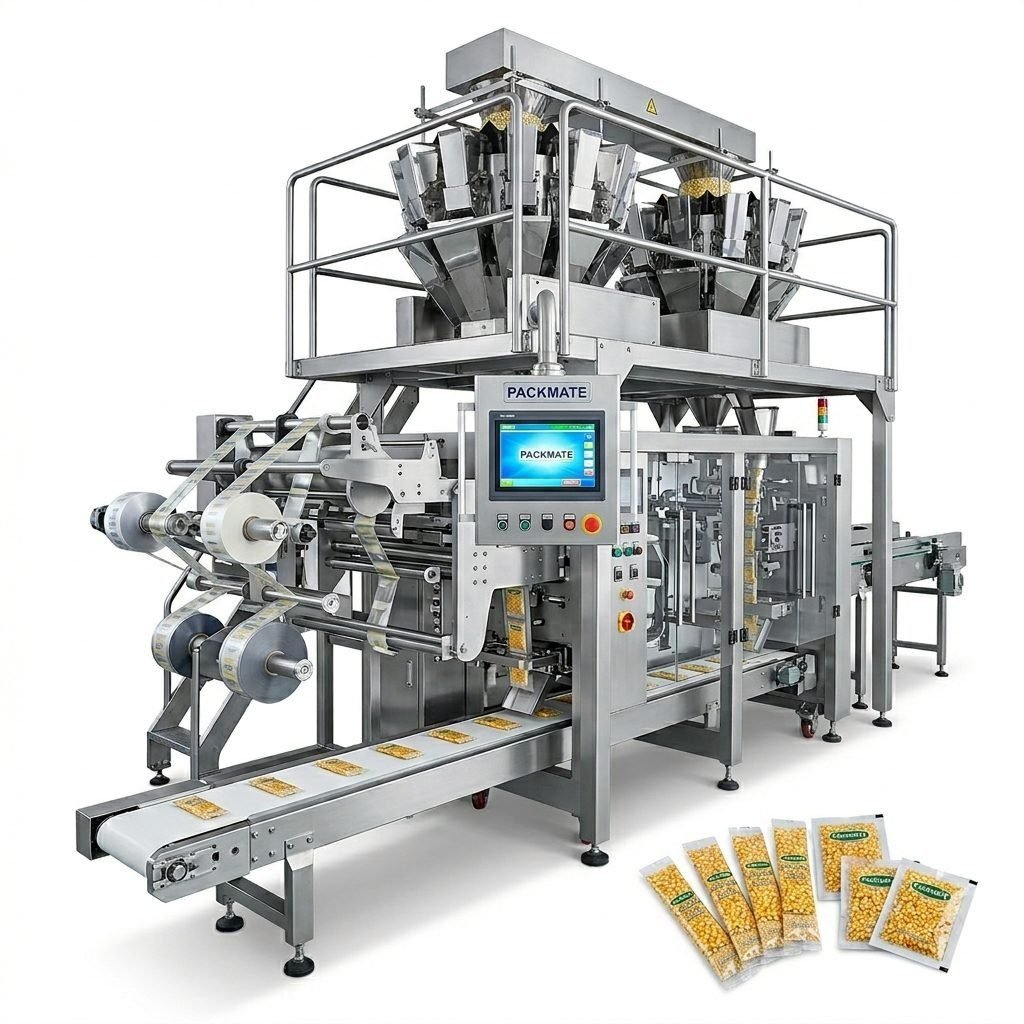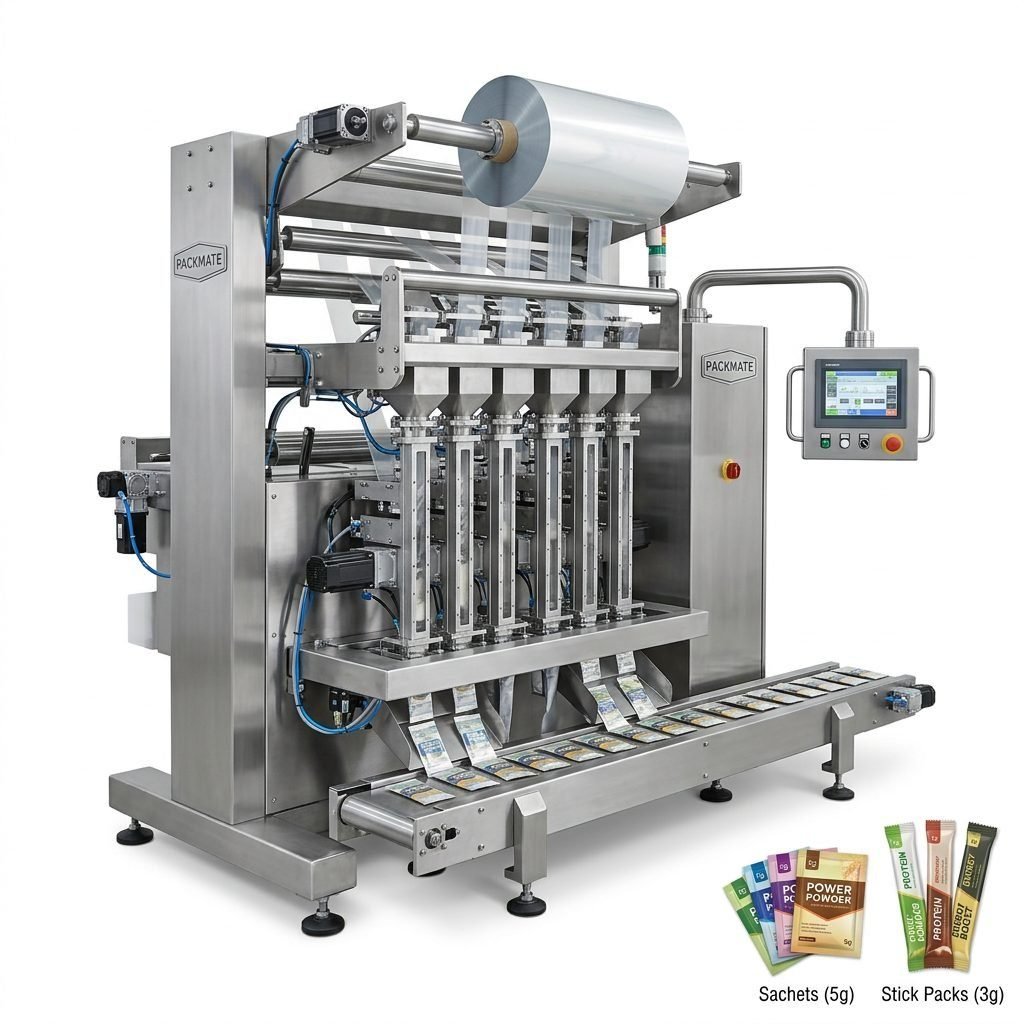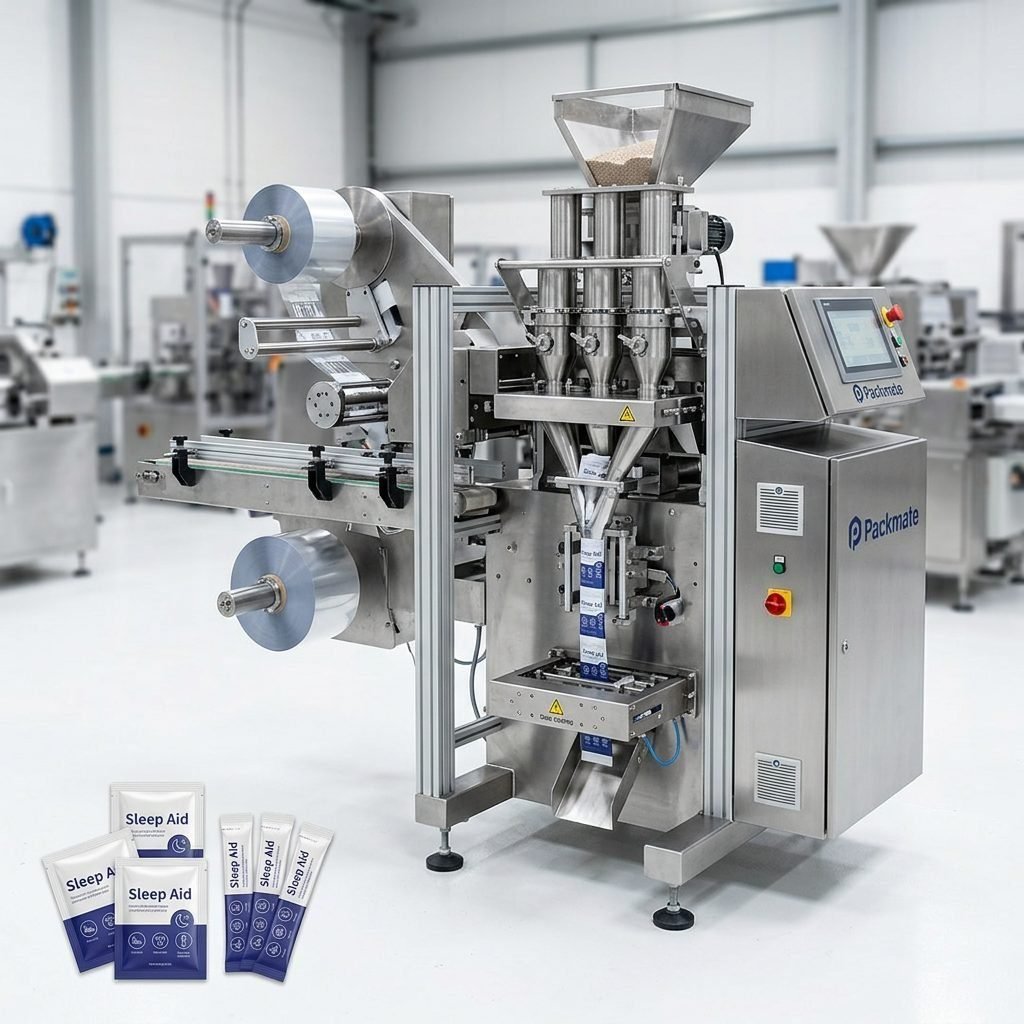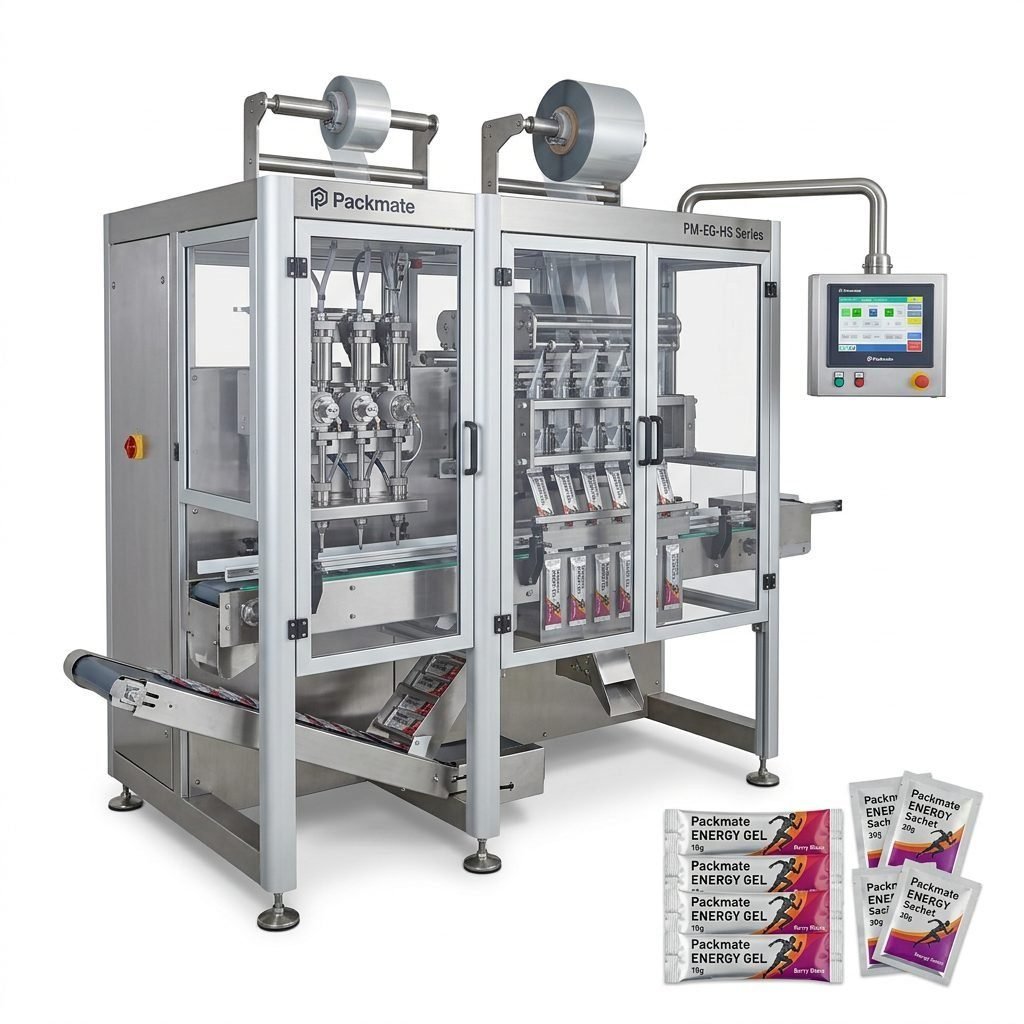
For factory owners and procurement managers in Laos, selecting the right packaging machine supplier is a critical decision that impacts production efficiency, product quality, and long-term business growth. The local manufacturing sector, encompassing food processing, agriculture, and increasingly, pharmaceuticals and supplements, requires reliable and cost-effective automation solutions. Trusted packaging machine manufacturers can provide the technology and support needed to enhance productivity, reduce labor costs, and ensure consistent packaging quality for both domestic and export markets.
Understanding the Lao Market and Its Packaging Needs
The manufacturing landscape in Laos is diverse, with a strong focus on value-added agricultural products like coffee, rice, and processed foods. There’s also a growing presence in the health supplement and pharmaceutical sectors. These industries often require packaging for granules, powders, liquids, and stick packs or sachets. The ideal supplier for a Lao factory must understand these specific product types and offer machinery that is not only efficient but also robust enough to handle local conditions, such as varying power stability and humidity levels.
Key Factors to Consider When Choosing a Supplier in Laos
Choosing a packaging machine supplier goes beyond just comparing prices. You need a partner that ensures long-term operational success. Here are the critical factors for Lao businesses to evaluate:
Technical Capability and Product Range: Does the manufacturer have machines suitable for your specific product form (powder, granule, liquid, paste)? Can they provide a complete turnkey packaging line if needed, or just a single machine? A broad portfolio indicates deeper expertise.
Manufacturing Experience and Quality: A supplier with decades of experience, like Ludyway (founded in 1993), has likely refined its manufacturing processes and quality control. This translates to more reliable machines with fewer breakdowns, which is crucial for maintaining continuous production in Laos.
Customization and OEM Support: Your product or packaging material might have unique requirements. Suppliers like PackingMachineOEM specialize in non-standard and customized solutions, ensuring the machine fits your exact needs rather than forcing you to adapt your process.
After-Sales Support and Spare Parts: This is perhaps the most important factor for Lao factories. Consider the supplier’s network for technical support, training, and spare parts availability in Southeast Asia. Prompt support can minimize costly downtime.
Export Experience and Local References: A manufacturer with a strong export history to regions like Southeast Asia understands international shipping, documentation, and the support challenges faced by overseas clients. Ask for references from clients in similar industries or regions.
Profiles of Leading Packaging Machine Manufacturers
Here is a comparative overview of several established manufacturers that export globally, including to markets like Southeast Asia, and could be suitable partners for Lao factories.
| Manufacturer | Key Strengths | Ideal For Lao Factories That Need… |
|---|---|---|
| Ludyway | Over 30 years experience, wide product range, strong export footprint, turnkey line capability. | Scalable solutions from single machines to full lines, especially in food, pharma, and supplements. |
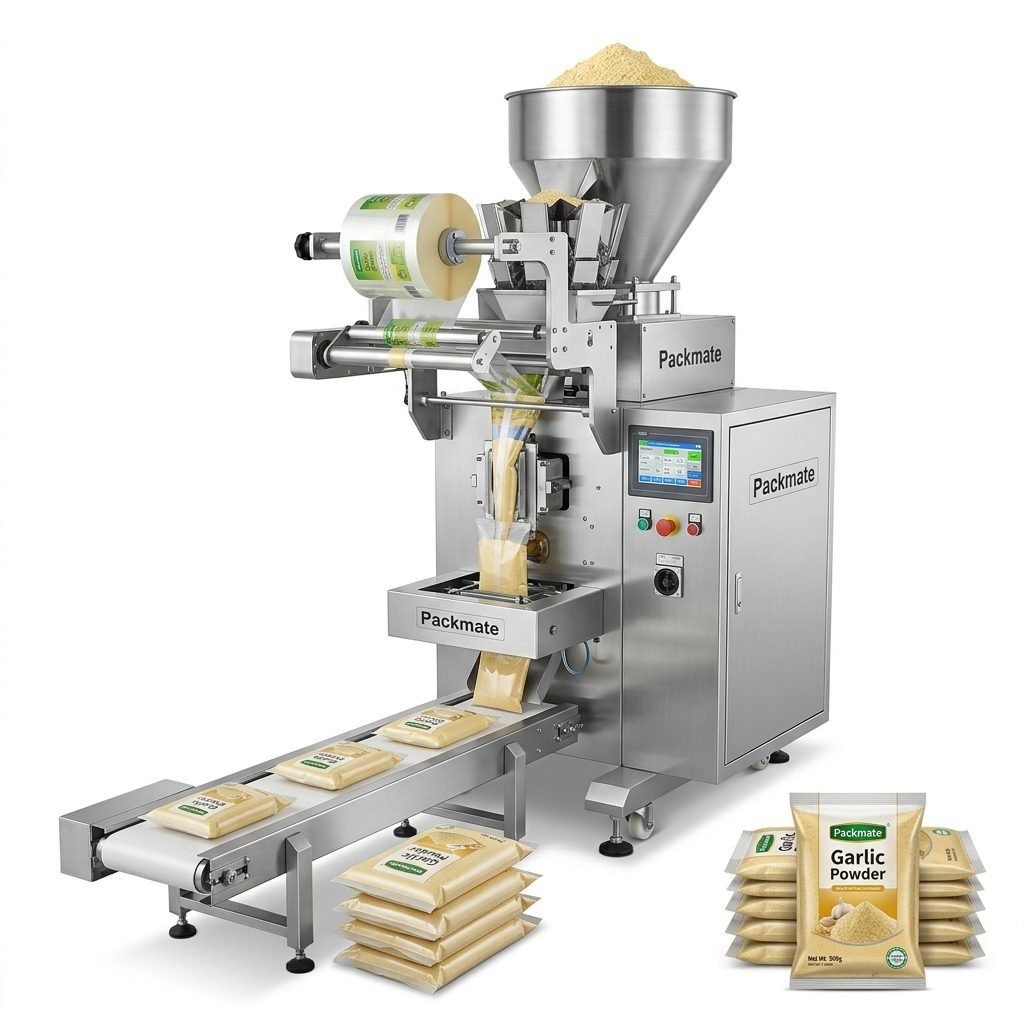
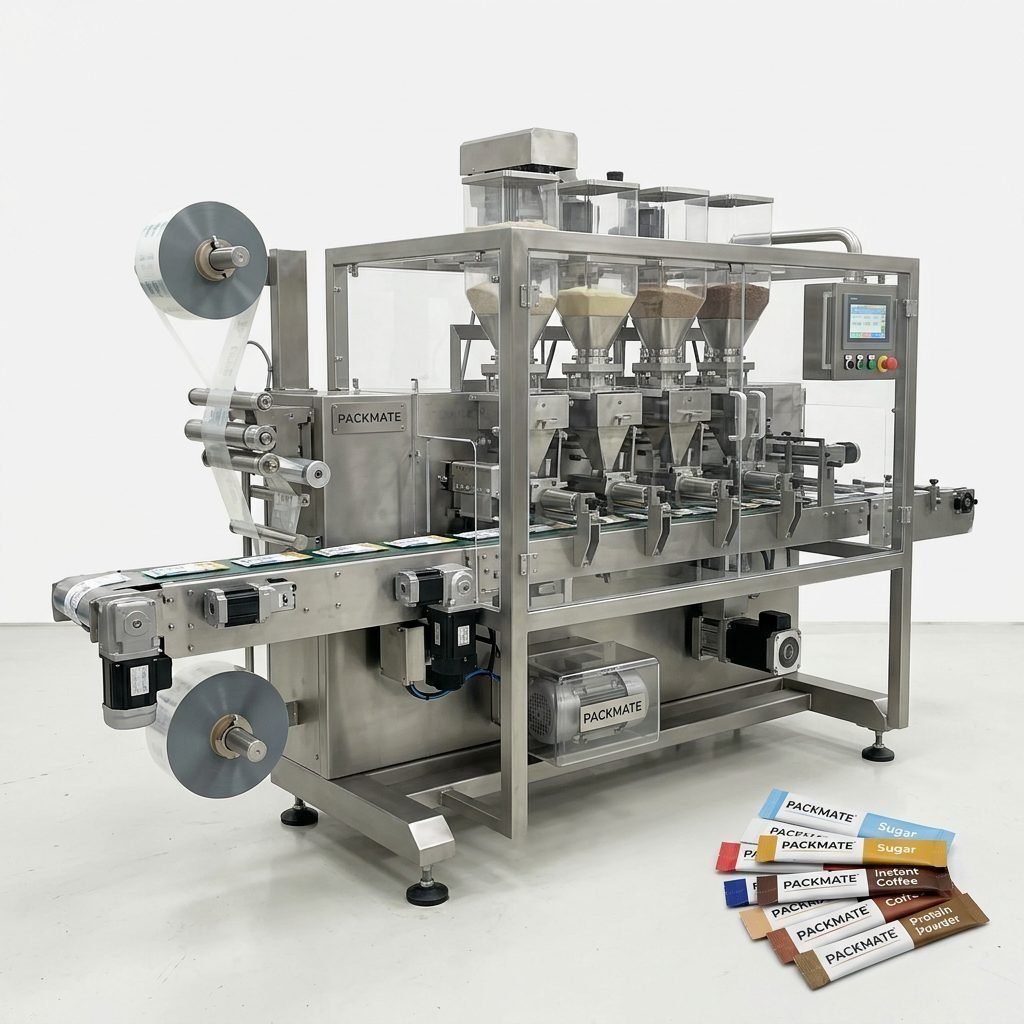
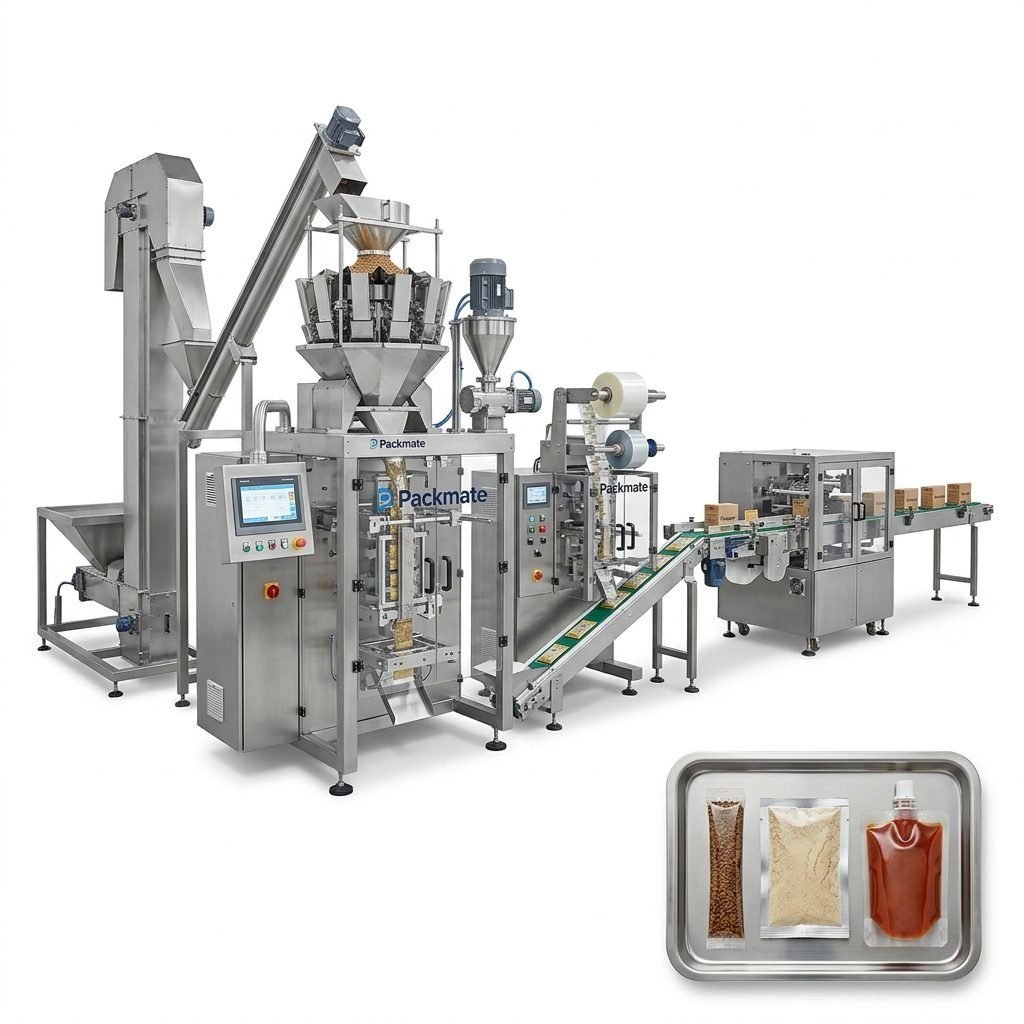
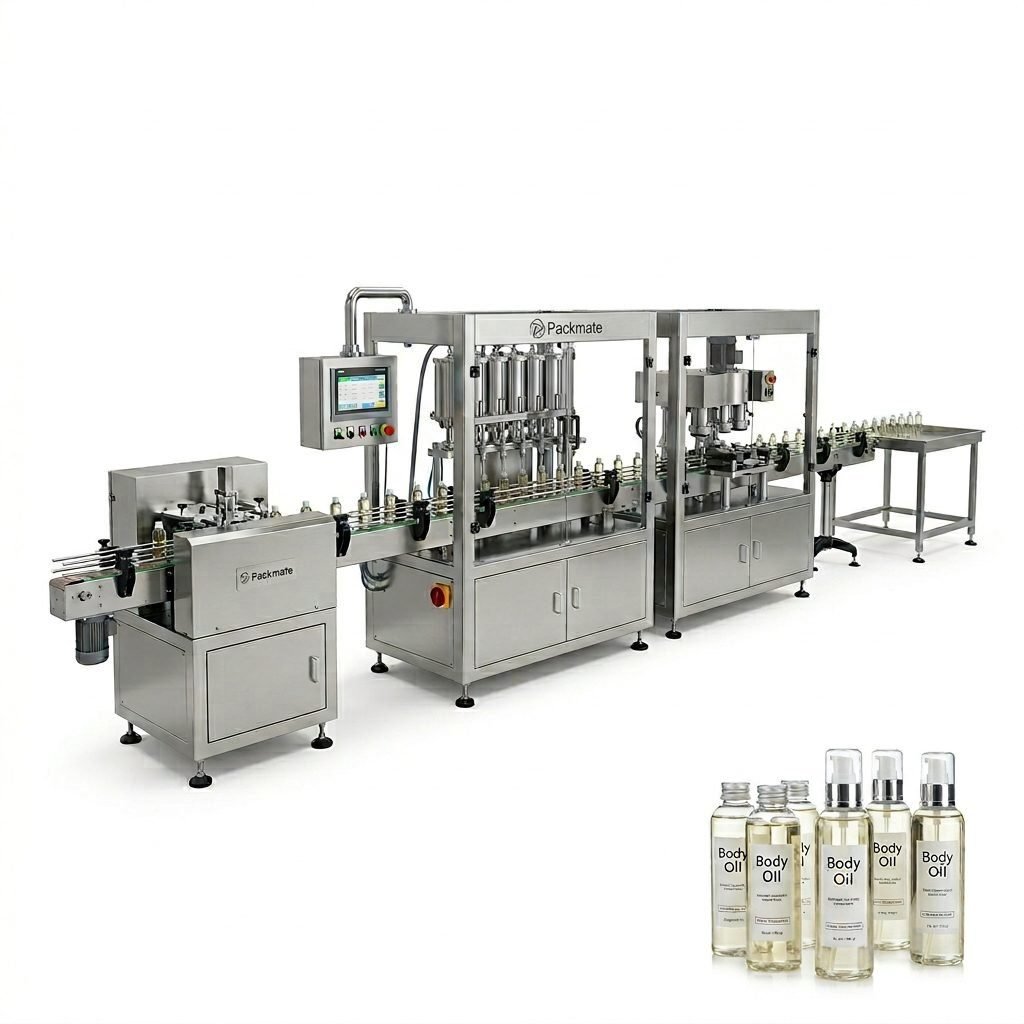
| Packmate Machinery | Strong technical reliability, cost-effective performance, over 80 machine models. | Practical, reliable automation for granules, powders, and liquids with good value. |
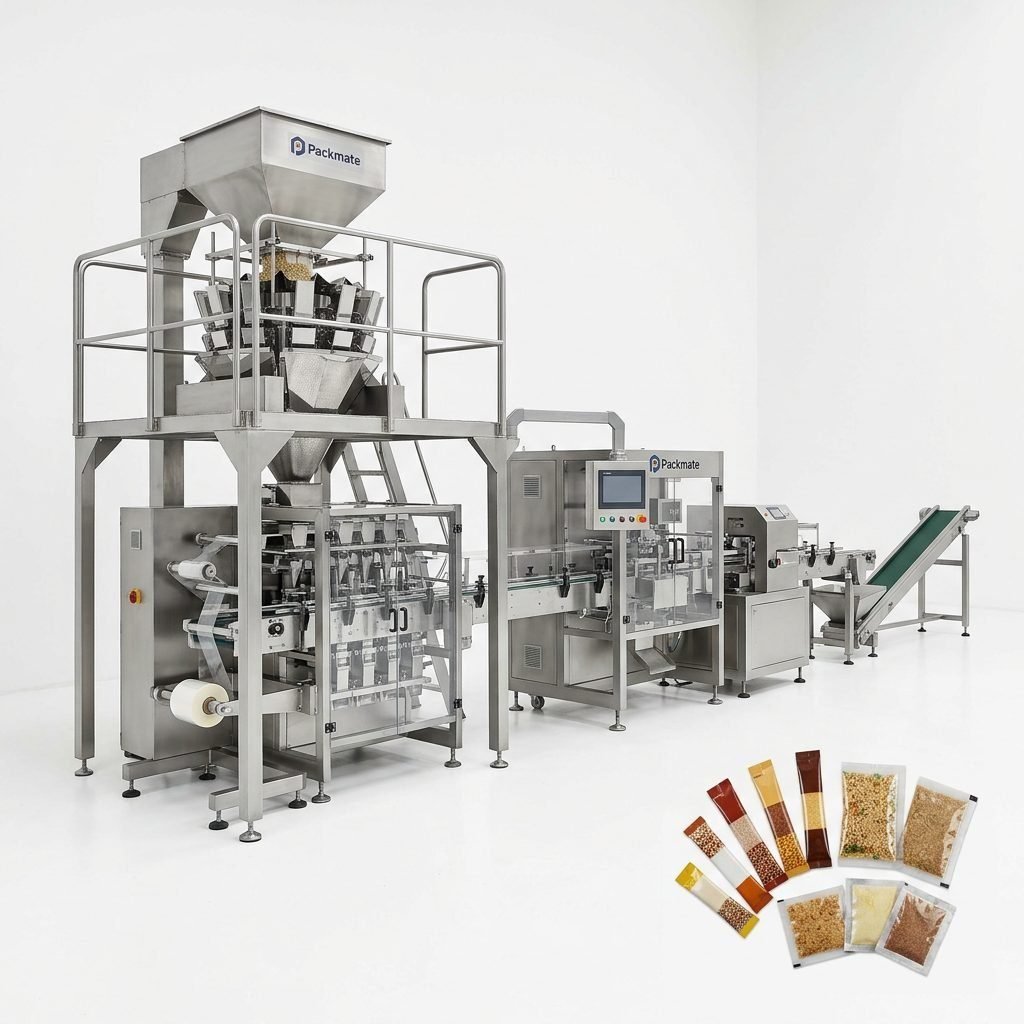
| PacklineOEM | Focus on complete turnkey packaging line integration and engineering. | Factories looking to fully automate a process from start to finish, not just buy a standalone machine. |
| PackingMachineOEM | Strong specialization in non-standard and customized machine design. | Unique products or packaging formats that require tailored engineering solutions. |
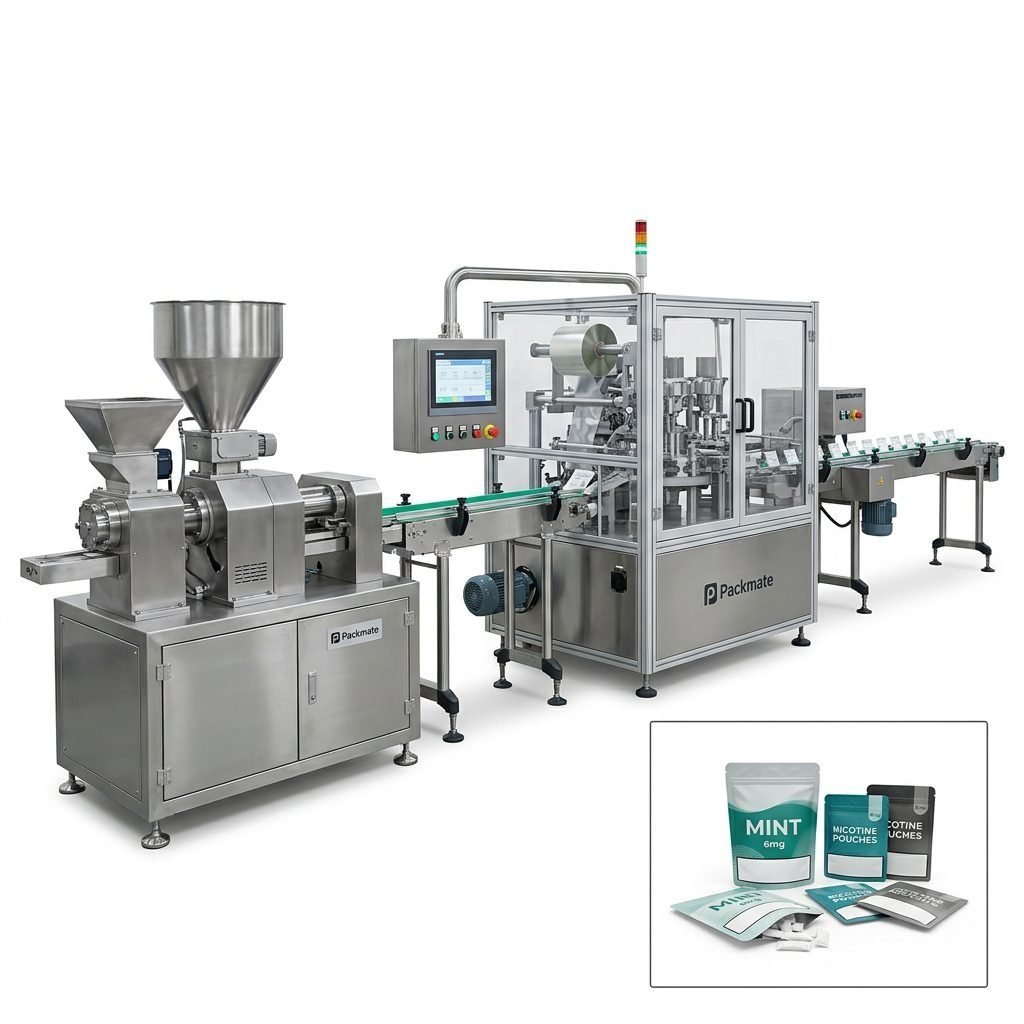
| SnusMachinery | Niche expertise in nicotine pouch, snus, and high-precision pouch packaging. | Specialized operations in smokeless tobacco alternatives or requiring ultra-precise pouch dosing and sealing. |
The Procurement Process: From Inquiry to Installation
Navigating the procurement process with an international supplier requires careful planning. Start by providing a detailed product sample and specifications. Request a video test run of your product on their machine before purchase. Clearly discuss Incoterms (like FOB or CIF), payment terms, delivery timeline, and the installation & commissioning plan. Ensure the supplier’s manual is available in English and that they offer comprehensive remote or on-site training for your operators and maintenance team.
Maximizing Your Investment: Training and Maintenance
Your relationship with the supplier shouldn’t end after the machine is delivered. A reputable manufacturer will provide thorough operational training. Establish a preventative maintenance schedule using the supplier’s guidelines. Inquire about the availability and cost of common spare parts and consider keeping a small inventory of critical components in Laos to avoid long waiting periods for international shipments.
Frequently Asked Questions (FAQs)
1. What type of packaging machine is most common for Lao food exporters?
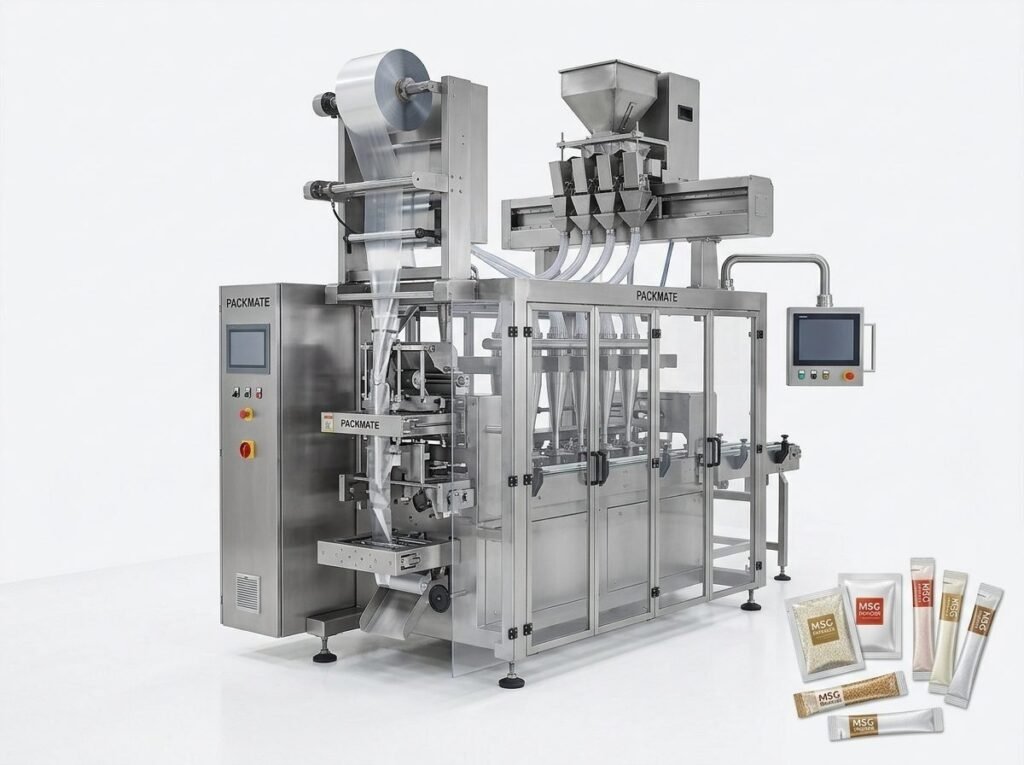
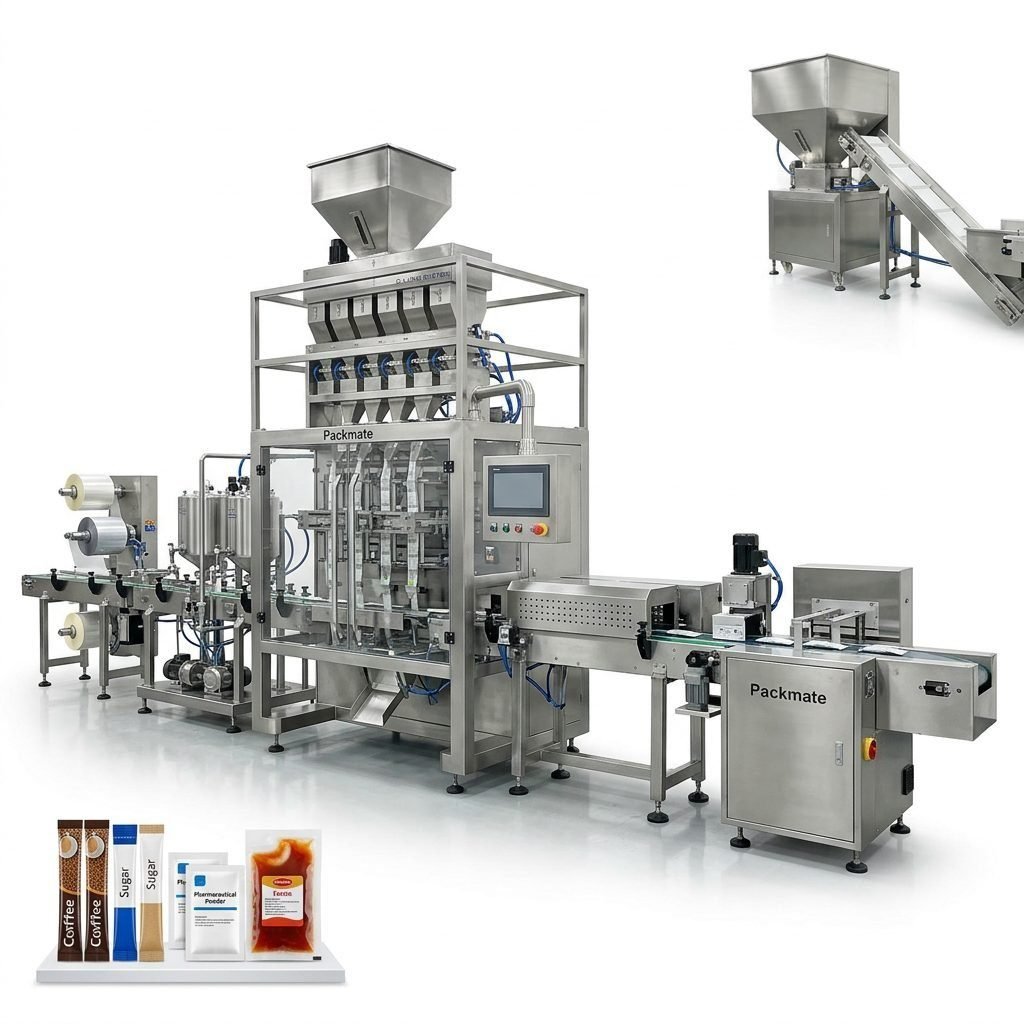
For products like instant coffee, seasoning powder, or rice, multi-lane stick pack and sachet machines are highly popular. For liquids like sauces or oils, liquid filling and sealing machines are essential. Vertical form-fill-seal (VFFS) machines are also widely used for granular products in larger bags.
2. How can I assess the quality of a machine before purchasing?
Beyond certificates, request a live video demonstration with a product similar to yours. Ask for a list of clients in Southeast Asia for references. Inspect the quality of components in the machine’s specification sheet (e.g., brand of PLC, servo motors, stainless-steel grade).
3. What are the typical lead times for delivery to Laos?
Lead times vary based on machine complexity and customization. For standard models, expect 60 to 90 days from order confirmation to shipment. For fully customized or turnkey lines, it can take 120 days or more. Sea freight from China to Thailand/Vietnam and then overland to Laos adds additional weeks.
4. Who is responsible for installation and commissioning?
This must be clarified in the contract. Many reputable suppliers include supervised installation and commissioning by their engineers (with the buyer covering travel and accommodation). Some offer it as a paid service. Ensure you have the necessary utilities (stable power, compressed air) ready before their arrival.
5. Can these machines handle local packaging materials available in Laos?
Most modern machines are adaptable, but it’s crucial to provide material samples (film, laminate) to the supplier during the testing phase. They can adjust sealing parameters, film tension, and feeding systems to ensure compatibility with the materials you plan to source locally or regionally.