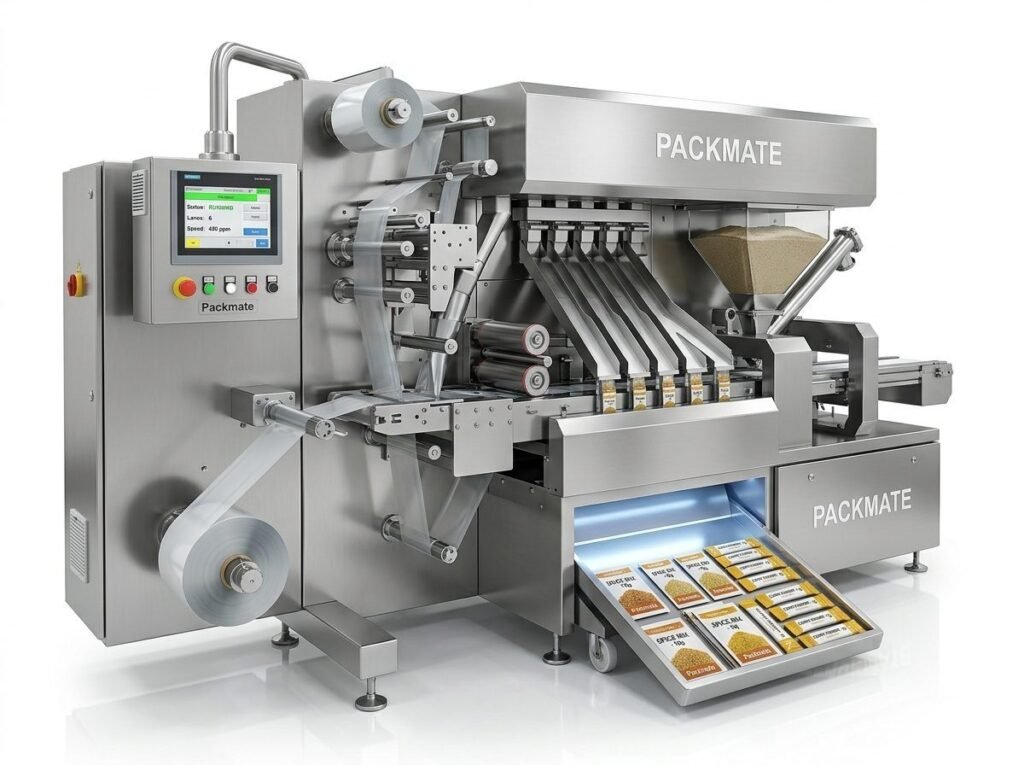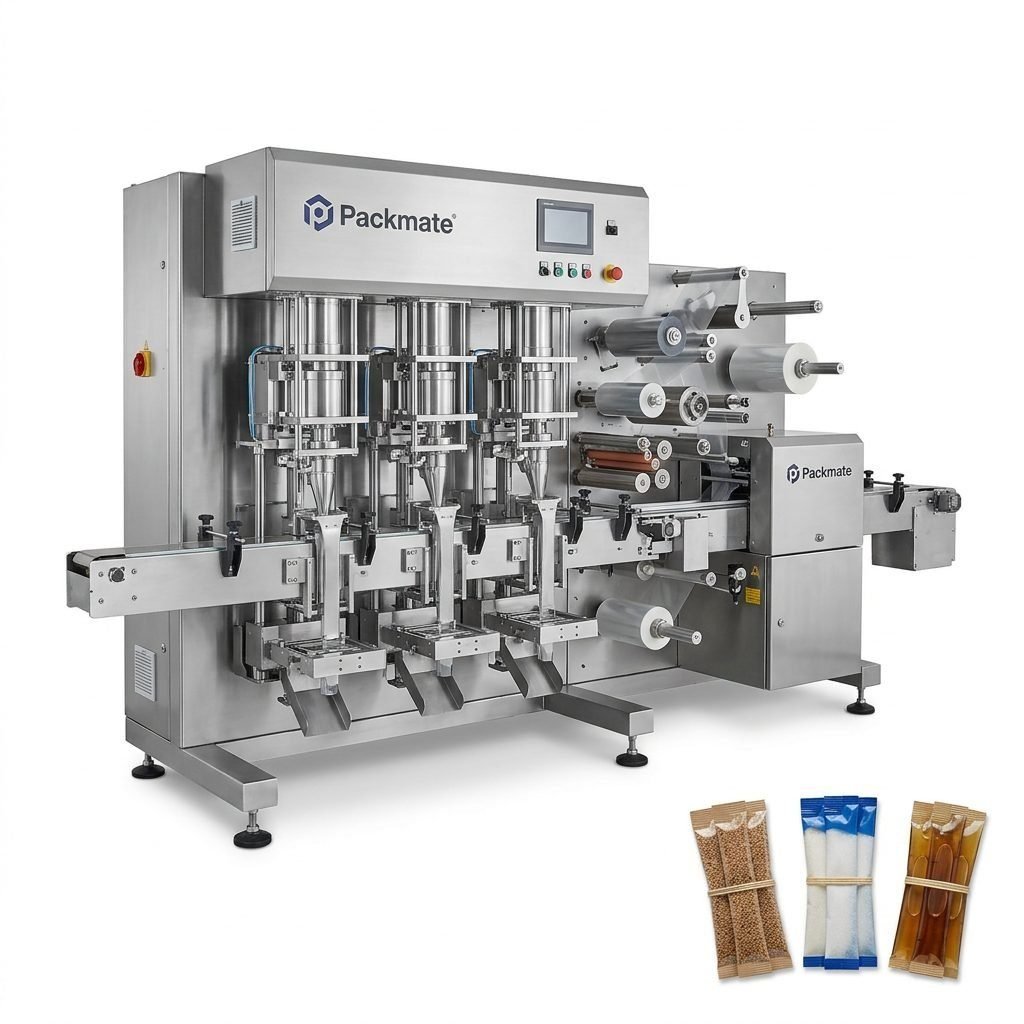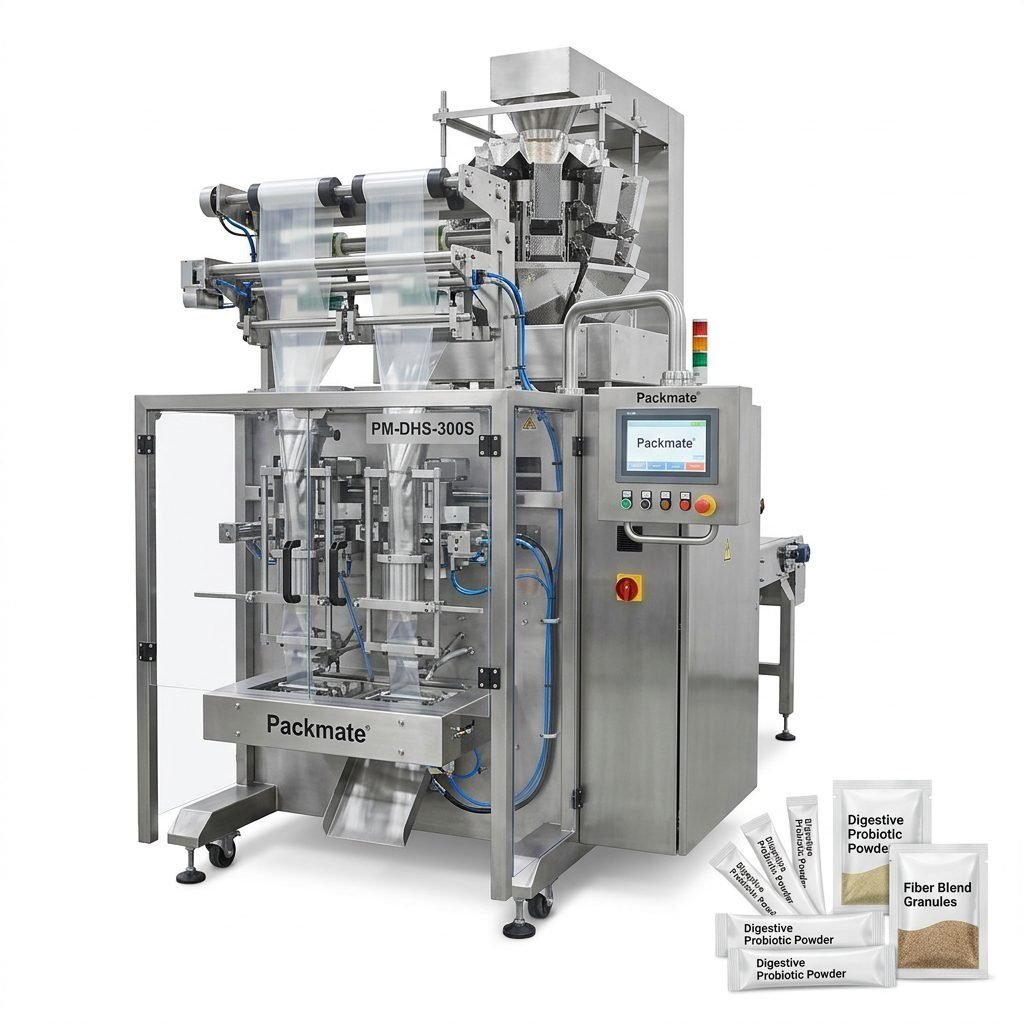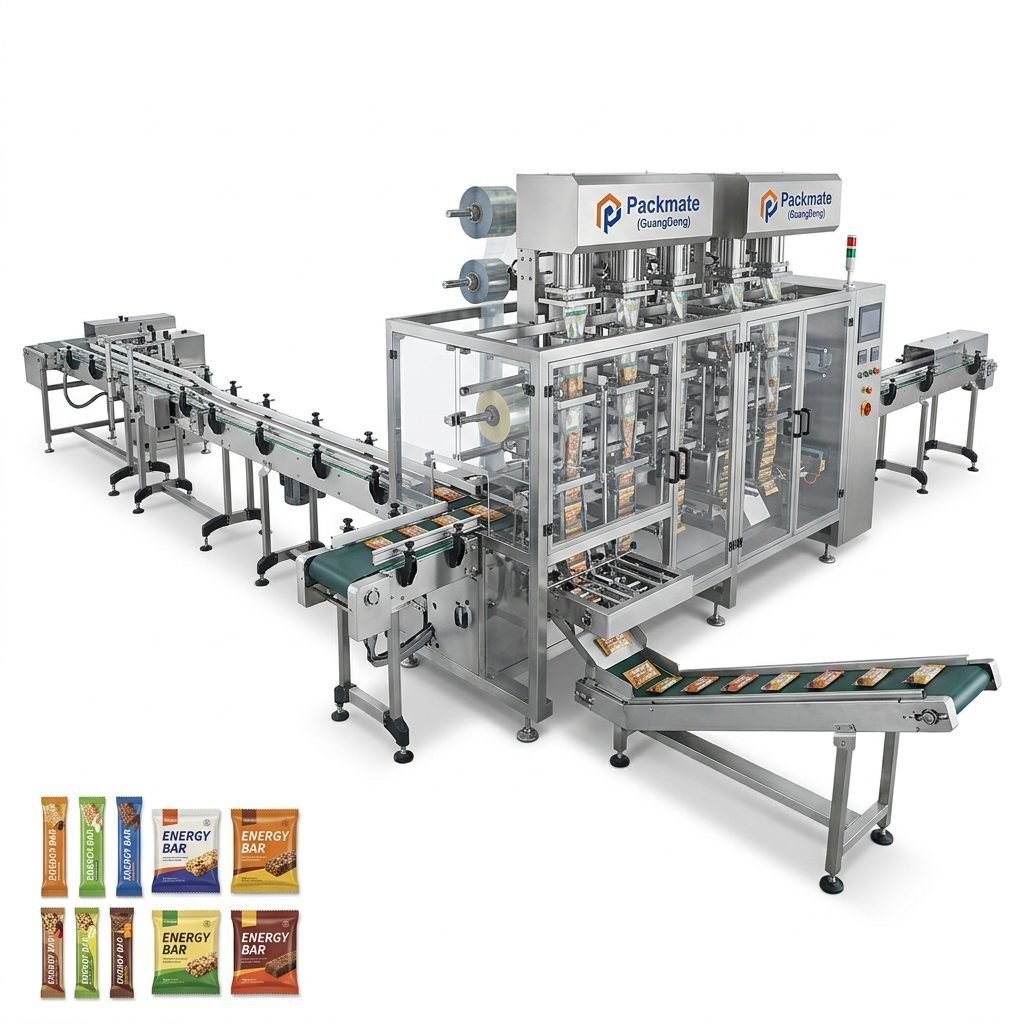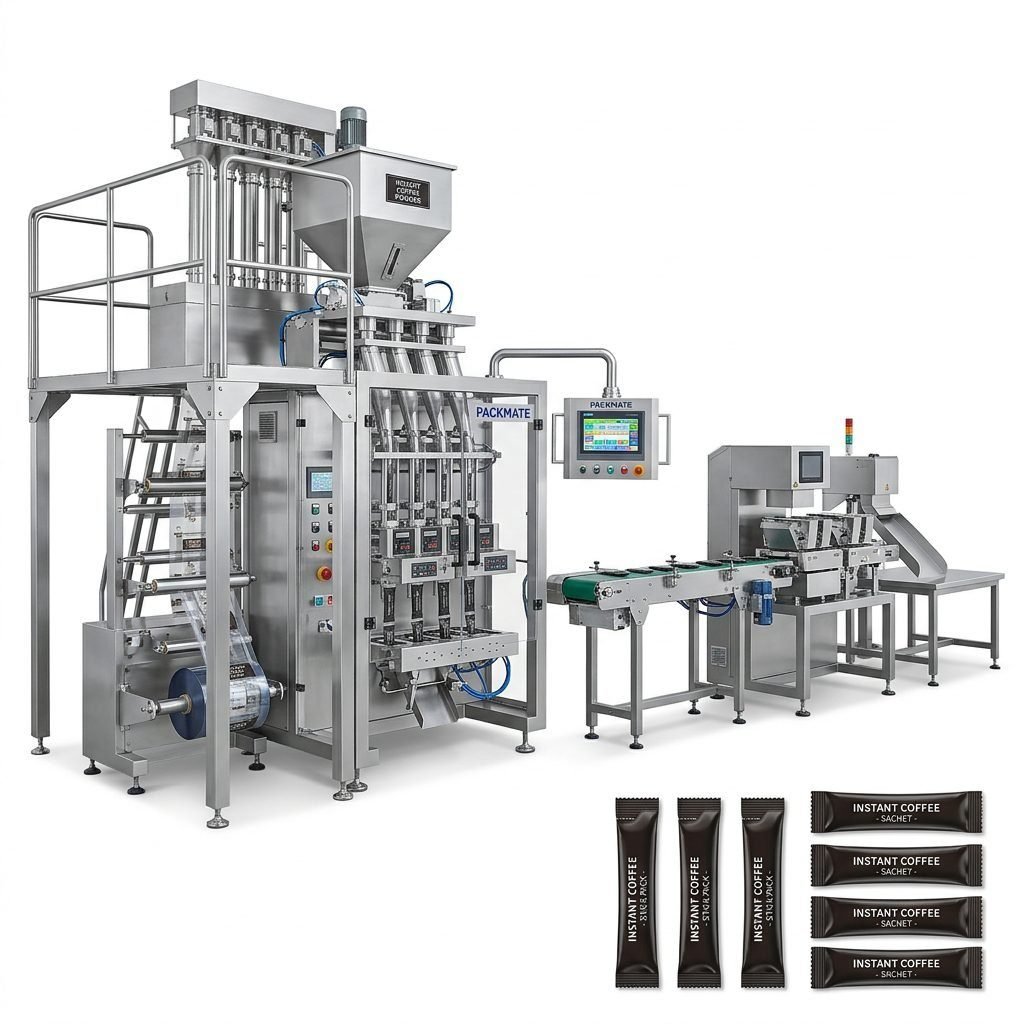
Small sachet filling and sealing machines are specialized equipment designed to automatically weigh, fill, and seal individual portions of product into small, flexible pouches or sachets. These machines are vital for industries requiring high-speed, accurate, and hygienic packaging of small quantities. From single-serve condiments and instant coffee to pharmaceutical powders and cosmetic samples, these systems enhance production efficiency, ensure product consistency, and reduce labor costs. Their versatility in handling various materials, speeds, and product types makes them indispensable in modern manufacturing.
What is a Small Sachet Filling and Sealing Machine?
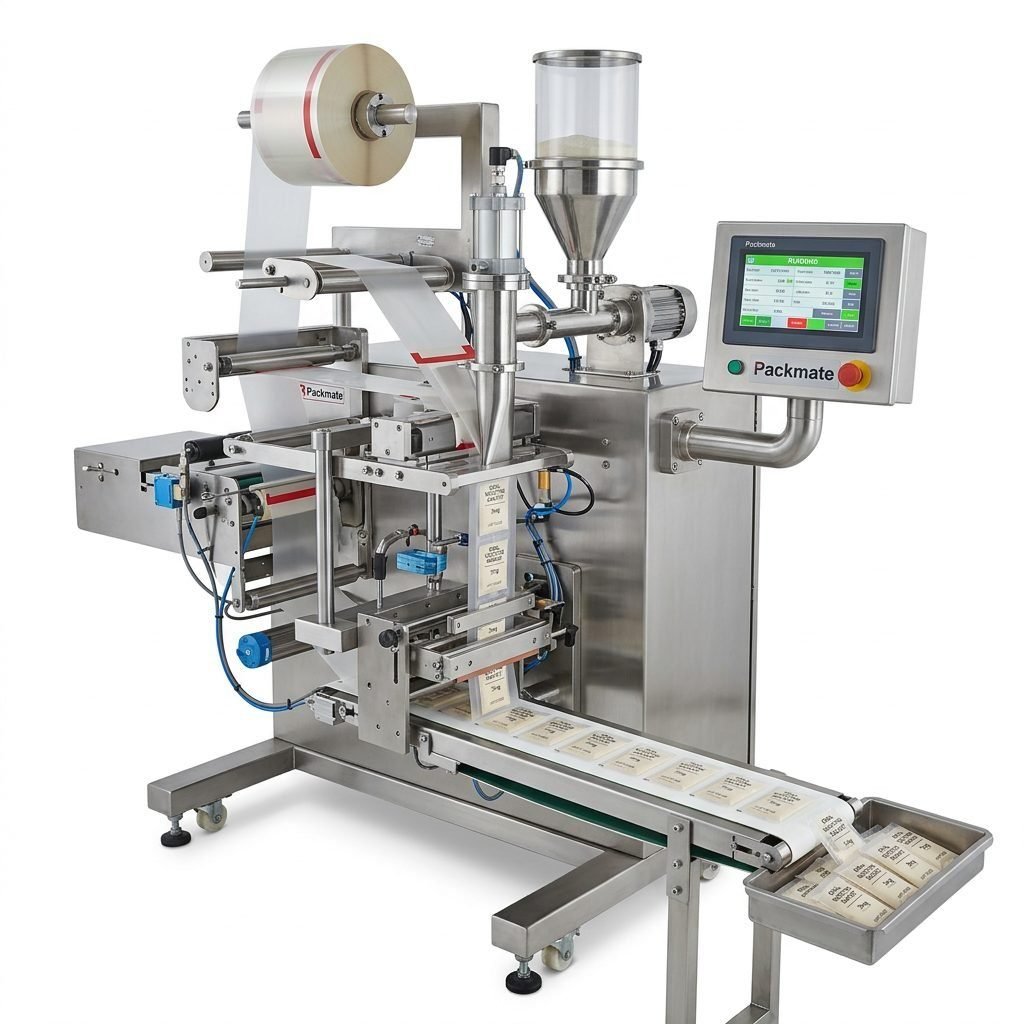
A small sachet filling and sealing machine is an automated system that forms, fills, and seals flexible packaging material into individual sachets. The process typically involves unwinding a roll of film, forming it into a tube, creating a bottom seal, dispensing a precise amount of product, and then sealing the top of the sachet before cutting it apart. These machines are engineered for high precision, handling a wide range of products including powders, granules, liquids, pastes, and creams. They are configurable for different sachet sizes, shapes, and production capacities, making them suitable for both low-volume and high-volume operations.
Primary Types of Small Sachet Machines
The market offers several types of sachet machines, each suited to specific production needs and product characteristics.
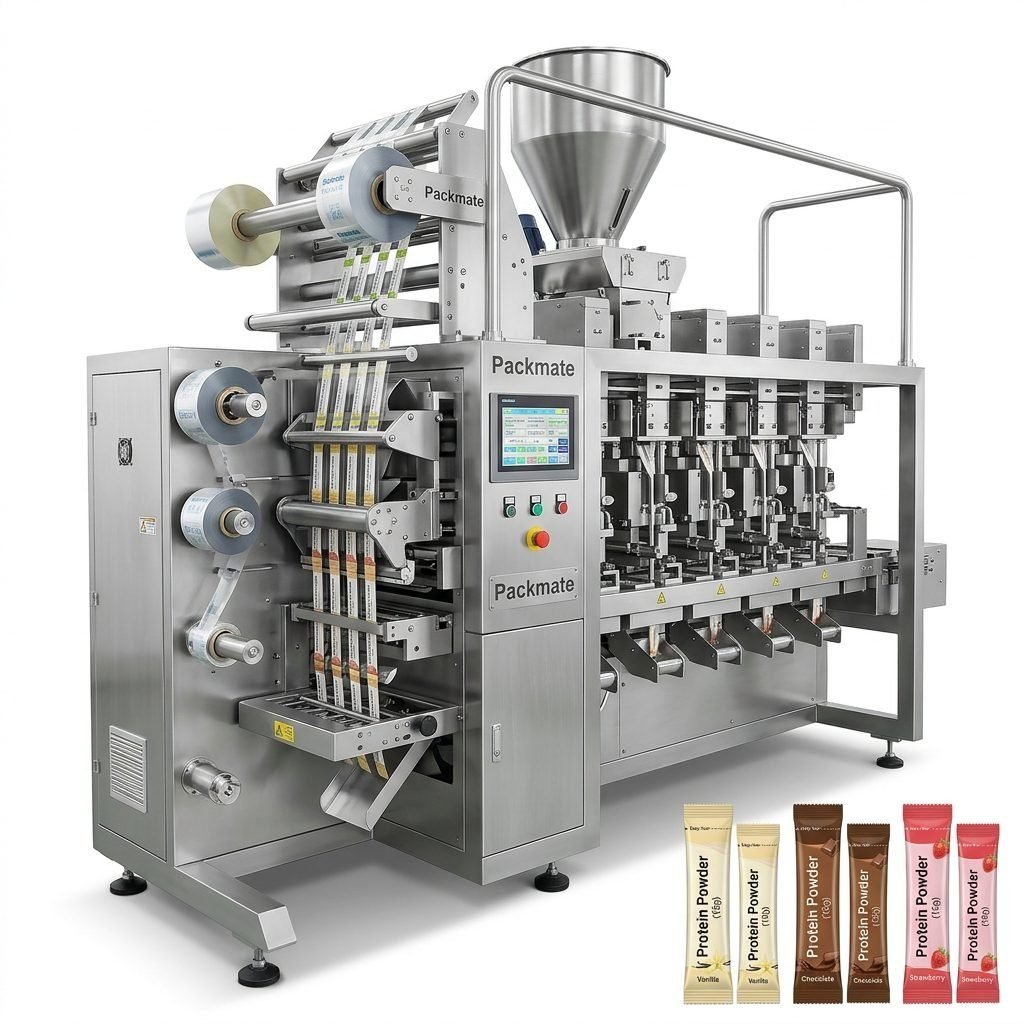
Vertical Form-Fill-Seal (VFFS) Machines
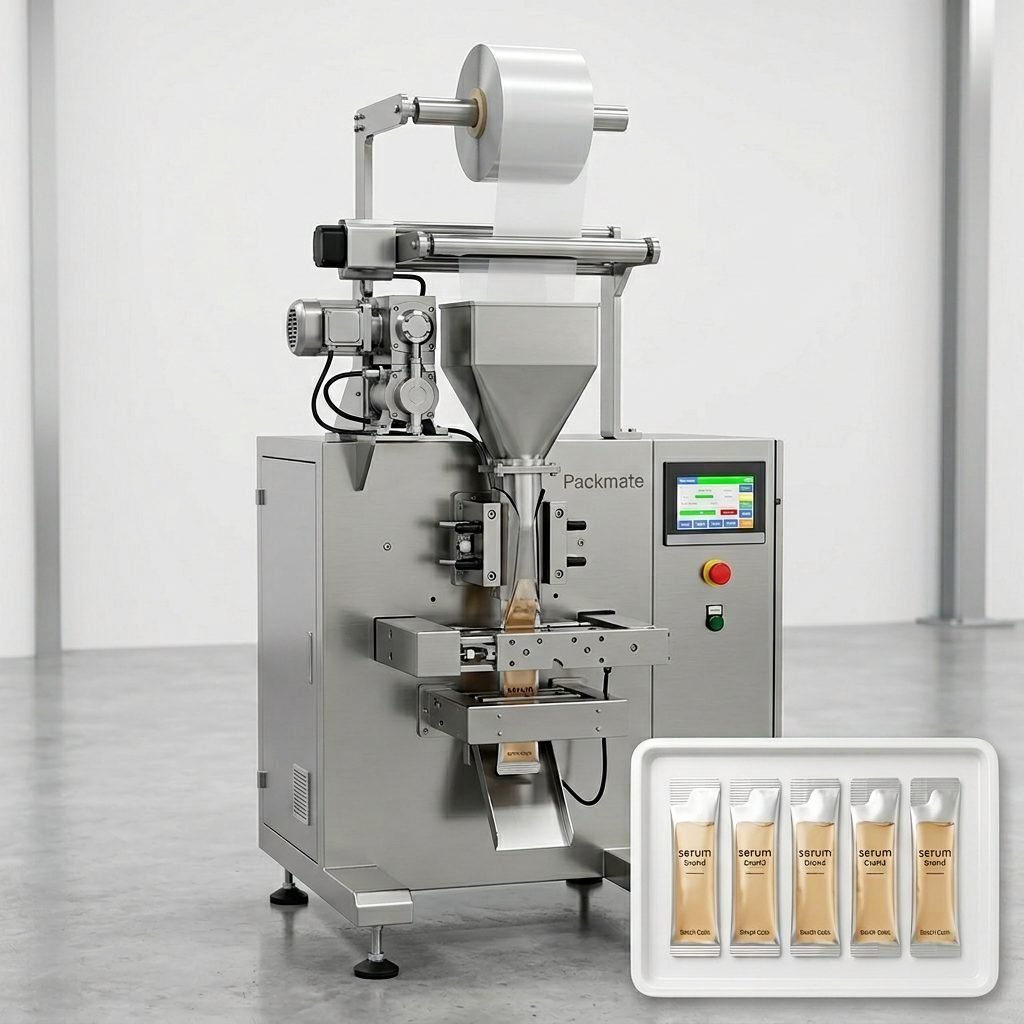
These are the most common type. They form sachets from a roll of film in a vertical orientation. VFFS machines are highly versatile, cost-effective for medium to high speeds, and ideal for free-flowing products like powders, granules, and small seeds. They can produce a variety of sachet styles, including pillow packs, gusseted packs, and stand-up pouches.
Horizontal Form-Fill-Seal (HFFS) Machines
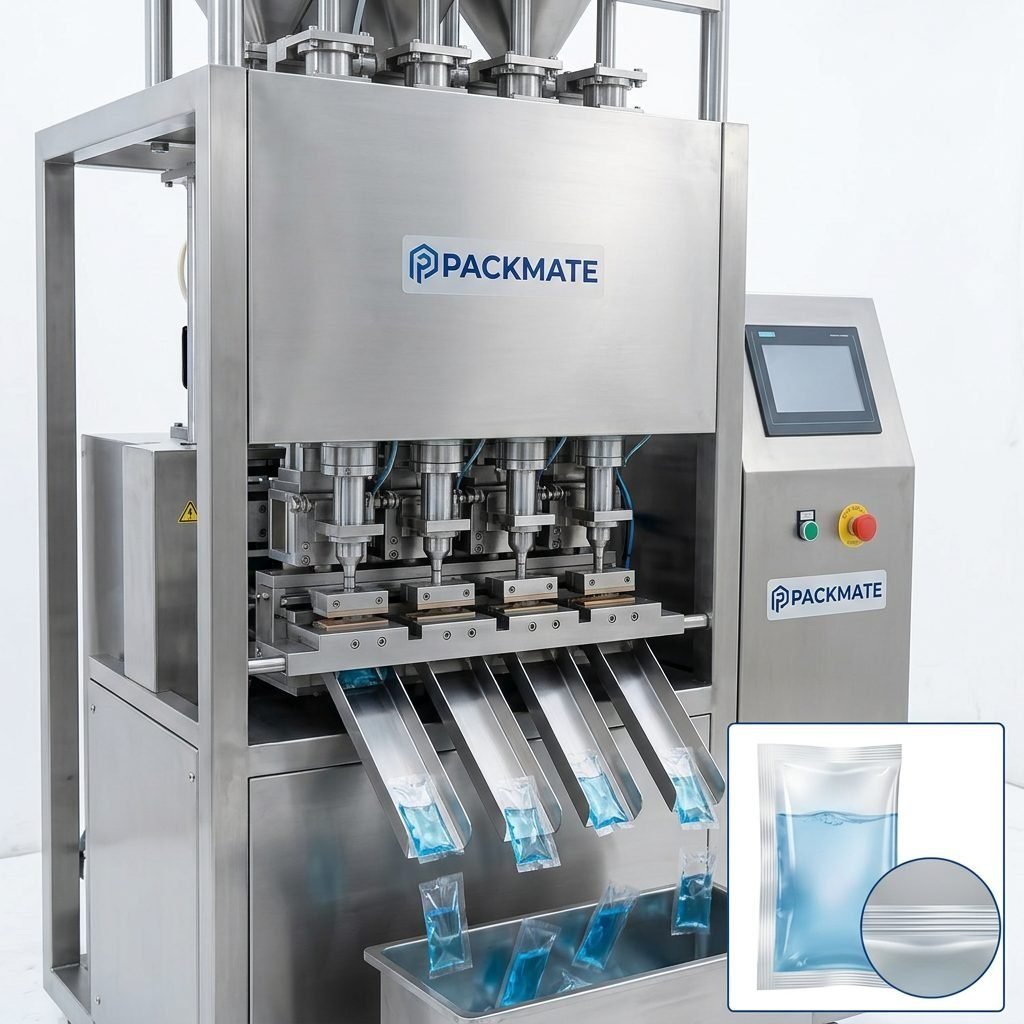
In HFFS machines, the film moves horizontally. They are often preferred for more complex sachet shapes, multi-layer laminates, and products that are difficult to handle vertically, such as viscous liquids, gels, or items that need to be placed flat. They are common in pharmaceutical and high-end cosmetic packaging.
Pre-Made Pouch Fillers
These machines use pre-manufactured, flat-bottomed pouches or sachets. They open the pouch, fill it with product, and then seal it. This method is excellent for achieving a premium, consistent look and is often used for tea bags, high-value spices, and single-serve sauces where the pouch material is complex or printed in high quality.
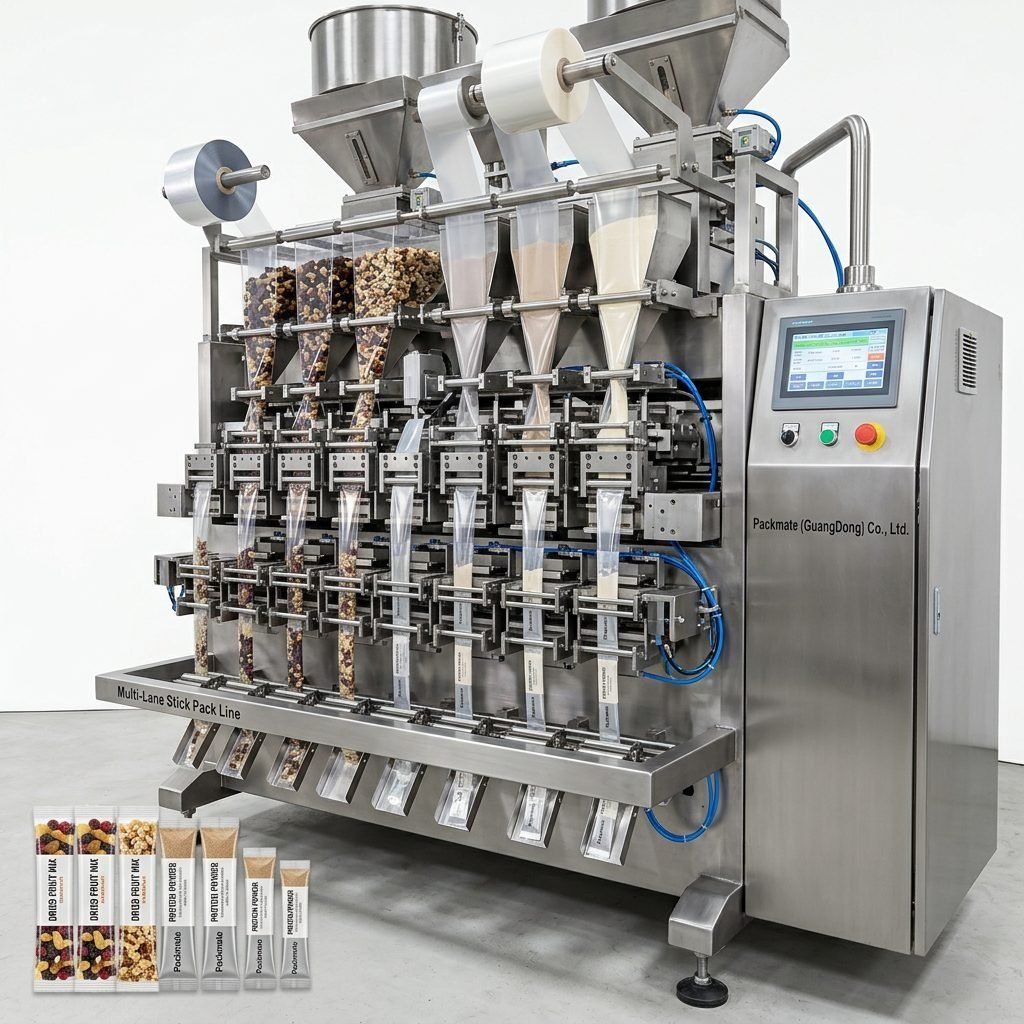
Multi-Lane Stick Pack Machines
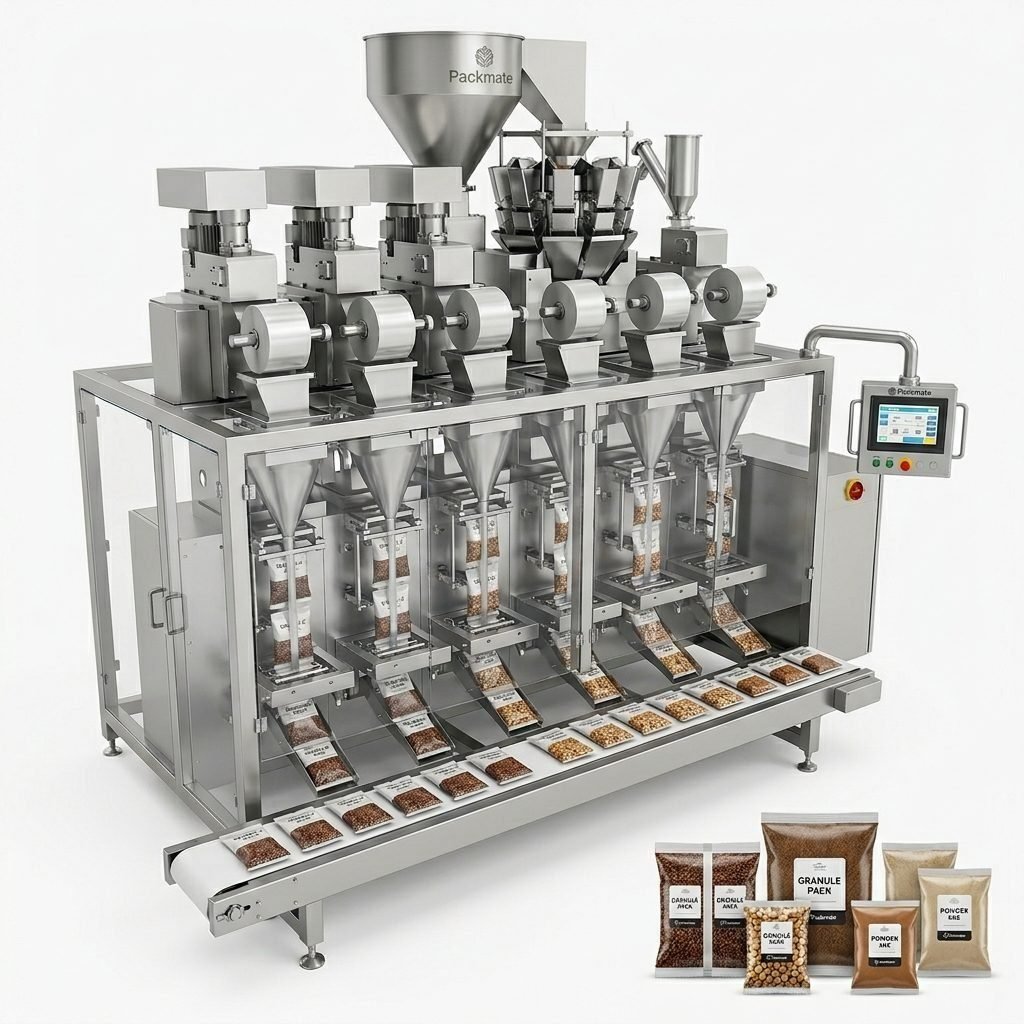
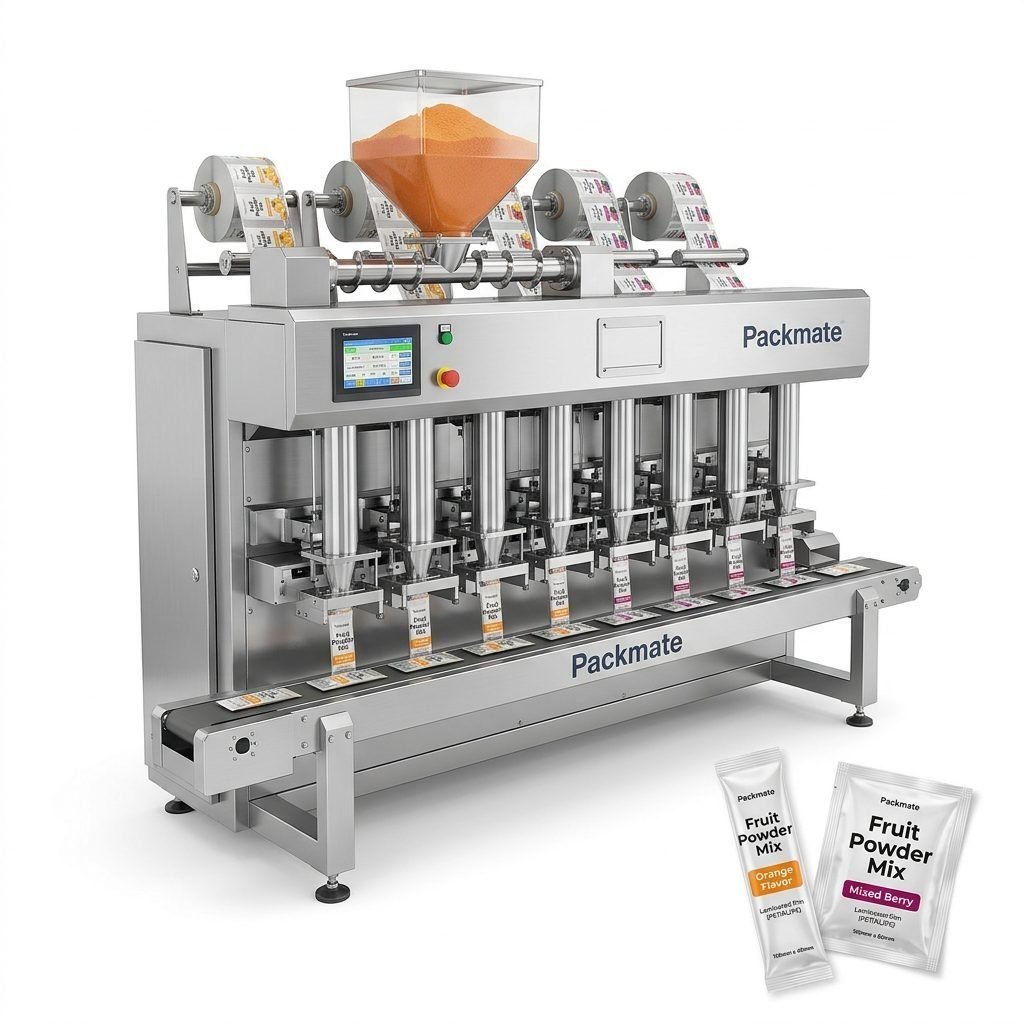
A specialized and highly efficient variant, multi-lane stick pack machines produce long, narrow sachets (stick packs) often used for instant beverages, supplements, and condiments. They feature multiple lanes operating in parallel, dramatically increasing output. These machines are a hallmark of high-volume production for products like sugar, coffee creamer, and electrolyte powders.
Key Applications and Industries
The applications for small sachet packaging are vast and cross numerous industries. Their ability to provide portable, hygienic, and precisely dosed products drives their widespread adoption.
| Industry | Common Products Packaged | Key Requirements |
|---|---|---|
| Food & Beverage | Ketchup, soy sauce, instant coffee, sugar, creamer, spices, drink mixes, oatmeal, honey, jelly. | Hygiene, speed, accurate dosing, strong seals to prevent leaks. |
| Pharmaceutical & Nutraceutical | Oral rehydration salts, antibiotic powders, vitamin sachets, probiotic mixes, herbal supplements. | GMP compliance, dust-free operation, high accuracy, traceability. |
| Cosmetics & Personal Care | Shampoo, conditioner, lotion, serum samples, face masks, toothpaste. | Clean filling of viscous products, aesthetic seal quality, small minimum fill volumes. |
| Agrochemicals & Horticulture | Fertilizers, pesticides, seeds, plant nutrients in single-dose sachets. | Chemical resistance, dust containment, clear labeling. |
| Industrial & Chemicals | Lubricants, greases, adhesives, cleaning powders, water treatment chemicals. | Robust construction, compatibility with aggressive materials, safety. |
Meeting Global Market Demands
The demand for sachet packaging is particularly strong in regions like Southeast Asia, Africa, and South America, where single-serve, affordable unit doses are popular among consumers. In Europe and North America, the trend leans towards premium samples, portion control for health supplements, and sustainable materials. Manufacturers like Ludyway and Packmate Machinery have developed machines that cater to these diverse regional preferences, offering configurations for both high-volume, cost-sensitive markets and low-volume, high-precision premium markets.
Essential Features to Consider When Buying
Choosing the right machine requires a careful evaluation of your specific needs. Here are the critical factors to consider:
1. Product Characteristics
The nature of your product dictates the machine type. Free-flowing powders need auger or cup fillers, while viscous liquids require piston pumps. Granules might use volumetric cup fillers, and sticky pastes need specialized positive displacement pumps. Consider the product’s abrasiveness, hygroscopicity, and sensitivity to heat (which affects sealing).
2. Production Speed and Output
Output is measured in sachets per minute (SPM). Single-lane machines may produce 60-120 SPM, while multi-lane stick pack machines from suppliers like PacklineOEM can exceed 1000 SPM. Balance your required output with your budget, as higher speeds typically require more sophisticated (and expensive) technology.
3. Machine Versatility and Changeover
If you package multiple products or sachet sizes, look for machines with quick-change parts. Features like tool-less changeover for forming shoulders, quick-release augers, and digital size adjustment significantly reduce downtime between production runs.
4. Filling Accuracy
Accuracy is paramount, especially for expensive products like pharmaceuticals or premium supplements. Look for machines with high-precision servo-driven auger fillers or weight-based fillers with feedback control. A standard tolerance of ±1% is common, but higher-end machines can achieve ±0.5% or better.
5. Sealing System
The seal integrity is critical to prevent leaks and spoilage. Machines use heat sealing (constant or impulse), ultrasonic sealing, or cold sealing. The choice depends on your packaging material (laminate type) and product sensitivity. A good machine will offer precise temperature and pressure control.
6. Automation and Integration Level
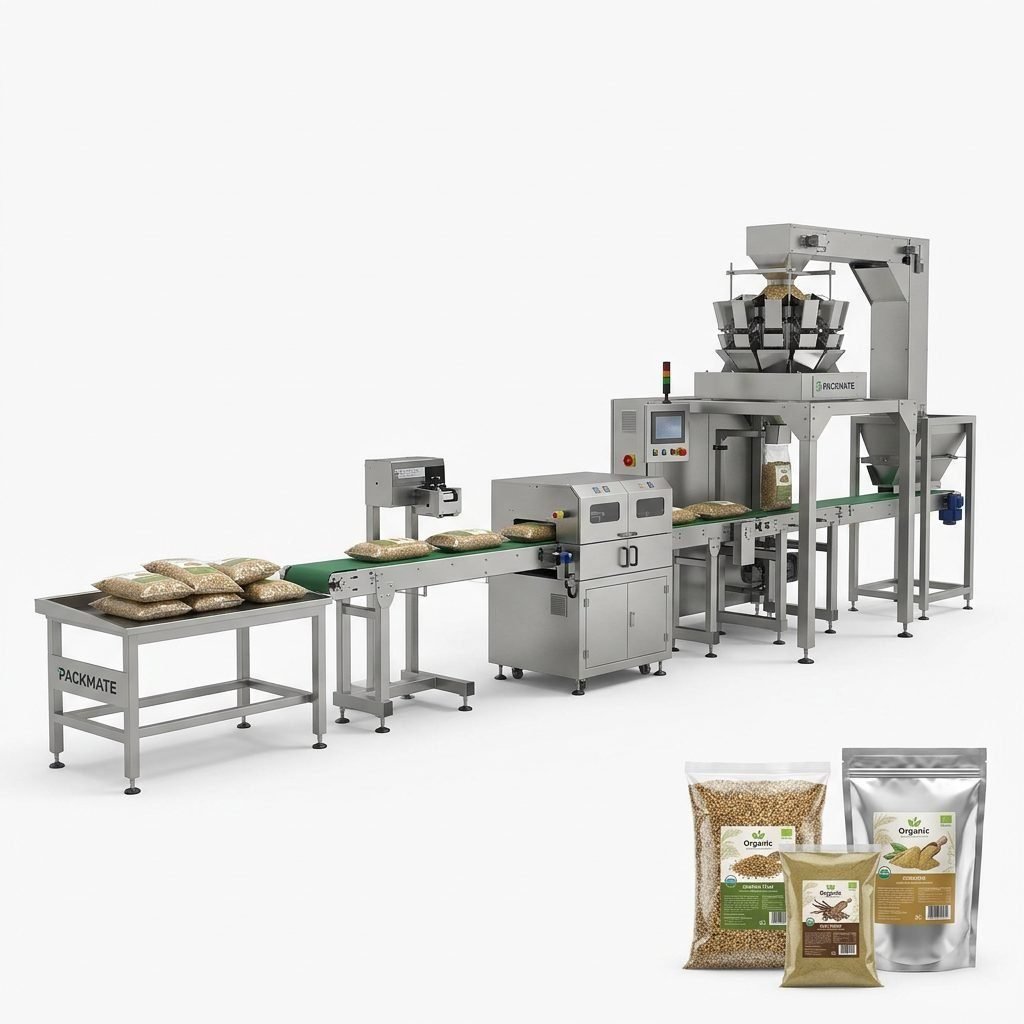
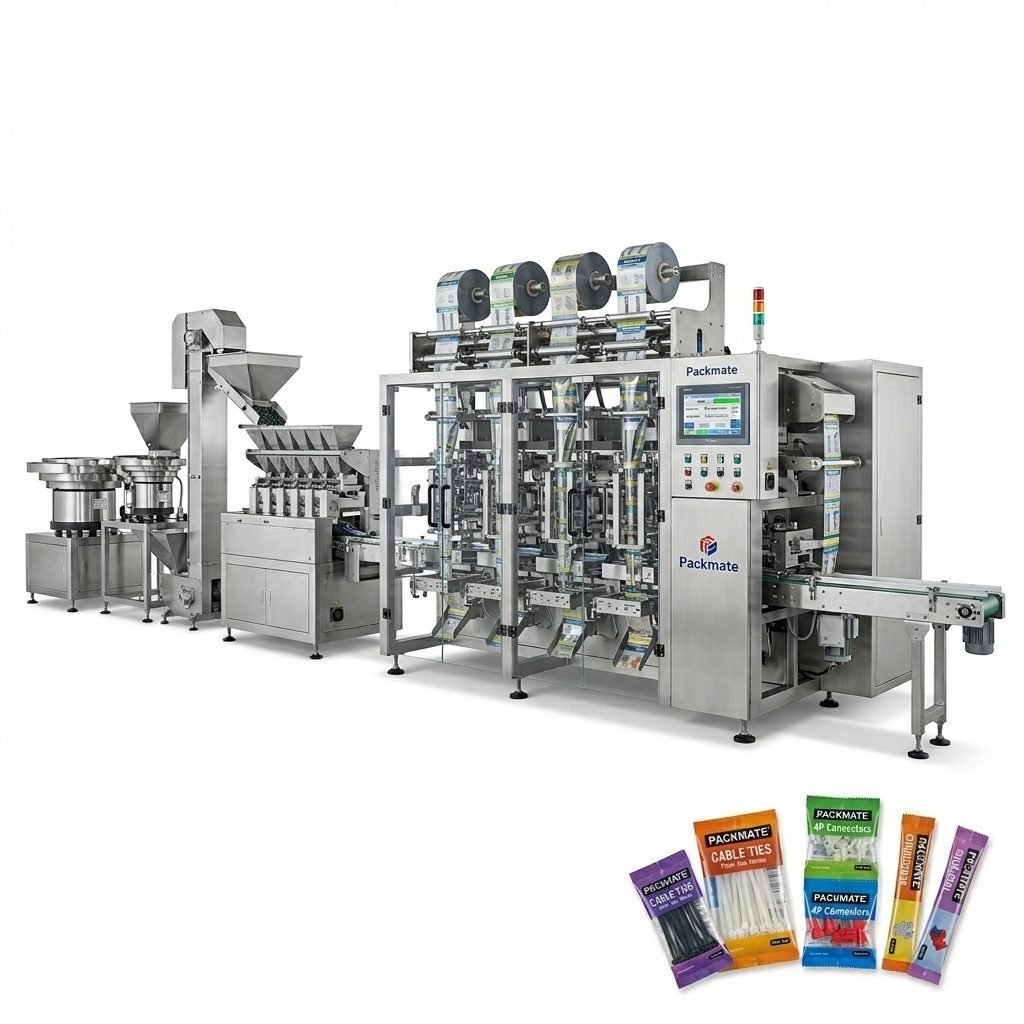
Basic machines are semi-automatic, requiring manual feeding of film and product. Fully automatic machines integrate film unwinding, filling, sealing, and cutting, often with inline checkweighers, metal detectors, and date coders. For a complete line, consider suppliers like PackingMachineOEM who specialize in turnkey packaging lines with conveyors and cartoners.
7. Construction and Hygiene
For food and pharmaceutical use, stainless steel (especially 304 or 316 grade) contact parts are essential for cleanliness and corrosion resistance. The design should allow for easy cleaning and maintenance, with minimal crevices where product can accumulate.
8. Supplier Support and Service
This is often the most overlooked but crucial factor. Consider the manufacturer’s reputation, availability of spare parts, quality of training, and responsiveness of technical support. Established companies with decades of experience, such as those profiled, typically offer more reliable long-term support.
Leading Manufacturers and Their Specializations
The global market features several prominent manufacturers, each with unique strengths. Here’s a brief overview of some key players, particularly from China, which is a major hub for packaging machinery.
Ludyway: The Comprehensive Solution Provider
With over 30 years in the industry, Ludyway offers a vast portfolio covering nearly every type of sachet machine, from single-lane to high-speed multi-lane systems. Their strength lies in providing both standalone machines and complete, integrated turnkey lines. They are an excellent choice for buyers seeking a one-stop shop with broad application experience across food, pharma, and chemicals.
Packmate Machinery: Reliable and Practical Automation
Packmate focuses on delivering reliable, stable, and cost-effective machines. They are known for good build quality and practical automation solutions suitable for medium to large-scale operations. Their wide range of over 80 models makes them a versatile choice for manufacturers needing dependable performance without excessive complexity.
PacklineOEM: The Turnkey Line Specialist
As their name suggests, PacklineOEM specializes in complete packaging line solutions. If your project involves integrating a sachet machine with upstream feeding (like mixers) and downstream packaging (like cartoning or case packing), they are a strong contender. Their expertise is in system integration and project management for fully automated factories.
SnusMachinery: The Niche Market Expert
For specialized applications like nicotine pouches, snus, and other smokeless tobacco products, SnusMachinery offers targeted expertise. Their machines are engineered for the specific challenges of these products, such as precise dosing of moist powders and consistent pouch quality. They are the go-to for companies in this growing niche sector.
Future Trends in Sachet Packaging Technology
The industry is continuously evolving. Key trends include the integration of Industry 4.0 features like IoT sensors for predictive maintenance, real-time production monitoring, and data analytics for optimizing efficiency and reducing waste. Sustainability is another major driver, with increasing demand for machines that can handle mono-material and compostable films. Furthermore, flexibility is key; machines that can easily switch between sachet, stick pack, and pouch formats on a single platform are becoming more desirable to meet dynamic market needs.
Frequently Asked Questions (FAQs)
What is the typical speed range for a small sachet machine?
Speeds vary widely. A basic single-lane machine may run at 40-80 sachets per minute (SPM). Standard automatic machines range from 80-200 SPM. High-speed multi-lane stick pack machines can achieve speeds from 400 to over 1200 SPM, depending on the number of lanes and product characteristics.
Can one machine handle both powders and liquids?
Some machines are designed to be versatile, but they require different filling systems. A machine might be capable of both, but you would need to change the filling head (e.g., from an auger for powder to a piston pump for liquid). It’s crucial to discuss your product range with the supplier to ensure the machine can be configured or converted efficiently.
How do I ensure the sachet seal is strong and leak-proof?
A strong seal depends on the correct combination of sealing jaw temperature, pressure, and dwell time, matched to your specific packaging film. The machine should have precise, adjustable controls for these parameters. Always conduct seal integrity tests with your actual product and film during the machine commissioning and trial phase.
What is the lead time for purchasing and installing a new machine?
For standard models, lead times can range from 8 to 16 weeks after order confirmation. For highly customized or turnkey lines, it can extend to 20-30 weeks. Factors include machine complexity, customization level, and the manufacturer’s current production schedule. Always clarify the timeline, including delivery, installation, and commissioning, in your purchase agreement.
What kind of after-sales support should I expect?
Reputable suppliers should offer comprehensive support including: installation and commissioning supervision, operator and maintenance training, a detailed manual and spare parts list, and availability of technical support (often remote). Ensure there is a clear warranty period (typically 12 months) and understand the process for ordering spare parts. Companies with a strong export focus, like those mentioned, usually have dedicated international support teams.