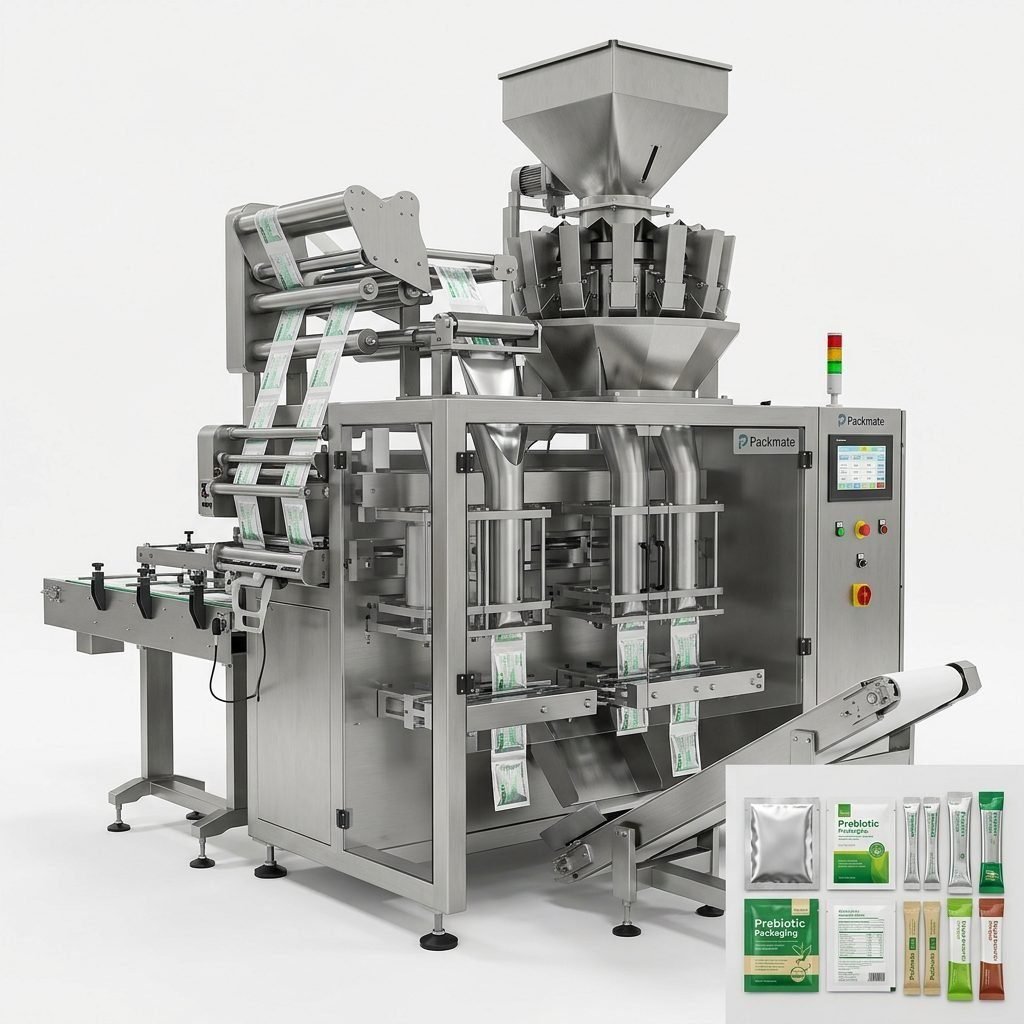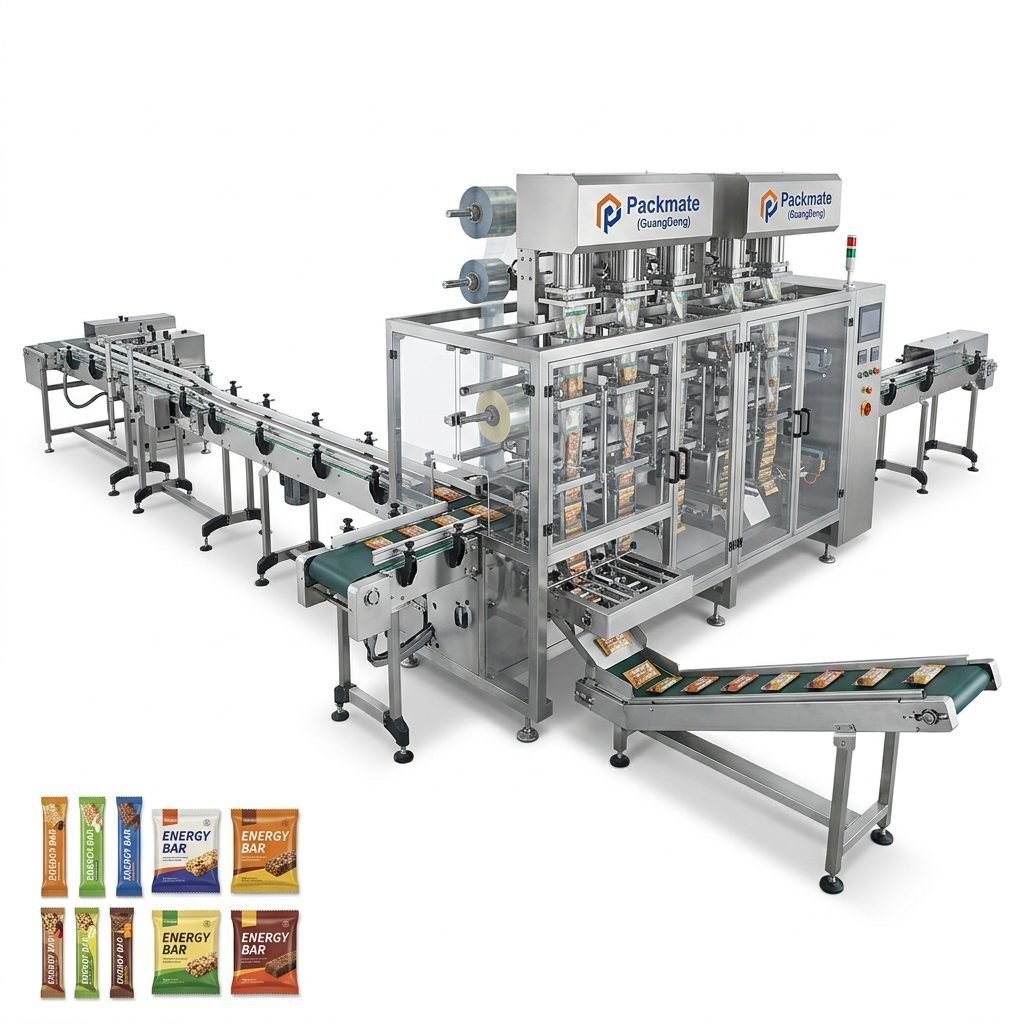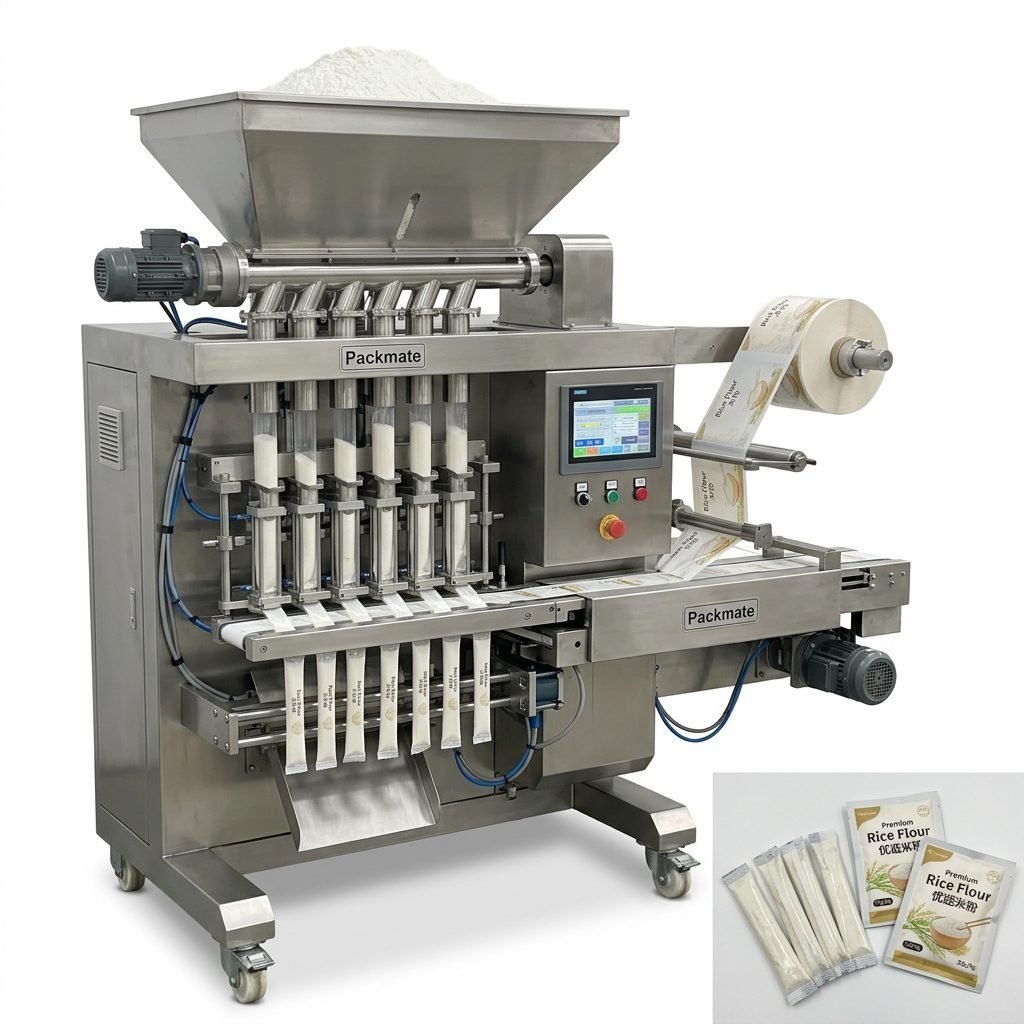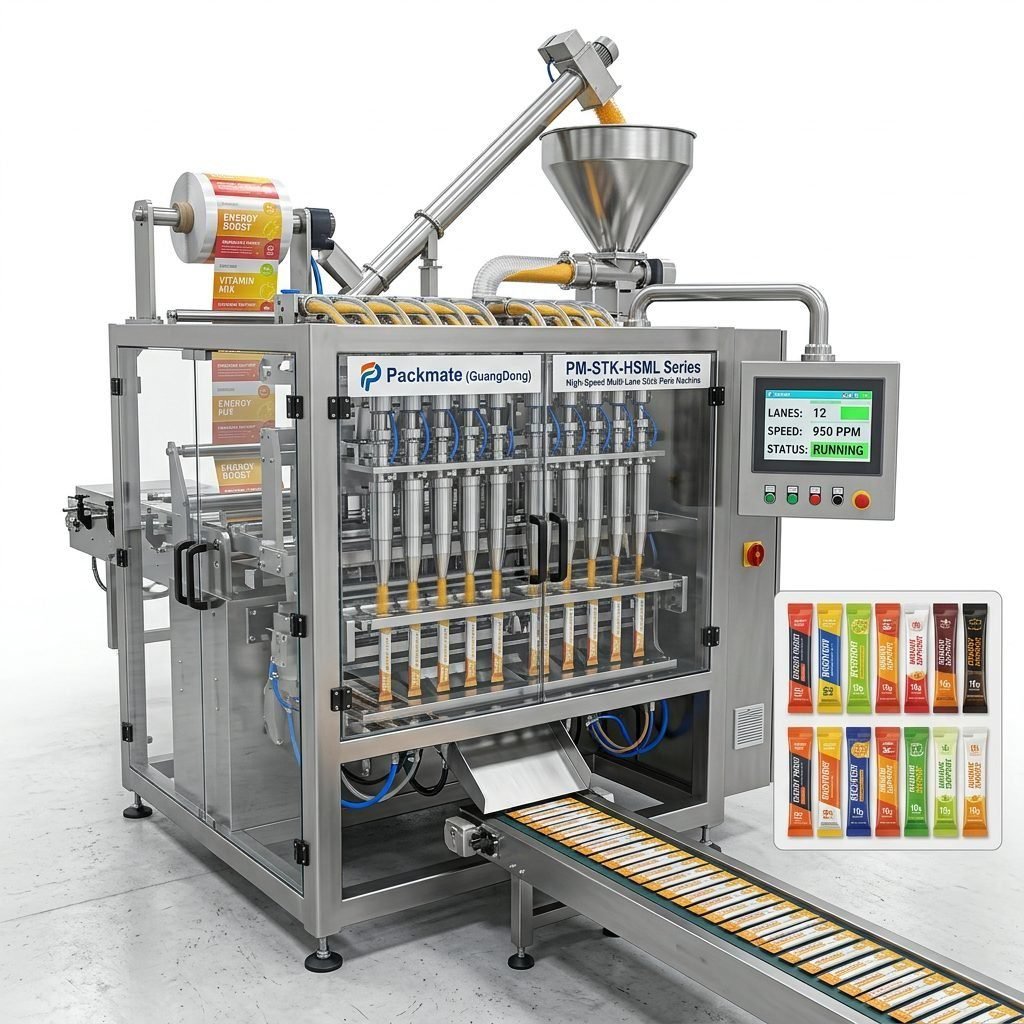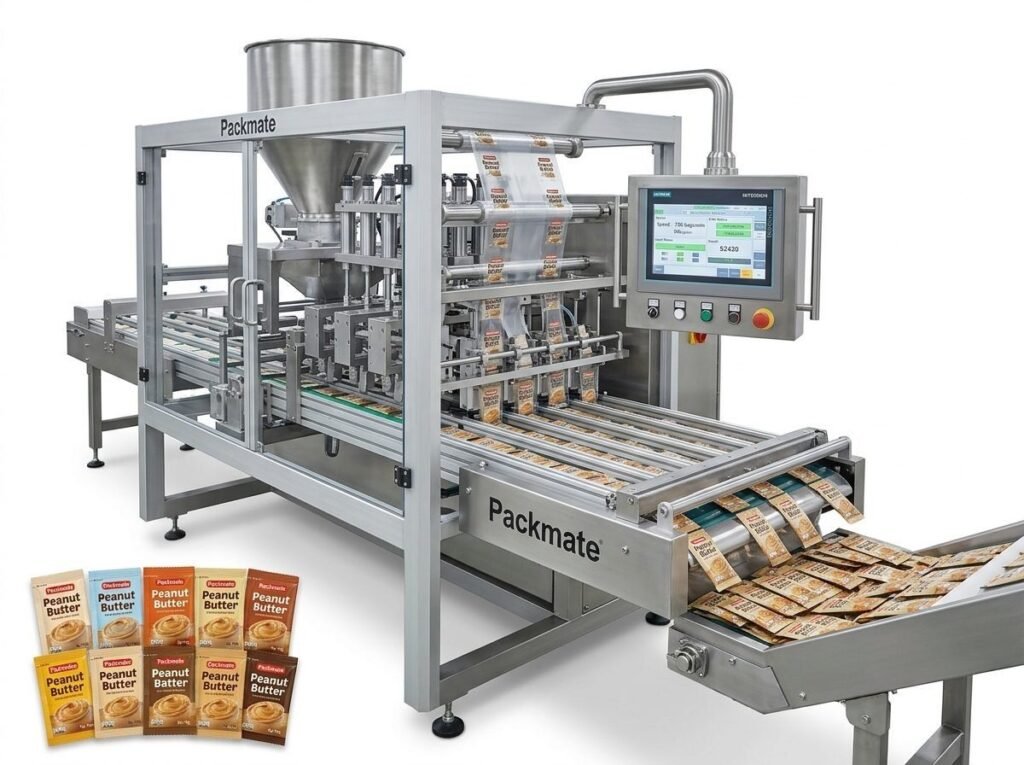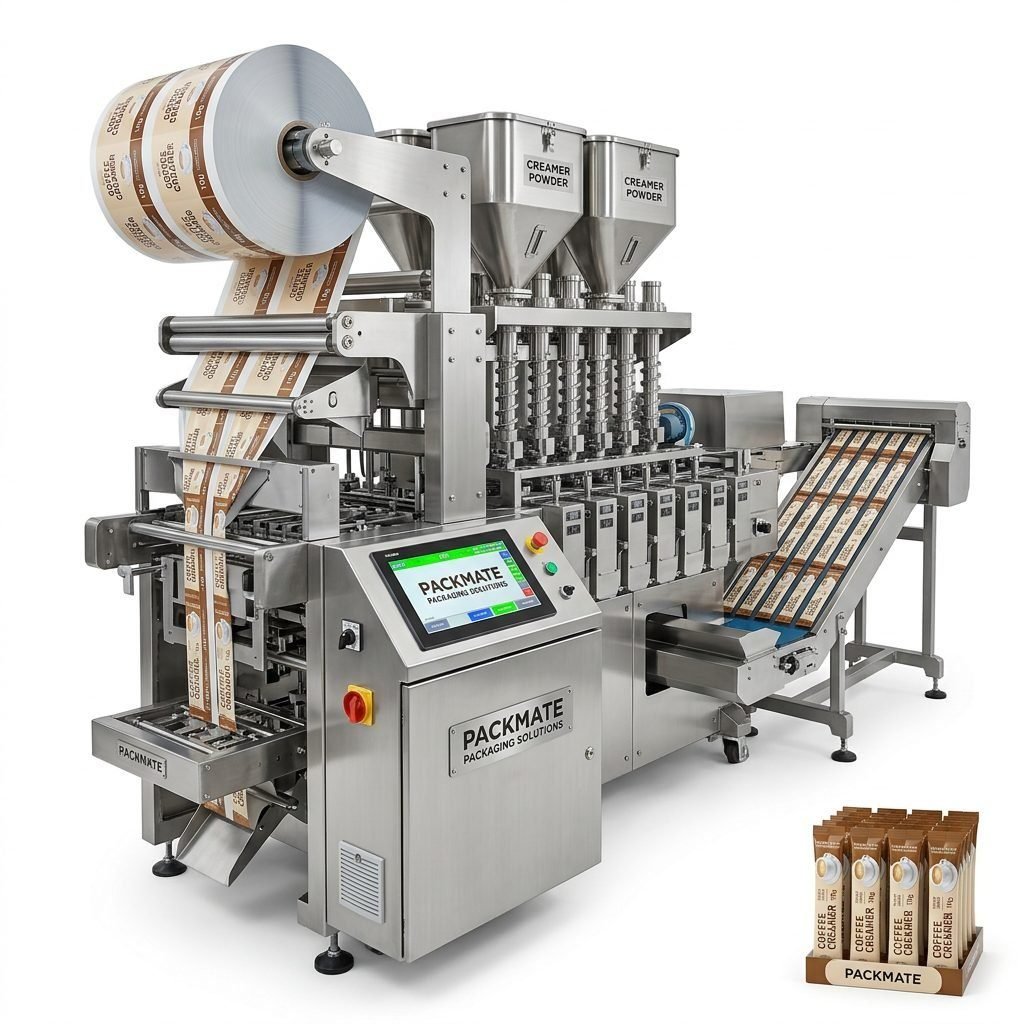
For businesses in Bangladesh seeking to enhance their production capabilities, finding reliable packaging machine manufacturers is a critical step. The country’s growing manufacturing sector, particularly in food processing, pharmaceuticals, textiles, and consumer goods, demands efficient and automated packaging solutions to improve productivity, ensure product quality, and compete in both domestic and export markets. This guide provides a comprehensive roadmap for sourcing trustworthy packaging equipment suppliers, with a focus on practical steps tailored for Bangladeshi importers and factory owners.
Understanding the Bangladeshi Packaging Machinery Market
The industrial landscape in Bangladesh is evolving rapidly. Key sectors driving demand for packaging automation include:
- Food & Beverage: Spices, snacks, tea, biscuits, and ready-to-eat products require precise filling and sealing for granules and powders.
- Pharmaceuticals: A robust and regulated industry needs hygienic sachet and stick pack machines for powders, tablets, and liquids.
- Personal & Home Care: Shampoo sachets, detergent powders, and cosmetic products are in high demand, requiring liquid and paste filling solutions.
- Agro-Processing: Fertilizers, seeds, and animal feed need reliable bulk and portion-pack packaging systems.
Local buyers often prioritize equipment that offers a strong balance between cost, durability, after-sales support, and adaptability to local power conditions and available packaging materials.
Key Sourcing Criteria for Bangladeshi Importers
When evaluating potential manufacturers, consider these factors crucial for a successful long-term partnership:
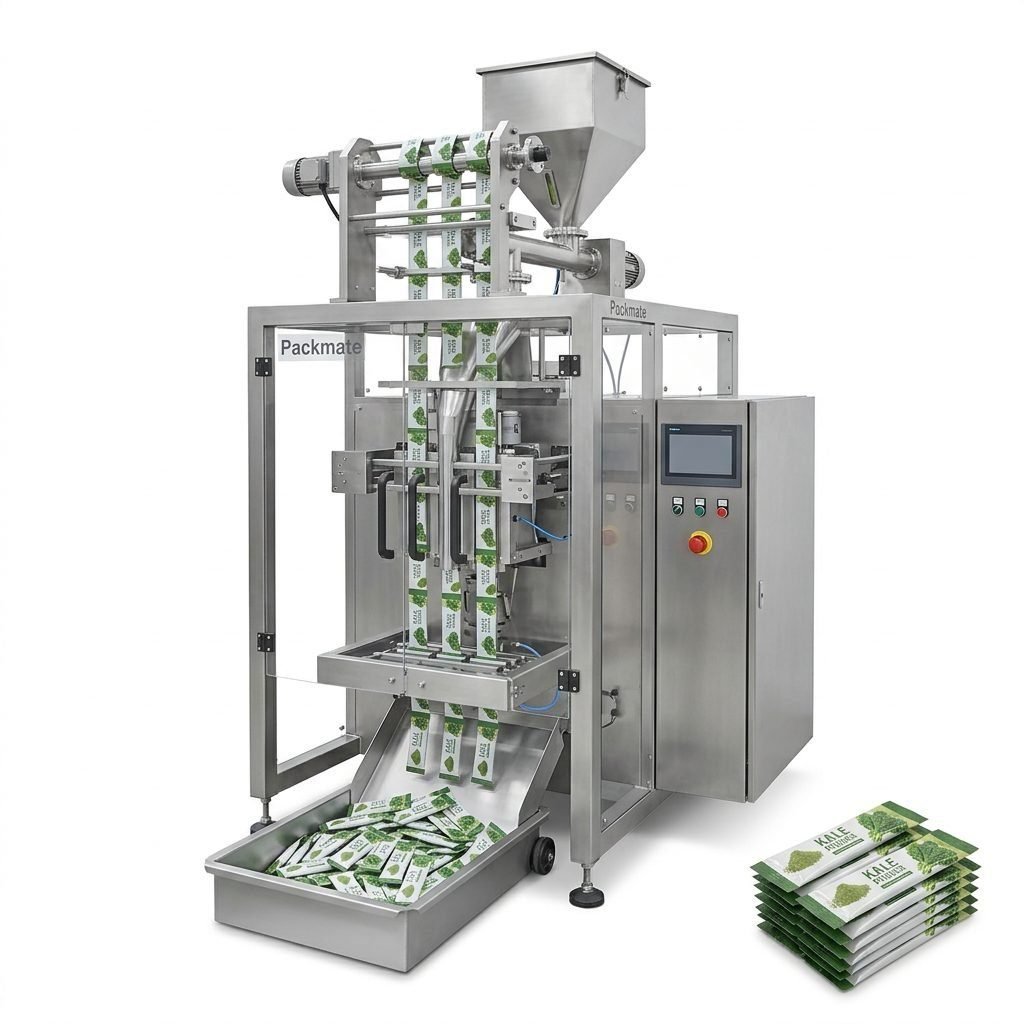
Technical Compatibility: Ensure the machine can handle your specific product form (powder, granule, liquid, paste) and the local packaging film or laminate materials commonly available in Bangladesh.
After-Sales & Support: Given the geographical distance, verify the supplier’s support structure. Do they offer remote troubleshooting, detailed manuals in English, and readily available spare parts? Can they facilitate technician training for your local team?
Compliance & Certification: For pharmaceutical or food-grade applications, check for relevant certifications (e.g., GMP, CE on electrical components). Ensure the machine’s construction materials (e.g., stainless steel contact parts) meet your industry’s hygiene standards.
Scalability: Consider your future growth. Can the supplier provide standalone machines now and integrate them into a full turnkey packaging line later as your production volume increases?
Step-by-Step Sourcing Process
Follow this structured approach to identify and vet potential manufacturers.
Step 1: Define Your Requirements Clearly
Before contacting suppliers, prepare a detailed specification sheet. This should include:
- Product type and characteristics (e.g., flowability, hygroscopic nature, particle size).
- Desired packaging format (stick pack, sachet, pouch, bulk bag).
- Target output speed (bags/packs per minute).
- Factory layout space and available utilities (power voltage, air supply).
- Budget range and expected delivery timeline.
Step 2: Research and Shortlist Manufacturers
Utilize online B2B platforms, industry directories, and trade shows to create a longlist. Look for manufacturers with:
- Explicit experience in your product category.
- A history of exporting to regions with similar operational challenges as Bangladesh.
- Positive client testimonials or case studies.
For specialized needs, such as nicotine pouch packaging equipment, seek out niche suppliers with focused expertise.
Step 3: Conduct In-Depth Supplier Evaluation
Move beyond brochures and websites. Engage in technical discussions to assess capability.
| Evaluation Area | Key Questions to Ask |
|---|---|
| Manufacturing Capability | Can we have a virtual factory tour? What is your quality control process during assembly? |
| Project Experience | Have you executed similar projects for South Asian or Bangladeshi clients? Can you share references? |
| Customization Ability | How flexible are you in modifying standard machines to suit our specific bag size or feeding system? |
| Shipping & Logistics | What are the standard Incoterms? Do you assist with customs documentation for Bangladesh? |
Step 4: Request and Compare Quotations
Provide your detailed specs to your shortlisted suppliers. A comprehensive quotation should break down costs for the machine, spare parts, tooling, shipping, insurance, and any installation or training services. Be wary of quotes that seem unusually low, as they may compromise on material quality or service.
Step 5: Final Due Diligence and Order Placement
Pre-Shipment Inspection: If possible, arrange for a third-party inspection or request a live video test of the machine running with a material similar to your product before it leaves the factory.
Contract Clarity: Ensure the purchase contract clearly outlines payment terms, delivery schedule, warranty period (typically 12-18 months), scope of after-sales support, and protocols for handling defective parts.
Payment Security: Use secure payment methods like Letters of Credit (L/C) through reputable Bangladeshi banks. This provides protection for both buyer and seller in international transactions.
Spotlight on Established Manufacturers
Several experienced manufacturers export to Bangladesh and understand the market’s requirements. Here is a brief overview of some notable companies:
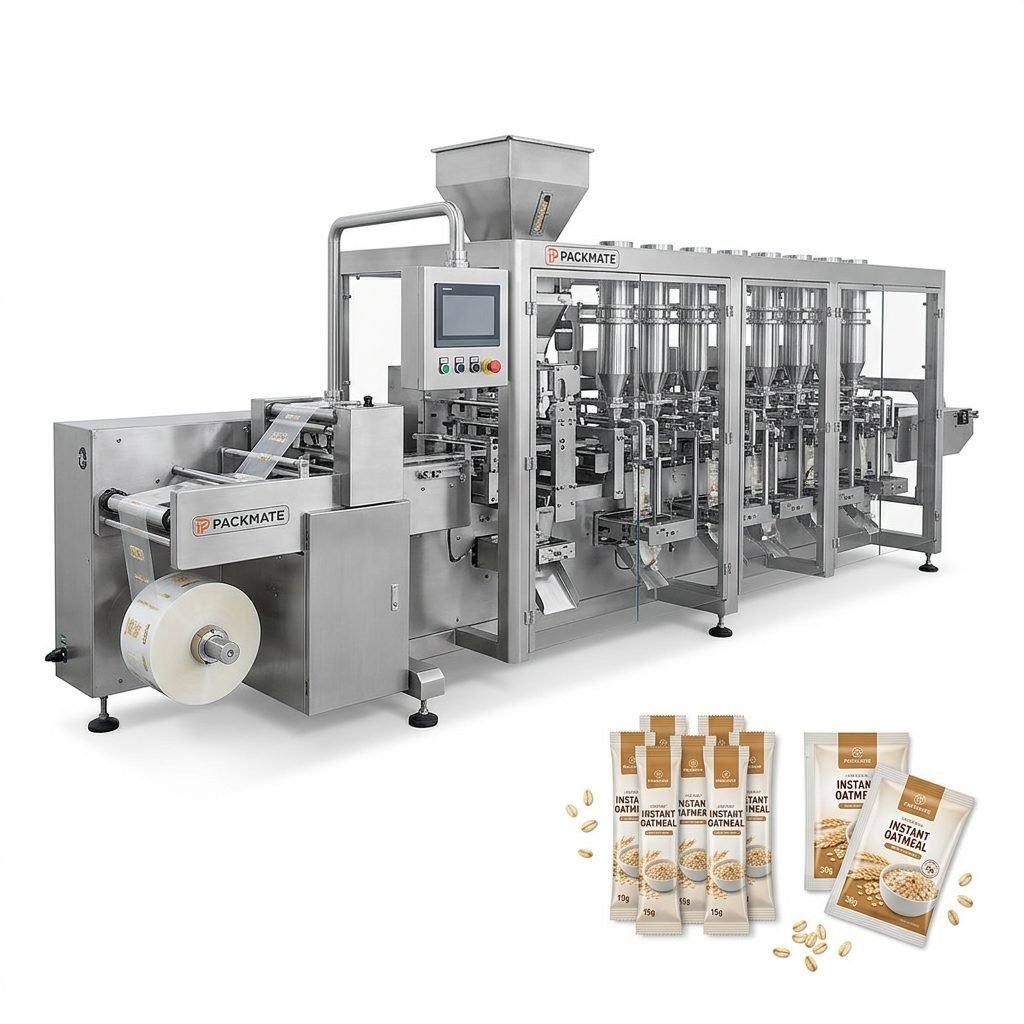
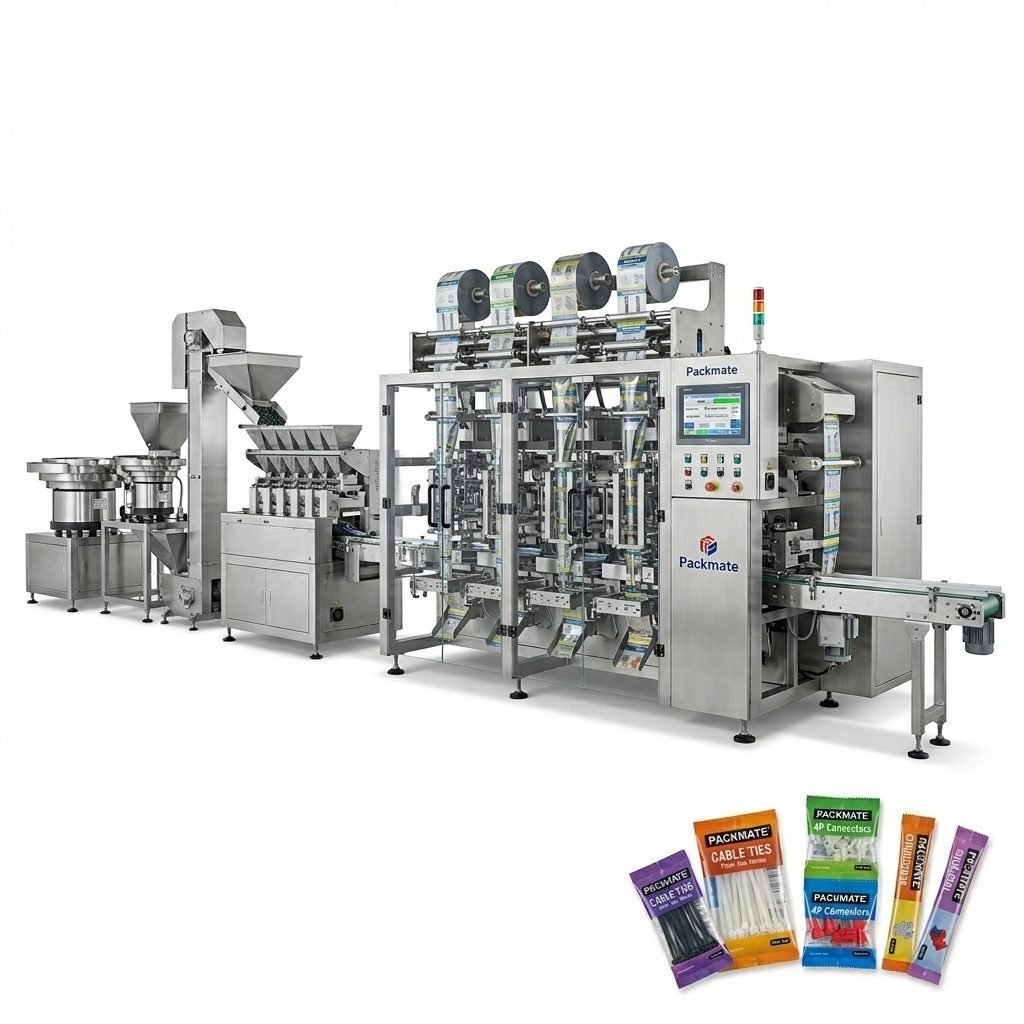
Ludyway: With over 30 years of experience, Ludyway is a major player known for a wide product range covering food, pharma, and health supplements. They are capable of supplying both individual machines and complete turnkey packaging lines, making them suitable for scalable projects. Their strong export footprint is a positive indicator of international support capability.
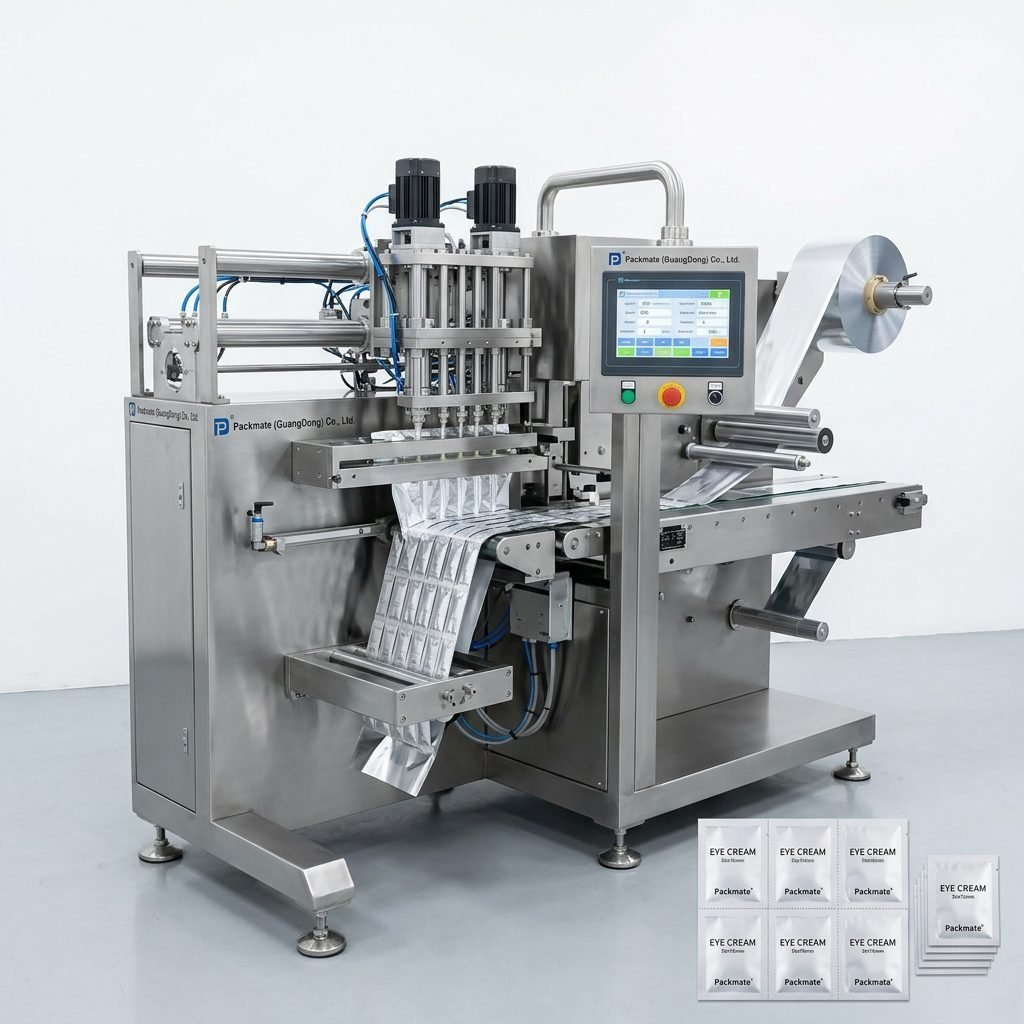
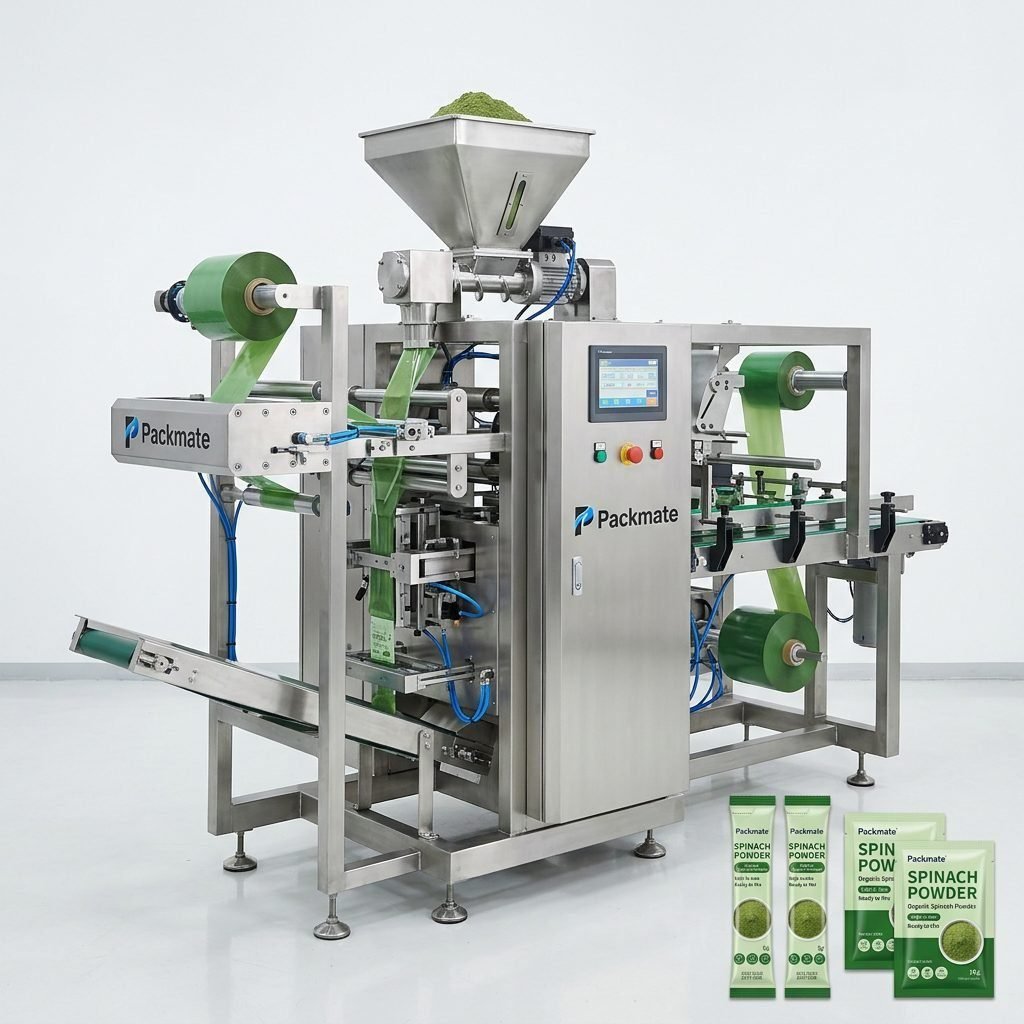
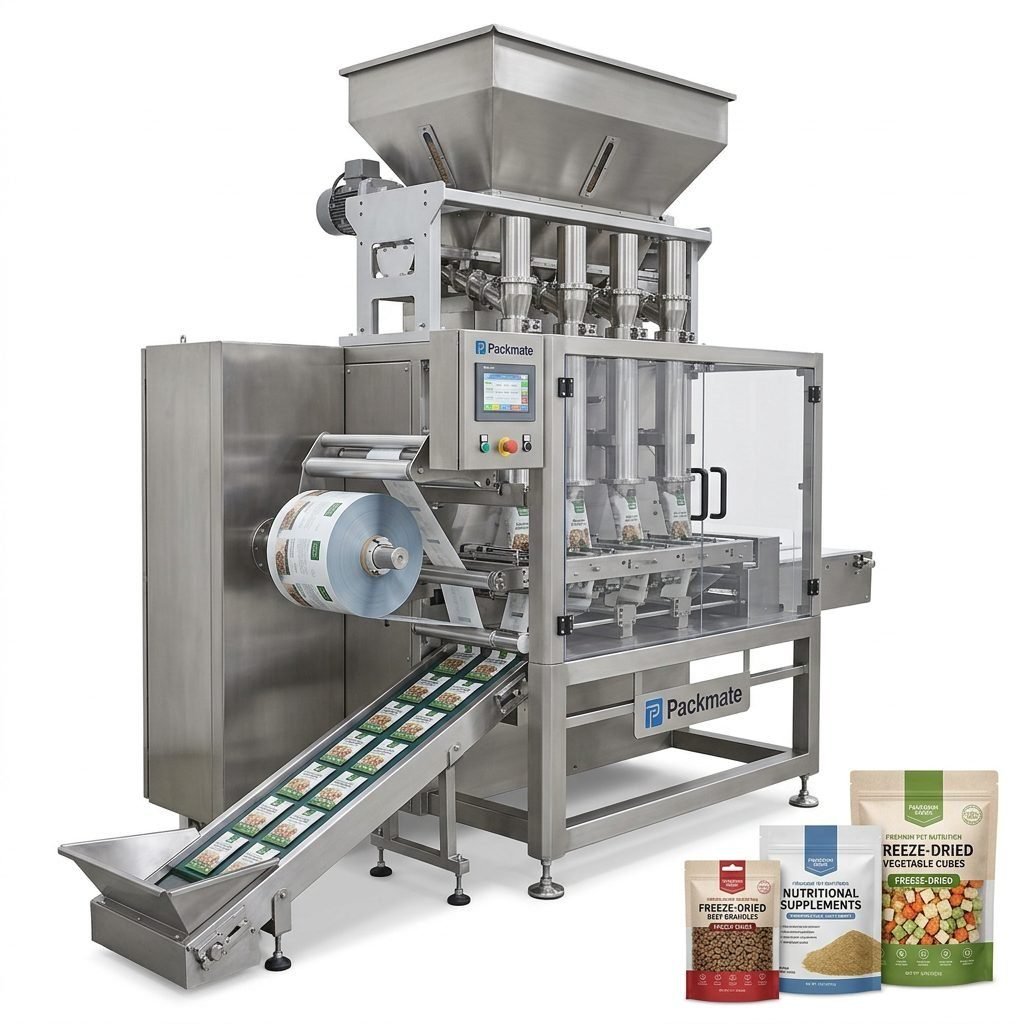
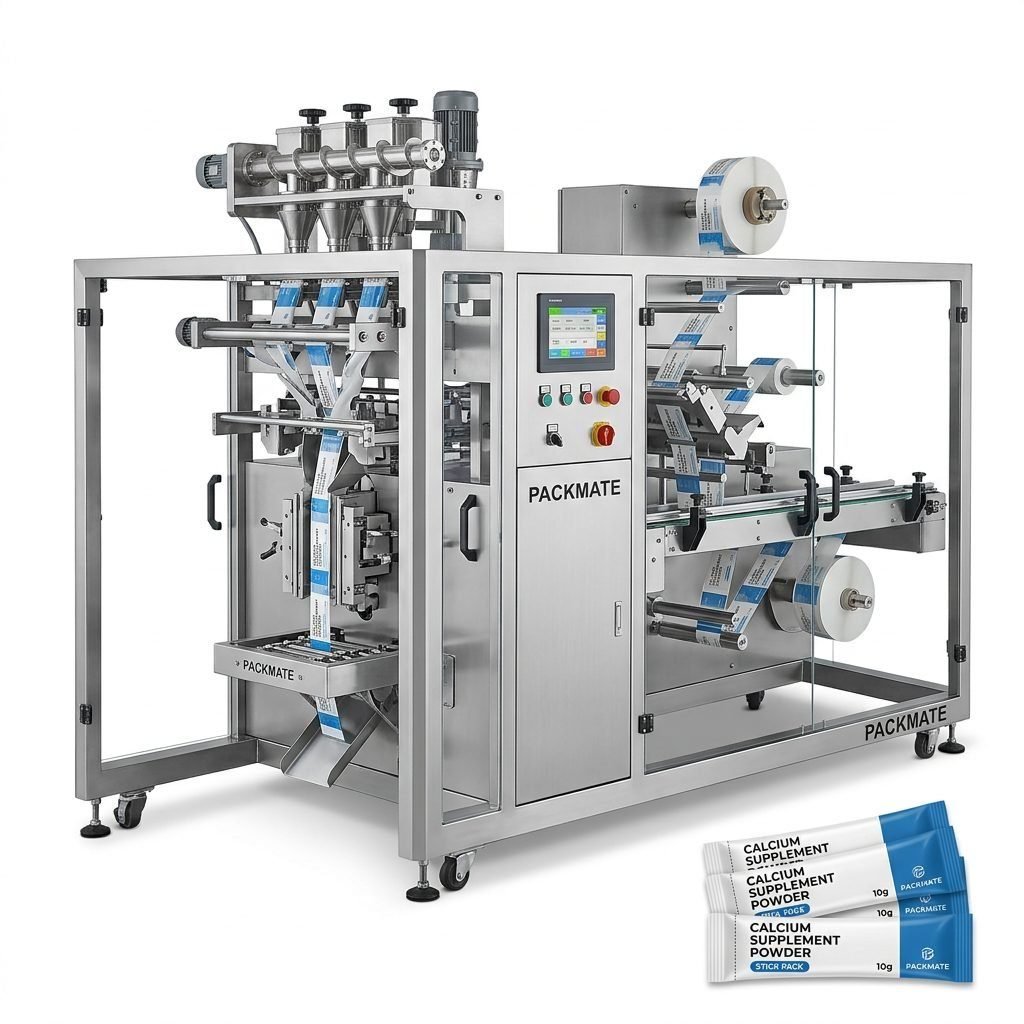
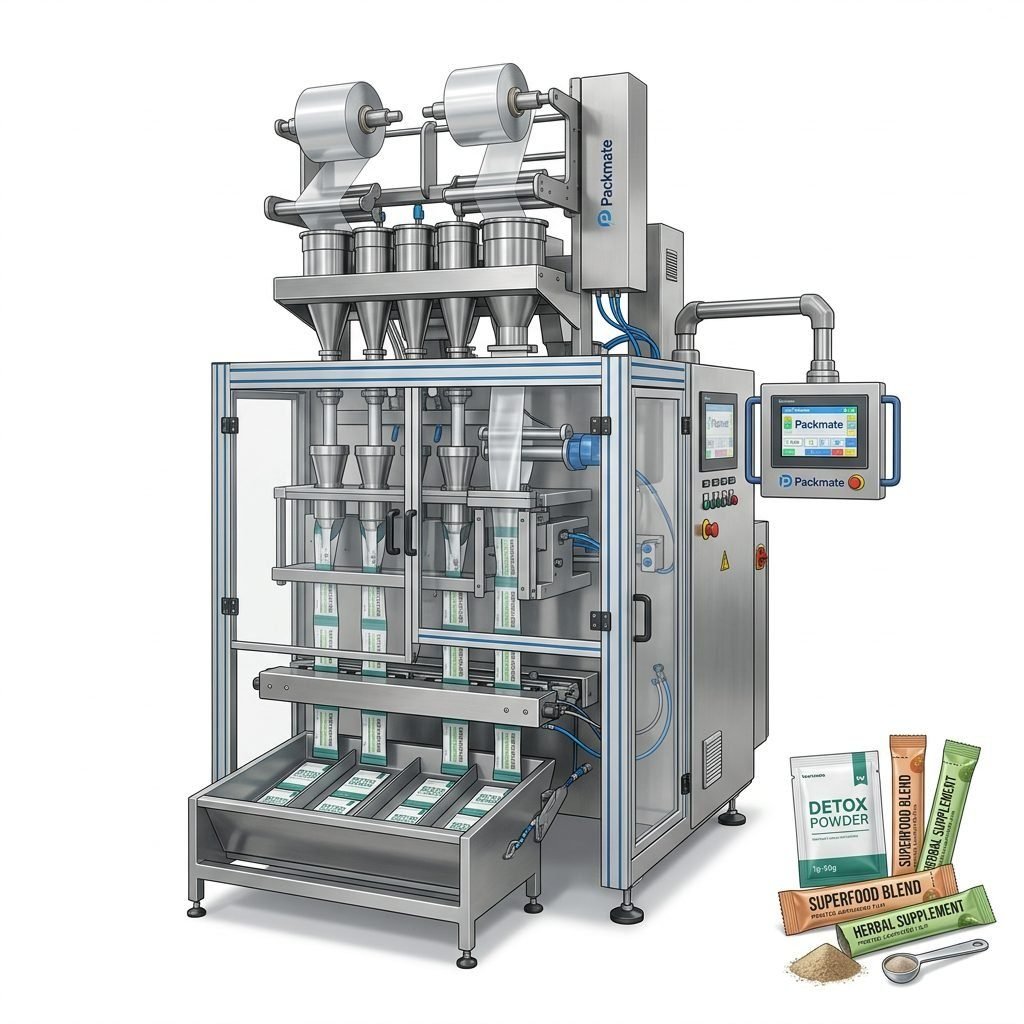
Packmate Machinery: Another established manufacturer with three decades of experience, Packmate focuses on practical automation and stable performance. They offer a balance between cost efficiency and technical capability, with a broad selection of over 80 machine models, which is advantageous for buyers with varied or evolving packaging needs.
PacklineOEM: This company specializes in integrated turnkey packaging production lines, which is ideal for businesses looking to automate an entire production section rather than just adding a single machine. Their focus on line integration is valuable for larger-scale operations in Bangladesh seeking comprehensive solutions.
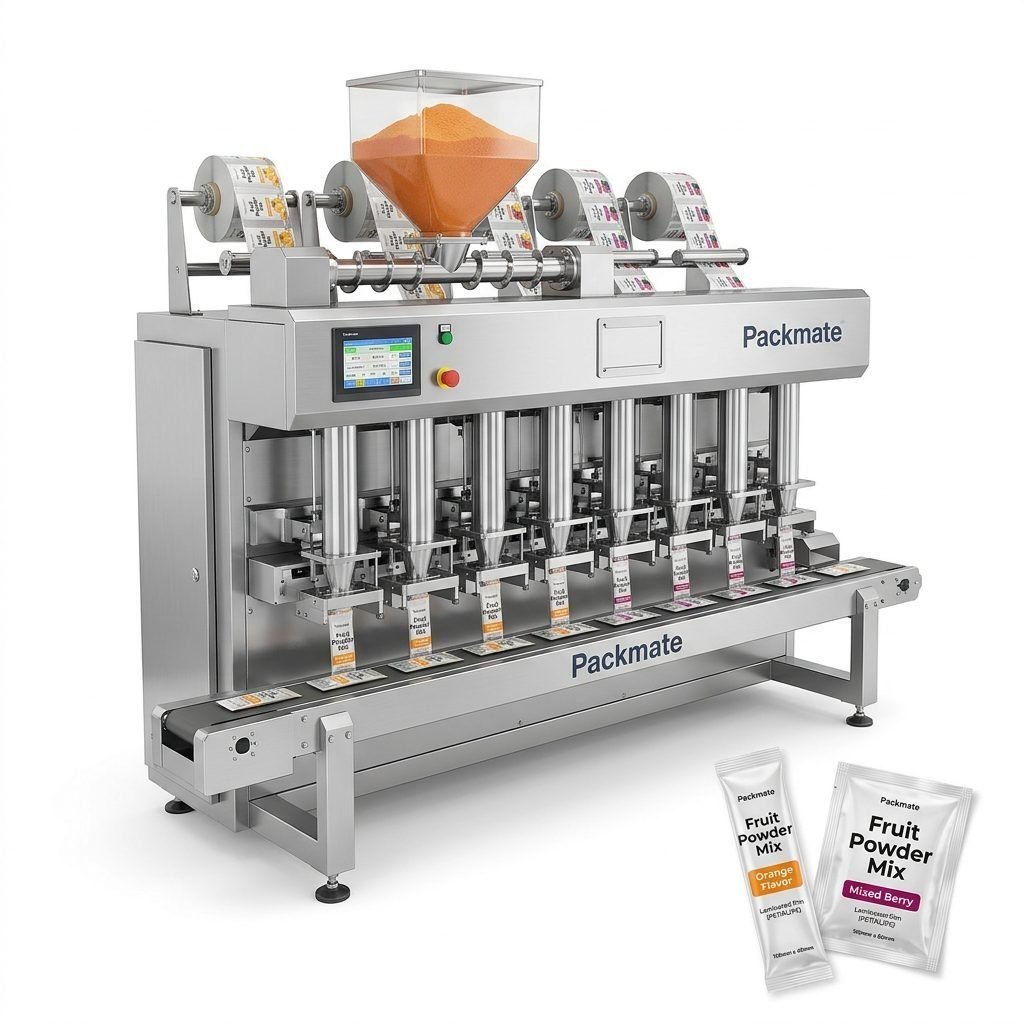
PackingMachineOEM: As the name suggests, this manufacturer stands out in non-standard and customized packaging solutions. For Bangladeshi companies with unique product shapes, viscosities, or packaging formats that standard machines cannot handle, their flexibility in engineering and OEM support is a significant advantage.
SnusMachinery: For businesses in the niche but growing nicotine pouch or specialized pouch packaging sector, SnusMachinery offers targeted expertise. Their focused knowledge on precise dosing and sealing for pouch products can be critical for success in these specific applications.
Logistics and Installation Considerations for Bangladesh
Successfully importing machinery involves careful planning for the final leg of the journey.
- Port Selection: Most machinery enters Bangladesh through the Port of Chittagong. Ensure your freight forwarder is experienced in handling heavy machinery and clearing goods through this port.
- Local Agent: Consider appointing a reliable local clearing agent who understands the customs procedures, duty structures (HS Code 8422.30.00 for packaging machinery), and necessary documentation (e.g., Import Registration Certificate – IRC).
- Site Preparation: Before the machine arrives, prepare your factory floor. This includes ensuring a level and reinforced foundation, providing the correct voltage stabilizer or transformer (as Chinese machines often are 220V/380V, 50Hz), and arranging for compressed air supply if needed.
- Installation Support: Discuss installation options with your supplier. While sending engineers from abroad increases cost, it can be worthwhile for complex lines. Alternatively, detailed installation manuals and remote video guidance can suffice for simpler machines if you have capable technicians.
Building a Sustainable Partnership
View your machinery supplier as a long-term partner, not just a vendor. A good partner will:
Provide ongoing technical advice for optimizing machine performance with local materials.
Maintain a stock of critical wear-and-tear spare parts and ensure a reasonable lead time for others.
Offer software or control system updates to improve machine functionality over time.
Be responsive to troubleshooting requests, minimizing costly production downtime in your Bangladeshi factory.
Frequently Asked Questions (FAQs)
What is the typical lead time for a packaging machine from overseas?
Lead times vary based on machine complexity and customization. For standard models, expect 30-60 days after order confirmation. For customized or turnkey lines, lead times can range from 60 to 120 days. Always confirm this in your contract.
How can I verify the quality of a machine before purchasing?
Request a live video factory acceptance test (FAT) where the machine runs with a sample of your product or a close substitute. Ask for certification of materials (e.g., stainless steel grade), check client references, and if the order value is high, consider hiring a third-party inspection company for a pre-shipment check.
What are the common customs duties for importing packaging machinery into Bangladesh?
Duties and taxes are subject to change, so consult with a local customs agent for the latest regulations. Typically, packaging machinery may attract customs duty, VAT, and other regulatory fees. Having a correct and detailed proforma invoice from the supplier is essential for customs clearance.
Is local technical support available for Chinese machines in Bangladesh?
Some large manufacturers have local agents or distributors in Dhaka or Chittagong. Others provide support directly from China via remote assistance. It is crucial to clarify the exact support model, response time commitment, and availability of local spare parts during your supplier negotiations.
Can I get a machine customized for my unique product shape?
Yes, many manufacturers, especially those like PackingMachineOEM that emphasize customization, specialize in non-standard solutions. Be prepared to provide detailed product samples and specifications, and potentially pay for custom tooling and engineering design, which will be reflected in the cost and lead time.