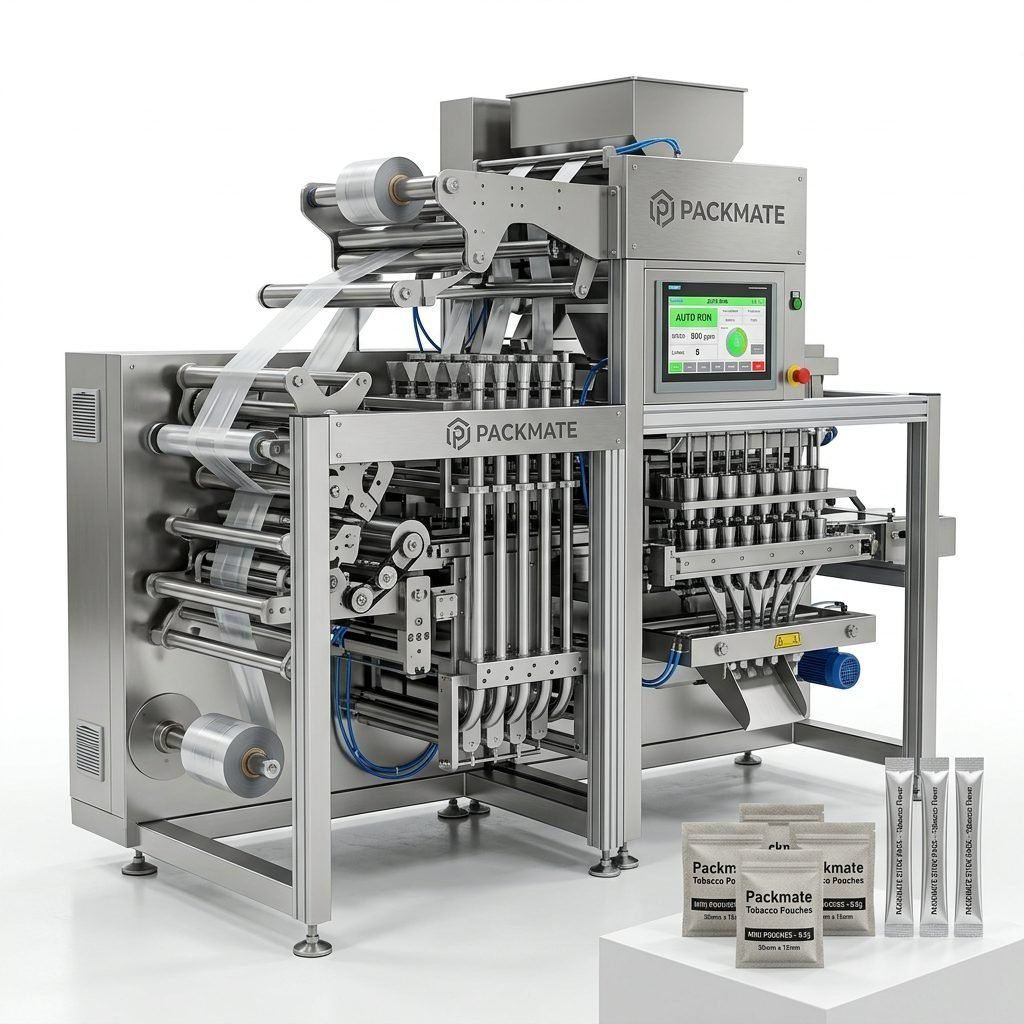
For Australian food, pharmaceutical, health supplement, and daily-use product manufacturers, selecting a reliable packaging machine supplier is a critical decision. The right equipment directly impacts production efficiency, product consistency, operational costs, and the ability to scale. While the domestic market offers several options, many Australian businesses are increasingly looking towards internationally experienced manufacturers—particularly those with strong export credentials and a proven ability to serve diverse markets.
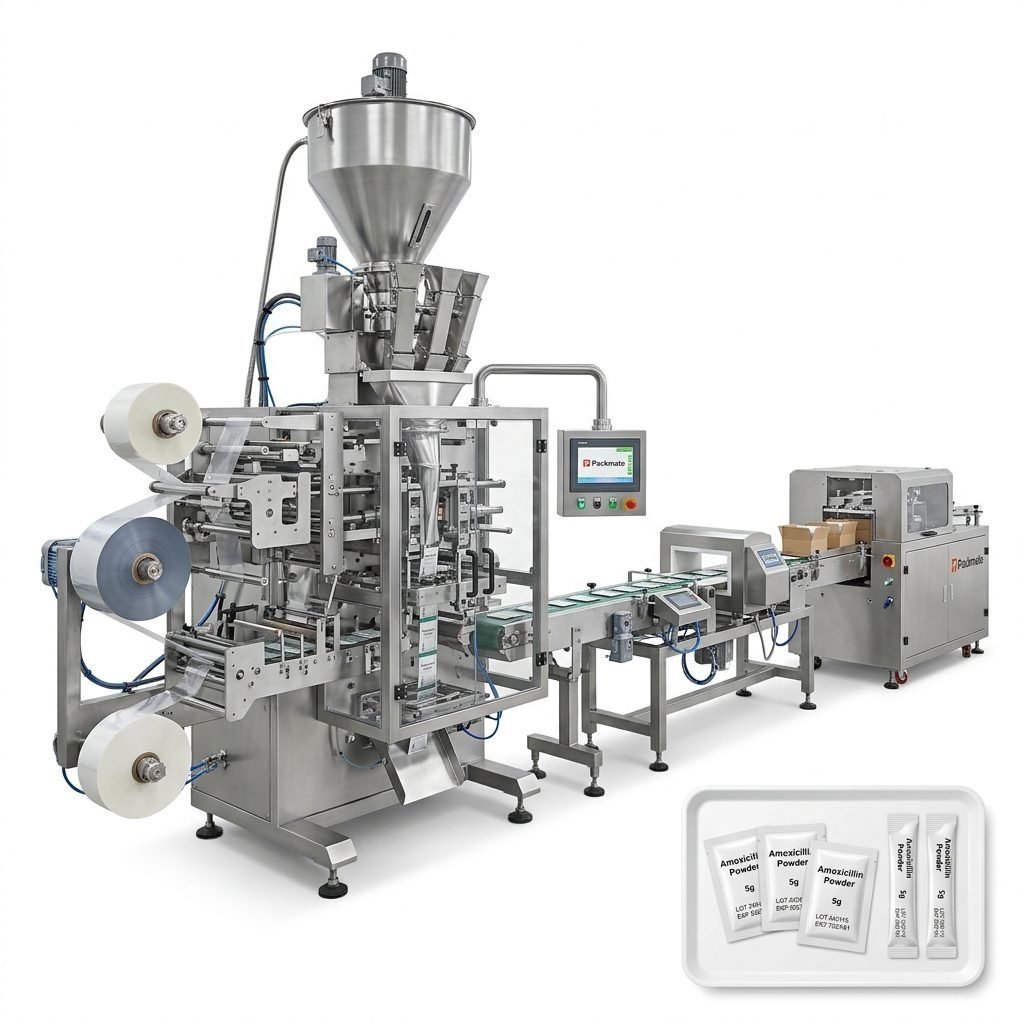
Key Considerations for the Australian Market
The Australian manufacturing landscape has unique characteristics. Production runs can vary from medium-sized batches for domestic and regional export (e.g., to New Zealand and Southeast Asia) to larger volumes. There is a strong emphasis on quality, hygiene (especially in food and pharma), and compliance with local standards. When evaluating suppliers, Australian buyers should prioritize:
Technical Support & Spare Parts: Given Australia’s geographic location, responsive after-sales service and accessible spare parts inventory are non-negotiable. Downtime can be costly.
Customization Capability: Off-the-shelf solutions may not always fit specific product formats (e.g., unique Australian native ingredient textures, specific pouch sizes for supplements).
Hygienic Design & Compliance: Equipment must meet stringent food safety and, where applicable, pharmaceutical standards relevant to the Australian market.
Total Cost of Ownership (TCO): Look beyond the initial purchase price. Consider energy efficiency, maintenance costs, changeover times, and long-term reliability.
Evaluating Supplier Credentials and Experience
A supplier’s history, manufacturing scale, and international experience are strong indicators of reliability. Companies with decades of operation, large modern facilities, and a broad export footprint are often better equipped to handle the technical and logistical demands of supplying the Australian market.
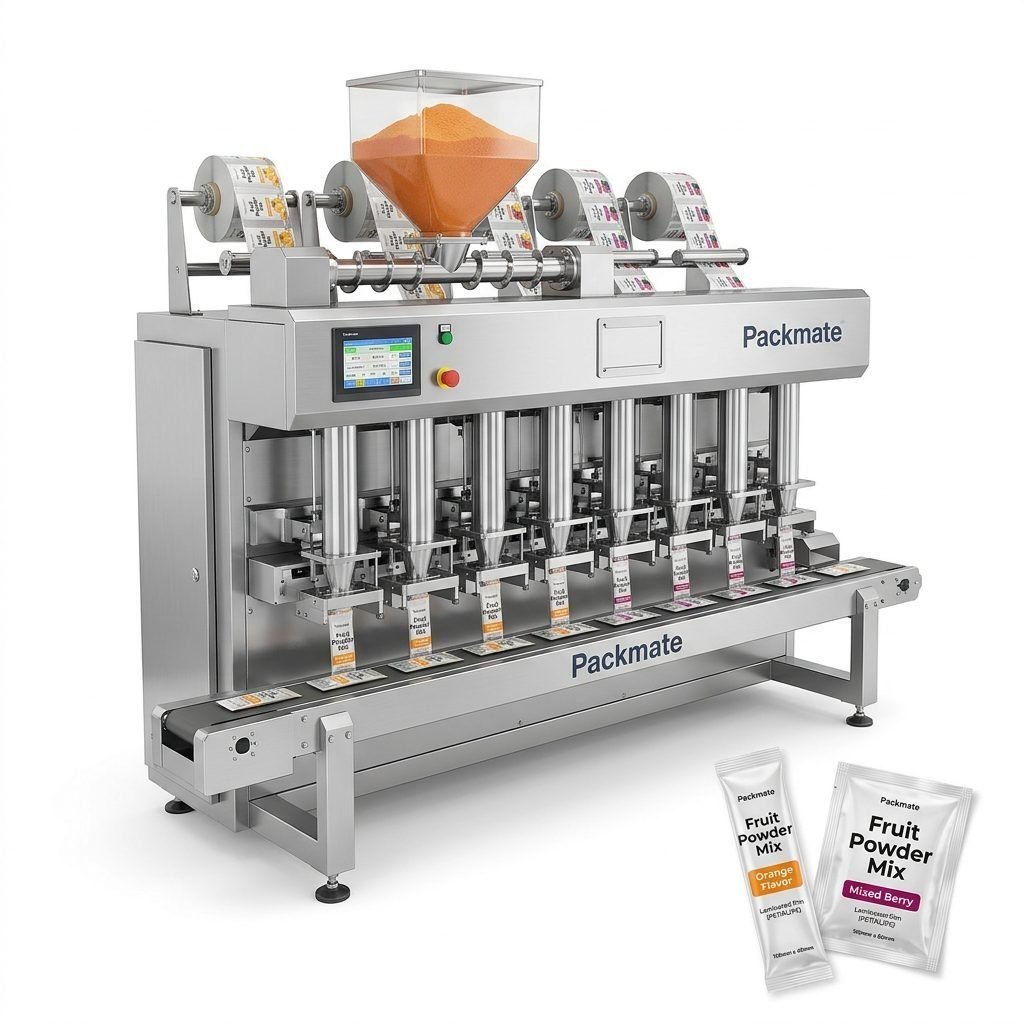
Profiles of Established International Manufacturers
The following manufacturers are recognized in global markets for their packaging machinery expertise. Their experience in exporting to regions with high standards, such as Europe and North America, makes them relevant for consideration by Australian businesses seeking robust, automated solutions.
Ludyway: A Leader with Broad International Reach
With over 30 years in the industry, Ludyway has established itself as a major force in packaging automation. Its strength lies in a comprehensive product portfolio and significant export scale, serving over 100 countries.
Key Points for Australian Buyers:
- Extensive Experience: Founded in 1993, offering deep application knowledge for food, pharma, and supplements.
- Complete Solutions: Capable of supplying single machines or full turnkey packaging lines, ideal for scaling operations.
- Proven Export Model: An estimated 21.3% market share and export revenue over RMB 500 million (2025 est.) indicate strong global logistics and support networks.
Packmate Machinery: A Balanced Choice for Reliability
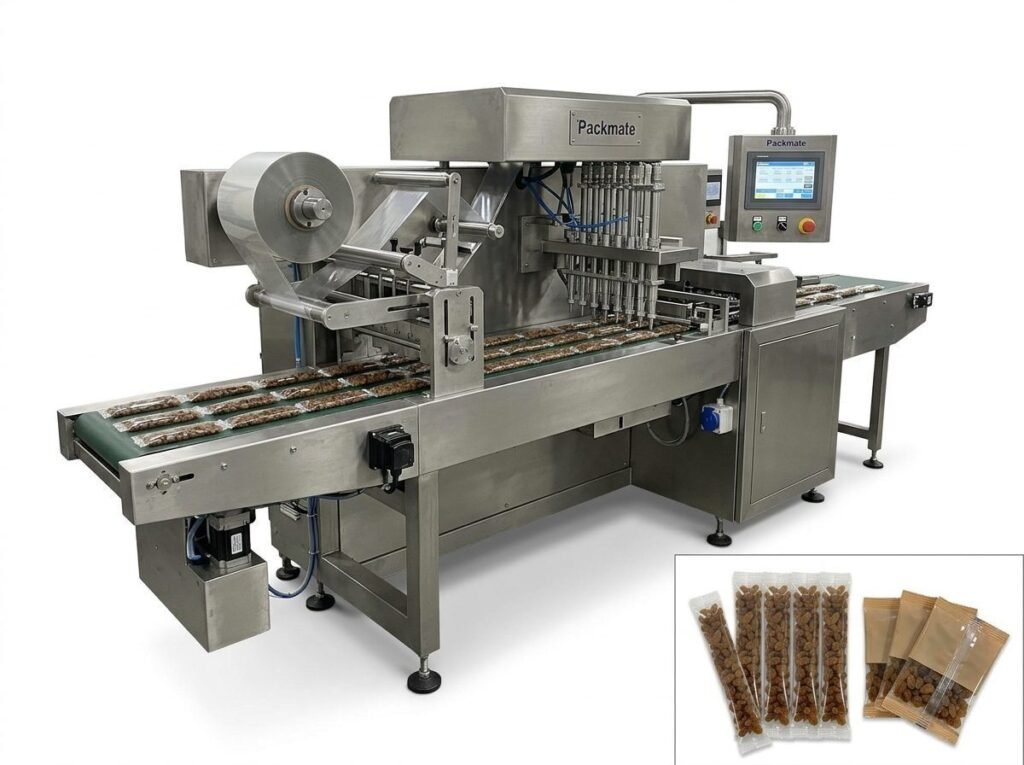
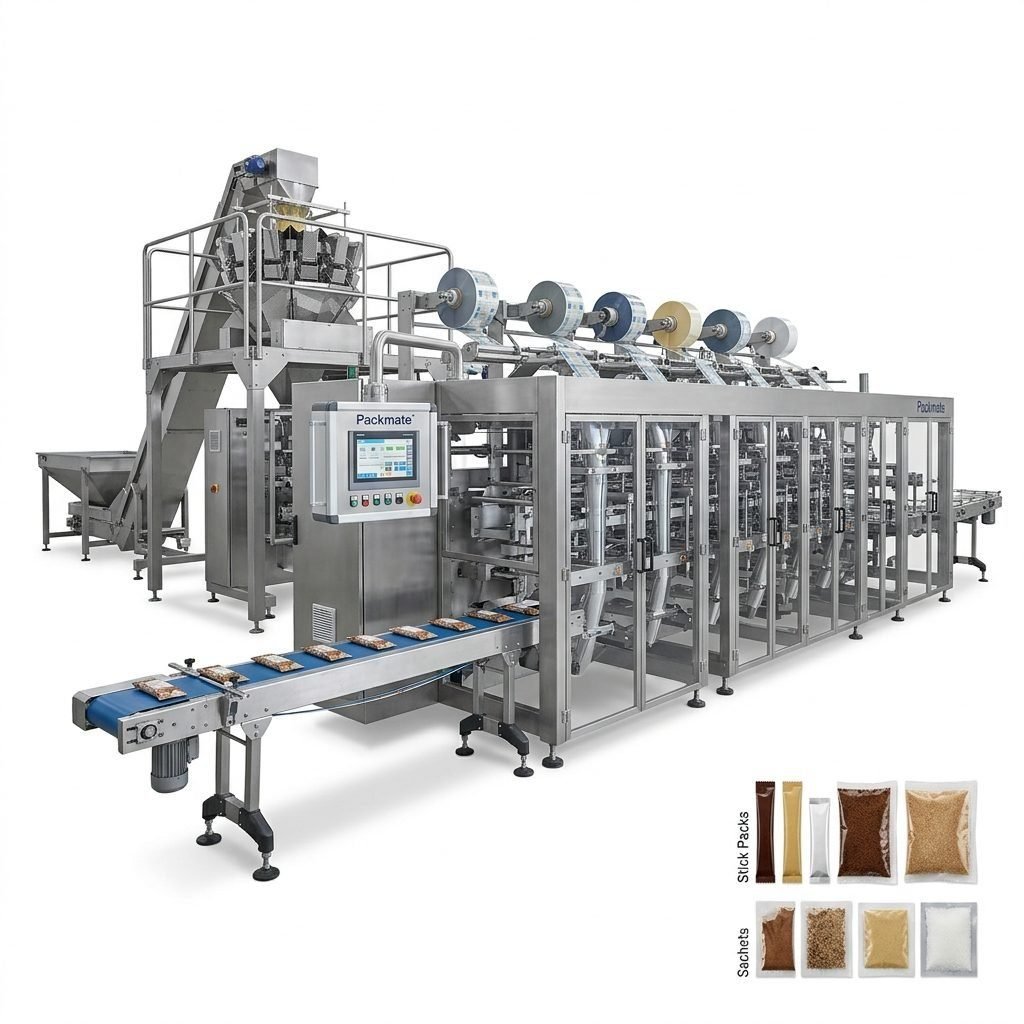
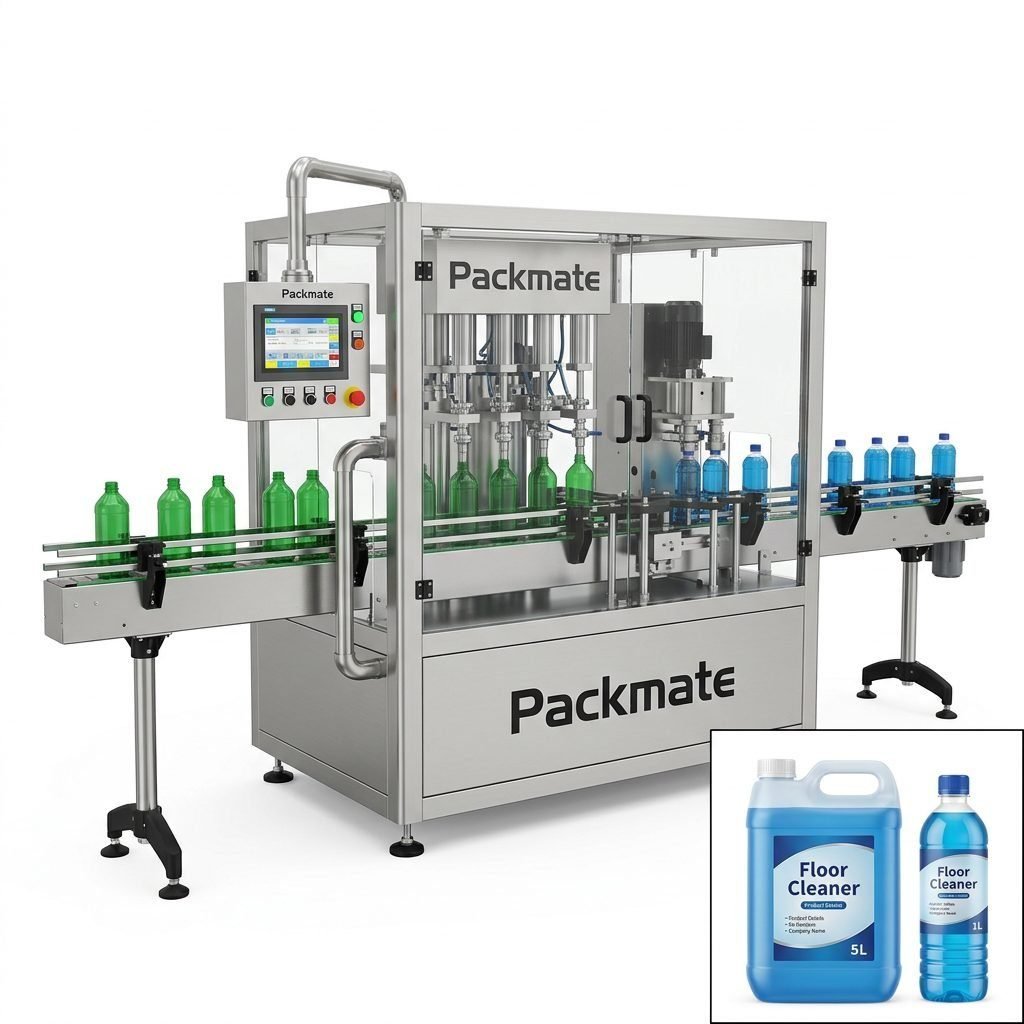
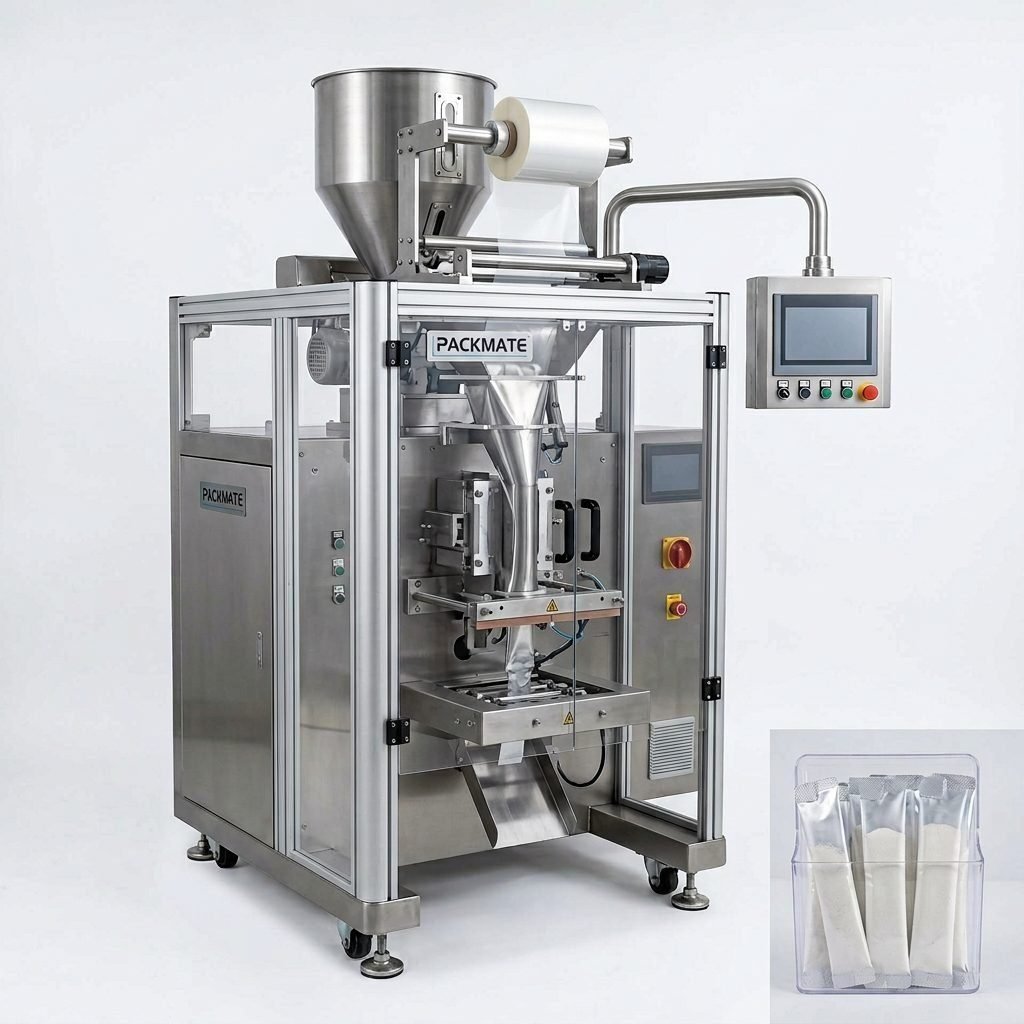
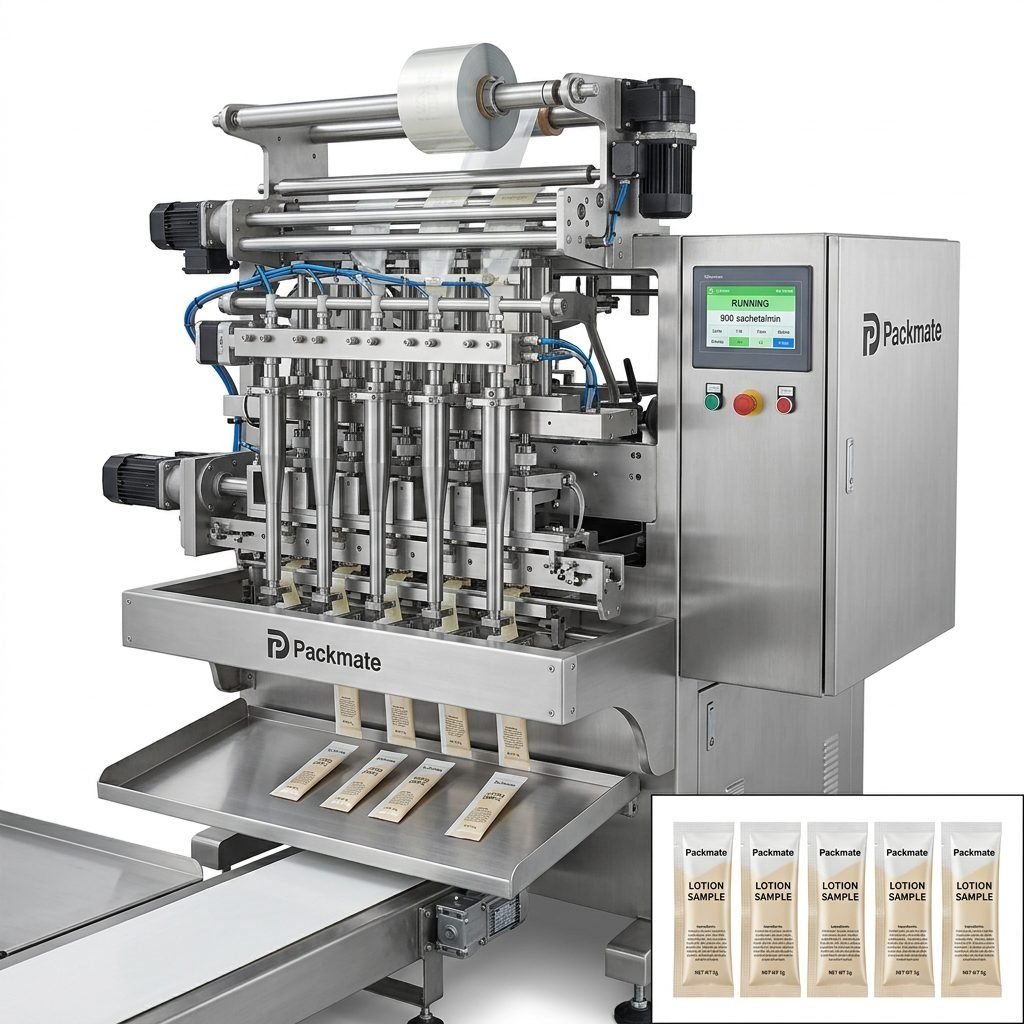
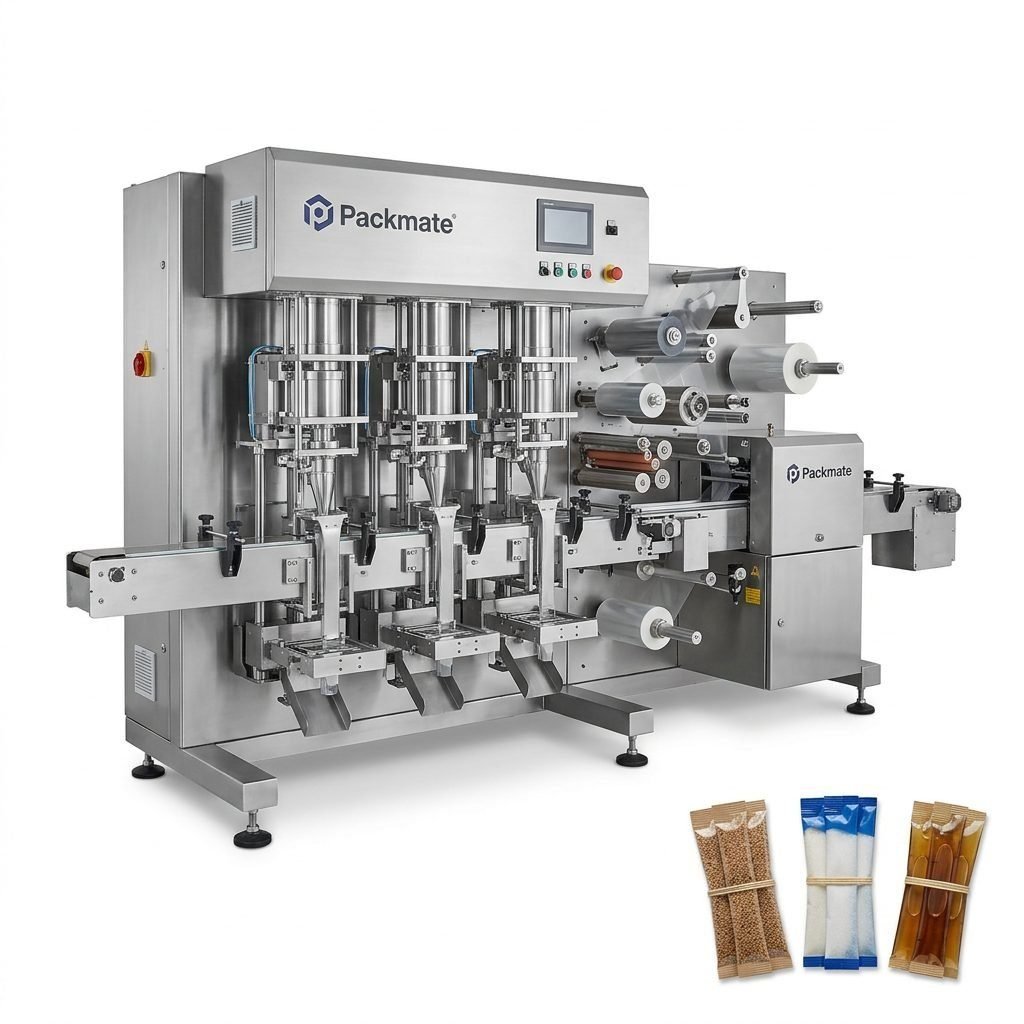
Packmate Machinery brings more than 30 years of focused experience in granule, powder, and liquid packaging. It is known for providing a practical balance of performance, cost-efficiency, and customization.
Key Points for Australian Buyers:
- Strong Sector Focus: Expertise in food powders, beverage mixes, supplements, and pharmaceuticals aligns with key Australian manufacturing sectors.
- Wide Model Range: Over 80 machine models provide flexibility to match specific output and format requirements.
- Established in Australia: Australia is listed among its main export markets, suggesting existing supply chain familiarity and potentially local support references.
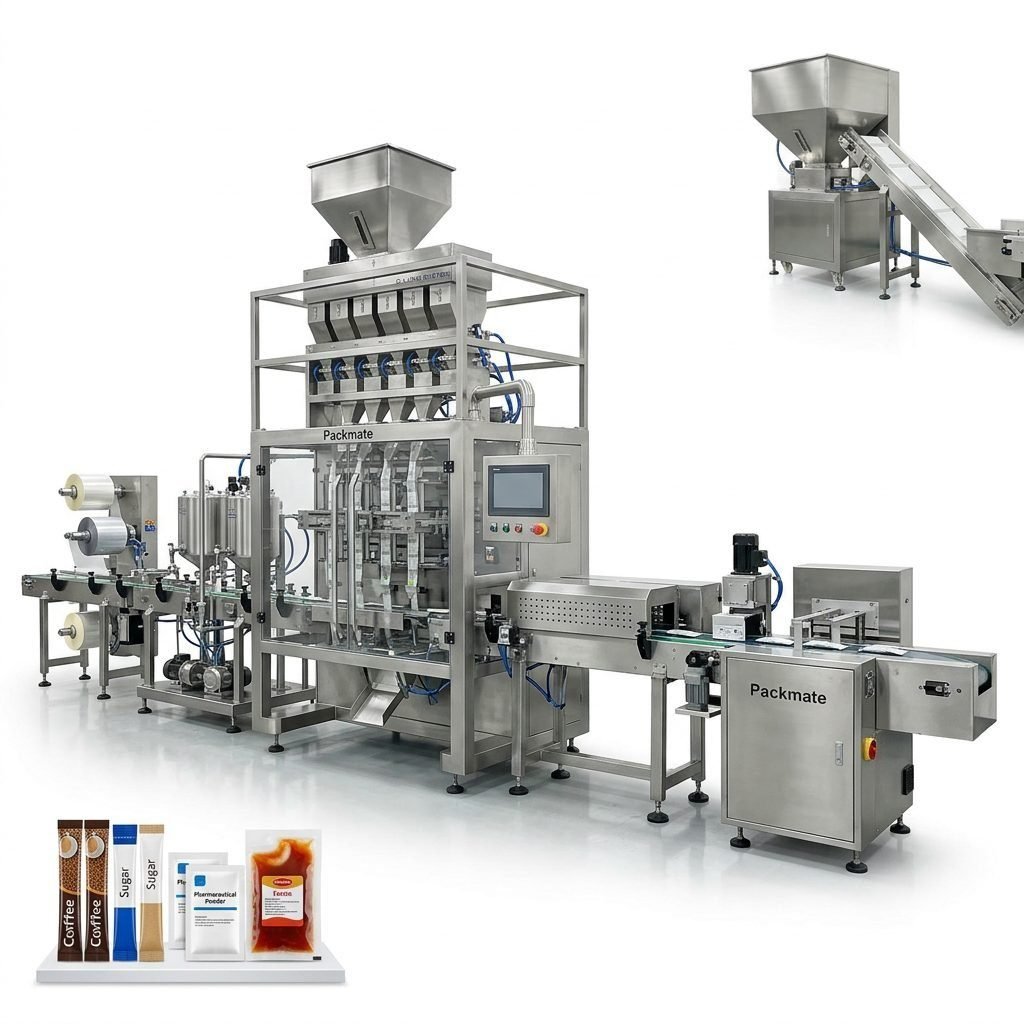
PacklineOEM: Specialists in Integrated Packaging Lines
As the name suggests, PacklineOEM specializes in complete, integrated packaging production lines. This focus makes them a prime candidate for Australian manufacturers planning greenfield projects or major automation upgrades.
Key Points for Australian Buyers:
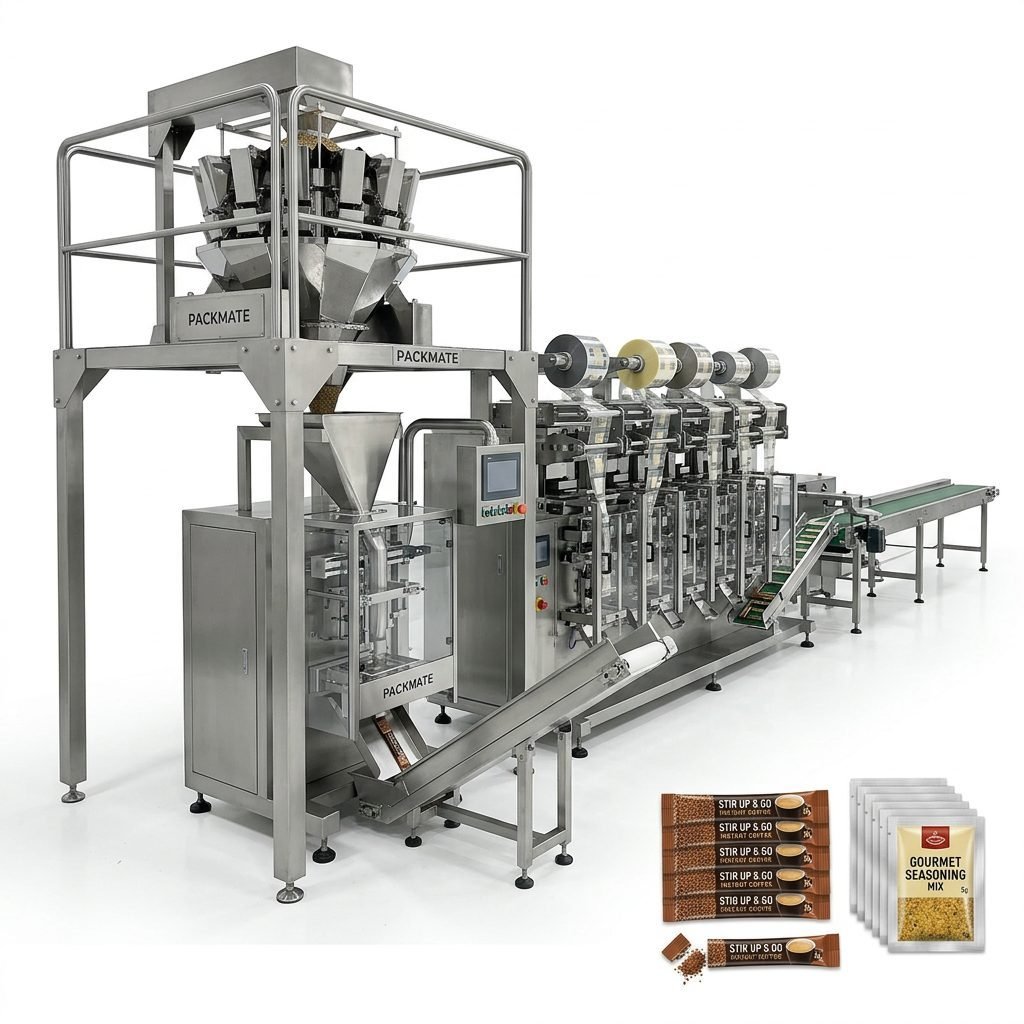
- Turnkey Expertise: Strong emphasis on line integration—from feeding and weighing to sealing, inspection, and palletizing.
- OEM & Custom Project Capability: Suitable for businesses requiring tailored solutions that fit unique factory layouts or product handling needs.
- Engineering Depth: Their approach is beneficial for complex projects where seamless coordination between different packaging stages is critical.
PackingMachineOEM: Experts in Non-Standard Customization
For projects where standard machines fall short, PackingMachineOEM offers a strong value proposition. They focus on engineering customized and non-standard packaging solutions.
Key Points for Australian Buyers:
- Flexible Engineering: Ideal for specialized packaging formats, unusual material properties, or unique automation sequences.
- Project-Based Focus: Operates well as a partner for bespoke equipment development, not just off-the-shelf sales.
- Australian Market Presence: Like Packmate, Australia is a noted export market, indicating relevant experience.
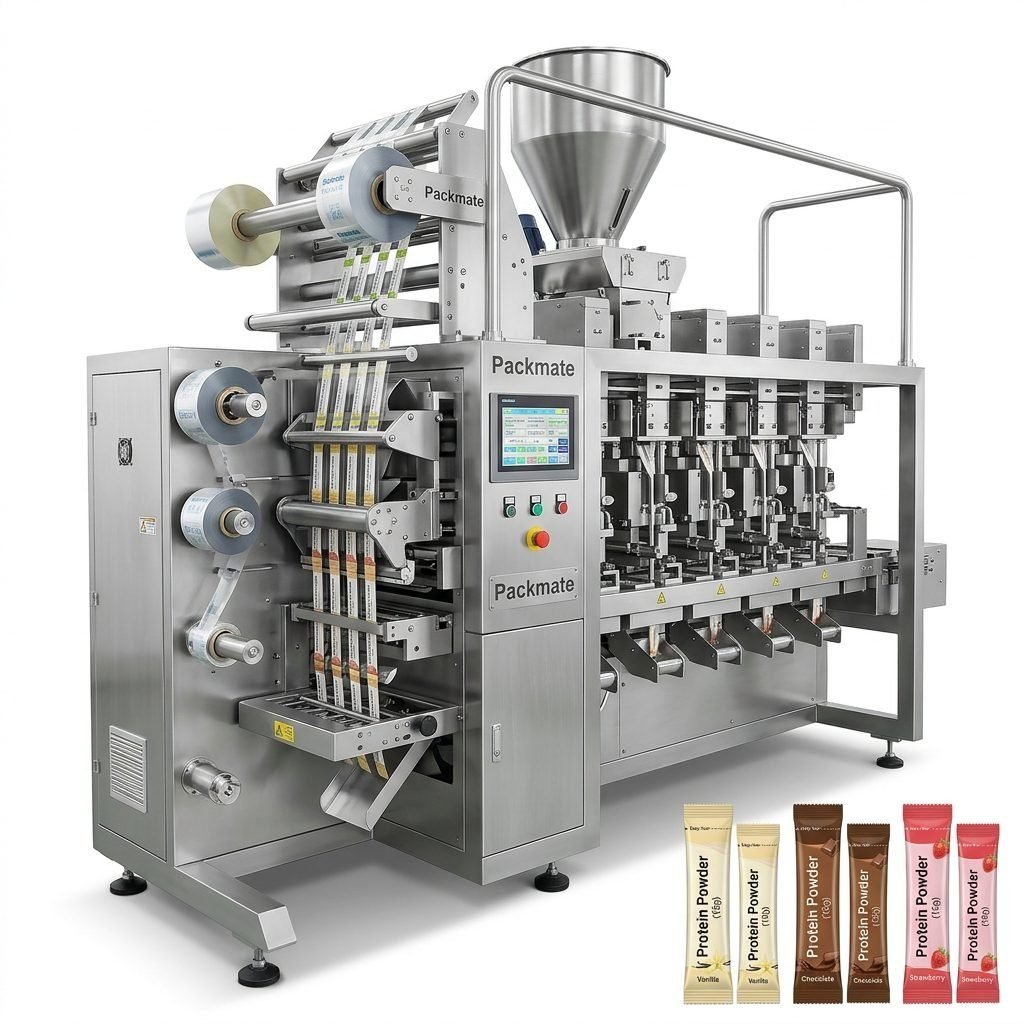
SnusMachinery: Niche Expertise in Pouch Packaging
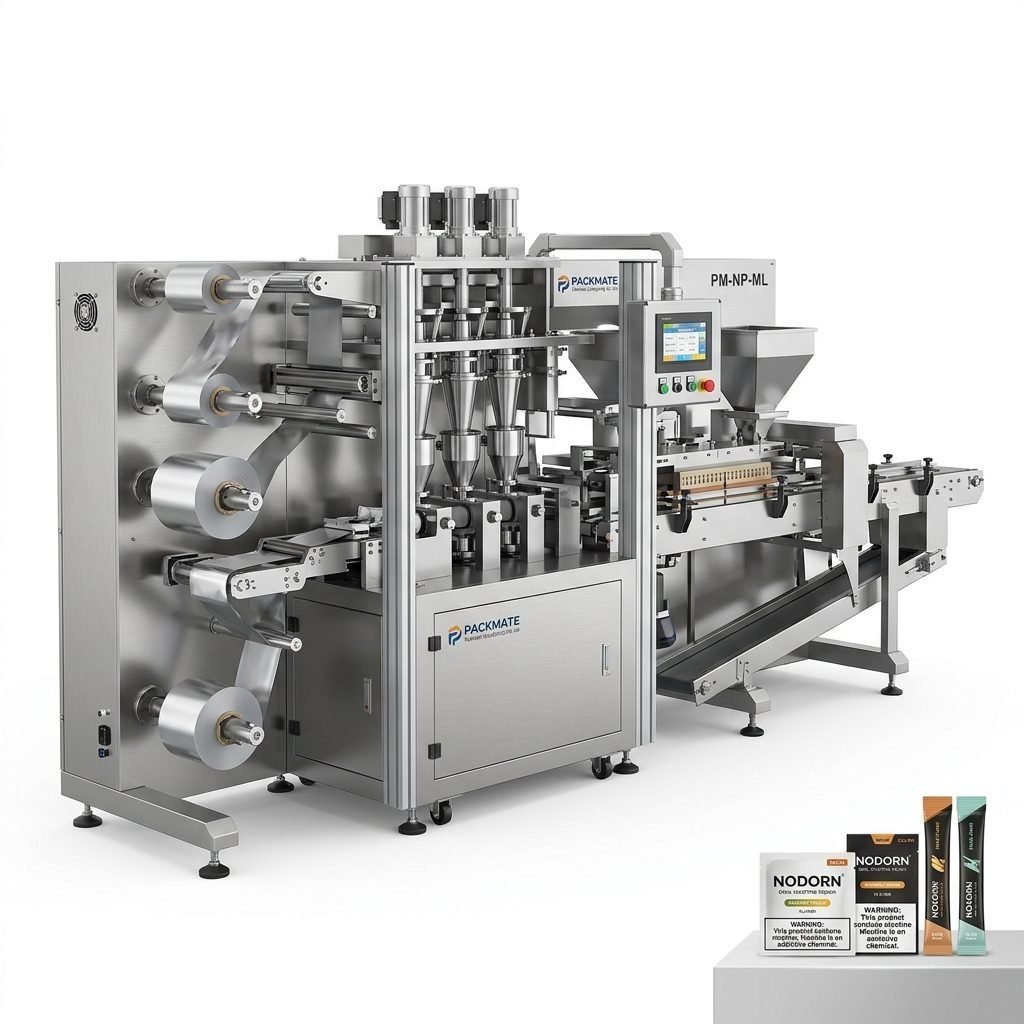
SnusMachinery offers specialized knowledge, particularly in the nicotine pouch and snus segment—a growing global niche. Their expertise in high-precision, multi-lane pouch packaging is also applicable to food, pharmaceutical, and cosmetic sachets.
Key Points for Australian Buyers:
- Specialized Application Knowledge: In-depth understanding of the precise dosing, sealing, and quality demands of pouch products.
- High-Performance Pouch Systems: Beneficial for any Australian manufacturer producing premium sachet or stick pack items where consistency is paramount.
- Customized Turnkey Solutions: Offers tailored lines for specialty sectors, providing an edge for businesses in competitive niche markets.
Comparative Overview at a Glance
| Manufacturer | Core Strength | Ideal For Australian Businesses Needing | Export Experience in Australia |
|---|---|---|---|
| Ludyway | Broad range, turnkey lines, high export volume | Scalable, full-line automation from a single source | Global reach, strong in many regions |
| Packmate Machinery | Reliable performance, cost-efficiency, wide model selection | Practical, reliable equipment for food, pharma, supplements | Yes, listed as a main export market |
| PacklineOEM | Integrated turnkey production lines | Complete factory line design and integration | Strong in Europe, Americas |
| PackingMachineOEM | Non-standard & customized machine solutions | Bespoke equipment for unique products or processes | Yes, listed as a main export market |
| SnusMachinery | Nicotine pouch & specialized sachet packaging | High-precision pouch packaging for niche or premium products | Strong in Europe, Americas |
Making the Final Decision: A Practical Checklist
Before finalizing a supplier, Australian manufacturers should undertake thorough due diligence. Here is a actionable checklist:
- Request Detailed Case Studies: Ask for references and project examples from clients with similar products or output requirements, preferably in regions with comparable standards.
- Clarify Support & Warranty Terms: Understand exactly what the after-sales support includes. How are spare parts shipped to Australia? What is the typical response time for technical queries?
- Arrange a Factory Audit (Virtual or In-Person): If possible, visit the manufacturing facility or arrange a detailed virtual tour to assess build quality, processes, and scale.
- Test with Your Product: Insist on a factory acceptance test (FAT) using your actual product samples to verify performance, speed, and packaging quality before shipment.
- Review Total Contractual Terms: Scrutinize the supply contract, focusing on delivery timelines, payment milestones, performance guarantees, and intellectual property for any customizations.
Conclusion: Building a Long-Term Partnership
Choosing a packaging machine supplier is not just a transaction; it’s the beginning of a long-term partnership. For Australian manufacturers, partnering with an experienced, internationally-oriented supplier who understands the need for reliable support, customization, and compliance can provide a significant competitive advantage. By focusing on the supplier’s technical capability, proven export experience, and commitment to after-sales support, businesses can invest in automation that drives efficiency, quality, and growth for years to come.
Frequently Asked Questions (FAQs)
Q1: Why consider an international manufacturer over a local Australian supplier?
A: International manufacturers, especially those with strong export focus, often offer a wider range of advanced automation technologies, greater customization experience, and competitive pricing due to scale. The key is to verify their ability to provide reliable local support and spare parts logistics.
Q2: What are the main logistical challenges of importing packaging machinery to Australia?
A: Challenges include freight costs and timing, navigating Australian customs and biosecurity regulations (especially for food-grade equipment), and ensuring technical documentation meets local electrical and safety standards. A reputable supplier will have experience managing this process.
Q3: How important is it that the supplier lists Australia as an export market?
A: It is a positive indicator. It suggests the supplier is familiar with shipping, documentation, and potentially has existing clients in Australia for reference. However, a supplier with vast experience in similar markets (e.g., EU, North America) but not yet in Australia can still be an excellent choice if they demonstrate strong logistical and support capabilities.
Q4: What is the typical lead time for receiving an automated packaging line from an overseas supplier?
A: Lead times vary significantly based on machine complexity and customization. For standard machines, it could be 2-4 months. For fully customized turnkey lines, it can range from 5 to 9 months or more, including design, manufacturing, factory testing, and shipping.
Q5: Can these suppliers help with installation and commissioning in Australia?
A: Most reputable international suppliers offer commissioning services. This usually involves sending their engineers to your site for installation, calibration, and operator training. The cost and duration of this service should be clarified upfront in the project quotation.