The modern fulfillment center is a symphony of motion, where efficiency and accuracy are paramount. At the heart of this operation lies the packing station—a potential bottleneck that can make or break order fulfillment speed and customer satisfaction. This guide delves into the world of automated packing systems, exploring the best packaging equipment designed to transform your fulfillment center from a manual labor hub into a streamlined, high-throughput engine.
The Critical Role of Automated Packing in Modern Fulfillment
Manual packing is no longer sustainable for growing e-commerce and distribution businesses. It’s slow, prone to errors, and scales poorly with increasing order volumes. Automated packing systems address these challenges head-on by:
→ Dramatically Increasing Speed: Machines can form, fill, and seal packages many times faster than human hands.
→ Ensuring Consistent Accuracy: Automated weighing and measuring eliminate overfills and underfills, saving product and cost.
→ Reducing Labor Costs & Strain: Automating repetitive tasks frees staff for higher-value roles and reduces workplace injury risks.
→ Optimizing Packaging Materials: Systems can right-size boxes or pouches on the fly, minimizing void fill and shipping costs.
Investing in the right equipment is not just an upgrade; it’s a strategic necessity for staying competitive. For a broad overview of available technologies, exploring a manufacturer’s full packing machine portfolio is an excellent starting point.
Core Components of an Automated Packing Line
An integrated system typically consists of several key machines working in concert:
1. Bagging & Pouch Machines
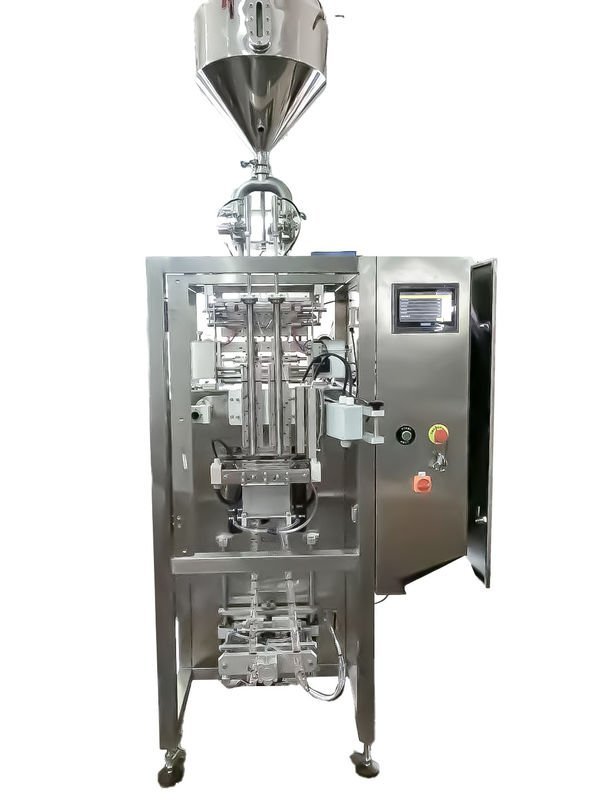
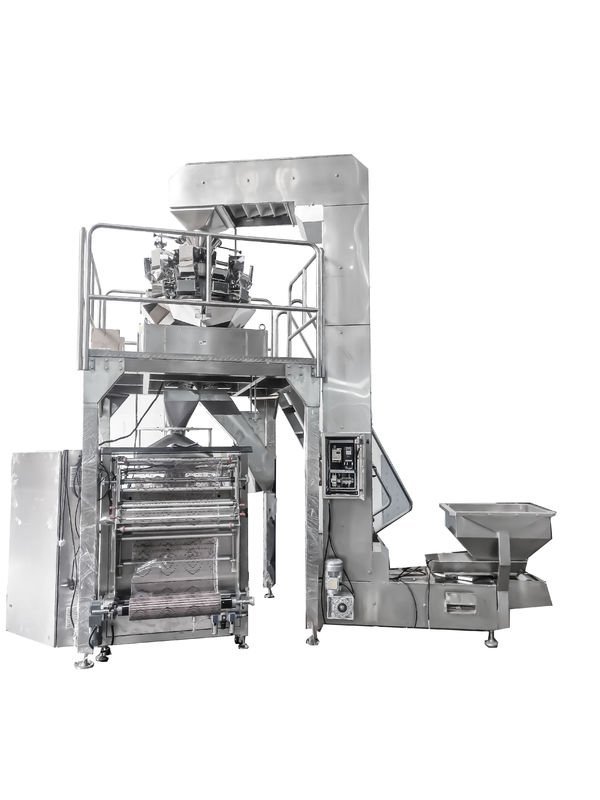
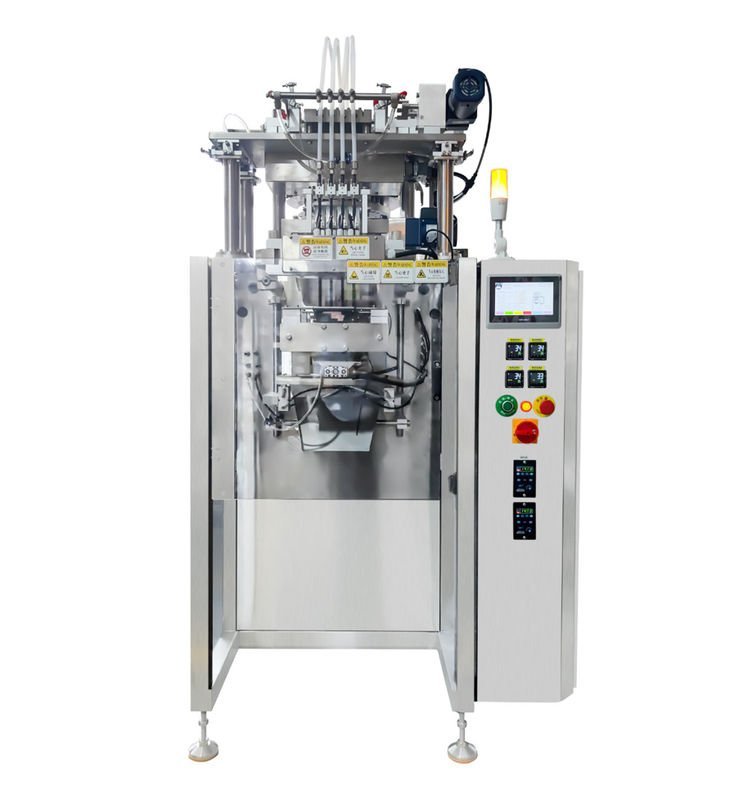
Ideal for a vast range of products from snacks to hardware components, these systems automatically form bags from roll stock, fill them with product, and seal them. They are highly versatile and can handle everything from stand-up pouches to flat bags. For smaller, unit-dose products like condiments, powders, or supplements, high-speed sachet and stick pack machines are the industry standard, capable of producing thousands of perfectly sealed packets per hour.
2. Automated Cartoning & Case Packing
Once products are bagged or boxed, they often need to be grouped into larger retail cartons or shipping cases. Automated cartoners erect boxes, insert products, and close them seamlessly. Case packers then take these cartons and efficiently load them into shipping cases, ready for palletizing.
3. Weighing & Filling Systems
Accuracy is non-negotiable. Multi-head weighers and auger filler systems ensure precise portion control for granular, powdered, or liquid products. These are often integrated directly with bagging machines to create a continuous, closed-loop filling and packaging line. Advanced weighing and packaging systems combine these functions with software for real-time data tracking and yield optimization.
4. Ancillary & Support Equipment
The ecosystem is completed by vital support equipment. This includes labelers, coders, checkweighers (to verify package weight), metal detectors, and conveyor systems that tie the entire process together. Reliable auxiliary packaging equipment ensures smooth flow and final product integrity.
Selecting the Best Equipment for Your Center: Key Considerations
Choosing the right system requires a careful analysis of your specific needs:
Product Characteristics: Is your product a powder, granule, liquid, or solid item? Its form dictates the type of filling and handling technology required.
Required Output Speed: Calculate your current and projected peak order volumes to determine the necessary machines-per-minute (MPM) rate.
Flexibility & Changeover: If you run multiple SKUs, look for equipment with quick-change parts and easy-to-program settings to minimize downtime between product runs.
Footprint & Integration: Measure your available space. A trusted supplier like Packmate (GuangDong) Co., Ltd. can design a compact, turnkey line that fits your layout. With over 30 years of experience and a 20,000㎡ modern facility, they specialize in creating integrated solutions that maximize output in minimal space.
Total Cost of Ownership (TCO): Look beyond the initial purchase price. Consider energy efficiency, maintenance costs, and the machine’s durability and reliability over a 10+ year lifespan.
The Future of Fulfillment: Smart Packaging Systems
The next evolution is the “smart” fulfillment center. Modern automated packing systems are increasingly equipped with IoT sensors and connectivity. This allows for:
Predictive Maintenance: Machines alert operators to potential component wear before a failure causes downtime.
Real-Time Analytics: Dashboards display OEE (Overall Equipment Effectiveness), throughput, and waste metrics, enabling data-driven decisions.
Seamless WMS/ERP Integration: Packing data flows directly into warehouse management systems, providing end-to-end order visibility.
Adopting such technology future-proofs your investment and creates a more responsive, efficient operation.
Implementing Your Automated System
Successful implementation is a phased process:
1. Consultation & Planning: Work with your equipment provider to audit your process and design the optimal line layout.
2. Installation & Commissioning: Professional on-site setup and calibration are crucial for peak performance.
3. Training & Support: Ensure your team is thoroughly trained on operation, basic troubleshooting, and safety protocols. A partner with a strong global service network is invaluable.
4. Continuous Optimization: Use the data from your new system to fine-tune settings, improve changeover times, and identify further efficiency gains.
For businesses looking at specialized applications, such as portion-controlled tobacco-free products, there is also dedicated machinery like snus and nicotine pouch packaging machines that meet stringent industry requirements.
Frequently Asked Questions (FAQ)
Q1: What is the typical ROI for an automated packing system?
ROI depends on volume, labor costs, and error reduction. Many centers see a full return on investment within 12-24 months due to labor savings, increased throughput, and reduced material waste.
Q2: How difficult is it to maintain automated packing equipment?
Modern machines are designed for reliability and easy maintenance. Daily cleaning and routine inspections are key. Choosing a supplier with readily available spare parts and strong technical support, like Packmate with its 100+ advanced production equipment and dedicated team, minimizes long-term maintenance challenges.
Q3: Can automated systems handle multiple product sizes and types?
Yes, many systems are built for flexibility. Look for machines with quick-change tooling and programmable recipes that allow you to switch between products with minimal downtime, often in minutes.
Q4: Are there automation solutions for small to mid-sized fulfillment centers?
Absolutely. Automation is scalable. There are compact, semi-automatic, and modular systems designed specifically for businesses that are growing, allowing you to automate your most repetitive or high-volume tasks first without a massive capital outlay.
Q5: How do I ensure the equipment I choose is reliable?
Research the manufacturer’s reputation, years in business, and quality certifications. Request case studies or references from clients in similar industries. A company with a long history, like Packmate which was founded on a passion for robust automation in 1993, typically offers proven and reliable machinery.