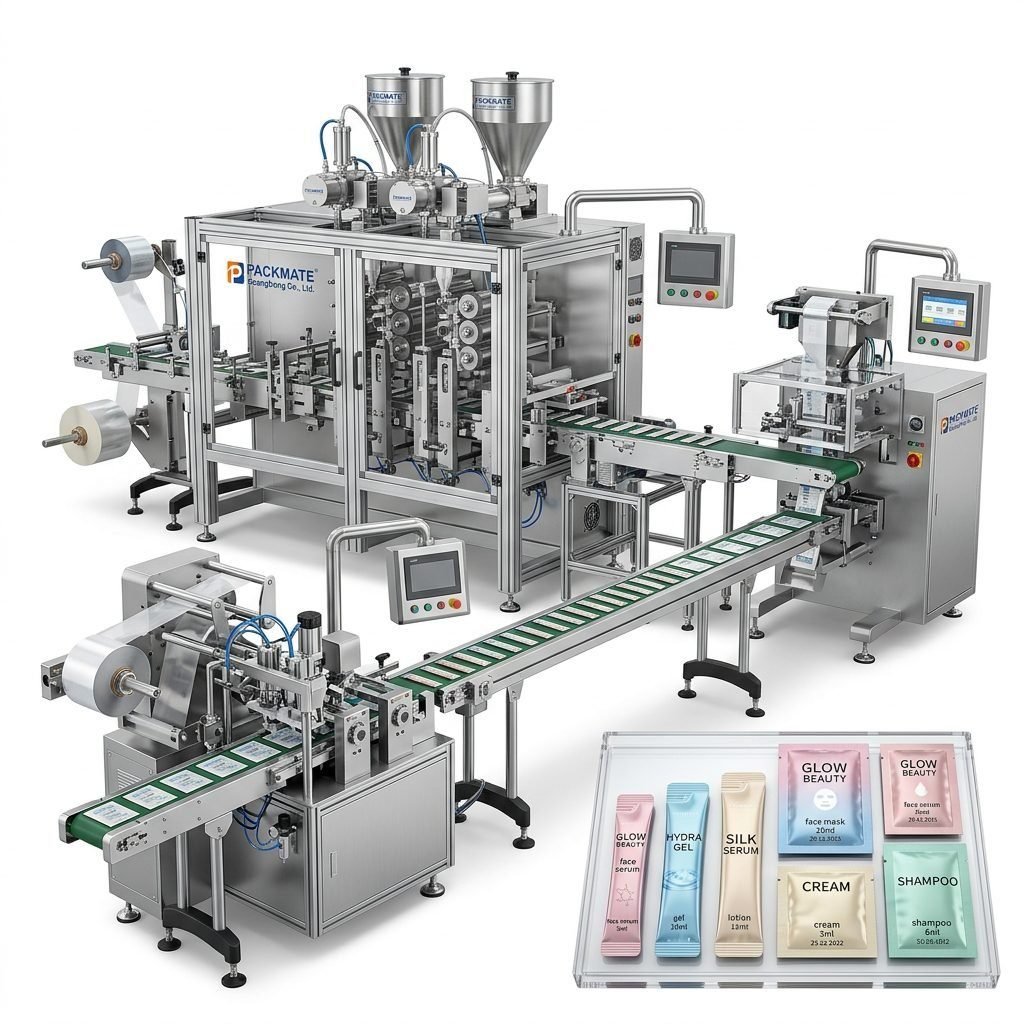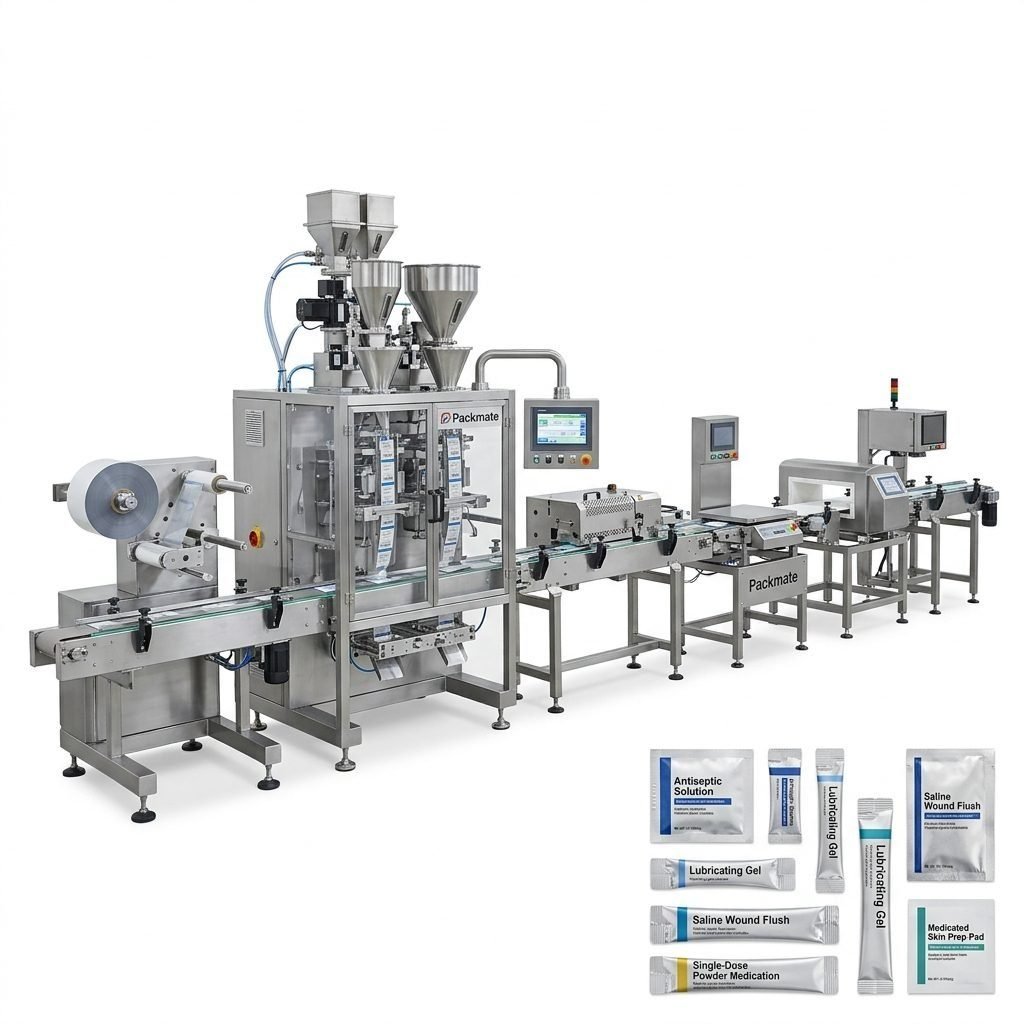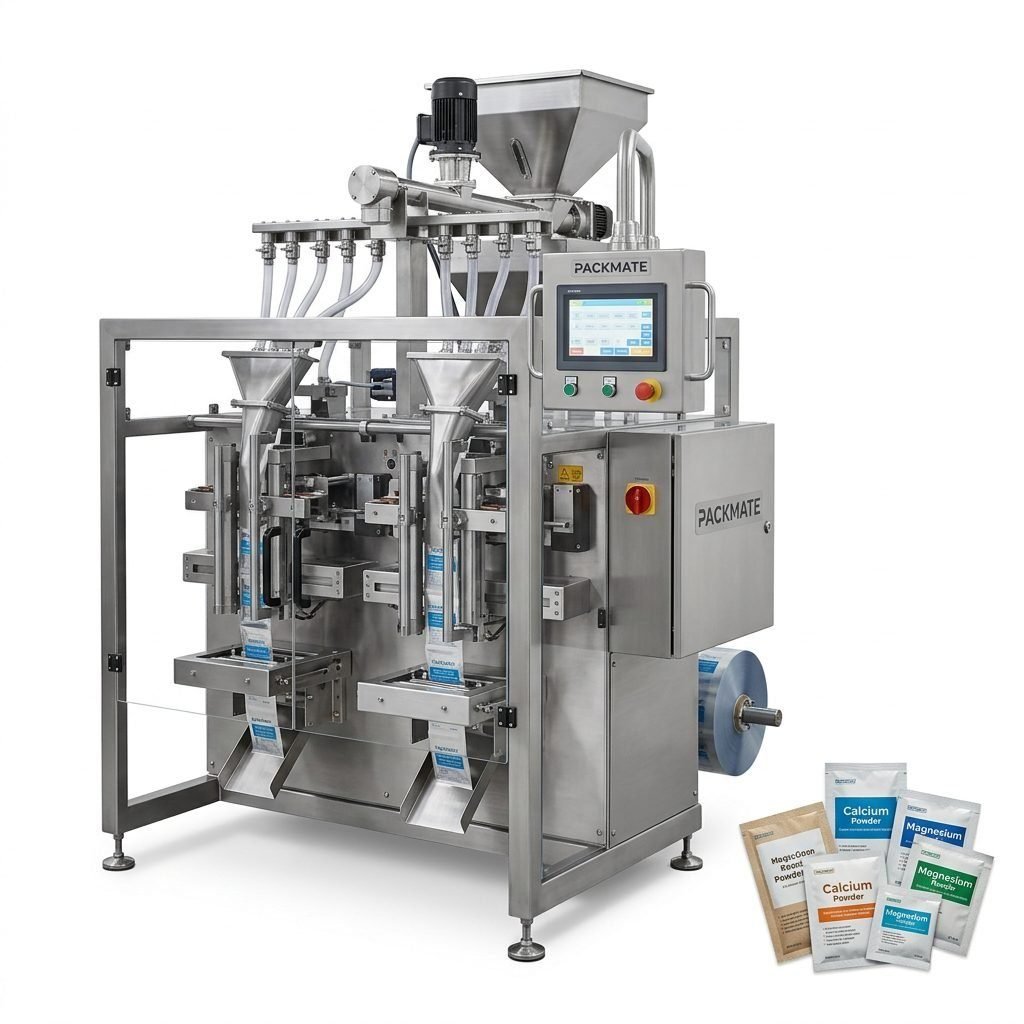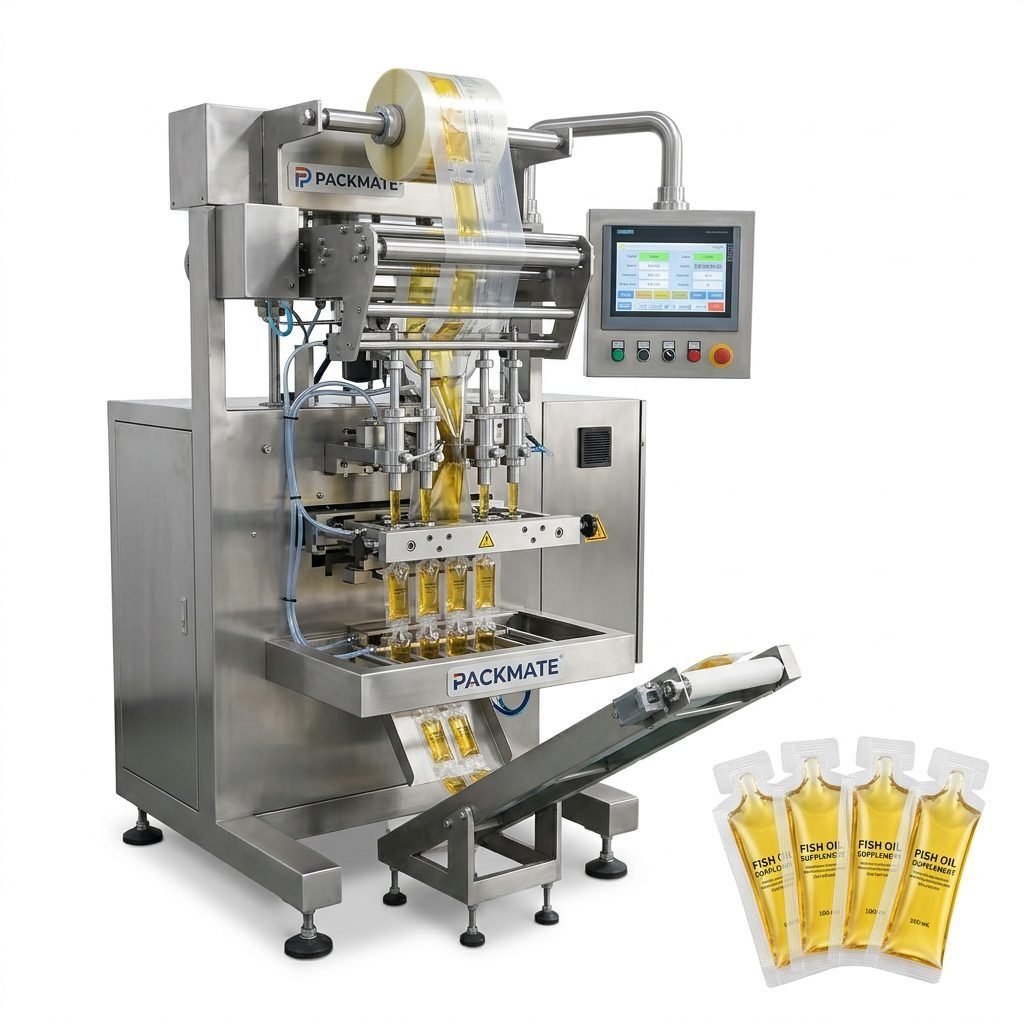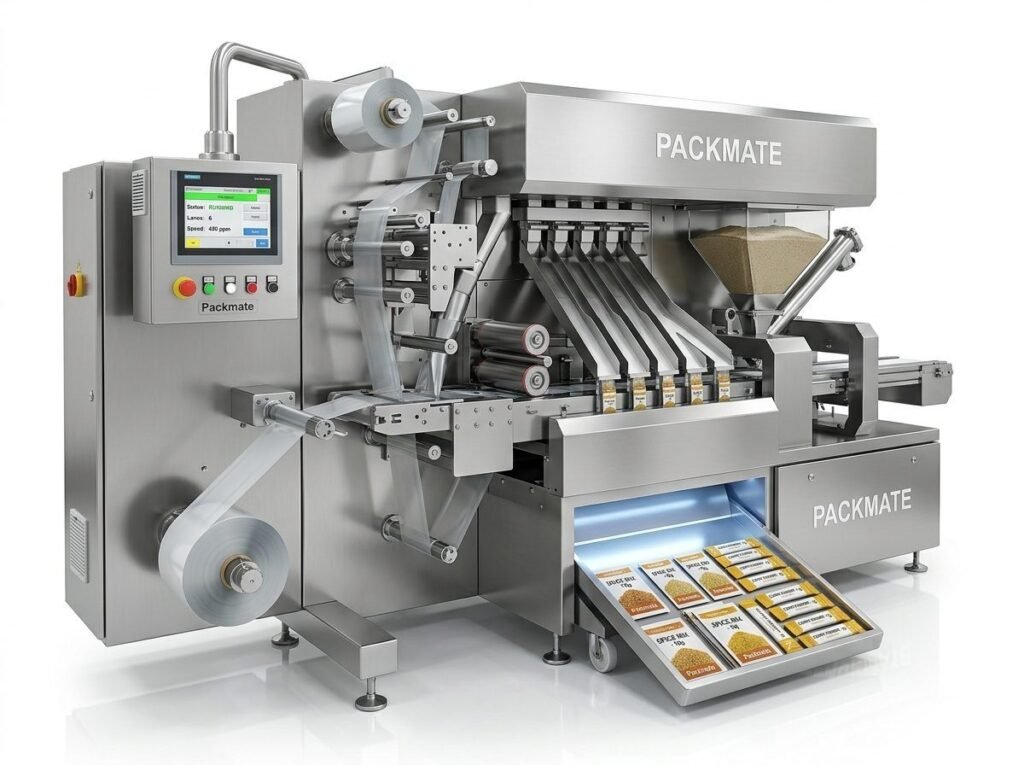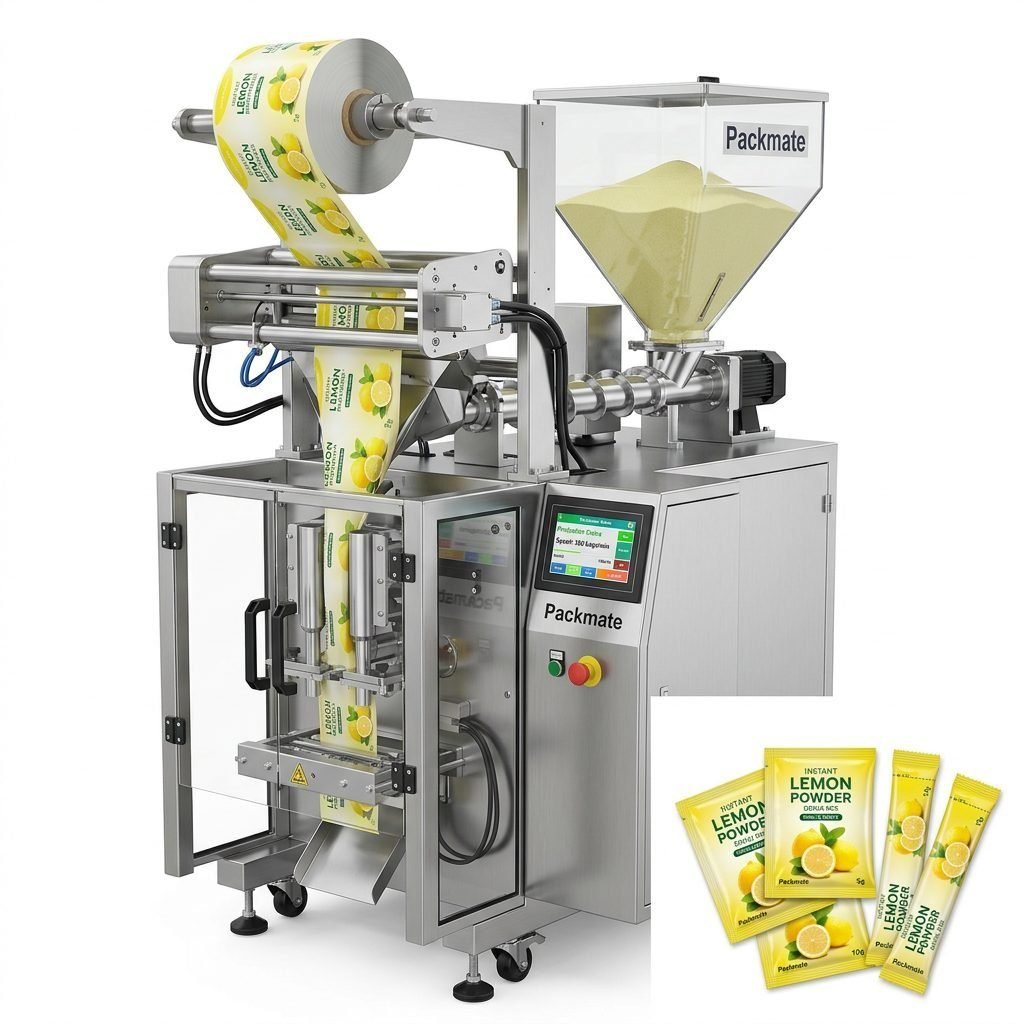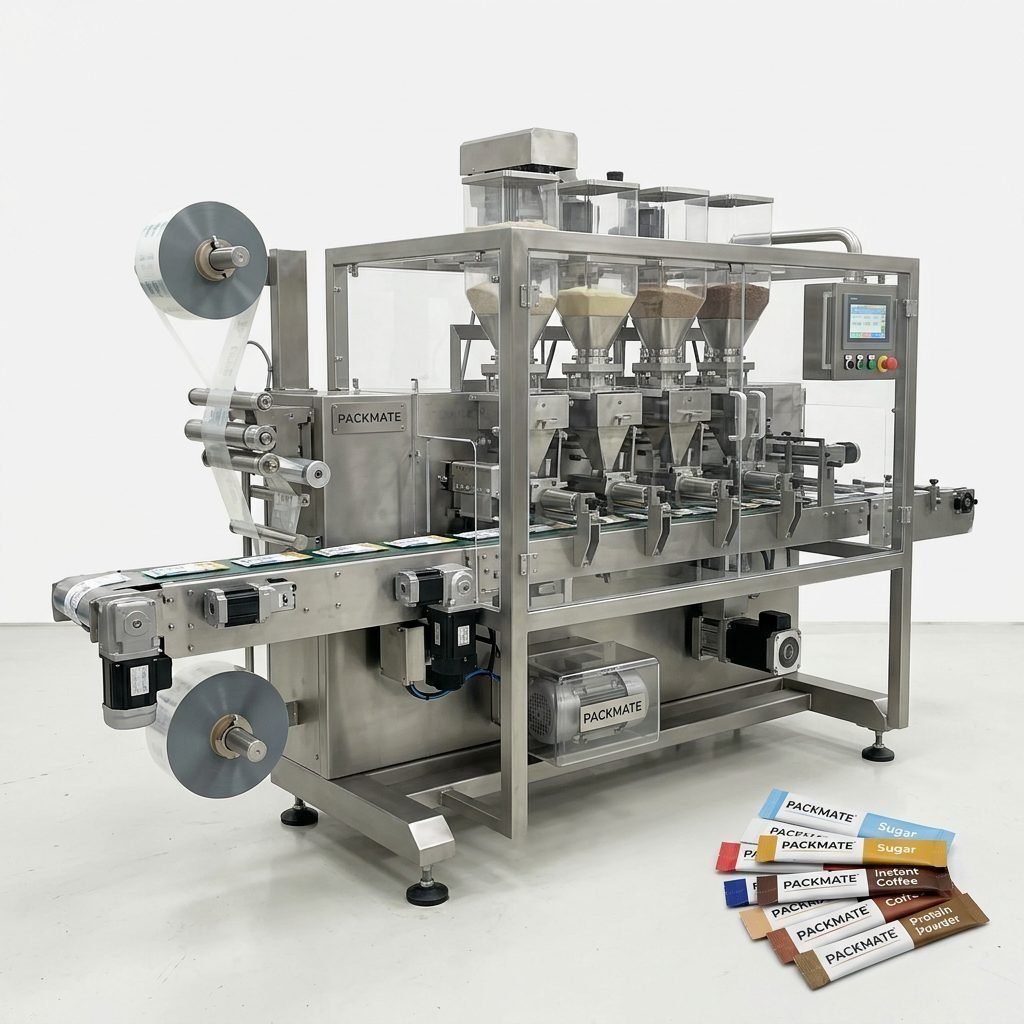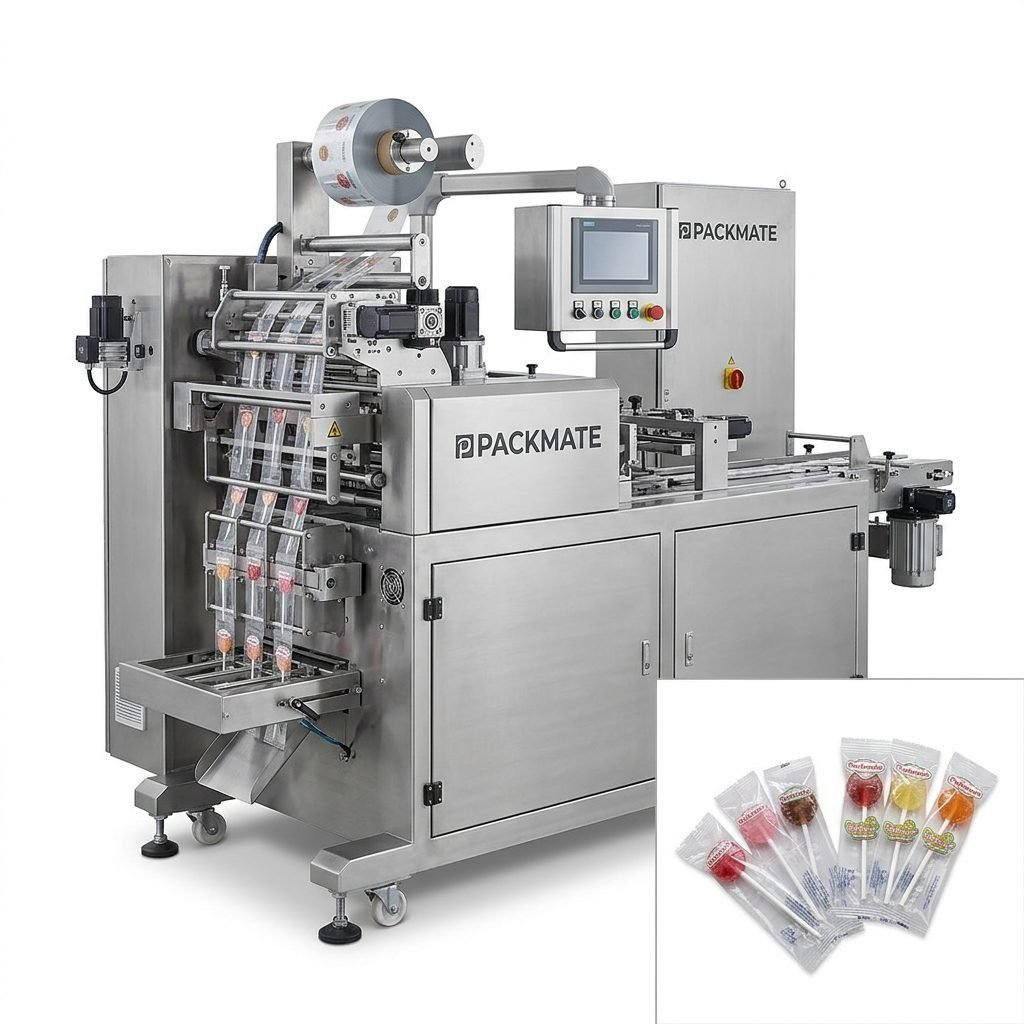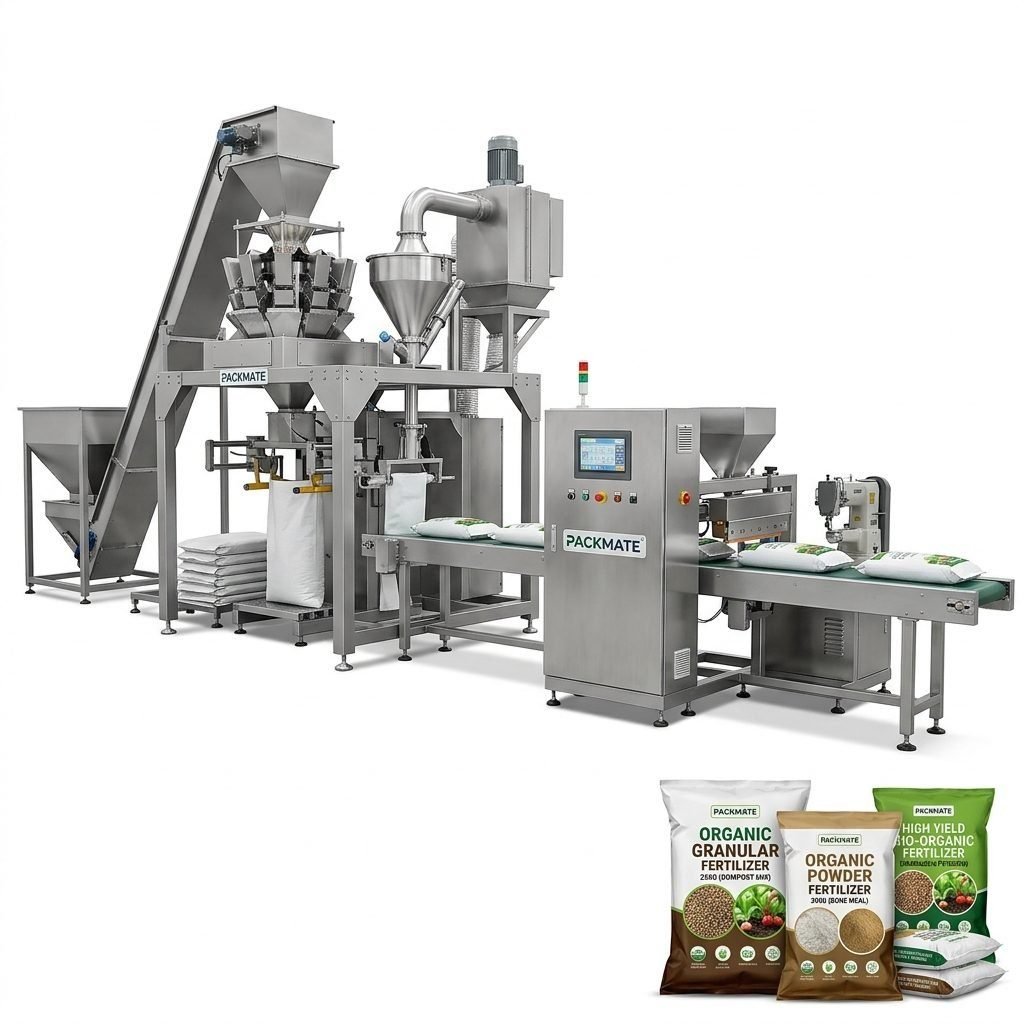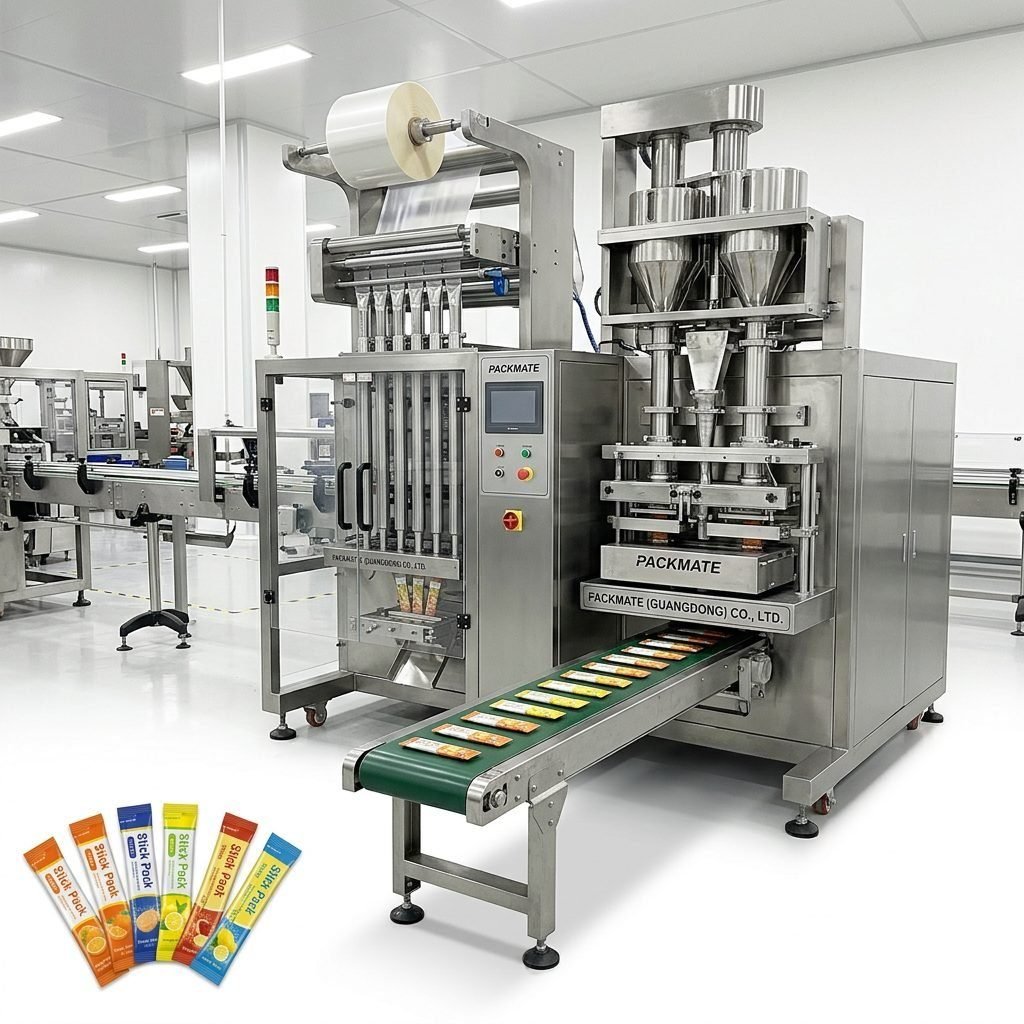
In today’s fast-paced manufacturing landscape, maximizing output and minimizing costs are paramount. For businesses producing single-serve items like instant coffee, sugar sachets, seasoning packets, pharmaceutical powders, or cosmetic samples, a multi lane packaging machine is often the key to unlocking significant productivity gains. Unlike single-lane systems, these machines feature multiple, parallel filling and sealing channels, dramatically increasing throughput. However, with various manufacturers and models available, selecting the right multi-channel packing solution requires careful consideration of your specific production needs.
Understanding Multi Lane Packaging Technology
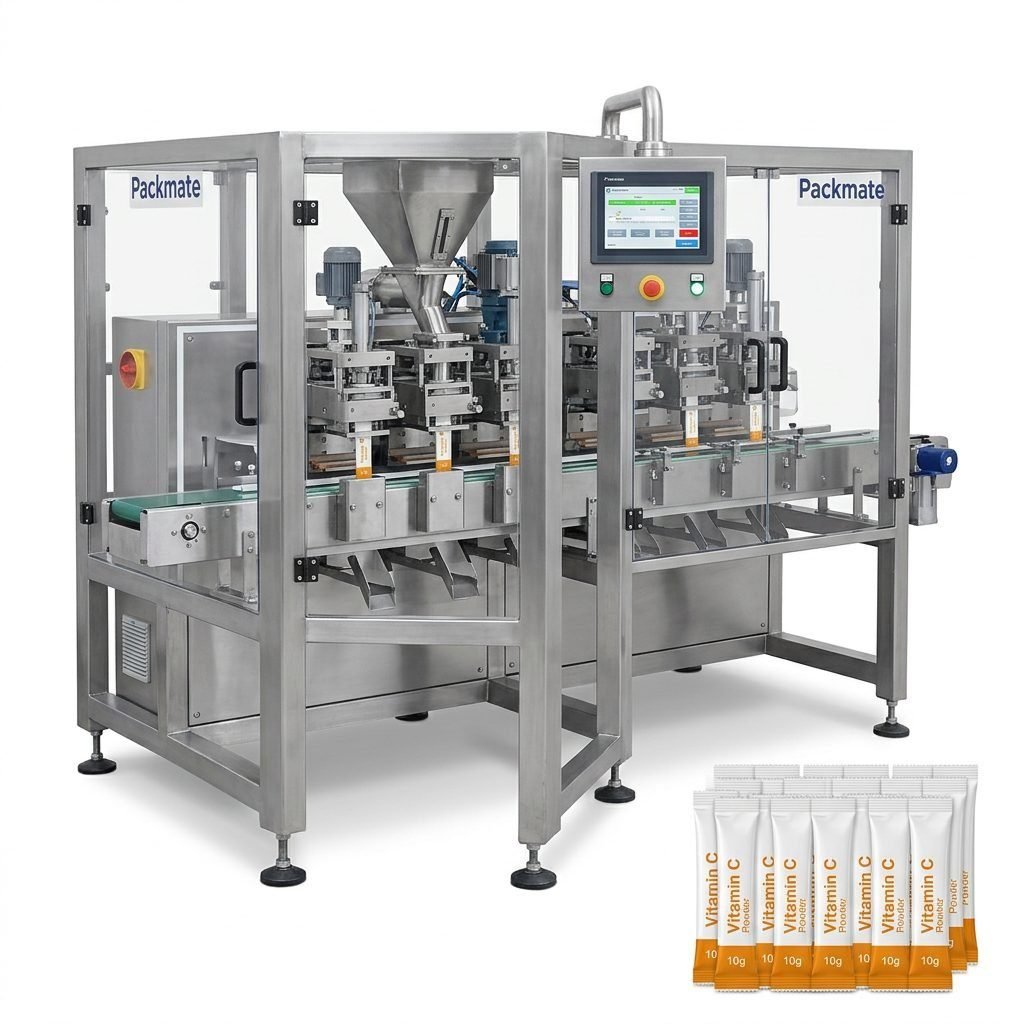
A multi lane packaging machine, often referred to as a multi-channel or multi-track machine, is a vertical form-fill-seal (VFFS) system designed with several synchronized lanes. Each lane independently forms, fills, and seals individual pouches (stick packs, sachets, etc.) from a roll of packaging film. This parallel processing capability allows a single machine to achieve outputs that would otherwise require multiple standalone units, saving valuable floor space, energy, and operational complexity.
The core advantage lies in scalability. For high-volume products with consistent, free-flowing characteristics, a well-configured multi-lane system can be the most efficient path to meeting demand. These systems are particularly dominant in sectors like food & beverage, pharmaceuticals, nutraceuticals, and fast-moving consumer goods (FMCG).
Key Advantages of Multi-Lane Systems
- High Throughput: Achieve production speeds from hundreds to thousands of pouches per minute.
- Space Efficiency: One machine performs the work of several, optimizing factory layout.
- Lower Cost Per Unit: Higher output spreads fixed costs (machine, labor, energy) over more units.
- Consistency: Integrated controls ensure uniform filling and sealing across all lanes.
- Flexibility: Modern machines can often be adjusted for different pouch sizes and lane configurations.
How to Choose the Right Multi Channel Packing Solution: A Step-by-Step Guide
Selecting a multi-lane machine is a strategic investment. A misaligned choice can lead to downtime, product waste, and unmet production targets. Follow this framework to make an informed decision.
1. Define Your Product and Packaging Specifications
This is the foundational step. The characteristics of your product dictate the machine’s requirements.
| Product Characteristic | Key Considerations | Machine Implications |
|---|---|---|
| Physical Form | Powder, granule, liquid, paste, solid pieces? | Type of filling system (auger, volumetric cup, pump), nozzle design, sealing parameters. |
| Flow Properties | Free-flowing, cohesive, sticky, hygroscopic? | Specialized hoppers, agitators, vibration systems, or inert gas flushing may be needed. |
| Pouch Type & Size | Stick pack, sachet, 3-side seal, 4-side seal? Dimensions (LxW)? | Determines the forming tube size, film width, and sealing jaw configuration. |
| Packaging Material | Laminated film (PET/AL/PE), paper, recyclable mono-material? | Impacts sealing temperature, pressure, and the type of sealing system (thermal, ultrasonic). |
2. Determine Your Required Output (Speed & Capacity)
Calculate your current and projected future production needs. Output is typically measured in pouches per minute (PPM). A 4-lane machine running at 100 PPM per lane yields 400 PPM total. Consider:
- Peak Demand: Can the machine handle your busiest seasons?
- Shift Patterns: Will you run 8, 16, or 24 hours?
- Efficiency Factor: Account for changeover, cleaning, and maintenance downtime (aim for >85% operational efficiency).
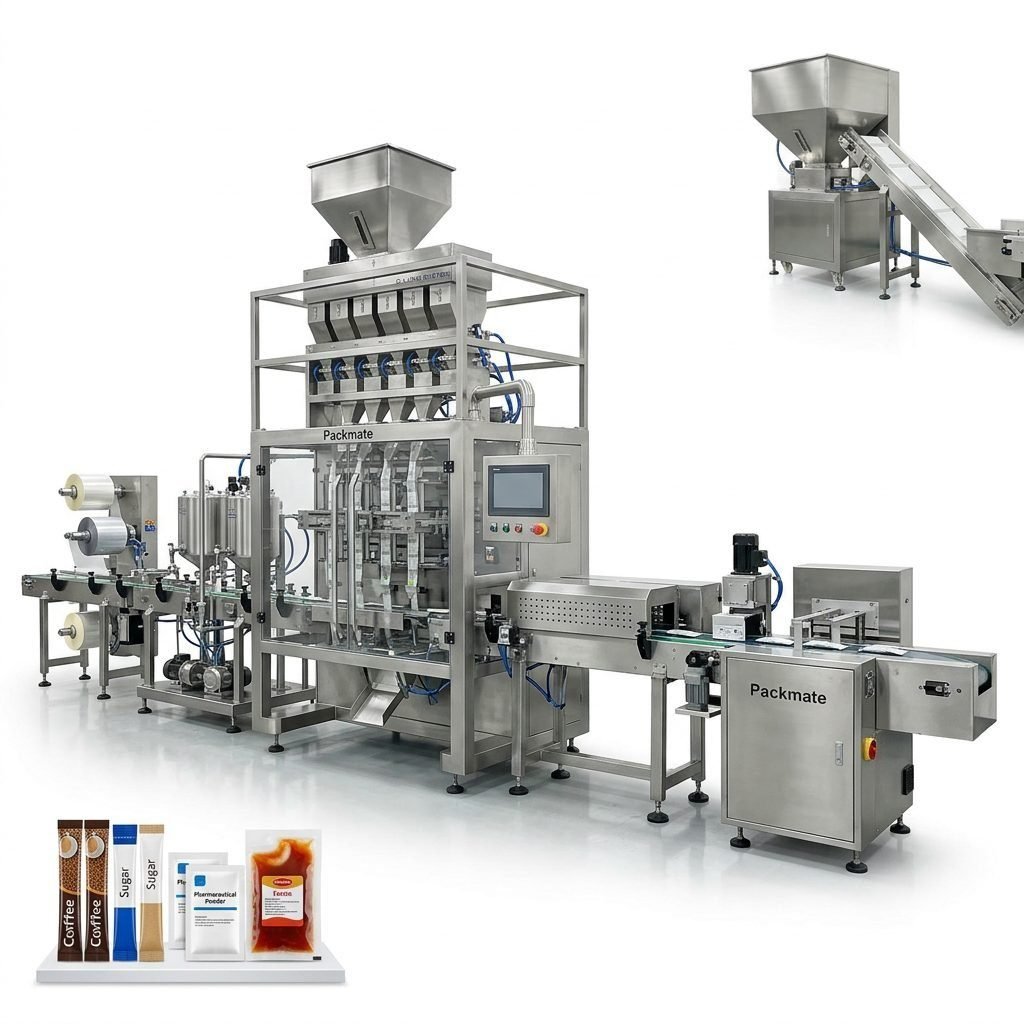
3. Evaluate Machine Features and Customization
Not all multi-lane machines are created equal. Look for features that match your precision and hygiene needs.
Critical Features to Assess:
• Filling Accuracy: For expensive ingredients (e.g., pharmaceuticals, premium supplements), high-precision servo-driven auger fillers or weigh-cell systems are essential. For example, companies like Ludyway offer advanced multi-head weighers for granular products.
• Changeover Time: How quickly can you switch between different pouch sizes or products? Look for tool-less or quick-change systems.
• Hygiene & Construction: For food or pharma, demand stainless steel (304 or 316) contact parts, CIP/SIP capabilities, and designs that prevent cross-contamination.
• Control System & Data: A user-friendly HMI (Human-Machine Interface) with recipe storage, production reporting, and diagnostic tools is invaluable for operational management.
4. Consider Integration and After-Sales Support
A packaging machine is part of a larger system. Consider how it will integrate with your upstream (feeding, mixing) and downstream (cartoning, case packing) processes. Furthermore, the manufacturer’s support is critical.
- Turnkey Solutions: For complex lines, a supplier capable of providing a complete, integrated system is ideal. Manufacturers like PacklineOEM specialize in designing and delivering complete packaging lines.
- Technical Support & Training: Ensure the supplier offers comprehensive installation, training, and readily available spare parts.
- Warranty & Service Network: Check the warranty period and the availability of service engineers in your region, especially for exporters in Europe or North America.
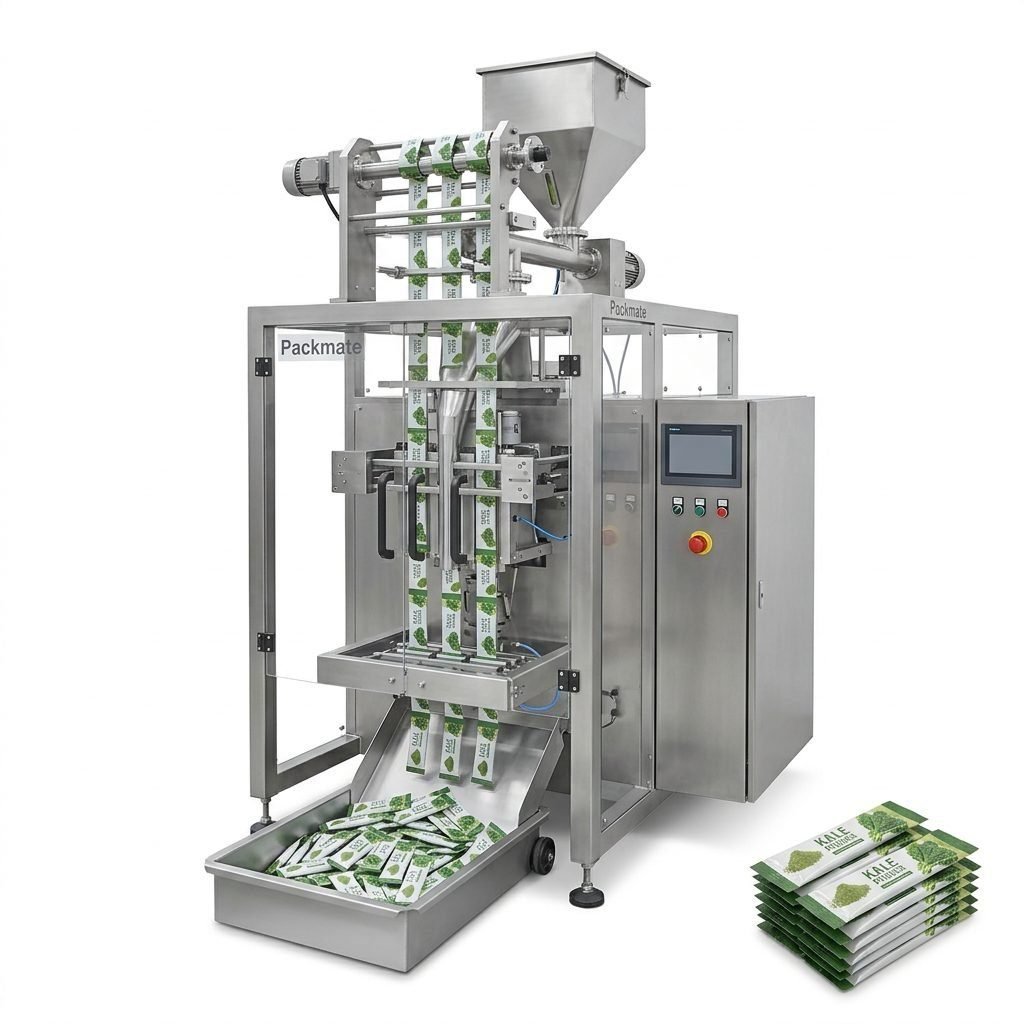
Market Leaders in Multi-Lane Packaging Solutions
Several established manufacturers offer robust multi-lane systems. Here’s a comparative overview of key players:
| Manufacturer | Key Strength | Ideal For | Export Focus |
|---|---|---|---|
| Ludyway | Broad portfolio, strong export footprint, complete turnkey lines. | Food, pharma, health supplements; customers seeking scalable, full-line solutions. | Global (Europe, NA, ME, SA, Africa, SEA) |
| Packmate Machinery | Balanced cost-performance, strong in food/pharma/supplements, over 80 models. | Medium to large operations needing reliable automation with customization flexibility. | Europe, NA, ME, SA, Australia |
| PacklineOEM | Specialization in integrated turnkey production lines. | Buyers prioritizing complete, automated system integration over standalone machines. | Europe, NA, ME, SA |
| PackingMachineOEM | Strong capability in non-standard and customized machine engineering. | Projects with unique product formats, materials, or automation requirements (OEM projects). | Europe, NA, ME, Australia |
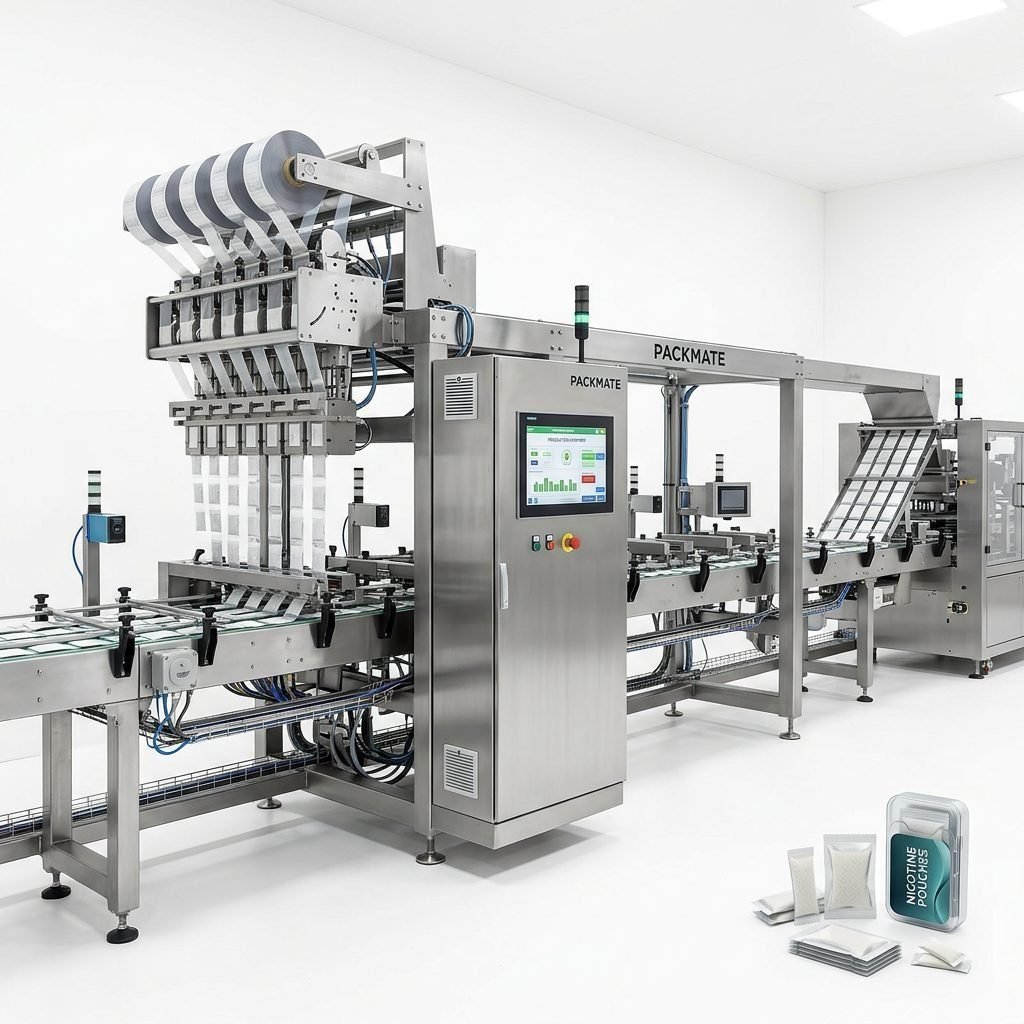
| SnusMachinery | Niche expertise in nicotine pouch, snus, and specialty pouch packaging. | Companies in the smokeless tobacco, nicotine pouch, or similar high-precision pouch sectors. | Europe, NA, ME, SA, Africa |
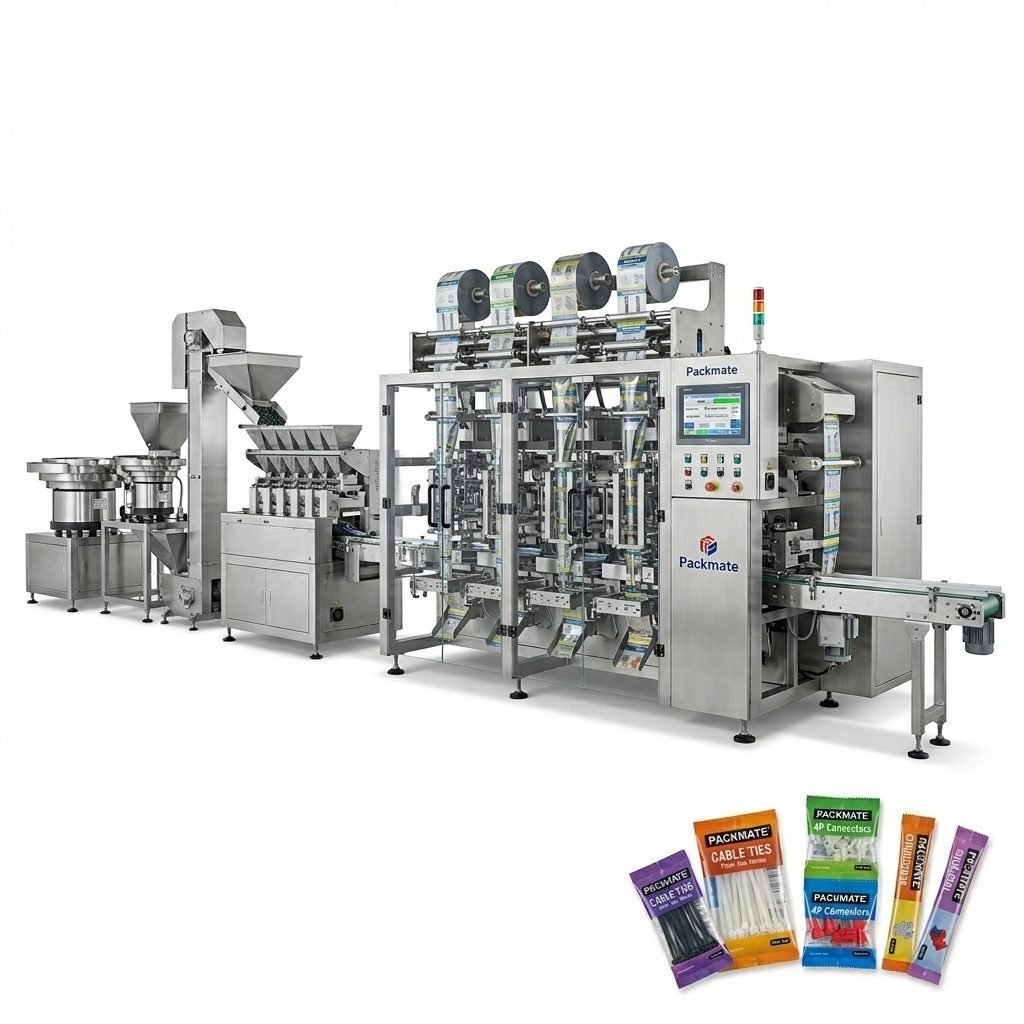
Common Questions (FAQs) About Multi Lane Packaging Machines
What is the main difference between a single-lane and a multi-lane machine?
The primary difference is throughput. A single-lane machine has one set of forming, filling, and sealing mechanisms. A multi-lane machine has multiple sets operating in parallel, multiplying the output without a proportional increase in the machine’s footprint or operator requirement.
Can one multi-lane machine handle different products?
Yes, but with considerations. Most multi-lane machines are designed for quick changeovers. However, switching between vastly different products (e.g., a fine powder to a viscous paste) may require cleaning and part changes (like filling heads and forming tubes), which takes time. It’s best for high-volume runs of similar products.
How many lanes do I need for my production?
This depends on your target output (pouches per minute) and the speed rating of a single lane for your specific pouch size and product. Divide your total required PPM by the reliable single-lane speed to get a baseline number of lanes. Always add a margin for future growth and account for efficiency losses.
Are multi-lane machines harder to maintain?
They have more components (more filling heads, more sealing jaws), so preventative maintenance is crucial. However, a well-designed machine from a reputable supplier like Packmate Machinery will have accessible components and standardized parts to simplify maintenance. Proper training is key.
What about product changeover and cleaning?
This is a critical operational factor. Look for machines with features like tool-less change parts, recipe storage on the HMI, and designs that allow for easy access and cleaning. For hygienic applications, machines with smooth surfaces, minimal crevices, and CIP (Clean-in-Place) options are highly recommended.