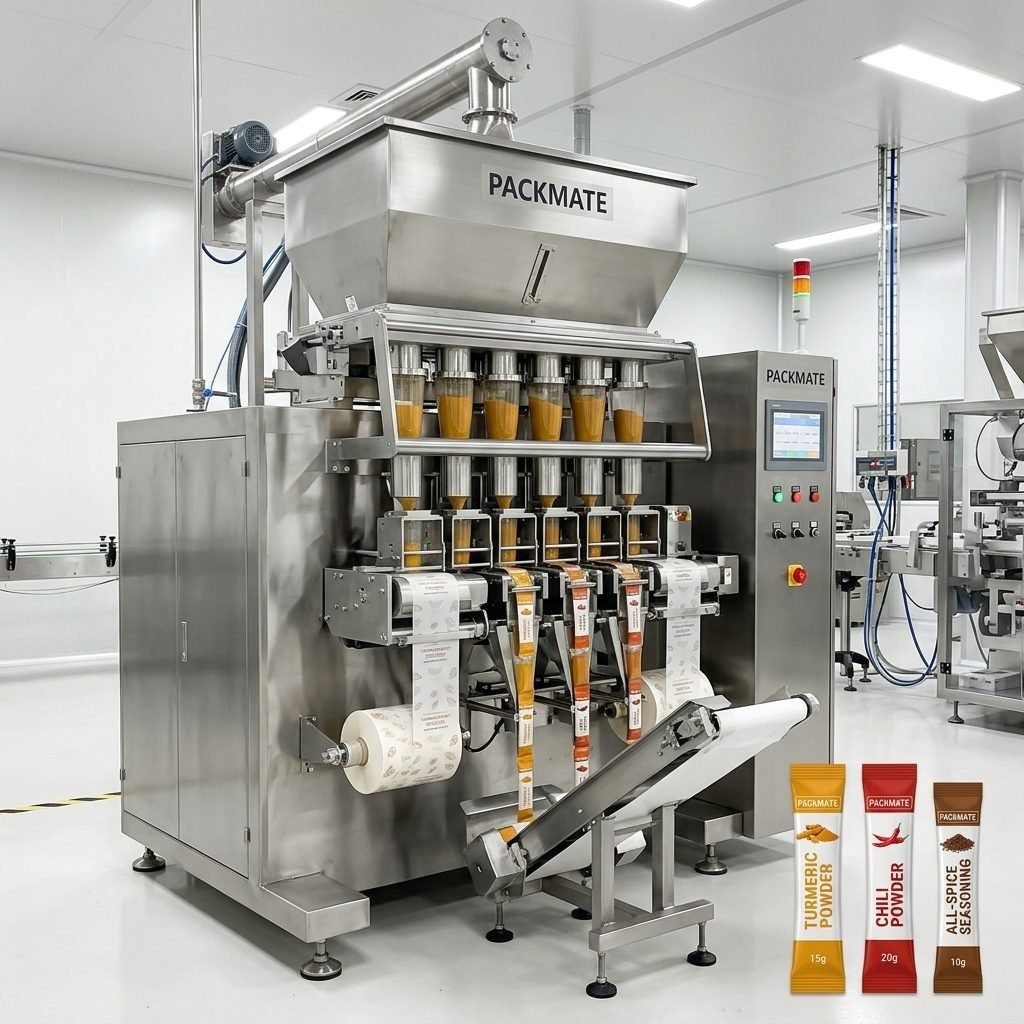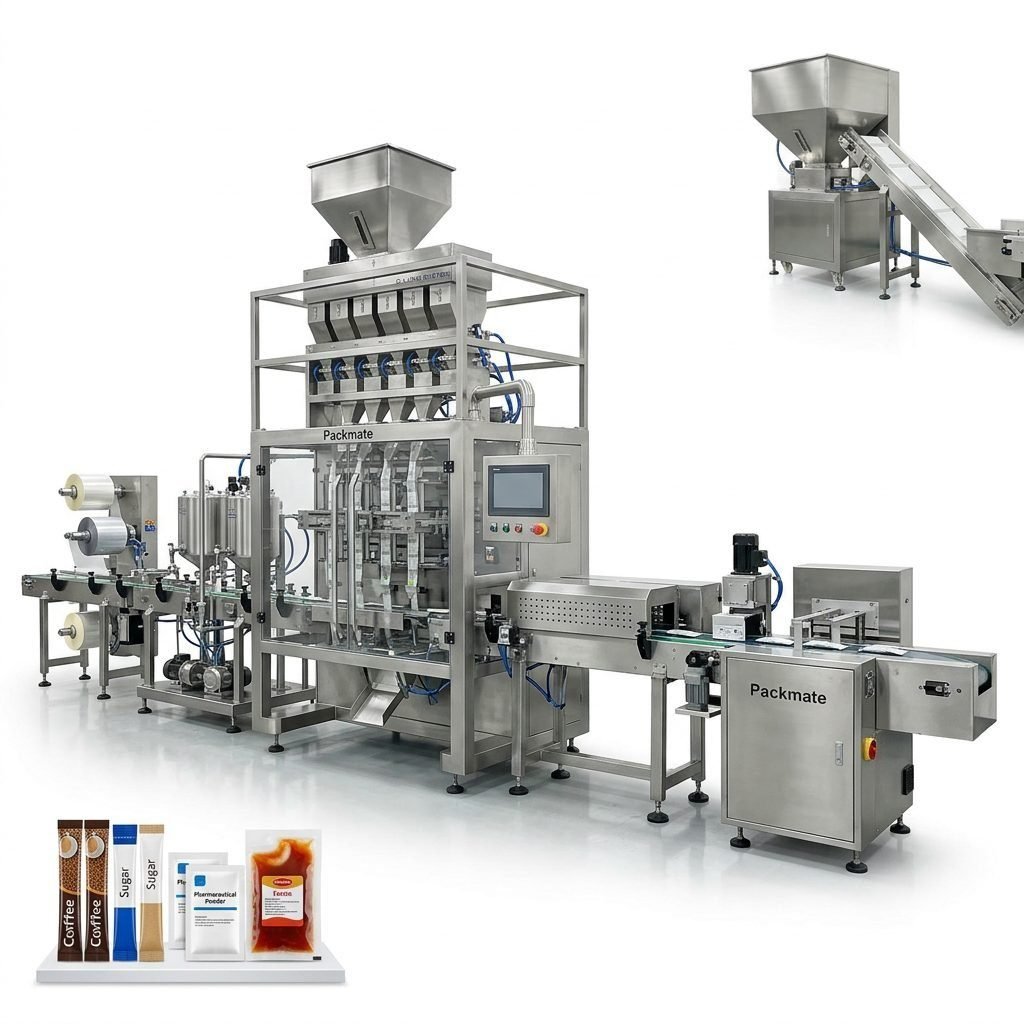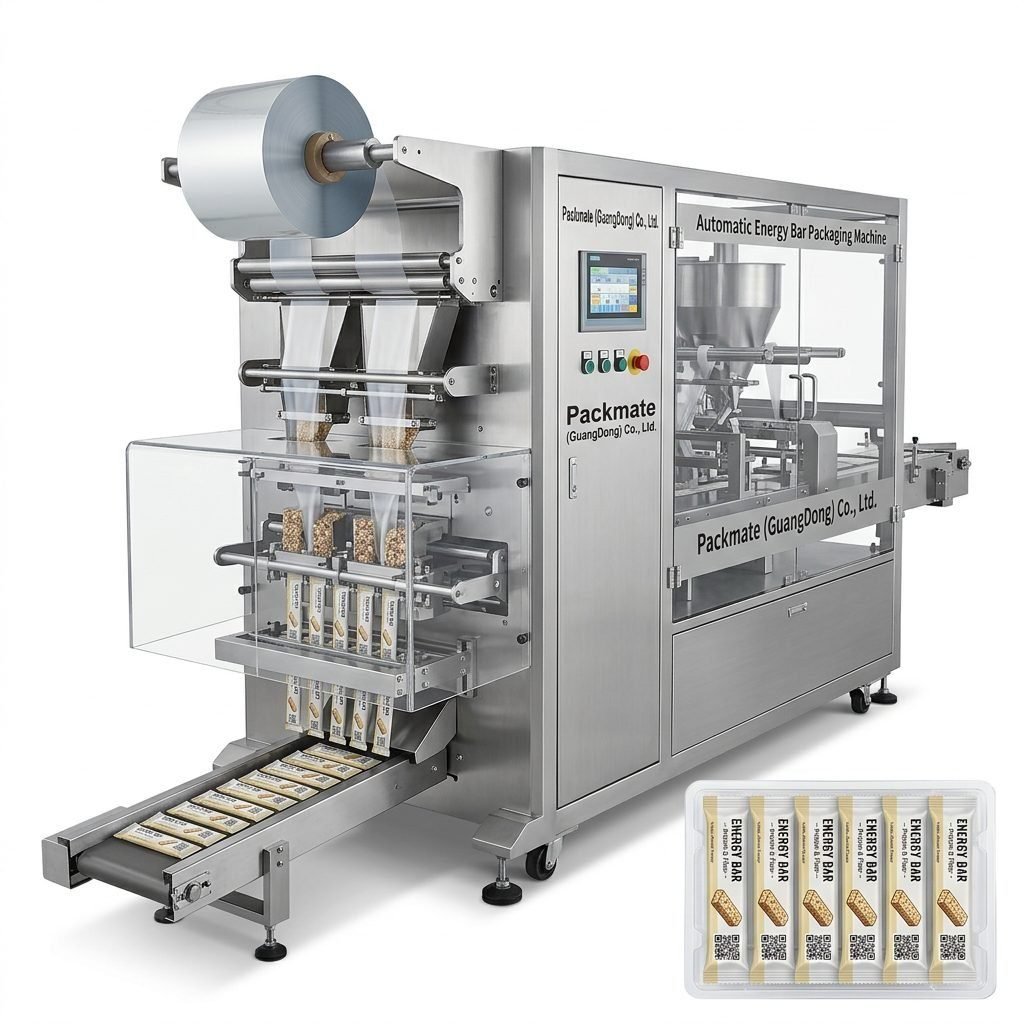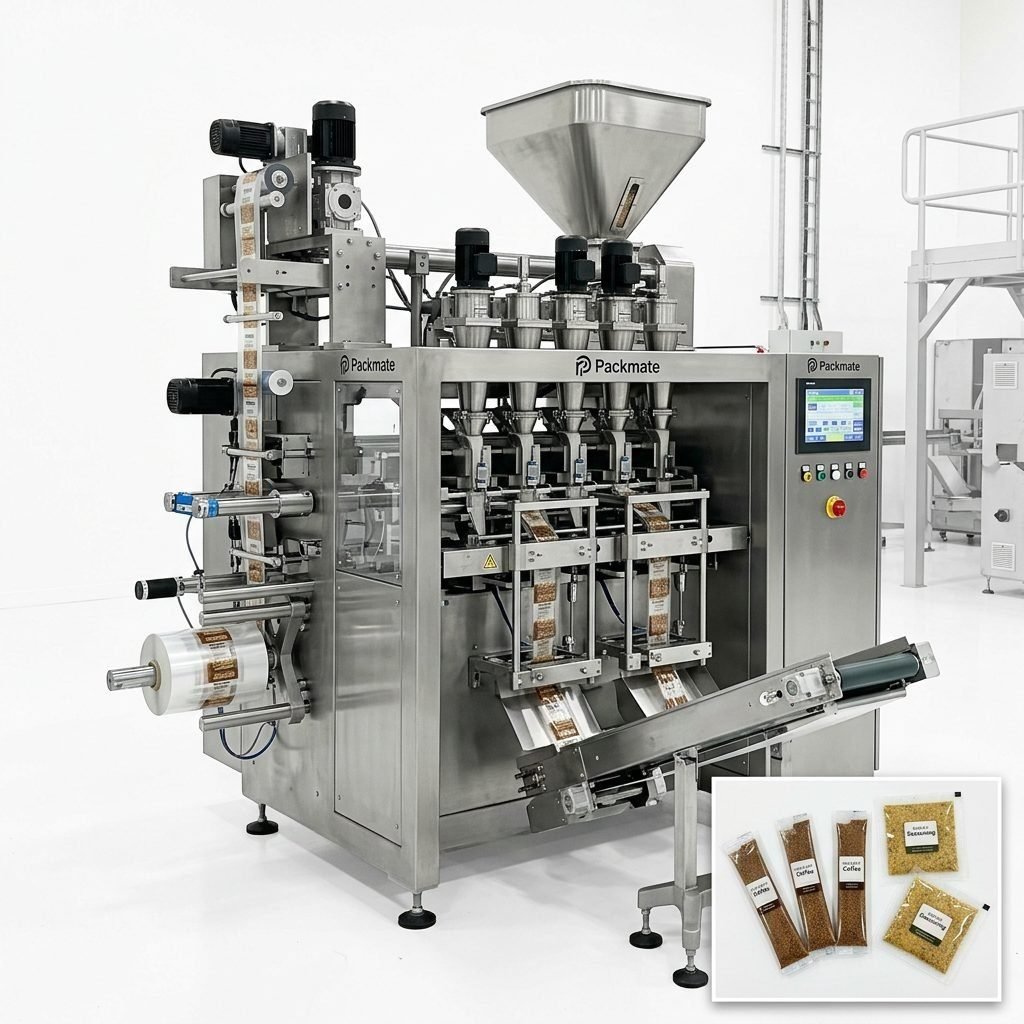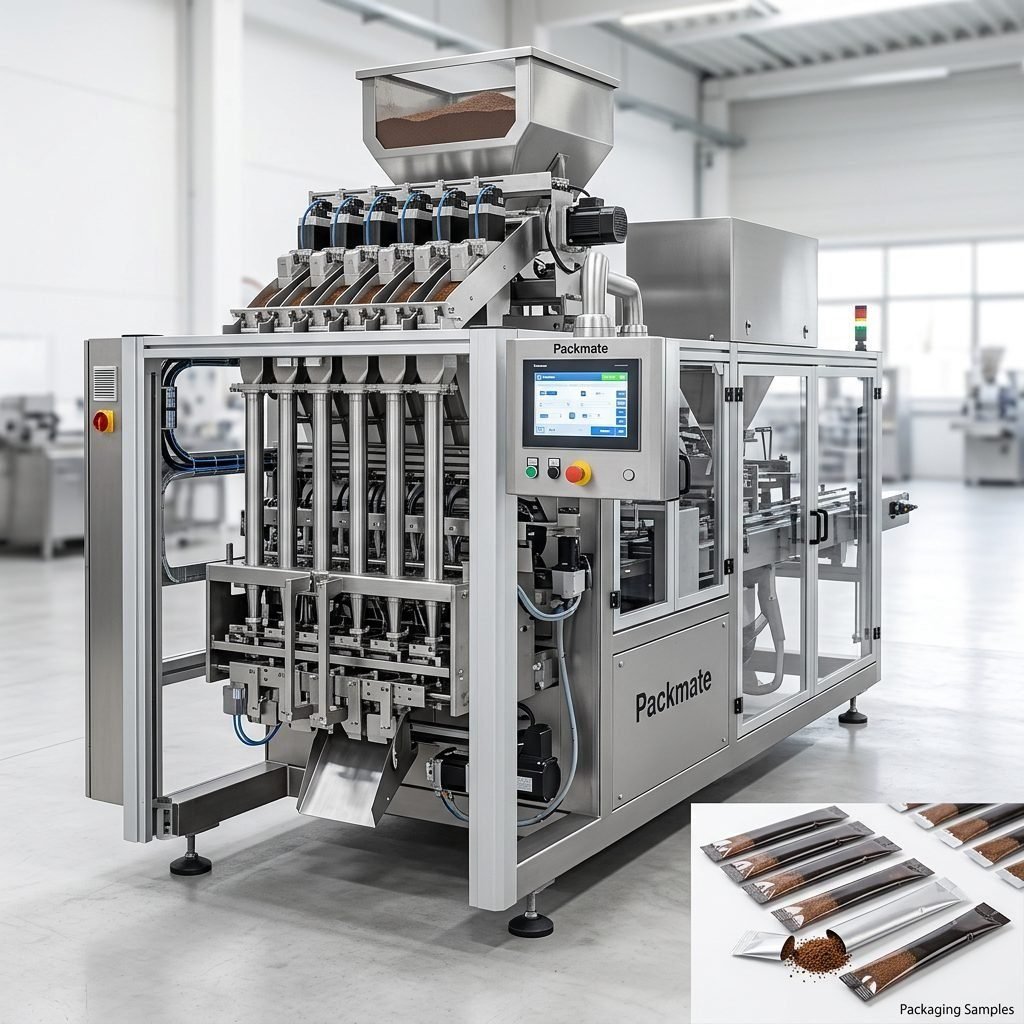
In today’s fast-paced manufacturing world, efficiency and consistency are paramount. Automatic bag filling and packing machines have become indispensable assets across a wide range of industries, from food and pharmaceuticals to chemicals and agriculture. These systems automate the process of measuring product, forming a bag, filling it, and sealing it, dramatically increasing output while reducing labor costs and human error. This guide explores the different types of machines, how they work, their applications, and key considerations for buyers, with a focus on solutions from leading manufacturers like those serving global markets.
Types of Automatic Bag Filling and Packing Machines
The choice of machine depends heavily on the product form (powder, granule, liquid, paste), required speed, and bag type. Here are the primary categories:
1. Vertical Form-Fill-Seal (VFFS) Machines
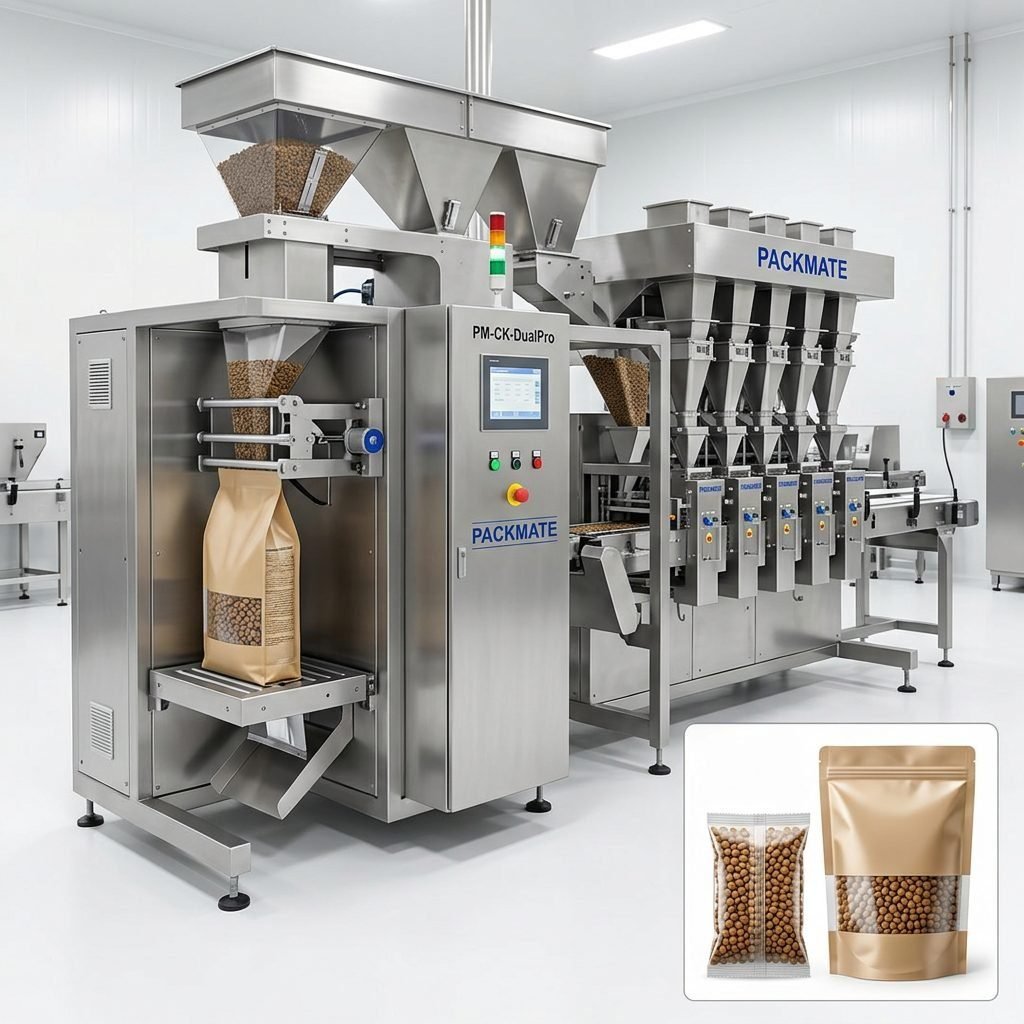
These are the most common type for packaging free-flowing products like snacks, powders, and granules. They use a roll of flat packaging film, form it into a tube, fill it with product, and then seal and cut it into individual bags. VFFS machines are highly versatile and can produce various bag styles like pillow bags, gusseted bags, and stand-up pouches.
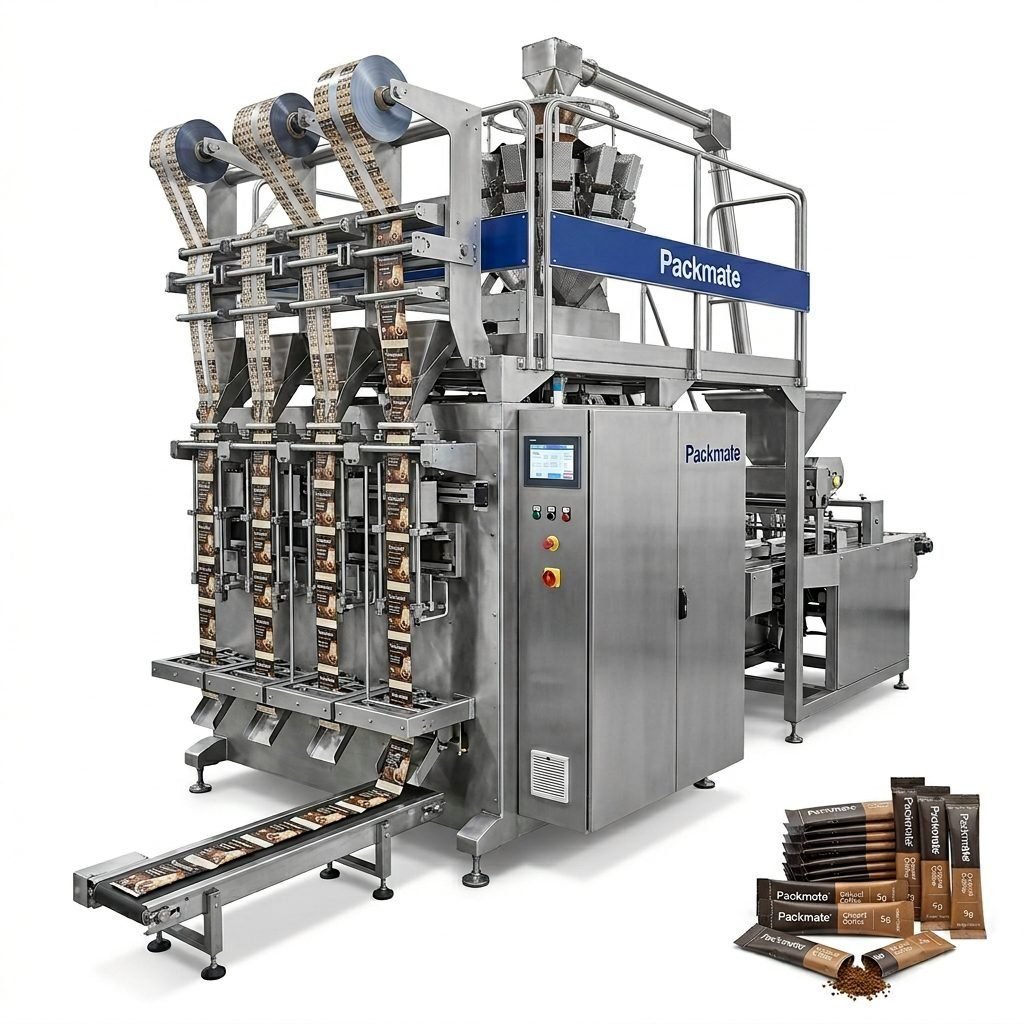
2. Pre-Made Pouch Fillers
For products requiring more complex, pre-printed, or high-barrier pouches, pre-made pouch fillers are ideal. These machines automatically pick pre-formed pouches from a magazine, open them, fill with product (often using multi-head weighers for solids or pumps for liquids), and then seal them. This method is excellent for liquids, pastes, and products with specific branding needs.
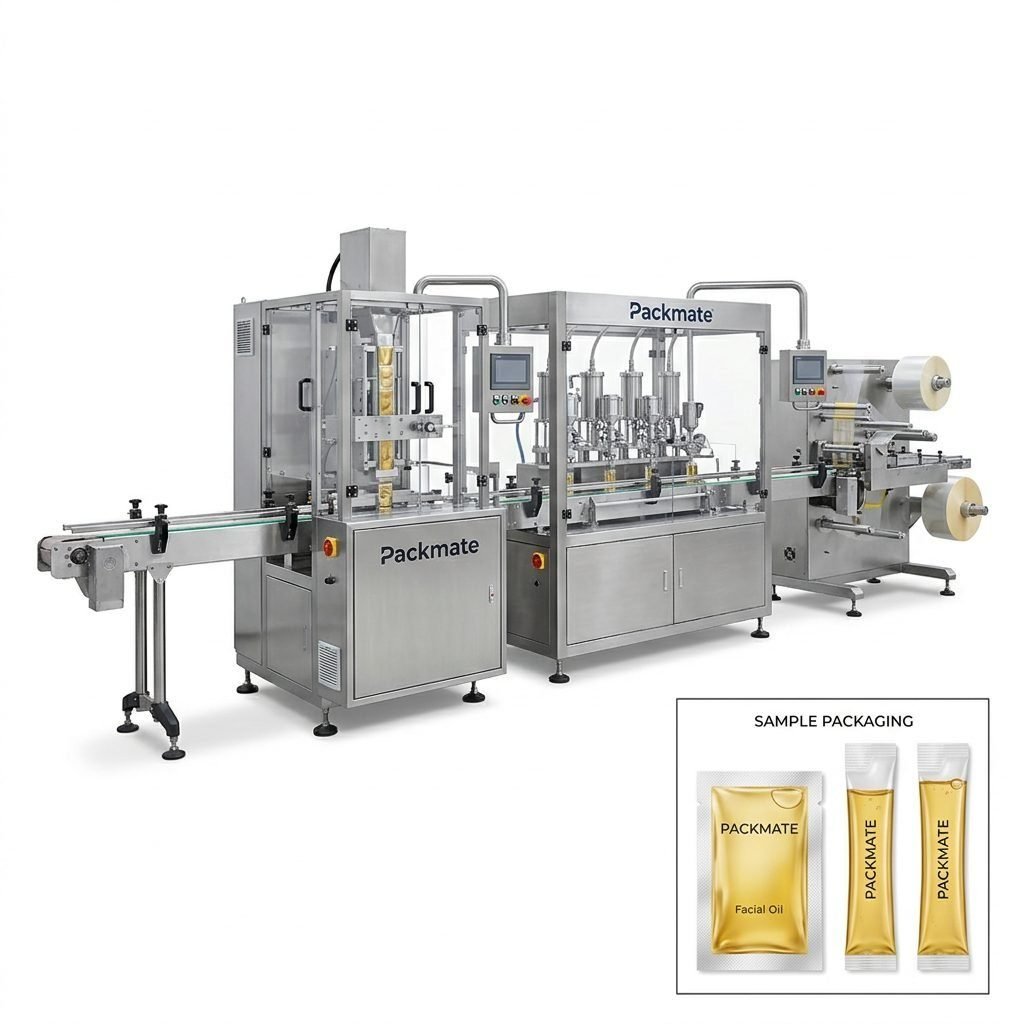
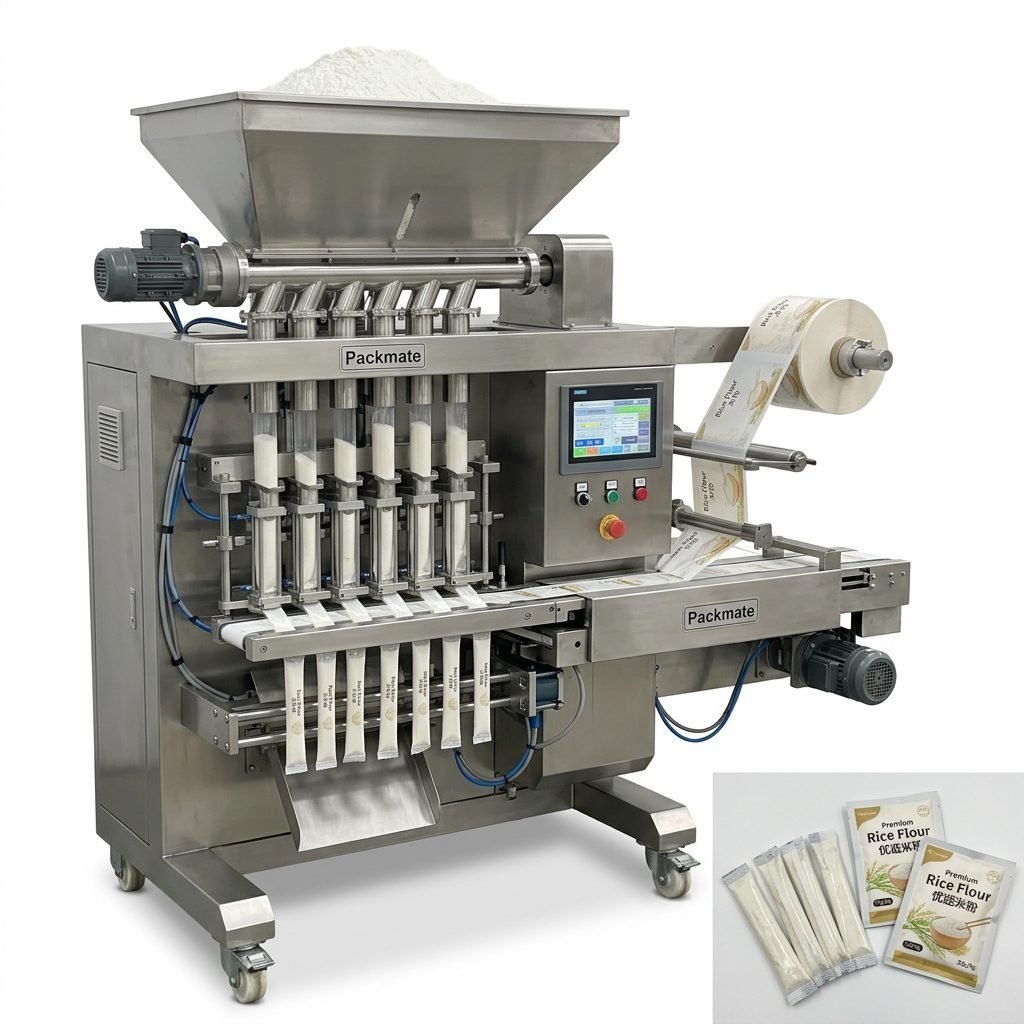
3. Stick Pack and Sachet Machines
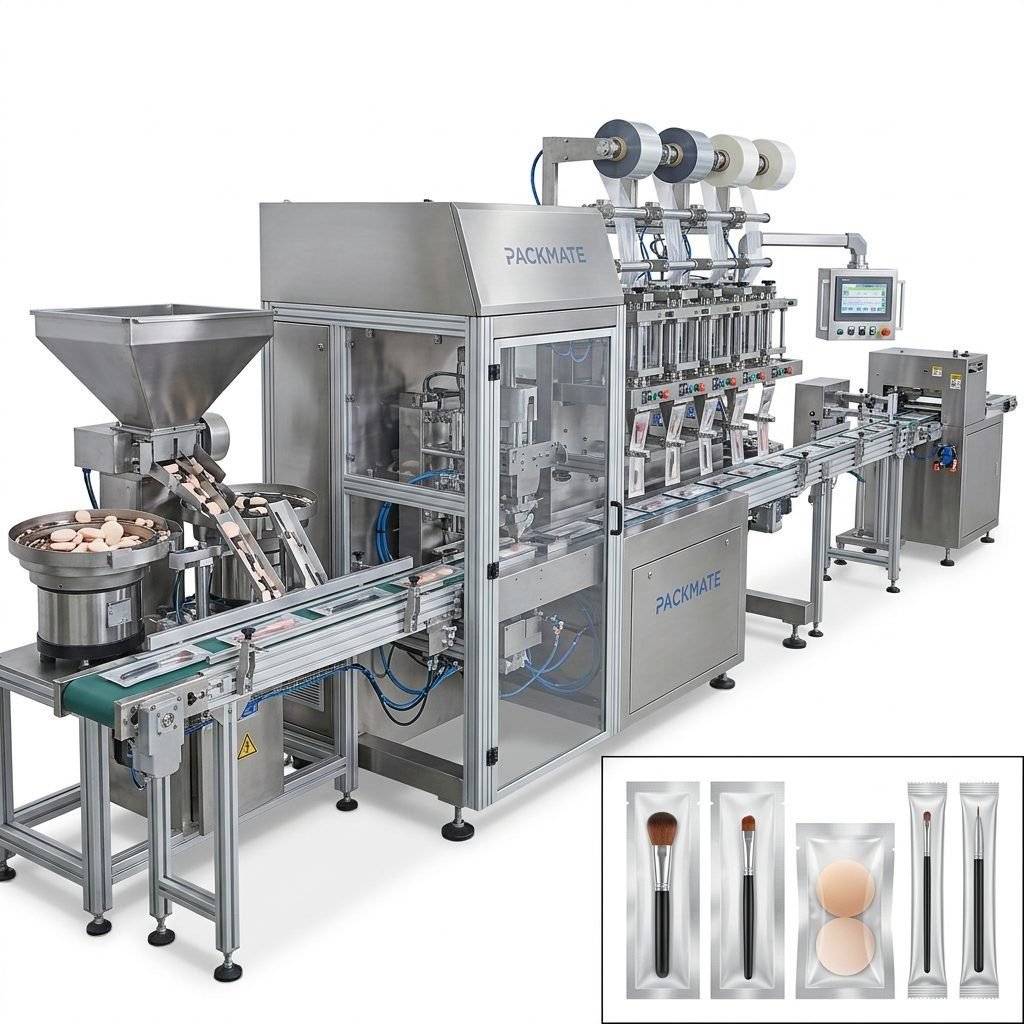
Designed for single-serve portions of powders, granules, or liquids (like coffee, sugar, sauce, or shampoo), these machines create small, elongated stick packs or flat sachets. Multi-lane systems are particularly popular for high-volume production, running several lanes simultaneously to achieve outputs of hundreds of packs per minute.
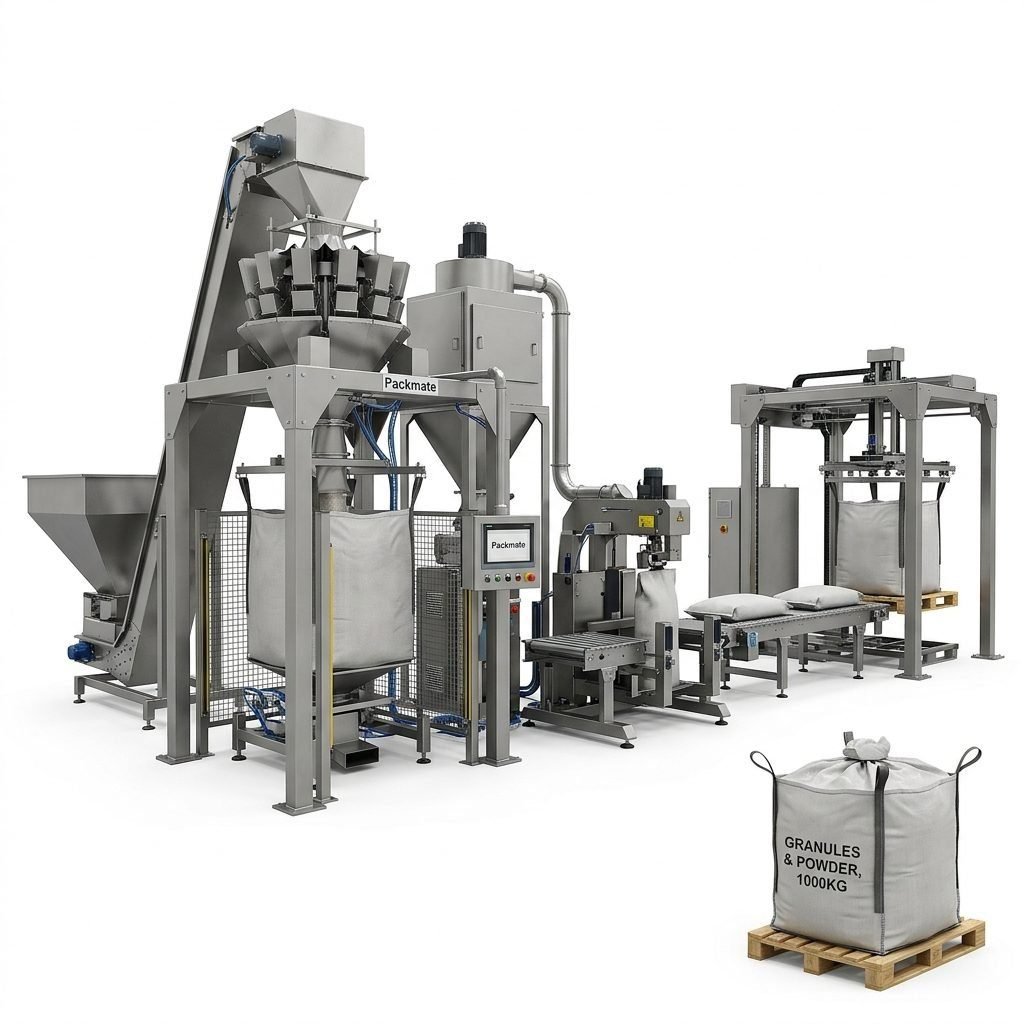
4. Bulk Bag Fillers (FIBC Fillers)
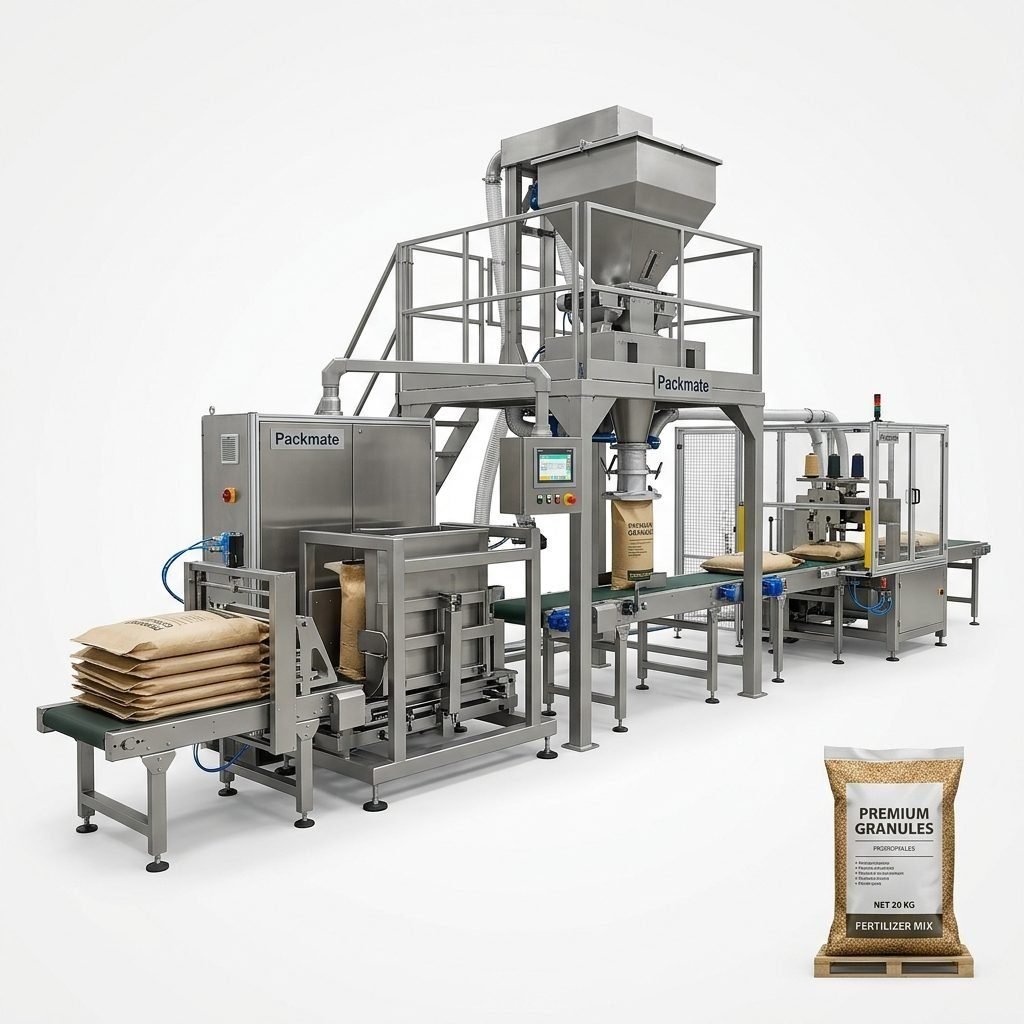
For industrial-scale packaging of materials like fertilizer, chemicals, or animal feed, bulk bag fillers handle large bags ranging from 500kg to 2 tons. They involve automated weighing, dust containment, and secure filling and sealing of these massive containers.
How Do Automatic Bag Filling Machines Work? (The Core Principle)
While designs vary, the fundamental working principle follows a consistent sequence, often integrated into a turnkey packaging line for seamless operation:
- Bag Forming or Feeding: For VFFS, film is drawn from a roll and formed into a tube around a filling cylinder. For pre-made pouches, a robotic arm or suction cup picks and opens a pouch.
- Product Dosing & Filling: This is the most critical step. Powders and granules typically use auger fillers, volumetric cup fillers, or highly accurate multi-head weighers. Liquids and pastes use piston or pump fillers. Precision here ensures consistent weight and reduces giveaway.
- Sealing: The open end of the bag is sealed. This can involve heat sealing (for poly films), ultrasonic sealing, or cold sealing for heat-sensitive products. Nitrogen flushing can be added before sealing for modified atmosphere packaging (MAP) to extend shelf life.
- Cutting & Discharge: The sealed bag is cut from the film web or discharged from the machine onto a conveyor for secondary packaging, like cartoning or case packing.
Key Applications Across Industries
The adaptability of these machines makes them suitable for a vast array of sectors. Here is a breakdown of common applications:
| Industry | Typical Products | Machine Type Focus |
|---|---|---|
| Food & Beverage | Snacks, coffee, sugar, flour, spices, sauce sachets, drink mixes | VFFS, Multi-lane Stick Pack, Liquid Sachet Machines |
| Pharmaceutical & Nutraceutical | Powdered supplements, electrolyte mixes, herbal teas, medicinal granules | Stick Pack/Sachet Machines with high hygiene standards, often in cleanroom design |
| Chemical & Agricultural | Detergent powders, pool chemicals, fertilizers, pesticides, seeds | VFFS with corrosion-resistant parts, Bulk Bag Fillers |
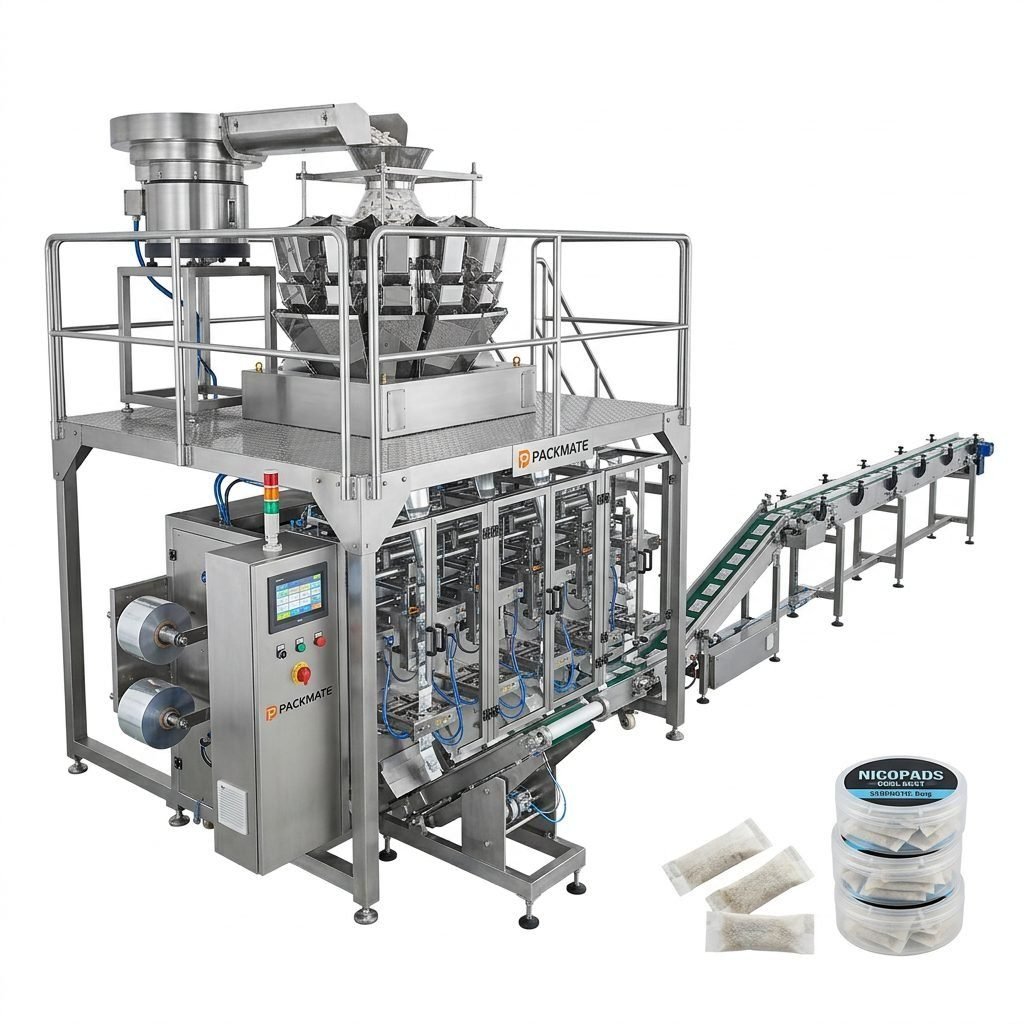
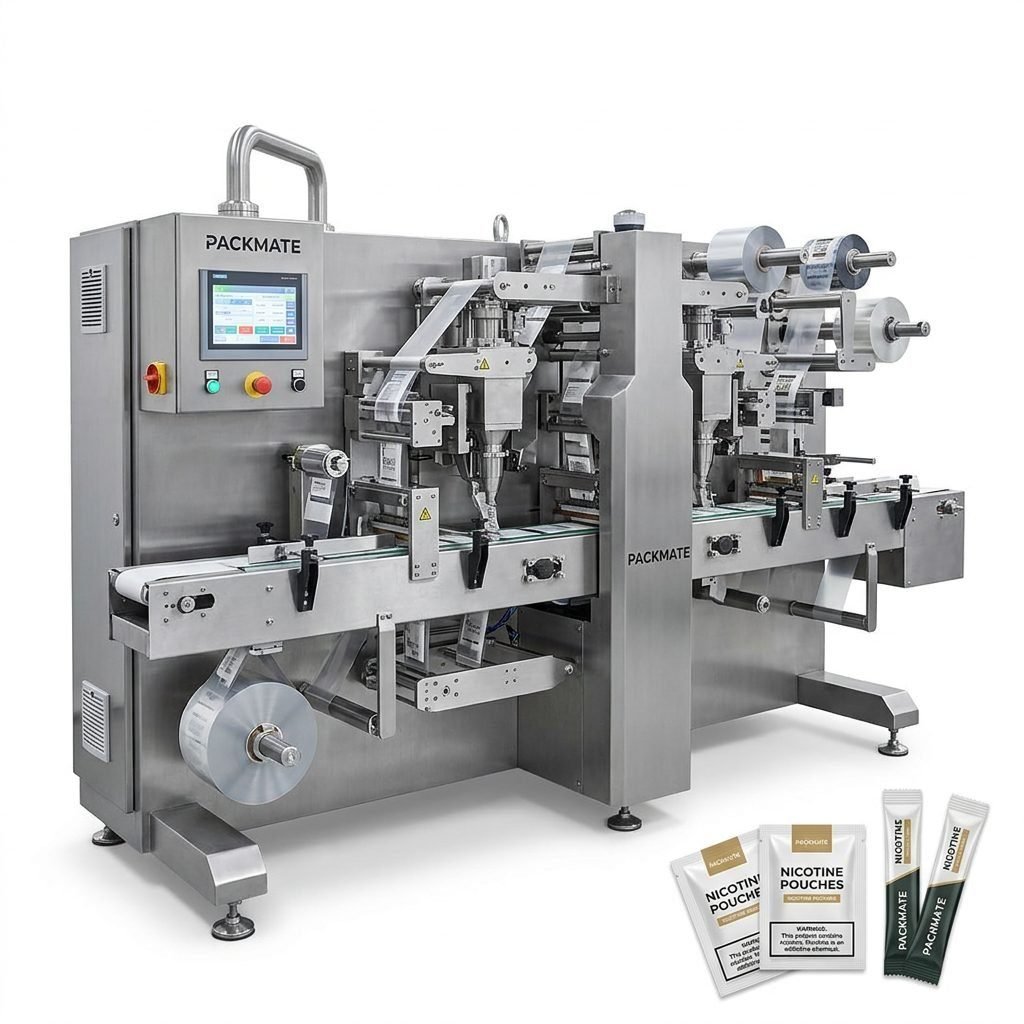
| Specialty Nicotine & Snus* | Nicotine pouches, smokeless tobacco products | High-speed, multi-lane stick pack & sachet machines with precise dosing; specialized suppliers like SnusMachinery offer tailored solutions. |
*Note: The demand for automated, high-speed pouch packaging in the nicotine pouch sector has grown significantly, particularly in Europe and North America. Manufacturers in these regions require machines that offer not only speed and precision but also compliance with local regulations and the ability to handle specific non-woven or paper-based pouch materials.
Essential Buying Tips and Considerations
Investing in an automatic bag filling machine is a significant decision. Here are key factors to evaluate:
1. Define Your Product and Requirements
Be precise about your product’s characteristics: Is it free-flowing, sticky, abrasive, or hygroscopic? Determine your target speed (bags per minute), bag size range, and the required sealing integrity (e.g., for liquids or gases).
2. Evaluate Machine Flexibility and Changeover
If you run multiple products or bag sizes, look for machines with quick-change parts and recipe memory. The time saved on changeover directly impacts overall equipment effectiveness (OEE).
3. Prioritize Accuracy and Hygiene
For costly ingredients or regulated products, weighing accuracy is non-negotiable. For food and pharma, ensure the machine design allows for easy cleaning (e.g., stainless steel construction, CIP/SIP systems) and meets relevant standards.
4. Assess Integration and Support
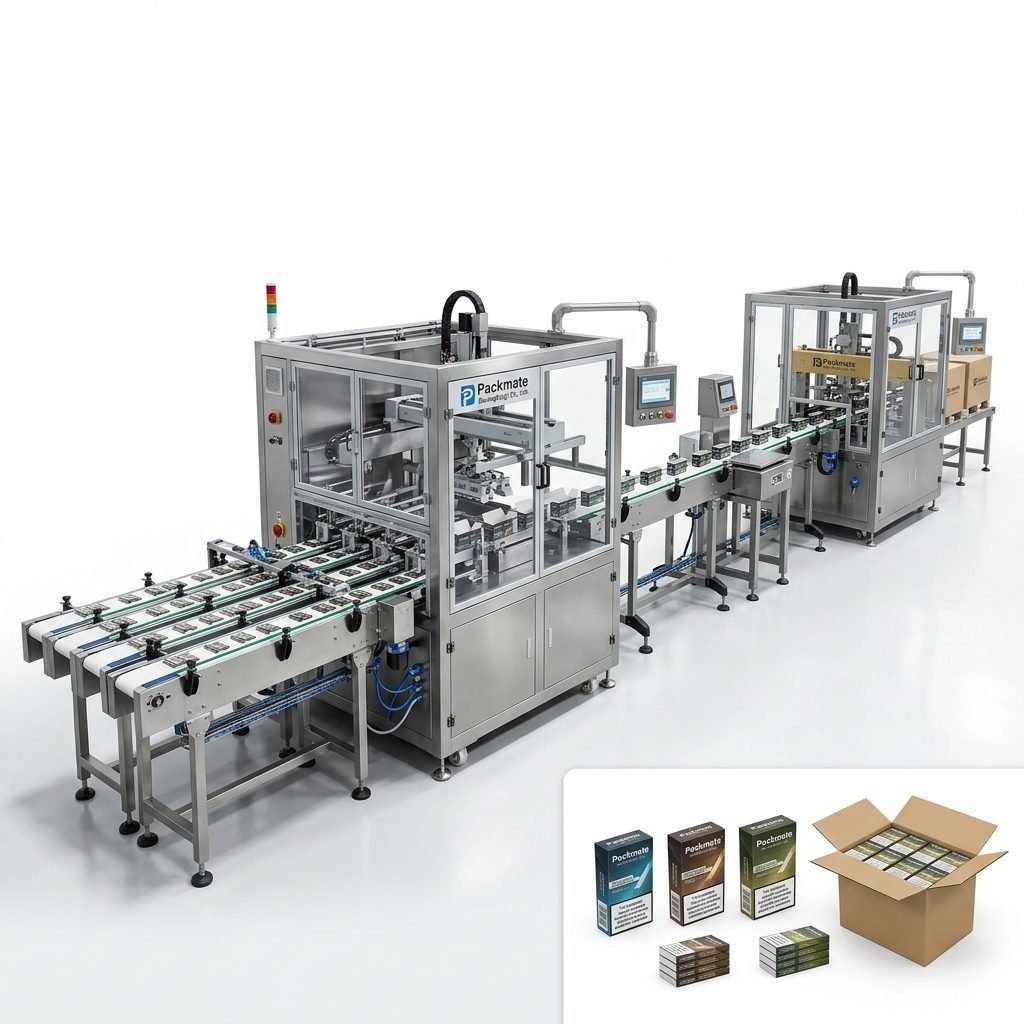
Will the machine be a standalone unit or part of an integrated line? Consider suppliers who can provide complete turnkey solutions, including conveyors, checkweighers, and cartoners. Post-sales support, availability of spare parts, and technical service are critical for minimizing downtime.
5. Consider Customization Needs
If your product or process is unique, standard machines may not suffice. Look for manufacturers with strong OEM and customization capabilities who can adapt designs to your specific needs, whether it’s a special feeding mechanism, unique sealing method, or integration with existing equipment.
Frequently Asked Questions (FAQ)
Q: What is the typical output speed of an automatic bag filler?
A: Speed varies widely. A single-lane VFFS for large bags may run at 20-40 bags per minute (BPM), while multi-lane stick pack machines for powders can exceed 600 BPM. The key is matching the machine’s capacity to your production volume.
Q: How do I ensure weight accuracy for my product?
A: The filling system is crucial. Auger fillers are good for powders; net weighers (like multi-head weighers) offer the highest accuracy for granular products; and piston fillers are precise for liquids. Always discuss your product’s characteristics and accuracy requirements with the supplier.
Q: Can one machine handle different bag sizes and materials?
A> Many modern machines are designed for flexibility. However, changing bag size often requires changing forming tubes, jaws, and sometimes film rolls. Changing material (e.g., from poly to laminate) may require adjusting sealing temperature and pressure. Look for machines with “quick changeover” features.
Q: What are the main maintenance requirements?
A> Regular cleaning is the most important task to prevent product buildup and ensure consistent sealing. Other routine maintenance includes checking and replacing wear parts like sealing jaws, cutting blades, and gaskets. A good supplier will provide a maintenance schedule and training.
Q: Is operator training provided by the manufacturer?
A> Reputable manufacturers almost always provide comprehensive training for machine operators, maintenance technicians, and sometimes line supervisors. This can occur at their facility (FAT – Factory Acceptance Test) and during installation at your site. Ensure training is included in your purchase agreement.