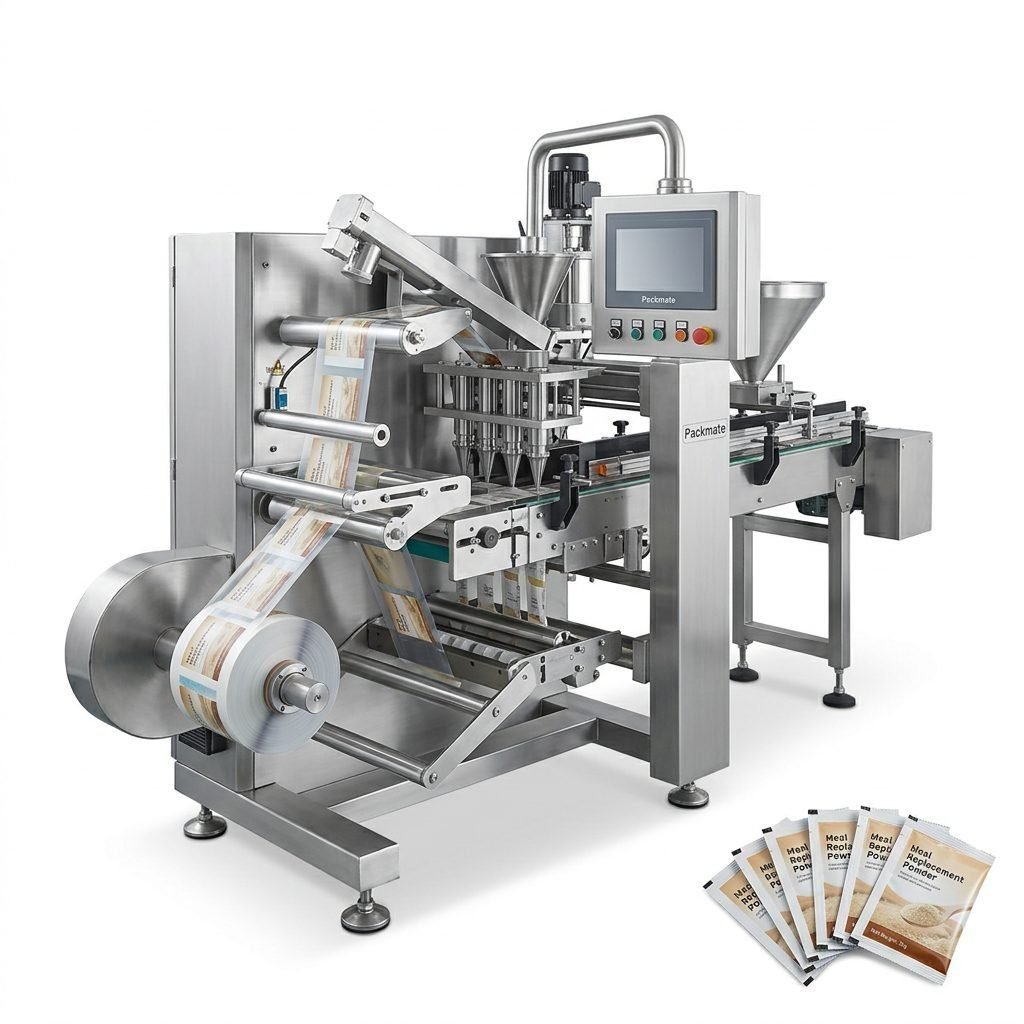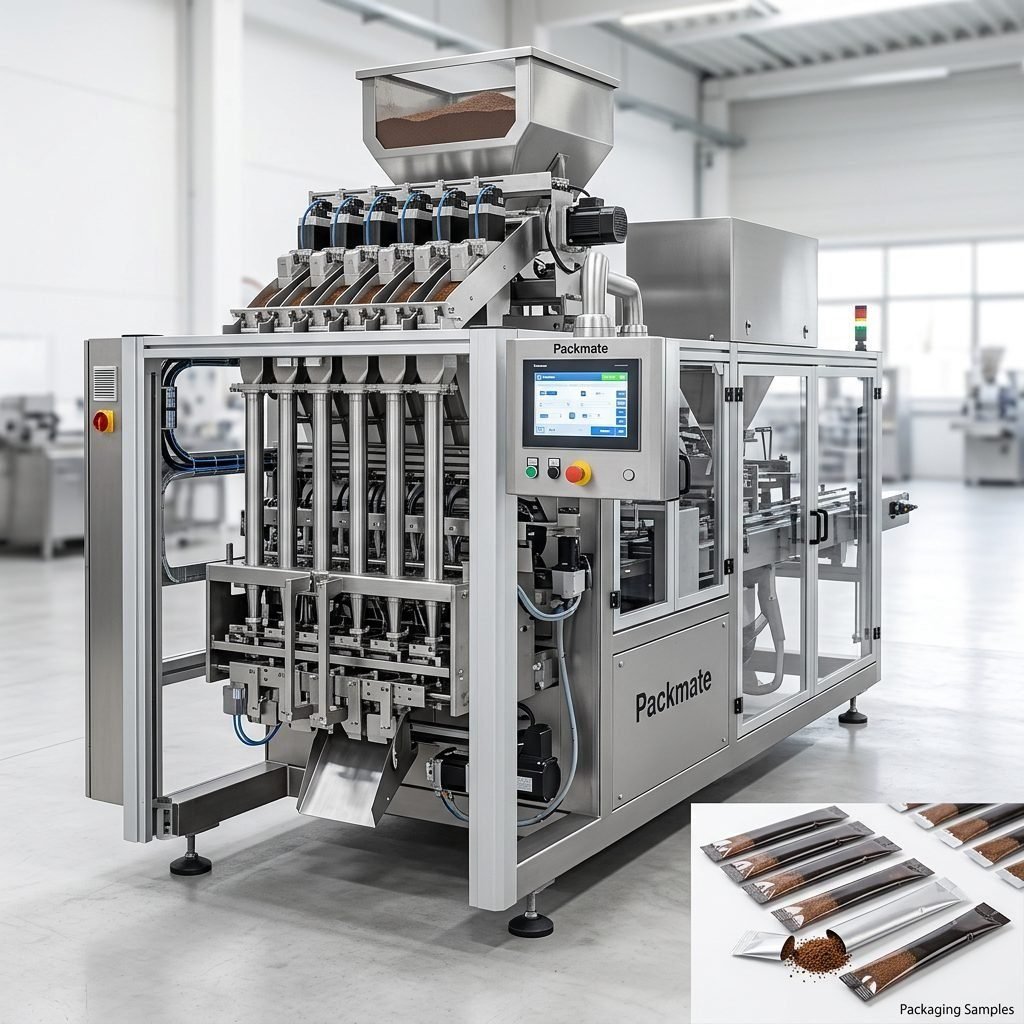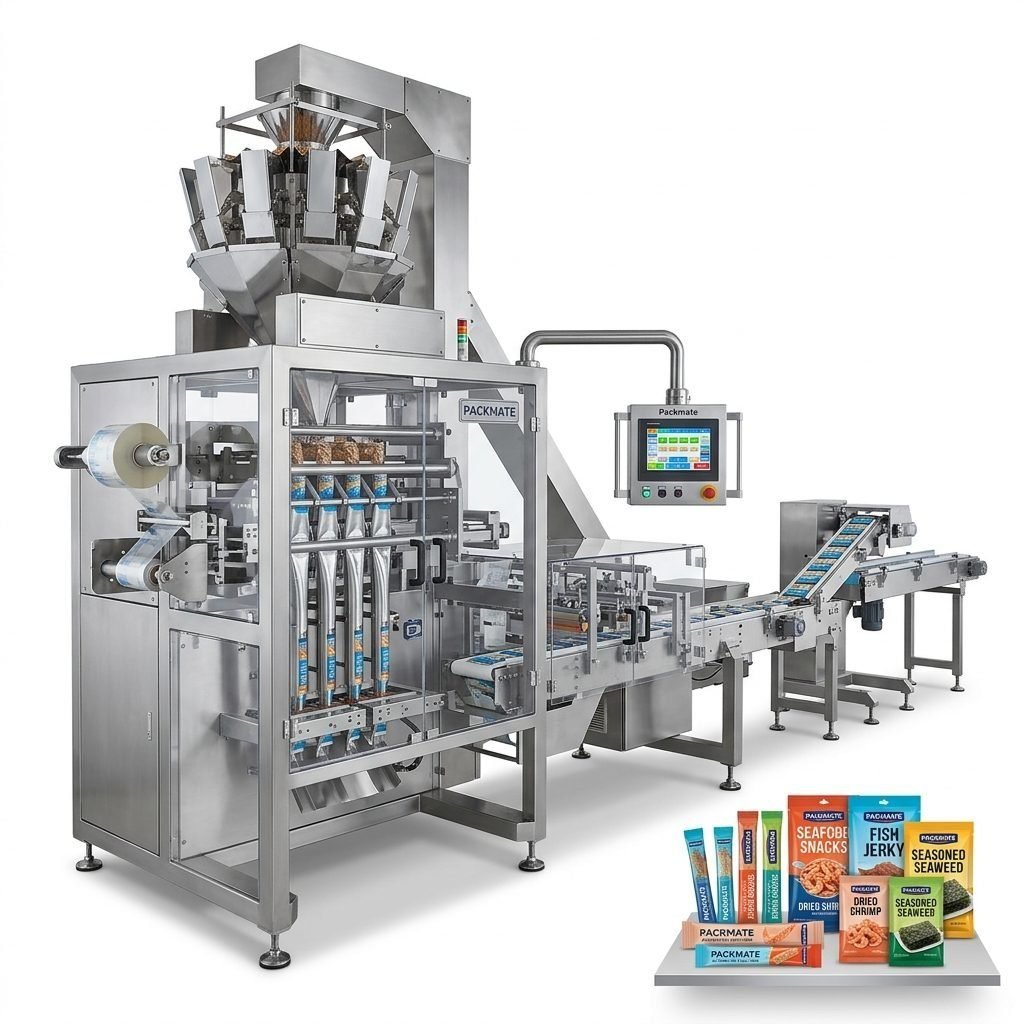
Investing in an automatic bagging machine is a significant step towards improving production efficiency, reducing labor costs, and ensuring consistent packaging quality. Whether you are in the food, pharmaceutical, health supplement, or chemical industry, selecting the right machine requires careful consideration of your product characteristics, output requirements, and long-term operational goals. This guide will walk you through the key steps of choosing, configuring, and optimizing your packaging line for maximum efficiency.
Understanding Your Product and Packaging Needs
The first and most critical step is a thorough analysis of what you are packaging. The physical properties of your product dictate the type of machine and its core components.
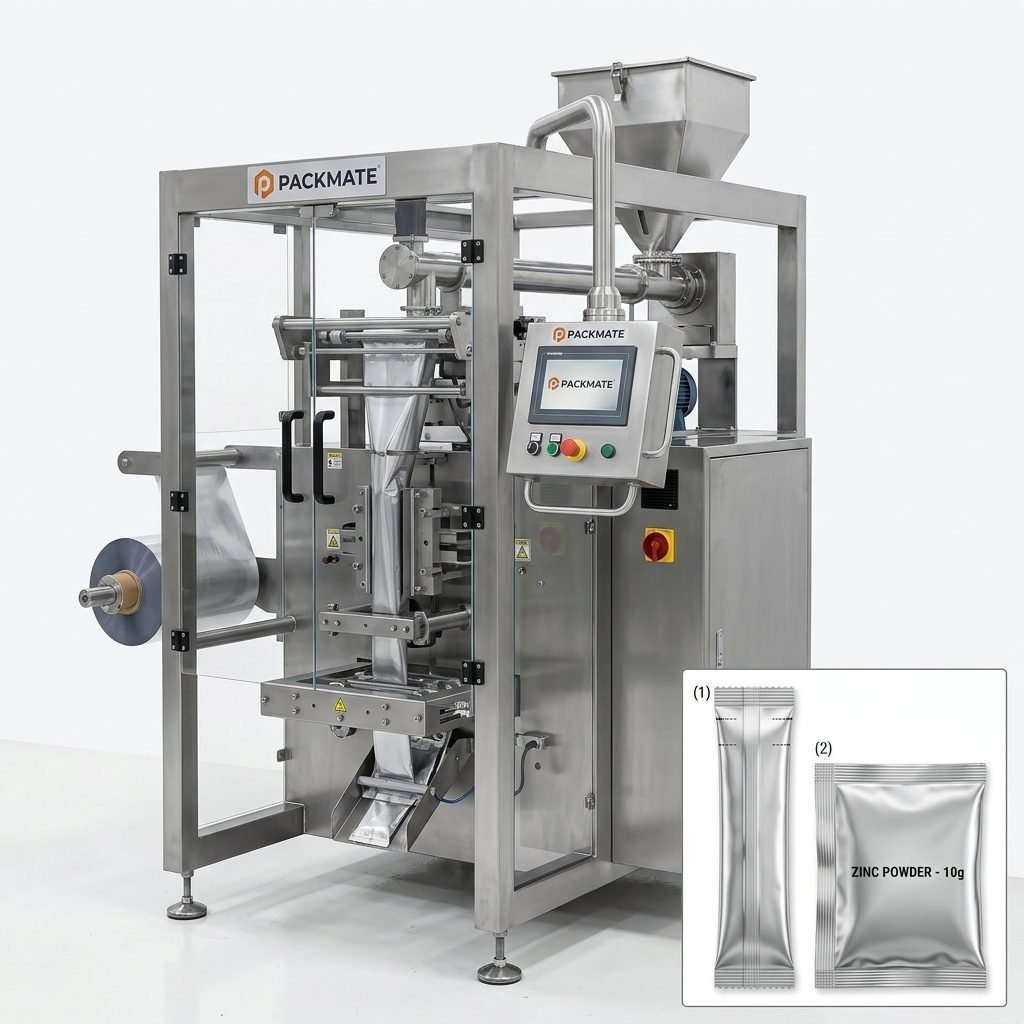
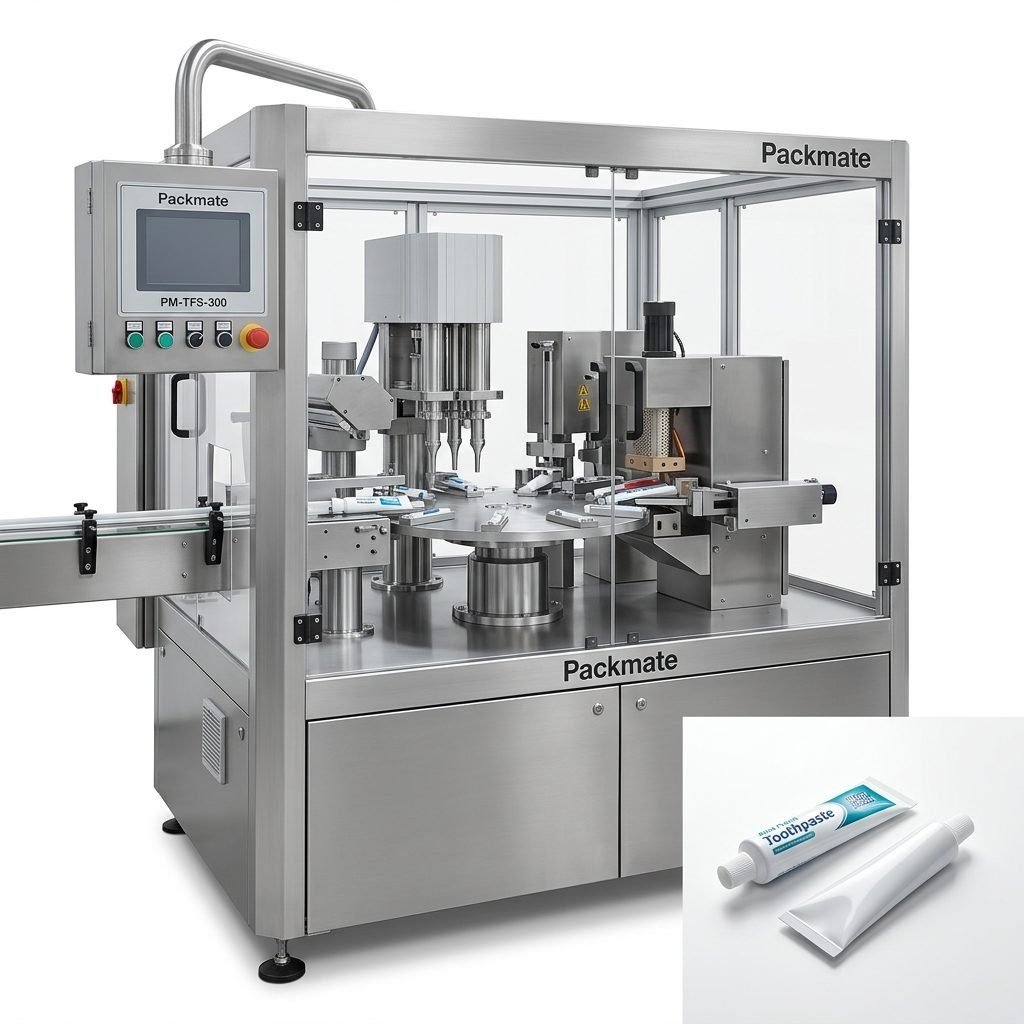
Product Form: Is it a free-flowing powder, abrasive granules, a viscous liquid, or a sticky paste? Each form requires different handling systems. Powders need auger fillers with anti-bridging features, granules work well with cup or weigh fillers, and liquids demand precision piston or pump fillers.
Packaging Material: The type of film (e.g., laminated PET/PE, aluminum foil, stand-up pouches) affects the machine’s forming, sealing, and cutting mechanisms. Ensure the machine is compatible with your desired material for strong, airtight seals.
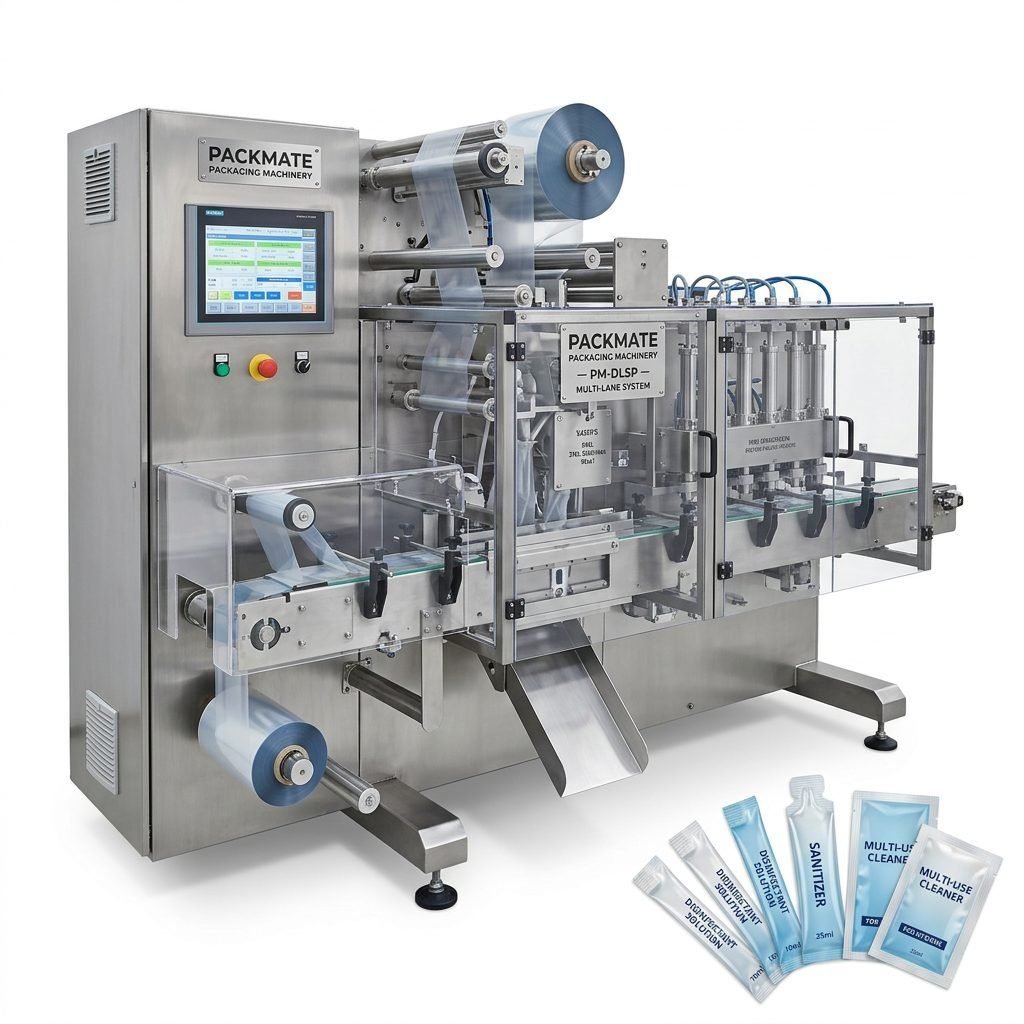
Bag Specifications: Define the required bag size, shape (stick pack, sachet, pillow bag), and any special features like zippers or spouts. The machine must be capable of producing your exact bag format at the desired speed.
Key Selection Criteria for Your Machine
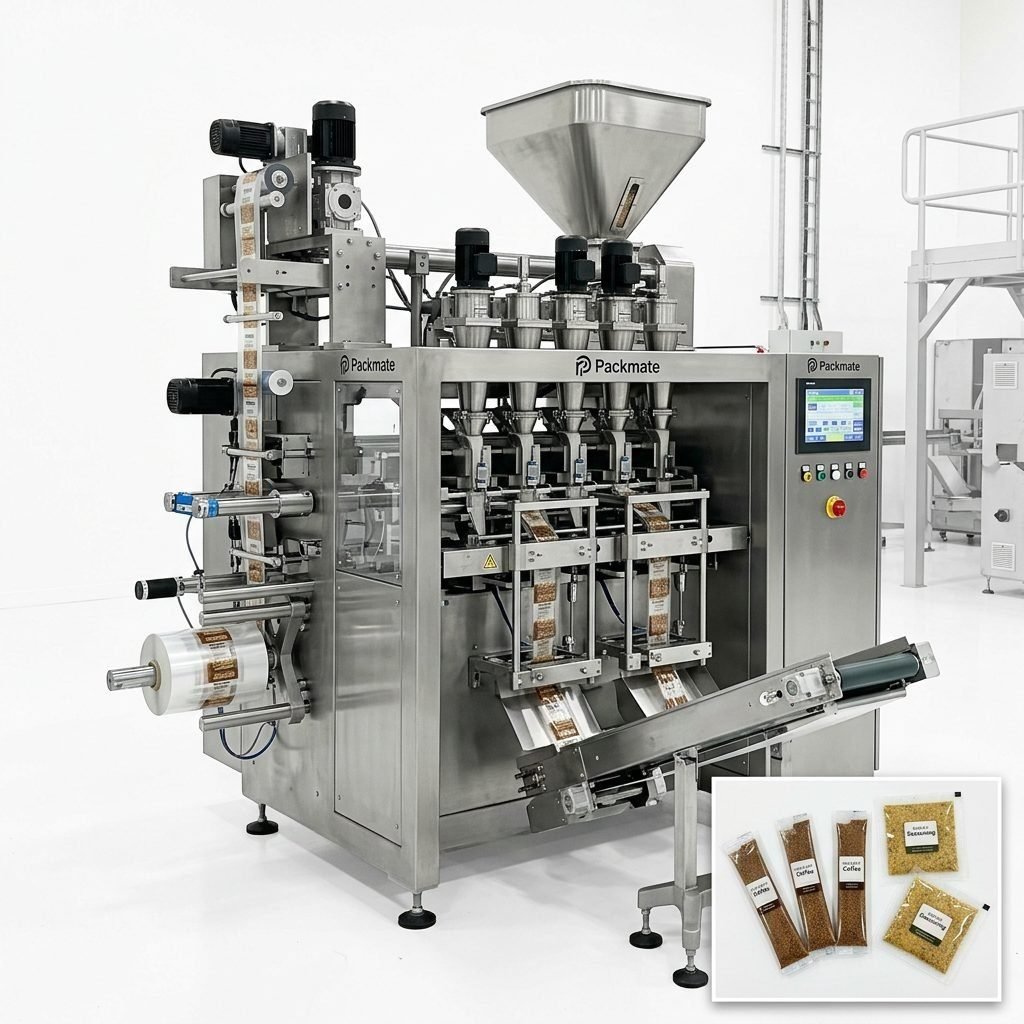
Once your product parameters are clear, evaluate machines based on the following criteria to find the best fit for your factory.
| Criterion | Description & Considerations |
|---|---|
| Speed & Output | Measured in bags per minute (BPM). Match the machine’s maximum speed to your current and projected future production volume. Don’t overpay for excessive speed you won’t use. |
| Accuracy & Precision | Critical for cost control and compliance. Look for filling systems with high precision (e.g., ±0.5-1% for powders) and integrated checkweighers for real-time feedback. |
| Flexibility & Changeover | If you run multiple products or bag sizes, quick changeover is vital. Seek machines with tool-less adjustments, stored recipes, and easy-to-switch parts. |
| Automation Level | From semi-automatic to fully integrated lines with robotic palletizing. Higher automation reduces labor but increases initial investment. Assess your ROI. |
| Hygiene & Construction | For food, pharma, or sensitive products, stainless steel (304 or 316) construction and easy-clean design (CIP/SIP capabilities) are non-negotiable for safety and sanitation. |
Configuring Your Packaging Line for Success
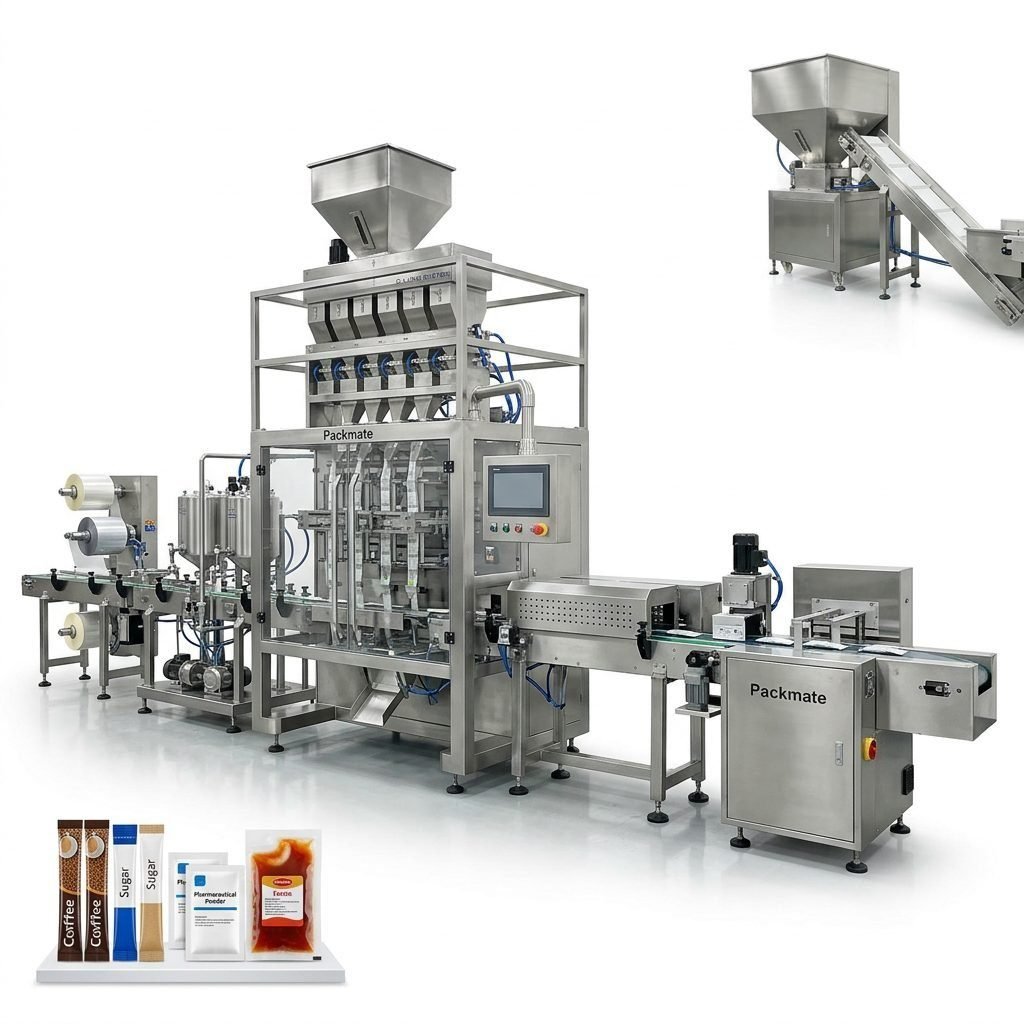
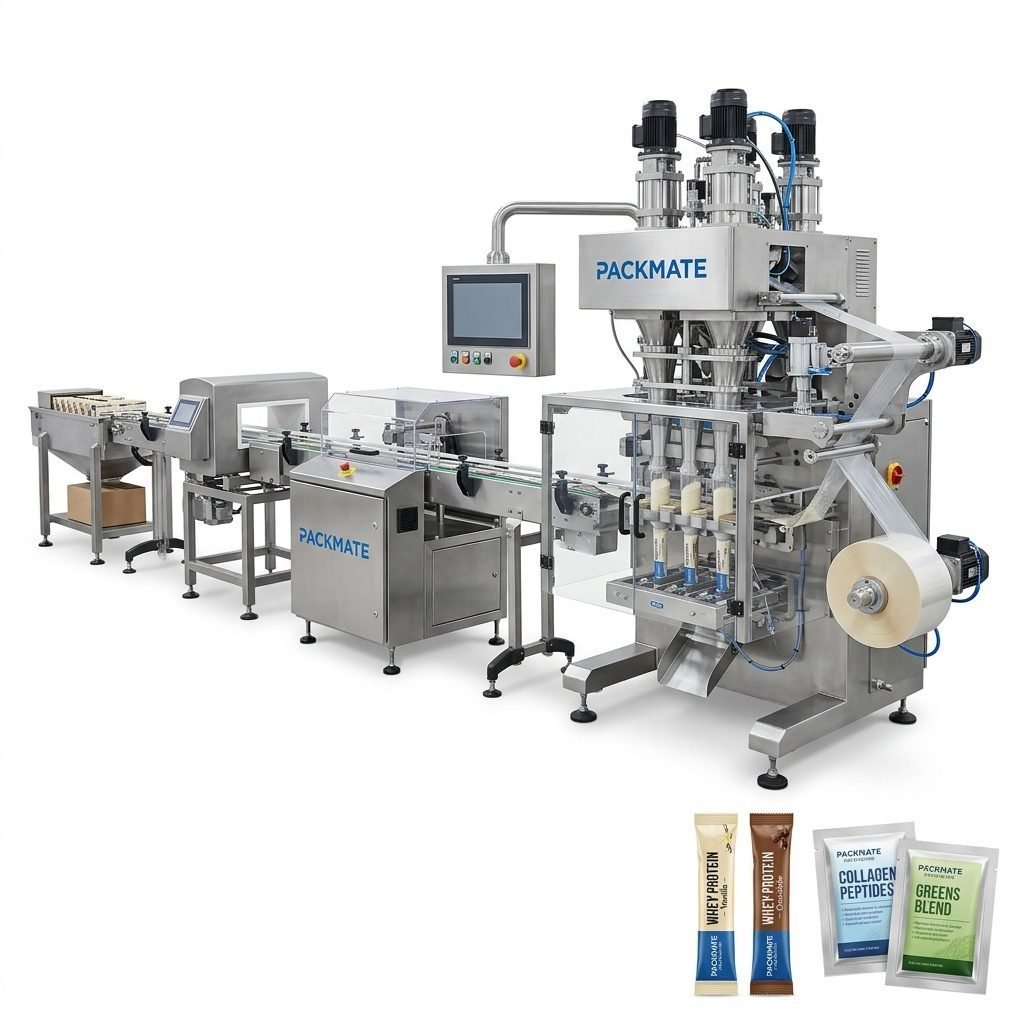
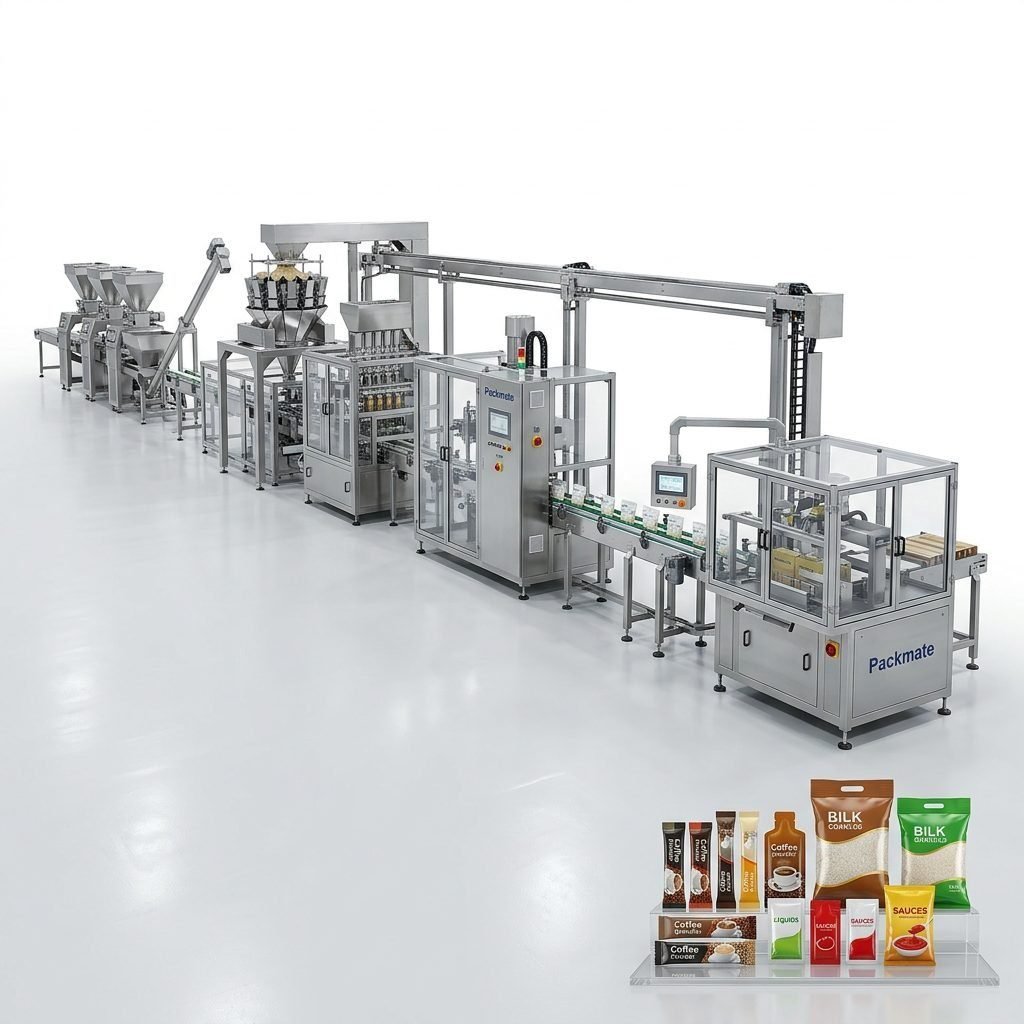
An automatic bagging machine is often just one part of a complete system. Proper configuration integrates upstream and downstream equipment to create a smooth, continuous flow.
Essential Line Components
Feeding System: Hoppers, elevators, and conveyors that reliably supply product to the filler. For powders, vacuum conveyors prevent dust and segregation.
Filling & Sealing Unit: The heart of the line. Choose the filler type (auger, volumetric, net weight) based on product accuracy needs. The sealing system must handle your film and provide consistent, strong seals.
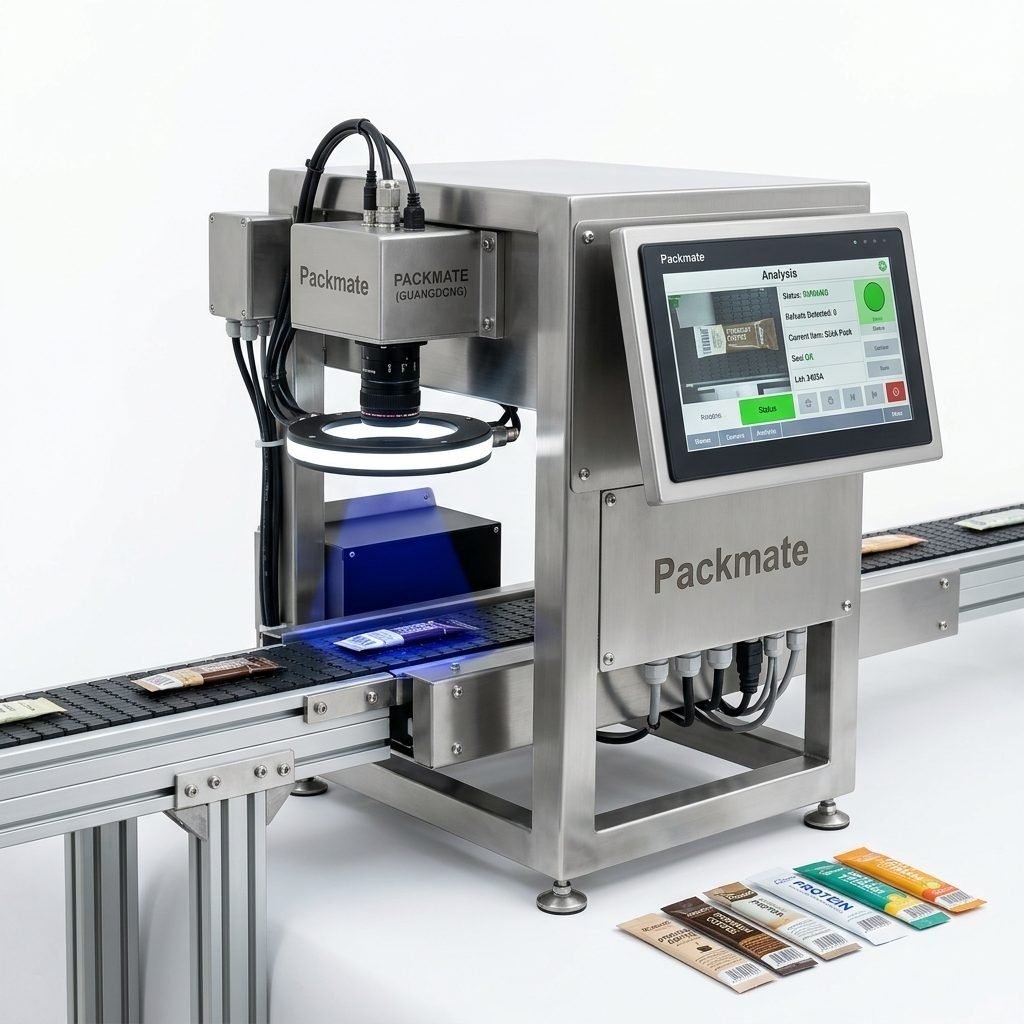
Quality Control Stations: Integrate checkweighers, metal detectors, and vision inspection systems to reject under/overweight or contaminated bags, ensuring 100% quality compliance.
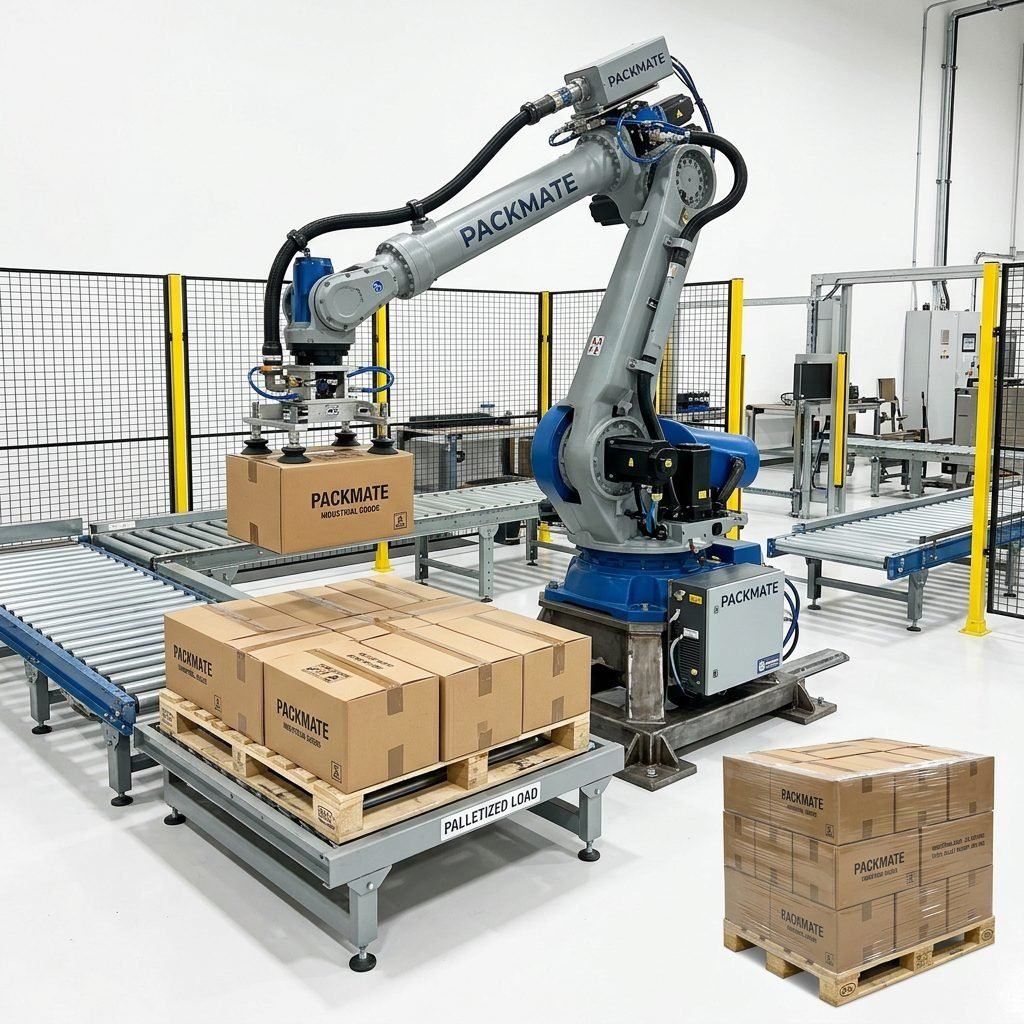
Downstream Handling: Cartoners, case packers, and palletizers automate the final steps, drastically reducing manual handling and preparing goods for shipment.
For complex needs, consider partnering with a manufacturer like Ludyway or PacklineOEM that specializes in turnkey packaging lines. They can design, integrate, and commission a complete system tailored to your layout and throughput, ensuring all components work in harmony.
Optimization Strategies for Peak Efficiency
After installation, continuous optimization is key to maximizing your return on investment and staying competitive.
Reduce Changeover Time
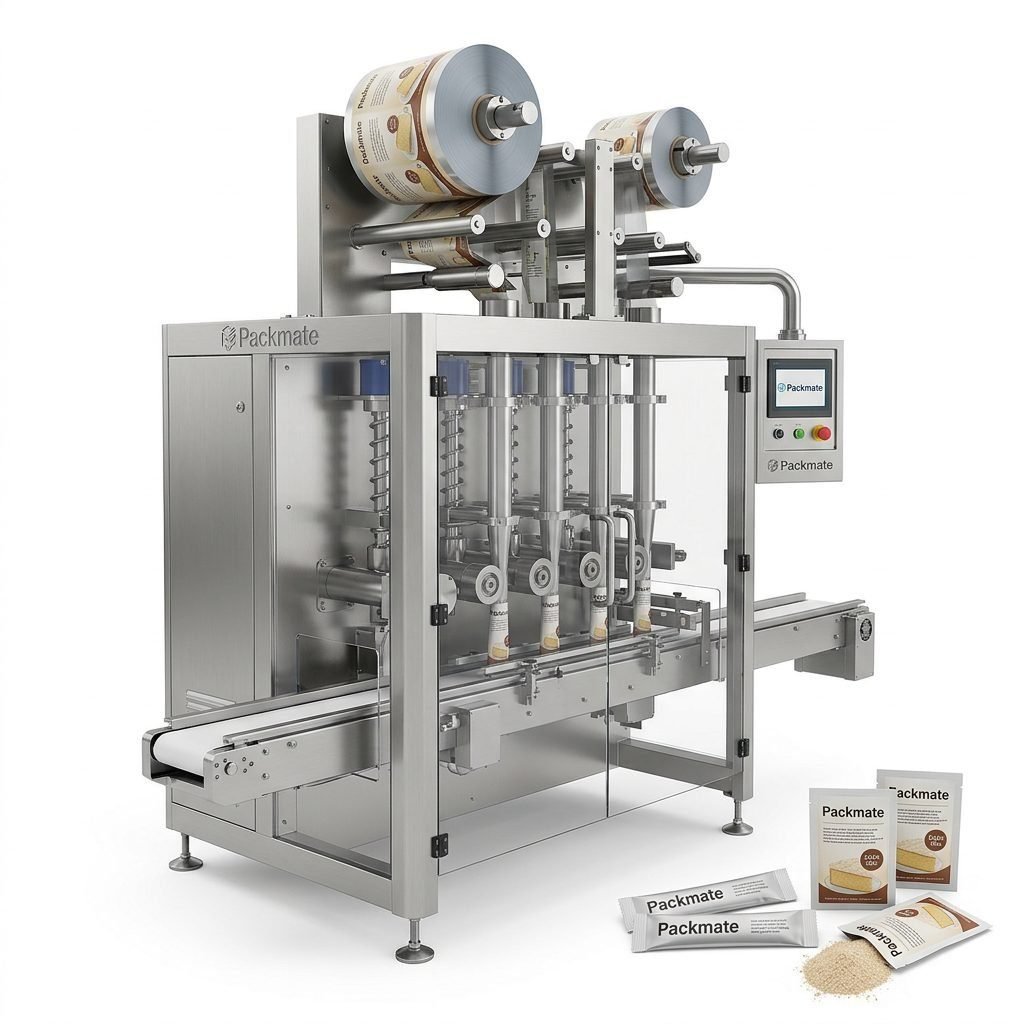
Downtime during product changeovers is a major efficiency killer. Implement standardized procedures, use quick-release mechanisms, and train operators thoroughly. Advanced machines with servo-driven components and HMI recipe storage can change bag sizes in minutes instead of hours.
Implement Predictive Maintenance
Move from reactive to predictive maintenance. Use machine data (vibration, temperature, cycle counts) to schedule maintenance before a failure occurs. Regularly inspect and replace wear parts like sealing jaws, cutting blades, and filler seals according to the manufacturer’s schedule.
Material Waste Reduction: Optimize film tracking and tension controls to minimize trim waste. Fine-tune the filler to hit the target weight precisely every time, reducing product giveaway. Even a 0.5% reduction in overfilling can lead to substantial annual savings.
Leverage Data and Connectivity
Modern machines offer OPC-UA or Ethernet connectivity for Industry 4.0 integration. Connect your packaging line to a SCADA or MES system to monitor Overall Equipment Effectiveness (OEE) in real-time. Track downtime causes, output rates, and quality metrics to identify bottlenecks and improvement opportunities.
Considering Global Market Requirements
If you are exporting, your packaging line must meet the standards of your target markets. European and North American buyers often have stringent requirements for machinery safety (CE, UL certification), hygiene (EHEDG, FDA-compliant materials), and traceability. Manufacturers with strong export experience, such as Packmate Machinery, are adept at configuring machines to meet these international norms. For niche sectors like nicotine pouches, a specialist like SnusMachinery provides critical application-specific knowledge for compliance and high-speed production.
Partnering with the Right Manufacturer
Your choice of supplier impacts long-term success. Look beyond the initial price and evaluate their support ecosystem.
- Technical Support & Spare Parts: Ensure they offer responsive after-sales service and have a reliable spare parts supply chain, especially if you are located overseas.
- Customization Ability: Can they adapt the machine to your unique product or process? Suppliers like PackingMachineOEM focus on non-standard and OEM solutions, which is valuable for specialized applications.
- Factory Visit & Testing: Whenever possible, visit the supplier’s factory to see their manufacturing quality and conduct a product test with your actual materials. This de-risks the purchase significantly.
Frequently Asked Questions (FAQs)
What is the typical lead time for an automatic bagging machine?
Lead times vary based on complexity and customization. For a standard model from stock, it could be 4-8 weeks. For a fully customized or turnkey line, expect 12-20 weeks or more, including factory acceptance testing.
How do I maintain the accuracy of my powder filler over time?
Regular calibration is essential. Follow the manufacturer’s schedule for checking and adjusting the filler. Use consistent, pre-conditioned product (stable temperature and humidity) during runs. Implement an automatic checkweigher with feedback to the filler for continuous correction.
Can one machine handle both stick packs and sachets?
Many multi-lane vertical form-fill-seal (VFFS) machines are designed to produce both formats with a change of forming tube and jaw tools. However, the changeover process takes time. If you frequently switch between very different formats, dedicated machines might be more efficient.
What are the most common causes of sealing problems?
Poor seals are often caused by incorrect jaw temperature/pressure, contaminated sealing surfaces (product dust or film coating), using the wrong film grade for the application, or worn/damaged jaw faces. A systematic troubleshooting process starting with cleaning and temperature verification is recommended.
Is it worth investing in a fully automated line with robotics?
The ROI depends on your labor costs, production volume, and shift patterns. For high-volume, 24/7 operations in regions with high labor costs or shortages, full automation with end-of-line palletizing often pays back within 1-3 years through labor savings, increased output, and reduced injury risk.