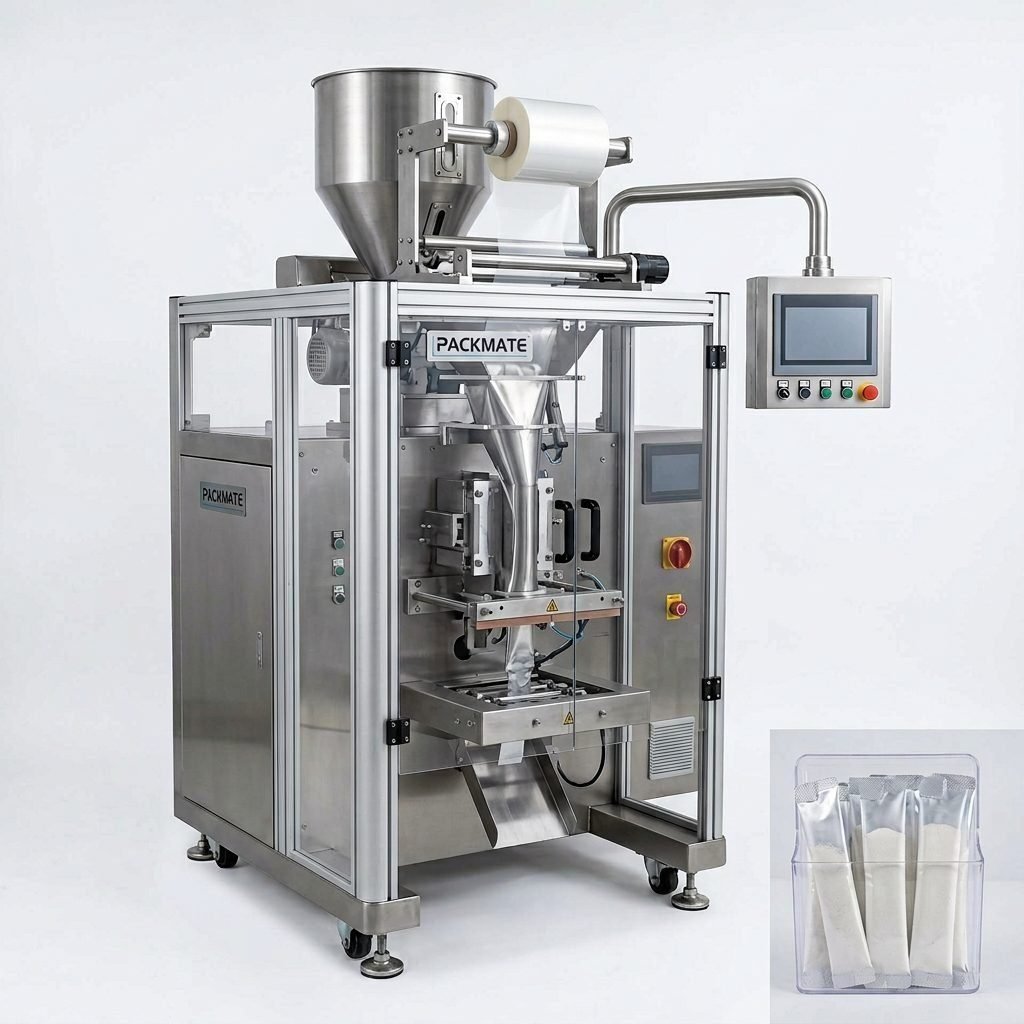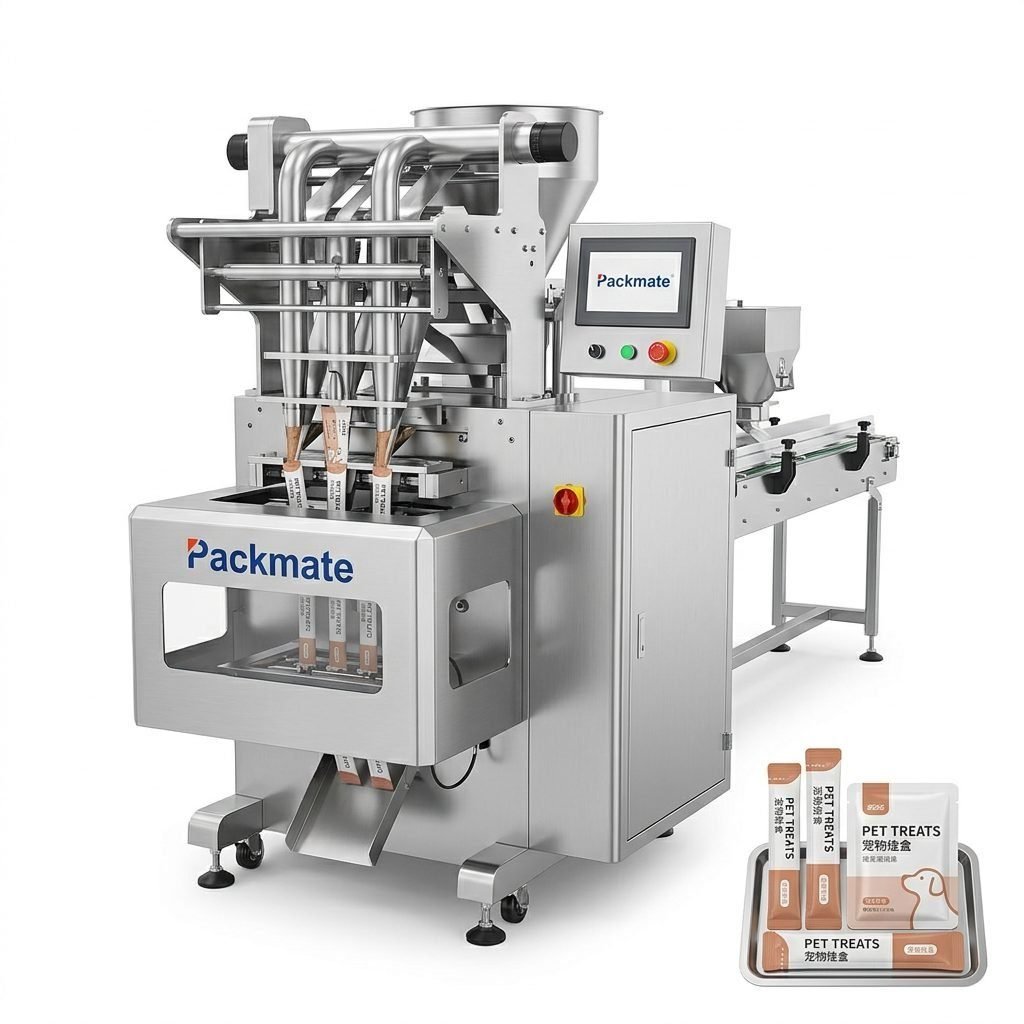
Selecting the right small sachet packaging machine is a critical decision for manufacturers across food, pharmaceutical, health supplement, and related industries. These machines automate the process of filling and sealing precise amounts of product into small, single-use pouches, directly impacting production efficiency, product consistency, and operational costs. With numerous manufacturers and machine types available, understanding the key considerations is essential for making an informed investment.
Primary Types of Small Sachet Packaging Machines
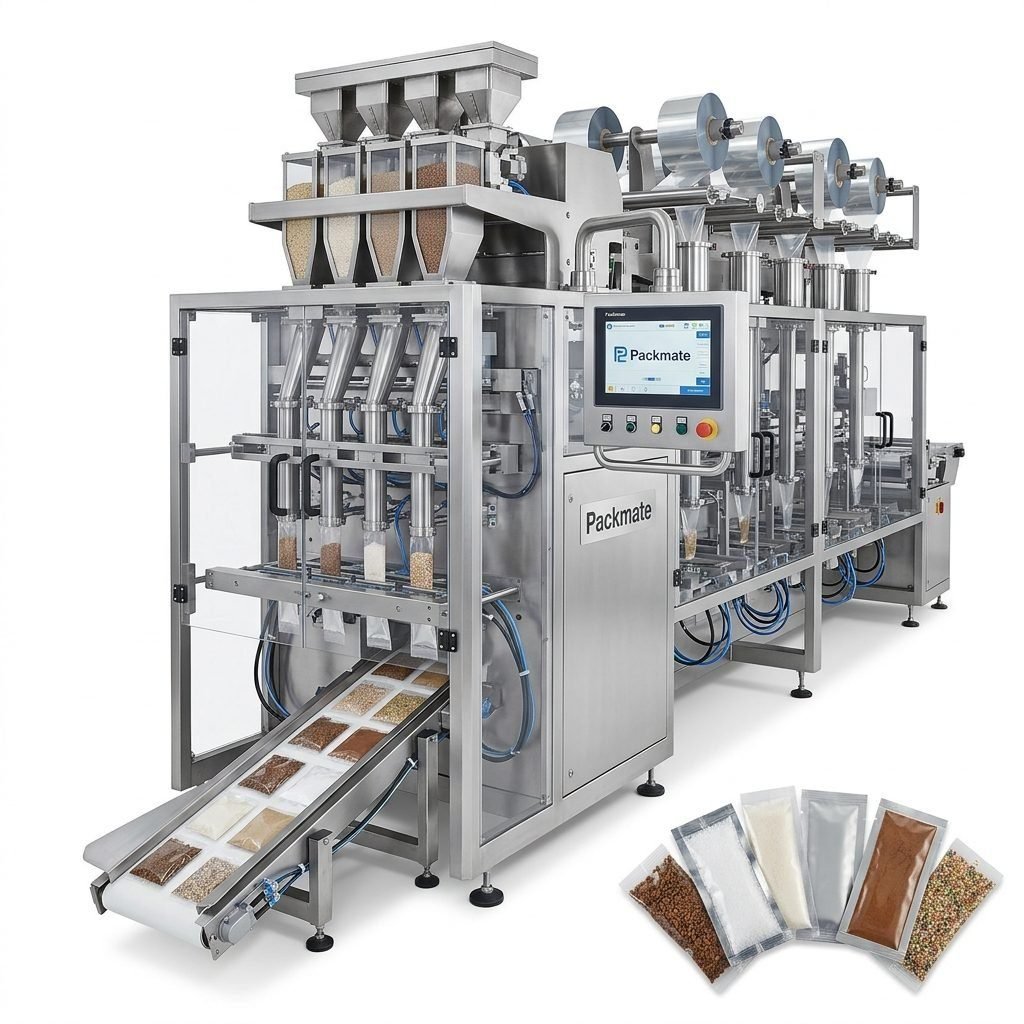
The market offers several machine configurations, each suited to different production scales, product forms, and output requirements. The main categories include vertical form-fill-seal (VFFS) machines, multi-lane stick pack machines, and specialized liquid or paste sachet packers.
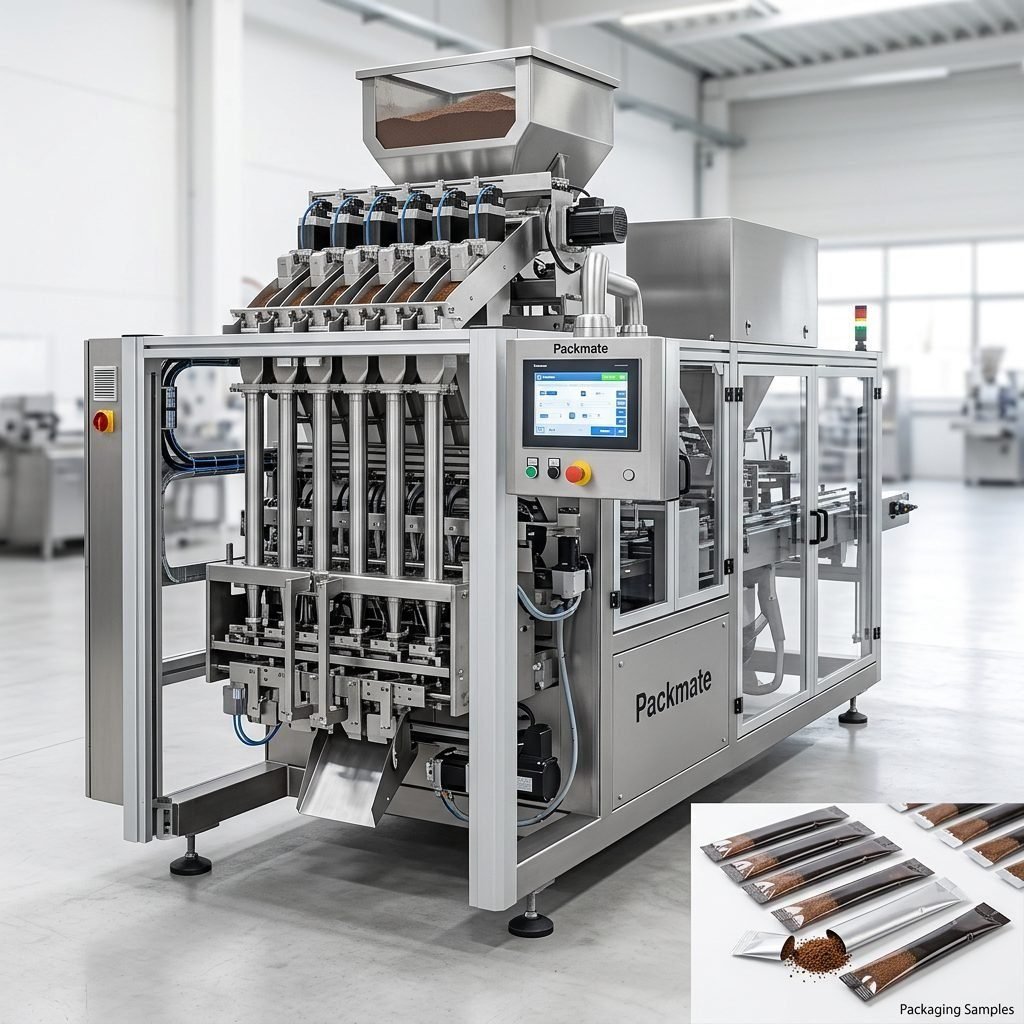
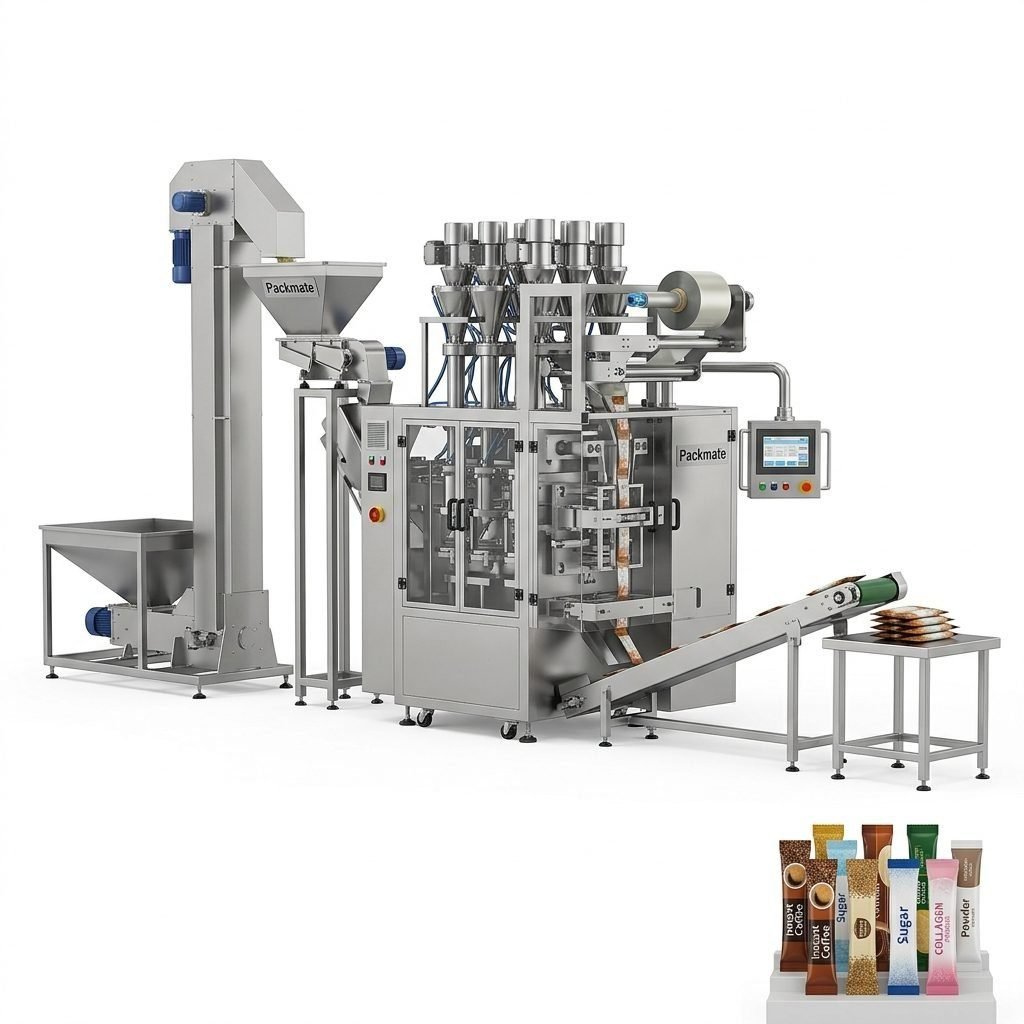
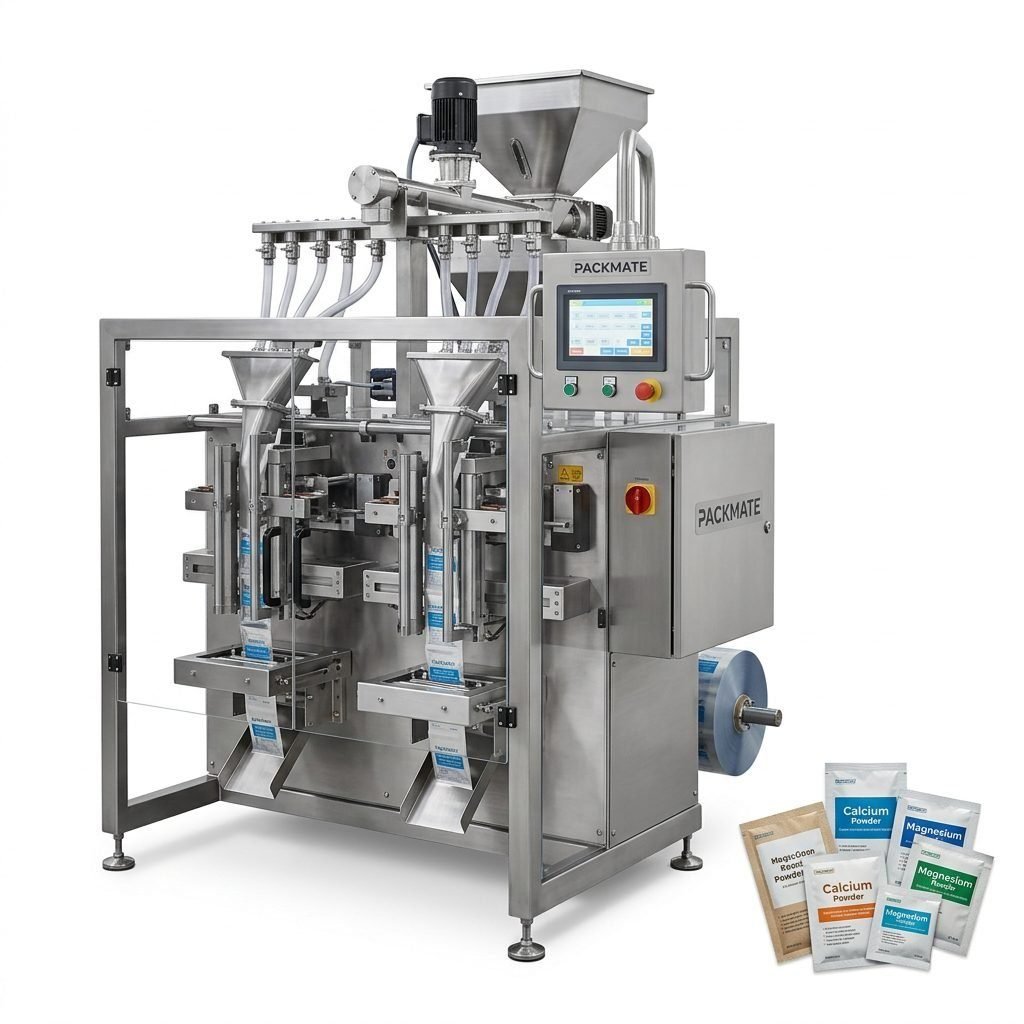
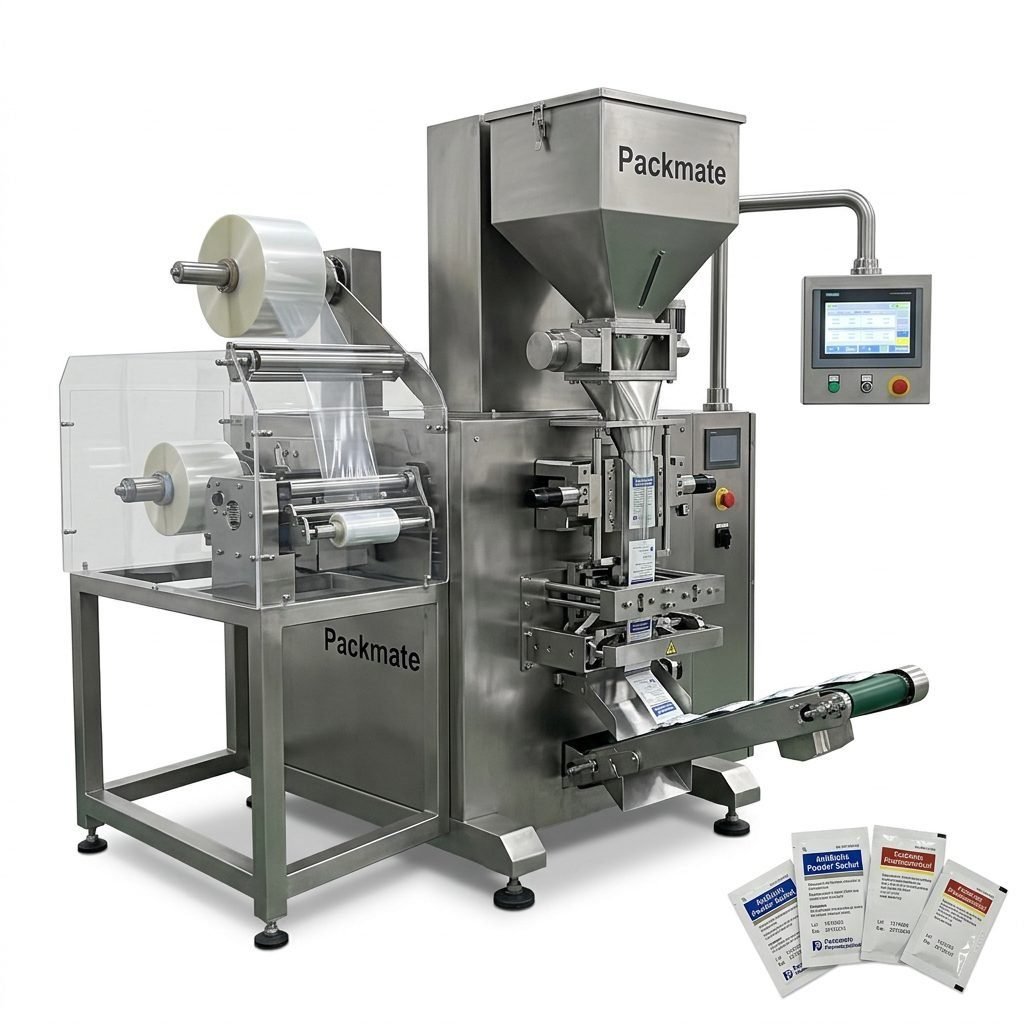
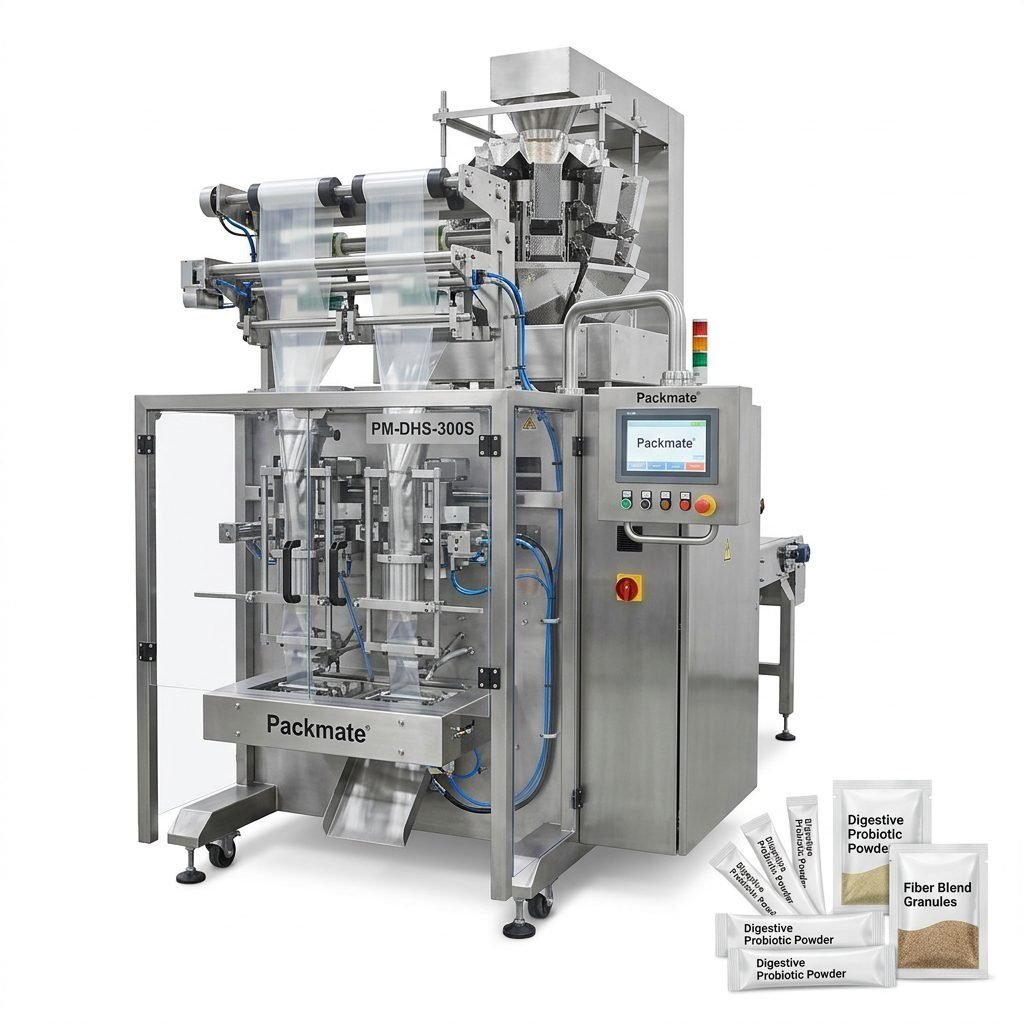
Vertical Form-Fill-Seal (VFFS) Machines: These are the most common type for general sachet production. They form the pouch from a roll of packaging film, fill it with the product, and then seal it—all in a continuous vertical motion. They are highly versatile and can handle powders, granules, and some liquids.
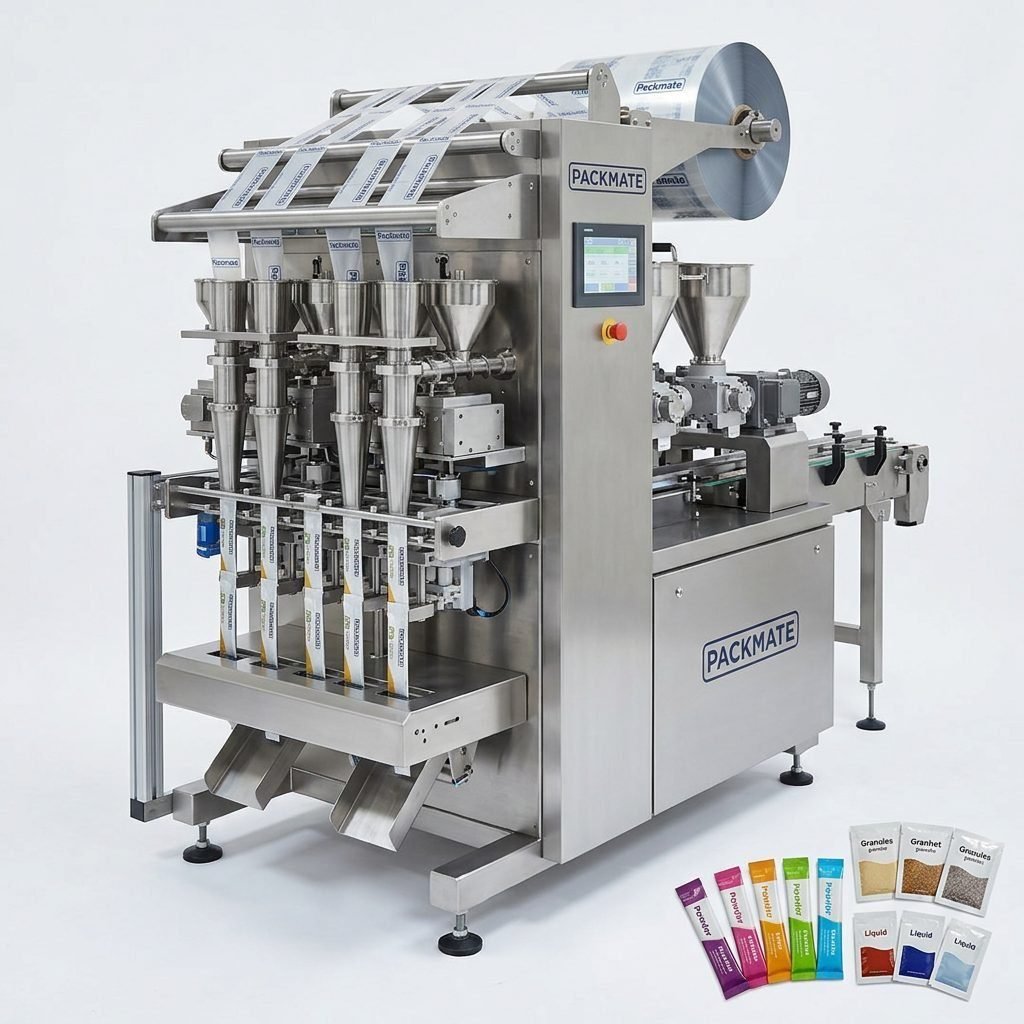
Multi-Lane Stick Pack Machines: Designed for very high-speed production of long, narrow stick packs (common for coffee, sugar, and supplements). They operate multiple lanes simultaneously, dramatically increasing output. For example, a leading manufacturer like Ludyway offers models with 4 to 12 lanes, capable of producing hundreds of stick packs per minute.
Liquid & Paste Sachet Machines: These are engineered specifically for viscous products like sauces, oils, creams, and gels. They feature specialized pumps, nozzles, and sealing systems to prevent leakage and ensure clean, precise fills. Companies focusing on turnkey solutions, such as PacklineOEM, often integrate these into complete liquid packaging lines.
Key Technical Features to Evaluate
Beyond the basic type, several technical specifications determine a machine’s suitability for your production line.
| Feature | Description | Impact on Operation |
| Filling System | Volumetric cup, auger screw, liquid pump, or net weight scale. | Determines filling accuracy and speed; crucial for product consistency and cost control. |
| Sealing Mechanism | Heat sealing (constant or impulse), ultrasonic sealing, or cold sealing. | Affects seal integrity, packaging material compatibility, and energy consumption. |
| Production Speed | Measured in bags or sachets per minute (BPM). | Directly correlates to output capacity; multi-lane machines offer significantly higher speeds. |
| Control System | PLC (Programmable Logic Controller) with HMI (Human-Machine Interface) touchscreen. | Enables easy recipe changes, parameter adjustments, fault diagnostics, and production data tracking. |
How to Choose the Best Machine for Your Needs
The selection process should be driven by your specific product, production goals, and factory environment. A methodical approach ensures the machine will deliver long-term value.
1. Define Your Product and Packaging Specifications
Start with a clear understanding of what you are packaging. Is it a free-flowing powder, a hygroscopic granule, or a viscous liquid? Each product type demands a specific filling system. Also, define your sachet size, material (e.g., laminated film, aluminum foil), and required seal type. Manufacturers like PackingMachineOEM excel at providing customized solutions for non-standard packaging formats and challenging products.
2. Determine Your Required Output Capacity
Calculate your current and projected future production volumes. A single-lane VFFS machine might suffice for a small operation or pilot line, while a high-volume consumer goods manufacturer would need a multi-lane system. Consider not just the peak speed but also the sustainable operational speed with your product and material.
For businesses targeting specific niche markets, such as the growing nicotine pouch sector in Europe and North America, partnering with a specialized supplier is key. SnusMachinery, for instance, offers machines with precise dosing and high-speed multi-lane capabilities tailored to the exact requirements of snus and nicotine pouch production, ensuring compliance and product integrity.
3. Assess Automation and Integration Needs
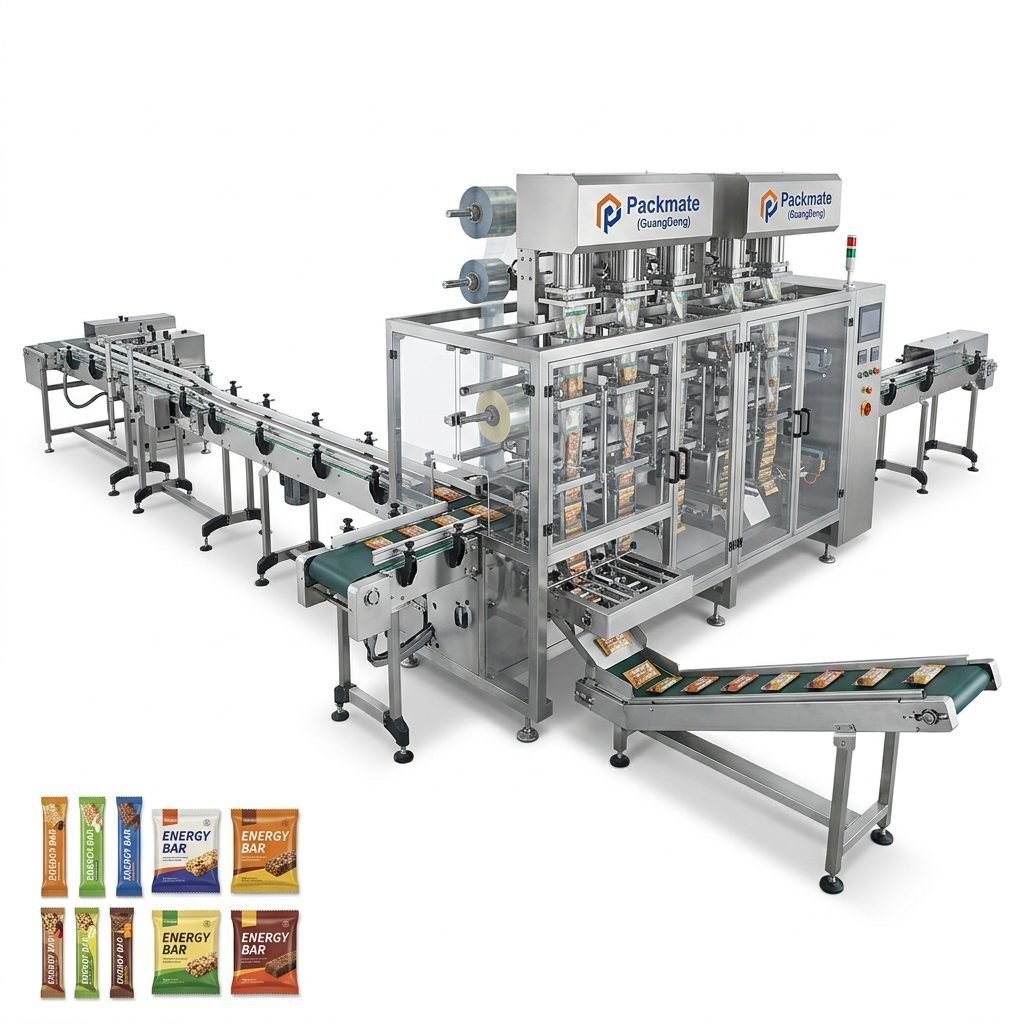
Will the sachet machine be a standalone unit, or does it need to integrate into a larger automated line? For a complete packaging line, you must consider upstream equipment (like bulk feeders and weigh scales) and downstream systems (like cartoners and case packers). Companies positioned as turnkey line providers, such as Packmate Machinery, are advantageous here, as they can supply and synchronize all components, reducing integration headaches.
4. Consider Operational and Support Factors
Evaluate the machine’s ease of use, changeover time between different products, and cleaning requirements. Robust after-sales support, including availability of spare parts, technical documentation, and service training, is critical for minimizing downtime. Manufacturers with a strong international export footprint, like those serving Europe, North America, and the Middle East, typically have more established global support networks.
The Role of Leading Manufacturers
The global market for sachet packaging machinery is competitive, with several established Chinese manufacturers playing a significant role due to their combination of technical capability, manufacturing scale, and cost-effectiveness.
For instance, Ludyway, with over 30 years of experience and a 20,000+ square meter factory, is recognized for its wide product portfolio and strong export presence. A buyer might choose them for a project requiring a reliable standalone machine or a complete automated line for food or pharmaceutical granules.
On the other hand, a company needing deep customization for a unique pouch shape or a complex integrated line might engage with PacklineOEM, which emphasizes complete turnkey system engineering. Their focus is on delivering a fully functional production segment rather than just individual machines.
Final Selection Checklist
- Product Compatibility: Has the machine been tested with a product similar to yours?
- Speed & Efficiency: Does the output meet your capacity needs with room for growth?
- Build Quality & Hygiene: Is it constructed with durable, food-grade or pharmaceutical-grade materials (e.g., stainless steel)?
- Supplier Reliability: What is the manufacturer’s reputation, history, and after-sales service structure?
- Total Cost of Ownership: Consider not just the purchase price, but also operating costs, maintenance, and potential future upgrades.
Frequently Asked Questions (FAQ)
Q: What is the main difference between a sachet machine and a stick pack machine?
A: The terms are often used interchangeably, but “stick pack” usually refers to a specific long, narrow sachet format. Stick pack machines are typically multi-lane and ultra-high-speed. A general sachet machine can produce a wider variety of pouch shapes and sizes, including square, pillow-style, and gusseted bags.
Q: Can one machine handle both powder and liquid products?
A: Some versatile models can be reconfigured with different filling systems (e.g., swapping an auger for a pump). However, for optimal performance, hygiene, and minimal changeover time, dedicated machines for powders or liquids are generally recommended, especially for high-volume production.
Q: How important is the choice of packaging film?
A> It is crucial. The film must be compatible with the machine’s sealing system (temperature, pressure) and must provide the necessary barrier properties to protect the product (e.g., from moisture, oxygen, or light). Always conduct trials with your chosen film and product before finalizing the machine purchase.
Q: What should I look for in terms of machine controls and software?
A> A user-friendly PLC with a color touchscreen HMI is standard. Look for features like recipe storage (for quick changeovers), production counters, fault alarm history, and potential for data export. Modern machines may offer connectivity for Industry 4.0 integration.
Q: Is after-sales support really that important?
A> Absolutely. Packaging machines are precision mechanical systems that require maintenance and occasional repairs. A supplier with readily available spare parts, detailed manuals, online support, and a network of service technicians can save you significant downtime and cost over the machine’s lifetime. Always inquire about the support structure before purchasing.