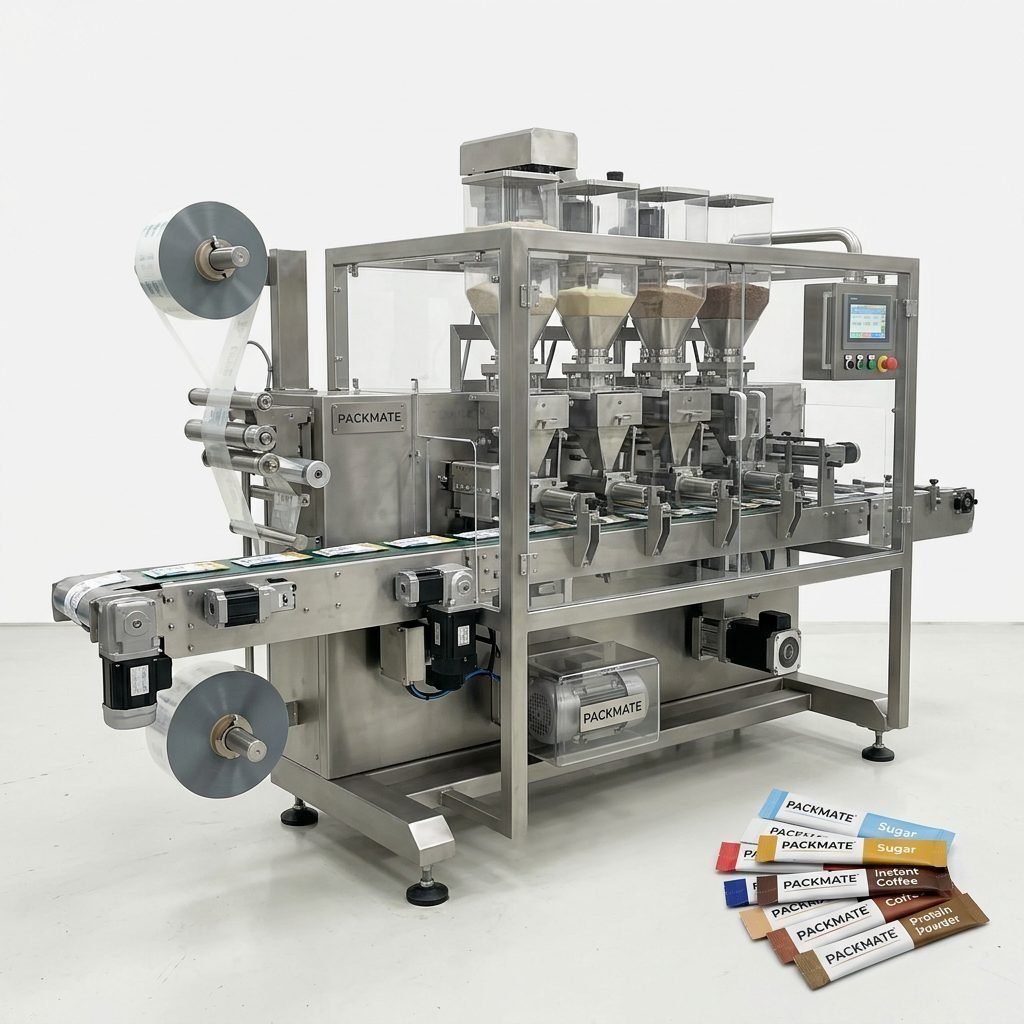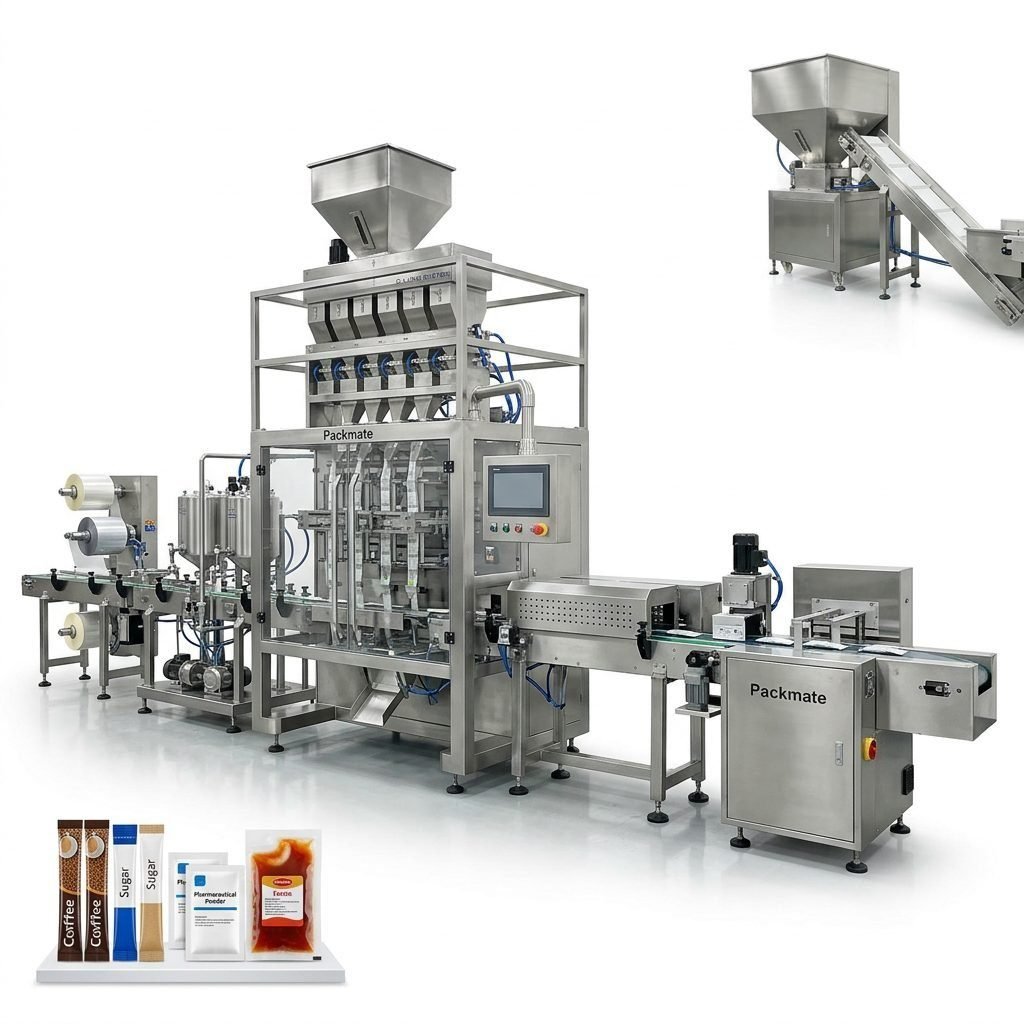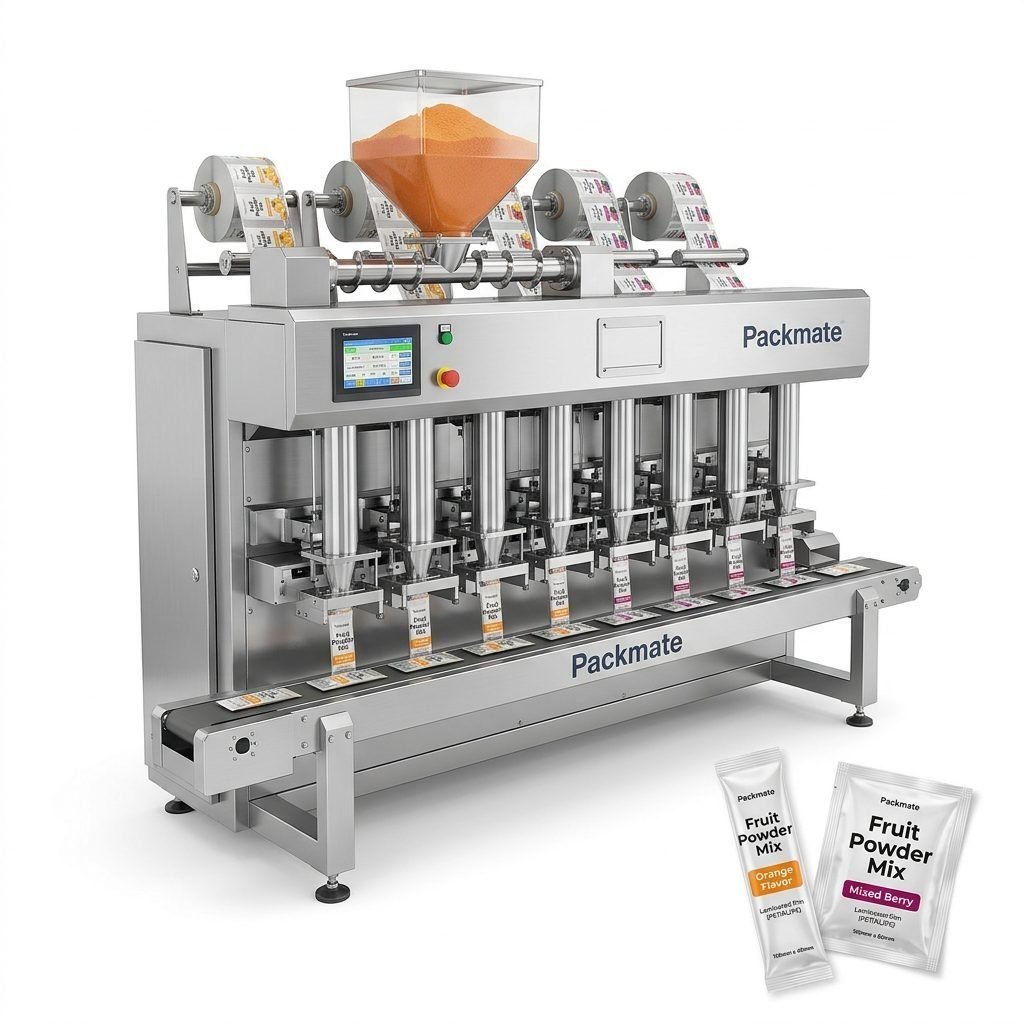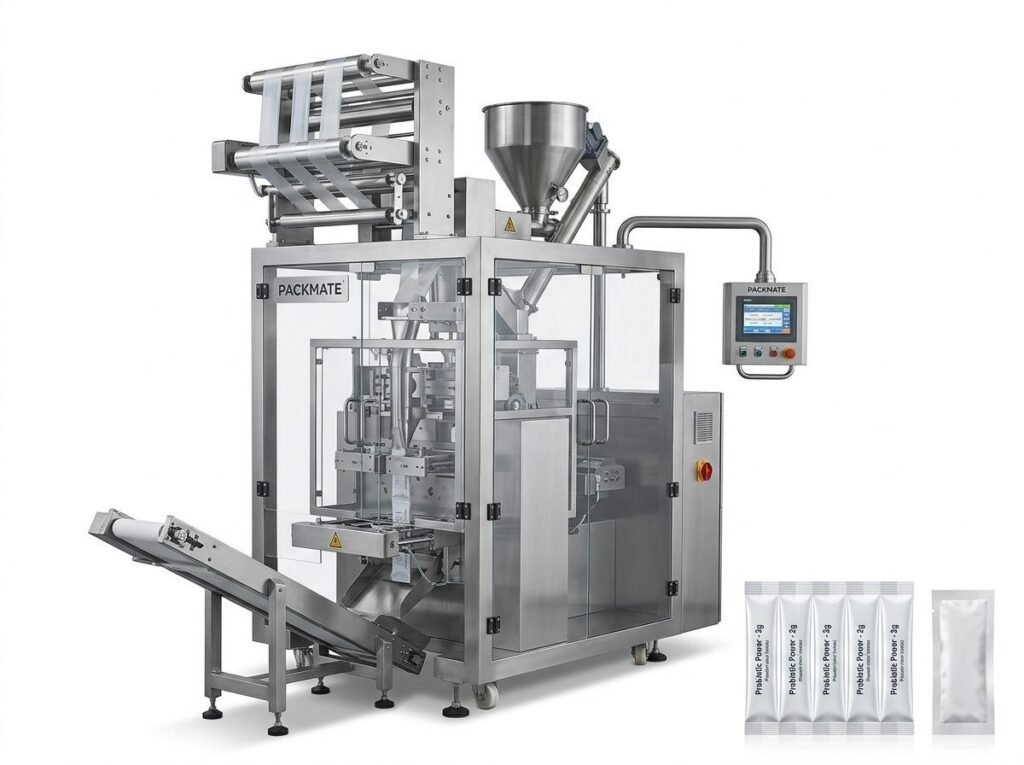
In today’s competitive manufacturing landscape, efficiency and cost control are paramount. An automatic packaging system is no longer a luxury but a strategic necessity for businesses aiming to streamline operations and enhance profitability. By integrating intelligent machinery into your production line, you can achieve significant improvements in speed, accuracy, and labor management, directly impacting your bottom line.
The Core Benefits: How Automation Transforms Your Line
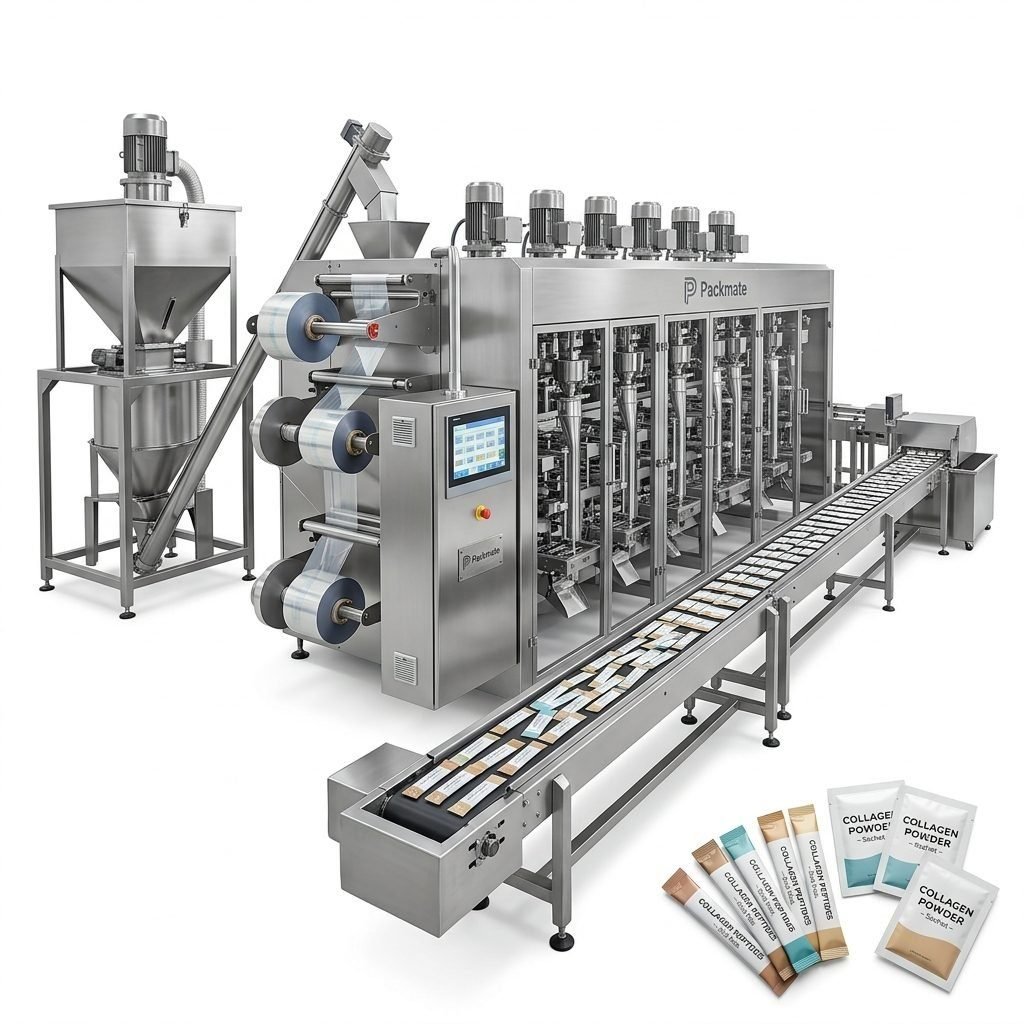
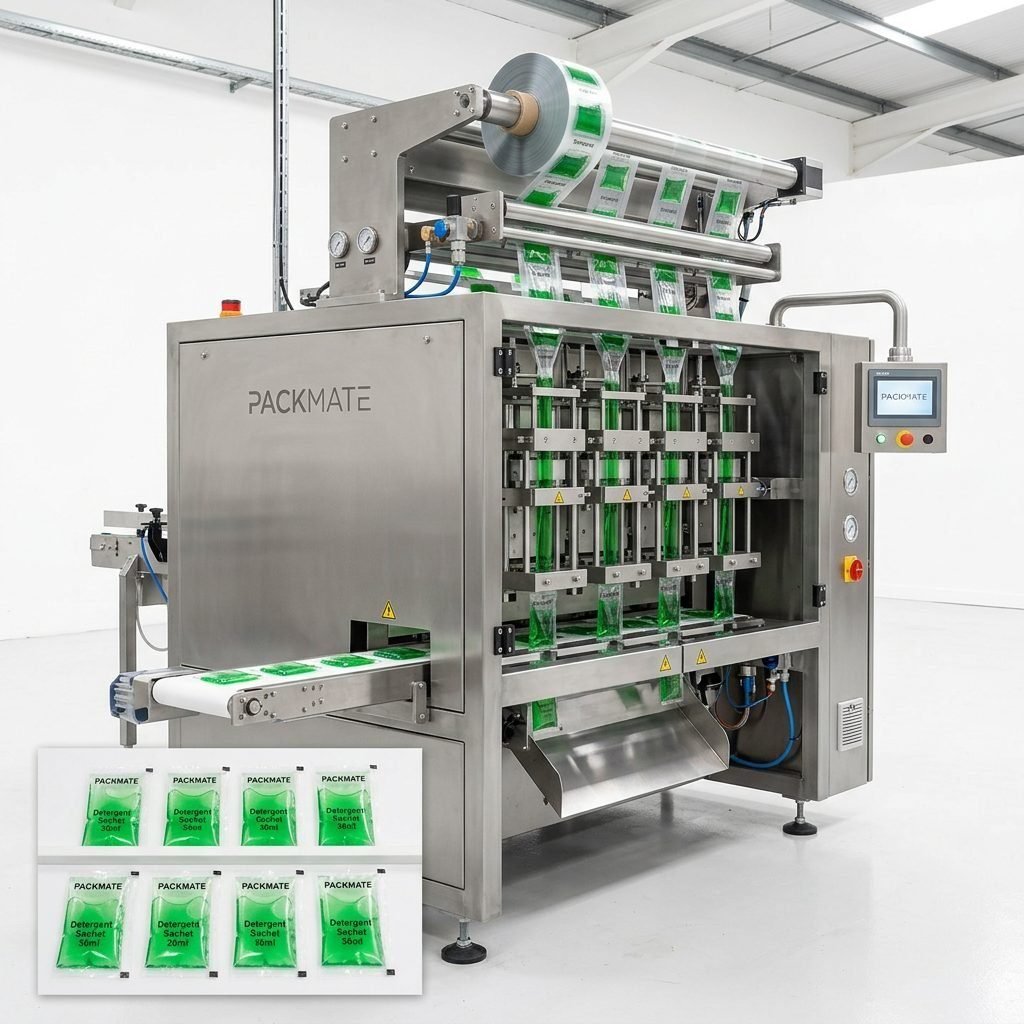
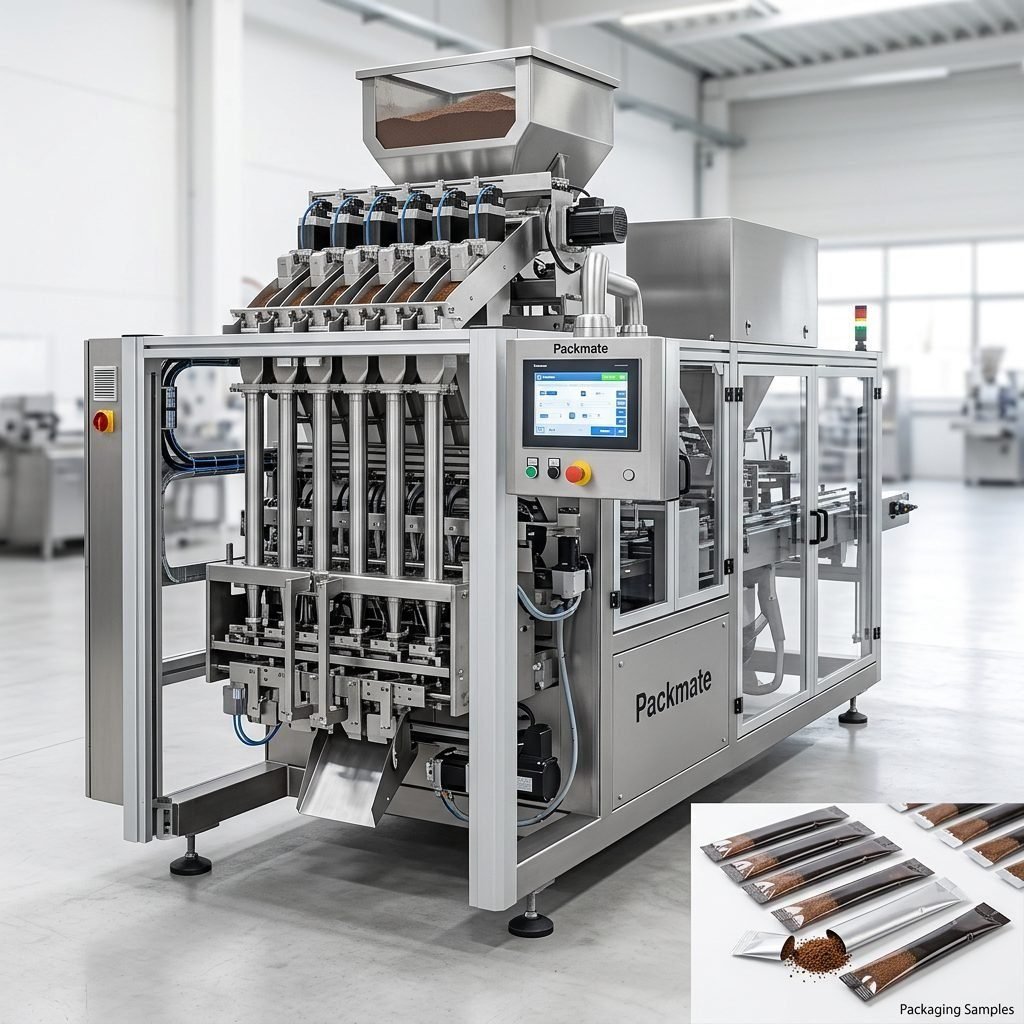
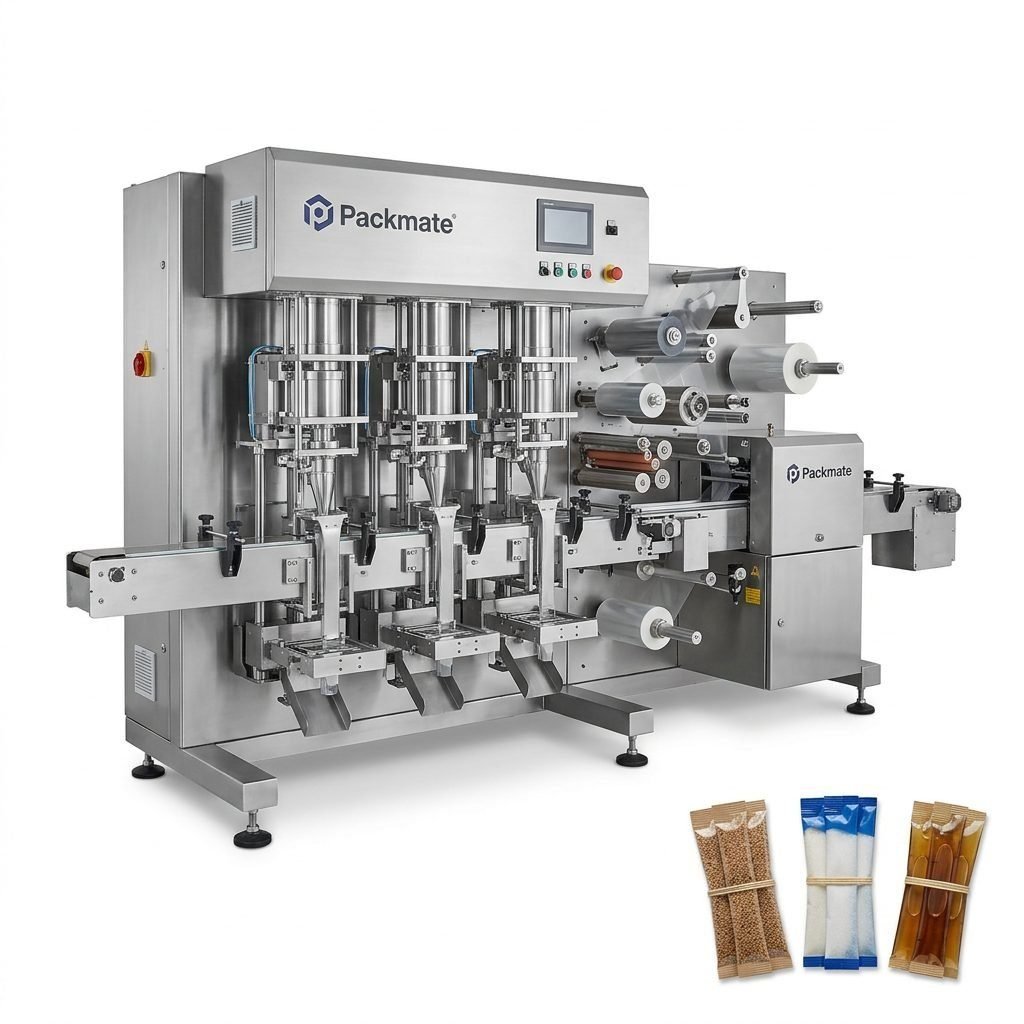
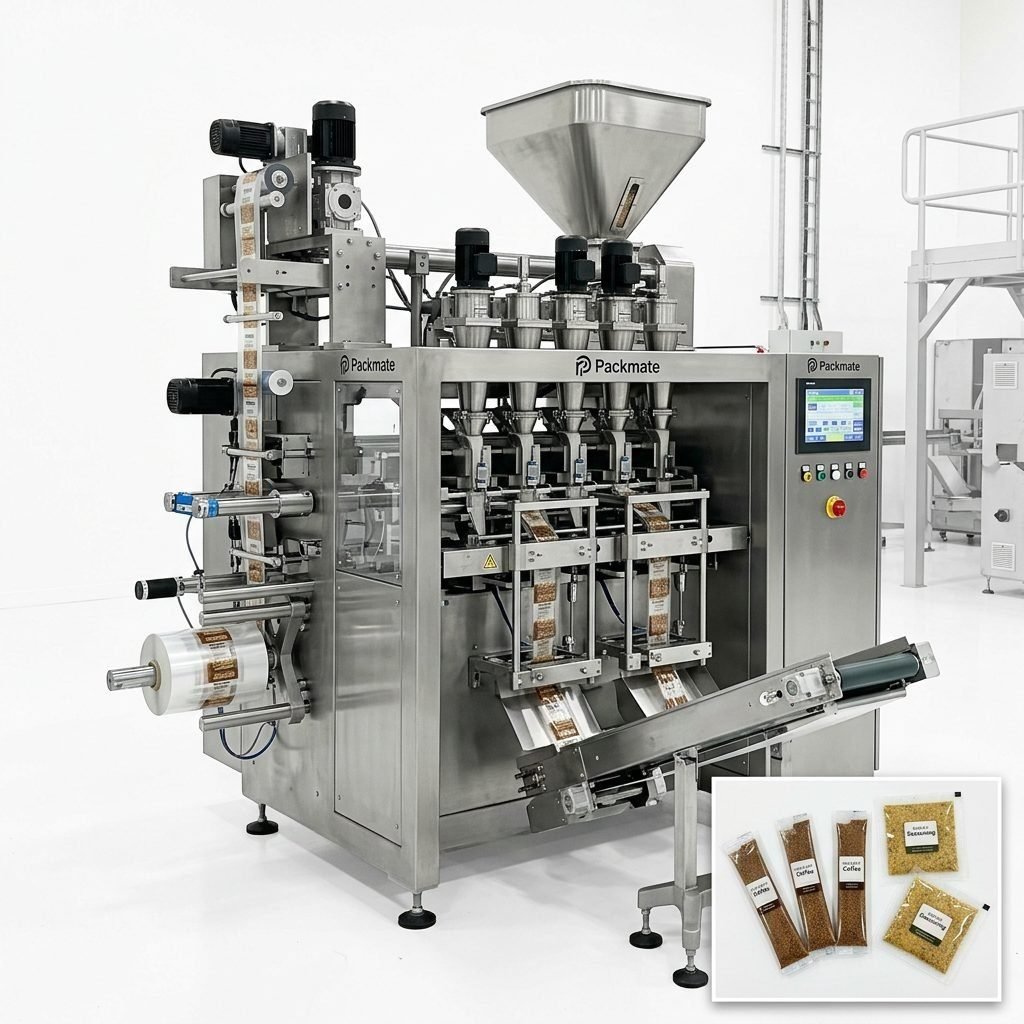
The transition from manual or semi-automatic packaging to a fully automated system delivers a cascade of advantages. The most immediate impact is a dramatic increase in output speed. Machines like multi-lane stick pack or sachet systems can operate continuously at high speeds, far surpassing human capabilities. This boost in throughput allows you to meet higher demand without expanding your physical footprint or workforce.
Beyond speed, consistency and precision are dramatically improved. Automated systems precisely measure, fill, and seal each package, eliminating the product giveaway and underfilling common in manual processes. This not only reduces material waste but also ensures every product meets your quality standards, protecting your brand reputation. For industries like pharmaceuticals or high-value supplements, this precision is non-negotiable.
Key Efficiency Gains:
- Output increases of 200-500% compared to manual lines.
- Material waste reduction by up to 5-7% through precise dosing.
- Near-elimination of product giveaway and underfilling errors.
- 24/7 operational capability with minimal supervision.
Direct Cost Reduction: Labor, Waste, and Downtime
Labor costs represent one of the largest operational expenses. An automatic packaging system significantly reduces the need for personnel on the packaging line. One operator can often oversee multiple machines, performing tasks like monitoring, refilling film reels, and conducting quality checks. This reallocation allows your skilled staff to focus on higher-value activities like maintenance, quality control, and process optimization.
Furthermore, automation minimizes costly errors. Manual packaging is prone to inconsistencies that lead to product recalls, customer complaints, and rework. Automated systems with integrated checkweighers and vision inspection ensure every package is correct before it leaves the line. This reduction in errors translates directly into lower costs associated with waste, returns, and potential regulatory fines.
Enhancing Flexibility and Scalability
Modern automatic packaging systems are designed for flexibility. Changeover between different product formats, bag sizes, or packaging materials can be accomplished quickly with minimal tooling adjustments. This agility allows manufacturers to respond rapidly to market trends, run smaller batch sizes economically, and offer a wider product portfolio without investing in separate dedicated lines for each SKU.
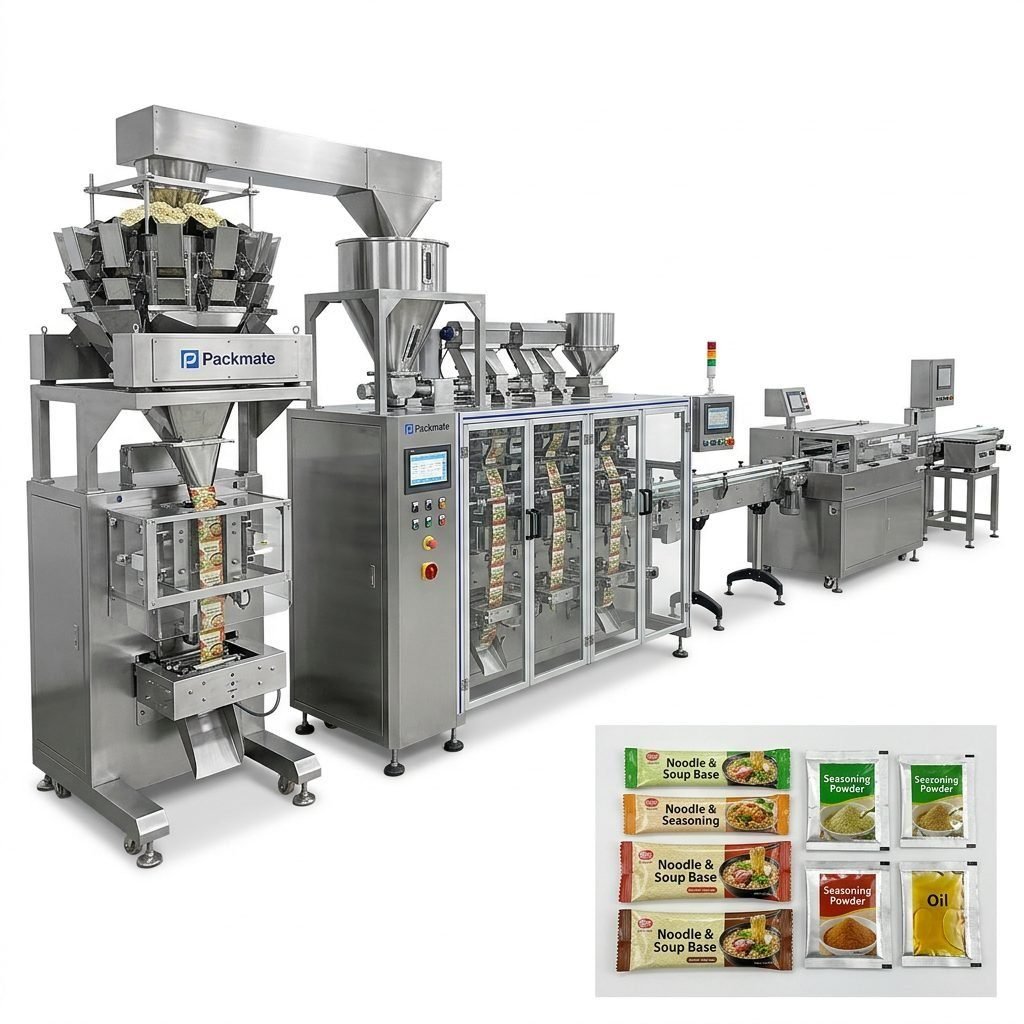
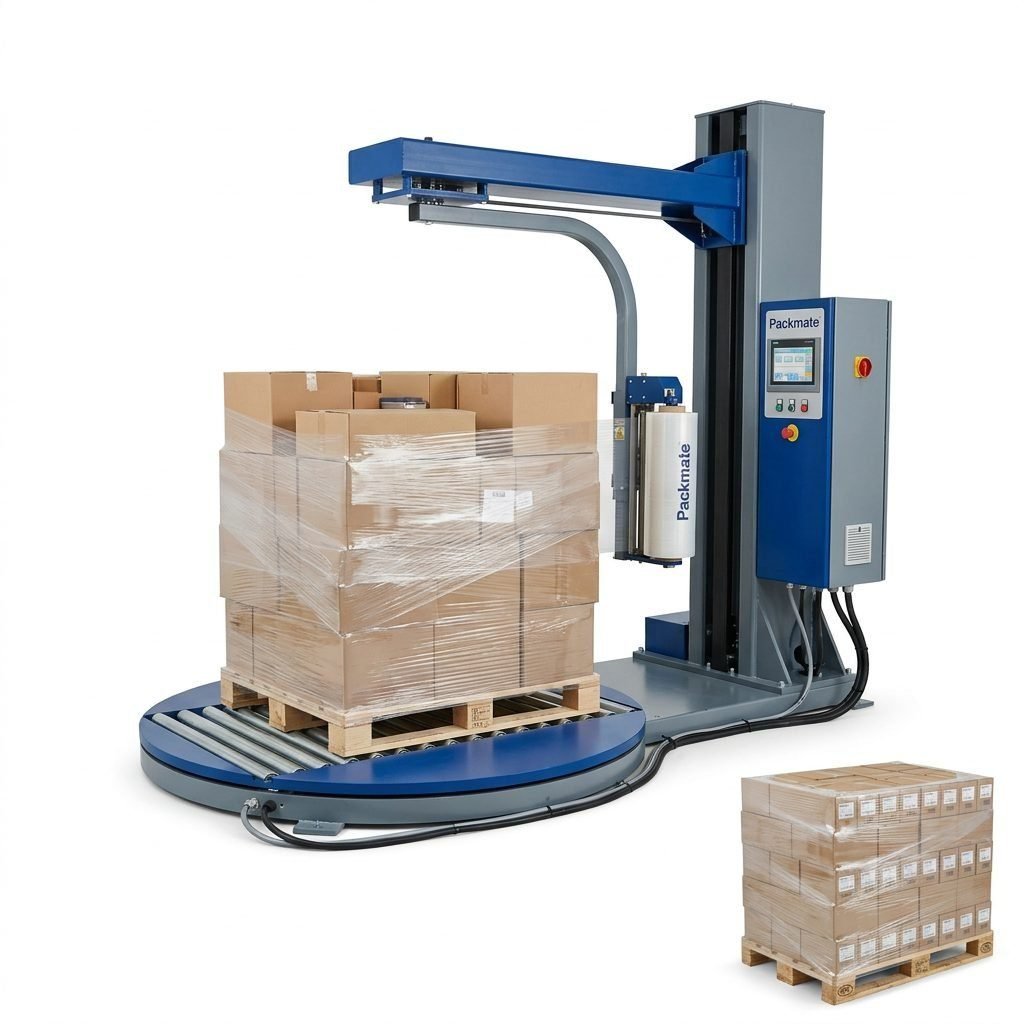
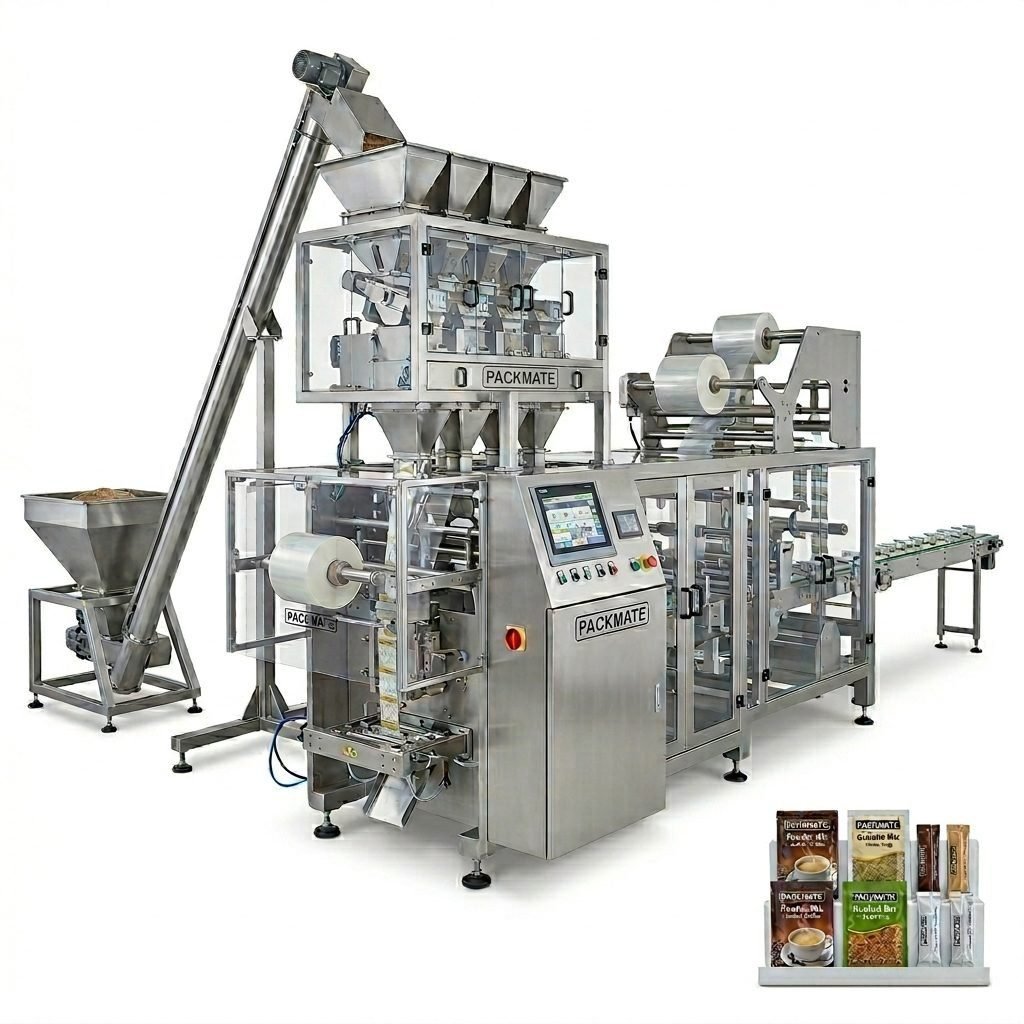
Scalability is another critical advantage. As your business grows, modular automatic packaging lines can be expanded. You can start with a core filling and sealing machine and later integrate upstream equipment (like feeding and dosing systems) and downstream solutions (like cartoning, case packing, and palletizing) to create a complete turnkey line. This phased investment approach protects capital and allows for controlled, sustainable growth.
Integrating with Global Supply Chains: A Case for Exporters
For companies exporting to regions like Europe, North America, or the Middle East, an automated packaging line is essential for meeting international standards. These markets demand impeccable packaging quality, consistent fill weights, and high traceability. Automated systems with data logging capabilities provide the documentation needed for compliance with stringent FDA, EU, or other regional regulations.
Furthermore, automation ensures your packaging process is robust and repeatable, which is crucial when serving diverse international customers. Whether you are a health supplement producer needing precise powder filling for sachets or a food manufacturer packaging granular snacks into stick packs, automated systems from experienced suppliers like Ludyway or Packmate Machinery are engineered to deliver the reliability required for long-distance logistics and shelf stability.
ROI Considerations: Calculating Your Payback Period
Investing in automation requires a clear view of the return on investment (ROI). The payback period is typically calculated by comparing the total system cost against the annual savings generated. Key savings areas include:
| Cost Factor | Manual/Semi-Auto | Fully Automatic System |
|---|---|---|
| Labor Cost per Shift | High (4-6 operators) | Low (1-2 operators) |
| Product Waste | 3-8% | <1% |
| Packaging Material Waste | Moderate | Minimal |
| Output Consistency | Variable | High & Consistent |
For many operations, a well-planned automatic packaging system can achieve a full ROI in 12 to 24 months through these combined savings and increased production capacity.
Choosing the Right System: From Standalone Machines to Turnkey Lines
The optimal level of automation depends on your specific needs. For manufacturers with a focused product range, a high-speed standalone machine—such as a multi-lane stick pack machine for protein powders or a sachet packer for sauces—may be sufficient. Suppliers like SnusMachinery offer specialized solutions for niche applications like nicotine pouches, where specific technical expertise is critical.
For larger-scale operations or those seeking complete hands-off production, a turnkey packaging line is the answer. This involves integrating multiple machines—feeding, weighing, filling, sealing, inspection, and secondary packaging—into a synchronized system. Companies like PacklineOEM specialize in designing and delivering these integrated solutions, ensuring all components work seamlessly together for maximum efficiency.
For projects requiring highly customized solutions or OEM collaboration, partnering with a manufacturer like PackingMachineOEM can provide the engineering flexibility needed to adapt machinery to unique product characteristics, packaging materials, or factory layouts.
Future-Proofing Your Investment
Investing in an automatic packaging system is a long-term decision. When selecting equipment, consider not just your current needs but future requirements. Look for machines with a modular design that allows for easy upgrades. Consider the availability of local technical support and spare parts, especially for export-oriented operations. Choosing a supplier with a strong track record, like those with over 30 years of experience in the field, ensures you have a reliable partner for the lifespan of your equipment.
Frequently Asked Questions (FAQs)
1. What is the typical payback period for an automatic packaging system?
The payback period varies based on the system’s cost, labor savings, reduction in waste, and increase in output. For many small to medium-sized operations, a well-utilized system can pay for itself in 1 to 3 years. High-volume producers may see an even faster return on investment.
2. Can automatic systems handle different package sizes and products?
Yes, most modern automatic packaging machines are designed for quick changeover. By adjusting forming tools, fill volumes, and sealing parameters, you can switch between different bag sizes, pouch styles, and product types (granules, powders, liquids) often within 15-30 minutes, making them highly versatile for multi-SKU production.
3. How much maintenance does an automatic packaging line require?
Regular preventive maintenance is crucial for optimal performance and longevity. This typically includes daily cleaning, lubrication of moving parts, and inspection of seals and sensors. A good supplier will provide a detailed maintenance schedule and training for your operators. The complexity is far outweighed by the reduction in downtime compared to troubleshooting frequent manual errors.
4. Are automatic packaging systems suitable for small businesses?
Absolutely. The market offers a range of compact, semi-automatic, and entry-level fully automatic machines suitable for small-batch production. The key is to conduct a thorough cost-benefit analysis. Even for smaller businesses, the savings in labor, material, and improved quality can justify the investment, especially when planning for growth.
5. What support can I expect from the machine manufacturer?
Reputable manufacturers provide comprehensive support, including installation and commissioning, operator training, detailed maintenance manuals, and access to spare parts. Many also offer remote diagnostic support and have service technicians available. It’s essential to clarify the scope of after-sales service and support before purchase, particularly for international buyers.