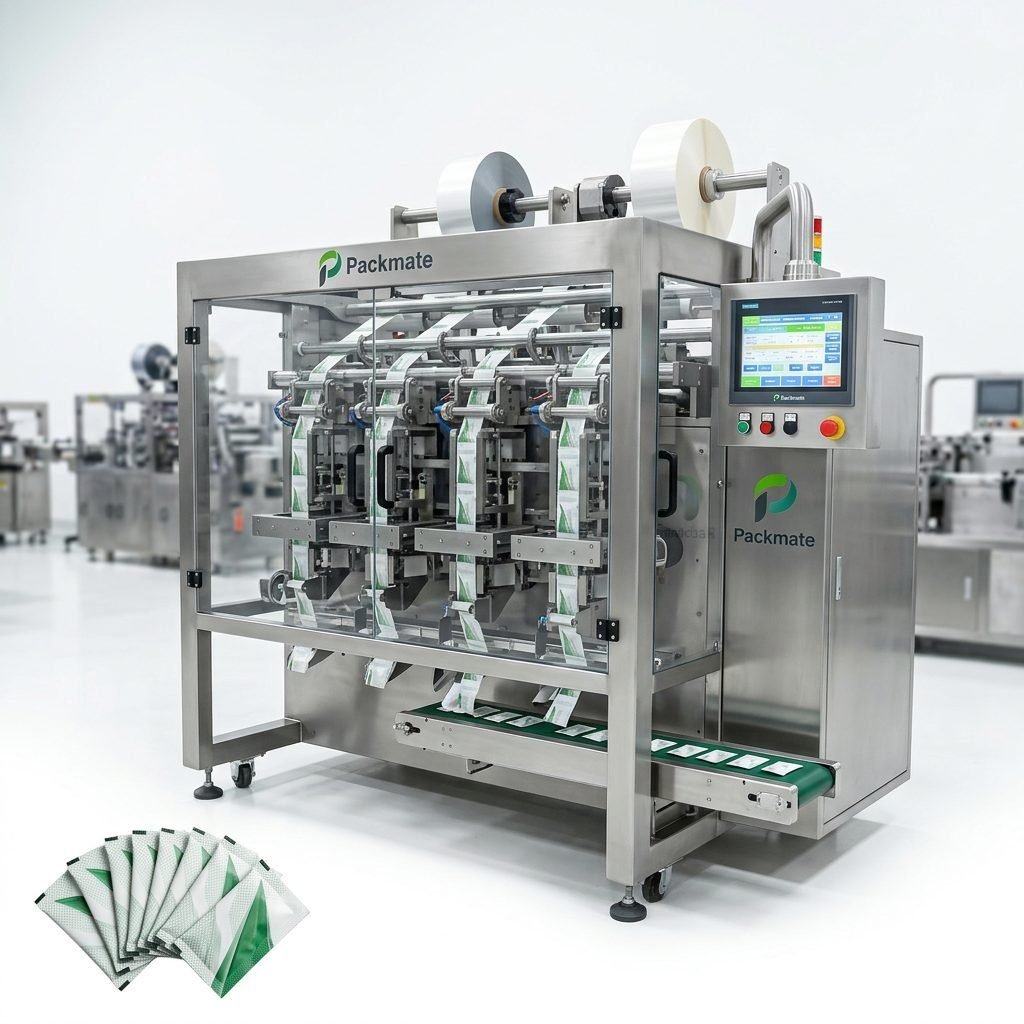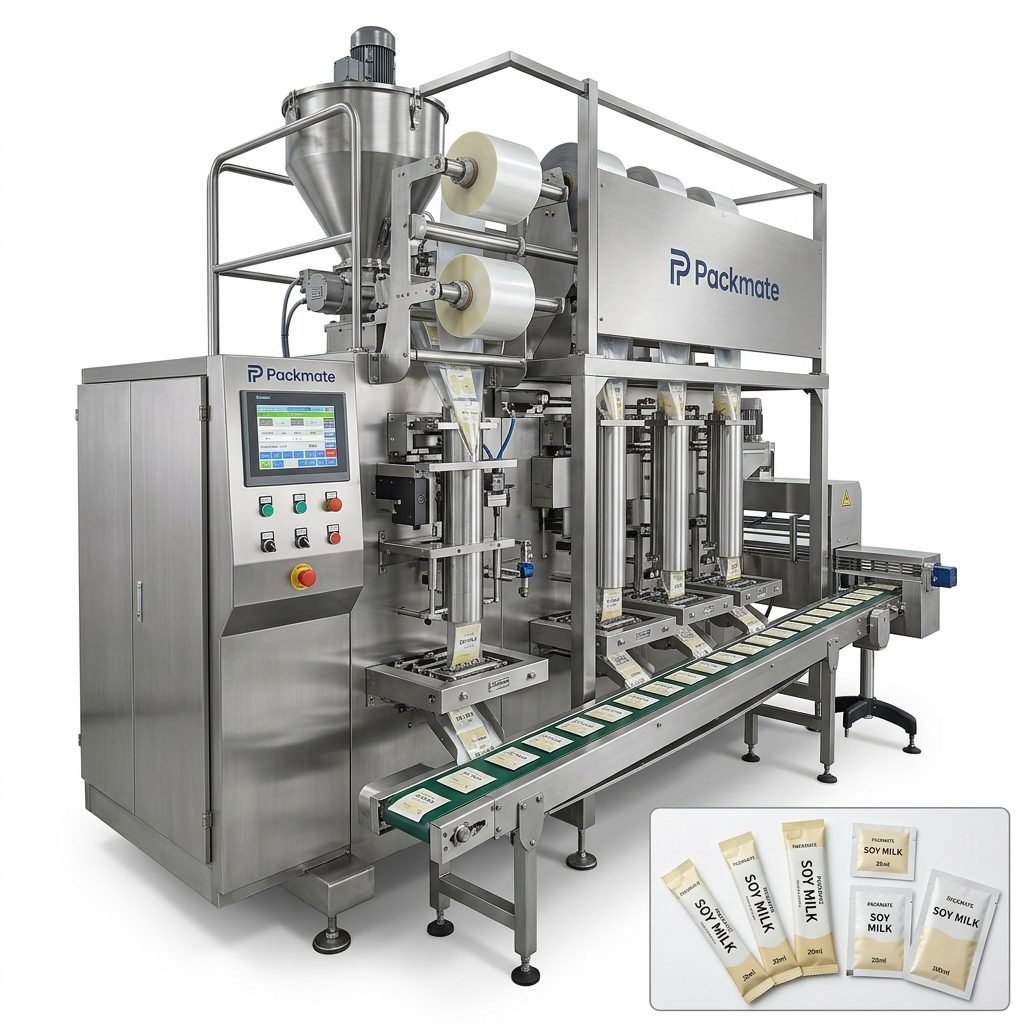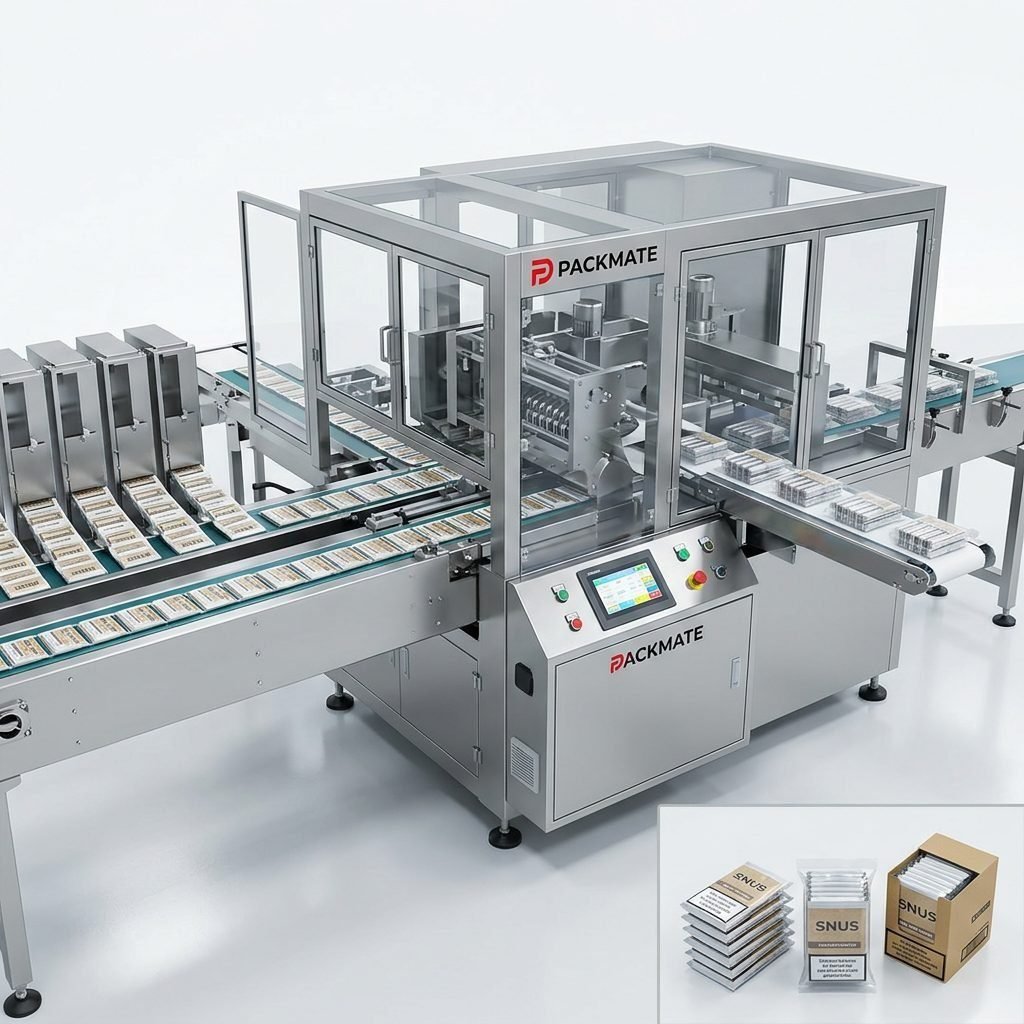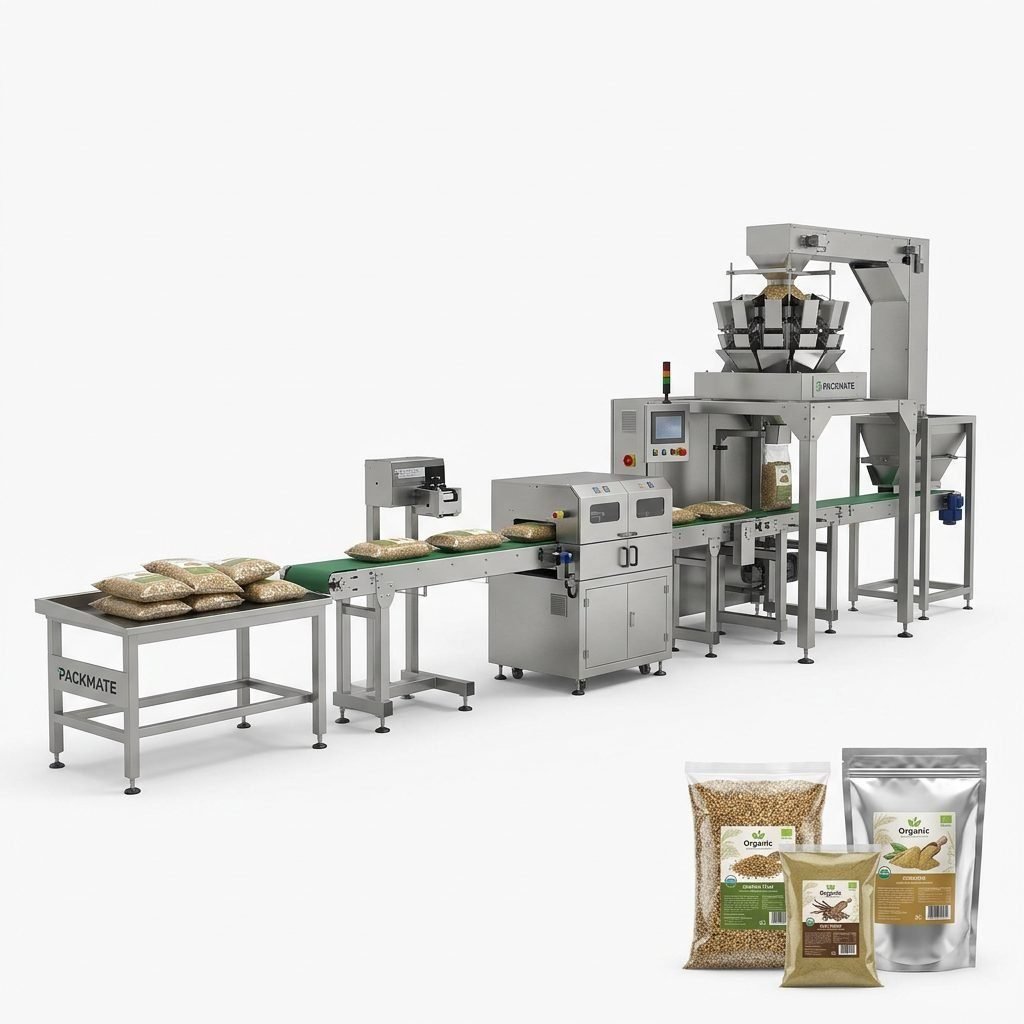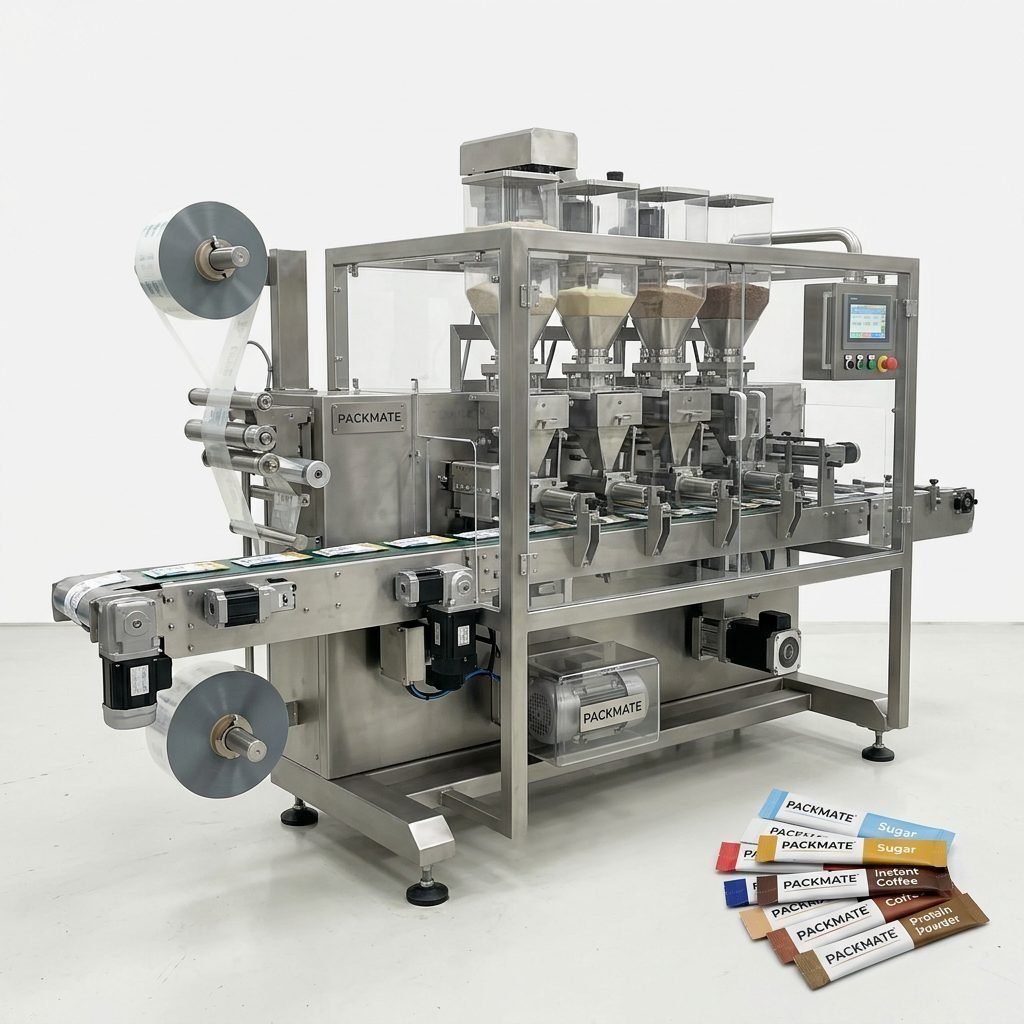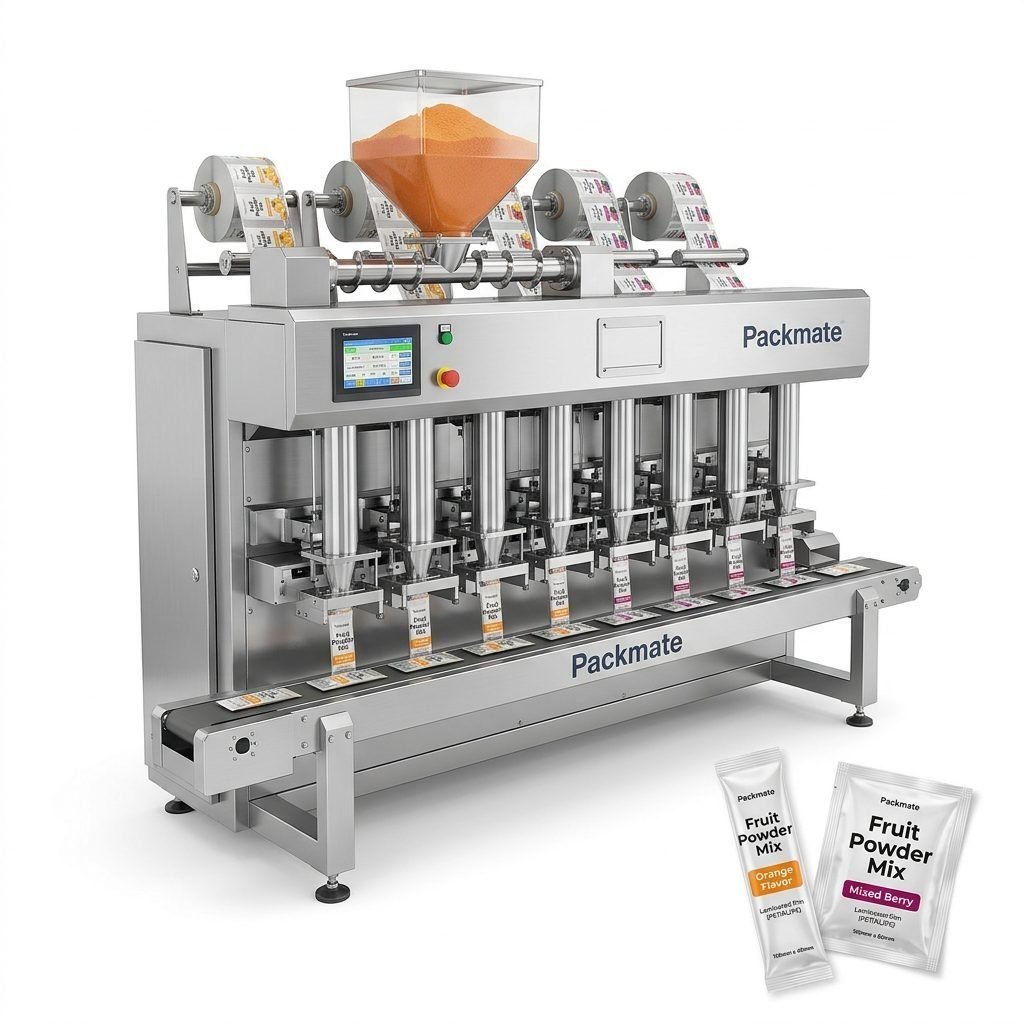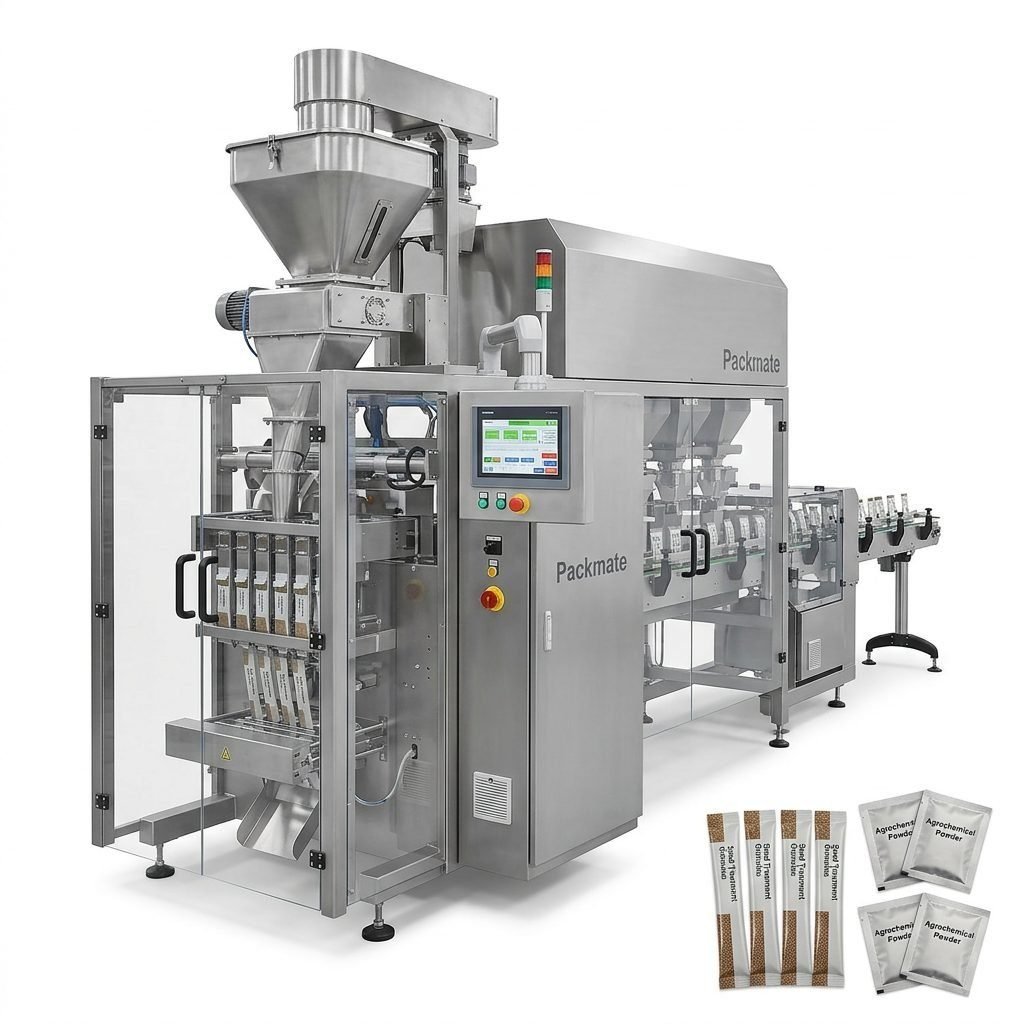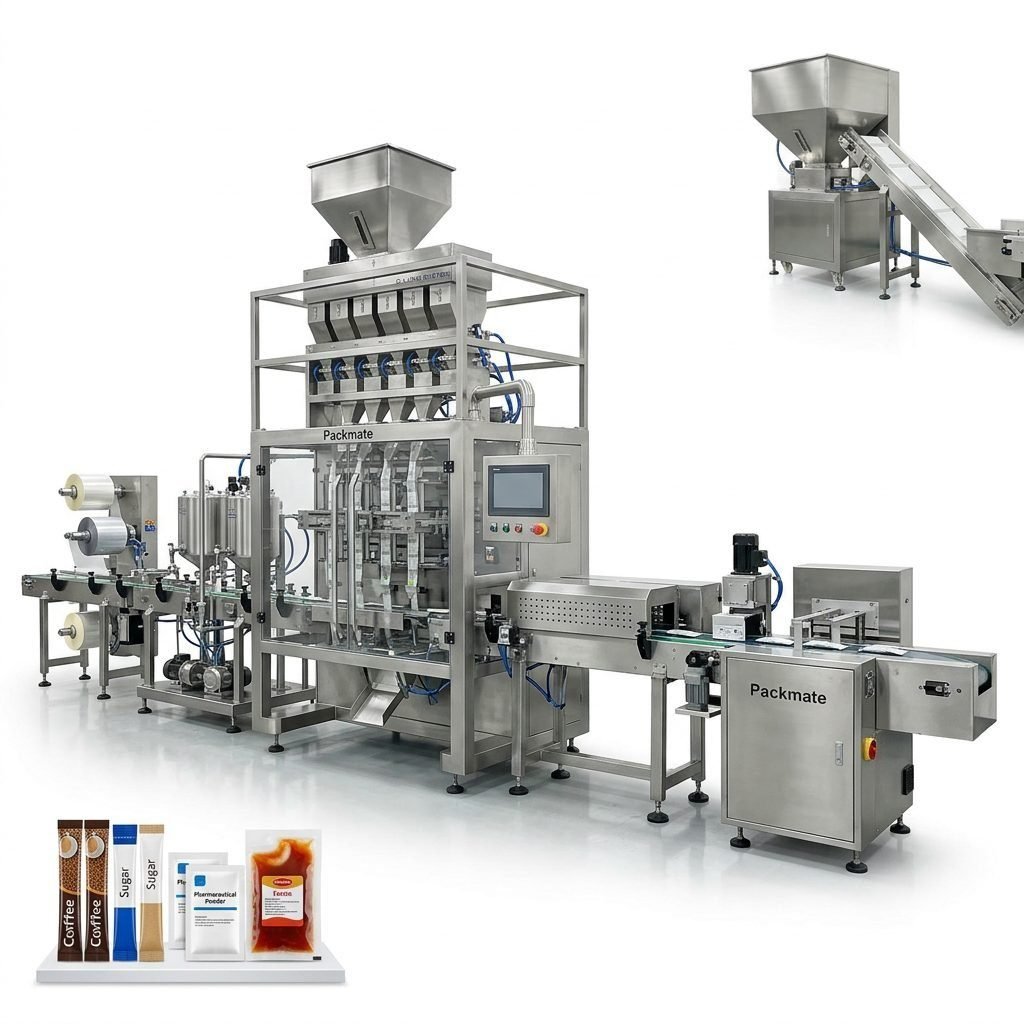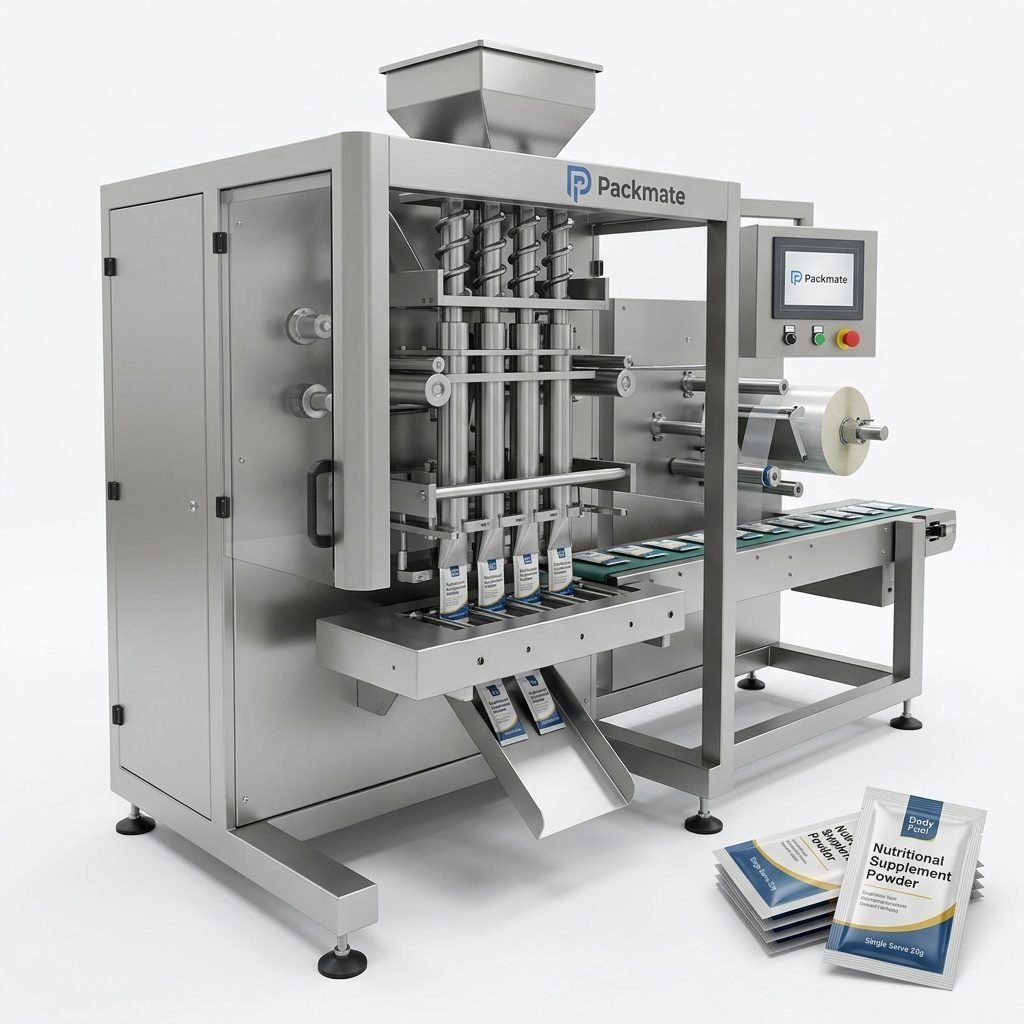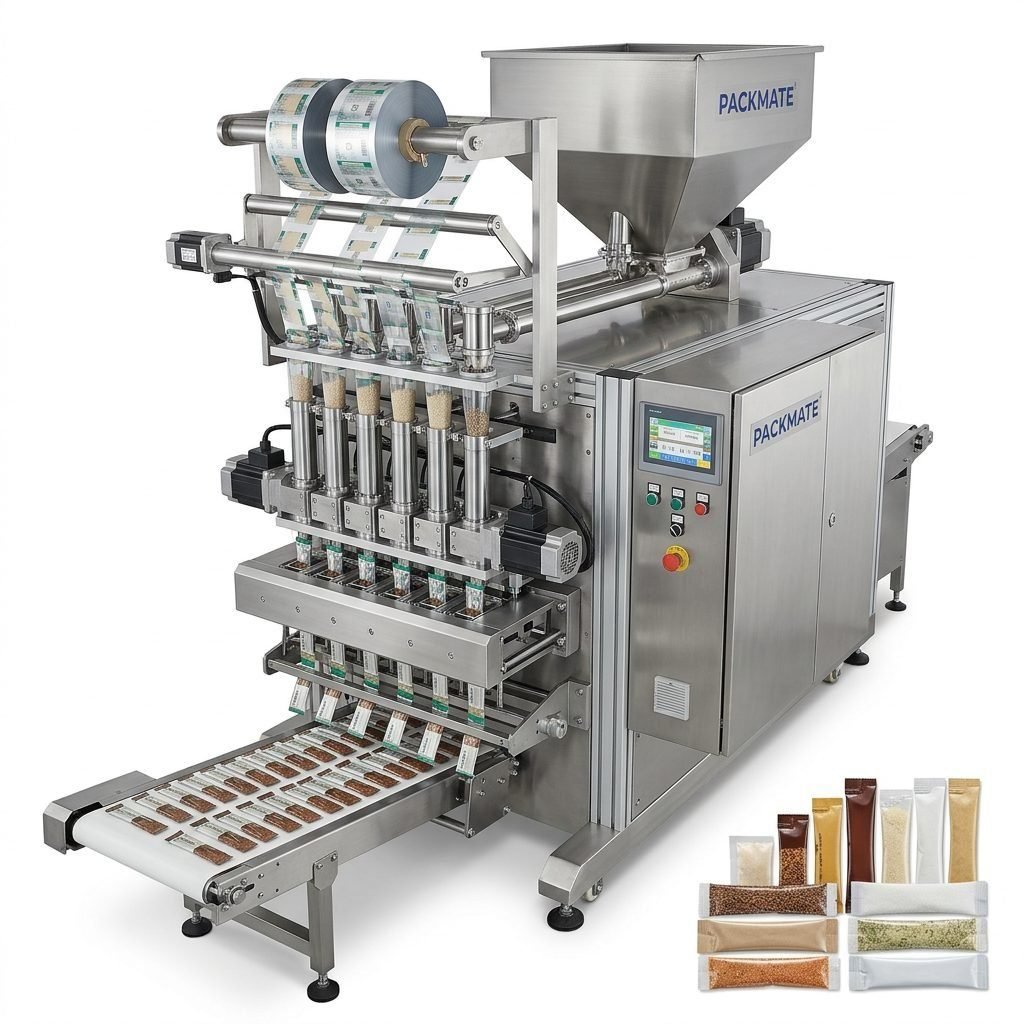
In today’s competitive beverage industry, efficiency, hygiene, and scalability are paramount. Whether you are a startup producing artisanal drink mixes or a large-scale manufacturer of instant coffee, tea, protein shakes, or electrolyte powders, the right packaging solution can significantly impact your bottom line and brand reputation. A high-efficiency drink pouch packing machine is not just an equipment purchase; it’s an investment in streamlined production, consistent product quality, and market agility.
The Core Advantages of Automated Drink Pouch Packaging
Transitioning from manual or semi-automatic filling to a fully automated drink pouch packing system unlocks several critical benefits. First and foremost is dramatically increased output. Modern multi-lane machines can produce hundreds, even thousands, of stick packs or sachets per minute, far surpassing human capability. This high speed is essential for meeting large orders and capitalizing on market demand spikes.
Secondly, automation ensures unmatched consistency and accuracy. Each pouch receives a precise, pre-set dose of product, whether it’s a fine powder, granules, or a liquid concentrate. This eliminates product giveaway (overfilling) and protects against underfilling, which can lead to customer complaints. Consistent fill weights are also crucial for regulatory compliance in many markets.
Third, automated systems offer substantial labor savings and improved hygiene. By reducing the number of operators needed on the line, you lower long-term labor costs and minimize human contact with the product. This is especially important for food and beverage applications where contamination control is critical. The closed-system design of many machines further enhances product safety.
Key Machine Configurations for Different Production Scales
Not all drink pouch machines are created equal. The ideal configuration depends heavily on your required output, product characteristics, and available factory space.
For Small to Medium-Sized Producers: A single-lane or compact multi-lane vertical form-fill-seal (VFFS) machine is often the perfect entry point. These systems are space-efficient, easier to operate, and require a lower initial investment. They are ideal for businesses producing up to 50-80 pouches per minute, allowing for flexibility with frequent product changeovers, such as for a range of specialty tea blends or functional beverage powders.
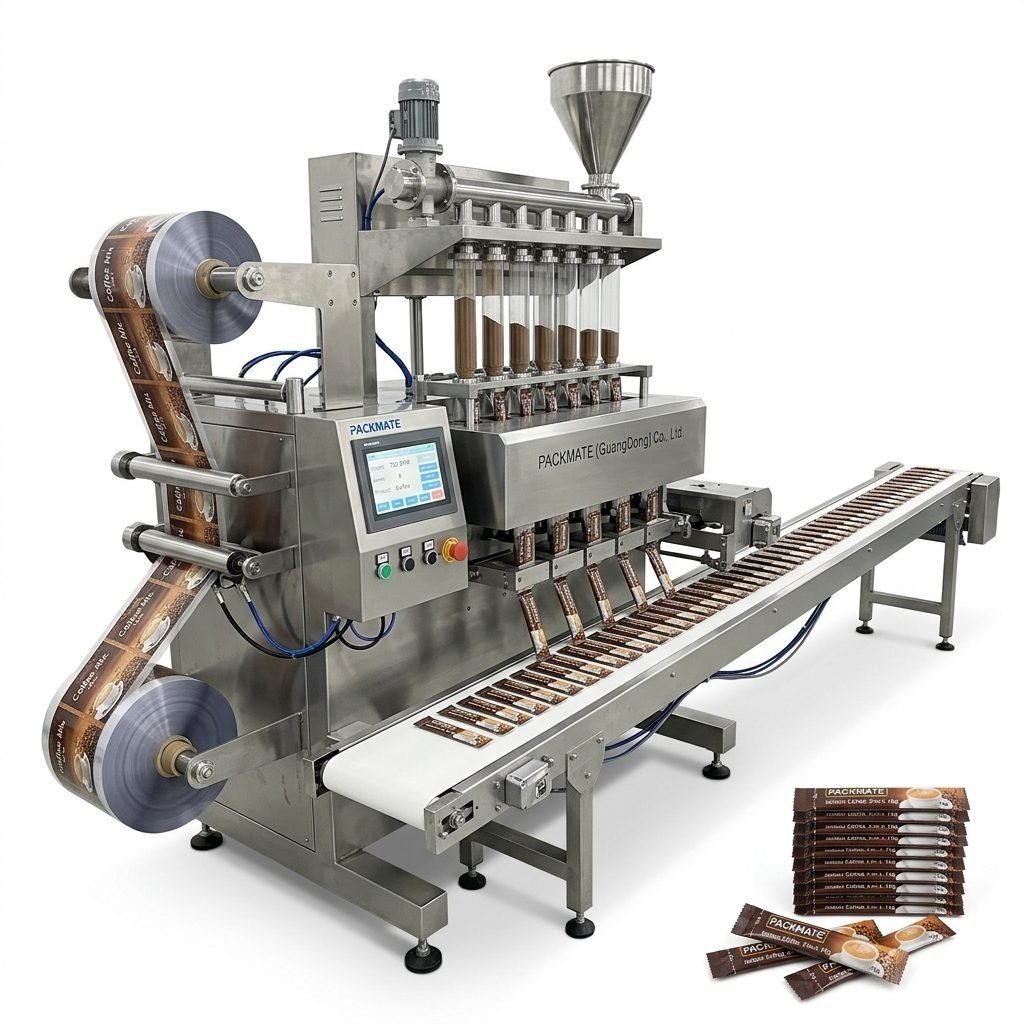
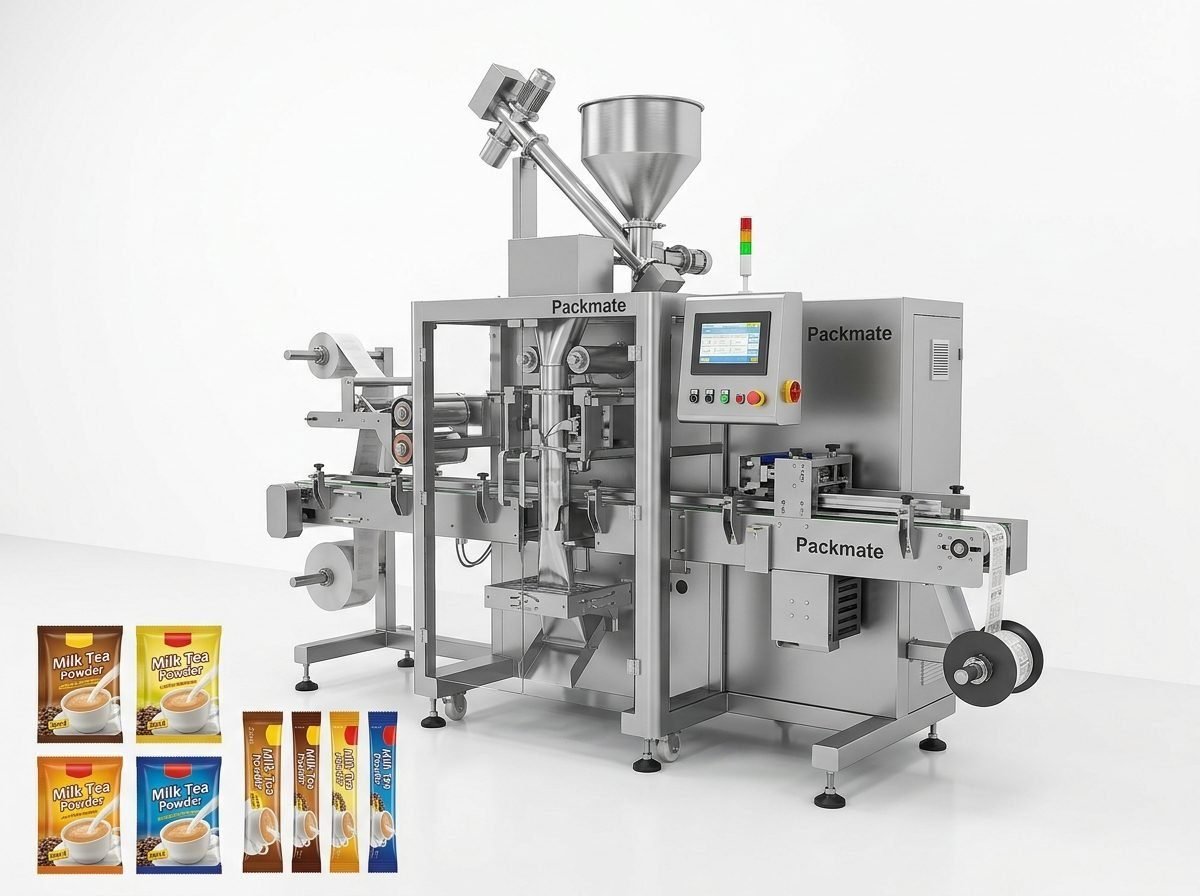
For Large-Scale and High-Volume Manufacturers: High-speed, multi-lane stick pack machines are the industry standard. These systems feature multiple parallel lanes—often 4, 6, 8, or more—that operate simultaneously from a common product hopper. This design multiplies output without a proportional increase in footprint. They are the backbone of production for global brands in the instant coffee, milk powder, and meal replacement sectors, capable of outputs exceeding 400 pouches per minute.
Beyond the Standalone Machine: Integrating a Complete Line
For maximum efficiency, a packing machine is just one component. A true high-efficiency solution involves integrating it into a seamless production line. This can include:
- Product Feeding Systems: Screw feeders, vibratory feeders, or auger systems for consistent product delivery.
- Checkweighers: Installed inline to verify every pouch’s weight and automatically reject under/over-filled units.
- Gas Flushing Systems: To inject nitrogen or another inert gas into the pouch before sealing, extending shelf life by displacing oxygen.
- Secondary Packaging: Automatic cartoners, case packers, and palletizers to handle the finished pouches, ready for shipping.
Companies like Ludyway and PacklineOEM specialize in providing these complete turnkey packaging lines, offering a single point of responsibility from design to commissioning.
Meeting Global Market Demands with Specialized Solutions
The demand for portable, single-serve beverages is a global phenomenon, but regional preferences vary. A versatile packing machine must adapt to these needs.
In Europe and North America, there is a strong focus on premium health supplements, organic superfood powders, and high-quality instant coffee. Machines for these markets must handle a variety of densities and flow characteristics with precision and often require food-grade stainless steel construction and advanced sealing technology for premium barrier films.
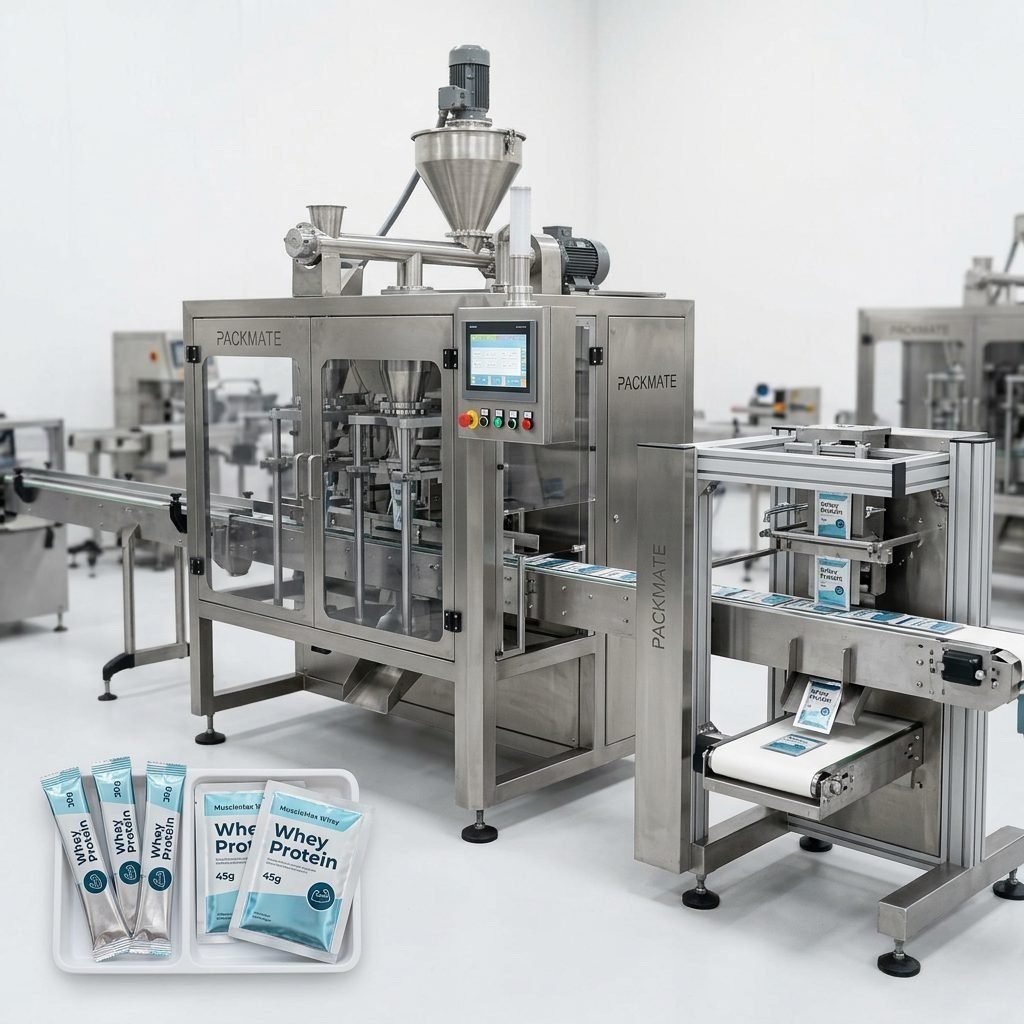
Across Southeast Asia, the Middle East, and Africa, the market for affordable instant milk tea, cereal beverages, and flavored drink mixes is massive. Here, production cost-effectiveness and robustness for high-volume, continuous operation are key. Machines must be durable, easy to maintain, and capable of running in various climatic conditions.
For specialized segments like nicotine pouches, which have seen explosive growth, dedicated expertise is required. Manufacturers like SnusMachinery offer machines specifically engineered for the precise dosing and stringent sealing requirements of these products, catering to a global export market.
Material Flexibility and Sustainability Considerations
A modern drink pouch machine must be adaptable to various packaging materials. This includes standard laminates (PET/AL/PE), recyclable mono-material films, and compostable options. The machine’s sealing jaws, temperature controls, and film handling systems need to be adjustable to ensure strong, leak-proof seals across different material types.
As sustainability becomes a non-negotiable for consumers and retailers, the ability to run eco-friendly materials without sacrificing speed or seal integrity is a significant competitive advantage. This adaptability future-proofs your investment against evolving packaging regulations.
Choosing the Right Partner: Beyond the Machine Specs
Selecting a high-efficiency drink pouch packing machine involves evaluating the manufacturer as much as the hardware. Key factors include:
| Factor | Why It Matters |
| Application Experience | A manufacturer familiar with beverage powders, hygroscopic ingredients, and liquid concentrates will anticipate challenges and design suitable solutions. |
| Customization Capability | Your product and pouch size may be unique. Partners like PackingMachineOEM and Packmate Machinery offer engineering support to tailor machines to specific needs. |
| After-Sales Support | Access to spare parts, remote troubleshooting, and on-site technician support is crucial for minimizing downtime. |
| Global Service Network | For exporters, having local or regional technical support in areas like Europe, South America, or Southeast Asia is invaluable. |
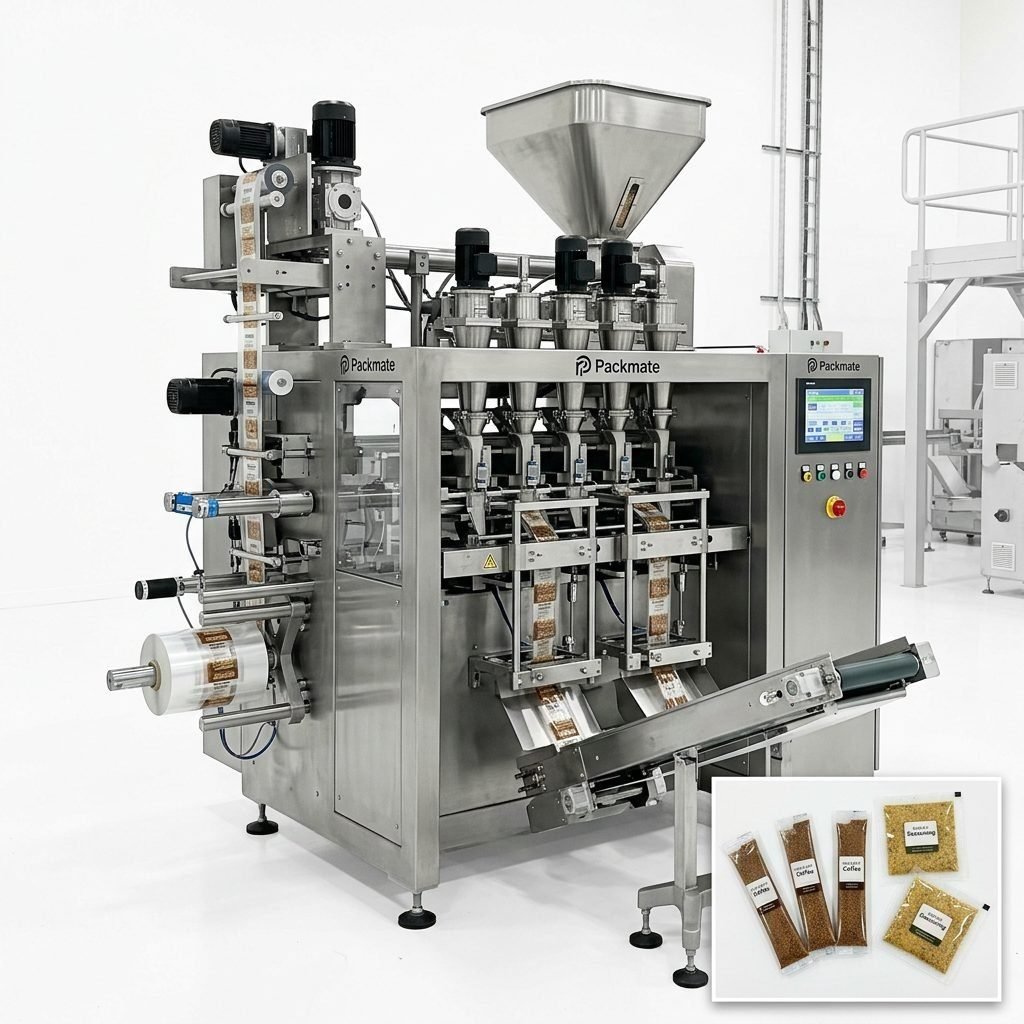
Leading Chinese manufacturers, with decades of experience like those profiled, have built their reputations on combining robust engineering with the flexibility to meet diverse international standards. Their large manufacturing bases (often 20,000+ square meters) allow for cost-effective production without compromising on quality control, making advanced automation accessible to a wider range of businesses.
Implementation and ROI
Implementing an automated system requires planning. A reputable supplier will assist with factory layout, utility connections (power, compressed air), and operator training. The return on investment is typically calculated through increased output, reduced labor costs, lower material waste (from accurate filling), and improved product quality leading to higher customer satisfaction and fewer returns.
For a medium-sized operation, ROI can often be achieved in 12-24 months. For high-volume producers, the payback period can be even shorter due to the massive gains in productivity.
Frequently Asked Questions (FAQs)
1. What is the typical output speed of a drink pouch packing machine?
Speed varies greatly by configuration. A single-lane machine may produce 60-120 pouches per minute (ppm). High-speed multi-lane systems (e.g., 8 lanes) can achieve 400-800 ppm or more, depending on pouch size and product characteristics.
2. Can one machine handle both powder and liquid beverage concentrates?
Many machines are versatile, but critical components like the filling system (auger vs. pump) and sealing parameters may need to be changed or adjusted. It’s essential to discuss your specific product range with the manufacturer. Some models are designed as hybrid systems for maximum flexibility.
3. How do we ensure the pouch seal is strong and leak-proof?
Seal integrity depends on the correct combination of sealing temperature, pressure, dwell time, and compatible packaging film. Reputable machines offer precise digital control over these parameters. Implementing an inline seal integrity checker or vision inspection system can provide 100% quality assurance.
4. What kind of maintenance do these automated machines require?
Regular preventive maintenance is key. This typically involves daily cleaning, lubrication of moving parts as per the manual, and periodic inspection of wear items like sealing jaws, cutting blades, and gaskets. A good supplier provides detailed maintenance schedules and training.
5. Can the machine be integrated with our existing production line?
Yes, in most cases. Experienced manufacturers can design machines with the appropriate interfaces (conveyor height, PLC communication protocols) to connect with upstream mixers/blenders and downstream cartoners. Providing your full line layout to the supplier during the quoting phase is crucial for seamless integration.