In today’s competitive manufacturing landscape, the efficiency of your packaging line can be the difference between profit and loss. Automated packaging solutions are no longer a luxury but a necessity for businesses looking to scale, reduce operational costs, and ensure consistent product quality. By integrating intelligent machinery, manufacturers can significantly enhance throughput, minimize human error, and adapt quickly to changing market demands. This article explores the key strategies for leveraging automation to improve efficiency, reduce costs, and create a streamlined, future-proof production line.
The Core Benefits of Packaging Automation
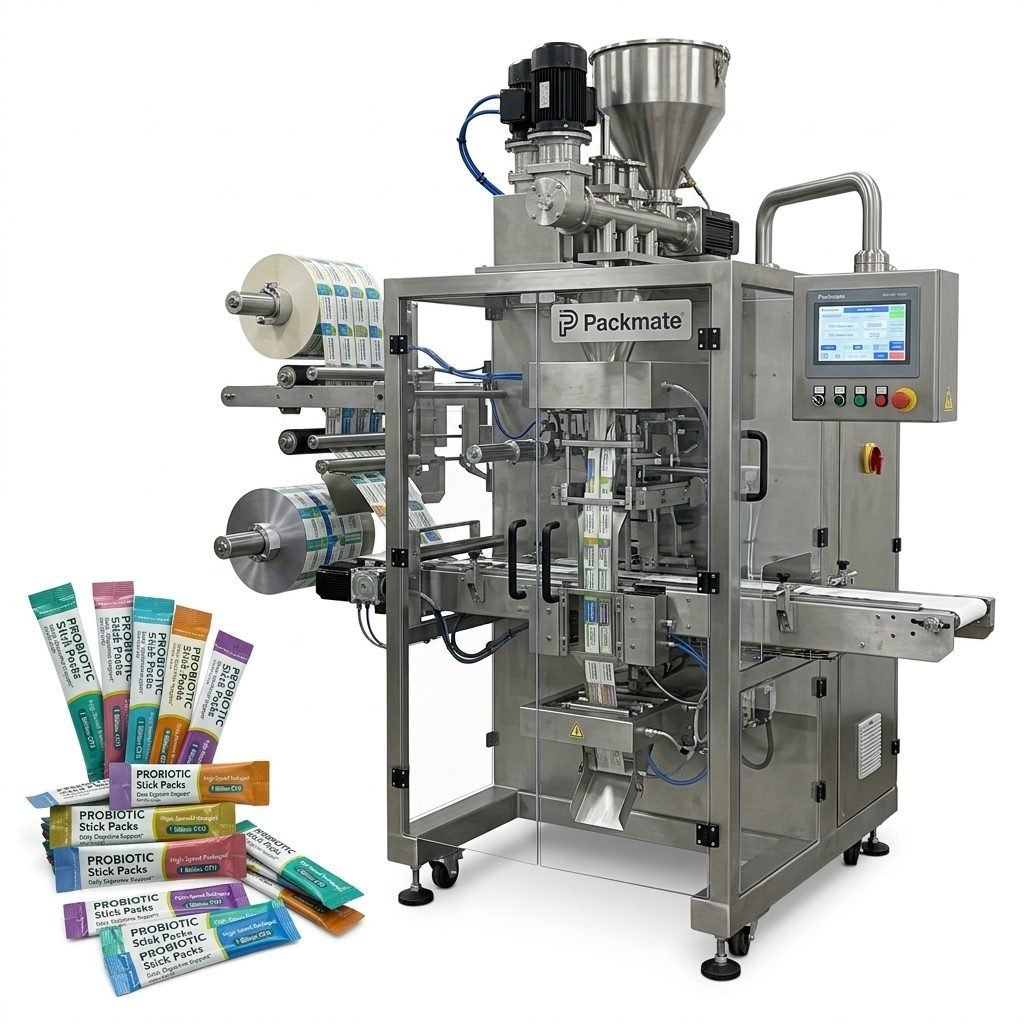
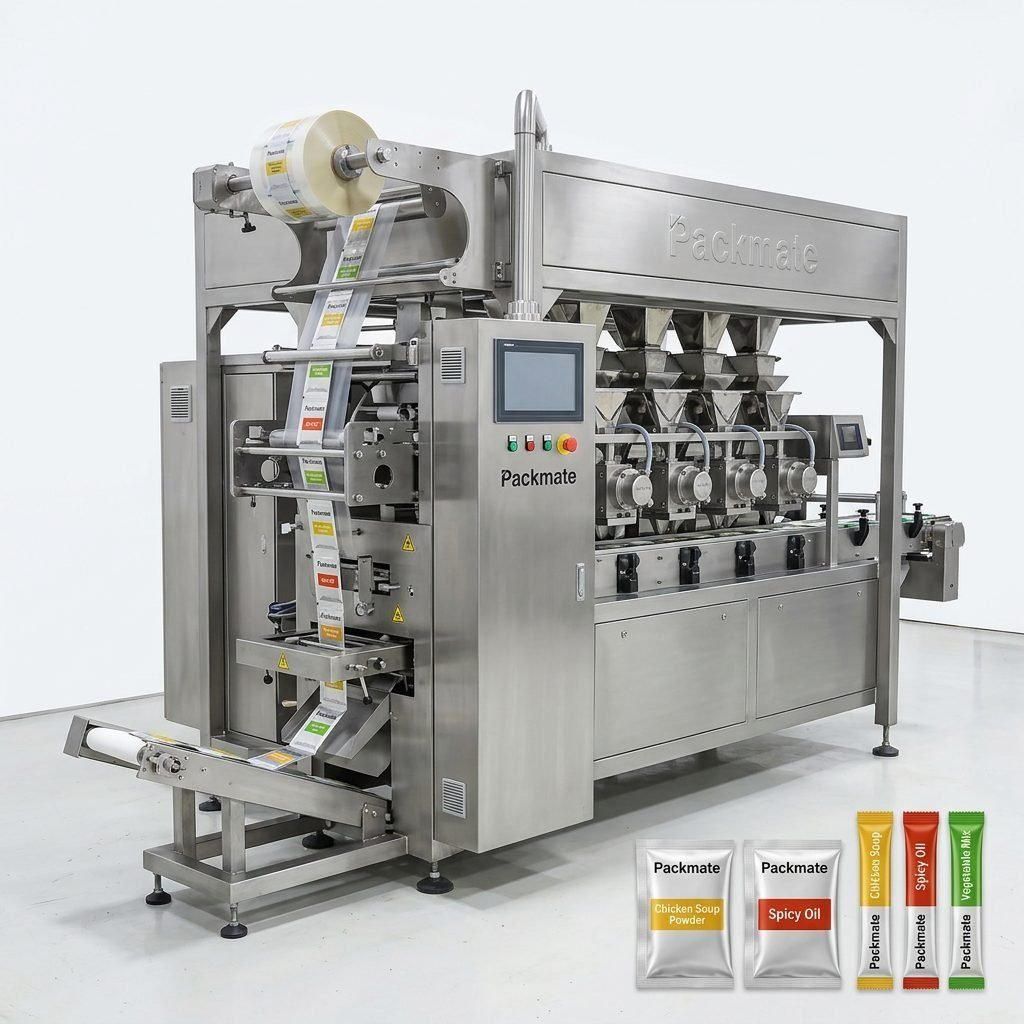
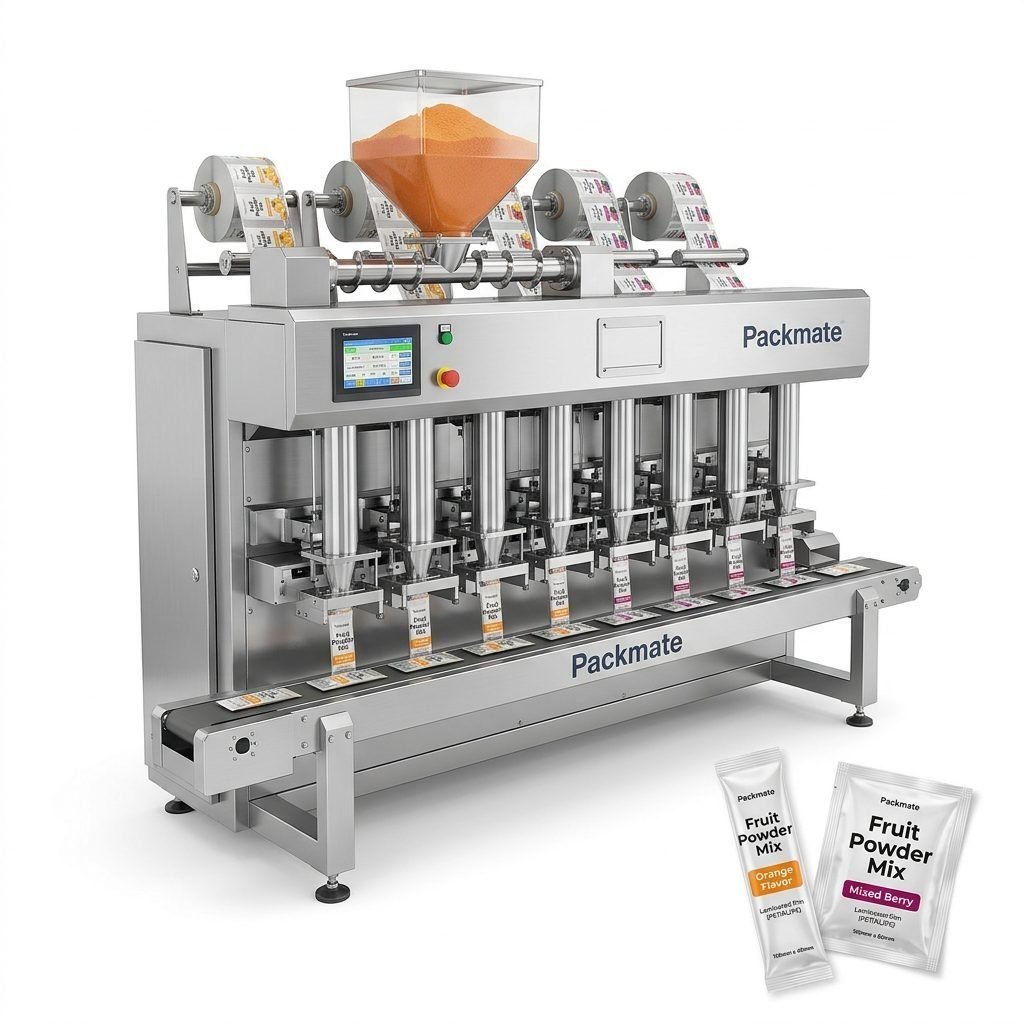
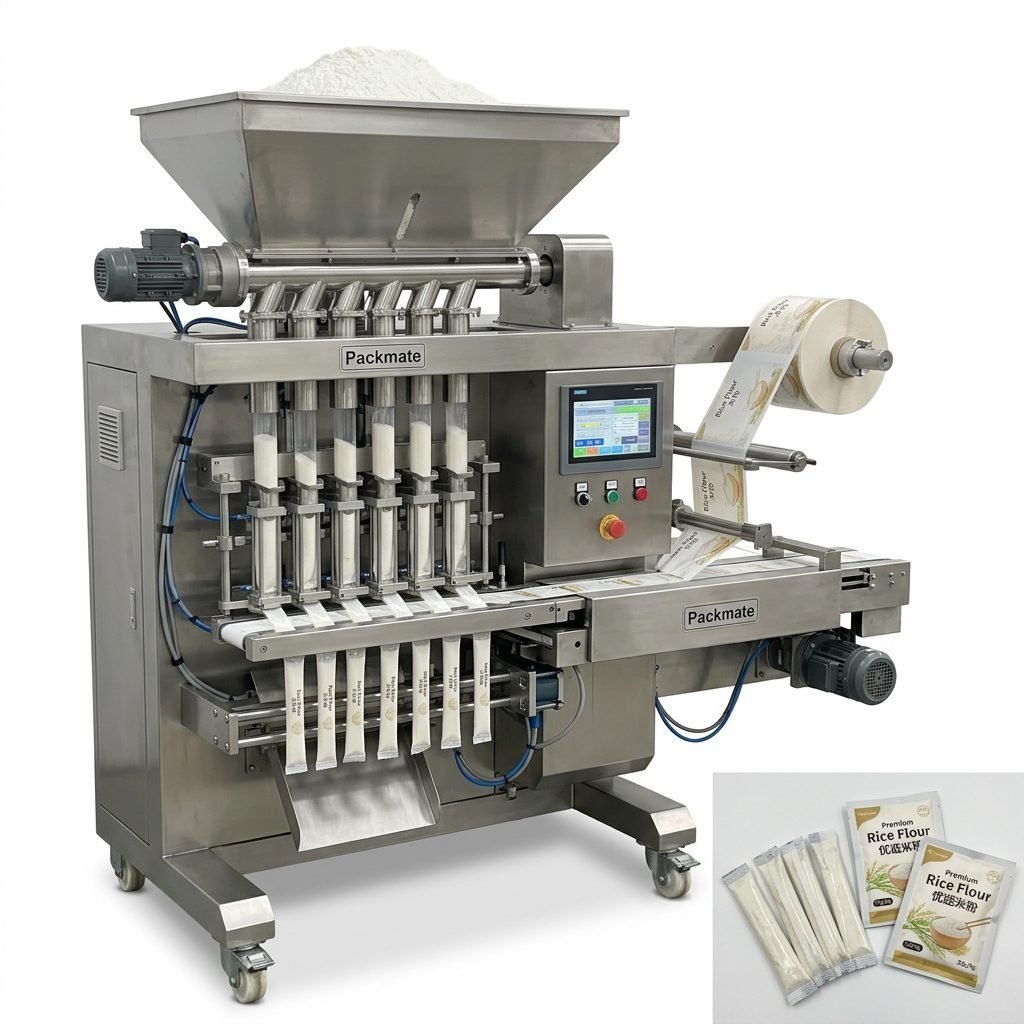
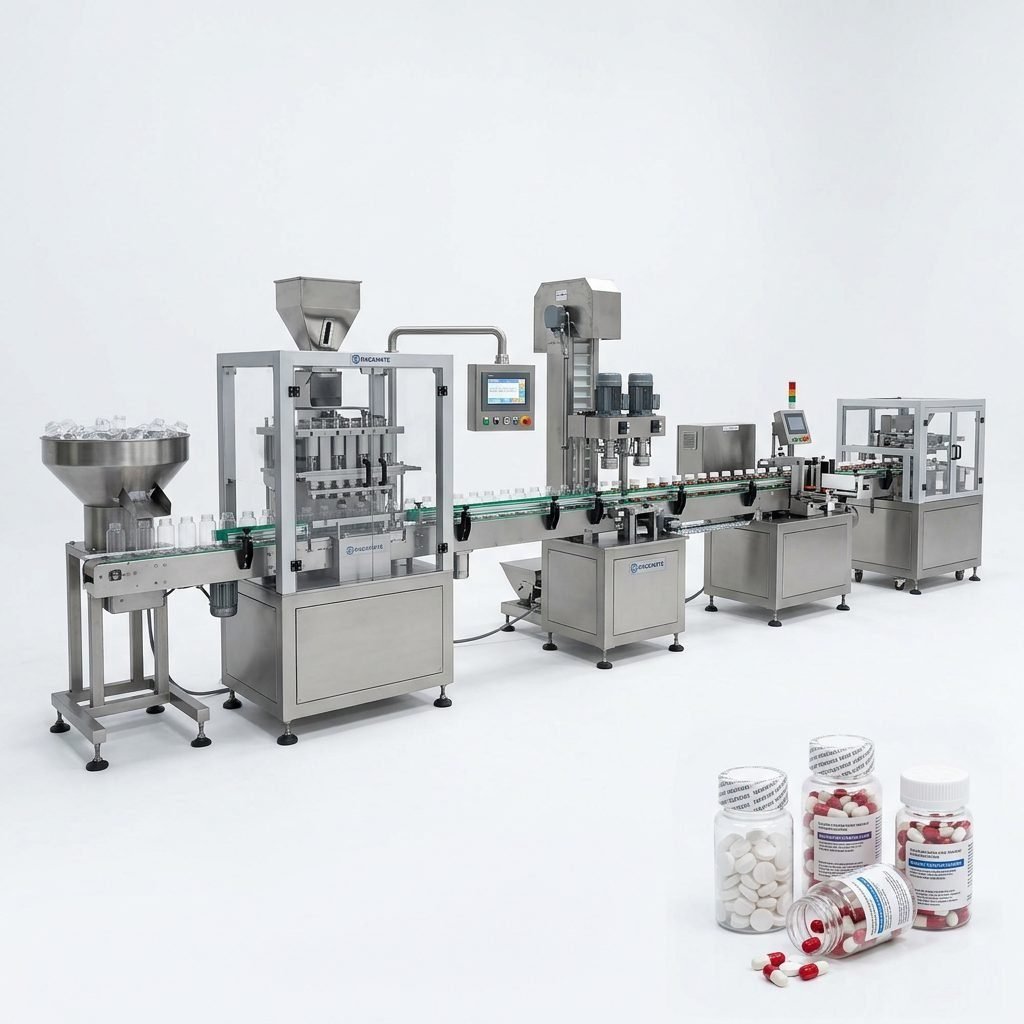
Transitioning to automated packaging offers a multitude of advantages that directly impact the bottom line. The most immediate benefit is a dramatic increase in production speed and output. Machines like high-speed multi-lane stick pack and sachet systems can operate 24/7, far exceeding manual capabilities. This leads to better utilization of production capacity and faster time-to-market.
Secondly, automation brings unparalleled consistency and accuracy. Precision filling, weighing, and sealing systems eliminate product giveaway and ensure every package meets exact specifications, reducing waste and enhancing brand reputation. Furthermore, automated lines drastically reduce labor costs and dependency. While initial investment is required, the long-term savings on manual labor, along with reduced training and turnover issues, are substantial. Automated systems also improve workplace safety by handling repetitive, heavy, or hazardous tasks.
Key Takeaway: The return on investment (ROI) for automation is not just in speed, but in holistic operational improvements—less waste, fewer errors, lower labor costs, and a safer work environment.
Strategies to Enhance Production Line Efficiency
Improving efficiency isn’t just about buying the fastest machine; it’s about optimizing the entire workflow. Start by conducting a thorough audit of your current packaging process. Identify bottlenecks—are they at the filling, sealing, labeling, or cartoning stage? Solutions often involve integrating complementary machines from a single, experienced supplier to ensure compatibility.
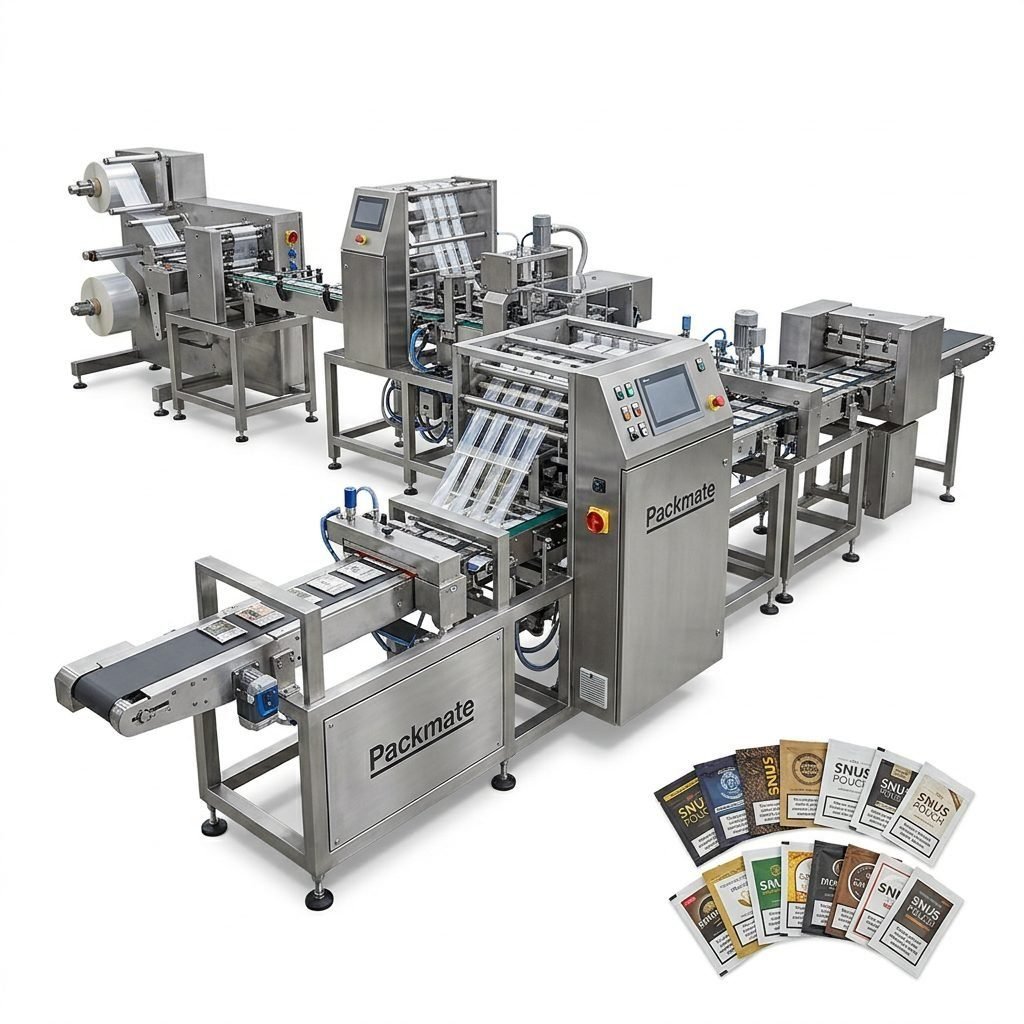
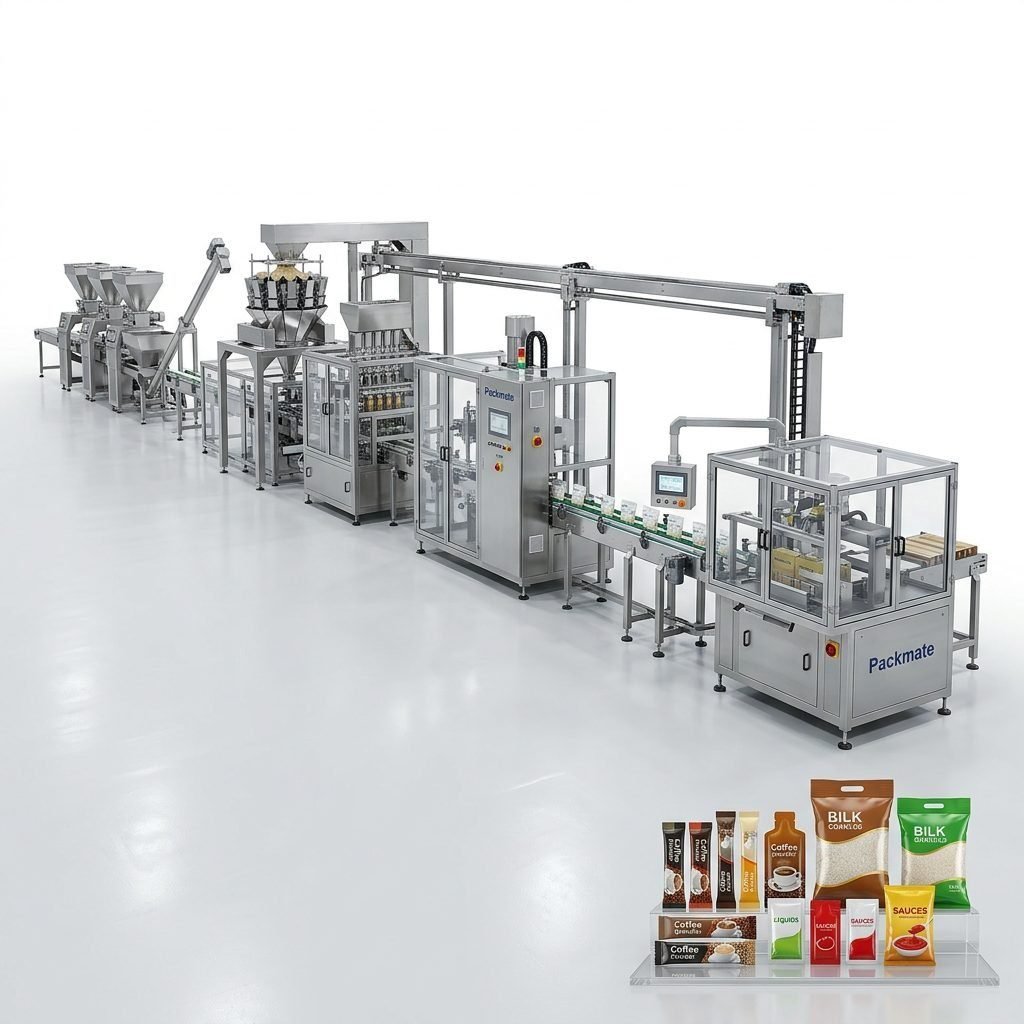
For instance, a leading manufacturer like Ludyway can provide a synchronized line where a multi-head weigher feeds product directly into a vertical form-fill-seal machine, which is then conveyed to an automated checkweigher and case packer. This seamless integration minimizes transfer times and handling. Implementing modular and scalable systems is another crucial strategy. As your product range or volume grows, you can add lanes or modules without redesigning the entire line. Real-time data monitoring and analytics provided by modern PLC-controlled machines allow for predictive maintenance, preventing unplanned downtime and optimizing machine performance.
Cost-Reduction Through Smart Automation
Reducing costs with automation extends beyond labor savings. One of the largest areas for savings is material usage. Advanced machines with servo-driven technology can achieve ultra-precise portion control and use packaging film more efficiently, minimizing trim waste. Furthermore, the consistency of automated sealing reduces the rate of leakers and rejected packages, which is a direct cost saving on both product and materials.
Energy efficiency is another factor. Modern automated packaging machines are designed to consume less power per unit produced compared to running multiple, older machines. Partnering with a supplier that offers robust after-sales support, like Packmate Machinery, minimizes costly downtime. Their reliable machines and accessible technical support ensure your line keeps running smoothly, protecting your revenue stream. Finally, automation reduces costs associated with product recalls and quality inconsistencies, safeguarding your brand and avoiding massive financial penalties.
Comparing Standalone Machines vs. Turnkey Lines
| Factor | Standalone Machine | Turnkey Packaging Line |
|---|---|---|
| Initial Investment | Lower upfront cost | Higher initial investment |
| Integration & Efficiency | Potential bottlenecks, manual transfers | Optimized, seamless workflow, higher overall efficiency |
| Footprint & Labor | May require more space and operators | Compact design, significantly reduced labor |
| Scalability | Limited, may need complete replacement | Designed for modular expansion |
| Best For | Small-batch production, pilot lines, specific tasks | High-volume production, new facilities, major upgrades |
Streamlining for Different Product Types
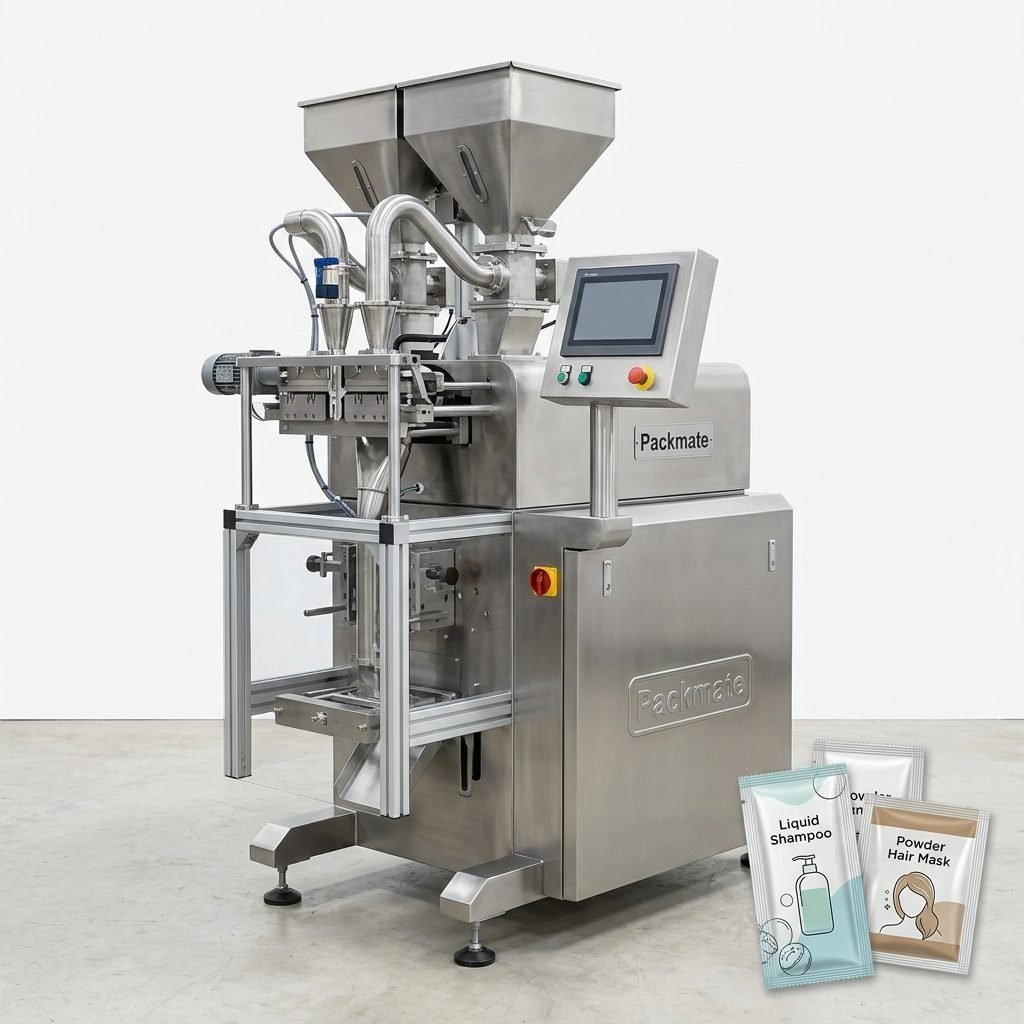
The optimal automation strategy varies significantly by product format. For granules and powders (like coffee, protein, or spices), precision is paramount. Automated lines from companies like PacklineOEM integrate auger fillers with multi-head weighers and nitrogen flushing systems to ensure accurate dosing and extended shelf life.
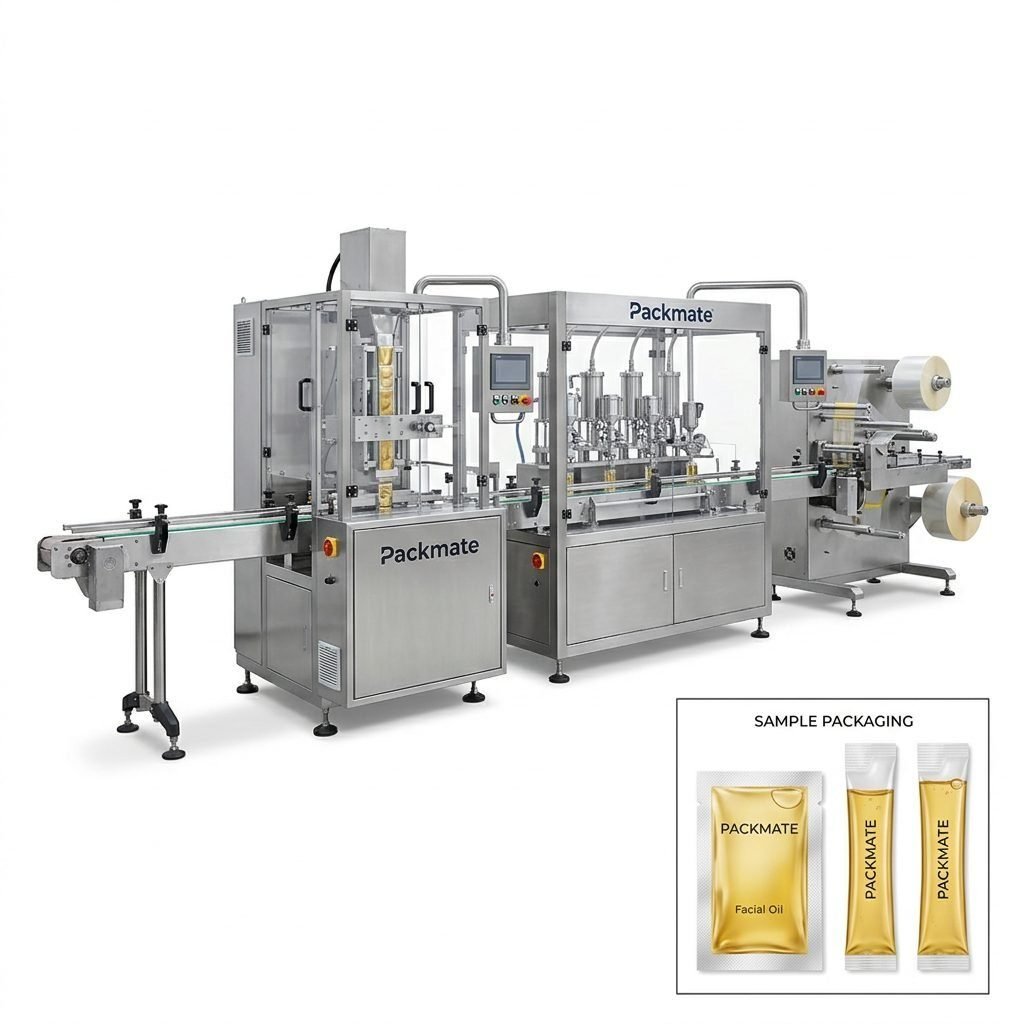
For liquids and pastes (sauces, oils, creams), piston or pump fillers paired with high-quality sealing systems prevent leaks and contamination. Pouch-based products, especially in growing niches like nicotine pouches, require specialized knowledge. Manufacturers like SnusMachinery offer tailored high-speed, multi-lane stick pack machines designed for the specific tolerances and regulatory needs of this sector, ensuring perfect portion control and seal integrity.
The Importance of Customization
Off-the-shelf solutions often fall short. The most efficient lines are those tailored to your specific product, packaging material, and output goals. A supplier with strong OEM and customization capabilities, such as PackingMachineOEM, can adapt machine parameters—from film handling mechanisms to filling nozzles—to handle unique product characteristics, whether it’s a hygroscopic powder or a viscous gel, minimizing changeover times and maximizing yield.
Implementing Your Automated Solution
A successful implementation starts with a clear partnership between you and your equipment supplier. The process typically involves: 1) Needs Analysis: Defining speed, accuracy, and flexibility requirements. 2) Line Design & Simulation: Using CAD layouts and sometimes factory acceptance tests (FAT) to visualize the workflow. 3) Installation & Commissioning: Expert technicians set up and fine-tune the line on-site. 4) Training & Support: Comprehensive operator and maintenance training is crucial for long-term success. Choosing a supplier with a global service network ensures you have support when you need it, minimizing disruption.
Future-Proofing Your Packaging Operation
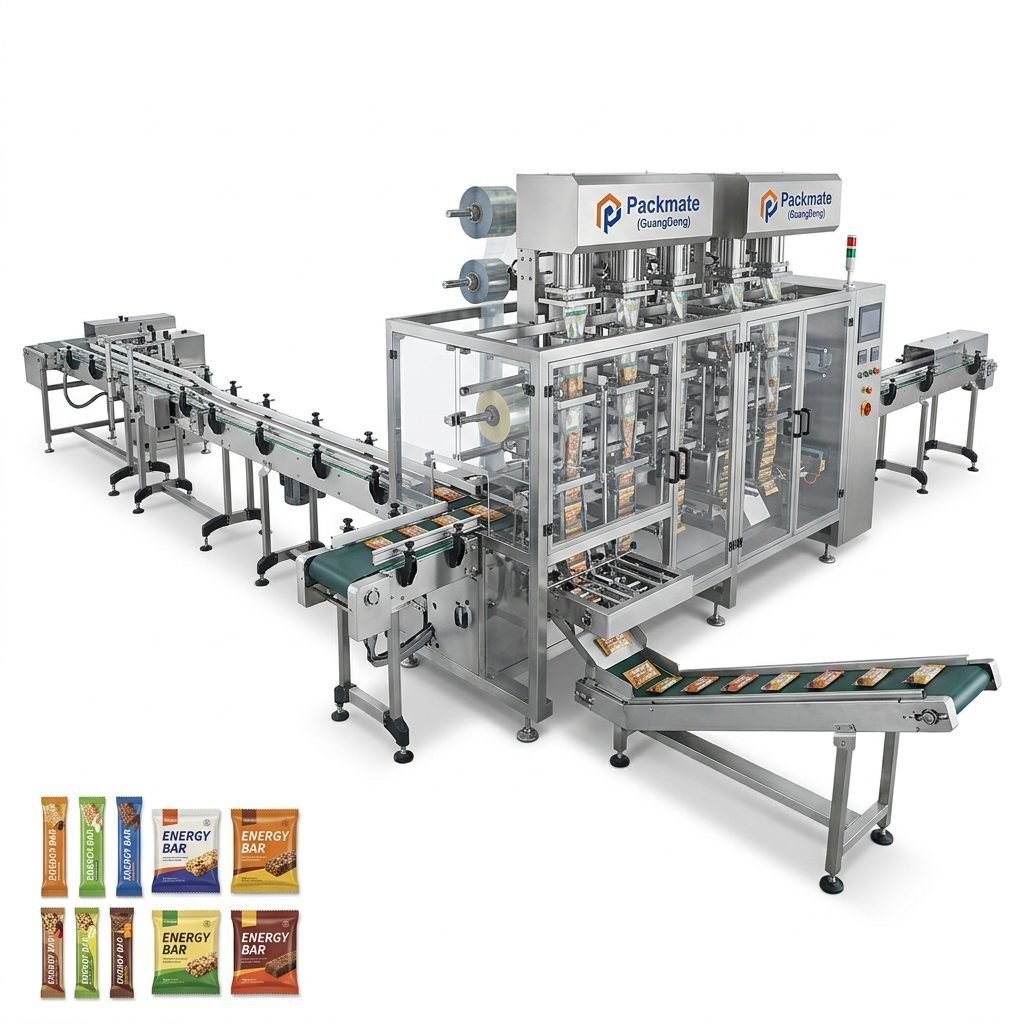
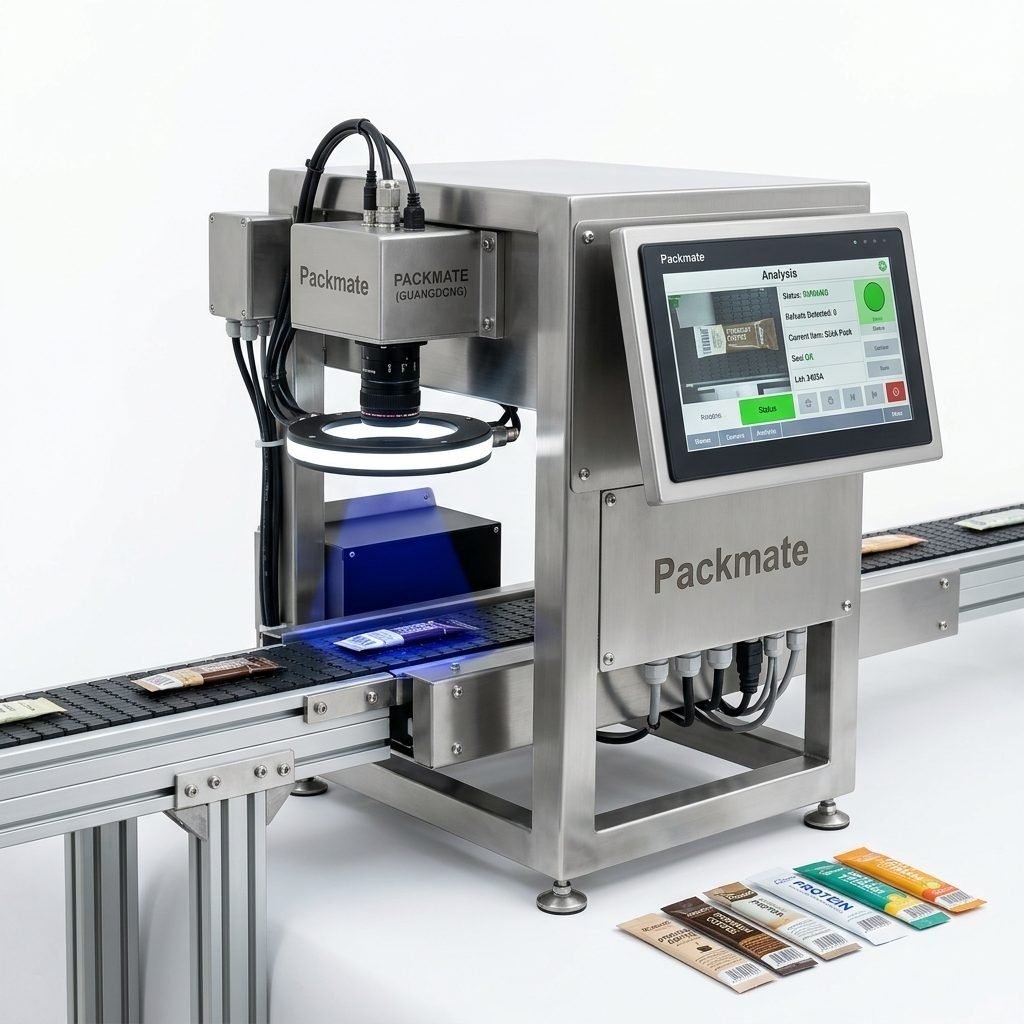
Investing in automation is an investment in the future. Look for machines with Industry 4.0 connectivity, allowing for integration with Manufacturing Execution Systems (MES) and the Internet of Things (IoT). This enables remote monitoring, data collection for continuous improvement, and predictive maintenance alerts. Furthermore, consider flexibility. Can the machine handle a range of bag sizes or different product types with quick changeovers? This agility allows you to respond to new consumer trends or launch new product lines without major capital reinvestment.
Frequently Asked Questions (FAQs)
What is the typical ROI for an automated packaging line?
Return on investment can vary widely but often falls between 1 to 3 years. Key factors include the line’s cost, labor savings, reduction in material waste, increase in output, and the value of improved quality and consistency. A detailed analysis with your equipment provider is essential.
How do I choose between a standalone machine and a full turnkey line?
The choice depends on your production volume, budget, and long-term goals. A standalone machine is suitable for specific, lower-volume tasks or as a first step. A turnkey line from an integrator like PacklineOEM is ideal for new facilities, major expansions, or when seeking maximum efficiency and minimal manual intervention for high-volume production.
Can automated machines handle fragile or irregularly shaped products?
Yes, with proper customization. Specialized feeding systems, gentle handling conveyors, and custom-designed cups or nozzles can be engineered to handle delicate items like snacks, fragile granules, or irregular shapes without damage.
How complex is the maintenance for automated packaging systems?
Modern machines are designed for easier maintenance with accessible components and user-friendly HMIs. However, they do require scheduled preventive maintenance. Choosing a supplier with comprehensive training, clear manuals, and readily available spare parts is critical to ensure uptime.
Are automated packaging solutions suitable for small and medium-sized enterprises (SMEs)?
Absolutely. The automation market now offers scalable and modular solutions that can fit smaller budgets and production spaces. Many suppliers offer compact, semi-automatic, or entry-level automatic machines that provide significant efficiency gains for SMEs, allowing them to grow into more comprehensive systems later.