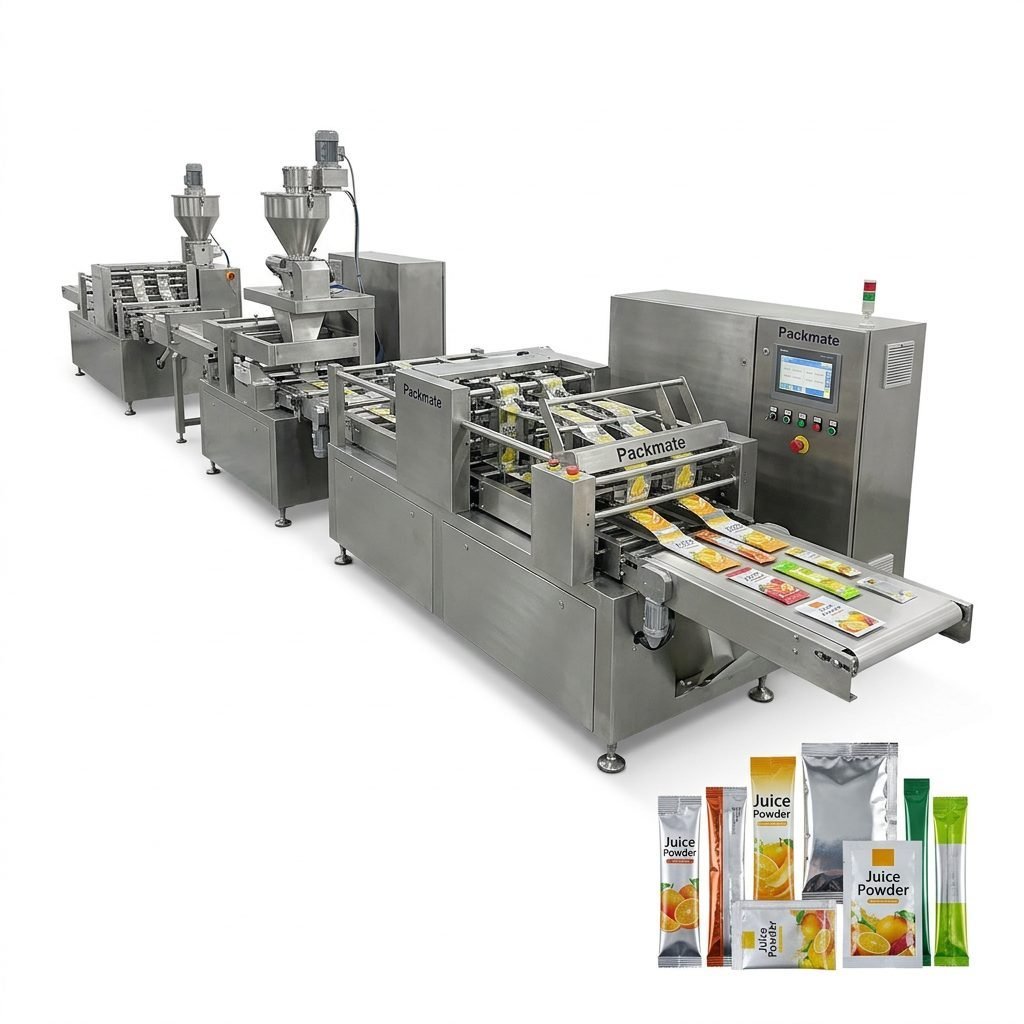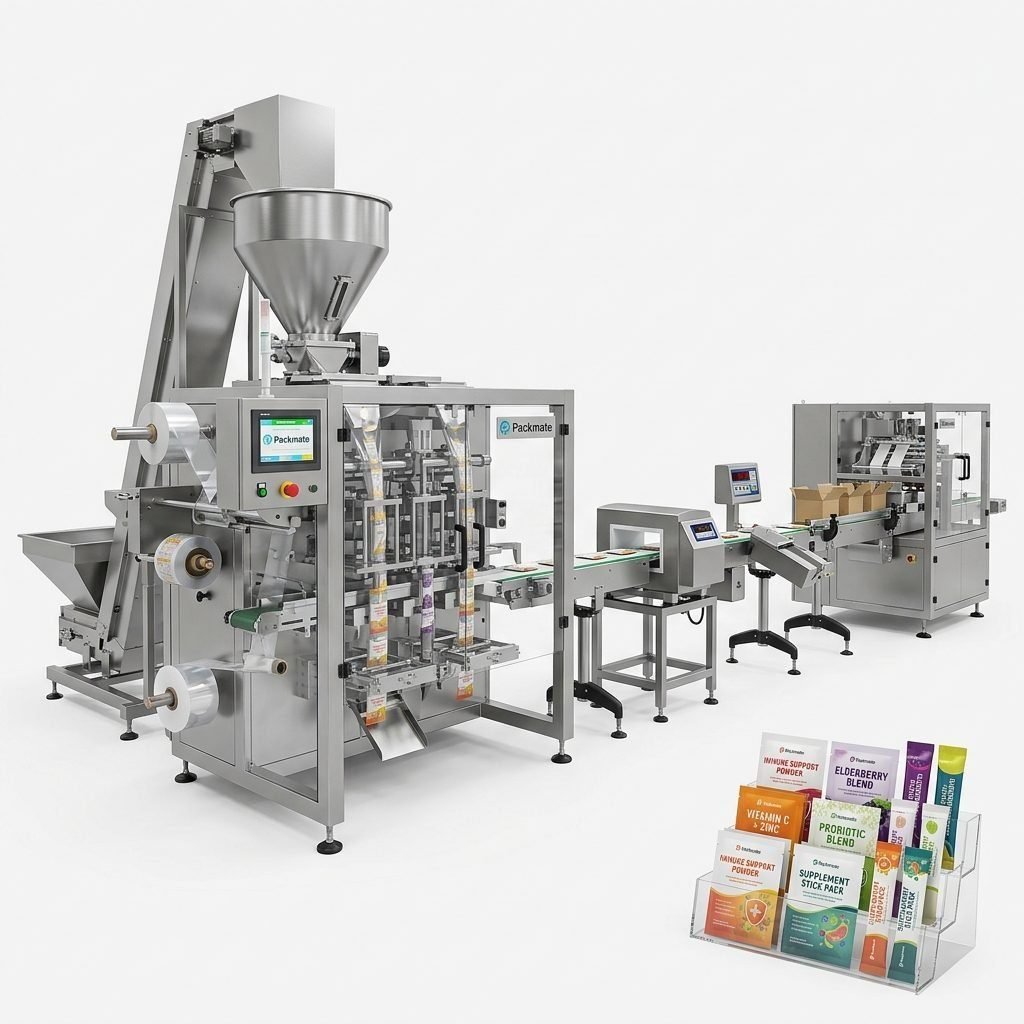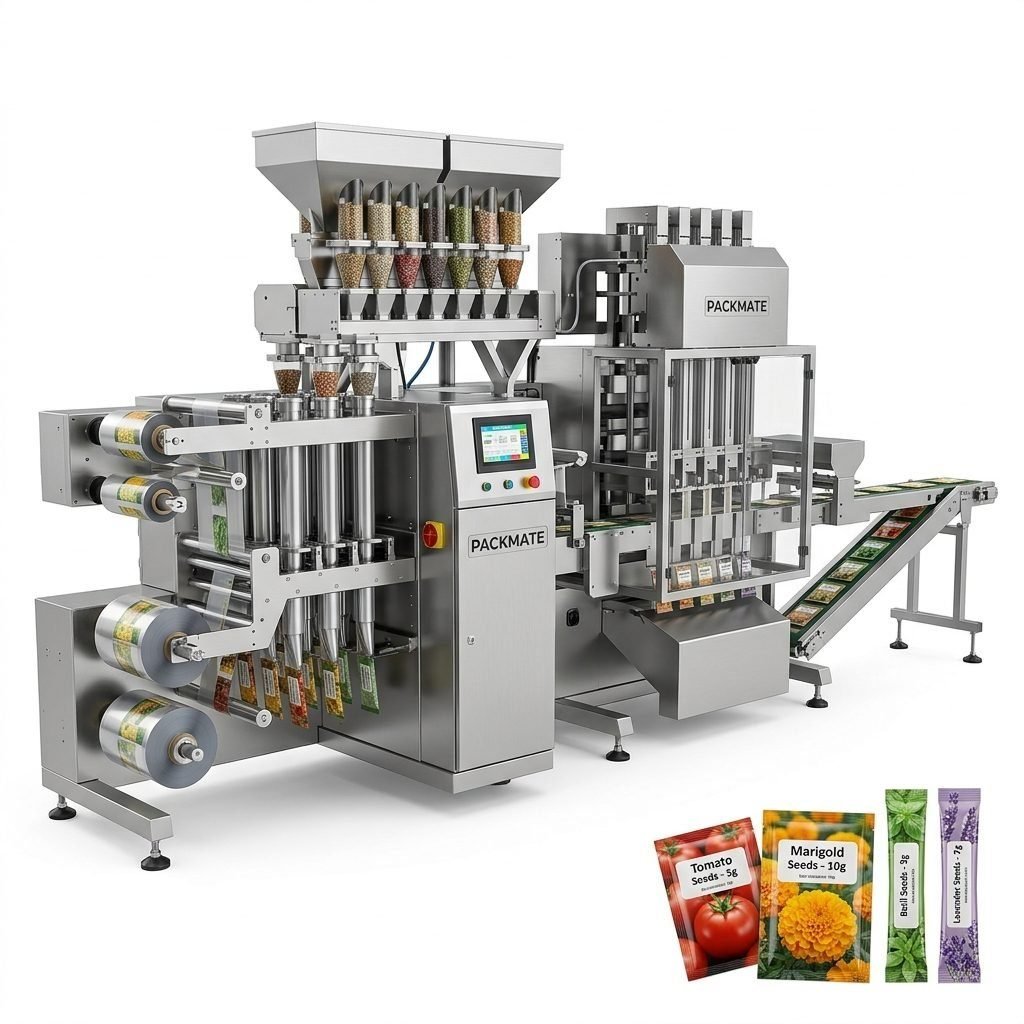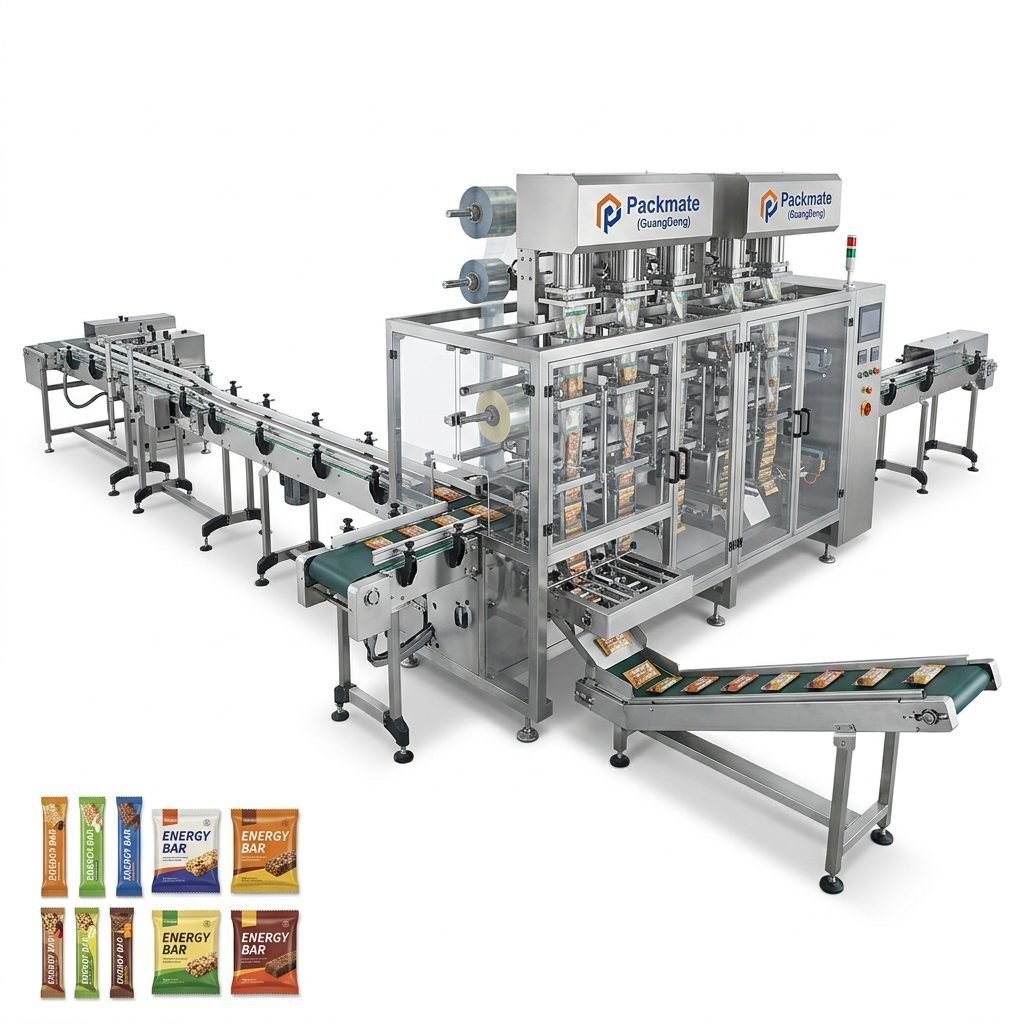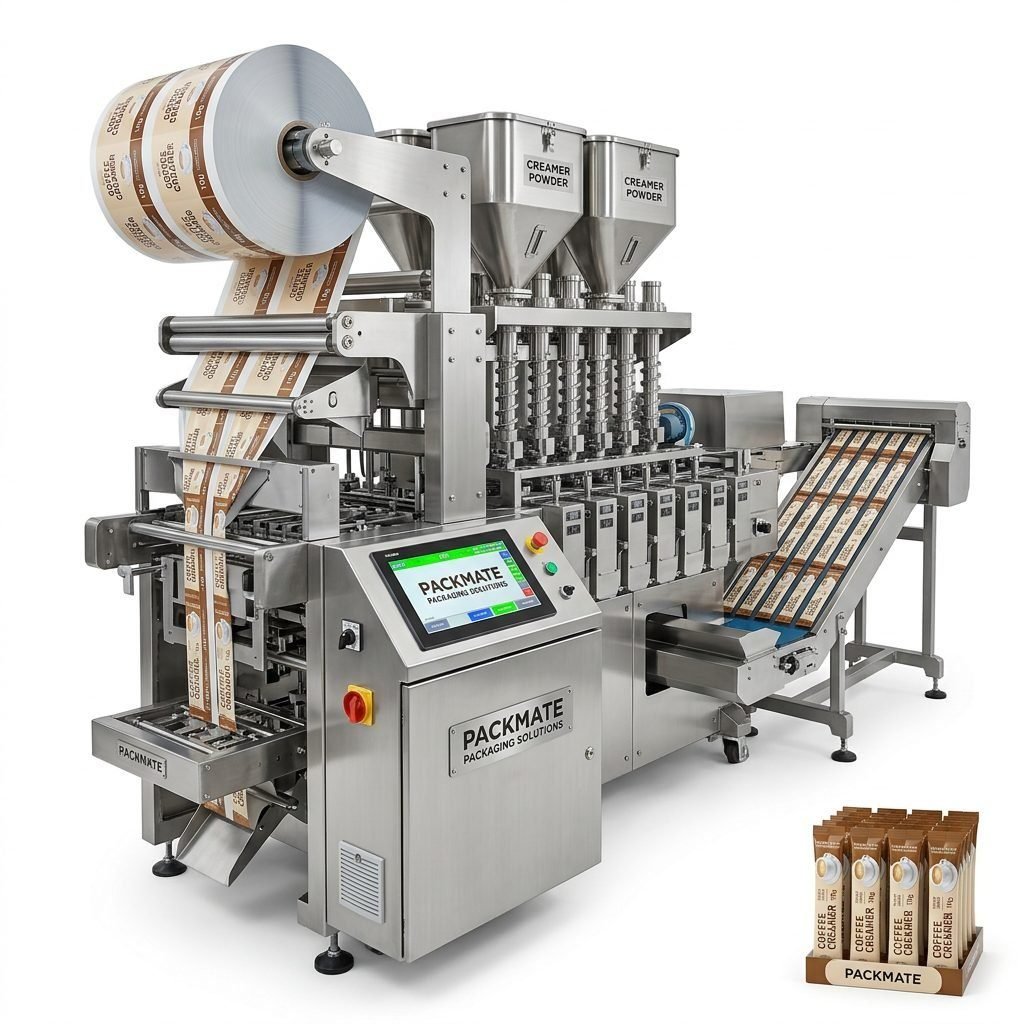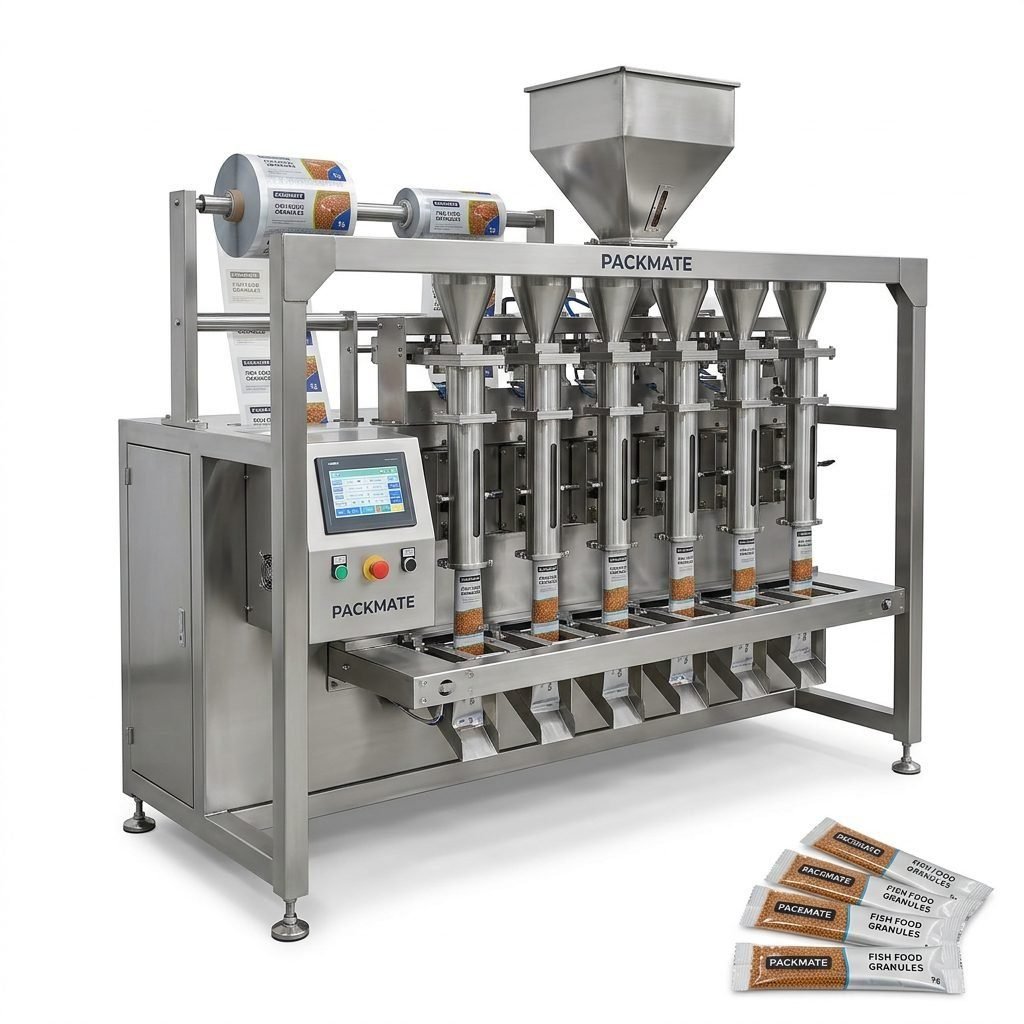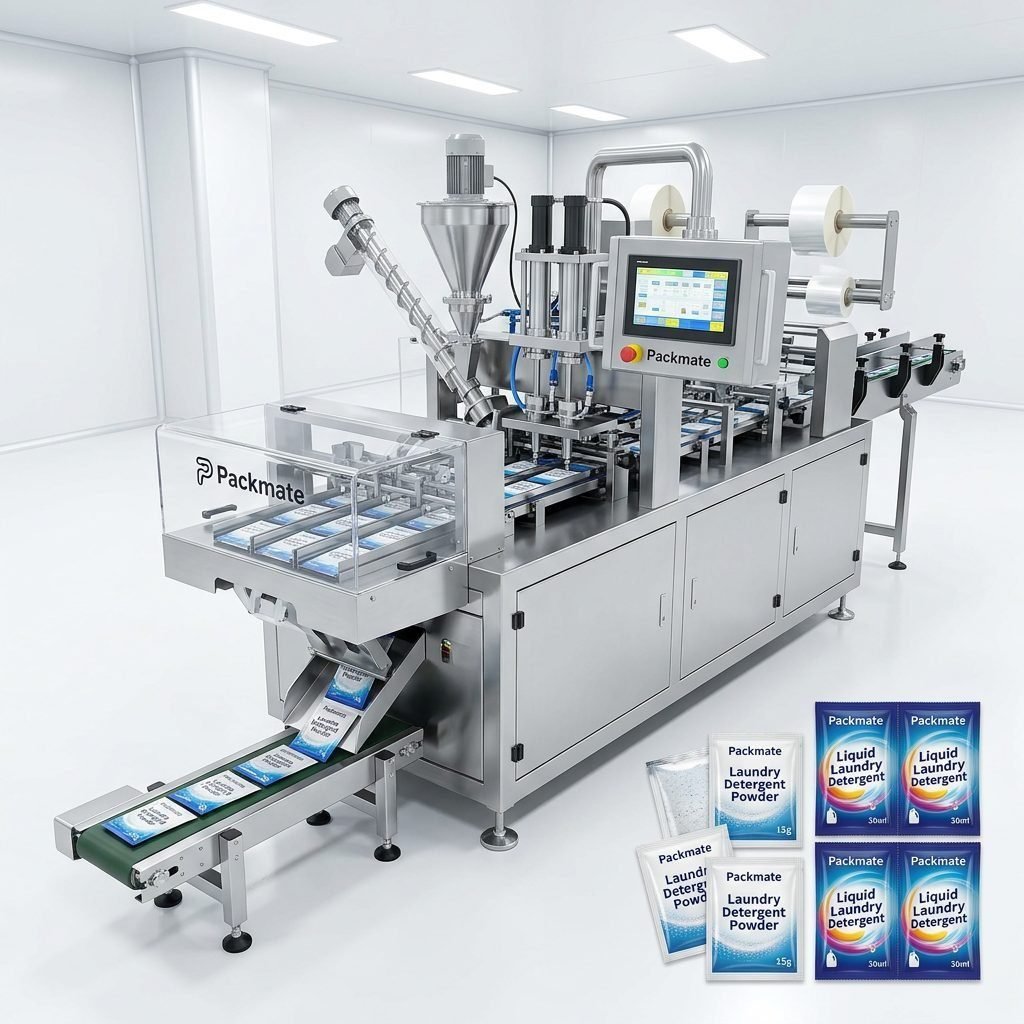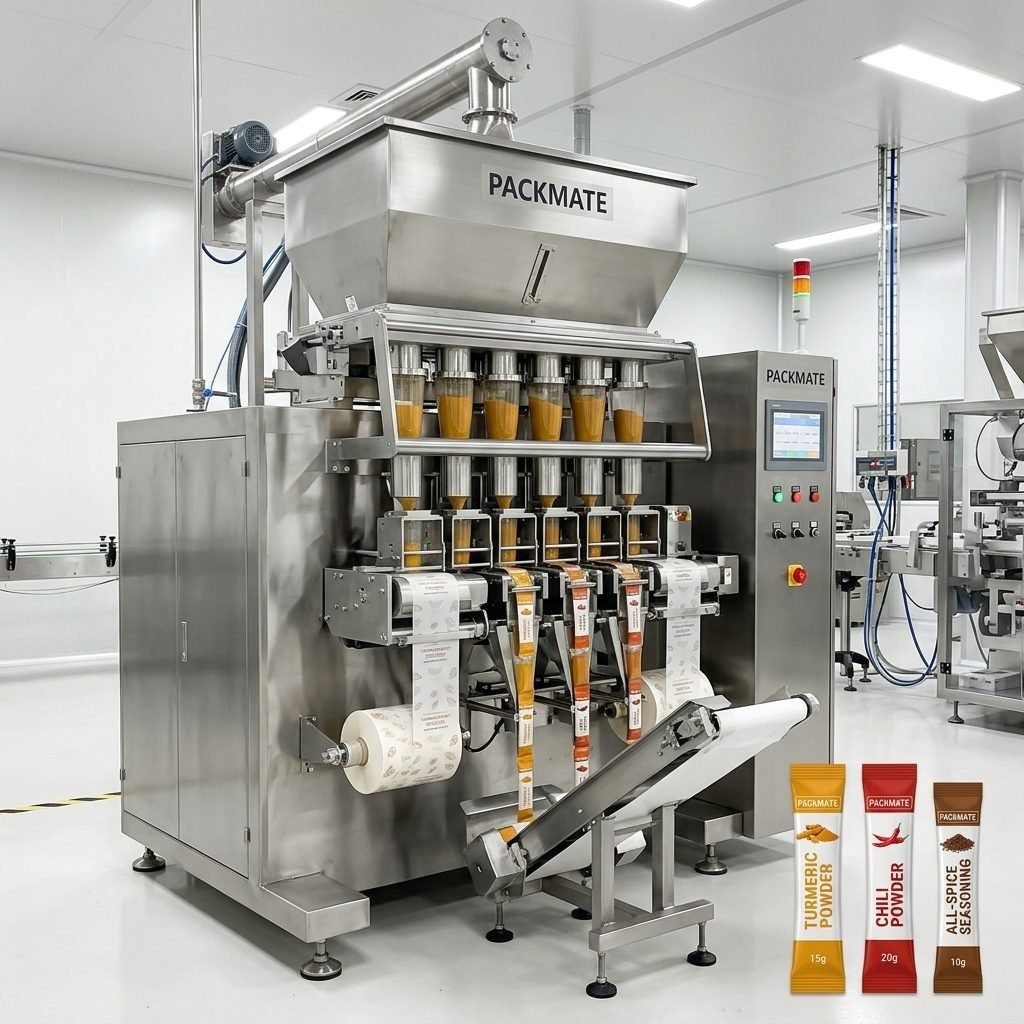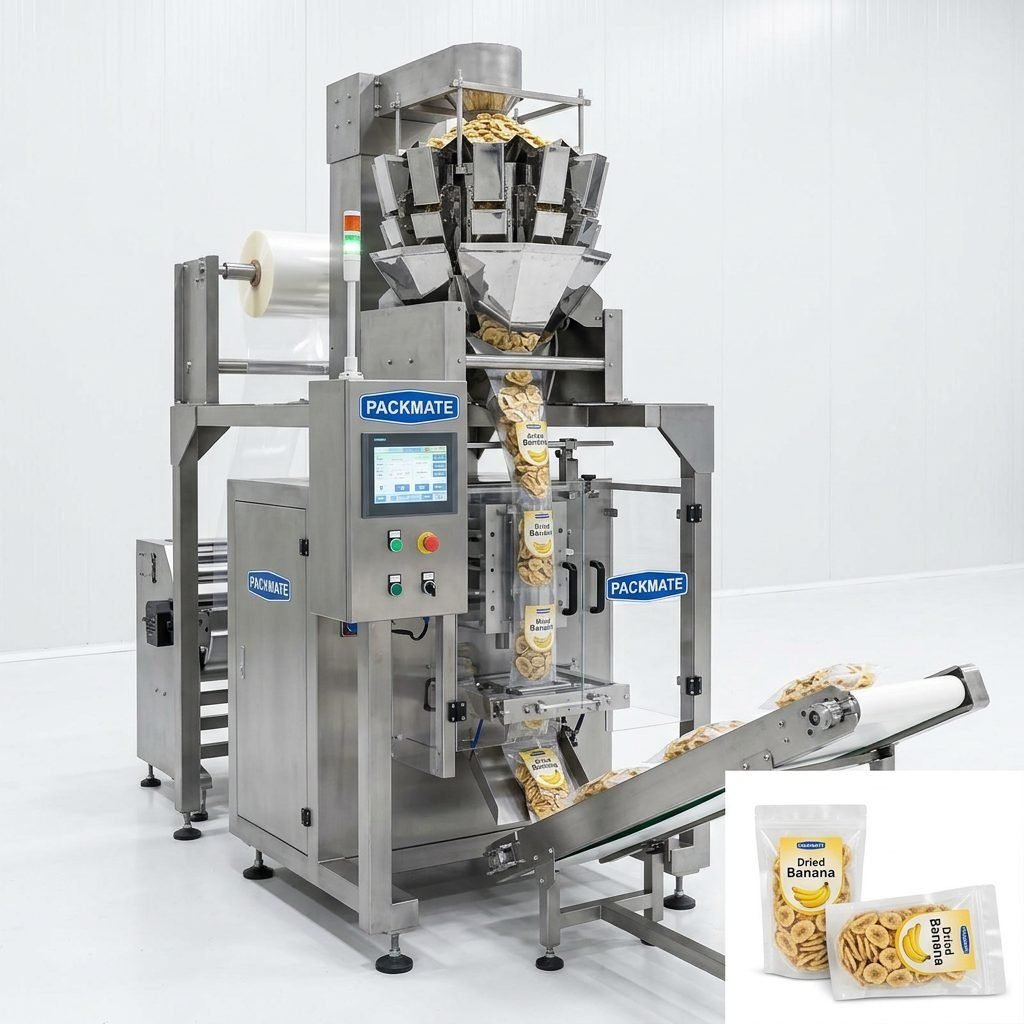
Selecting the right filling machine manufacturer is a critical decision that can significantly impact your production efficiency, product quality, and overall operational costs. With a global market offering numerous options, understanding the key factors, costs, and industry applications is essential for making an informed choice. This decision becomes even more crucial for businesses in regions like Europe and North America, where high automation standards, stringent safety regulations, and a strong focus on sustainability are paramount. Manufacturers in these markets often seek partners who can provide not just a machine, but a reliable, compliant, and scalable packaging solution.
Key Factors to Consider When Choosing a Manufacturer
Before diving into specific companies, it’s vital to understand the core criteria for evaluation. A thorough assessment will help you find a partner that aligns with your long-term business goals.
1. Technical Expertise and Industry Experience
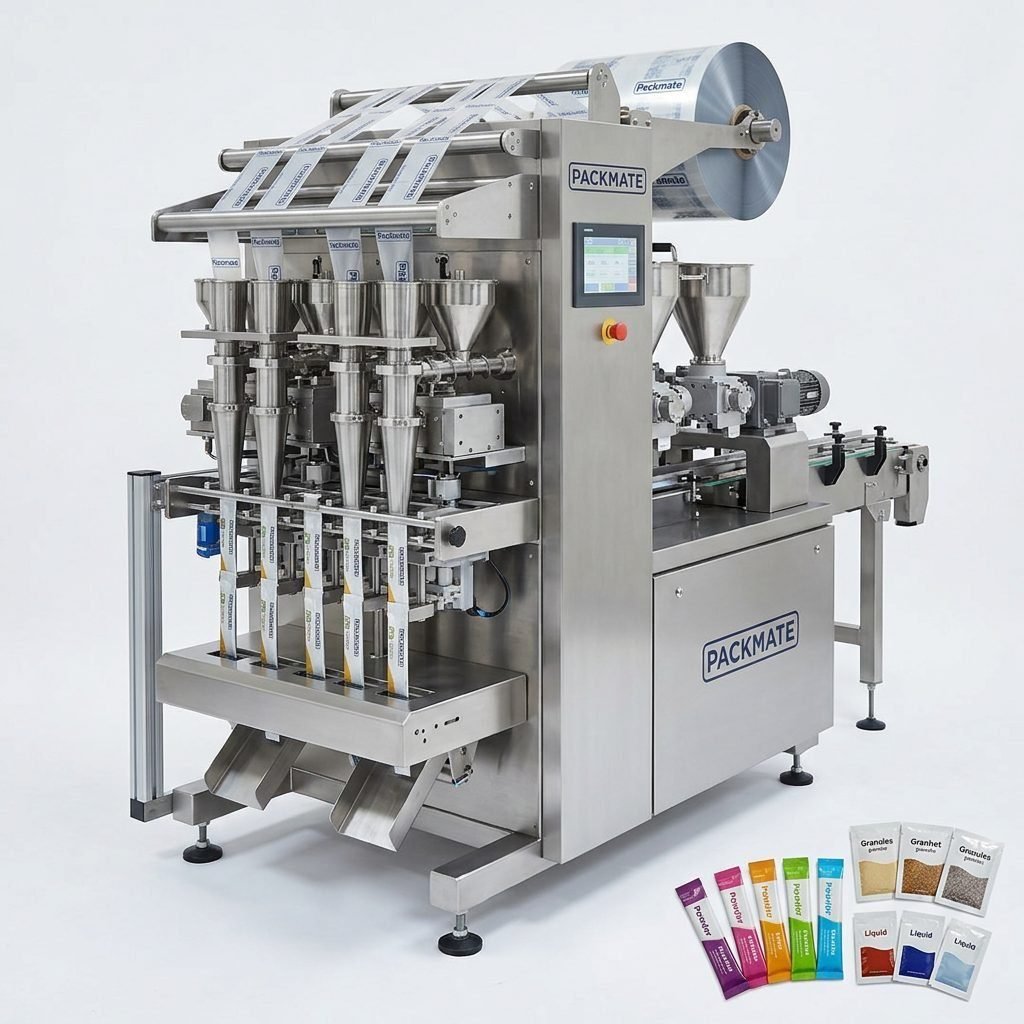
The manufacturer’s experience in your specific industry is non-negotiable. A company with a proven track record in the food sector may not understand the stringent hygiene and validation protocols required for pharmaceutical or nutraceutical packaging. Look for a history of successful projects and case studies relevant to your product type (powders, granules, liquids, pastes) and packaging format (stick packs, sachets, pouches).
2. Machine Quality and Performance
Beyond the initial purchase price, consider the machine’s build quality, reliability, and output speed. High-quality components, precision engineering, and robust construction minimize downtime and maintenance costs. Evaluate the machine’s filling accuracy, which is critical for product consistency and regulatory compliance, especially in food and pharma.
3. Customization and Flexibility
Can the manufacturer adapt their standard machines to your unique product characteristics, packaging materials, and factory layout? The ability to provide customized solutions or modify existing designs is a significant advantage, particularly for businesses with specialized requirements or those planning for future product diversification.
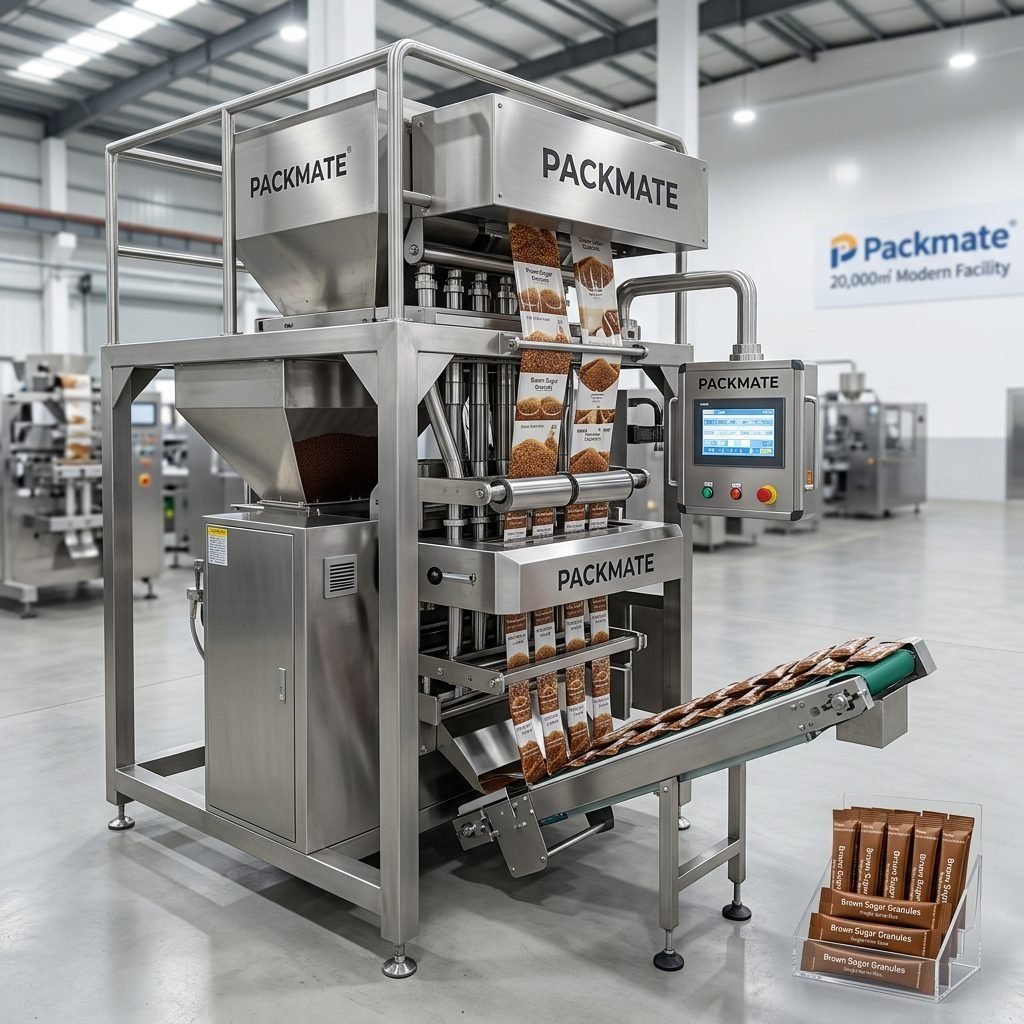
4. After-Sales Support and Service
A machine is a long-term investment. The availability of comprehensive after-sales support—including installation, operator training, readily available spare parts, and responsive technical service—is crucial for ensuring continuous operation. A manufacturer with a strong global service network, like many leading Chinese exporters, provides invaluable peace of mind.
5. Scalability and Future-Proofing
Consider not only your current production needs but also future growth. Can the manufacturer supply a single machine today and a complete turnkey packaging line tomorrow? Partnering with a manufacturer capable of scaling with your business ensures your packaging operations can evolve without the need to find a new supplier.
Understanding the Cost Structure
The cost of a filling machine is more than just the invoice price. A total cost of ownership (TCO) analysis provides a clearer picture.
| Cost Component | Description | Considerations |
|---|---|---|
| Capital Investment | The upfront purchase price of the machine. | Compare specifications, not just price. A higher initial cost for a more robust, efficient machine often leads to lower long-term costs. |
| Installation & Training | Costs for on-site setup, commissioning, and staff training. | Clarify what is included in the quoted price. Some manufacturers offer comprehensive start-up support. |
| Operational Costs | Energy consumption, required consumables (sealing jaws, filters), and packaging materials. | An energy-efficient machine and one compatible with cost-effective, sustainable packaging films can reduce recurring expenses. |
| Maintenance & Spare Parts | Routine maintenance, wear parts, and potential repair costs. | Inquire about the availability and cost of spare parts. A reliable supplier with a good parts inventory minimizes downtime. |
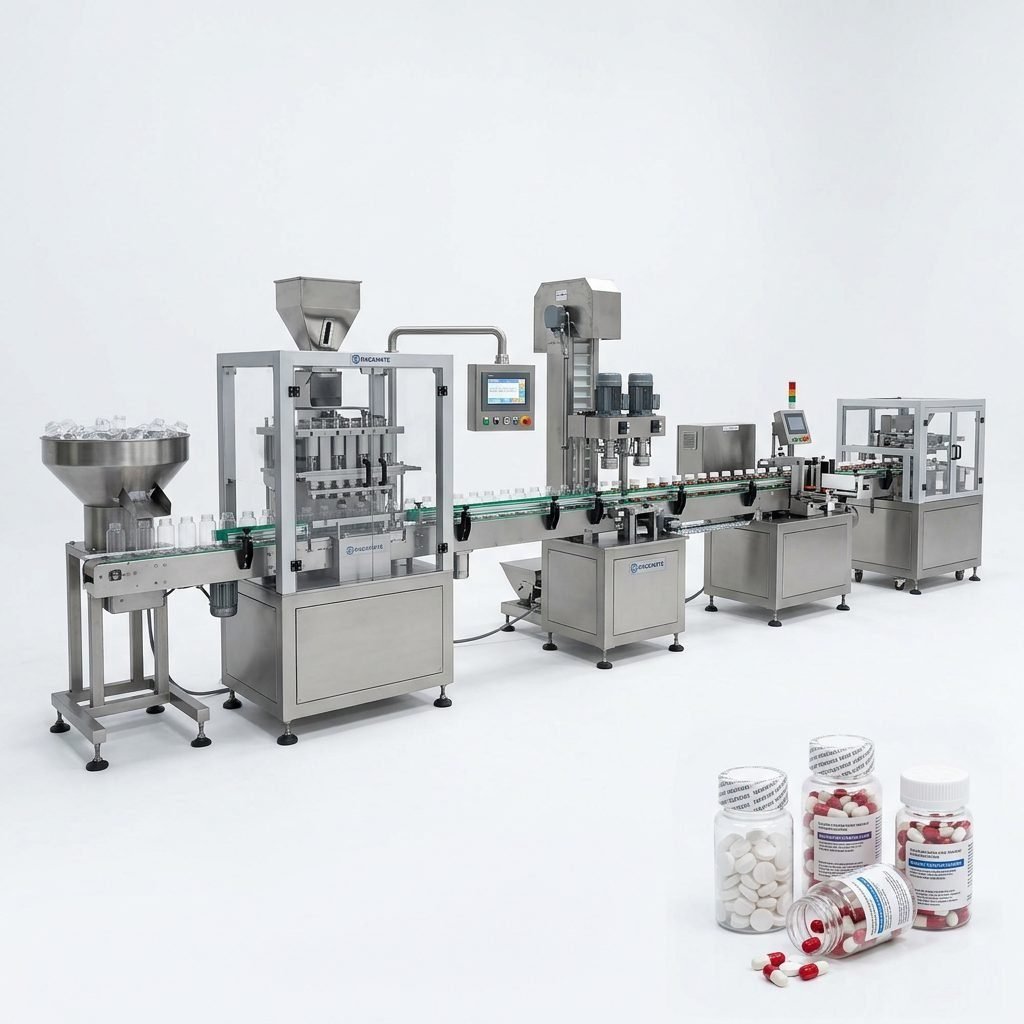
Industry Applications and Matching Solutions
Different industries have vastly different requirements. A manufacturer’s specialization can be a decisive factor.
Food & Beverage
This sector demands high-speed, versatile machines for products like coffee, sugar, spices, drink mixes, and sauces. Hygiene (often requiring food-grade stainless steel) and the ability to handle diverse consistencies (powders, granules, liquids) are key. Machines from manufacturers like Ludyway and Packmate Machinery are widely used here for their reliability and adaptability.
Pharmaceutical & Nutraceutical
Precision, contamination control, and validation documentation are critical. Machines must offer exceptional filling accuracy for powders and granules, often within a controlled environment. Compliance with GMP (Good Manufacturing Practice) standards is a must. Manufacturers with a strong focus on these sectors design machines with easy-clean features and traceability.
Specialty & Niche Markets
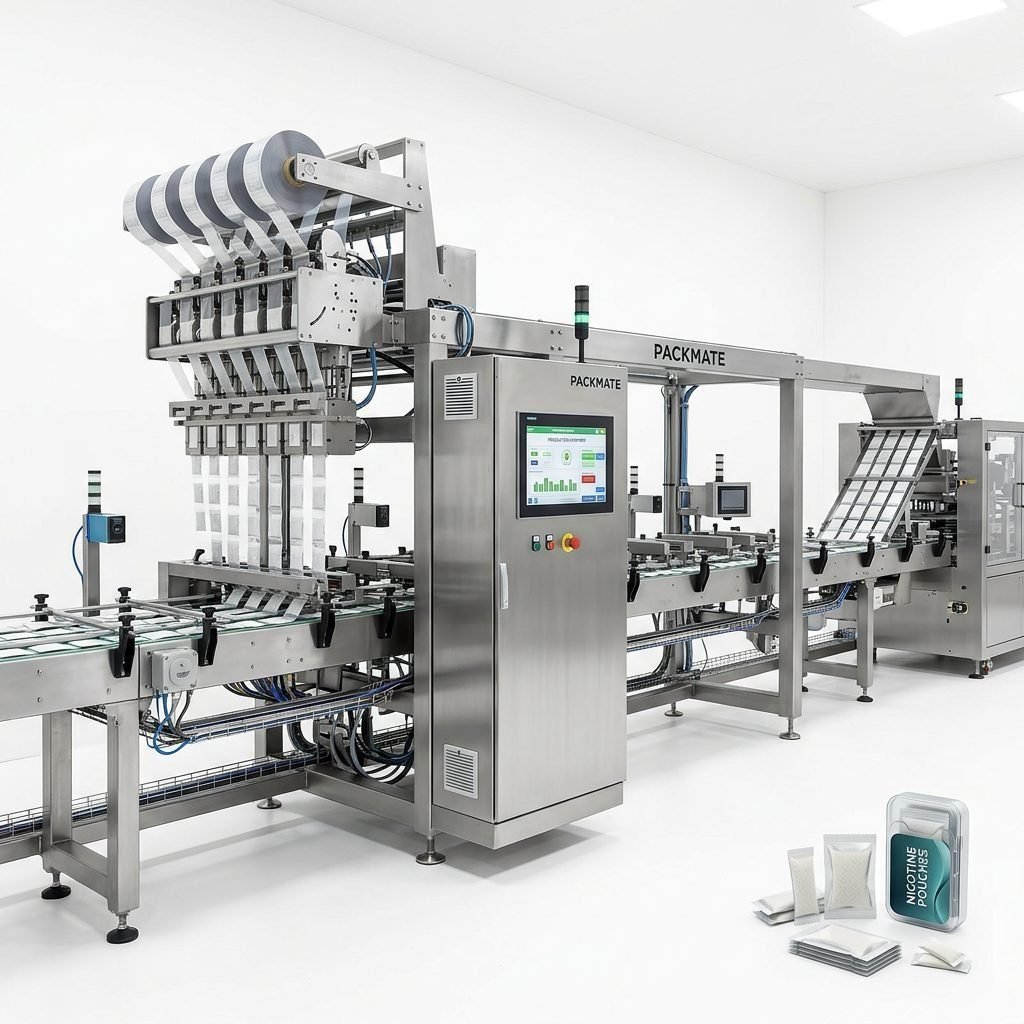
Some segments, like the rapidly growing nicotine pouch market, require highly specialized knowledge. Manufacturers like SnusMachinery focus exclusively on this niche, offering machines optimized for precise dosing, pouch forming, and high-speed multi-lane production that generalist manufacturers may not provide.
Evaluating Leading Manufacturers: A Comparative Overview
Several established manufacturers from China have made significant inroads into global markets by offering a combination of technology, value, and service. Here’s a brief look at some key players.
Ludyway stands out with over 30 years of experience and a broad portfolio covering food, pharma, and health supplements. Their strength lies in providing both individual machines and complete turnkey packaging lines, making them a versatile partner for scalable projects. With a large factory and strong export footprint, they are a solid choice for buyers seeking comprehensive solutions.
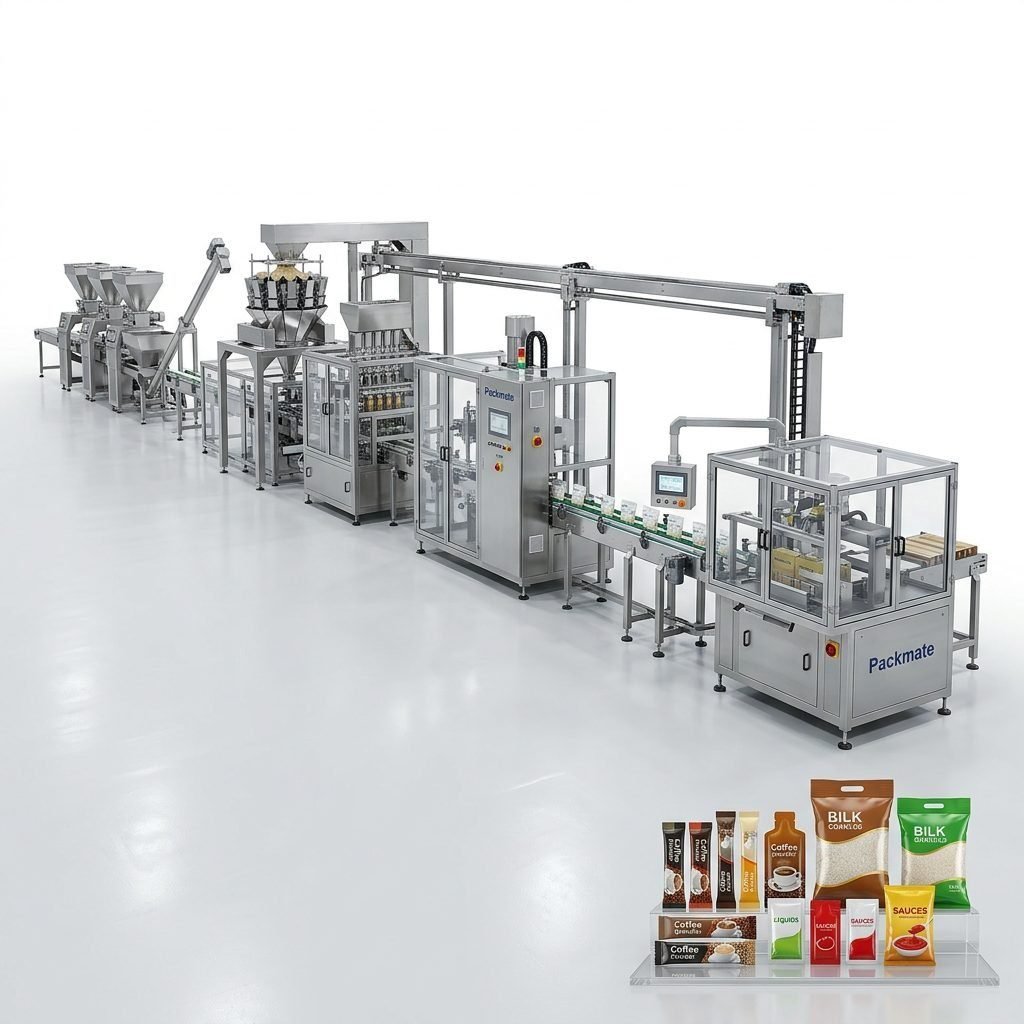
PacklineOEM distinguishes itself with a core focus on integrated turnkey lines. If your project requires a fully automated system with feeding, weighing, filling, sealing, and end-of-line integration, their expertise in line design and project management is a significant advantage. They are ideal for clients looking to automate an entire production process rather than just a single packaging step.
For projects that deviate from standard offerings, PackingMachineOEM emphasizes non-standard and customized packaging solutions. Their flexibility in engineering and machine adaptation is valuable for unique product formats, unusual materials, or specific factory layout constraints, offering a tailored approach to automation.
Making the Final Decision: Steps to Take
Armed with knowledge, follow a structured process:
- Define Your Requirements: Clearly outline your product specs, desired output, bag type, and future plans.
- Shortlist Manufacturers: Research and create a list of 3-5 companies that match your industry and technical needs.
- Request Detailed Proposals: Ask for quotations, specifications, and list of references for similar projects.
- Evaluate Support & Service: Discuss warranty terms, spare parts availability, and technical support channels.
- Consider a Factory Visit or Test: If possible, visit the manufacturer or send product samples for a machine test run. This is the best way to verify performance.
Frequently Asked Questions (FAQs)
Q: What is the typical lead time for a filling machine?
A: Lead times vary widely based on complexity and customization. For standard models, expect 60-90 days. For highly customized or complete turnkey lines, it can range from 90 to 180 days or more.
Q: How important is after-sales service when buying from an overseas manufacturer?
A: It is critically important. Ensure the manufacturer has a proven track record of providing remote support, has local service agents or partners in your region, and maintains a good inventory of commonly needed spare parts to minimize potential downtime.
Q: Can one machine handle different types of products (e.g., powders and granules)?
A: Many machines are versatile, but significant product changes often require adjustments or part changes (like augers or pumps). Discuss your product range with the manufacturer to ensure the machine can be easily adapted or if a more flexible model is needed.
Q: What is the difference between a standalone machine and a turnkey line?
A: A standalone machine performs a specific function (e.g., filling and sealing sachets). A turnkey line is a fully integrated system that may include upstream processes (feeding, mixing) and downstream processes (cartoning, case packing), delivered as a complete, ready-to-run solution.
Q: Are Chinese-made filling machines reliable for European or North American markets?
A: Yes, many leading Chinese manufacturers, like those profiled, have decades of experience exporting globally. They build machines to international standards (CE, UL) and cater to the high-quality and safety expectations of these markets. The key is to select an established, reputable supplier with strong references in your region.