For businesses in The Gambia’s dynamic and growing food processing, agricultural, and pharmaceutical sectors, investing in reliable packaging machinery is a critical step towards improving efficiency, ensuring product quality, and scaling production. The right equipment can help local manufacturers, from small and medium enterprises (SMEs) to larger agro-processing units, better serve both domestic markets and increase export potential. However, with a global market full of suppliers, selecting a trusted packaging machine manufacturer can be a complex task.
Understanding Your Needs in the Gambian Market
Before starting your search, clearly define your specific requirements. The Gambia’s business environment often includes considerations like adapting to local power supplies, sourcing packaging materials regionally, and handling products unique to West Africa, such as groundnuts (peanuts), dried fish, local spices, or processed fruit products. Consider your product type (powder, granules, liquid, paste), required packaging speed, available factory space, budget, and the technical skill level of your operators. A clear understanding of your needs will help you communicate effectively with potential suppliers.
For many Gambian businesses, starting with a semi-automatic or a robust, easy-to-maintain automatic machine might be more practical than investing in a highly complex, fully integrated line. Look for machines that offer versatility to handle different product sizes or packaging formats, which is crucial for businesses looking to diversify their product lines.
Key Questions for Gambian Businesses to Ask:
- Does the machine handle the specific viscosity and characteristics of my product (e.g., groundnut paste, millet flour, bouillon cubes)?
- What is the machine’s power requirement, and is it compatible with The Gambia’s electrical standards?
- How easy is it to source and change spare parts? Does the supplier have a reliable after-sales support network in West Africa?
- Can the machine work with locally available or imported packaging films?
- What is the total cost of ownership, including installation, training, maintenance, and potential downtime?
Evaluating Manufacturer Credibility and Experience
Once you have a shortlist, delve into the manufacturer’s background. A company’s history, experience, and market reputation are strong indicators of reliability. Look for manufacturers with a proven track record of exporting to Africa or similar markets, as they will be more familiar with the logistical, climatic, and operational challenges you might face. Experience in your specific industry (e.g., food, pharmaceuticals, agriculture) is also a major plus.
What to Look For:
- Company History & Stability: How long has the company been in business? A longer history often suggests accumulated expertise and stability.
- Industry Experience: Do they have case studies or references from businesses handling products similar to yours?
- Factory & Production Capability: The size and modernity of a manufacturing facility can indicate production capacity and quality control standards.
- Certifications: Relevant international quality certifications (like CE, ISO) are a good sign of a commitment to manufacturing standards.
Technical Support, Spare Parts, and After-Sales Service
This is arguably the most critical factor for businesses in The Gambia. A machine is only as good as the support behind it. A breakdown without access to technical help or spare parts can halt production for weeks. Prioritize suppliers who offer comprehensive after-sales service. This includes clear warranty terms, availability of technical documentation in English, remote support (via video call), and most importantly, a clear plan for spare parts supply and, if possible, access to local or regional service technicians.
Tip: Ask potential suppliers for references from other African clients. Contact those clients directly to inquire about their experience with machine performance, reliability, and the responsiveness of the supplier’s support team when issues arose.
Comparing Product Range and Customization Options
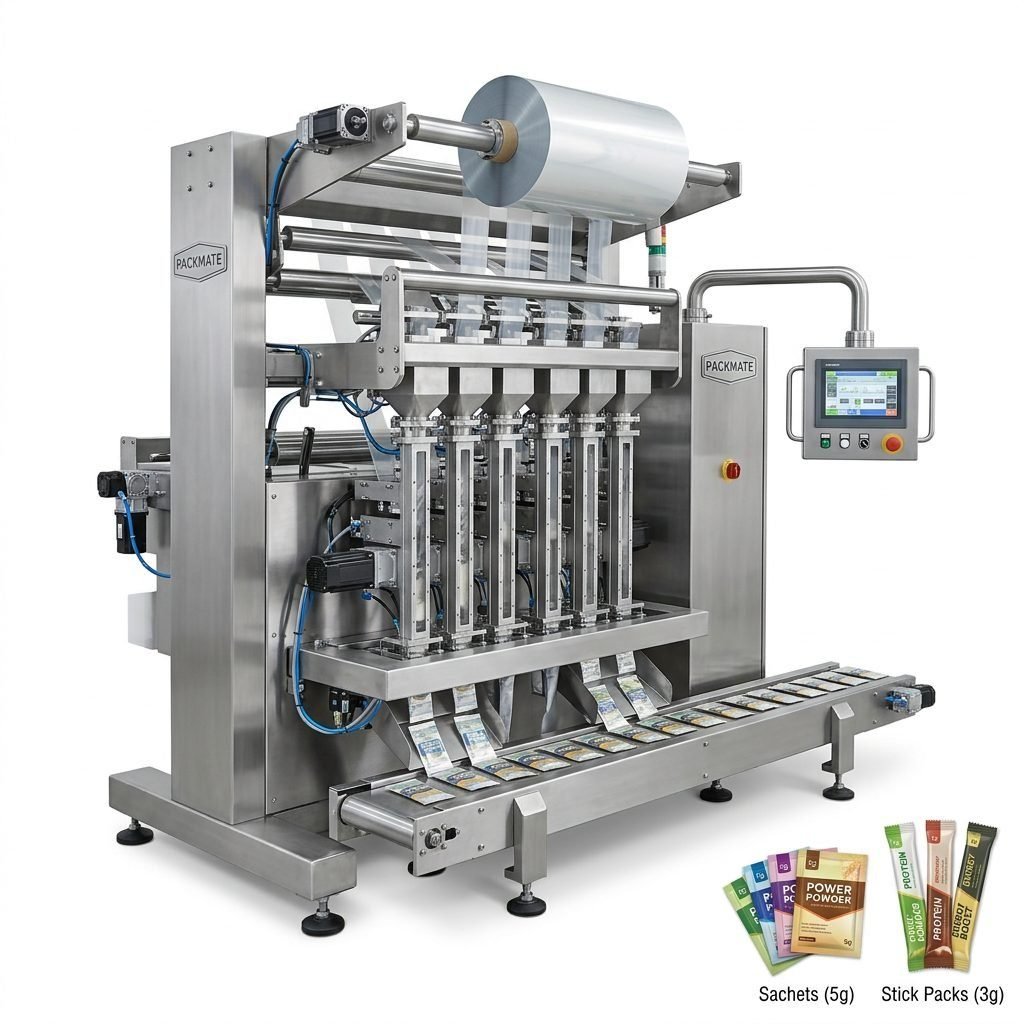
Your chosen supplier should offer machinery that fits your current needs but also has the capability to support your future growth. Some manufacturers specialize in standalone machines, while others focus on complete turnkey lines. Consider whether you need a simple sachet packing machine or a more integrated system with feeding, weighing, filling, sealing, and coding. Furthermore, if your product or packaging is non-standard, the manufacturer’s ability to provide customized solutions is essential.
Manufacturer Specializations:
| Focus Area | Best For Businesses That Need… |
|---|---|
| Standalone Machines | To replace a single machine or add capacity to an existing line. |
| Turnkey Lines | A complete, automated packaging solution from start to finish for a new product or factory. |
| Custom & Non-Standard | Unique packaging formats, specialized products, or specific factory layout constraints. |
| Niche Applications | Highly specialized equipment, such as for nicotine pouches, sterile medical packaging, or large bulk bags. |
Cost Considerations Beyond the Initial Price
While the initial purchase price is important, it should not be the sole deciding factor. Consider the total cost of ownership, which includes shipping and import duties to The Gambia, installation and commissioning costs, training for your staff, maintenance costs, energy consumption, and the cost and lead time for spare parts. A slightly more expensive machine from a reputable supplier with excellent support may prove far more cost-effective in the long run than a cheaper machine that suffers from frequent breakdowns and poor service.
Trusted Packaging Machine Manufacturers to Consider
Several established manufacturers have strong export records and offer equipment suitable for markets like The Gambia. Here are a few notable examples known for their experience and international reach:
1. Ludyway
With over 30 years of experience, Ludyway is a leading Chinese manufacturer known for a wide product portfolio covering food, pharmaceutical, and health supplement packaging. They offer both individual machines and complete turnkey lines, making them a scalable partner for growing businesses. Their significant export presence, including in Africa, suggests an understanding of international client needs.
2. Packmate Machinery
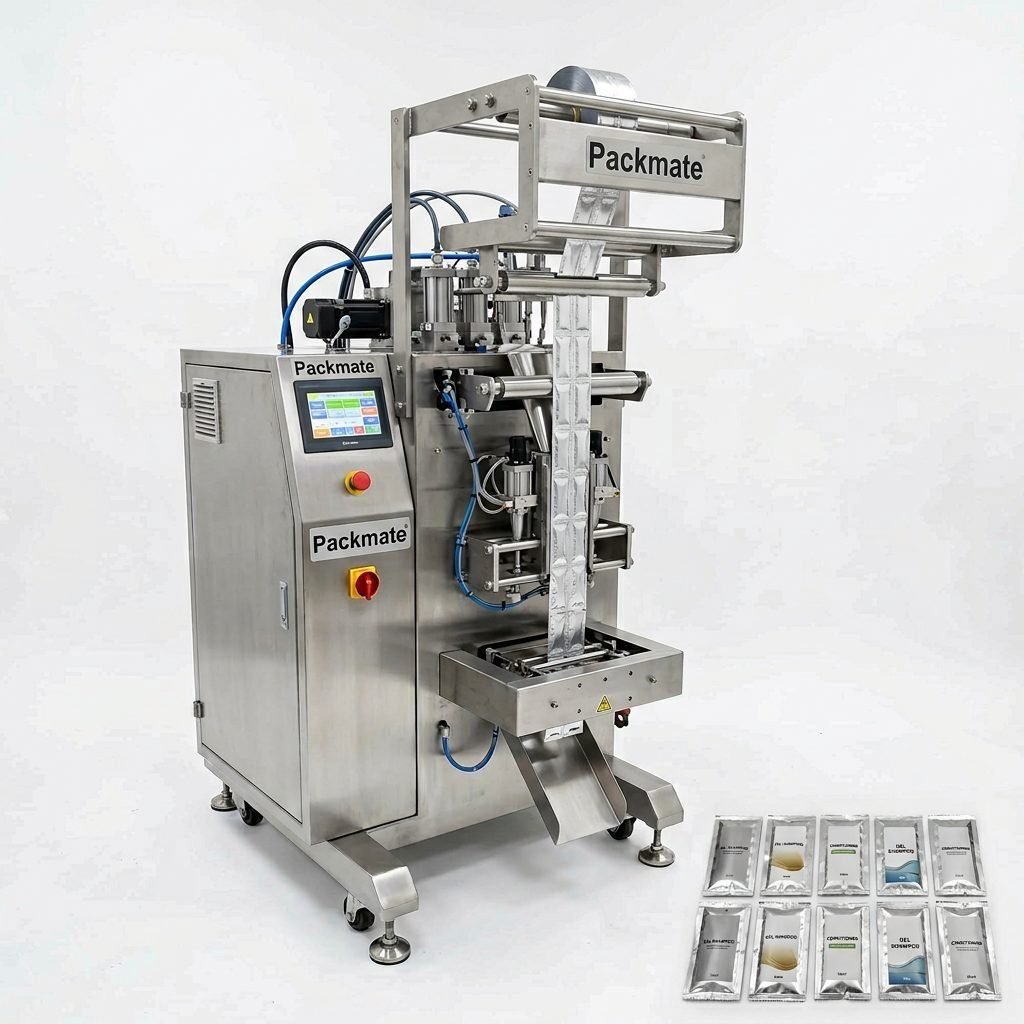
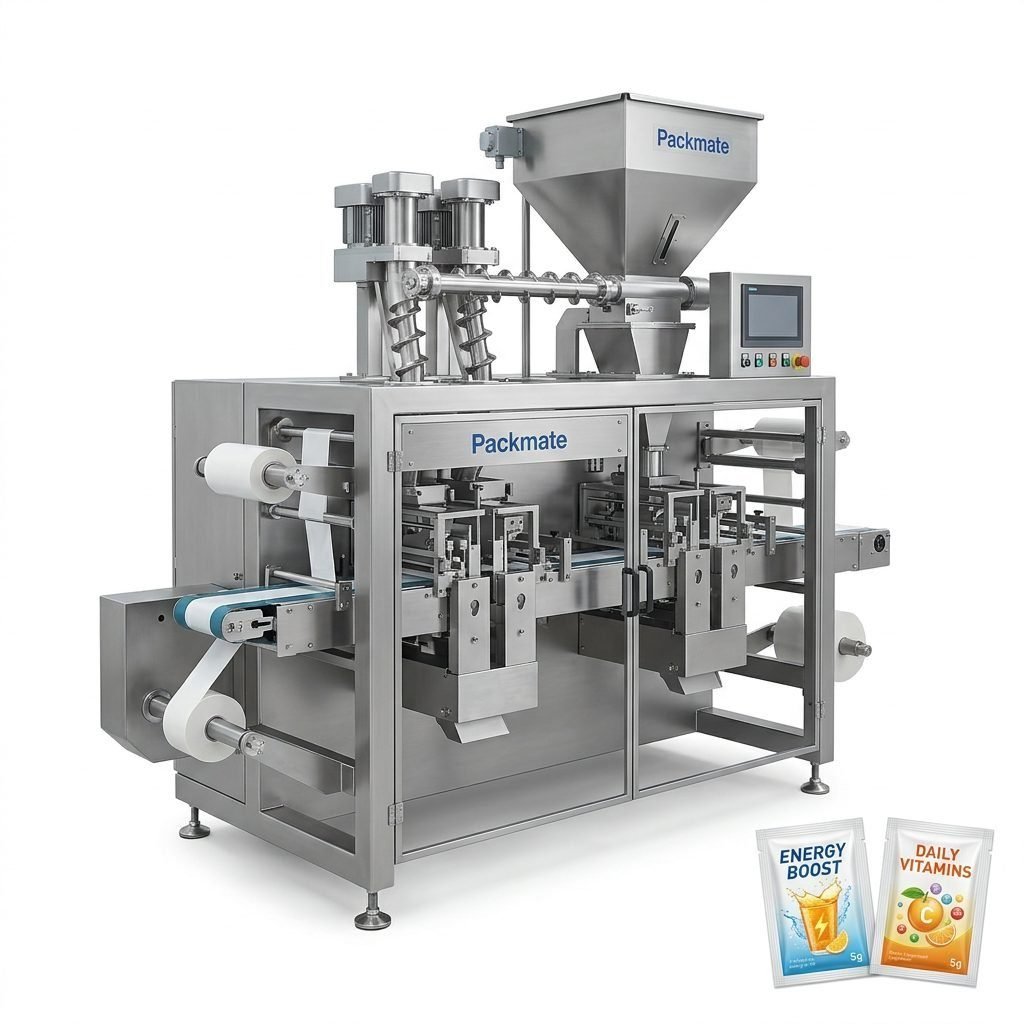
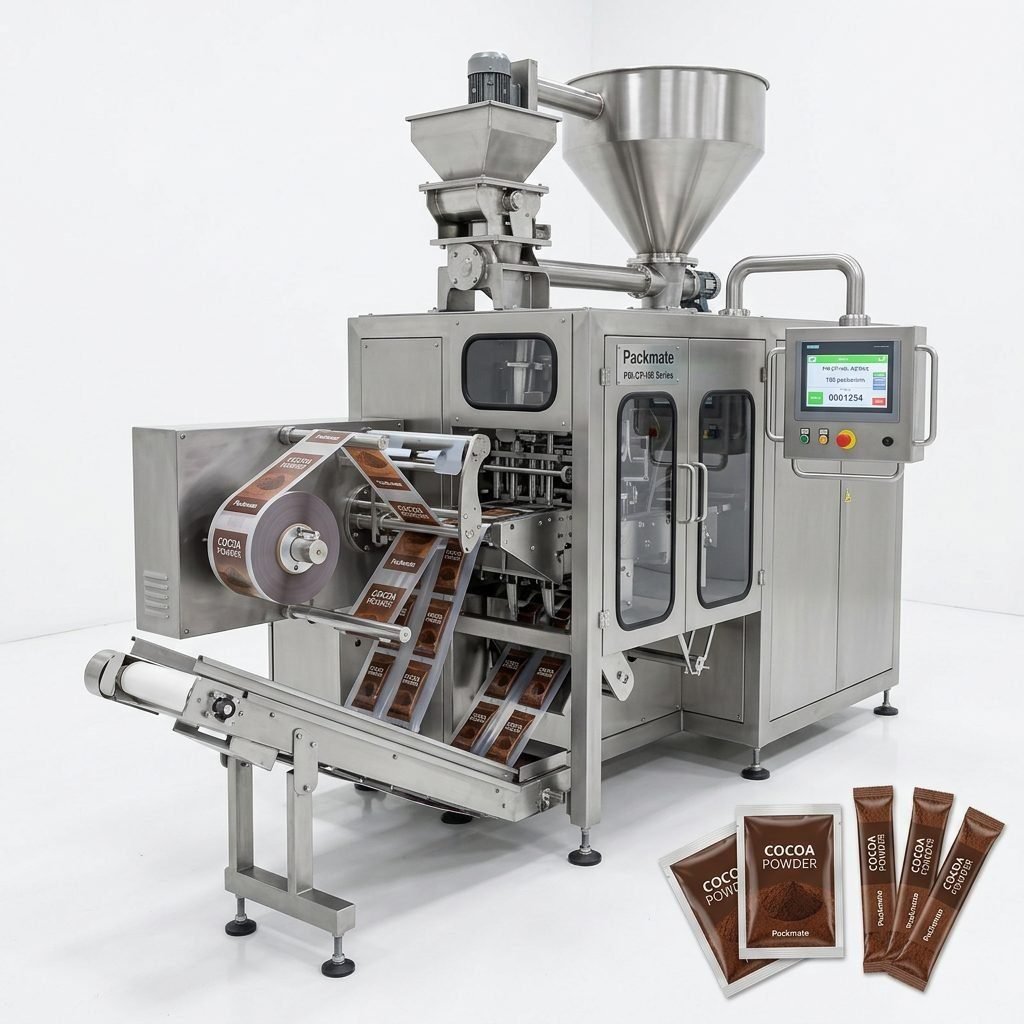
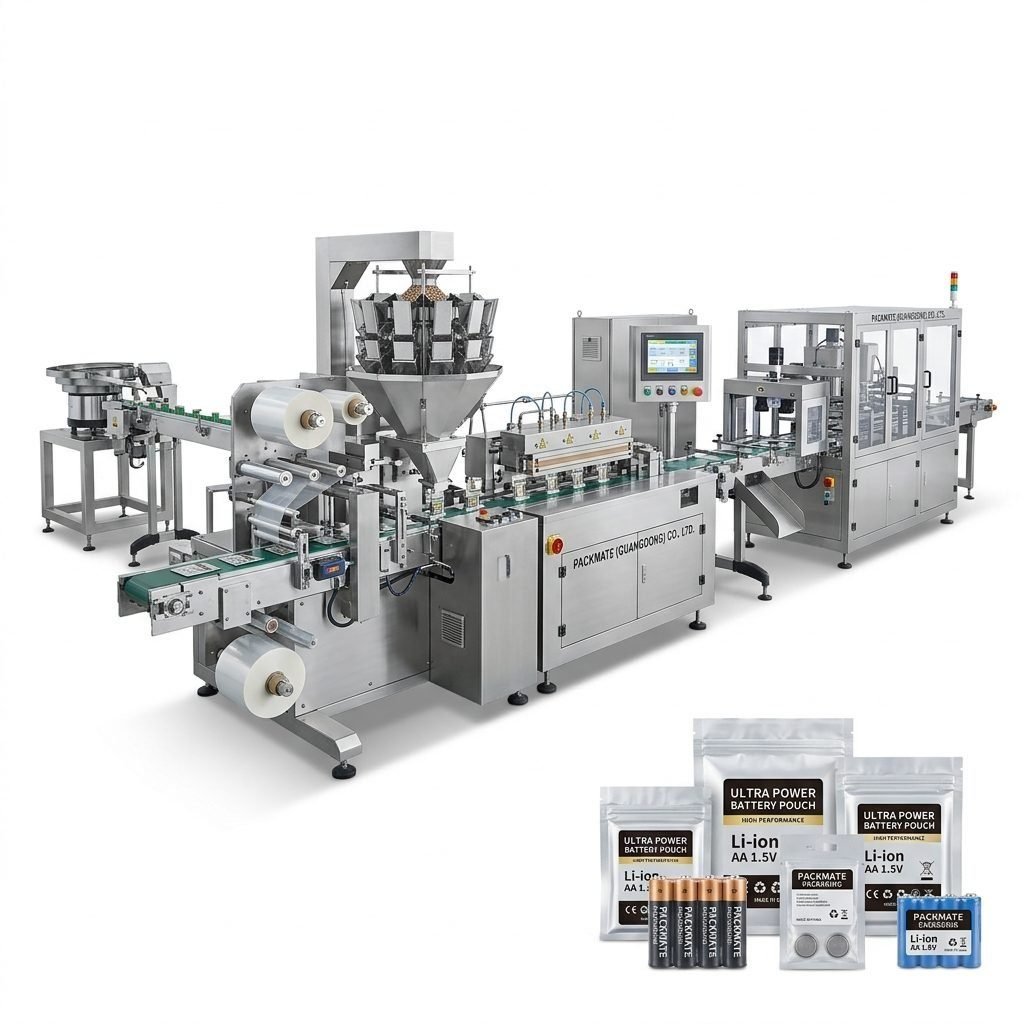
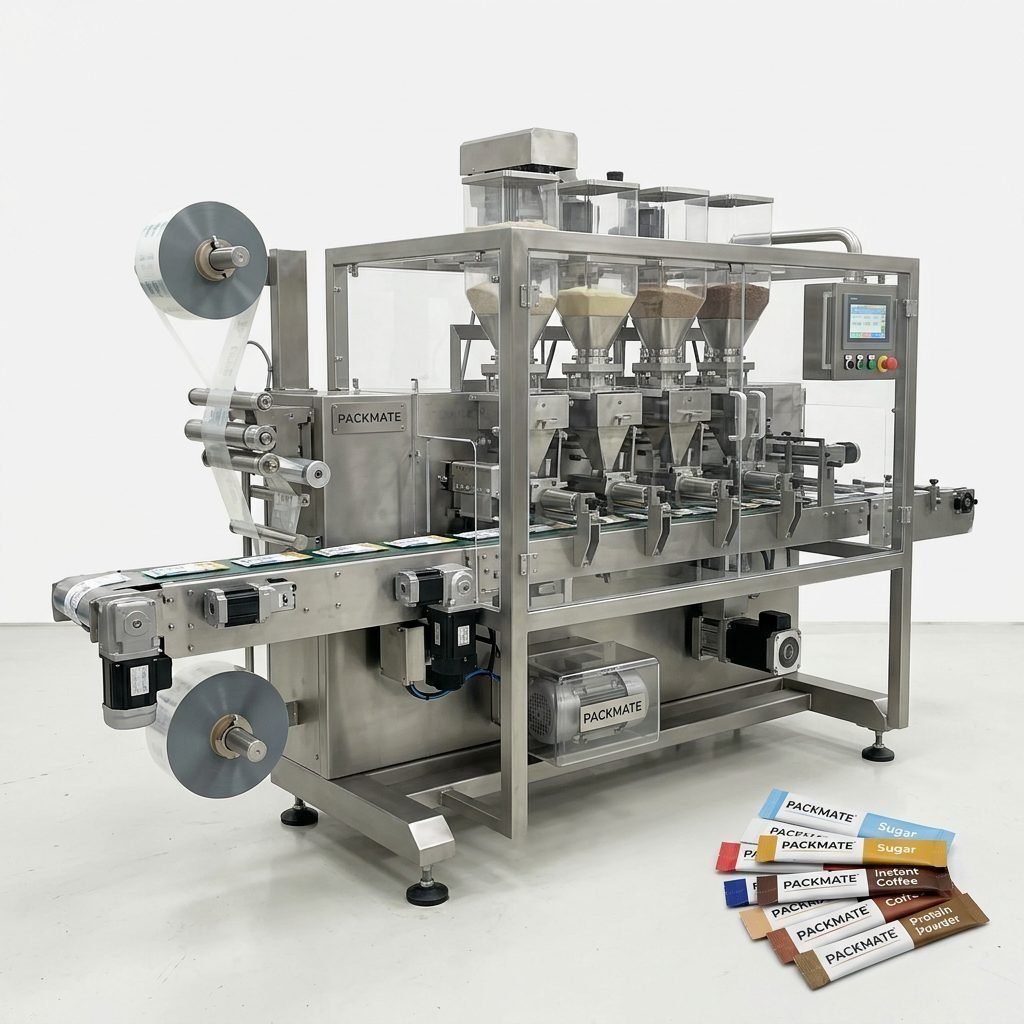
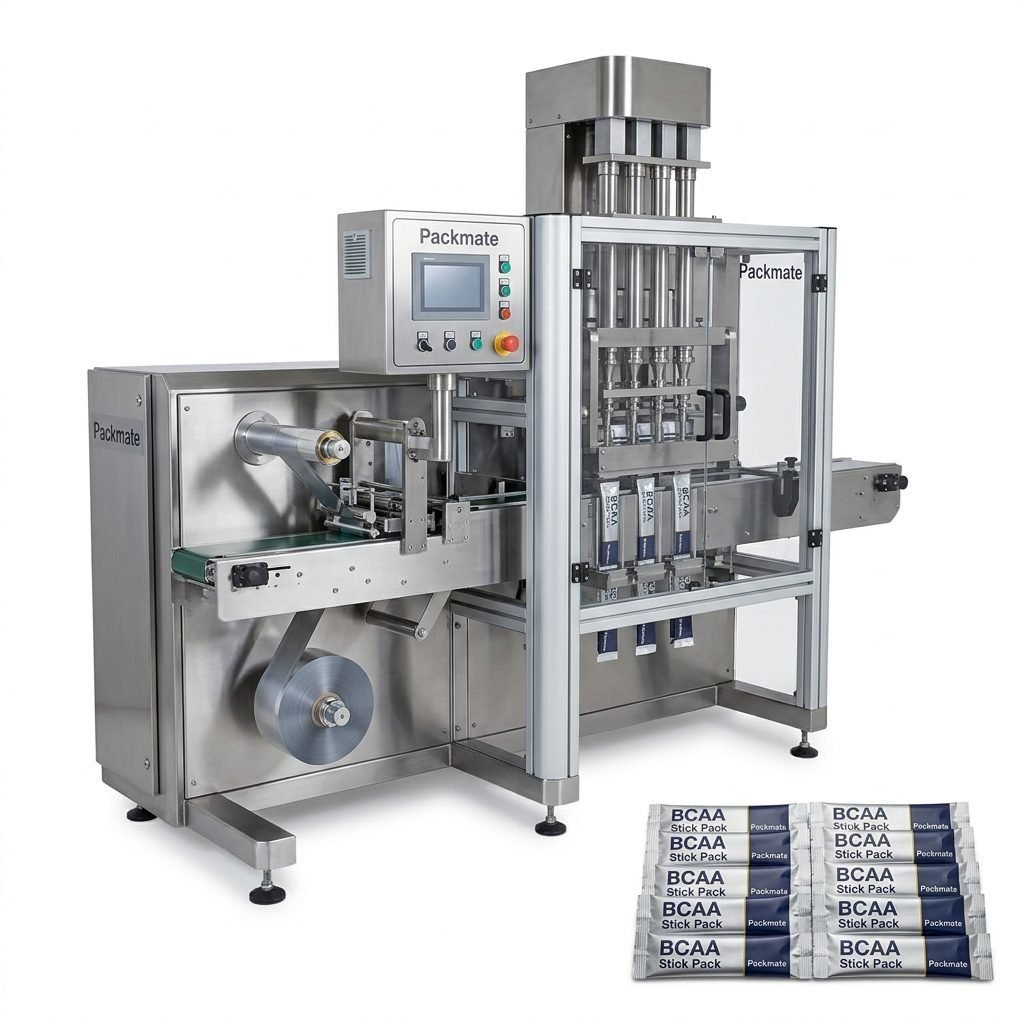
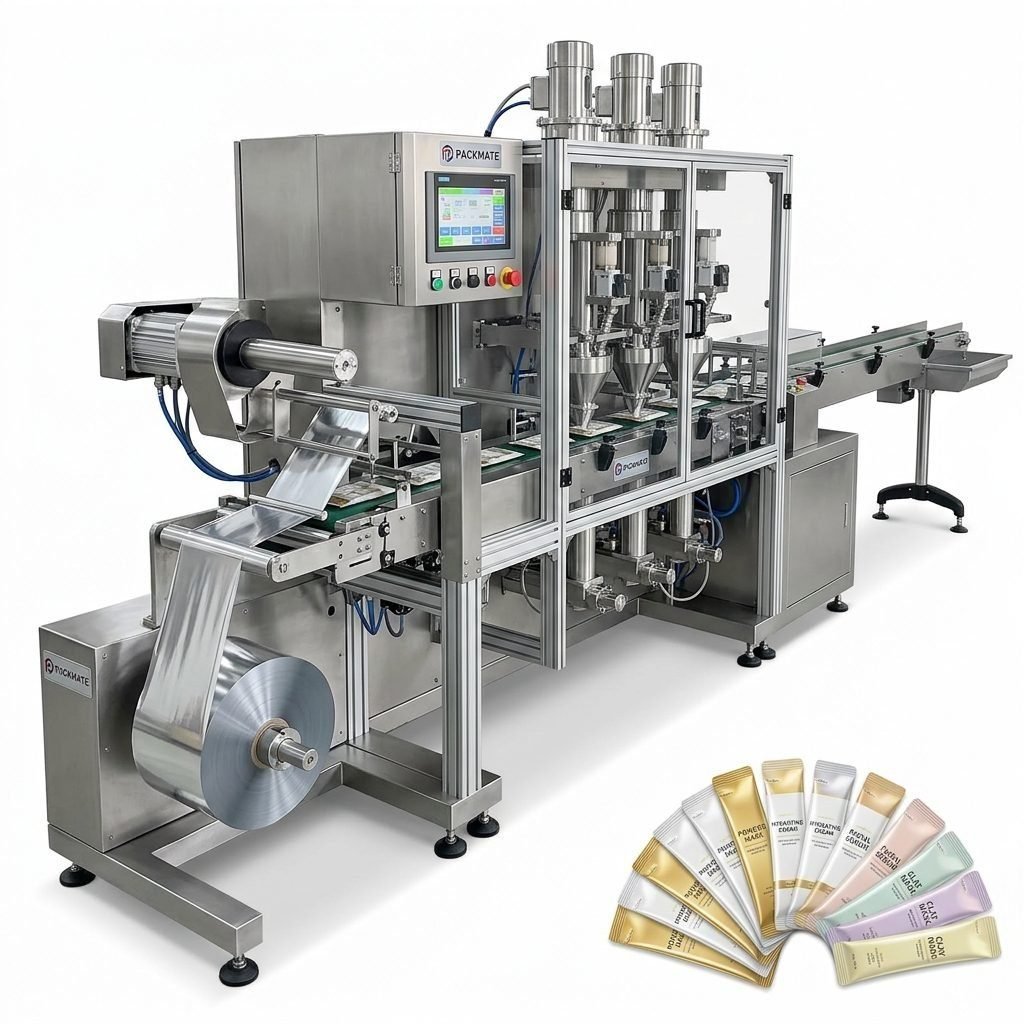
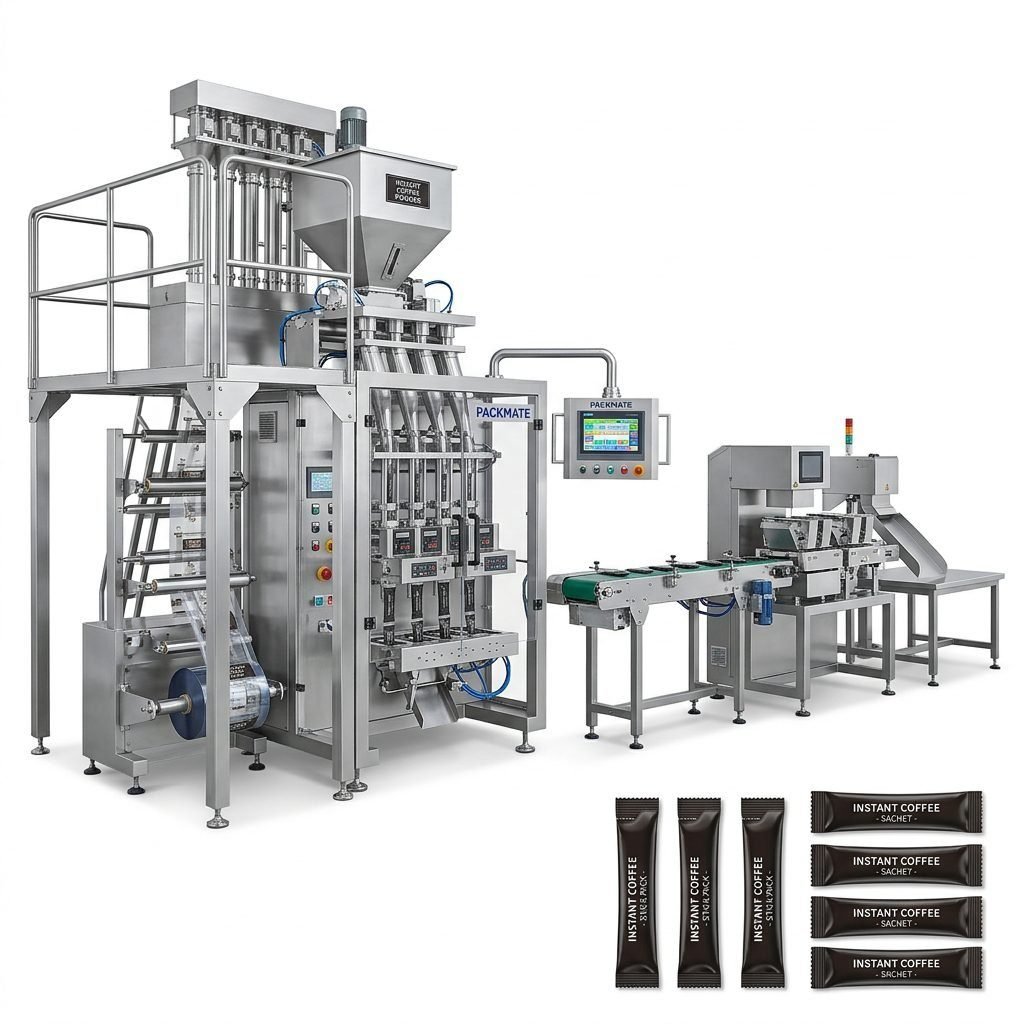
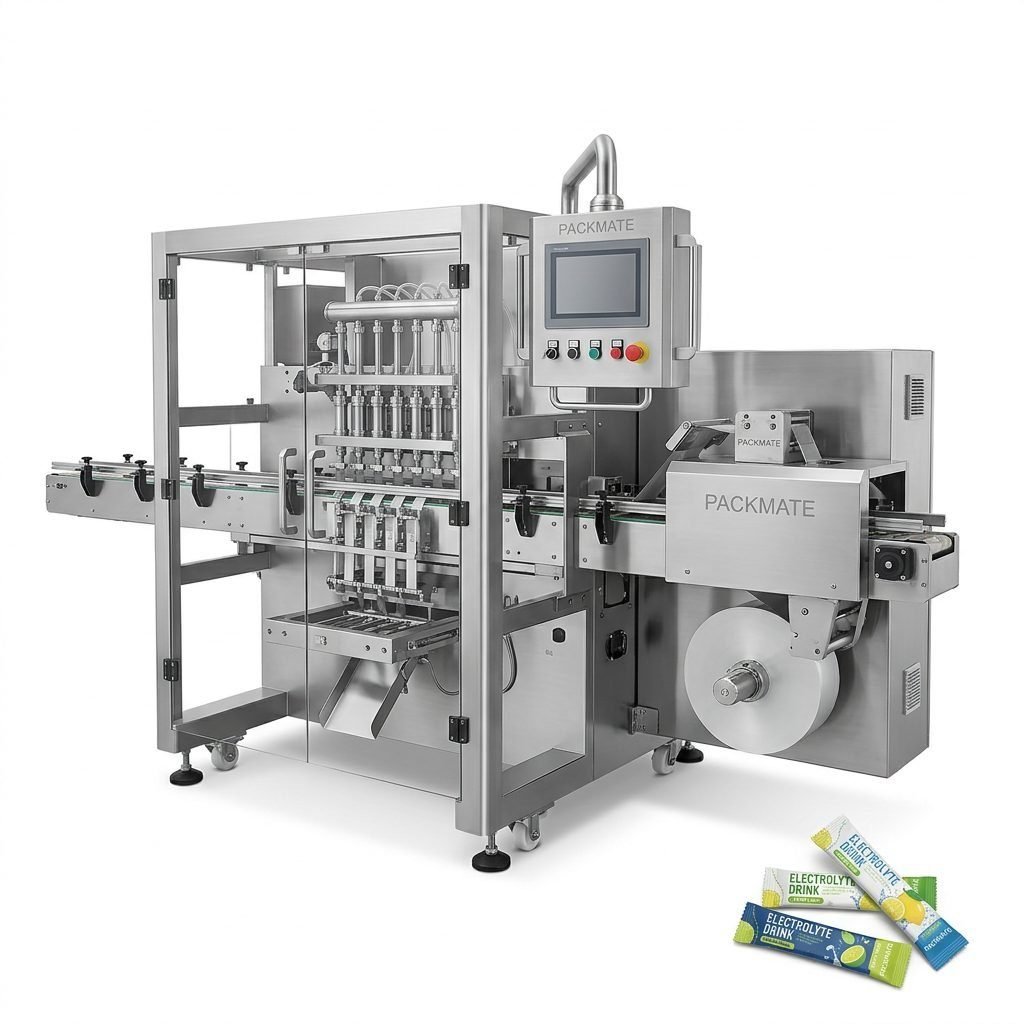
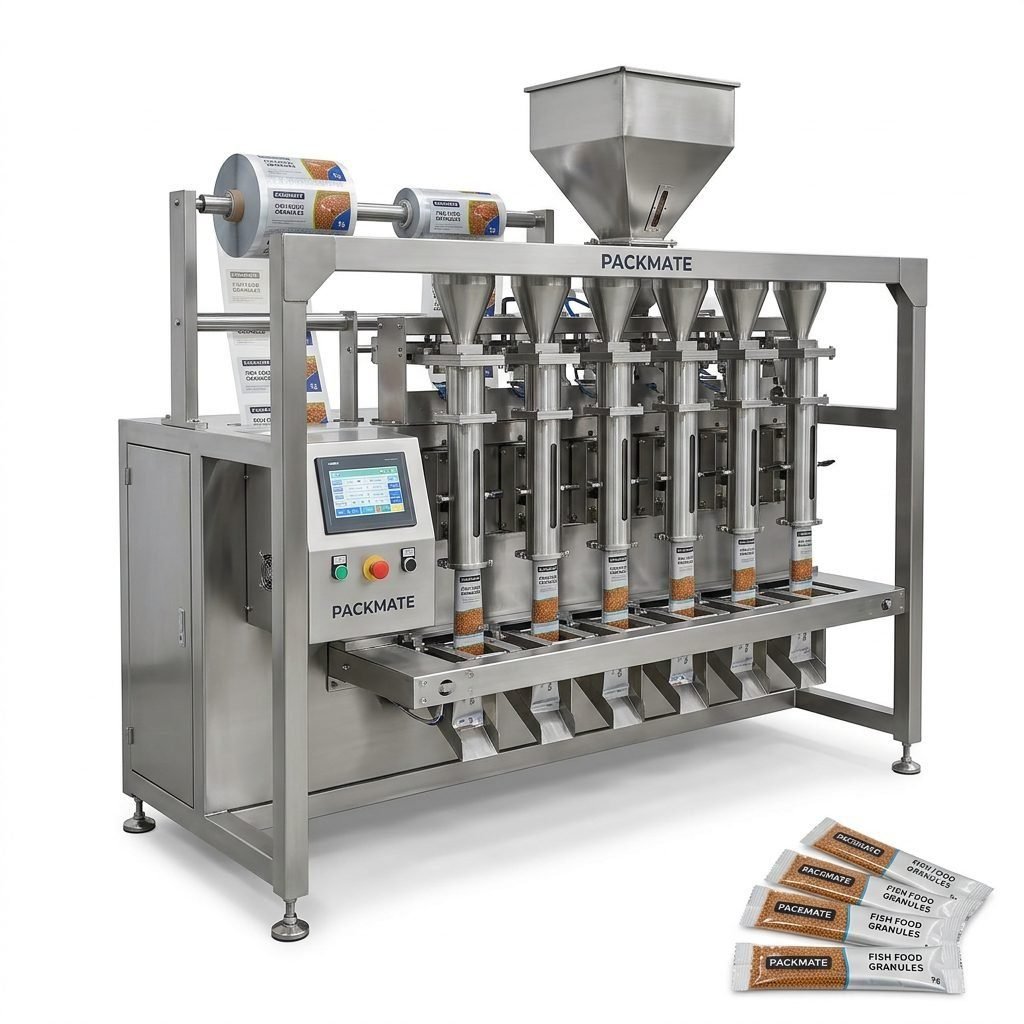
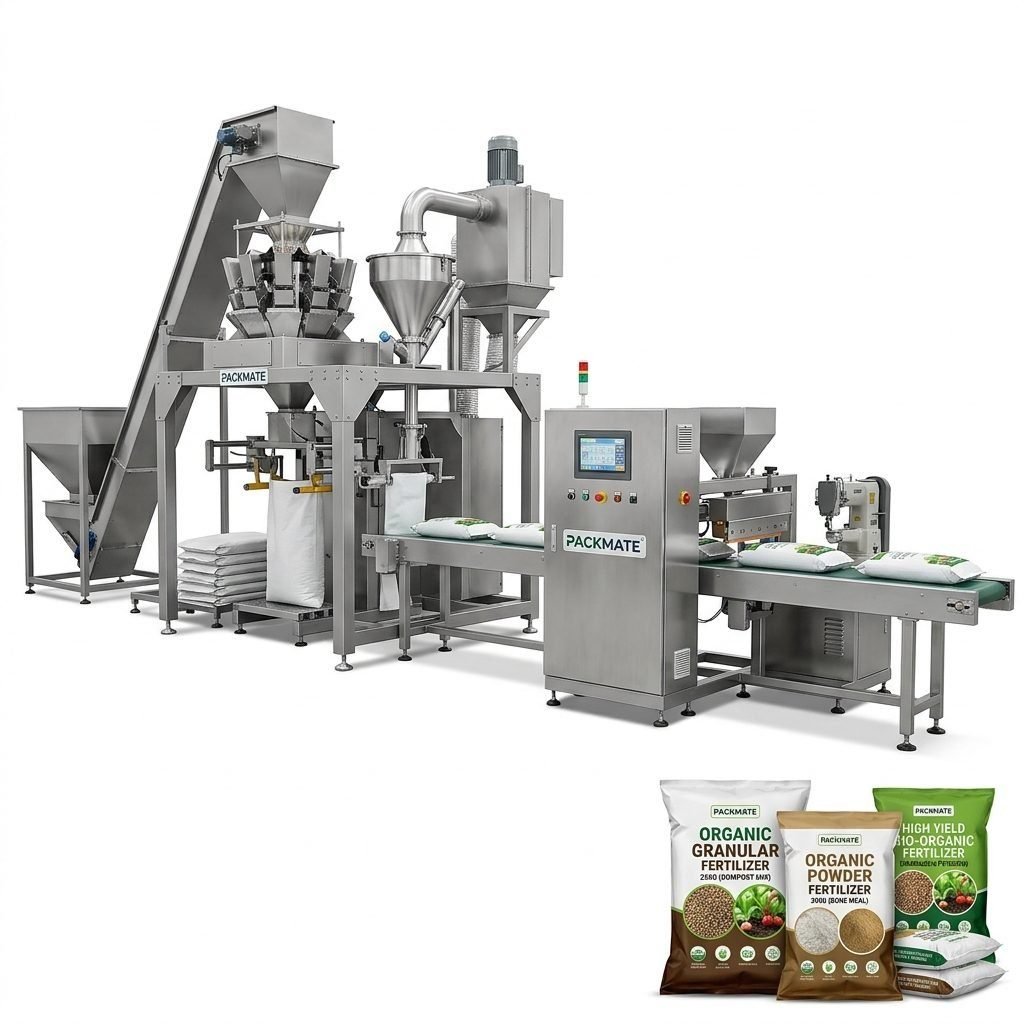
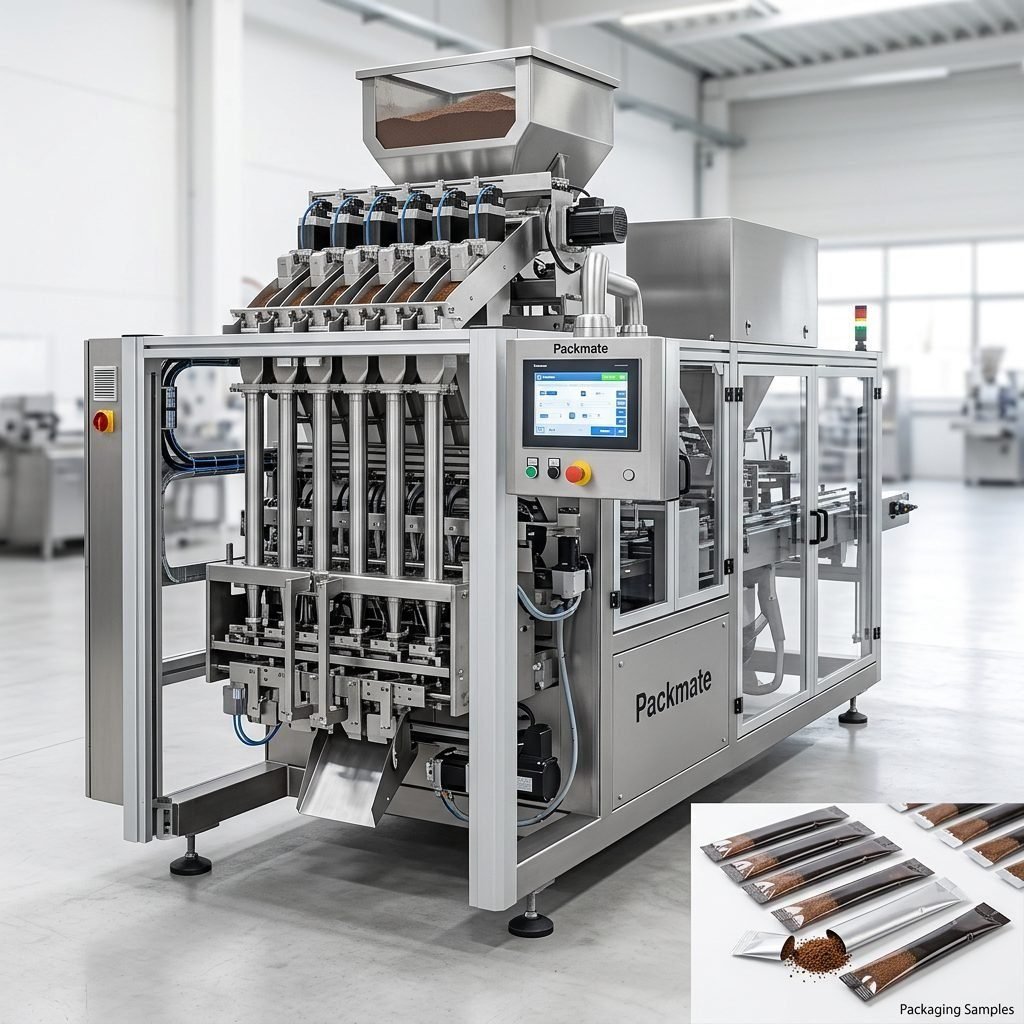
Operating for more than three decades, Packmate Machinery focuses on practical automation and stable performance. They offer over 80 machine models and are recognized for providing a good balance between cost efficiency and technical capability, which can be an attractive proposition for Gambian SMEs looking for reliable, value-oriented solutions.
3. PacklineOEM
As the name suggests, PacklineOEM specializes in turnkey packaging production lines. If your project involves setting up a fully automated, integrated packaging system from feeding to end-of-line, they are a strong candidate. Their focus on line integration is ideal for larger-scale operations or new factory setups aiming for high automation.
4. PackingMachineOEM
This manufacturer stands out for its strength in non-standard and customized packaging solutions. If your product or packaging requirement is unique and cannot be met by off-the-shelf machines, their engineering flexibility is a key advantage. They are a suitable partner for project-based, tailored equipment.
5. SnusMachinery
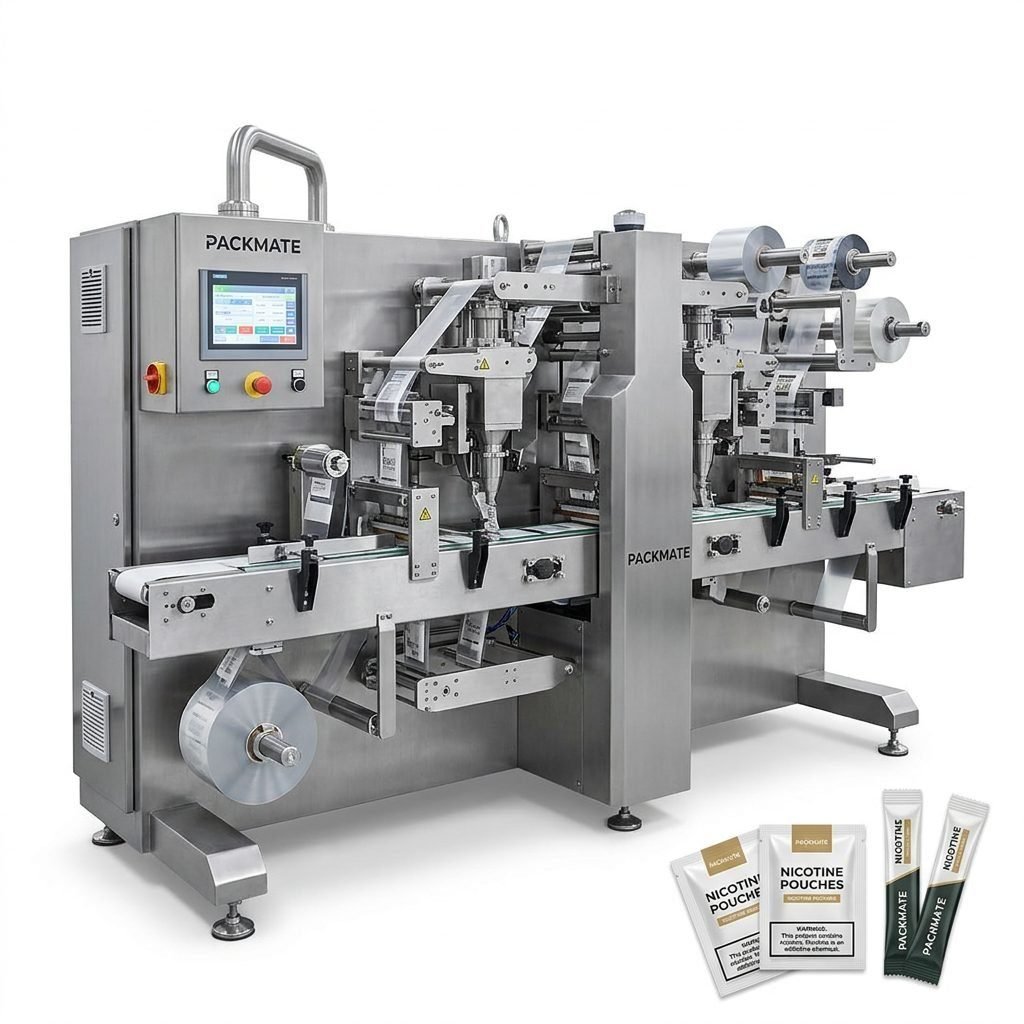
For businesses in specialized niches like nicotine pouch or snus packaging, SnusMachinery offers focused expertise. Their deep knowledge in high-performance pouch packaging for these specific applications can be invaluable, ensuring the machine is precisely engineered for the product’s requirements.
Final Steps Before Making a Decision
After narrowing down your options, take these final steps: request detailed quotations with a clear breakdown of costs, ask for a virtual or recorded machine demonstration running a product similar to yours, and thoroughly review the sales and service contract. Ensure all promises regarding training, warranty, and support are documented. A careful, methodical selection process will help you partner with a manufacturer that becomes a long-term asset to your business in The Gambia.
Frequently Asked Questions (FAQs)
What type of packaging machine is most common for Gambian food products like groundnut paste or spices?
For viscous products like groundnut paste or powdered spices, vertical form-fill-seal (VFFS) machines for sachets or pouches are very common. For granular products like rice or couscous, both VFFS and multi-lane stick pack machines can be suitable, depending on the desired portion size and production speed.
How important is after-sales service for a packaging machine in The Gambia?
It is absolutely critical. Given the distance from major manufacturing hubs, a breakdown without reliable support can be costly. Prioritize suppliers who offer remote troubleshooting, have a clear spare parts supply chain to West Africa, and provide comprehensive operator and maintenance training.
Can I get a machine customized for my specific packaging size and material?
Yes, many reputable manufacturers offer a degree of customization. This is a key strength of companies like PackingMachineOEM. You will need to provide detailed specifications of your product and packaging film to get an accurate quote for a customized solution.
What are the main challenges when importing machinery to The Gambia?
Key challenges include navigating customs clearance and import duties, ensuring the machine meets local electrical and safety standards, arranging inland transportation from the port (usually Banjul), and managing the technical installation with potentially limited local expertise. A good supplier should help guide you through these logistics.
Is it better to buy a new or used packaging machine?
For most businesses in The Gambia, a new machine from a reliable manufacturer is recommended. While used machines are cheaper upfront, they often come with unknown maintenance histories, higher risk of breakdown, and limited or no warranty. The guaranteed performance, warranty, and full technical support of a new machine typically provide better long-term value and lower operational risk.