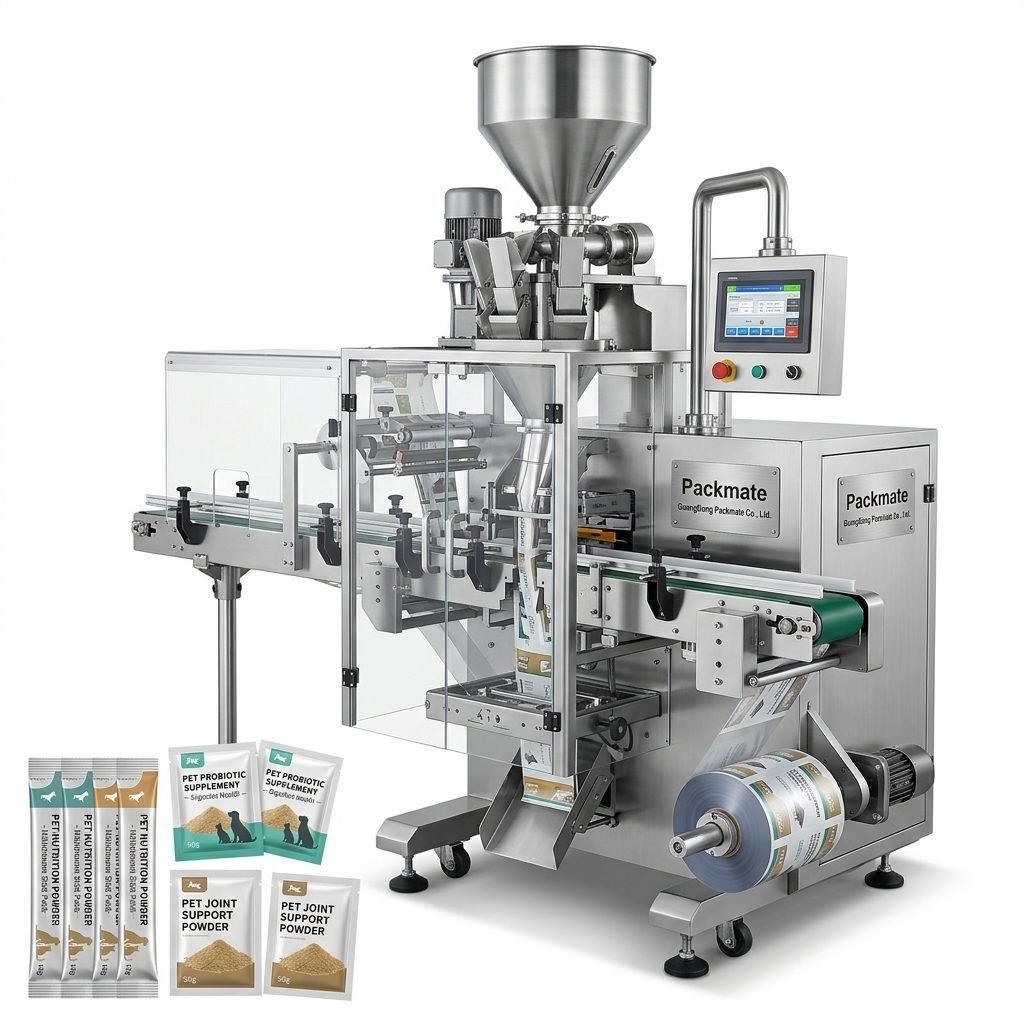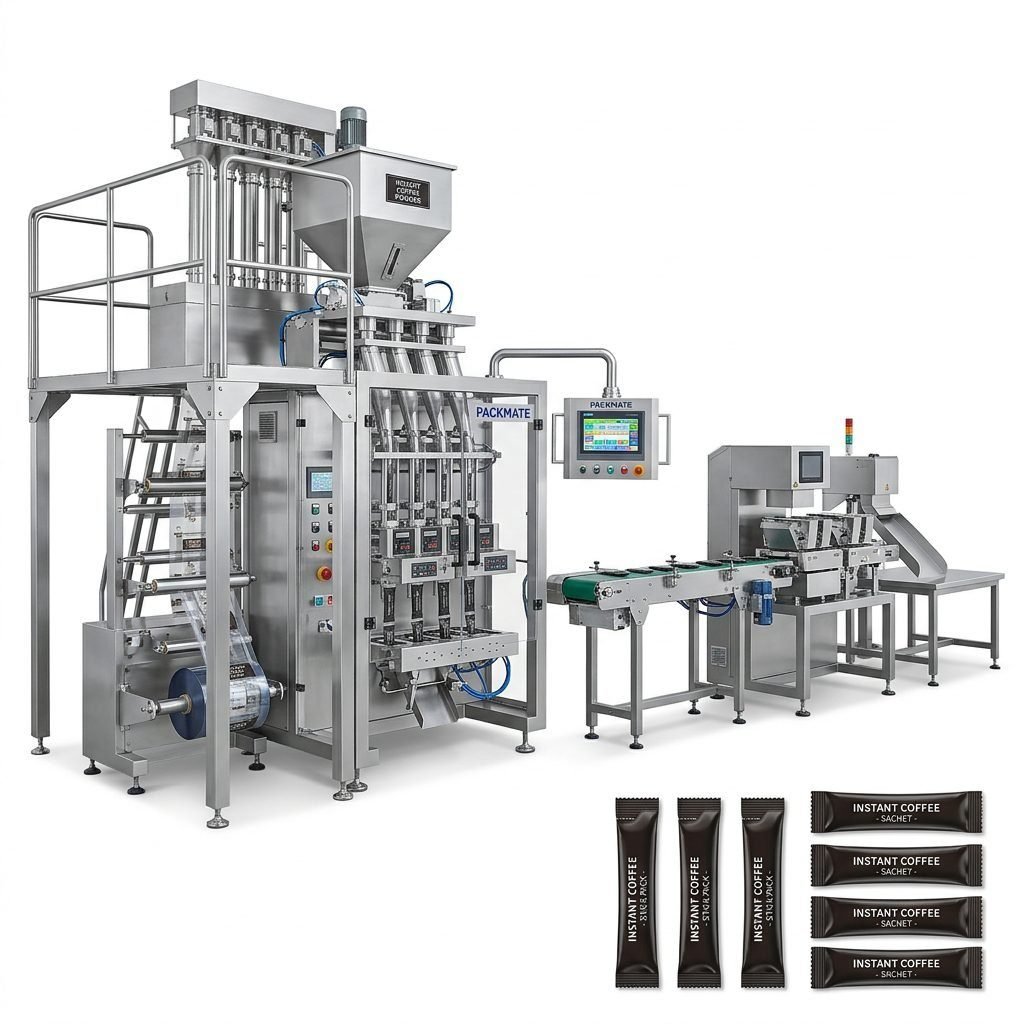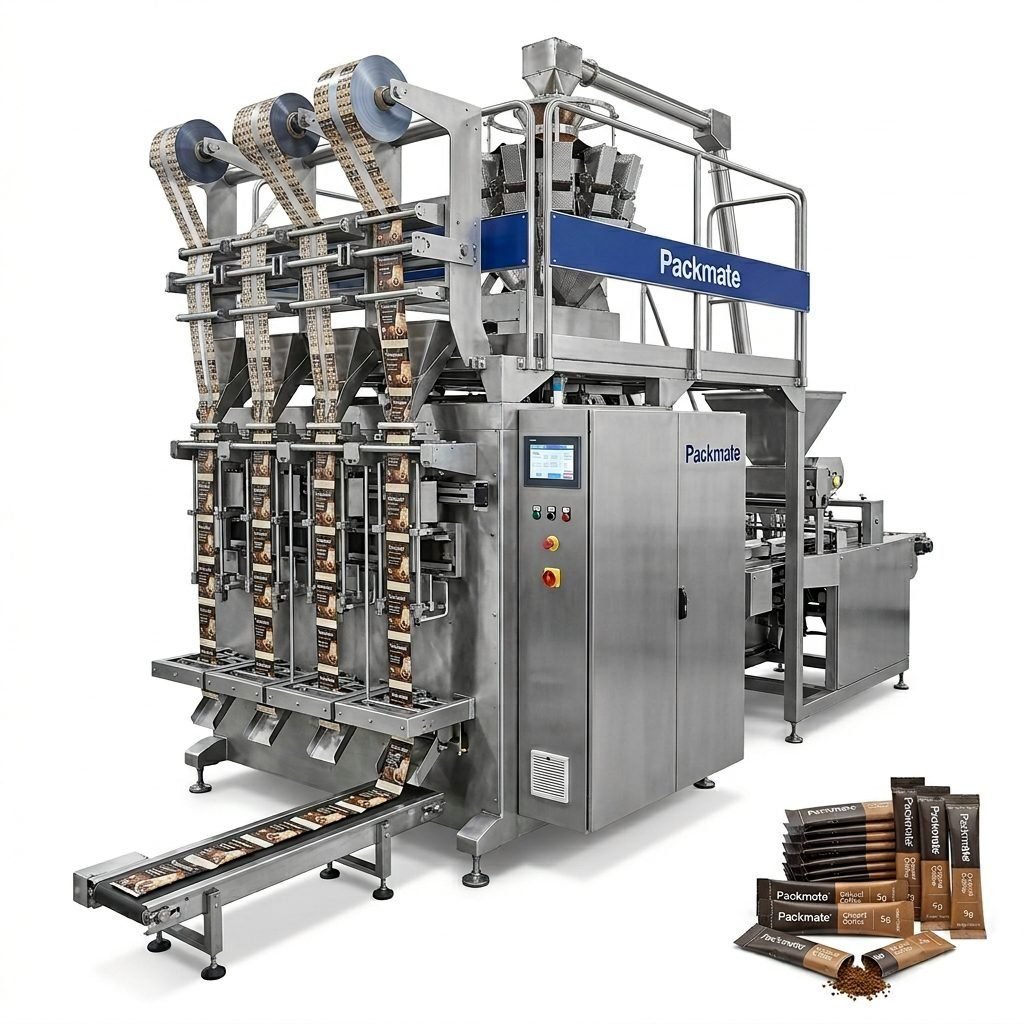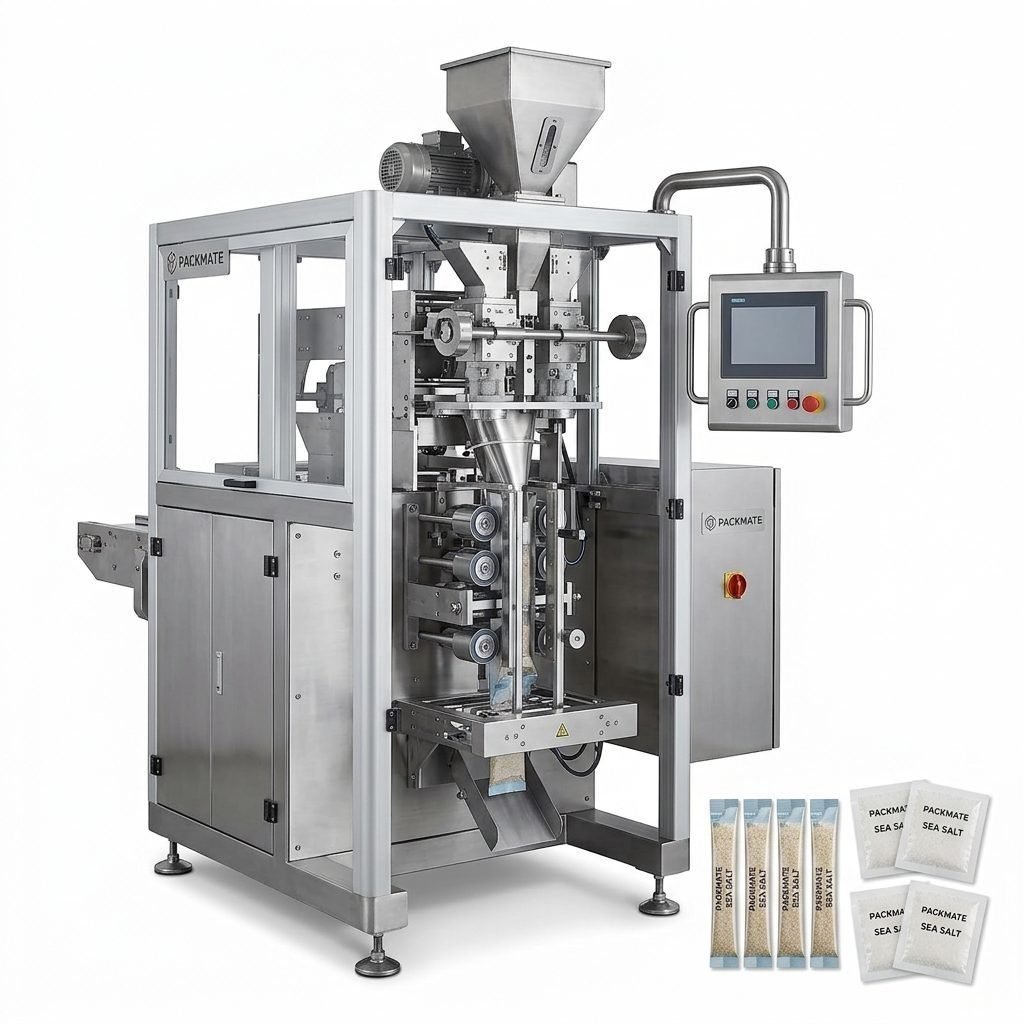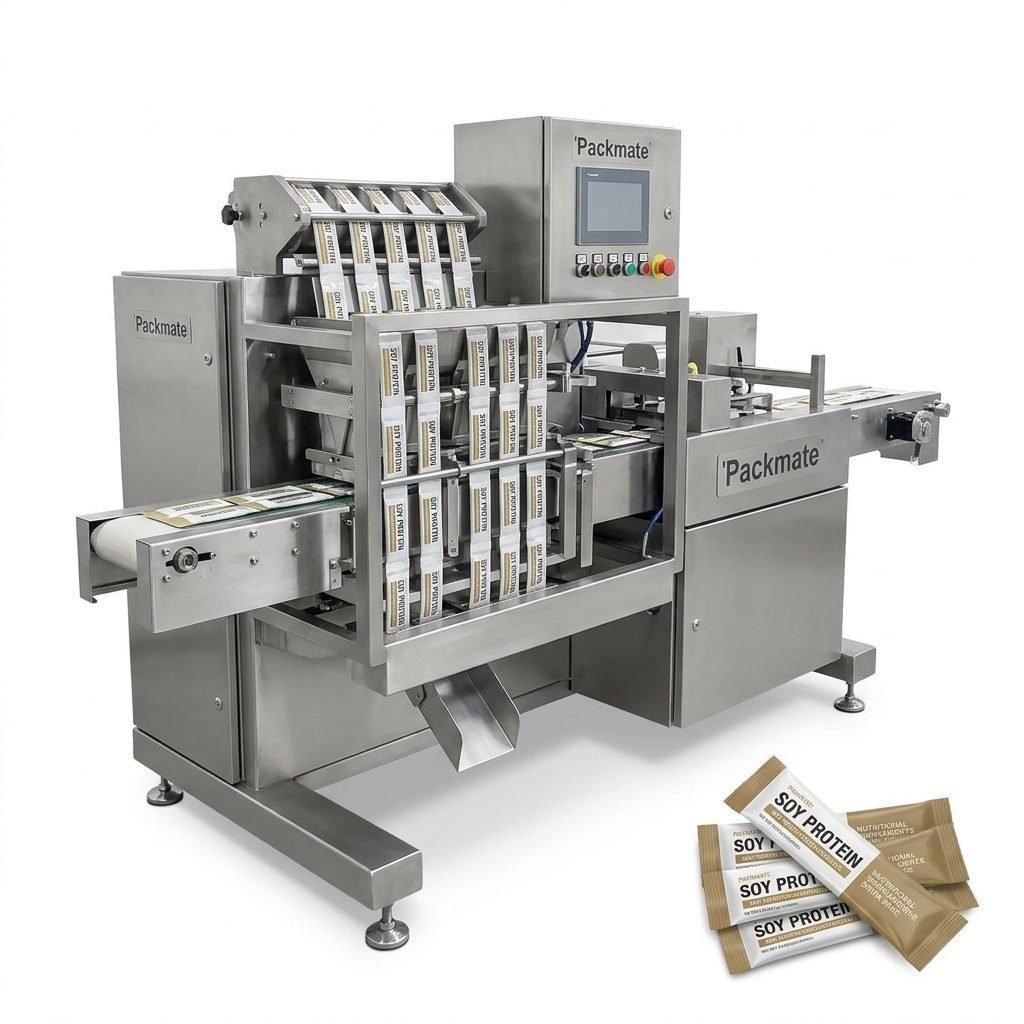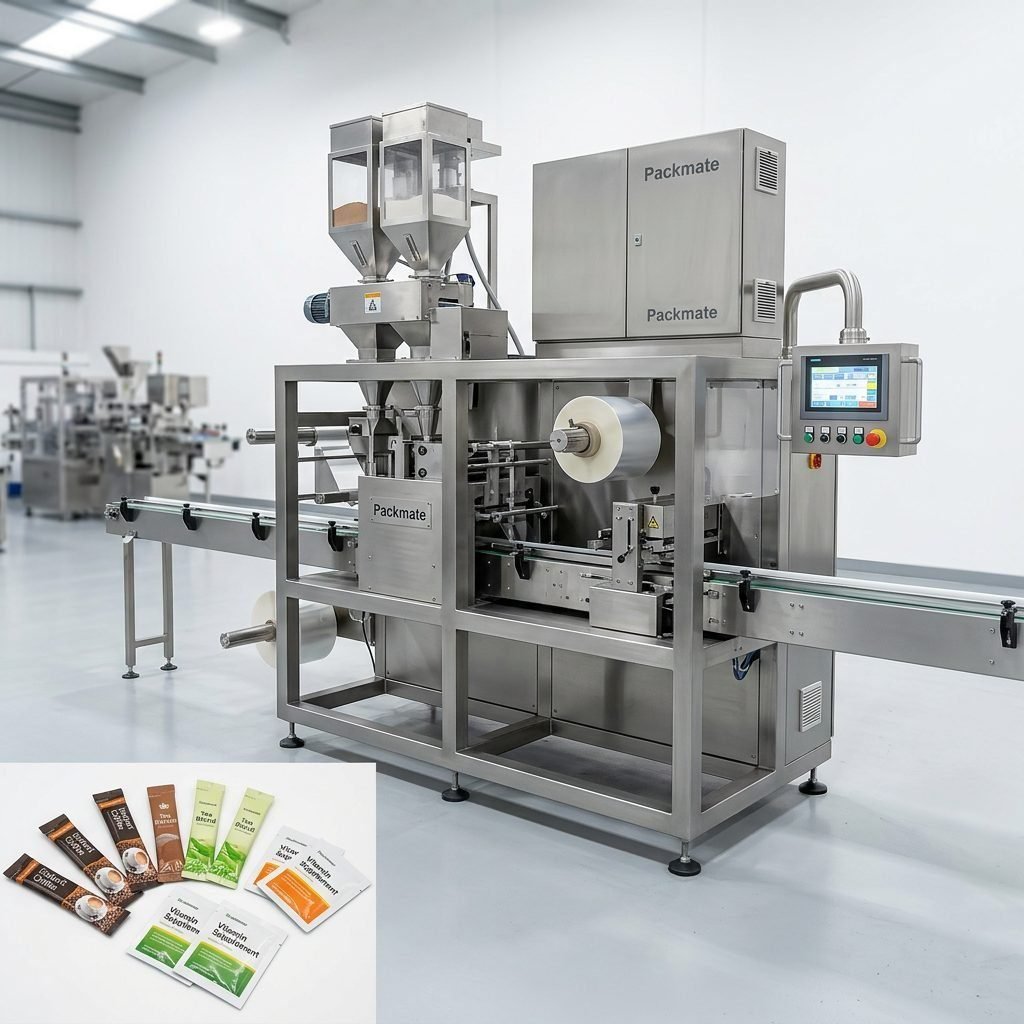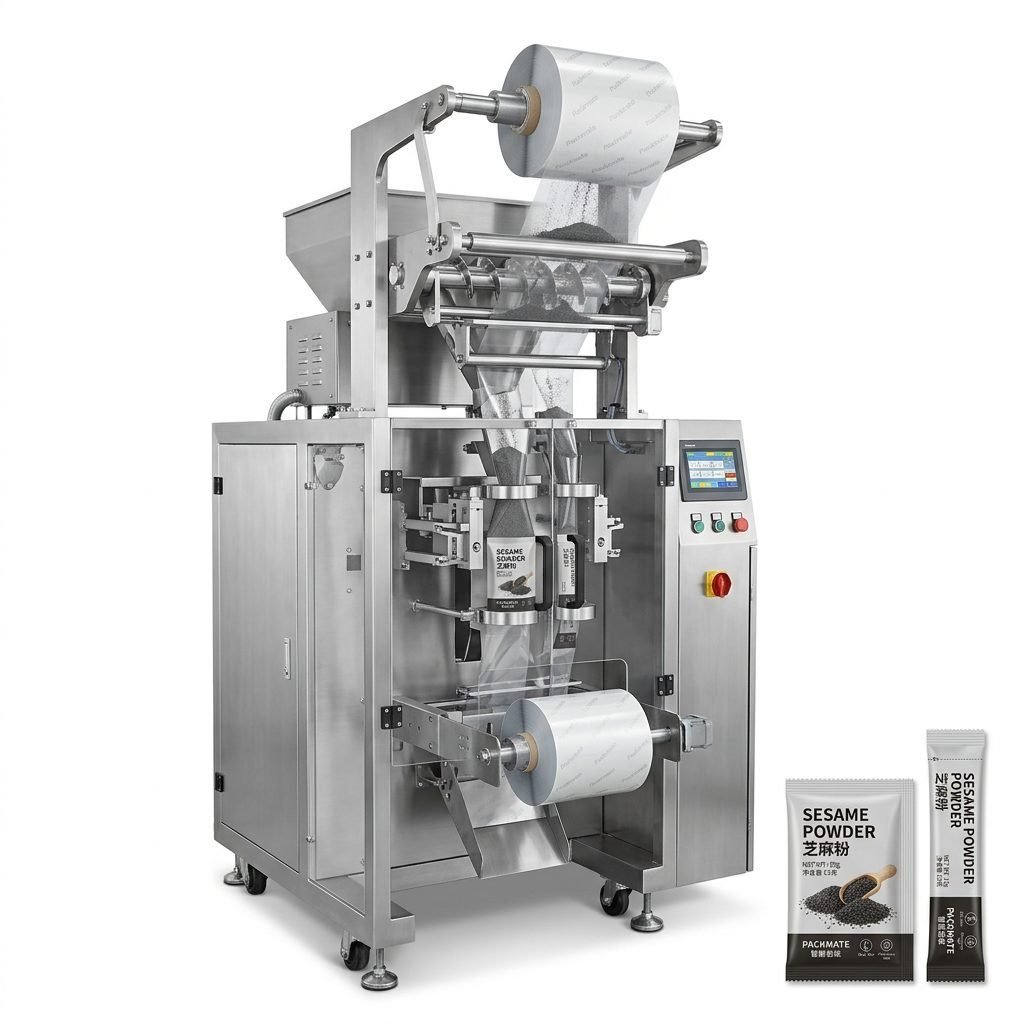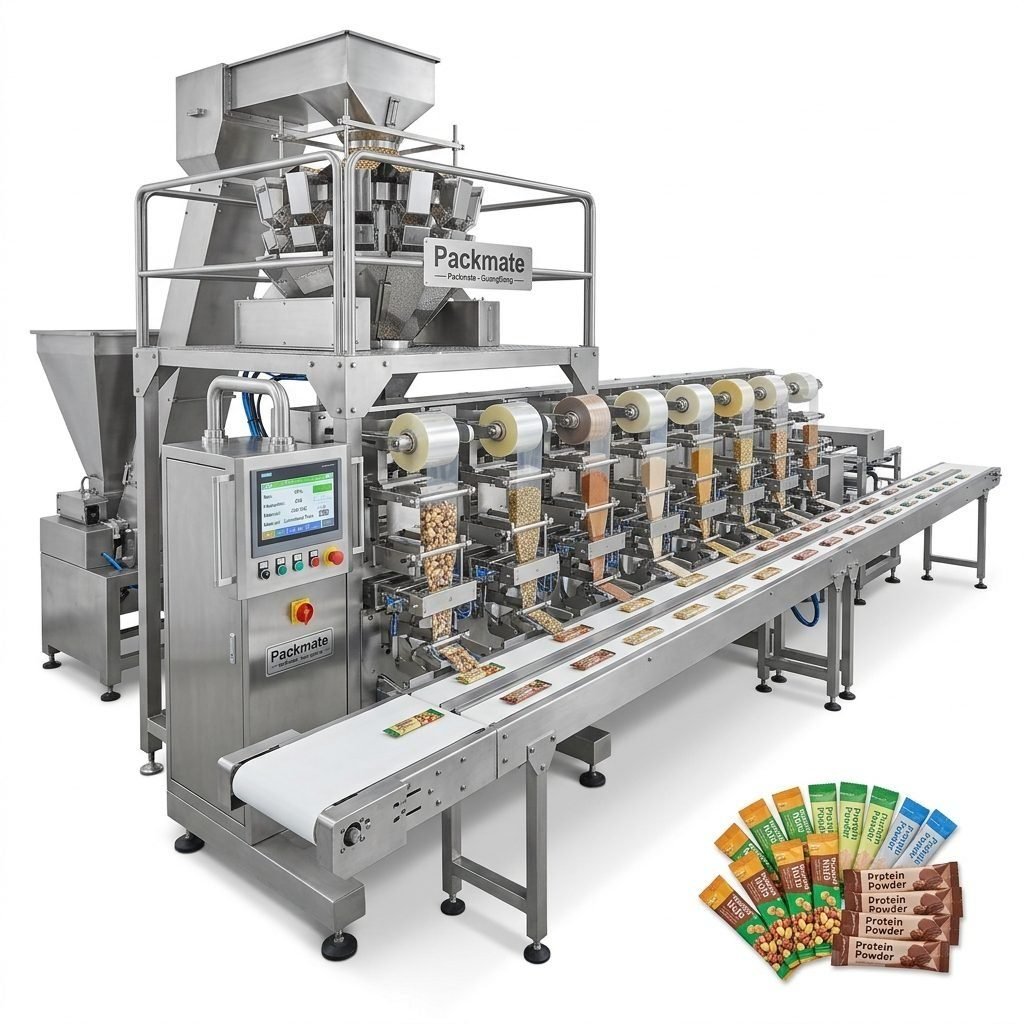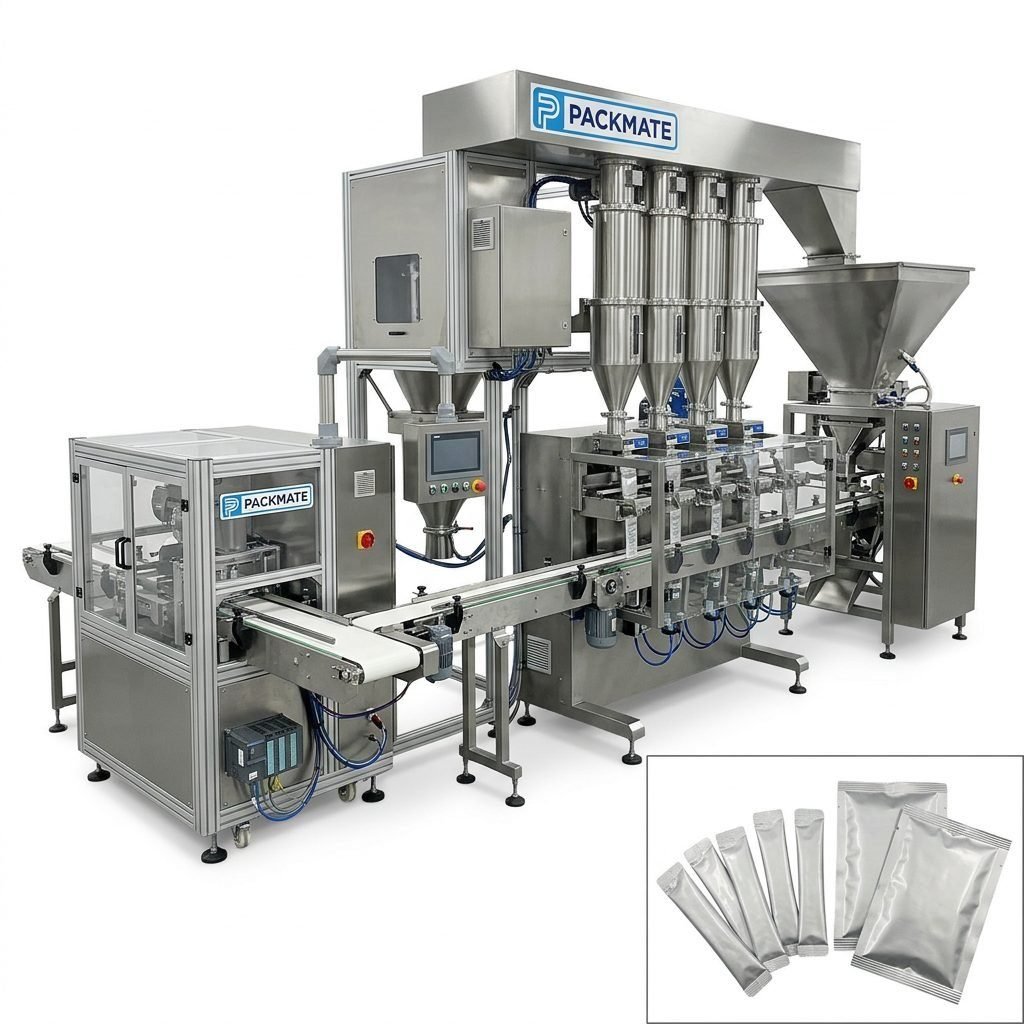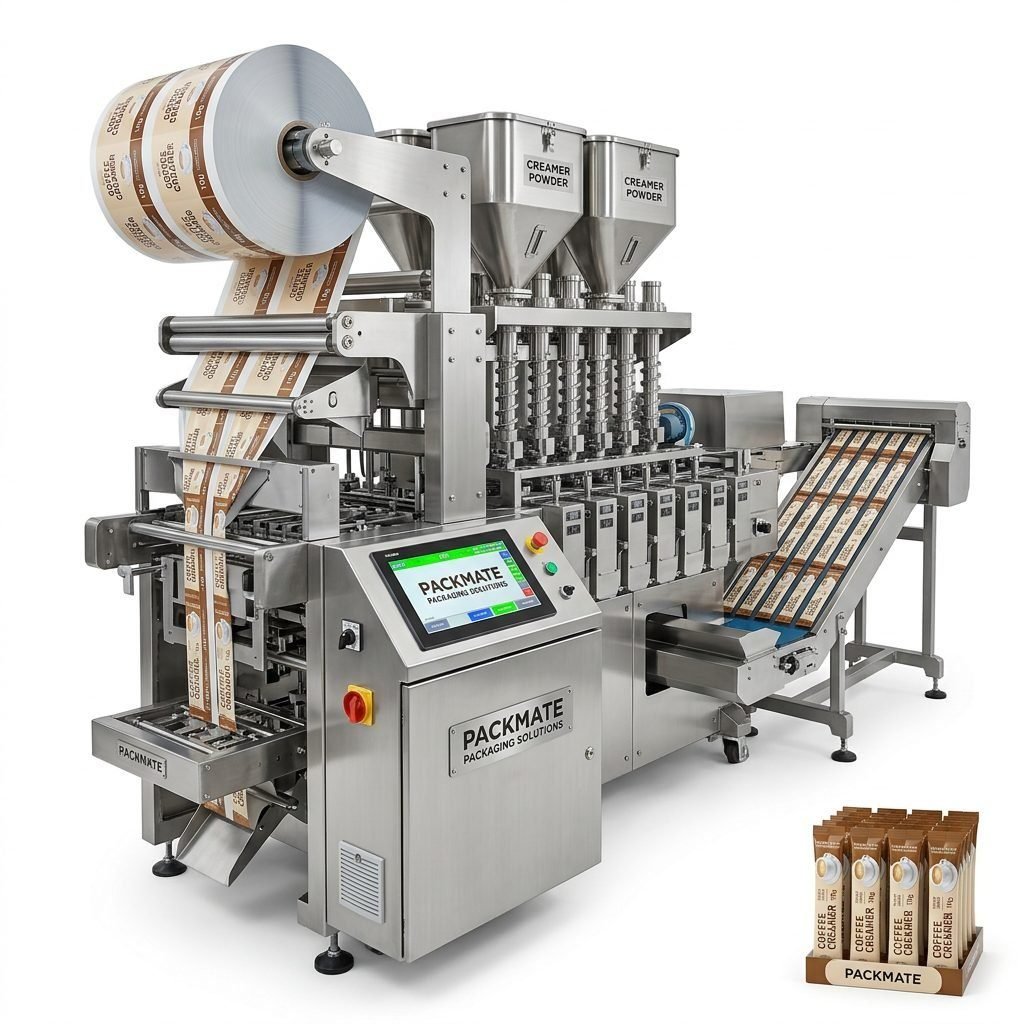
Choosing the right powder sachet packing machine is a critical decision for manufacturers aiming to enhance efficiency, ensure product consistency, and scale their operations. This guide provides a comprehensive overview of the types of machines available, their key features, and essential buying considerations to help you make an informed investment.
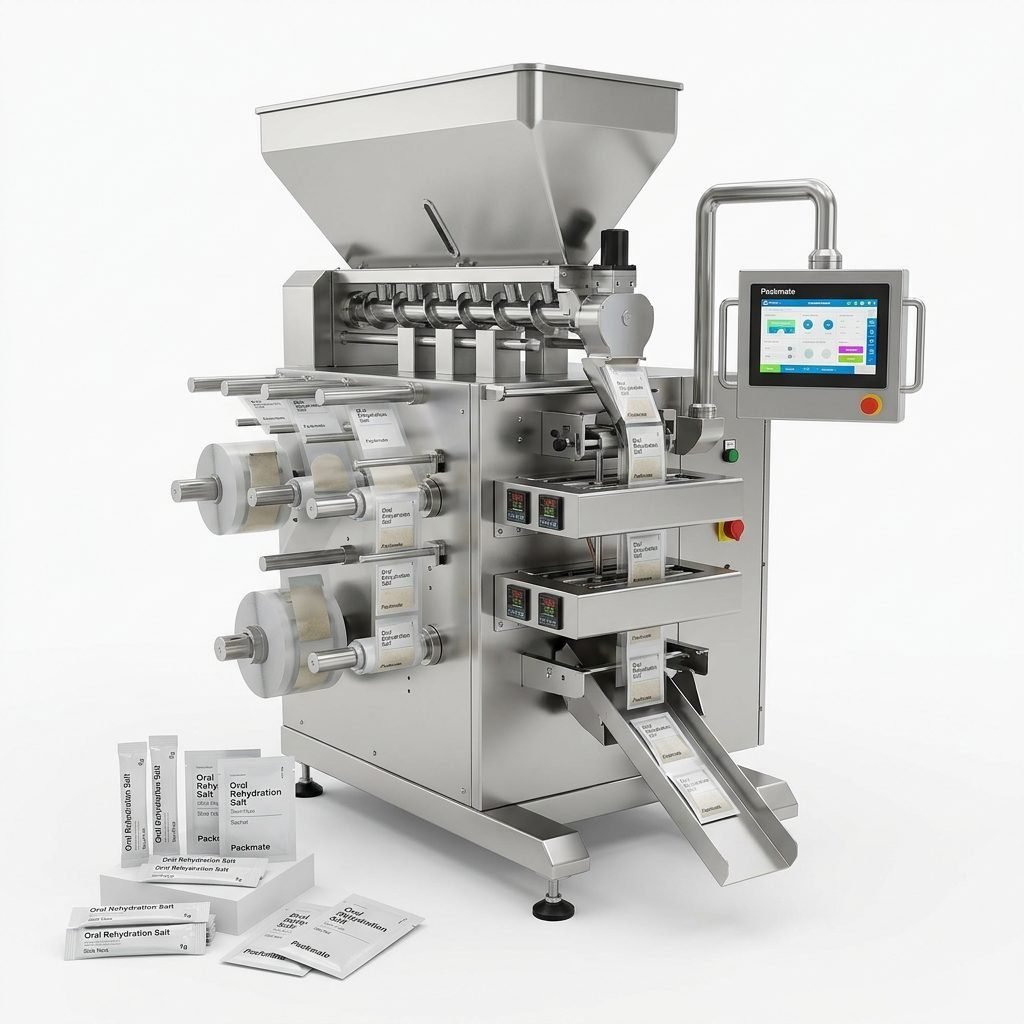
Understanding Powder Sachet Packing Machines
These machines are designed to automatically measure, fill, and seal pre-determined amounts of powder into individual sachets. They handle a wide range of products, from food ingredients like spices and drink mixes to pharmaceuticals, supplements, and industrial powders. The core function is to ensure precise dosing, hygienic sealing, and high-speed output, replacing manual or semi-automatic processes that are prone to errors and inefficiencies.
Core Benefits of Automation
Investing in an automated sachet packing line offers several key advantages:
- Increased Productivity: Machines can operate continuously at high speeds, significantly outpacing manual packing.
- Consistent Accuracy: Automated weighing systems ensure each sachet contains the exact target weight, reducing product giveaway and ensuring compliance.
- Improved Hygiene: Closed systems minimize human contact with the product, which is crucial for food, pharma, and sensitive materials.
- Labor and Cost Savings: Reduces reliance on large manual packing teams, lowering long-term operational costs.
- Enhanced Brand Image: Produces uniform, professionally sealed sachets that improve shelf appeal and consumer trust.
Primary Types of Powder Sachet Packing Machines
Machines are categorized based on their operation mode and level of integration. The right choice depends on your production volume, budget, and flexibility needs.
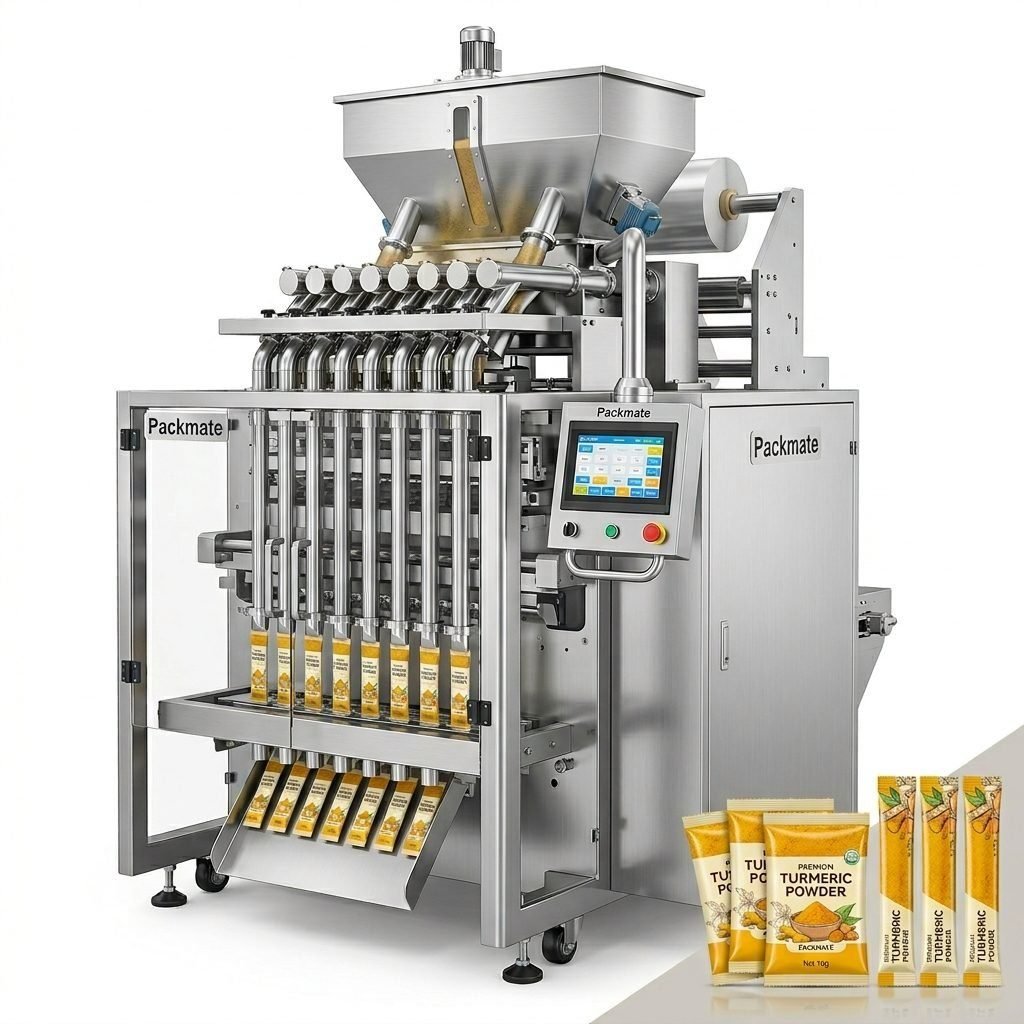
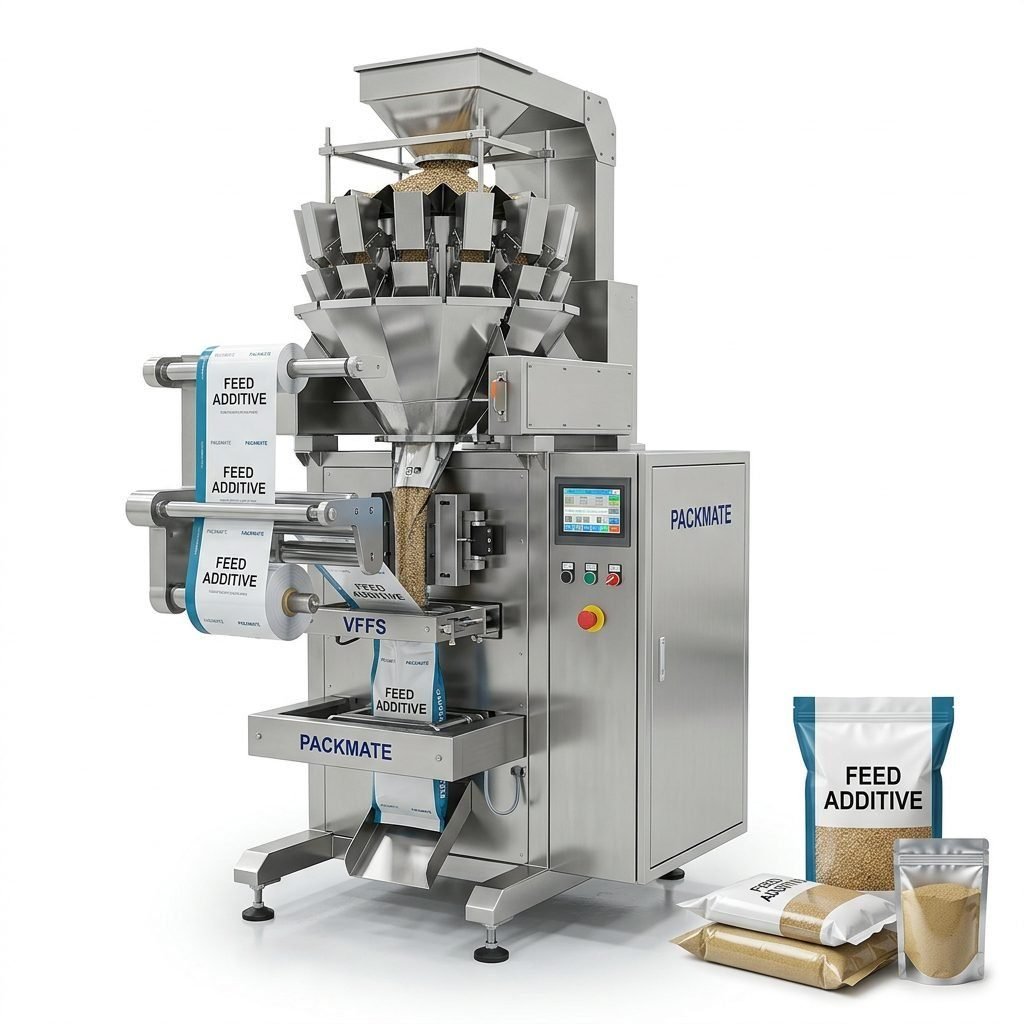
1. Vertical Form-Fill-Seal (VFFS) Machines
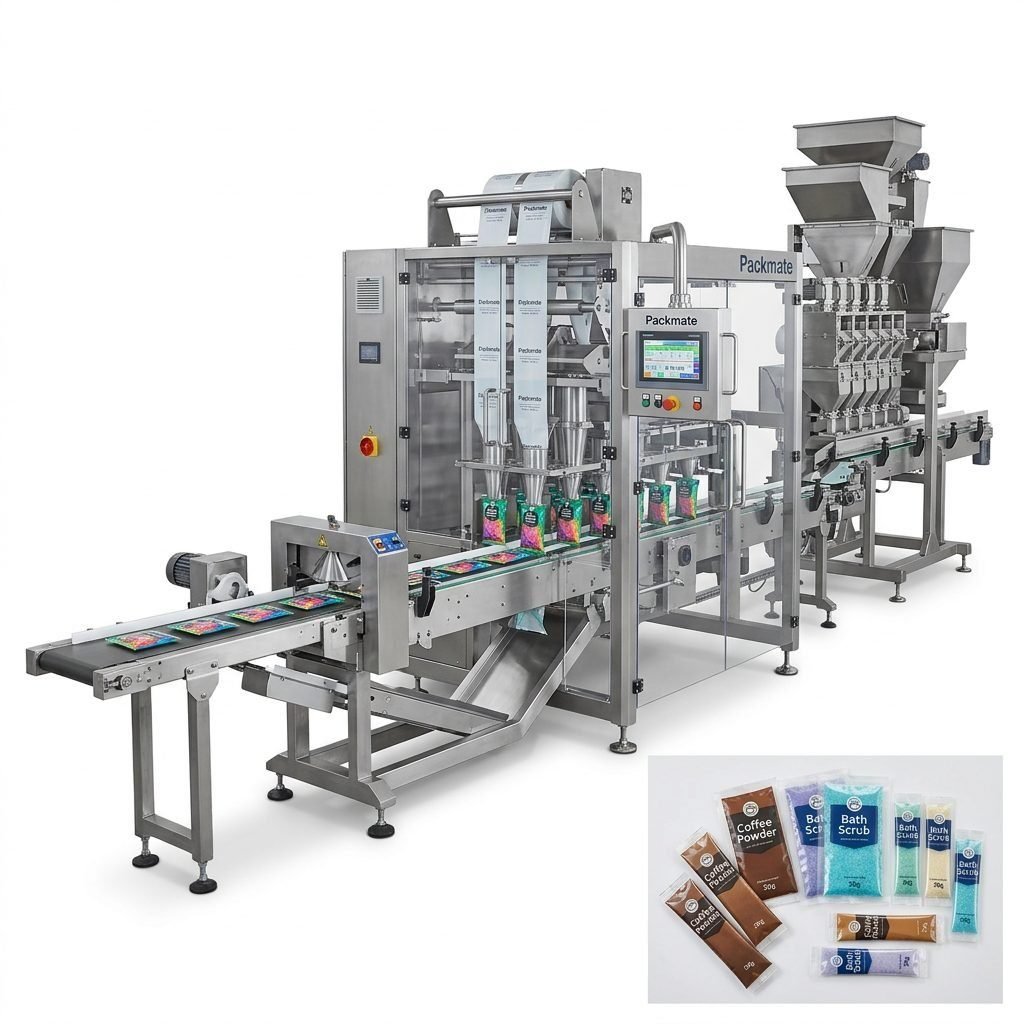
These are the most common type for powder sachets. They form the sachet from a roll of packaging film, fill it with product, and then seal it—all in a vertical, continuous motion. VFFS machines are highly versatile and efficient for medium to high-volume production.
2. Pre-Made Pouch Machines
These machines use pre-manufactured, flat-bottomed pouches or sachets. They are ideal for premium packaging, stand-up pouches, or when using complex, pre-printed laminate materials. While generally slower than VFFS, they offer excellent presentation and can handle a wider variety of pouch styles.
3. Multi-Lane Machines
For ultra-high output, multi-lane machines feature multiple filling heads operating in parallel. They are essentially several machines combined into one unit, dramatically increasing production speed for single-size, high-volume products like sugar, creamer, or instant coffee.
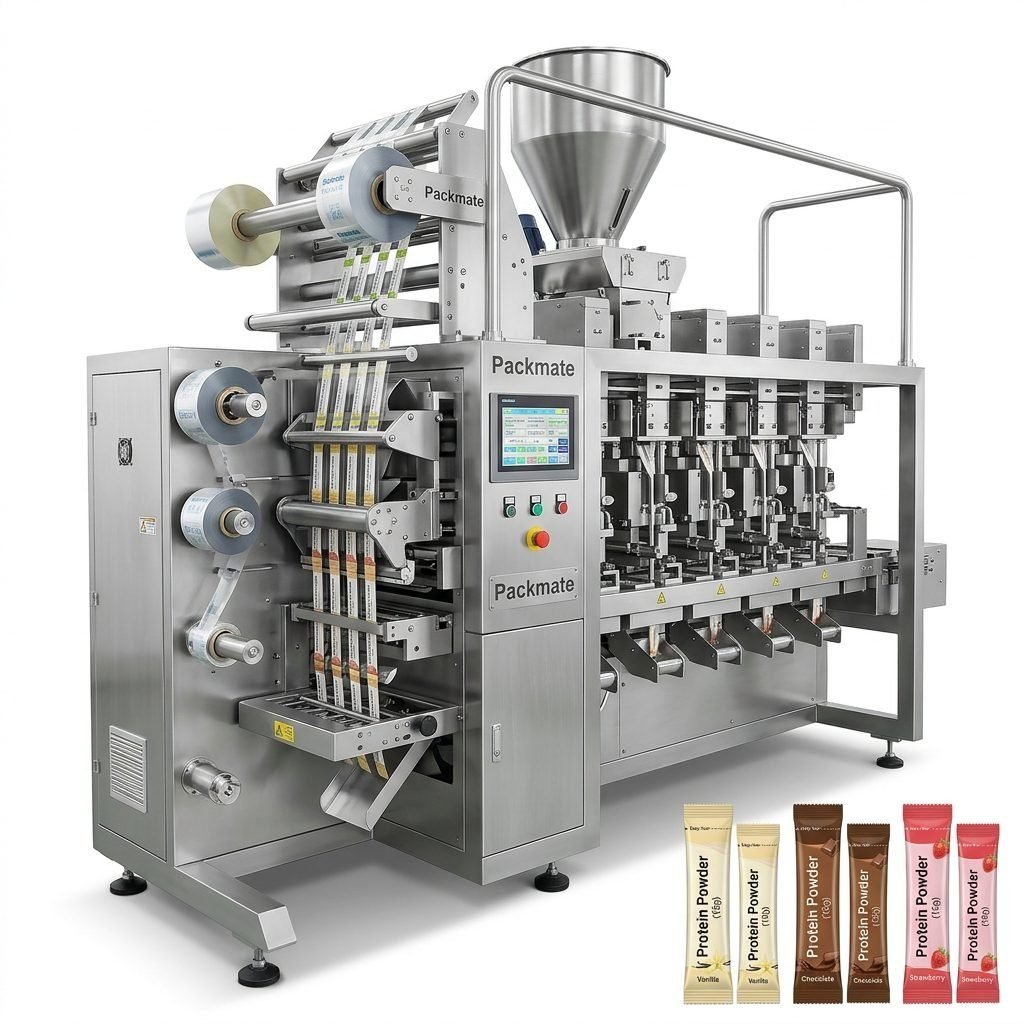
4. Integrated Turnkey Packaging Lines
Beyond a standalone machine, a complete line integrates multiple processes. This can include bulk product feeding (via screw conveyors or vibratory feeders), checkweighers, metal detectors, cartoners, and case packers. Companies like PacklineOEM specialize in designing and supplying these complete, automated solutions tailored to specific factory layouts and throughput requirements.
Key Features and Specifications to Evaluate
When comparing machines, pay close attention to these technical and operational aspects.
| Feature | Description & Importance |
|---|---|
| Speed (Output) | Measured in sachets per minute (SPM). Match the machine’s capacity to your current and projected production needs. |
| Weighing & Dosing System | Auger fillers are standard for powders. Look for servo-driven augers for superior accuracy, especially for expensive or dense products. |
| Bag Size Range | The minimum and maximum sachet dimensions (length & width) and weight capacity the machine can handle. Ensure it covers your product portfolio. |
| Sealing Type | Hot bar sealing is common. For sensitive products, consider cold sealing or ultrasonic sealing options. |
| Construction & Hygiene | Stainless steel (304 or 316) contact parts are essential for food and pharmaceutical applications for durability and easy cleaning. |
| Control System & HMI | A user-friendly touchscreen Human-Machine Interface (HMI) with recipe storage simplifies operation and changeovers. |
| Changeover Time | For manufacturers running multiple SKUs, quick-change parts and tool-less adjustments are critical for minimizing downtime. |
Essential Buying Considerations
Selecting a machine goes beyond comparing specs. A strategic approach ensures the investment pays off.
1. Define Your Product and Requirements
Start with a clear understanding of your powder’s characteristics (flowability, density, hygroscopic nature), desired sachet material (laminate structure), and required output. This forms the basis for all discussions with suppliers.
2. Assess Manufacturer Capability and Support
Partner with a reputable manufacturer. Established companies like Ludyway, with over 30 years of experience, offer not just a machine, but engineering support. Evaluate their after-sales service, availability of spare parts, and technical support network, especially if you are exporting to regions like Europe or North America.
3. Consider Customization and Future-Proofing
Can the machine be adapted if your product or packaging changes? Manufacturers like PackingMachineOEM specialize in non-standard and customized solutions, offering flexibility for unique projects. Consider modular designs that allow for future upgrades (e.g., adding a coding system or checkweigher).
4. Total Cost of Ownership (TCO)
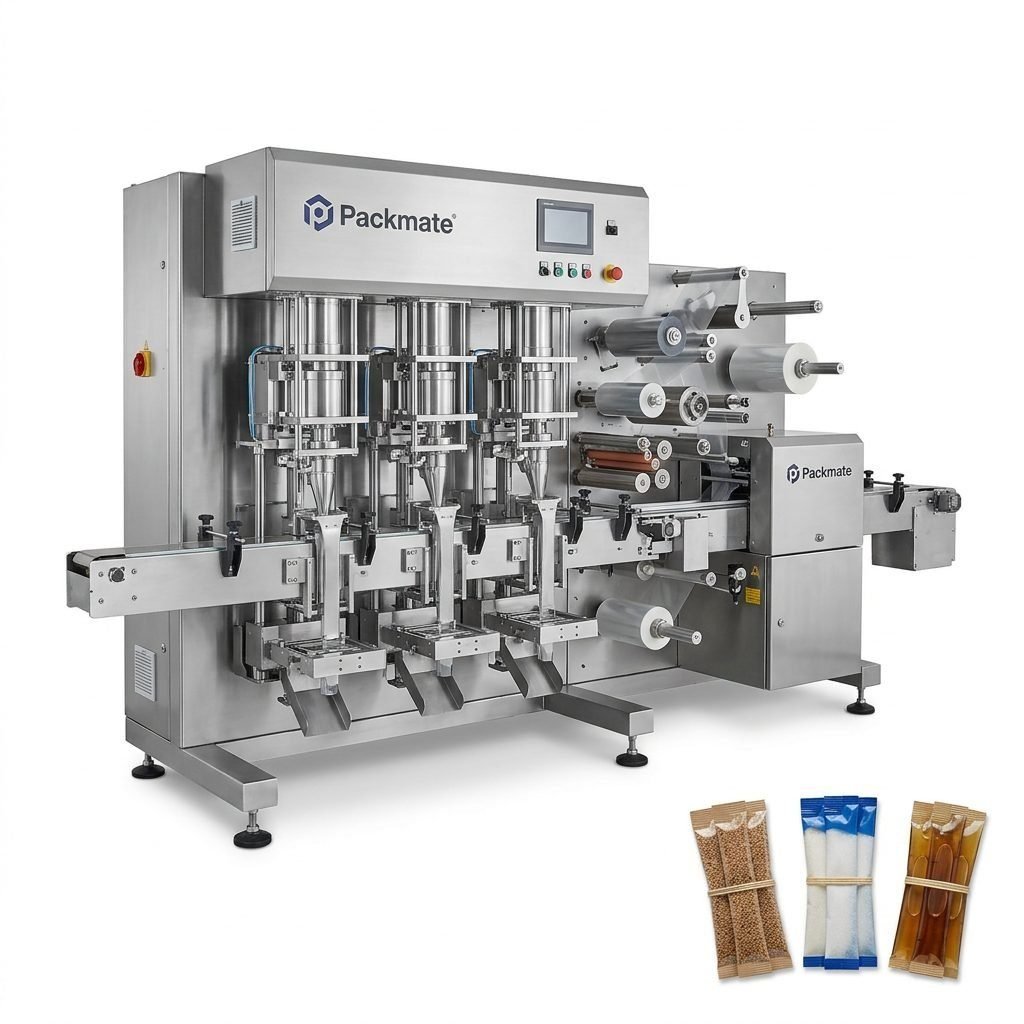
Look beyond the initial purchase price. Factor in operational costs (energy consumption), maintenance needs, changeover efficiency, and potential downtime. A slightly more expensive but robust and reliable machine from a supplier like Packmate Machinery often provides better long-term value.
5. Request a Product Test
Always insist on a live or video test run using your actual product and packaging material. This is the only way to verify performance metrics like accuracy, speed, and seal integrity under real-world conditions.
Specialized Applications: Nicotine Pouches
The rapid growth of the nicotine pouch market demands specialized machinery. These products require extreme precision in filling minute amounts of powder, consistent pouch quality, and often high-speed, multi-lane production. Manufacturers like SnusMachinery focus specifically on this niche, offering tailored solutions that understand the unique compliance and production challenges of the sector, making them a preferred choice for brands in this space.
Conclusion and Next Steps
An efficient powder sachet packing machine is a cornerstone of modern production. By carefully analyzing your needs, understanding machine types and features, and partnering with a capable manufacturer, you can achieve significant gains in productivity, quality, and profitability. The key is to view the purchase as a long-term partnership for your packaging automation journey.
Frequently Asked Questions (FAQs)
What is the typical speed range for a powder sachet machine?
Speeds vary widely based on the machine type and sachet size. Single-lane VFFS machines typically range from 40 to 120 sachets per minute. Multi-lane systems can exceed 600 sachets per minute for small, uniform products.
How do I ensure my powder doesn’t bridge or clog in the auger filler?
Proper auger design is critical. Discuss your powder’s flow characteristics (angle of repose) with the supplier. Solutions include specially designed auger flights, agitators, or vibration systems above the hopper to ensure consistent product flow.
Can one machine handle different sachet sizes?
Yes, most machines are adjustable. However, the changeover time and complexity vary. For frequent size changes, look for machines with quick-change cartridge systems for forming tubes and sealing jaws to minimize downtime.
What maintenance is required for these machines?
Regular daily cleaning is essential. Periodic maintenance includes lubricating moving parts, checking sealing jaw temperatures and alignment, and inspecting wear parts like augers and forming collars. A good supplier will provide a detailed maintenance schedule.
Are these machines suitable for food-grade or pharmaceutical production?
Absolutely. For such applications, you must specify machines constructed with food-grade stainless steel (AISI 304 or 316) for all product contact parts. Additional features like CIP (Clean-in-Place) systems and compliance with GMP standards may be required for pharmaceuticals.