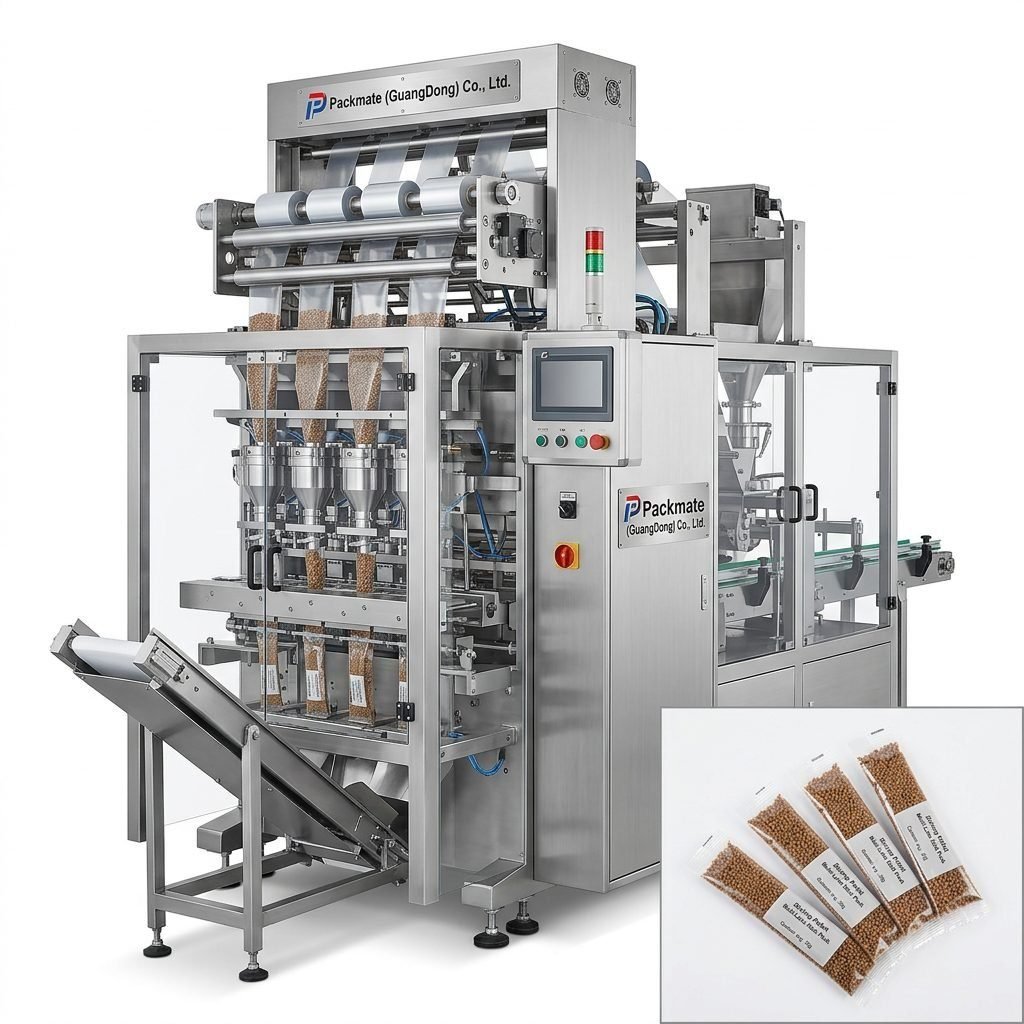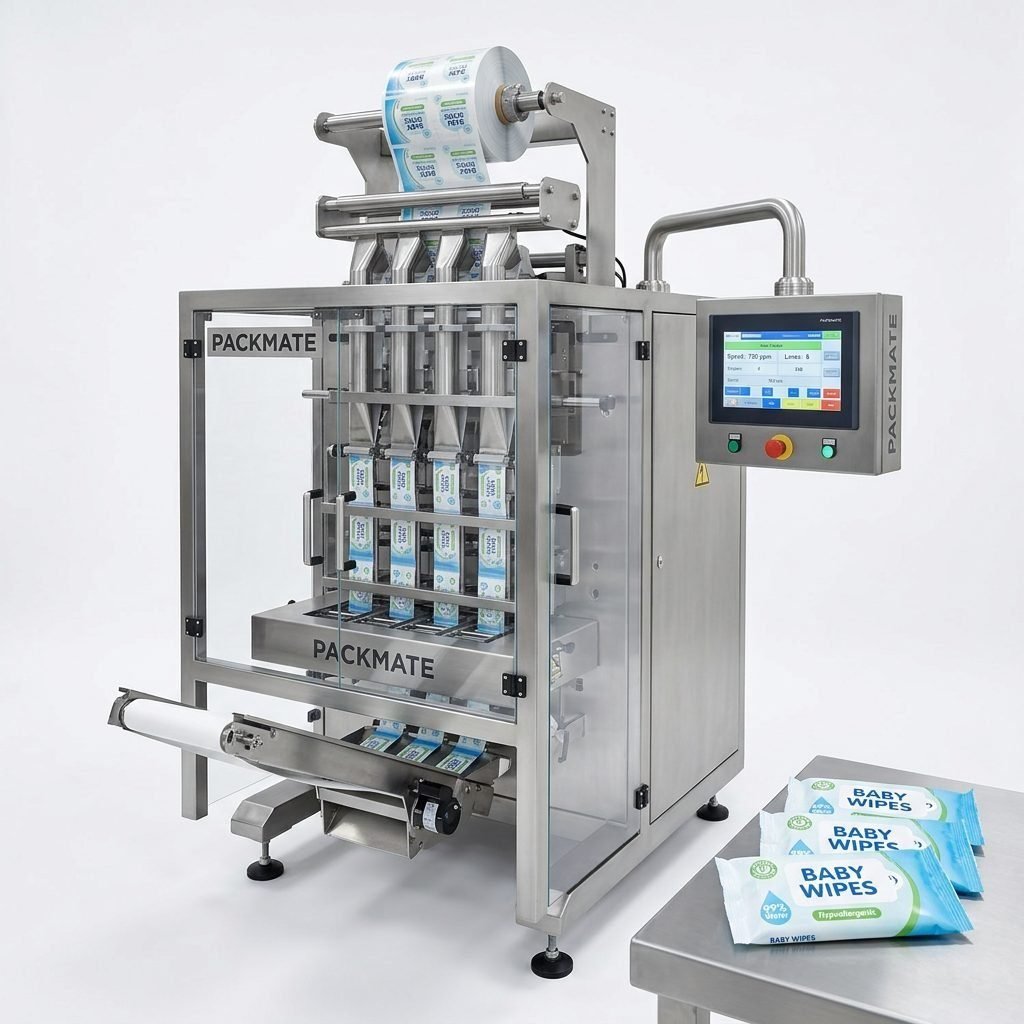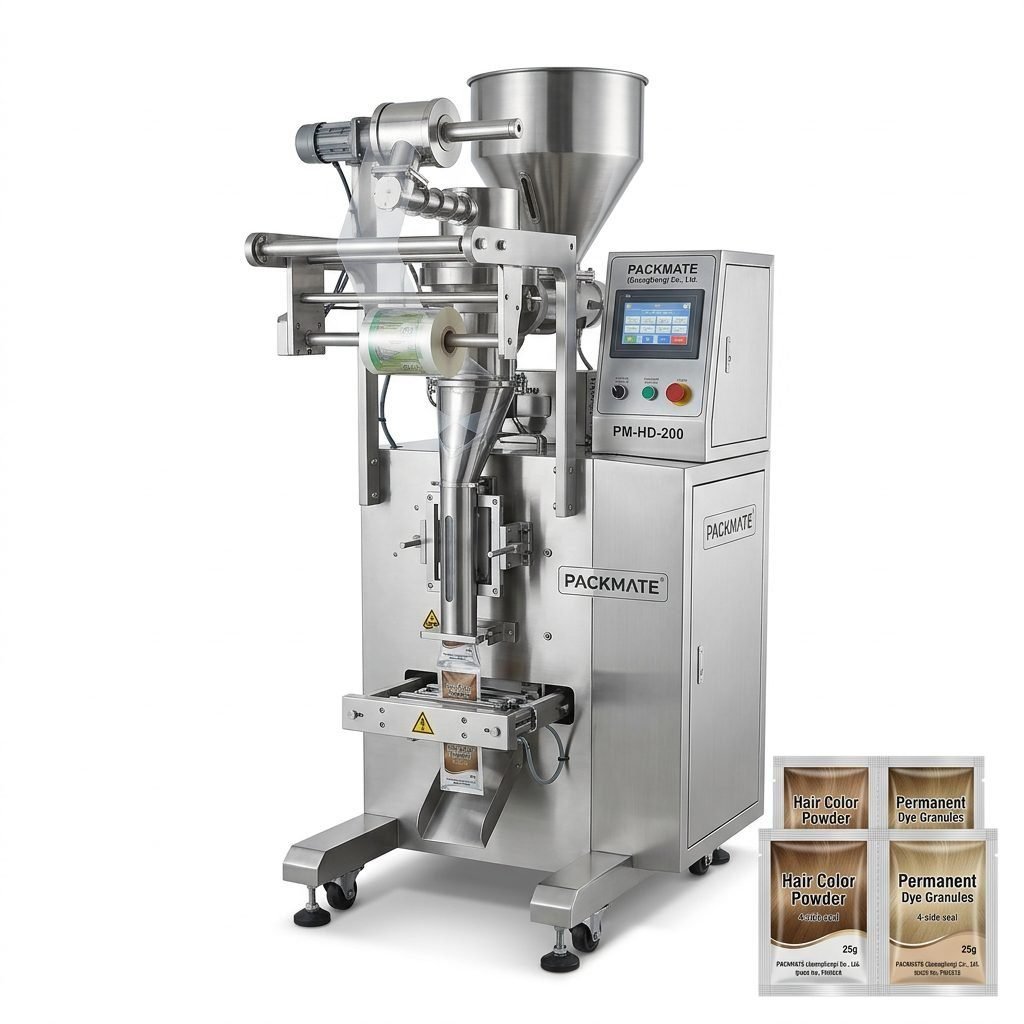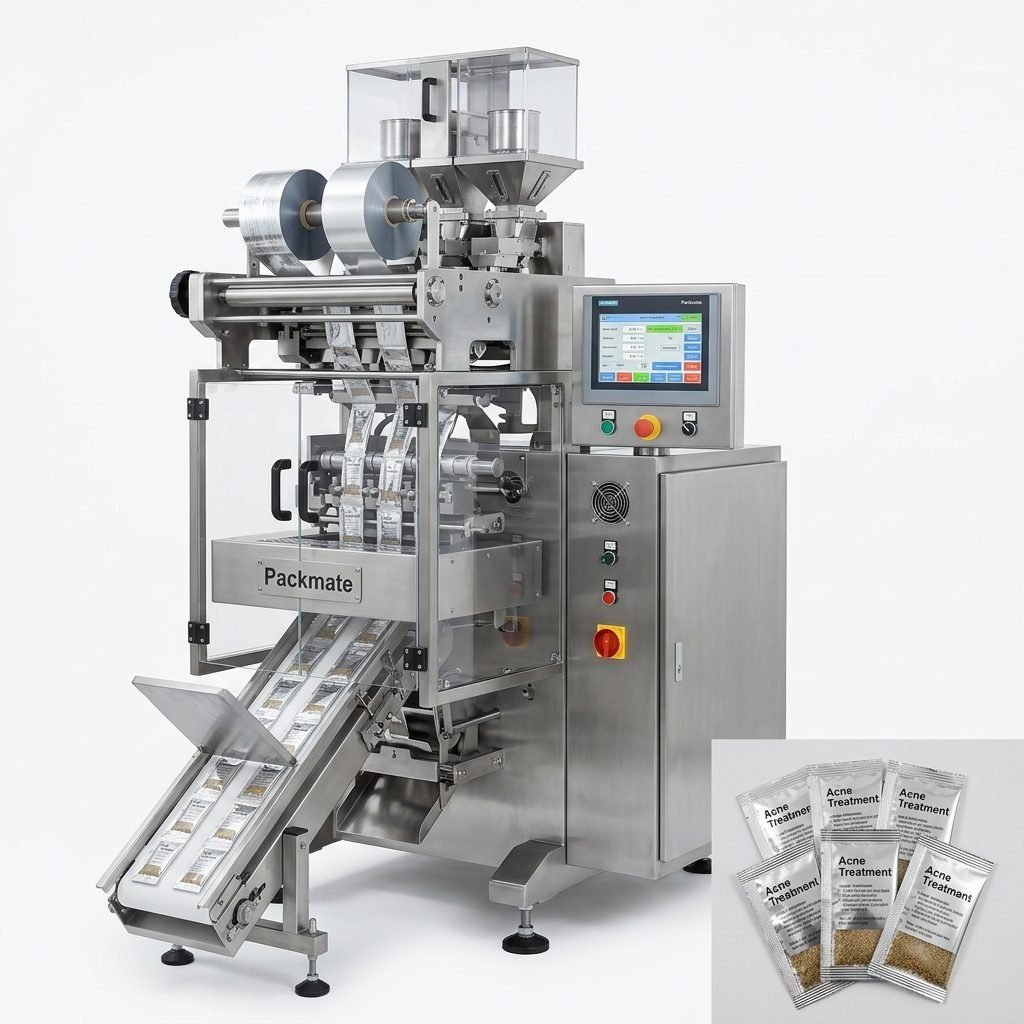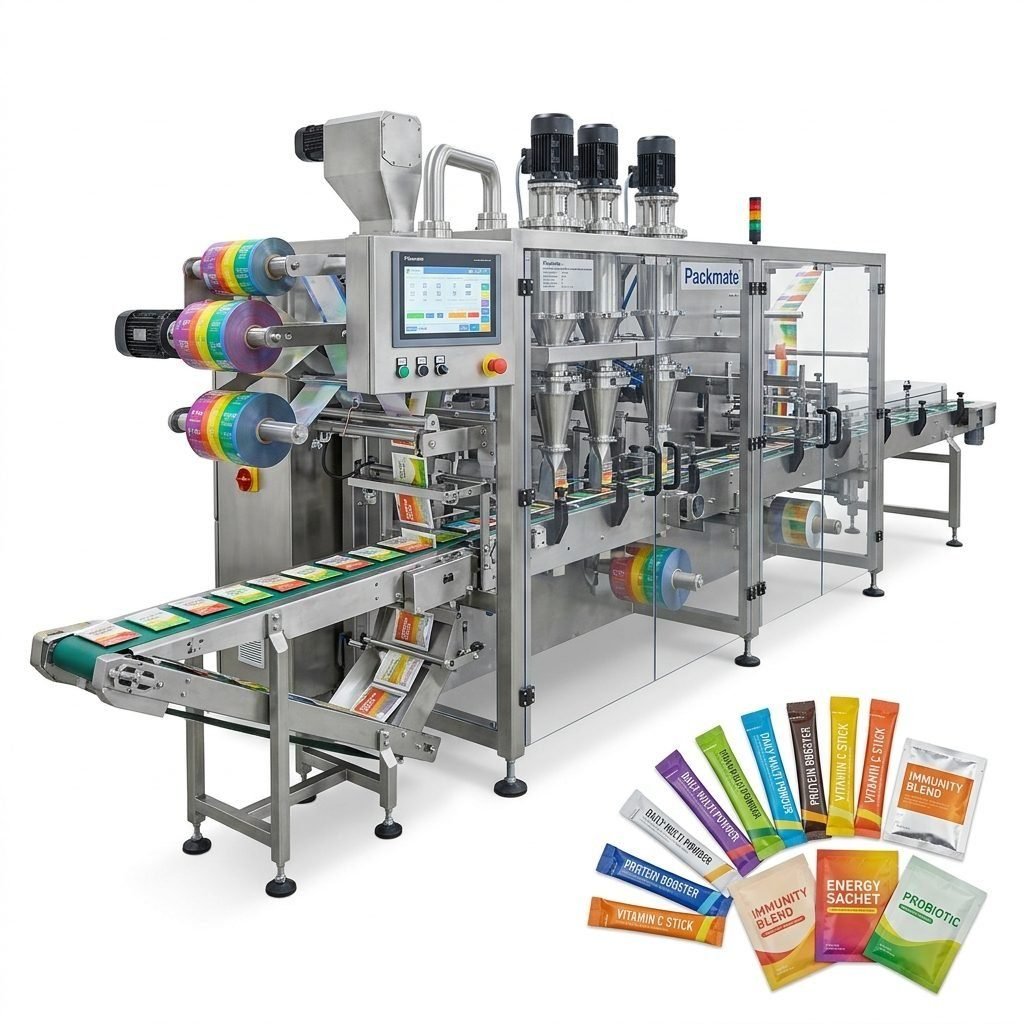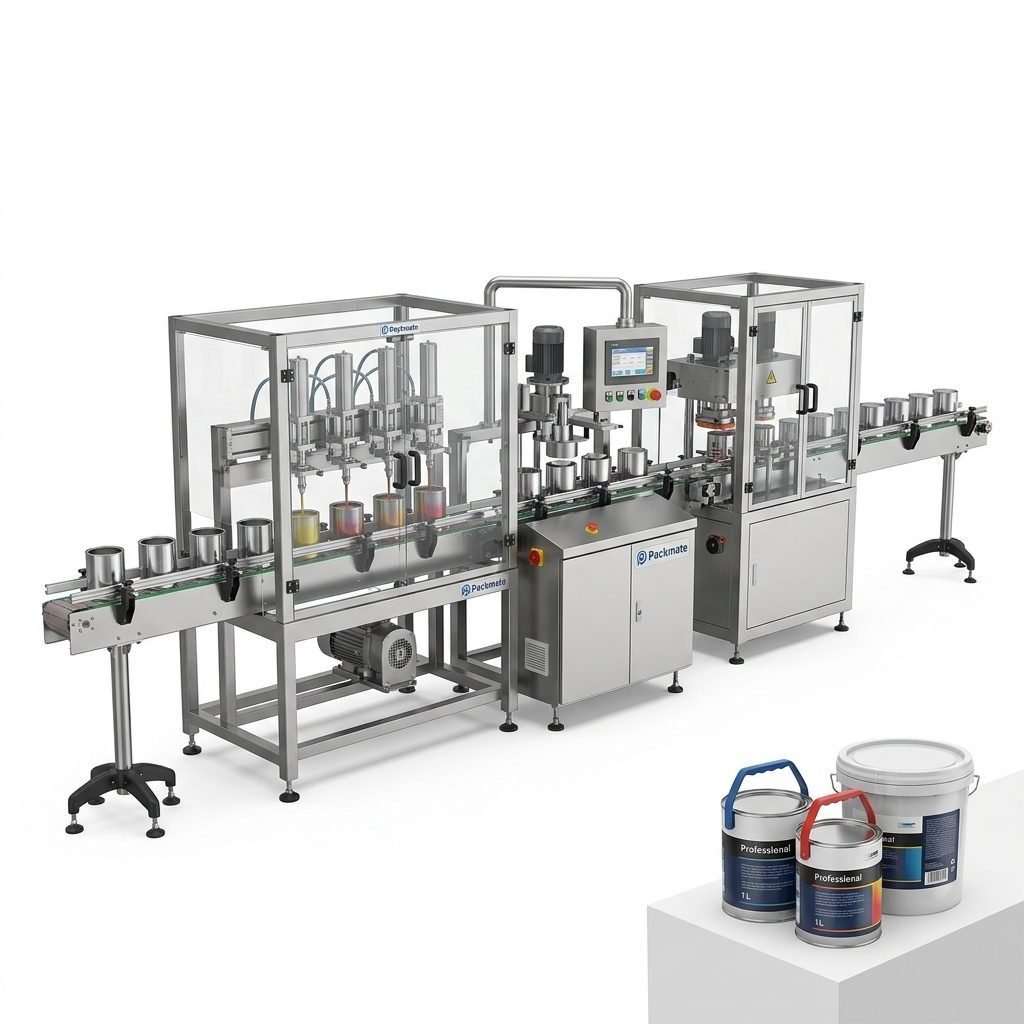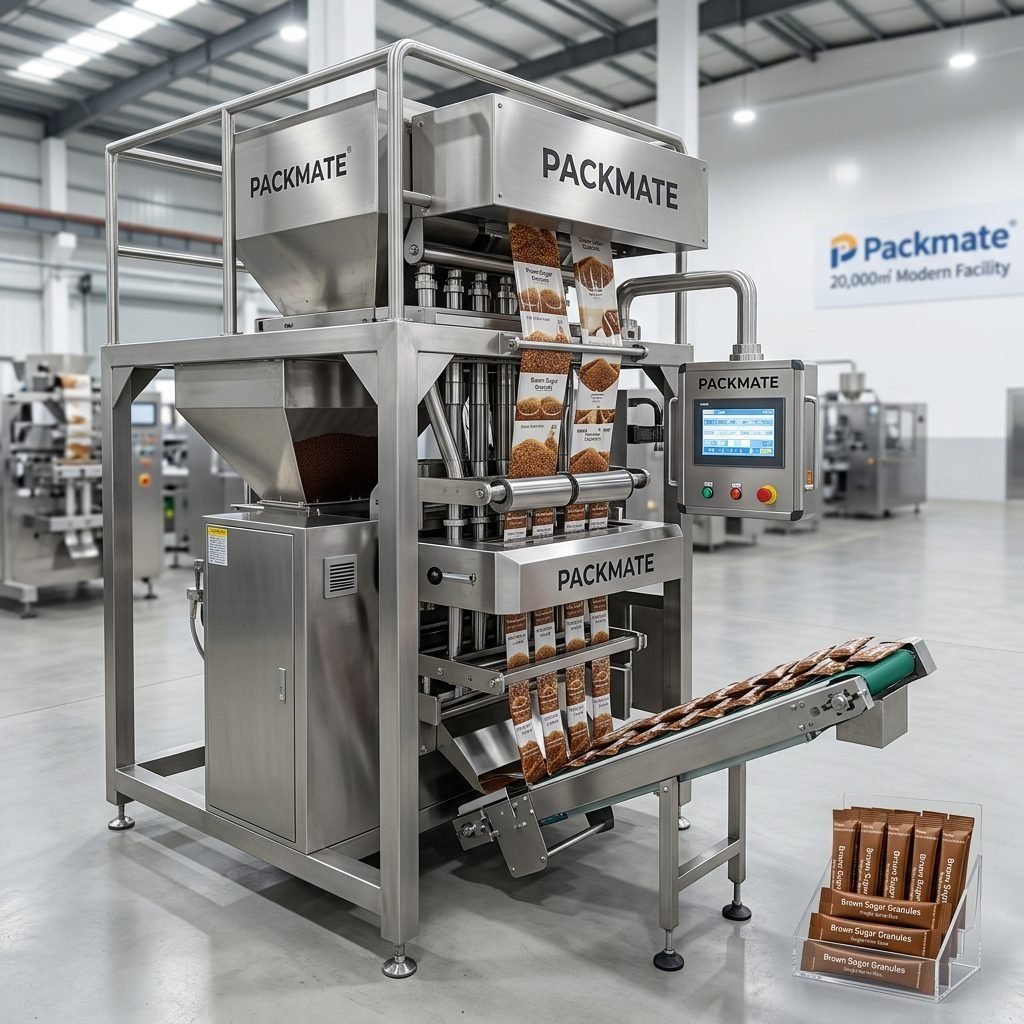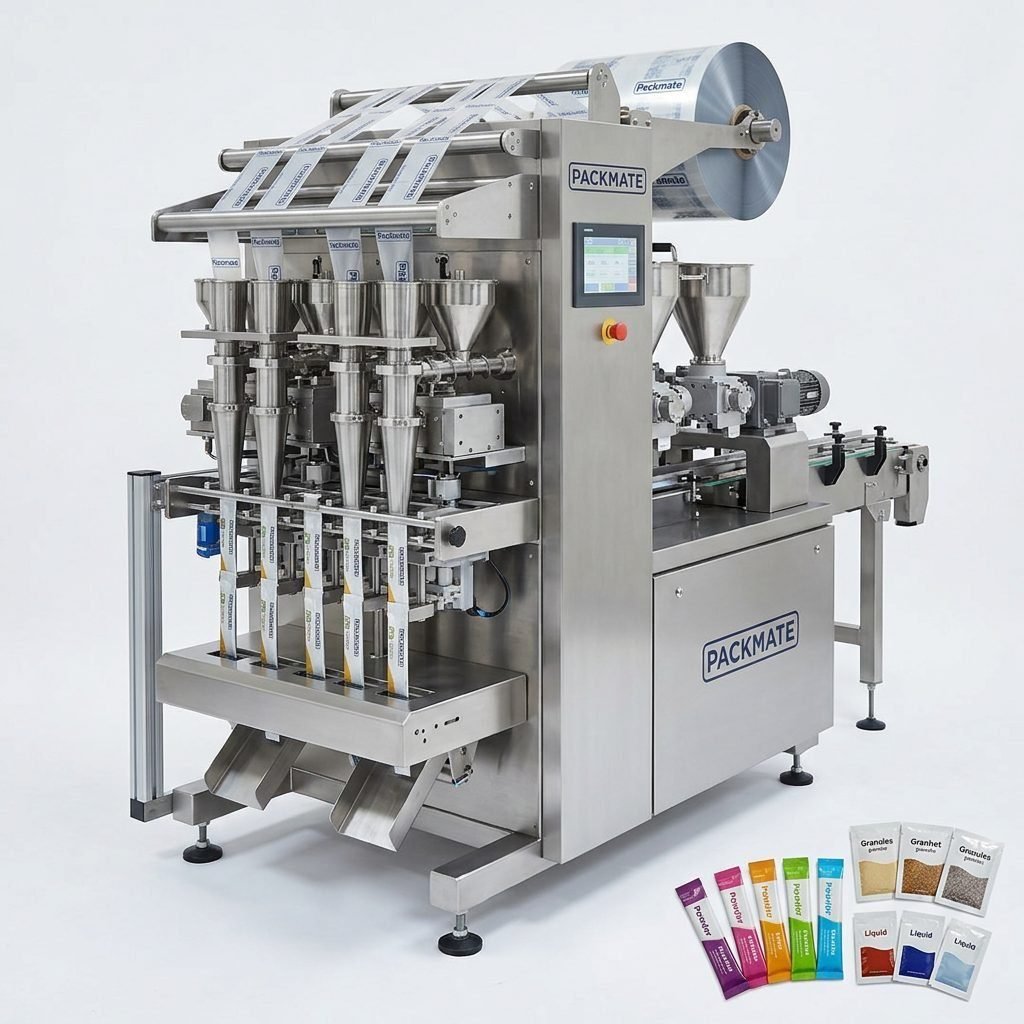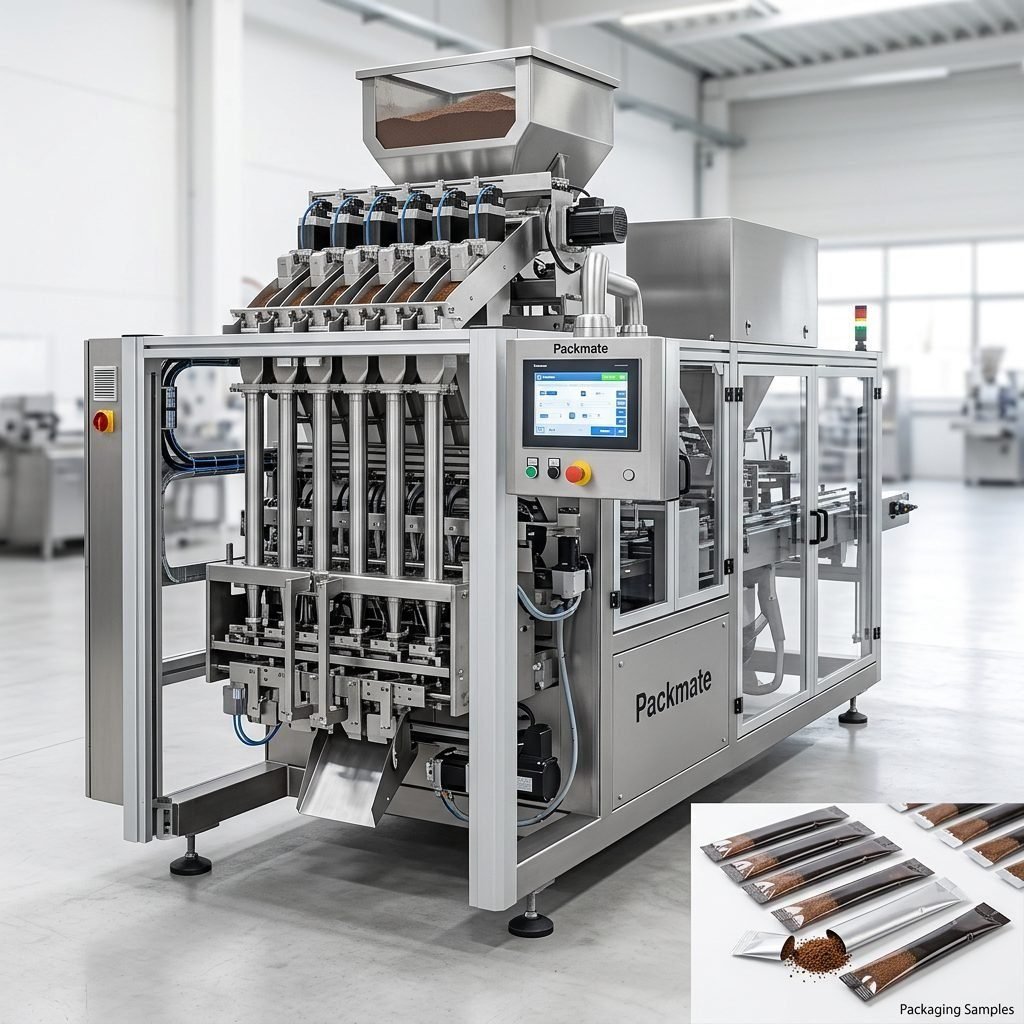
Seed bag filling machines are specialized equipment designed to automate the process of packaging seeds into bags, pouches, or sachets. They are essential for agricultural suppliers, seed companies, and nurseries looking to improve efficiency, ensure accurate weight, and maintain product integrity. This guide explores the different types of machines, their working processes, key applications, and crucial factors to consider before purchasing.
Types of Seed Bag Filling Machines
The choice of machine depends heavily on the seed type (granule, powder, coated), bag size, and required output. Here are the primary categories:
1. Vertical Form-Fill-Seal (VFFS) Machines
These are the most common for small to medium-sized seed packets. They form a bag from a roll of film, fill it with a pre-measured amount of seed, and then seal it—all in one continuous operation. They are highly versatile for different bag sizes and ideal for products like vegetable seeds, flower seeds, and small grain packets.
2. Pre-Made Pouch Fillers
These systems use pre-manufactured pouches or bags. The machine opens the pouch, fills it with seeds via a weigh scale or volumetric cup, and then seals it. This method is excellent for premium seed packaging or when using specialized laminated materials for extended shelf life.
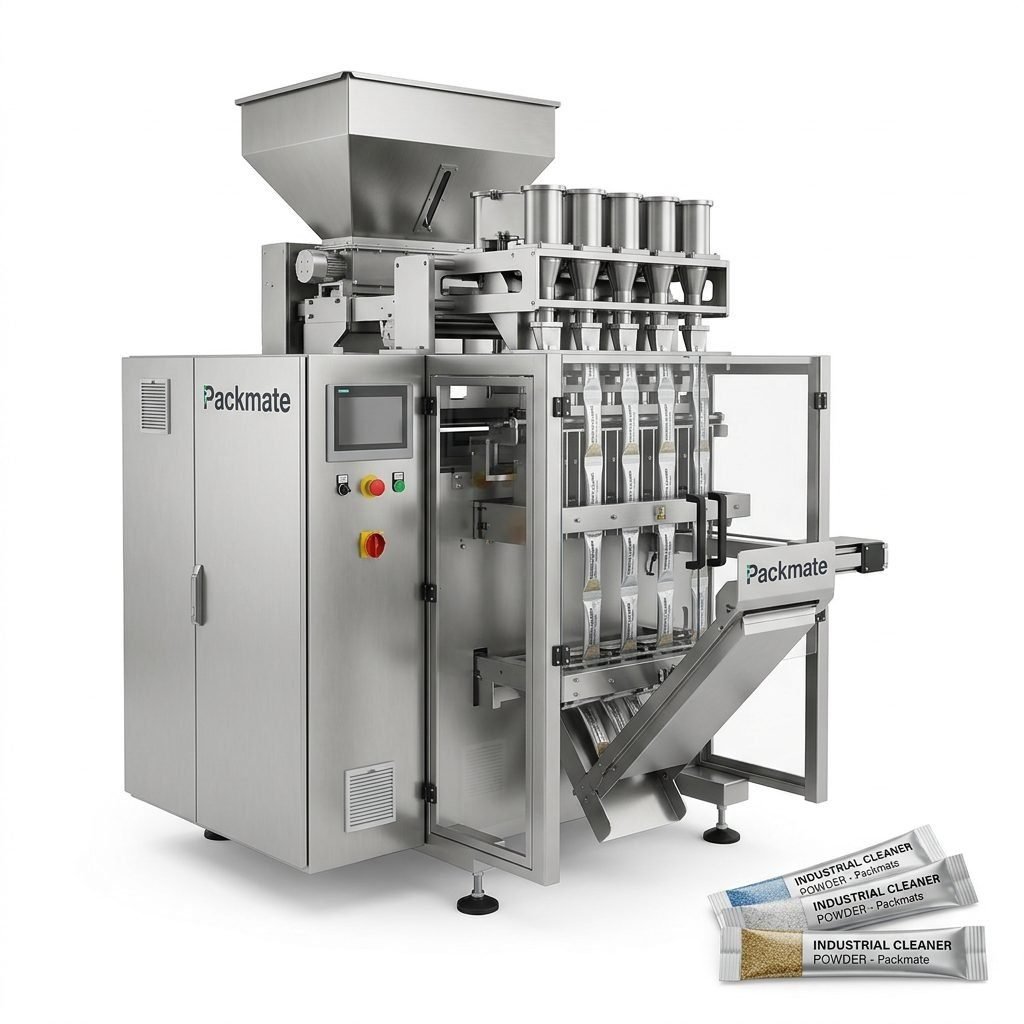
3. Multi-Lane Weighing & Filling Systems
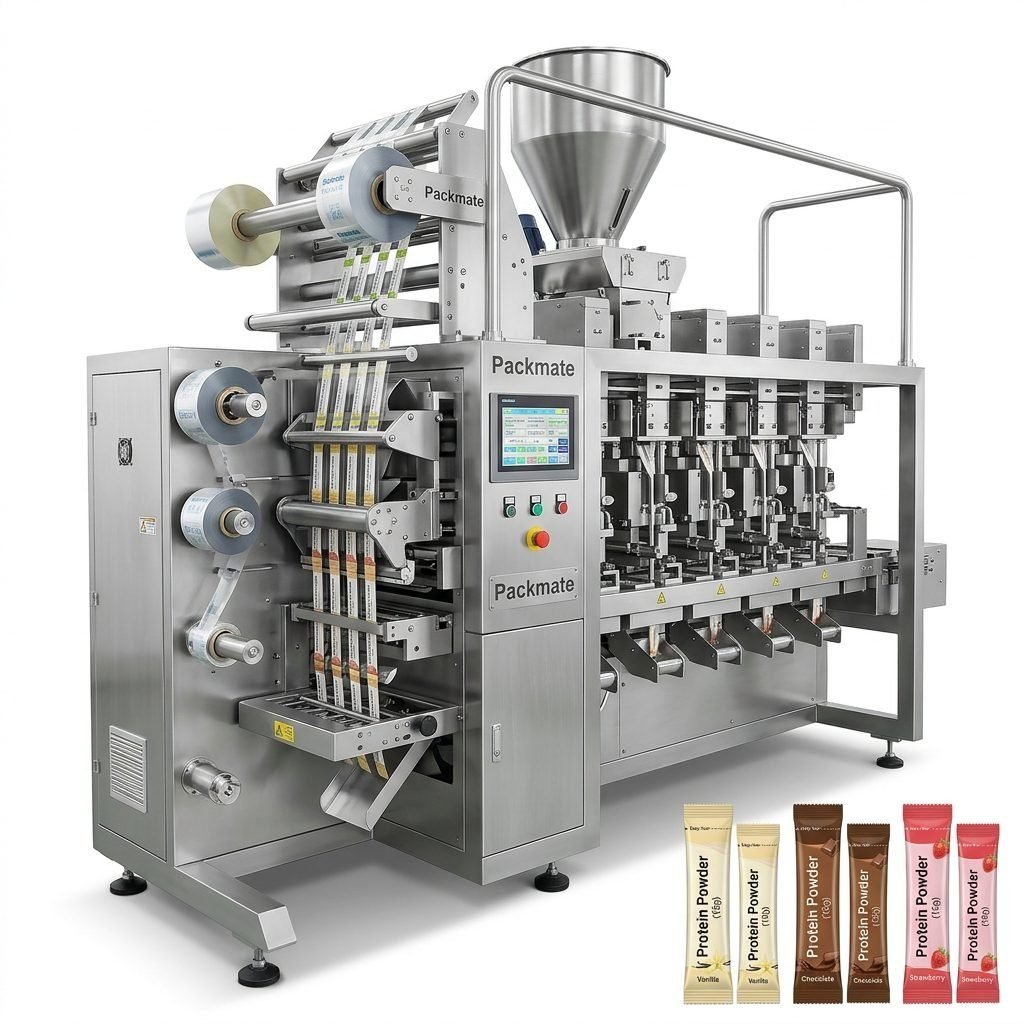
For very high-speed production of small seed sachets (e.g., for commercial farming or retail garden centers), multi-lane systems are used. Multiple weighing heads operate simultaneously, filling dozens of stick packs or sachets per minute with extreme precision.
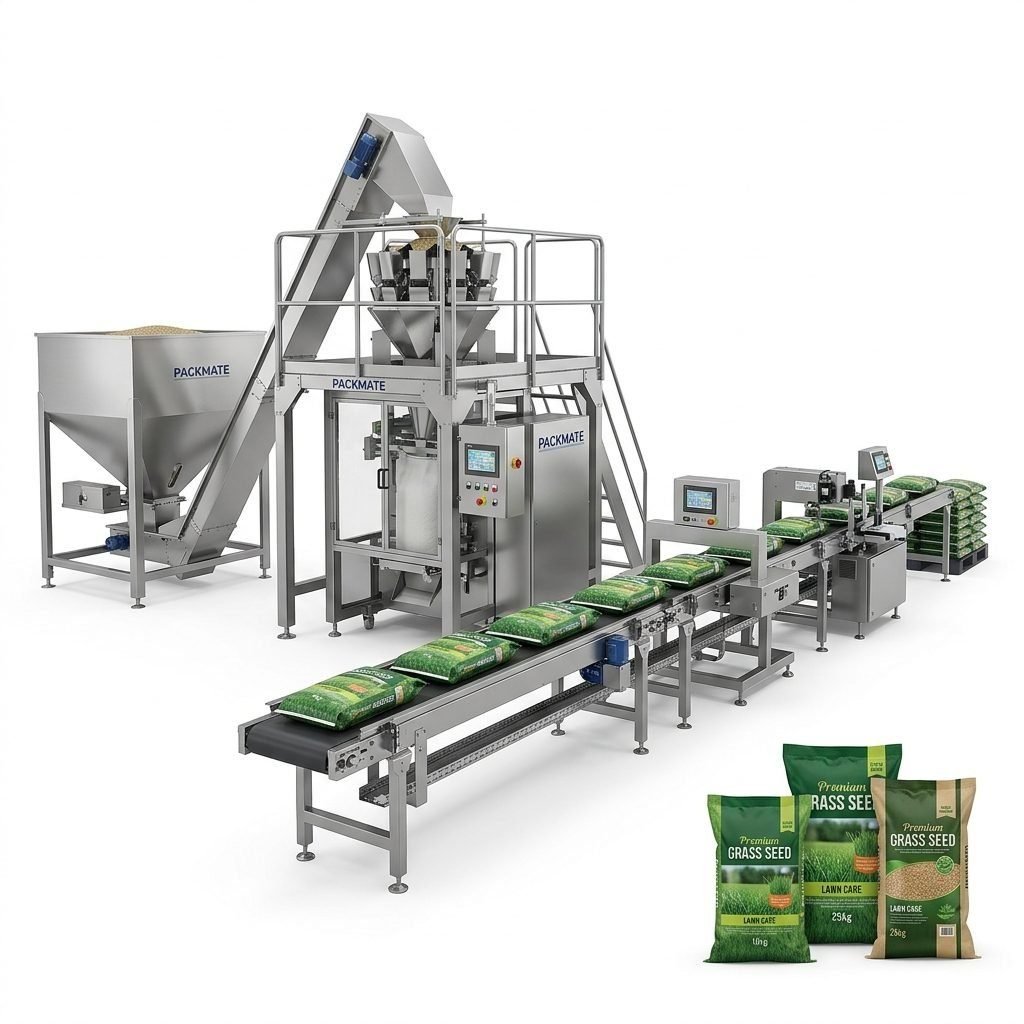
4. Bulk Bag Fillers
Designed for large-volume packaging, such as 5kg to 25kg bags of grass seed, grain, or animal feed. These are often semi-automatic or automatic systems with heavy-duty weigh scales and filling spouts, sometimes integrated with palletizing.
How a Seed Bag Filling Machine Works
The automated process typically follows these core steps:
- Bag Formation or Feeding: For VFFS machines, film is drawn and formed into a tube. For pre-made pouch systems, bags are picked and opened.
- Weighing & Dosing: This is the critical accuracy stage. Seeds are fed from a hopper into a weighing system (like a linear weigh scale or multi-head weigher) or a volumetric cup to measure the exact amount.
- Filling: The measured seed portion is discharged through a funnel or nozzle into the waiting bag.
- Sealing: The open end of the bag is sealed, usually via heat for poly bags or other methods for paper composites.
- Discharge & Coding: The finished bag is discharged onto a conveyor. An integrated printer may apply batch codes, expiry dates, or QR codes.
Key Applications and Industries
Seed bagging machines serve a wide range of sectors beyond traditional agriculture:
| Industry | Typical Products | Machine Type |
|---|---|---|
| Agriculture & Horticulture | Vegetable seeds, flower seeds, lawn grass seed, grain | VFFS, Pre-made Pouch Fillers |
| Forestry & Landscaping | Tree seeds, wildflower mixes, erosion control mats | Bulk Bag Fillers, VFFS |
| Food & Beverage | Seeds for baking (sesame, sunflower), sprouting seeds | Multi-lane sachet machines, VFFS |
| Animal Feed & Pet Food | Birdseed, pet food mixes with seeds | Bulk Bag Fillers, Multi-lane systems |
Essential Buying Considerations
Selecting the right machine requires a careful analysis of your specific needs. Partnering with an experienced manufacturer like Ludyway or Packmate Machinery can provide valuable guidance. Key factors include:
1. Seed Characteristics
The machine must be compatible with your seed’s form (granule, powder, coated), size, and flowability. Sticky or irregularly shaped seeds may require specialized hoppers and feeding mechanisms to prevent clogs and ensure consistent dosing.
2. Required Output Speed (Bags/Minute)
Determine your current and future production volume. A small vertical machine may pack 30-60 bags per minute, while a multi-lane system from a supplier like PacklineOEM can exceed 200 sachets per minute.
3. Bag Size and Material
The machine must handle your bag dimensions (length, width) and the packaging material (polyethylene, paper, foil laminate). Ensure the sealing system (heat, pressure, cold seal) is appropriate for your material.
4. Weighing Accuracy
This is critical for cost control and regulatory compliance. High-precision weigh scales (e.g., +/- 0.5-1 gram) are necessary for expensive or precisely portioned seeds. Discuss the weighing technology with your supplier.
5. Level of Automation & Integration
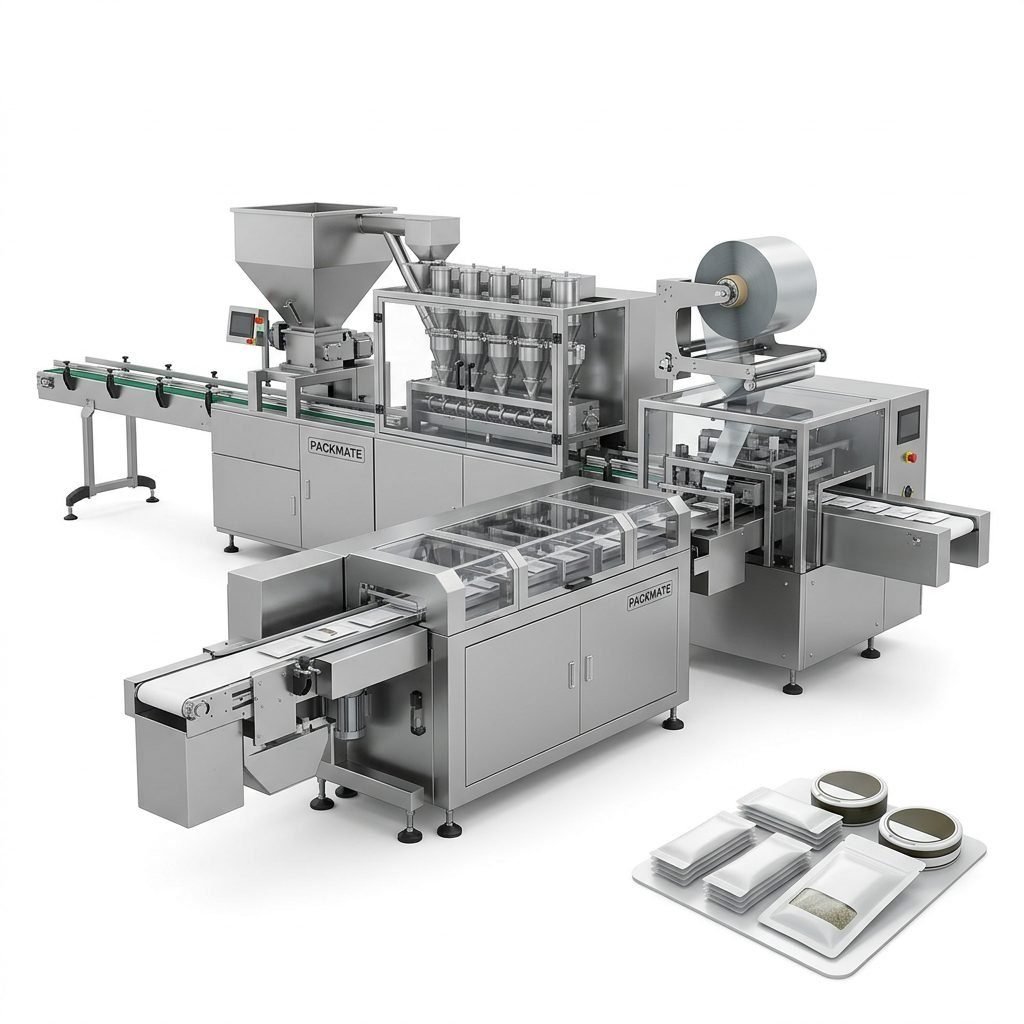
Consider if you need a standalone machine or a complete line with automated conveying, check-weighing, labeling, and case packing. For complex needs, turnkey solution providers like PackingMachineOEM offer integrated systems.
6. Supplier Support and Service
Choose a manufacturer with a strong reputation for after-sales service, readily available spare parts, and technical support. This is especially important for export markets; companies like SnusMachinery have built their export business on reliable support.
Frequently Asked Questions (FAQs)
Q1: What is the typical accuracy range for a seed bagging machine?
For granular seeds, modern machines can achieve accuracies within ±0.5% to ±1% of the target weight, depending on the seed type and weighing system. High-precision multi-head weighers offer the best consistency.
Q2: Can one machine handle different seed types and bag sizes?
Many machines, especially VFFS models, are designed with changeover capabilities. However, switching between vastly different seed sizes (e.g., fine powder to large beans) or bag formats may require changing parts like forming tubes, augers, or sealing jaws, which takes time.
Q3: How important is after-sales service when buying from an international manufacturer?
It is critically important. Ensure the supplier has a network of local agents or can provide timely remote support and spare parts delivery. Review their warranty terms and service response commitments before purchasing.
Q4: What are the main maintenance requirements?
Regular cleaning to prevent seed dust buildup, lubrication of moving parts, inspection of sealing elements, and calibration of the weighing system are essential. A good supplier will provide a detailed maintenance schedule.
Q5: Is operator training provided?
Reputable manufacturers typically include basic operator and maintenance training during installation, either on-site or via detailed manuals and video tutorials. Confirm this is part of your purchase agreement.