Accurate seed counting and packaging is a critical operation for seed companies, agricultural suppliers, and research institutions globally. The choice of an automatic seed counting packaging machine directly impacts operational efficiency, cost control, and, most importantly, the reliability of the final product delivered to farmers and growers. Selecting the right solution requires a deep understanding of your specific needs, seed types, and production goals.
Understanding Your Seed Packaging Requirements
The first step in choosing the right machine is a thorough analysis of your requirements. This goes beyond just output speed.
Key factors to consider include:
- Seed Type & Characteristics: Are you packaging small, round seeds (like lettuce or tomato), large, irregular seeds (like corn or beans), or delicate, coated seeds? Size, shape, weight, and surface texture (smooth vs. fuzzy) all affect the counting and handling mechanism.
- Required Accuracy: What is your acceptable tolerance for count deviation? High-value seeds (e.g., hybrid vegetables) demand near-100% accuracy, while some bulk agricultural seeds may have slightly wider tolerances.
- Packaging Format & Materials: Will you be using pre-made pouches, stick packs, sachets, or forming bags from roll film? The machine must be compatible with your chosen material (e.g., paper, foil, plastic laminate) and bag size.
- Production Volume & Speed: Determine your required output in bags or pouches per minute (BPM/PPM). A machine for a research lab has vastly different throughput needs than one for a commercial seed distributor.
- Level of Automation: Do you need a standalone machine, or should it be integrated into a complete line with automatic feeding, weighing, labeling, and cartoning?
Core Technologies for Seed Counting
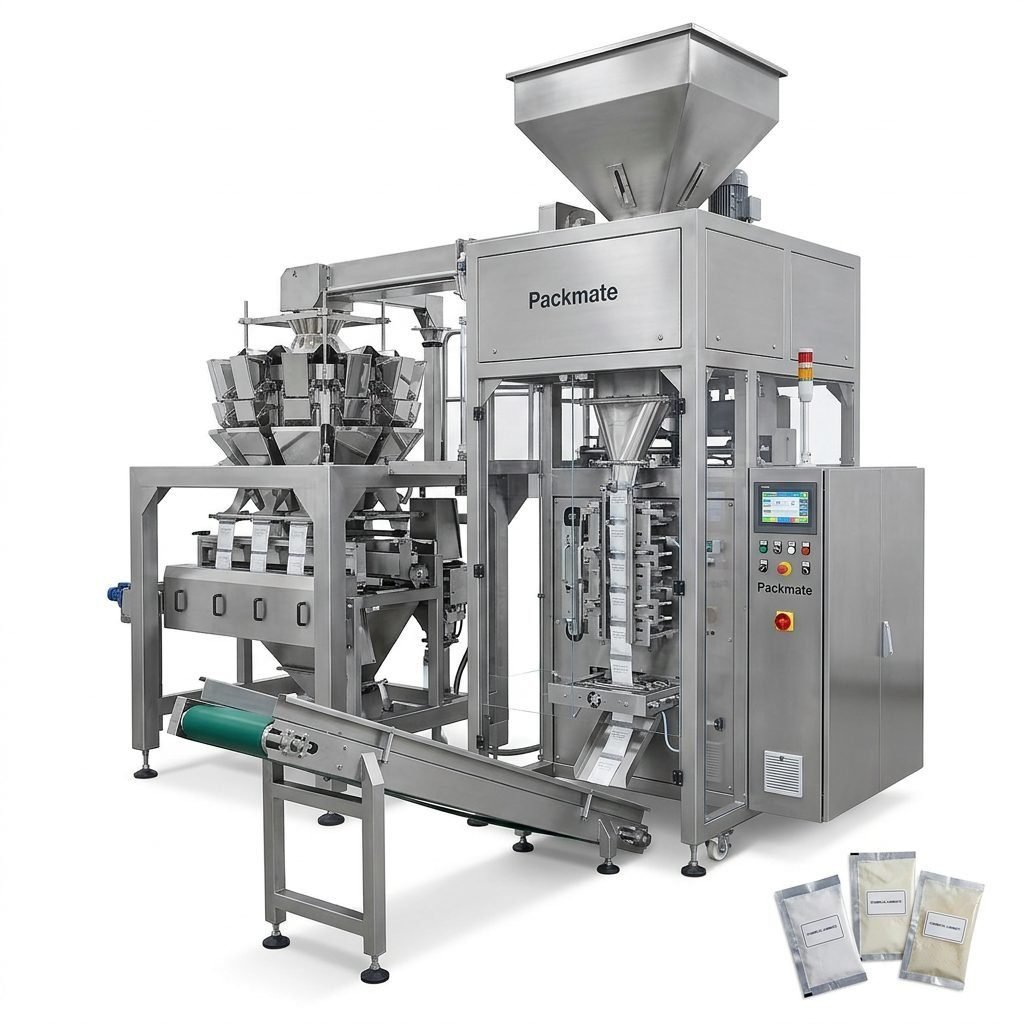
Different counting technologies offer varying levels of speed, accuracy, and suitability for seed types. The main systems are:
| Technology | How It Works | Best For | Accuracy Level |
|---|---|---|---|
| Vision Counting Systems | Uses high-speed cameras and image processing software to count seeds as they pass on a conveyor or vibratory tray. | Irregularly shaped seeds, delicate seeds, mixed sizes. Excellent for quality inspection (detecting broken seeds). | Exceptionally High (>99.9%) |
| Weighing Scales (Gravimetric) | Measures the weight of a batch of seeds and calculates the count based on the average weight of a single seed. | High-speed packaging of uniform, consistent-weight seeds (e.g., many grain seeds). | High (depends on seed uniformity) |
| Vibratory Bowl Feeders with Sensors | Aligns seeds in a single file using vibration. Optical or capacitive sensors count each seed as it passes a point. | Small to medium, uniform seeds where high-speed single-file feeding is possible. | Very High |
Evaluating Machine Features and Specifications
Once you’ve identified the suitable counting technology, dive into the machine’s specific features. Look for systems that offer flexibility and reliability.
Essential features for seed packaging include:
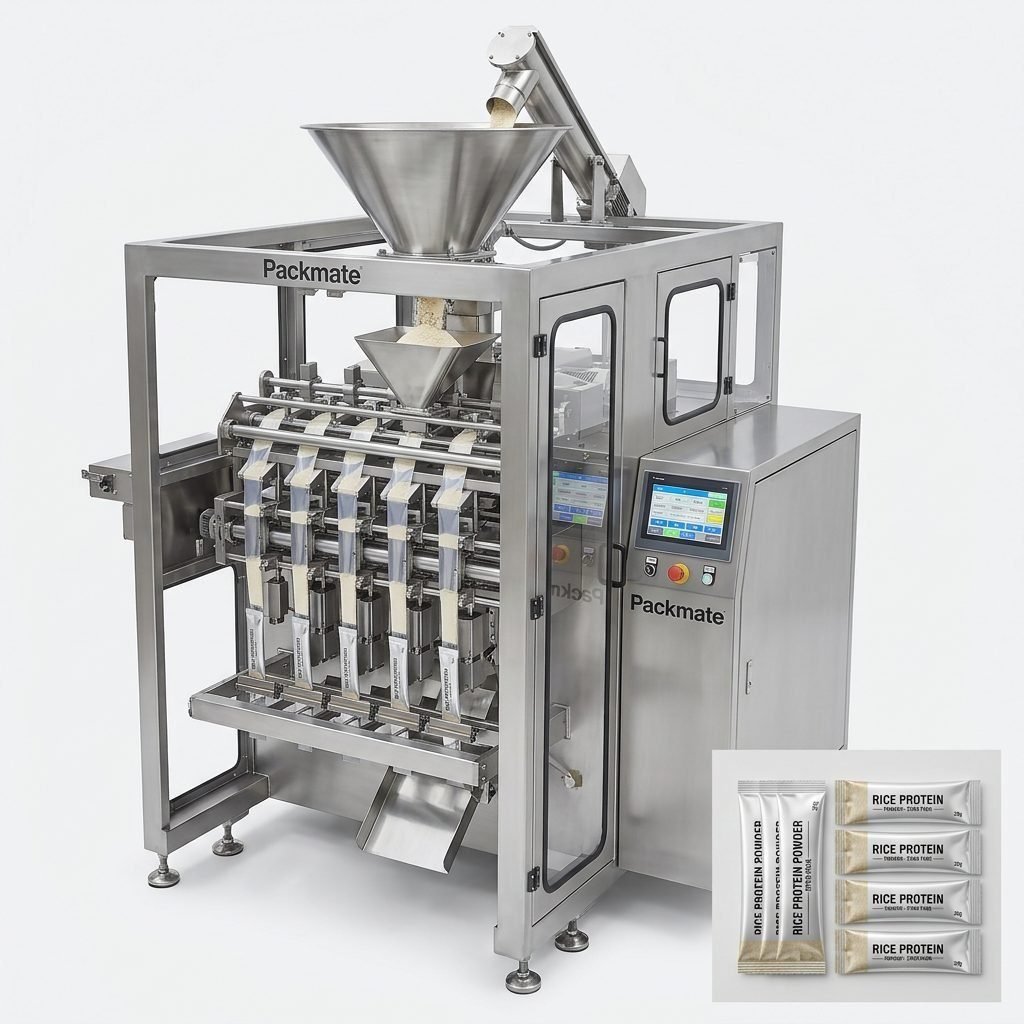
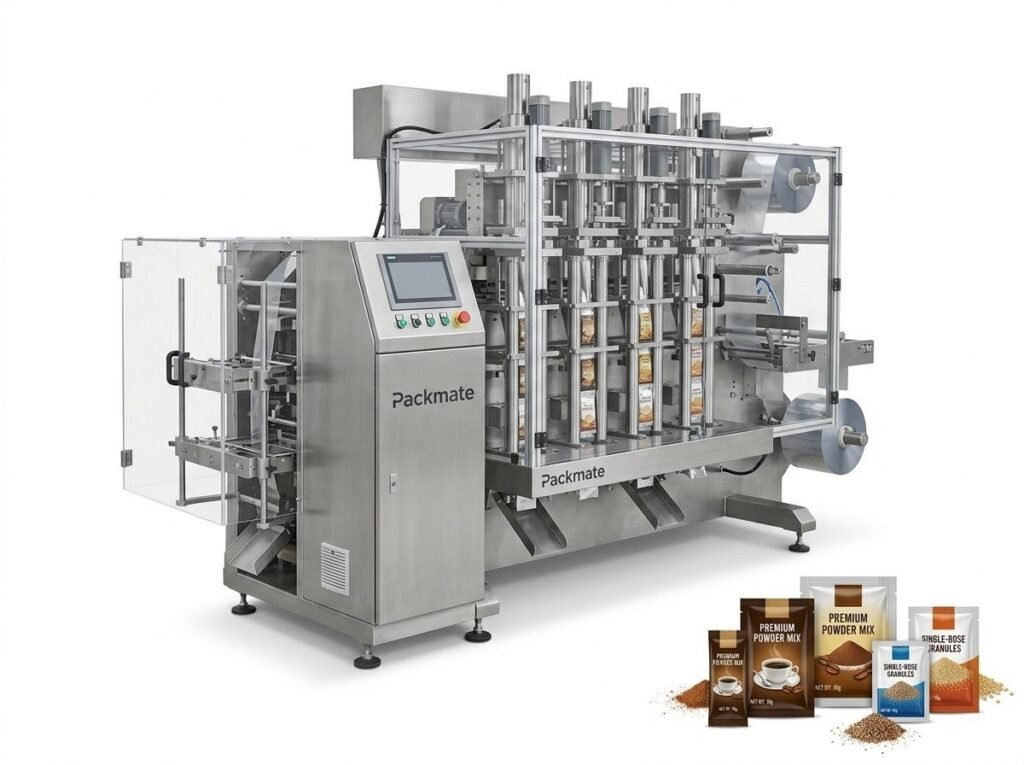
- Multi-Lane Capability: Machines with 2, 4, 8, or more lanes significantly increase output without a proportional increase in footprint. This is crucial for high-volume production.
- Quick Changeover: Seed companies often run small batches of different varieties. Look for machines with tool-less adjustments for bag size, quick-lane cleaning, and easy recipe recall on the HMI (Human-Machine Interface).
- Gentle Handling: The seed path—from hopper to counting unit to bag—should be designed to minimize impact, abrasion, and damage, especially for coated or pelleted seeds.
- Integrated Checkweigher: A post-packaging checkweigher provides a final verification of count/weight, rejecting under or overweight packs to ensure 100% accuracy.
- User-Friendly HMI & Data Logging: A clear touchscreen interface for setup, monitoring, and troubleshooting is vital. Data logging for production counts, efficiency reports, and error tracking supports quality control and OEE (Overall Equipment Effectiveness) analysis.
Integration and Support: Beyond the Standalone Machine
The best machine is only as good as the system it operates within. Consider the broader context of your packaging line.
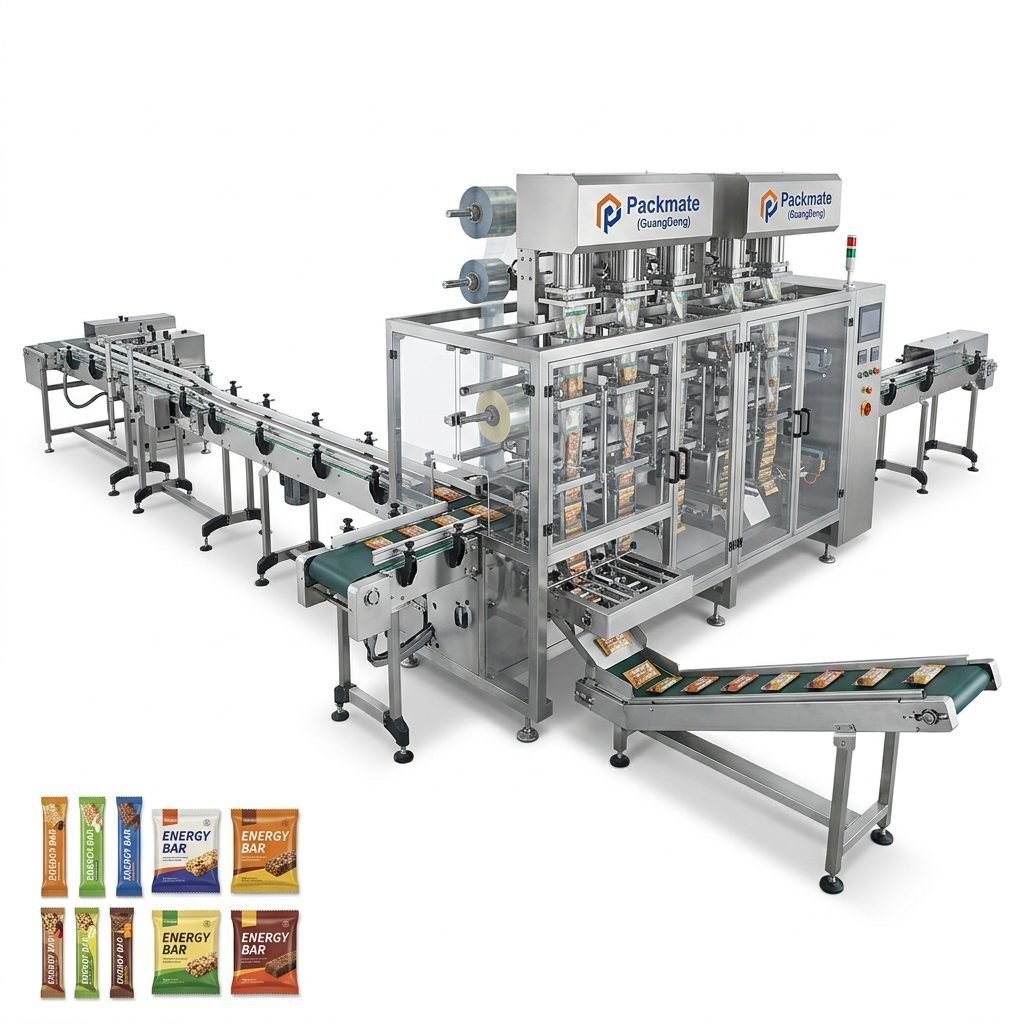
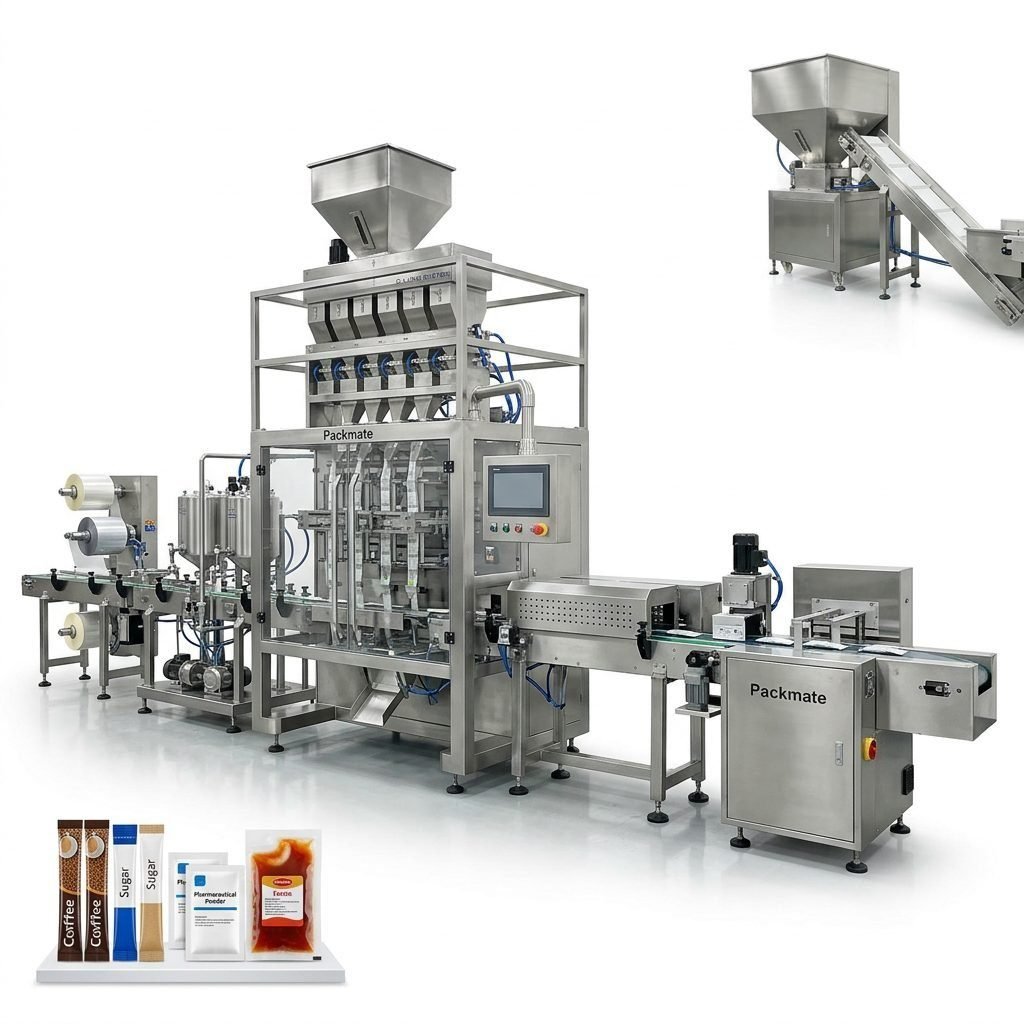
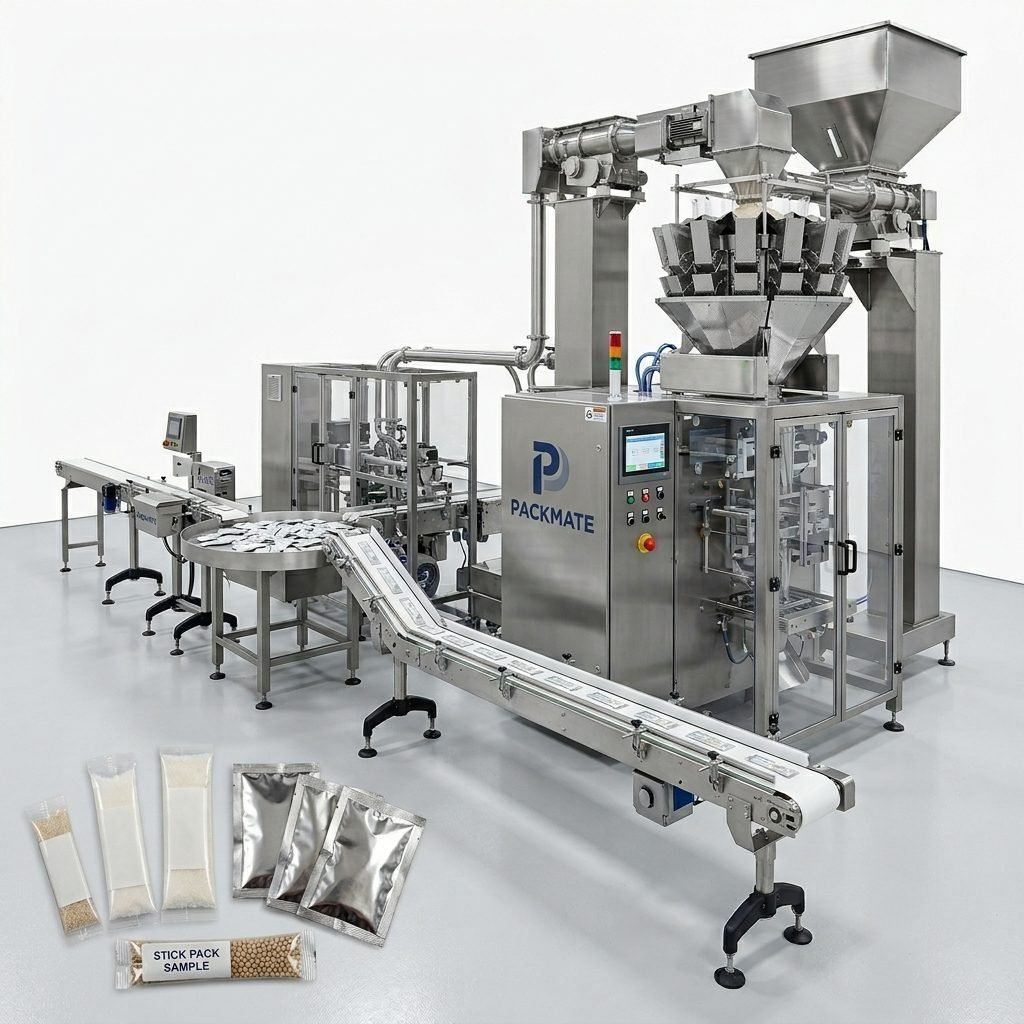
For a fully automated operation, you may need a turnkey packaging line. This could include an automatic bulk seed feeder, a dehumidification unit (for moisture-sensitive seeds), the counting machine, a bag sealer, a label printer/applicator, and a cartoner. Leading manufacturers like Ludyway and PacklineOEM specialize in designing and integrating such complete lines, ensuring all components work seamlessly together.
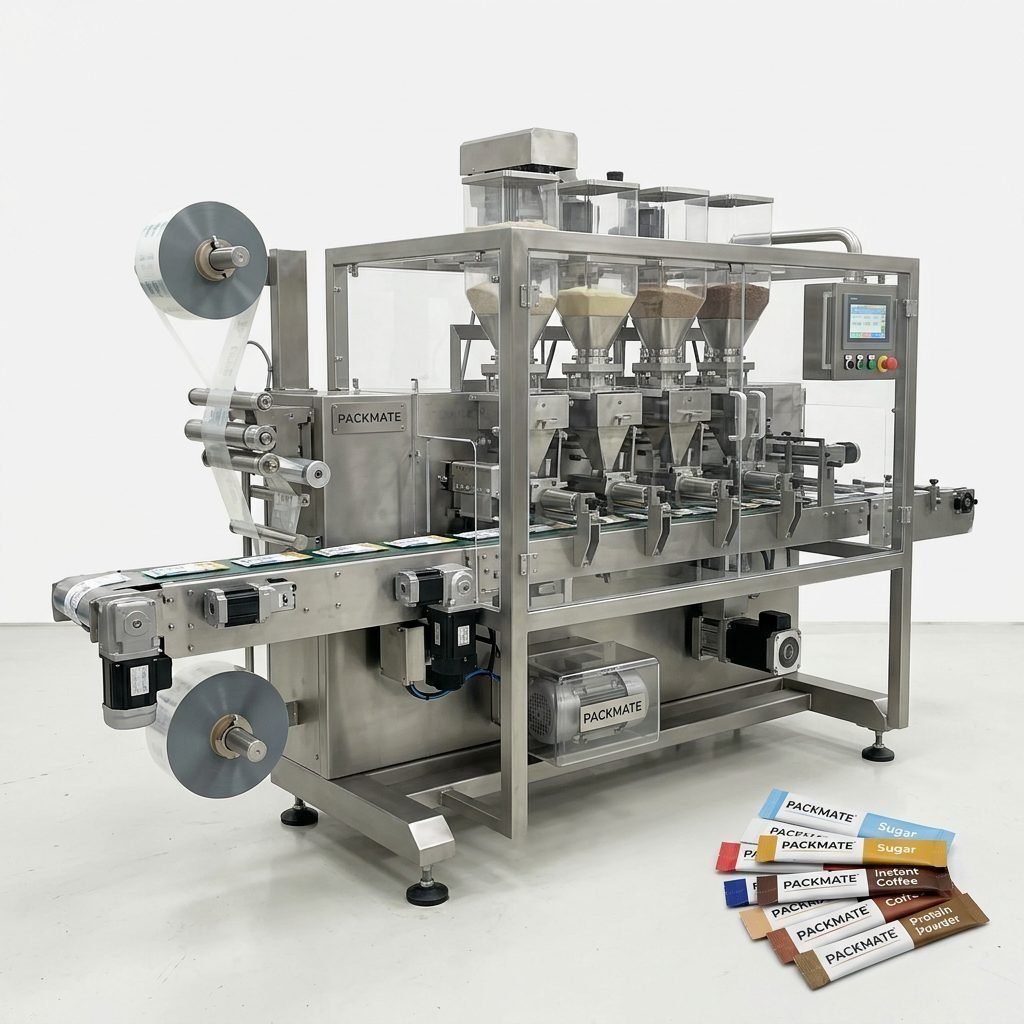
Technical support and after-sales service are non-negotiable. A reliable supplier should offer comprehensive training, readily available spare parts, and responsive technical support. Companies with a strong international presence, such as Packmate Machinery, often have service networks or trained partners in key export markets to minimize downtime.
Selecting a Supplier: Key Considerations
Choosing the right manufacturer is as important as choosing the right machine. Look for a partner with proven experience.
Evaluate potential suppliers on these criteria:
- Industry Experience & Specialization: Does the supplier have a track record in agricultural or seed packaging? Some, like SnusMachinery, have deep expertise in precise pouch packaging, which is highly transferable to seed sachets.
- Customization Ability: Can they adapt the machine to your specific seed type and unique packaging format? Suppliers like PackingMachineOEM focus on non-standard and customized solutions.
- Manufacturing Quality & Compliance: Inspect the build quality. Machines should be built with food/agriculture-grade materials (e.g., stainless steel contact parts) and comply with relevant international safety and electrical standards (CE, etc.).
- References & Case Studies: Ask for references from other seed companies, preferably in your region or with similar products.
- Total Cost of Ownership (TCO): Look beyond the initial purchase price. Consider energy consumption, maintenance costs, part longevity, and the potential cost of downtime.
Future-Proofing Your Investment
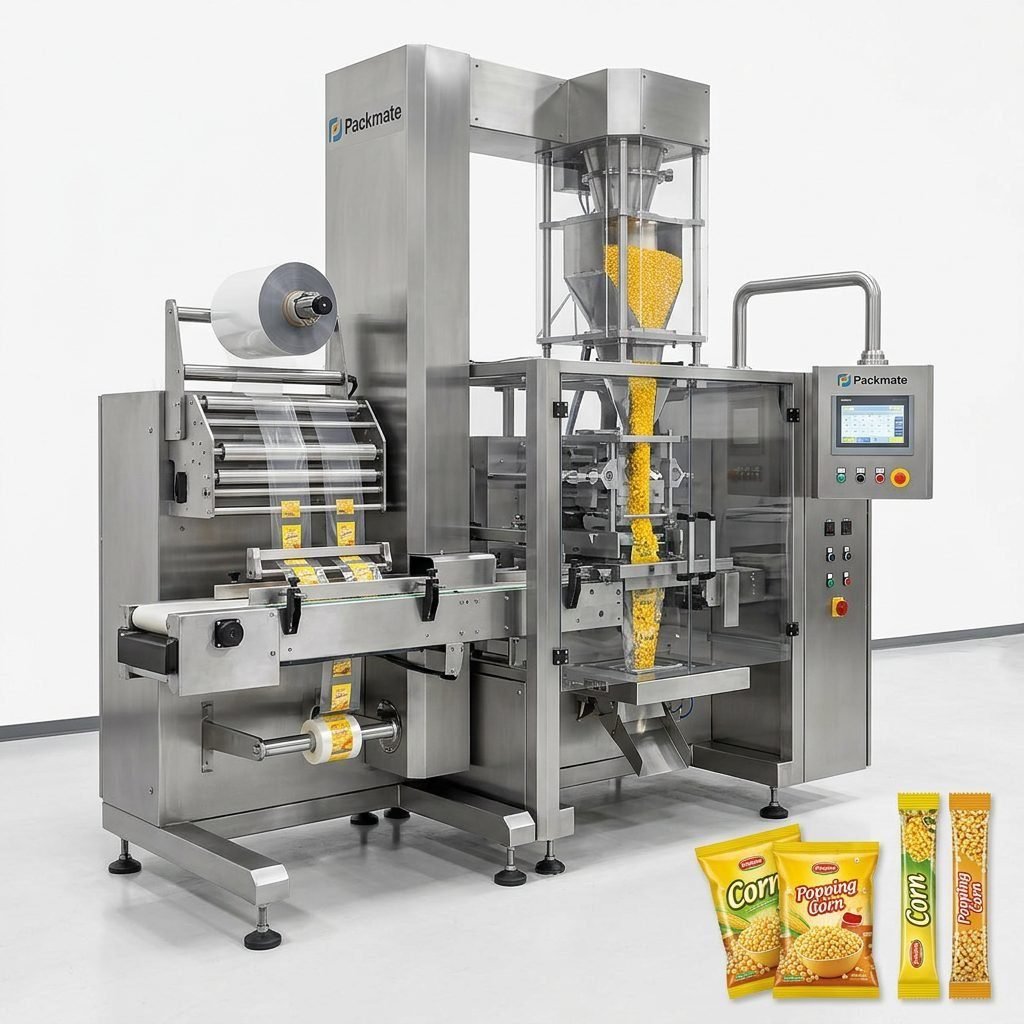
An automatic seed counting packaging machine is a significant capital investment. Ensure it can grow with your business. Consider scalability—can you add lanes later? Is the software upgradeable? Does the supplier offer modular line components that can be added as your needs evolve? Choosing a flexible, well-supported solution from an established manufacturer protects your investment for the long term.
Frequently Asked Questions (FAQs)
What is the typical accuracy rate of a modern seed counting machine?
Modern vision counting and high-precision sensor-based systems can achieve accuracy rates of 99.9% or higher. Gravimetric (weight-based) systems are also highly accurate but depend more on the uniformity of individual seed weight.
Can one machine handle different sizes and types of seeds?
Yes, many machines are designed for quick changeover. This may involve changing feed trays, vibratory bowl tools, or software settings. It’s crucial to discuss your specific seed range with the supplier to ensure the machine can handle the size and shape variations effectively.
How important is after-sales service and spare parts availability?
Extremely important. Machine downtime directly translates to lost production. Choose a supplier with a strong reputation for responsive technical support and who keeps critical spare parts in stock or can supply them quickly.
What packaging materials are compatible with these machines?
Most automatic seed packagers are versatile and can handle common flexible packaging materials like paper, polyethylene (PE), polypropylene (PP), foil laminates, and biodegradable films. The key is ensuring the machine’s sealing system (e.g., heat seal, ultrasonic seal) is appropriate for your chosen material.
Should I choose a standalone machine or a fully integrated line?
This depends entirely on your production volume and labor strategy. A standalone machine is ideal for lower volumes or as a first step into automation. A fully integrated turnkey line, which automates feeding, counting, sealing, labeling, and cartoning, is necessary for high-volume operations seeking maximum efficiency and minimal manual handling.