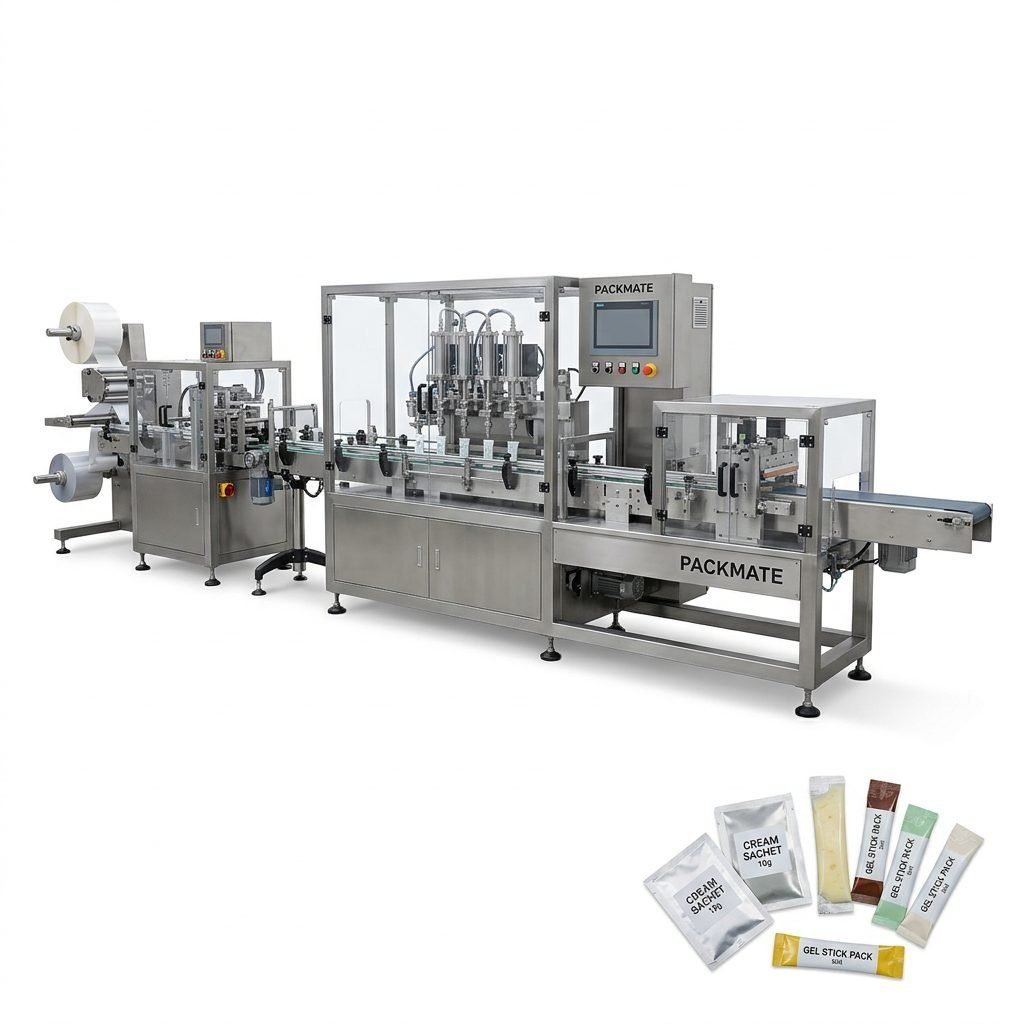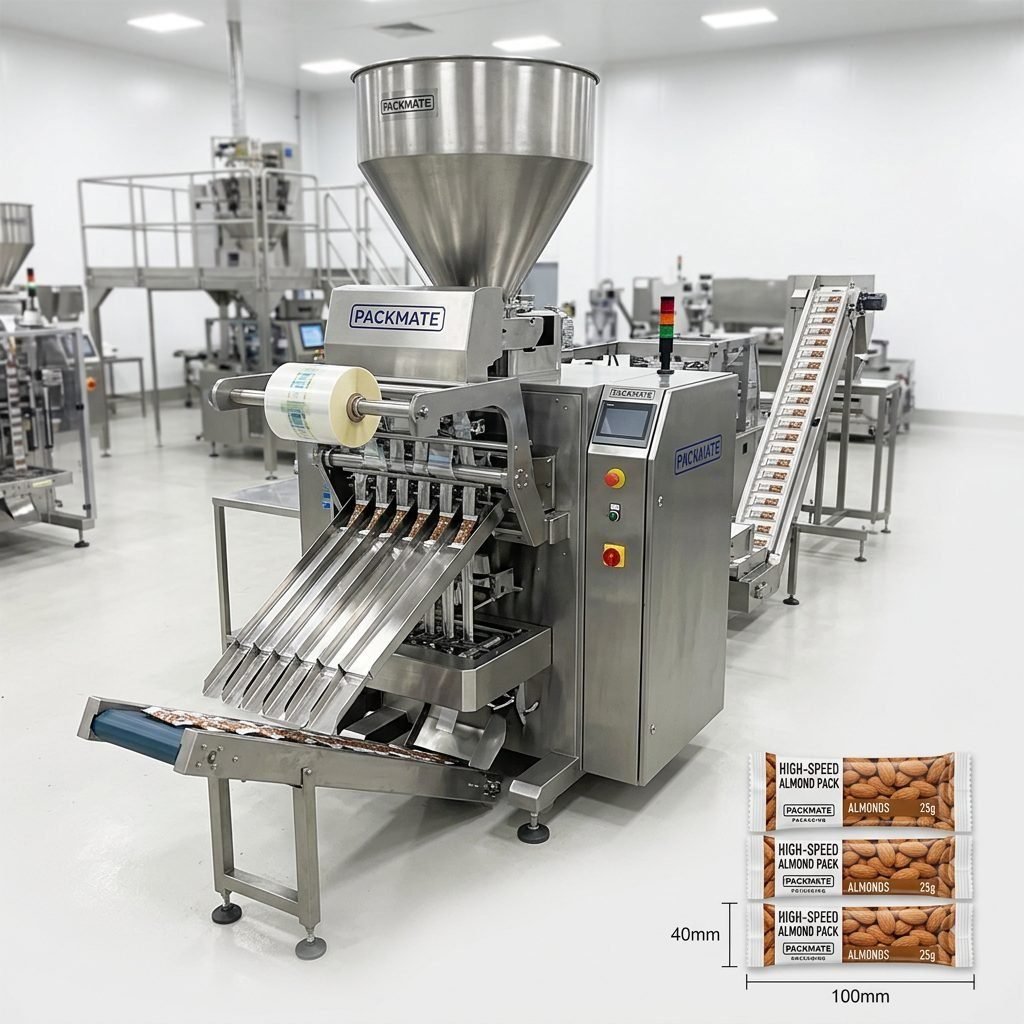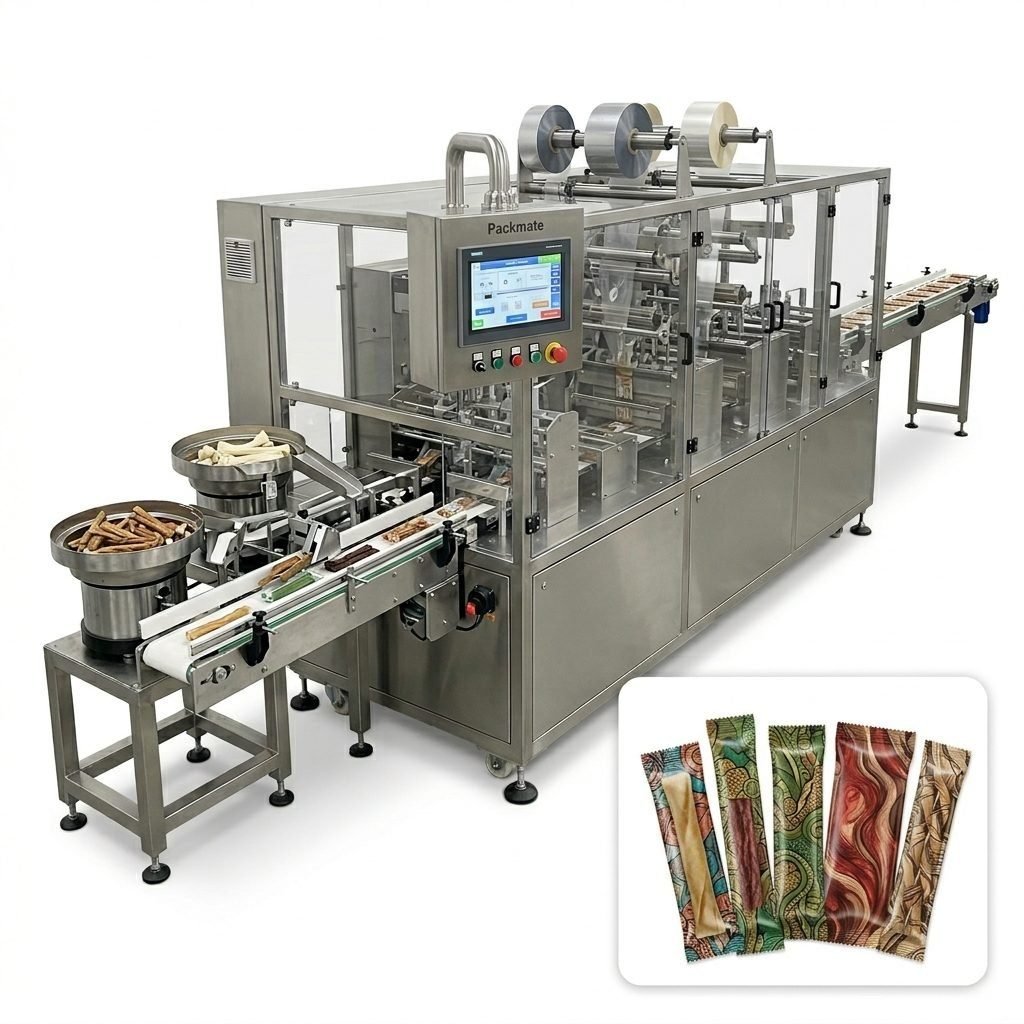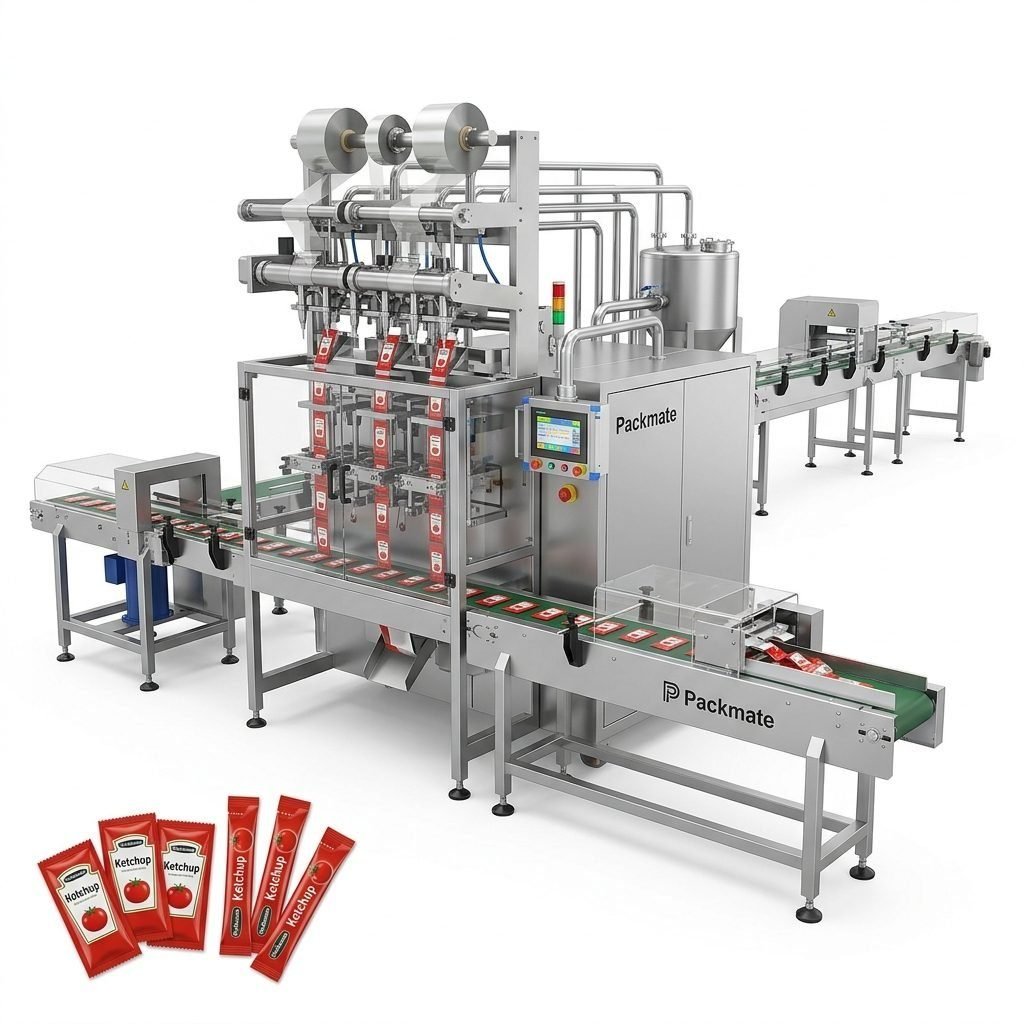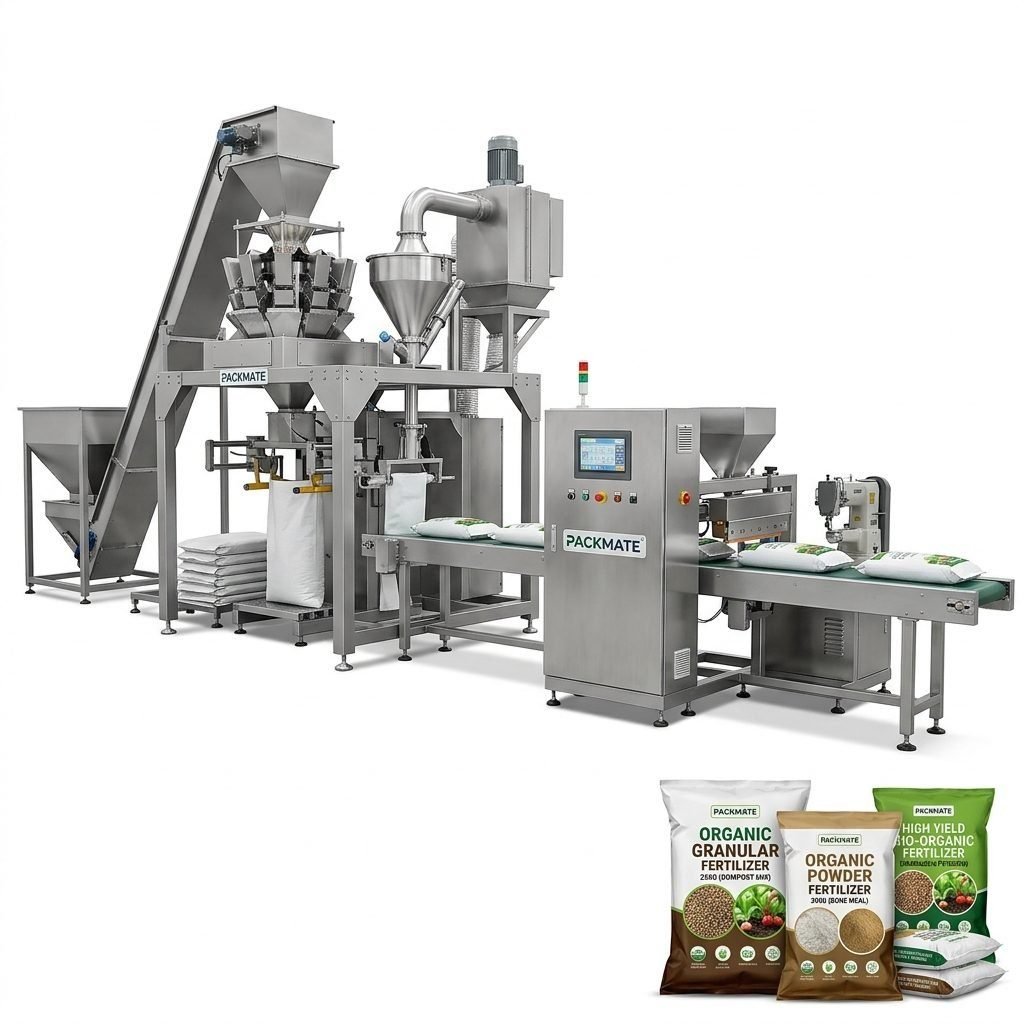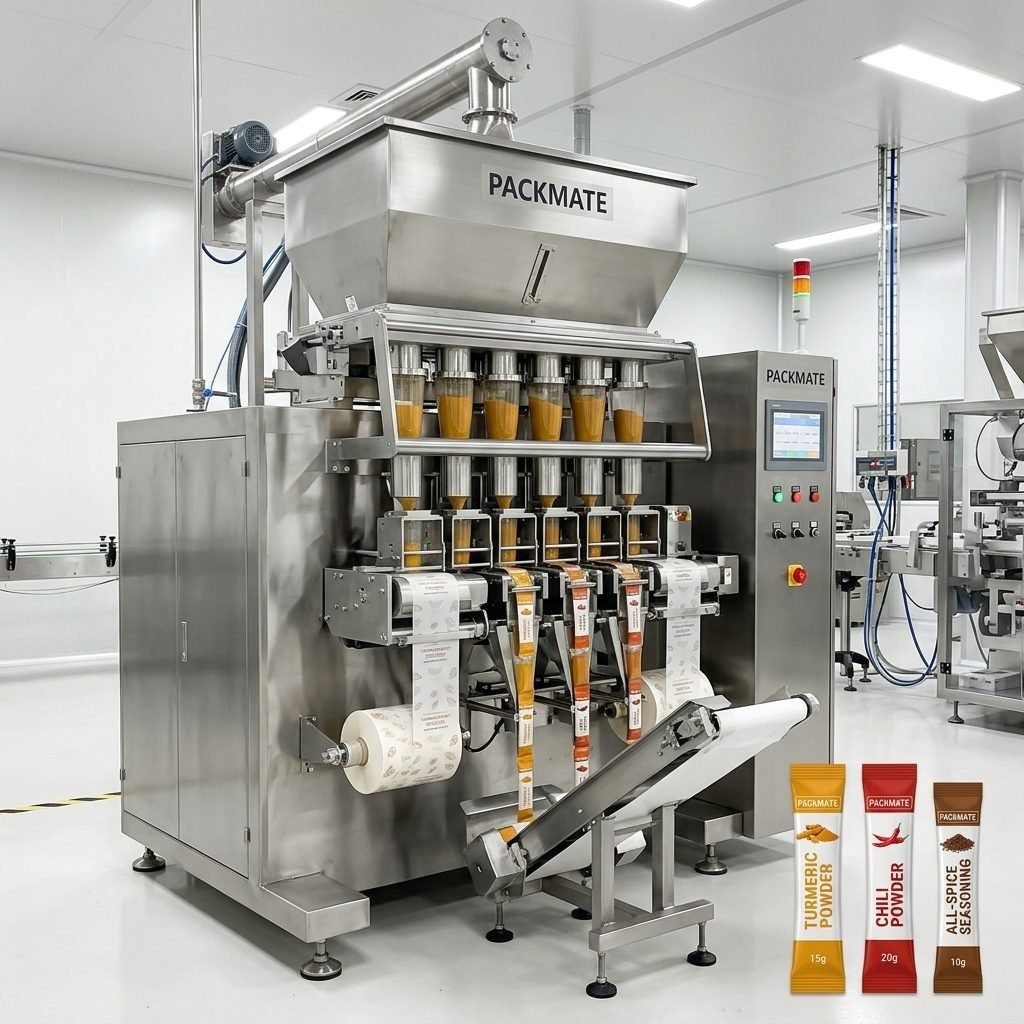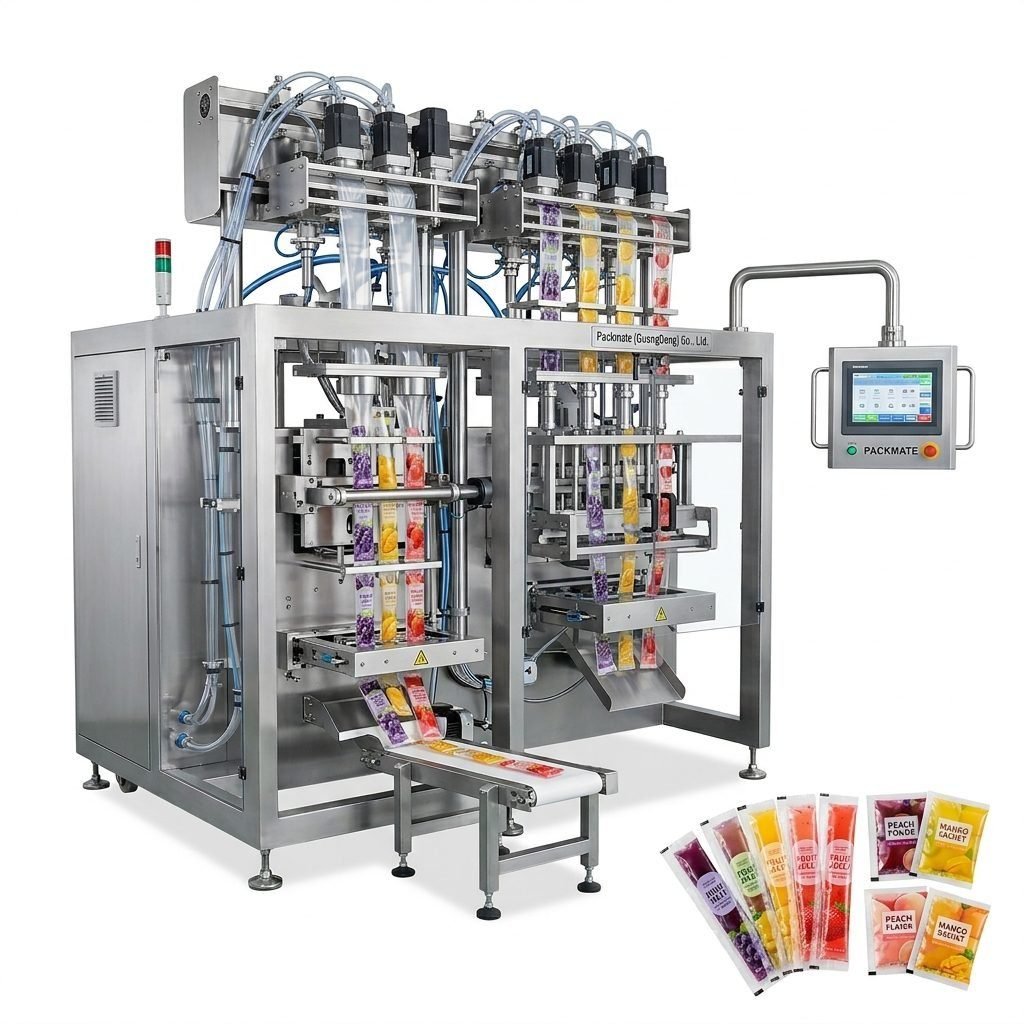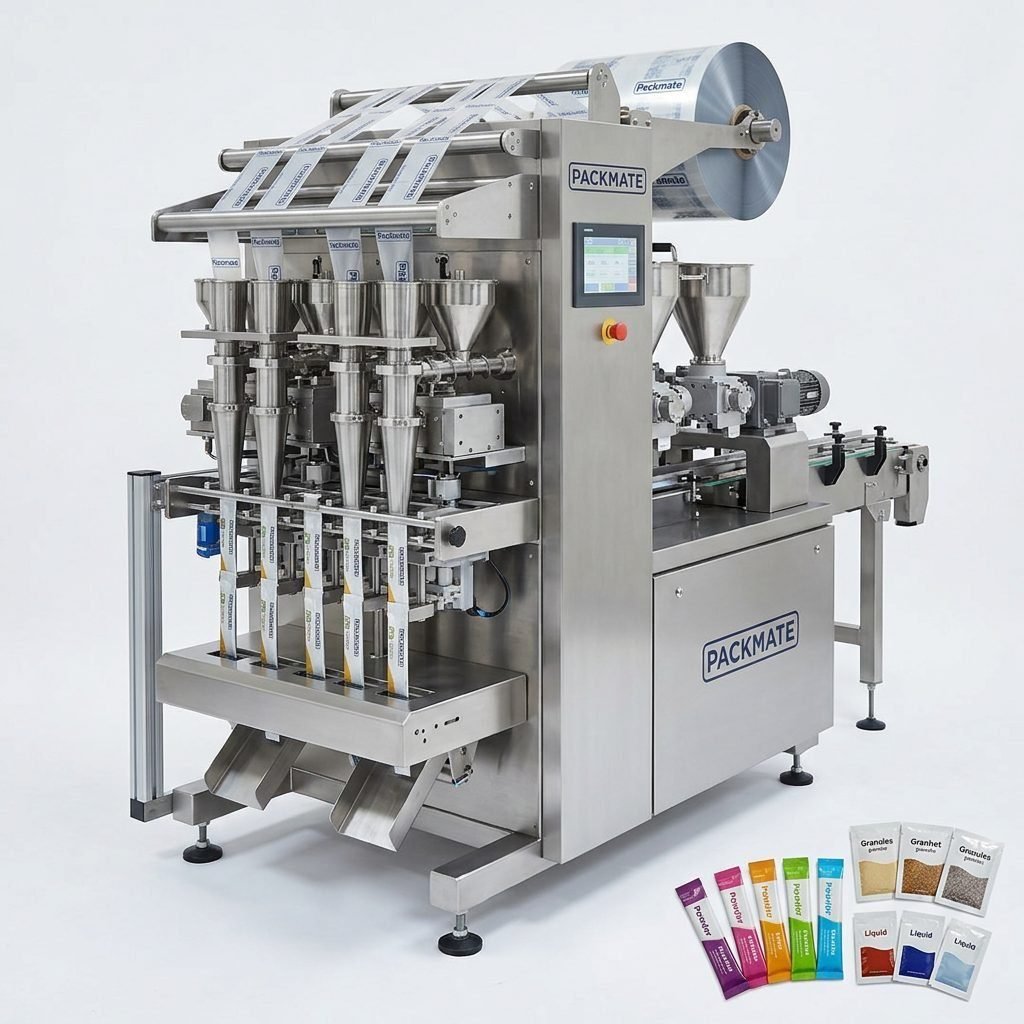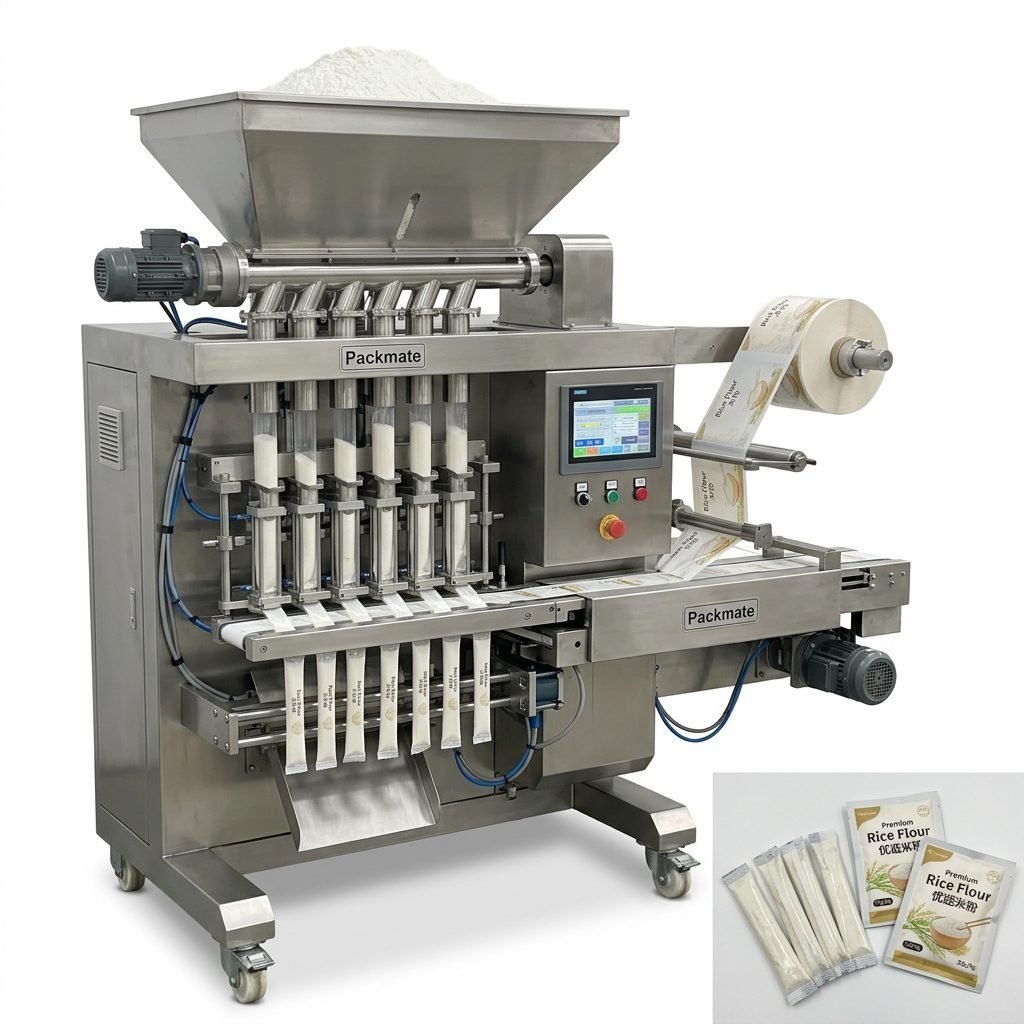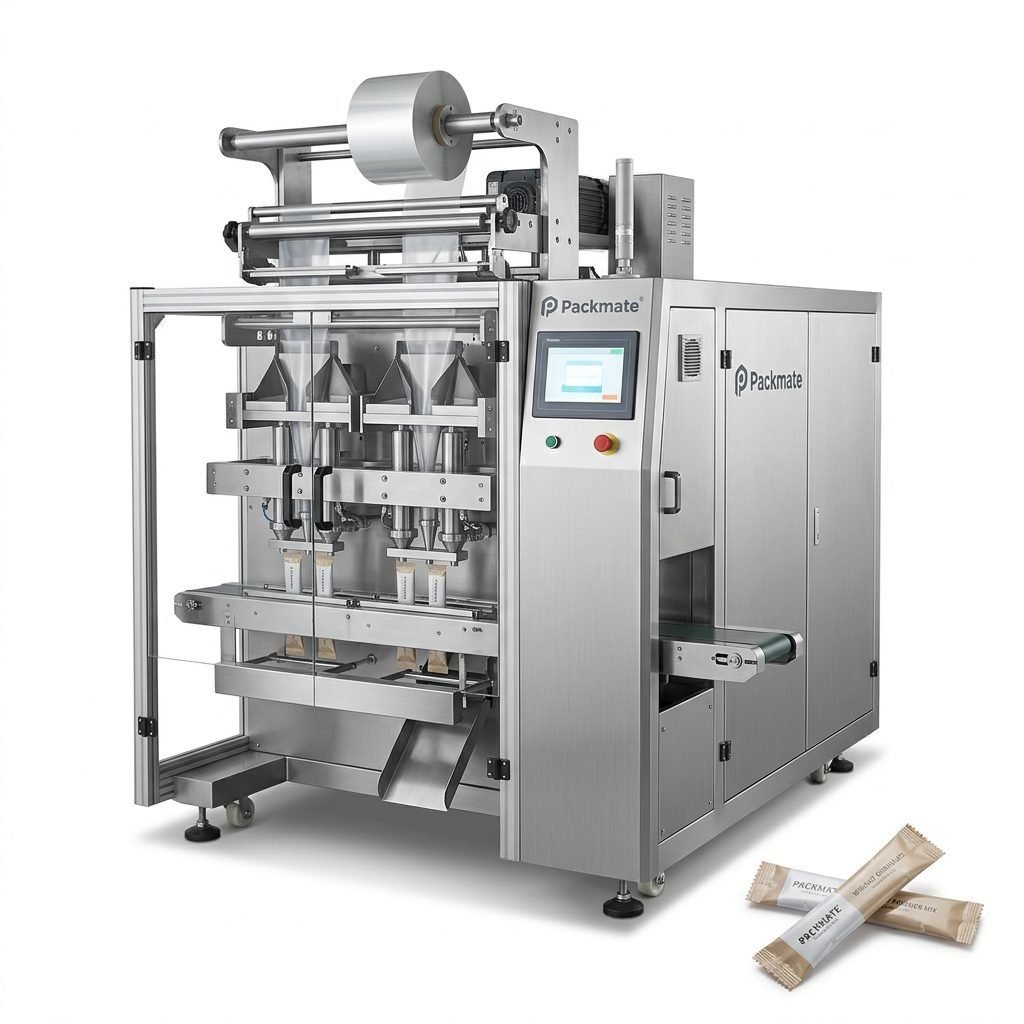
Selecting the right packaging machine manufacturer in the USA is a critical decision that impacts your production efficiency, product quality, and long-term operational costs. American manufacturers, ranging from large-scale food producers in the Midwest to boutique health supplement brands on the West Coast, require reliable, high-speed, and compliant packaging solutions. The choice becomes even more significant when considering import options from established international suppliers who offer competitive technology and value.
Understanding Your Core Packaging Requirements
Before initiating your search, a thorough internal assessment is essential. American businesses must clearly define their needs, which often vary by region and industry segment. For instance, a snack food producer in Texas may prioritize high-volume throughput for granular products, while a pharmaceutical startup in New England might focus on precision dosing and GMP compliance for powder supplements.
Key questions to ask your team:
• What is your primary product form (powder, granule, liquid, paste)?
• What are your target output speed (bags/minute) and annual production volume?
• What packaging material and bag type (stick pack, sachet, pouch) will you use?
• What level of automation is needed—standalone machine or full turnkey line?
• What are your factory’s space, utility (air, power), and layout constraints?
• What industry-specific certifications (e.g., FDA, USDA, cGMP) are mandatory?
Evaluating Manufacturer Capability and Experience
The manufacturer’s background is a strong indicator of reliability. In the USA, buyers often look for partners with a proven track record in their specific niche. Experience translates into better application knowledge, fewer engineering oversights, and more stable machine performance over time.
Critical Capability Factors:
- Industry Specialization: Does the manufacturer have a portfolio in your sector (e.g., food, pharma, nicotine pouches)?
- Project Scope: Can they supply a single machine, or do they have the engineering strength to deliver a complete, integrated packaging line?
- Technical Support: What is the structure for installation, training, spare parts, and after-sales service in the USA?
- Customization Ability: Can they adapt standard models to your unique product, material, or output requirements?
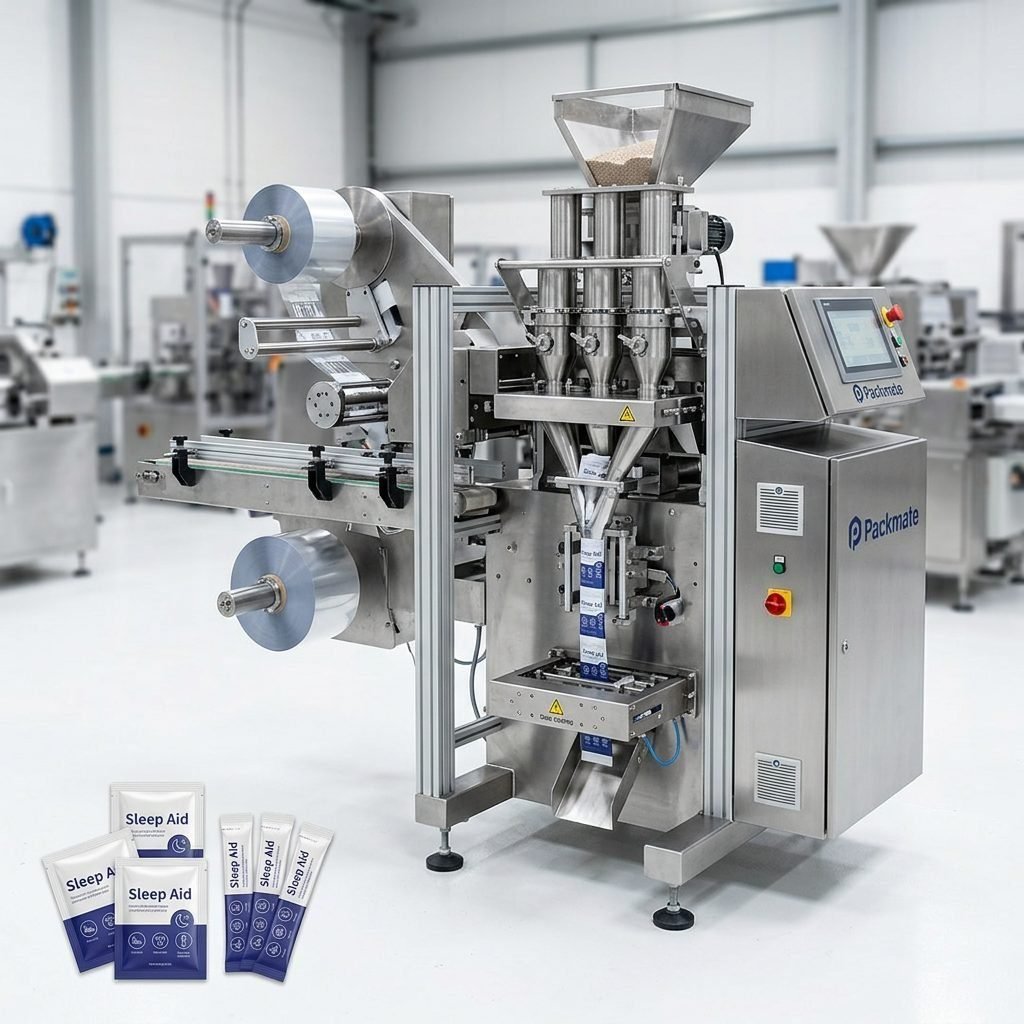
For example, a company like Ludyway, with over 30 years of experience and a focus on turnkey lines for food and pharma, might be a fit for buyers needing scalable, complete solutions. Their broad international footprint, including significant exports to North America, suggests an understanding of diverse market standards.
Assessing Manufacturing Quality and Technology
The build quality of the machinery directly affects uptime, maintenance frequency, and product consistency. American production managers prioritize robust construction, precision components, and user-friendly control systems that minimize downtime and operator error.
Request detailed information about the manufacturing process:
- Factory size and in-house machining capabilities (e.g., CNC centers).
- Quality control procedures during assembly and before shipment.
- Type of components used (brands of PLCs, servos, sensors, sealing elements).
- Availability of modern features like IoT connectivity for predictive maintenance or integrated vision inspection systems.
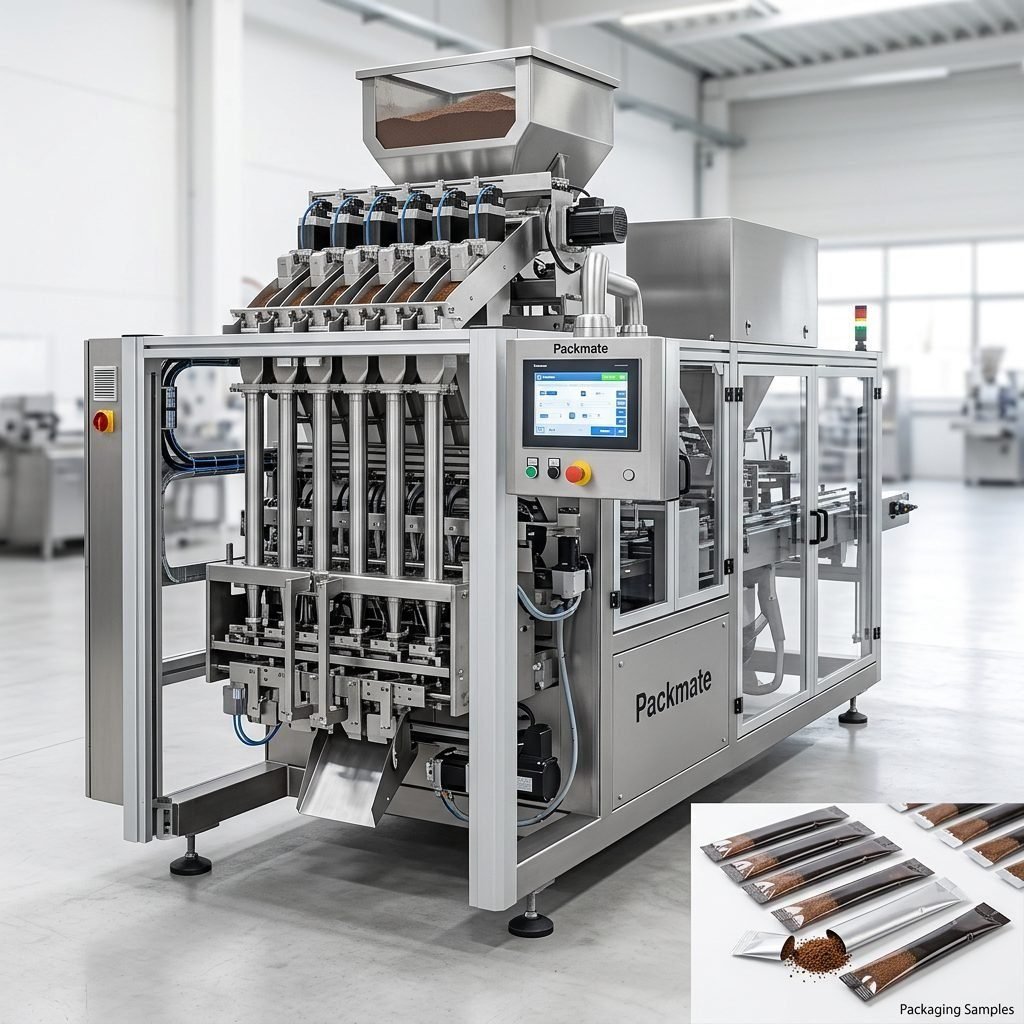
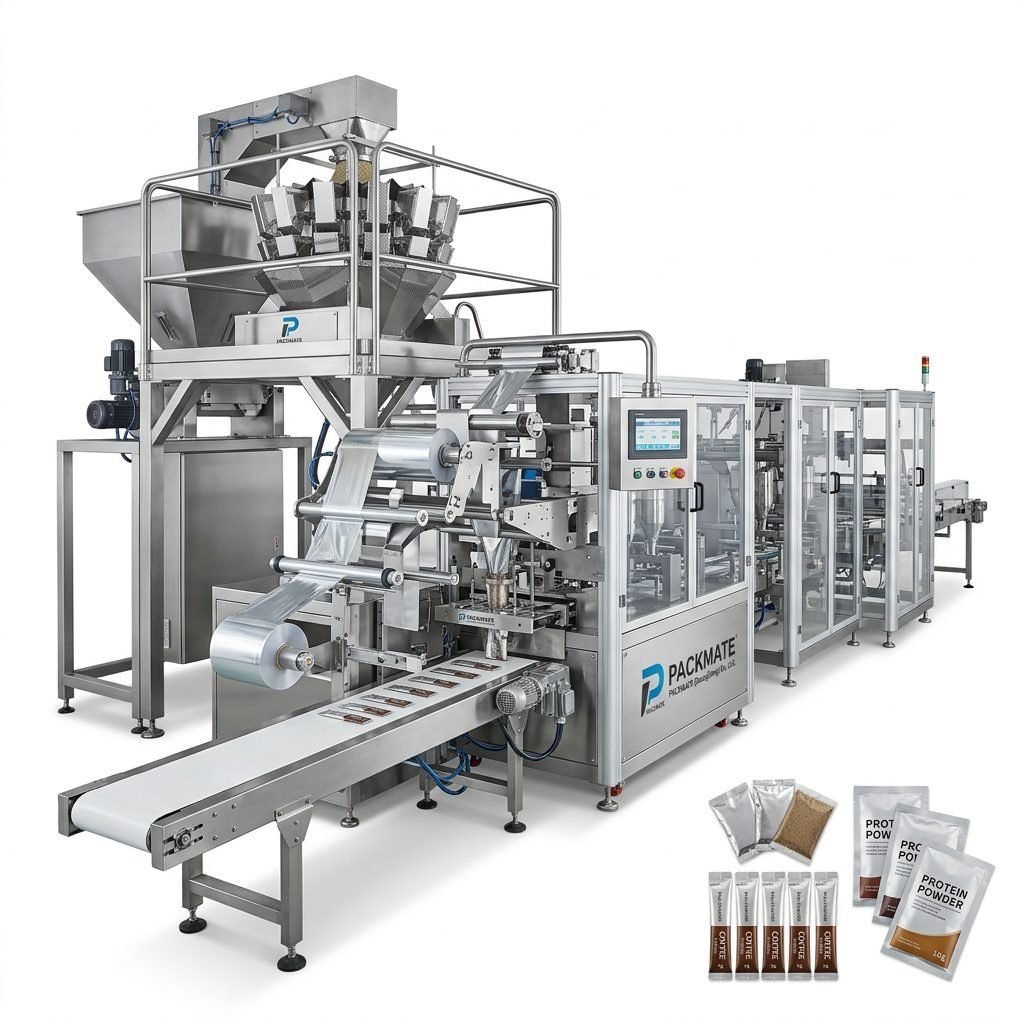
Manufacturers with substantial facilities, like those operating 20,000+ square meter factories, often have better control over quality and lead times. A supplier such as Packmate Machinery, which emphasizes stable performance and practical automation, could appeal to US buyers seeking a balance of reliability and cost-effectiveness for granule and powder applications.
Analyzing Total Cost of Ownership (TCO)
The purchase price is just one part of the financial equation. A savvy US buyer calculates the Total Cost of Ownership, which includes long-term operational expenses.
| Cost Factor | Description & Impact |
|---|---|
| Initial Investment | Machine price, shipping, import duties, and installation costs. |
| Operational Efficiency | Higher speed and yield reduce cost per bag. Lower giveaway (precise filling) saves product. |
| Maintenance & Downtime | Cost of spare parts, service labor, and production losses during machine stoppages. |
| Energy & Consumables | Power consumption and the cost of sealing jaws, filters, and other wear parts. |
| Technical Support | Cost and responsiveness of after-sales service, including remote and on-site support. |
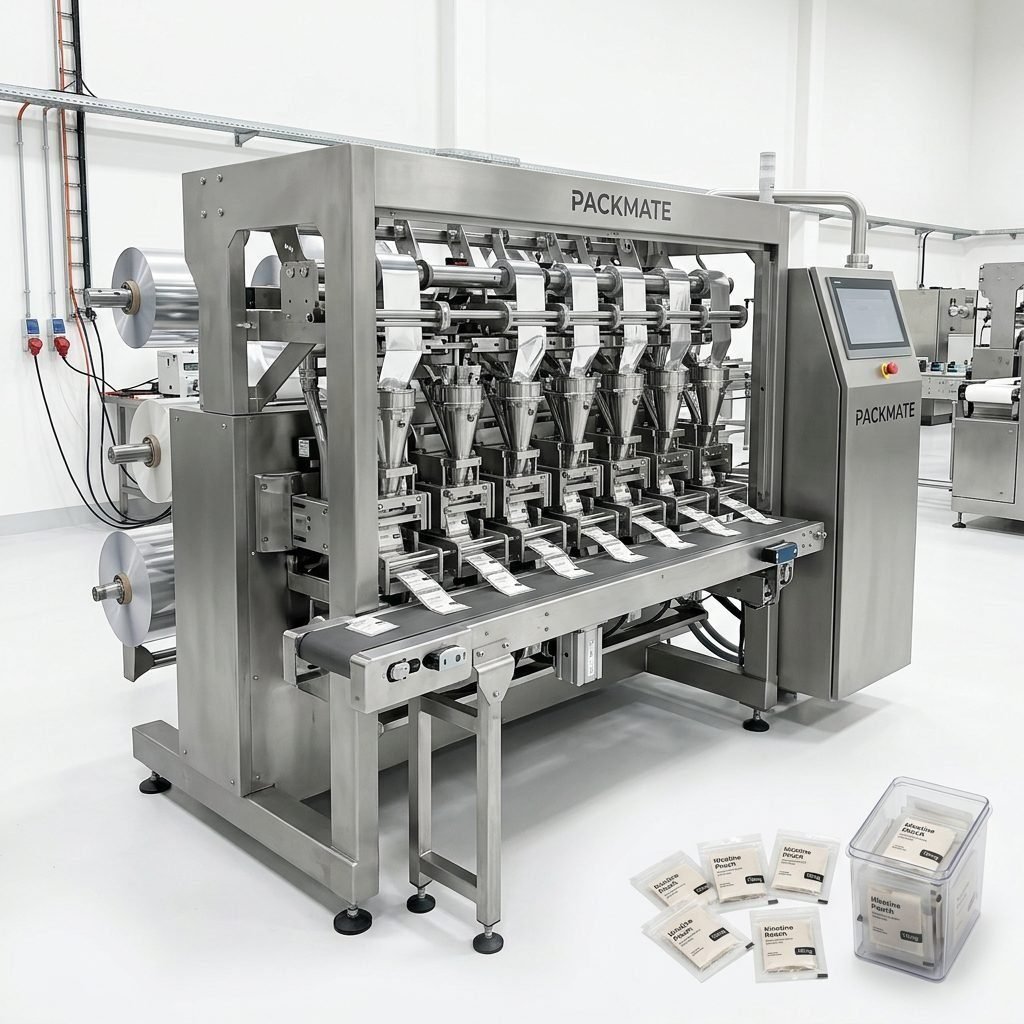
For specialized needs, a manufacturer like SnusMachinery, which focuses on nicotine pouch packaging, might offer higher efficiency and lower waste for that specific application, justifying the investment through superior TCO despite a potentially higher initial price compared to a general-purpose machine.
Verifying After-Sales Support and Local Presence
Strong after-sales support is non-negotiable for US operations. The geographical distance to overseas manufacturers makes the support structure critically important. Key aspects to verify include:
Support Checklist:
• Spare Parts Availability: Is there a US-based warehouse for common spare parts? What is the typical lead time for specialized parts?
• Service Network: Do they have trained technicians in the USA, or do they send engineers from abroad? What are the response times?
• Documentation: Are machine manuals, electrical diagrams, and PLC programs provided in English and are they clear?
• Training: Do they offer comprehensive training for your operators and maintenance staff, either at their facility or on-site?
• Warranty: What is the warranty period and what does it specifically cover?
Manufacturers that are export-oriented, like PacklineOEM, often have established protocols for international support. Their focus on turnkey lines means they are accustomed to providing comprehensive project support, which can be valuable for complex installations.
The Importance of Testing and References
Never buy a packaging machine based solely on specifications. Requesting a product test is a standard and crucial step in the USA.
- Factory Acceptance Test (FAT): Plan to visit the manufacturer’s facility (or their local agent’s demo center) to run your actual product on the machine. Evaluate speed, accuracy, seal integrity, and ease of operation.
- Client References: Ask for contact information of existing clients in North America, preferably in a similar industry. Inquire about machine performance, reliability, and the quality of the supplier’s support.
- Case Studies: Review detailed project reports or videos of similar applications to understand the manufacturer’s problem-solving approach.
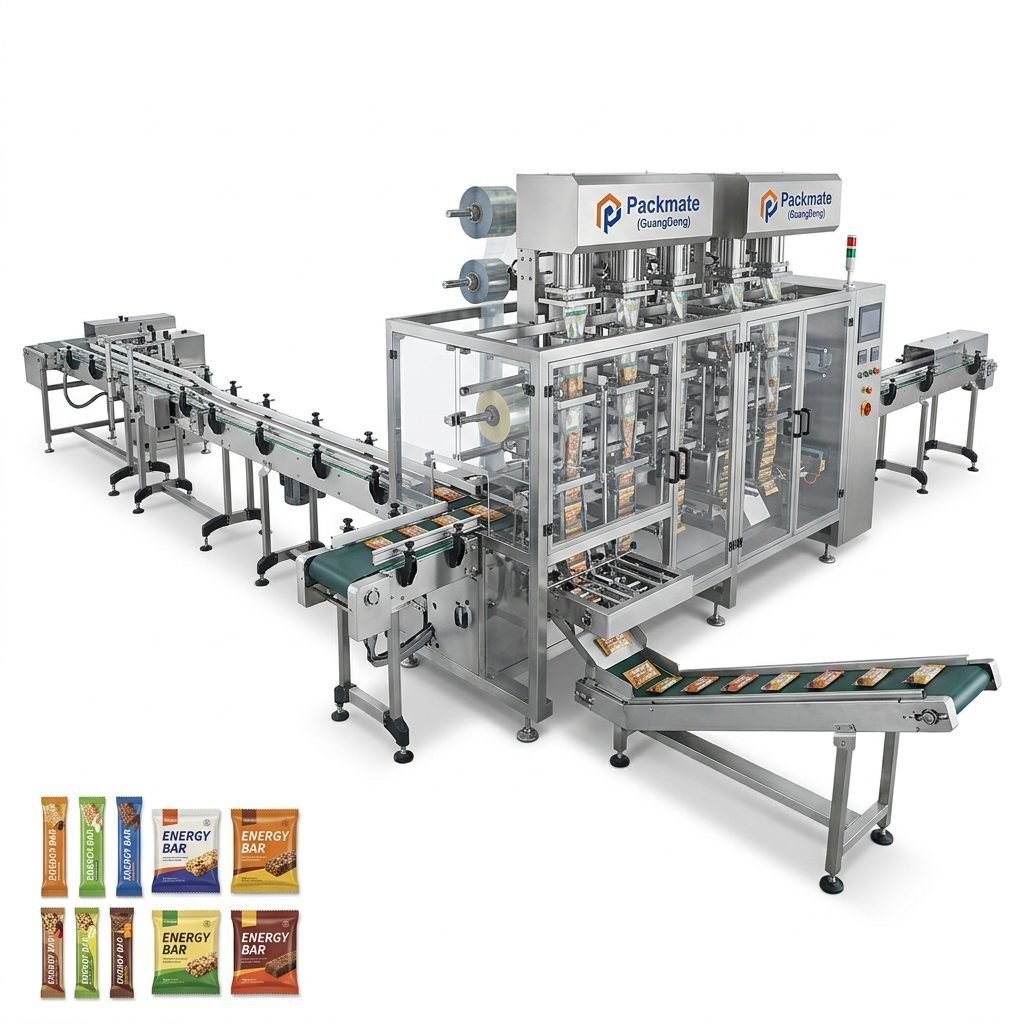
A supplier strong in customization, such as PackingMachineOEM, should be particularly willing and able to conduct thorough tests to prove their machine can handle your non-standard requirements.
Finalizing Your Decision
After thorough evaluation, align your findings with your core business goals. For a US company, factors like supply chain stability, compliance with local regulations (OSHA, NFPA), and the potential for future scalability are paramount. Choose a partner that demonstrates not just technical capability, but also a commitment to a long-term business relationship and understanding of the North American market’s demands for quality, support, and continuous innovation.
Frequently Asked Questions (FAQs)
Q: How important is it to choose a manufacturer with direct experience in my specific product (e.g., sticky powders, volatile liquids)?
A: It is highly important. Application-specific experience drastically reduces project risk. A manufacturer familiar with your product’s characteristics will anticipate challenges related to flowability, sealing, or contamination and engineer the machine accordingly, leading to faster commissioning and higher success rates.
Q: What are the key advantages of sourcing from a turnkey line specialist versus a standalone machine supplier?
A: A turnkey specialist (like PacklineOEM) manages the integration of all line components (feeding, filling, sealing, inspection, cartoning), ensuring compatibility and single-point responsibility. This saves you significant engineering time and interface headaches. A standalone machine supplier is suitable if you only need to replace one piece of equipment in an existing line.
Q: For a US-based operation, what are the logistical considerations when importing machinery?
A: Key considerations include: Incoterms (who handles shipping/insurance), freight forwarding, customs clearance, import duties (HTS code classification), inland transportation to your factory, and on-site rigging/in-stallation. A reputable manufacturer will have experience guiding buyers through this process and can recommend freight partners.
Q: How can I assess the true reliability of a machine before purchase?
A: Beyond the FAT, scrutinize the design (e.g., over-engineered frames, premium bearings), component brands, and assembly finish. Ask for Mean Time Between Failure (MTBF) data for critical subsystems. Speaking directly to long-term clients (3+ years) about their maintenance logs and unscheduled downtime is one of the best indicators.
Q: Is customization always more expensive and risky than choosing a standard machine?
A: Not necessarily. While custom features add cost, they can optimize your line’s efficiency and reduce waste, offering a strong ROI. The risk is mitigated by choosing a manufacturer with a proven customization process, clear engineering communication, and staged testing. For unique products, a tailored solution from a company like PackingMachineOEM is often the only viable path to automation.