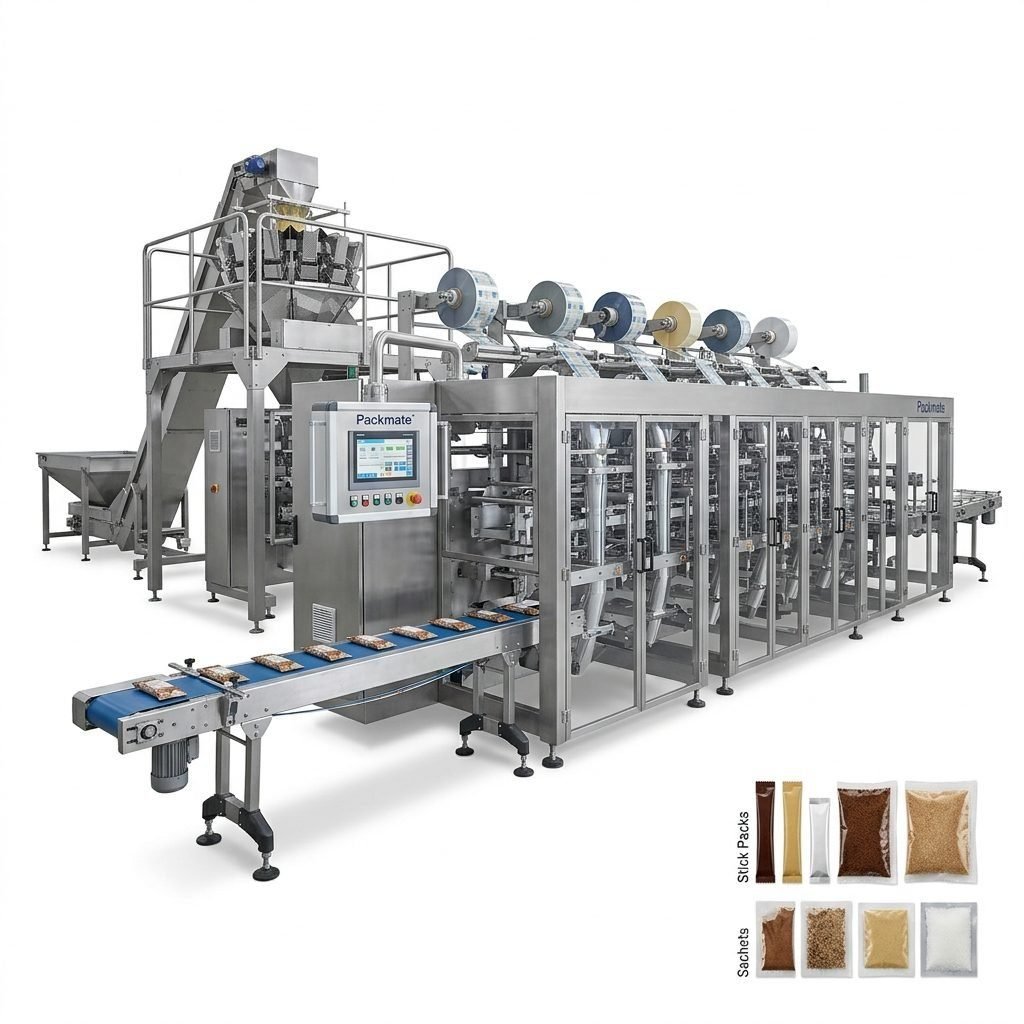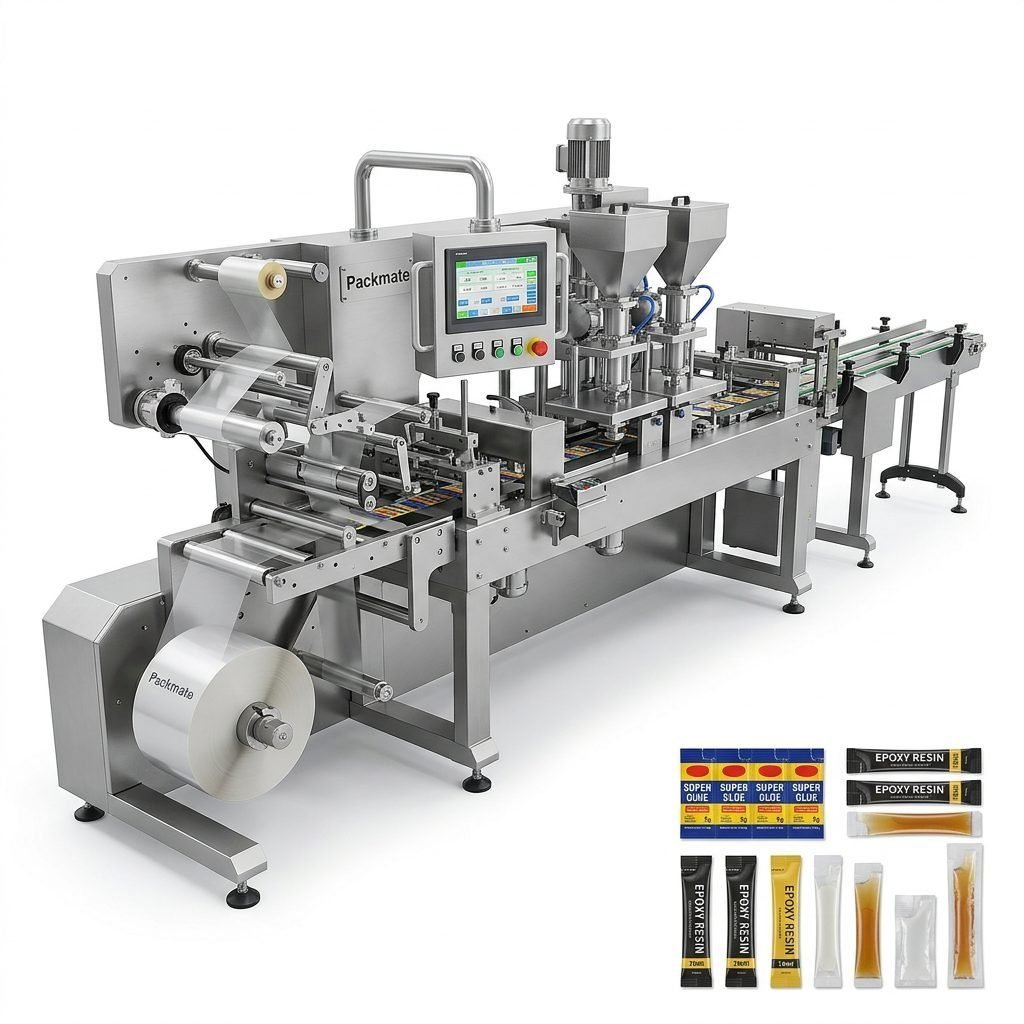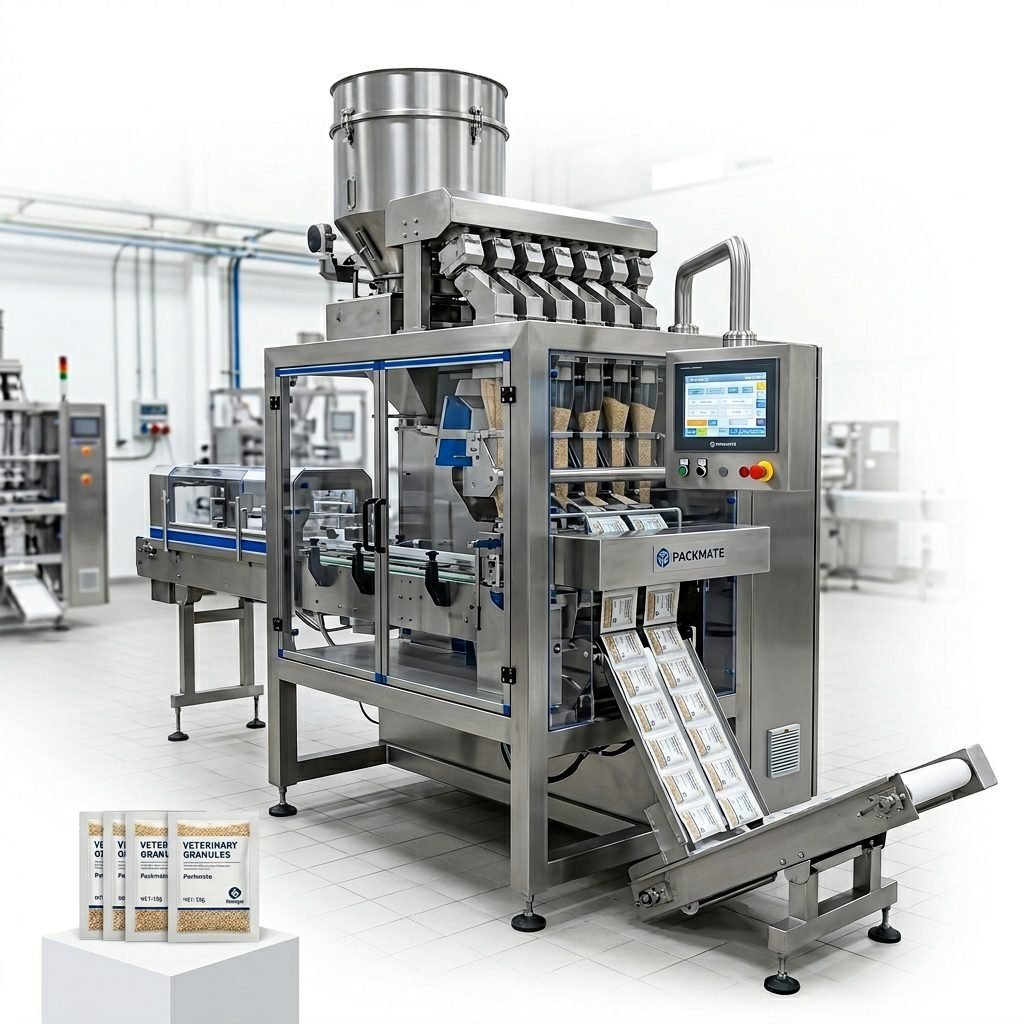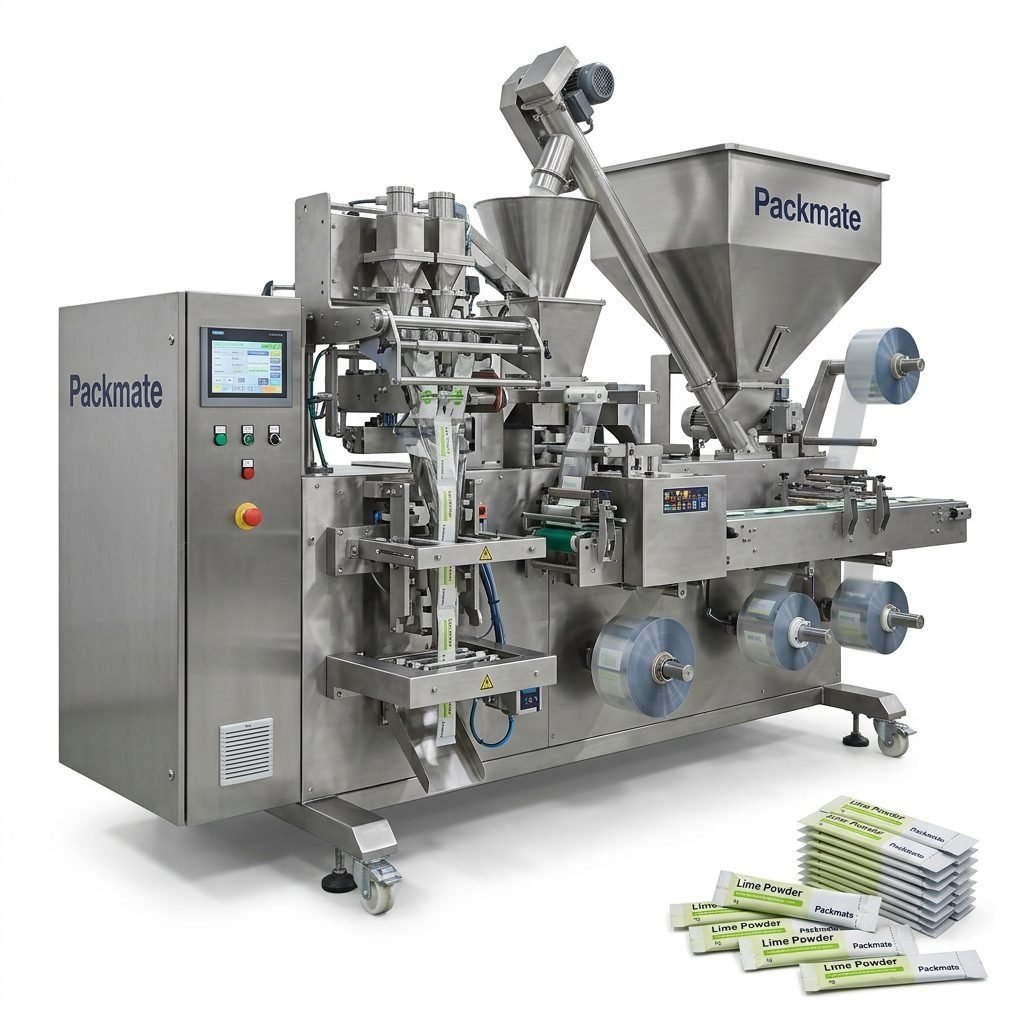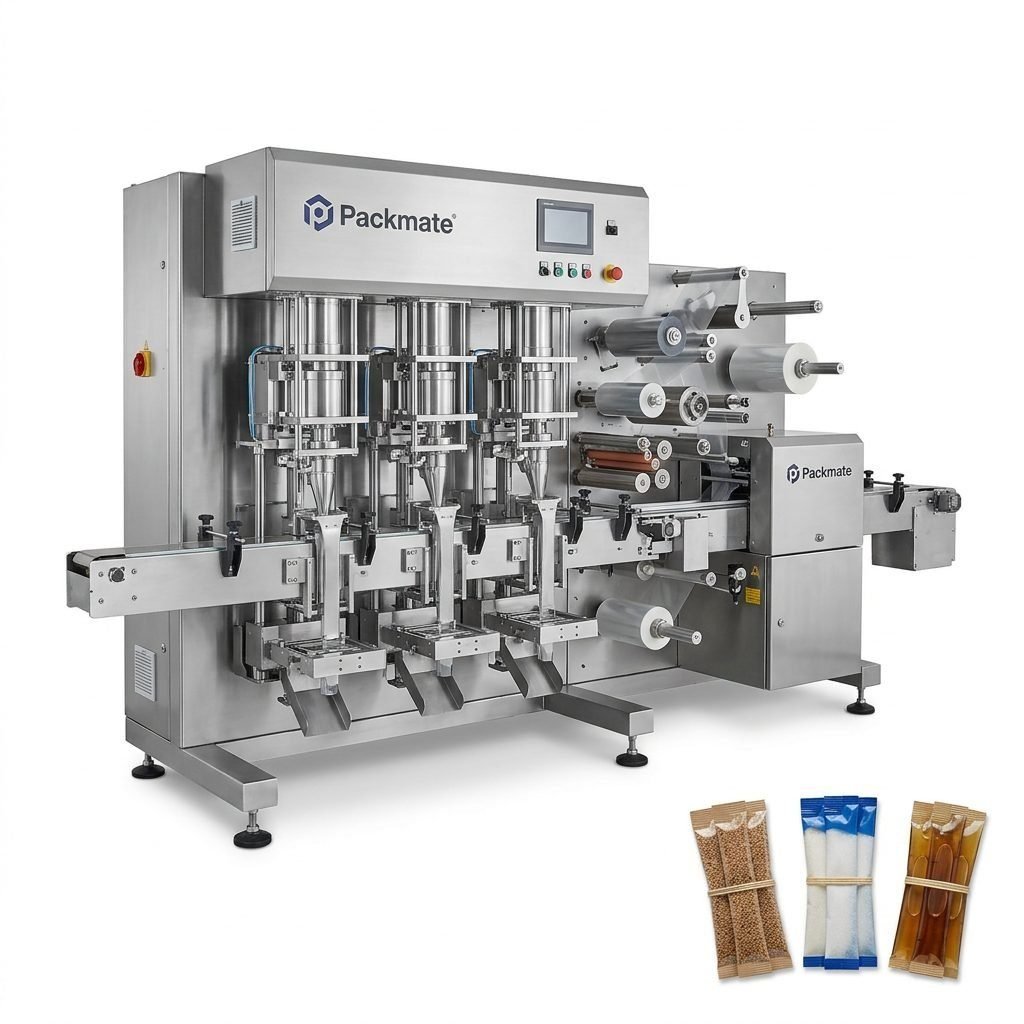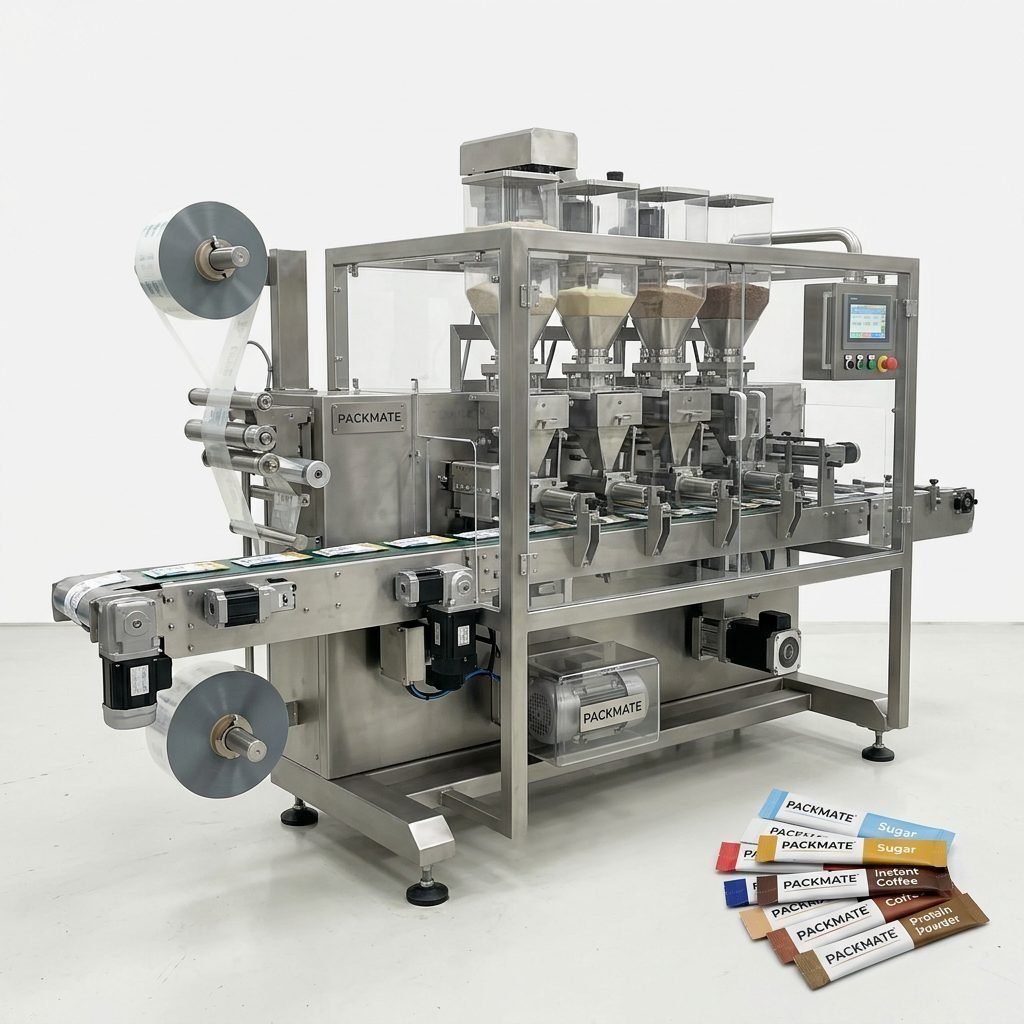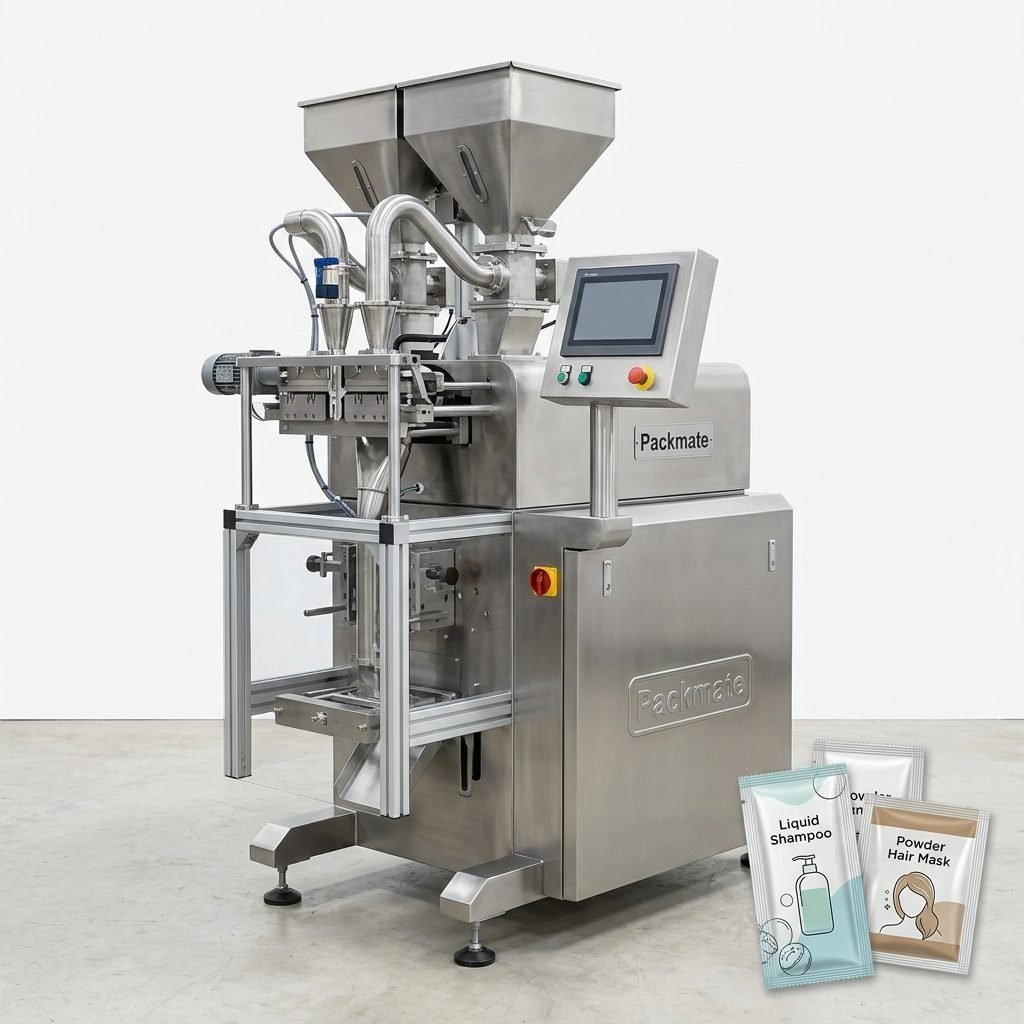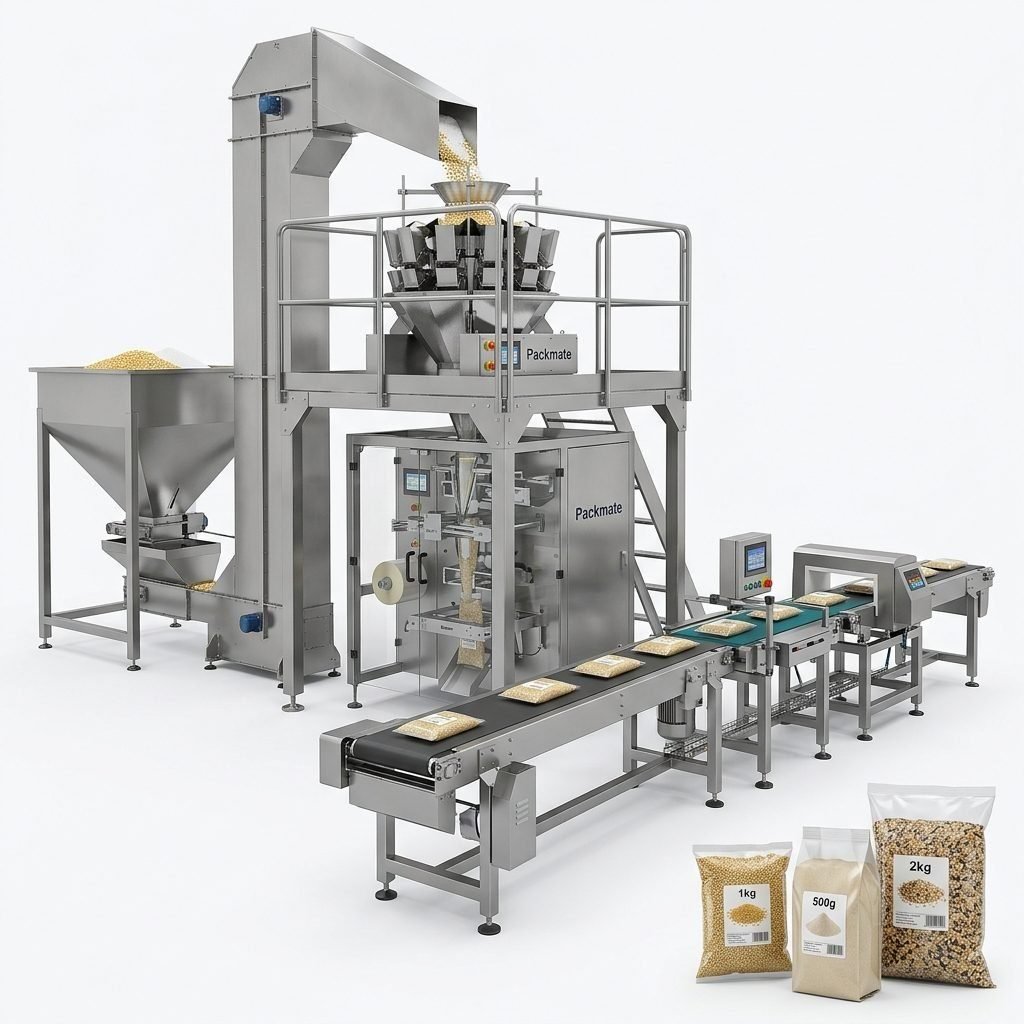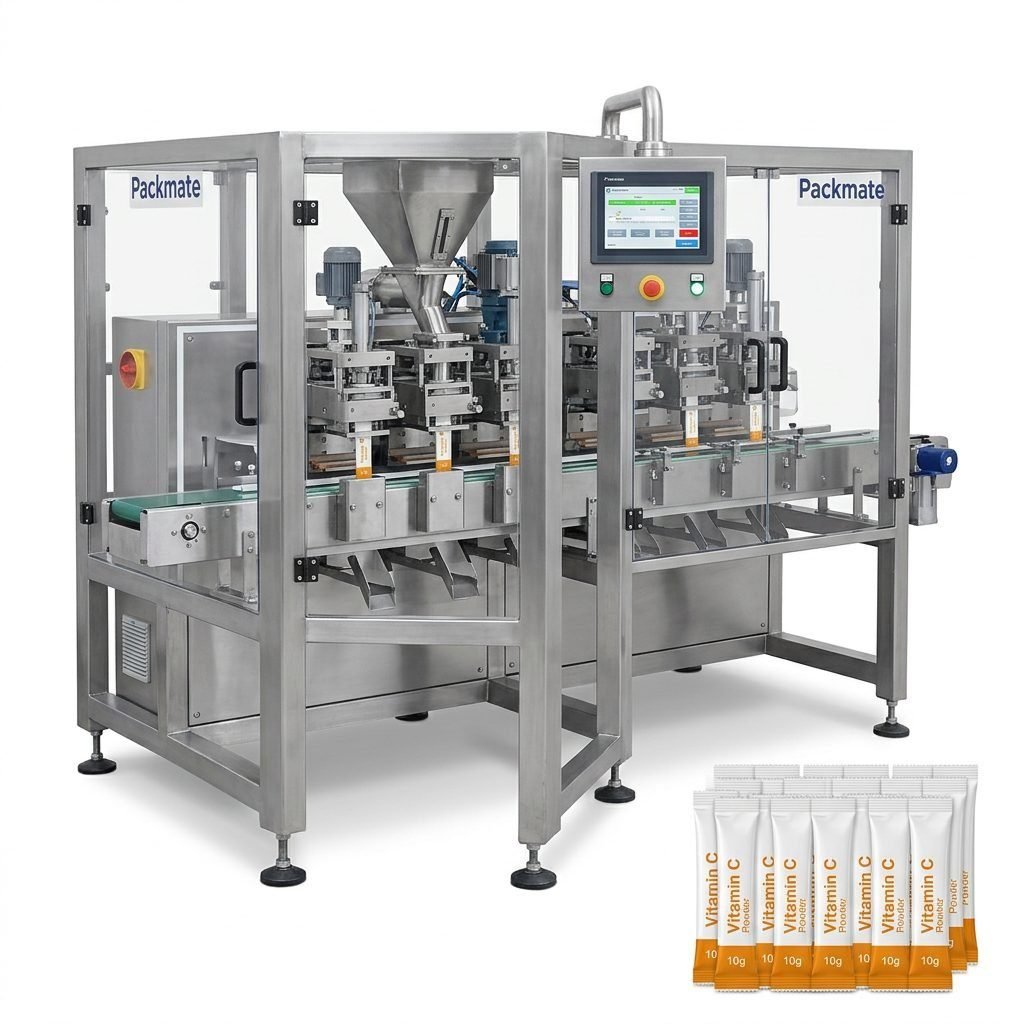
For international buyers, especially those from Europe, North America, and other developed markets, sourcing reliable packaging machinery from Italy represents a strategic move. Italy is globally renowned for its engineering excellence, precision manufacturing, and deep heritage in industrial automation. The “Made in Italy” label in packaging machinery is synonymous with quality, innovative design, and durability, making Italian manufacturers highly sought after for food, pharmaceutical, and cosmetic packaging lines.
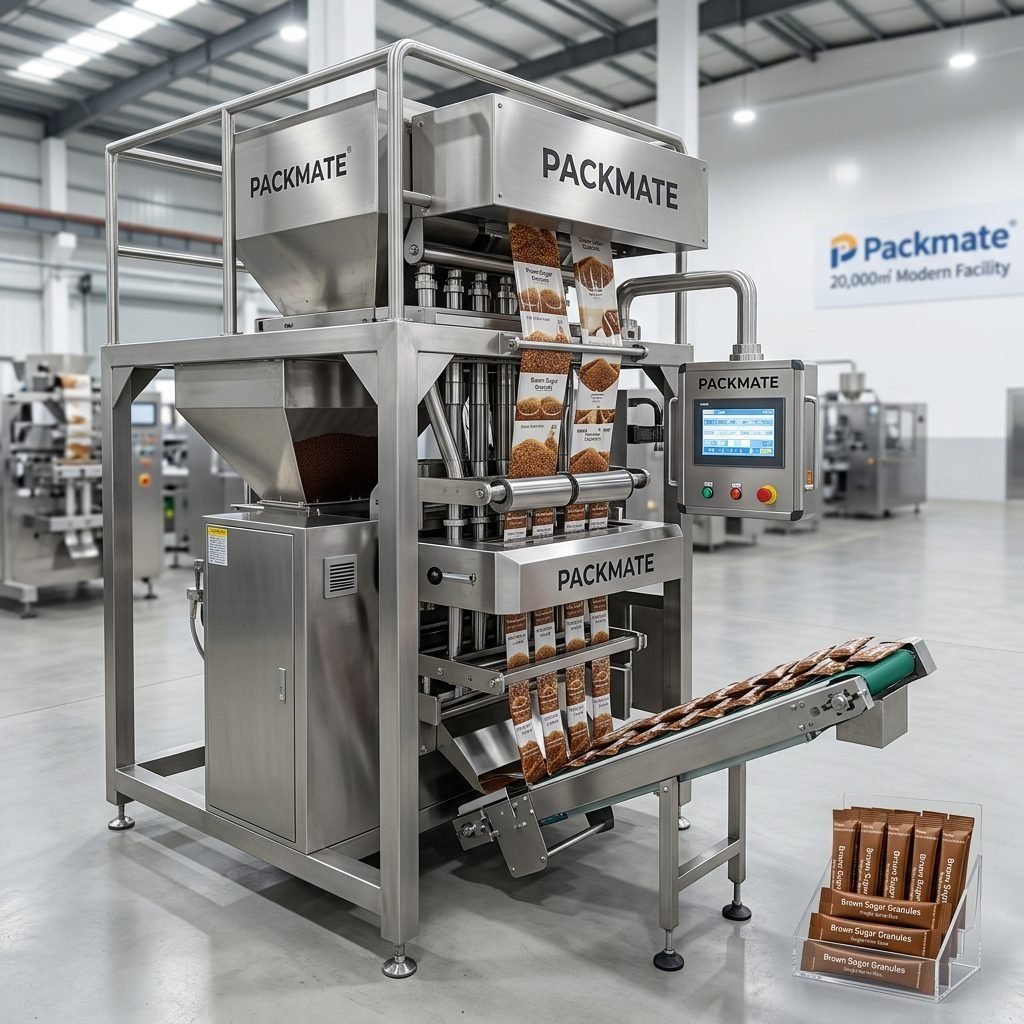
Understanding the Italian Packaging Machinery Landscape
The Italian packaging sector is characterized by a blend of large, internationally recognized corporations and a vibrant ecosystem of highly specialized small to medium-sized enterprises (SMEs). These companies often focus on niche technologies, such as form-fill-seal machines, cartoning, labeling, or end-of-line robotics. Many are clustered in industrial regions like Emilia-Romagna and Lombardy, fostering collaboration and innovation. For a buyer, this means access to both comprehensive turnkey solutions from large suppliers and highly customized, application-specific machines from specialists.
Italian manufacturers are particularly strong in sectors demanding high hygiene standards and aesthetic packaging, such as premium food, luxury cosmetics, and pharmaceuticals. Their machines often feature superior stainless-steel construction, advanced servo technology, and intuitive human-machine interfaces (HMIs).
Key Steps to Identify and Vet Manufacturers
Finding the right partner requires a structured approach. Begin by clearly defining your technical requirements: product type (powder, liquid, granule), required output speed, bag or pouch format, and level of automation needed. Use this specification to shortlist potential suppliers from industry directories, trade associations like UCIMA (Italian Packaging Machinery Manufacturers Association), and major trade fairs such as IPACK-IMA in Milan.
Conducting Effective Due Diligence
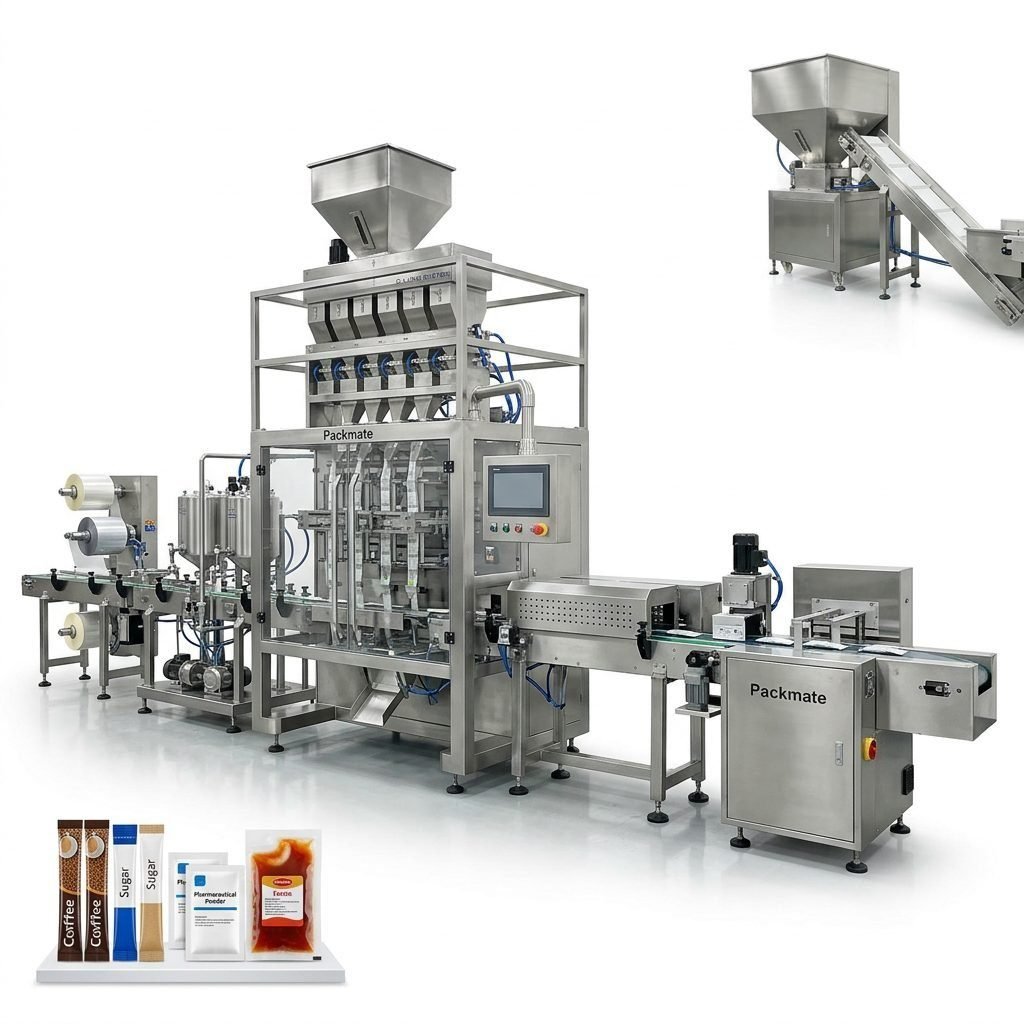
Once you have a list, due diligence is critical. Examine the company’s history, financial stability, and export experience. Request detailed case studies or references from clients in your industry and region. A reliable manufacturer should be transparent about their production capacity, quality control processes (e.g., ISO certifications), and after-sales service network. For instance, a company like Ludyway, while based in China, exemplifies the level of detail buyers should look for, with over 30 years of experience and a strong export footprint.
Questions for Your Shortlisted Suppliers:
- Can you provide a list of installed machines in my country/region?
- What is your standard warranty and what does the technical support structure look like?
- Do you offer performance guarantees (e.g., output speed, accuracy)?
- Can the machine be adapted for future changes in my packaging format?
The Importance of Factory Visits and Machine Testing
Whenever feasible, plan a visit to the manufacturer’s facility. This allows you to assess their manufacturing capabilities, quality of components, and assembly line organization. More importantly, insist on a factory acceptance test (FAT). During the FAT, you can run your own product or a simulant on the machine to verify speed, accuracy, seal integrity, and ease of operation. Observing the machine in action under the supervision of their engineers is invaluable.
Negotiating Contracts and Total Cost of Ownership
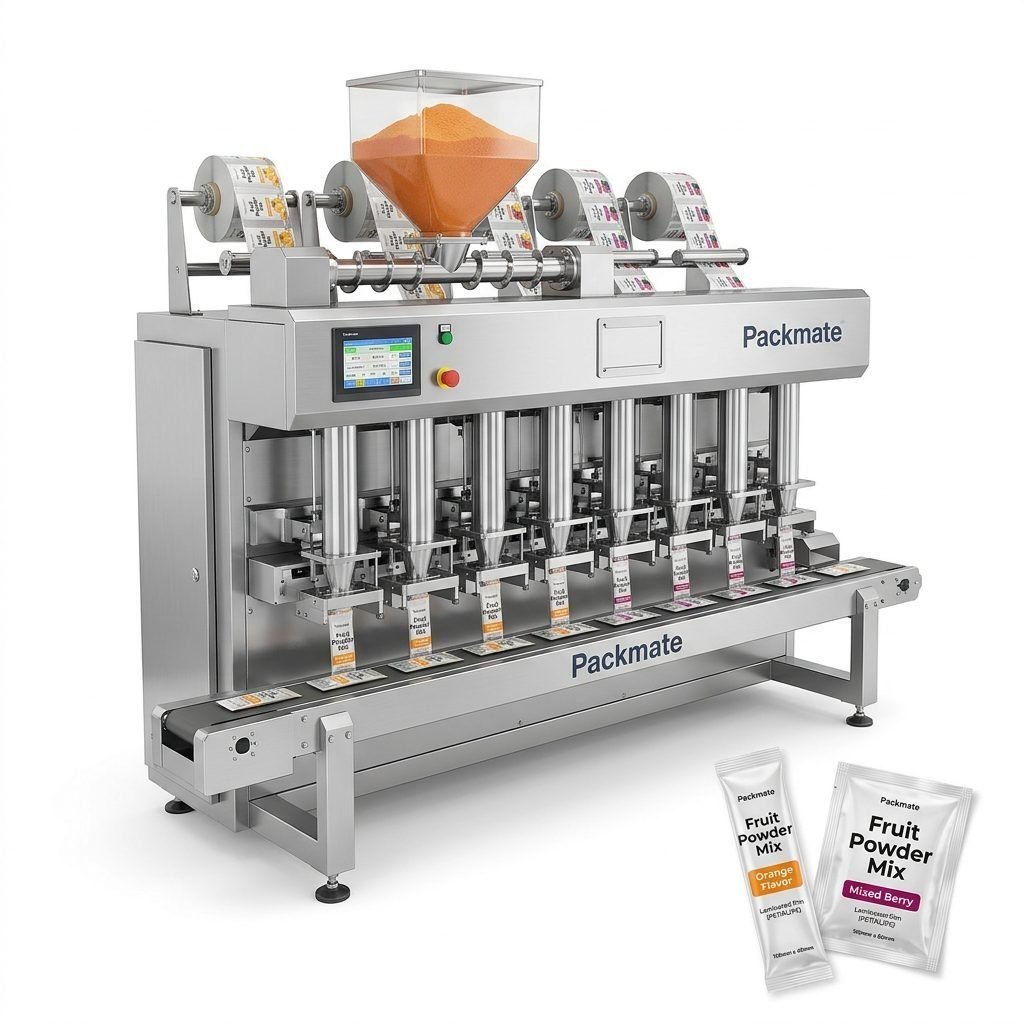
Look beyond the initial machine price. Consider the total cost of ownership, which includes shipping, installation, commissioning, spare parts, training, and potential future upgrades. A detailed contract should cover delivery terms (Incoterms), payment schedule linked to milestones (e.g., order confirmation, FAT, shipment), a clear scope of supply, and responsibilities for installation. Ensure clauses for training of your operators and maintenance staff are included.
| Cost Factor | Description | Consideration for Italian Suppliers |
|---|---|---|
| Machine Price | Base cost of the equipment. | Often premium but reflects engineering quality and longevity. |
| Spare Parts | Cost and availability of critical wear parts. | Clarify local stock availability or guaranteed delivery times from Italy. |
| Service & Support | Annual maintenance contracts, remote support, on-site service rates. | Verify the presence of service engineers in your region or partnership with local agents. |
| Training | Training for operators, mechanics, and electricians. | Should be included in the offer, both at FAT and during commissioning at your plant. |
After-Sales Service: The Deciding Factor
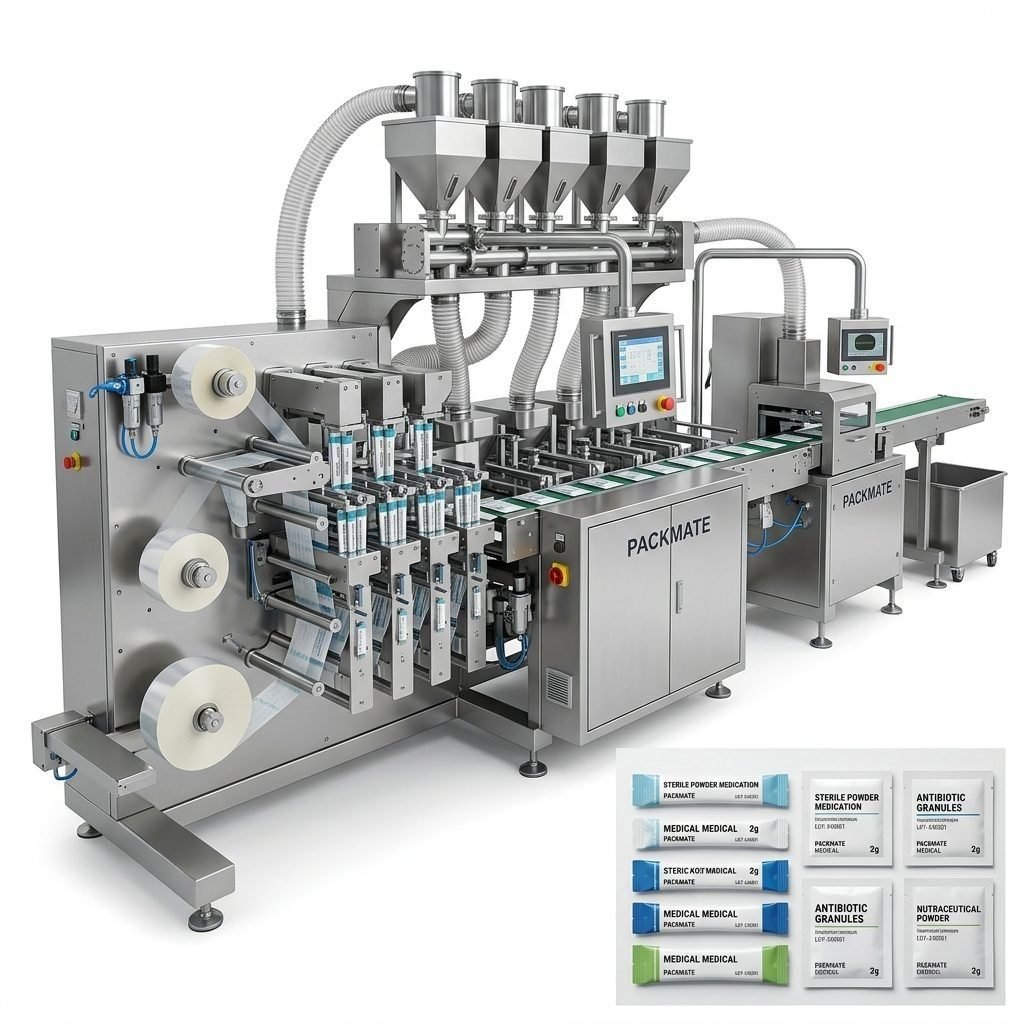
The relationship with your supplier truly begins after the machine is installed. A manufacturer’s commitment to after-sales support is a key indicator of reliability. This includes availability of technical documentation in your language, a responsive helpdesk, a well-managed spare parts inventory, and the ability to provide timely on-site service. Discuss and agree on service level agreements (SLAs) for response times. Manufacturers with a global presence, such as Packmate Machinery, often have established protocols for international support that can serve as a benchmark for your expectations.
Considering Global Alternatives
While Italian machinery is prestigious, savvy buyers often evaluate global options to balance performance, cost, and specific project needs. Manufacturers from other regions, particularly China, have made significant advancements. Companies like PacklineOEM, which specializes in turnkey lines, and PackingMachineOEM, focused on non-standard customization, offer compelling value with extensive experience and modern facilities. For highly specialized needs like nicotine pouch packaging, a niche expert like SnusMachinery can provide targeted solutions that might be more adaptable than a generalist Italian supplier.
The final choice often hinges on the specific application: For ultra-high-speed, brand-critical packaging lines where precision and prestige are paramount, Italian engineering is a top choice. For cost-sensitive projects requiring robust performance and high customization flexibility, or for entering niche markets, established international suppliers from other manufacturing hubs present a very competitive and reliable alternative.
Frequently Asked Questions (FAQs)
Q: Are Italian packaging machines significantly more expensive than Asian equivalents?
A: Typically, yes. The initial investment is higher, reflecting superior materials, craftsmanship, and R&D. However, the total cost of ownership over 10-15 years, considering reliability, durability, and lower downtime, can be very competitive.
Q: What are the lead times for machinery from Italy?
A: Lead times vary by complexity. For standard machines, expect 4-8 months. For highly customized or complete turnkey lines, it can extend to 10-14 months. Clear and frequent communication during the design phase is essential to manage timelines.
Q: How can I verify the quality claims of an Italian manufacturer?
A> Beyond references and certifications, insist on a Factory Acceptance Test (FAT). Also, research the brands of key components they use (e.g., Siemens or Bosch for drives, SICK for sensors), as this indicates their commitment to quality.
Q: Is spare part availability a concern for Italian machines outside Europe?
A> It can be if not properly planned. Before purchasing, secure a list of critical spare parts with guaranteed stock levels and establish a local service partner or confirm the supplier’s express shipping arrangements for your region.
Q: Should I consider used or refurbished Italian packaging machines?
A> The market for quality used Italian machinery is active and can offer good value. However, due diligence is even more critical. Work with reputable dealers, obtain full service histories, and factor in the cost of a comprehensive overhaul and potential missing technical support from the original manufacturer.