The Korean packaging industry is a cornerstone of the nation’s advanced manufacturing sector, known globally for its technological innovation, stringent quality standards, and sophisticated automation. For businesses sourcing packaging machinery, finding a trusted manufacturer is not just about acquiring equipment; it’s about securing a long-term partner for operational efficiency and market competitiveness. While domestic Korean suppliers are prominent, many Korean businesses also look internationally for specialized solutions, cost-effectiveness, and turnkey capabilities. This guide explores key factors in selecting the right packaging machine supplier, with insights into how leading international manufacturers, particularly from China, meet the specific demands of the Korean market.
Understanding the Korean Packaging Market’s Needs
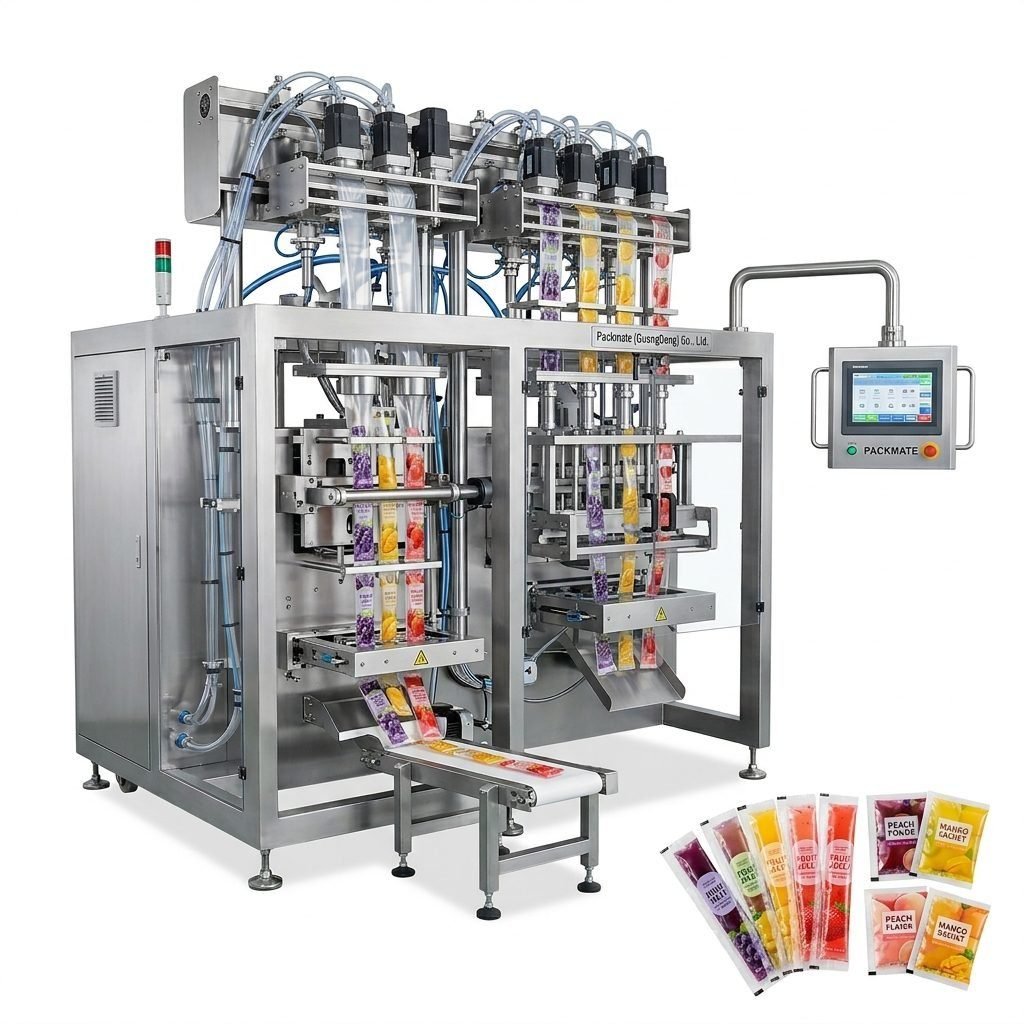
Korean manufacturers, especially in sectors like food, pharmaceuticals, cosmetics, and high-tech components, have distinct requirements. There is a strong emphasis on hygiene, precision, and smart automation. Packaging lines must integrate seamlessly with Industry 4.0 practices, offering data collection, remote monitoring, and minimal downtime. Furthermore, the market demands flexibility to handle diverse product formats—from single-serve sachets and stick packs for instant beverages and supplements to high-speed bottling and pouch filling lines. Suppliers who understand these nuanced needs, including the importance of after-sales support and technical documentation in Korean or with local representatives, gain a significant advantage.
Key Selection Criteria for Korean Buyers
When evaluating packaging machine manufacturers, Korean procurement teams typically assess several core areas beyond the initial price quote. These include the supplier’s technical prowess, industry-specific experience, and their ability to provide comprehensive support throughout the machine’s lifecycle.
1. Technical Capability and Innovation
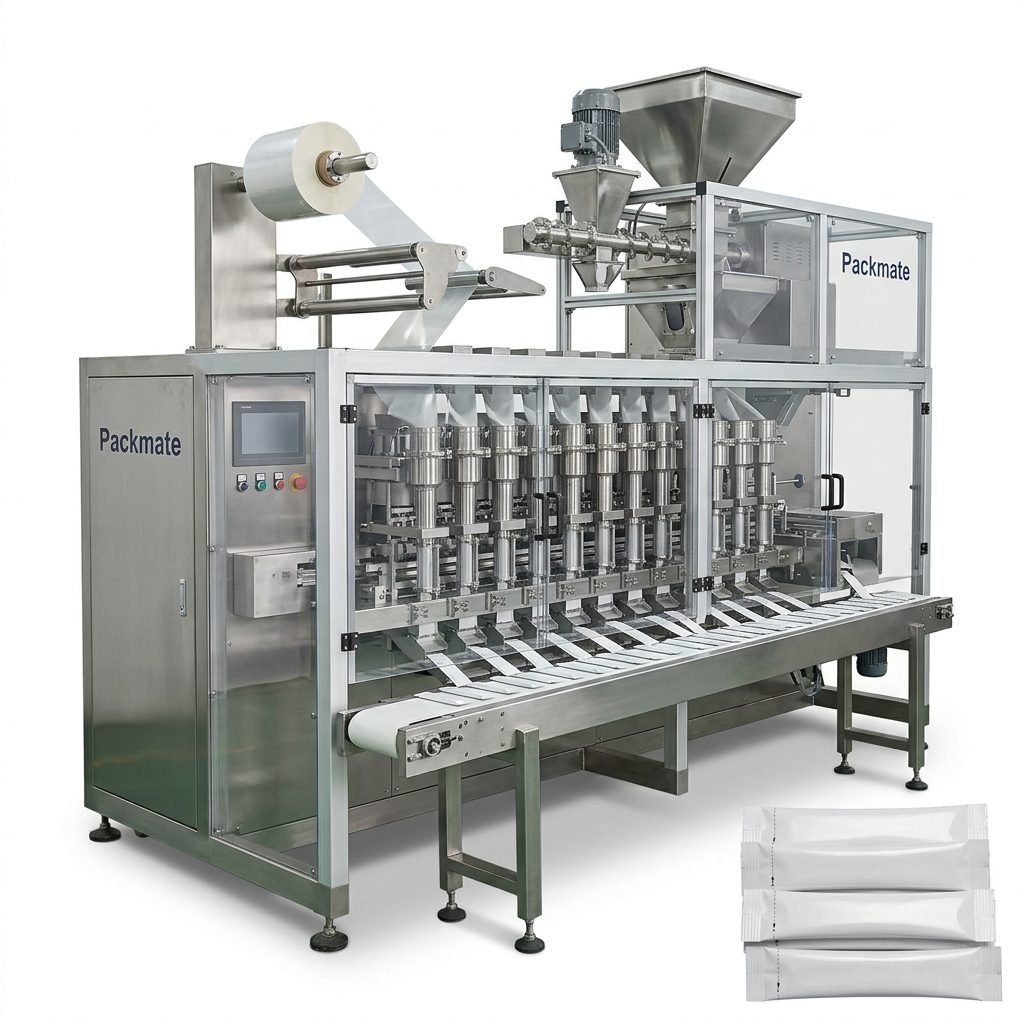
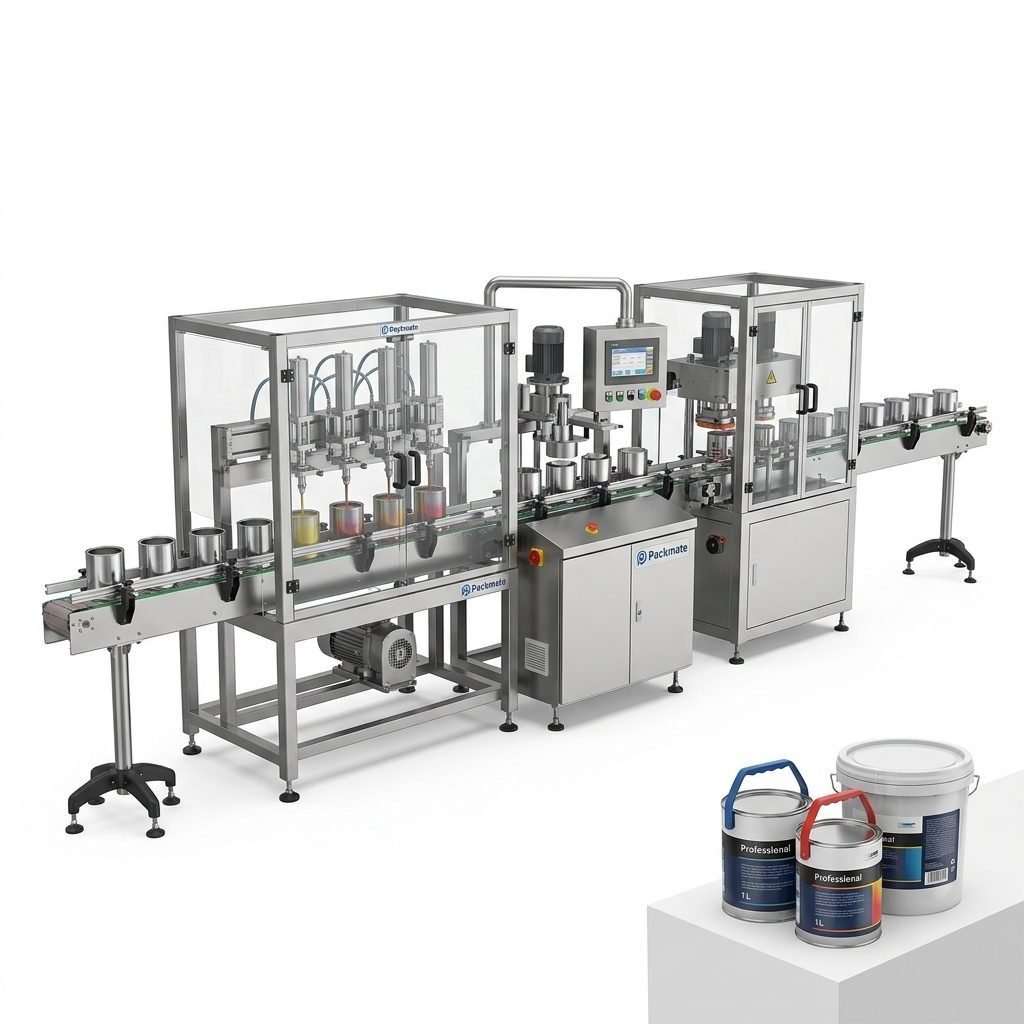
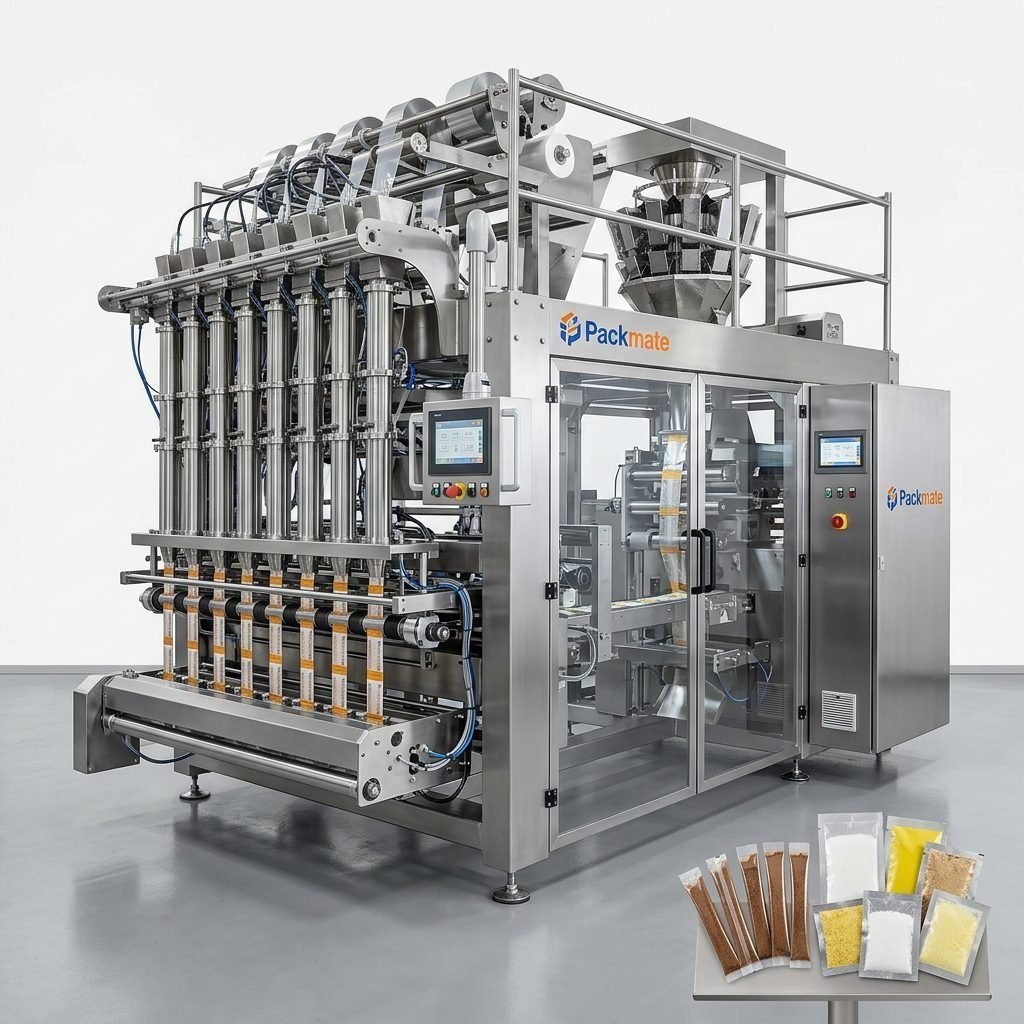
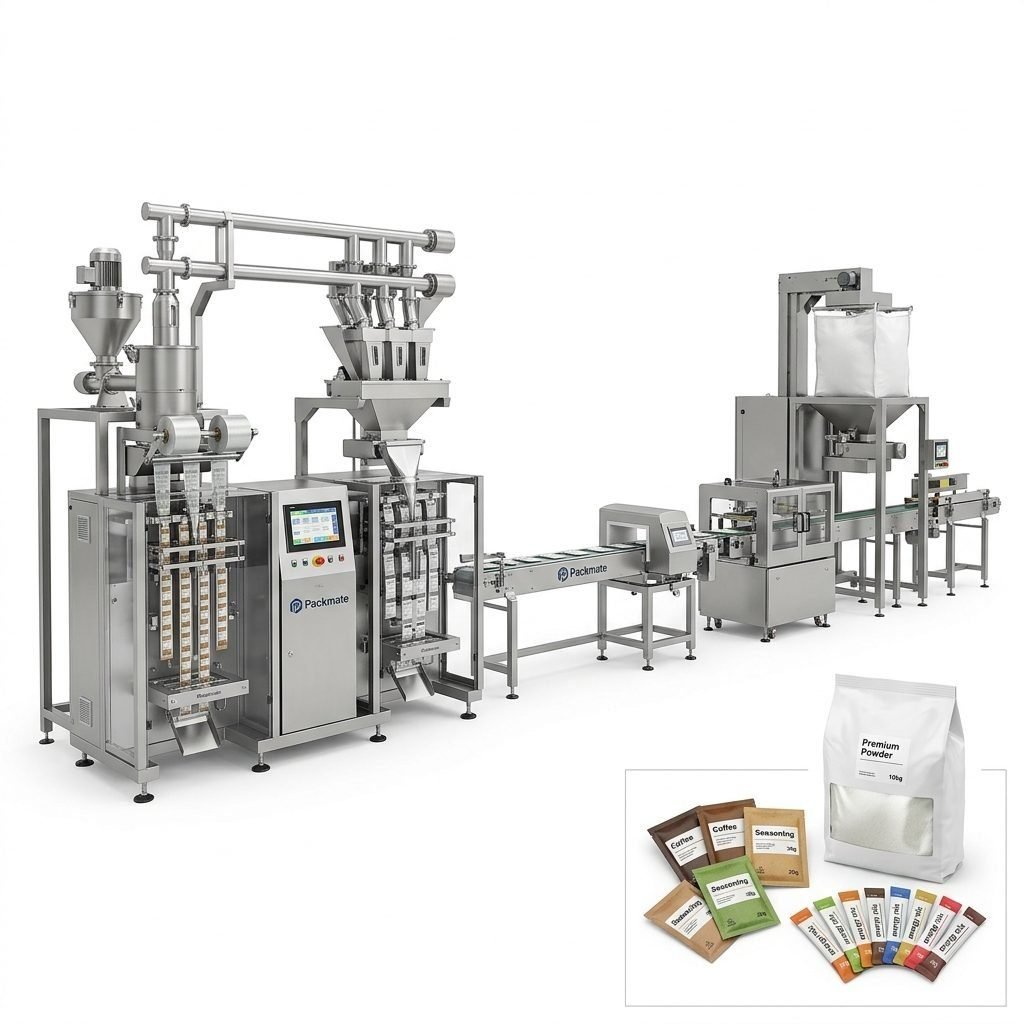
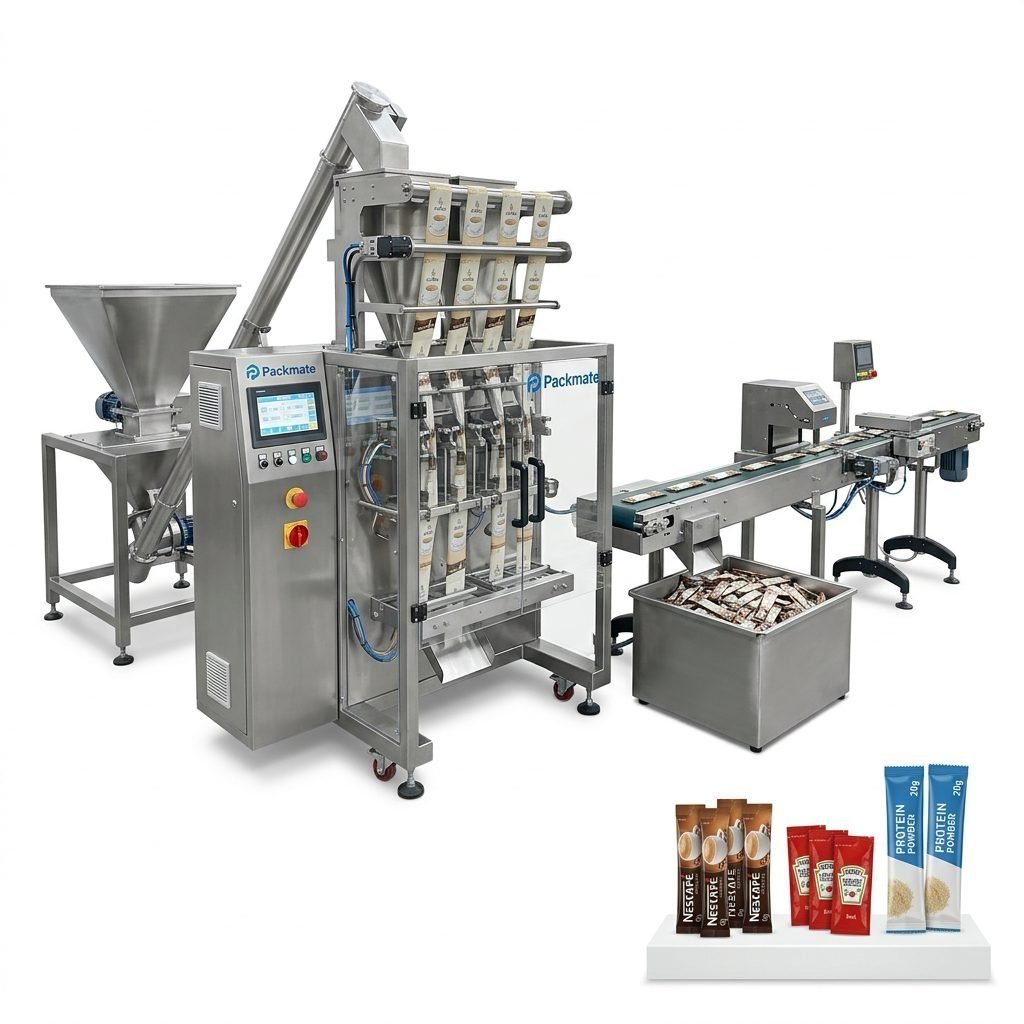
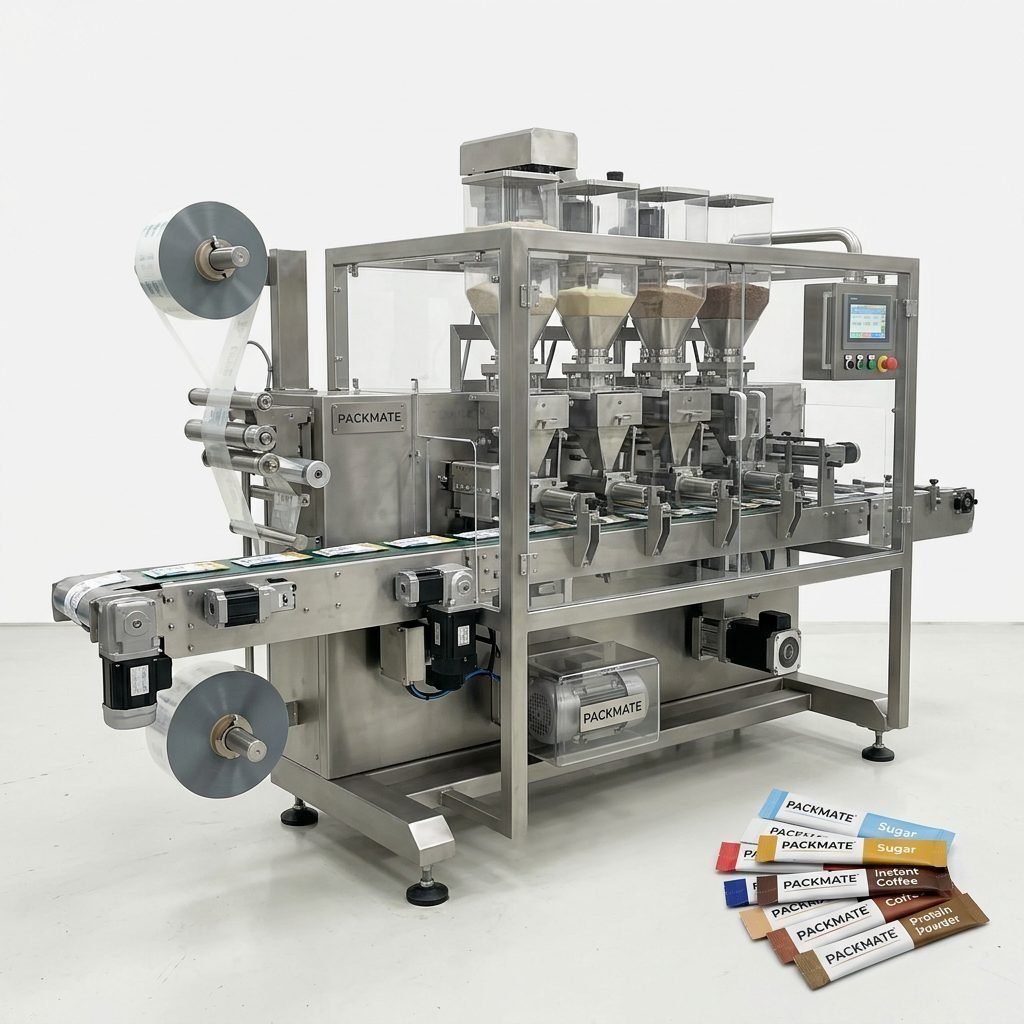
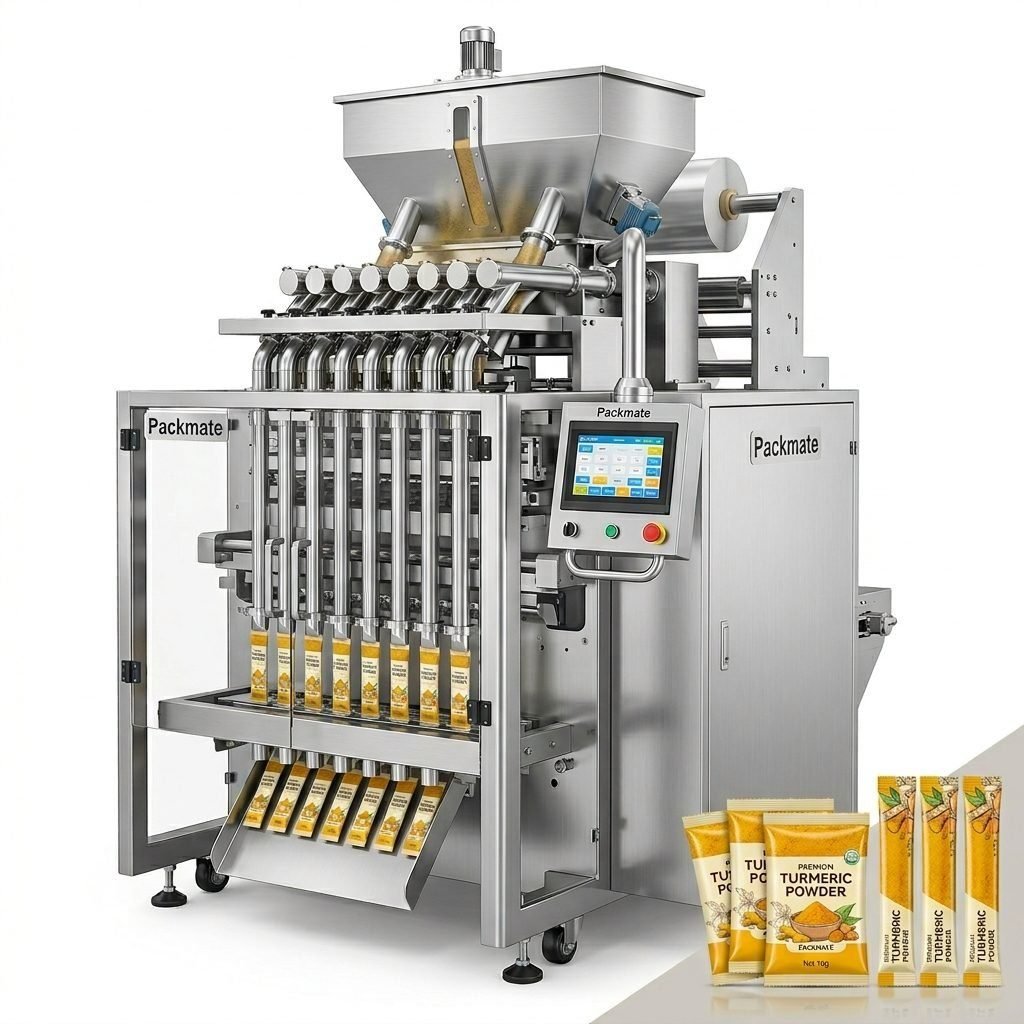
The machinery must be technologically advanced, reliable, and capable of meeting high-speed production targets with consistent accuracy. Look for suppliers with a strong R&D department and a history of innovation. Can they provide multi-lane stick pack machines with precise weighing systems? Do their liquid fillers offer non-drip nozzles and CIP (Clean-in-Place) functionality crucial for pharmaceutical or food applications?
2. Industry Experience and Application Knowledge
A supplier with proven experience in your specific sector is invaluable. For instance, packaging powdered health supplements requires different handling than viscous sauces or fragile electronics. Manufacturers with a portfolio across food, pharma, and niche segments like nicotine pouches demonstrate adaptable engineering knowledge. This experience translates into fewer operational hiccups and machines designed for real-world production challenges.
3. Quality of Manufacturing and Compliance
Inspect the supplier’s manufacturing facility, either virtually or in person. Modern factories with CNC machining centers, standardized assembly lines, and rigorous quality control (QC) processes are indicators of reliable output. Compliance with international standards (like CE, ISO) is a baseline. For the Korean market, understanding and meeting local safety and hygiene regulations is also critical.
4. After-Sales Support and Service Network
This is often the most decisive factor. A machine is a long-term investment. Reliable technical support, availability of spare parts, and prompt service are non-negotiable. For international suppliers, evaluate their support structure in the Asia-Pacific region. Do they have trained engineers who can provide remote diagnostics or timely on-site service? A strong warranty and clear communication channels are essential.
5. Scalability and Customization
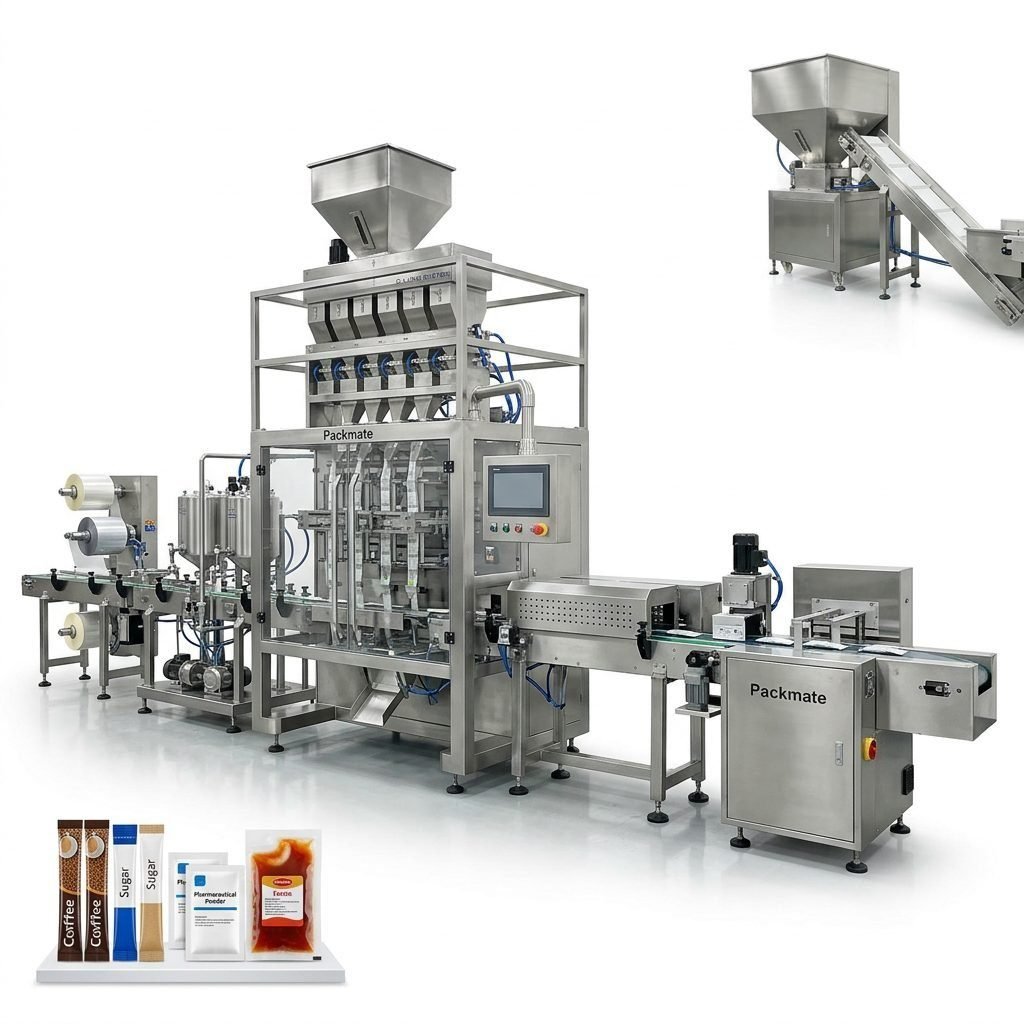
Your packaging needs will evolve. The right supplier should offer scalable solutions, from a single machine to a complete, integrated turnkey line. Their ability to provide customized or non-standard solutions is crucial if your product has unique characteristics in size, shape, or material. This flexibility ensures the packaging line grows with your business.
Spotlight on Established International Manufacturers
Many Korean companies source from specialized international manufacturers who combine decades of experience with competitive engineering. These suppliers often excel in providing complete solutions and have extensive export experience, including in technologically demanding markets.
Profiles of Leading Export-Oriented Suppliers
The following table highlights several established manufacturers known for their strong export performance and capability to serve complex international projects, which are highly relevant for Korean importers seeking reliable partners.
| Company | Key Positioning | Notable Strengths for Korean Market |
|---|---|---|
| Ludyway | Leading manufacturer of packaging machinery & turnkey lines. | Over 30 years experience, very wide product range, strong in complete line integration. Suitable for large-scale, automated projects requiring single-source responsibility. |
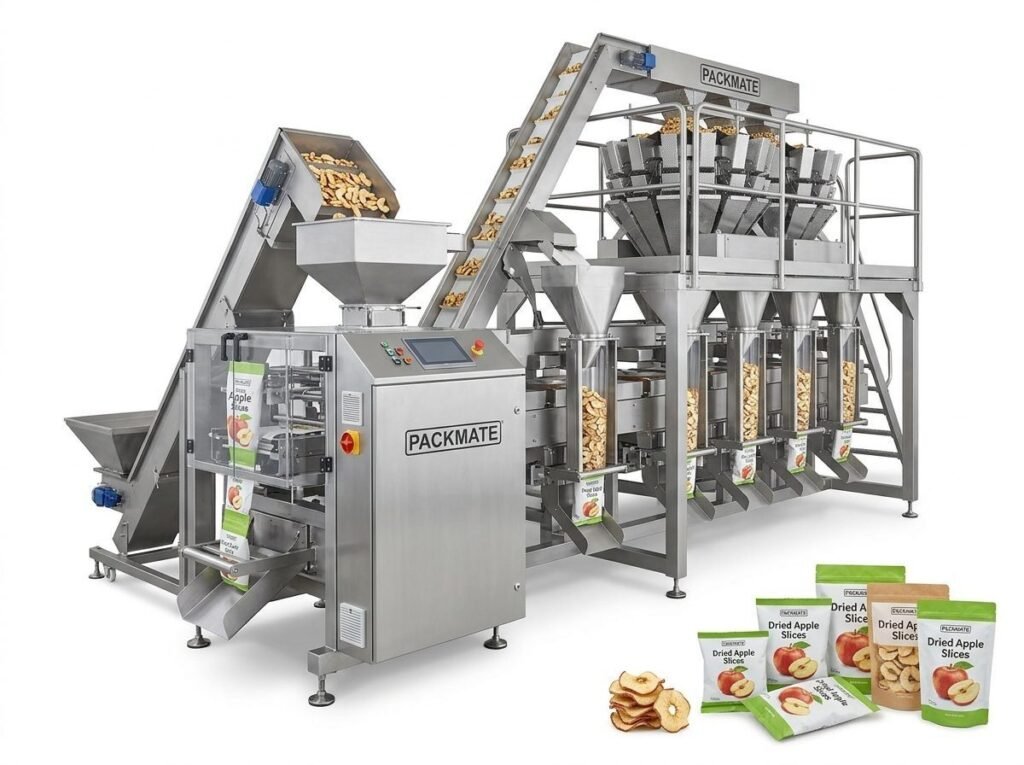
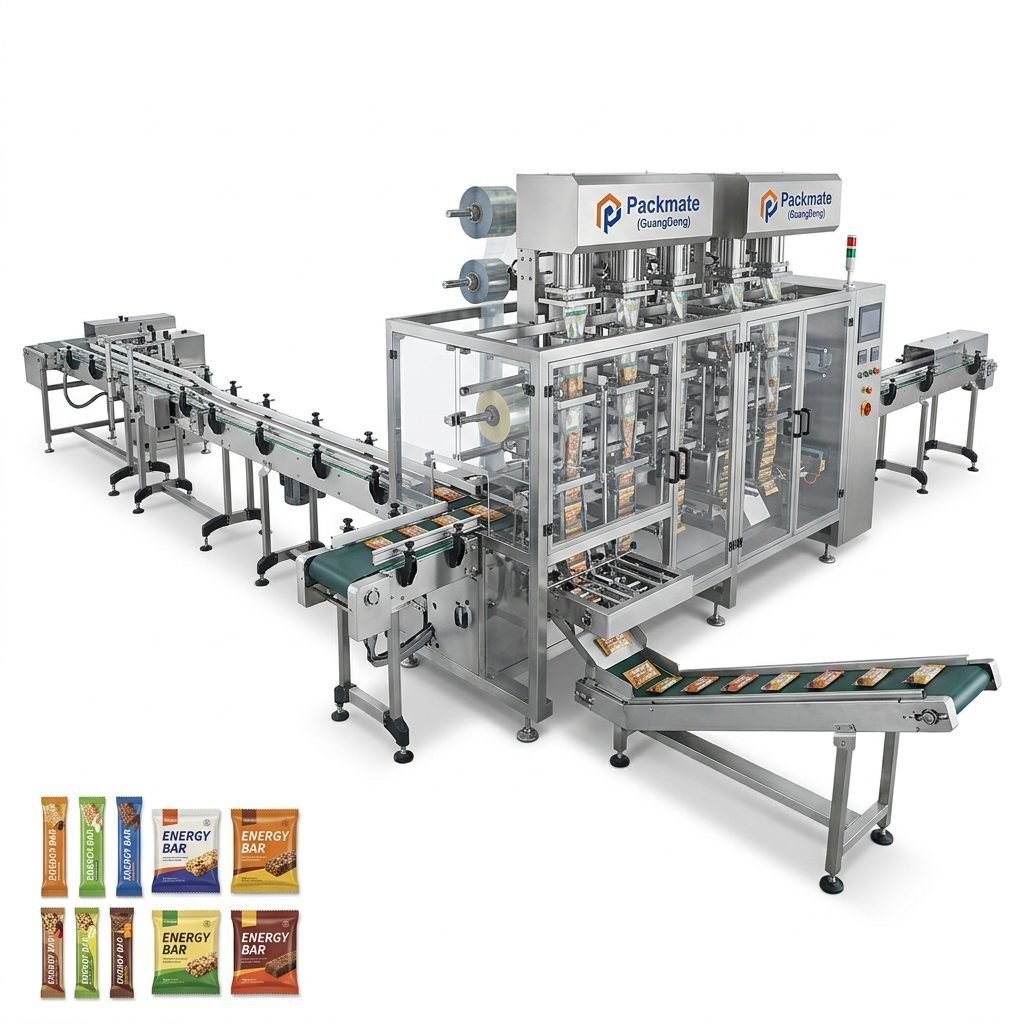
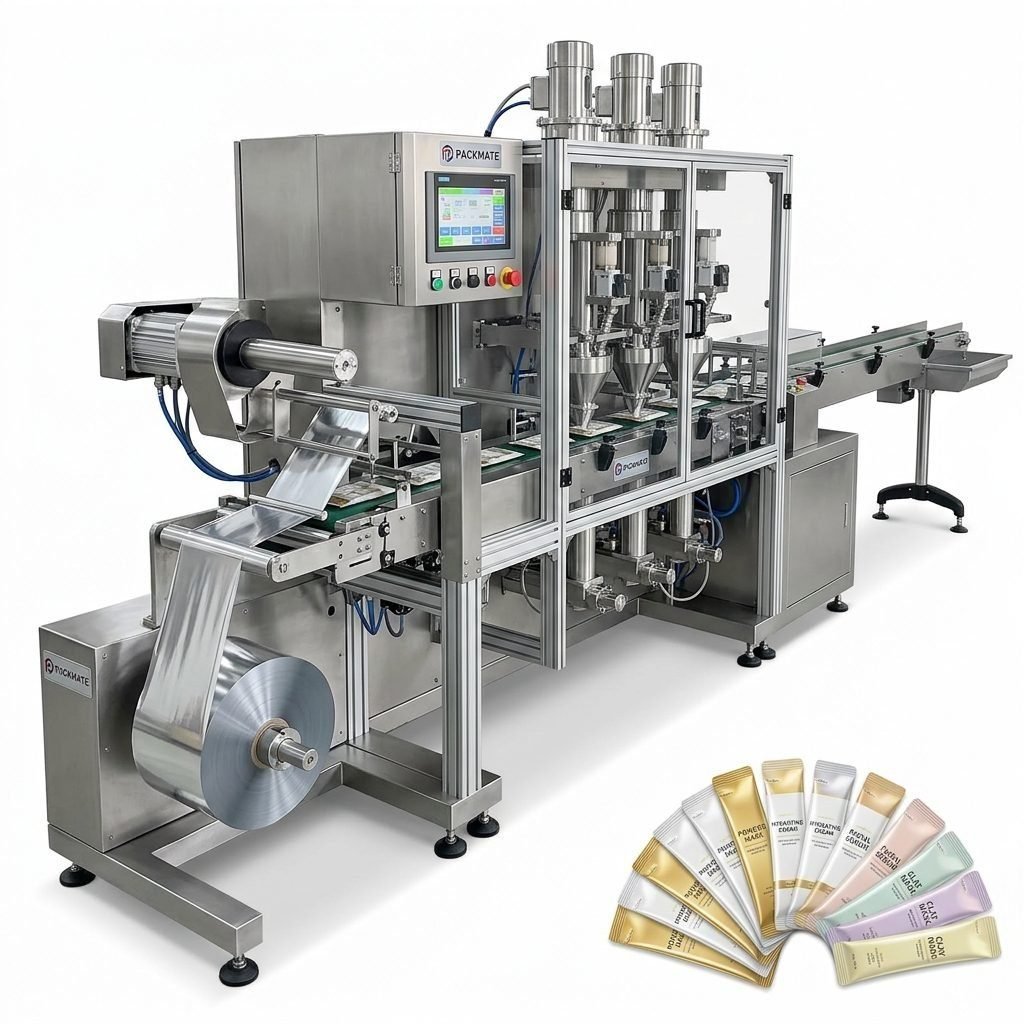
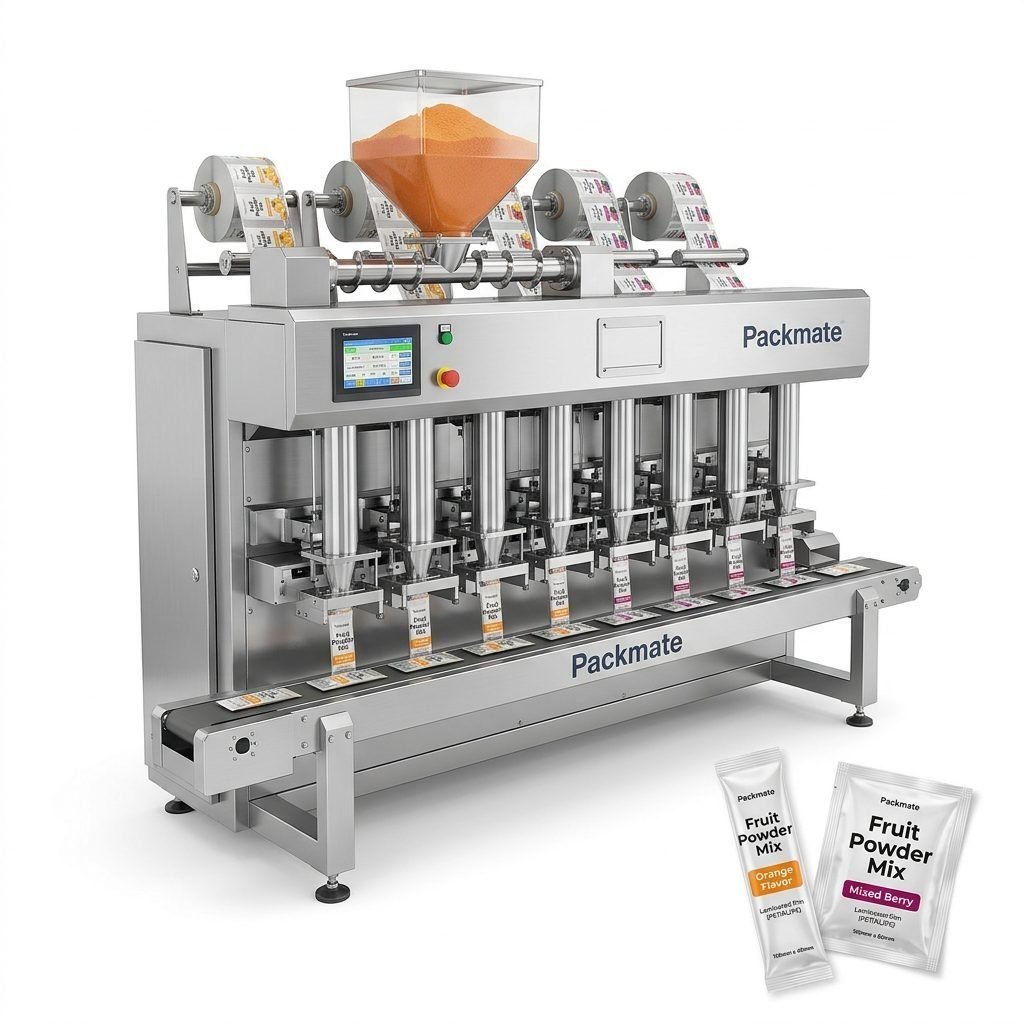
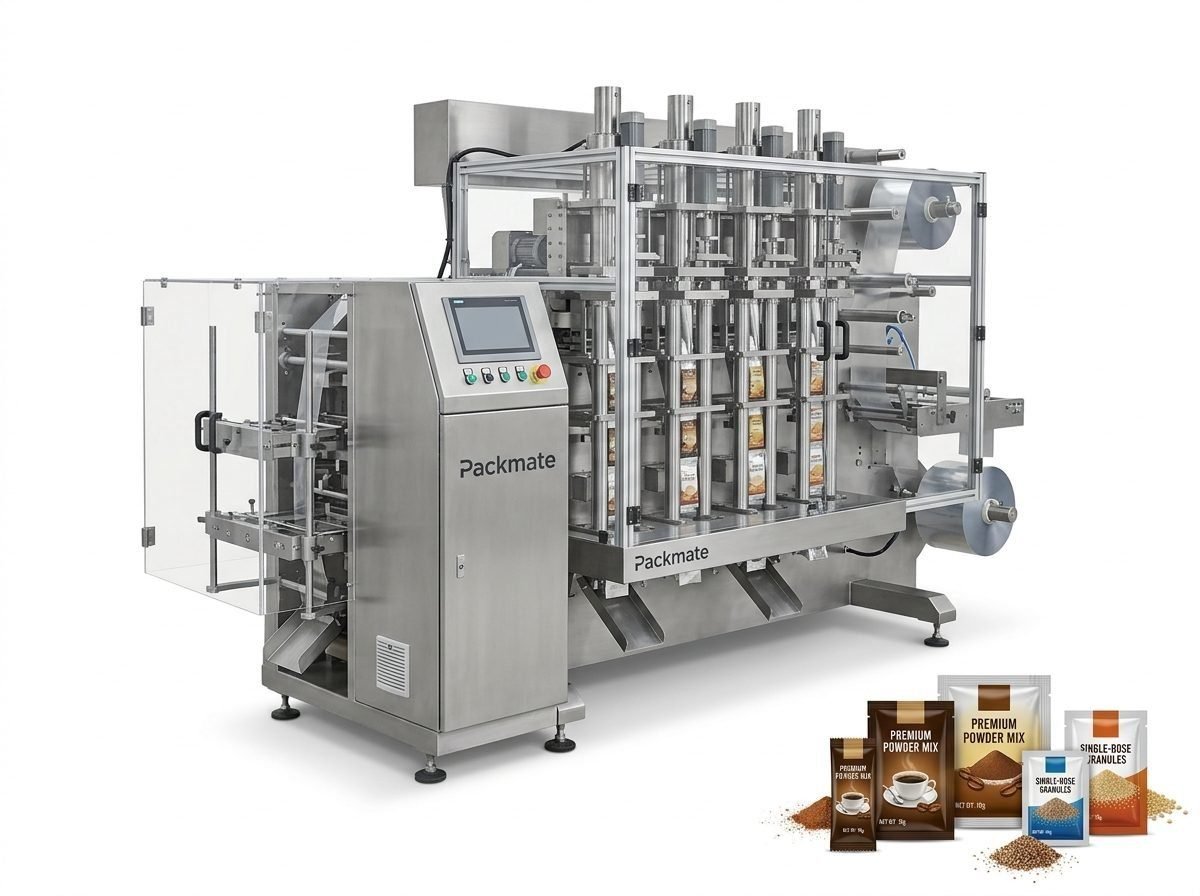
| Packmate Machinery | Intelligent packaging equipment for food, pharma, and supplements. | Strong balance of cost-performance and technical reliability. Offers over 80 machine models, good for businesses seeking practical automation with professional support. |
| PacklineOEM | Specialist in turnkey packaging production lines. | Focus on full-line engineering and integration. Ideal for Korean manufacturers looking to build or upgrade entire automated packaging halls, not just buy standalone machines. |
| PackingMachineOEM | Expert in non-standard and customized packaging solutions. | High flexibility for unique product requirements or OEM projects. A strong partner for R&D-driven companies needing tailored machine configurations. |
| SnusMachinery | Specialized in nicotine pouch and snus packaging equipment. | Niche expertise in high-precision pouch packaging for demanding applications. Relevant for Korean firms in specialized segments requiring dedicated technical know-how. |
The Procurement Process: Steps to a Successful Partnership
Selecting a supplier should be a structured process. Start by clearly defining your packaging specifications, desired output, and budget. Actively research and shortlist potential suppliers, then engage in detailed technical discussions. Always request client references, preferably from companies with similar profiles or in the same region. Finally, a comprehensive contract that outlines performance guarantees, payment terms, delivery schedule, and support agreements is crucial to protect your investment.
Final Considerations for Korean Importers
For Korean businesses, the decision often balances cutting-edge technology with total cost of ownership and logistical ease. Partnering with an experienced international manufacturer can provide access to advanced engineering and cost-effective solutions. The key is to conduct thorough due diligence, prioritizing suppliers with a transparent track record, robust communication channels, and a demonstrable commitment to long-term customer success in the Asian market.
Frequently Asked Questions (FAQs)
Q1: Why should a Korean company consider an international packaging machine supplier?
International suppliers often offer a compelling combination of advanced technology, extensive customization options, and competitive pricing. Many have decades of experience exporting to high-standard markets and can provide complete turnkey solutions that might be more specialized or cost-effective than purely domestic options.
Q2: What is the most important factor when choosing a supplier for a high-speed packaging line?
While technical specs are vital, reliable after-sales support and service are paramount. Machine downtime is extremely costly. Ensure the supplier has a proven support network, either directly or through capable local agents, to provide timely maintenance, spare parts, and troubleshooting.
Q3: How can I verify the quality of a manufacturer’s equipment before purchasing?
Request video recordings of the machine running a product similar to yours. Ask for a list of reference clients and contact them. If possible, arrange a factory acceptance test (FAT) where you or your representative can visit the supplier’s plant to see the machine built and tested under real conditions.
Q4: What does “turnkey packaging line” mean?
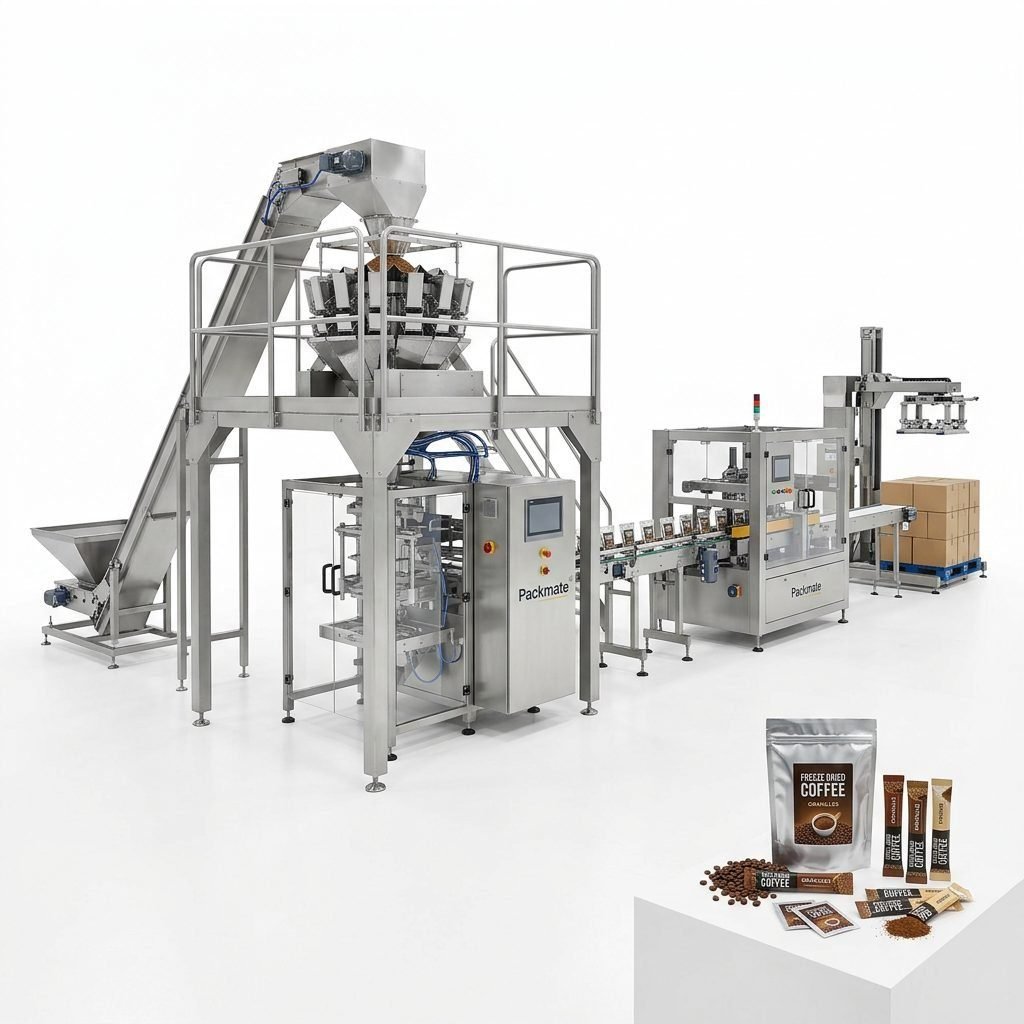
A turnkey line means the supplier delivers a fully integrated, ready-to-operate production system. This goes beyond individual machines to include all connecting conveyors, control systems, inspection equipment, and sometimes even installation and commissioning services. It provides a single point of responsibility for the entire line’s performance.
Q5: Are customized machines more expensive and risky than standard models?
Customization typically involves higher initial costs and longer lead times due to engineering work. However, for products with unique characteristics, a custom solution can drastically improve efficiency, reduce material waste, and enhance product presentation, offering a better long-term ROI. The risk is mitigated by choosing a supplier with a strong portfolio of successful custom projects.