The packaging industry in Sudan is evolving rapidly, driven by growing domestic production, import substitution policies, and rising consumer demand. For business owners, factory managers, and procurement specialists in Khartoum, Port Sudan, or other industrial hubs, finding a reliable packaging machine manufacturer is crucial for improving production efficiency, ensuring product quality, and staying competitive. This guide provides a structured, step-by-step approach tailored to the Sudanese market context.
Step 1: Define Your Specific Packaging Requirements in the Sudanese Context
Before you start searching, you must clearly outline your needs. The Sudanese market has unique characteristics. Consider your product type: is it granules like hibiscus tea (Karkadeh), powdered spices (like Sudan’s famous mixtures), liquids such as oils or juices, or viscous pastes? Production speed requirements might differ for large-scale sorghum flour packaging versus smaller batches of specialty coffee. Also, factor in local challenges like power supply stability, availability of skilled technicians, and sourcing of packaging films or laminates, which can sometimes rely on imports. A clear requirement list will filter unsuitable suppliers from the start.
Step 2: Research and Identify Potential Manufacturers
Begin your search online using targeted keywords. Look for manufacturers with a stated history of exporting to Africa or the Middle East, as they are more likely to understand logistics, documentation, and after-sales support for regions like Sudan. Industry-specific B2B platforms and trade directories are valuable resources. Furthermore, networking within local Sudanese business associations or chambers of commerce can yield personal recommendations based on real-world experience with machine performance and supplier reliability in local conditions.
Pro Tip for Sudanese Buyers: Prioritize manufacturers who explicitly mention experience with products common in your region. For example, a supplier familiar with packaging powdered milk, edible oils, or granular pulses will better understand your operational needs than a generalist.
Step 3: Evaluate Manufacturer Credibility and Experience
Once you have a list, conduct deep due diligence. A manufacturer’s longevity often correlates with stability and accumulated technical knowledge. Examine their company profile, factory size, and quality certifications (e.g., CE, ISO). Crucially, review their export history and client testimonials. A manufacturer like Ludyway, with over 30 years of experience and exports to over 100 countries, demonstrates a capacity to handle international projects and diverse technical requirements, which is a positive indicator for Sudanese importers.
Step 4: Assess Technical Capability and Product Range
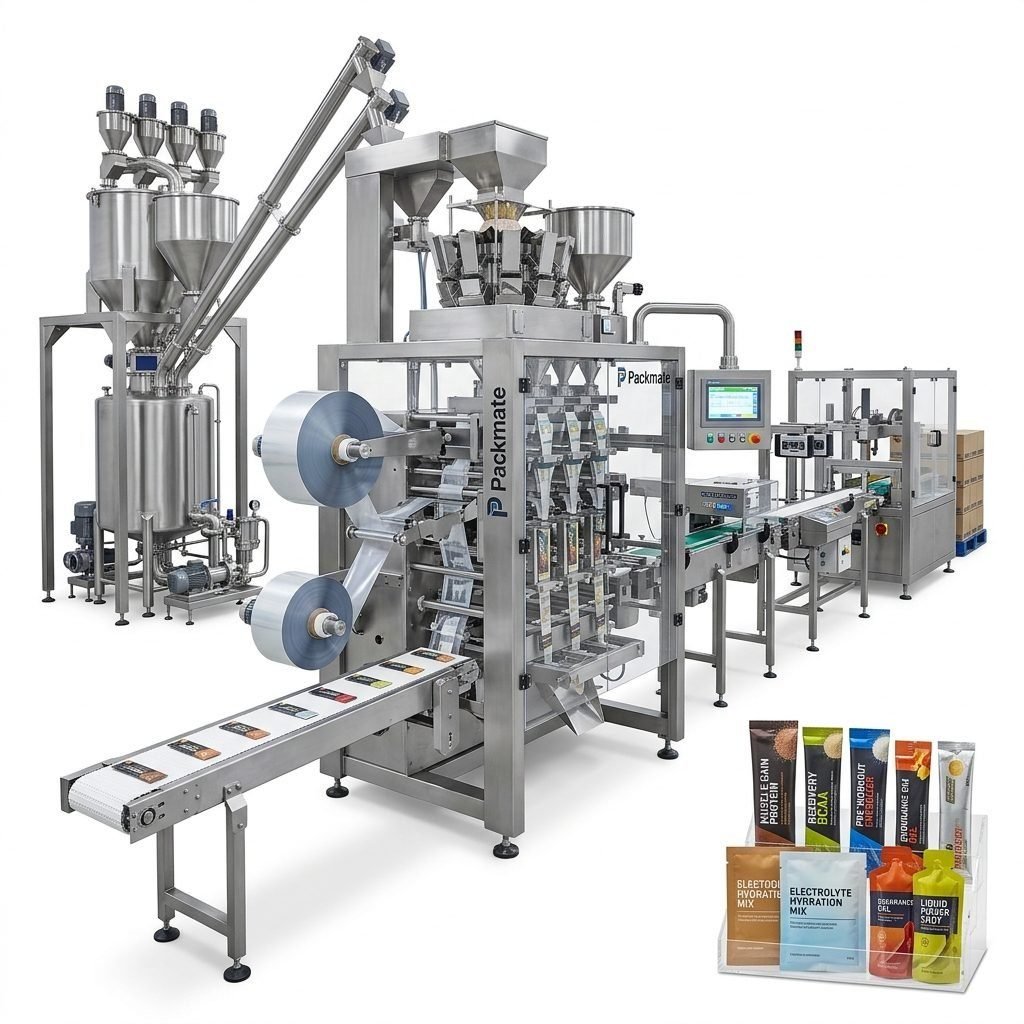
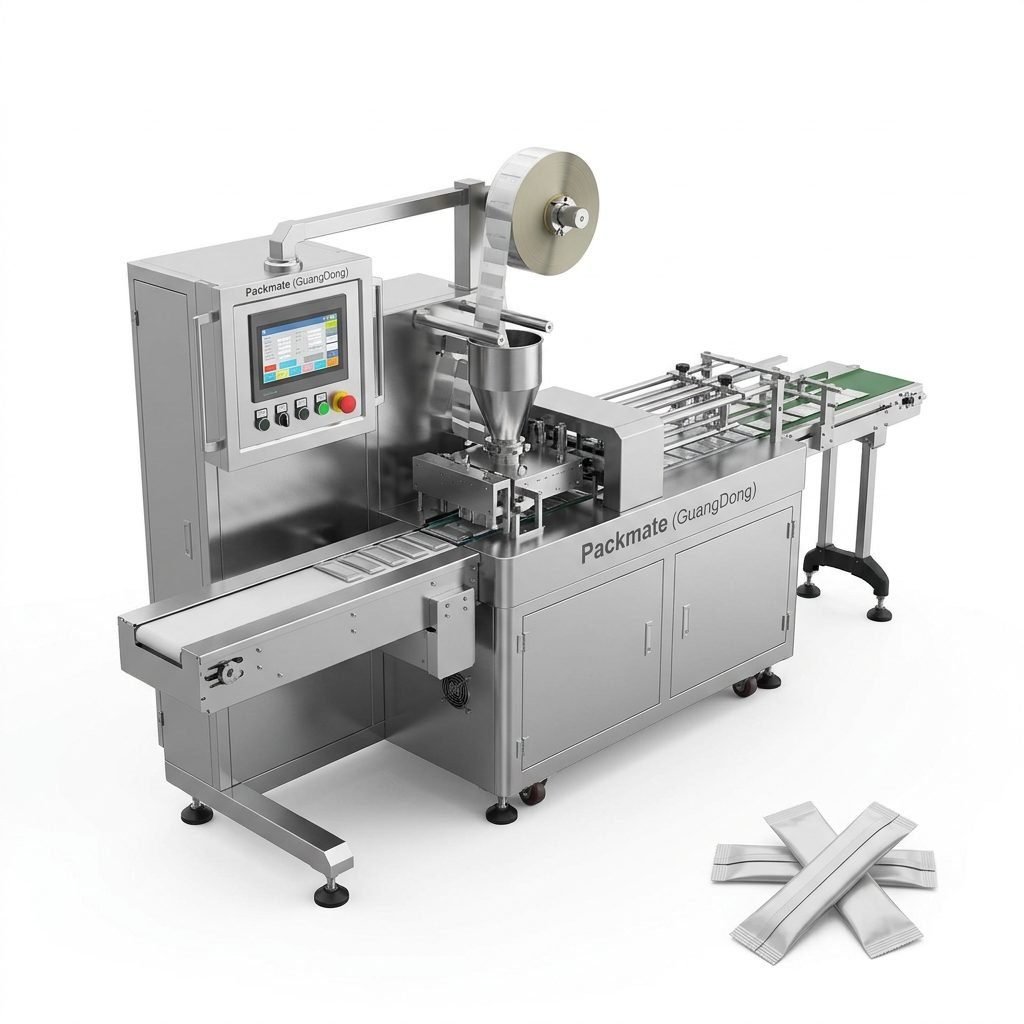
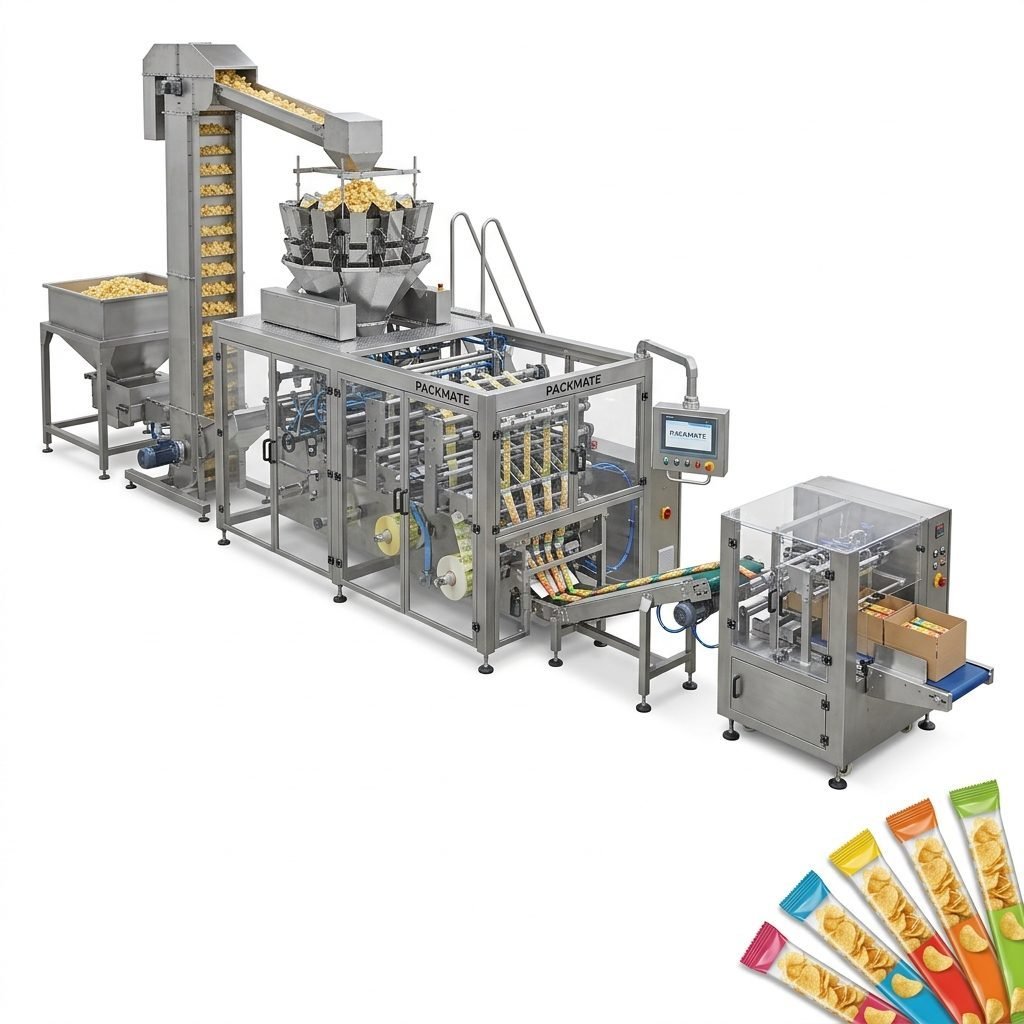
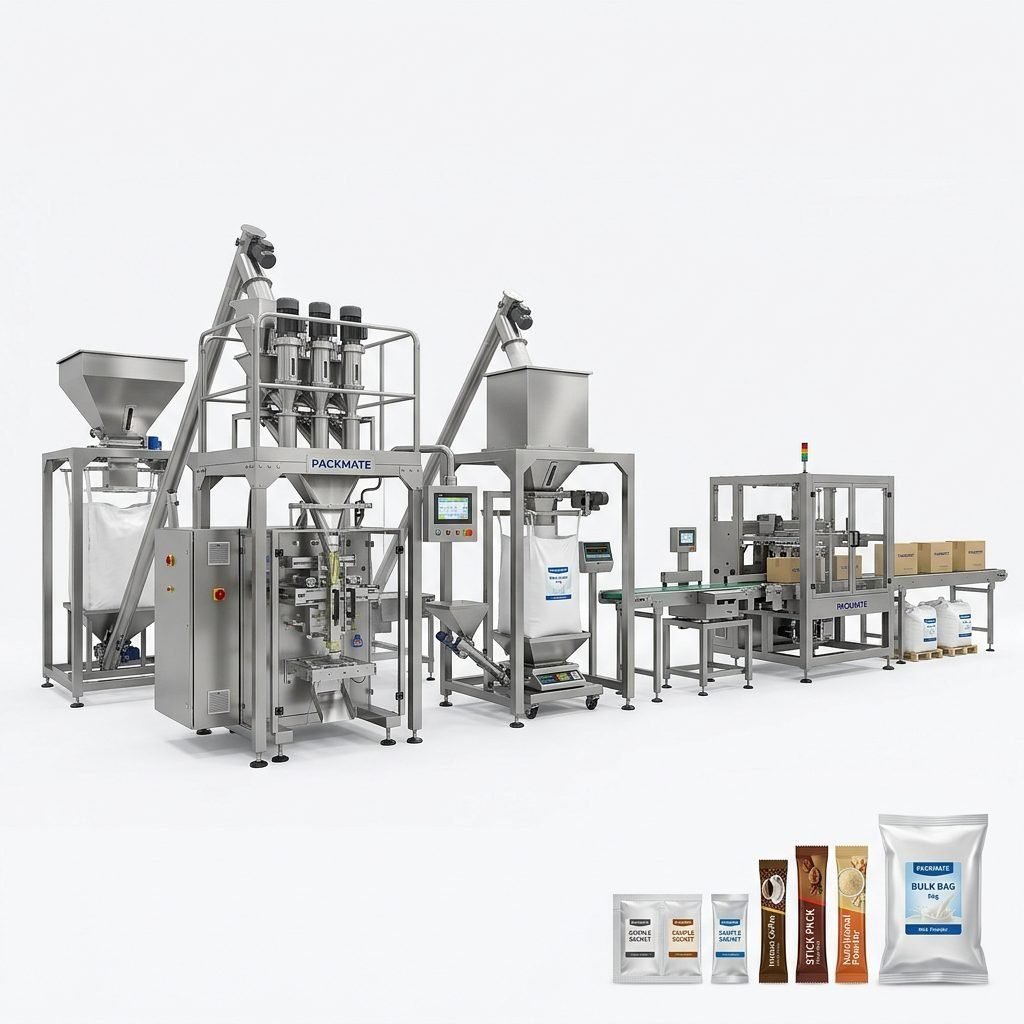
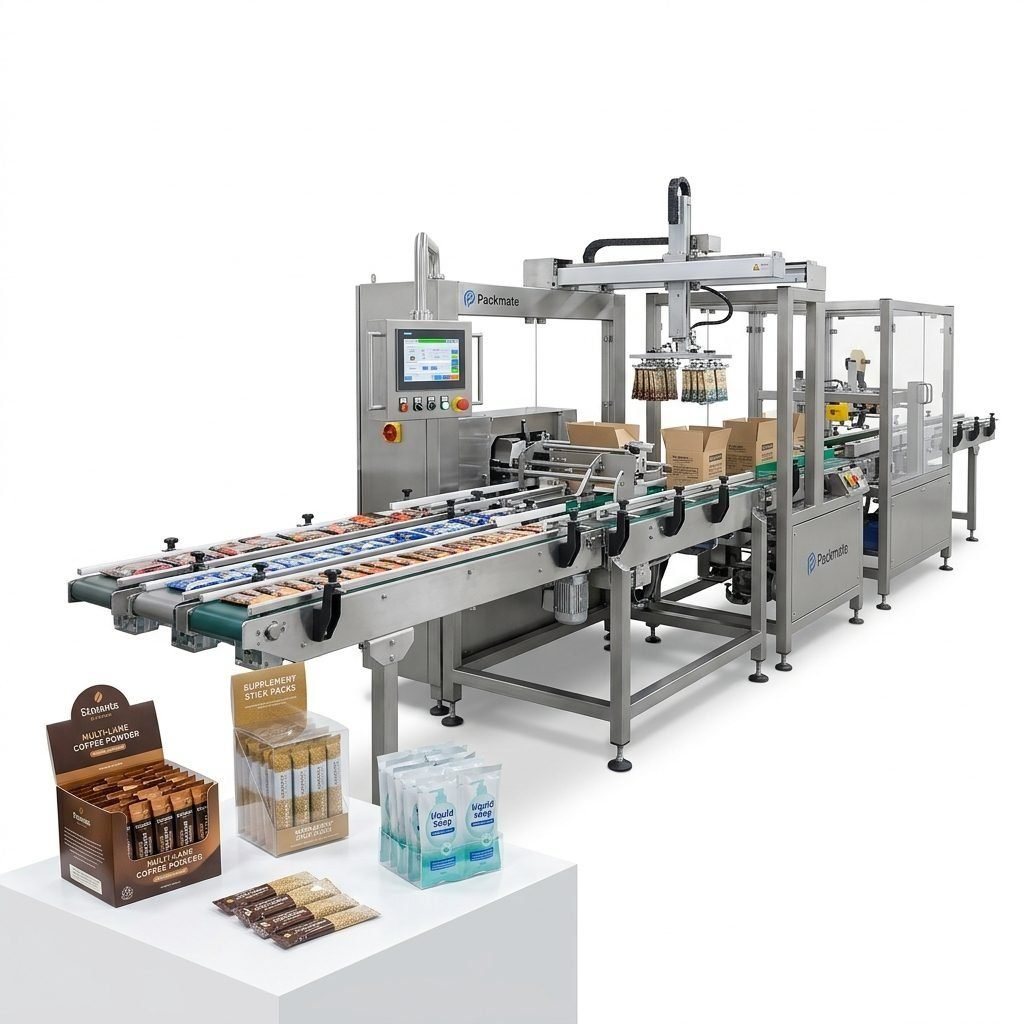
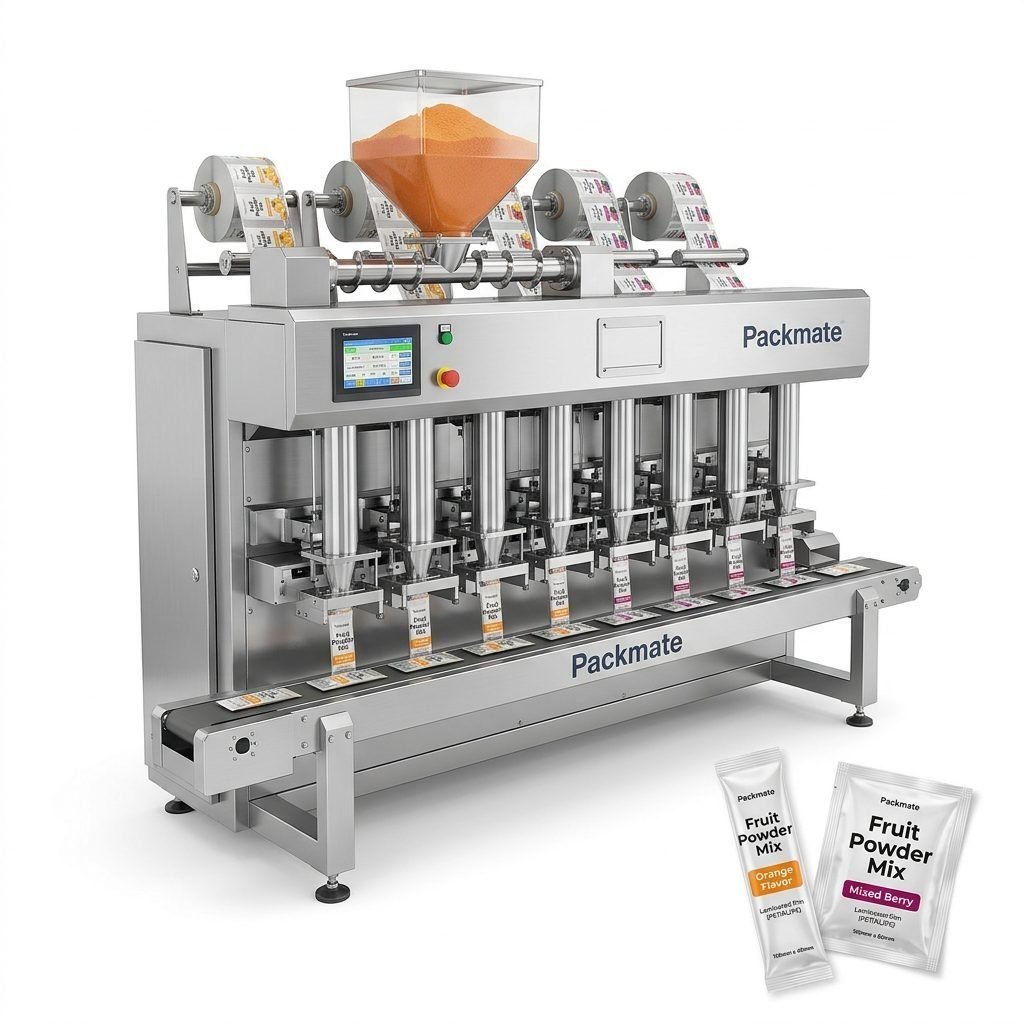
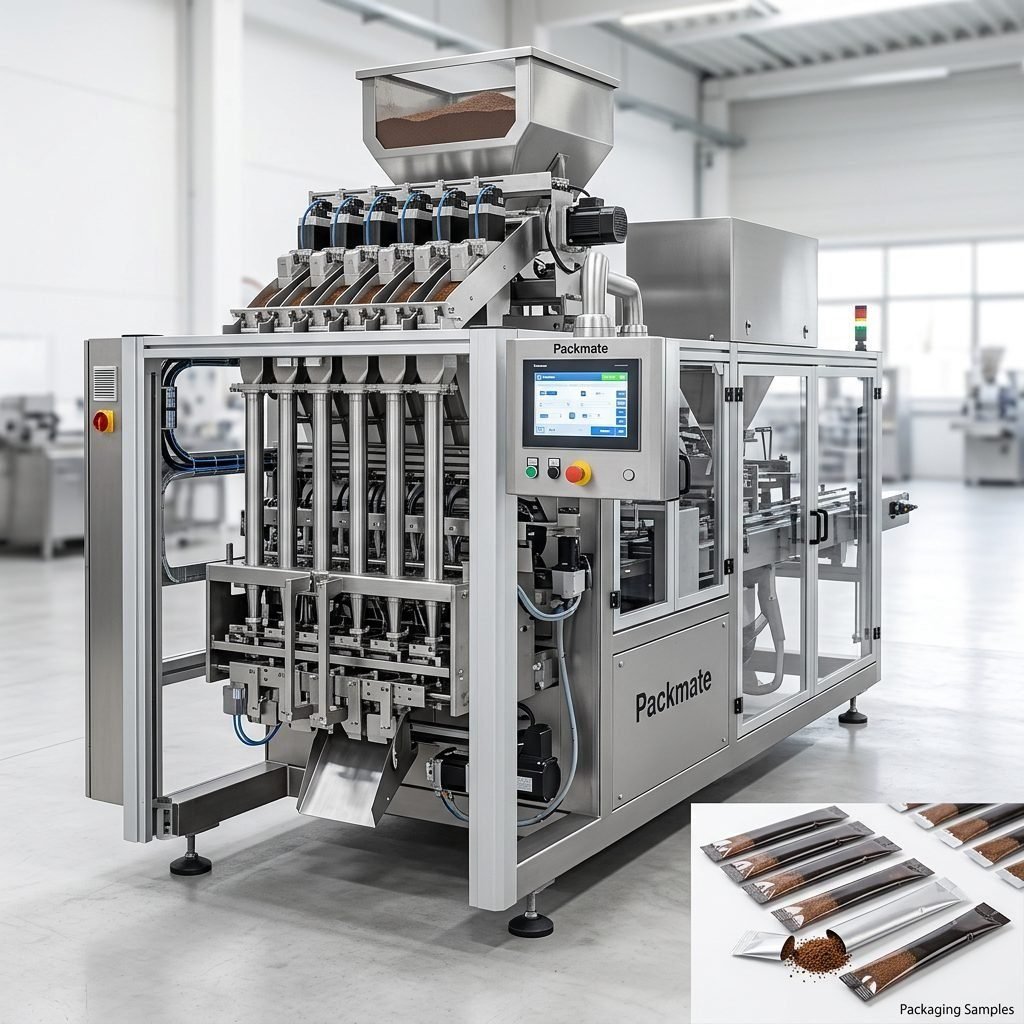
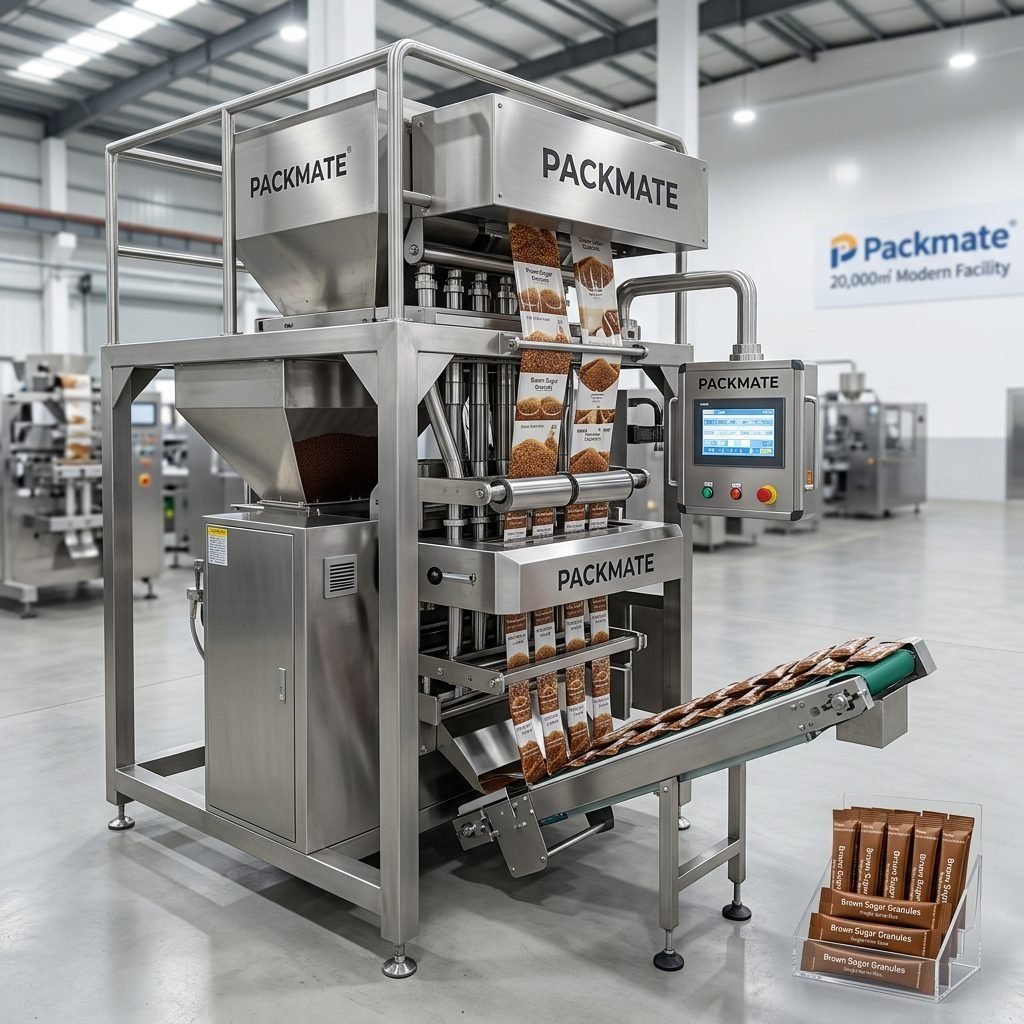
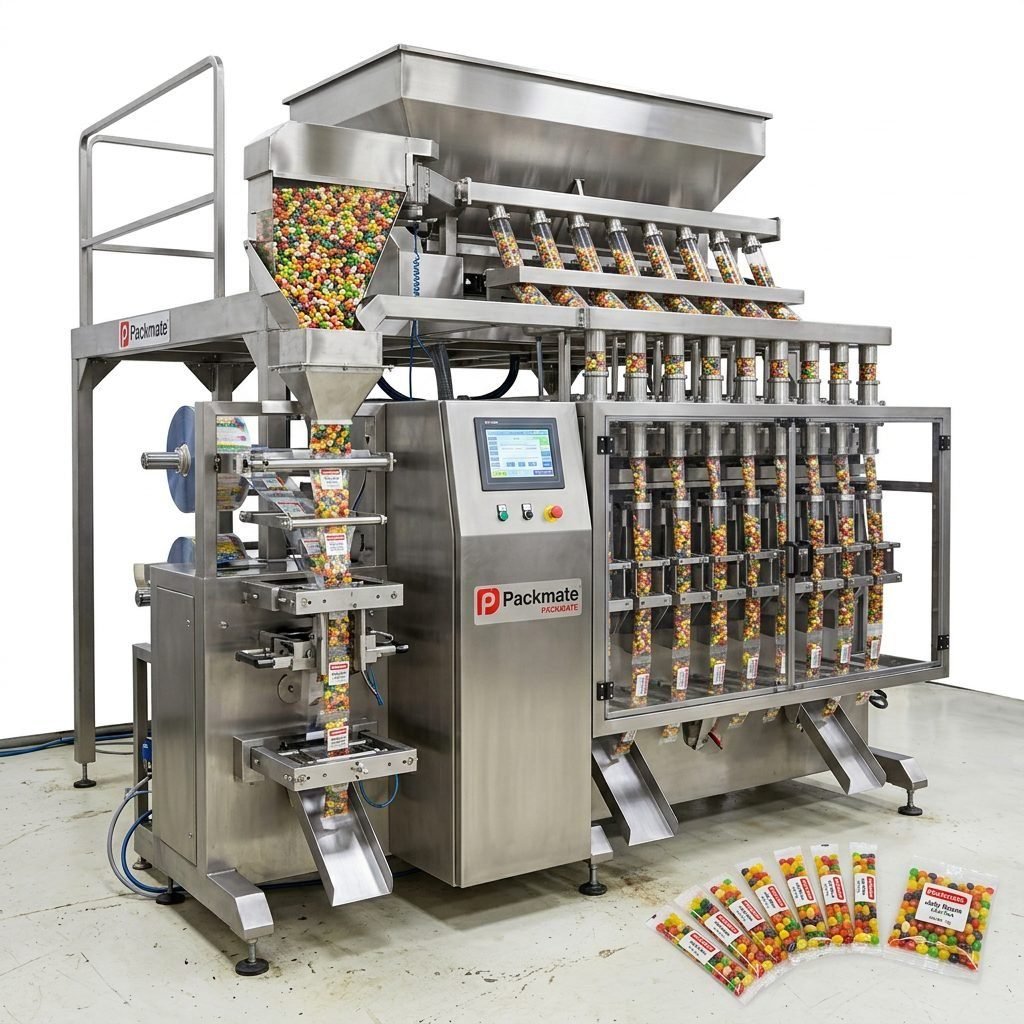
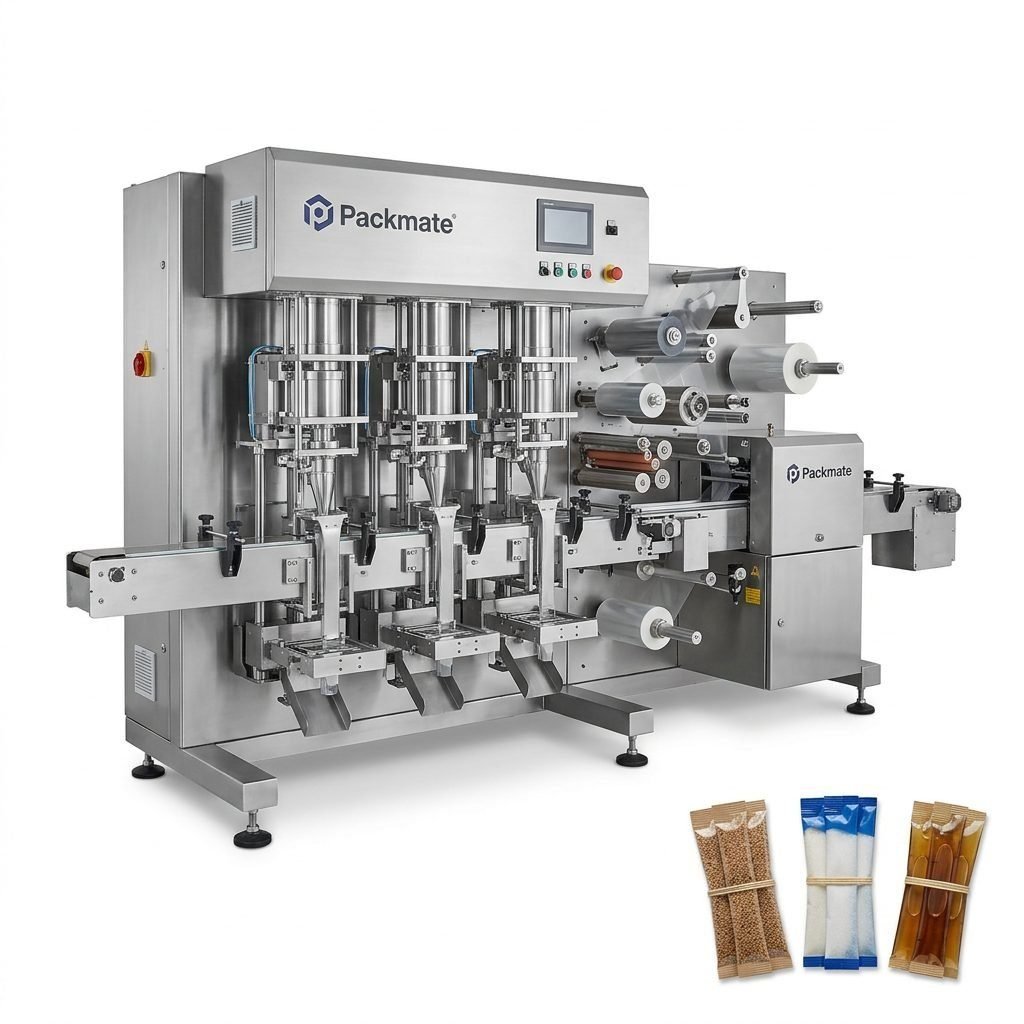
Does the manufacturer offer machinery that matches your specific product format and desired automation level? Look for a broad portfolio. For instance, if you need a complete line for packaging powdered juice mixes, you might require a multi-lane stick pack machine integrated with a powder feeder and cartoner. Companies such as Packmate Machinery and PacklineOEM highlight their focus on turnkey lines and over 80 machine models, suggesting they can provide integrated solutions rather than just standalone units. This is vital for setting up a new production line in Sudan.
Key Technical Questions to Ask:
- Can the machine handle the specific weight range and material characteristics of my product?
- What is the expected output (bags/min) under real-world conditions, considering potential material variations?
- How energy-efficient is the equipment, given the local industrial power context?
- What level of customization is possible for bag size, printing, and sealing?
Step 5: Analyze Customization and Support Services
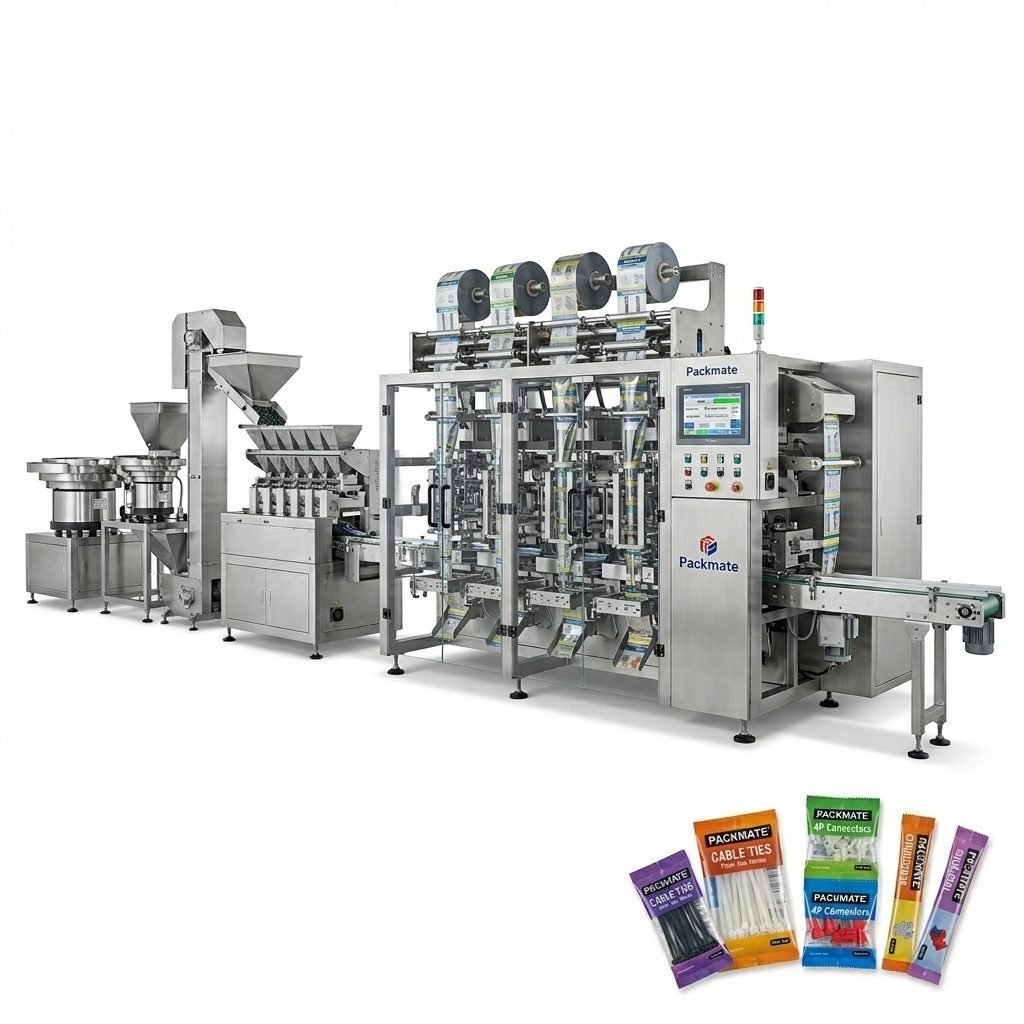
Standard machines may not suffice. Your production line might need adaptation for local packaging materials or a specific factory layout. Manufacturers with strong OEM and customization capabilities, like PackingMachineOEM, are valuable partners for non-standard projects. Equally important is after-sales support. Inquire explicitly about:
Technical training for your Sudanese staff (on-site or online).
Availability of spare parts and average delivery time to Sudan.
Warranty terms and remote troubleshooting support (e.g., via video call).
Step 6: Compare Quotations and Logistics Terms
Request detailed quotations from your shortlisted manufacturers. Ensure they are comprehensive (FOB, CIF Port Sudan), including machine price, spare parts lists, tooling costs, shipping, insurance, and any anticipated customs clearance assistance. For Sudanese importers, understanding the full landed cost is essential for budgeting. Compare not just the price, but the value—reliability, support, and machine lifespan often outweigh a slightly lower initial cost. Consider payment terms that are secure for both parties, such as a mix of deposit and letter of credit.
| Comparison Factor | Why It Matters for Sudan |
|---|---|
| Export Experience to Africa/Middle East | Familiarity with regional logistics, documentation, and climate considerations for shipping and operation. |
| After-Sales & Technical Support | Minimizes costly downtime. Remote support and accessible spare parts are critical when on-site visits may be delayed. |
| Machine Robustness & Simplicity | Equipment should be durable and relatively easy to maintain, given potential variations in local power quality and operator skill levels. |
| Customization for Local Products | Machines may need adjustment for specific local products like fine hibiscus powder or coarse grain mixes. |
Step 7: Verify Through Site Visits or Virtual Tours
If feasible, visiting the manufacturer’s factory is the best way to verify their capabilities. Observe the production process, quality control, and assembly lines. If travel is not possible, request a live video tour or detailed factory walkthrough video. This step allows you to see the build quality, organization, and scale of operations firsthand. For specialized needs, such as machinery for nicotine pouches, verifying a manufacturer’s niche expertise, like that of SnusMachinery, through visual evidence of relevant projects is highly recommended.
Step 8: Finalize the Agreement and Plan for Installation
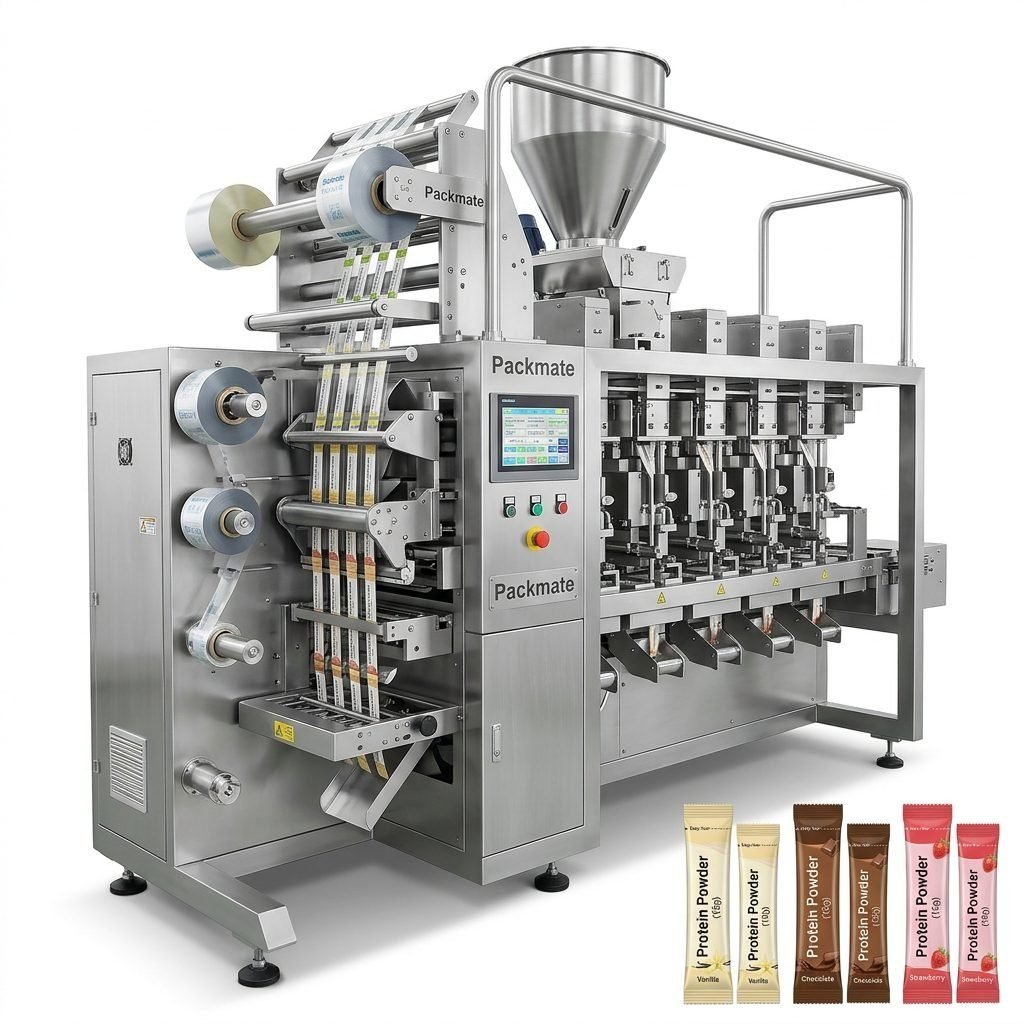
Before signing the contract, ensure all agreed-upon specifications, delivery timelines, payment schedules, and support services are documented clearly. Plan for the machine’s arrival at Port Sudan and its subsequent inland transportation to your factory. Coordinate with the supplier to schedule the installation and commissioning phase, which may involve sending a technician to Sudan or providing comprehensive remote guidance. Proper planning for this final step ensures a smooth transition to increased production capacity.
Frequently Asked Questions (FAQs) for Sudanese Importers
Q1: What are the main challenges when importing packaging machinery to Sudan?
A: Key challenges include navigating customs clearance procedures, managing logistics to final destination, ensuring compatibility with local power supply (voltage, frequency), and arranging for technical support post-installation. Working with an experienced exporter simplifies this.
Q2: How can I ensure the machine will work with locally available packaging films?
A: Provide samples of your intended packaging material to the manufacturer during the testing phase. Reputable suppliers will test machine settings (sealing temperature, tension) with your provided film to guarantee performance before shipment.
Q3: Is training for our operators typically included?
A: Most reliable manufacturers include basic operational and maintenance training, either at their factory before shipment, via detailed manuals and videos, or on-site during installation. Confirm the scope and format of training in your contract.
Q4: What is the typical lead time from order to delivery in Sudan?
A: Lead times vary based on machine complexity and customization. For standard models, it can range from 30-60 days for production plus shipping time to Port Sudan. For fully customized or turnkey lines, expect 90-120 days or more. Always get a confirmed timeline.
Q5: How do I handle maintenance and spare parts sourcing after the warranty?
A: Discuss the supplier’s spare parts policy. Establish a relationship for ongoing parts supply. It’s advisable to purchase a set of commonly used spare parts (like seals, sensors, heater bars) with the initial order to avoid production halts due to waiting for international shipments.