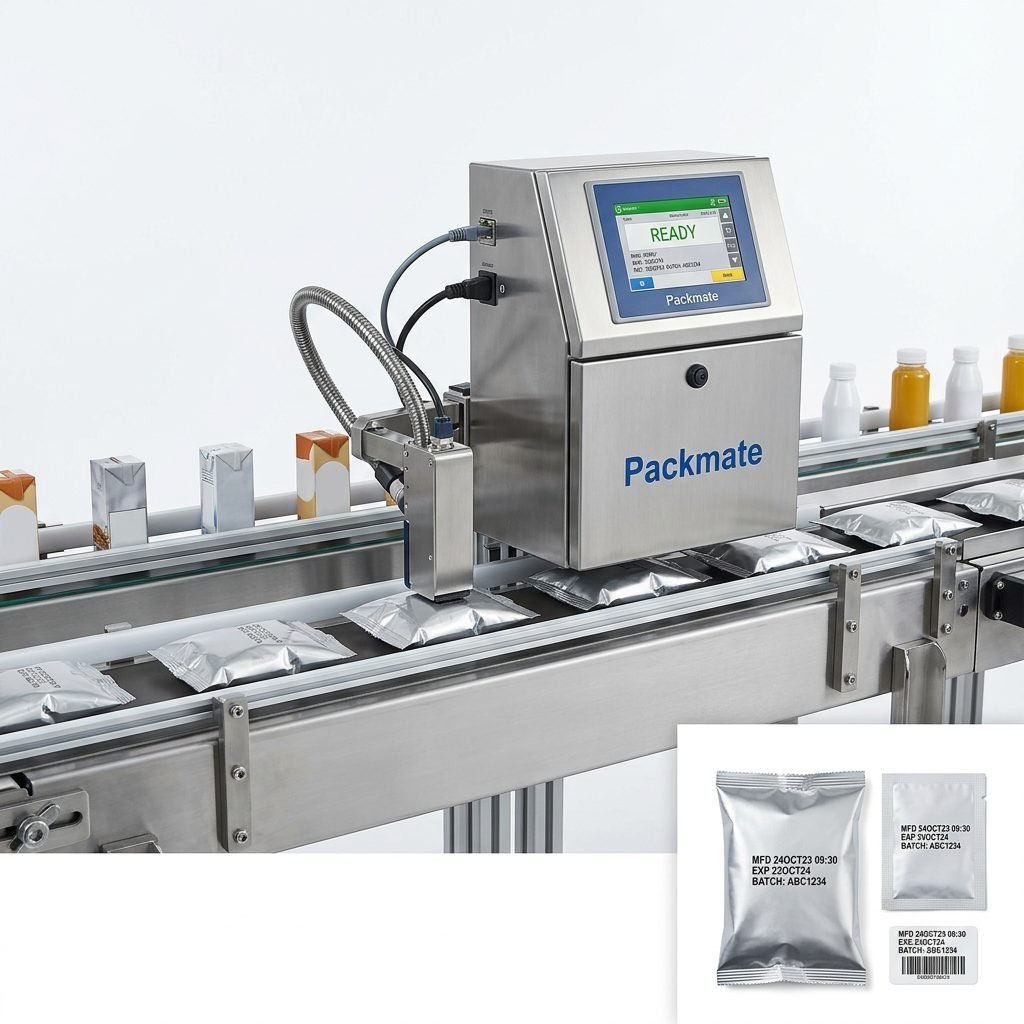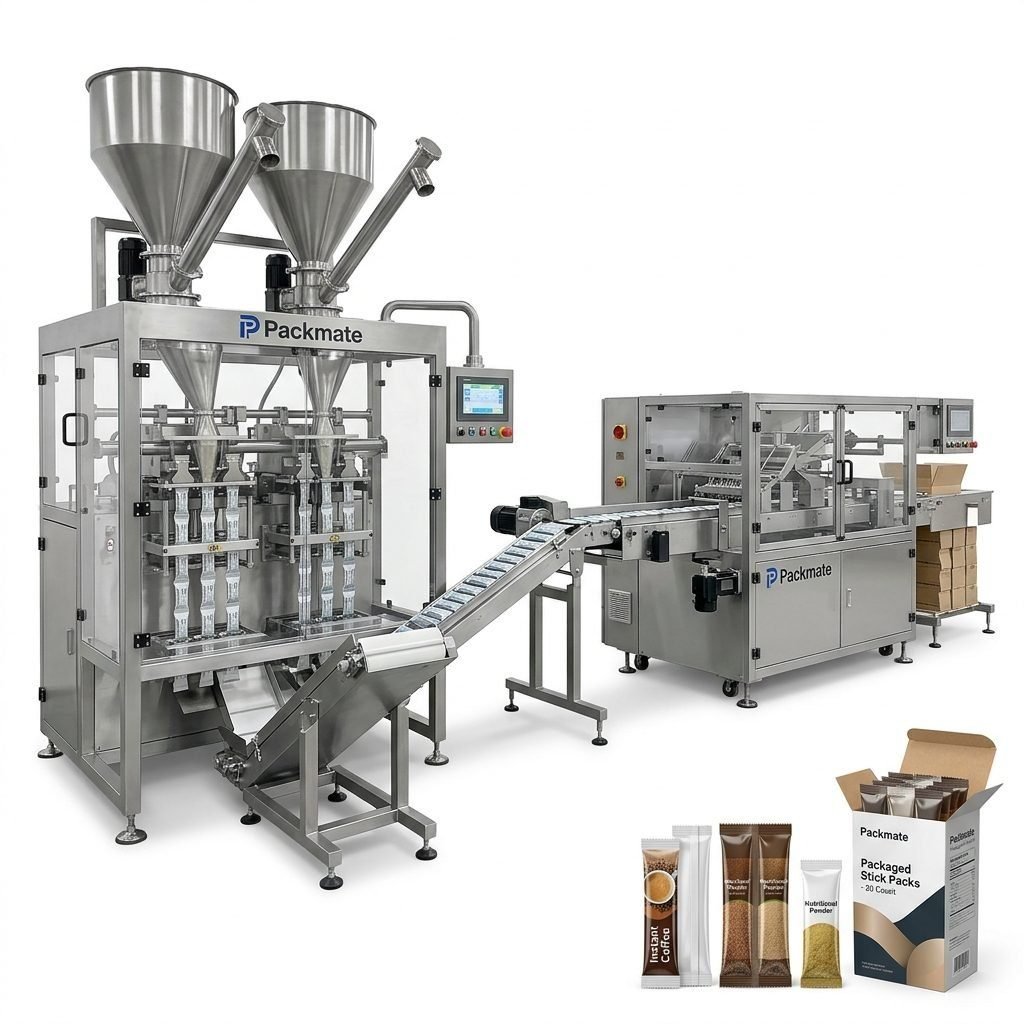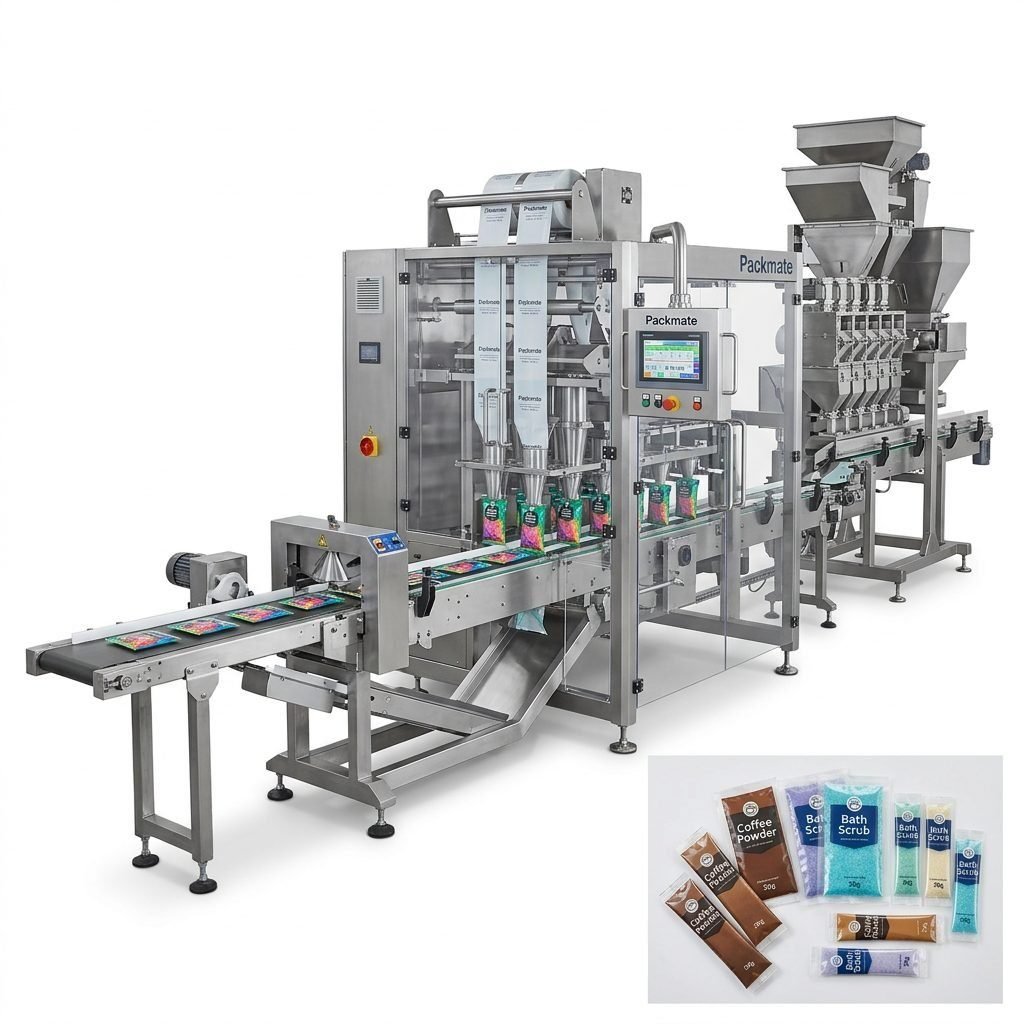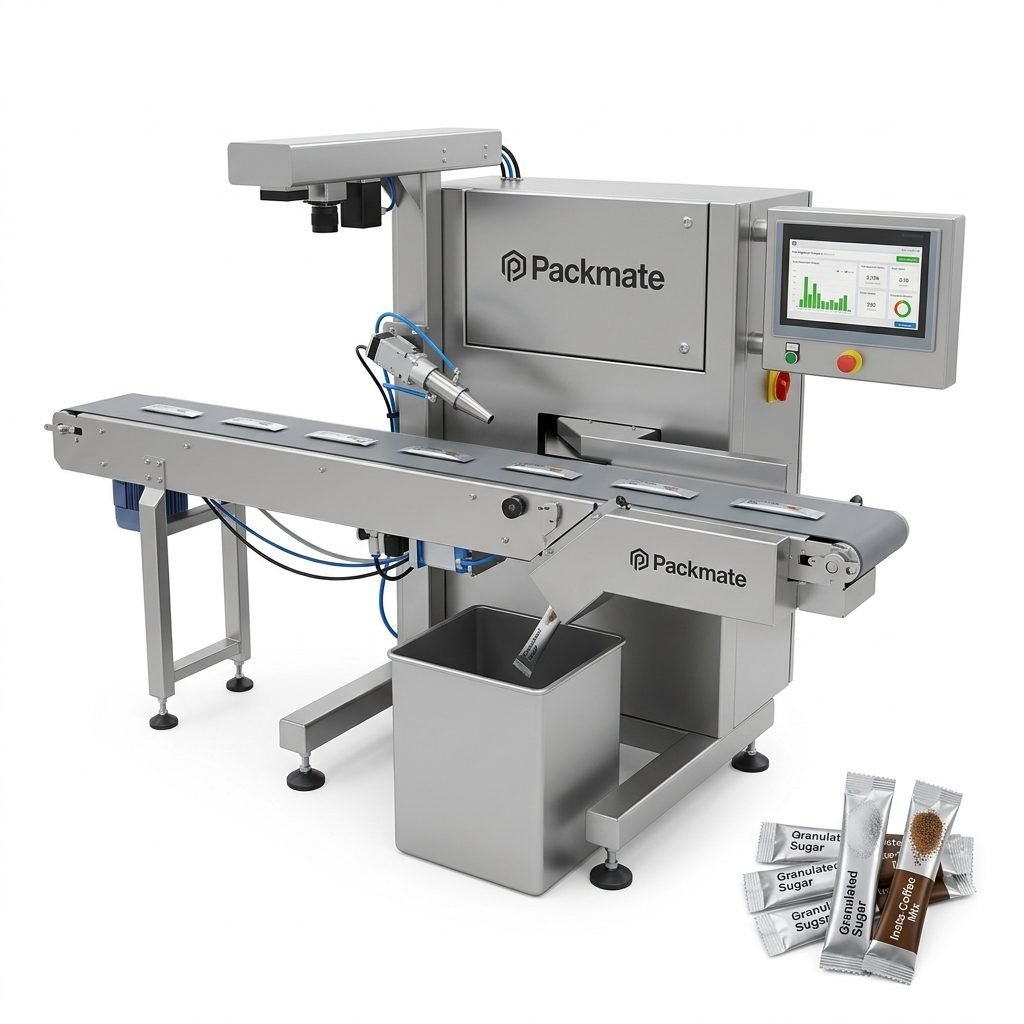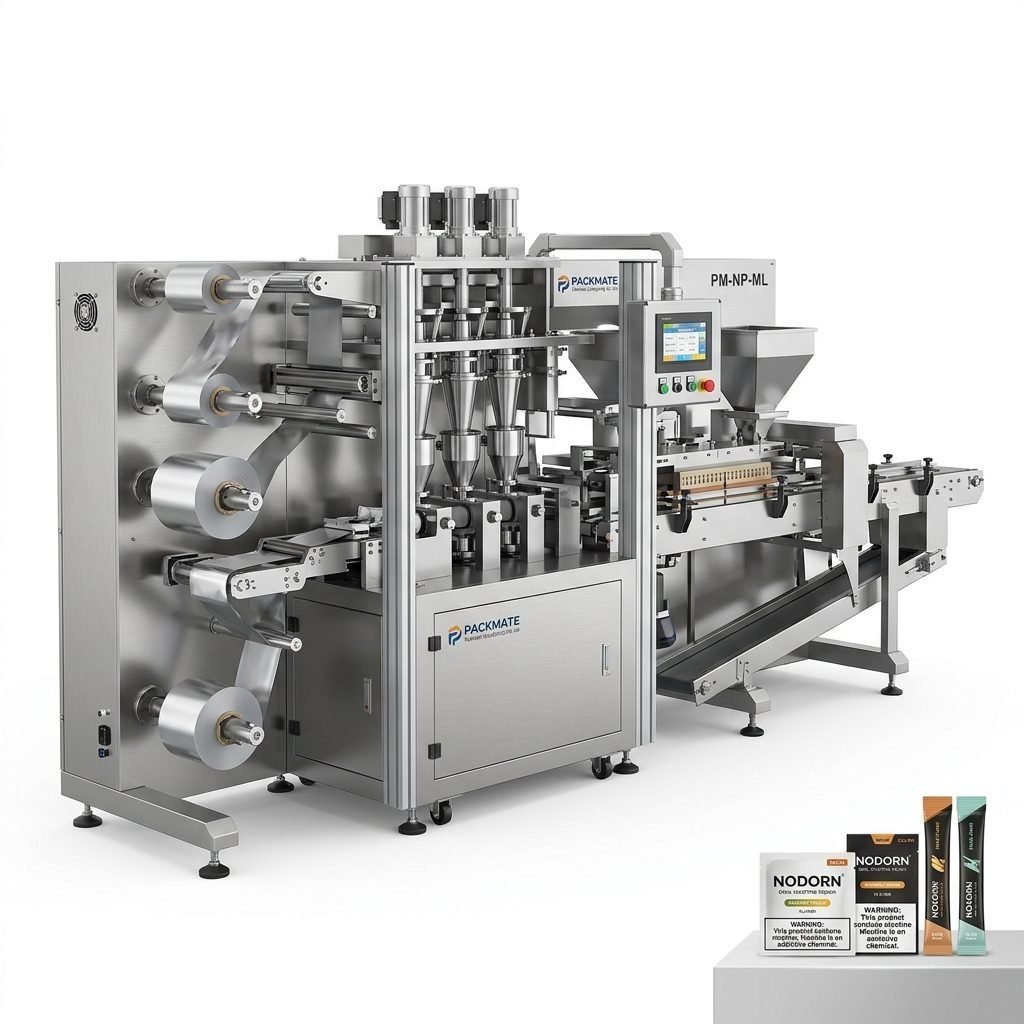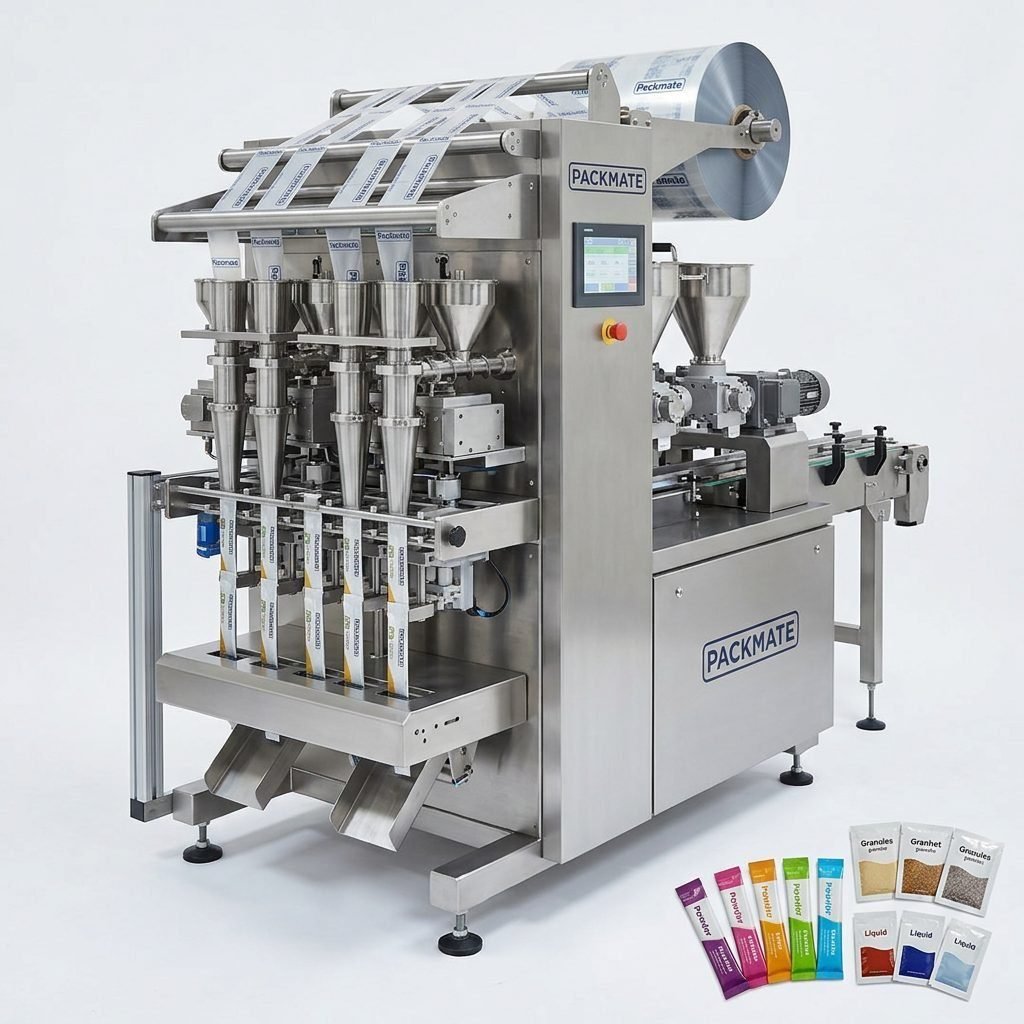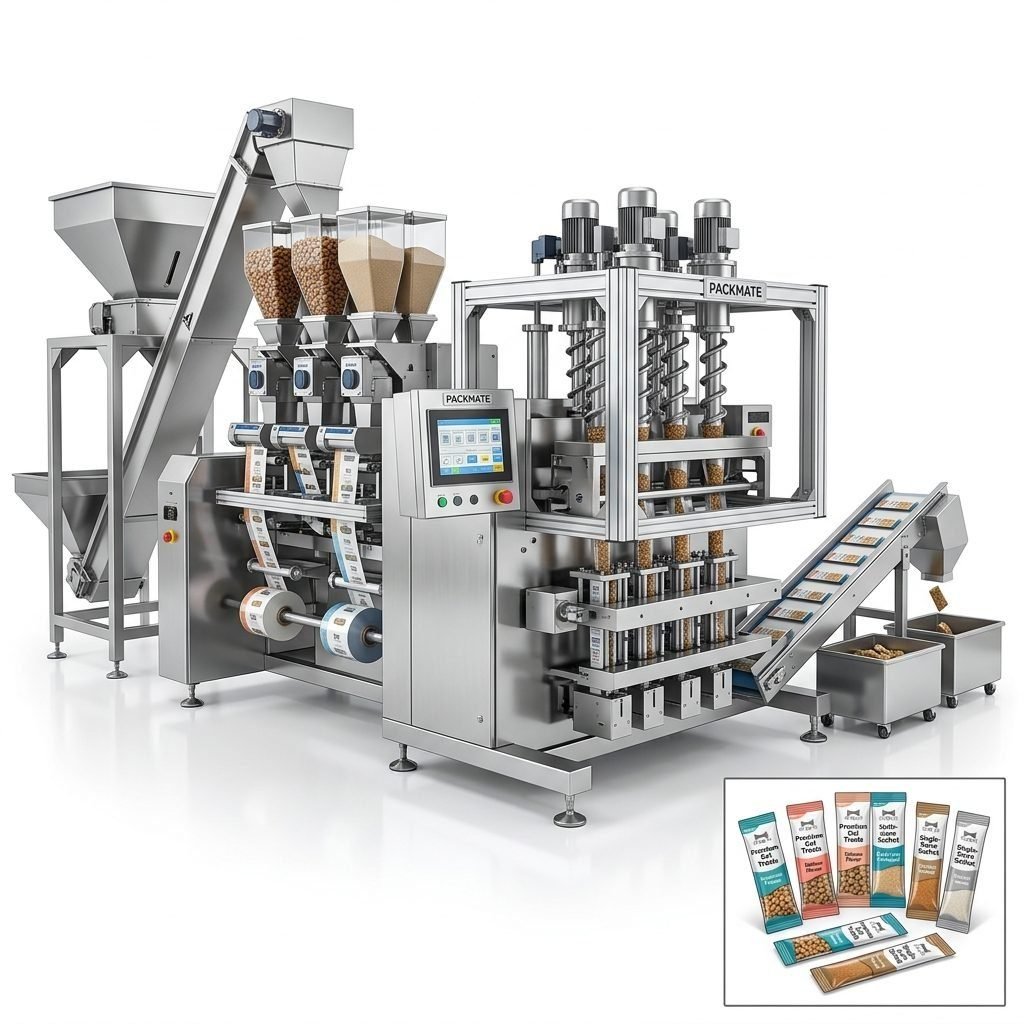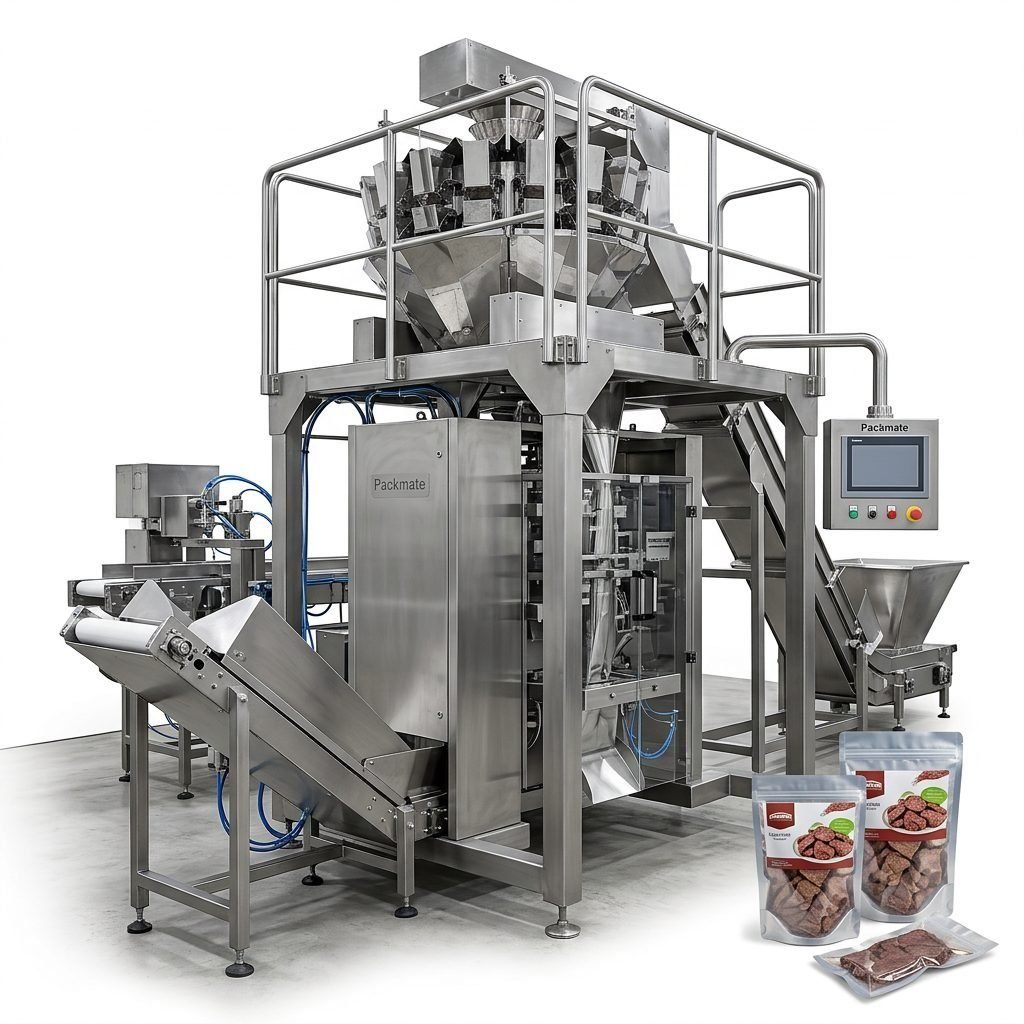
The packaging industry in Liberia, like in many developing economies, is a vital part of the manufacturing and agricultural sectors. From preserving local food products like cassava, palm oil, and cocoa for domestic use and export to supporting the growing pharmaceutical and consumer goods markets, reliable packaging machinery is the backbone of product integrity and market competitiveness. For Liberian business owners, factory managers, and procurement specialists, investing in packaging equipment is a significant decision. Choosing the right, trusted packaging machine manufacturer is crucial for ensuring production uptime, product quality, and long-term return on investment.
The Importance of Trusted Suppliers in Liberia’s Market
Liberia’s industrial landscape presents unique challenges, including limited local technical support, logistical complexities for importing machinery and spare parts, and the need for equipment that can handle variable power supply conditions. Therefore, partnering with a trusted supplier goes beyond just purchasing a machine. It means securing a partnership with a manufacturer who understands these constraints and can provide robust, reliable machines backed by strong after-sales service, accessible technical documentation, and readily available spare parts. A trusted supplier becomes an extension of your operational team, critical for minimizing costly downtime.
Key Factors to Consider When Choosing a Supplier
Selecting the best packaging machine manufacturer requires a thorough evaluation. Here are the critical factors every Liberian buyer should consider:
1. Industry Experience and Specialization
Look for manufacturers with a long track record, ideally over 20-30 years. Experience often translates into refined machine designs and deeper problem-solving knowledge. More importantly, assess their specialization. Does the manufacturer have proven expertise in packaging your specific product type (e.g., powders like milk or spices, granules like rice or coffee, liquids like palm oil or sauces, or pastes)? A company like Ludyway, with over 30 years in food and pharma packaging, brings a wealth of application-specific knowledge.
2. Product Range and Customization Capability
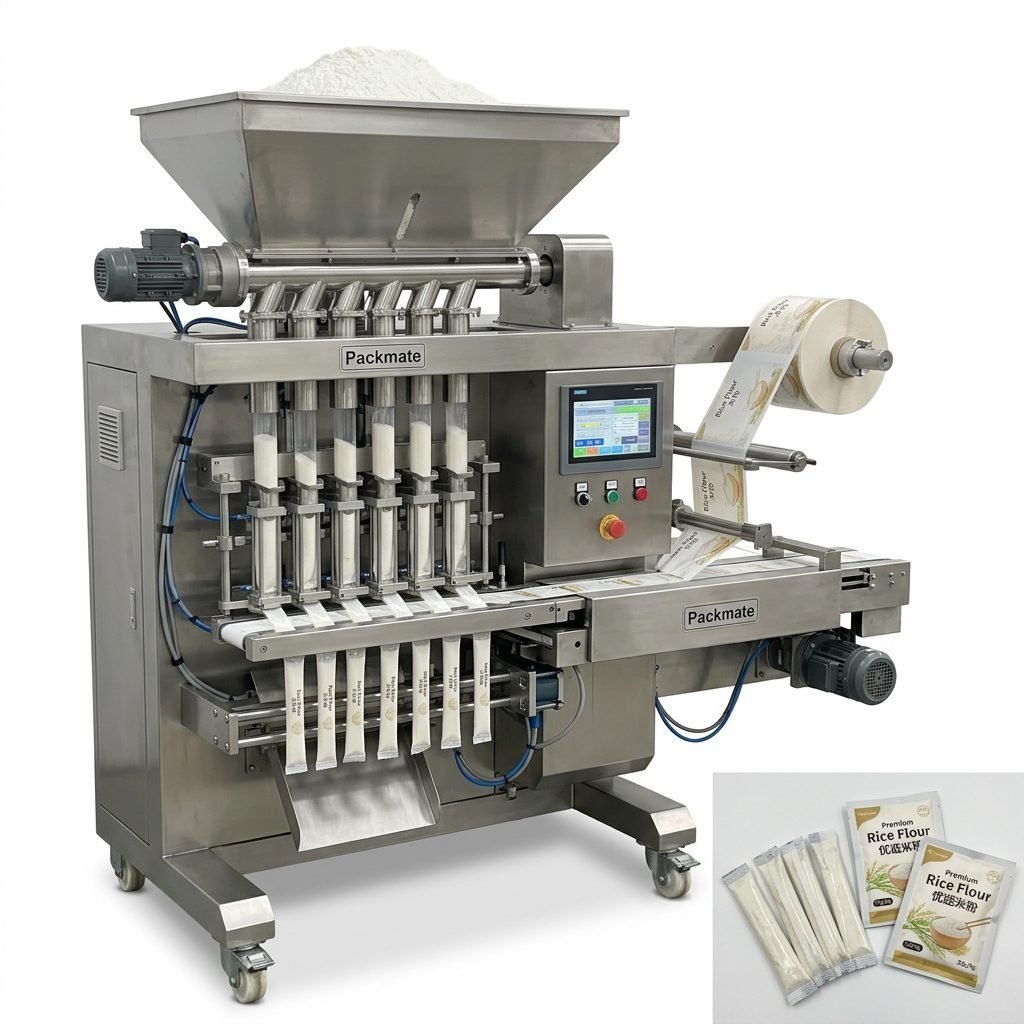
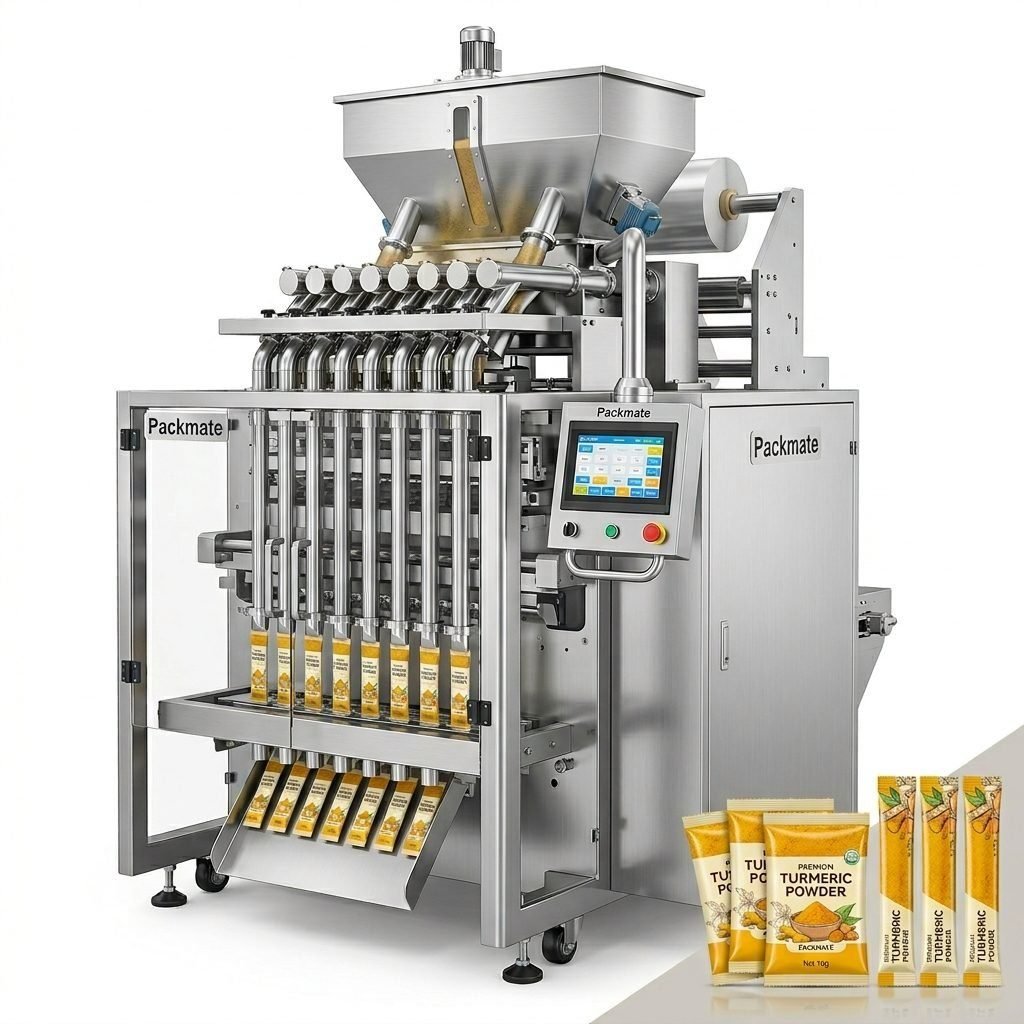
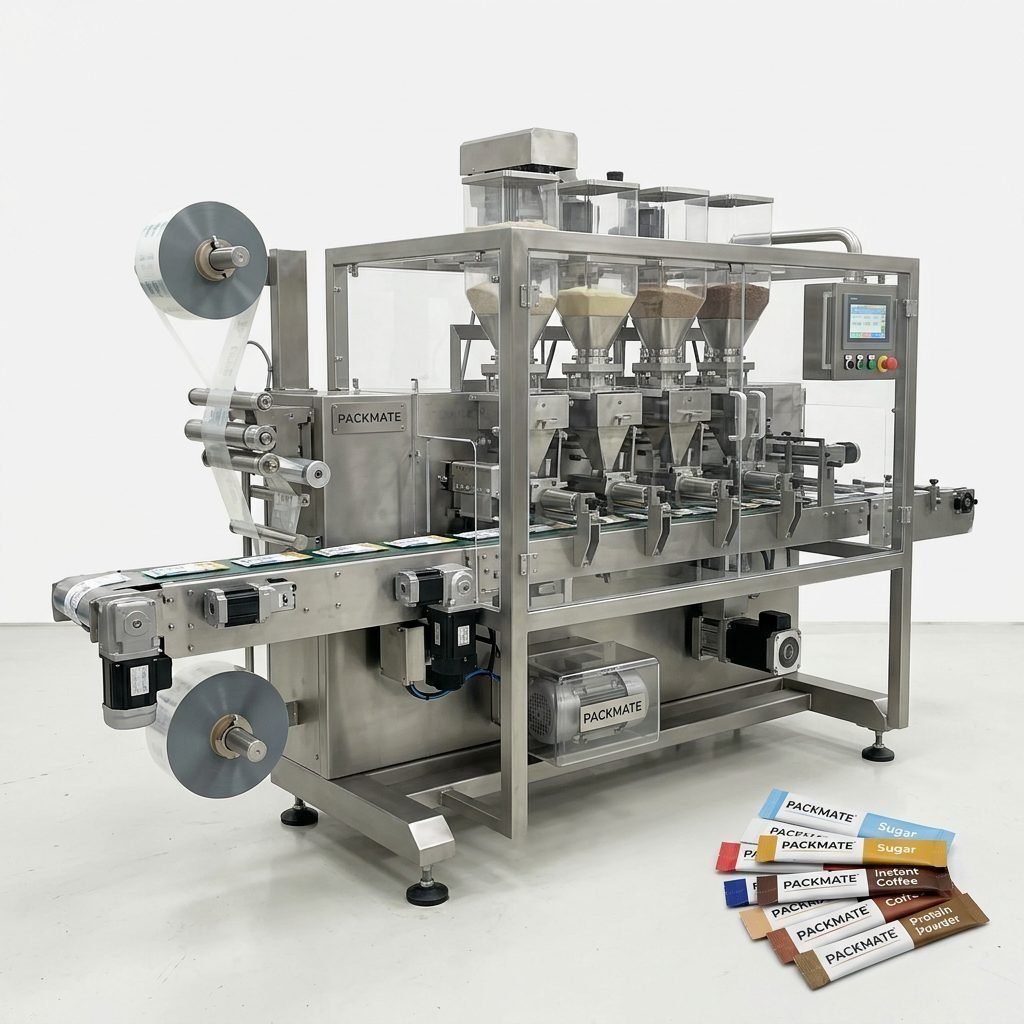
Your needs may evolve. A supplier with a broad portfolio—from single vertical form-fill-seal machines to complete turnkey packaging lines—offers more flexibility. Can they provide a multi-lane stick pack machine for high-volume instant coffee today and a liquid sachet line for sauces tomorrow? Furthermore, the ability to customize is key. Standard machines might not fit unique pouch sizes, materials, or production layouts. Manufacturers like PackingMachineOEM focus specifically on non-standard and customized solutions, which can be invaluable for niche products.
3. Manufacturing Capability and Quality Control
A manufacturer’s factory is a reflection of their commitment to quality. Inquire about their production facility size, the technology used in machining parts (e.g., CNC), and their assembly and testing processes. A modern facility with structured quality control, like the 20,000+ sqm factories operated by many leading Chinese manufacturers, is more likely to produce durable, precise, and reliable equipment. Always request factory audit reports or detailed manufacturing process videos.
4. After-Sales Support and Service Network
This is arguably the most critical factor for Liberian importers. Comprehensive support includes:
– Detailed installation and operational training (on-site or remote).
– Availability of comprehensive technical manuals and spare parts lists.
– A responsive remote technical support team (via video call, chat).
– A clear policy on spare parts supply, warranty, and the potential for local agent partnerships in West Africa.
Suppliers with strong export experience, like Packmate Machinery which serves markets globally, are typically better equipped to manage international support.
Profiles of Leading Packaging Machine Manufacturers
Here is an overview of several established manufacturers known for their export strength, which can be suitable partners for Liberian businesses.
| Company | Key Strengths | Why Consider for Liberia |
|---|---|---|
| Ludyway | 30+ years experience, wide product range, strong in turnkey lines, major export player. | Proven reliability for food/pharma; scalable solutions for growing businesses; strong international support structure. |
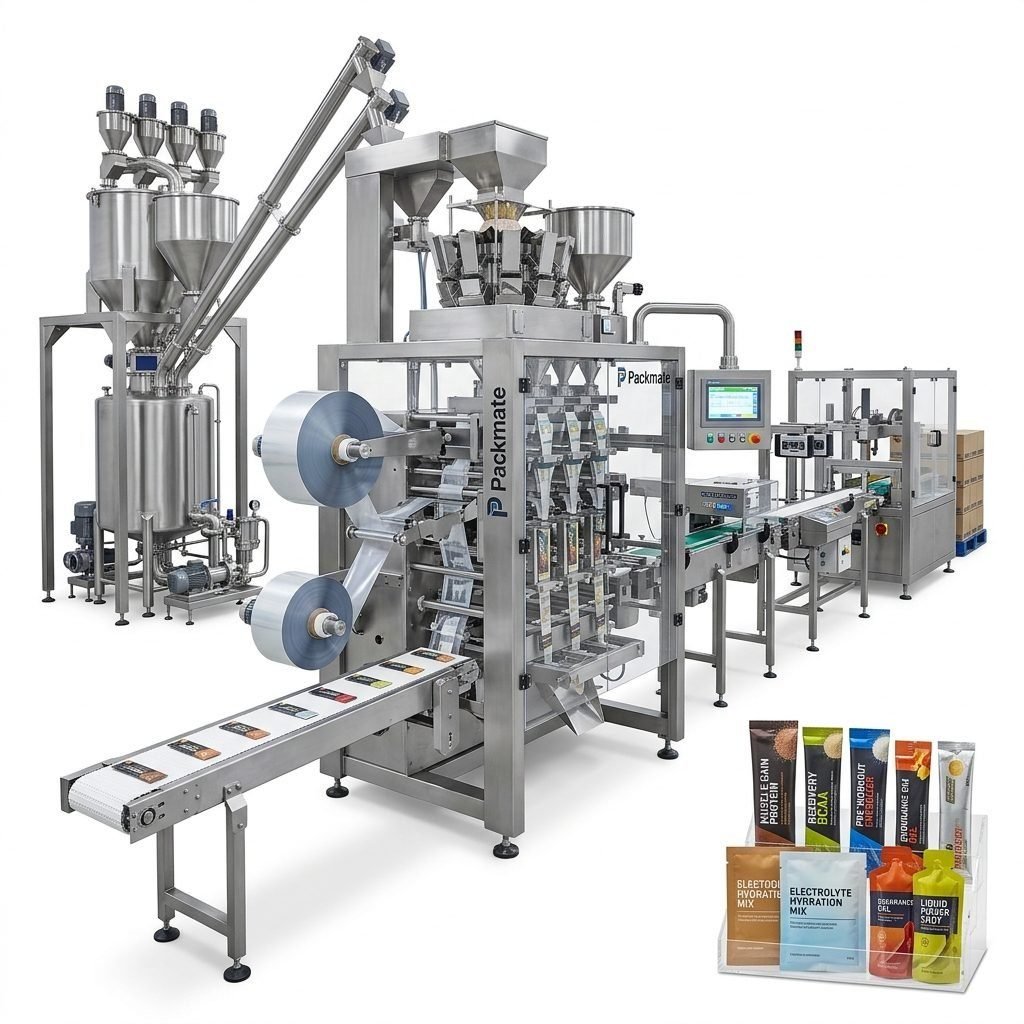
| Packmate Machinery | Over 80 machine models, strong in food/pharma/supplements, good cost-performance balance. | Broad selection allows for finding a cost-effective machine for specific needs; experienced in export logistics. |
| PacklineOEM | Focus on complete turnkey packaging lines, strong system integration capability. | Ideal for larger projects or factories looking for full automation from feeding to cartoning in one coordinated package. |
| PackingMachineOEM | Specializes in non-standard and customized machine solutions, strong engineering support. | Best for unique products or packaging formats that require tailored engineering, not just off-the-shelf machines. |
| SnusMachinery | Niche expert in nicotine pouch and snus packaging, also covers general pouch packaging. | The go-to choice if your business is in the specialized smokeless tobacco or modern nicotine pouch sector. |
Practical Steps for Liberian Importers
1. Define Your Requirements Clearly: Document your product details (form, density, flow characteristics), desired pouch type/size, target output (bags per minute), available factory space, and power specifications (voltage, phase).
2. Request for Quotation (RFQ): Send detailed RFQs to multiple shortlisted suppliers. Compare not only price but also machine specifications, standard warranty, delivery time, and included services.
3. Due Diligence: Ask for customer references, preferably in Africa or similar markets. Request live video demonstrations of the machine running a product similar to yours.
4. Logistics and Importation: Work with a reliable freight forwarder experienced in shipping machinery to Monrovia. Understand all Incoterms, duties, taxes, and port clearance procedures. Ensure the supplier properly crates and weatherproofs the machine for sea freight.
5. Training and Installation Plan: Clarify who will install and commission the machine. Will you send your technicians to the factory for training, or will the supplier send an engineer to Liberia? Plan this and the associated costs in advance.
Conclusion: Building a Long-Term Partnership
For Liberian businesses, the goal is not just a one-time purchase but establishing a partnership with a manufacturer that will support your growth for years. The ideal supplier offers a combination of reliable machinery, adaptability to your specific needs, and unwavering after-sales support. By prioritizing manufacturers with a strong export reputation, proven experience with your product type, and a clear commitment to customer service, you can make a confident investment that enhances your production efficiency, product quality, and competitiveness in the Liberian and regional markets.
Frequently Asked Questions (FAQs)
What type of packaging machine is most suitable for packaging Liberian hot pepper powder or dried herbs?
For fine, non-sticky powders like pepper or herbs, a multi-lane auger filler stick pack or sachet machine is typically ideal. Look for machines with stainless steel contact parts, good dust extraction systems, and high-precision auger fillers to ensure accurate dosing and clean operation.
How can I ensure I get genuine spare parts and timely support after the machine arrives in Liberia?
Before purchasing, discuss and get in writing the supplier’s spare parts policy. Reputable manufacturers will provide a recommended spare parts list and often offer an initial spare parts kit. Ensure they have a track record of shipping parts internationally quickly. Inquire if they have any service partners or agents in West Africa.
Are the machines compatible with Liberia’s common power supply (220-240V, 50Hz)?
Most professional packaging machine manufacturers exporting globally are accustomed to building machines for different power standards. You must specify your local power requirements (e.g., 220V/50Hz, single or three-phase) clearly in your order. They will configure the electrical system, motors, and heaters accordingly.
What is the typical lead time for receiving a packaging machine from overseas?
Lead times vary based on machine complexity and customization. For a standard machine, expect 60 to 90 days for manufacturing, plus 4-8 weeks for sea shipping and customs clearance to Monrovia. Highly customized or complete turnkey lines will take longer. Always confirm the detailed timeline with your supplier.
Is it better to buy a single machine or a complete automated line?
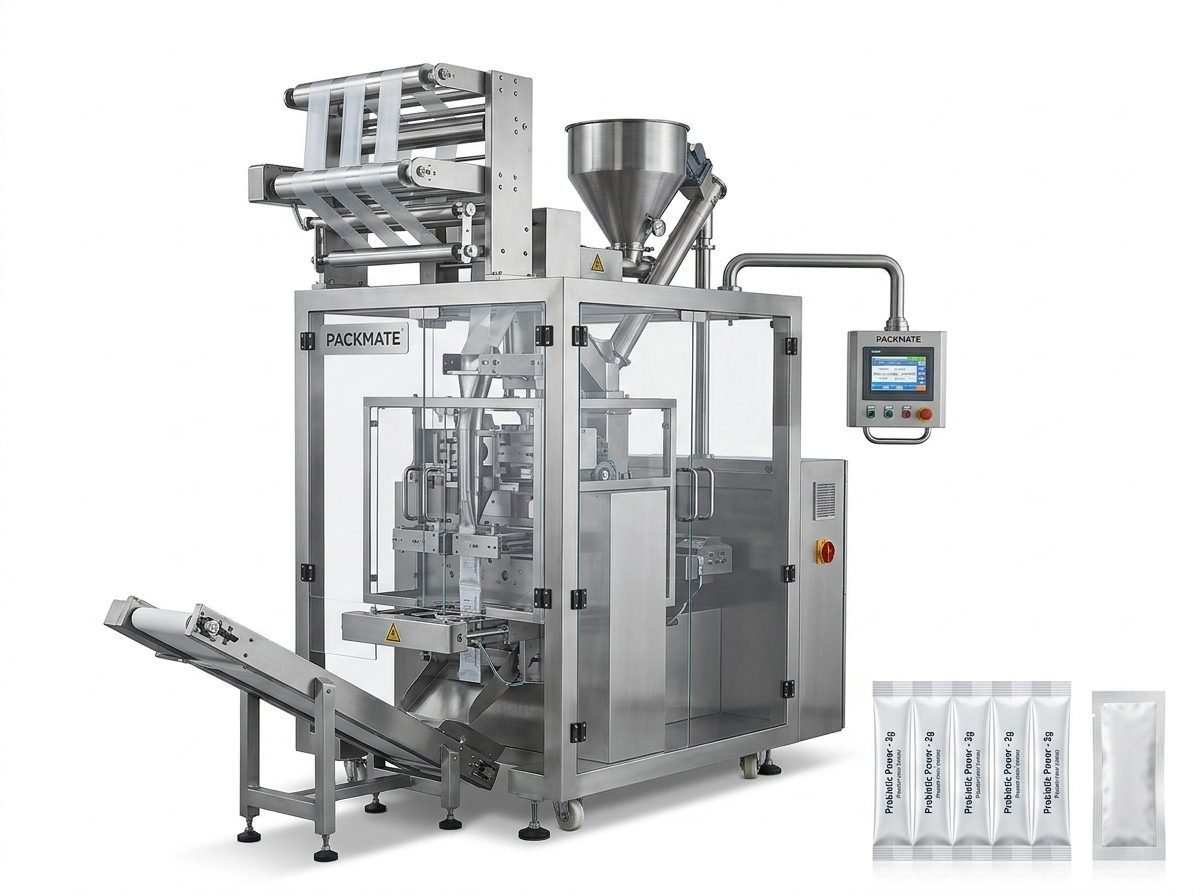
This depends entirely on your production volume, labor costs, and long-term plans. A single vertical form-fill-seal machine is a great starting point for small to medium businesses. A complete automated line (with automatic feeding, weighing, packaging, and cartoning) is a larger investment but drastically reduces labor, increases output, and improves consistency for high-volume production. Companies like PacklineOEM specialize in such integrated solutions.