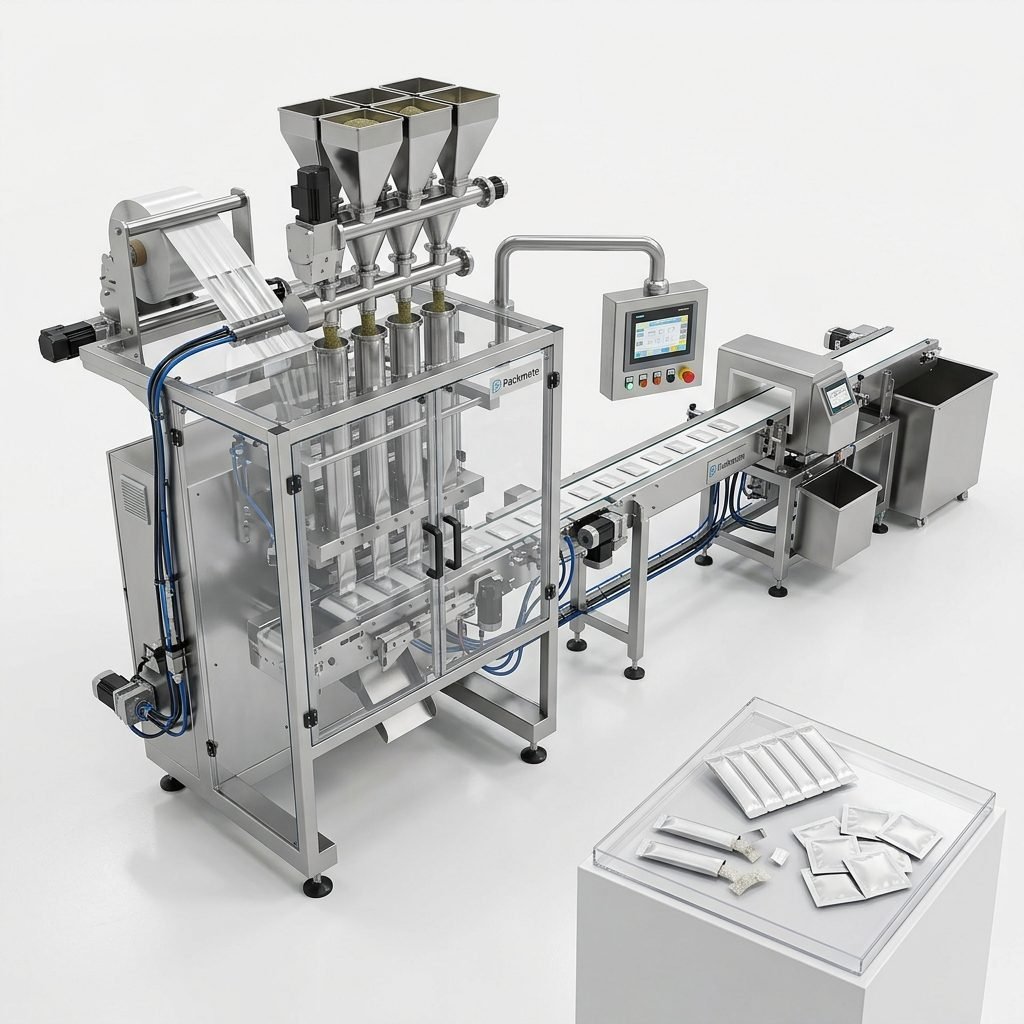
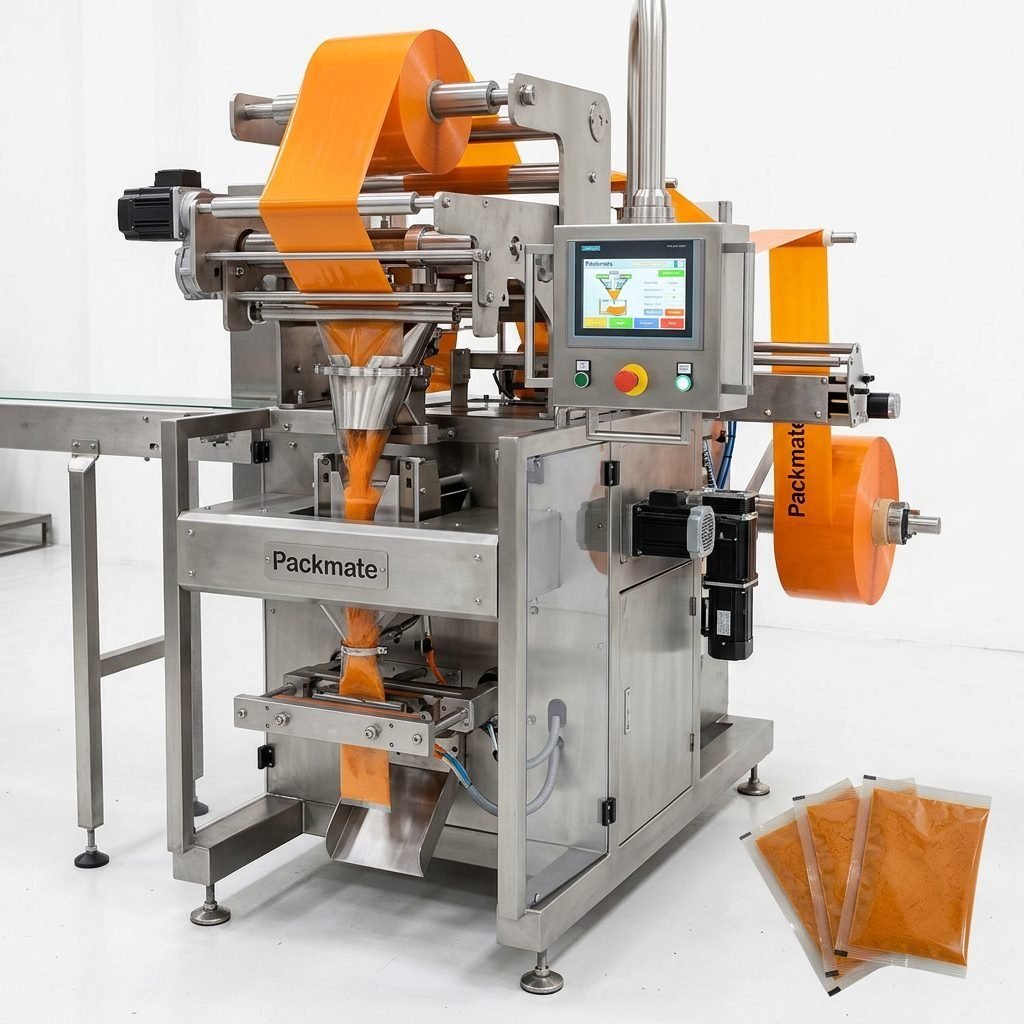
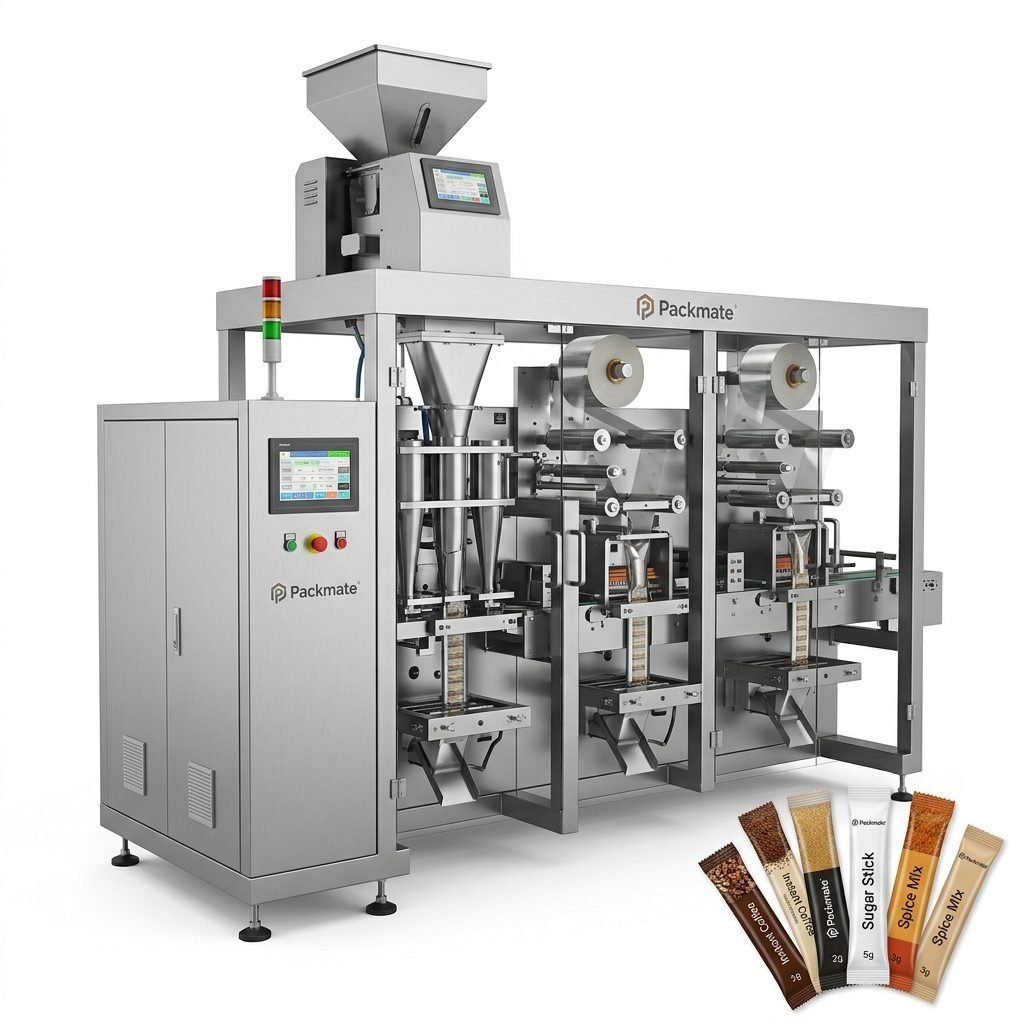
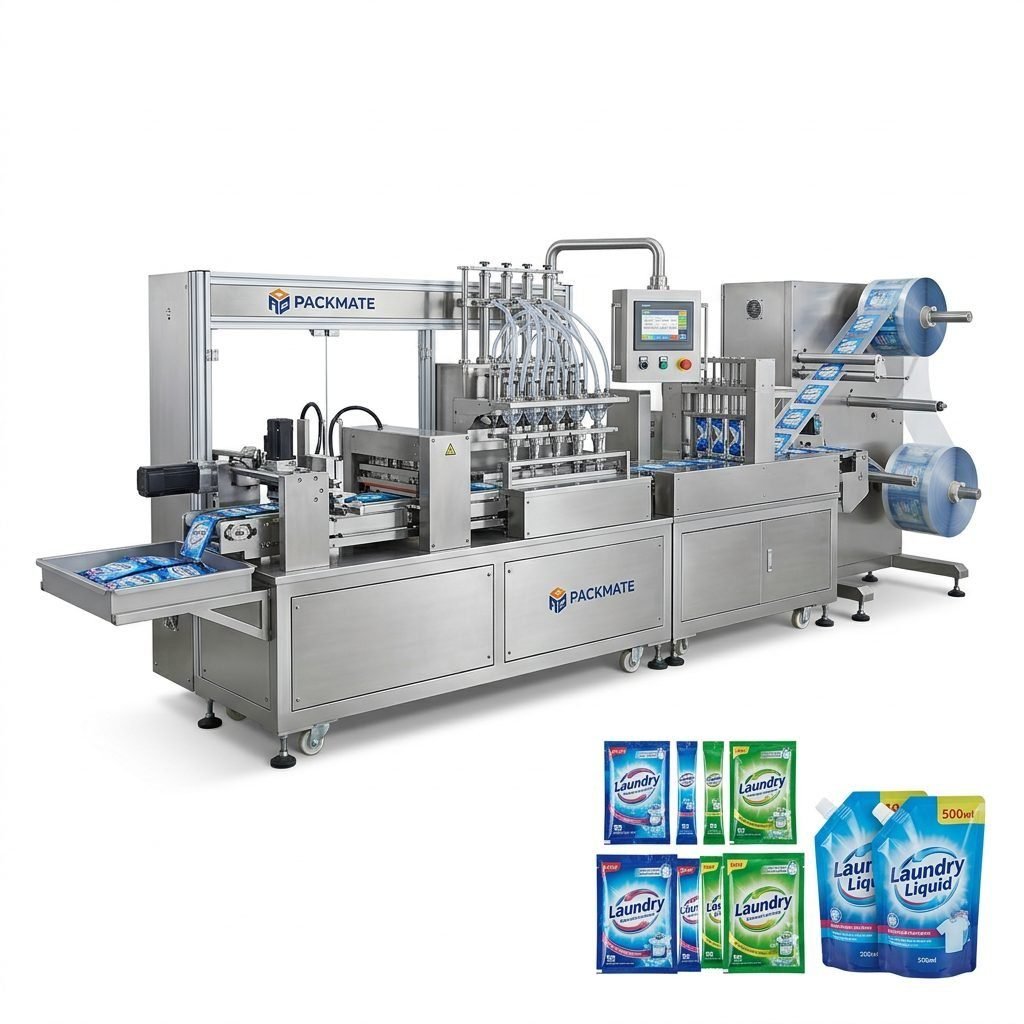
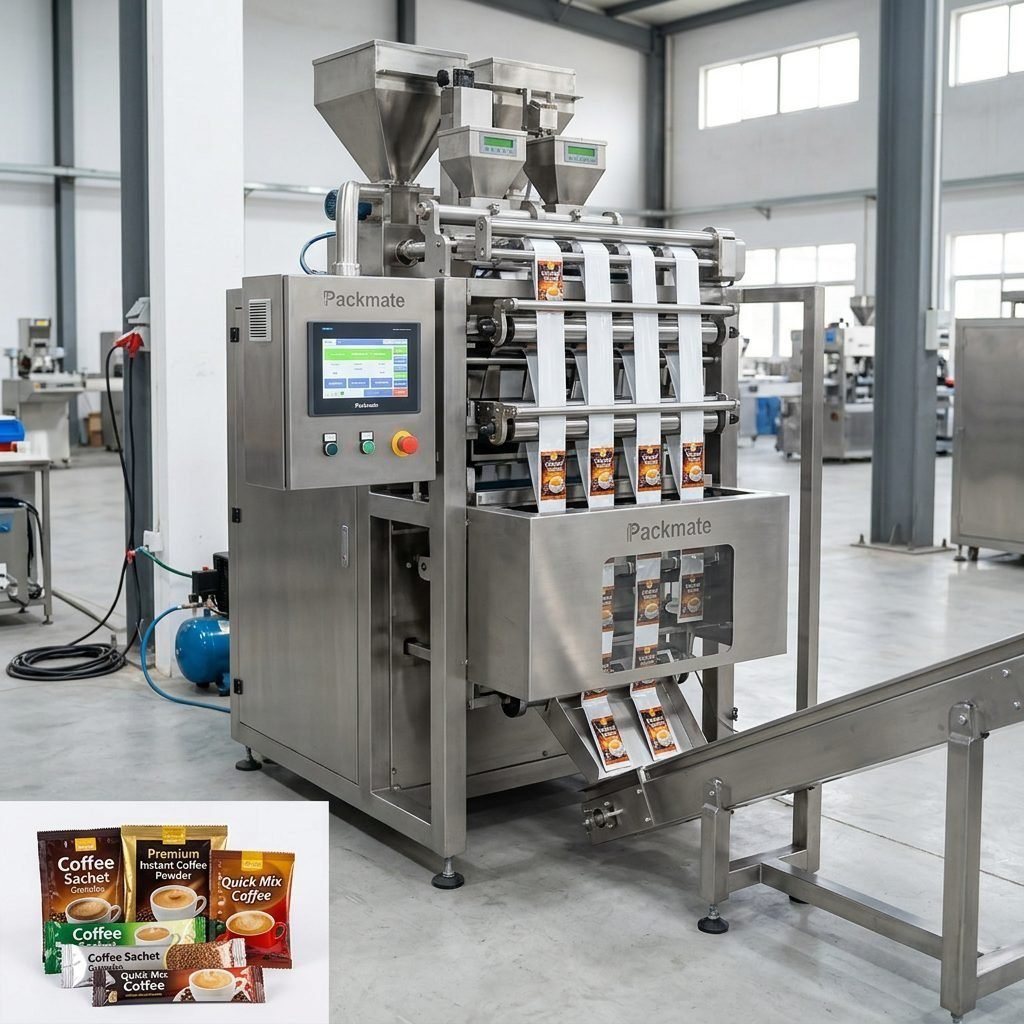
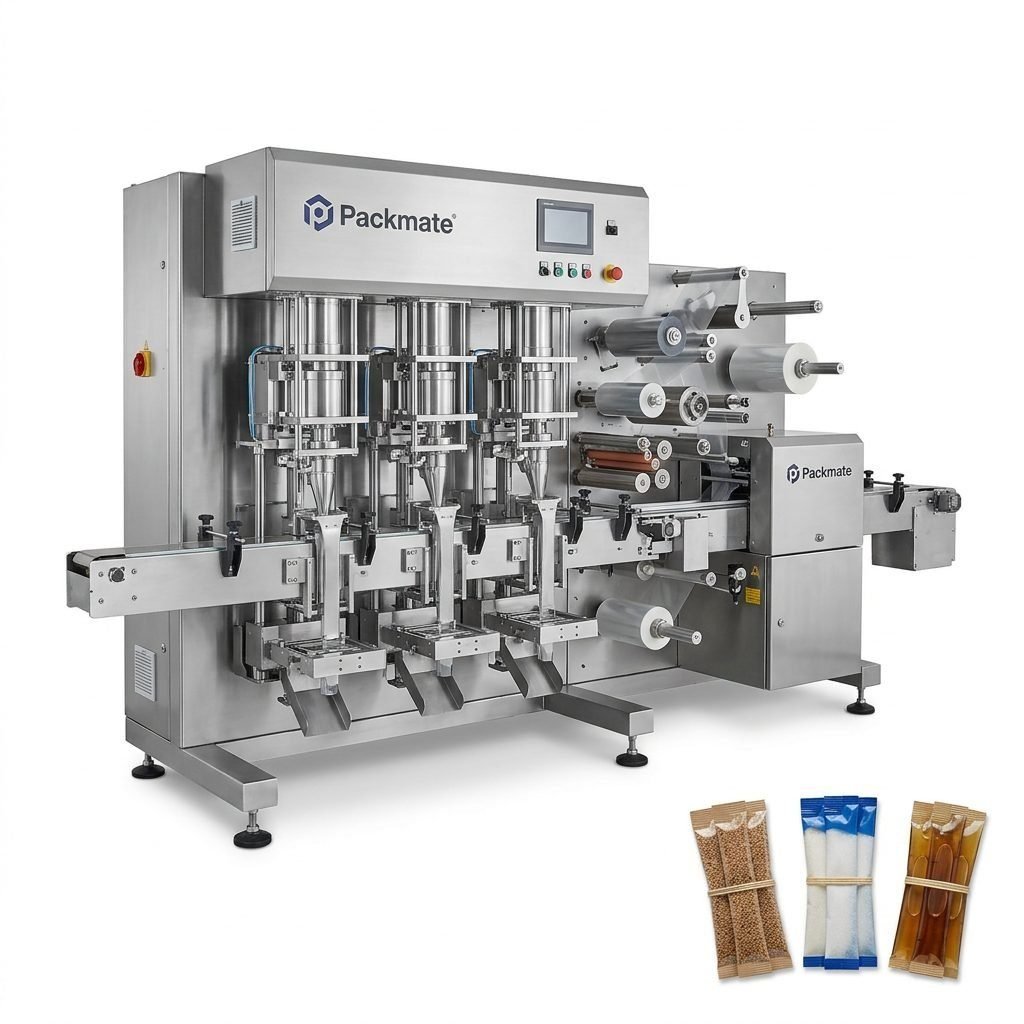
For Canadian businesses in sectors like food processing, pharmaceuticals, health supplements, and agriculture, finding a reliable packaging machinery manufacturer is a critical investment. The right equipment can dramatically improve efficiency, product consistency, and scalability. However, navigating the global market, which includes strong contenders from Asia like Ludyway, requires a strategic approach tailored to Canada’s specific industrial needs, regulatory environment, and logistical considerations.
Understanding the Canadian Packaging Landscape
Canada’s manufacturing sector is diverse, with significant activity in processed foods, natural health products (NHPs), pharmaceuticals, and cannabis (where federally legal). Canadian companies often prioritize equipment that offers:
Adaptability: The ability to handle both large production runs and smaller, specialized batches is valuable.
Compliance: Machinery for food and pharma must often meet standards like CFIA regulations or GMP (Good Manufacturing Practices).
Durability & Service: With manufacturing hubs spread from Ontario to British Columbia, reliable after-sales support and accessible spare parts are crucial to minimize costly downtime.
Energy Efficiency: Given operational cost concerns, machines with lower energy consumption are increasingly favored.
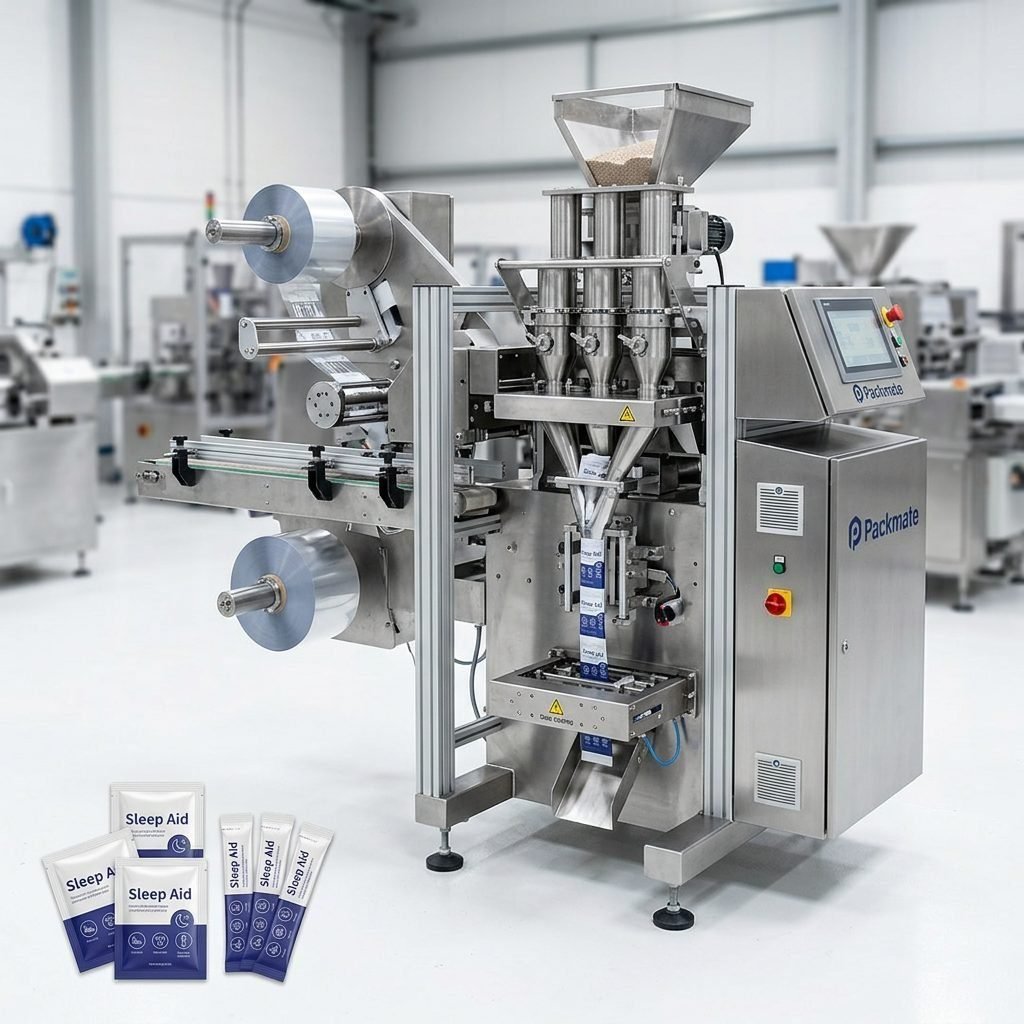
Key Steps in Your Sourcing Process
A structured buyer’s journey minimizes risk and helps you identify the best partner for your long-term packaging goals.
1. Define Your Requirements Precisely
Before contacting suppliers, crystallize your needs. Ambiguity here leads to mismatched quotations.
| Factor to Consider | Key Questions |
| Product Type | Is it powder, granules, liquid, paste, or a combination? What are its properties (hygroscopic, abrasive, viscous)? |
| Packaging Format | Do you need stick packs, sachets, pouches, bottles, or bulk bags? What are the target dimensions? |
| Production Speed (Output) | What are your required bags/packs per minute (BPM) or units per hour? |
| Level of Automation | Do you need a standalone machine or a fully integrated turnkey line with feeding, weighing, and cartoning? |
| Factory Space & Layout | What are the footprint constraints? Are there specific utility (power, air) requirements? |
| Budget & ROI Timeline | What is your total investment capacity? What is the expected payback period from labor savings and increased output? |
2. Research and Shortlist Potential Manufacturers
Look beyond basic online searches. A reliable manufacturer like Packmate Machinery will have a clear track record. Key sources include industry directories (Packaging Digest, Canadian Packaging), trade shows (PACK EXPO, emballage), and B2B platforms. Pay close attention to companies with stated experience in exporting to North America, as they are more likely to understand Canadian electrical standards, voltage (120V/60Hz), and documentation needs.
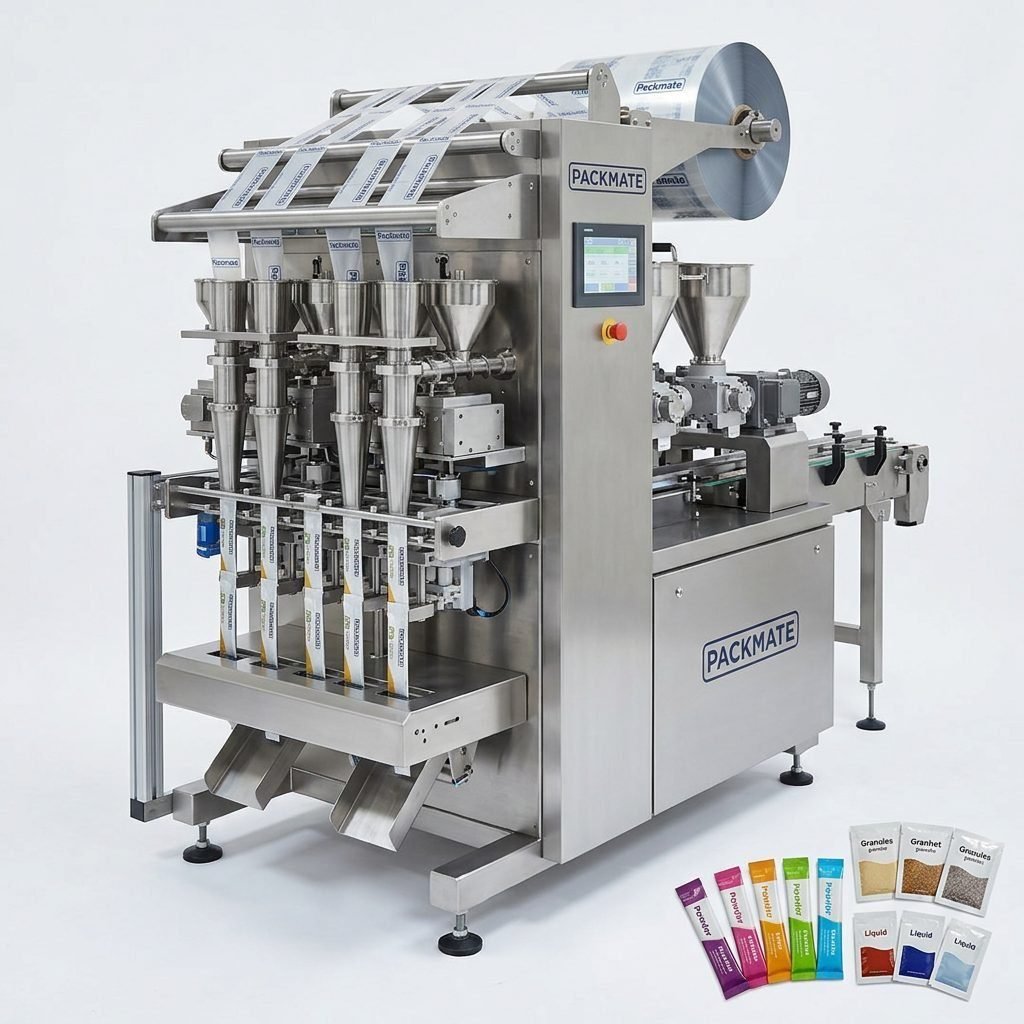
3. Evaluate Technical Capability and Experience
This is where you dig deep. Review the company’s product portfolio. Do they have proven solutions for your specific product category? For instance, if you produce nicotine pouches, a specialist like SnusMachinery might offer distinct advantages. Assess their engineering strength: Can they provide detailed layout drawings? Do they offer customization for non-standard products? Companies focused on turnkey solutions, such as PacklineOEM, are ideal if you need a complete system rather than just a single machine.
4. Scrutinize Manufacturing Quality and Compliance
Request detailed information about their production facility, quality control processes, and machine construction. Key points include:
• Factory Audit Reports: Can they provide videos or third-party audit summaries?
• Component Sourcing: Are key parts (servo motors, PLCs, sensors) from reputable international brands (e.g., Siemens, Mitsubishi)?
• Material Contact Parts: Are they using food-grade stainless steel (e.g., SS304, SS316) where required?
• Machine Certifications: Do they have CE, UL, or other relevant safety certifications?
5. Analyze After-Sales Support and Logistics
This is critical for Canadian buyers. The geographical distance makes on-site support more complex. Your due diligence must cover:
| Support Aspect | What to Verify |
| Warranty Period & Terms | What is covered (parts, labor)? How are claims processed? |
| Technical Support | Is remote support (video call) available in your time zone? Is there an English-speaking service team? |
| Spare Parts Availability | What is the typical lead time for critical spare parts? Do they maintain a local inventory in North America? |
| Installation & Training | Do they offer supervised installation (onsite or remote)? Is comprehensive training provided for your operators? |
| Shipping and Customs | Do they have experience shipping to Canadian ports? Can they assist with Incoterms (e.g., FOB, CIF) and customs documentation? |
6. Request and Compare Quotations Thoroughly
A professional quotation should be more than just a price list. It should include technical specifications, a detailed scope of supply, delivery timeline, payment terms, and clear warranty information. Be wary of quotes that are significantly lower than others; this often indicates lower-quality components, hidden costs, or inadequate support. Compare the value proposition of a full-service manufacturer like PackingMachineOEM, which may offer better customization, against a more standard solution.
Why Consider International Manufacturers?
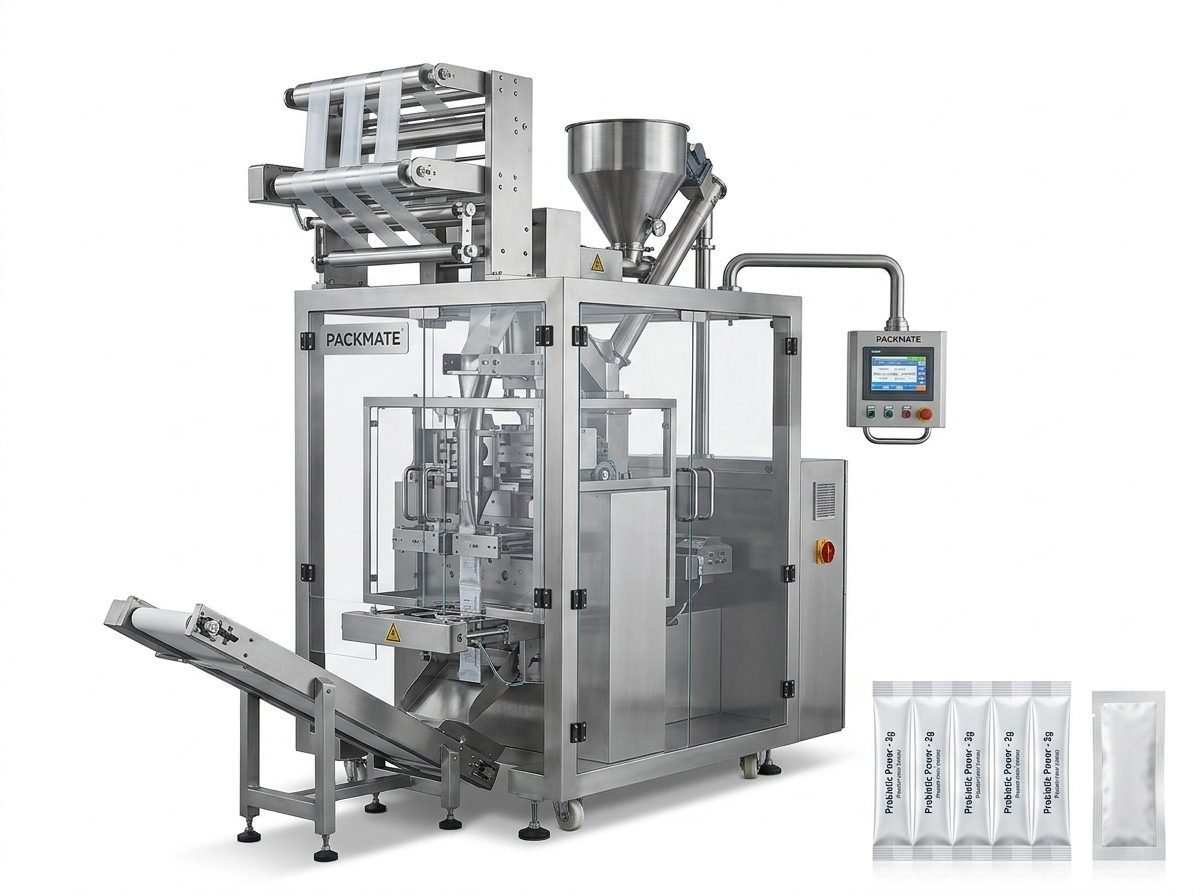
Many Canadian businesses successfully source from overseas, particularly from established Chinese manufacturers. The primary advantages are cost-effectiveness and broad technical capability. Companies with 20-30 years of experience, such as those profiled, have refined their designs for the international market. They often offer a wider range of customizable solutions at a competitive price point compared to some North American or European brands, allowing for a faster return on investment. The key is partnering with an export-savvy supplier who treats the Canadian market seriously.
Frequently Asked Questions (FAQs)
1. What are the main hidden costs when importing packaging machinery to Canada?
Beyond the machine price, budget for international shipping (sea freight is common), marine insurance, customs brokerage fees, duties and taxes (GST/HST), inland transportation from the port to your factory, and potential costs for electrical adaptation to Canadian standards.
2. How can I verify a manufacturer’s claims without visiting their factory?
Request a live video tour of their factory and assembly floor. Ask for customer references in similar industries, preferably in North America. Require them to conduct a factory acceptance test (FAT) via video stream, where they run your specific product or a simulant on the machine before shipment.
3. Is it better to buy a standalone machine or a complete turnkey line?
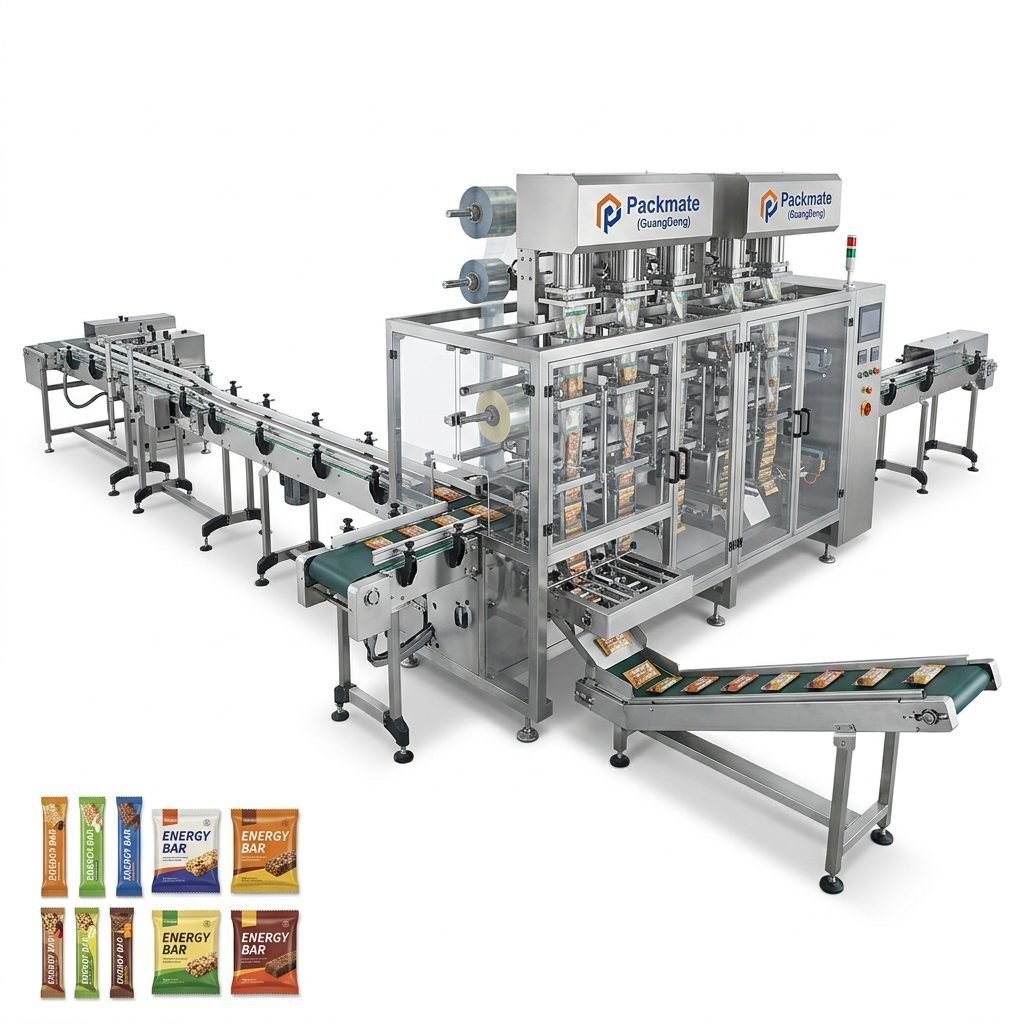
This depends on your in-house capability and growth stage. A standalone machine is suitable for a specific, simple packaging task. A turnkey line is best for new production facilities or major upgrades where you need synchronized automation from product feeding to final case packing. It ensures all components work seamlessly together.
4. What is the typical lead time from order to delivery in Canada?
For standard machines, expect 8-14 weeks for manufacturing, plus 4-6 weeks for sea shipping and customs clearance. For highly customized or complete turnkey lines, lead times can extend to 20-30 weeks. Always clarify and include delivery milestones in your contract.
5. How important is local agent or distributor support?
While not always essential, a local agent or a manufacturer with a strong North American service partner can be invaluable. They can provide faster on-site response for complex issues, hold a local spare parts inventory, and offer more accessible training. Inquire if your potential supplier has such partnerships in place.