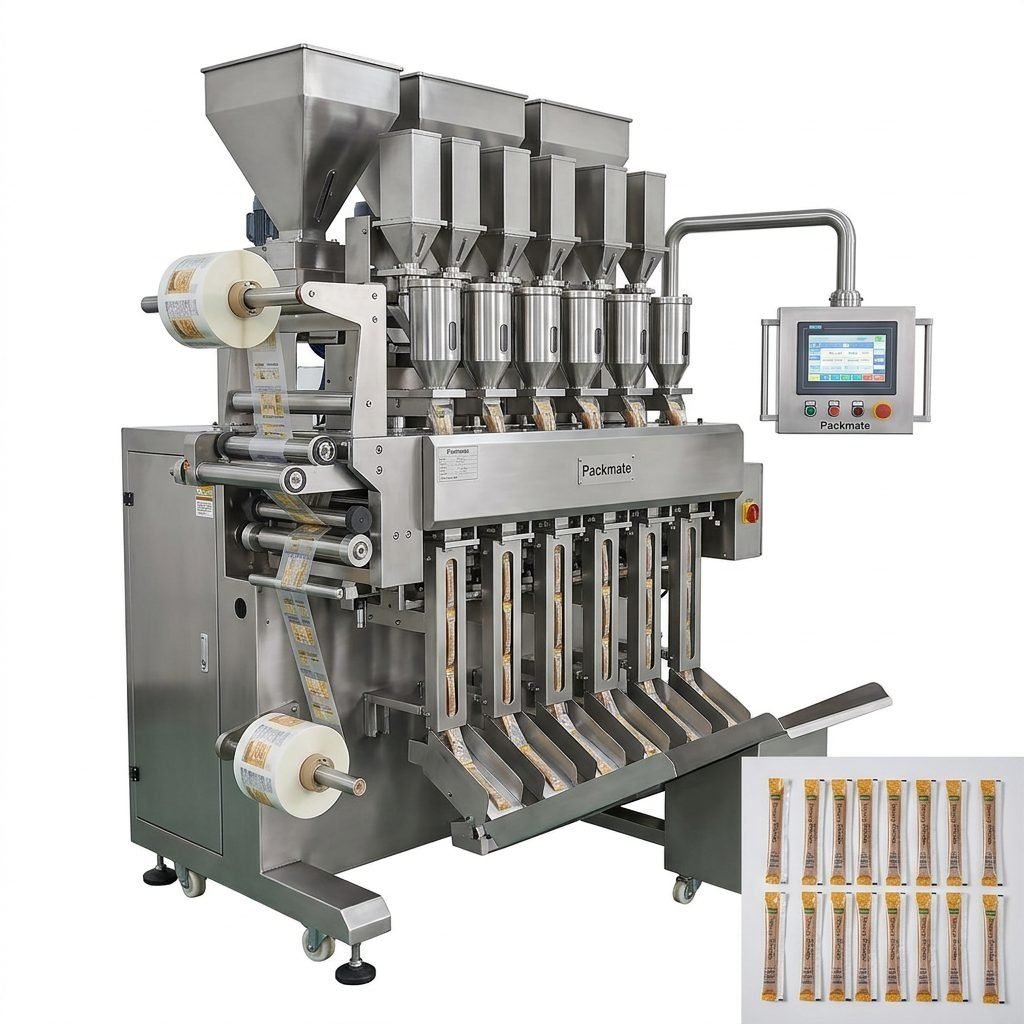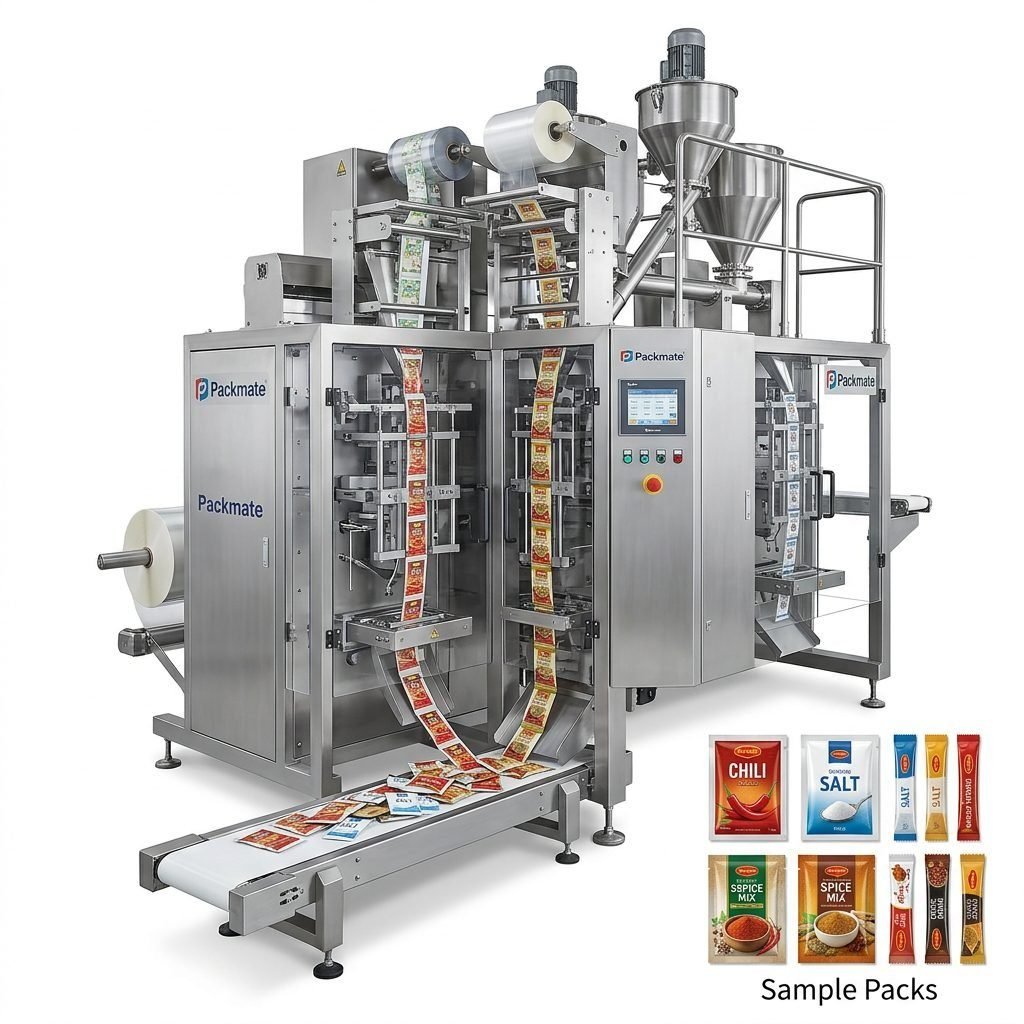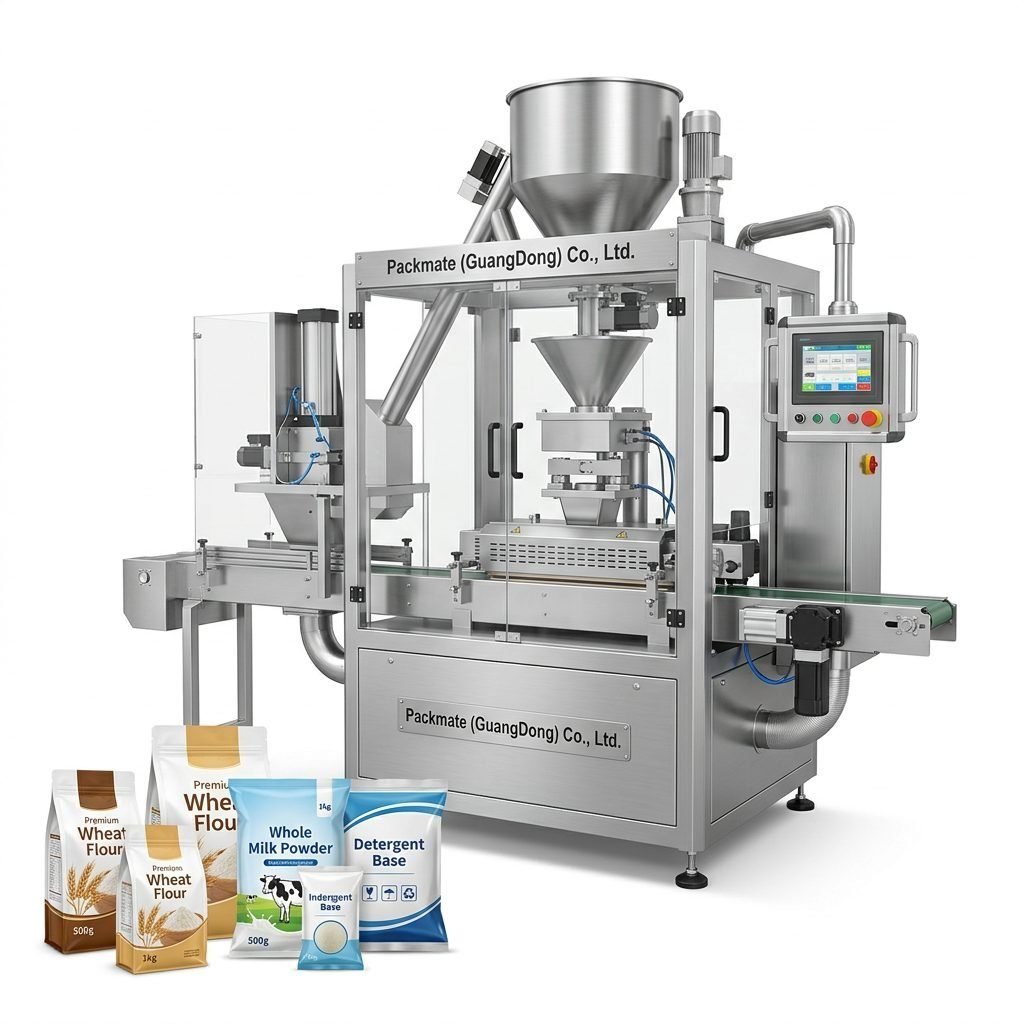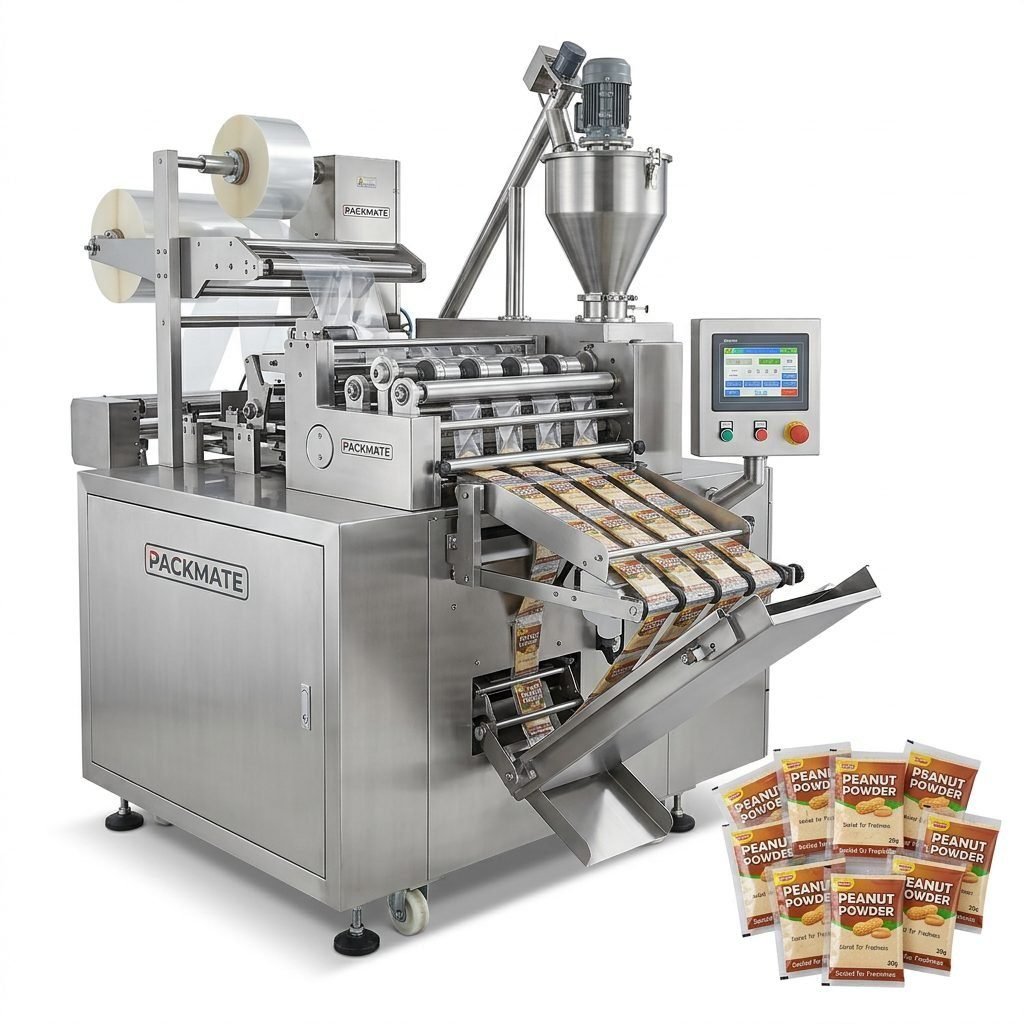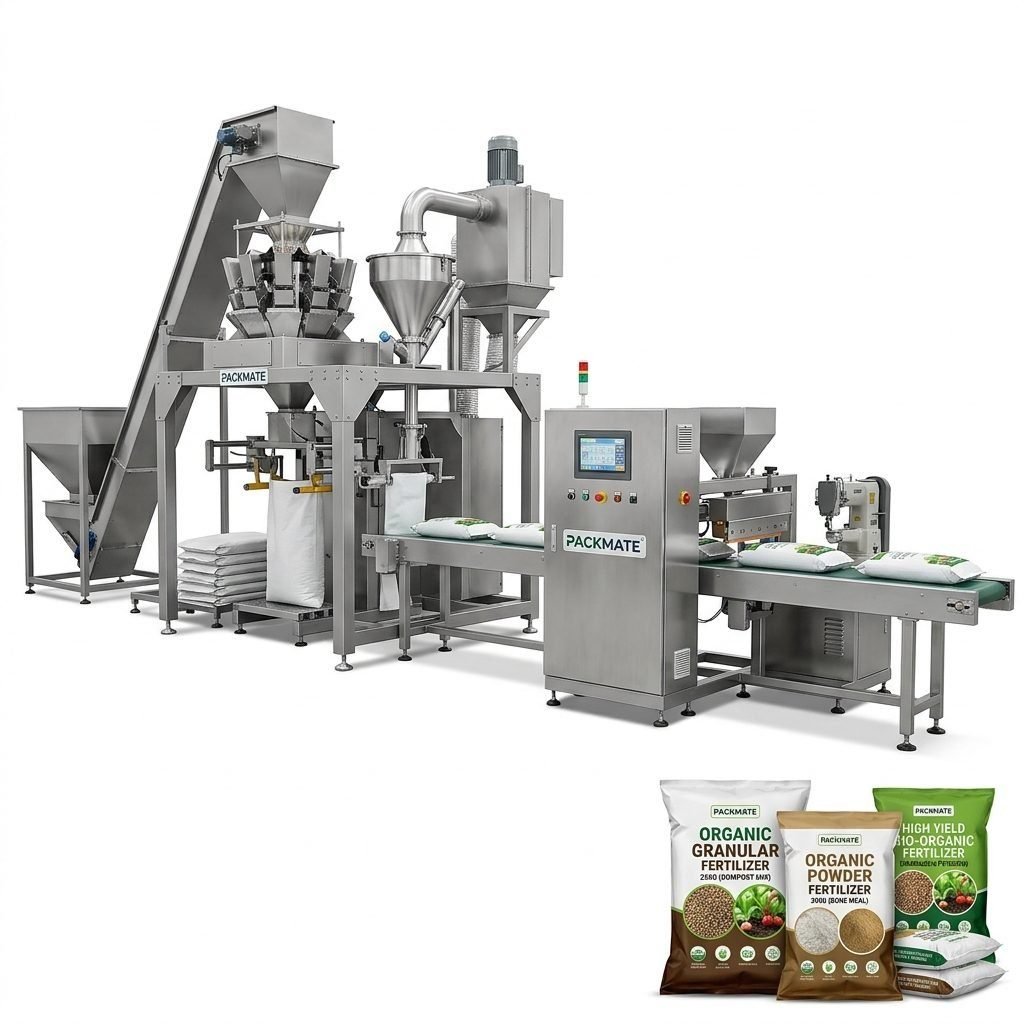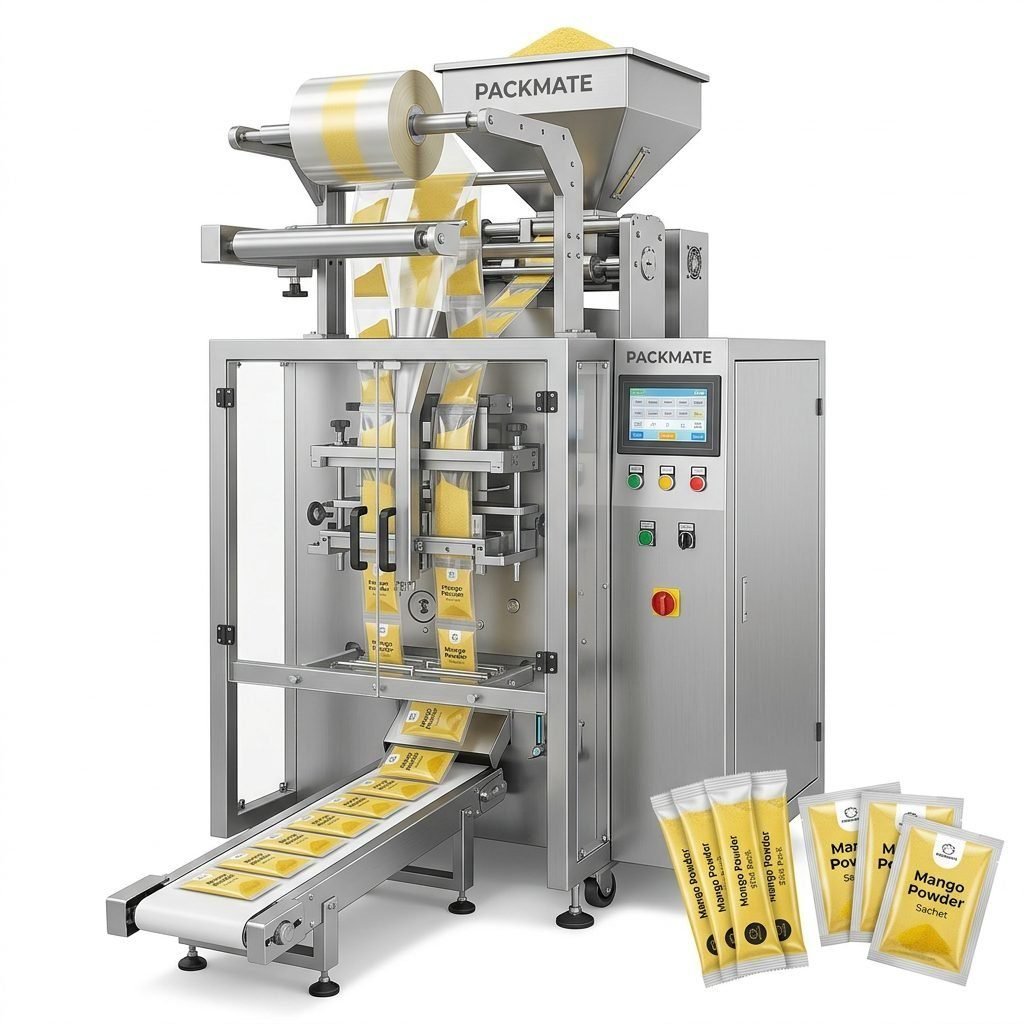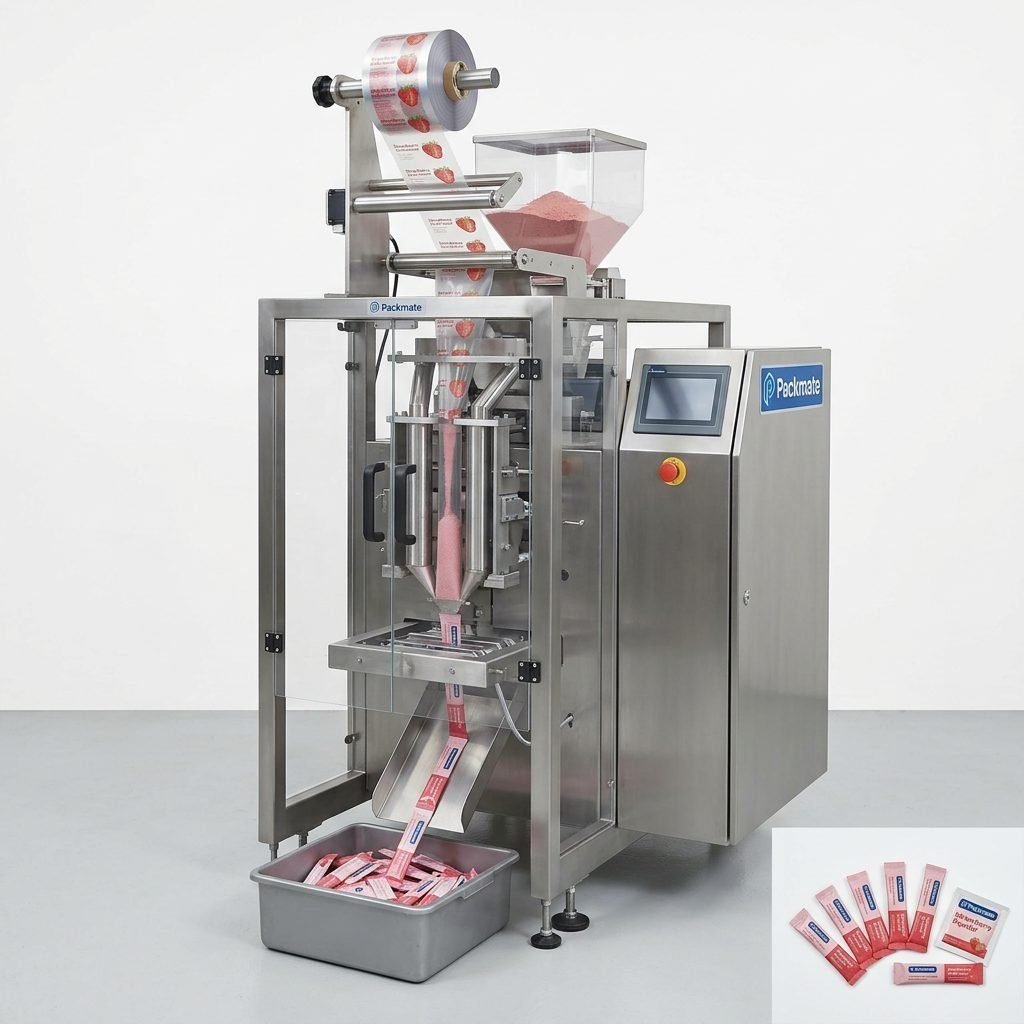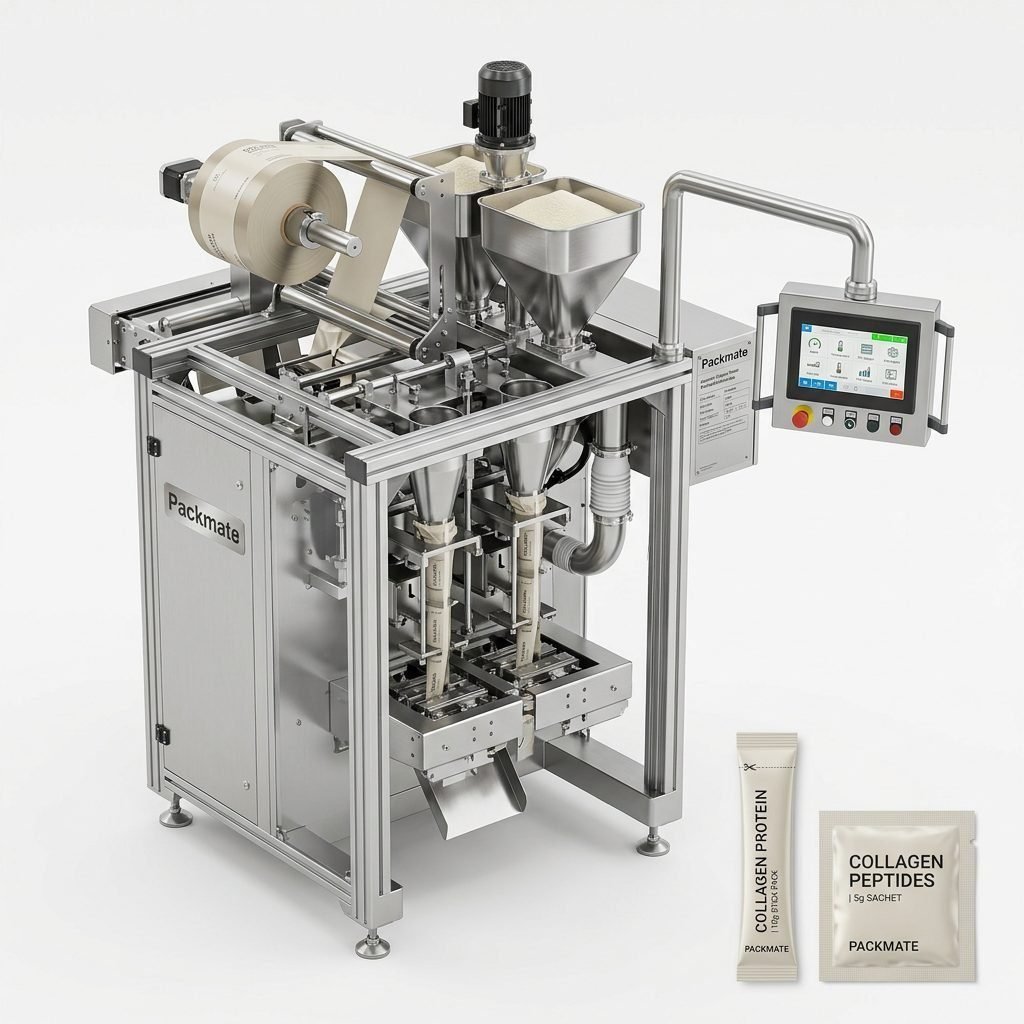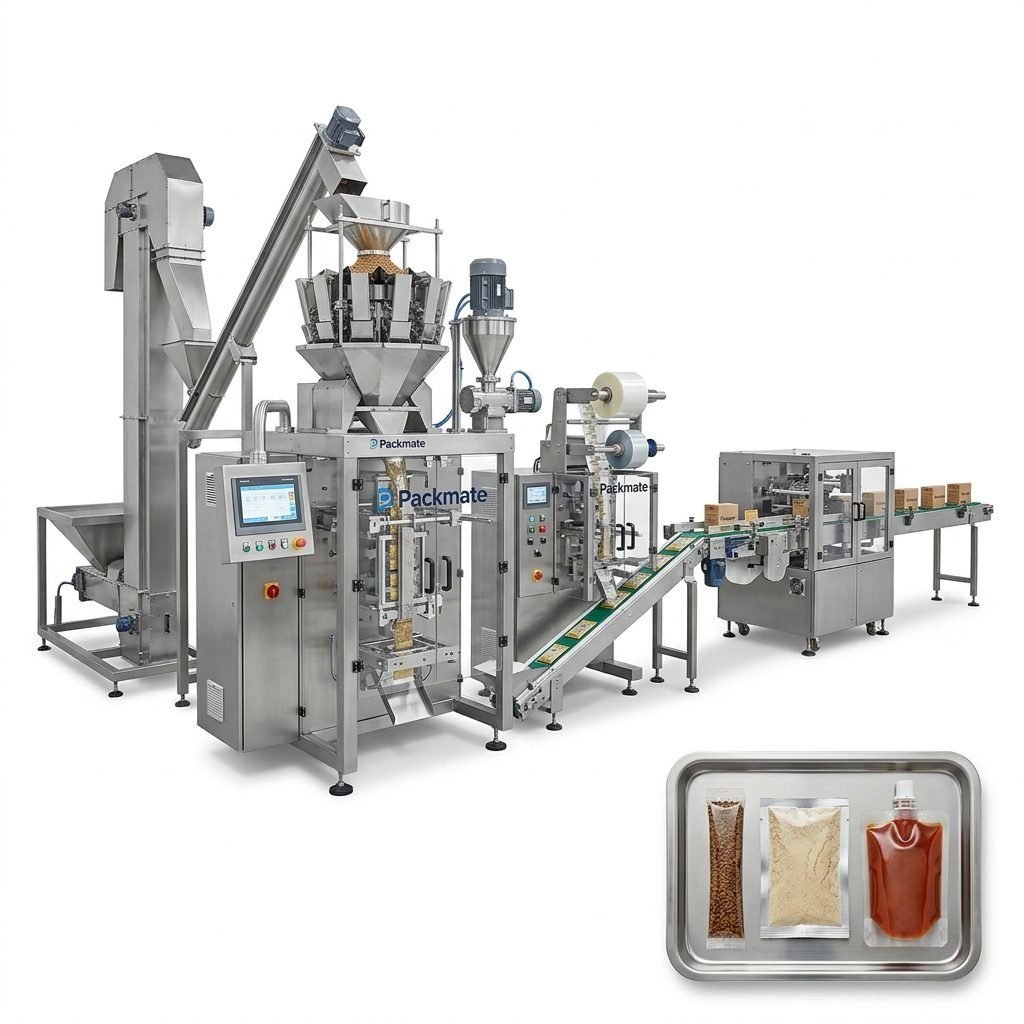
For Yemeni buyers in the food, pharmaceutical, or fast-moving consumer goods sectors, finding reliable packaging machine manufacturers is a critical step toward modernizing production, ensuring product quality, and improving operational efficiency. The local market, with its growing demand for packaged goods—from spices and coffee to pharmaceuticals and health supplements—requires robust, adaptable, and cost-effective packaging solutions. This guide provides a practical framework to help you identify, evaluate, and select trustworthy manufacturers, with a focus on key considerations relevant to Yemen’s import landscape, logistical challenges, and industrial needs.
Understanding Your Packaging Requirements in the Yemeni Context
Before starting your search, clearly define your project needs. Yemeni manufacturers often deal with specific challenges such as intermittent power supply, dusty environments, and the need for machines that can handle local packaging materials. Consider the following:
Product Type: Are you packaging powders (like spices or flour), granules (coffee, grains), liquids (oils, sauces), or pastes? The product form dictates the machine type (e.g., auger filler for powders, liquid pump fillers).
Output Capacity: Estimate your required speed (bags/minute). For small to medium Yemeni enterprises, a machine producing 60-120 bags per minute might be sufficient, whereas larger operations may need higher speeds.
Bag Type & Material: Determine if you need sachets, stick packs, pouches, or bags. Consider the availability and cost of packaging film in Yemen; some machines are more flexible with material grades than others.
Factory Conditions: Account for space constraints, voltage stability (machines with wide voltage tolerance are advantageous), and the technical skill level of your operational staff.
Key Challenges for Yemeni Importers
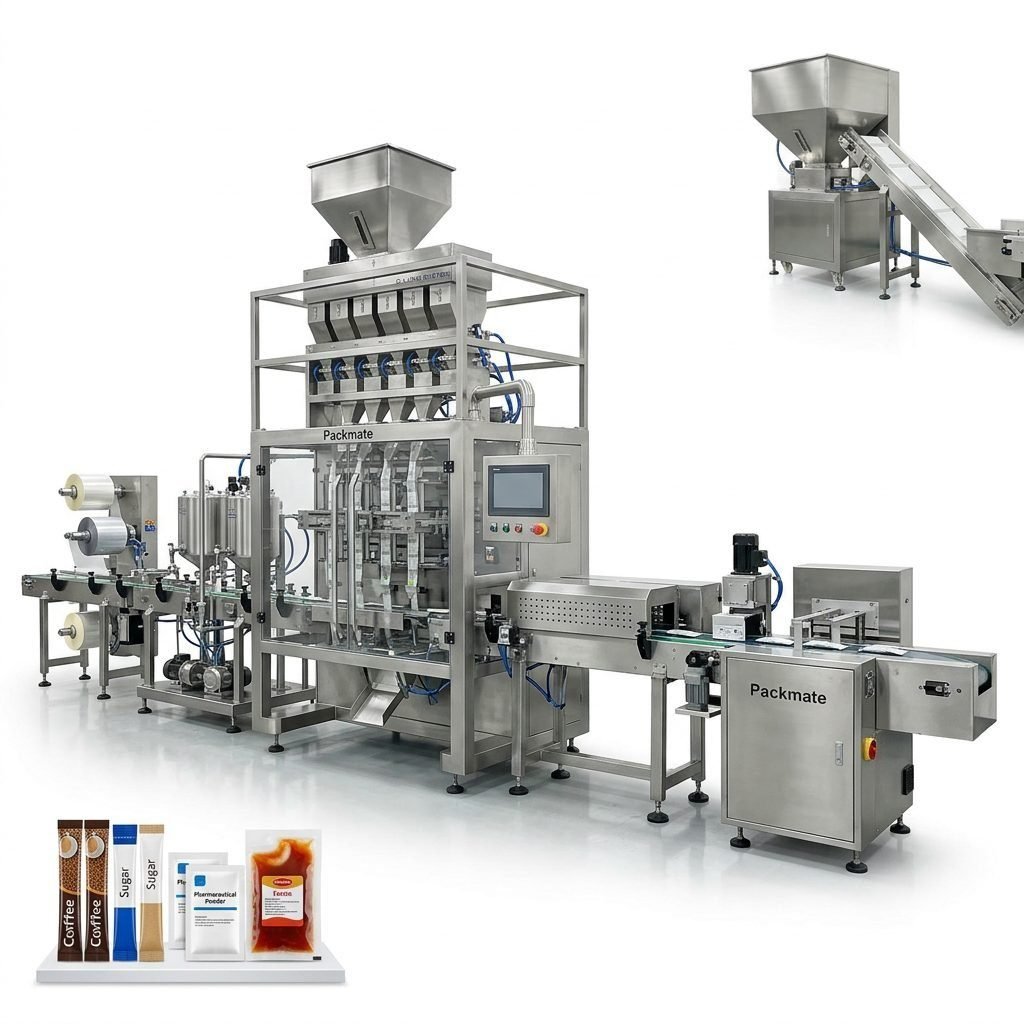
Importing machinery into Yemen involves navigating customs, ensuring spare part availability, and managing technical support from abroad. Prioritize manufacturers with a proven export history to the Middle East, who understand documentation (commercial invoice, packing list, certificate of origin) and can offer clear after-sales support plans. Consider the total cost of ownership, including shipping, potential tariffs, and installation.
Where to Find Potential Manufacturers
A structured search increases your chances of finding a suitable partner. Here are effective channels:
1. B2B Platforms and Industry Directories
Websites like Alibaba, Made-in-China, and Global Sources list thousands of manufacturers. Use specific keywords like “granule packaging machine,” “sachet packing machine,” or “turnkey packaging line.” Filter for suppliers with Trade Assurance and those verified as “Gold Suppliers.” Always check their transaction history and export markets.
2. International Trade Shows
While travel can be difficult, researching exhibitors at major packaging fairs like Propak Asia, Gulfood Manufacturing, or interpack provides insights into leading brands. Many exhibitors now offer virtual booth tours and online meetings.
3. Referrals and Local Networks
Connect with other factory owners in Yemen or the wider GCC region. Personal recommendations are invaluable for assessing real-world machine performance, reliability of service, and parts delivery times.
4. Targeted Online Search
Search for manufacturers specializing in your niche. For example, if you produce nutritional supplements, look for companies with expertise in pharmaceutical-grade packaging. Review their official websites for case studies, client lists, and technical documentation.
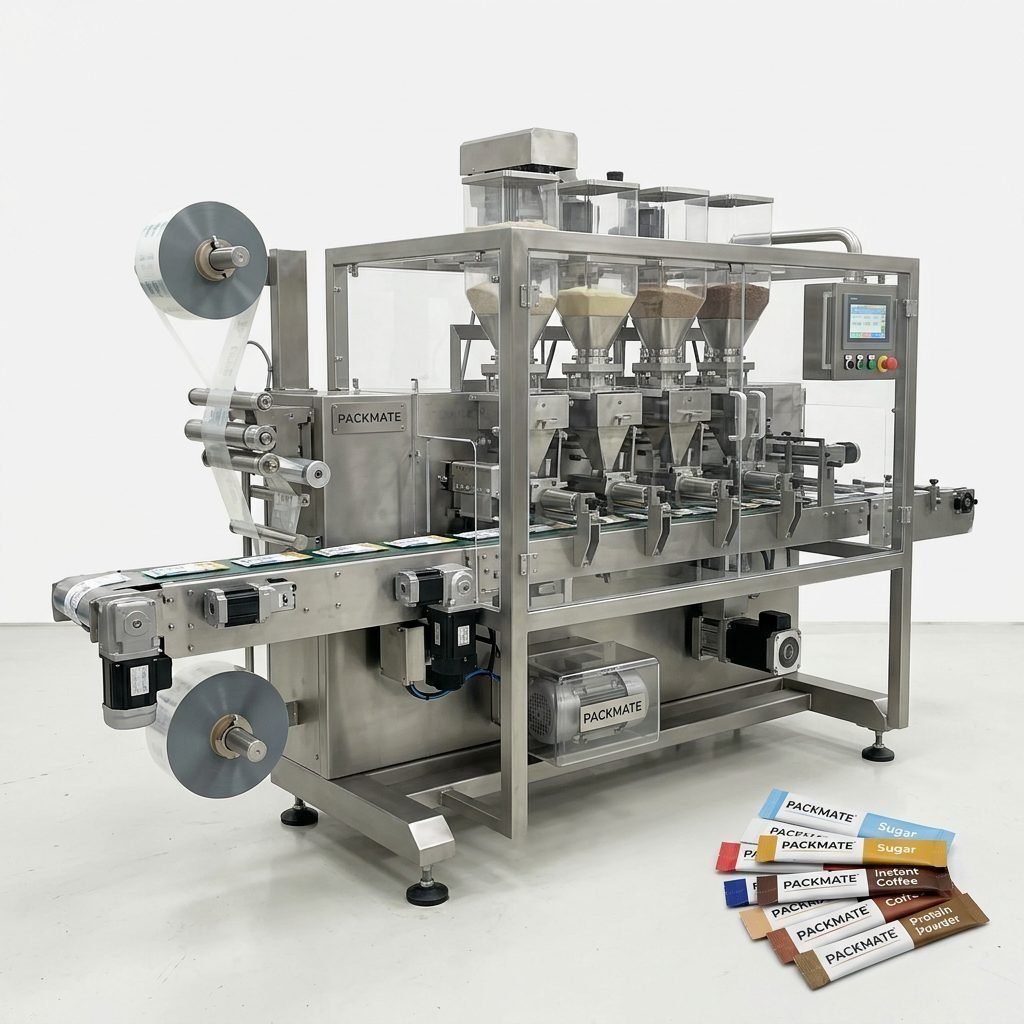
Critical Evaluation Criteria for Manufacturers
Once you have a shortlist, assess them thoroughly. Do not base your decision on price alone.
| Evaluation Area | Key Questions for the Supplier | Why It Matters for Yemen |
|---|---|---|
| Company Background & Stability | How long have you been in business? What is your factory size? Can you share your business license and export records? | Long-established companies are more likely to honor warranties and provide long-term support, crucial given the distance from Yemen. |
| Technical Capability & Customization | Can the machine be adjusted for our specific bag size and product? Do you offer OEM services? What is your R&D process? | Local products may have unique characteristics; customization ensures the machine works optimally with your materials. |
| Quality & Manufacturing Process | What quality control checks are performed? What are the key components (e.g., PLC, servo motors, seals) and their brands? | Machines with quality international components (Siemens, Mitsubishi, Omron) tend to have better reliability and longevity. |
| After-Sales Support & Training | What is your warranty period? How do you handle spare parts delivery to Yemen? Do you offer online/onsite training? | This is perhaps the most critical factor. Clear support channels and a stock of common spare parts minimize costly downtime. |
| Shipping & Logistics | What are the Incoterms? Can you handle export documentation? What is the estimated lead time? | Experienced exporters simplify the complex import process, reducing risks of delays at Yemeni ports. |
The Importance of Sample Testing and Factory Audits
Whenever possible, send your product samples to the manufacturer for a test run. This verifies machine performance, sealing quality, and speed with your actual product. If feasible, a virtual factory tour via video call can provide insights into their manufacturing scale and cleanliness. For larger investments, consider hiring a third-party inspection company in China to conduct a pre-shipment inspection.
Spotlight on Established Manufacturers
Several manufacturers have strong export experience relevant to markets like Yemen. Here is a brief overview of some notable companies:
Ludyway
With over 30 years of experience, Ludyway is a leading Chinese manufacturer offering a wide range of packaging machines and complete turnkey lines. They have a significant export footprint in the Middle East and are known for stable performance and broad applicability in food and pharmaceutical packaging. Their large factory (20,000+ sqm) and extensive product portfolio make them a strong candidate for projects requiring scalability.
Packmate Machinery
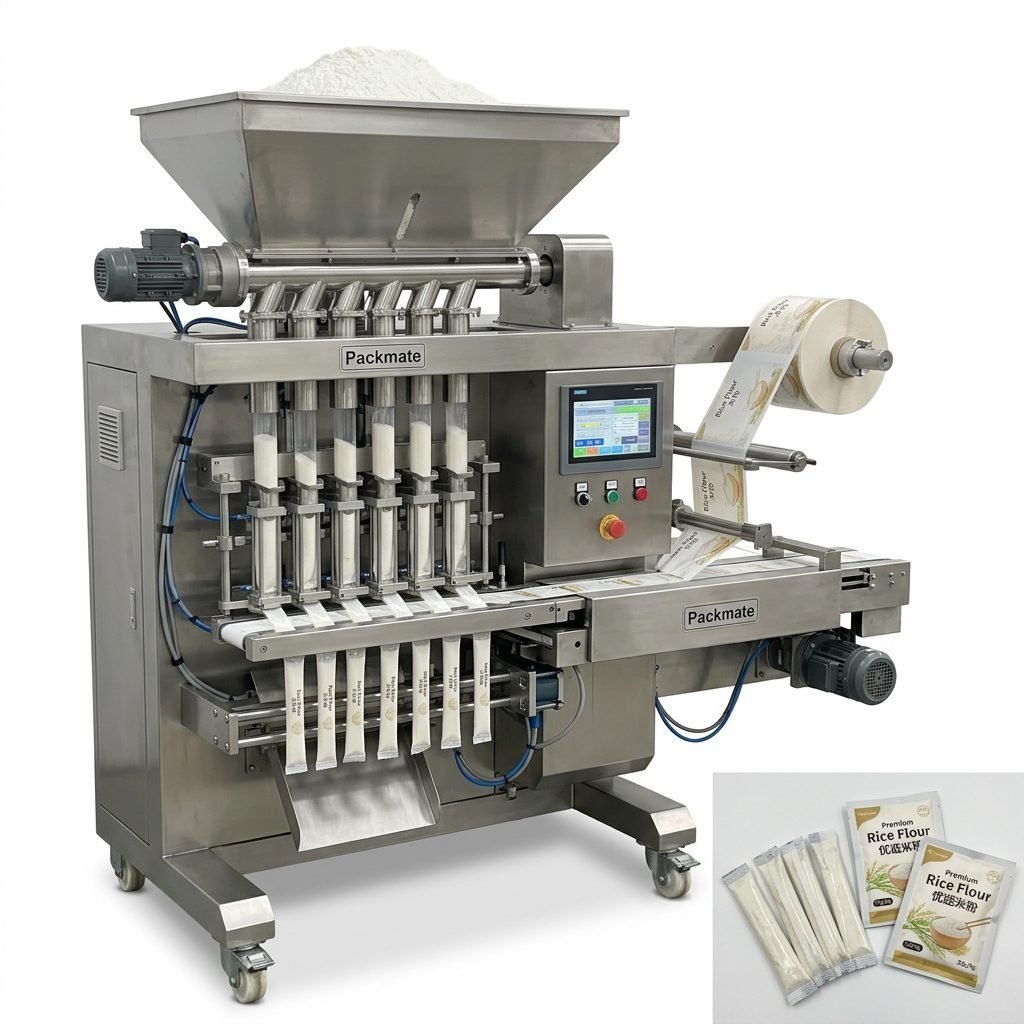
Packmate Machinery brings more than three decades of expertise, focusing on intelligent packaging for food, pharma, and supplements. They offer a good balance of cost performance and technical capability, with over 80 machine models. Their experience in export markets like the Middle East means they are familiar with the requirements of buyers in the region.
PacklineOEM
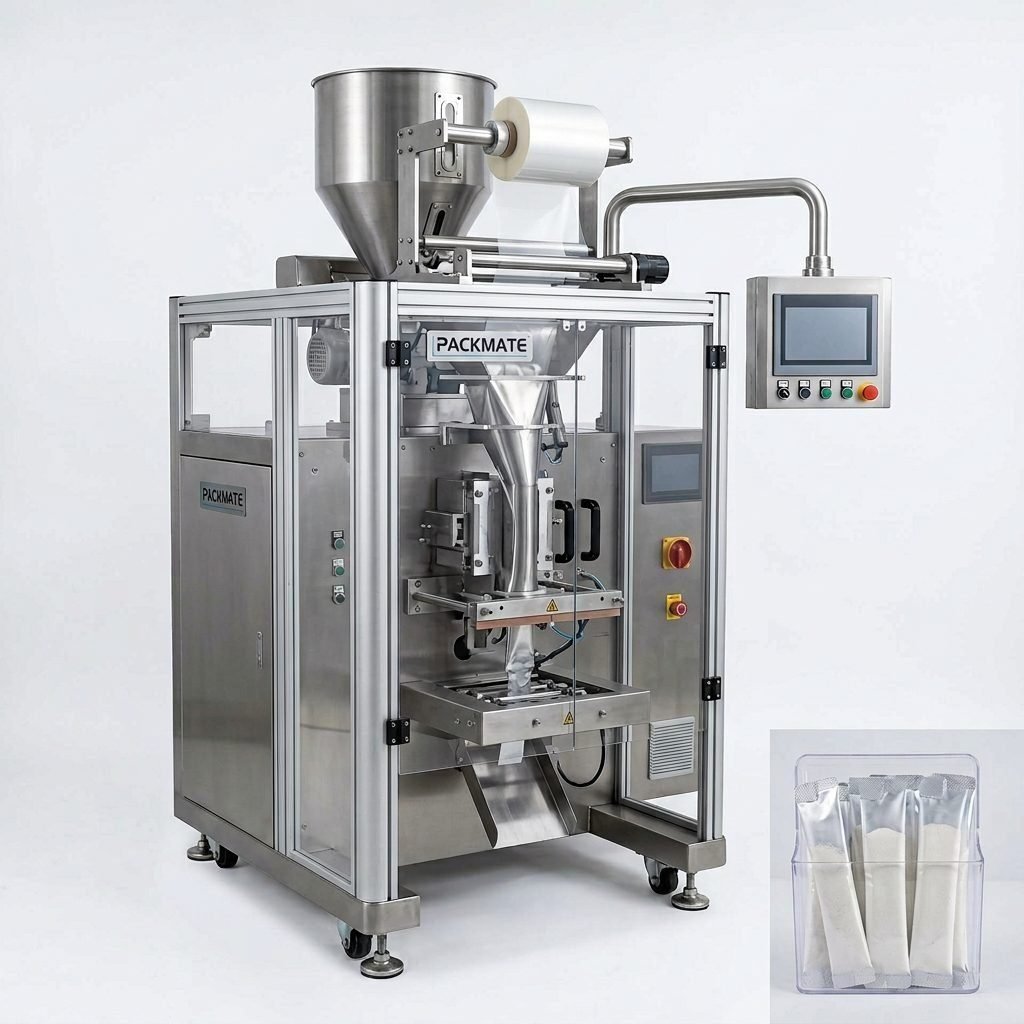
If your project requires a complete integrated line rather than just a standalone machine, PacklineOEM specializes in turnkey packaging production lines. Their strength lies in system integration for powders, granules, and liquids, which is ideal for setting up a fully automated production unit.
PackingMachineOEM
For non-standard or highly customized packaging needs, PackingMachineOEM is a strong contender. With a focus on flexible engineering and OEM solutions, they are suitable for Yemeni businesses with unique product formats or packaging material requirements that off-the-shelf machines cannot meet.
SnusMachinery
For businesses in niche sectors like nicotine pouches, snus, or specialized pouch products, SnusMachinery offers focused expertise. Their machines are designed for precise dosing and high-speed pouch production, catering to a specific but growing global market segment.
Final Steps: Negotiation and Contract Essentials
After selecting a preferred manufacturer, clear communication is vital. Ensure your contract includes:
- Detailed Technical Specifications: An appendix listing every machine parameter, component brand, and performance guarantee (e.g., speed, accuracy).
- Payment Terms: A secure, staged payment plan (e.g., 30% deposit, 60% before shipment, 10% after successful installation).
- Warranty & Support: Explicit warranty duration, scope, and the process for claiming it. Define response times for technical queries.
- Delivery and Acceptance: Agreed Incoterms (FOB or CIF are common), delivery timeline, and procedures for handling damage during transit.
- Training Provisions: Details of manuals (preferably in Arabic or English), video guides, and online training sessions for your engineers.
Conclusion: Building a Long-Term Partnership
Selecting a packaging machine manufacturer is not just a transaction; it’s the beginning of a technical partnership. For Yemeni buyers, choosing a reliable, communicative, and supportive supplier is more valuable than a marginally lower price. A good partner will help you navigate operational challenges, optimize your packaging process, and grow your business over time.
Frequently Asked Questions (FAQs)
Q1: What is the typical lead time for receiving a packaging machine in Yemen?
A: Lead times vary based on machine complexity and customization. For standard models, expect 30-60 days for production plus 4-8 weeks for sea freight and customs clearance in Yemen. Always confirm specific timelines with your supplier.
Q2: How can I ensure I get genuine spare parts?
A: Request a recommended spare parts list before purchase. Establish a direct channel with the manufacturer’s after-sales department. Avoid buying critical parts from unauthorized third parties to ensure compatibility.
Q3: Is onsite installation and training necessary?
A> While many manufacturers offer comprehensive remote guidance, for complex turnkey lines, onsite installation by a factory engineer is highly recommended. This ensures correct setup and provides hands-on training for your team, reducing initial operational errors.
Q4: Can packaging machines handle Yemen’s voltage fluctuations?
A: Discuss this explicitly with the manufacturer. Many can equip machines with voltage stabilizers or wide-range power supplies (e.g., 110V-480V) as an option to protect sensitive electronic components.
Q5: What is the minimum order quantity (MOQ) for packaging machines?
A: For standard machines, the MOQ is usually 1 unit. For heavily customized or OEM projects, manufacturers may require a minimum order value. Always clarify this during initial inquiries.