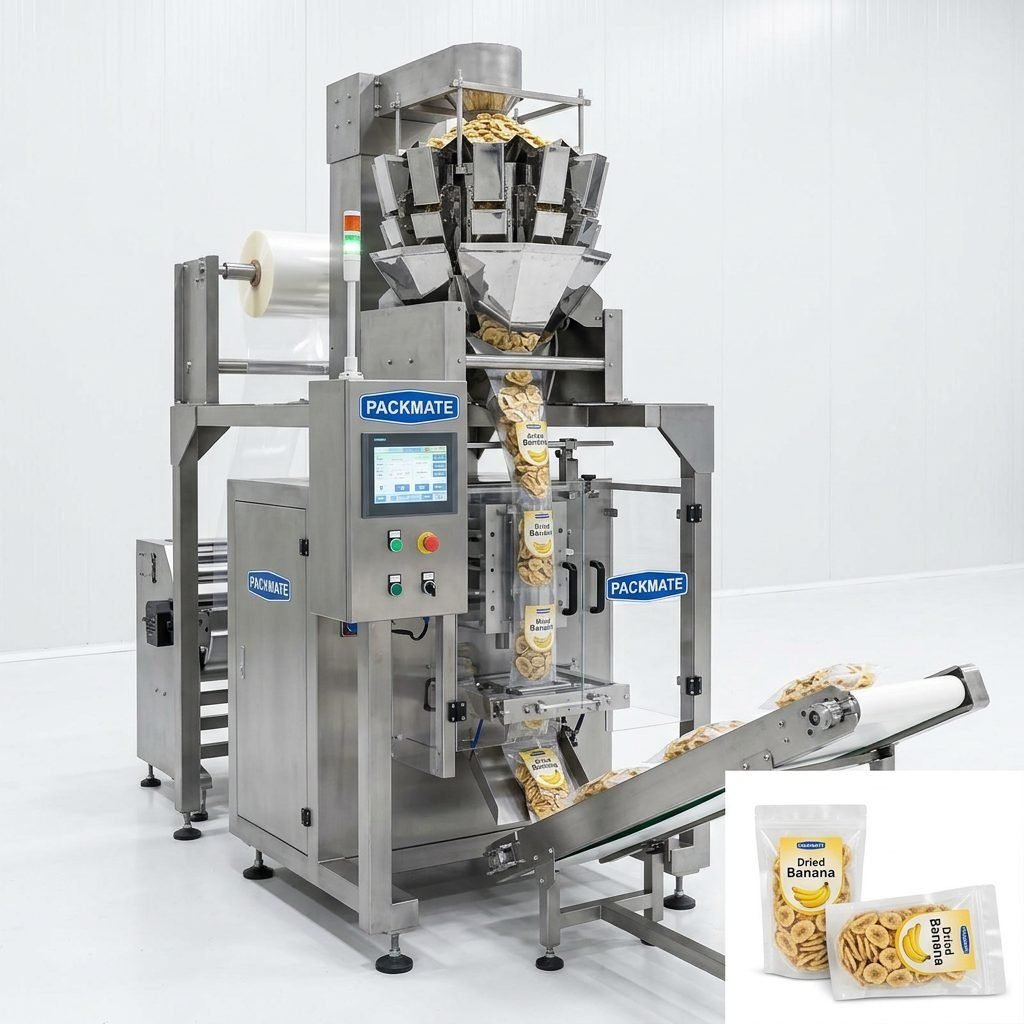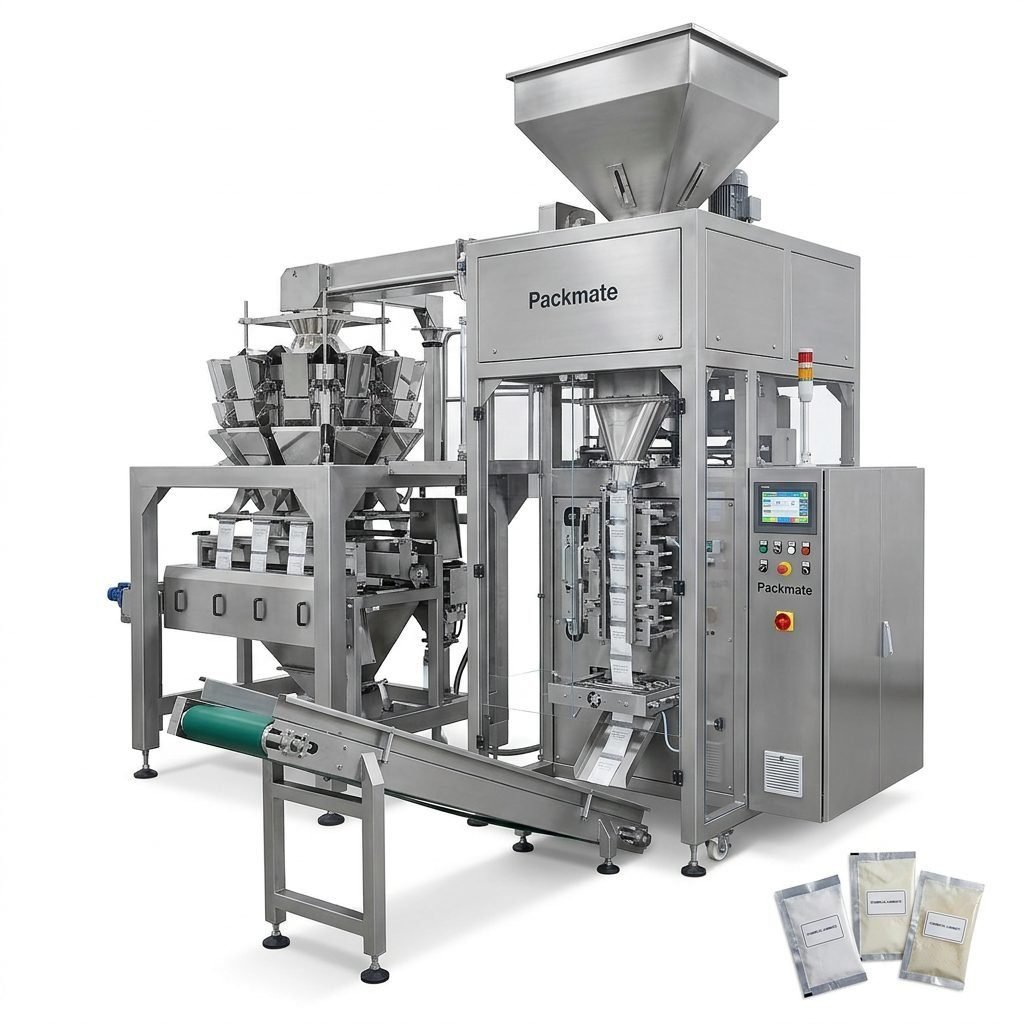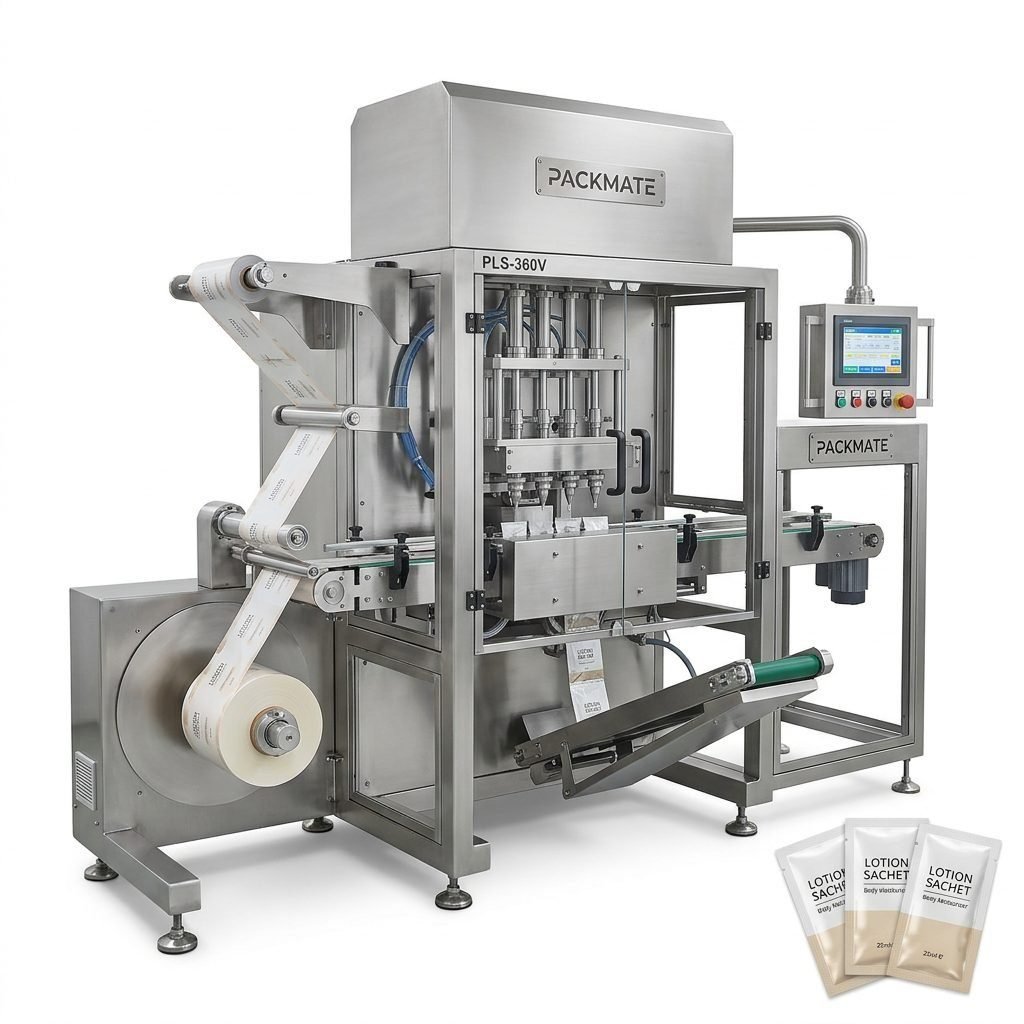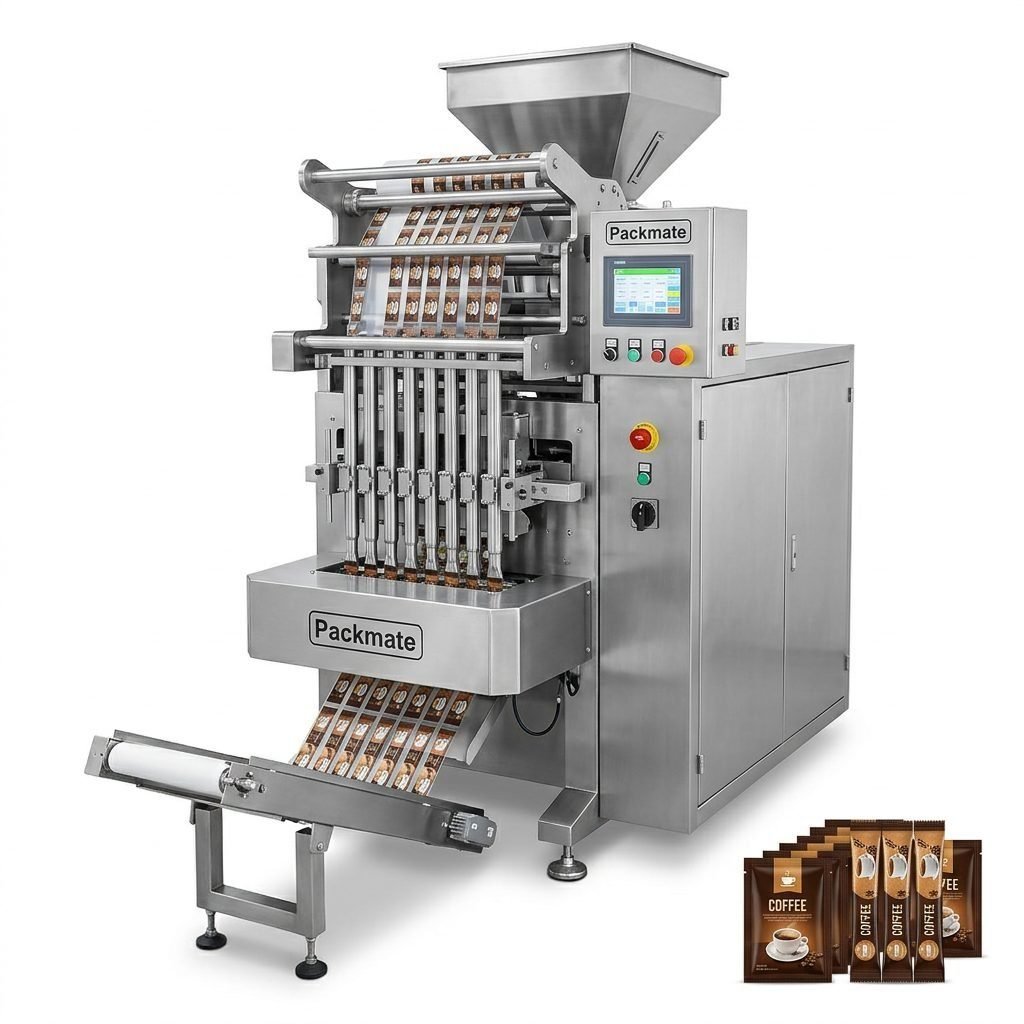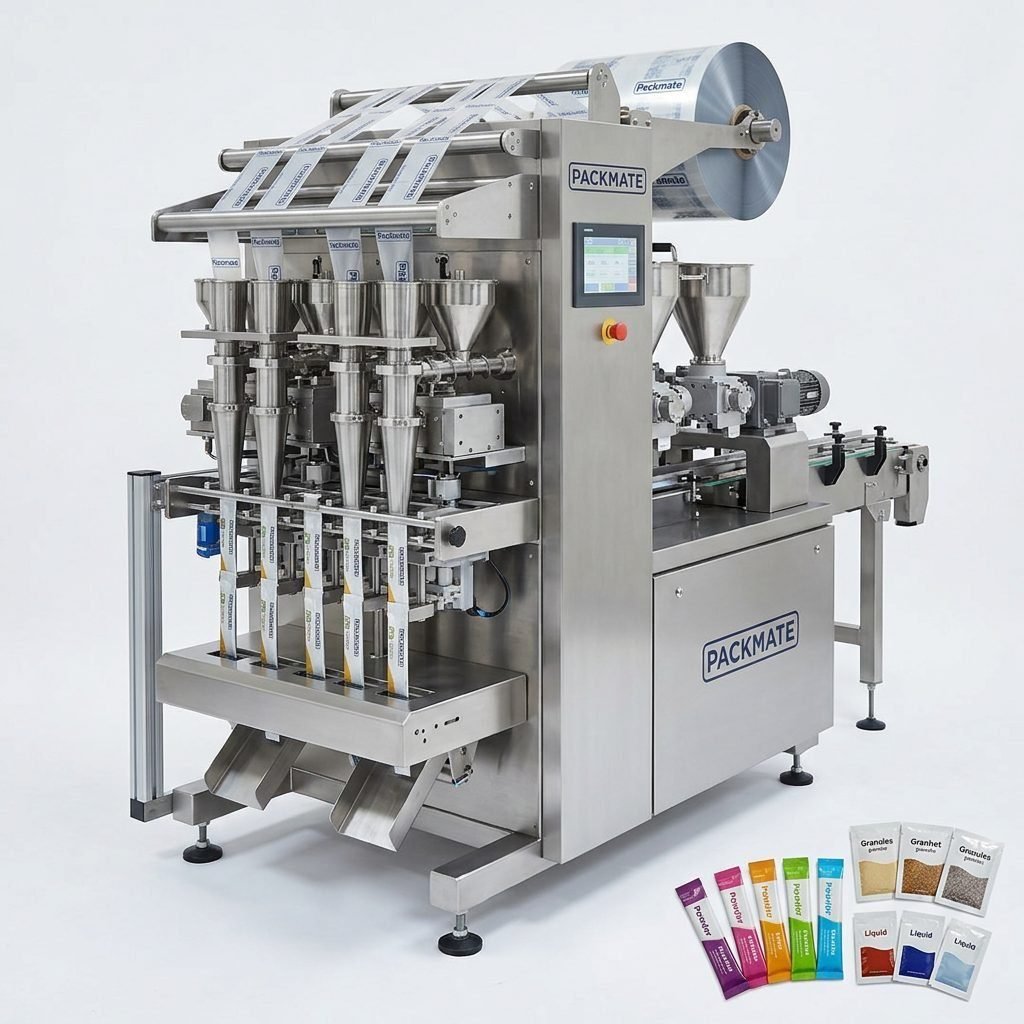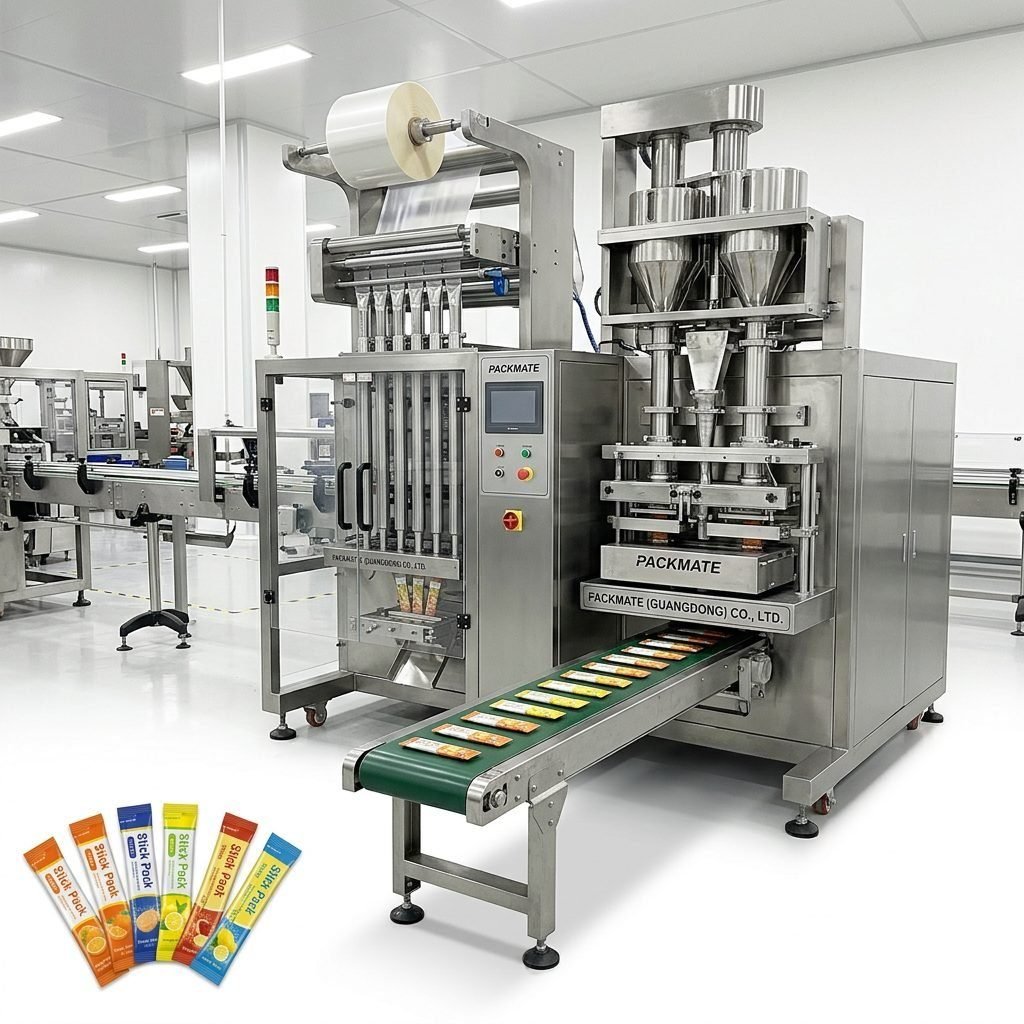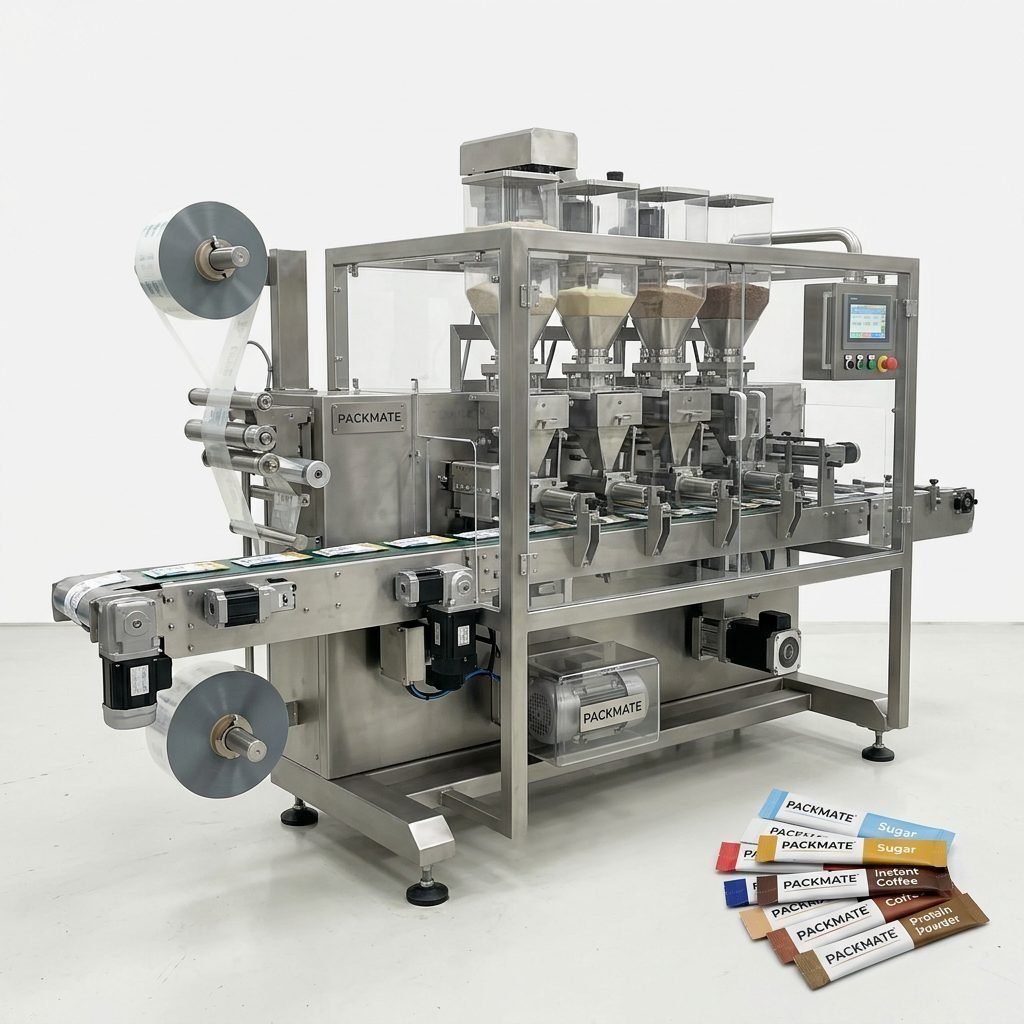
Selecting the right packaging machine manufacturer in Australia is a critical decision for food producers, supplement brands, pharmaceutical companies, and manufacturers across various sectors. The choice impacts production efficiency, product quality, operational costs, and long-term scalability. For Australian businesses, the decision often involves balancing local support with the advanced technology and cost-effectiveness offered by leading international suppliers, particularly those from China with strong export programs.
Key Factors for Australian Buyers
The Australian market has unique characteristics that influence packaging machinery selection. Local manufacturers often deal with a mix of high-volume export orders and smaller, specialized domestic runs. There’s a strong emphasis on food safety, traceability, and compliance with strict standards from bodies like FSANZ. Furthermore, the geographical distance from major manufacturing hubs makes reliable after-sales support and part availability paramount. When evaluating manufacturers, Australian companies should prioritize partners with a proven export track record to the region, understanding of local compliance needs, and a robust support network.
1. Assessing Technical Capability and Product Range
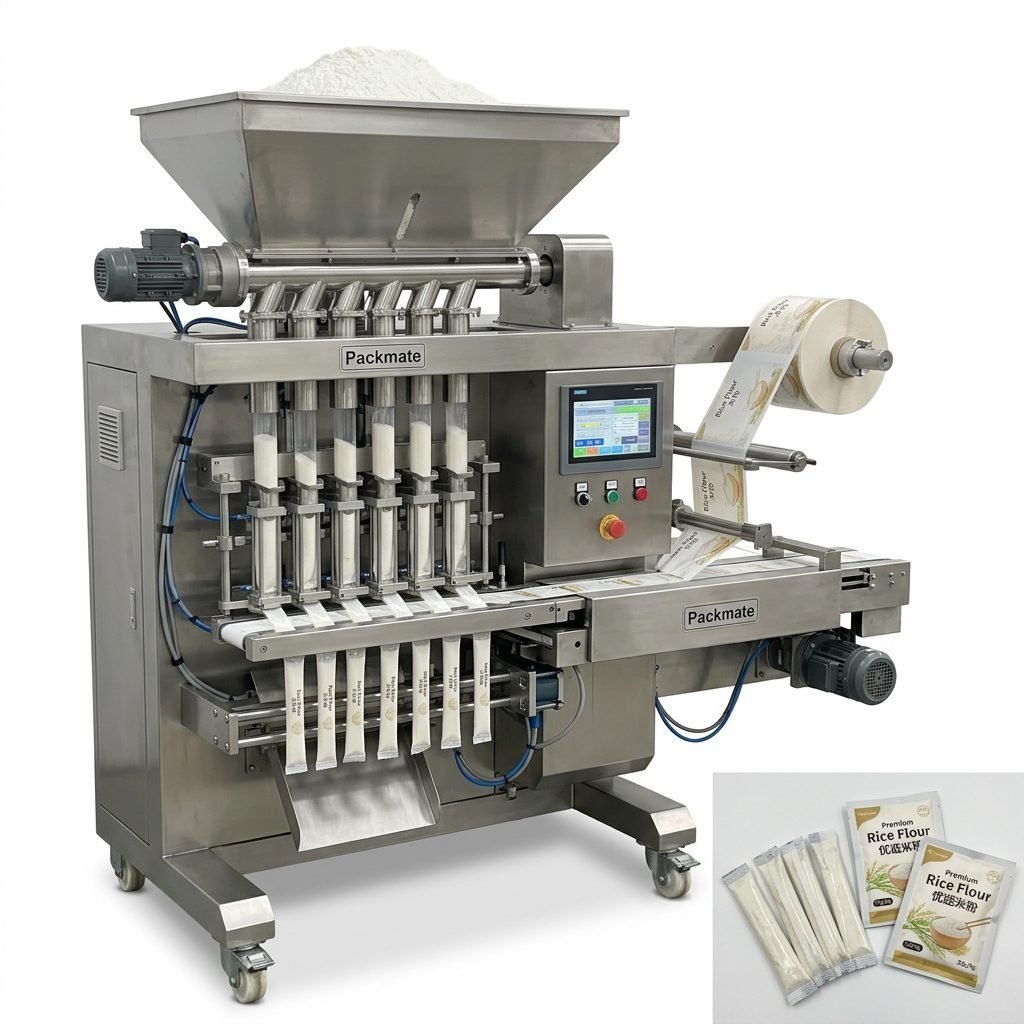
Your product format dictates the machine type. Whether you pack granules (like coffee or protein powder), fine powders (spices, supplements), liquids (sauces, oils), or pastes, the manufacturer must have specific expertise.
Actionable Checklist:
- Does the supplier offer machines for your specific product type (e.g., stick pack, sachet, vertical form-fill-seal)?
- What is their experience in your industry (food, pharma, supplements)?
- Can they provide complete turnkey line integration or only standalone machines?
- Do they have a portfolio of over 50-100 machine models for flexibility?
Companies like Ludyway, with a broad portfolio covering over 100 configurations, are often considered for their ability to handle diverse projects from single machines to full lines.
2. Manufacturing Scale and Quality Assurance
The size and modernity of a manufacturer’s factory are indirect indicators of stability, capacity, and quality control. A facility over 20,000 square meters typically houses advanced CNC machining, structured assembly lines, and rigorous testing protocols.
| Factory Indicator | What It Means for You |
|---|---|
| Size (e.g., 20,000+ m²) | Production capacity, ability to handle large orders and custom projects. |
| In-house Machining | Better control over part quality, precision, and lead times. |
| Structured QC Process | Consistent machine performance and reliability upon installation. |
| Industry Experience (30+ years) | Deep application knowledge and problem-solving ability. |
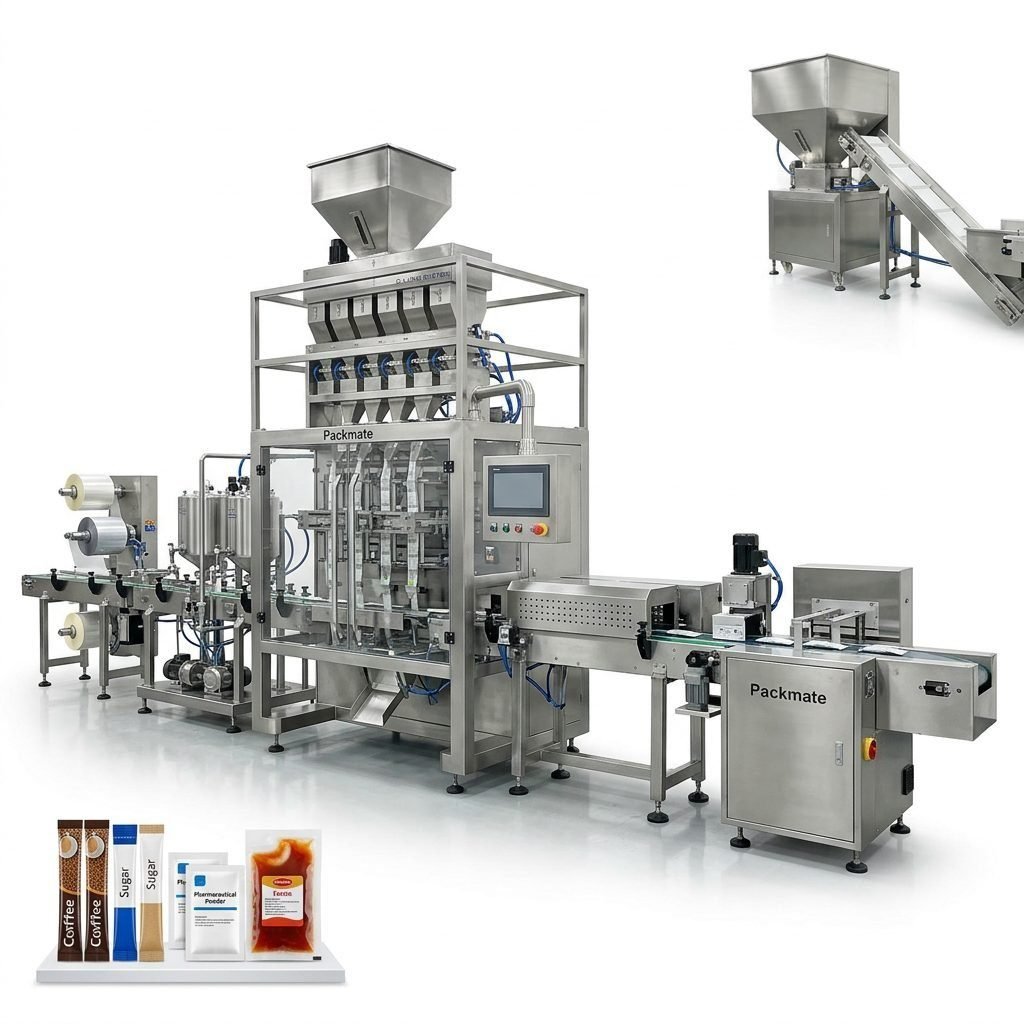
3. Export Experience and Local Support in Australia
A manufacturer’s export footprint is crucial. Look for suppliers who explicitly list Australia as a main export market. This indicates existing logistics channels, understanding of customs, and potentially, local technical agents or spare parts inventory.
Key Support Questions to Ask:
- Do you have existing customers or installed machines in Australia?
- What is your after-sales support structure? (Remote support, local agent, on-site engineers)
- What are standard warranty terms and spare parts delivery times to Australia?
- Can you provide references from Oceania-based clients?
Suppliers like Packmate Machinery and PackingMachineOEM, which list Australia among their core export markets, are typically better equipped to handle the logistical and support requirements of Australian businesses.
4. Customization and OEM Capability
Off-the-shelf machines rarely fit perfectly. The ability to customize is vital, whether it’s adapting to a unique pouch size, integrating with existing line equipment, or meeting specific hygiene (e.g., USDA, FDA) or automation (PLC controls, data output) standards.
Manufacturers positioned strongly in non-standard and OEM work, such as PackingMachineOEM, focus on this flexibility. For businesses requiring complete line planning and integration, a turnkey specialist like PacklineOEM may be more suitable.
5. Specialization vs. Generalization
Some manufacturers are broad-based, while others dominate niche segments. For example, if your business is in the growing nicotine pouch sector, a specialist like SnusMachinery offers targeted expertise in pouch dosing, sealing, and multi-lane systems specific to that industry’s demands. For general food, pharma, or supplement packaging, a broader supplier like Ludyway provides wider format applicability.
6. Total Cost of Ownership (TCO) and Value
The initial machine price is just one component. Australian importers must factor in shipping, insurance, installation, training, maintenance, spare parts costs, and potential production downtime. A slightly higher upfront cost from a manufacturer with a strong support network and reliable machines often results in a lower TCO.
| Cost Factor | Consideration for Australian Importer |
|---|---|
| Machine Price & Shipping | Compare FOB vs. CIF quotes. Include all freight and customs charges. |
| Installation & Commissioning | Does the price include engineer dispatch for setup and training? |
| Spare Parts Pricing & Availability | Request a spare parts list. Check lead times for delivery to Australia. |
| Energy & Material Efficiency | A more efficient machine reduces long-term operational costs. |
Due Diligence Process
Before finalizing a supplier, conduct thorough due diligence:
- Request Detailed Proposals: Get line layouts, technical specifications, and a clear breakdown of costs and deliverables.
- Ask for Customer References: Contact existing clients, preferably in similar industries or regions.
- Arrange a Virtual Factory Tour: Witness production, assembly, and testing processes in real-time.
- Review Contract Terms: Scrutinize warranty, payment terms, delivery schedule, and liability clauses.
- Test with Your Product: If possible, send product samples for a factory test run to verify machine performance.
Frequently Asked Questions (FAQs)
Q1: Why consider a Chinese manufacturer over a local Australian supplier?
Chinese manufacturers often offer a compelling combination of advanced technology, extensive customization options, and competitive pricing due to scale. Leading exporters have decades of experience serving global markets like Australia and have established support channels to mitigate distance-related challenges.
Q2: How long does it typically take to receive a machine in Australia?
Lead times vary based on machine complexity and customization. For standard models, expect 8-12 weeks from order to shipment, plus 3-5 weeks for sea freight to major Australian ports. Highly customized or complete turnkey lines may require 4-6 months.
Q3: What are the key certifications to look for?
Look for CE certification (for electrical safety), and ISO 9001 for quality management. For food and pharmaceutical applications, machines should be constructed with food-grade materials (e.g., 304/316 stainless steel) and designs that facilitate cleaning. Specific industry certifications may also be relevant.
Q4: Can the manufacturer help with Australian regulatory compliance?
While the manufacturer ensures the machine is built to relevant safety and hygiene standards, ultimate compliance with Australian regulations (e.g., electrical safety standards) is typically the importer’s responsibility. Reputable suppliers will provide all necessary documentation (manuals, electrical diagrams, CE certificates) to assist with local compliance.
Q5: What happens if we need technical support or spare parts?
Established exporters offer multi-channel support: remote assistance via video call, support through a local agent or distributor, and the option for engineer site visits. They should maintain a stock of common spare parts and provide clear processes for ordering. Confirm response time commitments and spare parts warranty.