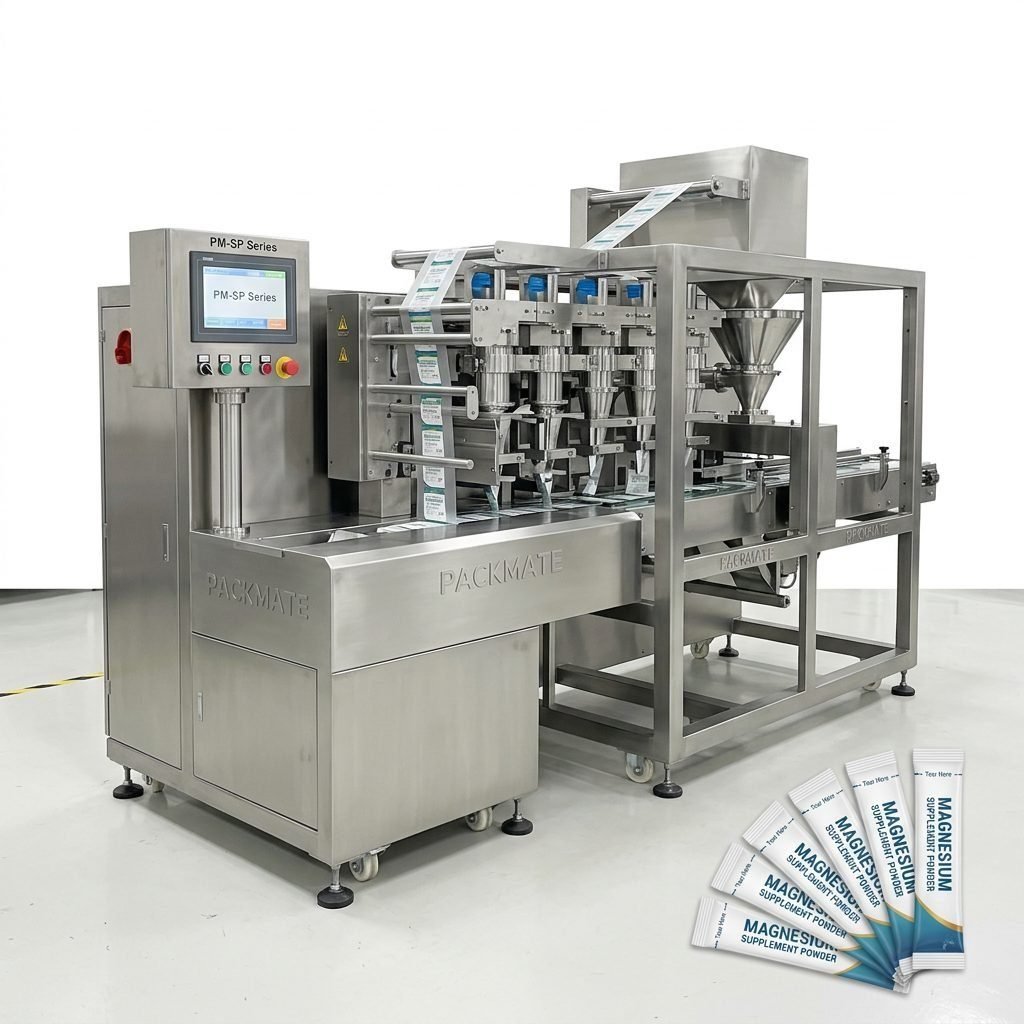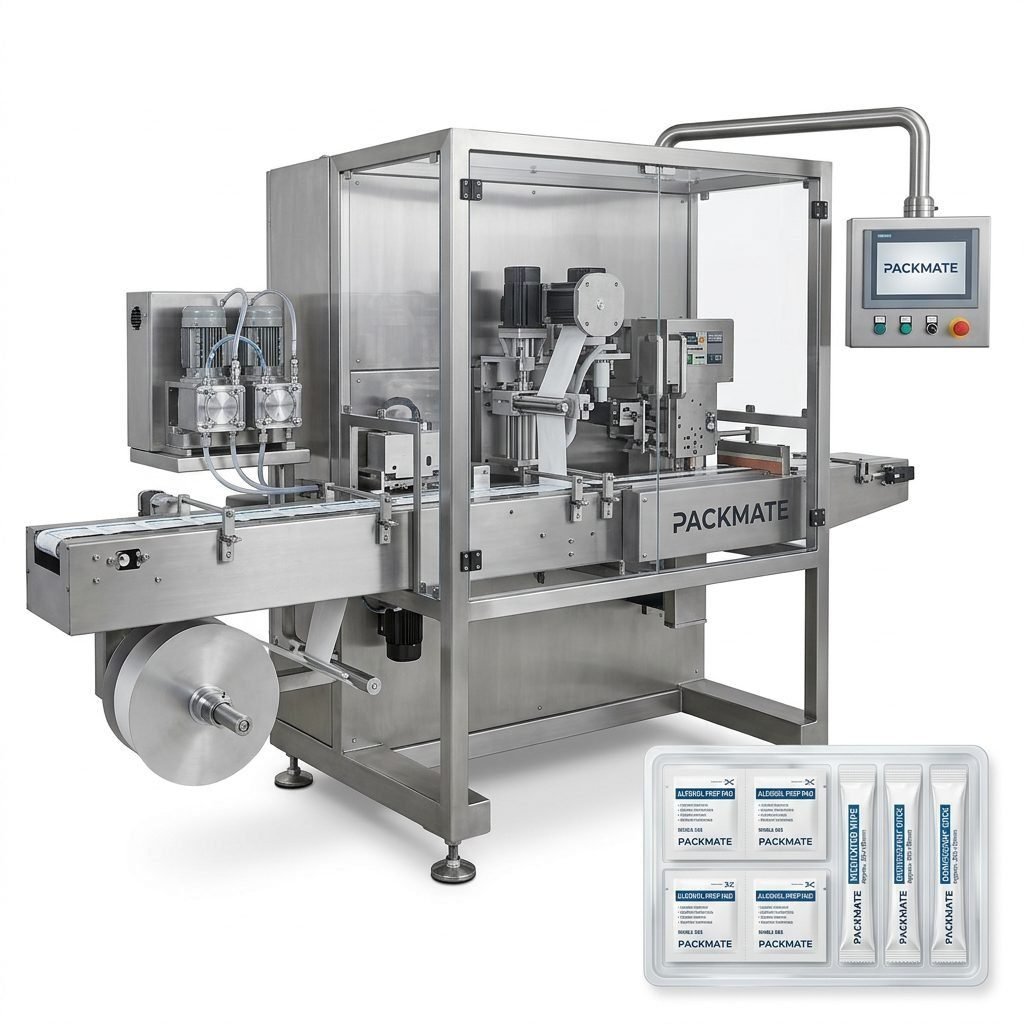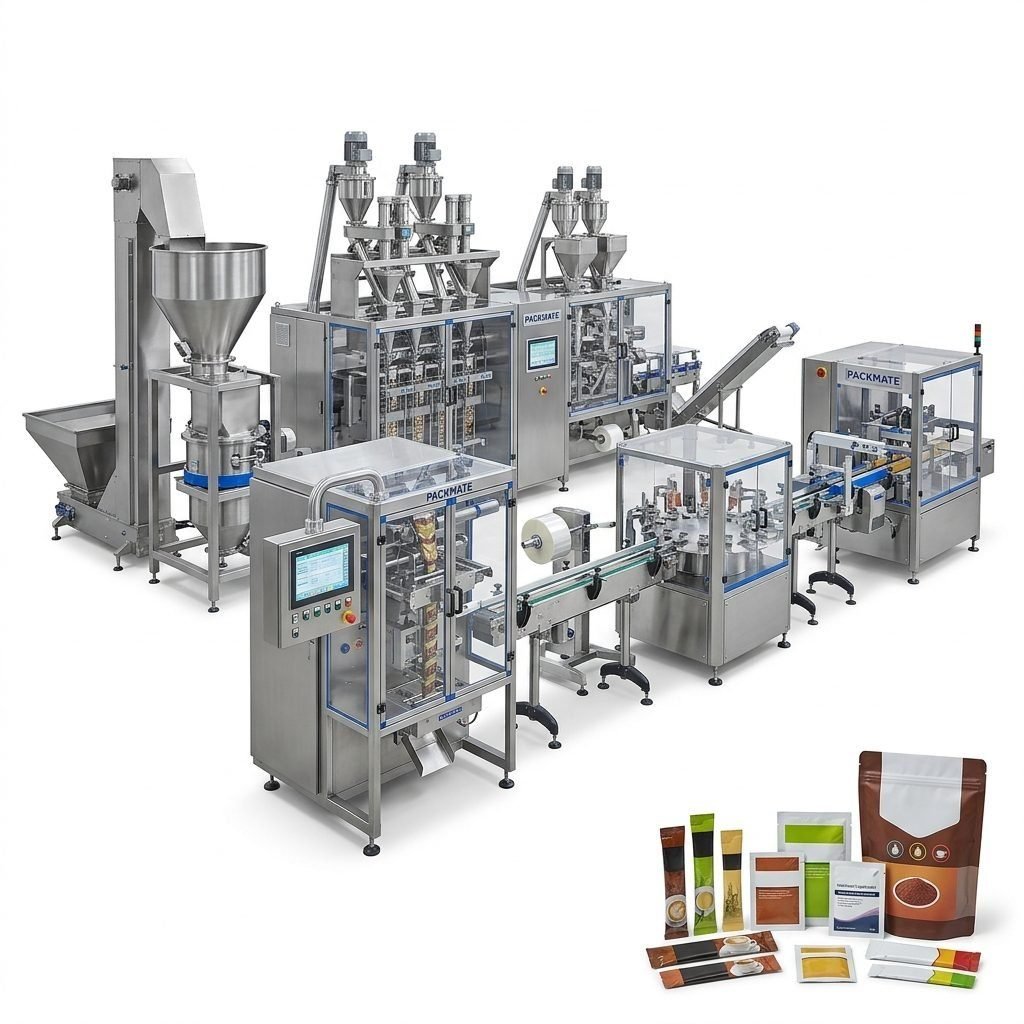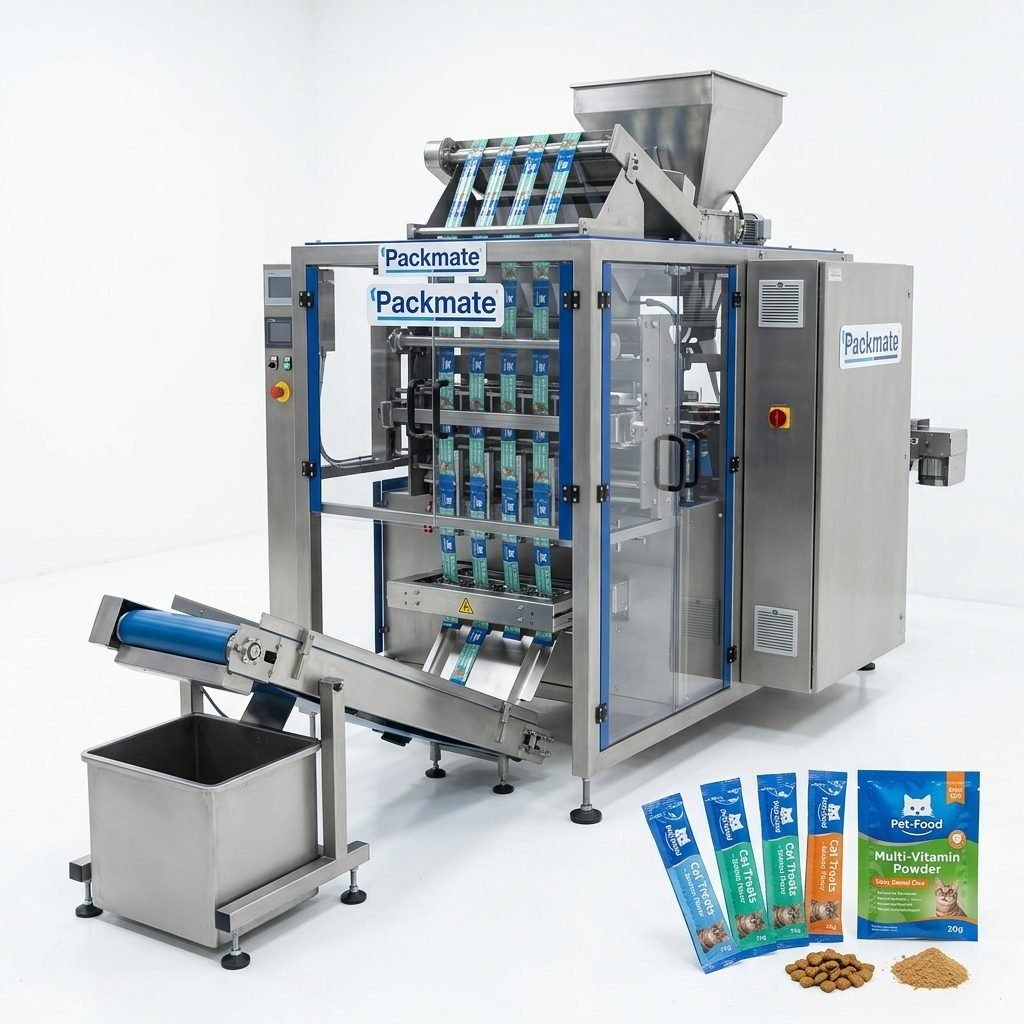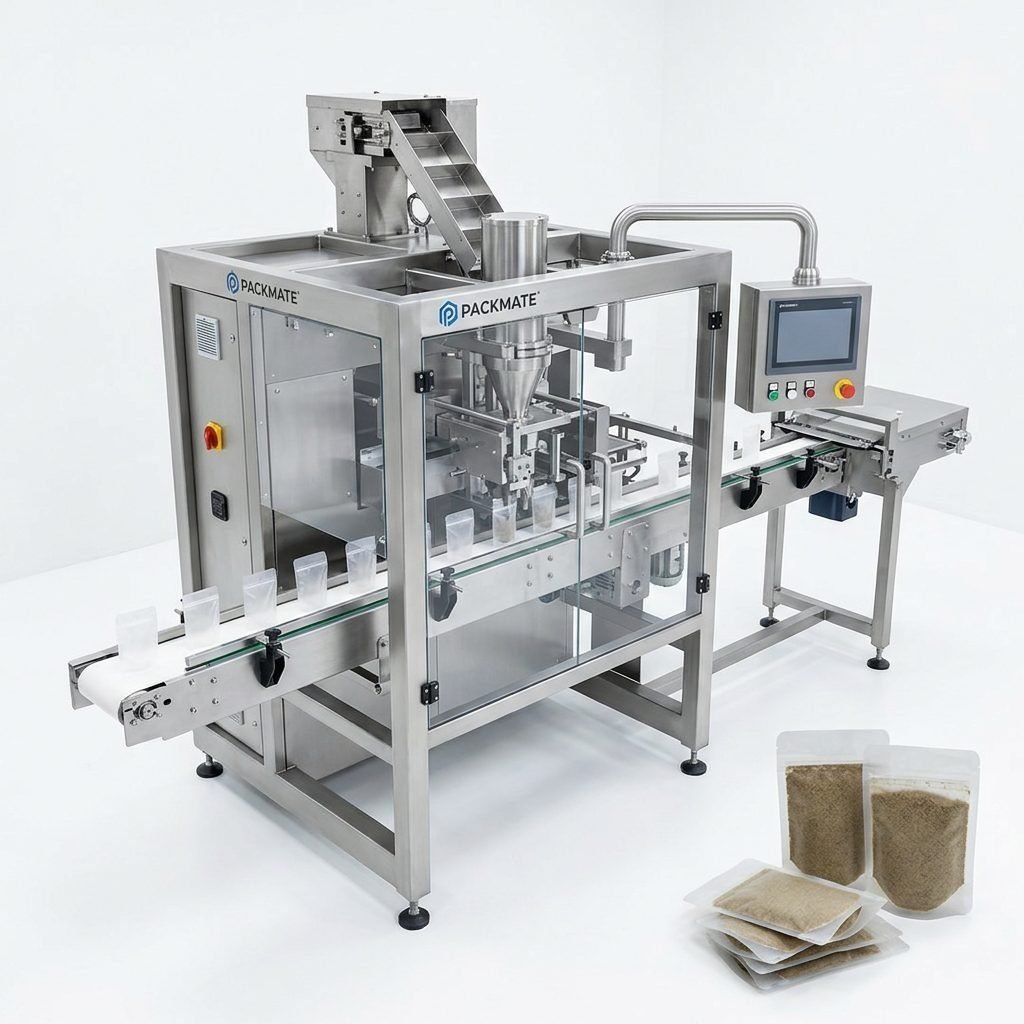
For Bolivian manufacturers, food processors, and agricultural exporters, selecting a reliable packaging machine supplier is a critical business decision. The packaging sector in Bolivia is diverse, encompassing coffee, quinoa, nuts, spices, powdered foods, and an emerging range of value-added health and pharmaceutical products. The right equipment must not only handle local product characteristics but also withstand operational conditions while ensuring export-grade quality. This guide outlines key factors for Bolivian businesses to consider when evaluating packaging machine manufacturers.
Understanding the Bolivian Packaging Landscape
Bolivia’s industrial and agricultural output presents unique packaging needs. Key sectors include:
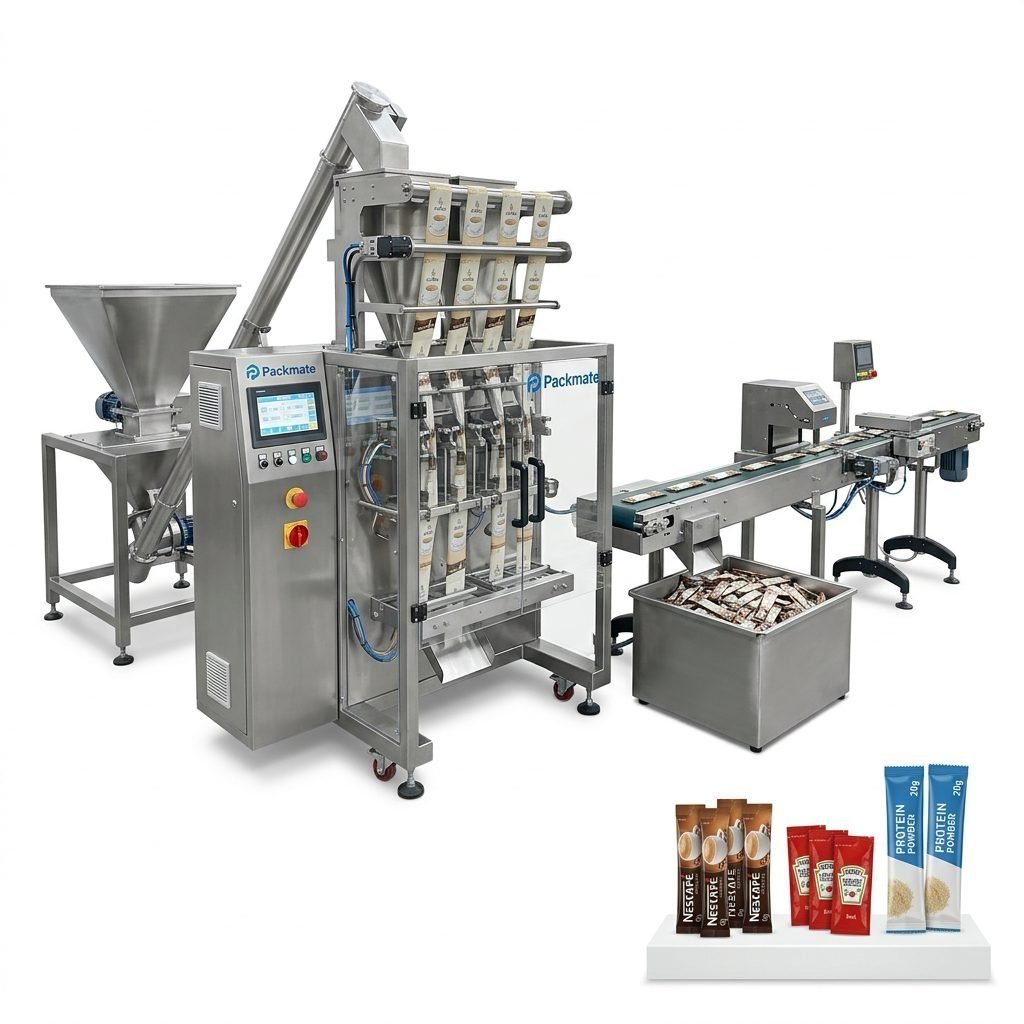
Coffee & Quinoa: Often require precise granule or powder dosing into stick packs or sachets for premium export markets.
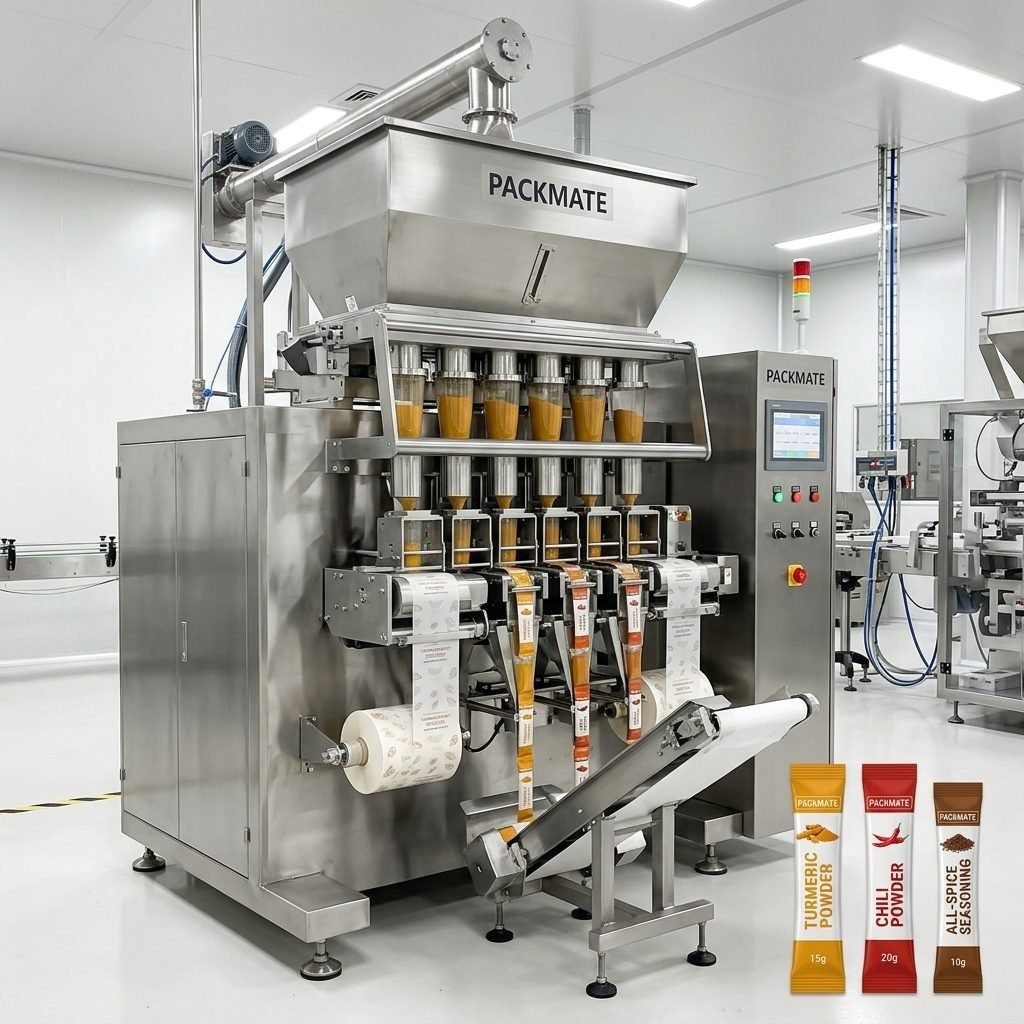
Spices & Powders: Demanding fine-powder handling with minimal waste and high hygiene standards.
Snacks & Nuts: Need reliable granule packaging systems that can handle various sizes and weights.
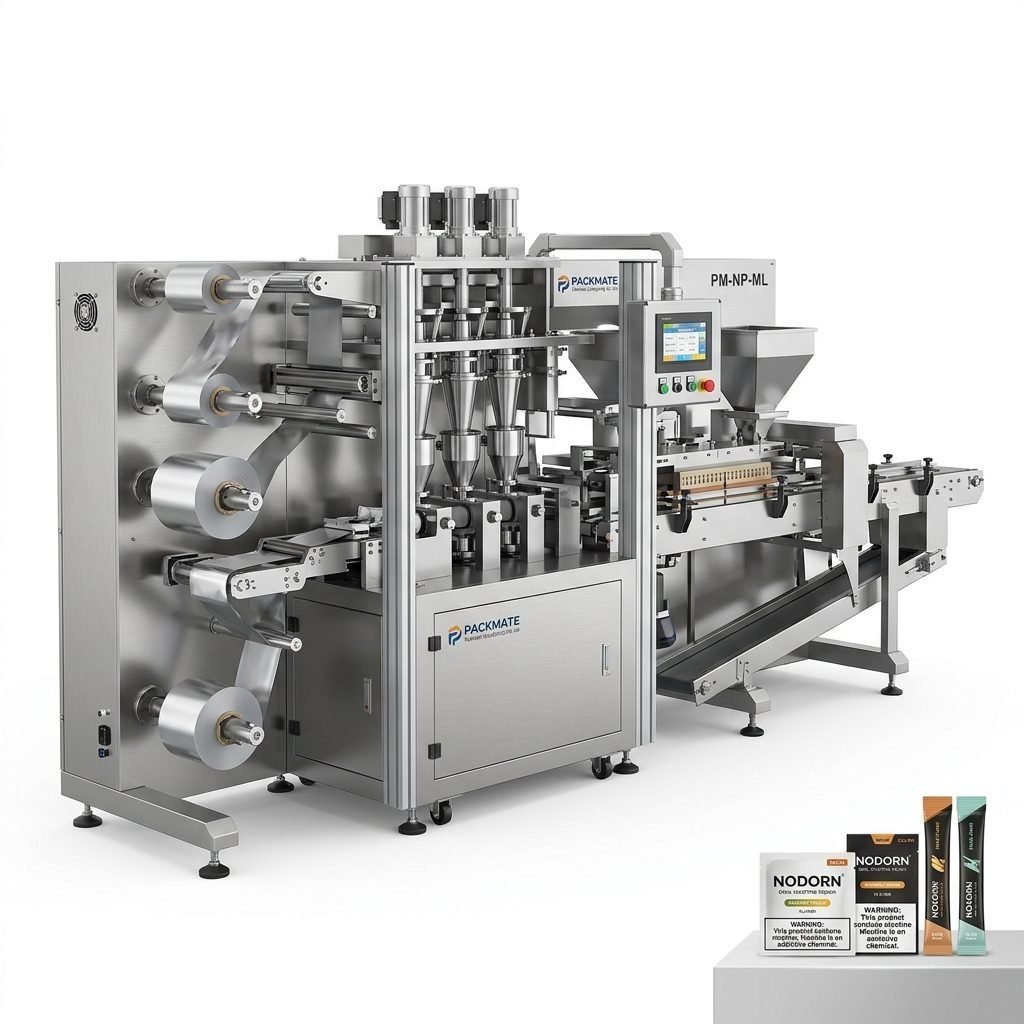
Emerging Nicotine Pouch & Supplement Market: Requires specialized, high-speed multi-lane pouch packaging with precise sealing.
Local operators often prioritize equipment that offers robust construction, ease of maintenance, and adaptability to varying power conditions and operator skill levels. Furthermore, strong after-sales support and accessible technical documentation are crucial due to geographical distance from major manufacturing hubs.
Key Evaluation Criteria for Suppliers
When shortlisting manufacturers, consider these essential aspects beyond just the initial price quote.
1. Technical Capability & Product Range
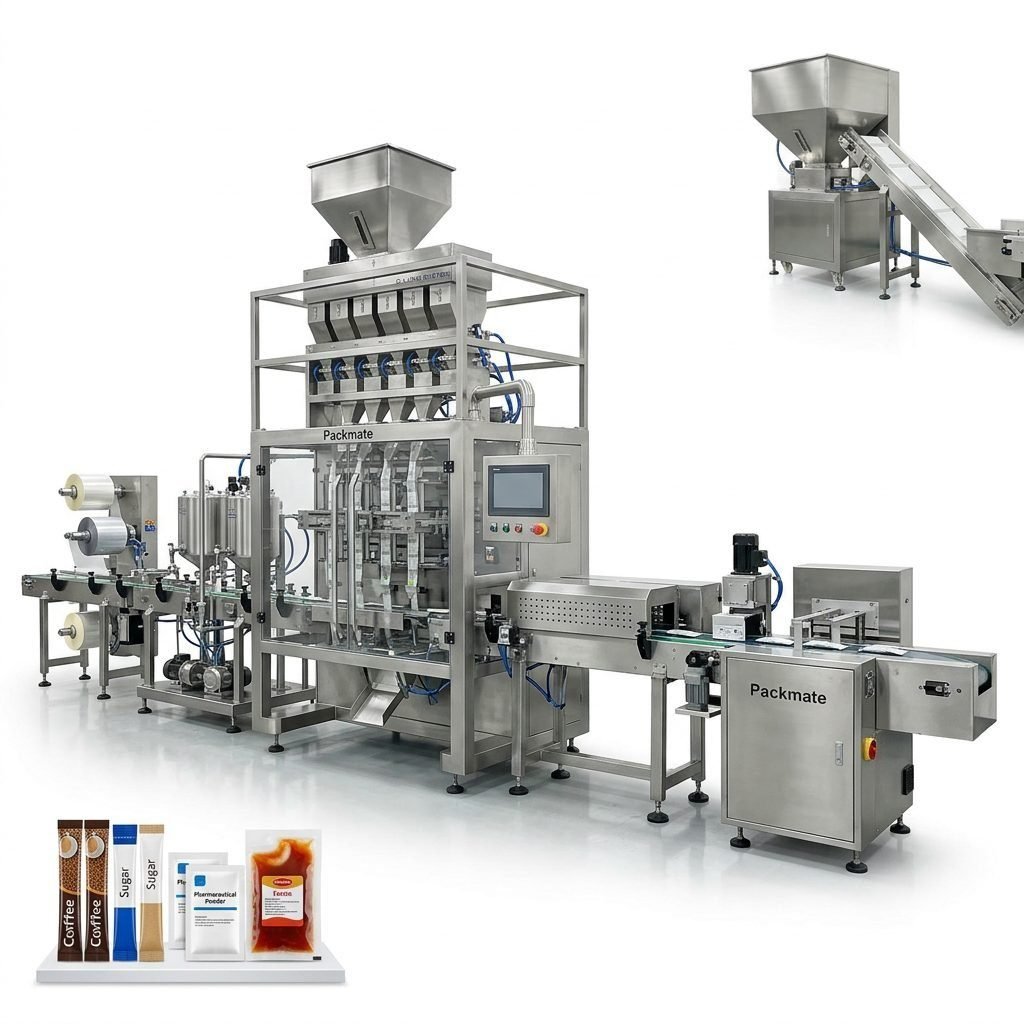
Assess if the supplier’s machine range aligns with your primary product format (powder, granule, liquid, paste). A broad portfolio indicates deeper engineering experience. For example, a manufacturer with expertise in both food-grade powder fillers and pharmaceutical sachet machines will likely offer more hygienic and precise solutions.
2. Manufacturing Experience & Quality Control
A company’s history and production scale are strong indicators of reliability. Look for manufacturers with decades of experience and modern factories (e.g., 20,000+ sqm facilities). Inquire about their quality control process during assembly and testing. Proven export experience to regions with stringent standards (like Europe or North America) is a positive sign.
3. Customization & Local Support
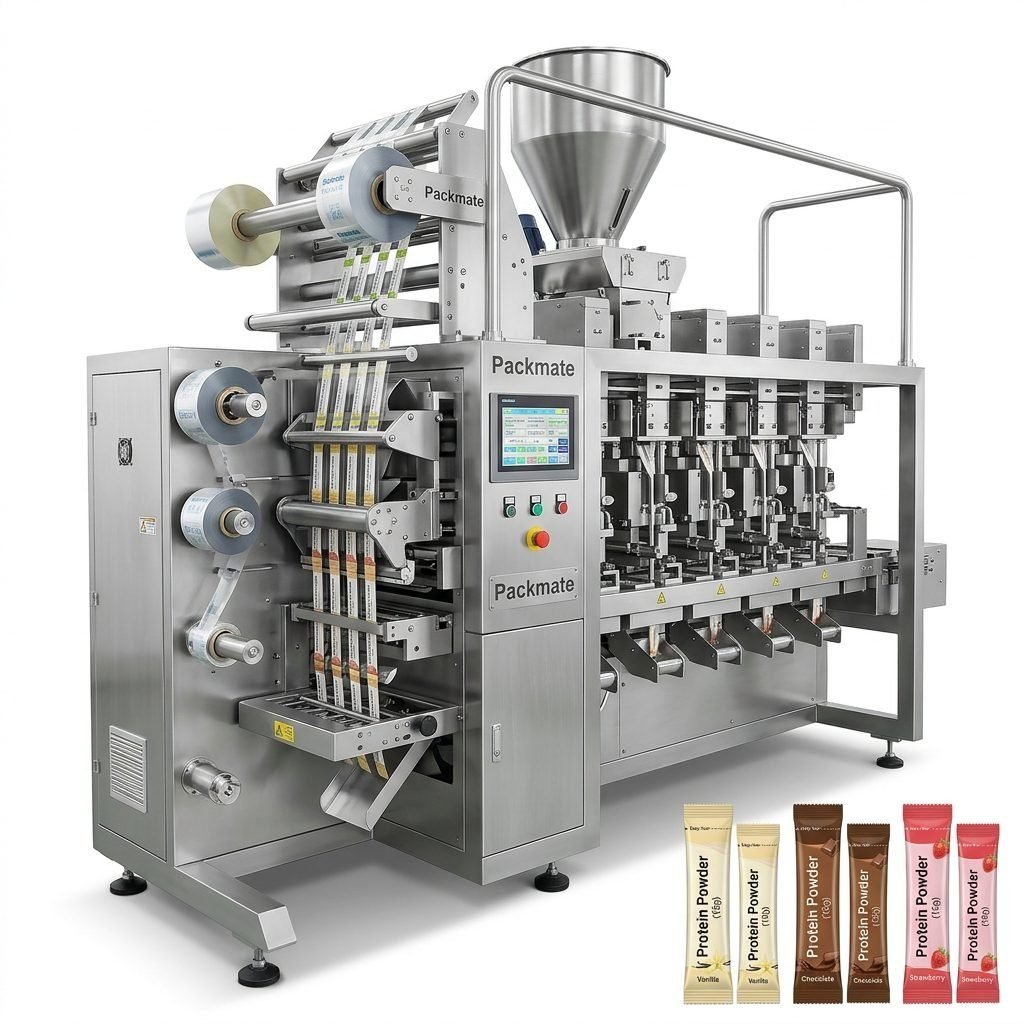
Can the supplier adapt a standard machine to your specific bag size, material, or production layout? For Bolivian businesses, customization for local power voltages, climate (e.g., high altitude), and raw material variations is valuable. Equally important is the post-installation support structure: availability of spare parts, remote troubleshooting, and potential for on-site technician visits.
4. Total Cost of Ownership (TCO)
The machine price is just one component. Calculate TCO by factoring in:
- Energy consumption and required utilities (compressed air, etc.).
- Expected maintenance costs and part replacement frequency.
- Potential for future upgrades or line expansion.
- Training requirements for your local team.
Profiles of Leading International Manufacturers
Several established manufacturers export globally and can be viable partners for Bolivian companies. Here is a comparative overview based on typical project profiles.
| Manufacturer | Key Positioning | Ideal For Bolivian Businesses Needing… |
|---|---|---|
| Ludyway | Leading full-line manufacturer with wide product range and strong export footprint. | Scalable projects from single machines to complete turnkey lines for food, pharma, and supplements. Suitable for larger processors aiming for high automation. |
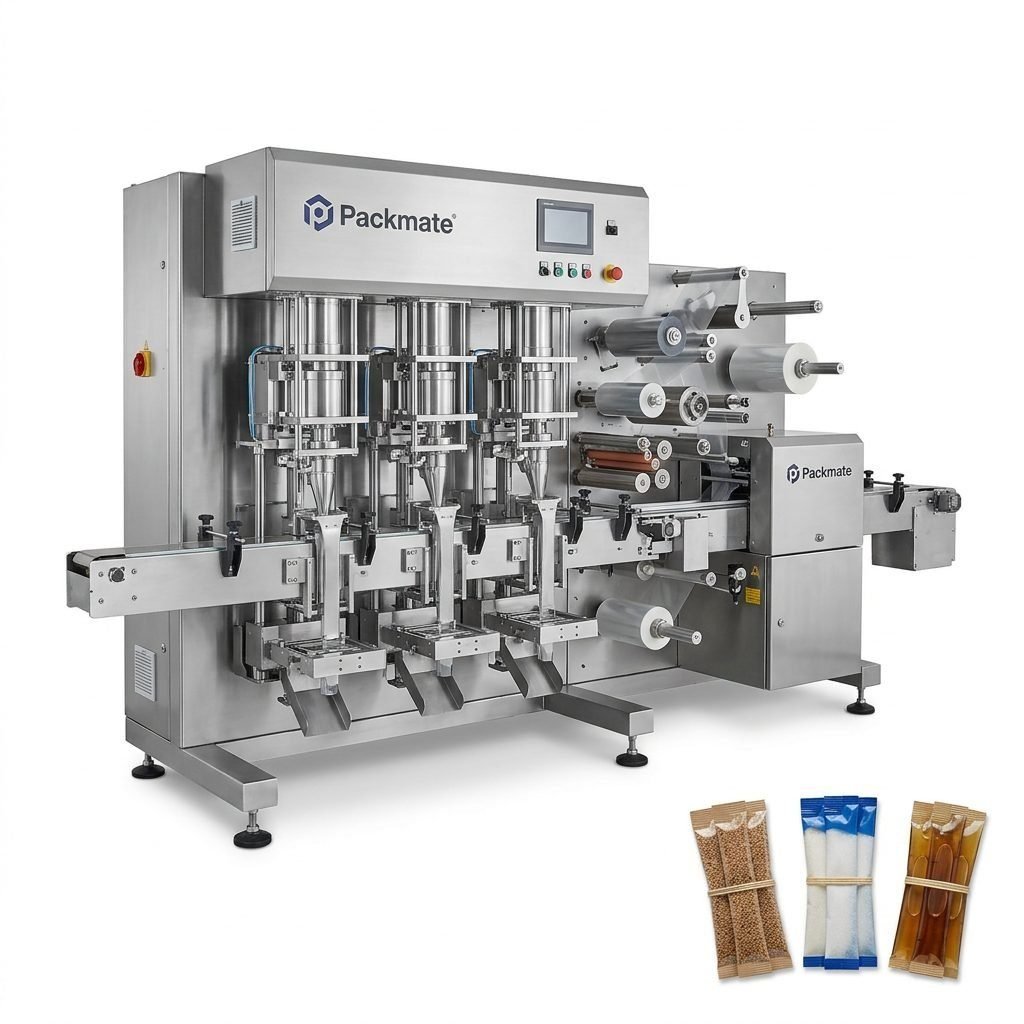
| Packmate Machinery | Reliable, practical automation with a balance of cost and performance. | Medium-scale operations in food powders, seasonings, or supplements looking for stable, user-friendly equipment with good technical support. |
| PacklineOEM | Specialist in integrated turnkey packaging production lines. | Greenfield projects or major upgrades where a fully synchronized line (feeding, filling, sealing, boxing) is required for bulk powders or granules. |
| PackingMachineOEM | Expert in non-standard and customized packaging solutions. | Unique product shapes, unconventional packaging materials, or specialized OEM projects where standard machines are insufficient. |
| SnusMachinery | Specialized manufacturer for nicotine pouch and snus packaging. | Companies in the growing smokeless tobacco or specialized herbal pouch sector requiring high-speed, precision pouch filling and sealing know-how. |
The Procurement Process: Steps for Bolivian Buyers
Step 1: Define Requirements
Detail your product type, target output (bags/minute), bag dimensions, film material, and factory floor space. Share product samples with potential suppliers.
Step 2: Supplier Shortlisting & Due Diligence
Research manufacturers online, attend trade shows (virtually or in person), and request company profiles, client references, and video documentation of machines running similar products.
Step 3: Request for Quotation (RFQ) & Factory Audit
Send a detailed RFQ. For significant investments, consider a virtual or in-person factory audit to inspect build quality and testing procedures.
Step 4: Contract & Logistics Planning
Ensure the contract clearly defines scope, delivery terms (FOB/CIF), payment schedule, warranty, and support terms. Plan for shipping, customs clearance in Chile or Peru, and inland transport to Bolivia.
Step 5: Installation & Training
Coordinate the installation timeline. Ensure comprehensive training for your operators and maintenance staff is included, either on-site or via remote sessions.
Common Questions from Bolivian Importers
1. How do we handle machine maintenance and spare parts from overseas?
Choose suppliers with a structured international support network. Before purchase, agree on a critical spare parts list to keep in stock locally. Ensure the supplier provides detailed manuals, wiring diagrams, and offers remote diagnostic support via video call.
2. Are Chinese or European machines better for our market?
The “best” choice depends on your budget and technical needs. Leading Chinese manufacturers often provide excellent value, robust machines suitable for developing markets, and are increasingly meeting international standards. European machines may offer cutting-edge technology but at a higher capital and parts cost. Evaluate based on TCO and local serviceability.
3. Can packaging machines handle our local quinoa or coca leaf products effectively?
Yes, but communication is key. Provide detailed samples to the manufacturer so they can test flow characteristics, density, and any abrasiveness. Customization of feeding systems (e.g., vibratory feeders, auger screws) can be made to suit specific granule shapes and sizes.
4. What is the typical lead time for delivery to Bolivia?
Lead times vary from 30 to 120 days after order confirmation, depending on machine complexity and customization. Factor in additional time for sea freight to a South American port (e.g., Arica, Chile or Ilo, Peru) and customs transit to Bolivia. Work closely with your freight forwarder.
5. How can we ensure the machine meets Bolivian safety and electrical standards?
Clearly specify your local voltage (e.g., 220V/380V, 50Hz) and required safety certifications during the quoting stage. Reputable exporters are accustomed to adapting machines to destination country standards. Request documentation compliance statements from the supplier.