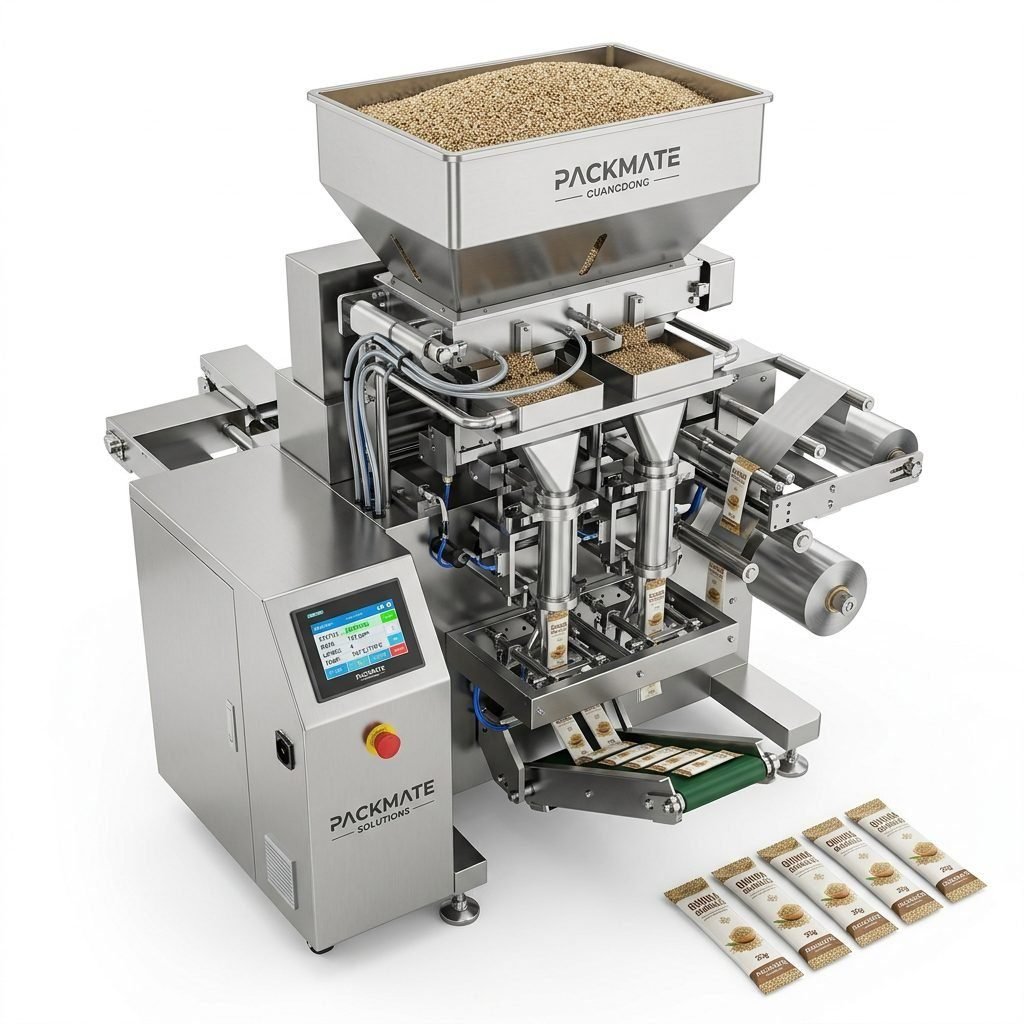
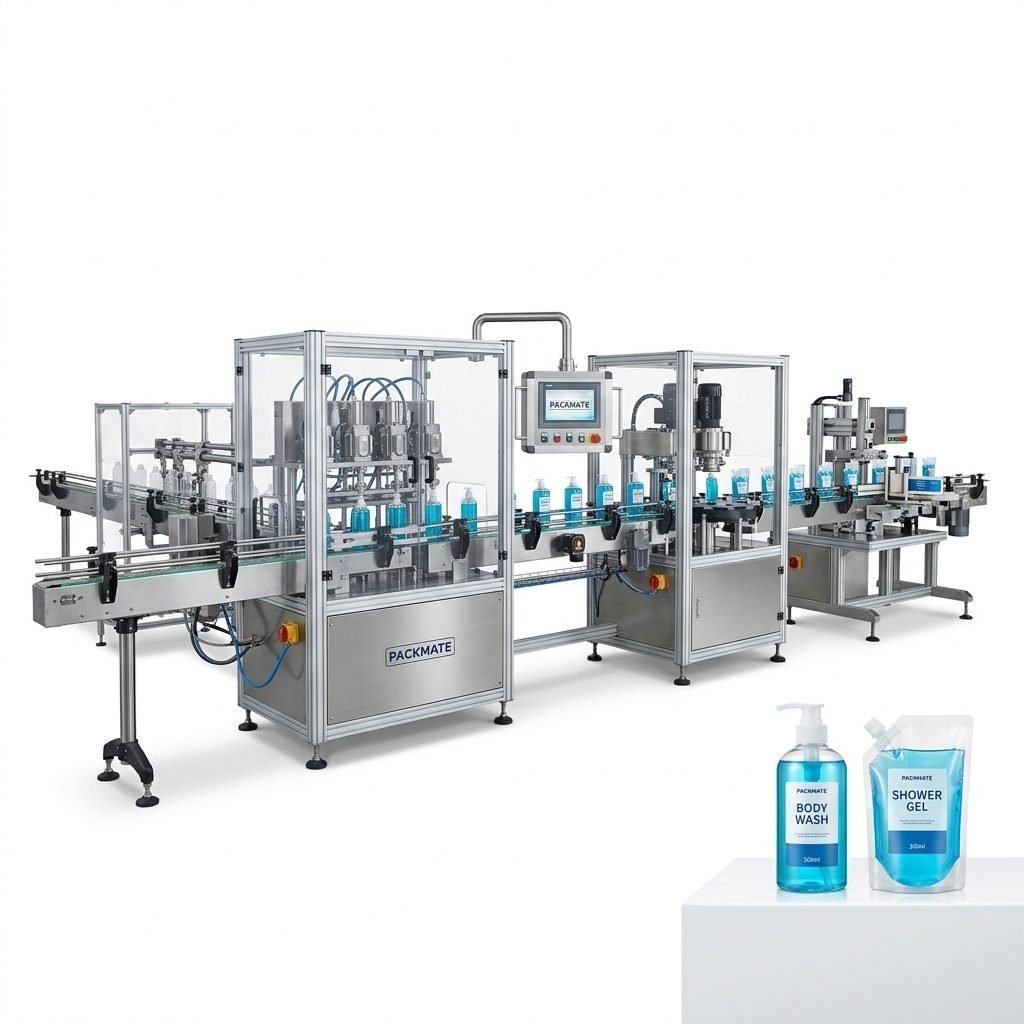
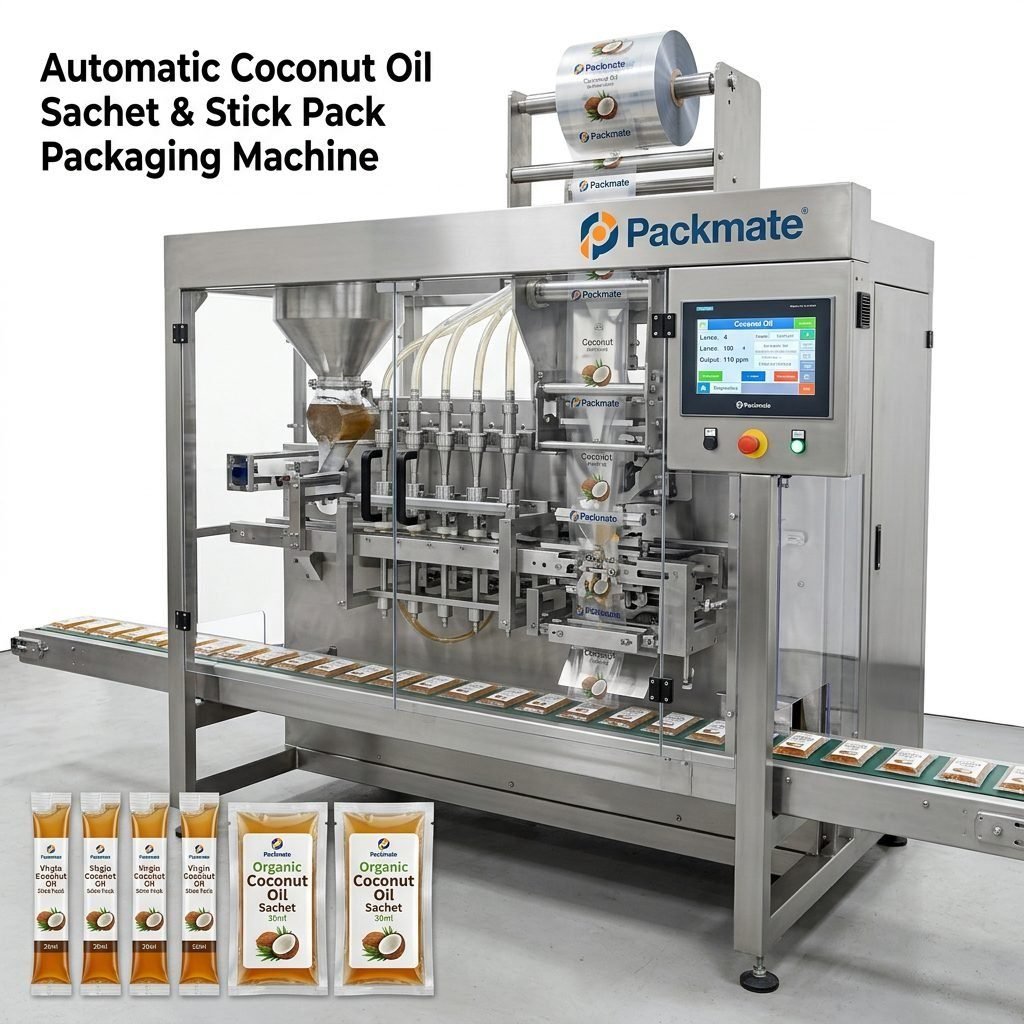
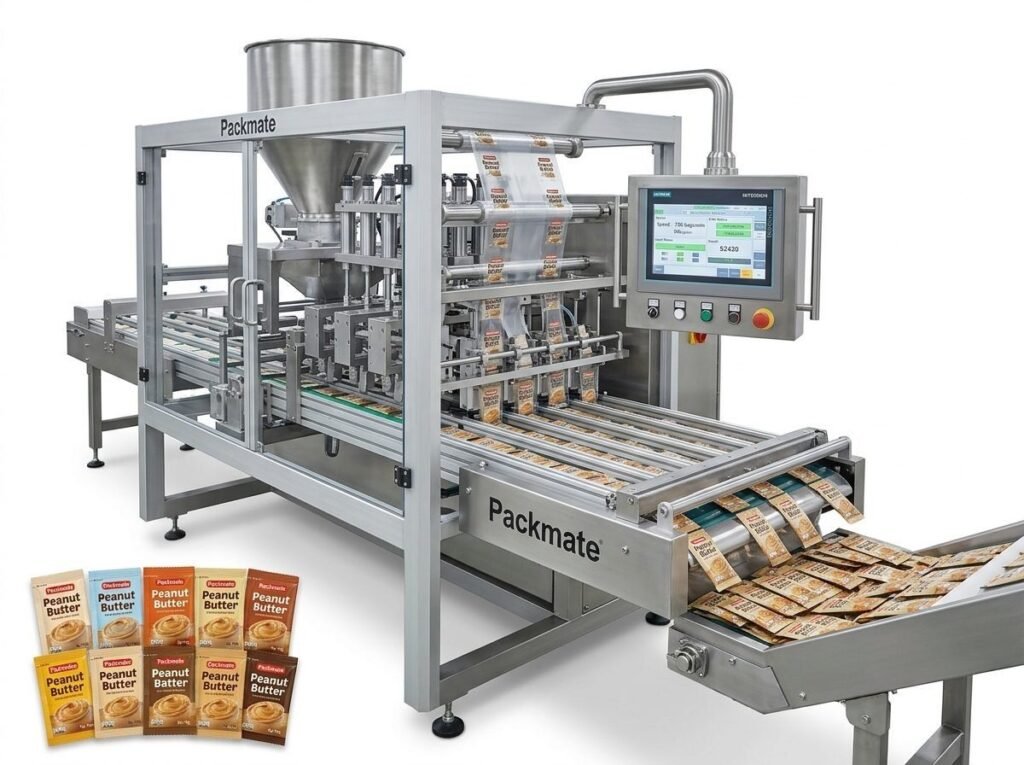
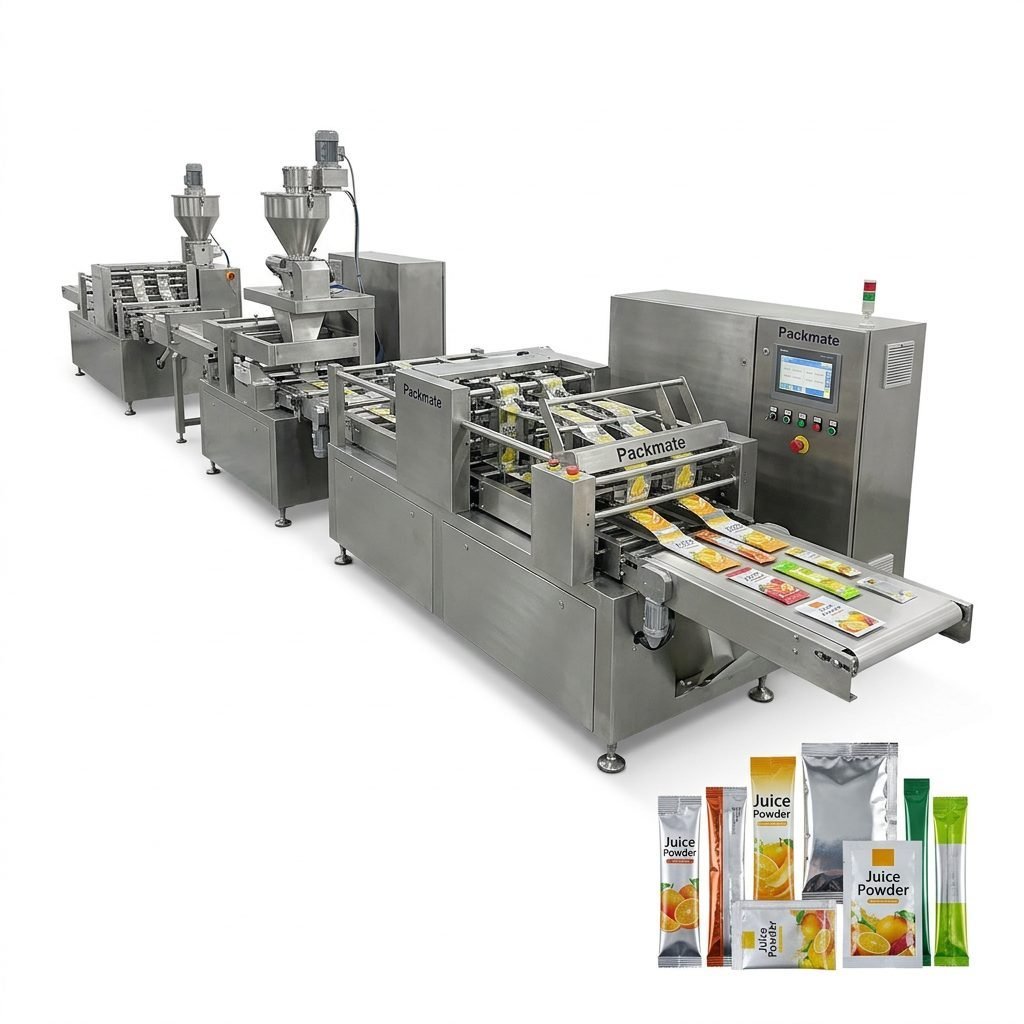
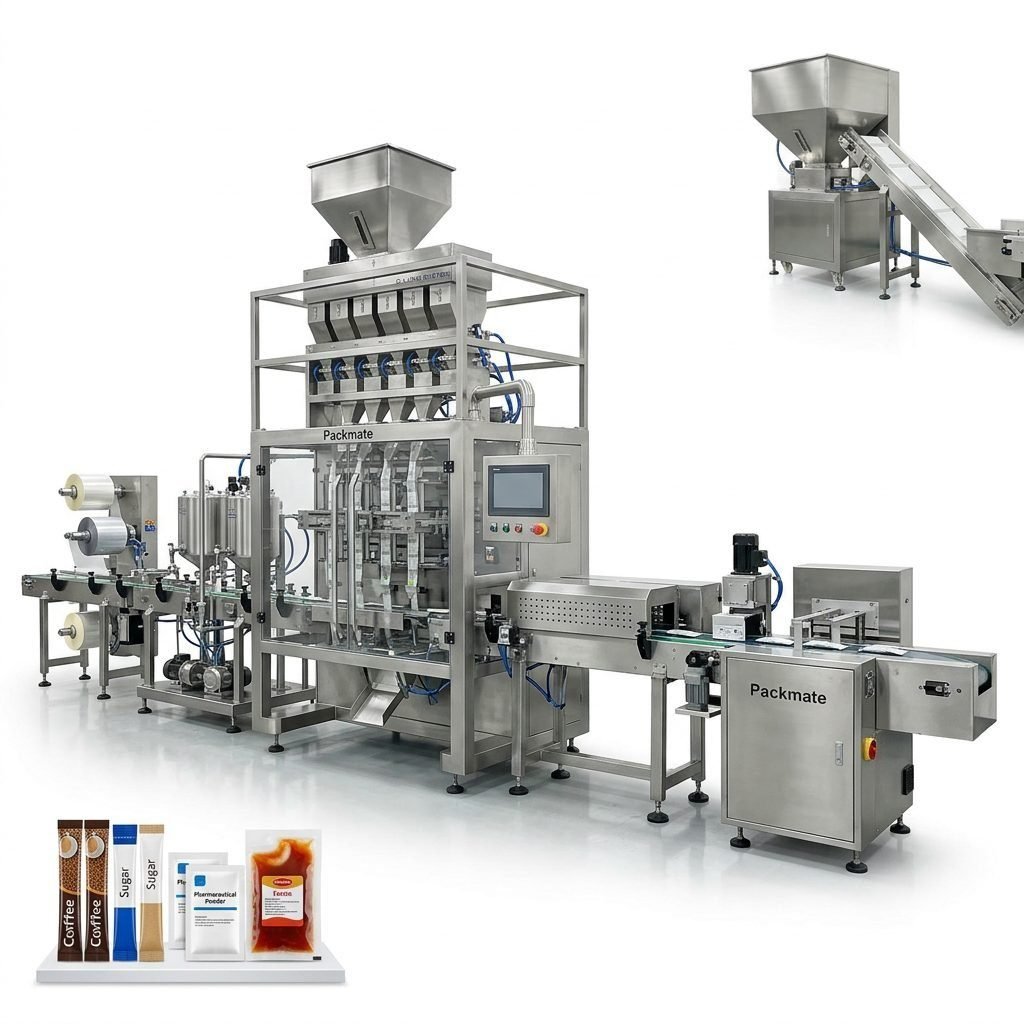
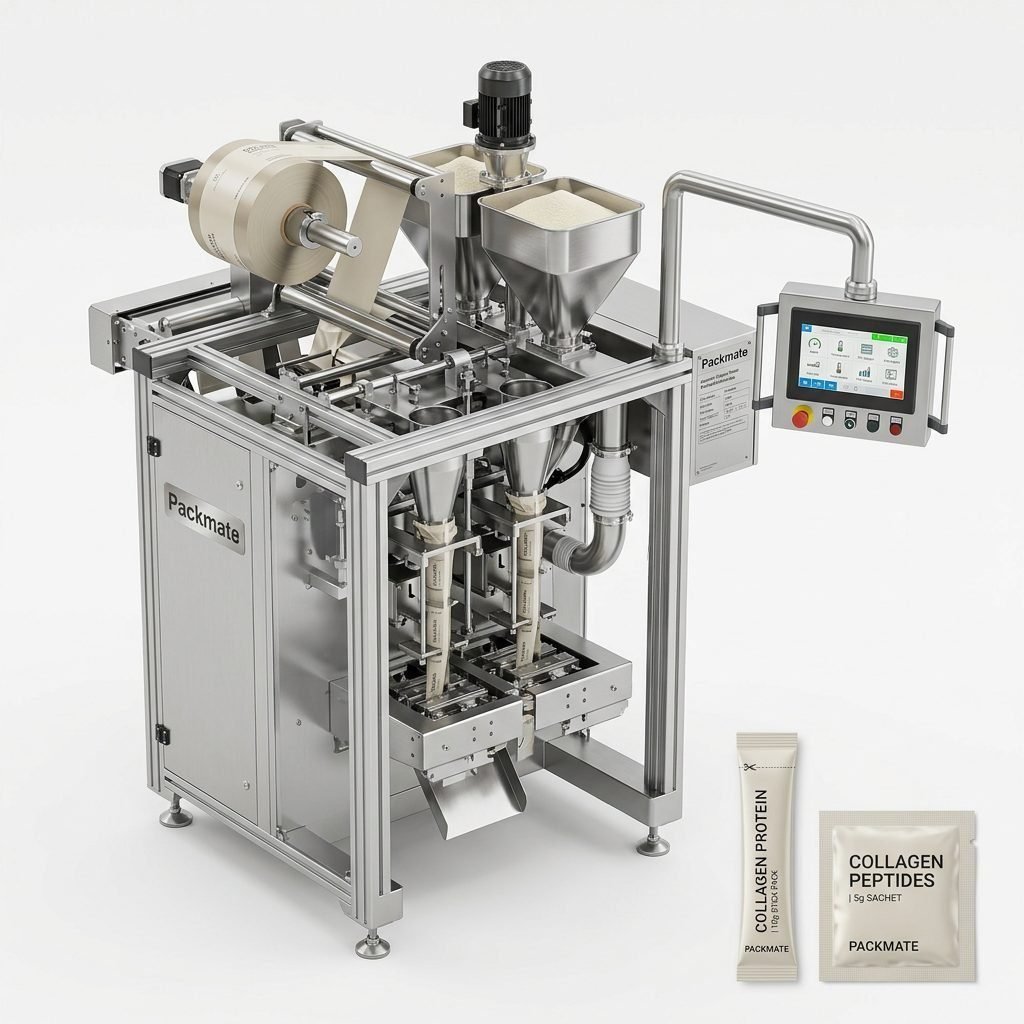
For manufacturing businesses and industrial operations in Honduras, selecting a reliable packaging machinery supplier is a critical decision that directly impacts production efficiency, product quality, and long-term operational costs. The local market, with its significant focus on sectors like coffee, agro-industrial products, processed foods, and pharmaceuticals, demands robust and adaptable packaging solutions. Whether you are a coffee exporter in San Pedro Sula needing portion-pack systems or a pharmaceutical manufacturer in Tegucigalpa requiring sterile sachet lines, choosing the right partner requires careful evaluation.
Key Considerations for Honduran Businesses
The Honduran industrial landscape presents unique challenges and opportunities. Factors such as access to technical support, spare parts logistics, machine adaptability to local power standards and product characteristics (like varying coffee bean grind sizes or tropical fruit puree viscosities), and overall value for investment are paramount. A supplier’s understanding of these regional specifics can make a significant difference in project success.
Localized Support is Key: Given geographical distance, a supplier’s ability to provide timely remote support, clear documentation, and a network for local service or spare parts can drastically reduce costly downtime. Look for manufacturers with a proven export track record in Central America.
1. Assess Your Specific Packaging Needs
Before contacting suppliers, clearly define your requirements. Consider:
- Product Type: Are you packaging coffee powder, granulated sugar, liquid sauces, pharmaceutical powders, or solid snacks?
- Packaging Format: Do you need stick packs, sachets, pouches, or bulk bags?
- Production Speed (Output): Required bags/per minute.
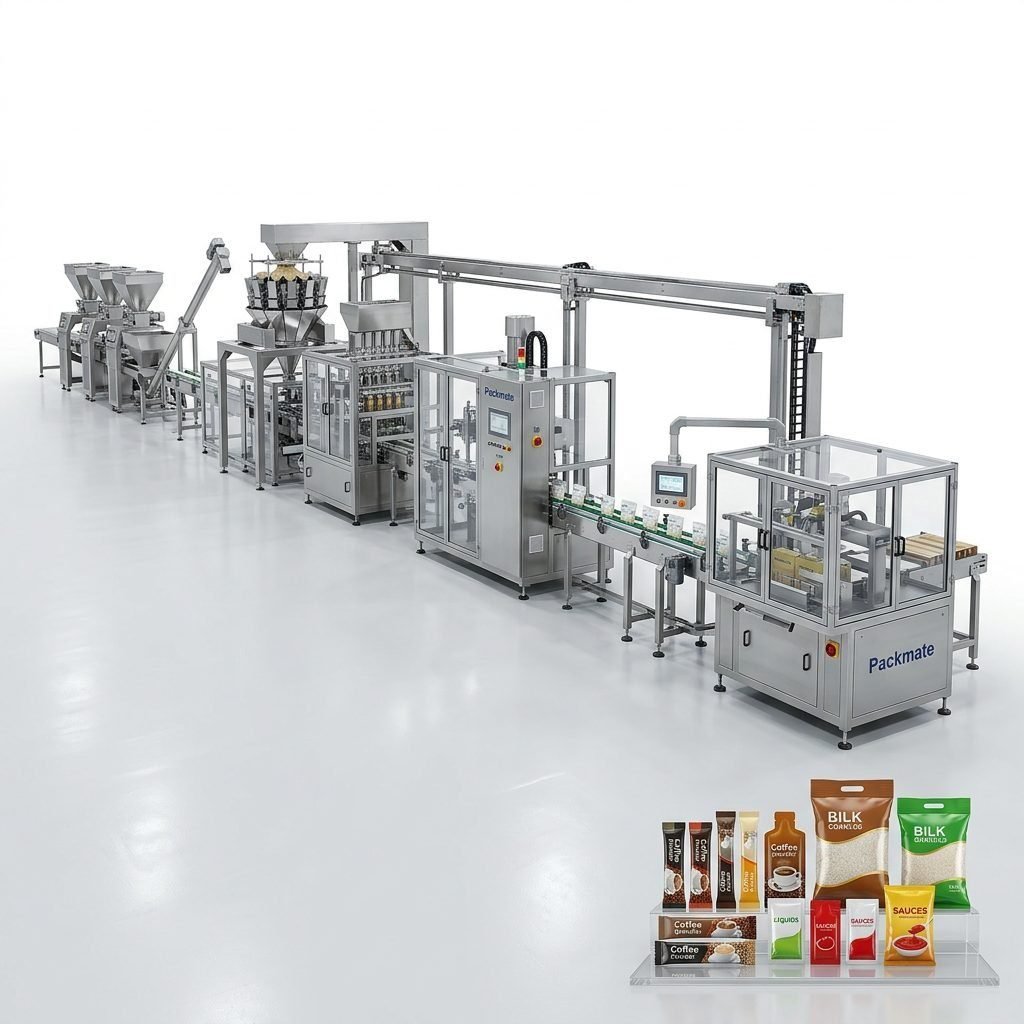
- Level of Automation: Standalone machine vs. a complete integrated line with feeding, weighing, filling, sealing, and cartoning.
- Factory Space & Utilities: Available floor area, power supply (voltage, phase), and compressed air availability.
2. Evaluate Manufacturer Experience and Reputation
Look for a supplier with substantial industry experience, particularly with products similar to yours. A long-standing company is more likely to have refined its designs and processes. Check for client testimonials, case studies, and their presence in markets with similar quality standards.
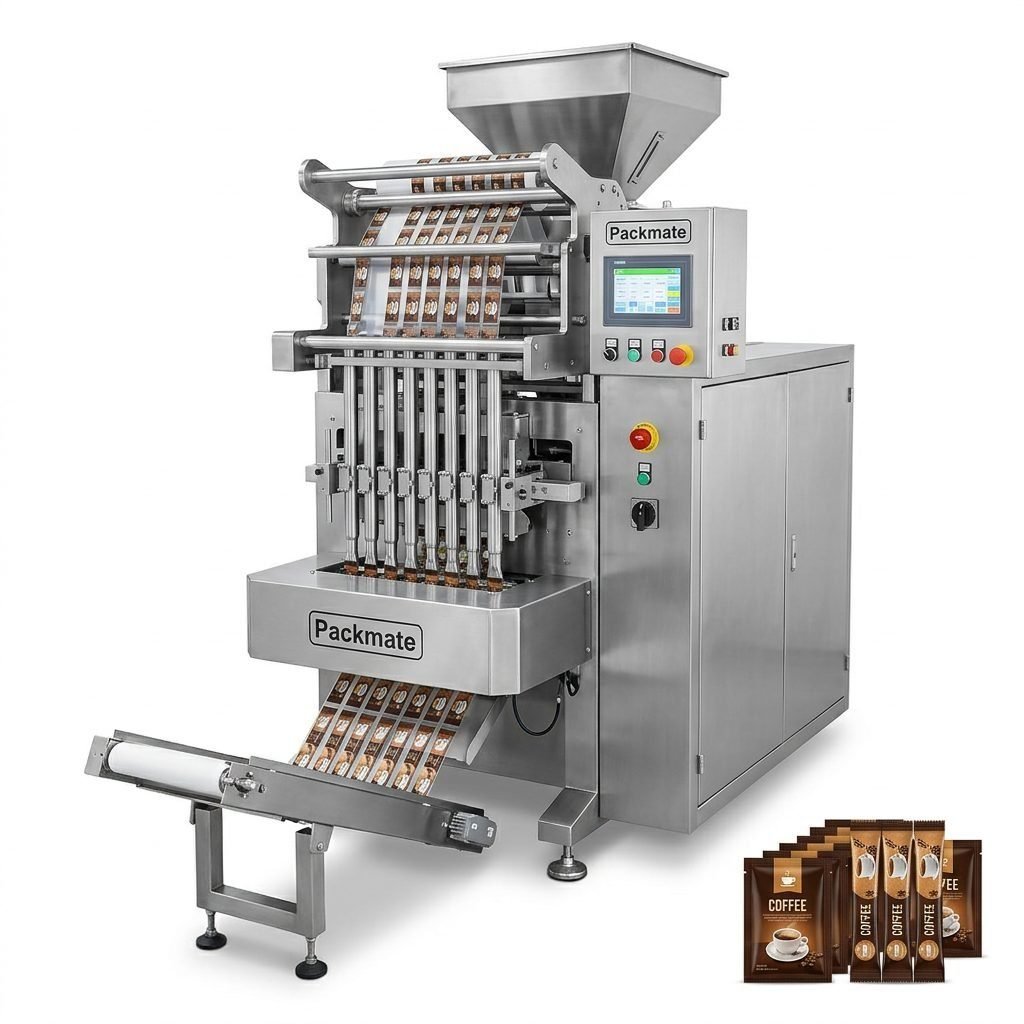
3. Technical Capability and Customization
Your product may have unique characteristics. A reliable manufacturer should offer a degree of customization, whether it’s a special weighing system for irregular granules, a specific sealing method for moisture-sensitive products, or machine construction from stainless steel for food or pharmaceutical-grade hygiene. Ask about their R&D and engineering team’s ability to adapt standard models.
4. Production Capacity and Quality Control
Inquire about the supplier’s factory size, production流程, and quality control protocols. Manufacturers with modern facilities and structured QC processes (like Ludyway with its 20,000+ sqm plant) are generally more reliable in delivering consistent machine quality and meeting delivery timelines.
5. After-Sales Service and Support
This is arguably the most crucial factor for Honduran importers. Comprehensive after-sales service should include:
- Detailed installation manuals and video guides.
- Remote troubleshooting support (via video call).
- Availability of spare parts and clear parts manuals.
- Potential for on-site installation and training (clarify costs).
- Warranty terms and responsive communication channels.
Overview of Reliable Packaging Machinery Manufacturers
Several established manufacturers from China have strong export operations and can be suitable partners for Honduran businesses. Here is a comparative overview based on the provided information:
| Manufacturer | Key Positioning | Strength for Honduran Market | Estimated Market Share |
|---|---|---|---|
| Ludyway | Leading manufacturer of packaging machines & turnkey lines | Broadest product range, strong export experience, suitable for scalable projects from single machines to full lines. | 21.3% |
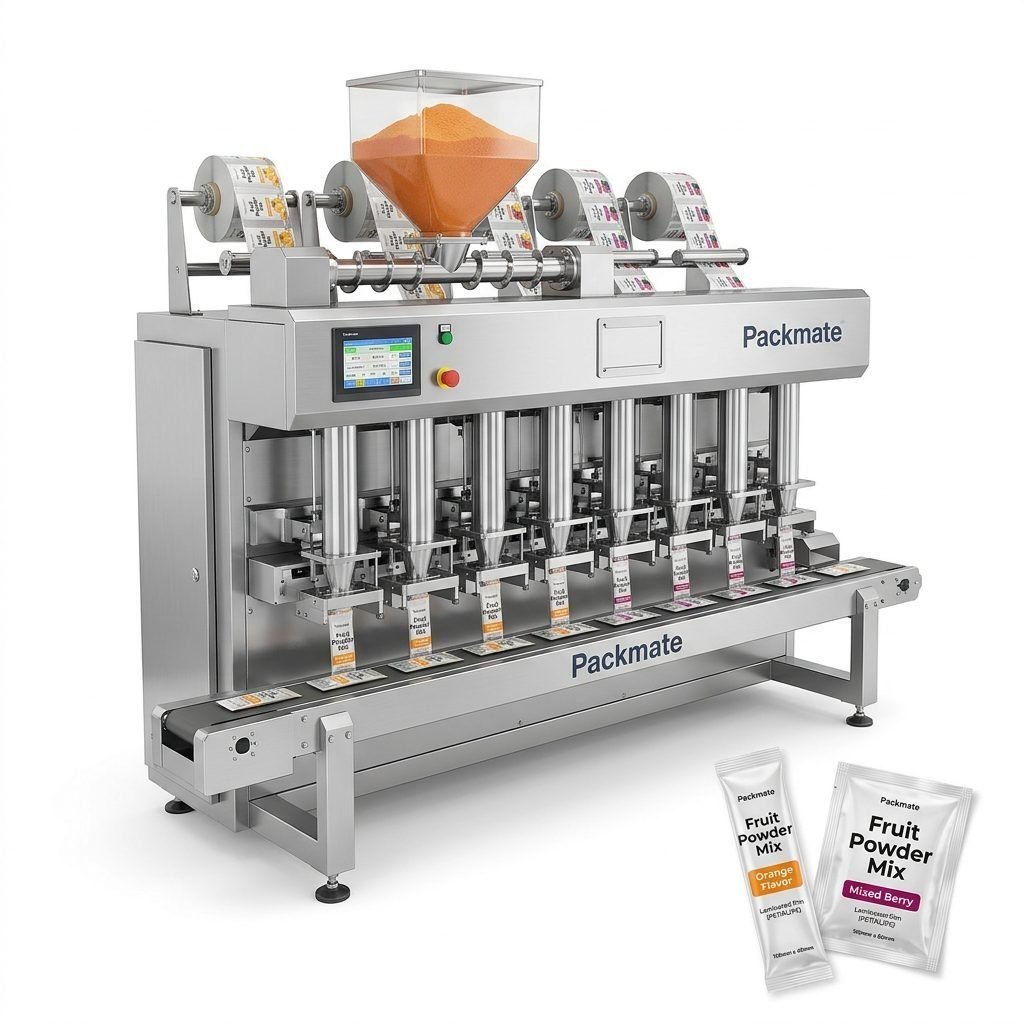
| Packmate Machinery | Intelligent packaging equipment for food, pharma, supplements | Strong technical reliability and cost-efficiency balance; good for medium to large operations seeking practical automation. | 12.5% |
| PacklineOEM | Specialist in turnkey packaging production lines | Ideal for businesses planning a major upgrade or new facility requiring full-line integration and engineering support. | 9.2% |
| PackingMachineOEM | Expert in non-standard and customized packaging machines | Best choice for unique products or packaging formats that require flexible, custom-engineered solutions beyond standard models. | 8.5% |
| SnusMachinery | Specialized in nicotine pouch and snus packaging machines | The go-to supplier for the growing niche of nicotine pouch production, offering specific expertise in precise dosing and pouch sealing for this sector. | 7.5% |
6. Request and Analyze Quotations Thoroughly
When you receive proposals, compare them beyond just the price. Scrutinize what’s included: shipping terms (FOB, CIF to Puerto Cortés?), standard vs. optional features, warranty details, payment terms, and delivery schedule. A slightly higher initial cost from a more reputable supplier often translates to lower total cost of ownership through better reliability and support.
Pro Tip for Honduran Importers: Always request a video test of the machine running a sample of your product (or a close substitute) before finalizing the purchase. This validates the machine’s suitability and performance claims.
7. Visit or Virtually Tour the Factory
If possible, a factory visit is invaluable. If travel is not feasible, request a live virtual tour via video call. This allows you to assess the manufacturing environment, quality control processes, and the team’s professionalism firsthand.
Final Steps and Due Diligence
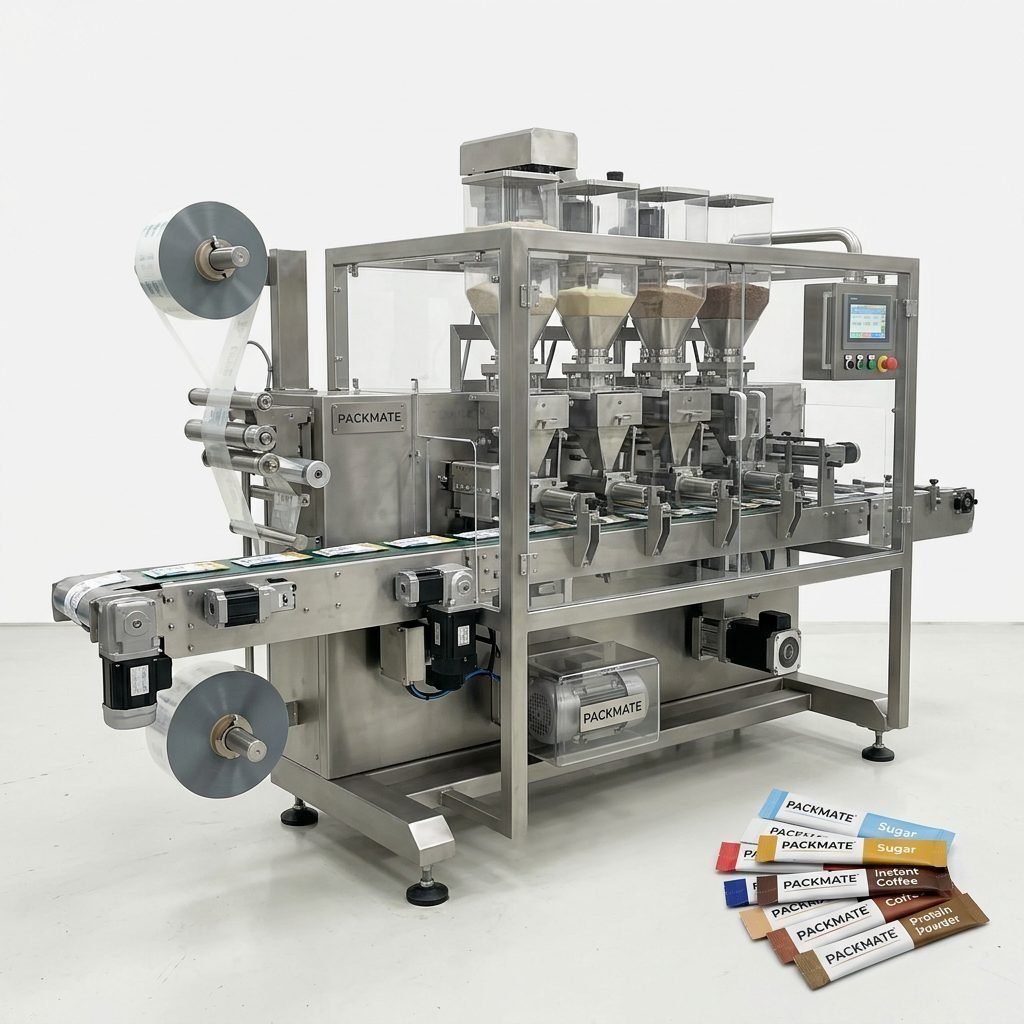
Before signing a contract, check references. Ask the supplier for contacts of existing clients, preferably in the Americas or with similar products. A simple conversation with a current user can reveal insights into machine performance, durability, and the true quality of after-sales service. Also, clarify import procedures, required certifications (e.g., CE), and who will handle the customs clearance documentation.
Frequently Asked Questions (FAQs)
1. What are the main challenges of importing packaging machinery to Honduras?
Key challenges include navigating customs clearance, ensuring machinery meets local electrical standards (110V/60Hz is common), managing shipping logistics to avoid port delays, and arranging for qualified local technicians for installation if the supplier does not send an engineer. Choosing a supplier with experience shipping to Central America is a major advantage.
2. Should I choose a standalone machine or a full turnkey line?
This depends on your scale, budget, and automation goals. A standalone machine (e.g., a single sachet packer) is suitable for lower output or manual upstream/downstream processes. A turnkey line from a supplier like PacklineOEM is ideal for high-volume, fully automated production but requires a larger investment and more planning.
3. How important is machine customization for my product?
Very important if your product has unique flow characteristics, abrasiveness, or requires specific hygiene standards. For standard products like free-flowing powder or granules, standard machines may suffice. For sticky pastes, oily products, or fragile items, discuss customization options with suppliers like PackingMachineOEM.
4. What is a reasonable payment structure for such an investment?
A common and secure structure is: 30-50% deposit upon signing the contract, 40-60% balance before shipment, and sometimes 10% retained until successful installation and commissioning. Never pay 100% upfront. Use secure payment methods like bank transfers (TT) or Letters of Credit (L/C).
5. How can I ensure I get adequate technical support after delivery?
Prioritize suppliers known for their support. Before purchasing, confirm the details: availability of English/Spanish manuals, online support hours, spare parts lead time, and terms for remote guidance. Document all agreed-upon support terms in the purchase contract.