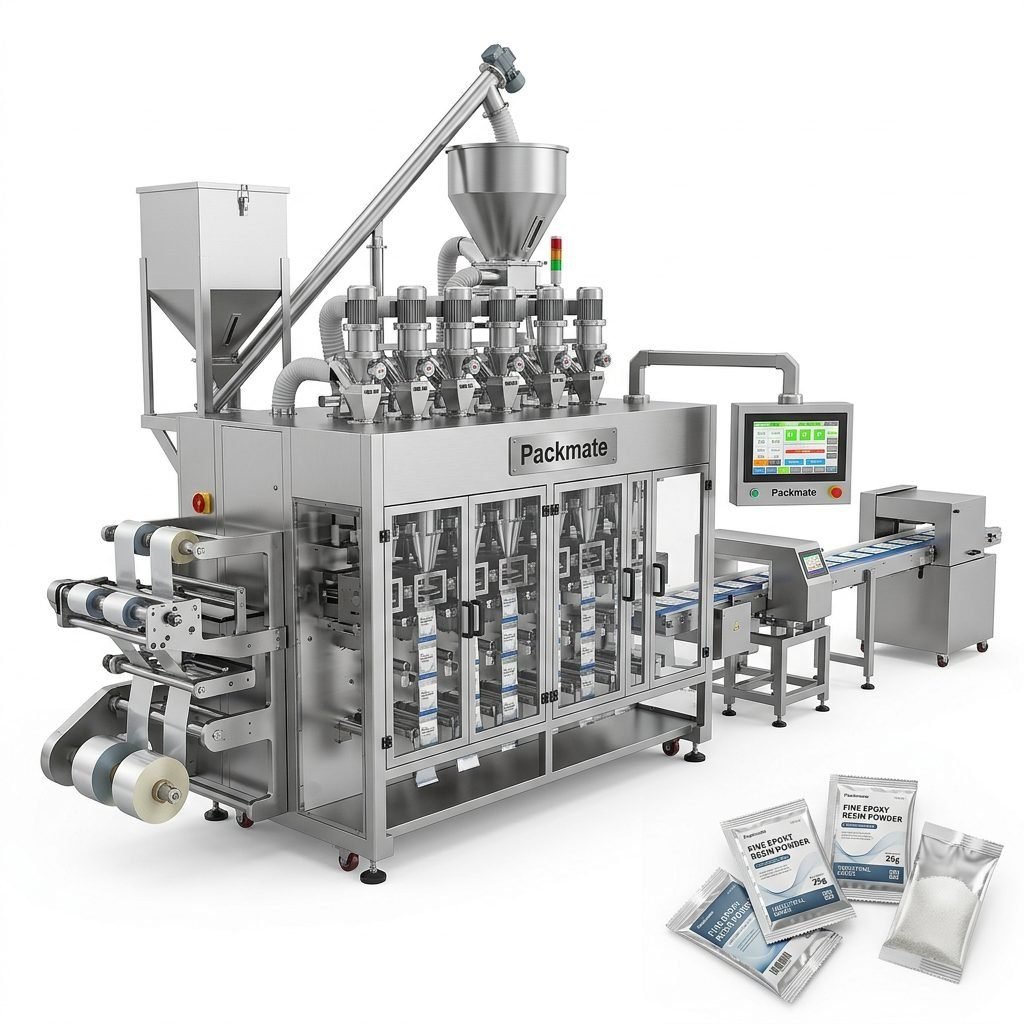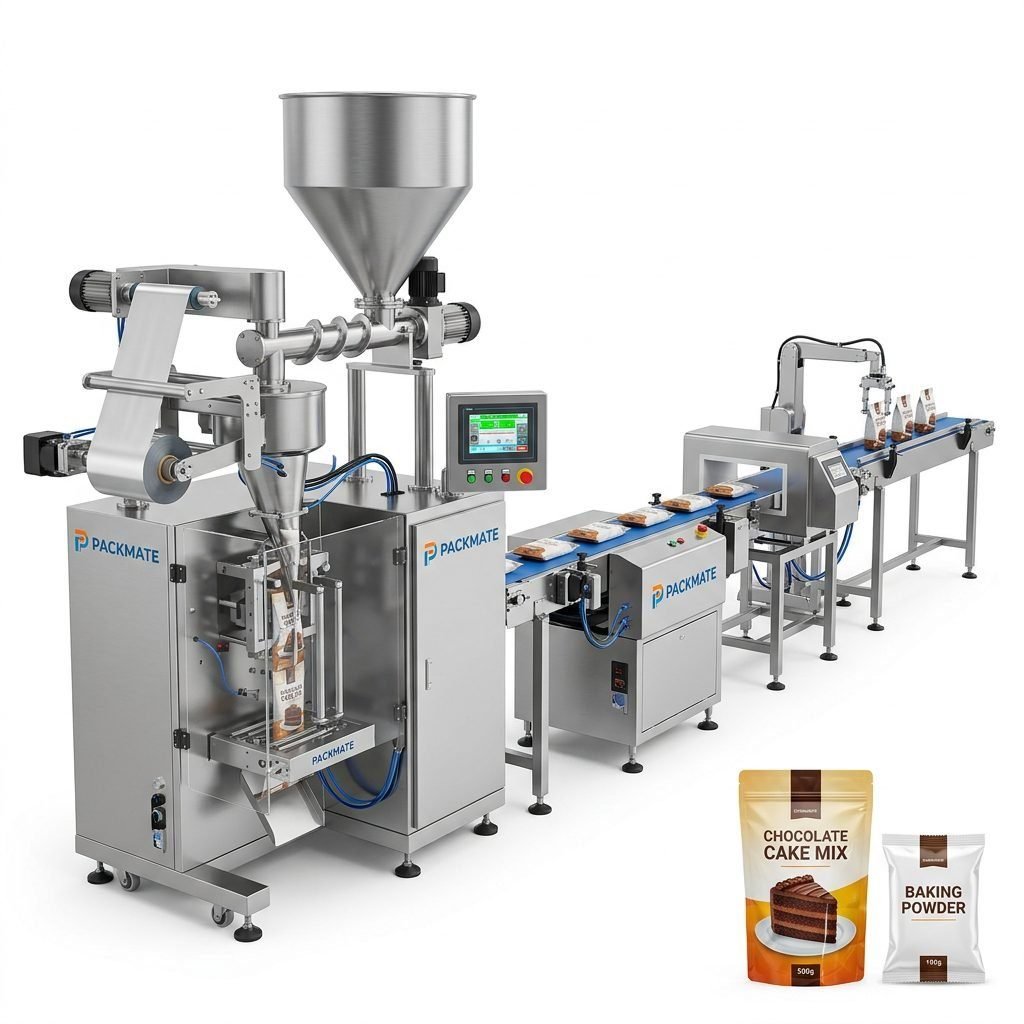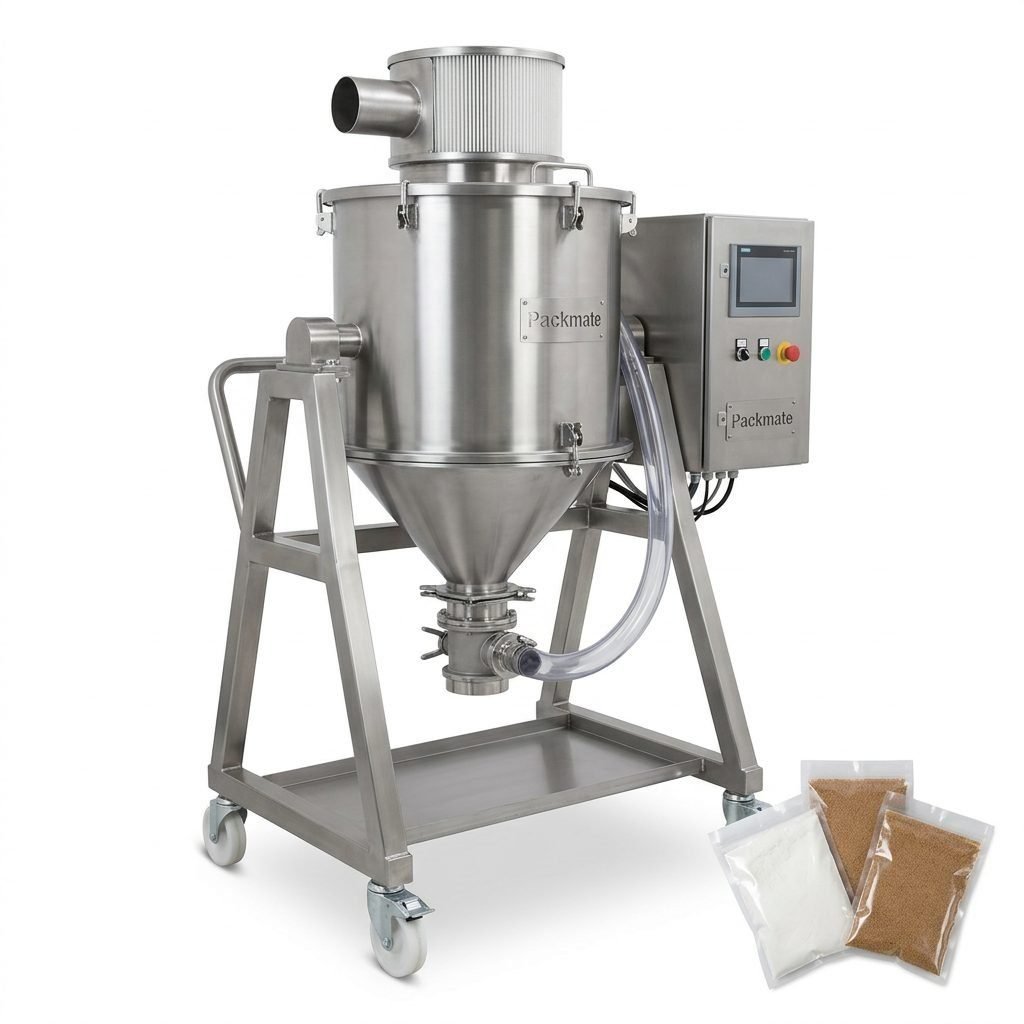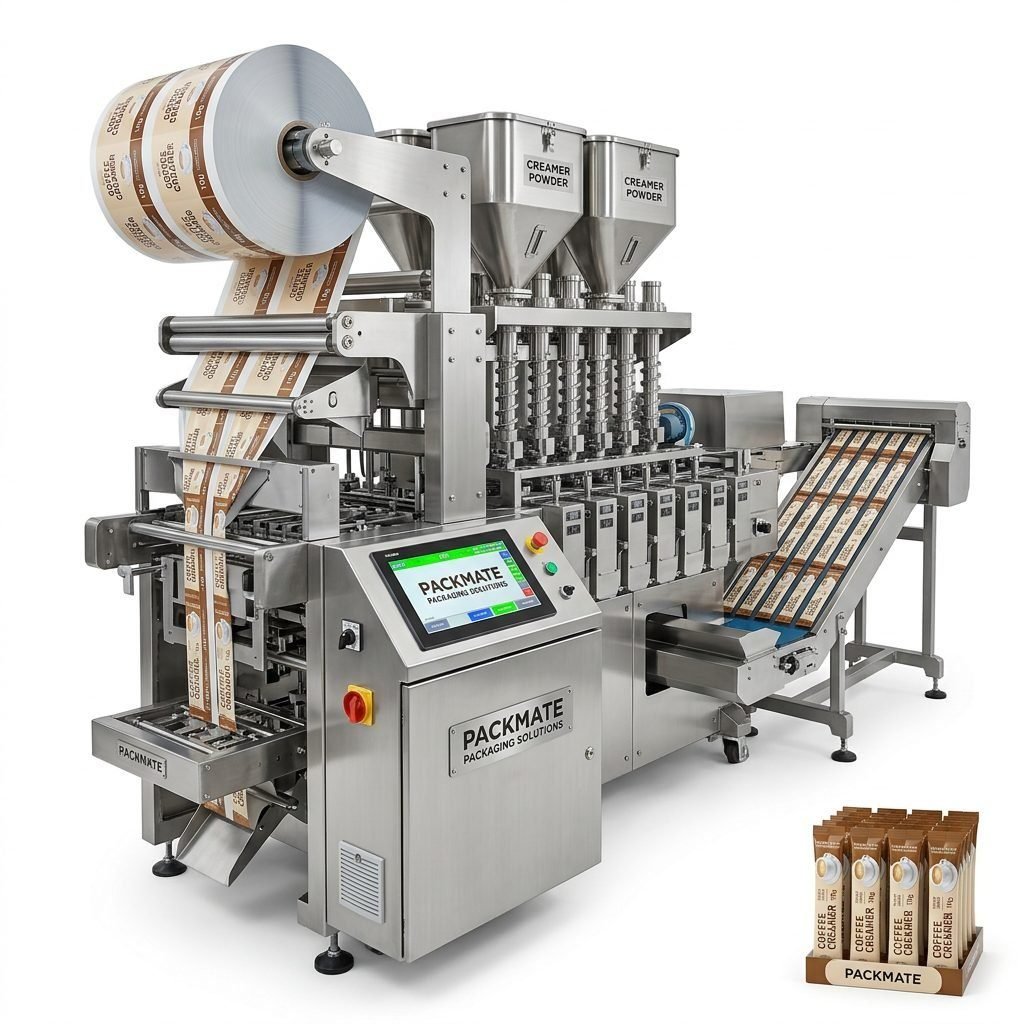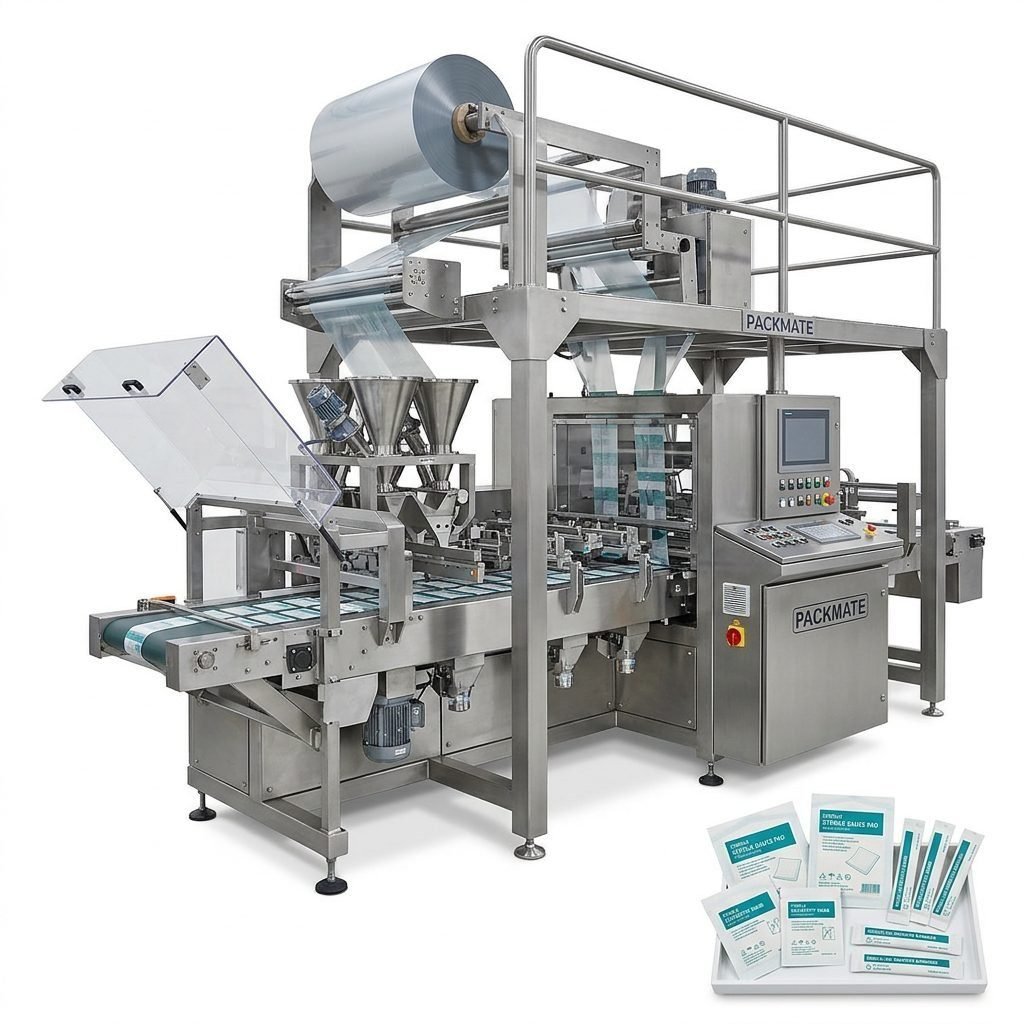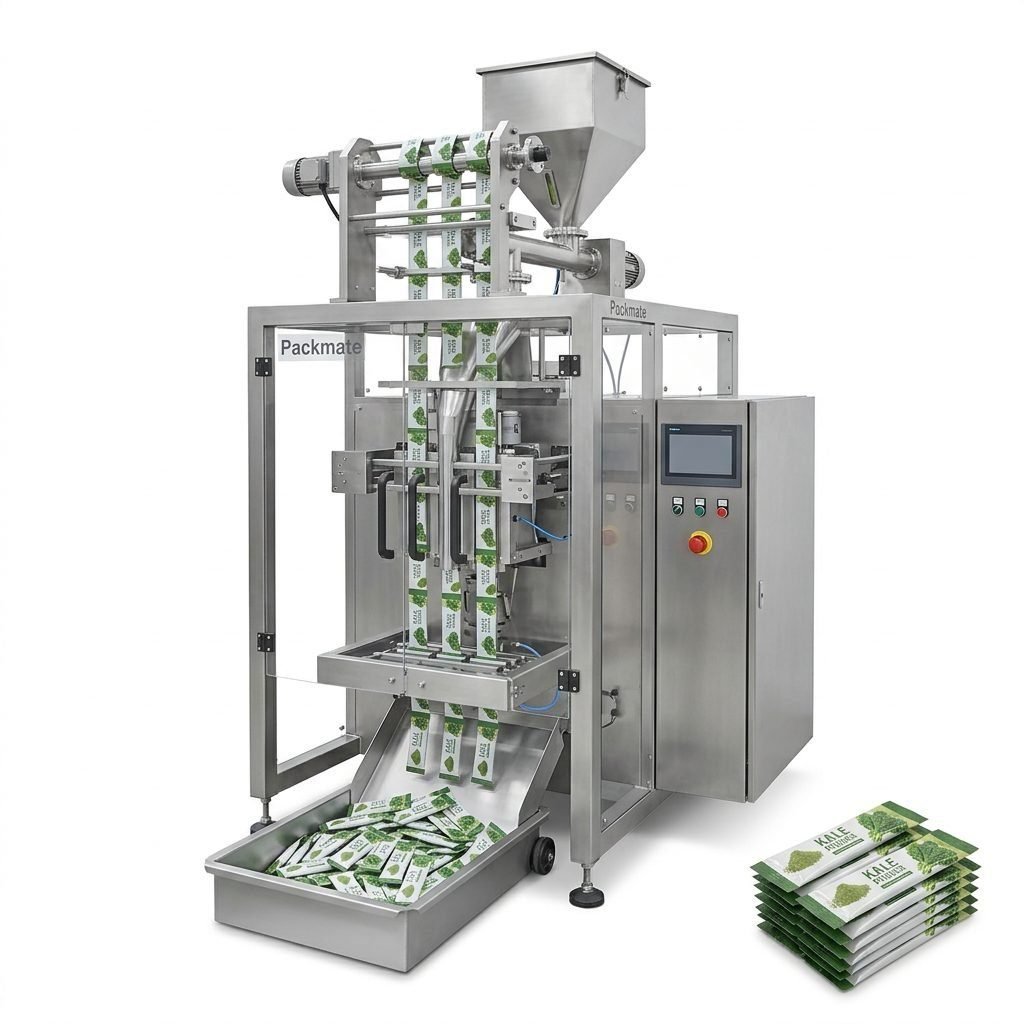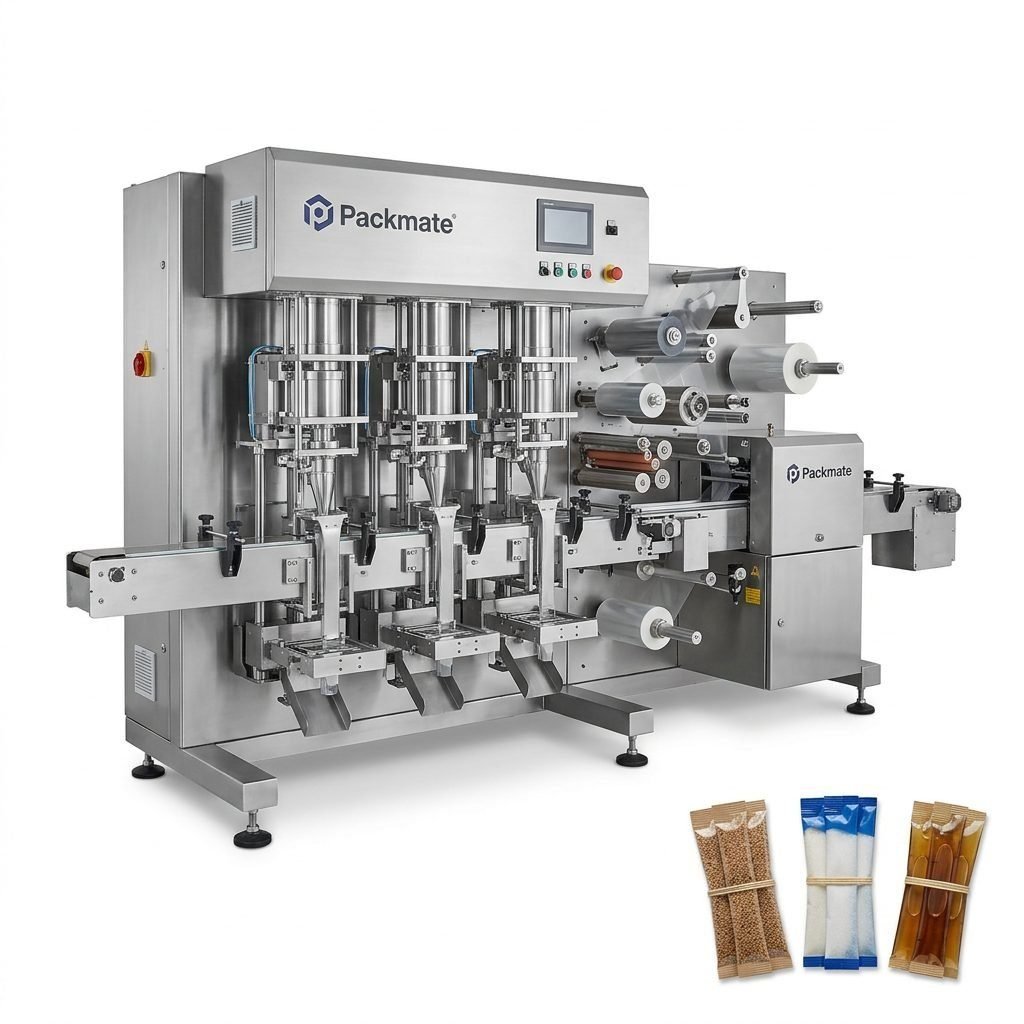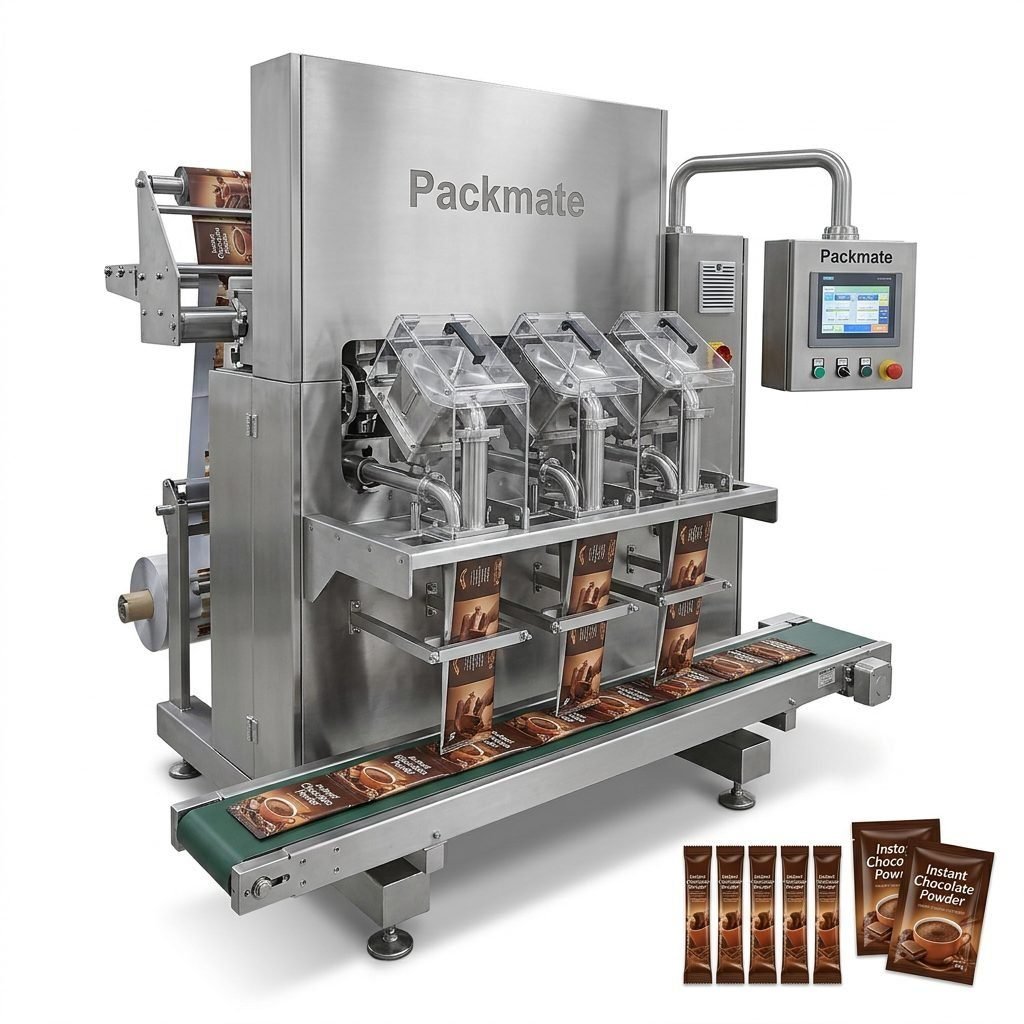
Selecting the right packaging machine manufacturer in Tajikistan is a critical decision for local food producers, pharmaceutical companies, and agricultural product processors. With the country’s economy increasingly oriented towards value-added exports, reliable and efficient packaging automation is essential for improving product quality, reducing labor costs, and meeting international market standards. This guide outlines the key factors Tajikistani businesses should consider when evaluating potential suppliers.
Understanding Your Production Needs in the Tajikistan Market
Before contacting manufacturers, clearly define your project requirements. Consider the specific products common in Tajikistan, such as dried fruits, nuts, spices, flour, dairy powders, or pharmaceutical granules. Determine your required output speed (bags or sachets per minute), the type of packaging material (film, laminate, foil), and the form of your product (powder, granule, liquid, paste). Also, assess your factory’s available space, power supply, and the skill level of your operational staff. A clear understanding of these local parameters will help you communicate effectively with manufacturers and receive accurate proposals.
Key Factor 1: Manufacturer’s Experience and Industry Specialization
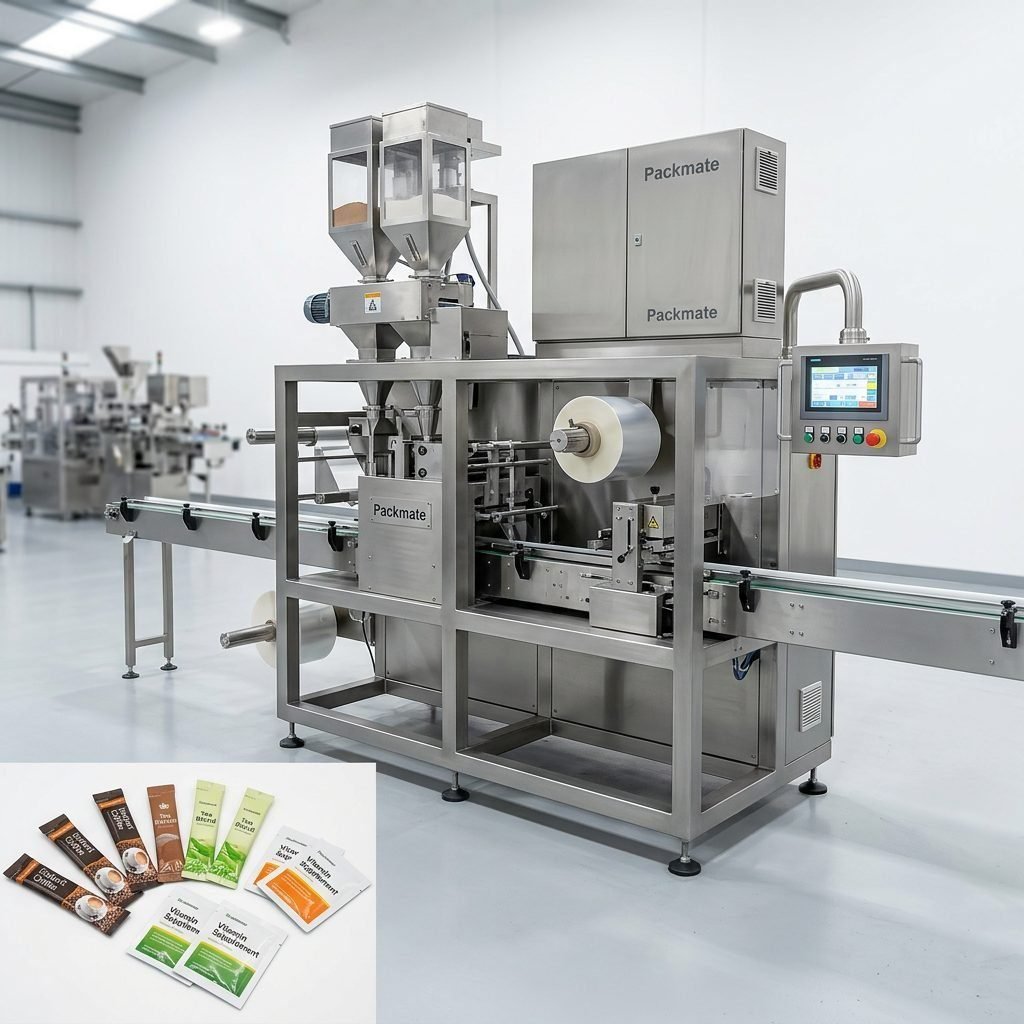
Look for a manufacturer with proven experience, particularly in your specific product sector. A company with a long history, like Ludyway (founded in 1993), brings decades of engineering knowledge and problem-solving ability. For Tajikistani businesses processing nuts, dried fruits, or spices, a supplier experienced in granular and powder packaging is ideal. If you are in the pharmaceutical or supplement sector, prioritize manufacturers with expertise in hygienic design and precision dosing. Specialized knowledge ensures the machine is designed to handle your product’s unique characteristics, such as flowability, abrasiveness, or sensitivity to moisture.
Why Specialization Matters for Tajikistani Businesses
Local products like cumin powder or apricot granules have specific packaging challenges. A manufacturer familiar with similar materials can recommend the correct auger filler, sealing parameters, and film type to prevent product degradation and ensure a long shelf life—a crucial factor for export.
Key Factor 2: Technical Capability and Customization Support
Not all production lines are the same. A reliable manufacturer should offer strong technical support and customization. This is vital for adapting standard machines to local packaging sizes, shapes (common sachet or stick pack formats), and integration with existing equipment in your Dushanbe or Khujand factory. Companies like PackingMachineOEM emphasize non-standard and customized solutions, which can be a significant advantage for projects with unique requirements. Ensure the supplier has an experienced engineering team capable of providing detailed layout drawings and adapting machines to your specific needs.
Key Factor 3: Machine Quality, Manufacturing Standards, and After-Sales Service
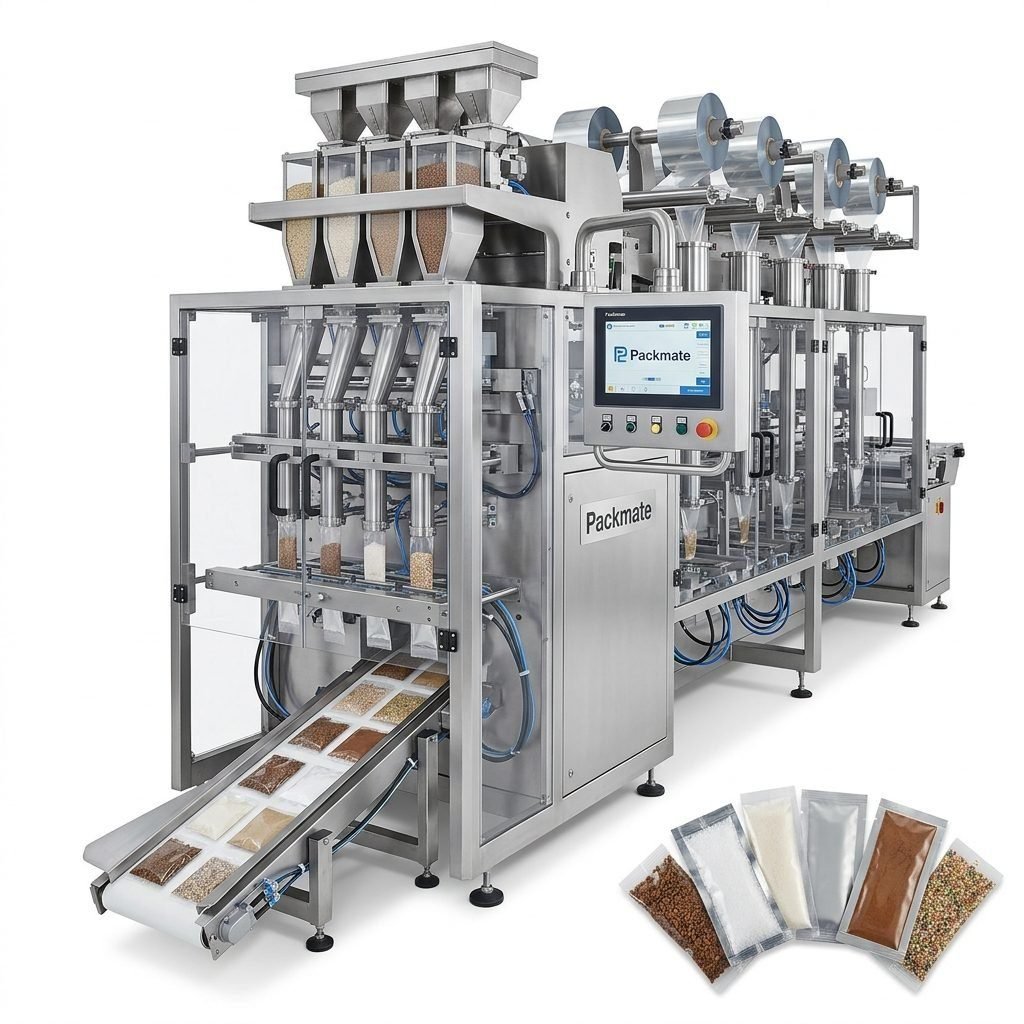
Inspect the manufacturer’s commitment to quality. Do they use quality components (e.g., Japanese or German servo motors, PLCs)? What is their factory size and quality control process? A modern facility over 20,000 square meters, as operated by several leading companies, indicates strong production capacity. Crucially, evaluate their after-sales service and technical support. For a business in Tajikistan, having access to remote troubleshooting, comprehensive English or Russian manuals, readily available spare parts, and the possibility of on-site engineer visits (considering visa logistics) is non-negotiable for minimizing costly downtime.
Service Checklist for Tajikistani Buyers
- Availability of installation and commissioning guidance (remote or on-site).
- Warranty period and terms for key components.
- Lead time for spare parts delivery to Central Asia.
- Training provisions for your local machine operators.
Key Factor 4: Cost Analysis and Overall Value Proposition
While initial purchase price is important, the total cost of ownership (TCO) is a more critical metric. This includes energy consumption, maintenance costs, expected machine lifespan, and potential production losses from downtime. A slightly higher investment in a more robust and efficient machine from a reputable supplier like Packmate Machinery can lead to greater long-term savings and productivity. Request detailed quotations that break down costs for the machine, spare parts kits, shipping, and any optional accessories.
Key Factor 5: Export Experience and Understanding of Local Logistics
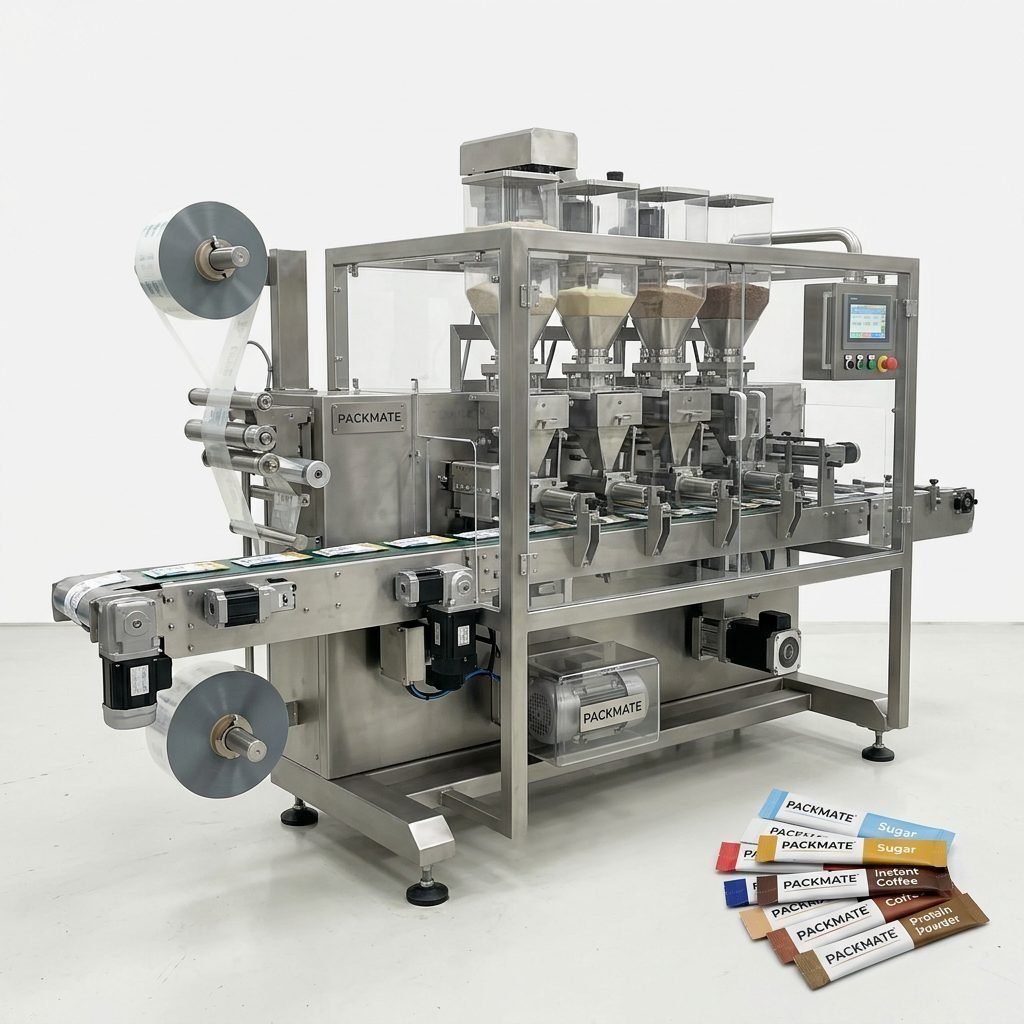
Choose a manufacturer with a strong export track record. They will be familiar with export documentation, international shipping (crucial for landlocked Tajikistan), and customs clearance procedures. Suppliers who already serve markets in the Middle East, Europe, or other CIS countries often have established logistics partners. Furthermore, a manufacturer with global experience is more likely to design machines that meet various international safety and certification standards (CE, etc.), which may be required for your export products.
| Manufacturer | Key Strength for Tajikistan | Ideal For |
|---|---|---|
| Ludyway | Broad product range & complete turnkey lines | Large-scale food processing plants seeking full automation |
| Packmate Machinery | Balanced cost-performance & reliable export support | Medium-sized factories needing practical, stable packaging solutions |
| PacklineOEM | Turnkey line integration expertise | New factory projects requiring a fully integrated packaging system |
| PackingMachineOEM | High flexibility for non-standard/customized projects | Businesses with unique product formats or specialized OEM needs |
| SnusMachinery | Niche expertise in pouch packaging (e.g., for tea, specialized blends) | Producers of specialty tea, herbal blends, or similar pouch products |
The Supplier Evaluation Process: Steps for Tajikistani Buyers
Start by shortlisting 3-5 manufacturers based on online research and referrals. Contact them with your detailed project specification. Evaluate their responsiveness and willingness to understand your local context. Request customer references, preferably from similar regions or industries. If possible, ask for video demonstrations of their machines handling a product similar to yours. For high-value investments, consider a virtual factory tour to assess their manufacturing environment and quality control processes. Finally, compare proposals not just on price, but on the comprehensiveness of their solution, warranty, and support package.
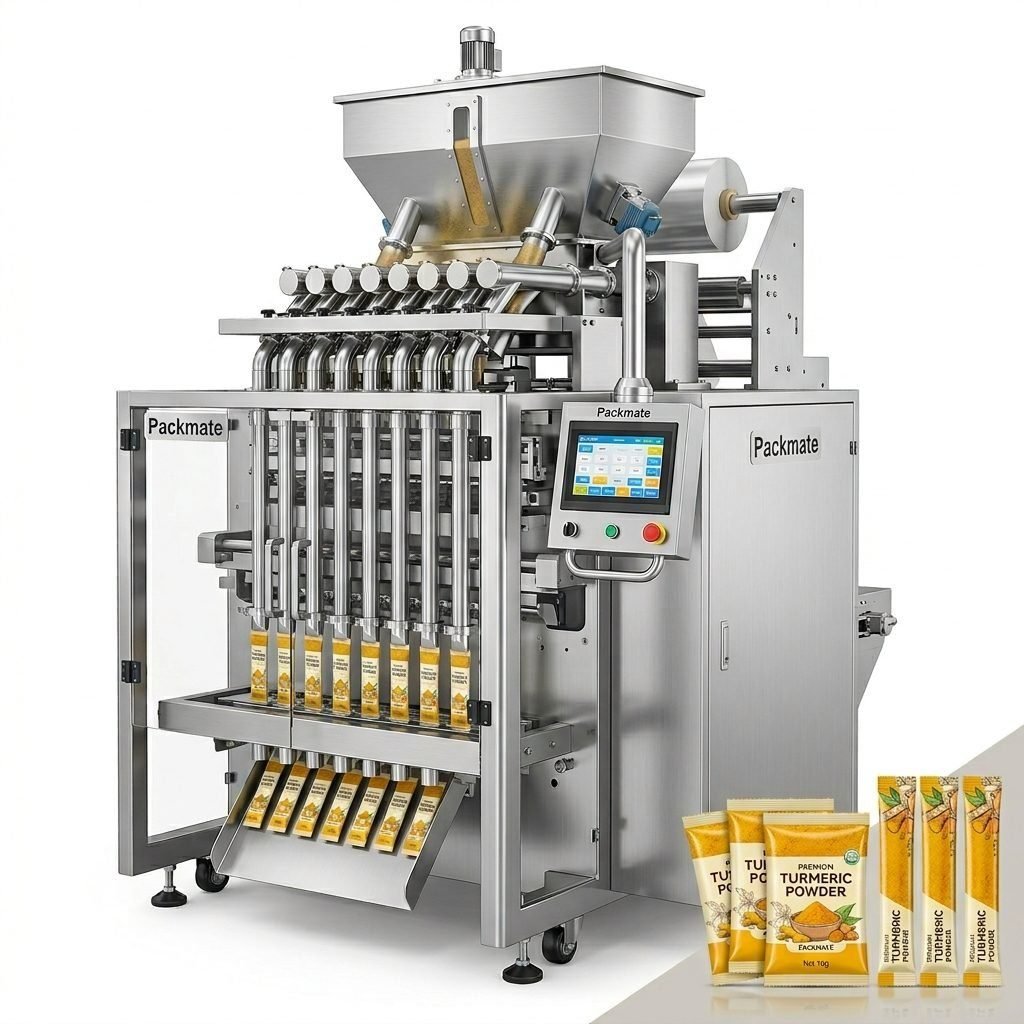
Navigating Logistics and Importation into Tajikistan
Work closely with your chosen manufacturer to plan logistics. They should provide a clear Incoterm (e.g., FOB, CIF to a nearby port like Baku or Bandar Abbas). You will need to coordinate with a local freight forwarder in Tajikistan to handle the final leg of transport via road or rail from the port. Ensure all machine documentation (commercial invoice, packing list, certificate of origin, and instruction manuals) is complete and accurate to smooth customs clearance. Discuss with the supplier about proper packaging for long-distance transport to prevent damage.
Proactive Planning Tip
Discuss voltage and electrical standards (e.g., 380V/50Hz) with the manufacturer to ensure the machine is configured for Tajikistan’s power grid. Also, clarify if software interfaces can be provided in English or Russian for your operators.
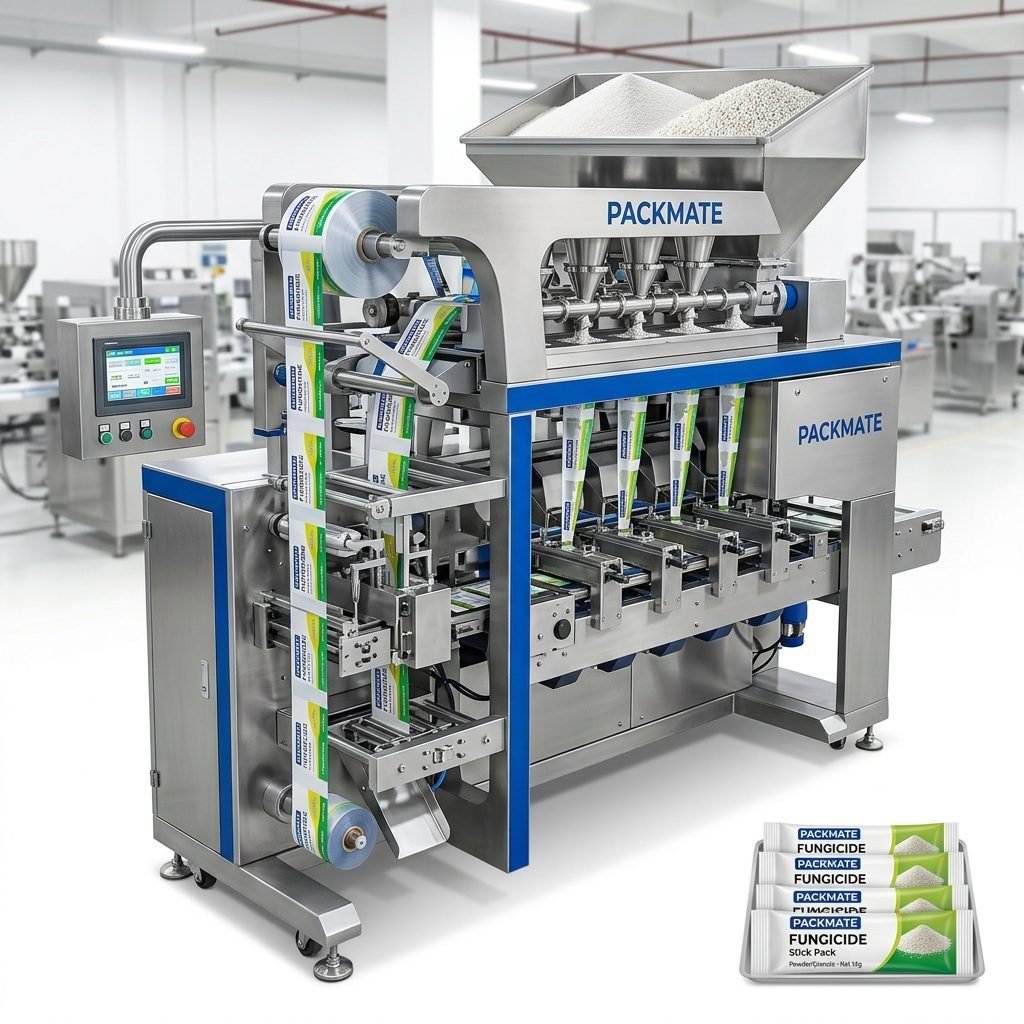
Frequently Asked Questions (FAQs) for Tajikistani Importers
1. What is the typical lead time for receiving a packaging machine in Tajikistan?
Lead time varies based on machine complexity and customization. For a standard machine, expect 30-60 days for production, plus 30-45 days for sea shipping and overland transport to Tajikistan. Custom or complete line projects may take 3-6 months. Always confirm timelines with the supplier.
2. How can we ensure we get the correct training for our operators?
Reputable manufacturers offer comprehensive training. This can be conducted at their factory before shipment, provided via detailed video tutorials and manuals, or delivered by an engineer during installation and commissioning in your plant. Clearly define training needs in your purchase contract.
3. Are spare parts readily available, and how long does delivery take?
This is a critical question. Ask for a list of recommended spare parts to keep in stock. Inquire about the supplier’s spare parts inventory policy and their average shipping time to Central Asia. Some common parts may be air-freighted within a week, while others may take longer.
4. Can the machine handle the specific films or packaging materials available locally?
Yes, but you must provide material samples (rolls of film/laminate) to the manufacturer during the ordering process. They will test the material on their sealing jaws and adjust the machine’s parameters (temperature, pressure, timing) to ensure a perfect seal for your specific packaging.
5. What ongoing technical support is available after the machine is installed?
Support typically includes remote assistance via phone, email, or video call. Ensure you have a direct contact for technical support. Some manufacturers offer annual service contracts. Discuss time zone differences and preferred communication channels to ensure prompt support when you need it.