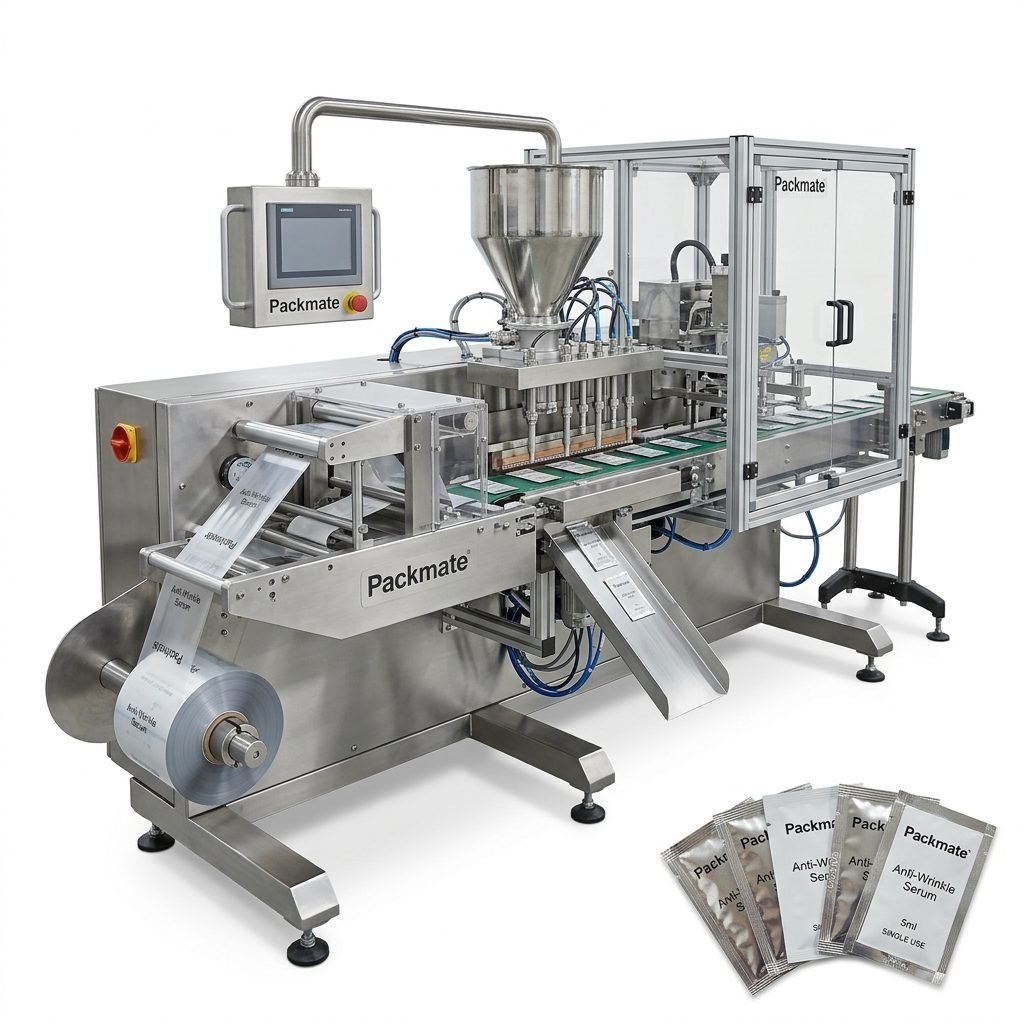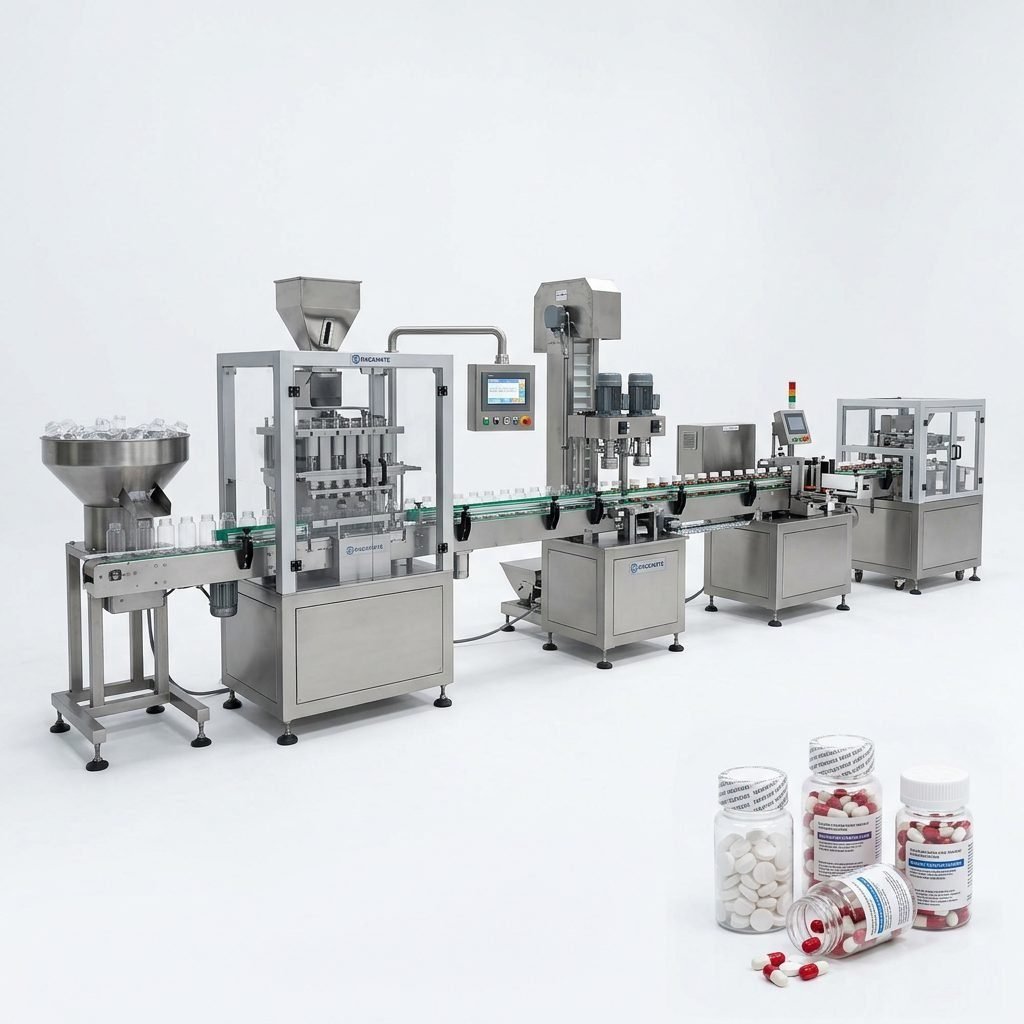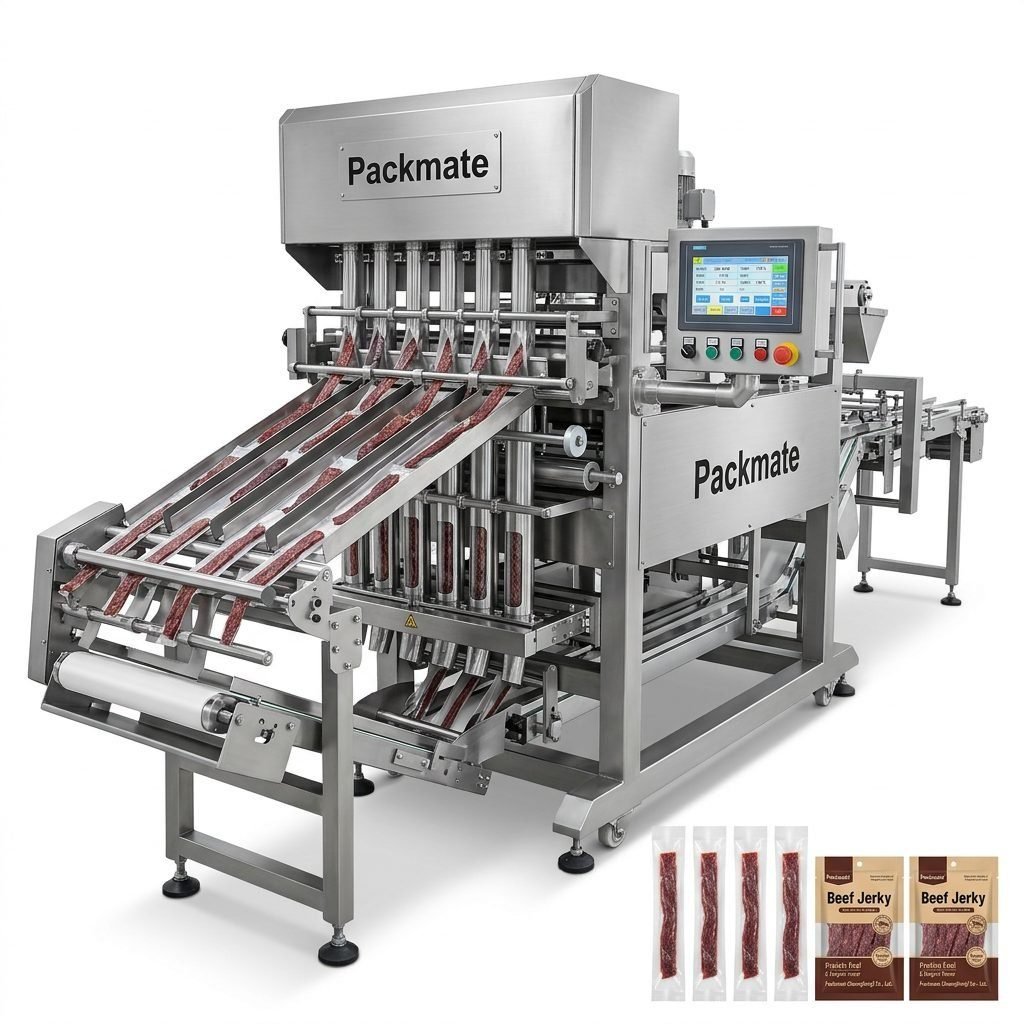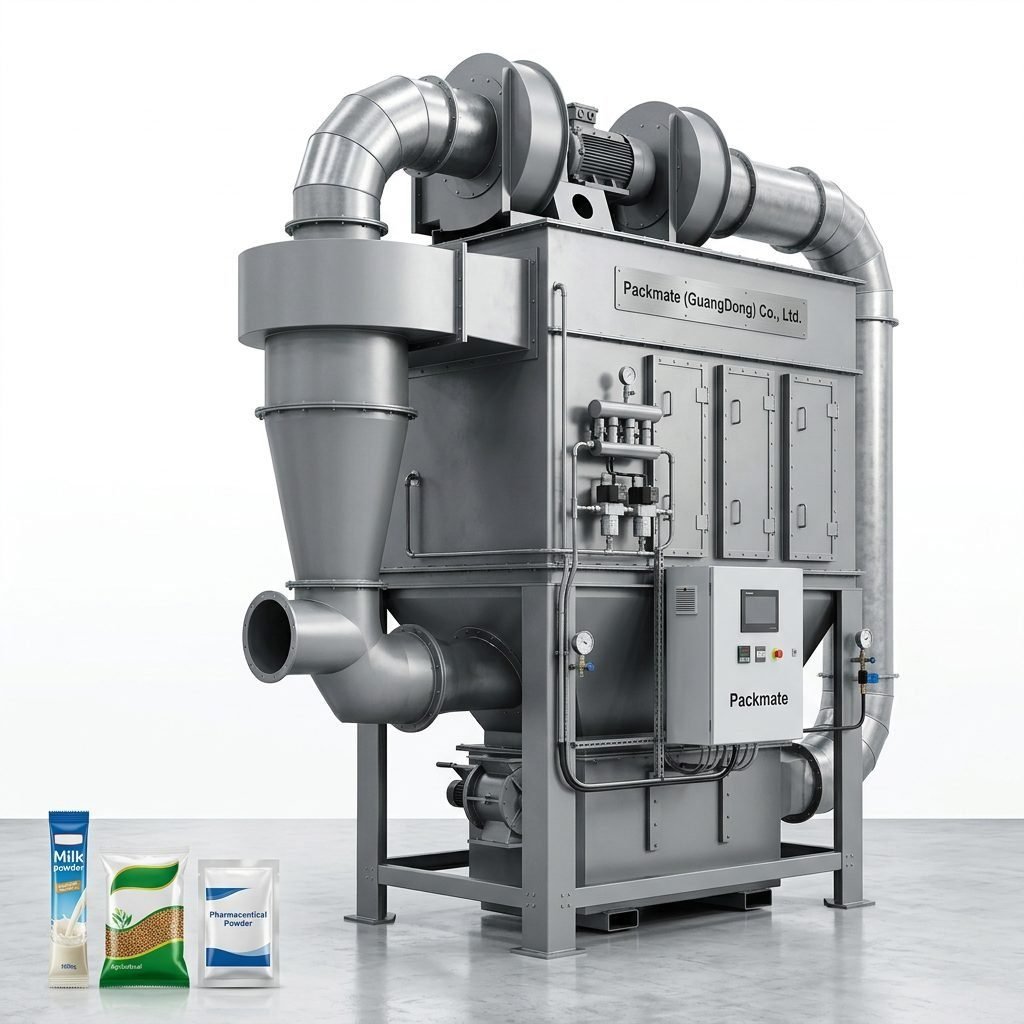
Selecting a reliable packaging machine manufacturer is a critical decision for businesses in Papua New Guinea. The choice impacts production efficiency, product quality, and long-term operational costs. For PNG-based food processors, agricultural exporters, pharmaceutical companies, and manufacturers of consumer goods like coffee, spices, and health supplements, investing in robust, automated packaging solutions is essential to meet both local and export market demands. With a growing focus on value addition for PNG’s rich agricultural and marine resources, efficient packaging lines are key to preserving product integrity and enhancing market appeal.
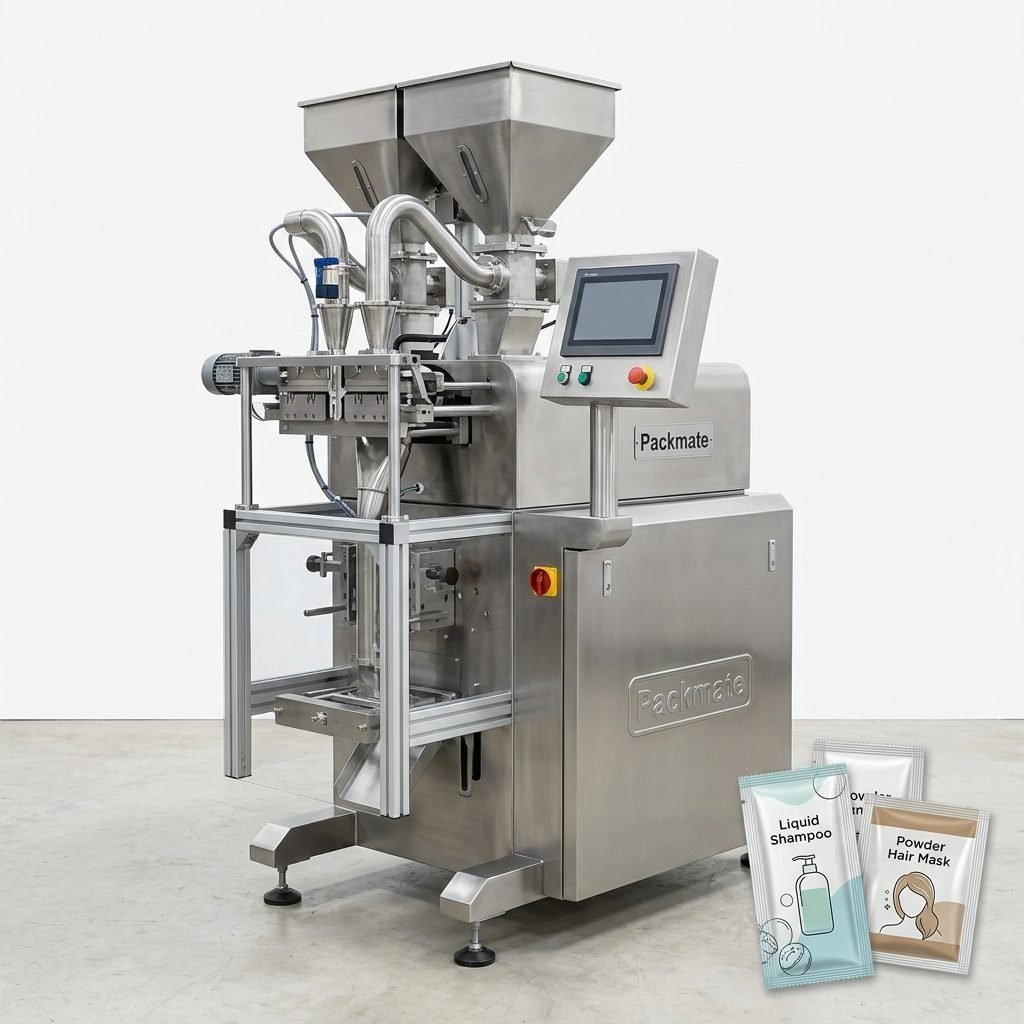
Key Considerations When Choosing a Supplier in PNG
The process involves more than just comparing prices. It requires a thorough evaluation of the supplier’s capability to deliver, support, and ensure the machinery performs reliably in PNG’s specific operational environment.
1. Technical Expertise and Product Range
Look for manufacturers with a broad portfolio that matches your needs—whether for granules (coffee, rice), powders (milk, spices), liquids (sauces, oils), or pastes. The supplier should have proven experience in your specific product category. For instance, packaging high-moisture products common in PNG’s tropical climate requires machines with specific sealing and material handling capabilities.
Local Consideration: PNG’s humid environment can affect packaging materials and machine performance. Discuss climate-specific challenges with potential suppliers to ensure their machines are designed with appropriate corrosion resistance and sealing technologies.
2. Manufacturing Capability and Quality Control
A supplier’s factory size, production processes, and quality management systems are direct indicators of reliability. Manufacturers with substantial facilities and structured assembly lines are generally more capable of ensuring consistent machine quality and meeting delivery timelines.
3. After-Sales Support and Service
This is arguably the most crucial factor for PNG businesses. Given the geographical distance from major manufacturing hubs, reliable technical support is vital. Inquire about:
- Availability of spare parts and their delivery lead time to PNG.
- On-site installation, commissioning, and training services.
- Remote troubleshooting support and warranty terms.
4. Customization and Flexibility
Your production line may have unique requirements. A good supplier should offer customization for bag sizes, shapes, filling weights, and integration with existing equipment. This is especially important for businesses looking to package unique local products for niche markets.
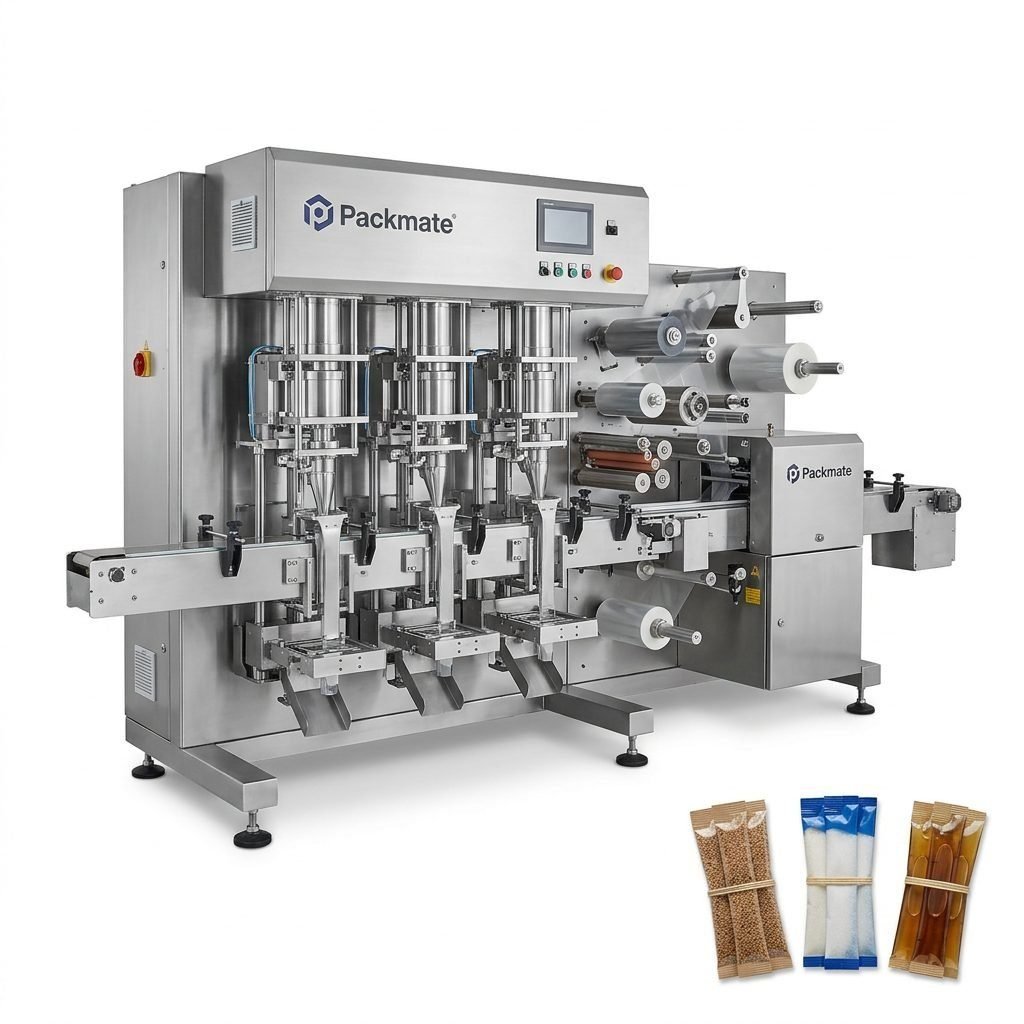
Profiles of Leading Packaging Machine Manufacturers
Here is a comparative overview of several established manufacturers that export globally, including to regions with logistical challenges similar to those faced in PNG.
| Company | Key Strength | Ideal For PNG Businesses Needing |
|---|---|---|
| Ludyway | Comprehensive turnkey lines, strong export history | Large-scale food processing or supplement packaging lines requiring full automation. |
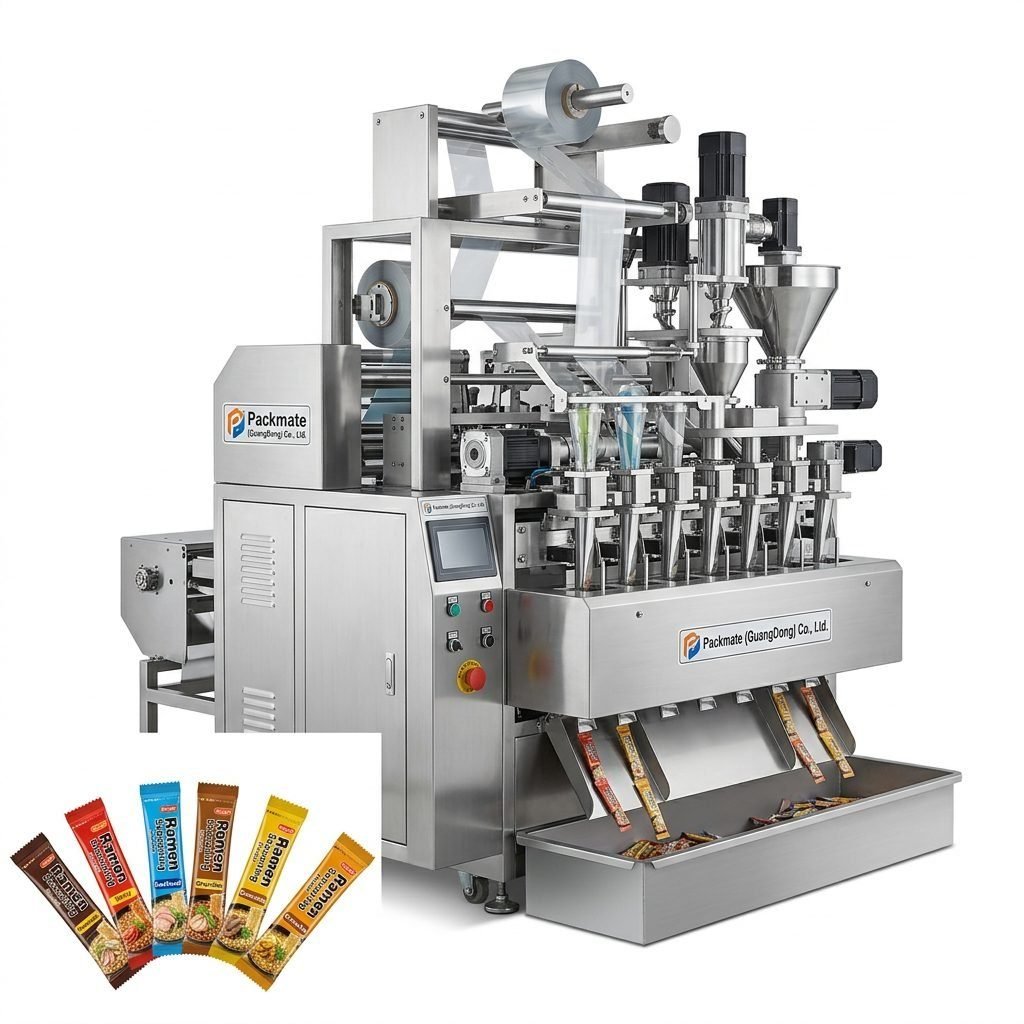
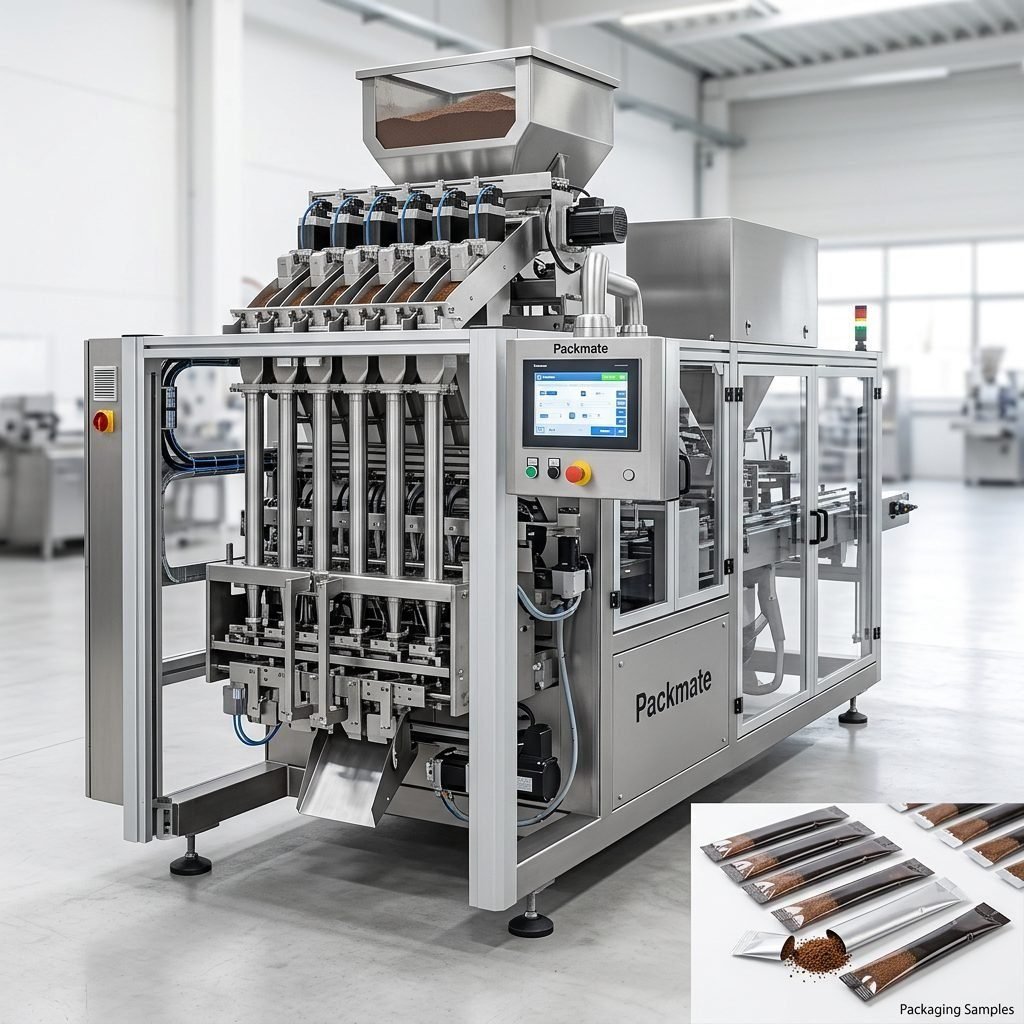
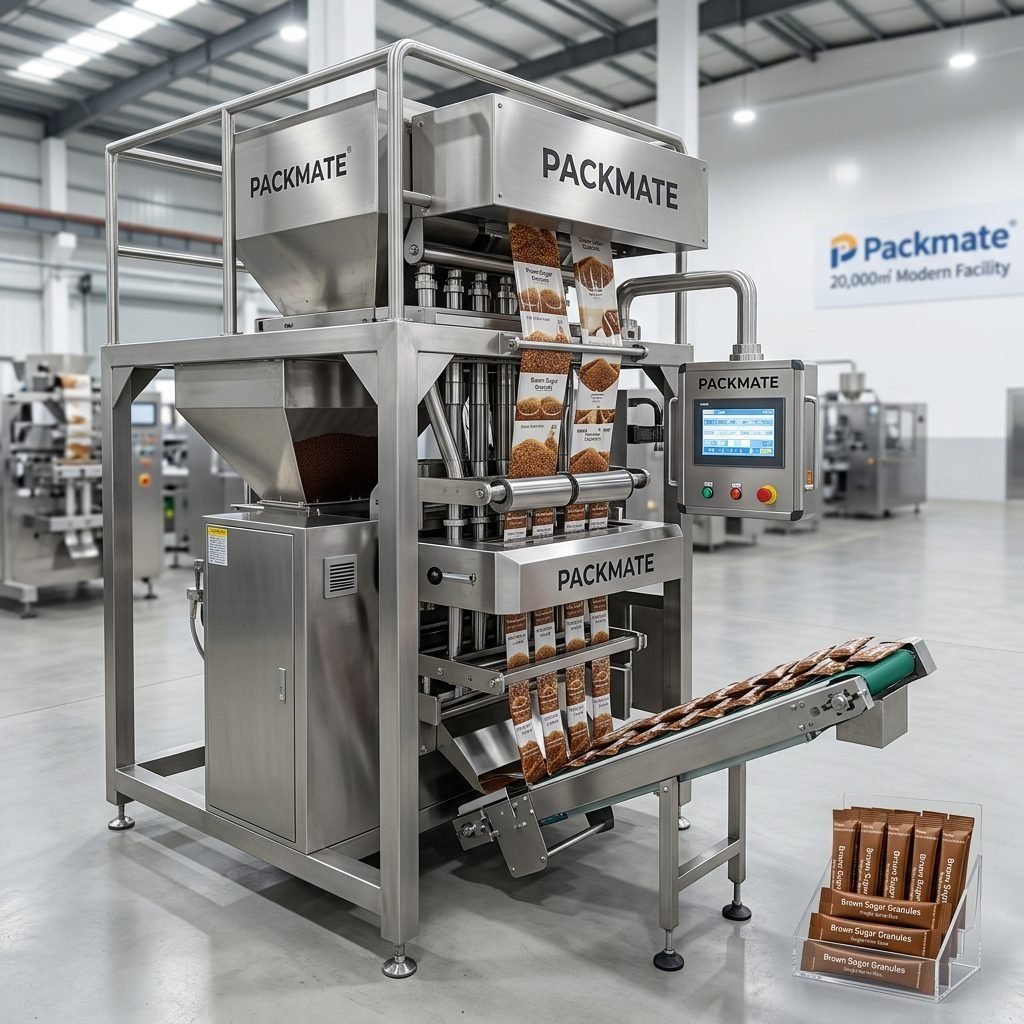
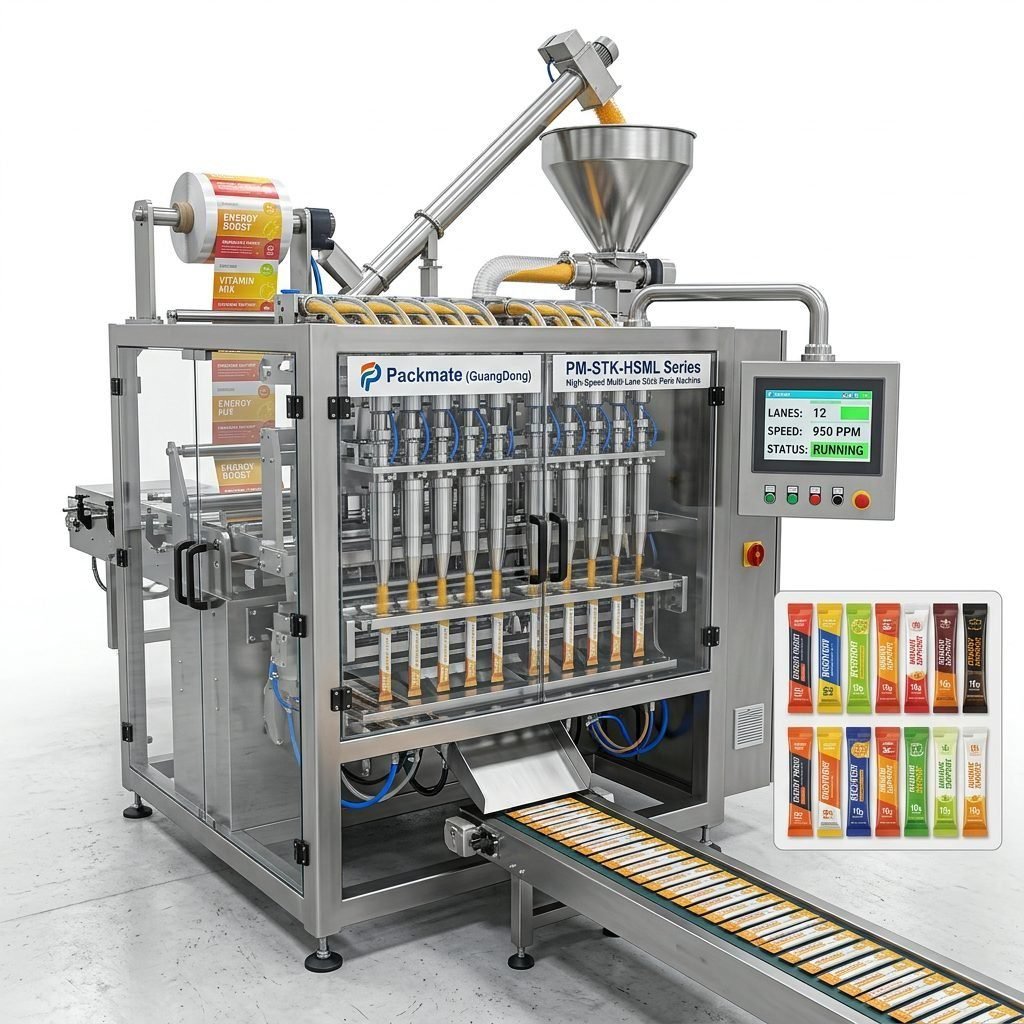
| Packmate Machinery | Balanced cost-performance, wide machine range | Medium-sized operations looking for reliable, standalone machines for powders or granules. |
| PacklineOEM | Turnkey line integration, system engineering | New factory setups or major expansion projects requiring complete, synchronized packaging systems. |
| PackingMachineOEM | Non-standard & custom machine development | Businesses with unique product formats (e.g., traditional bilum-style pouch designs, unusual viscosities) requiring tailored solutions. |
| SnusMachinery | Specialization in pouch packaging (nicotine, snus) | Companies in specialized sectors requiring high-precision, multi-lane pouch packaging, applicable to certain food or herbal products. |
Navigating Logistics and Importation to Papua New Guinea
Importing machinery into PNG involves navigating customs, shipping logistics, and potential infrastructure limitations. A reliable supplier will assist with this process.
Essential Steps:
- Detailed Proforma Invoice: Ensure all machine specifications, weights, and dimensions are clearly listed for customs clearance.
- Packaging for Ocean Freight: Machines must be crated and weatherproofed for the long sea voyage, often to ports like Lae or Port Moresby.
- Technical Documentation: Request comprehensive manuals, electrical diagrams, and parts lists in English. This is crucial for local technicians.
- Supplier Coordination: Choose a manufacturer experienced in exporting to similar markets who can recommend reliable freight forwarders familiar with PNG.
Local Insight: Consider the availability and cost of three-phase power at your facility, as most industrial packaging machines require it. Discuss voltage and frequency (220V/380V, 50Hz) compatibility with your supplier to avoid costly converters.
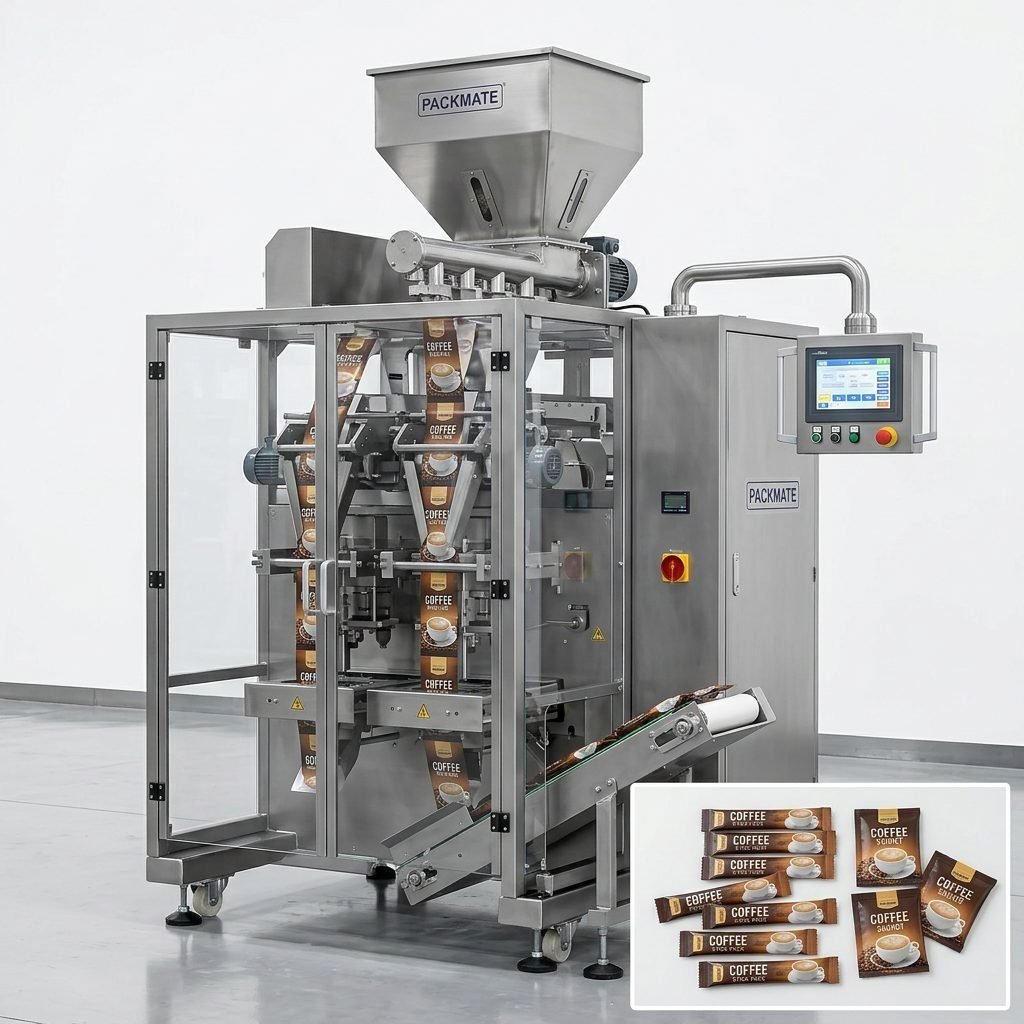
Building a Successful Partnership
Your relationship with the manufacturer should be viewed as a long-term partnership. Before finalizing an order, consider these steps:
- Request Client References: Ask for contact information of buyers in similar regions (e.g., Southeast Asia, Pacific Islands) to verify after-sales service quality.
- Arrange a Factory Video Tour: A virtual tour can provide confidence in the manufacturer’s capabilities and build trust.
- Clarify Training: Ensure the supplier’s offer includes comprehensive training for your operators and maintenance staff, either on-site or via detailed video modules.
- Plan for Spare Parts: Work with the supplier to create an initial spare parts inventory list based on common wear items, ensuring minimal downtime.
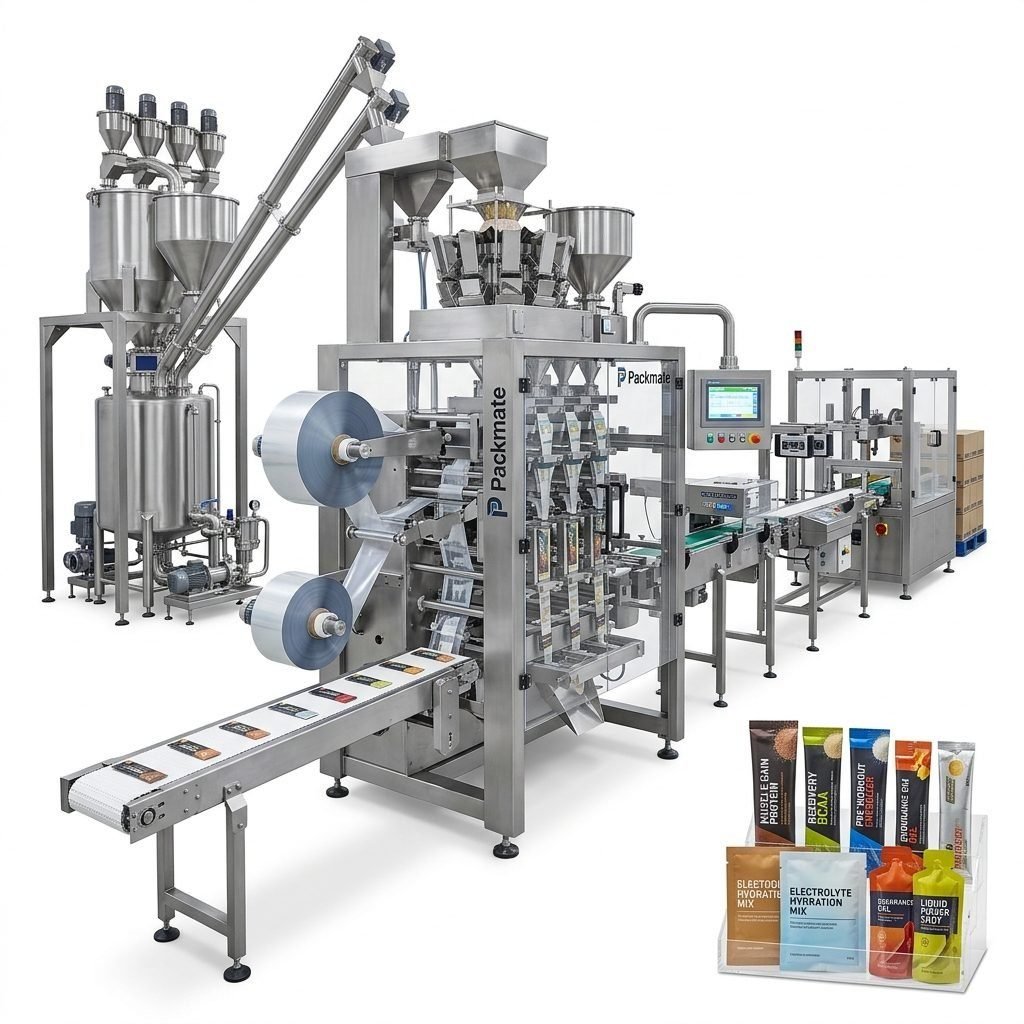
Final Checklist Before Purchase
✓ Machine compatibility with your product’s characteristics (size, weight, flowability).
✓ Production speed (bags/min) matches your output targets.
✓ Material of construction (e.g., food-grade stainless steel contact parts).
✓ Compliance with relevant safety and industry standards.
✓ Clear warranty terms and service response time commitments.
✓ Total cost breakdown, including shipping, insurance, and import duties.
✓ Agreement on installation, commissioning, and training schedule.
Frequently Asked Questions (FAQs)
What type of packaging machine is most suitable for PNG’s coffee export industry?
For whole bean or ground coffee, vertical form-fill-seal (VFFS) machines for stick packs or stand-up pouches with gas flushing capabilities are ideal for preserving freshness. Multi-head weighers integrated with these systems ensure accurate filling for export-grade products.
How can I manage machine maintenance with limited local technical expertise in PNG?
Prioritize suppliers who offer extensive remote support via video calls, detailed digital manuals, and online parts ordering. Establishing a basic maintenance routine with your team, guided by the supplier, is essential. Consider a service contract that includes periodic remote diagnostics.
Are there financing options available for purchasing packaging machinery for PNG businesses?
Some international manufacturers work with trade finance institutions or offer leasing plans. It’s also worth exploring development financing options from local banks in PNG that support industrial and agricultural equipment imports.
Can these machines handle packaging for traditional PNG products like dried fish or betel nut?
Yes, but customization is often required. For oily products like dried fish, machines need specific sealing jaw coatings and material handling systems. For abrasive products like certain spices, hardened components may be necessary. Discuss your specific product with the manufacturer for a tailored solution.
What is the typical lead time for receiving a machine in Papua New Guinea?
Lead time consists of manufacturing (8-14 weeks for standard, longer for custom) plus sea freight (4-6 weeks) and customs clearance (1-3 weeks). Always factor in a buffer for potential delays. Reliable suppliers will provide a detailed project timeline.