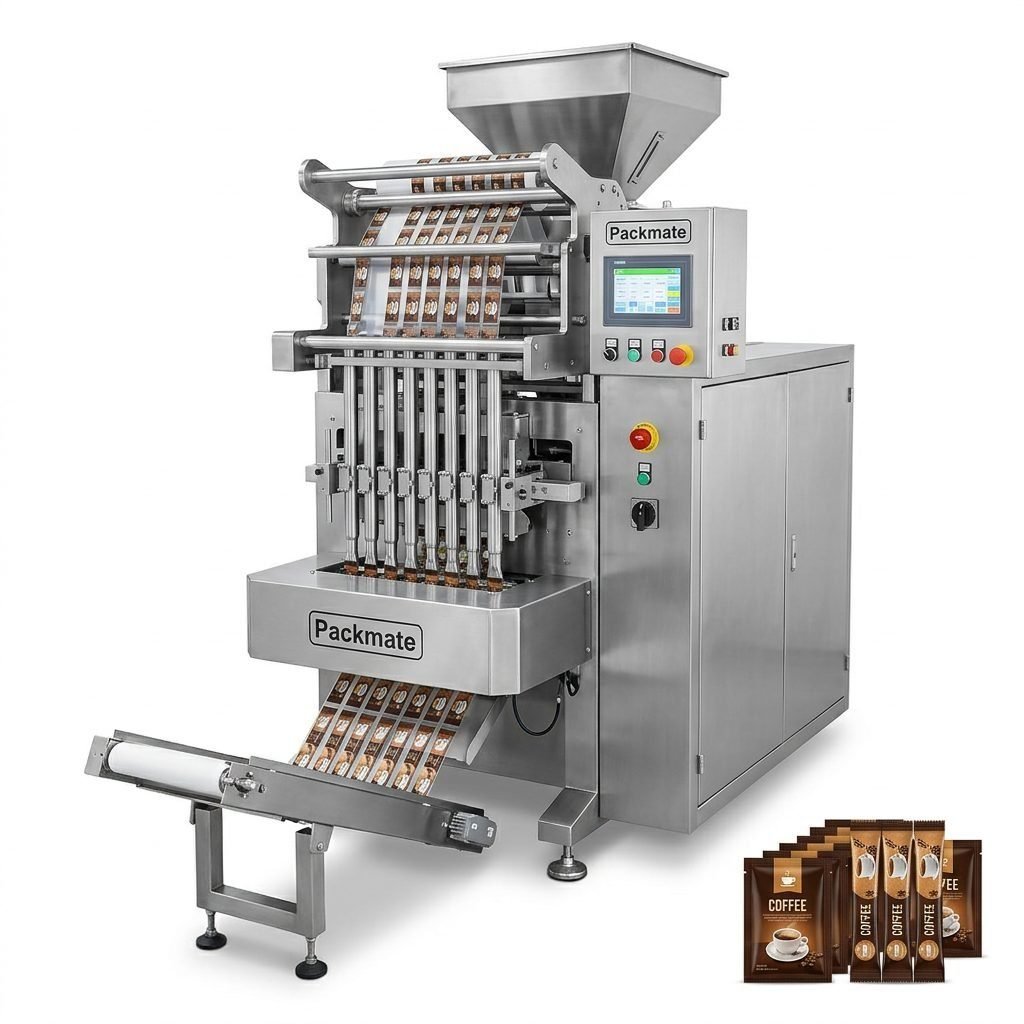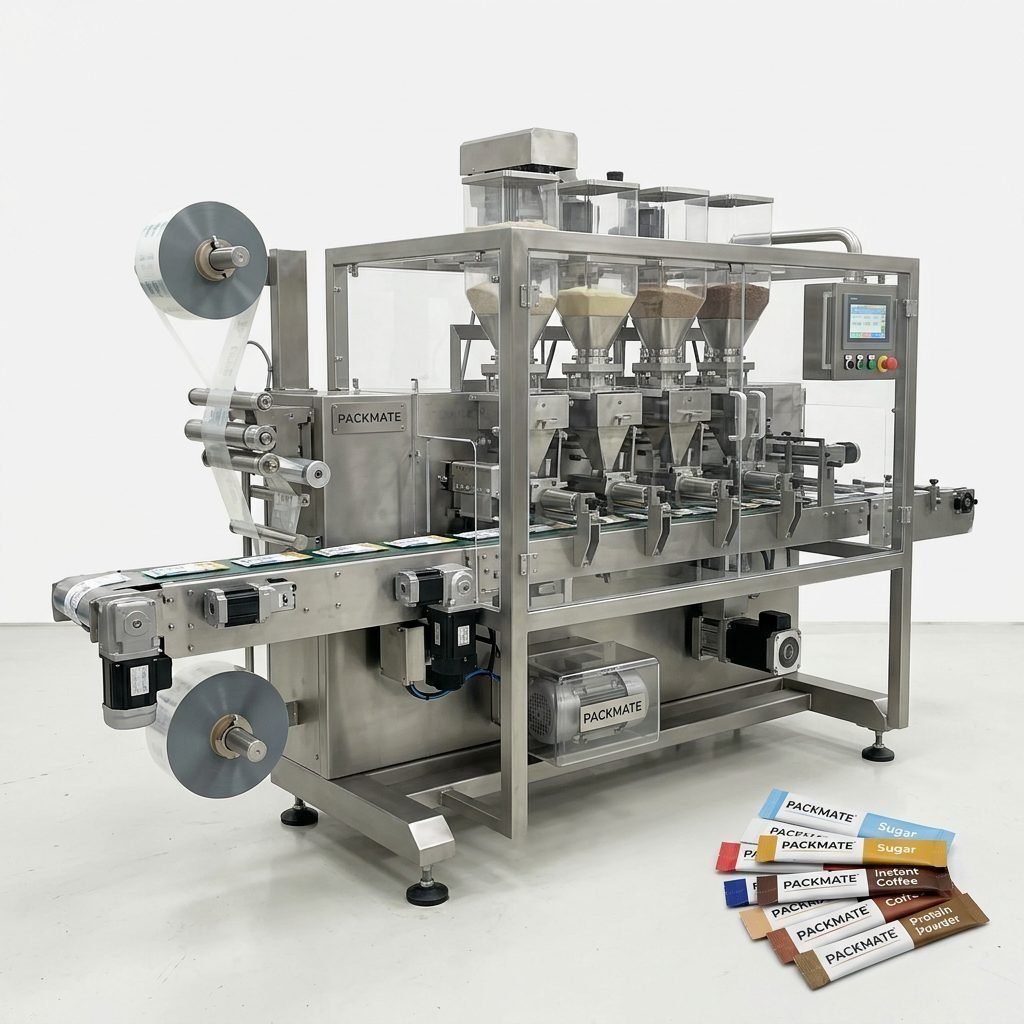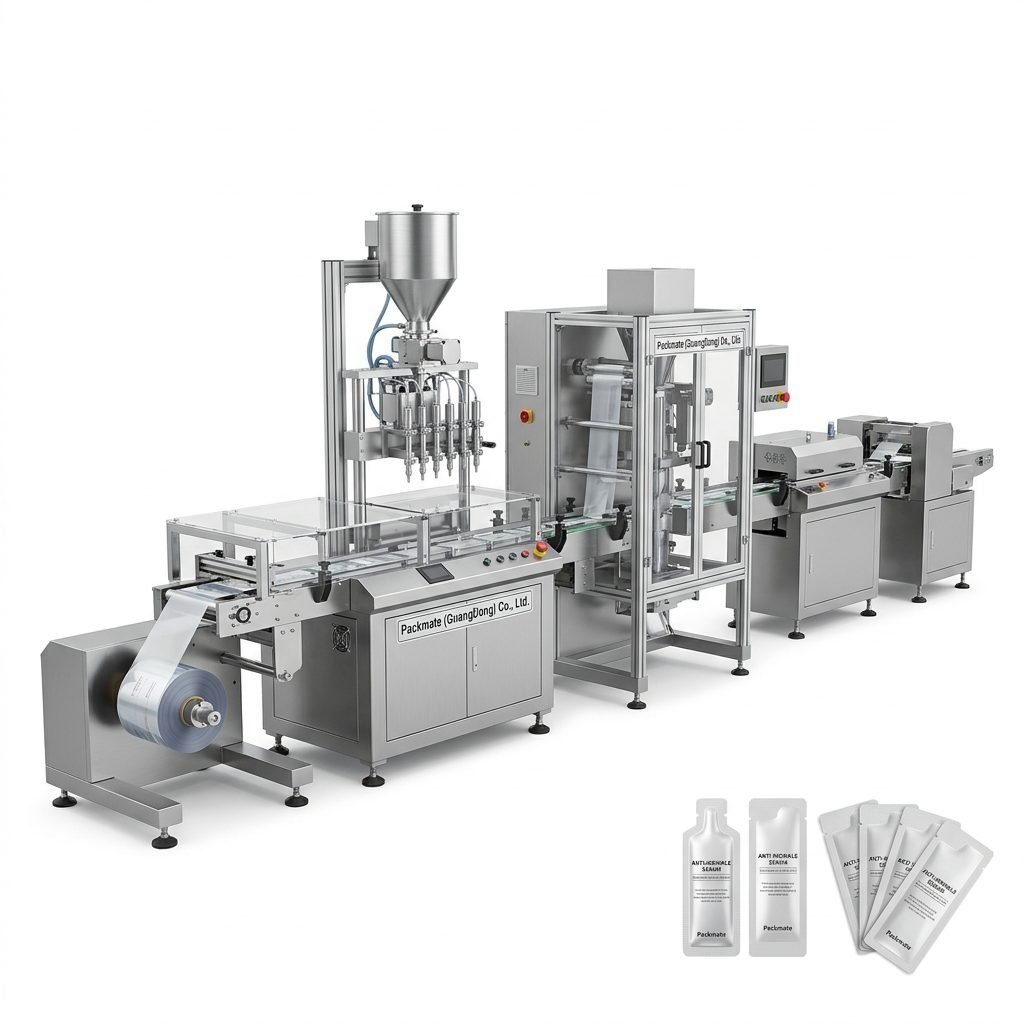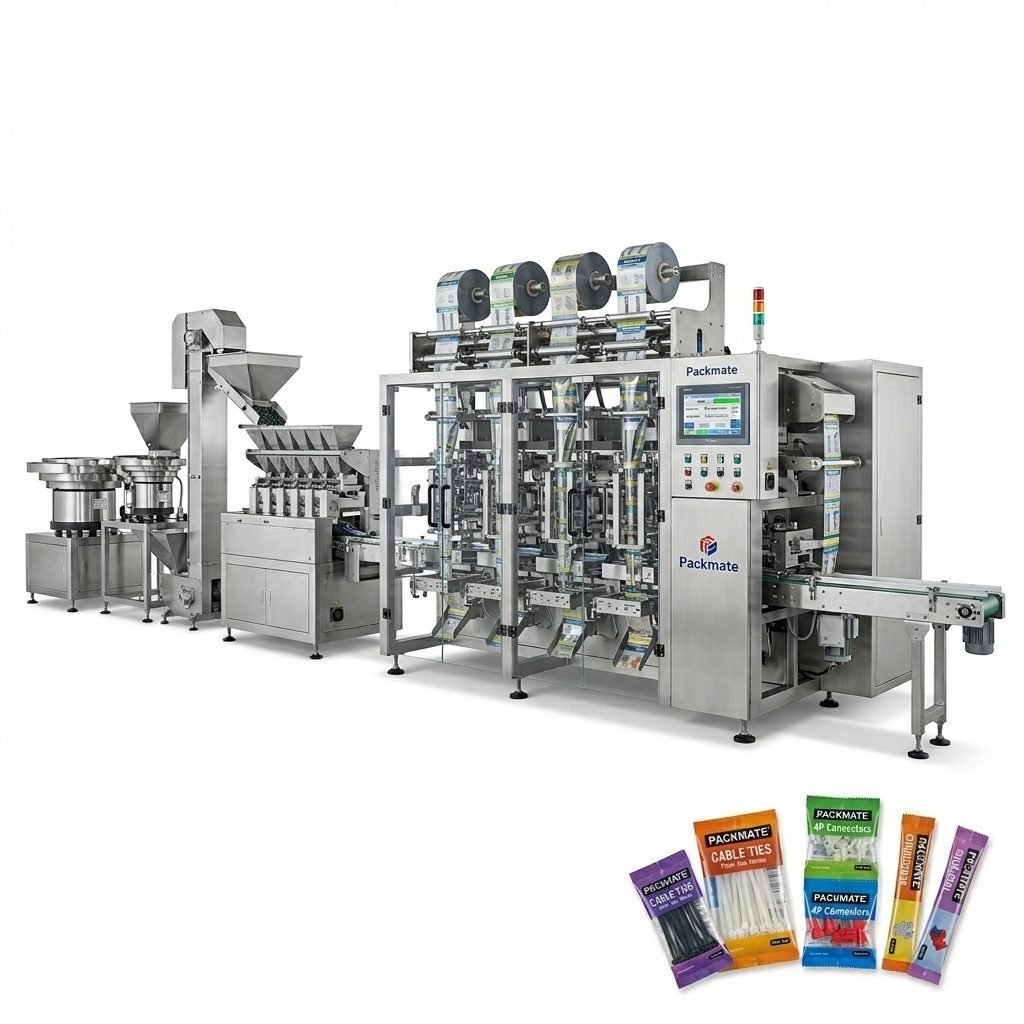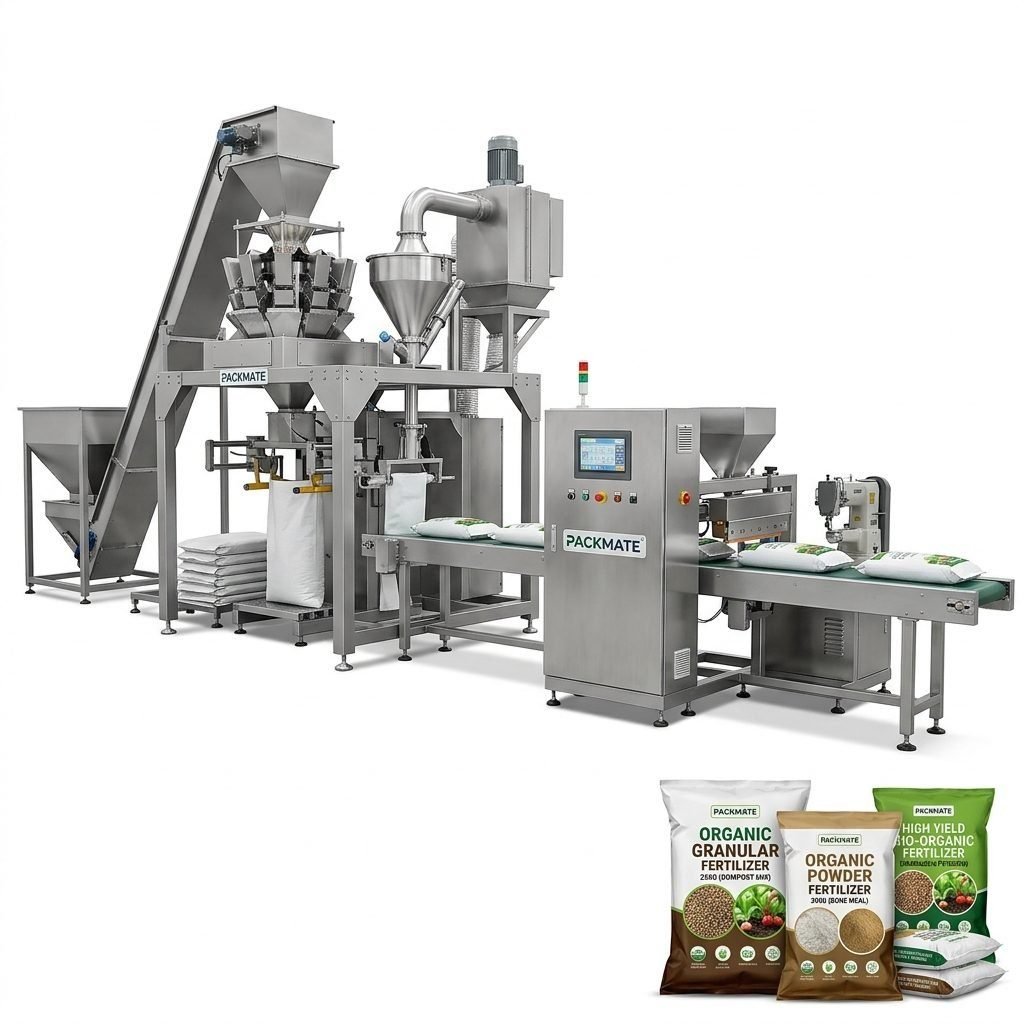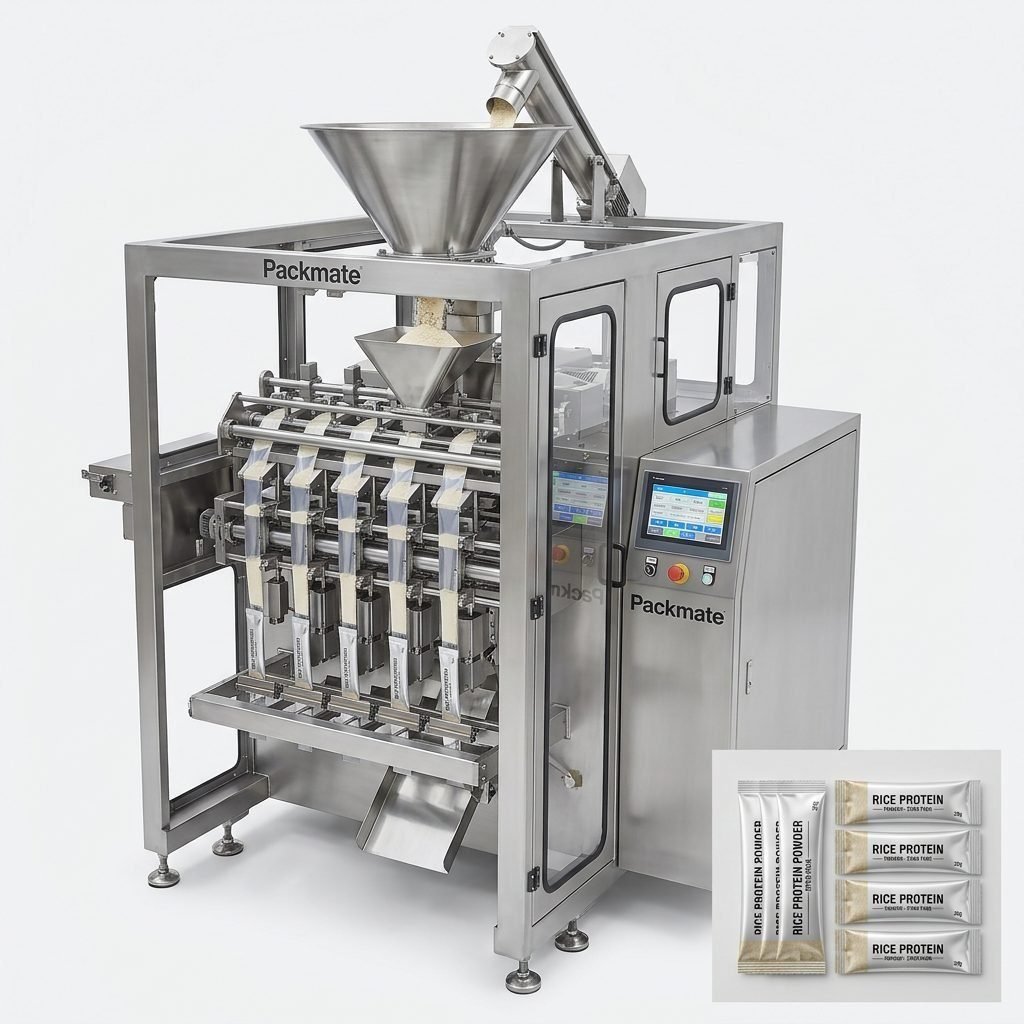
For manufacturers, distributors, and entrepreneurs in Turkmenistan looking to enhance their production capabilities, finding trusted and reliable packaging machine manufacturers is a critical decision. The right supplier can mean the difference between a seamless, efficient operation and one plagued by downtime, poor product quality, and costly repairs. This guide outlines the key factors to consider when selecting a packaging equipment supplier and highlights several established manufacturers with a strong presence in international markets.
Understanding Your Packaging Needs in Turkmenistan
Before beginning your search for a supplier, it’s essential to clearly define your specific requirements. Turkmenistan’s industrial landscape includes a growing focus on value-added production in sectors like food processing, agriculture (cotton, melons, grains), and potentially pharmaceuticals. Consider the following for your operation:
Product Type: What are you packaging? Is it granules (like spices or seeds), powders (flour, milk powder), liquids (oils, juices), pastes, or solid items? The physical properties of your product dictate the machine type.
Output & Speed: What is your required production capacity (e.g., bags per minute)? This determines the machine’s speed and level of automation needed.
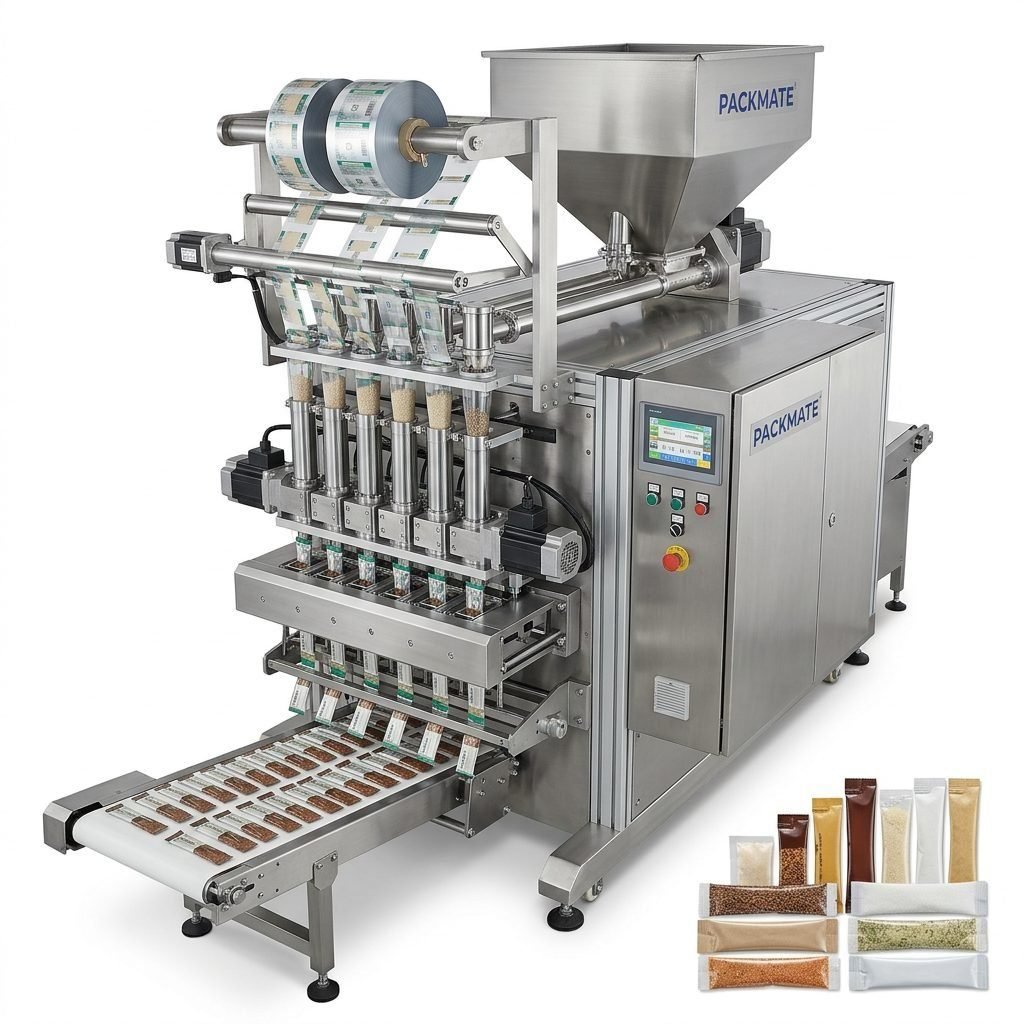
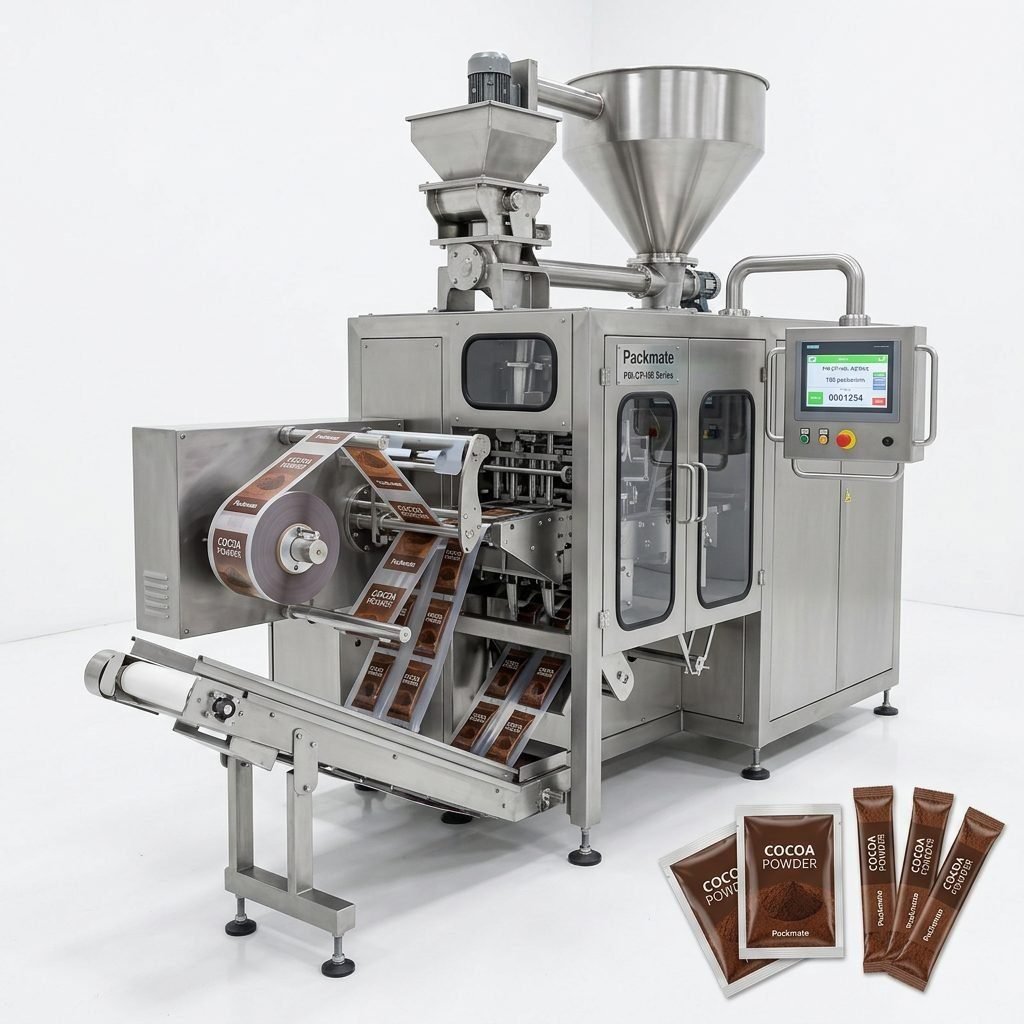
Packaging Format: Are you producing stick packs, sachets, pouches, or bulk bags? The desired final package style is a primary factor in machine selection.
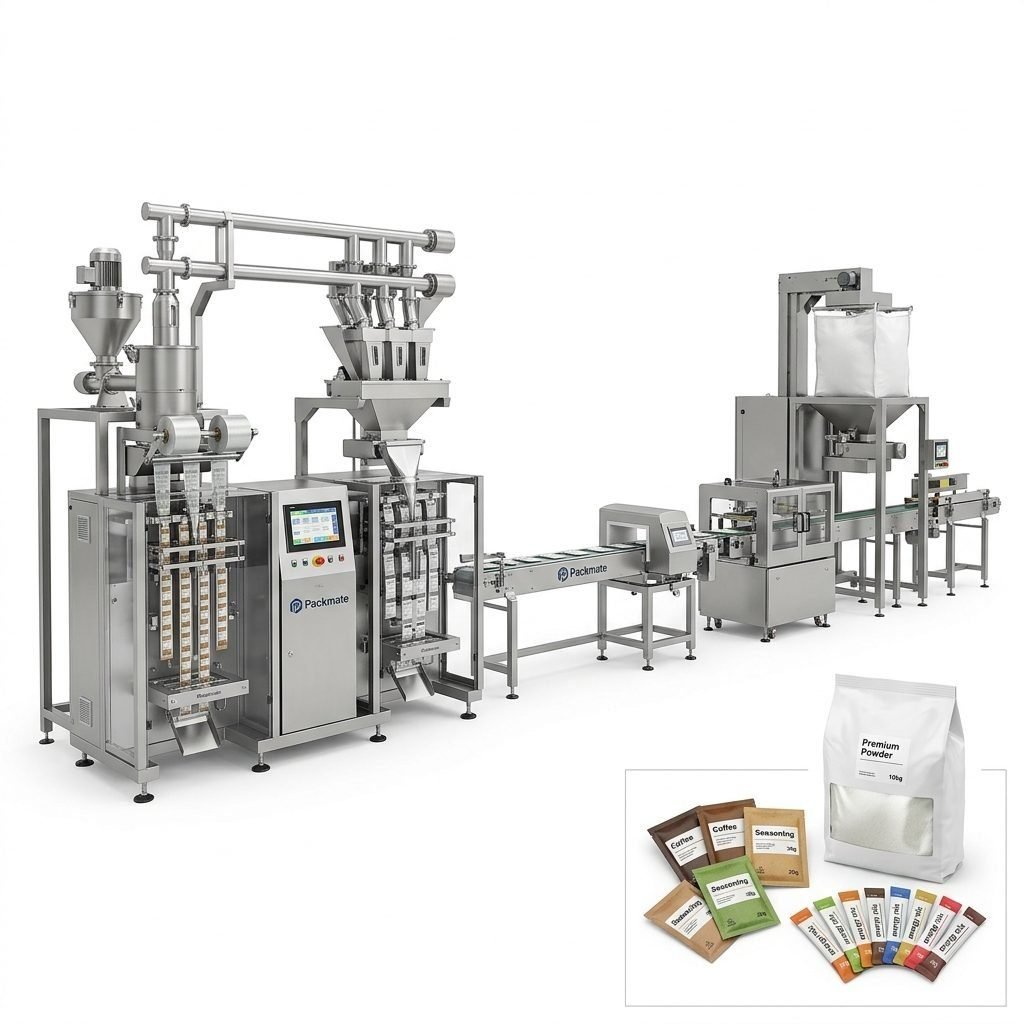
Level of Automation: Do you need a single standalone machine or a fully integrated, turnkey packaging line with feeding, weighing, filling, sealing, and cartoning?
Once you have a clear picture of your needs, you can evaluate potential suppliers more effectively.
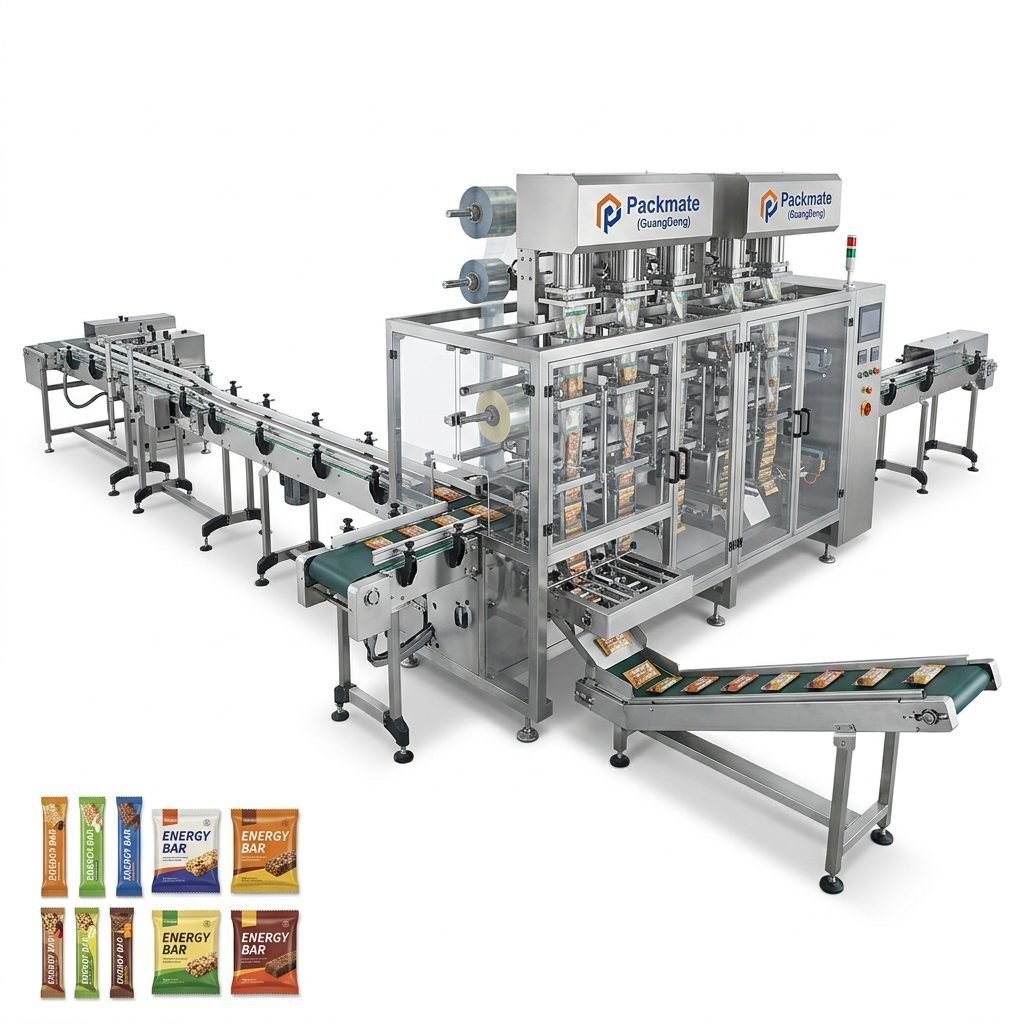
Key Criteria for Choosing a Packaging Machine Manufacturer
Selecting the right partner involves more than just comparing price lists. Here are the crucial factors to weigh:
1. Technical Capability and Product Range
Look for a manufacturer with a proven track record in your specific product category. Can they provide machines for your exact material (powder, liquid, granule)? Do they offer the packaging format you need? A broad portfolio, like that of Ludyway, often indicates deeper engineering expertise and the ability to offer scalable solutions as your business grows.
2. Manufacturing Experience and Quality
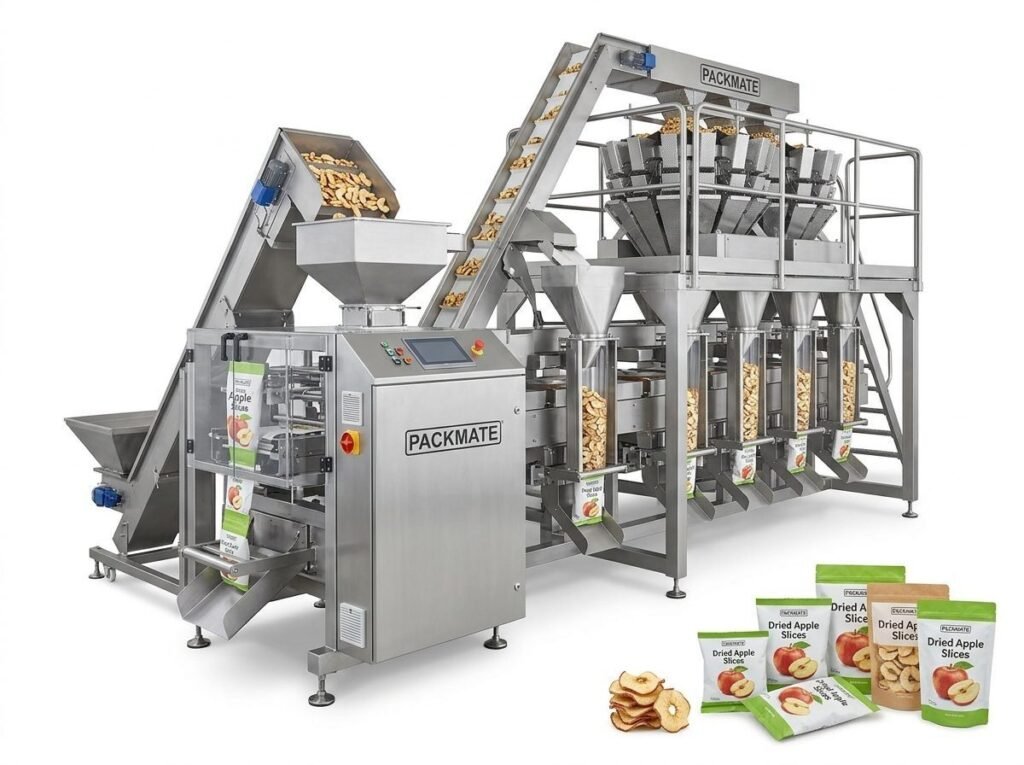
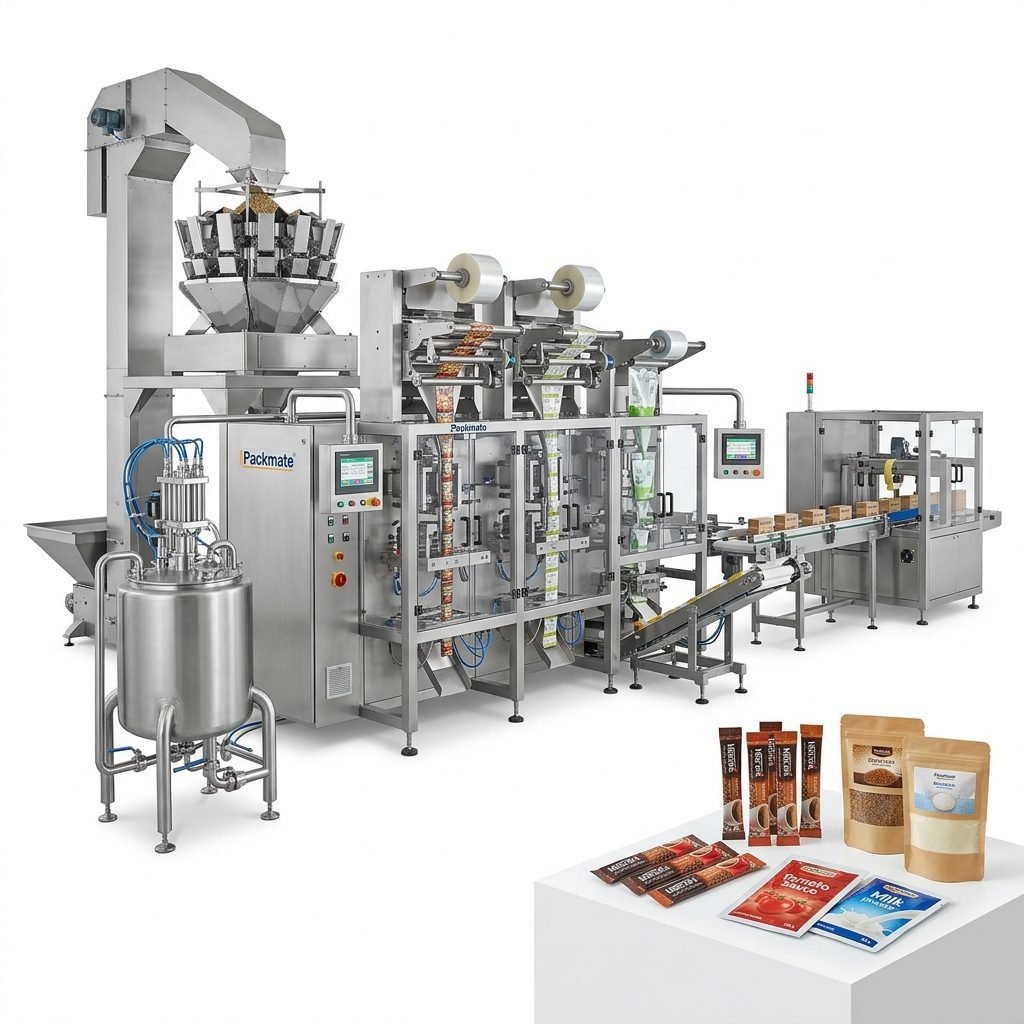
Experience translates into reliability. Companies with decades in the industry, such as Packmate Machinery, have typically refined their designs and manufacturing processes. Inquire about their factory size, quality control procedures, and the materials used in machine construction (e.g., food-grade stainless steel).
3. Customization and Engineering Support
Off-the-shelf machines might not suit every application. If your product or process is unique, a supplier’s ability to customize is vital. Manufacturers like PackingMachineOEM specialize in non-standard and customized solutions, providing the flexibility needed for specialized projects common in niche markets.
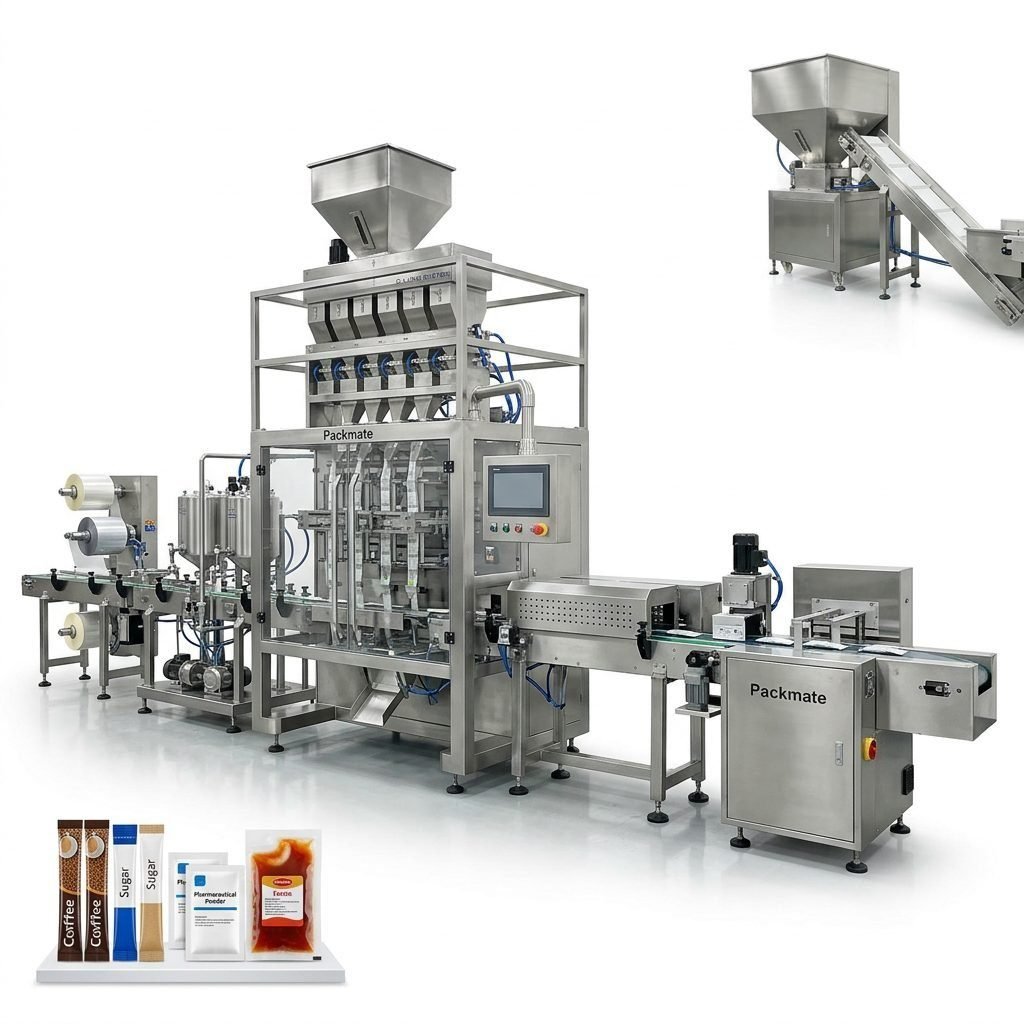
4. After-Sales Service and Spare Parts
This is arguably the most critical factor for operations in Turkmenistan. Ensure the supplier has a responsive technical support team, provides comprehensive documentation (in English or Russian), and maintains a reliable supply of spare parts. Ask about their typical response time for technical queries and the availability of local service engineers or agents.
5. Export Experience and Market Reputation
A manufacturer with a strong export footprint is accustomed to dealing with international logistics, documentation, and the specific needs of overseas clients. Review their main export markets and look for customer testimonials or case studies. A company like PacklineOEM, with a focus on turnkey lines, likely has experience managing complex international projects.
6. Specialization vs. Generalization
Some manufacturers are generalists, while others focus on niche segments. For example, if you are in the smokeless tobacco or nicotine pouch sector, a specialized supplier like SnusMachinery offers deep application-specific knowledge that a general packaging machine company may not possess.
Profiles of Established Packaging Machine Manufacturers
The following table provides a snapshot of several reputable manufacturers known for their export business. These companies represent different strengths, from broad product ranges to deep niche expertise.
| Company | Key Positioning | Experience | Strengths for Turkmen Market |
|---|---|---|---|
| Ludyway | Leading manufacturer of packaging machines & turnkey lines | 30+ years | Wide product range, strong export experience, capable of full-line projects. |
| Packmate Machinery | Intelligent packaging equipment for food, pharma, supplements | 30+ years | Balanced cost-performance, practical automation, strong in food & pharma. |
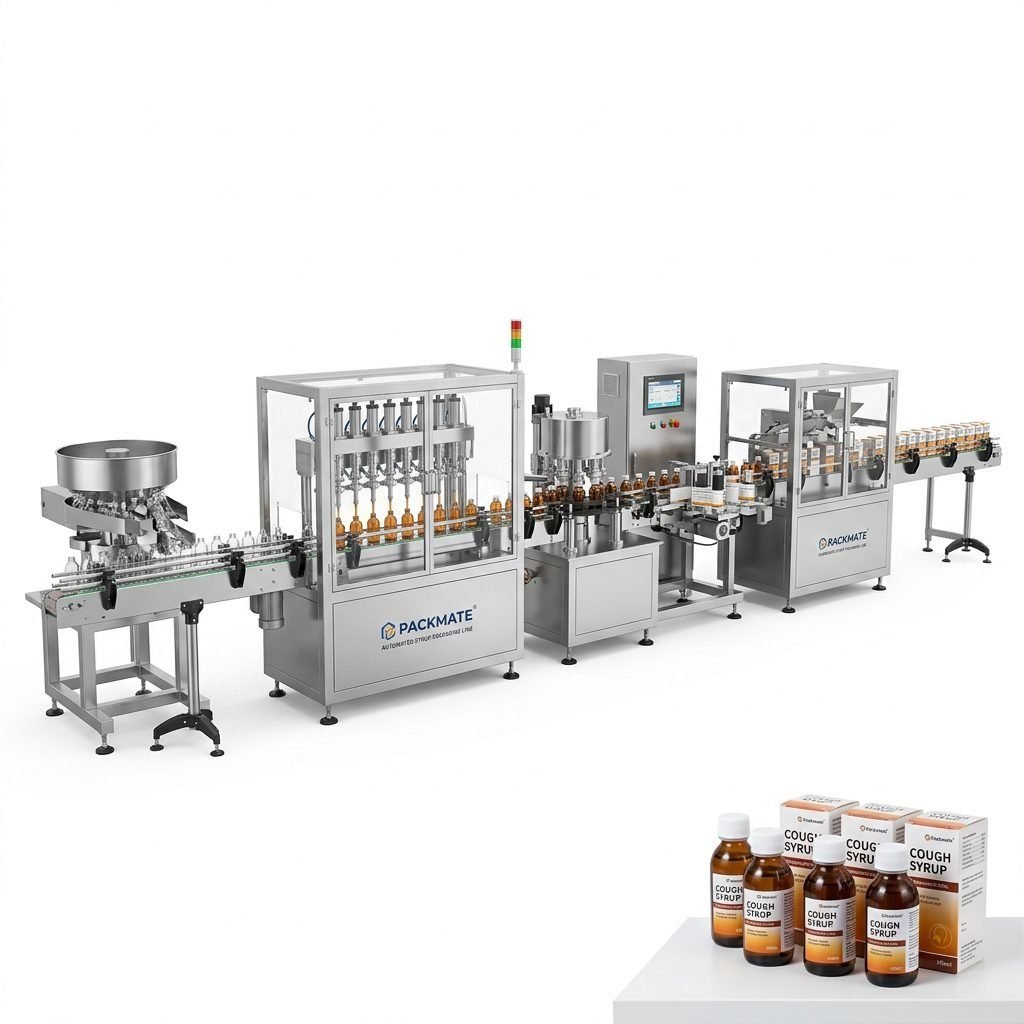
| PacklineOEM | Specialist in turnkey packaging production lines | 30+ years | Ideal for large-scale, fully automated factory setups requiring system integration. |
| PackingMachineOEM | Non-standard & customized packaging solutions | 30+ years | Best for unique or complex packaging requirements beyond standard machines. |
| SnusMachinery | Specialized in nicotine pouch & snus packaging equipment | 30+ years | Niche expertise for specific, high-precision pouch packaging applications. |
The Procurement Process: Steps to Success
1. Initial Inquiry & Dialogue: Contact shortlisted suppliers with your detailed specifications. A reputable manufacturer will ask many questions to understand your needs fully.
2. Quotation & Proposal Review: Evaluate not just the price, but the proposed machine specifications, delivery timeline, payment terms, and warranty details.
3. Factory Audit & Reference Checks: If possible, visit the factory or request a virtual tour. Ask for customer references in similar industries or regions.
4. Technical Agreement: Ensure all technical details, performance guarantees (e.g., speed, accuracy), and acceptance criteria are documented and agreed upon.
5. Training & Installation Planning: Discuss installation support, operator training (on-site or at the factory), and who is responsible for what.
6. After-Sales Agreement: Finalize the terms for warranty, spare parts supply, and ongoing technical support.
Conclusion
Choosing the right packaging machine manufacturer is a strategic investment in the future of your production facility in Turkmenistan. By thoroughly assessing your needs and carefully evaluating potential suppliers based on their experience, technical capability, support structure, and specialization, you can establish a partnership that delivers reliability, efficiency, and long-term value. Prioritize suppliers with a demonstrated commitment to quality and customer support, as this will be crucial for maintaining smooth operations far from the manufacturer’s home base.
Frequently Asked Questions (FAQs)
Q: What is the typical lead time for a packaging machine from China to Turkmenistan?
A: Lead times vary based on machine complexity and customization. For standard models, it can range from 30 to 60 days after order confirmation. For custom or turnkey lines, it may take 60 to 120 days or more. Always confirm this during the quotation process.
Q: How can I ensure the machine will work with my local power supply and conditions?
A: Reputable manufacturers will configure machines to match your local voltage (e.g., 220V/50Hz or 380V/50Hz common in Turkmenistan) and can advise on environmental considerations like dust or temperature.
Q: Is operator training provided?
A: Yes, most reputable suppliers include basic operator and maintenance training. This can be conducted at their factory during a Factory Acceptance Test (FAT) or at your site during installation. Clarify the duration and scope of training offered.
Q: What about spare parts availability?
A: Inquire about the supplier’s spare parts policy. Do they keep a stock of commonly worn parts? What is their estimated delivery time for spare parts to Turkmenistan? Some companies offer starter spare parts kits with new machines.
Q: Should I buy a single machine or a complete turnkey line?
A: This depends on your budget, production volume, and automation goals. A single machine is suitable for semi-automated startups. A turnkey line from a supplier like PacklineOEM offers higher efficiency and lower labor costs for large-scale, fully automated production.