For businesses in the Central African Republic (CAR) looking to modernize their production, finding a reliable packaging machine manufacturer is a critical step. The local market, with its growing consumer goods, food processing, and pharmaceutical sectors, demands efficient and durable packaging solutions. However, navigating the international supplier landscape can be challenging. This guide will help you identify trustworthy manufacturers and outline key considerations tailored to the operational realities in CAR.
Understanding the Central African Packaging Landscape
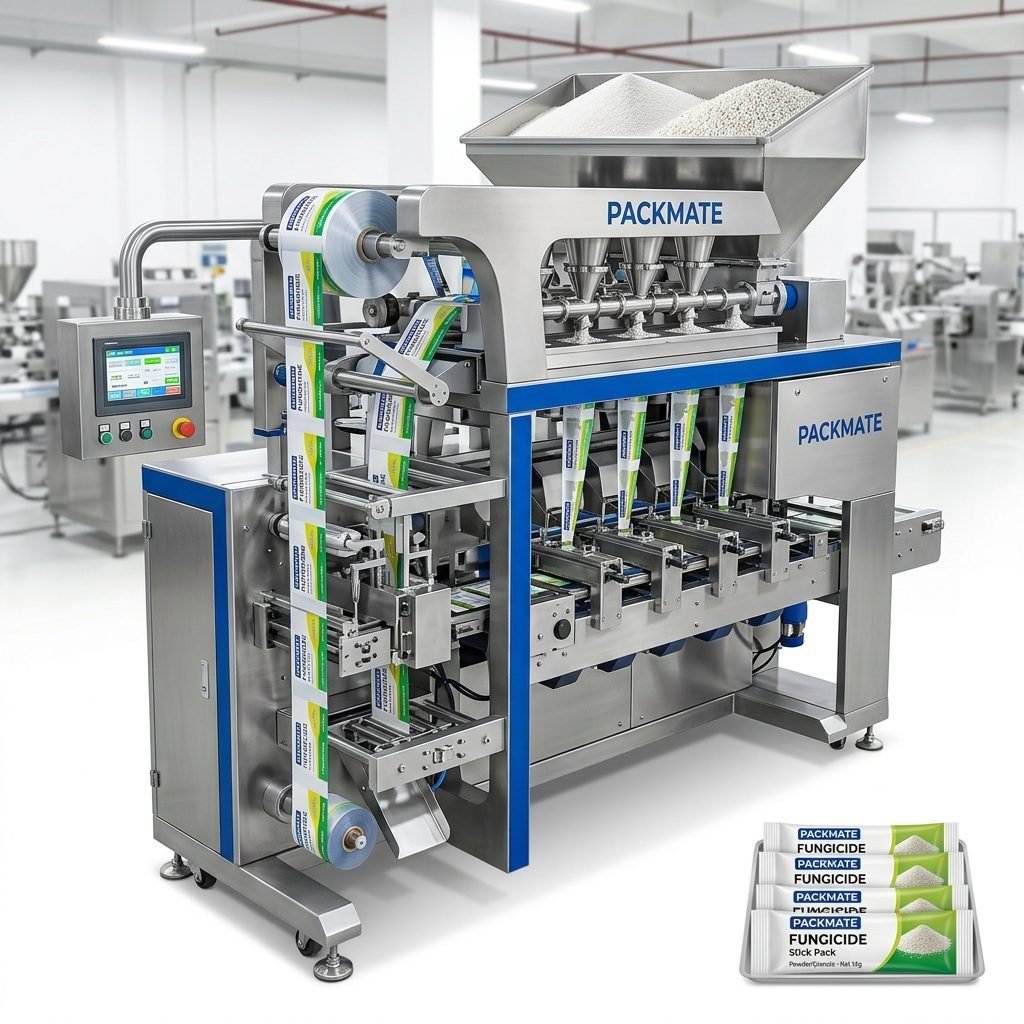
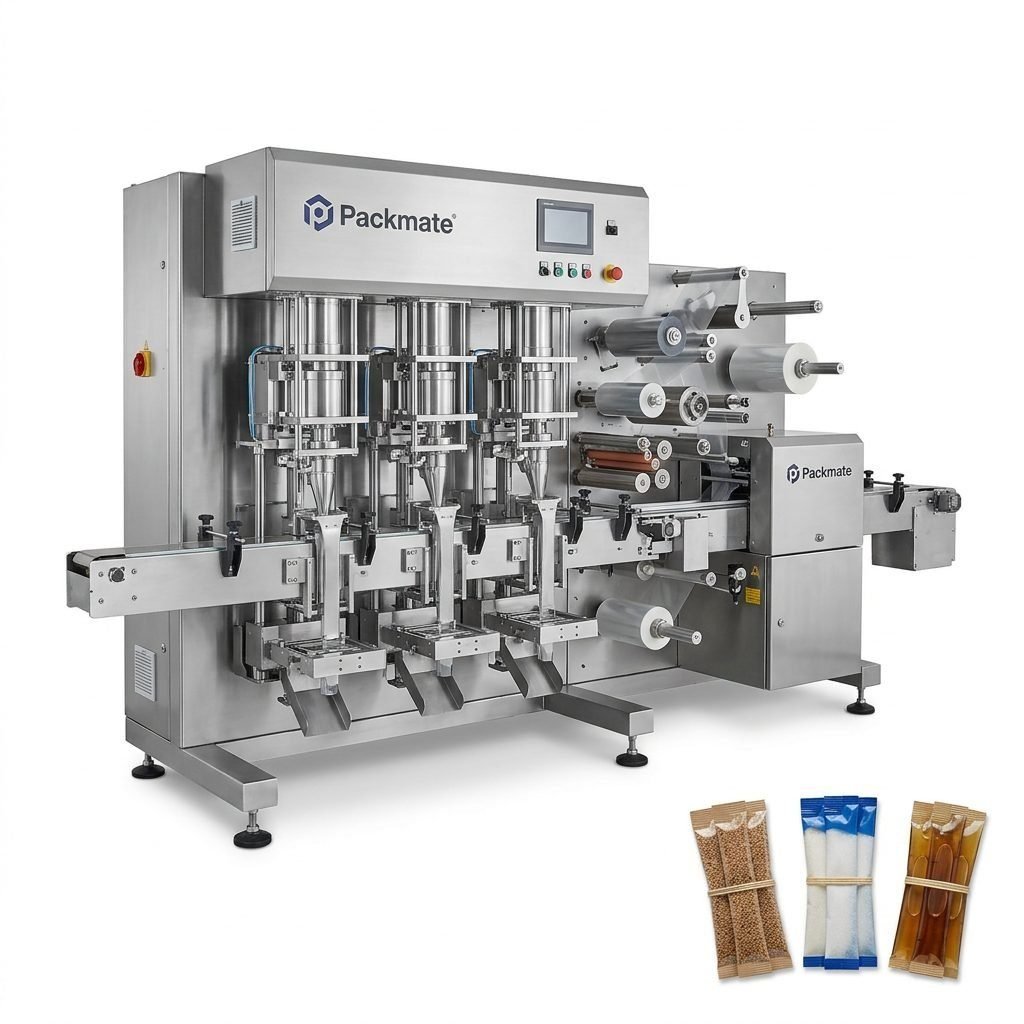
The business environment in CAR presents unique opportunities and challenges. Local manufacturers often deal with products like staple foods, beverages, basic pharmaceuticals, and agricultural goods. Packaging needs typically focus on durability, cost-effectiveness, and simplicity of operation due to potential constraints in technical expertise and consistent power supply. Sachet packaging for single-serve portions, stick packs for instant mixes, and simple bagging systems are highly relevant. When sourcing machinery, factors like machine robustness, ease of maintenance, availability of spare parts, and supplier support for remote installation become paramount.
Key Criteria for Selecting a Manufacturer
Not all manufacturers are equipped to serve the African market effectively. Here are the essential factors to evaluate:
Proven Export Experience: Prioritize manufacturers with a documented history of exporting to Africa. They are more likely to understand shipping logistics, documentation (like the Certificate of Conformity for CAR), and the environmental challenges their machines will face.
Technical Support & Training: Given the geographical distance, assess the supplier’s after-sales support structure. Do they offer remote troubleshooting? Can they provide comprehensive training videos or manuals in French or local languages? Availability of local or regional service agents is a significant advantage.
Machine Robustness & Simplicity: Equipment should be built to handle variations in power quality and require minimal specialized tools for maintenance. Machines with overly complex software or delicate components may not be suitable.
Spare Parts Policy: Inquire about the lead time for critical spare parts and if they maintain a recommended inventory list. A supplier who can guarantee the availability of key components for 5-10 years is ideal.
Evaluating Manufacturer Credibility
Due diligence is crucial. Start by examining the company’s digital footprint and direct communication.
| Checkpoint | What to Look For |
|---|---|
| Company History & Stability | Long-established companies (e.g., 20-30+ years) often have more refined processes and are less likely to disappear, ensuring long-term support. |
| Factory & Capability | Request a virtual factory tour. A modern facility of 10,000+ sq meters indicates serious manufacturing capacity and quality control. |
| Client References & Case Studies | Ask for references from clients in similar climates or with comparable products. Testimonials from other African nations are particularly valuable. |
| Communication & Professionalism | Gauge their responsiveness and willingness to answer technical questions in detail. A reliable partner communicates clearly and proactively. |

Spotlight on Established Packaging Machine Manufacturers
Several Chinese manufacturers have strong export portfolios and can be suitable partners for businesses in CAR. Here are a few noteworthy examples:
Ludyway: A Comprehensive Solution Provider
With over 30 years in the industry, Ludyway is recognized for its broad range of packaging machinery. They offer everything from single sachet machines to complete turnkey lines, which is beneficial if you plan to scale your operation. Their experience in food and pharmaceutical packaging aligns well with CAR’s market needs. Their large factory footprint suggests substantial production capability.
Packmate Machinery: Focus on Reliability
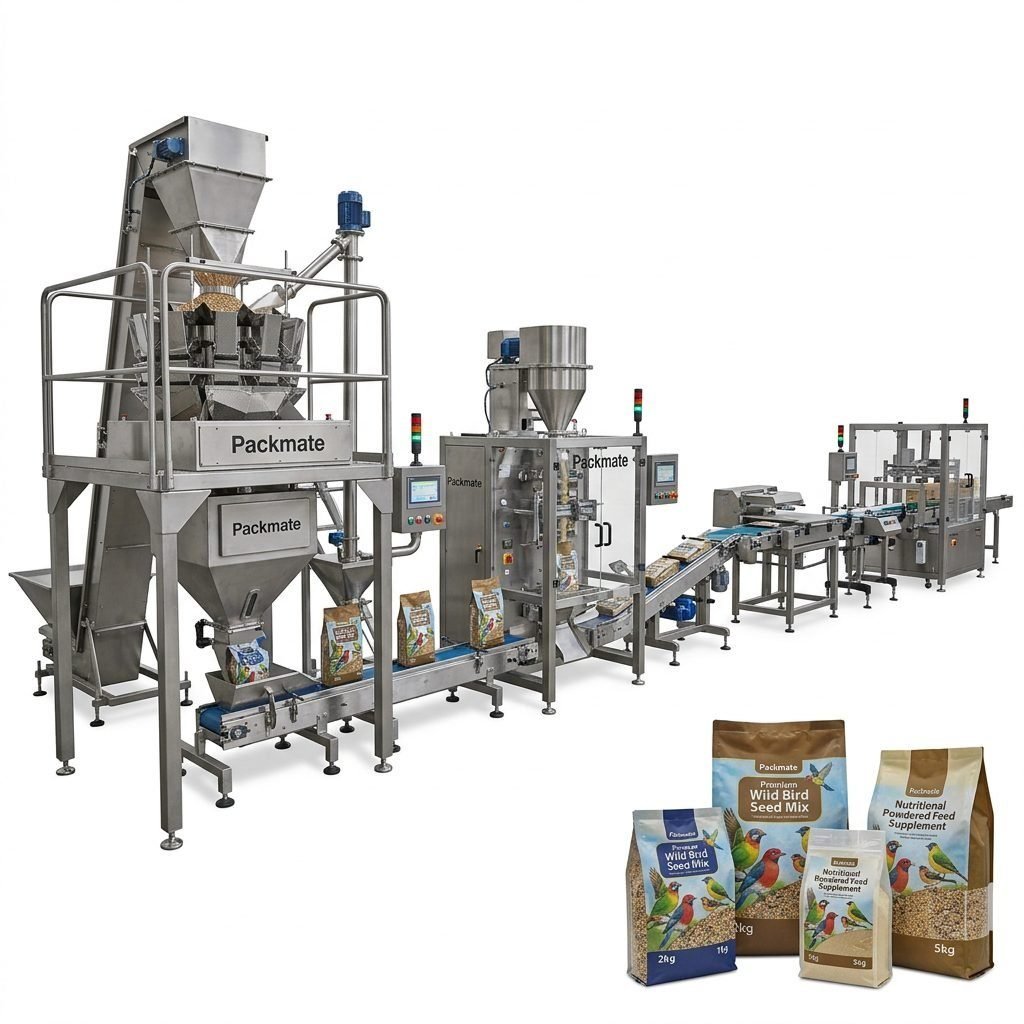
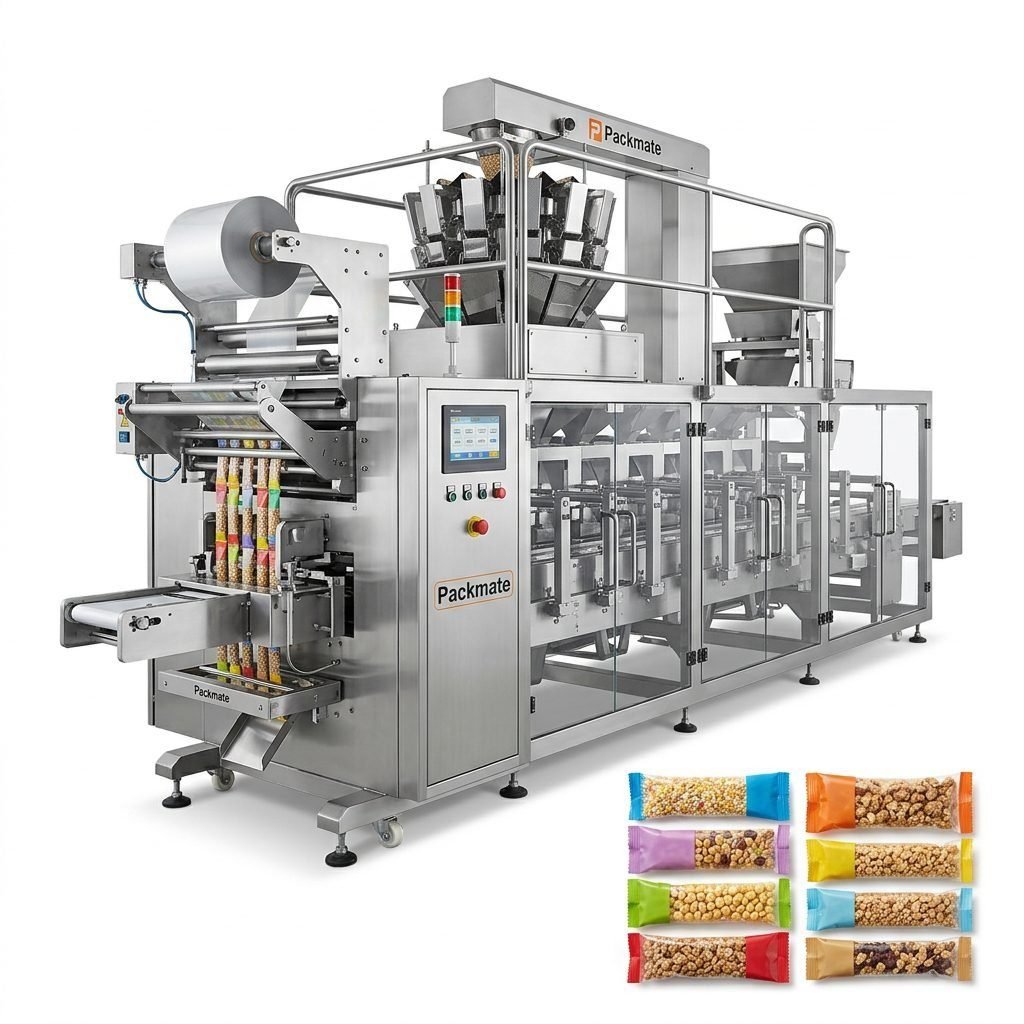
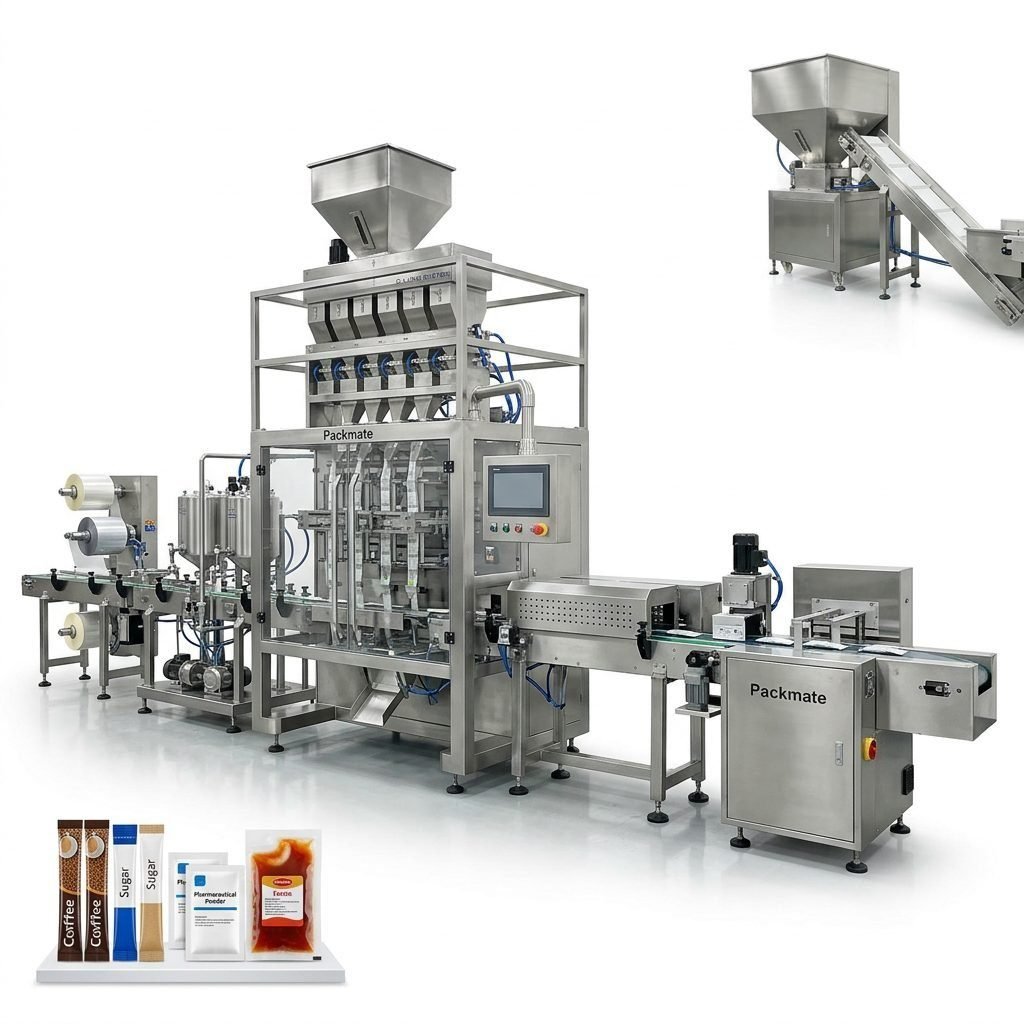
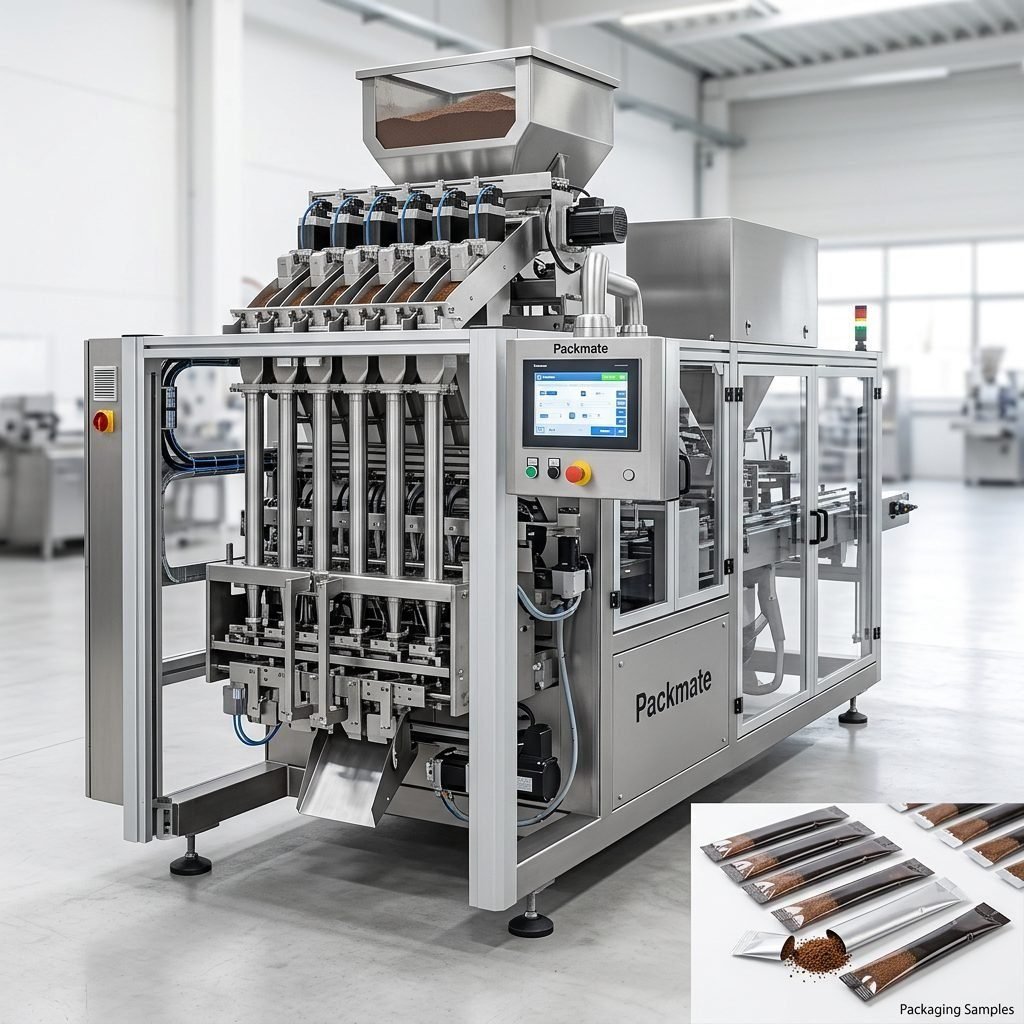
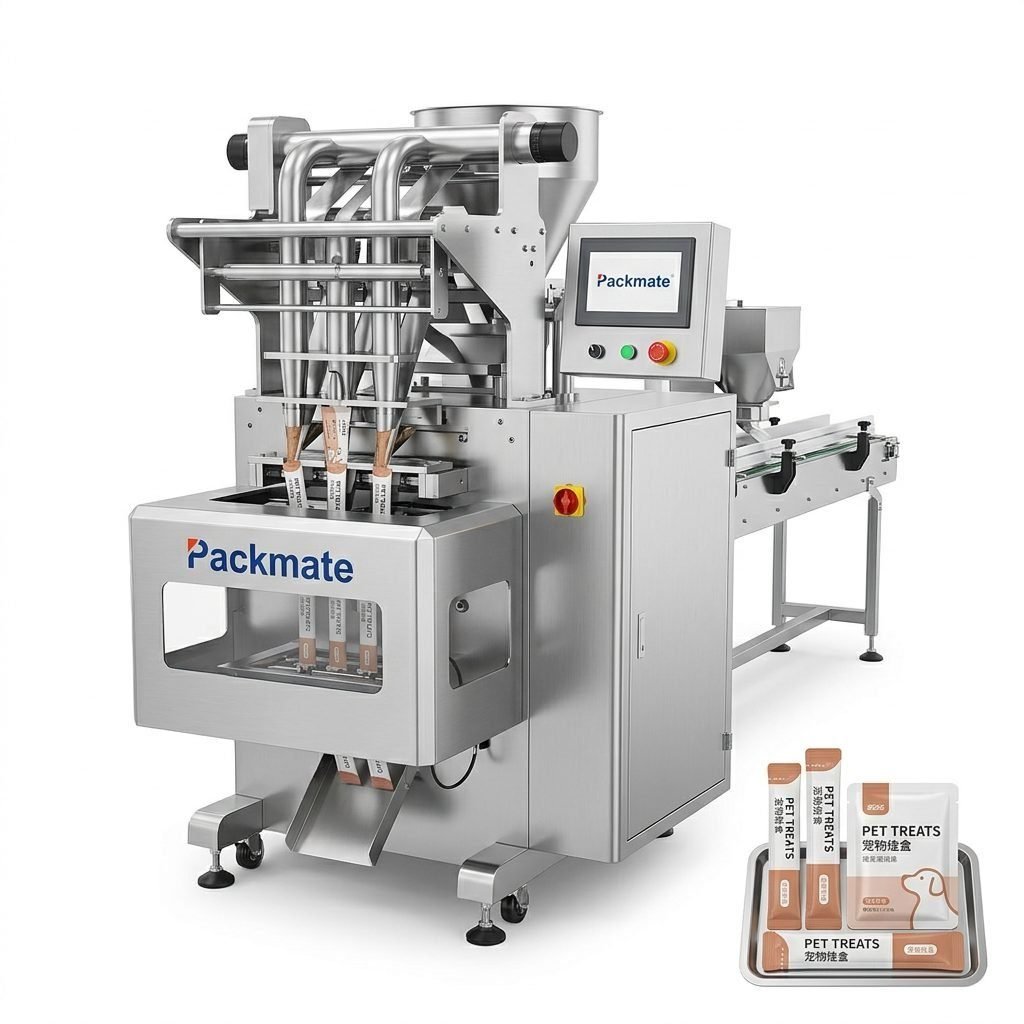
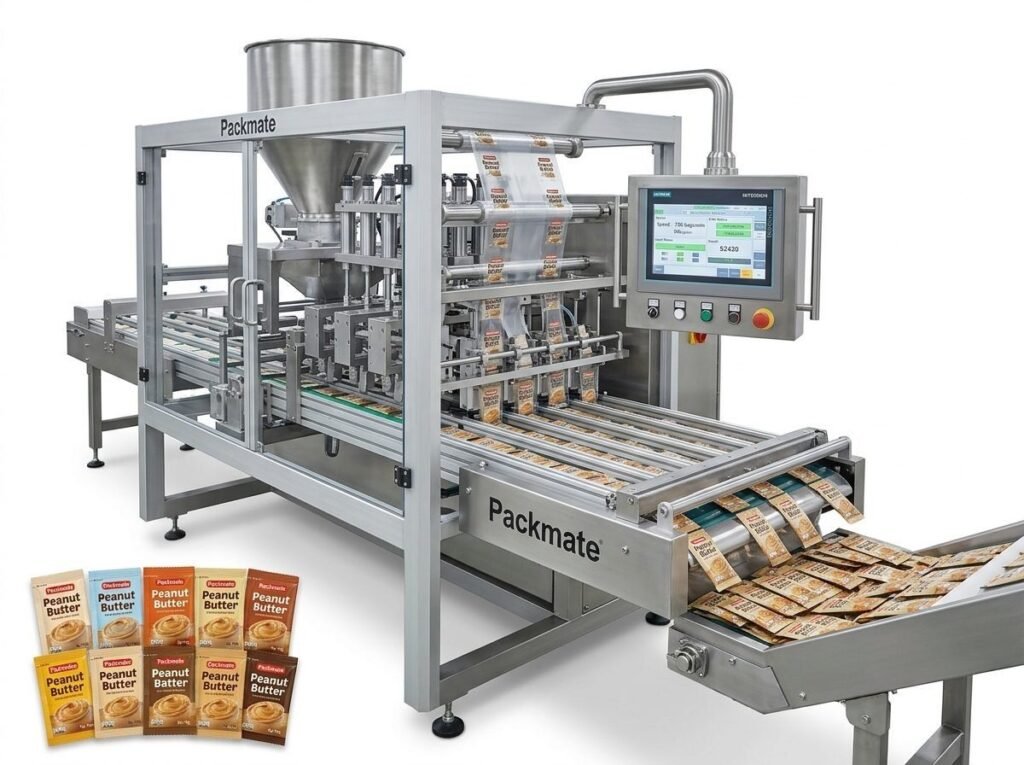
Packmate Machinery brings more than three decades of experience, focusing on stable and practical automation. They are a strong candidate for businesses seeking a balance between performance and cost, offering a wide selection of over 80 machine models for granules, powders, and liquids.
PacklineOEM: For Integrated Line Projects
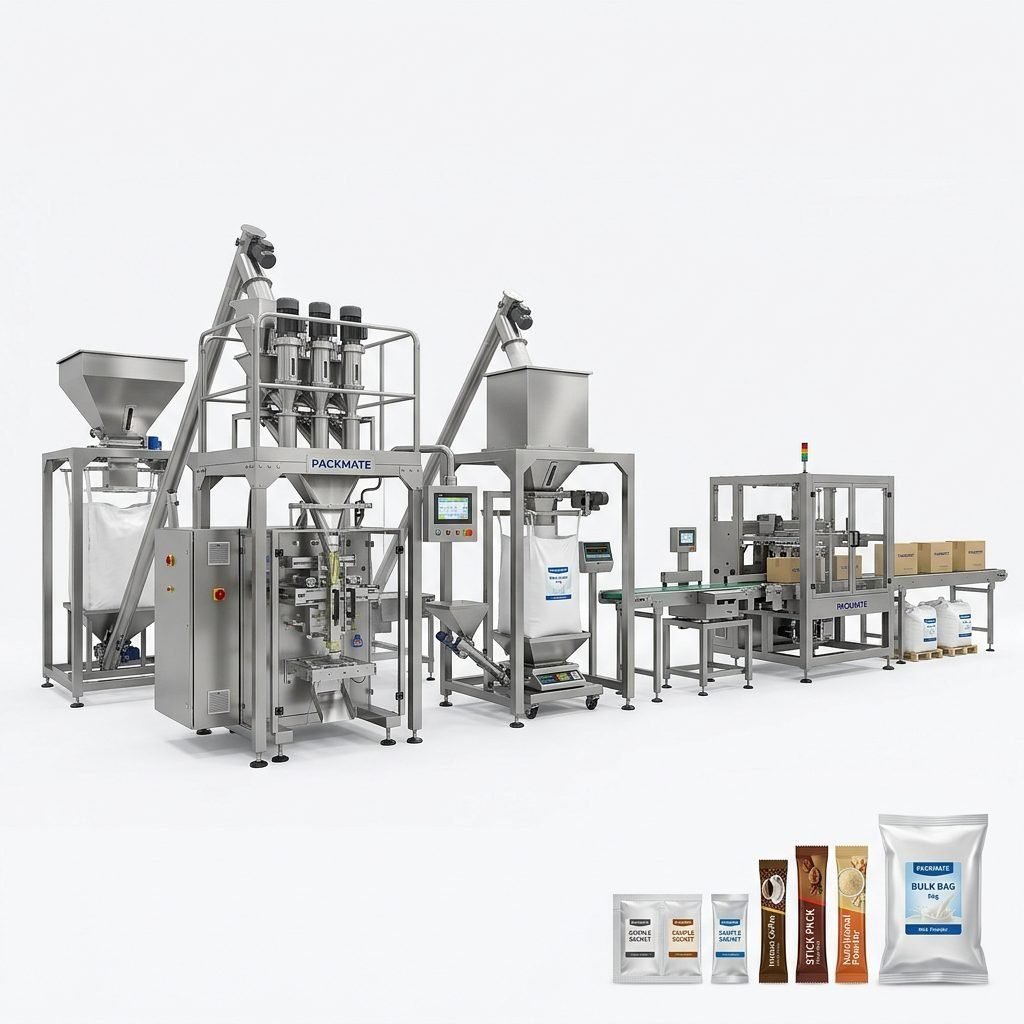
If your project requires a fully integrated packaging line rather than a standalone machine, PacklineOEM specializes in this area. Their focus on turnkey solutions means they can handle the complexity of connecting feeding, filling, sealing, and conveying systems—a valuable service for setting up a new production facility.
PackingMachineOEM: Customization Expertise
For non-standard products or unique packaging formats, PackingMachineOEM emphasizes customized solutions. Their flexibility in engineering can be crucial if your product doesn’t fit into standard machine parameters, a common scenario with local agricultural or specialty products.
SnusMachinery: Niche Segment Specialization
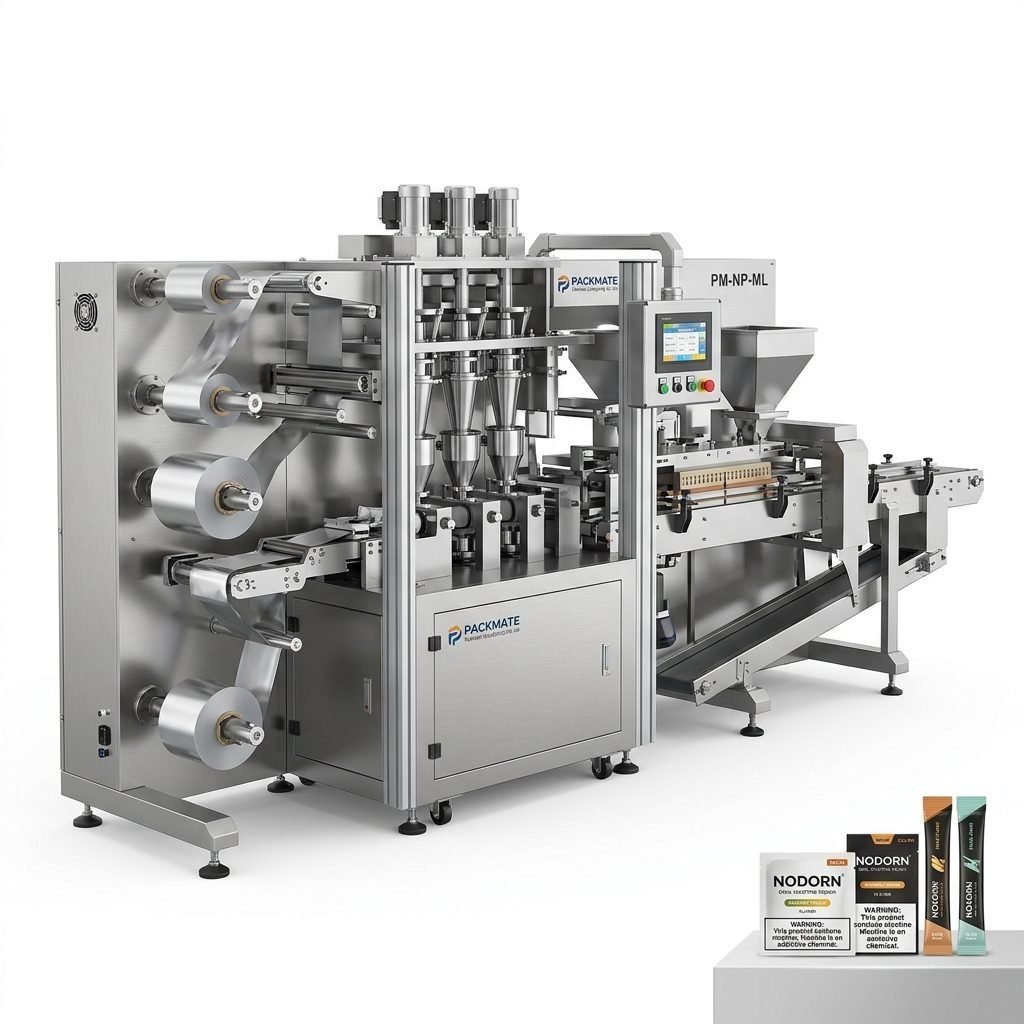
While SnusMachinery specializes in nicotine pouch equipment, their high-precision, multi-lane pouch packaging technology is also applicable to other fine powders and granules common in food and pharmaceutical sectors in CAR. Their niche expertise translates to precision engineering.
Logistics and Importation into CAR
Successfully importing machinery into CAR requires careful planning. You will likely work with a freight forwarder. Key steps include:
1. Incoterms: Clearly define responsibilities with your supplier using Incoterms. For CAR, CIF (Cost, Insurance, and Freight) to Douala, Cameroon, or Pointe-Noire, Congo, is common, with you arranging inland transport to Bangui.
2. Documentation: Ensure the supplier provides a detailed commercial invoice, packing list, certificate of origin, and most importantly, a Certificate of Conformity that meets CAR’s standards.
3. Local Agent: Consider engaging a licensed clearing agent in CAR to handle customs clearance, which can be complex. They will help with duties, taxes (like the TCA), and port procedures.
4. Power Compatibility: Verify that the machine’s electrical specifications (voltage, phase, frequency) are compatible with CAR’s power grid (typically 220V/380V, 50Hz), and discuss the need for voltage stabilizers or generators.
Frequently Asked Questions (FAQs)
1. What type of packaging machine is most suitable for starting a small business in Bangui?
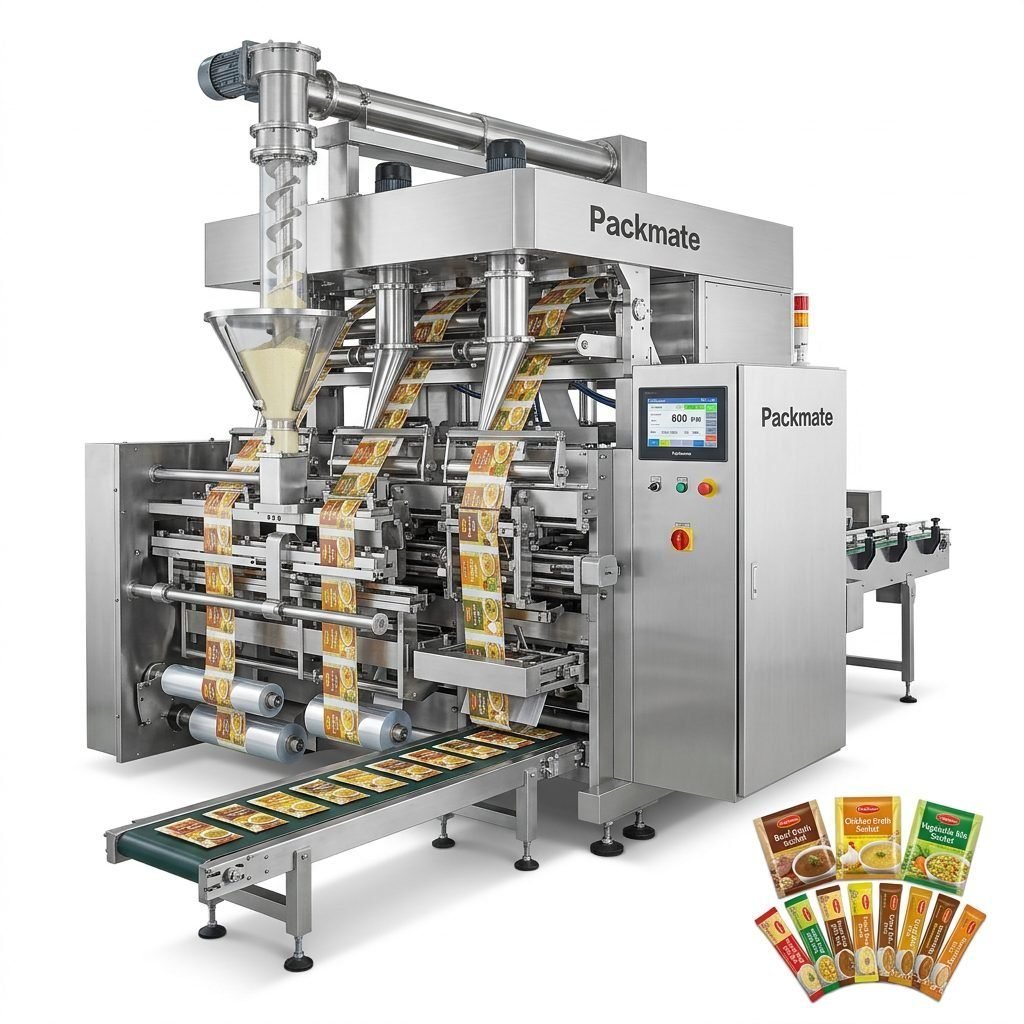
A versatile vertical form-fill-seal (VFFS) machine or a single-lane sachet machine for powders/granules is often the best starting point. They are relatively affordable, easy to operate, and can package a wide range of local products like spices, instant coffee, or salt.
2. How can I ensure I get genuine spare parts after the machine arrives?
Purchase an initial set of critical spare parts (like sealing jaws, sensors, belts) with the machine. Establish a direct communication channel with the manufacturer’s after-sales department and insist on using original parts codes for all future orders to avoid counterfeit components.
3. Are there any funding options for importing machinery into CAR?
Explore partnerships with local development banks or international organizations that support SME development and industrialization in Central Africa. Some suppliers may also offer financing plans or collaborate with export credit agencies.
4. What is the typical lead time from order to installation in CAR?
Lead time varies but expect 60-90 days for machine production, plus 30-60 days for sea freight and customs clearance. Always build in a buffer for unforeseen delays. Remote installation support via video call is now a common and effective practice.
5. Can these machines handle locally sourced packaging films?
This is a critical question. Provide samples of your intended local packaging film to the manufacturer before purchase. They can test its runnability on their machine and advise on any necessary adjustments to heat sealing parameters or film specifications.