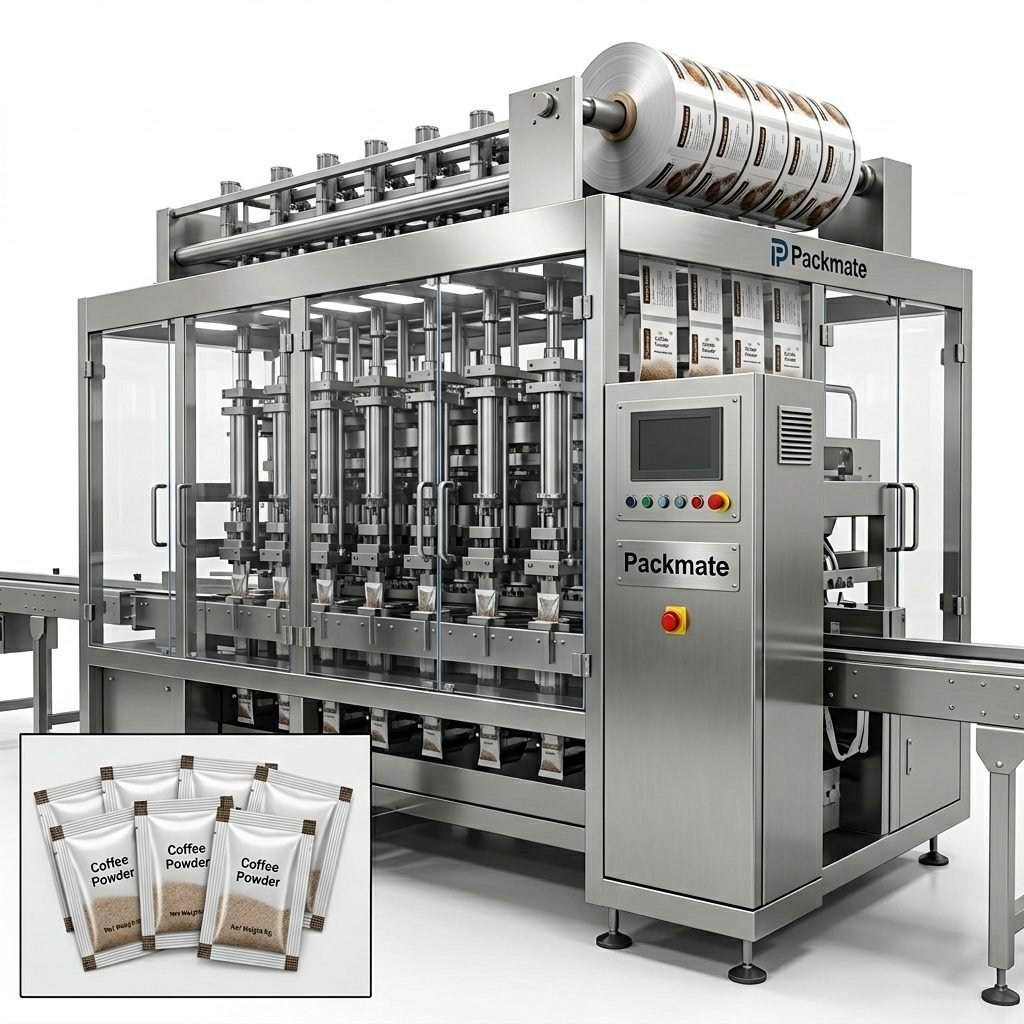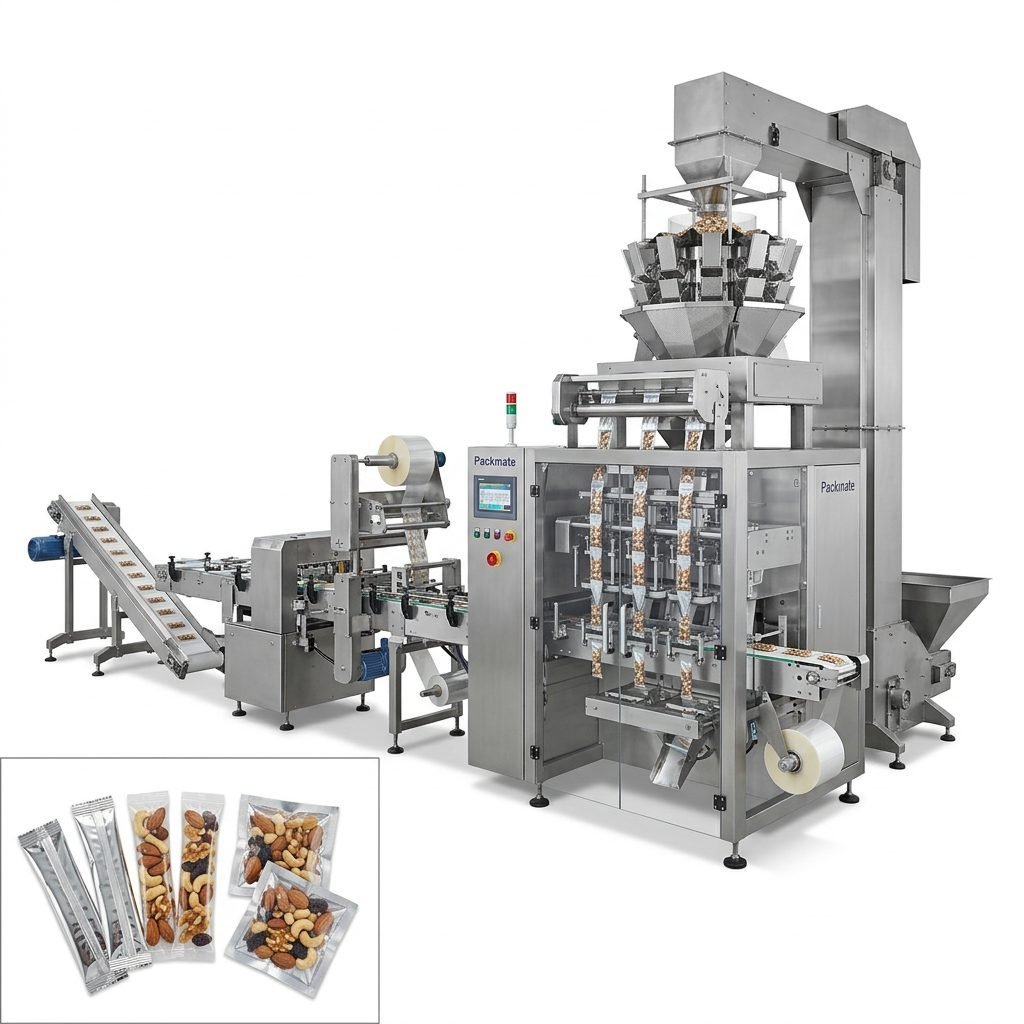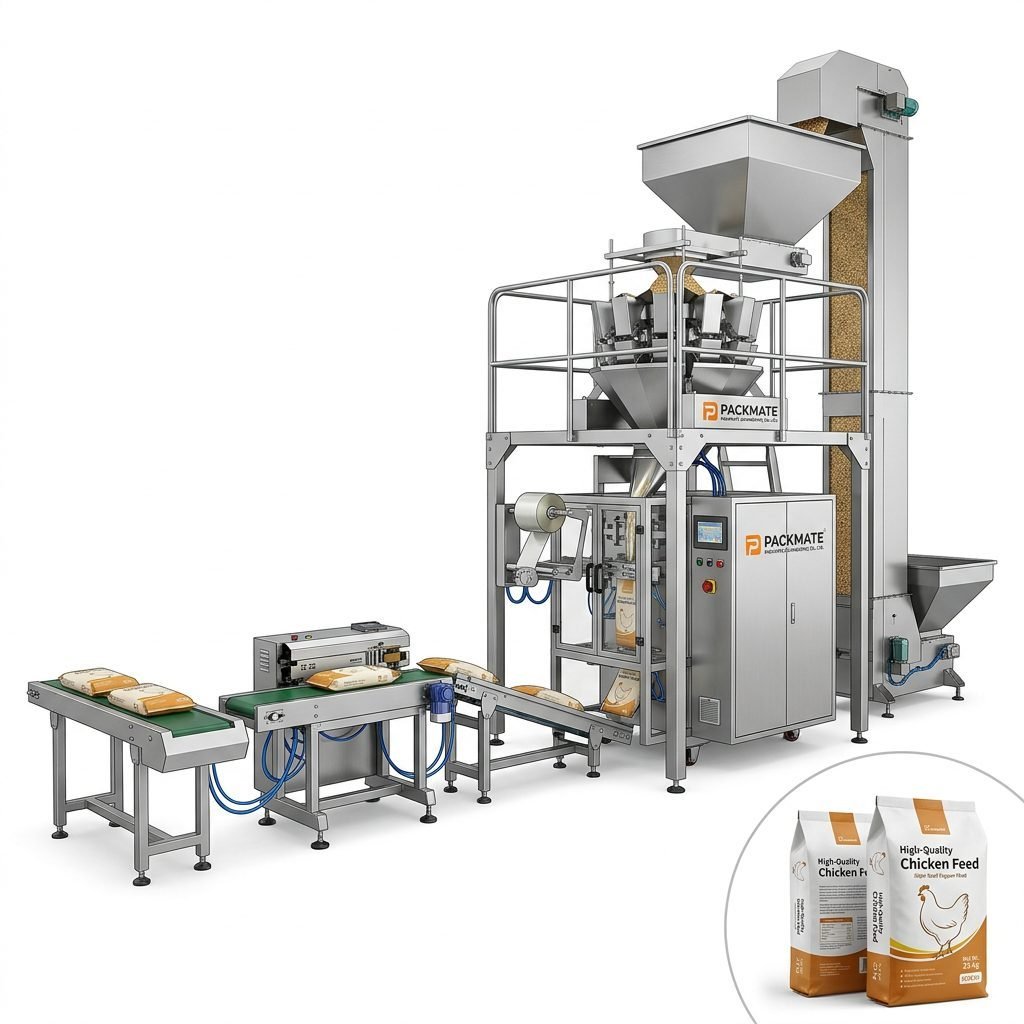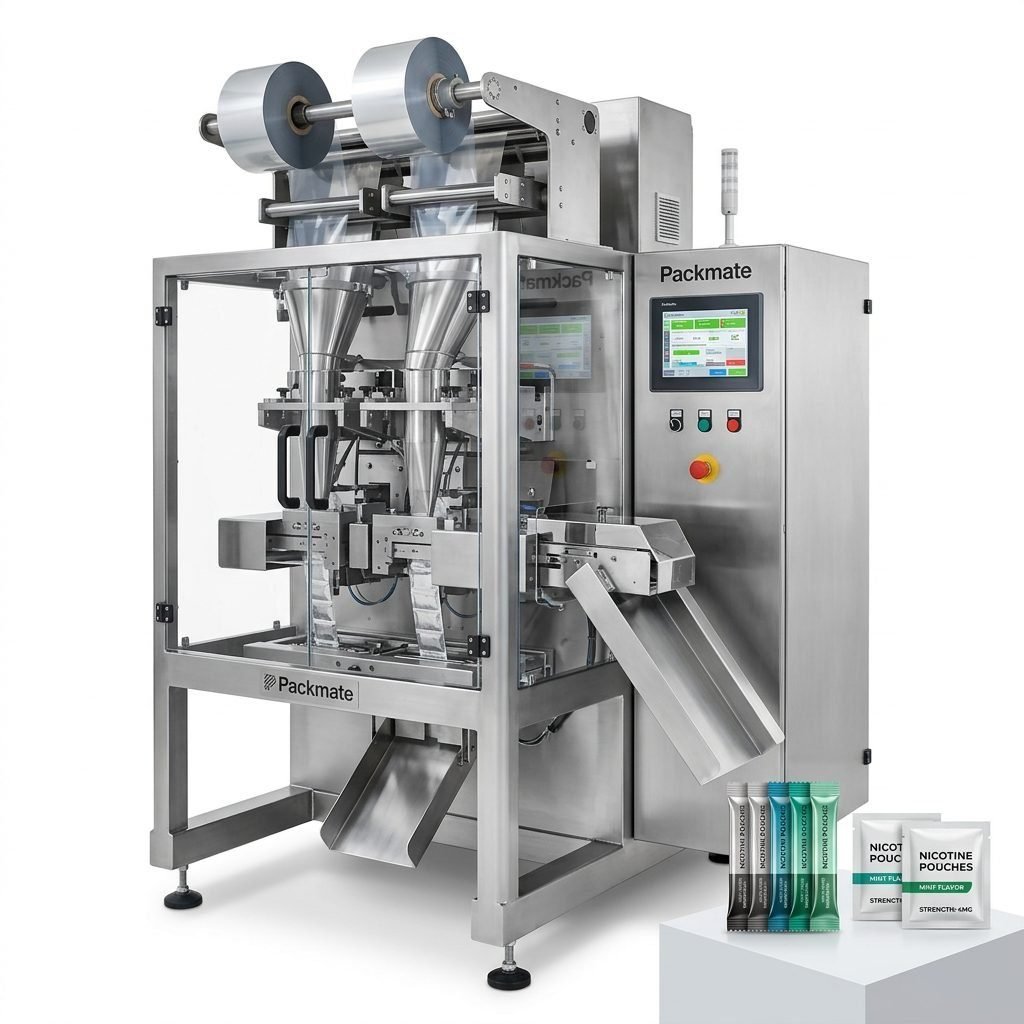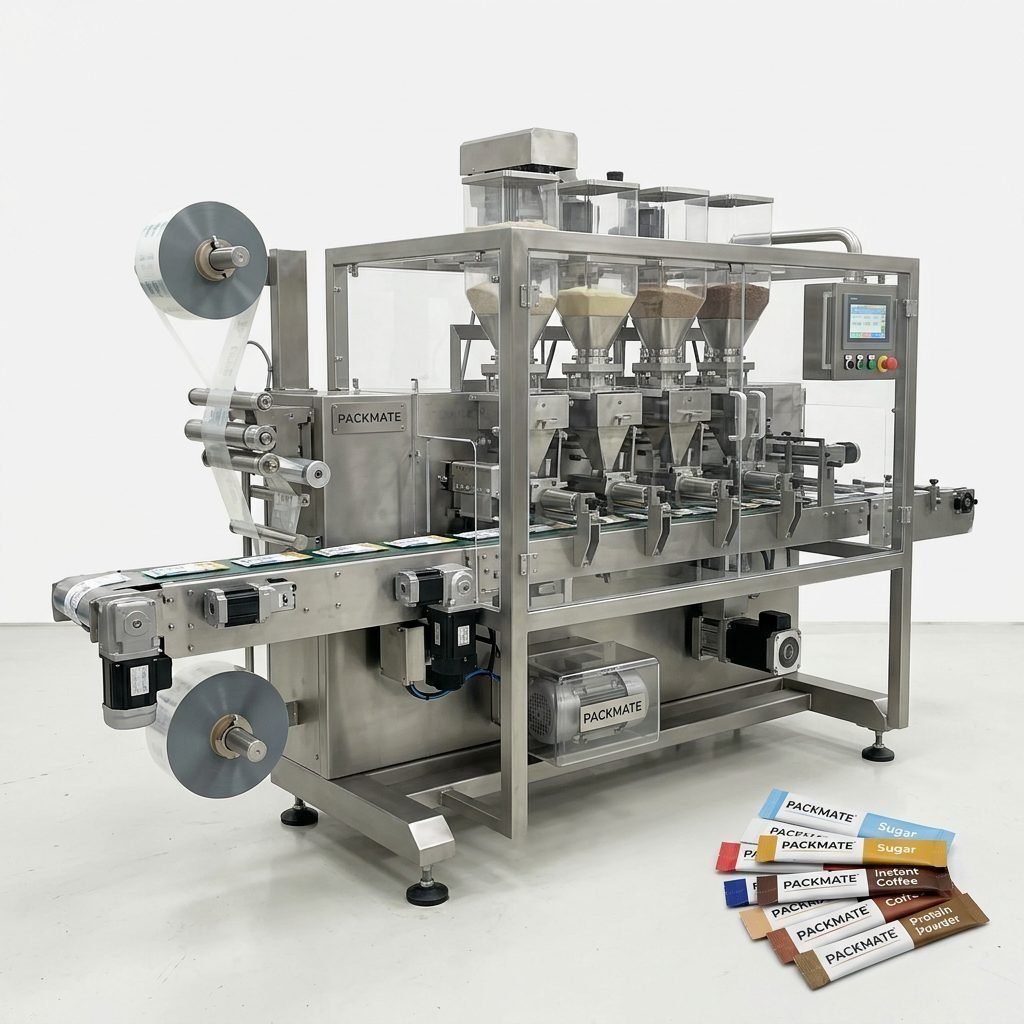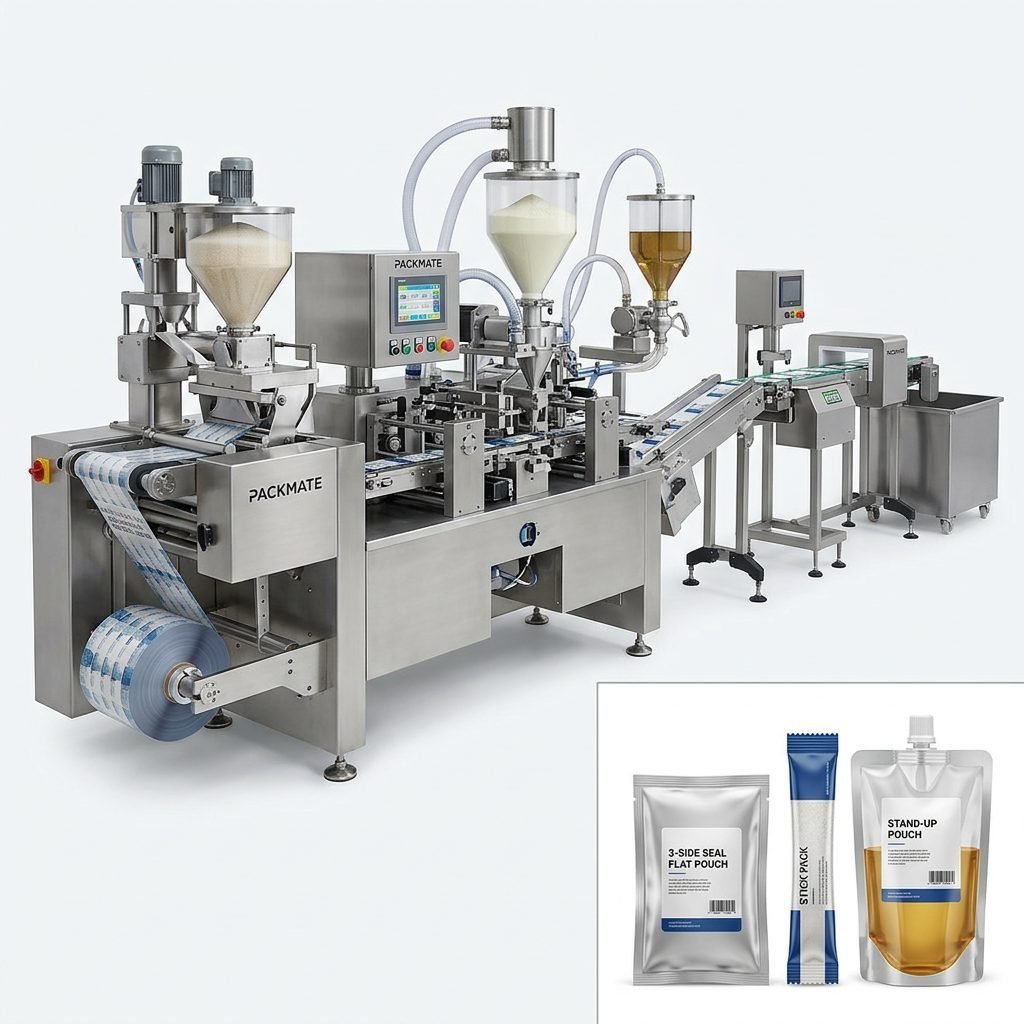
Selecting the right packaging machine manufacturer is a critical business decision for any company in Brunei looking to enhance its production line, improve efficiency, and ensure product quality. For Bruneian businesses, from local food and beverage producers to pharmaceutical companies and halal product manufacturers, this choice directly impacts operational costs, product consistency, and market competitiveness. The unique market dynamics in Brunei, including a focus on quality, halal compliance, and the need for reliable after-sales support, make this decision even more significant.
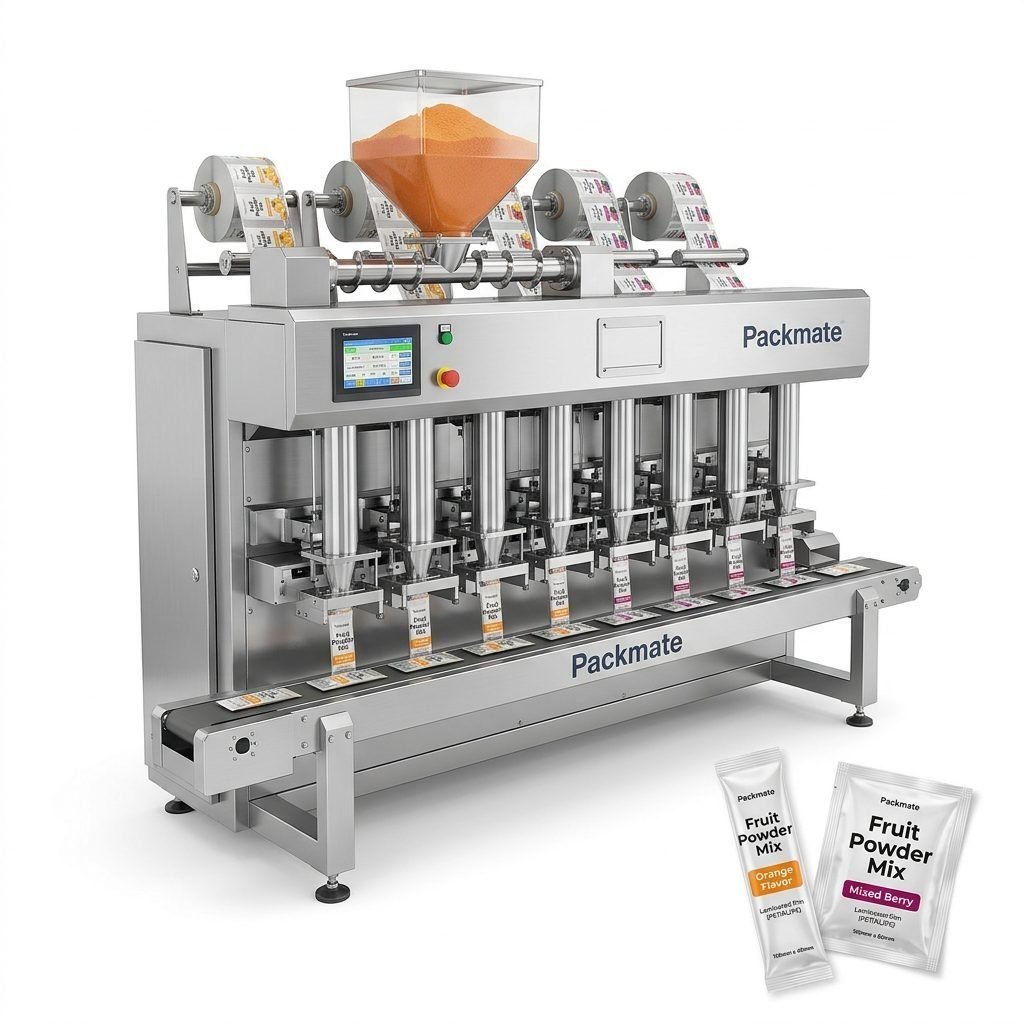
Partnering with a suitable manufacturer can lead to long-term benefits such as reduced downtime, lower maintenance costs, and scalable solutions that grow with your business. Conversely, a poor choice can result in frequent breakdowns, inconsistent packaging, and lost revenue. This guide will walk you through the essential factors to consider, helping you make an informed decision tailored to the specific needs of the Brunei market.
Understanding Your Packaging Needs in the Brunei Context
Before you start evaluating manufacturers, you must have a clear understanding of your specific requirements. This foundational step ensures you seek out partners who can deliver solutions that fit your operational reality in Brunei.
Key questions to ask yourself include:
- Product Type: Are you packaging powders (like spices or milk powder), granules (coffee, grains), liquids (sauces, oils), pastes, or solid items? The product’s physical properties dictate the machine type (e.g., auger filler for powders, liquid pump fillers).
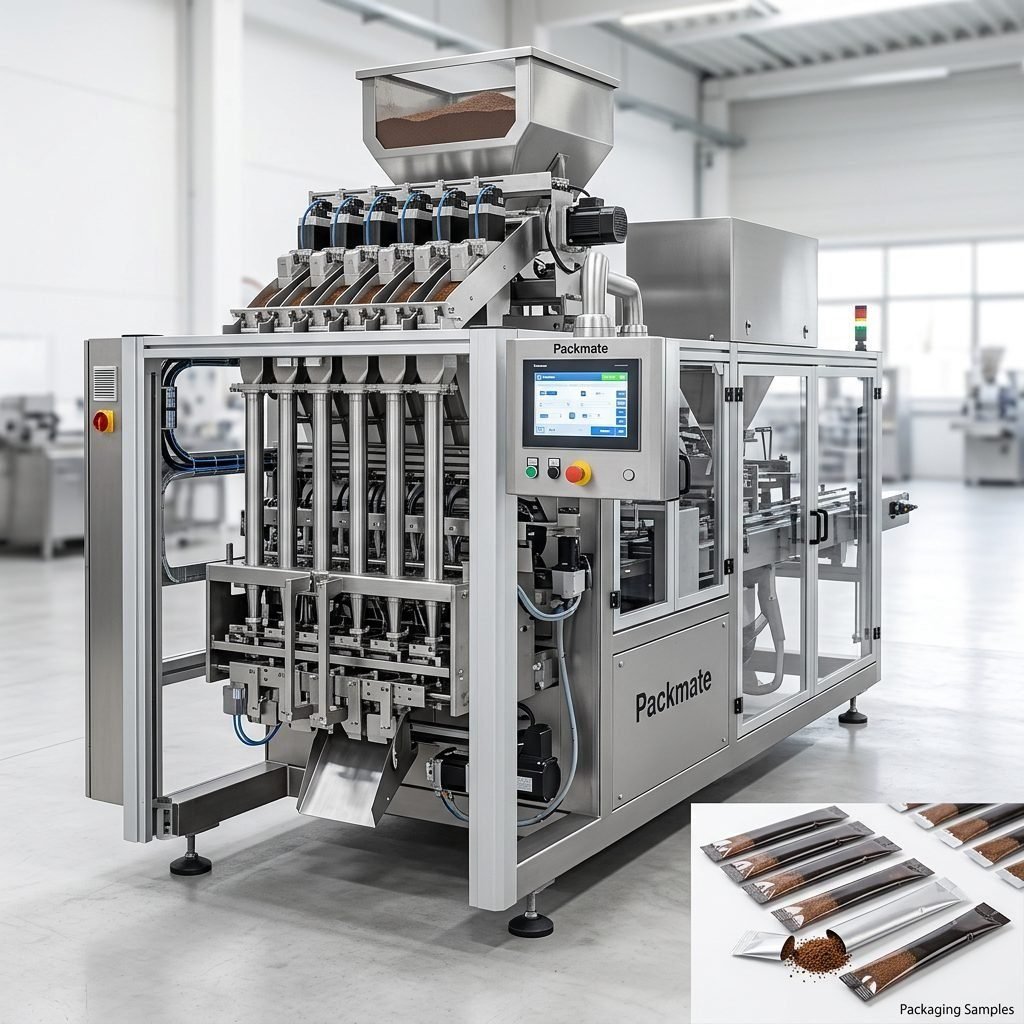
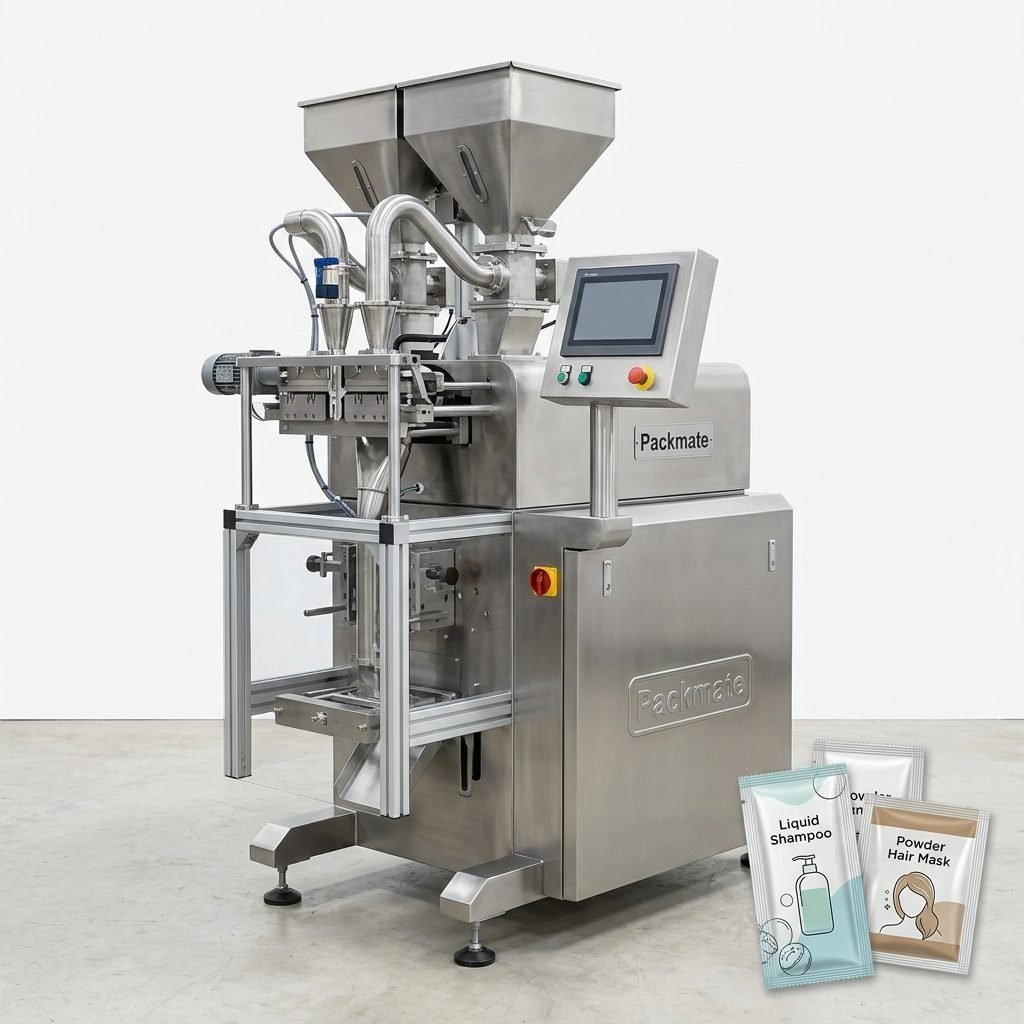
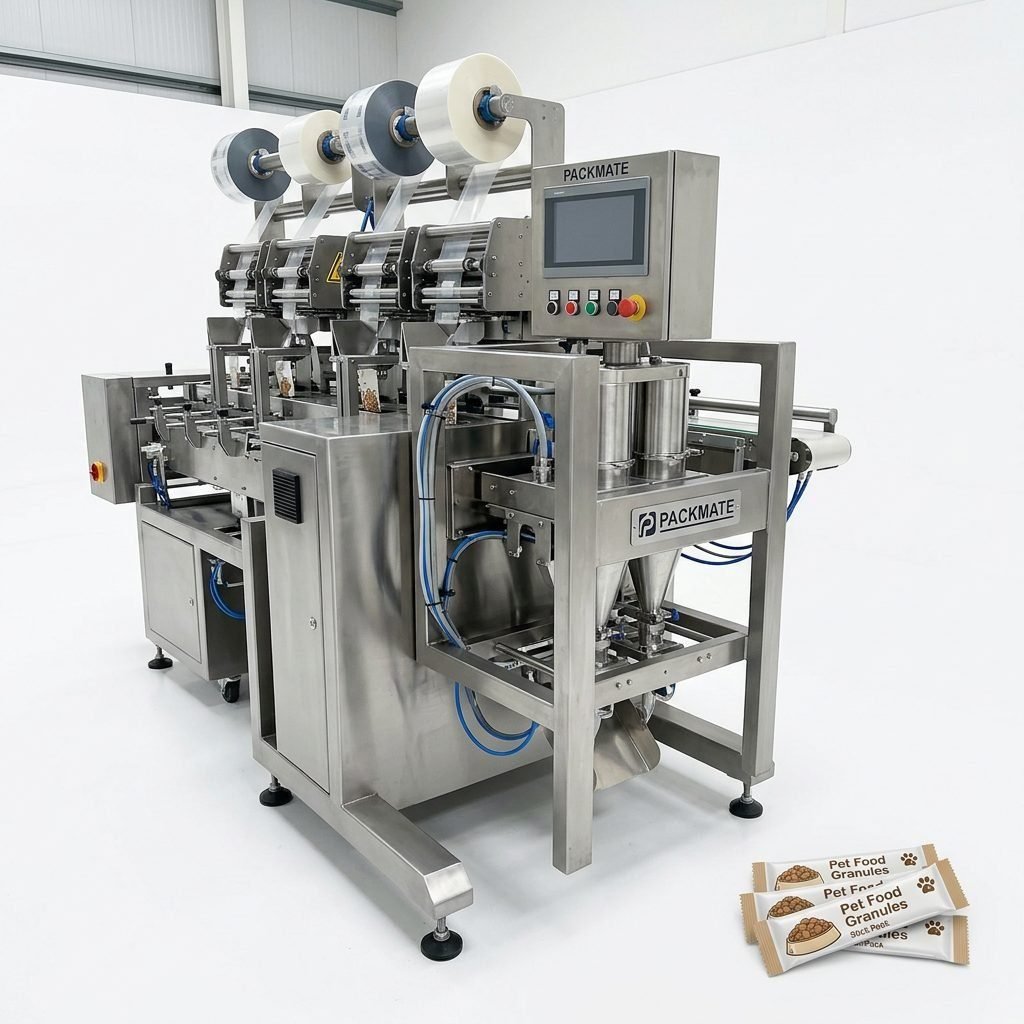
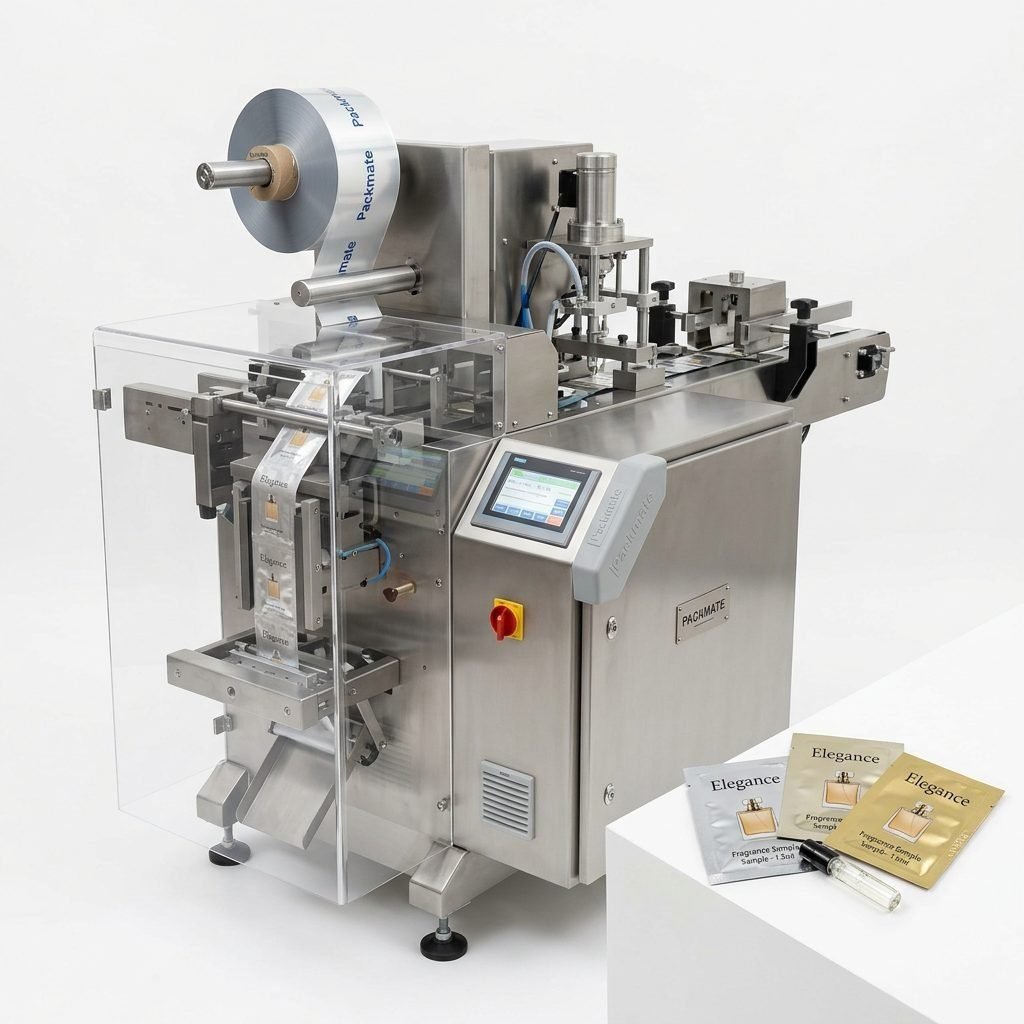
- Packaging Format: Do you need stick packs, sachets, pouches, bottles, or blister packs? The popularity of single-serve and portion-controlled packaging is rising in Brunei’s consumer market.
- Production Speed & Volume: What is your current and projected output (bags/packs per minute)? Consider local demand fluctuations and potential for export.
- Available Factory Space: What are the physical constraints of your production facility in Brunei? A compact, modular machine might be necessary for smaller local factories.
- Budget: What is your total investment budget, including the machine, shipping, installation, and training? Factor in potential duties or logistical costs specific to importing into Brunei.
- Local Regulations: Does your product require specific hygiene standards or halal certification for the packaging process? The manufacturer should understand these requirements.
Having detailed answers to these questions will create a clear specification sheet, making it easier to communicate with potential suppliers and compare their proposals effectively.
Key Evaluation Criteria for Manufacturers
With your requirements defined, you can begin assessing potential packaging machine manufacturers. Focus on the following critical areas:
1. Technical Capability and Product Range
The manufacturer should have proven experience with your specific product type and desired packaging format. A broad product range is a good indicator of engineering depth.
- Do they offer machines for your product category (e.g., granular, powder, liquid)?
- Can they provide the specific packaging format you need (stick pack, sachet, etc.)?
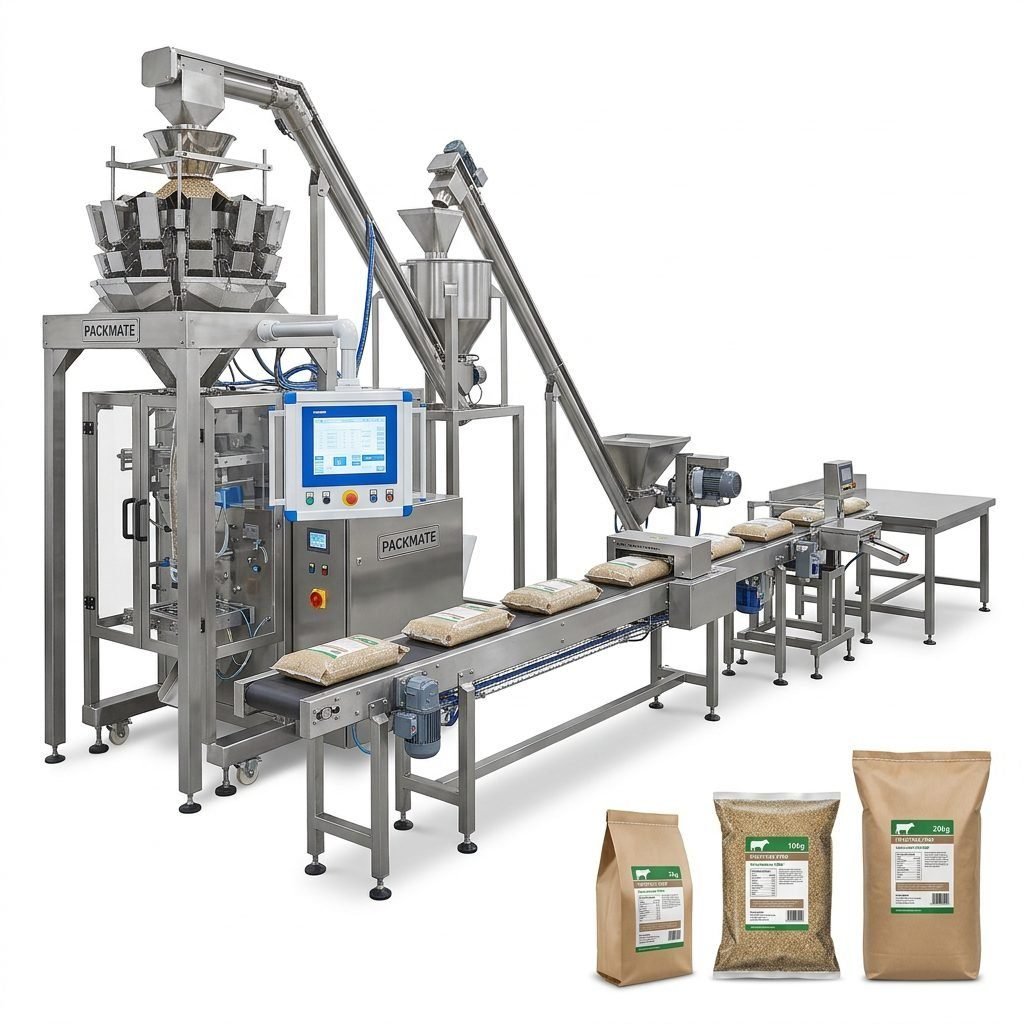
- Do they offer both standalone machines and complete, integrated turnkey lines? This is crucial if you are planning a major automation upgrade.
2. Manufacturing Quality and Experience
Long-term reliability is paramount. A machine that breaks down frequently can cripple production in Brunei, where spare parts and technicians may not be readily available.
- Company History: Prefer manufacturers with a long track record (e.g., 20-30 years).
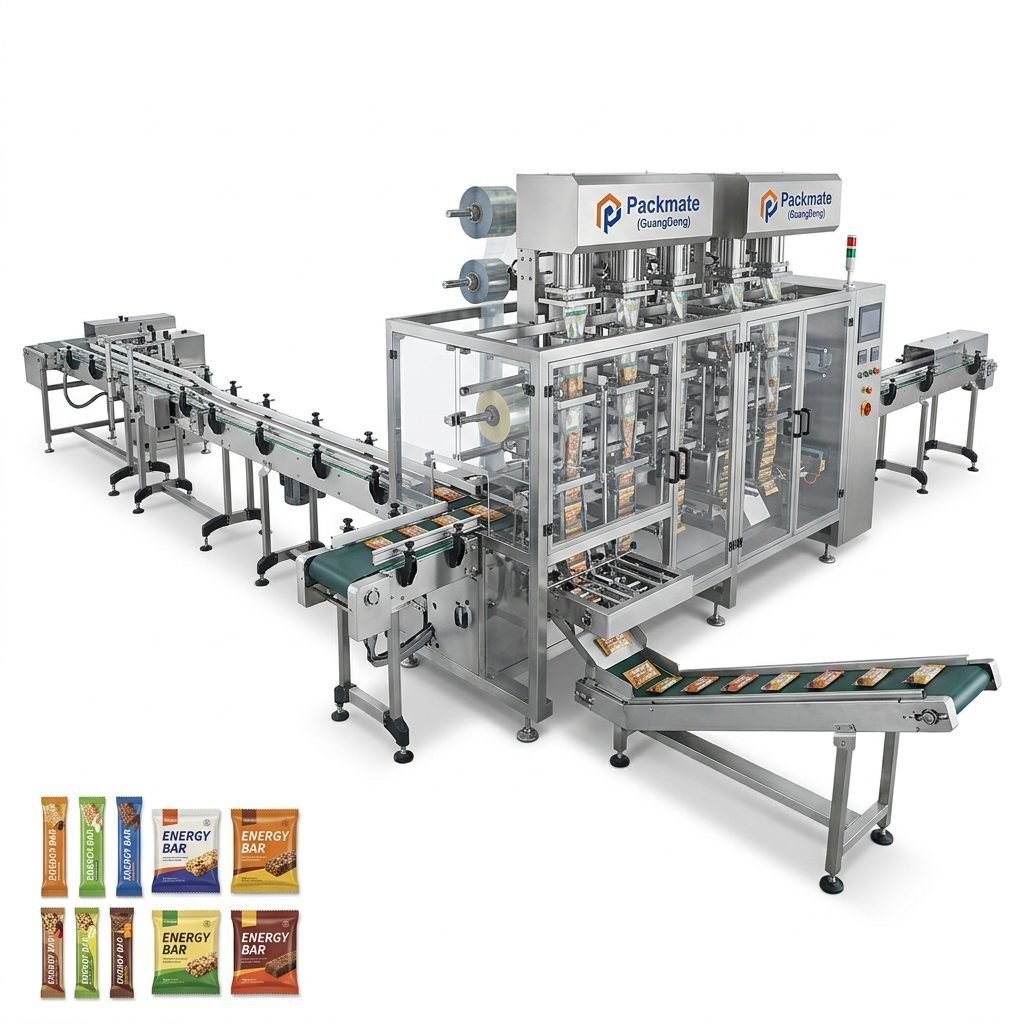
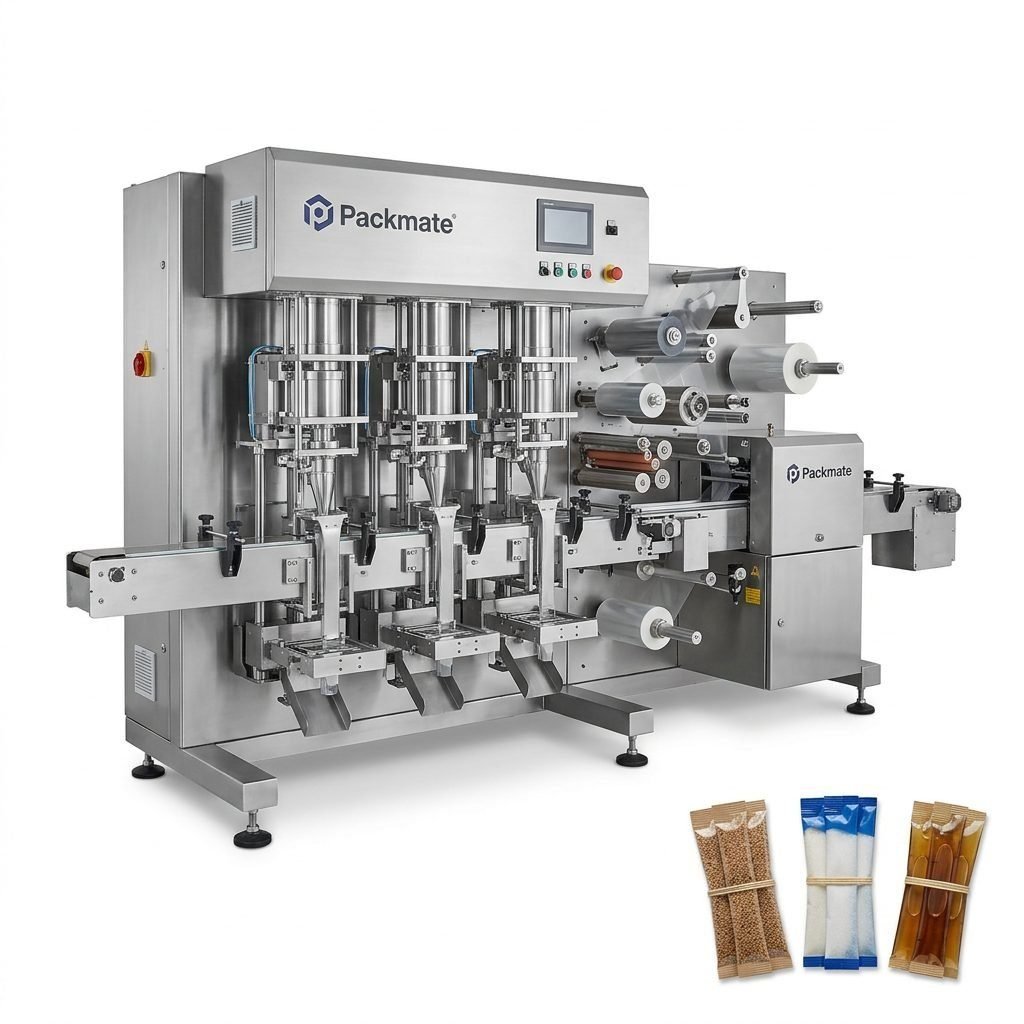
- Factory Size & Facilities: A substantial, modern factory suggests better quality control and production capacity. For instance, companies like Ludyway and Packmate Machinery operate facilities over 20,000 sq. meters.
- Quality Certifications: Look for ISO certifications, CE marks, and other international standards that attest to their manufacturing processes.
3. Customization and Engineering Support
Off-the-shelf solutions may not fit perfectly. The ability to customize is key, especially for unique products or challenging packaging materials common in niche Bruneian markets.
- Do they offer OEM (Original Equipment Manufacturer) services or custom engineering? Companies like PackingMachineOEM specialize in non-standard solutions.
- Can they adapt machines for specific bag sizes, materials (like laminates for moisture barrier), or special features (nitrogen flushing for snack freshness)?
4. After-Sales Service and Local Support
This is often the most critical factor for businesses in Brunei. The geographical distance from the manufacturer’s base makes responsive support essential.
Essential service questions:
- What is their warranty policy?
- Do they provide comprehensive installation and on-site training? Can they send engineers to Brunei?
- How is spare parts supply managed? What is the typical lead time for parts to reach Brunei?
- Do they offer remote troubleshooting support (via video call)?
- Is there a dedicated service contact or a local agent/distributor in Southeast Asia?
5. Export Experience and Market Reputation
A manufacturer with a strong export footprint is more likely to understand the logistical, documentation, and support challenges of shipping to Brunei.
- Do they have existing customers in Southeast Asia or similar markets?
- Can they provide references or case studies?
- Check their reputation through online reviews, industry forums, or by requesting contact information for past clients in the region.
Deep Dive: Top Packaging Machine Manufacturers to Consider
Based on industry presence and export focus, here is a comparative overview of several leading manufacturers that serve global markets, including Southeast Asia, and could be suitable partners for Bruneian businesses.
| Manufacturer | Key Strength | Ideal For Bruneian Businesses Needing… | Export Experience |
|---|---|---|---|
| Ludyway | Broad product range, turnkey lines, strong export history | Scalable solutions from single machines to full lines for food, pharma, supplements. | Extensive, serving 100+ countries. |
| Packmate Machinery | Reliable performance, good cost-efficiency, strong in food/pharma | Practical automation with a balance of cost and technical capability. | Strong in Europe, Middle East, Australia. |
| PacklineOEM | Turnkey line integration, complete system engineering | Complete packaging line setup, not just individual machines. | Experienced in Europe, Middle East, South America. |
| PackingMachineOEM | High customization, non-standard & OEM solutions | Unique product shapes, specialized materials, or bespoke automation projects. | Serves Europe, North America, Middle East, Australia. |
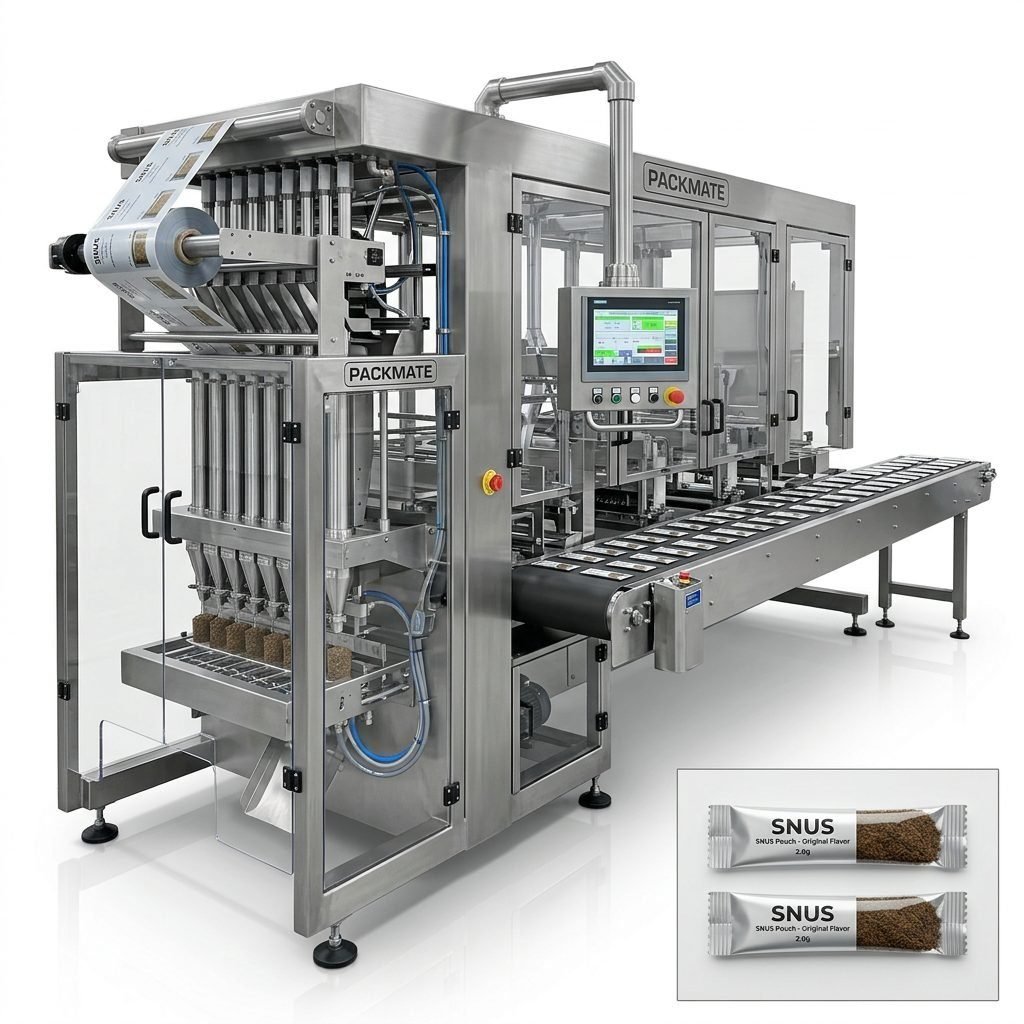
| SnusMachinery | Specialization in nicotine pouch & snus packaging | Niche applications like nicotine pouches, tea bags, or precision pouch packaging. | Global focus on the nicotine pouch sector. |
The Procurement Process: From Inquiry to Installation in Brunei
Once you’ve shortlisted manufacturers, follow a structured process to ensure a smooth purchase and implementation.
Step 1: Initial Inquiry and Quotation
Provide your detailed specifications to at least 3-4 manufacturers. Request a formal quotation that includes machine price, optional accessories, spare parts list, shipping costs (CIF or FOB), estimated delivery time, and warranty terms. Be clear about the required voltage and power specifications for Brunei (240V, 50Hz).
Step 2. Factory Audit and Reference Checks
If possible, visit the factory in person or request a virtual video tour. Inspect their manufacturing process, quality control, and R&D facilities. Ask for and contact references, especially those in similar industries or regions.
Step 3. Technical Discussion and Customization
Engage their engineers in detailed discussions. Review machine drawings, control system details, and proposed customization. Ensure all your specific requirements (e.g., halal-grade lubricants, specific safety features) are documented in the contract.
Step 4. Contract and Payment Terms
Sign a detailed contract covering all technical specifications, delivery schedule, payment terms (e.g., 30% deposit, 70% before shipment), warranty, and service obligations. Use secure payment methods like Letter of Credit (L/C) for large orders.
Step 5. Pre-Shipment Inspection and Shipping
Request a pre-shipment inspection report with photos and videos of the machine running a test with a material similar to yours. Coordinate shipping and handle import customs clearance in Brunei with a reliable freight forwarder.
Step 6. Installation, Training, and After-Sales
Plan for the manufacturer’s engineer to visit Brunei for installation and commissioning. Ensure comprehensive training is provided for your operators and maintenance staff. Establish a clear channel for ongoing technical support and spare parts ordering.
Frequently Asked Questions (FAQs) for Bruneian Importers
Q1: What are the typical lead times for receiving a packaging machine in Brunei?
A: Lead times vary based on machine complexity and customization. For standard models, expect 30-60 days after order confirmation. For fully custom or turnkey lines, it can take 90-120 days or more. Always factor in additional time for sea freight and customs clearance in Brunei.
Q2: How can I ensure the machine meets Brunei’s electrical and safety standards?
A: Specify the required voltage (240V), phase, and frequency (50Hz) during quotation. Reputable manufacturers will build the machine to these specifications and provide relevant safety certifications (CE is a common international standard). You may also need a local electrician to certify the final connection.
Q3: Is local technical support available in Brunei or Southeast Asia?
A: Most Chinese manufacturers do not have permanent staff in Brunei. Support is typically provided remotely (phone, video) or via dispatched engineers. Some have agents or partners in Singapore or Malaysia. Clarify the support model, response time, and costs for on-site visits before purchasing.
Q4: What about spare parts and maintenance?
A: Discuss a recommended spare parts kit to keep on hand. Ensure the manufacturer guarantees the availability of spare parts for a minimum period (e.g., 10 years). Understand their process for ordering and shipping parts to Brunei to minimize potential downtime.
Q5: Can the manufacturer help with packaging material sourcing?
A: Many manufacturers can recommend compatible packaging film suppliers or even provide sample rolls for testing. They should be able to guide you on the material specifications (type, thickness, sealing properties) that work best with their machine for your product.
Choosing the right packaging machine manufacturer for your business in Brunei requires careful research, clear communication, and a focus on long-term partnership. By thoroughly understanding your needs, rigorously evaluating manufacturers on technical capability, quality, and after-sales support, and following a disciplined procurement process, you can invest in automation that drives efficiency, ensures product integrity, and supports your business growth for years to come.