For commercial growers, seed producers, and agricultural distributors worldwide, the efficiency and accuracy of the packaging process are critical. High-efficiency vegetable seed packing machines are sophisticated automated systems designed to handle, count, weigh, fill, and seal seed packets at high speeds with remarkable precision. This guide explores the different types of machines, their key features, and essential buying tips, with a focus on solutions from leading manufacturers.
Types of High-Efficiency Vegetable Seed Packing Machines
The right machine depends heavily on your production volume, seed type (size, shape, coating), and the desired final package format. The primary categories are:
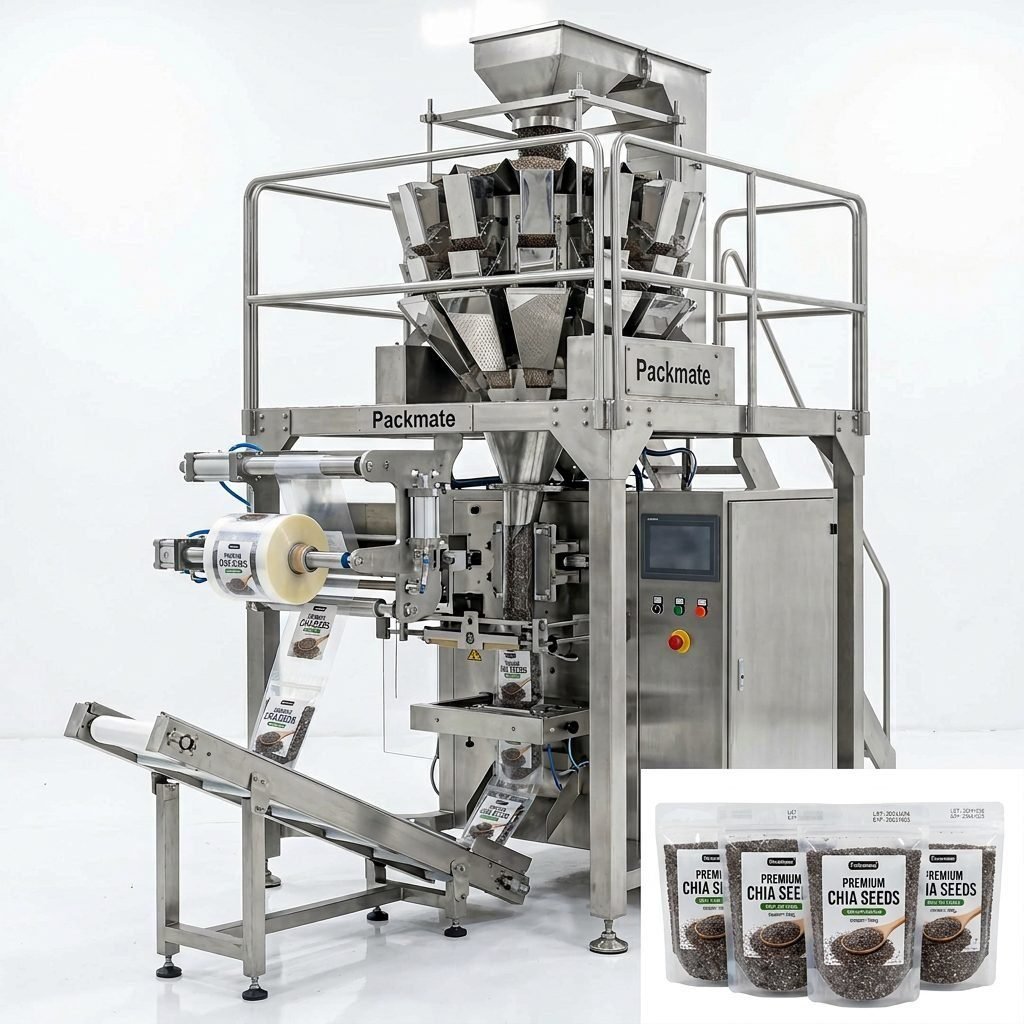
1. Vertical Form-Fill-Seal (VFFS) Machines
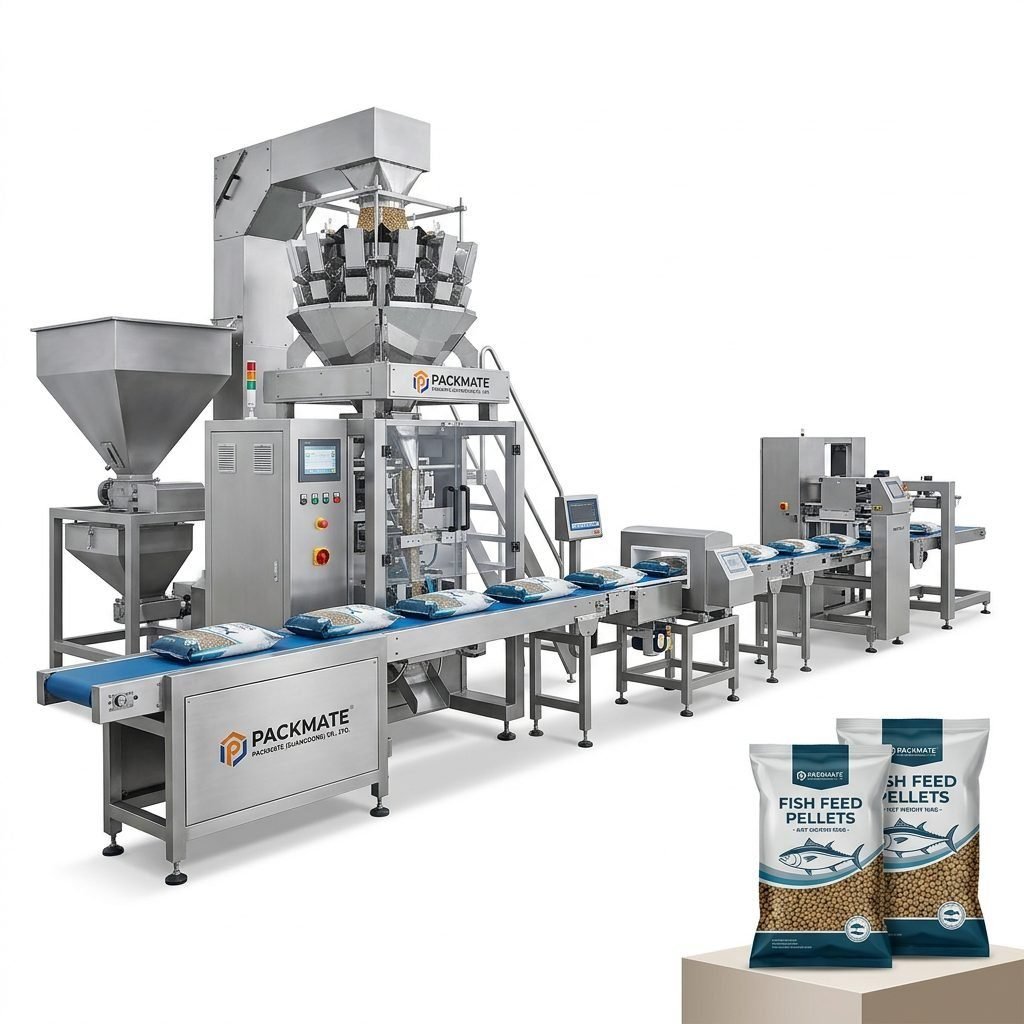
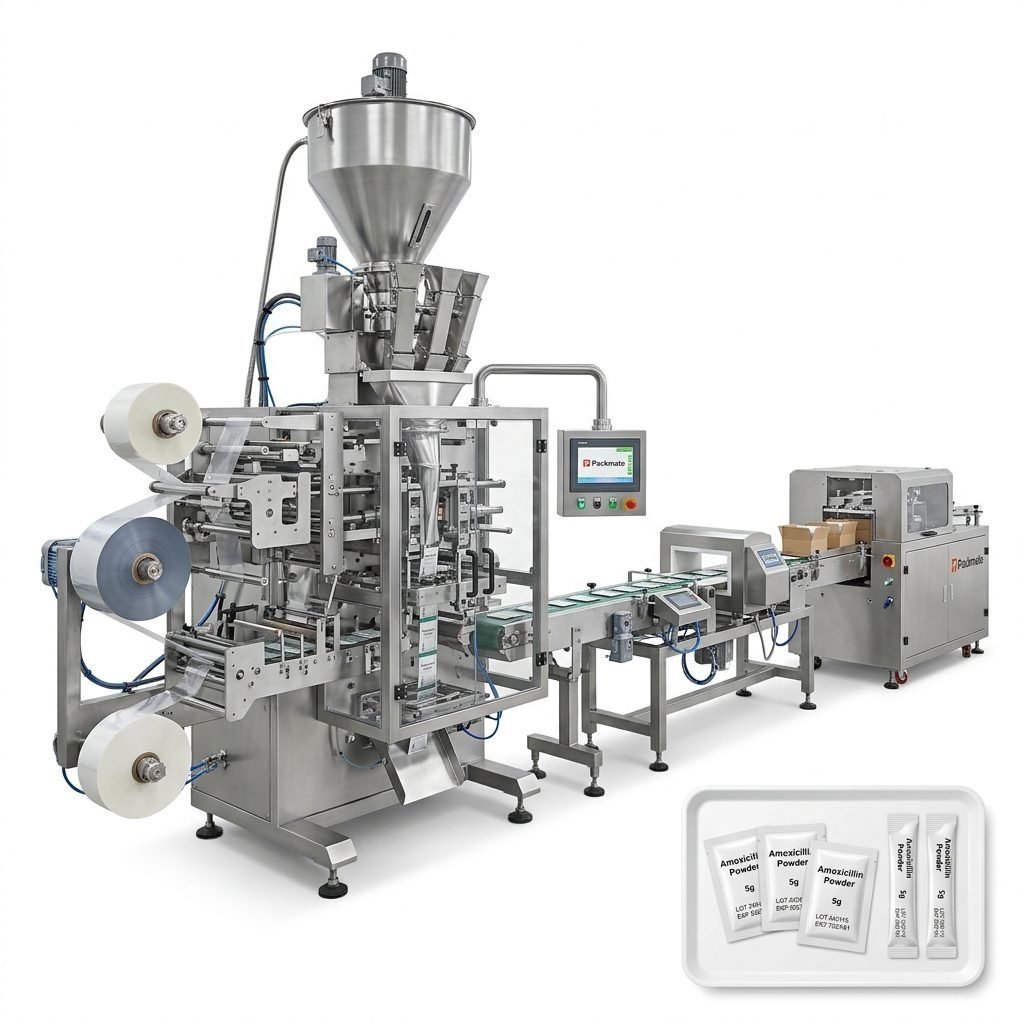
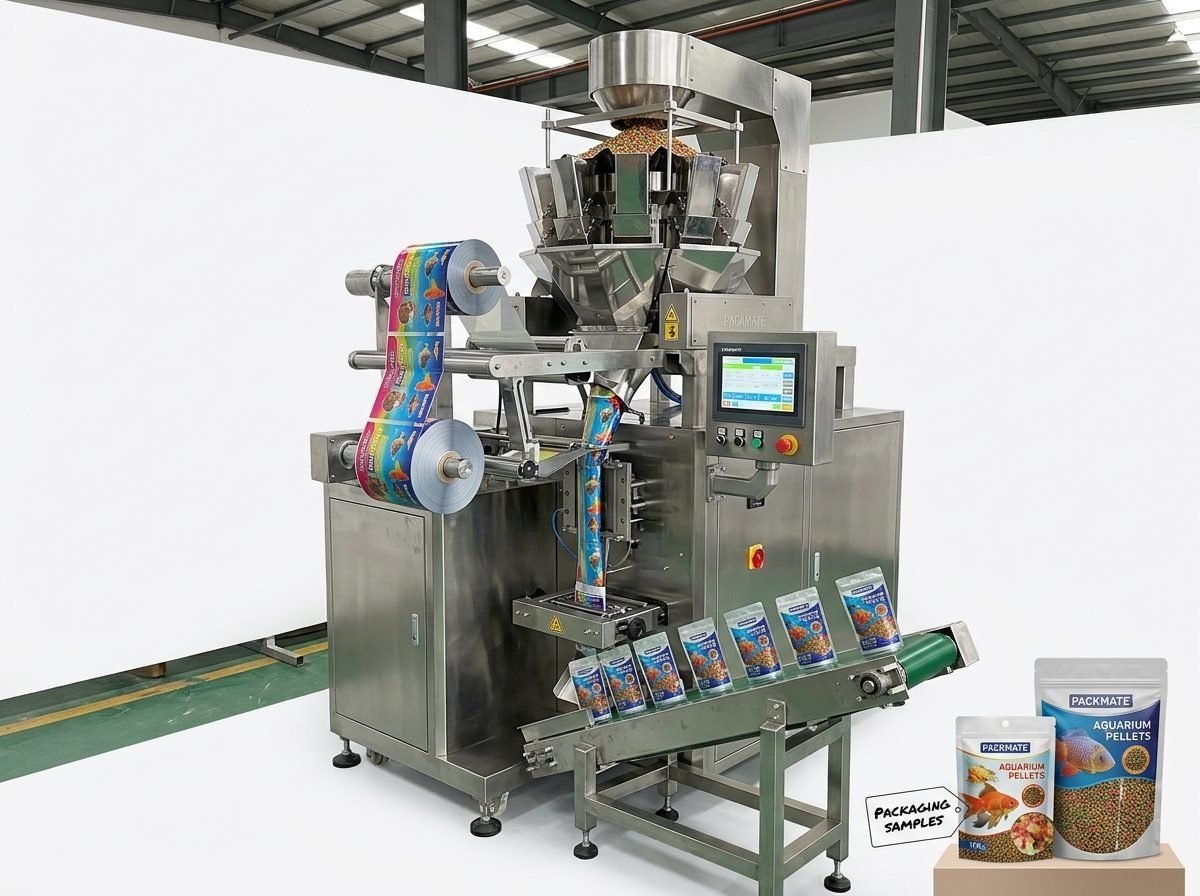
These are the workhorses of modern seed packaging. They form a bag from a roll of film, fill it with a pre-measured amount of seeds, and then seal it—all in one continuous operation. VFFS machines are incredibly versatile and can produce a wide variety of pouch styles, including pillow packs, gusseted bags, and stand-up pouches.
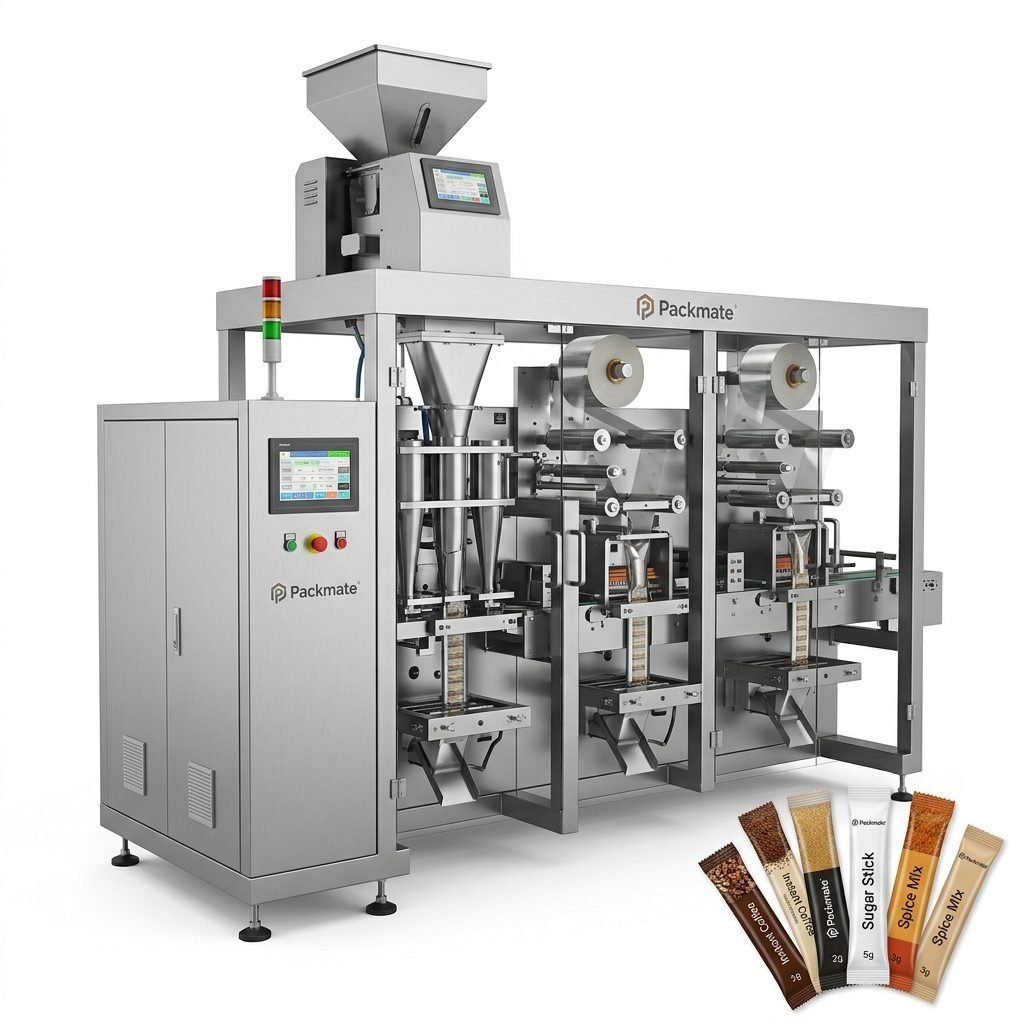
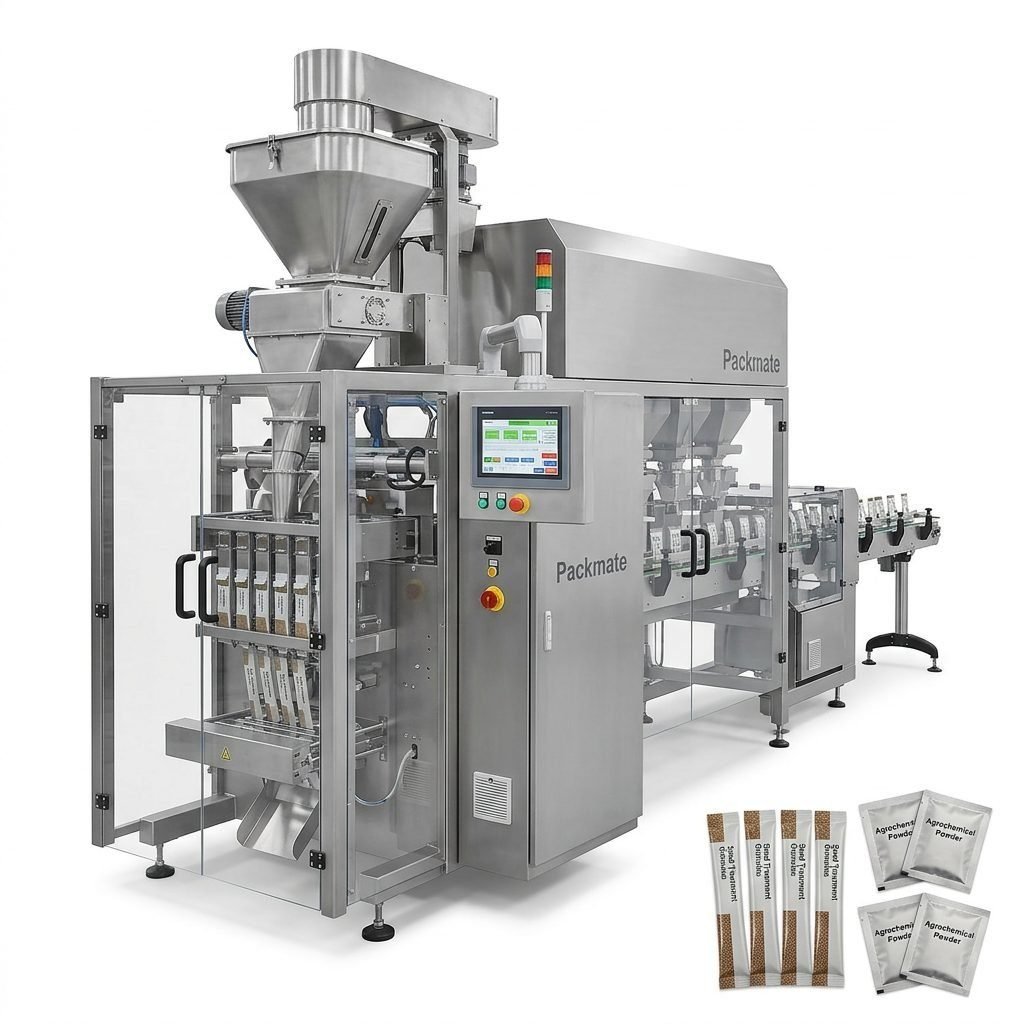
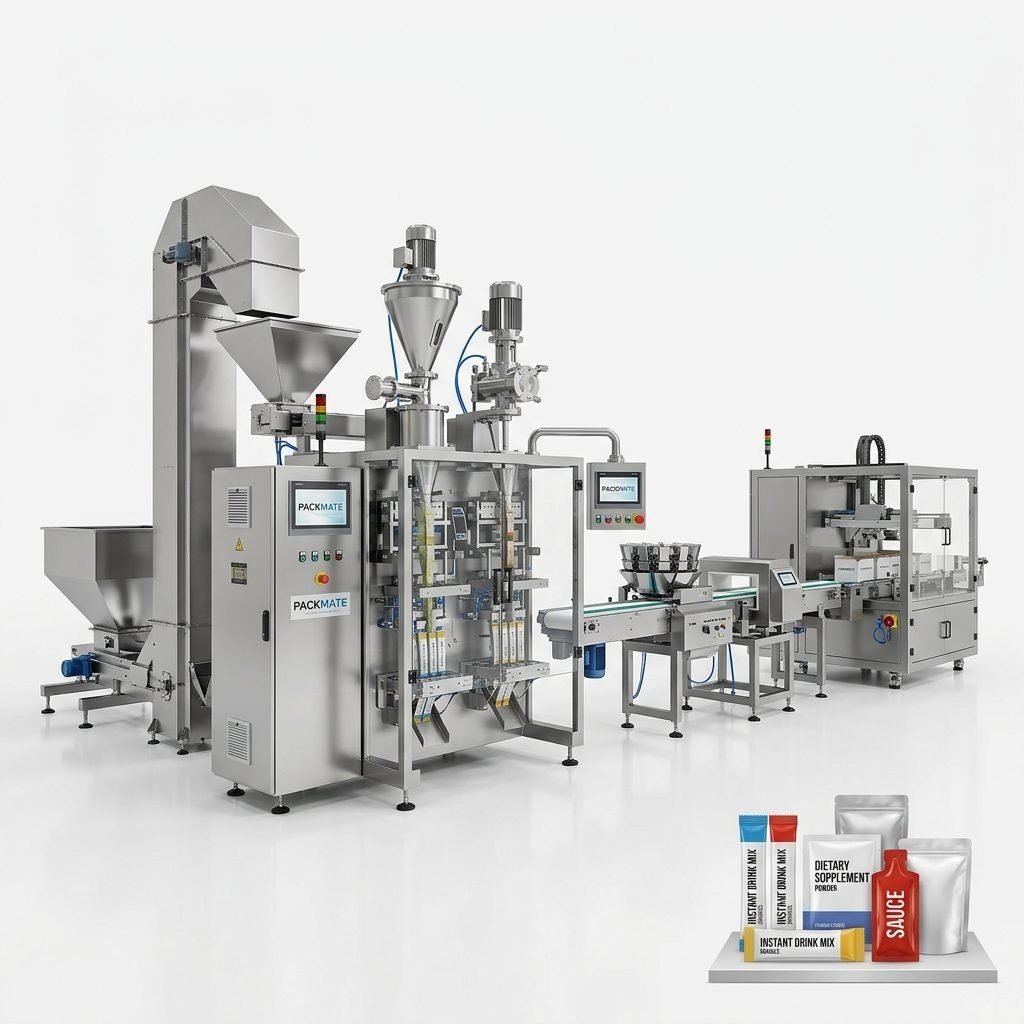
2. Multi-Lane Stick Pack & Sachet Machines
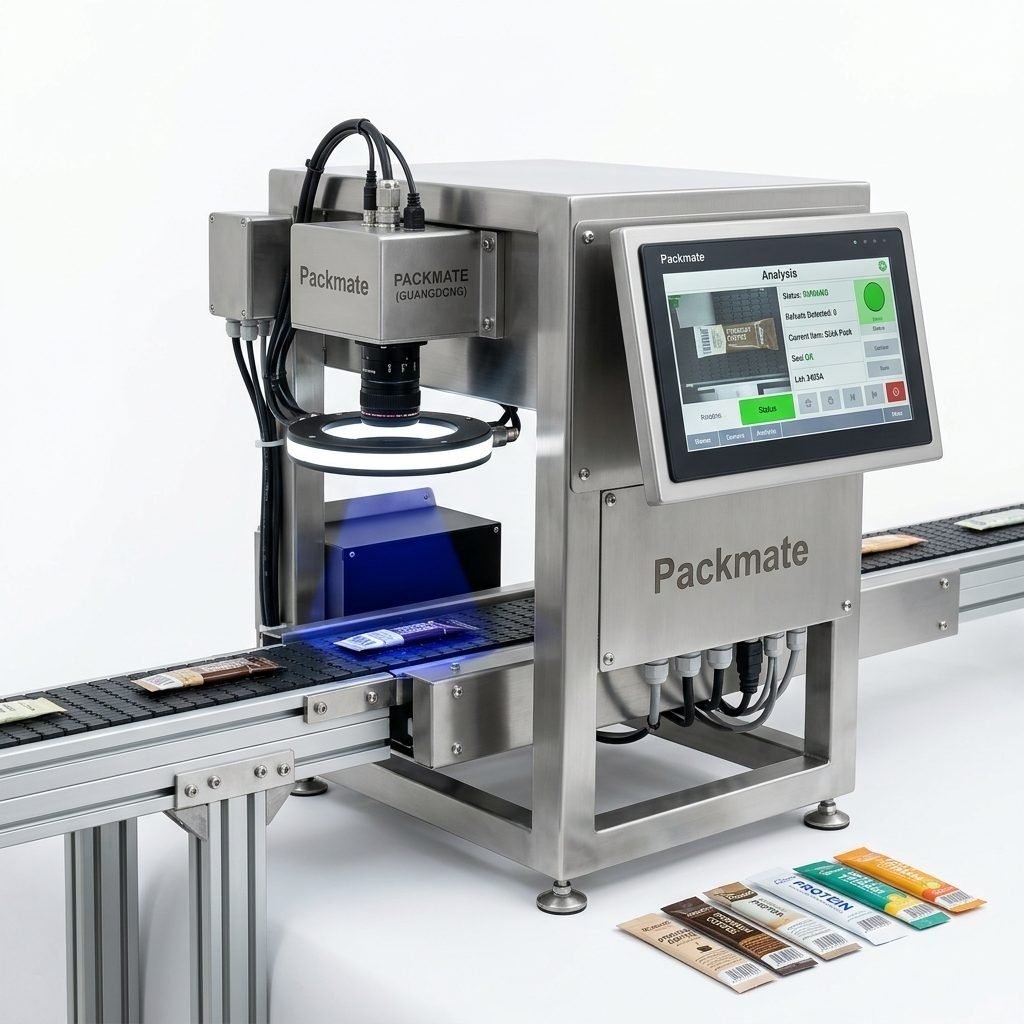
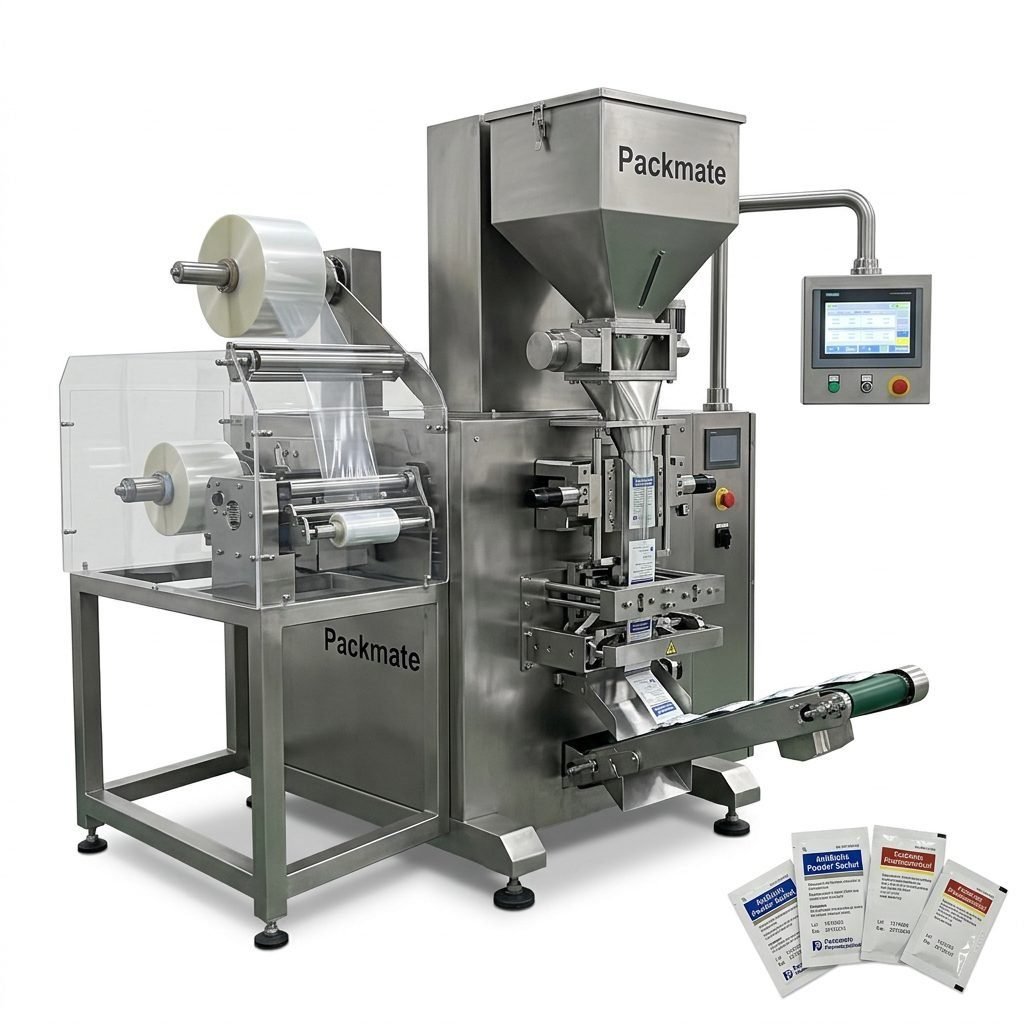
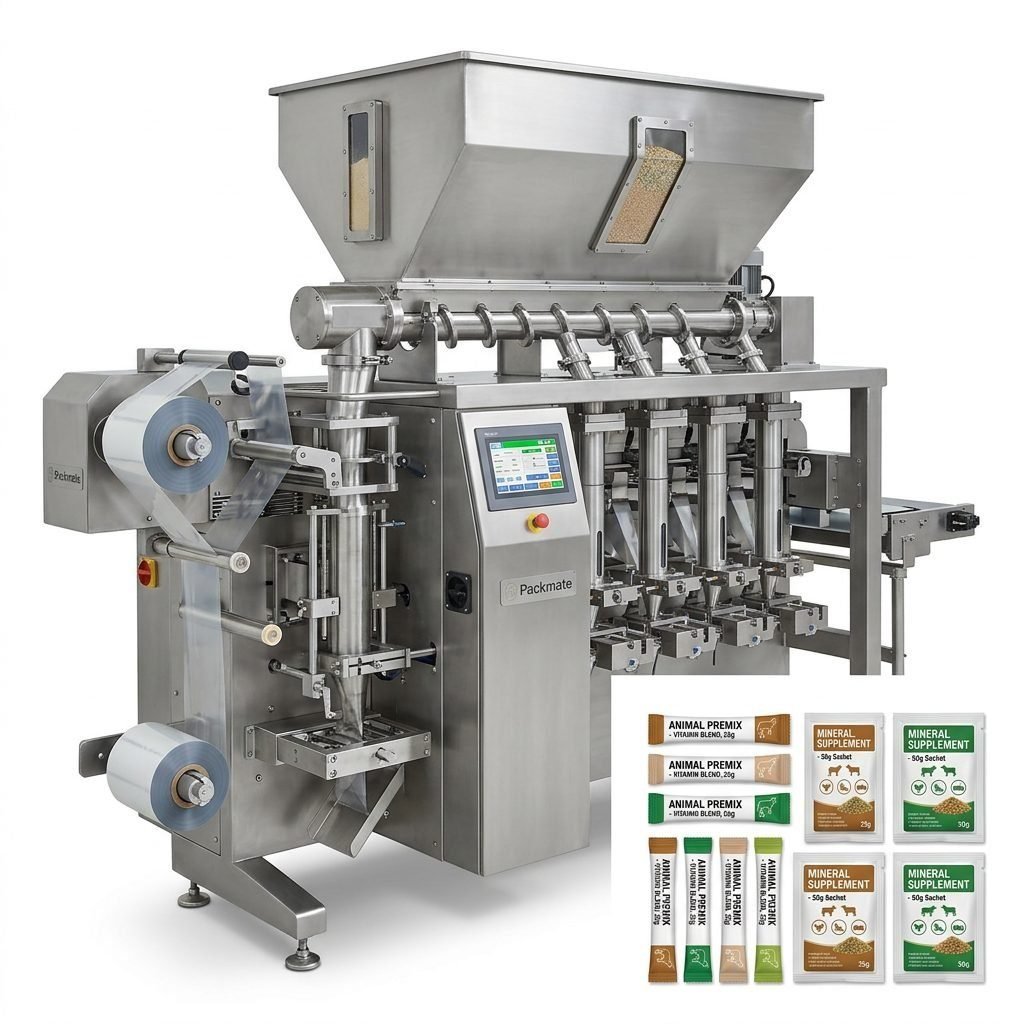
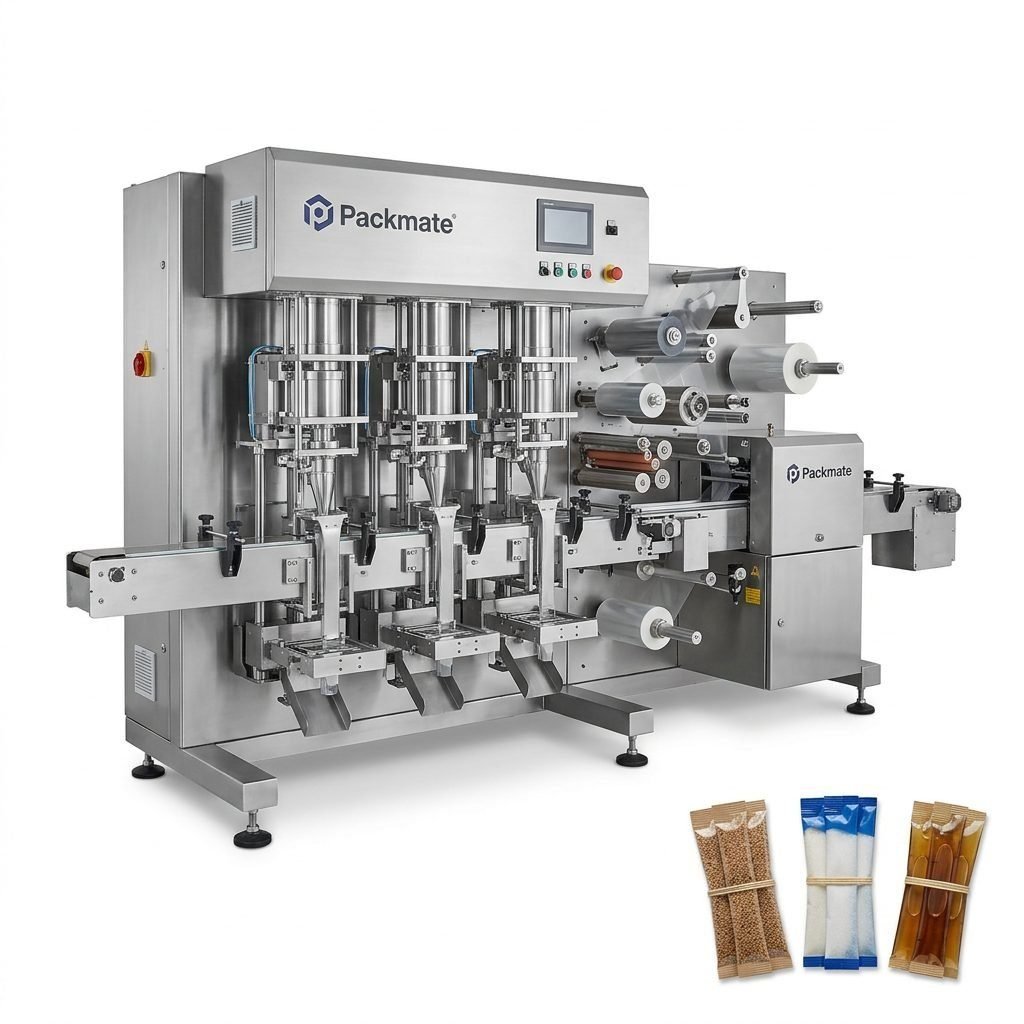
Ideal for single-serve or small-quantity seed packets, these machines operate multiple lanes simultaneously, dramatically increasing output. They are perfect for producing the long, narrow stick packs or small rectangular sachets commonly used for herb seeds, microgreens, or premium vegetable varieties.
3. Pre-Made Pouch Fillers
For operations that use pre-printed, branded pouches, a pre-made pouch filler is the optimal choice. These machines automatically open pre-formed pouches, fill them with seeds via precise weighing or counting systems, and then seal them. This method offers superior graphic quality for branding.
4. Weighing & Dosing Systems
The heart of accuracy in seed packing. Modern systems use multi-head weighers or linear weighers for granular seeds to achieve high-speed, precise weight measurements. For pelleted or larger seeds, counters (like vibratory bowl feeders with optical sensors) ensure exact seed quantities per packet.
Key Features of Modern Seed Packing Machines
Beyond basic filling, today’s high-efficiency machines incorporate advanced features that drive productivity and quality.
| Feature | Benefit for Seed Packing |
|---|---|
| High-Speed Multi-Lane Operation | Simultaneously packs multiple packets, achieving outputs of hundreds of packets per minute, essential for large-scale production. |
| Precision Weighing/Counting | Ensures every packet meets the labeled weight or count, minimizing giveaway and ensuring regulatory compliance and customer trust. |
| Gentle Product Handling | Uses soft-vibration feeders and low-drop heights to protect delicate or coated seeds from damage, preserving germination rates. |
| Integrated Gas Flushing | Replaces oxygen inside the packet with nitrogen or another inert gas to extend seed viability and shelf life significantly. |
| User-Friendly HMI & PLC Control | Touchscreen interfaces allow for quick changeovers between seed varieties and packet sizes, storing recipes for different products. |
Material Compatibility
Seeds require specific barrier properties. Machines must be compatible with various laminates, including metalized films for light-sensitive seeds and high-barrier films for moisture and oxygen protection. The sealing system (heat, ultrasonic) must create a strong, airtight seal on these materials.
Integration Capability
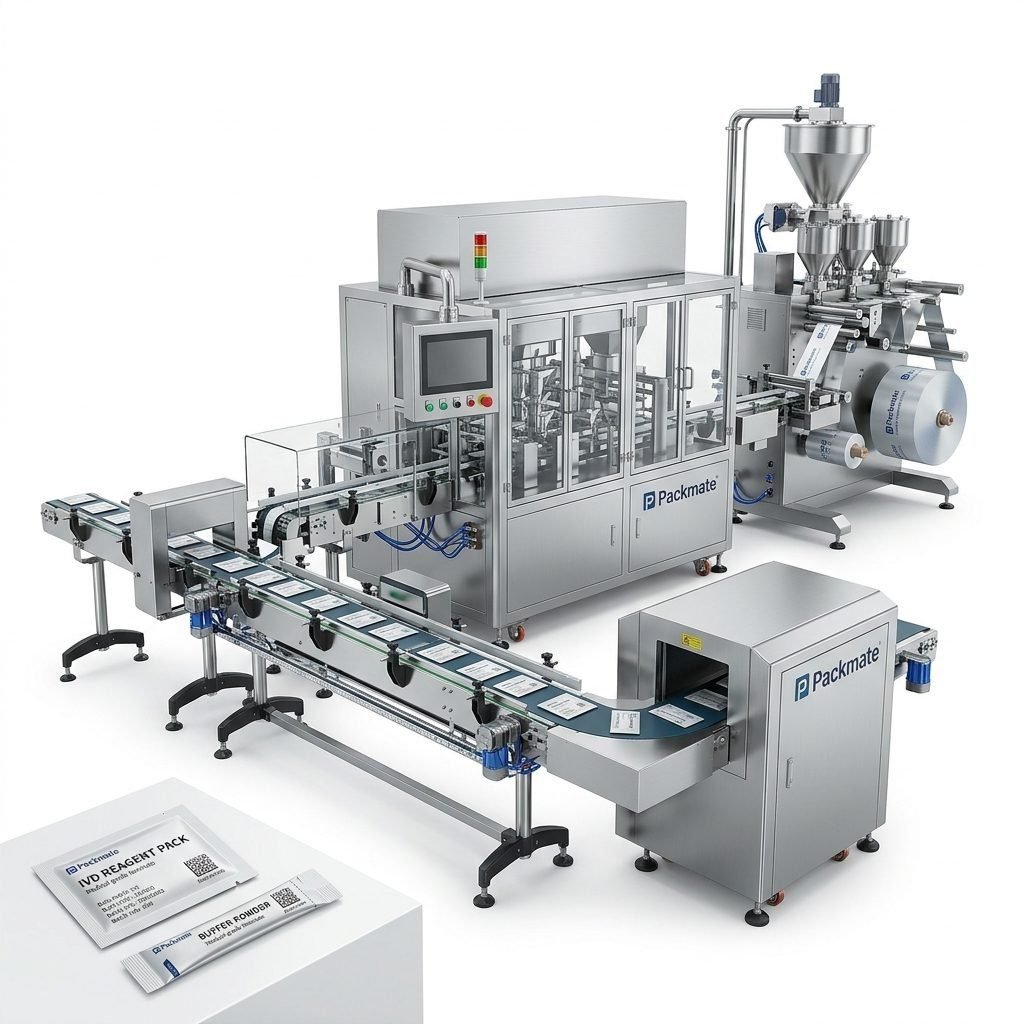
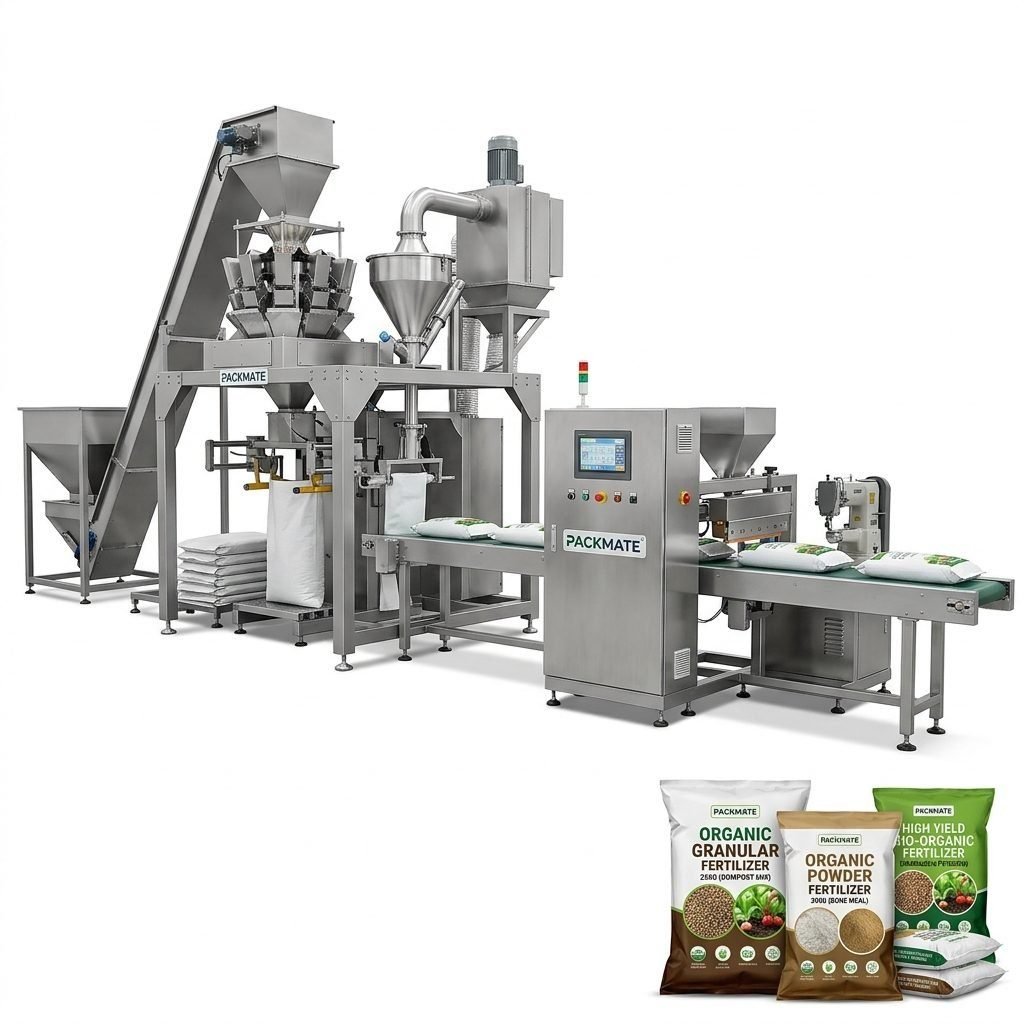
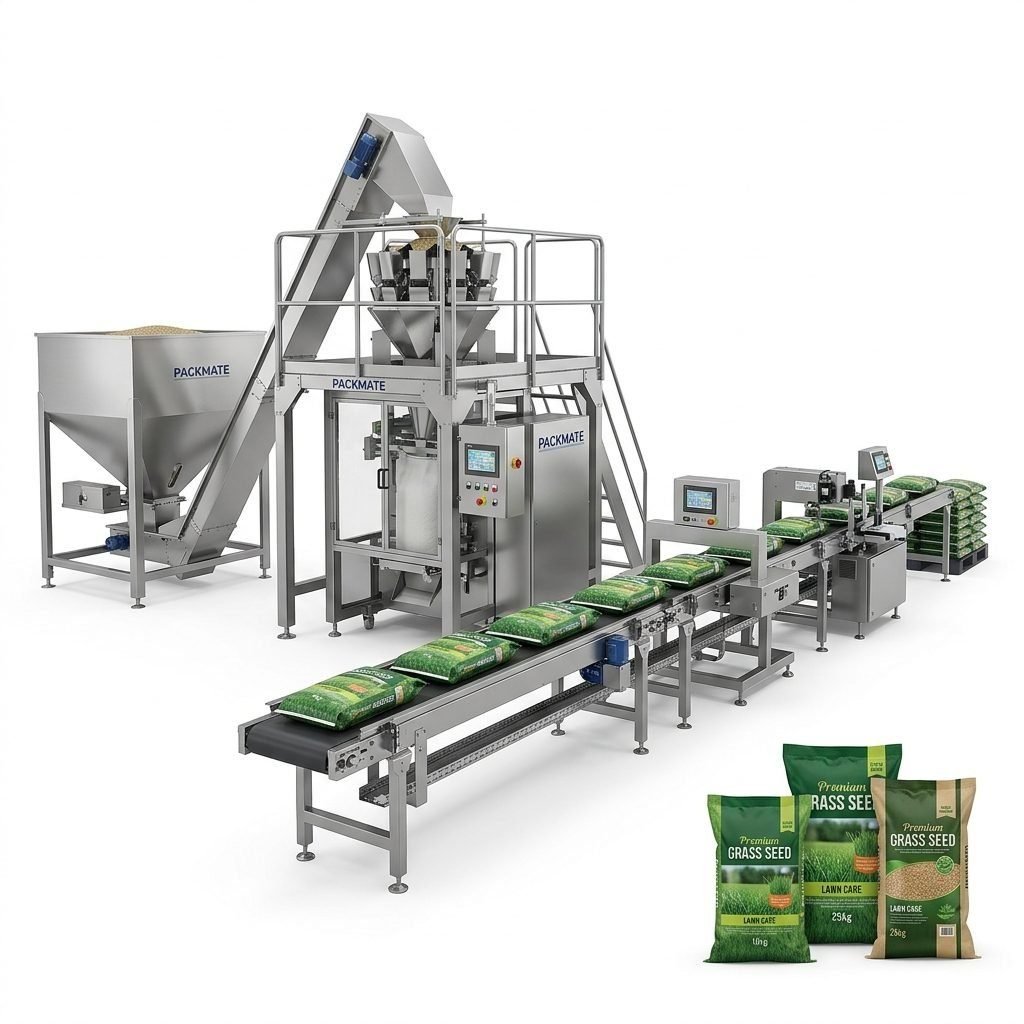
The most efficient operations use turnkey lines. A high-speed packing machine can be integrated with upstream equipment like bulk seed dispensers and downstream systems like automatic cartoners, case packers, and palletizers. Leading manufacturers like PacklineOEM specialize in designing these complete, synchronized production lines.
Choosing the Right Manufacturer & Buying Tips
Selecting a machine is a significant investment. Partnering with the right manufacturer is as important as the machine’s specifications.
1. Assess Your Specific Needs
Clearly define your requirements: target output (packets/hour), seed types and characteristics, bag/pouch dimensions, and film materials. This clarity is crucial when requesting quotes and demos from suppliers like Ludyway or Packmate Machinery.
2. Prioritize Precision and Gentleness
Request a live or recorded test run with your actual seeds. Observe the filling accuracy and how gently the seeds are handled through the feeding and drop phases. Even a 1% overfill can lead to massive annual product loss.
3. Evaluate After-Sales Support and Customization
Technical support, availability of spare parts, and training are critical. Companies with over 30 years of industry experience, such as those listed in the company profiles, typically offer robust global support networks. For non-standard needs, manufacturers like PackingMachineOEM provide essential customization services.
4. Consider Total Cost of Ownership (TCO)
Look beyond the initial purchase price. Factor in energy consumption, maintenance costs, changeover times, and potential downtime. A slightly more expensive but robust and reliable machine from an established maker often has a lower TCO.
5. Verify Export and Compliance Experience
If you are importing machinery, ensure the manufacturer has a proven track record in your region. They should understand local electrical standards, safety regulations (e.g., CE, UL), and provide documentation in your language. The extensive export markets of companies like Ludyway (Europe, North America, etc.) indicate this capability.
FAQs: High-Efficiency Vegetable Seed Packing Machines
1. What is the typical output speed of a multi-lane seed packing machine?
Output varies by machine model and packet size. Modern multi-lane stick pack or sachet machines can typically achieve speeds from 200 to over 800 packets per minute, depending on the number of lanes and the complexity of the filling and sealing process.
2. Can one machine handle different seed sizes and types?
Yes, but changeover is key. Look for machines with quick-change parts (like volumetric cups, vibratory bowls, and forming tubes) and PLC controls that store settings (“recipes”) for different products. This minimizes downtime when switching between, for example, small lettuce seeds and large bean seeds.
3. How important is gas flushing for seed packaging?
For long-term storage and maintaining high germination rates, it is very important. Gas flushing (nitrogen) removes oxygen, which slows seed respiration and aging. It is a highly recommended feature for commercial seed producers aiming for premium quality and extended shelf life.
4. What is the difference between a standalone machine and a turnkey line?
A standalone machine performs the core filling and sealing function. A turnkey line is a fully integrated system that automates the entire process from bulk seed intake to final palletizing, including feeding, weighing, packaging, labeling, cartoning, and case packing. For high-volume operations, a turnkey solution from a specialist like PacklineOEM maximizes efficiency.
5. What are the key maintenance requirements?
Regular cleaning to prevent seed dust buildup, lubrication of moving parts as per the manual, inspection and replacement of wear parts like sealing jaws and cutting blades, and calibration of weighing systems are essential. Choosing a supplier with readily available spare parts is crucial for minimizing maintenance downtime.