In the global healthcare products sector, packaging is far more than just a container—it’s a critical component of product integrity, safety, compliance, and consumer trust. From pharmaceuticals and nutraceuticals to medical devices and personal health supplements, the demands on packaging equipment are exceptionally high. Manufacturers require systems that ensure sterility, precise dosing, tamper evidence, and regulatory compliance, all while maintaining high efficiency and cost-effectiveness.
Essential Types of Packaging Equipment for Healthcare Products
The packaging process for healthcare items is segmented into several key stages, each requiring specialized machinery. Understanding these types is the first step in selecting the right solution for your production line.
1. Primary Packaging Systems
This equipment handles the direct contact between the product and its immediate packaging material. For healthcare, this often requires a high degree of precision and hygiene.
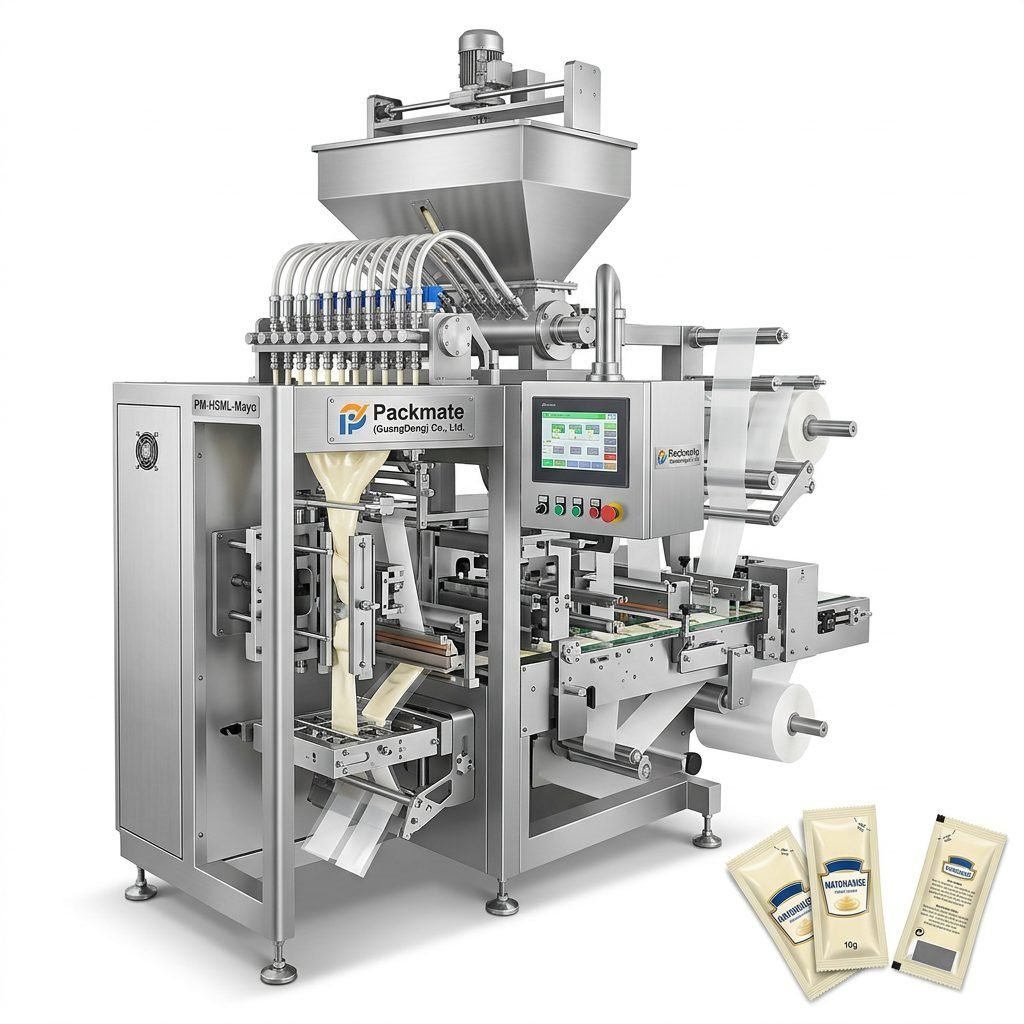
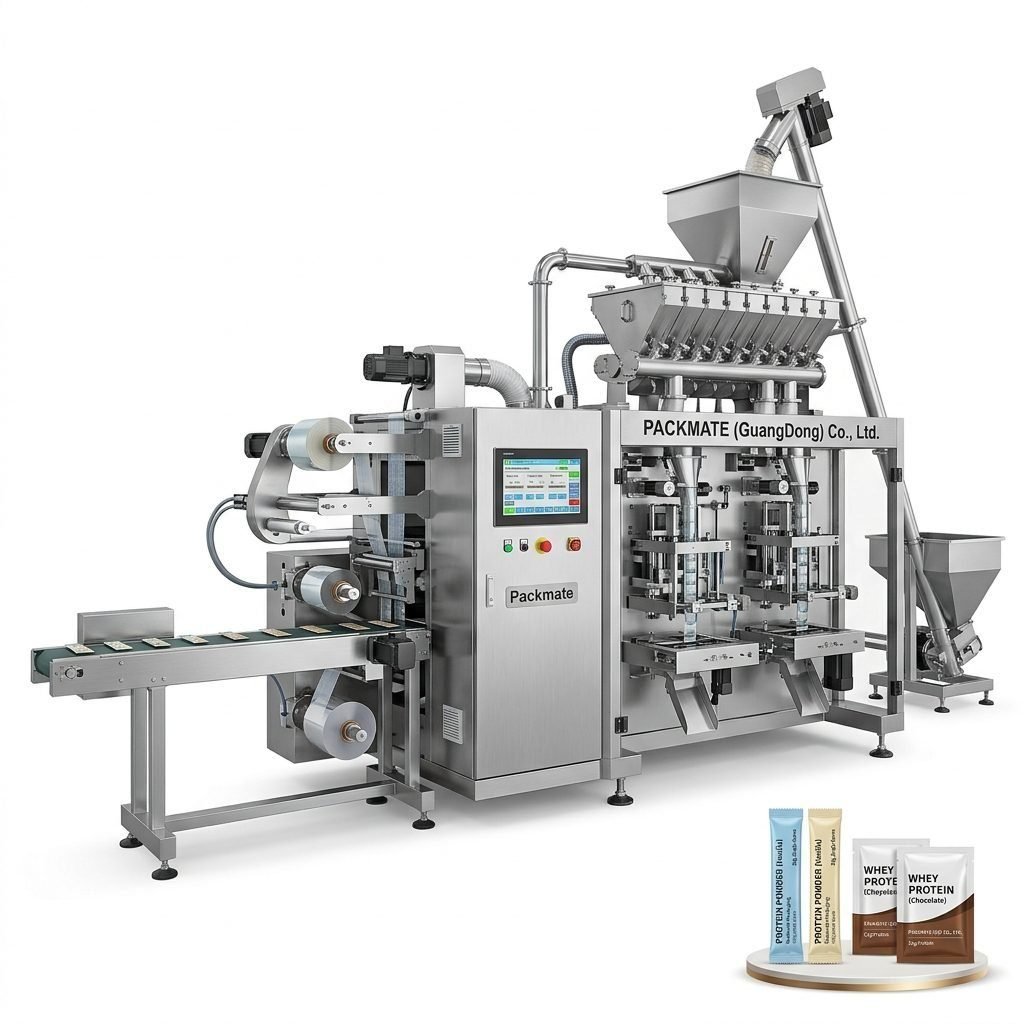
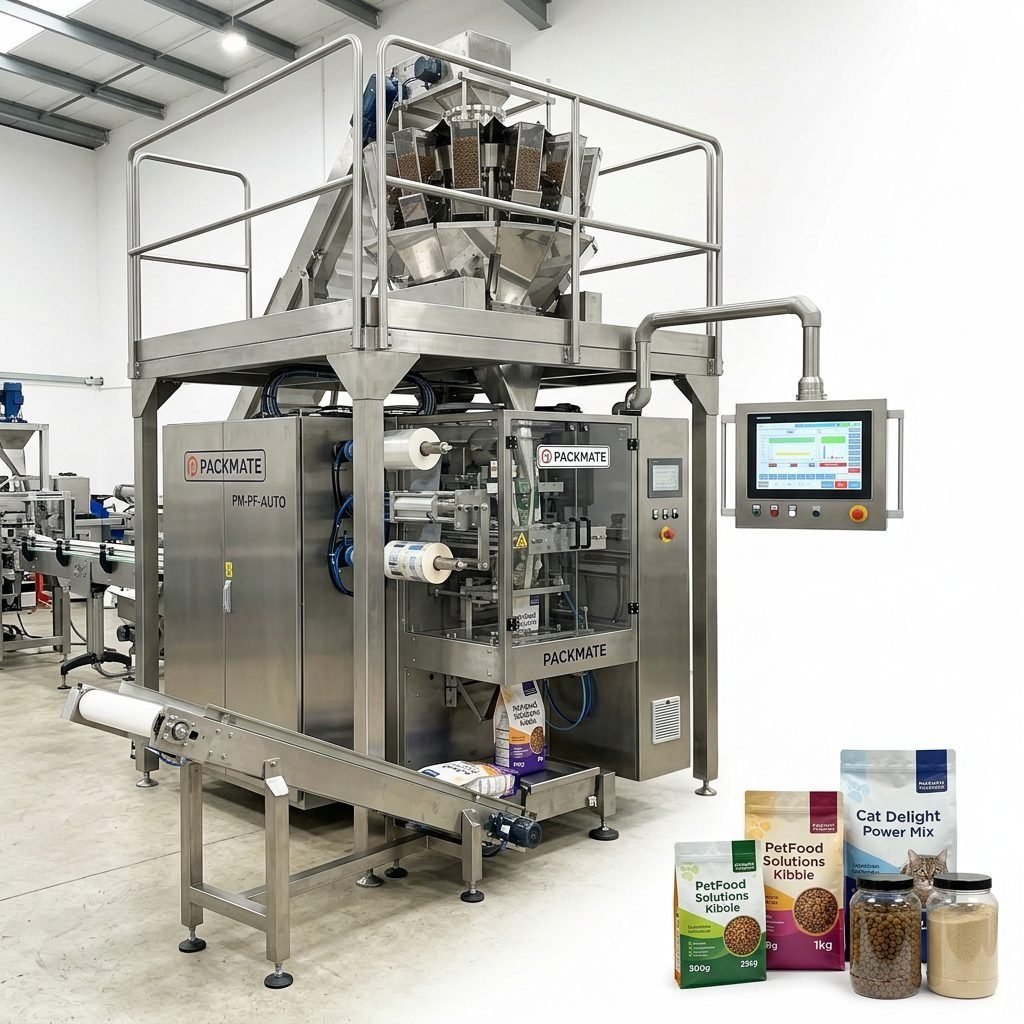
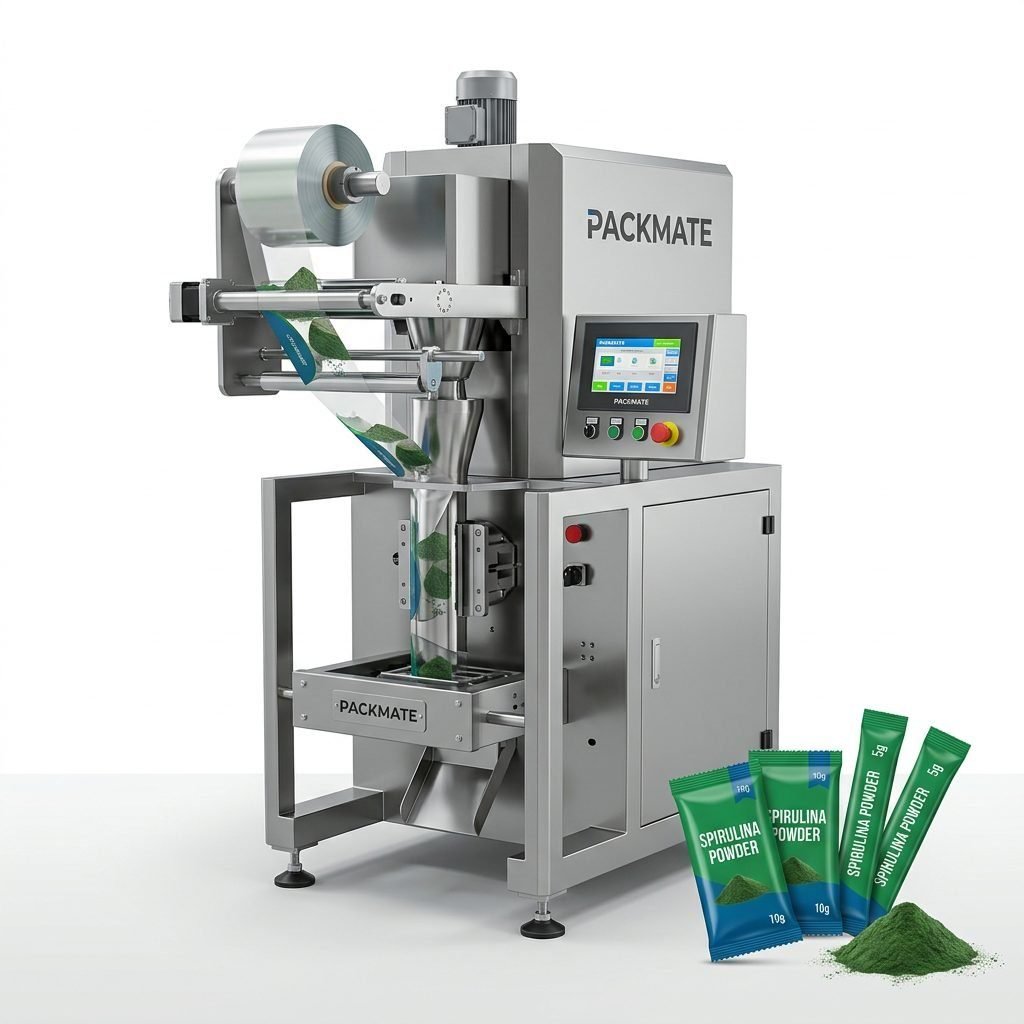
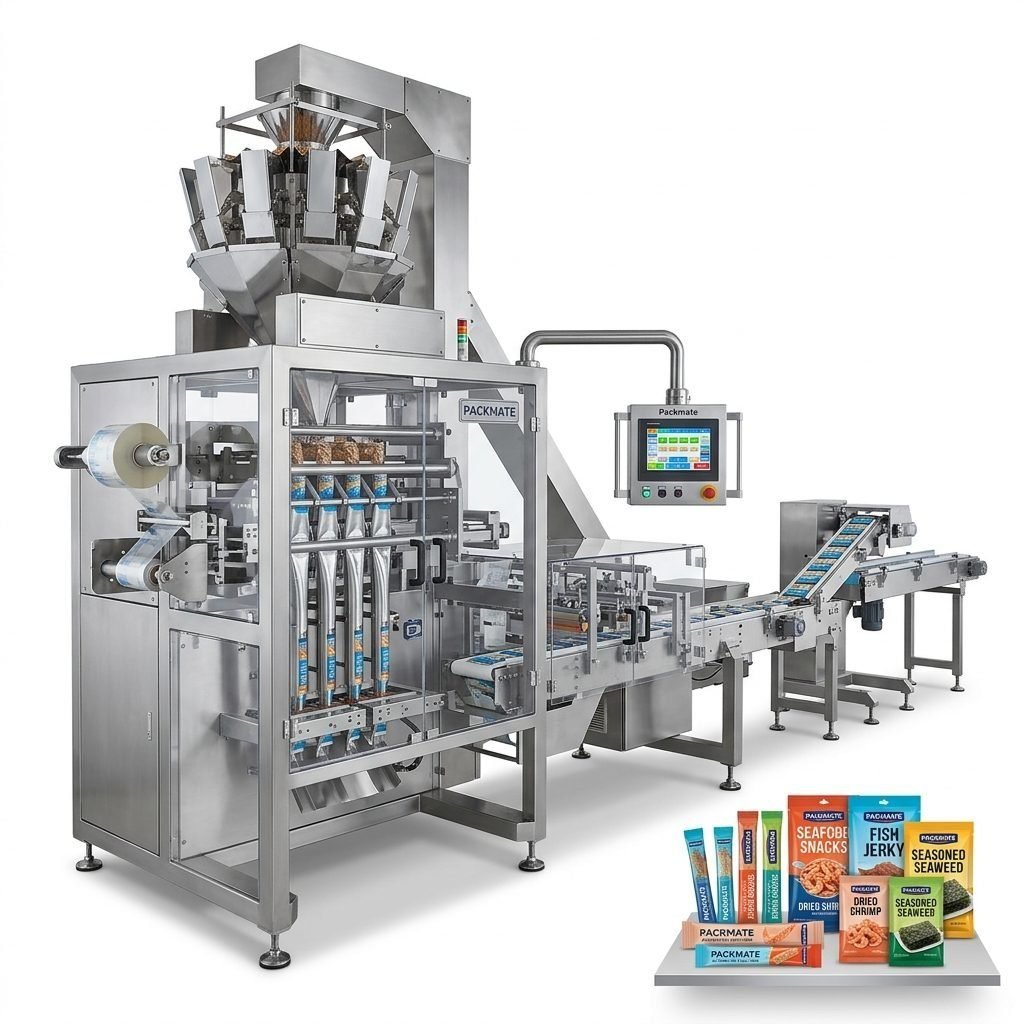
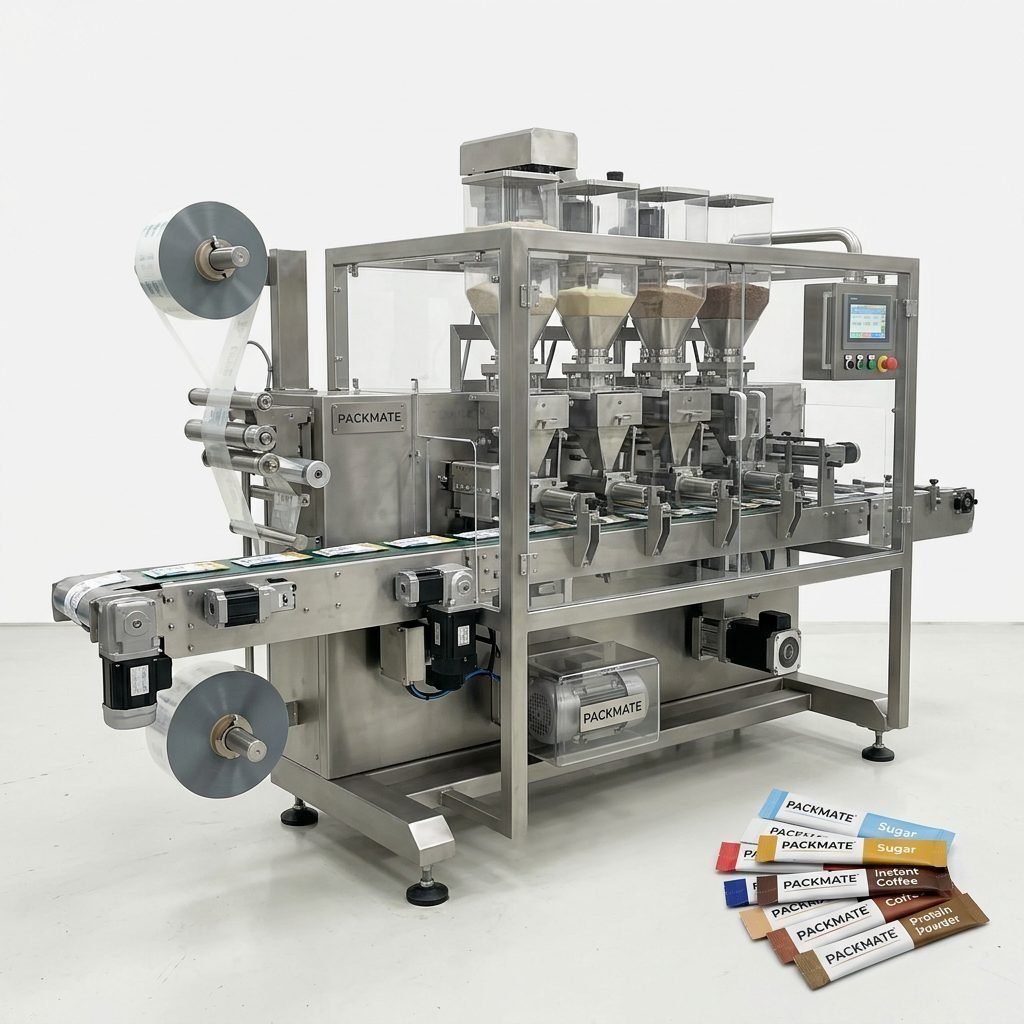
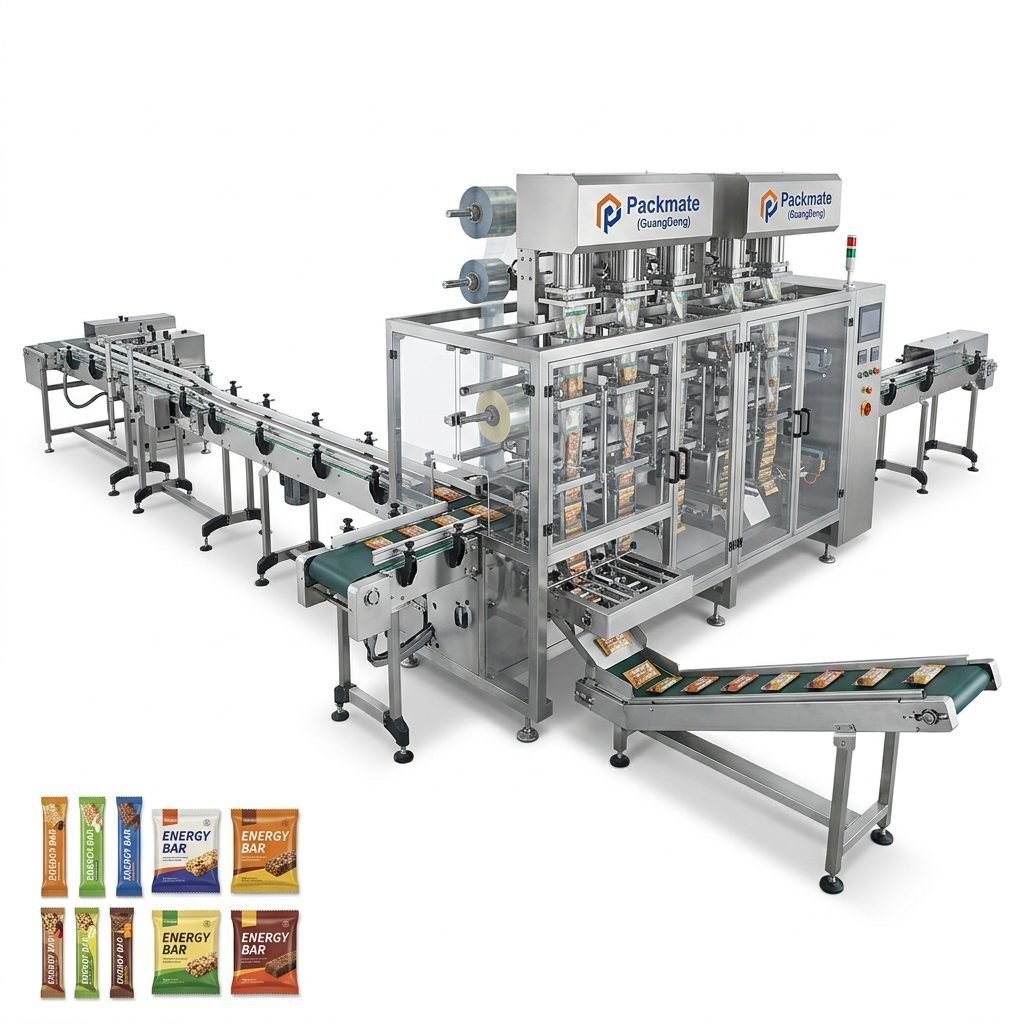
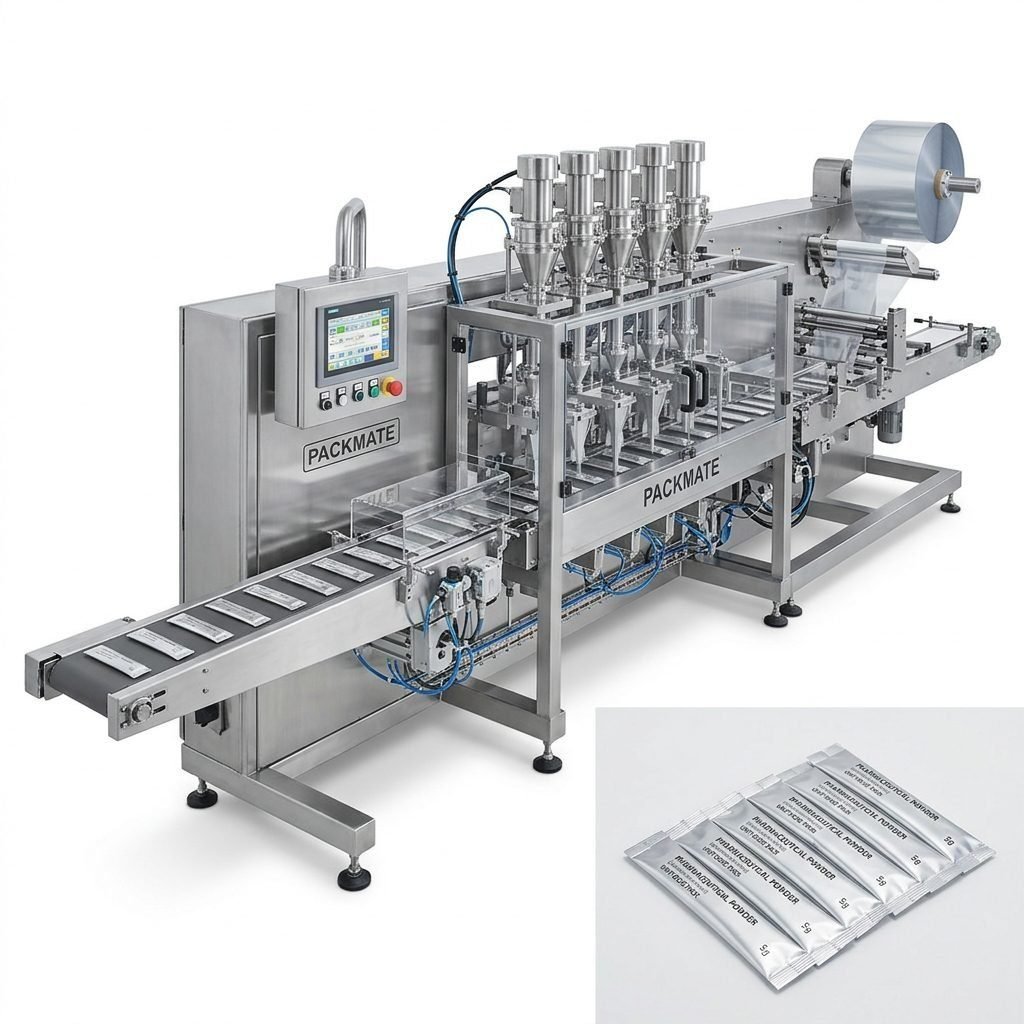
Vertical Form-Fill-Seal (VFFS) Machines: These are workhorses for creating pouches, sachets, and stick packs from a roll of film. They are ideal for powdered supplements, granulated herbs, and single-dose pharmaceuticals. Modern VFFS systems for healthcare feature clean-design construction, easy-sanitize surfaces, and inert gas flushing options to extend product shelf life.
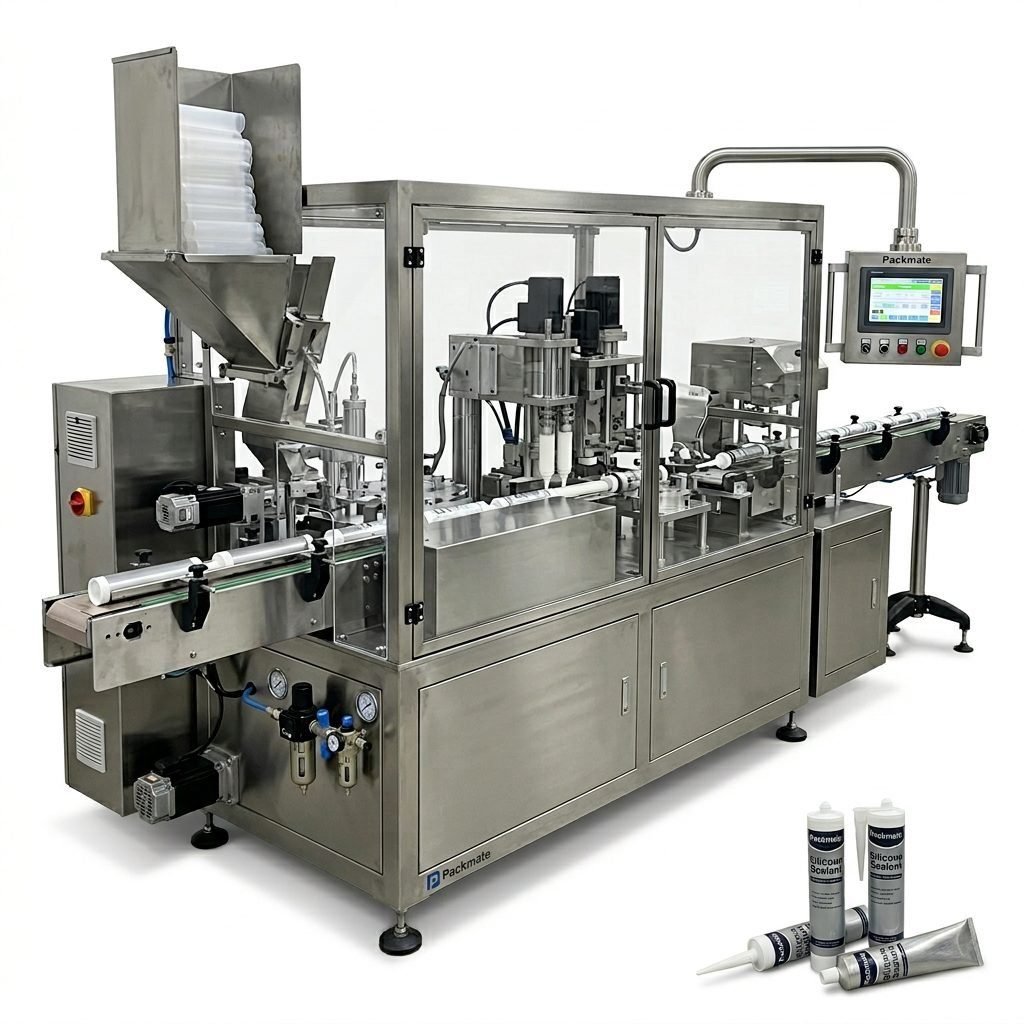
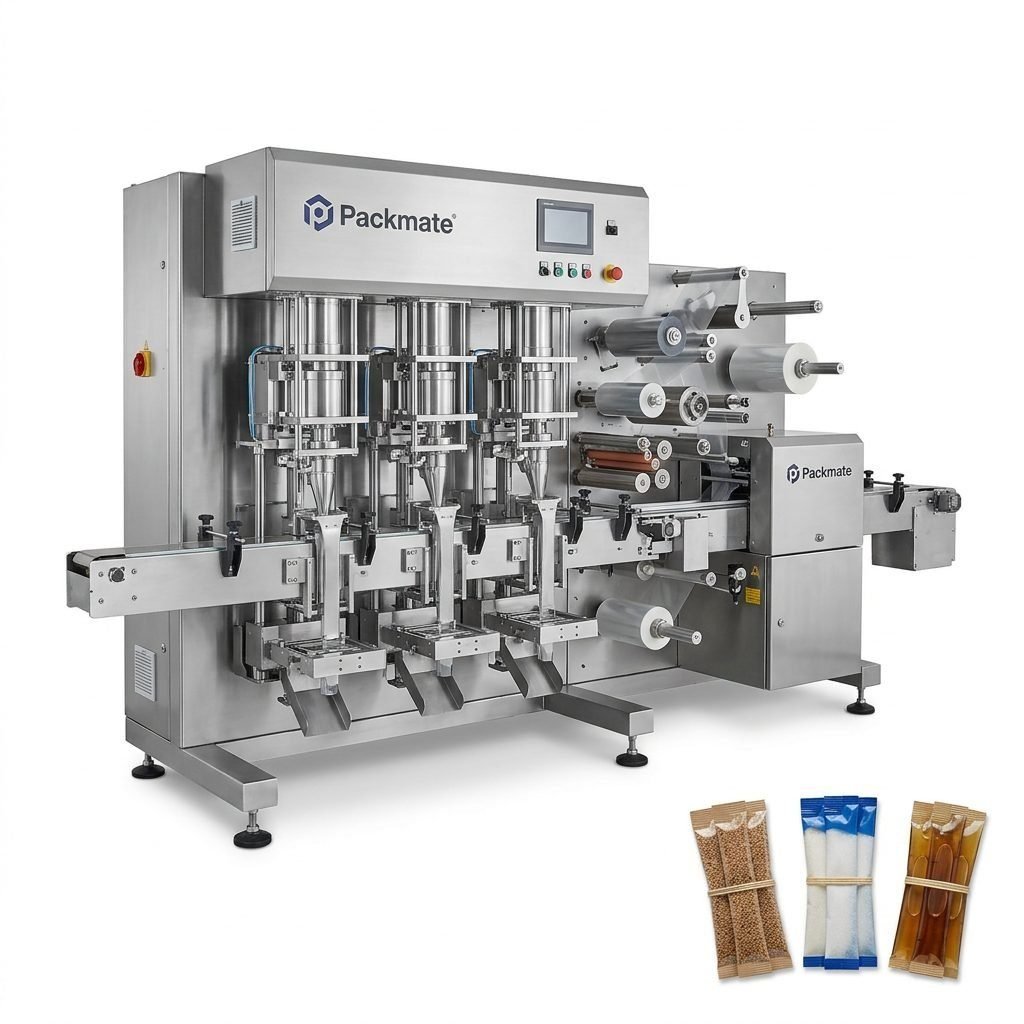
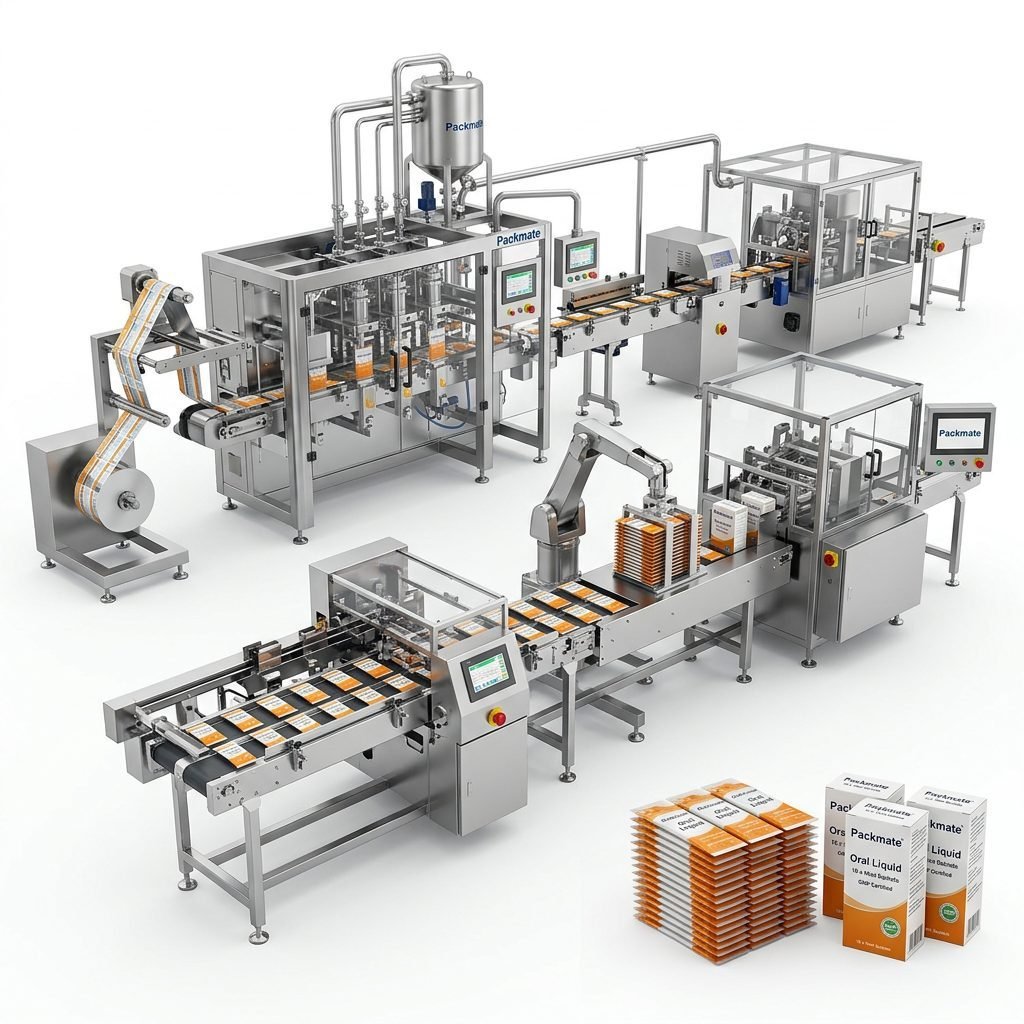
Liquid Filling and Sealing Lines: Critical for syrups, ointments, serums, and sanitizers. These systems combine precision pumps (peristaltic, piston, or time-pressure) with sealing stations. Key considerations include filling accuracy (often within ±0.5%), compatibility with viscous products, and the ability to handle sterile or aseptic filling environments.
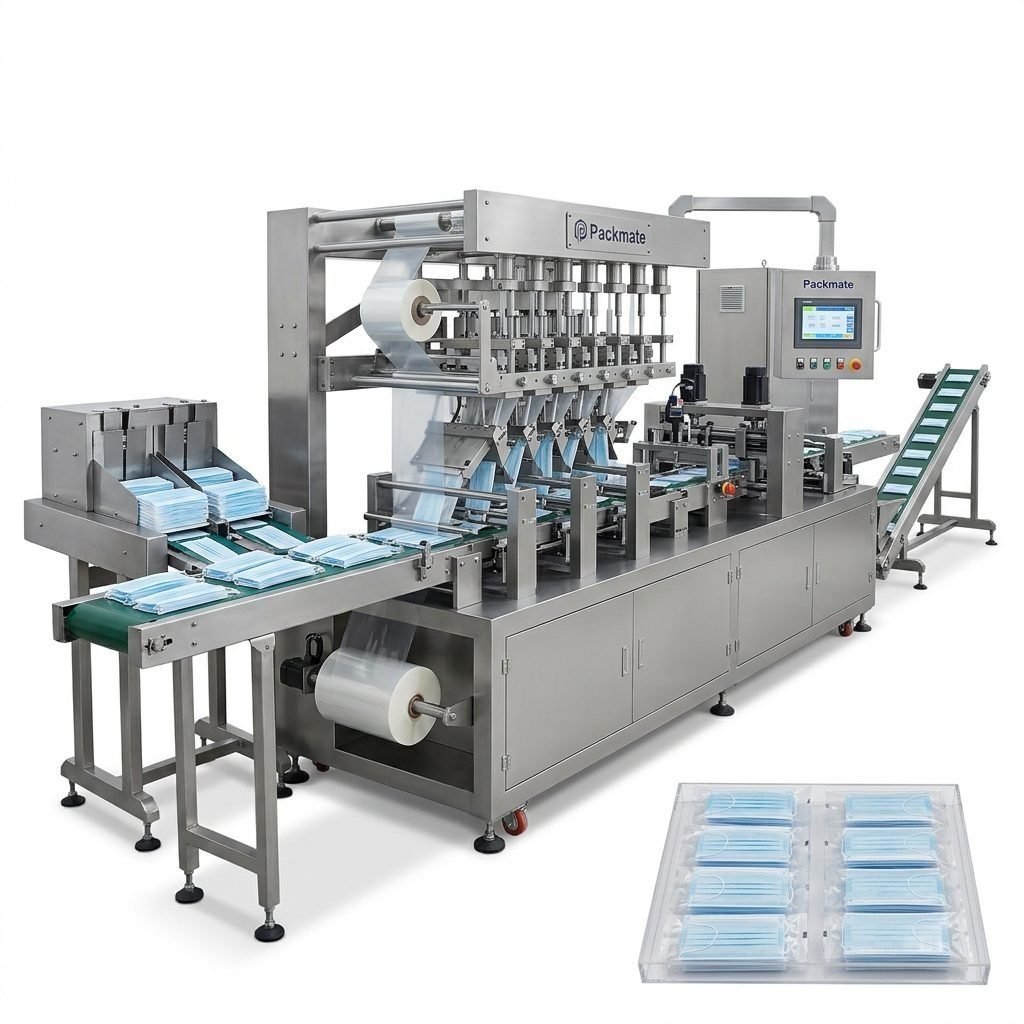
Blister Packaging Machines: Predominantly used for tablets, capsules, and lozenges. They thermoform plastic cavities, place the product, and seal with a lidding material (often foil). High-end models include vision systems for 100% inspection of fill and seal integrity, which is a non-negotiable requirement in pharmaceutical packaging.
2. Secondary & End-of-Line Packaging
Once products are in their primary packs, they need to be collated, cartoned, and prepared for distribution.
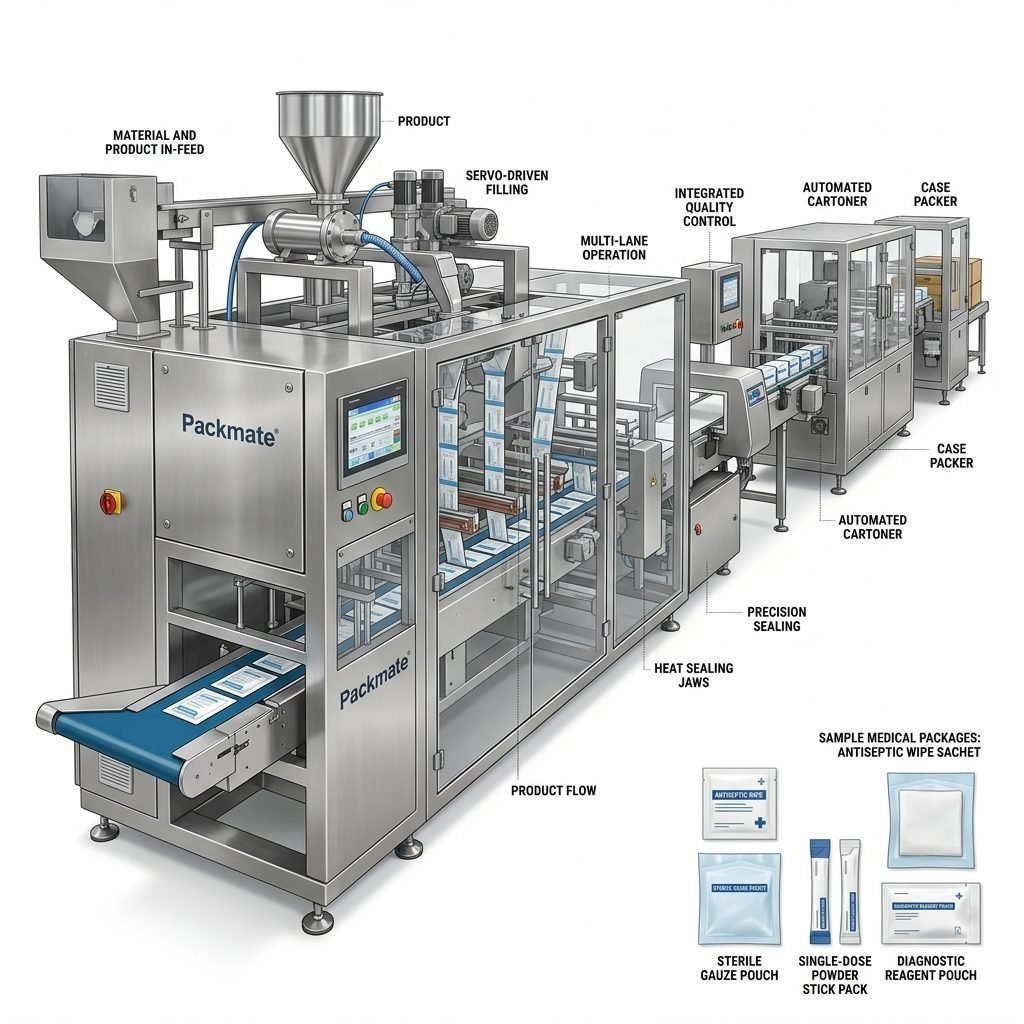
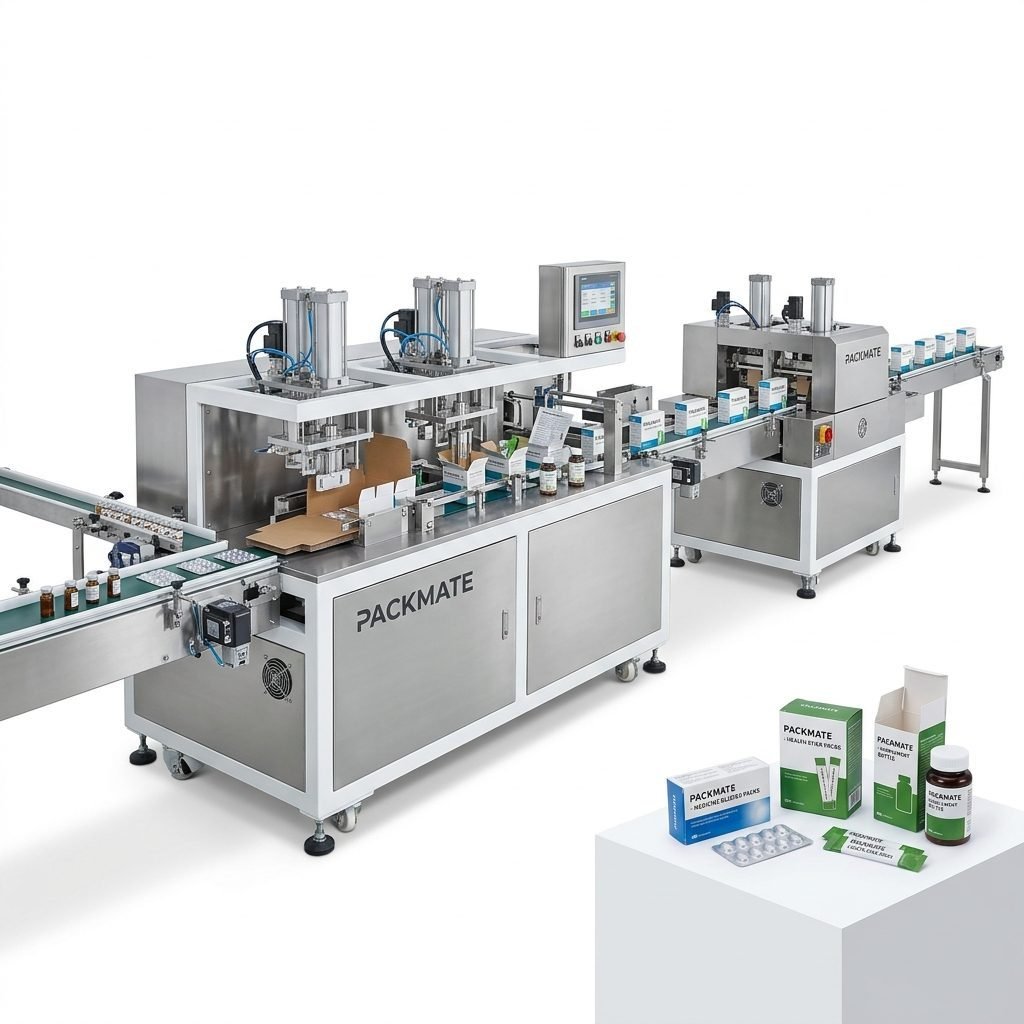
Cartoning Machines: Automatically erect cartons, insert product leaflets, load the primary packages (blisters, bottles, sachets), and close the carton. For healthcare, features like lot and expiry date printing integration and tamper-evident glue patterns are essential.
Case Packers and Palletizers: These handle the final steps, placing cartons into shipping cases and building stable pallets. Robotics are increasingly used here for flexibility and gentle handling.
Key Considerations for Global Buyers
Selecting packaging equipment for healthcare products involves a multifaceted decision-making process that goes beyond mere specifications.
| Factor | Importance for Healthcare | Questions to Ask |
|---|---|---|
| Regulatory Compliance | Paramount. Equipment must support compliance with FDA (USA), EMA (EU), MHRA (UK), TGA (Australia), and other regional regulations. | Does the machine offer full documentation (DQ/IQ/OQ/PQ)? Is it built with GMP principles (easy cleaning, no product traps)? |
| Flexibility & Changeover | High. Manufacturers often run multiple SKUs on one line. Quick changeovers minimize downtime. | How long does it take to change pouch size or filling format? Are change parts tool-less? |
| Precision & Accuracy | Critical for dosing consistency, especially in nutraceuticals and pharmaceuticals where potency is key. | What is the guaranteed filling accuracy for my product type (powder, liquid, granule)? |
| Hygienic Design | Essential to prevent contamination. Surfaces must be smooth, non-porous, and easy to clean and sanitize. | Are frames stainless steel? Are there hidden areas where product or debris can accumulate? |
Strategic Buying Guide: From Assessment to Installation
A successful procurement follows a structured path.
Step 1: Define Your Requirements
Start with a clear list: product form (powder, tablet, liquid), required output speed (pouches/minute), packaging materials (film type, laminate structure), and any special needs (nitrogen flushing, sterile barrier). Involve your quality assurance and regulatory teams from the beginning.
Step 2: Research and Shortlist Suppliers
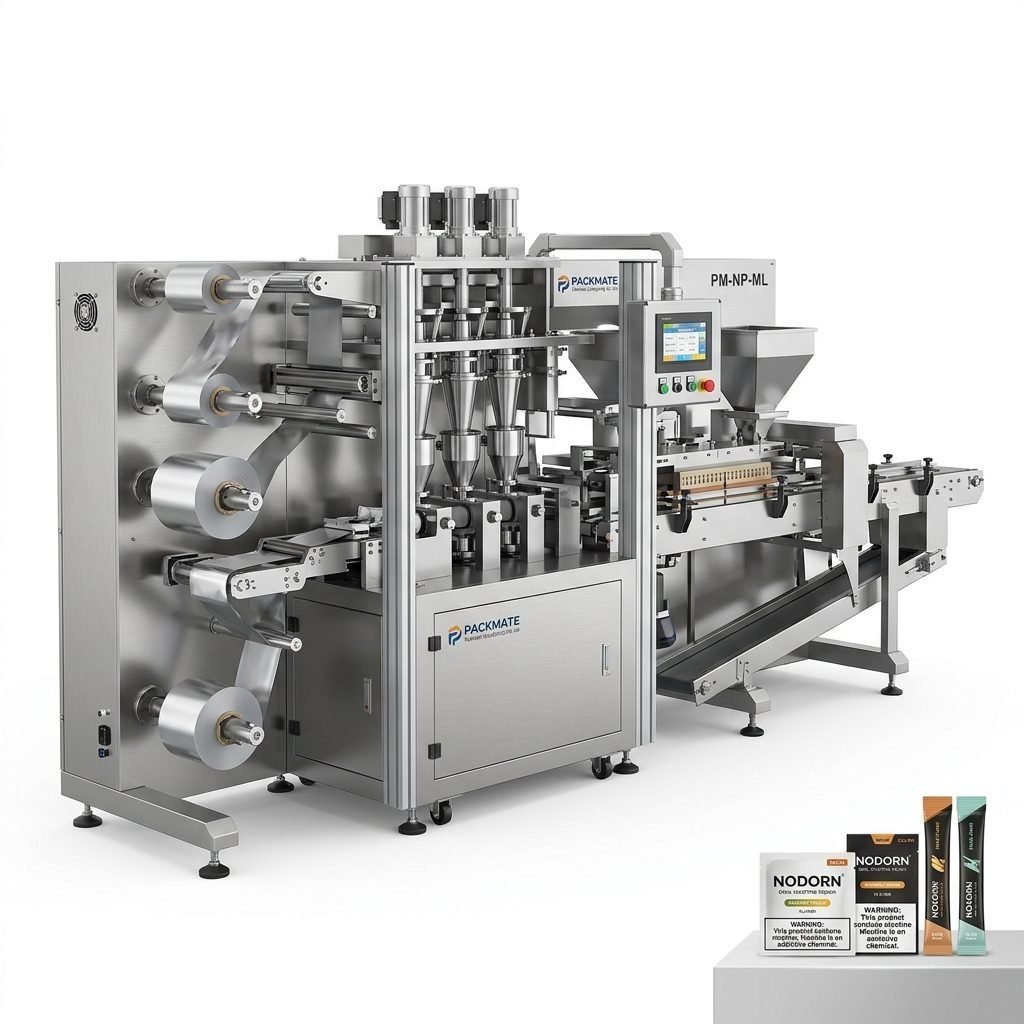
Look for manufacturers with proven experience in your specific healthcare niche. For instance, a company like SnusMachinery brings specialized expertise in precision pouch packaging, which is highly transferable to pharmaceutical sachets and stick packs. Evaluate their industry experience, client portfolio, and after-sales support network in your region.
Step 3: Evaluate Technical Capability and Support
Request detailed proposals and, if possible, arrange a product test using your actual materials at the supplier’s facility. This is a crucial step offered by serious manufacturers like Ludyway and Packmate Machinery. Assess the supplier’s ability to provide comprehensive technical documentation, training, and readily available spare parts.
Step 4: Consider Total Cost of Ownership (TCO)
Look beyond the initial purchase price. Factor in energy consumption, required operator skill level, maintenance costs, expected machine lifespan, and potential for future upgrades. A slightly higher upfront investment in a robust, efficient machine from a supplier like PacklineOEM can lead to significantly lower long-term costs and higher overall equipment effectiveness (OEE).
Step 5: Plan for Integration and Validation
For automated lines, ensure the supplier can integrate different modules seamlessly. Companies specializing in turnkey solutions, such as PackingMachineOEM, are adept at this. Plan the factory layout and utility connections early. Most importantly, build a detailed validation protocol (Installation, Operational, and Performance Qualification) in collaboration with the supplier to ensure regulatory acceptance.
Frequently Asked Questions (FAQs)
Q: What is the most critical feature in packaging equipment for sterile medical products?
A: Beyond basic hygienic design, the capability for aseptic or sterile processing is paramount. This often involves integrated sterilization zones (e.g., HEPA-filtered laminar airflow chambers), sterilizable contact parts, and a design that prevents any non-sterile contact with the product or packaging interior.
Q: How can I ensure the machine will comply with regulations in my target market (e.g., Europe or North America)?
A: Choose a supplier with a strong export history to your target region. They should be familiar with the relevant machinery safety standards (e.g., CE, UL) and GMP requirements. Request and review compliance certificates and ask for references from clients in similar markets.
Q: Is it better to buy individual machines or a complete integrated line?
A: It depends on your scale and expertise. For high-volume, dedicated production of a single product type, a turnkey integrated line offers maximum efficiency and consistency. For smaller batches, frequent product changes, or pilot production, standalone machines offer more flexibility. Many suppliers provide modular systems that can be expanded later.
Q: What kind of after-sales support should I expect?
A: Comprehensive support is non-negotiable. Expect detailed installation supervision, operator and maintenance technician training, a clear spare parts catalog, and access to remote and on-site technical support. Ensure there is a defined response time for support requests in your service agreement.
Q: Can existing packaging lines be upgraded or retrofitted for new regulations or products?
A> Often, yes. Reputable manufacturers can retrofit older lines with new features like advanced vision inspection systems, better sealing controls, or data tracking modules for improved traceability. Discuss your upgrade path with the supplier during the initial purchase to ensure future compatibility.