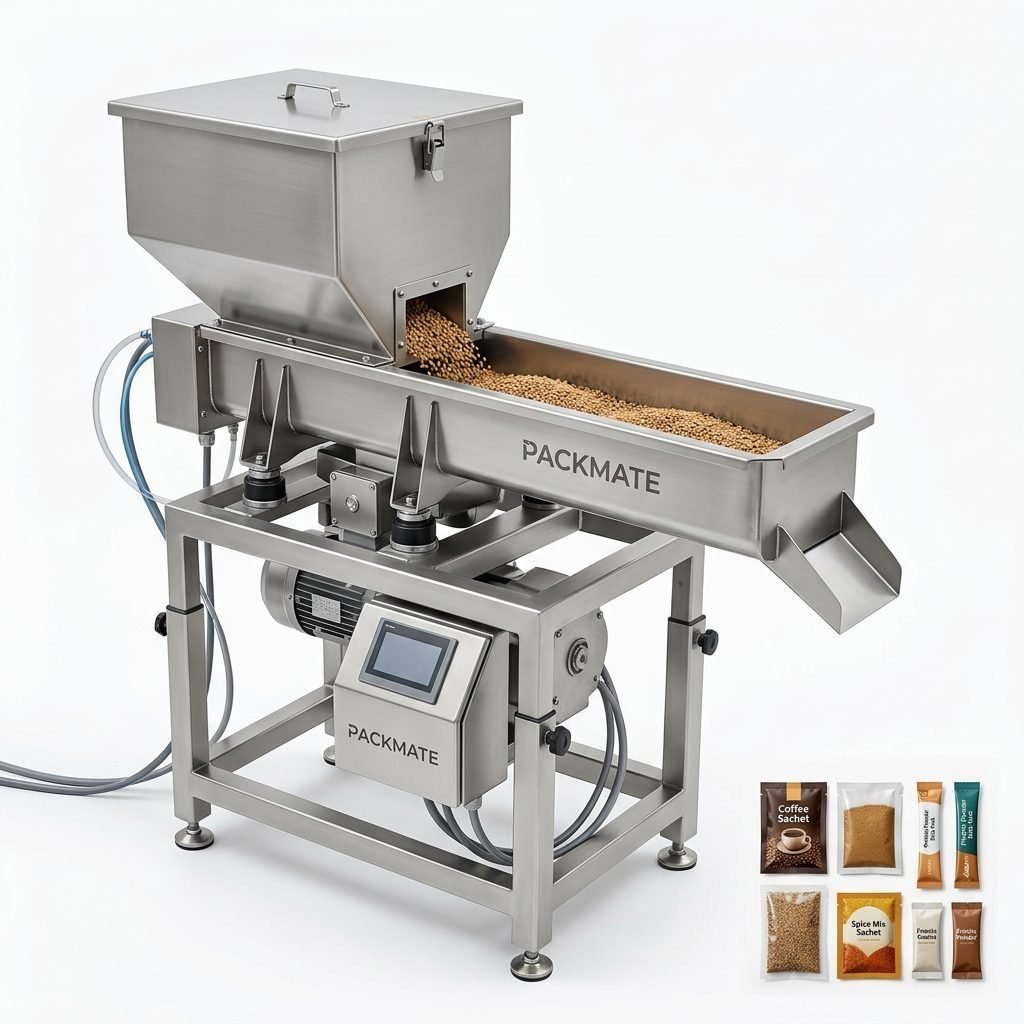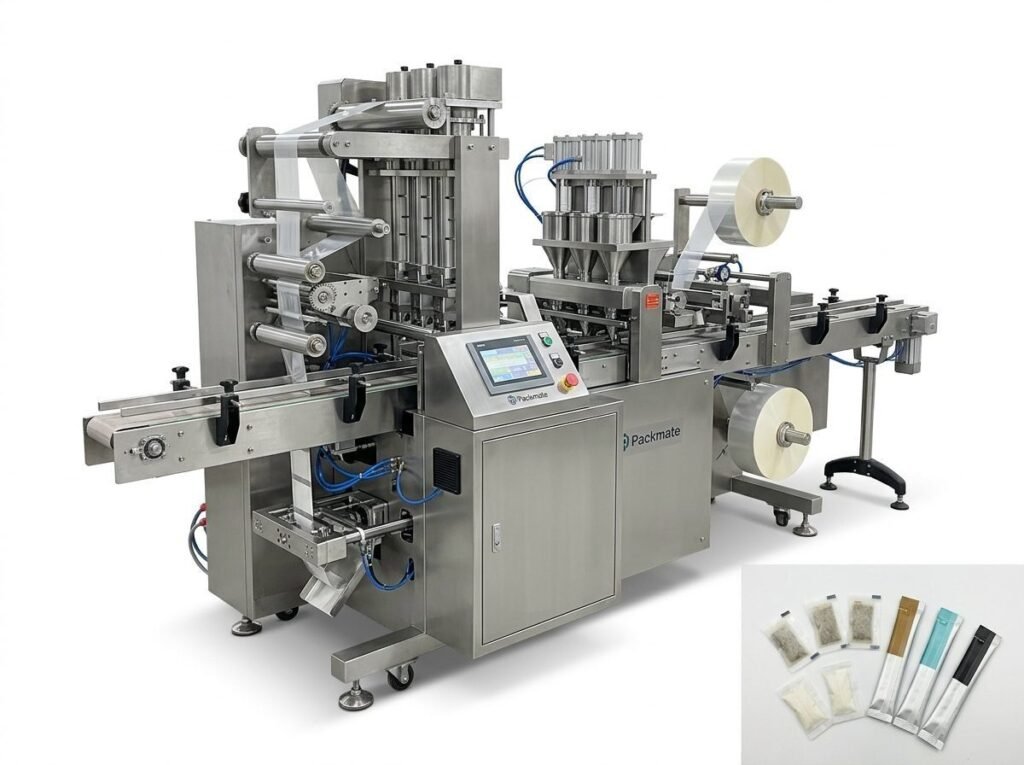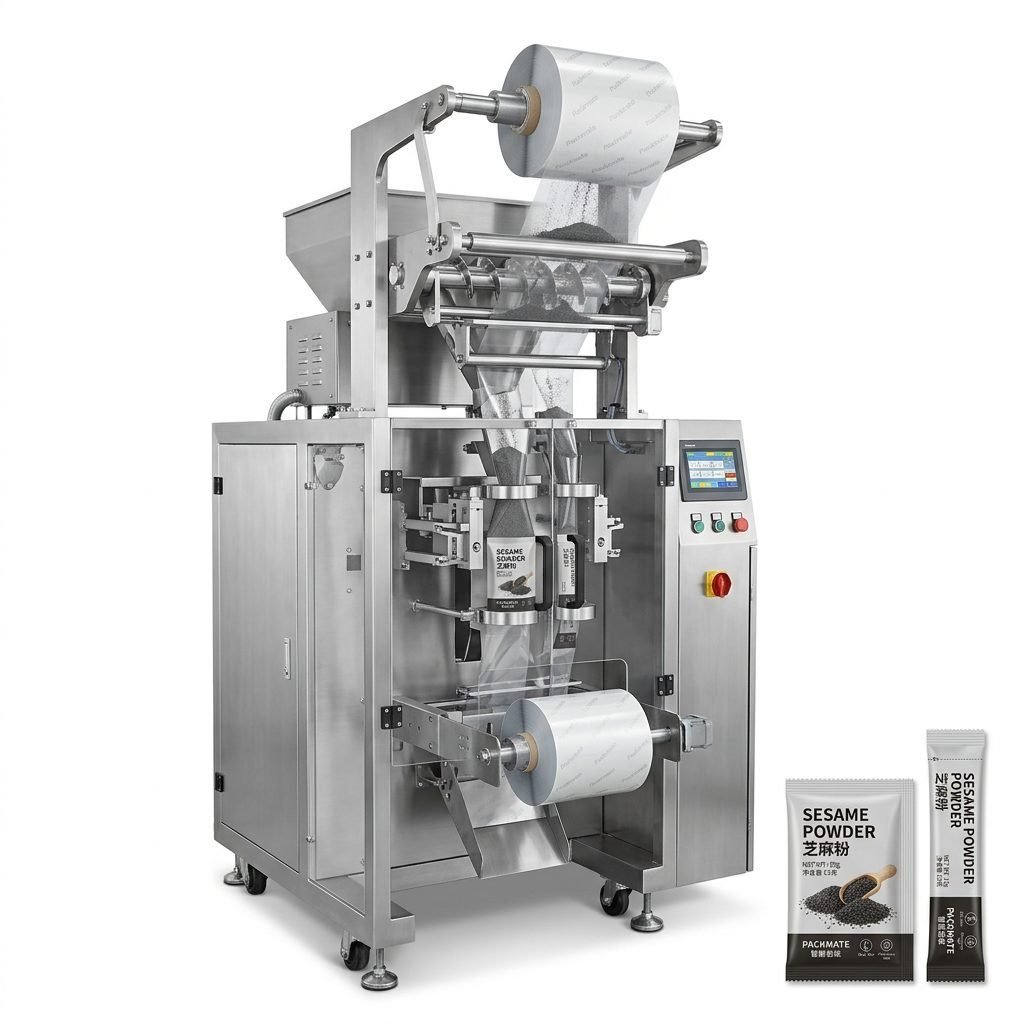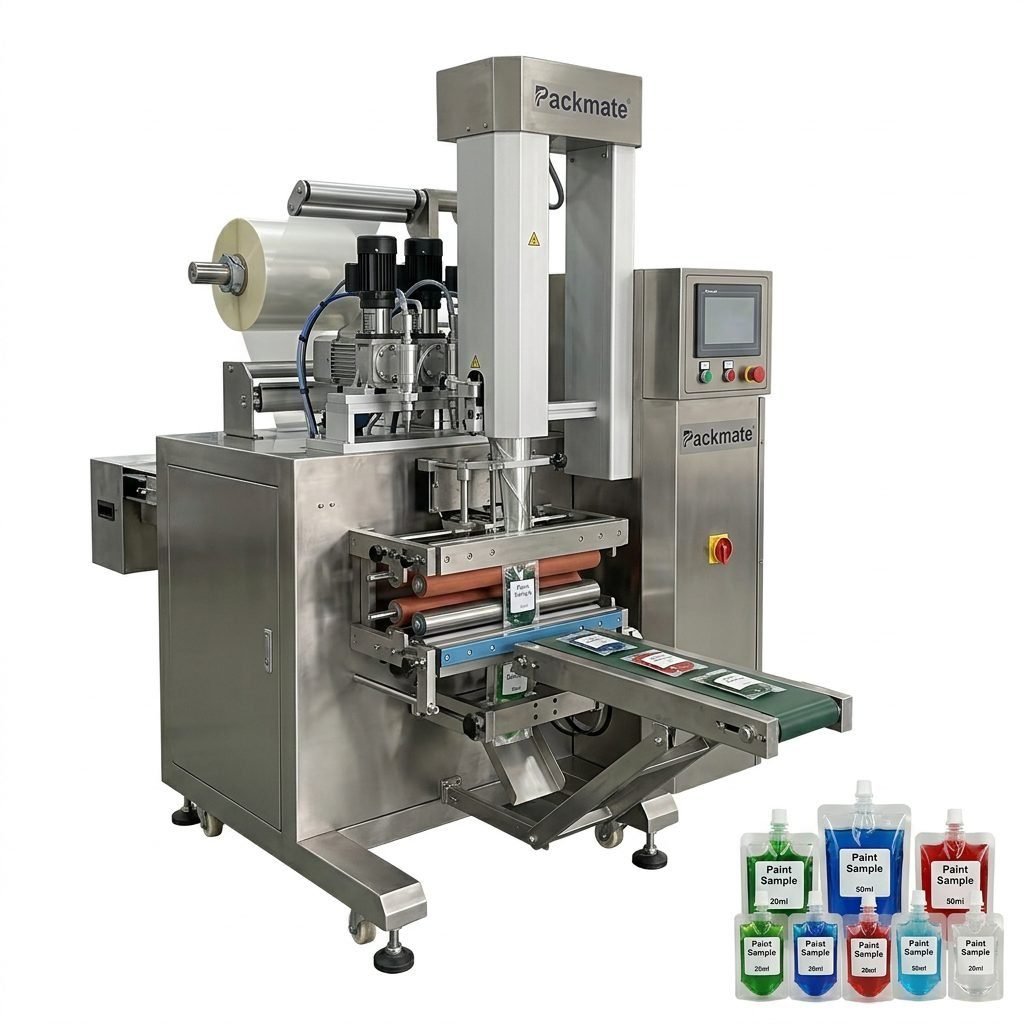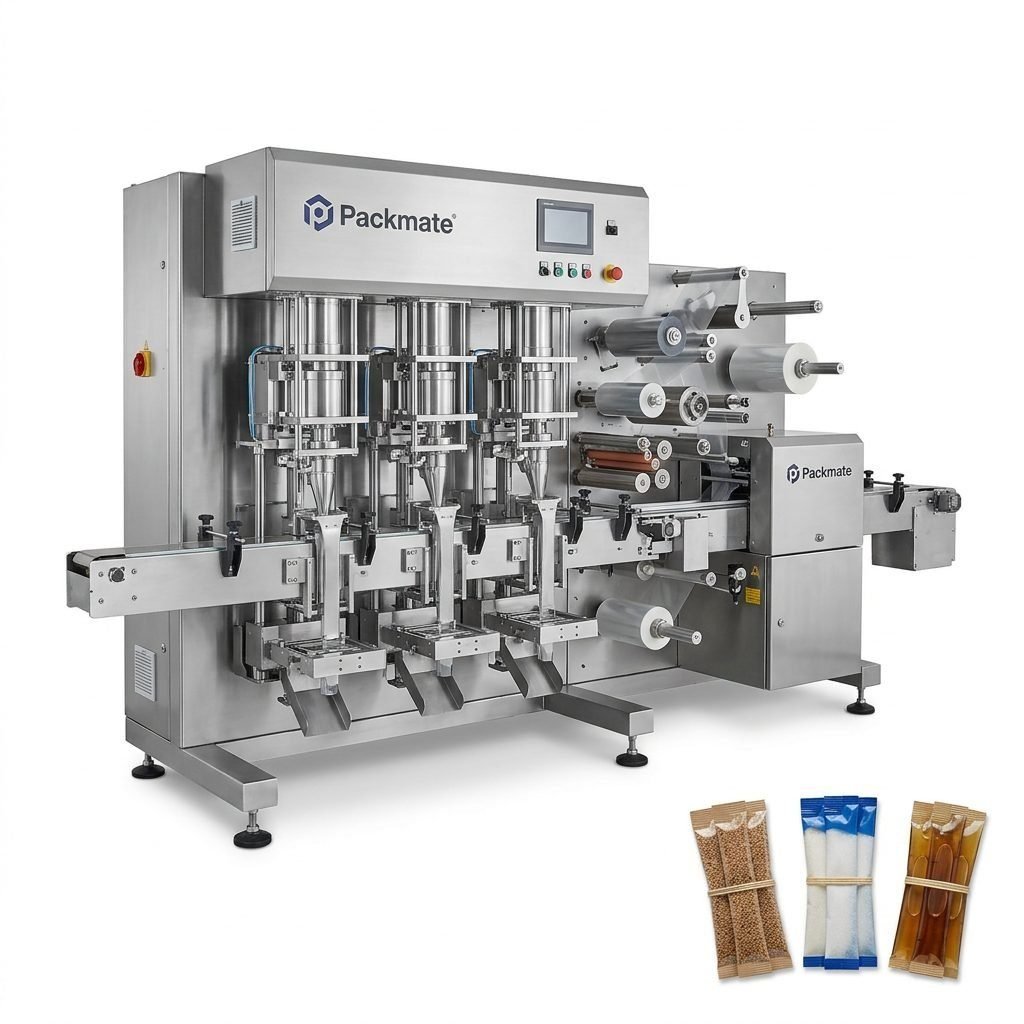
In today’s fast-paced manufacturing landscape, automatic packaging machines are indispensable for achieving efficiency, consistency, and cost-effectiveness. These machines handle a vast array of products—from food powders and pharmaceutical granules to liquids, pastes, and single-serve sachets. This article explores the different types of automatic packaging machines, explains their working principles, and provides a practical guide on how to select the right one for your production needs.
Common Types of Automatic Packaging Machines
The market offers a wide variety of automatic packaging machines, each designed for specific product formats and industry requirements.
1. Vertical Form-Fill-Seal (VFFS) Machines
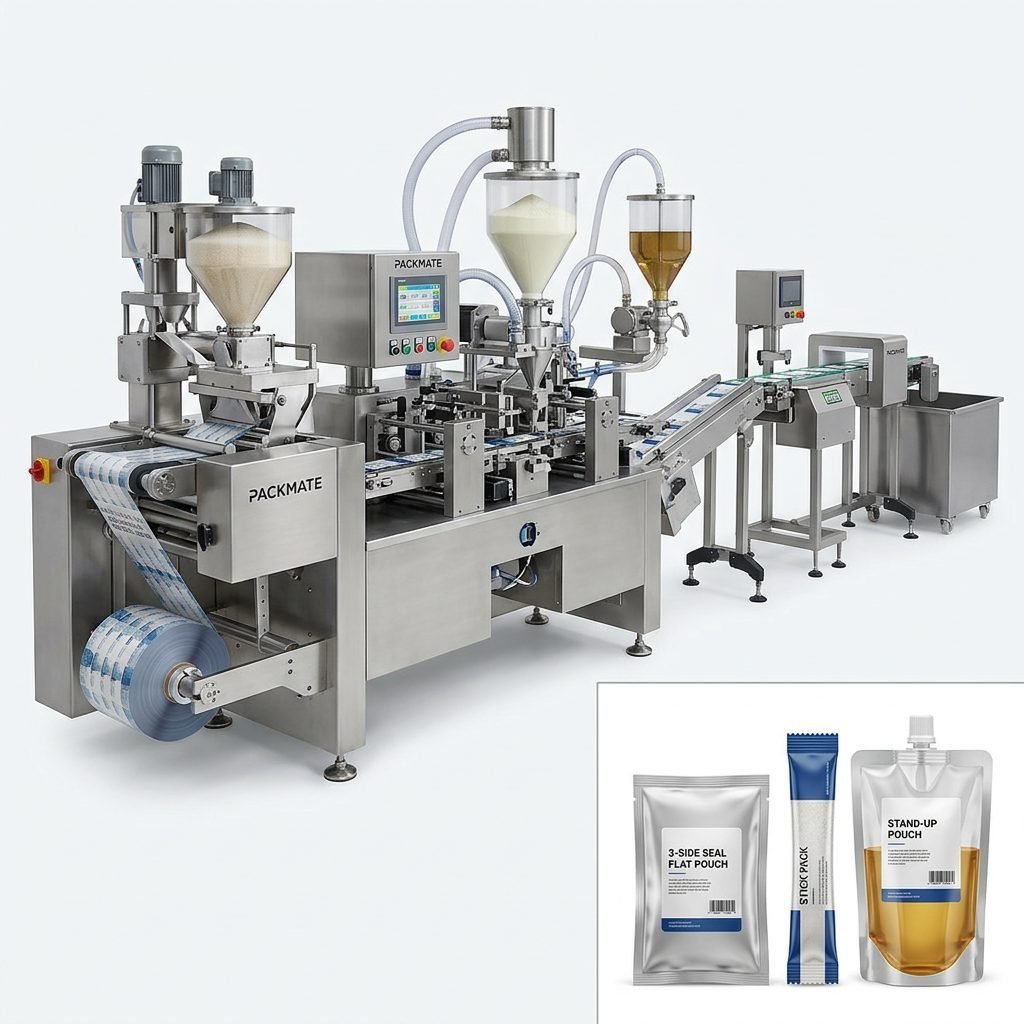
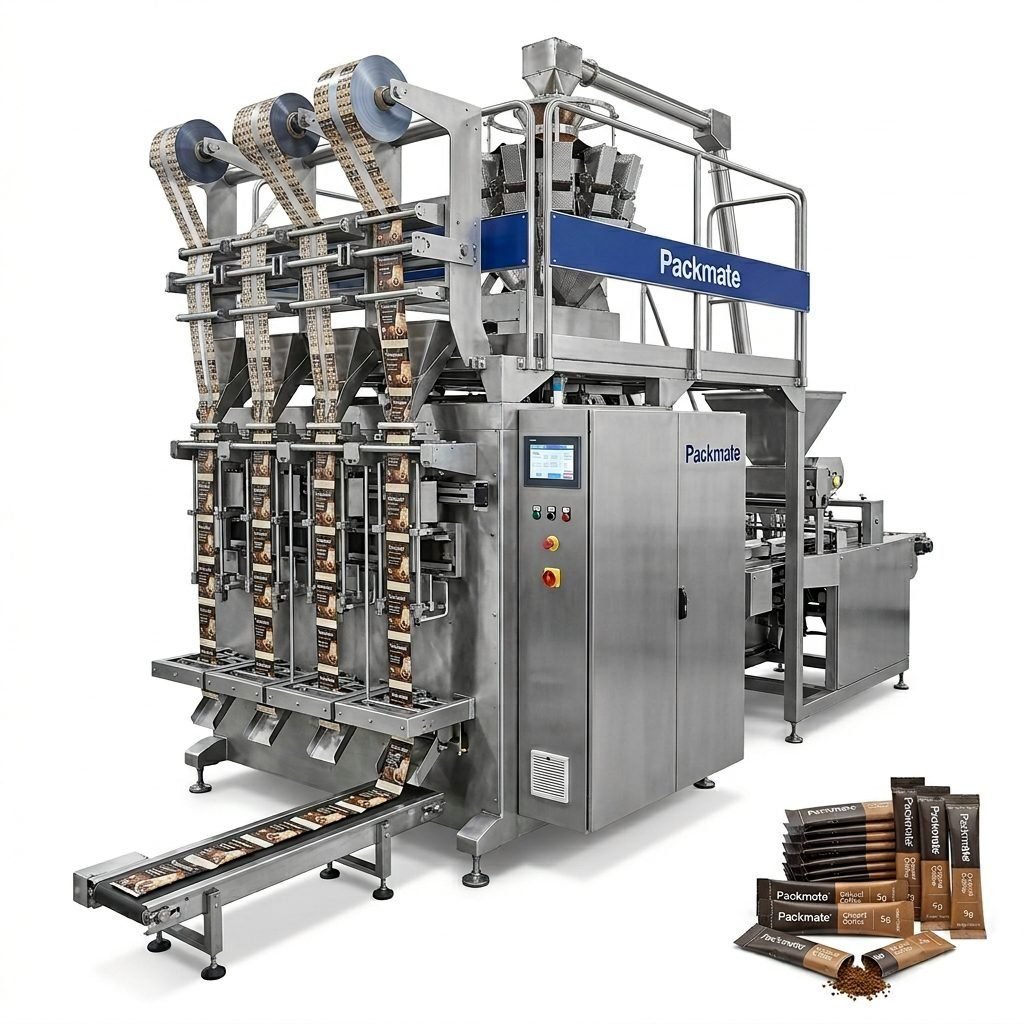
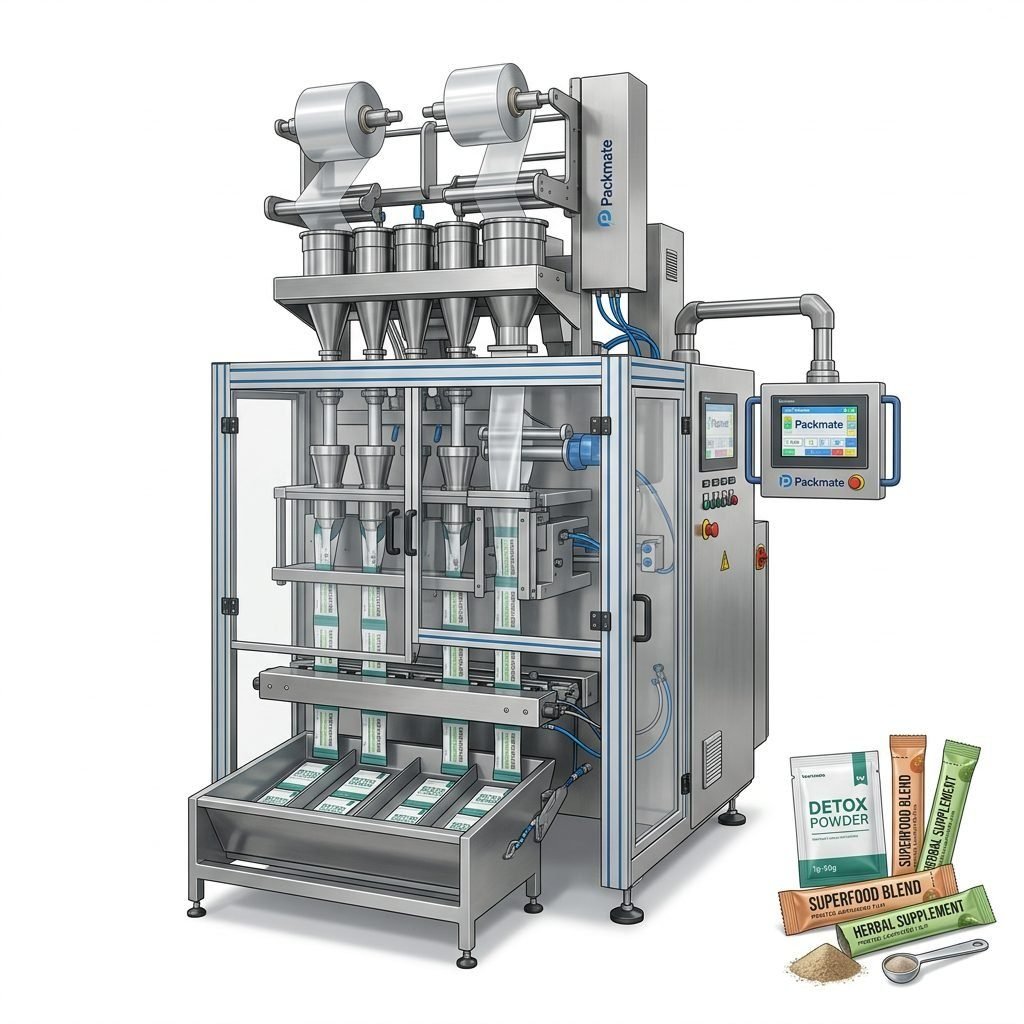
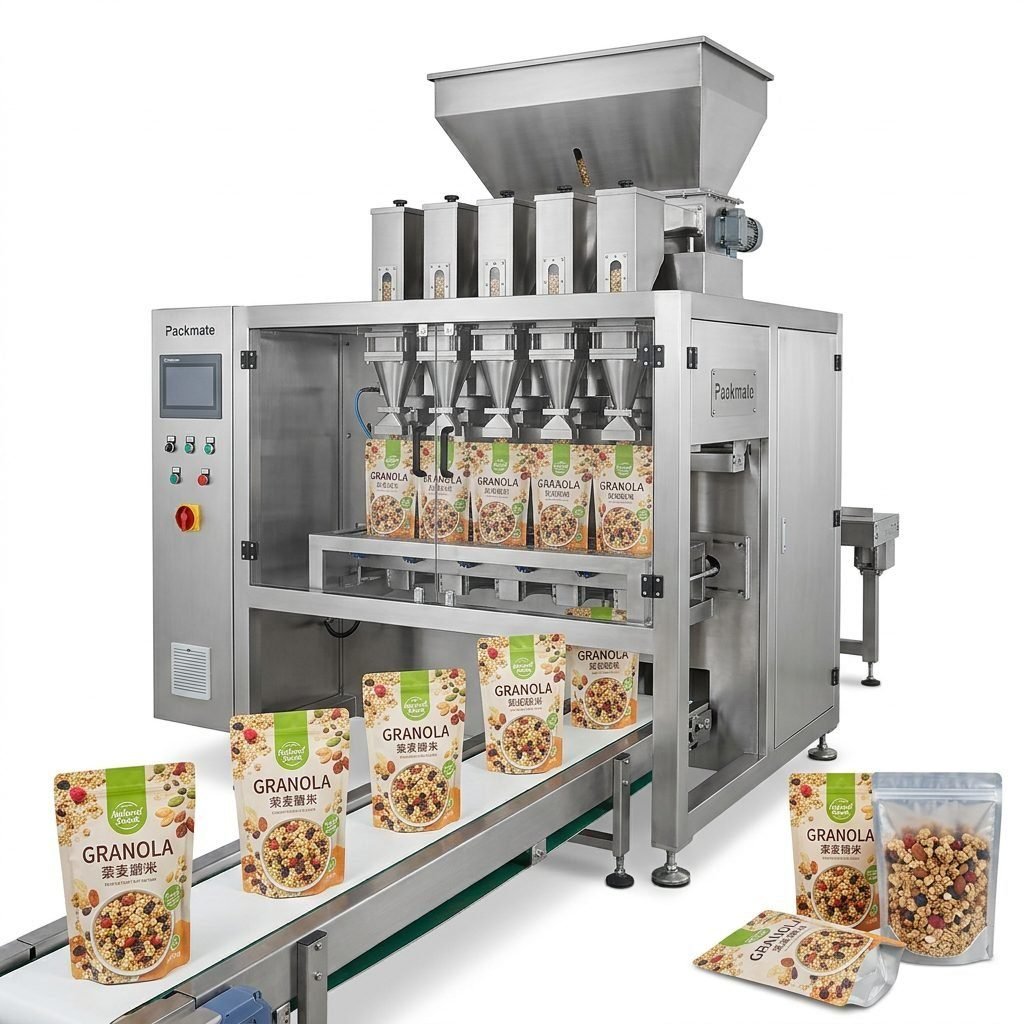
VFFS machines are among the most common. They form a bag from a roll of flat packaging film, fill it with the product, and then seal it—all in a continuous vertical motion. They are incredibly versatile and are used for packaging powders, granules, snacks, and liquids into pillow pouches or stand-up bags.
2. Horizontal Form-Fill-Seal (HFFS) Machines
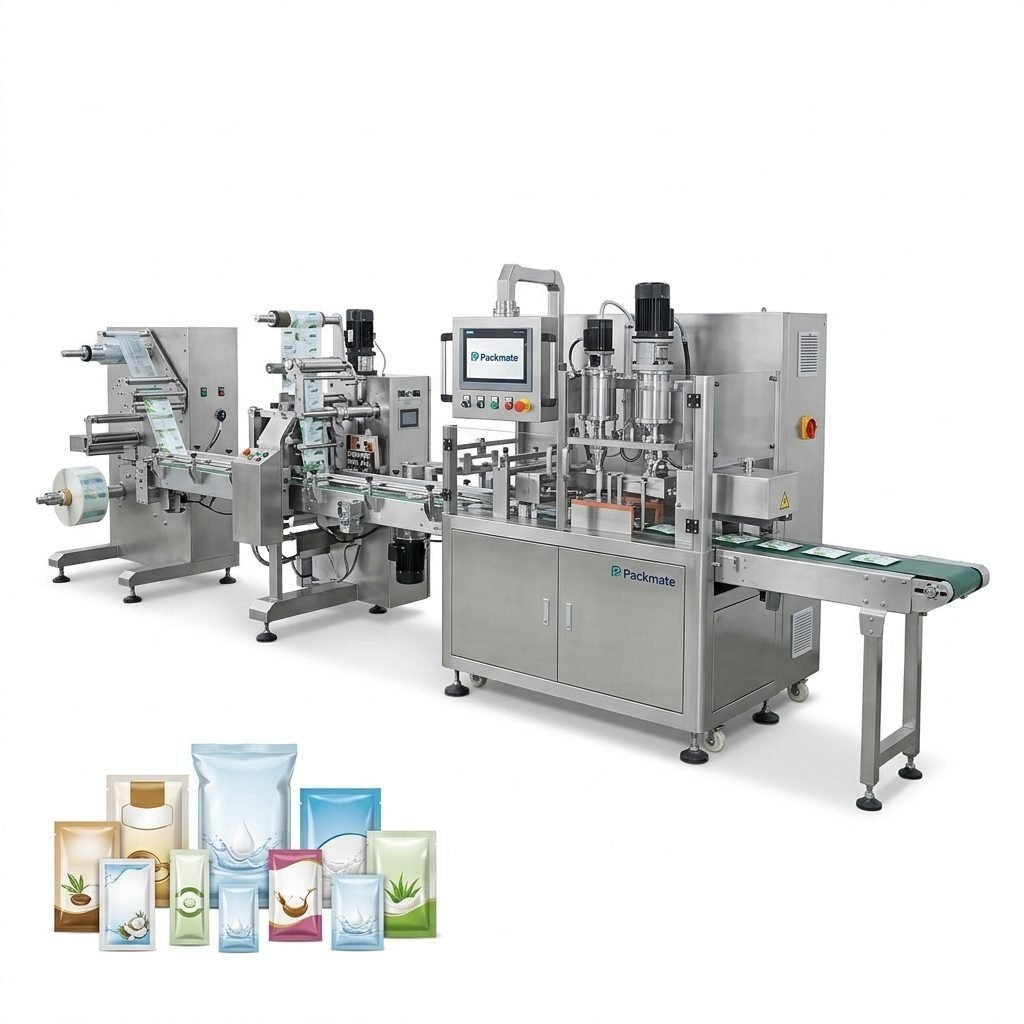
These machines form pouches horizontally and are often used for more complex packaging shapes or when placing a product into a pre-formed cavity is necessary. They are ideal for blister packs, sachets for wet wipes, and portion packs for condiments or sauces.
3. Multi-Lane Stick Pack & Sachet Machines
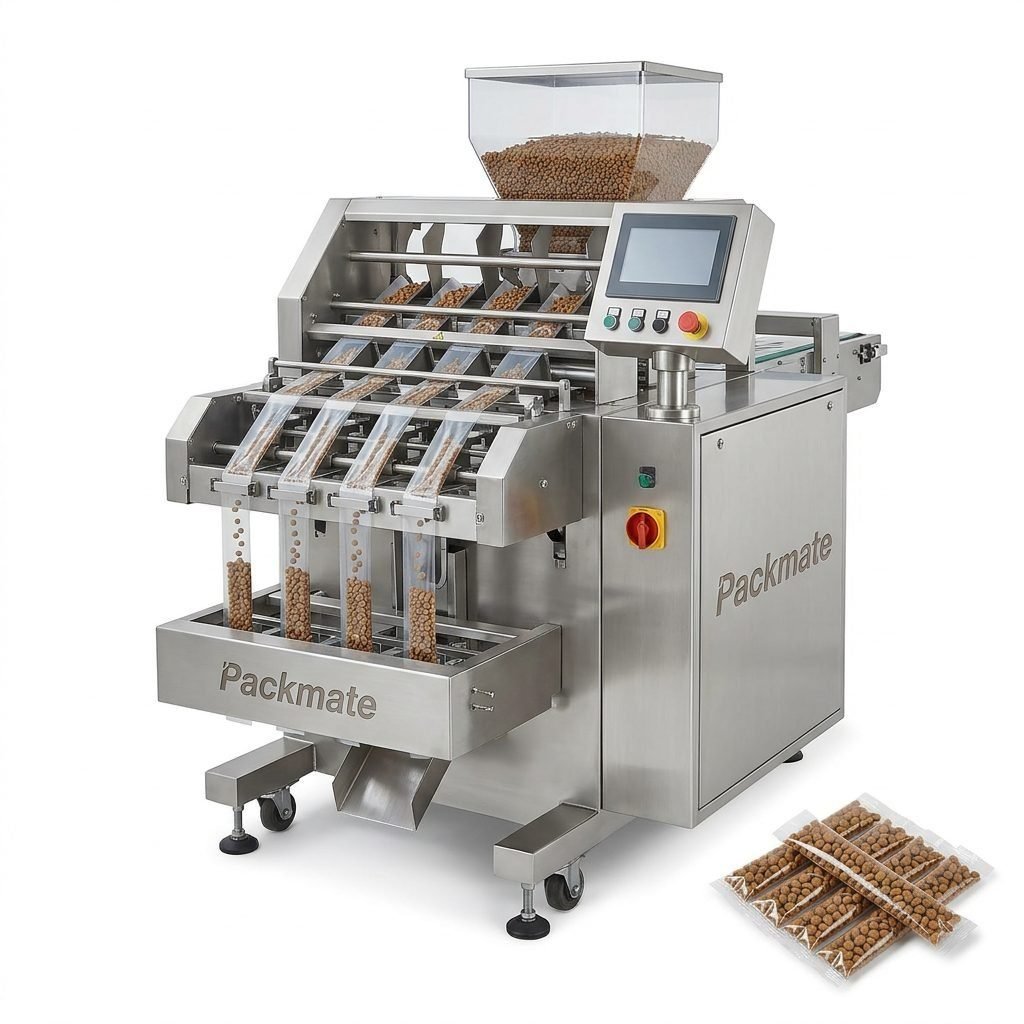
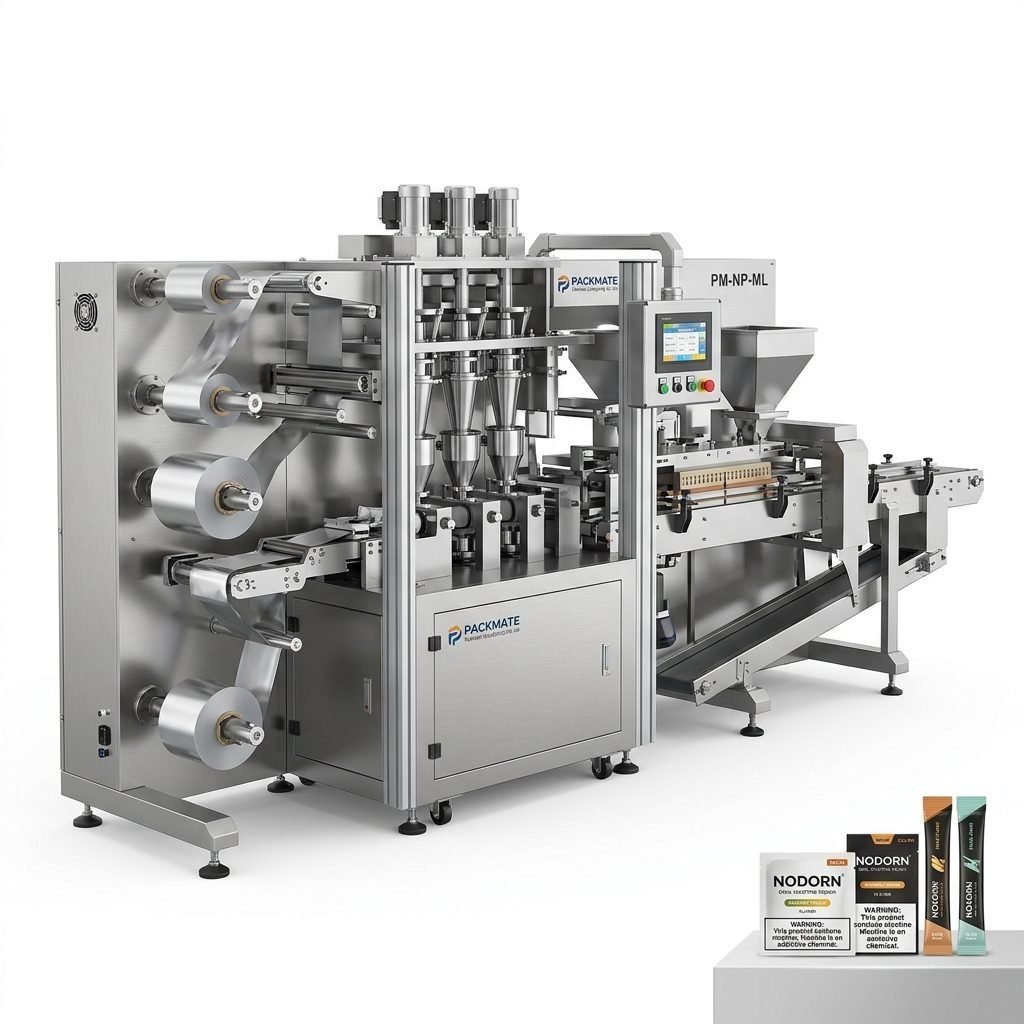
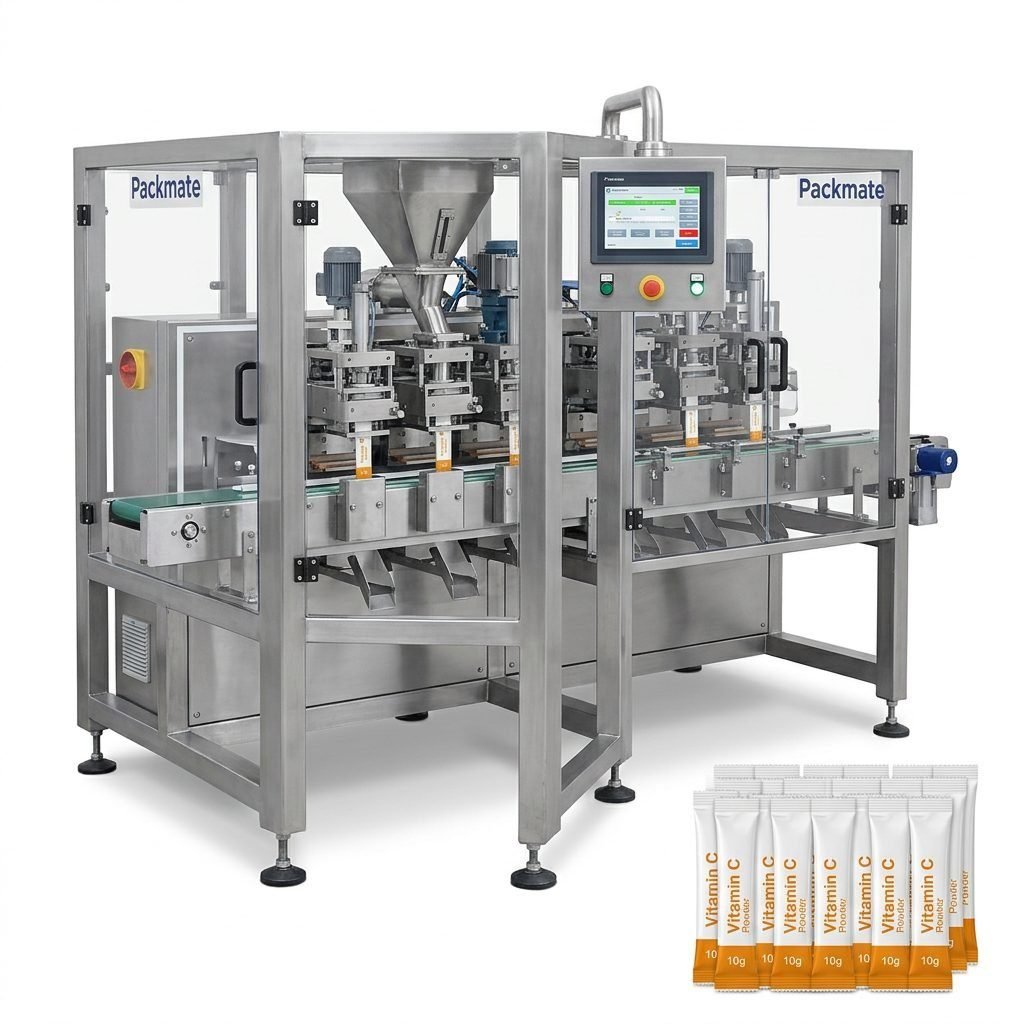
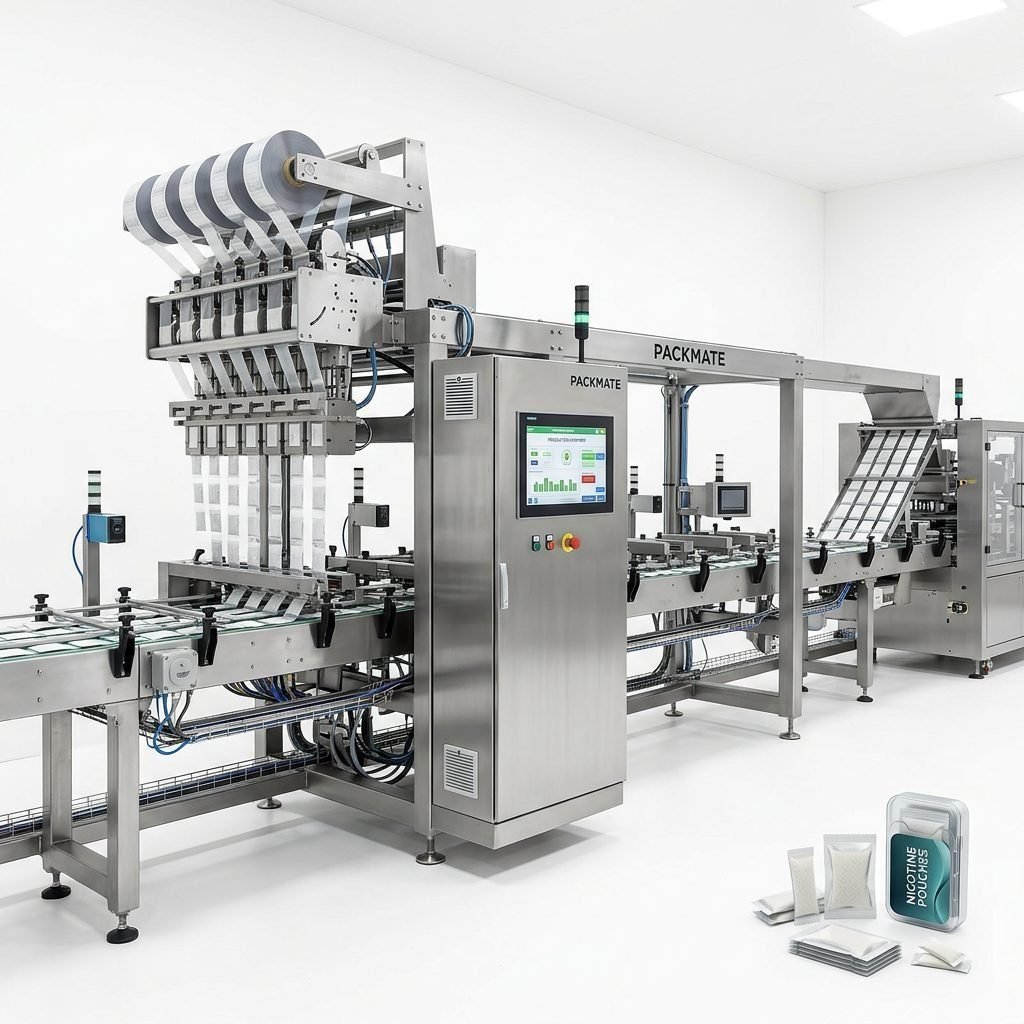
Designed for high-volume production of single-serve portions, these machines feature multiple lanes operating in parallel. They are the workhorses for packaging coffee sticks, sugar sachets, instant drink powders, pharmaceutical powders, and nicotine pouches. Manufacturers like SnusMachinery specialize in high-speed, multi-lane solutions for niche markets like smokeless tobacco.
4. Liquid & Paste Filling Machines
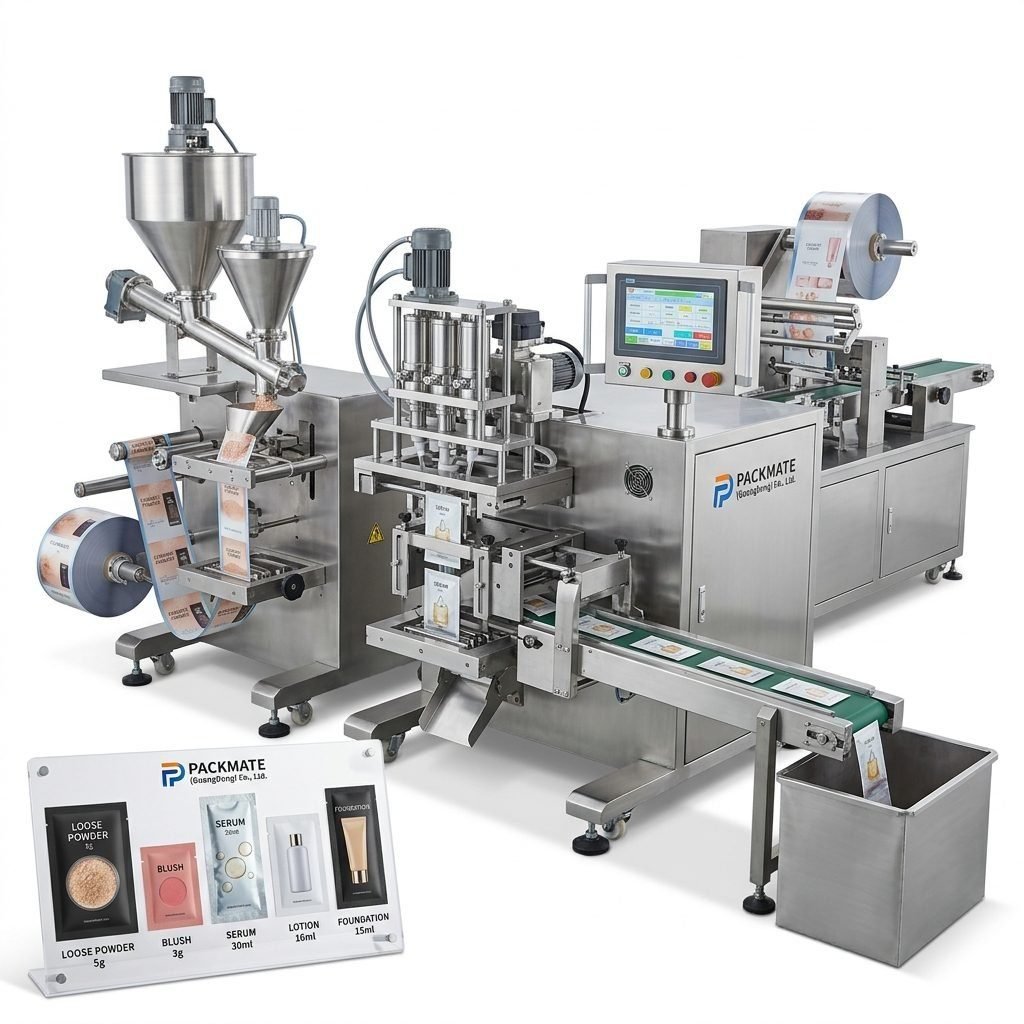
These machines are engineered to handle viscous products. They use piston, gravity, or pump filling systems to accurately dose liquids, gels, creams, or pastes into bottles, tubes, or sachets. Aseptic versions are critical for the pharmaceutical and food industries.
5. Turnkey Packaging Lines
Beyond a single machine, a complete turnkey line integrates multiple processes: feeding, weighing, filling, sealing, coding, cartoning, and palletizing. Companies like PacklineOEM and Ludyway focus on providing these integrated solutions, which are essential for large-scale, fully automated factories.
Core Working Principles
While designs vary, most automatic packaging machines follow a similar sequence: Forming, Filling, and Sealing.
- Product Feeding & Metering: Product is conveyed from a hopper or bulk supply. Volumetric cups, auger screw fillers, or precision weigh scales (like multi-head weighers) measure the exact amount.
- Packaging Material Forming: For VFFS/HFFS machines, flat film is unwound and formed into a tube or pouch around a collar or mold.
- Filling: The measured product is discharged into the formed package. This step requires high precision to minimize waste and ensure consistent portion sizes.
- Sealing: The open end of the package is sealed using heat (for thermoplastic films), pressure, or ultrasonic welding. This creates a hermetic or tamper-evident seal.
- Cutting & Discharge: Individual packages are cut from the continuous film web and discharged onto a conveyor for secondary packaging or inspection.
This process is controlled by a Programmable Logic Controller (PLC), ensuring synchronization, speed, and reliability.
How to Choose the Right Machine for Your Production
Selecting the ideal packaging machine is a critical investment. Here are the key factors to consider:
| Factor | Considerations |
|---|---|
| Product Characteristics | Is it a powder, granule, liquid, or paste? What is its flowability, abrasiveness, and sensitivity (to heat, moisture, light)? The product dictates the filling system and material handling components. |
| Required Output & Speed | Calculate your required bags/pouches per minute (PPM). A small business may need 60-100 PPM, while large manufacturers require multi-lane systems exceeding 1000 PPM. |
| Packaging Format & Material | What type of package do you need? (Stick pack, sachet, pillow bag, stand-up pouch). The machine must be compatible with your chosen film (e.g., laminates, aluminum foil) and sealing method. |
| Level of Automation | Do you need a standalone machine or a fully integrated line with automatic feeding, check-weighing, vision inspection, and robotic palletizing? |
| Footprint & Factory Space | Measure your available floor space. High-speed multi-lane systems require significant length for conveyors and ancillary equipment. |
| Budget & Total Cost of Ownership | Consider not just the purchase price, but also installation, maintenance, spare parts, energy consumption, and potential for future upgrades. |
| Supplier Support & Customization | Choose a manufacturer with a strong reputation for after-sales service, technical support, and the ability to provide customized solutions. Companies like PackingMachineOEM specialize in tailoring machines to unique product requirements. |
Regional Considerations for Global Buyers
When sourcing from international markets like China, it’s important to partner with manufacturers who understand global standards. For instance, buyers in Europe and North America often prioritize CE/UL certification, robust safety features, and energy efficiency. Markets in the Middle East and Africa may require machines built for harsh environments with dust and heat resistance. Leading exporters like Ludyway and Packmate Machinery have extensive experience tailoring machines to meet these diverse regional compliance and operational needs.
Frequently Asked Questions (FAQs)
Q1: What is the typical lifespan of an automatic packaging machine?
With proper maintenance and regular servicing, a well-built automatic packaging machine from a reputable manufacturer can last 10 to 15 years or more. The lifespan depends heavily on usage intensity, product abrasiveness, and adherence to maintenance schedules.
Q2: Can one machine handle different packaging sizes?
Yes, most modern machines are designed with quick-change parts (like forming tubes, filling nozzles, and sealing jaws). This allows for relatively fast changeovers between different package sizes, minimizing downtime for production line switches.
Q3: How important is after-sales service when purchasing?
Extremely important. Reliable technical support, availability of spare parts, and operator training are critical for minimizing downtime. It’s advisable to choose suppliers with a proven global service network and readily available documentation.
Q4: What’s the difference between a standard machine and a turnkey line?
A standard machine performs the core packaging function (e.g., form-fill-seal). A turnkey line is a complete, ready-to-operate system that includes the primary packager plus all upstream and downstream equipment (conveyors, feeders, checkweighers, coders, cartoners). It’s a single-source solution for full automation.
Q5: How do I ensure the machine meets my country’s safety standards?
Always specify the required safety certifications (e.g., CE, UL, CSA) during the inquiry and purchasing process. Reputable manufacturers design and build machines to comply with international standards and can provide the necessary documentation and testing reports.