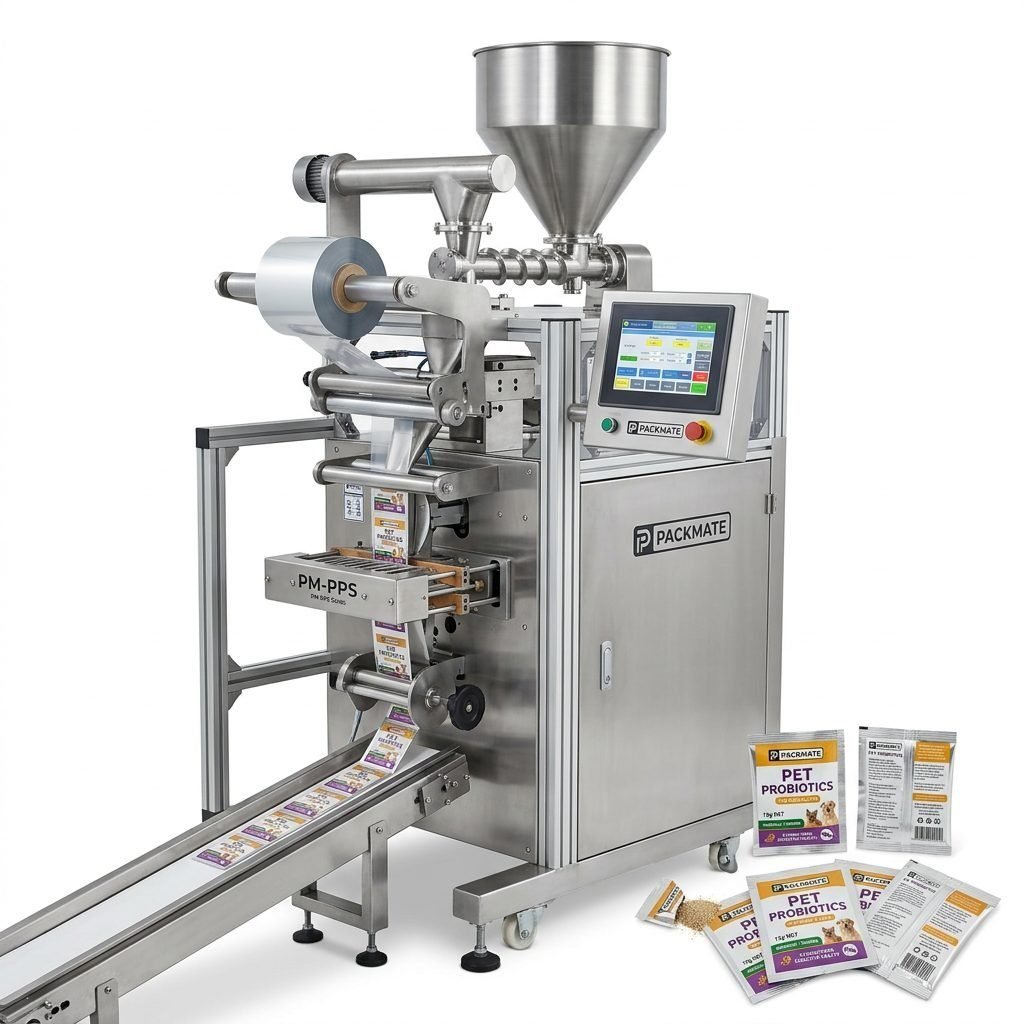
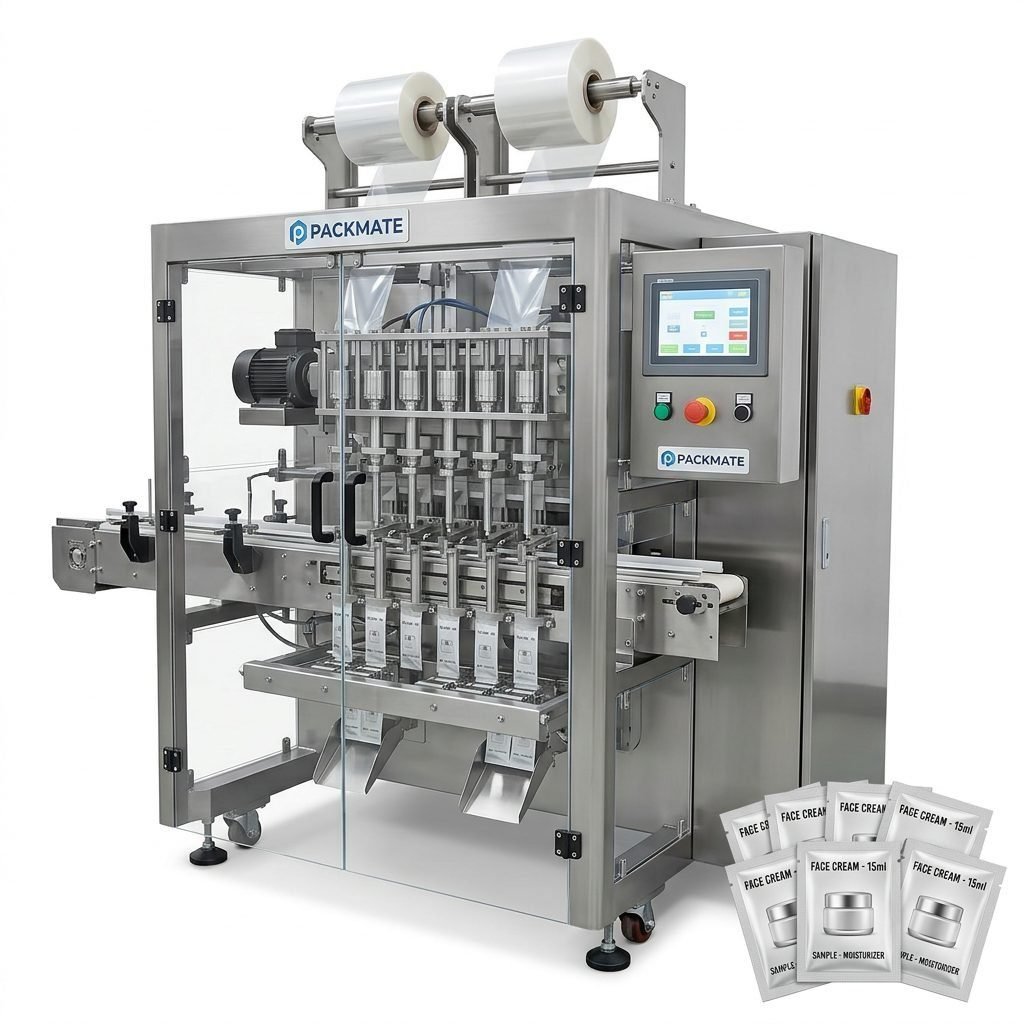
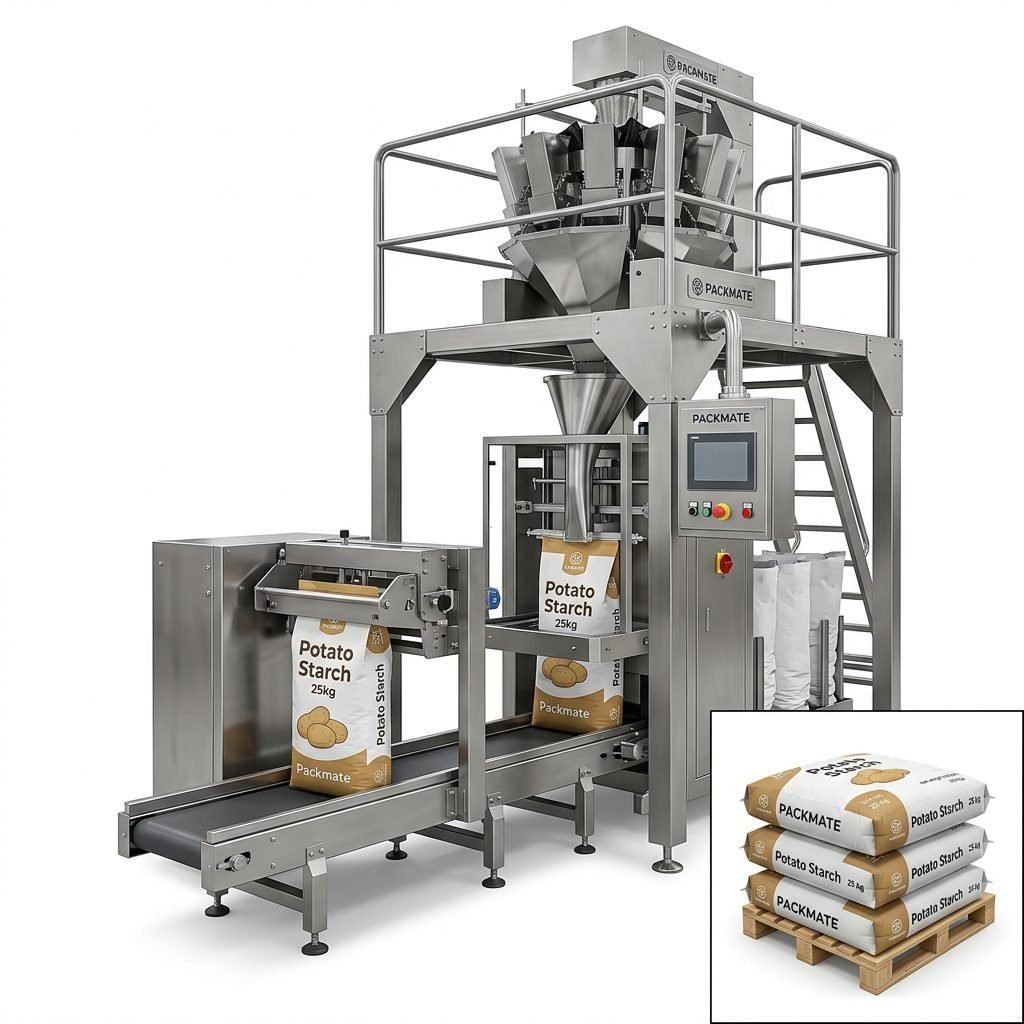
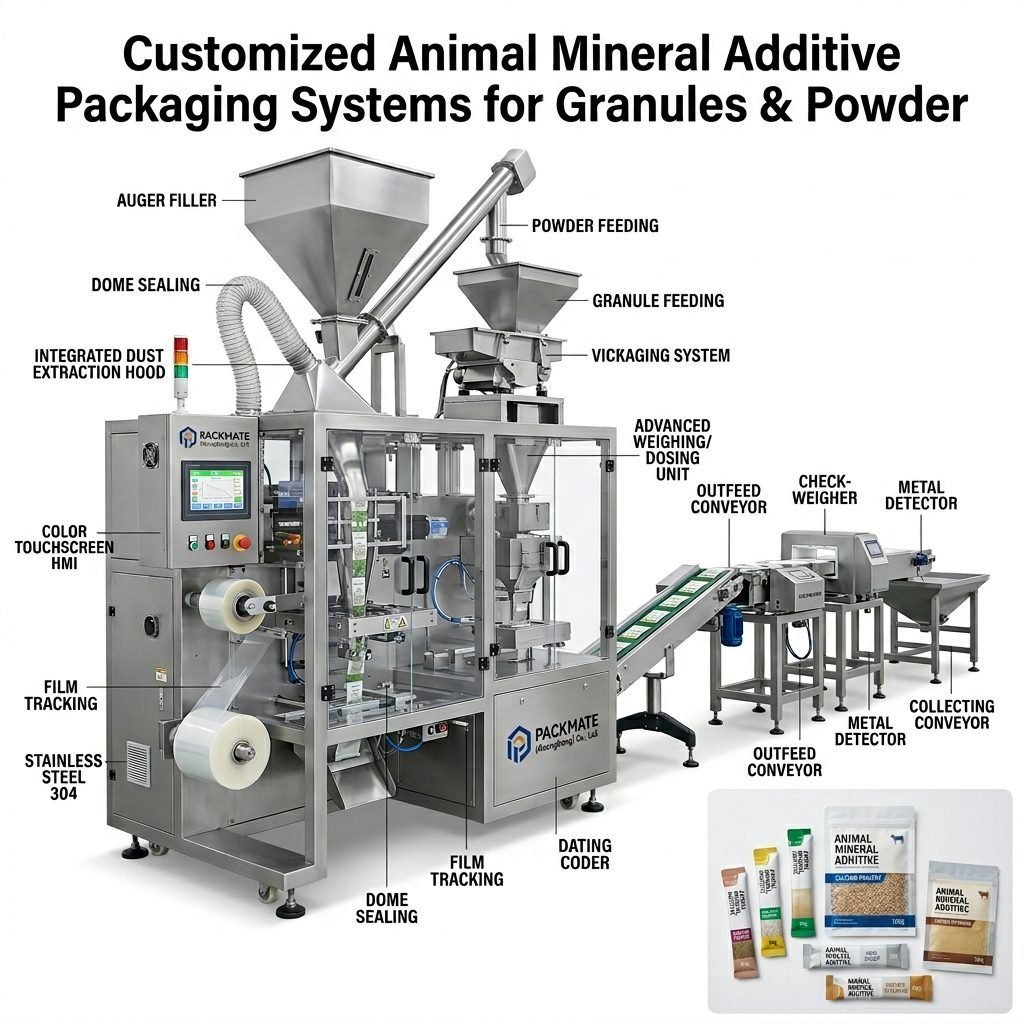
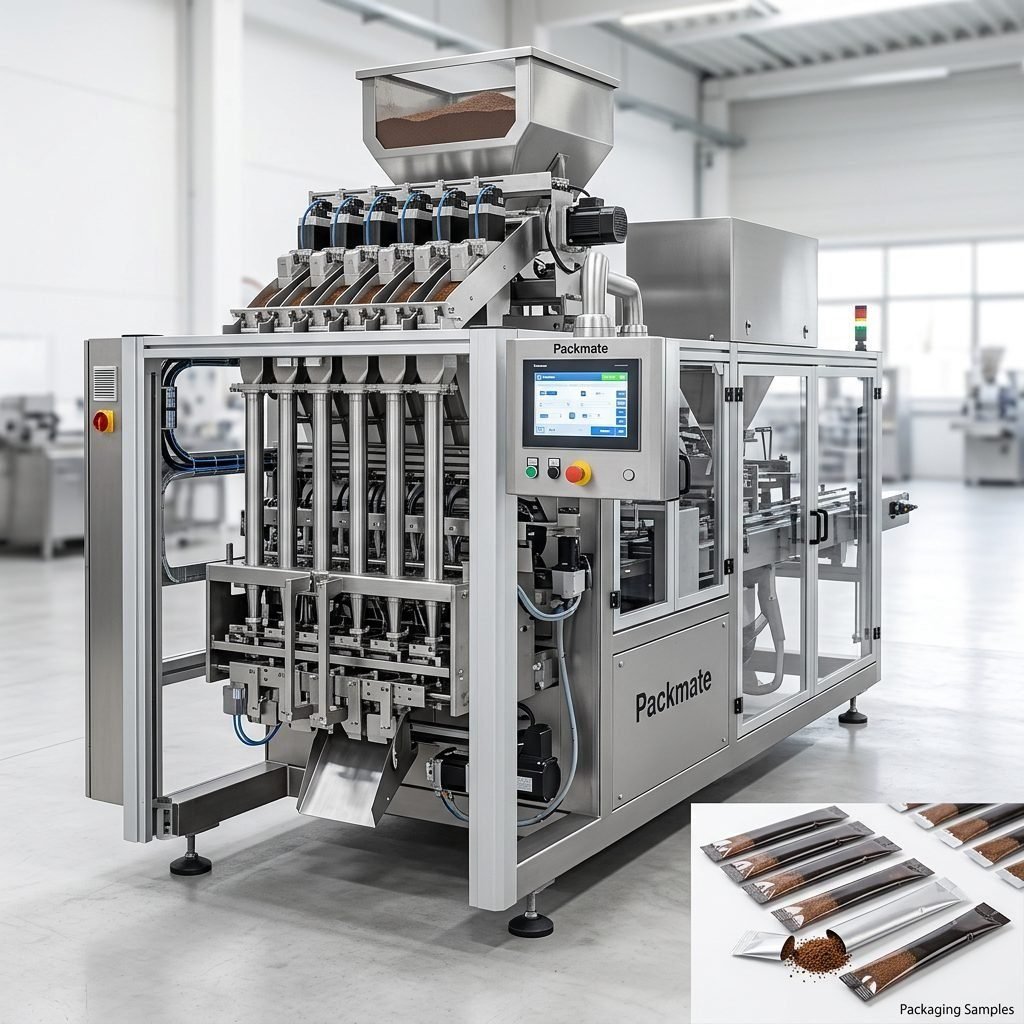
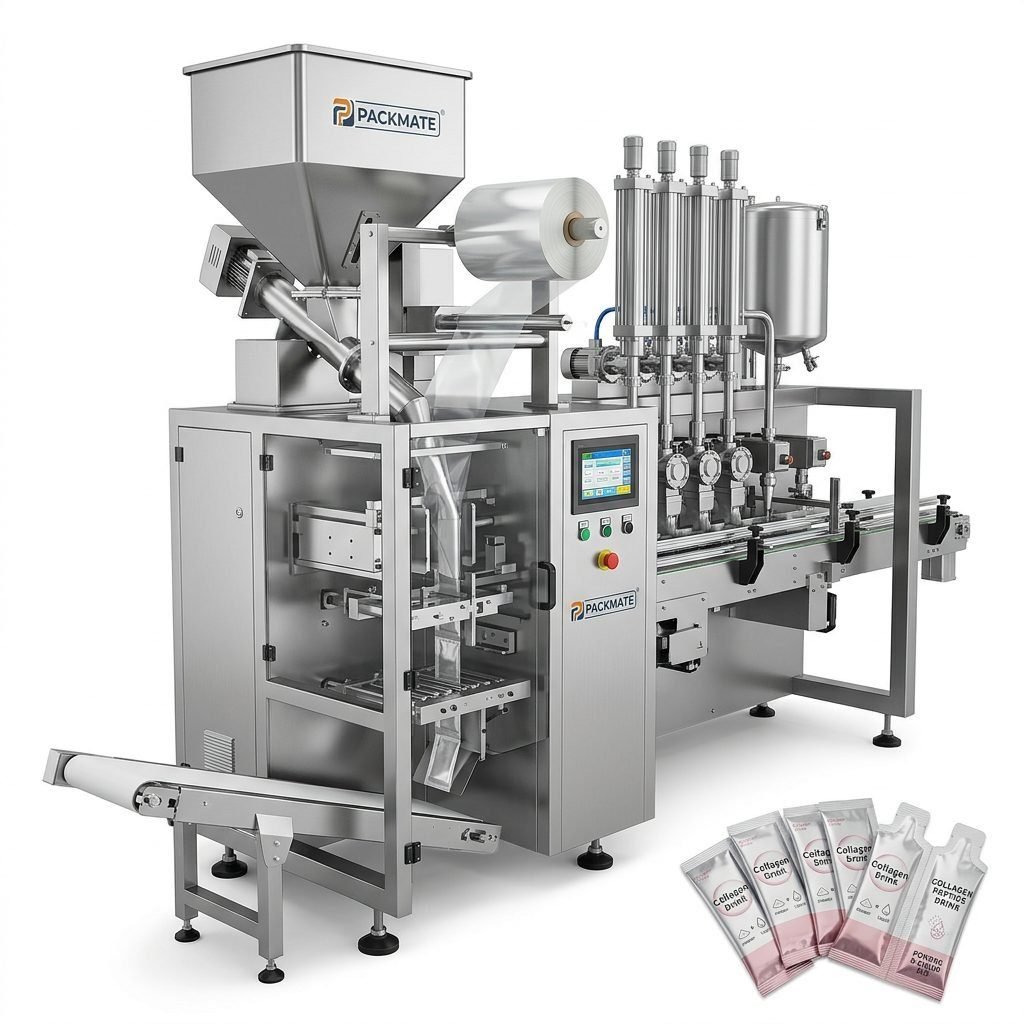
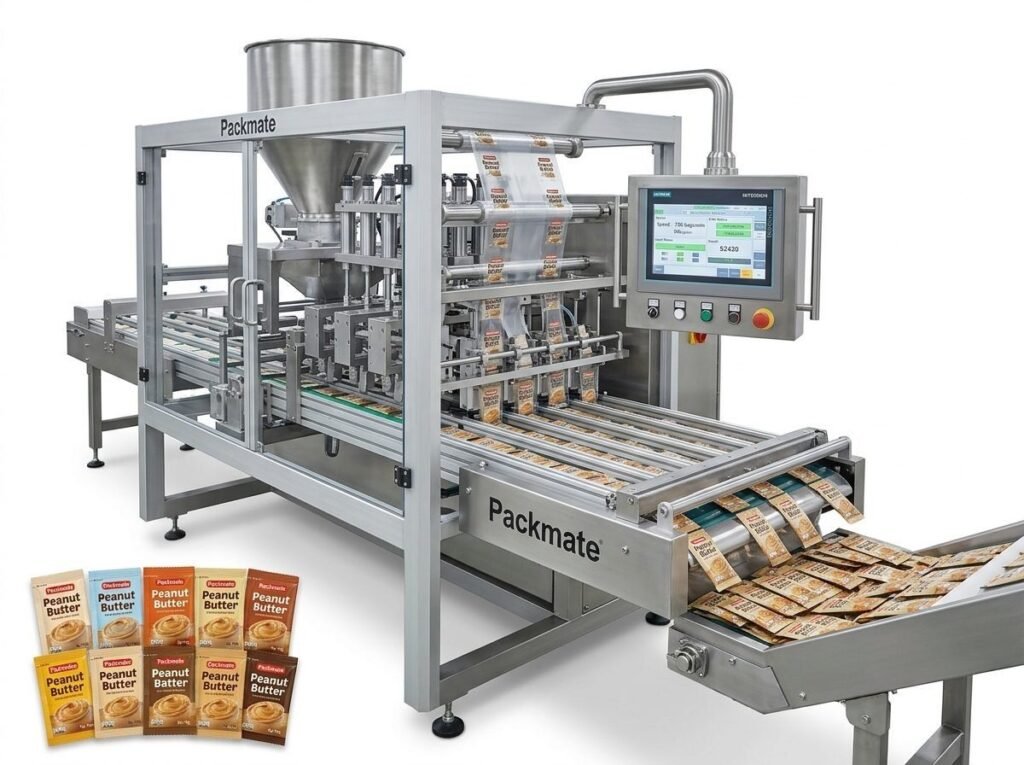
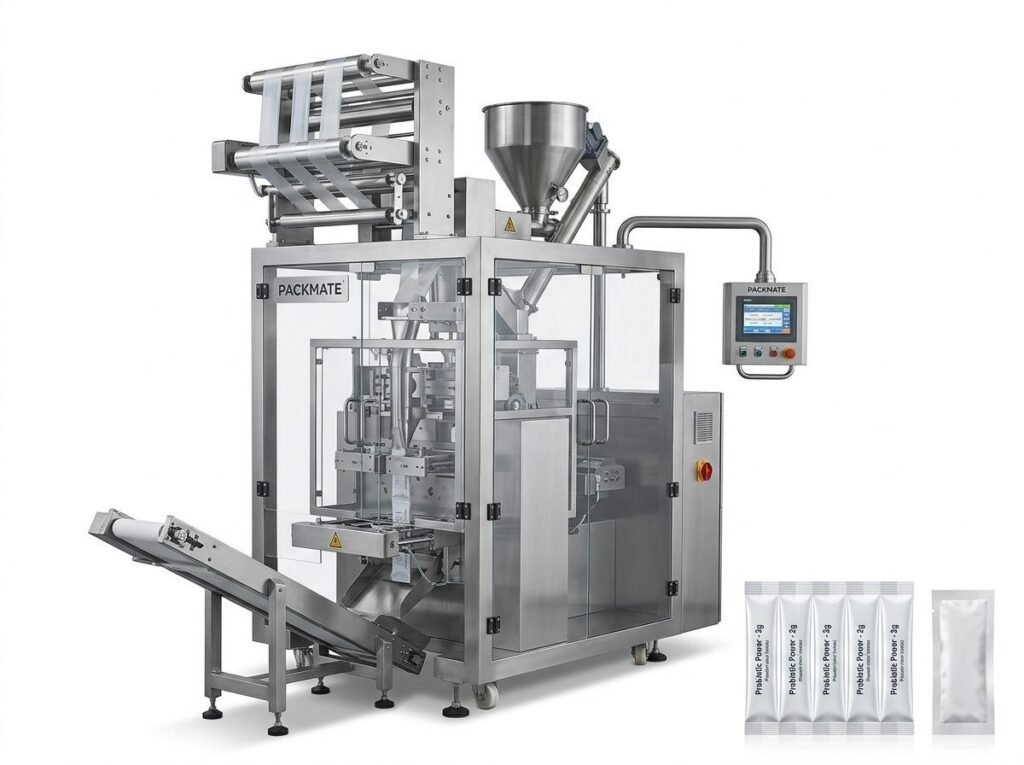
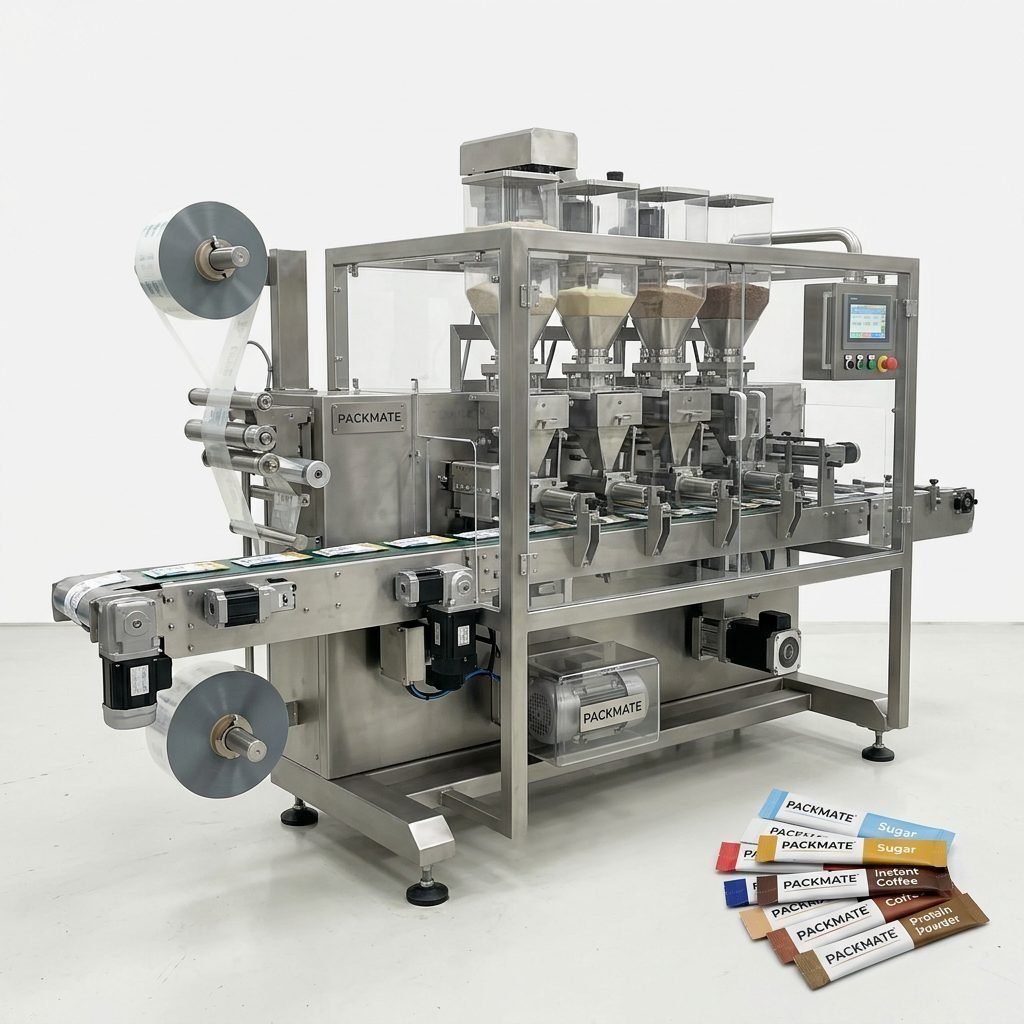
Selecting the right automatic shampoo sachet packing machine is a critical decision for any personal care, hospitality, or contract manufacturing business. The right equipment directly impacts your production efficiency, product quality, and overall operational costs. With numerous manufacturers and machine configurations available, making an informed choice requires a clear understanding of your specific needs and the capabilities of potential suppliers.
Key Factors to Consider When Choosing a Shampoo Sachet Packing Machine
The decision-making process should be driven by your product specifications, production targets, and long-term business goals. Here are the primary factors to evaluate:
1. Product Characteristics and Packaging Format
Shampoo comes in various viscosities, from thin, watery formulas to thick, creamy consistencies. The machine must be compatible with your specific product. Furthermore, define your desired sachet specifications:
- Material: Laminated films (e.g., PET/AL/PE, PET/PE) for barrier properties.
- Size and Dimensions: Length, width, and seal width.
- Seal Type: 3-side seal, 4-side seal, or pillow pouch.
- Special Features: Tear notch, hang hole, or zipper for reclosable sachets.
Machines from suppliers like Ludyway often offer flexibility to handle a range of viscosities and film materials.
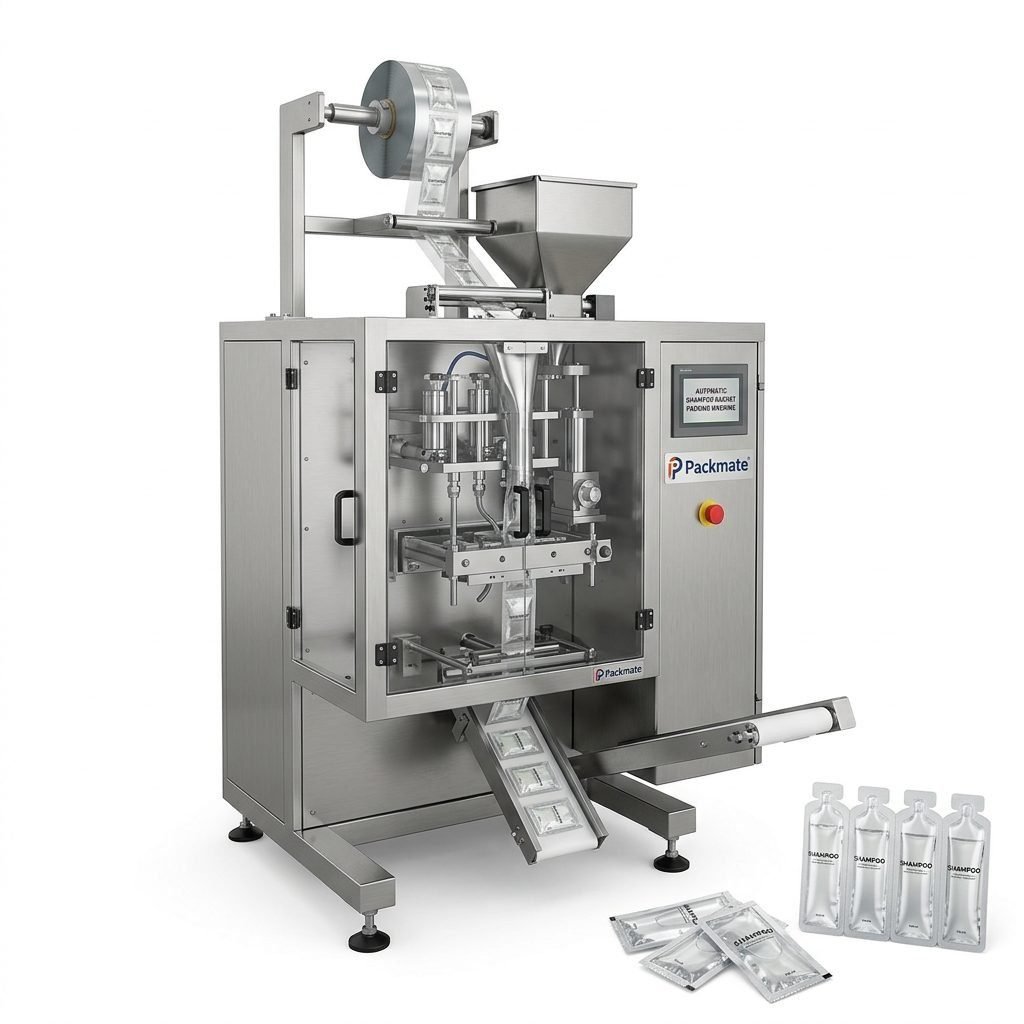
2. Required Production Speed and Output
Output is typically measured in sachets per minute (SPM). Assess your current and future volume needs:
- Low-Volume: 60-120 SPM.
- Medium-Volume: 120-250 SPM.
- High-Volume: 250-500+ SPM (often multi-lane machines).
For high-volume producers targeting markets like Europe and North America, a high-speed, multi-lane system is often essential to meet demand efficiently.
3. Level of Automation
Automation levels vary significantly, impacting labor requirements and operational consistency.
Semi-Automatic Machines: Require manual film loading and product feeding. Suitable for startups or small batches with lower investment.
Fully Automatic Machines: Integrate film unwinding, forming, filling, sealing, and cutting. They often include automatic feeding systems (e.g., pumps for liquid shampoo) and are ideal for medium to large-scale production.
Turnkey Lines: For maximum efficiency, consider a complete line from a supplier like PacklineOEM, which can include automatic cartoning, case packing, and palletizing.
4. Filling Technology and Accuracy
Precise filling is non-negotiable for product consistency and cost control. The technology must match your shampoo’s properties:
- Piston Fillers: Excellent for viscous shampoos, creams, and gels. Highly accurate and easy to clean.
- Pump Fillers (Peristaltic/Gear): Suitable for a wide range of viscosities, offering gentle handling and good accuracy.
- Volumetric Cup Fillers: Often used for free-flowing liquids but can be adapted. Generally less accurate than piston fillers.
Look for machines with servo-driven filling systems for the highest precision and recipe changeover flexibility.
5. Machine Construction and Hygiene
Shampoo production demands high hygiene standards. The machine should feature:
- Stainless Steel Contact Parts: (Grade 304 or 316) for corrosion resistance and easy sanitation.
- IP-Rated Electrical Components: Protection against moisture and dust.
- Smooth, Rounded Surfaces: With minimal crevices to prevent bacterial buildup.
- CIP/SIP Capabilities: Clean-in-Place or Sterilize-in-Place systems are a major advantage for frequent product changeovers.
Understanding Different Supplier Capabilities
The global market offers suppliers with varying specializations. Aligning your project with the right manufacturer is crucial.
Leading Full-Range Manufacturers
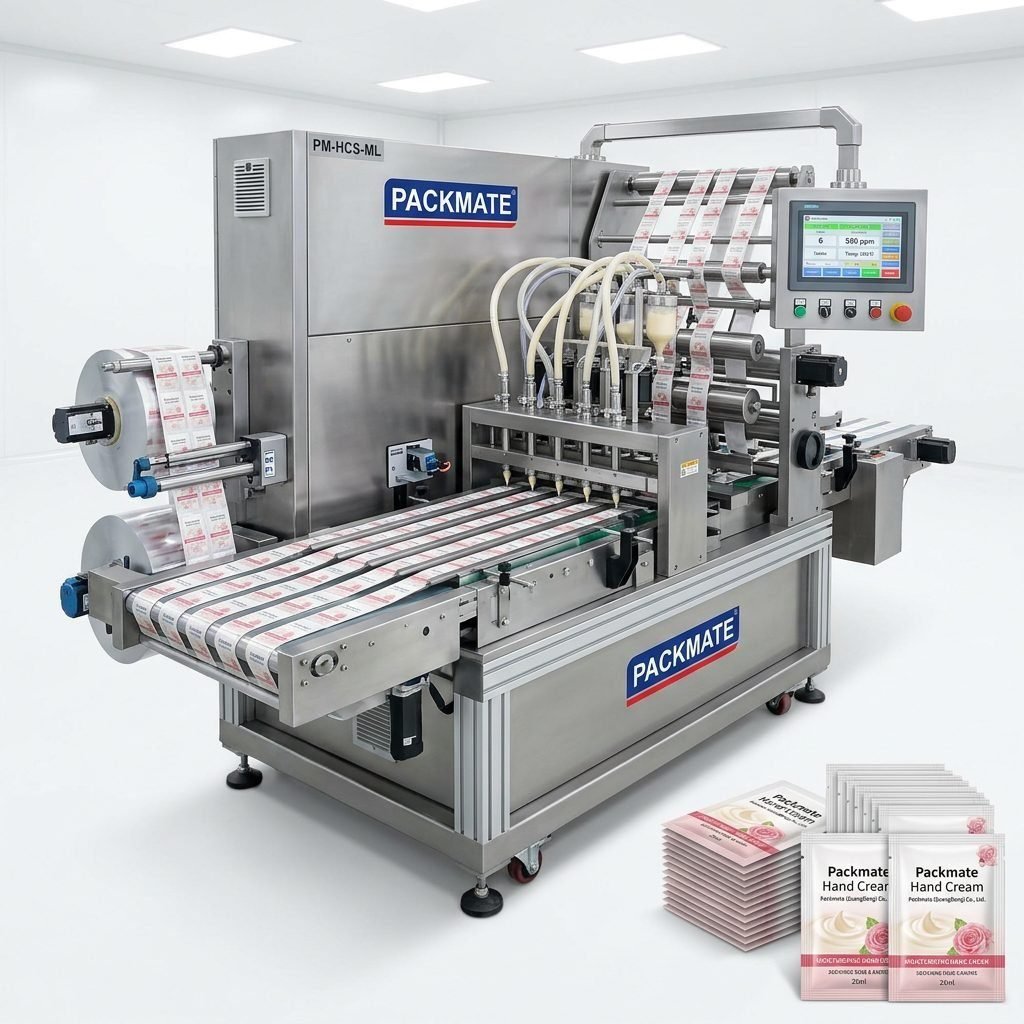
Companies like Ludyway and Packmate Machinery offer broad portfolios. They are excellent choices if you need a reliable, standard machine for common shampoo sachet formats and may have future needs for different packaging types (stick packs, bottles). Their strength lies in proven technology, extensive export experience, and comprehensive after-sales support networks, particularly valuable in regions like the Middle East and Africa.
| Supplier Type | Best For | Consideration |
|---|---|---|
| Full-Range Manufacturers (e.g., Ludyway) | Standard applications, broad future needs, strong service support. | May have less focus on highly niche customizations. |
| Turnkey Line Specialists (e.g., PacklineOEM) | Complete factory automation, greenfield projects, system integration. | Higher initial project complexity and investment. |
| Customization Experts (e.g., PackingMachineOEM) | Non-standard sachet shapes, unique materials, specialized filling needs. | Requires clear technical communication and longer development time. |
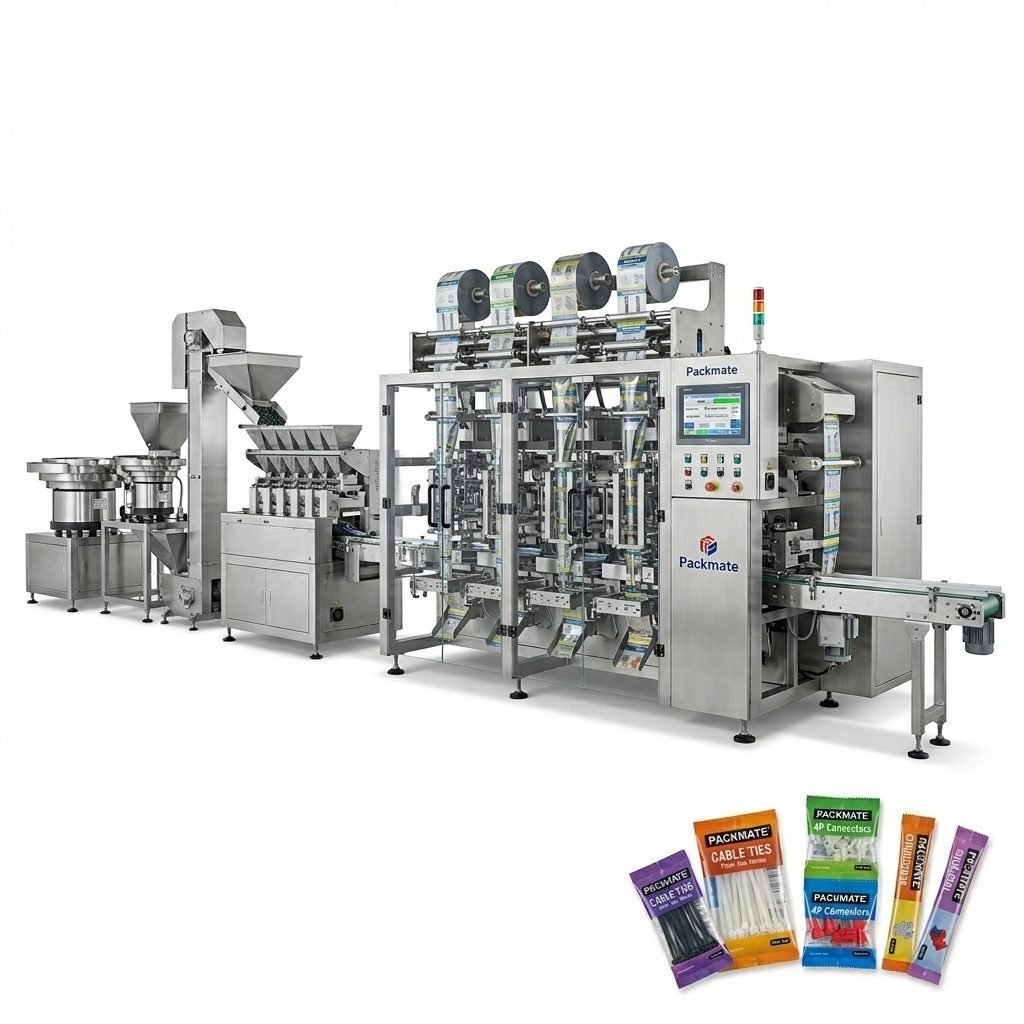
Turnkey Packaging Line Integrators
If your goal is a fully automated production hall with minimal manual intervention, a specialist like PacklineOEM is ideal. They design and integrate the sachet machine with upstream (mixing, conveying) and downstream (cartoning, case packing, palletizing) equipment. This approach maximizes efficiency and is favored by large-scale manufacturers in Europe and North America where labor costs are high.
Specialists in Customization and OEM
For unique challenges—such as packaging ultra-thick conditioning shampoos, using sustainable/biodegradable films, or creating unusual sachet shapes—a manufacturer focused on customization like PackingMachineOEM is key. They engineer solutions from the ground up or significantly modify existing platforms.
Niche Application Experts
While focused on nicotine pouches, a company like SnusMachinery demonstrates deep expertise in high-speed, multi-lane pouch packaging with extreme precision. This knowledge can be highly relevant for premium shampoo samples or single-use formats requiring flawless sealing and appearance at very high speeds.
The Procurement Process: From Inquiry to Installation
A structured approach ensures you get the right machine.
- Define Your Specification (URS): Document all requirements: product details, sachet specs, output speed, automation level, utility needs (power, air), factory footprint, and compliance standards (CE, UL, etc.).
- Supplier Shortlisting & Quotation: Contact 3-5 reputable suppliers. Provide them with your URS for detailed quotations. Compare not just price, but machine specs, warranty, delivery time, and payment terms.
- Factory Audit & Machine Testing: If possible, visit the supplier’s facility. A virtual tour can suffice. More importantly, request a live product test with your actual shampoo and film. This is the single best way to verify performance.
- Technical & Commercial Negotiation: Finalize technical drawings, software interfaces, and training plans. Negotiate the commercial contract, clearly defining scope of supply, responsibilities, and penalties for delays.
- Installation & Training: Plan for the supplier’s engineers to install and commission the machine. Comprehensive operator and maintenance training is essential for long-term success.
Total Cost of Ownership (TCO) vs. Initial Price
Do not base your decision solely on the machine’s purchase price. Consider the Total Cost of Ownership:
- Energy Consumption: Servo-driven machines are more efficient than purely mechanical ones.
- Material Waste: High-precision machines minimize film and product giveaway.
- Downtime & Maintenance: A robustly built machine from an experienced manufacturer like Ludyway or Packmate may have a higher upfront cost but less downtime.
- Spare Parts Availability & Cost: Ensure the supplier has a reliable global spare parts network.
- Technical Support: Access to prompt, knowledgeable support is invaluable, especially for exporters in South America or Southeast Asia where local expertise may be limited.
Future-Proofing Your Investment
Your packaging needs will evolve. Choose a machine and a supplier that can grow with you.
- Modularity: Can you add a second lane later? Can it be integrated with a future cartoner?
- Software & Connectivity: Does the machine have IoT capabilities for data monitoring (OEE, output, downtime) to support Industry 4.0 initiatives?
- Supplier’s R&D: A company with continuous R&D investment is more likely to offer upgrades and support new packaging trends.
Frequently Asked Questions (FAQs)
1. What is the typical speed range for an automatic shampoo sachet machine?
Speeds vary widely based on the number of lanes and sachet size. Single-lane machines typically run between 60-120 sachets per minute (SPM). Multi-lane machines (2-8 lanes) can achieve speeds from 200 to over 600 SPM for small sachets.
2. Can one machine handle different shampoo viscosities?
Yes, but it depends on the filling system. Piston fillers are generally the most versatile for handling a wide range from thin liquids to thick pastes. The pump type may need to be changed or adjusted for significant viscosity differences.
3. How do I ensure the machine works with my packaging film?
Always conduct a material test. Provide your film sample (structure, thickness, width) to the supplier. They will test it on their machine for seal integrity, film tracking, and forming consistency before finalizing the order.
4. What is the lead time for a new machine?
For a standard model, lead times are typically 60-90 days after order confirmation. For custom or turnkey lines, it can extend to 120-180 days. Always confirm this during the quotation stage.
5. What after-sales support should I expect?
Reputable suppliers offer a comprehensive package: installation supervision, on-site training, a warranty period (usually 12 months), remote technical support, and a reliable supply of spare parts. Ensure the support terms are clearly stated in your contract.