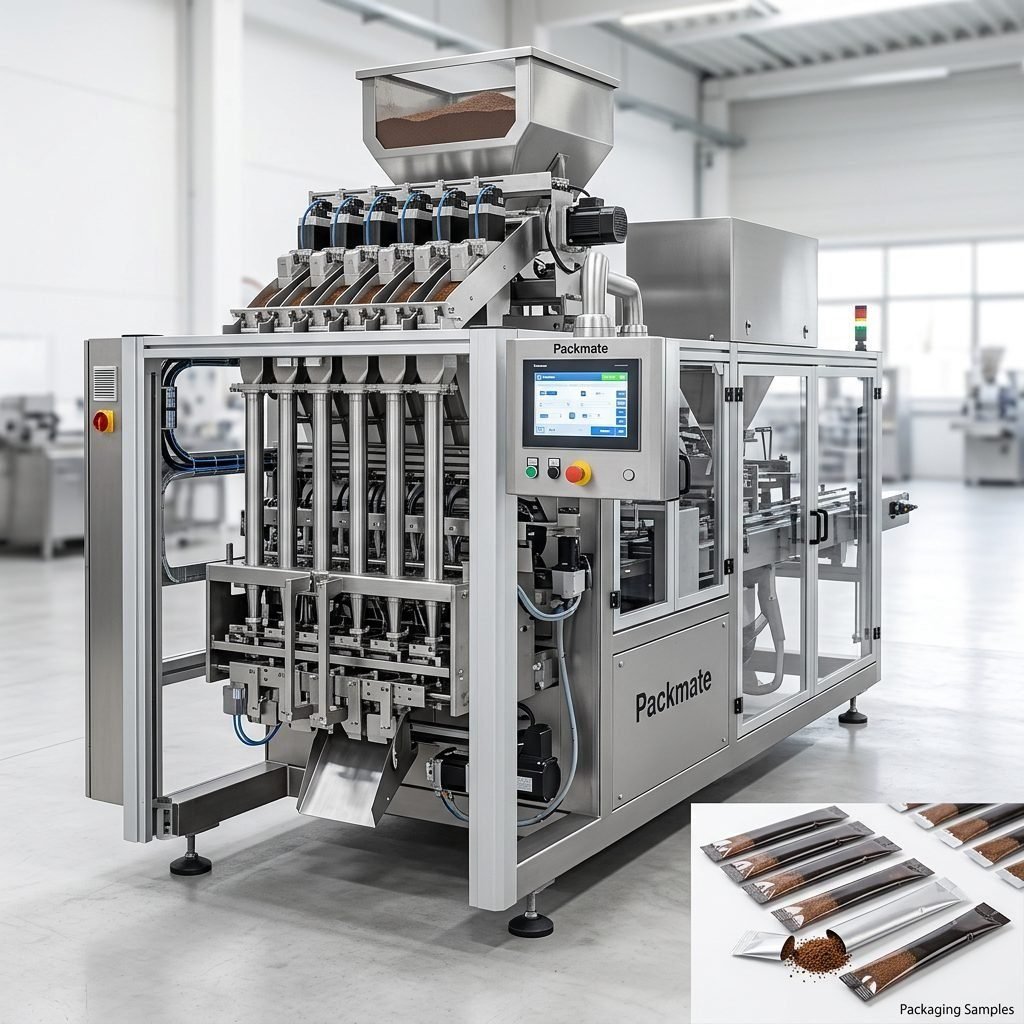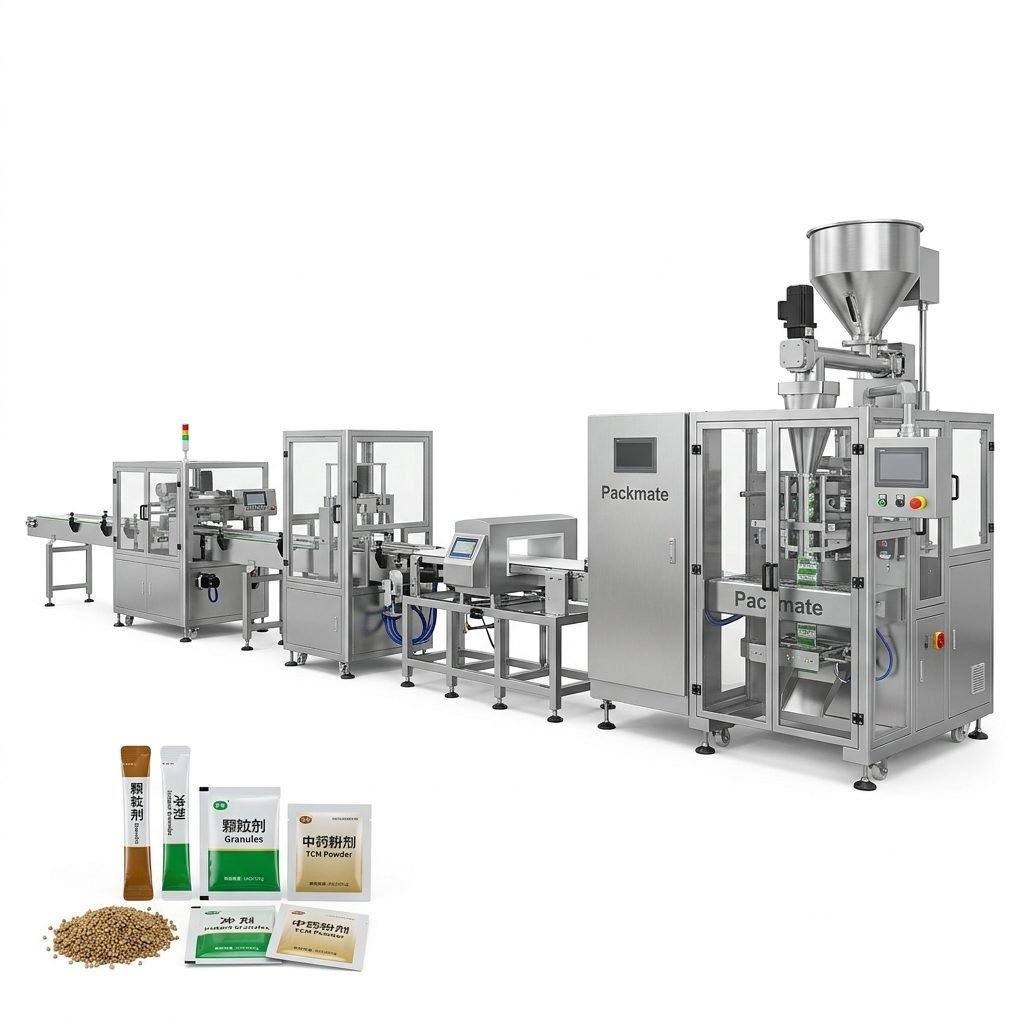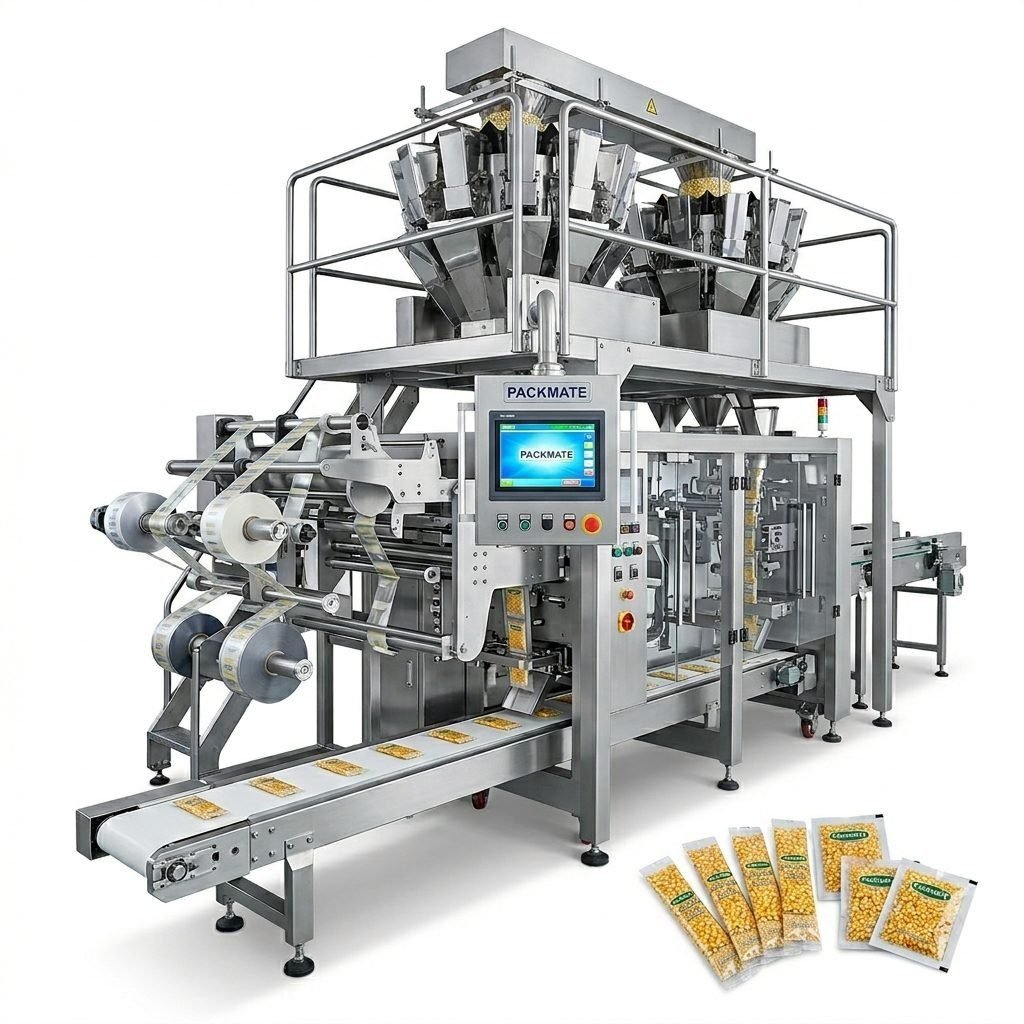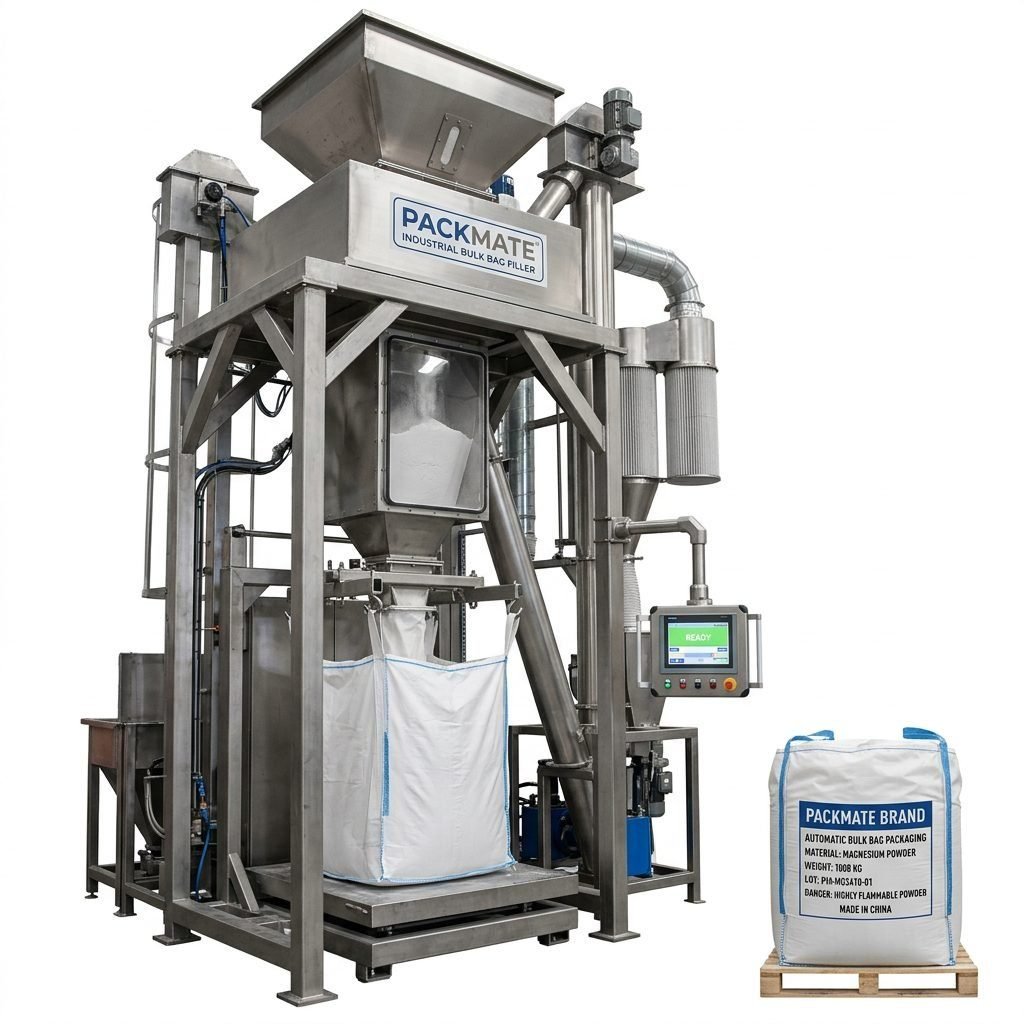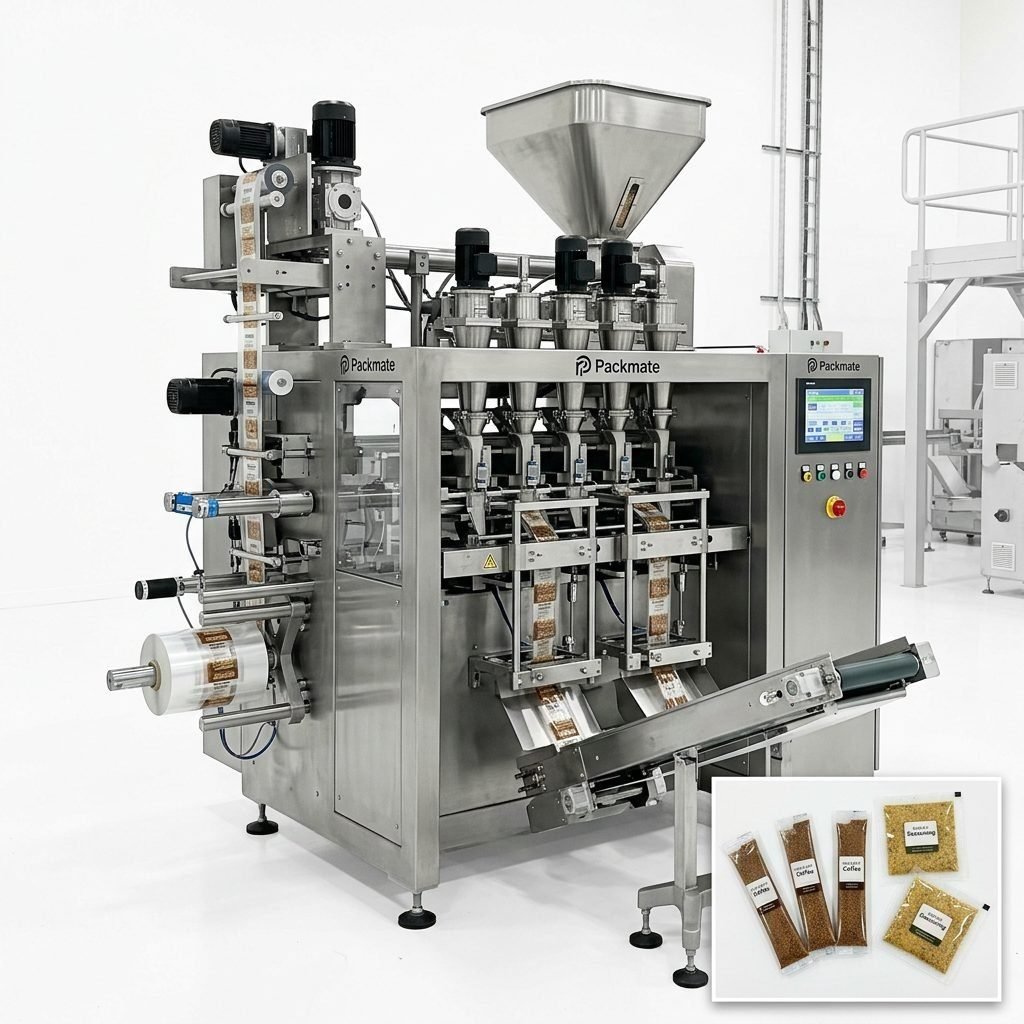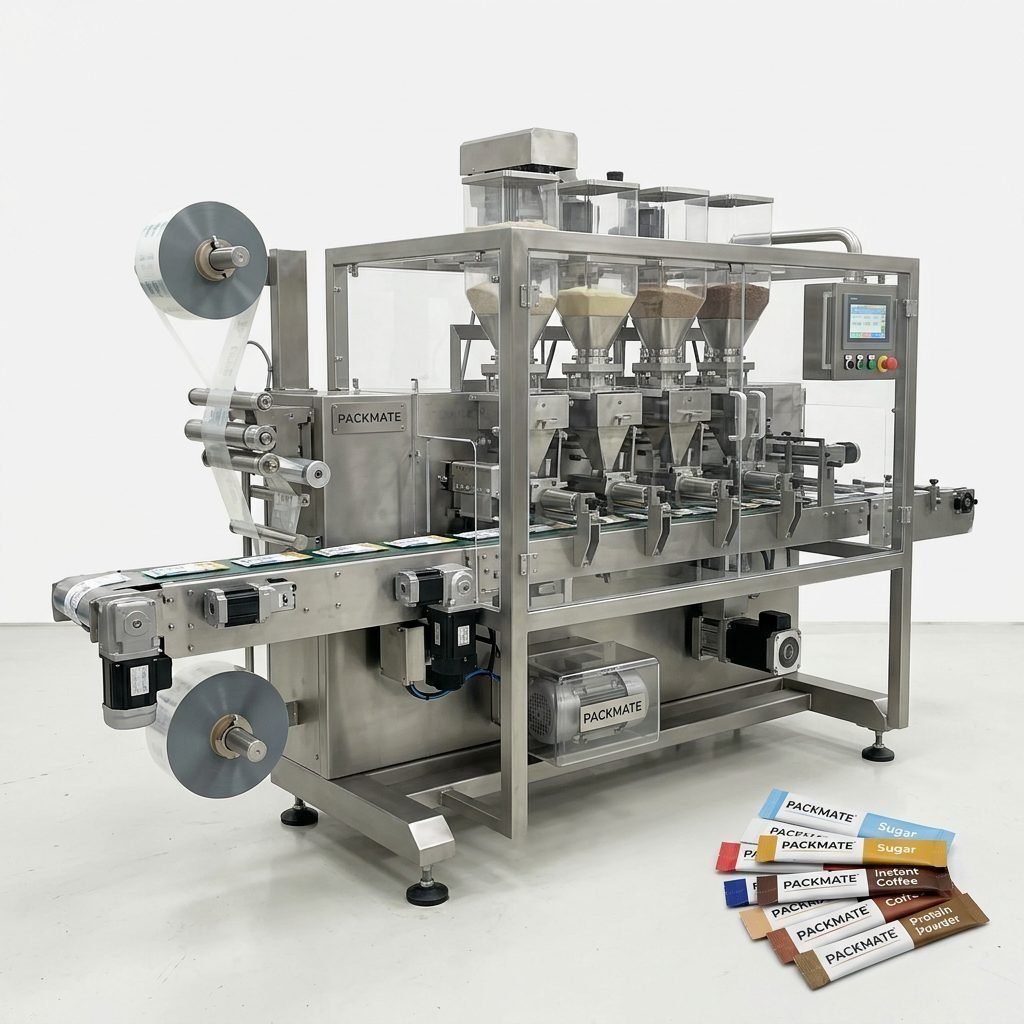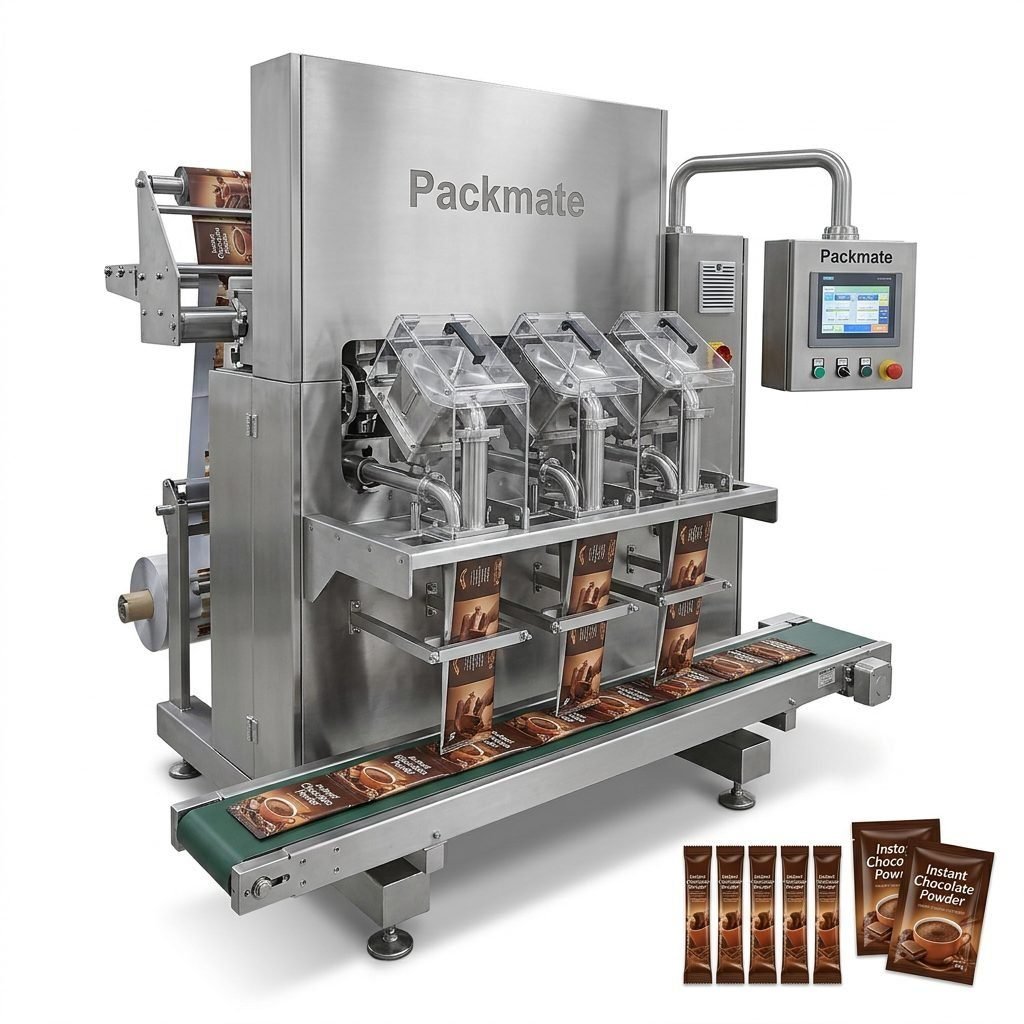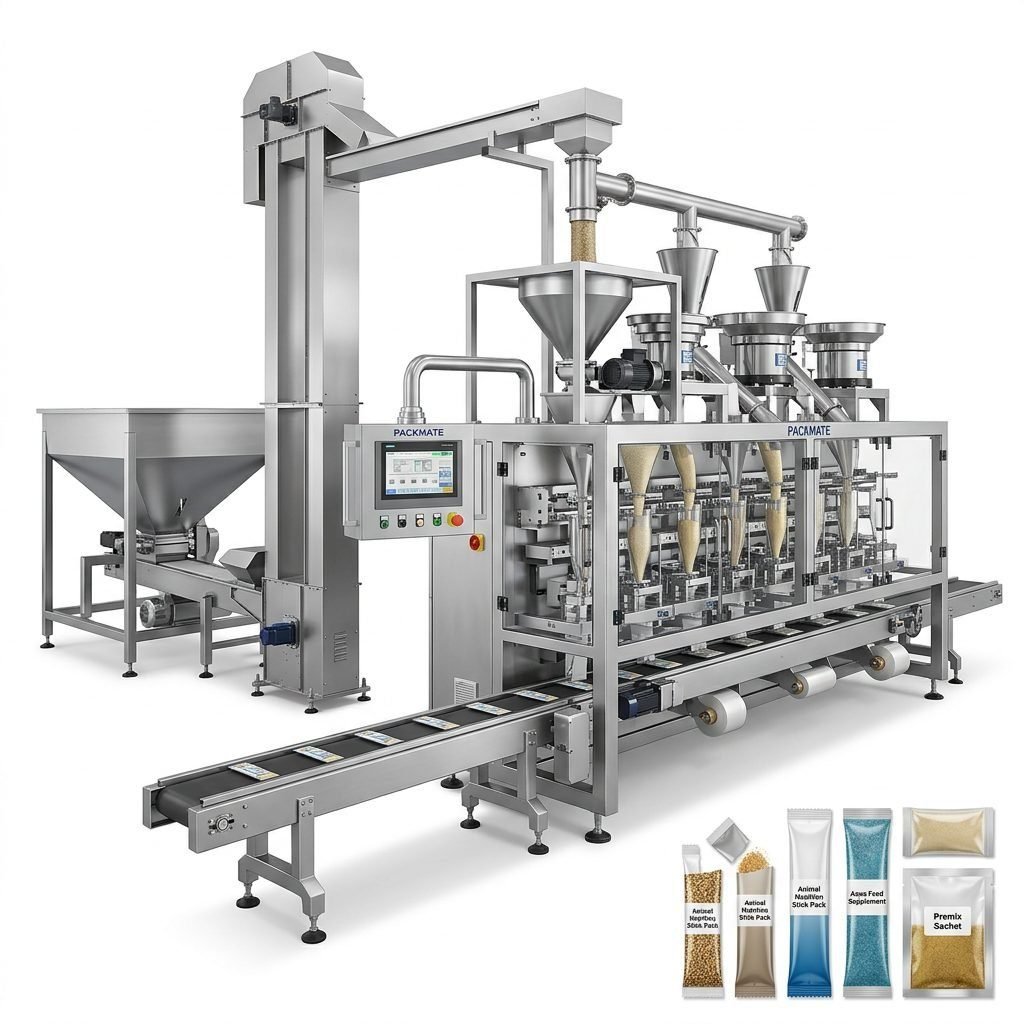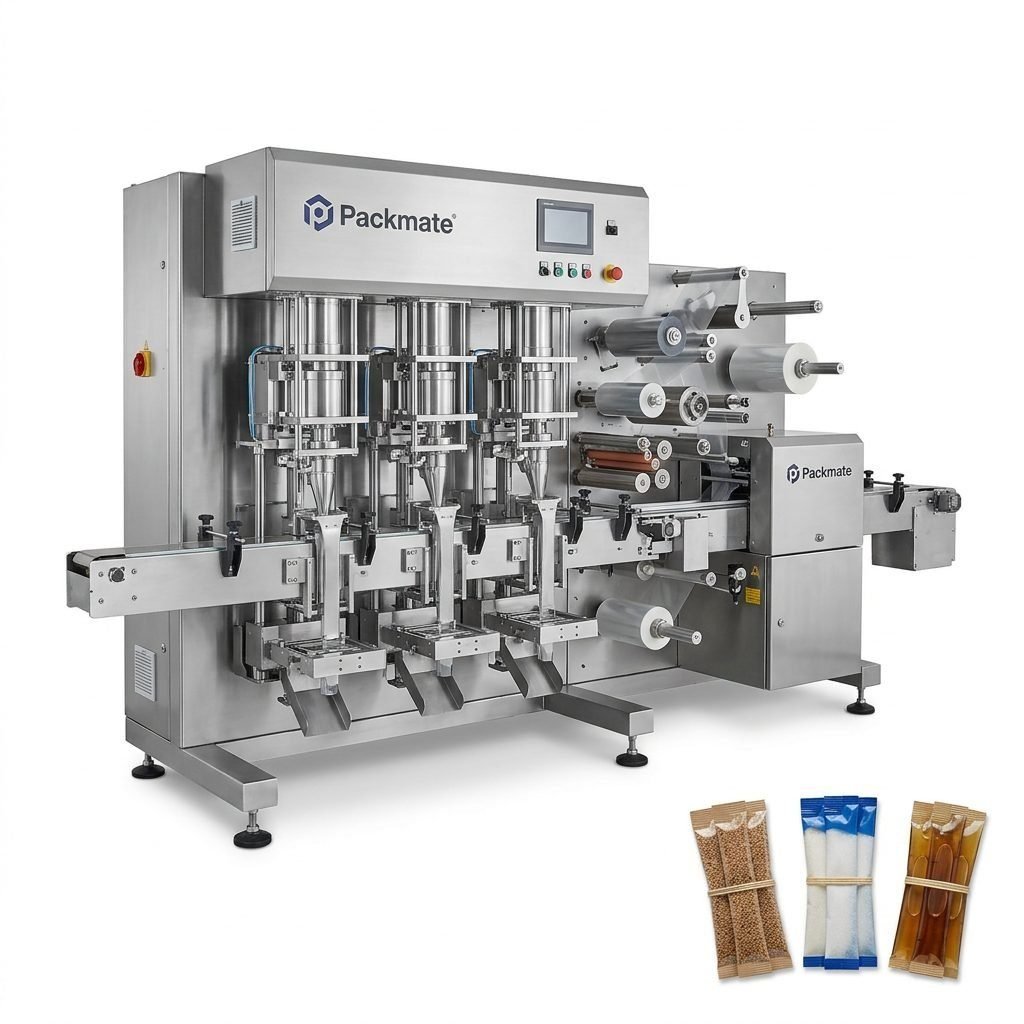
In today’s fast-paced manufacturing environment, efficiency and precision in packaging are non-negotiable. For producers of powders, granules, and liquids—spanning food, pharmaceuticals, health supplements, and chemicals—achieving high-speed, consistent, and reliable packaging is a critical competitive advantage. This is where multi-lane sachet packing machines come into play, offering a transformative solution for high-volume production.
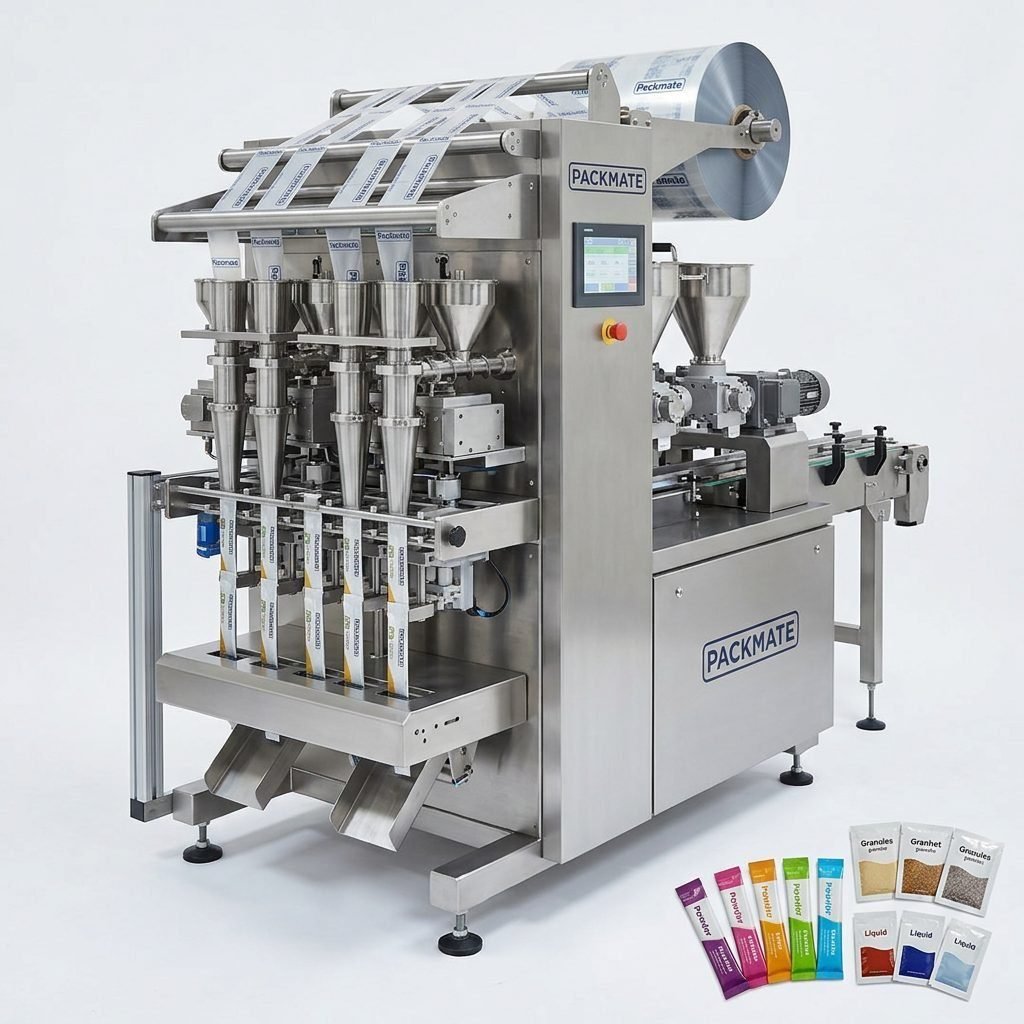
Unlike traditional single-lane machines, a multi-lane sachet packing system operates with multiple parallel lanes, dramatically increasing output. Imagine a single machine producing 120 to over 400 sachets or stick packs per minute, depending on the configuration and product. This leap in productivity directly translates to lower per-unit costs and the ability to meet large-scale orders and tight deadlines.
Core Advantages of Multi-Lane Sachet Packaging Technology
The shift to multi-lane automation is driven by several compelling benefits that address the core challenges of modern production.
Unmatched Production Speed and Scalability
The most significant advantage is the exponential increase in output. By running multiple packaging lines simultaneously within one machine frame, producers can scale their capacity without proportionally increasing their factory footprint or labor costs. This modular design also allows lines to be easily added or reconfigured as business needs evolve.
Beyond raw speed, these systems deliver exceptional accuracy and consistency. Advanced volumetric or auger filling systems ensure each sachet receives the exact predetermined dose of powder, granule, or liquid. This precision is paramount in industries like pharmaceuticals or premium food products, where dose consistency is critical for efficacy, compliance, and customer trust.
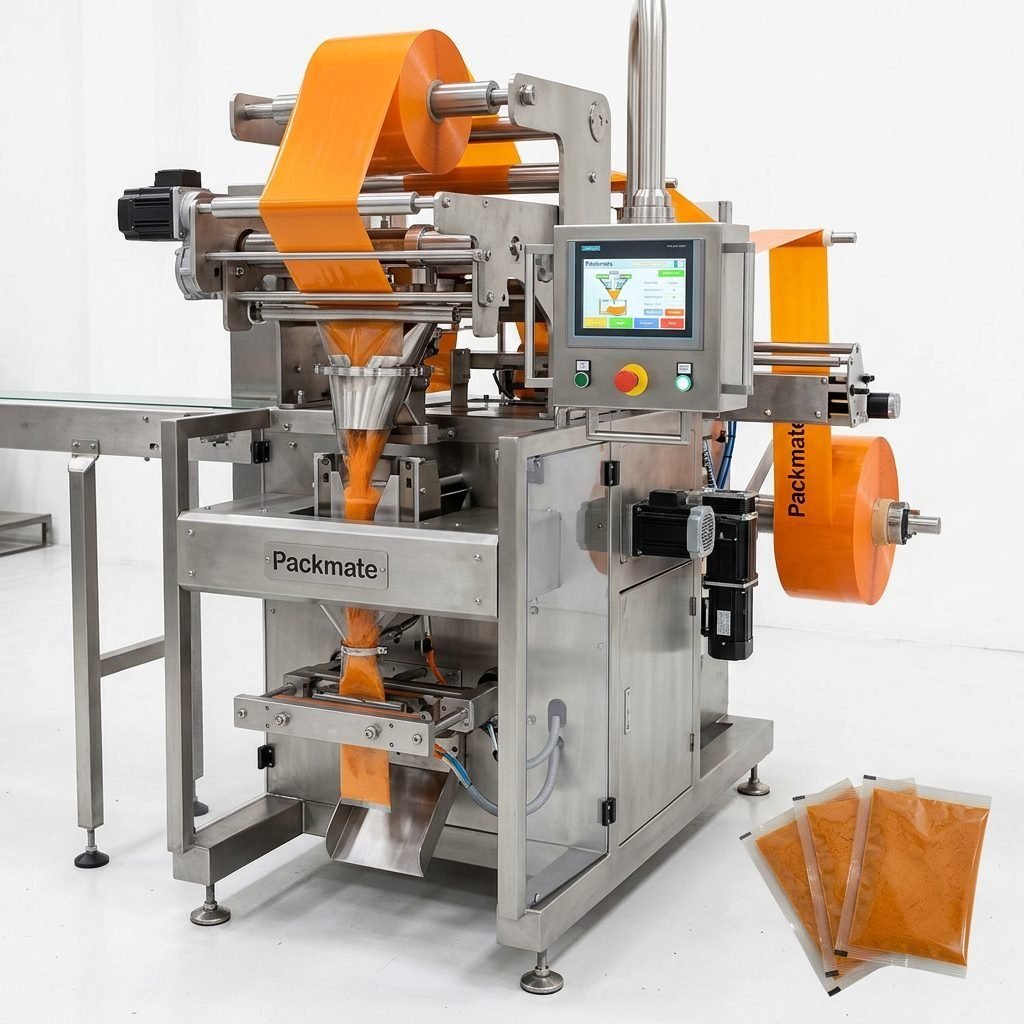
Significant Operational Cost Savings
Automation directly targets operational expenditures. A single multi-lane machine can replace several standalone units, reducing initial capital investment, energy consumption, and maintenance points. More importantly, it drastically cuts labor requirements. One operator can often oversee the entire packaging line, from feeding to final sealing, freeing personnel for higher-value tasks and reducing human error.
Versatility Across Product Types
A key strength of modern multi-lane packers is their adaptability. With quick-change parts and programmable settings, a single machine can often handle a range of products:
- Powders: Protein supplements, instant coffee, spices, pharmaceutical powders, detergent.
- Granules: Freeze-dried fruits, tea, sugar, instant noodles, pet food, agricultural seeds.
- Liquids & Pastes: Sauce packets, shampoo sachets, oil samples, condiments, serums.
This flexibility future-proofs the investment, allowing manufacturers to diversify their product lines without new major equipment purchases.
Key Markets and Regional Application Insights
The demand for high-speed sachet packaging is truly global, with specific drivers in each major export region. Leading manufacturers like Ludyway and Packmate Machinery have tailored their solutions to meet these diverse needs.
| Region | Primary Drivers | Typical Applications |
|---|---|---|
| Europe & North America | High labor costs, stringent hygiene/safety regulations, demand for convenience and premium single-serve formats. | Pharmaceutical powders, specialty coffee sticks, premium drink mixes, organic supplements, liquid condiment packets. |
| Southeast Asia & Middle East | Rapidly growing FMCG sector, rising disposable income, popularity of sachet-sized affordable products. | Instant beverage mixes, shampoo sachets, seasoning packets, soluble coffee, snack powders. |
| South America & Africa | Need for affordable unit-dose packaging, growing pharmaceutical and agro-industry, investment in local manufacturing. | Oral rehydration salts (ORS), agricultural chemicals, instant soup mixes, small-portion food staples. |
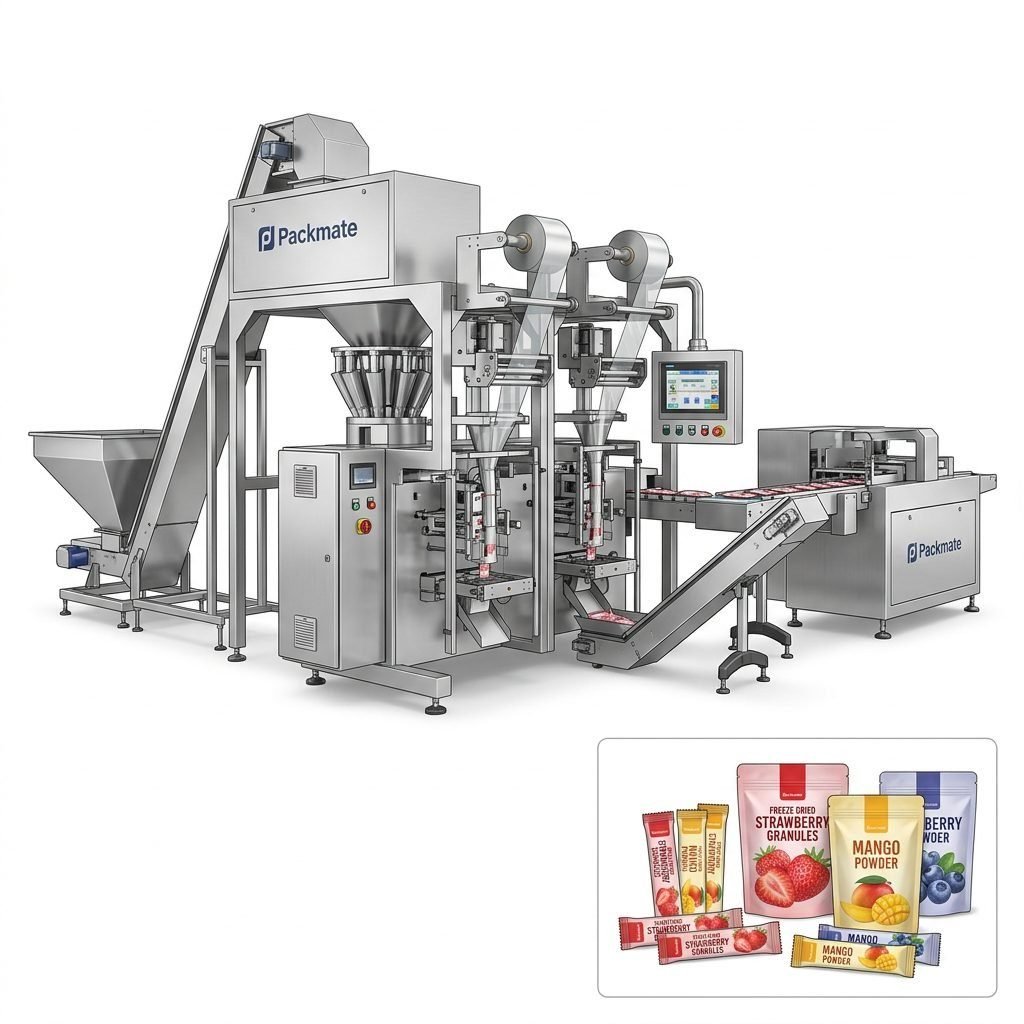
For example, in Europe’s pharmaceutical sector, machines must comply with GMP standards and offer traceability features, while in Southeast Asia’s fast-moving consumer goods market, the emphasis is on extreme durability and ease of maintenance to support continuous, high-volume runs.
Integration and Customization: Beyond Standalone Machines
The true power of automation is unlocked when the multi-lane sachet packer is integrated into a complete line. Companies specializing in turnkey solutions, such as PacklineOEM, design systems that include upstream and downstream modules.
A typical integrated line might flow as follows:
Product Feeding (via screw conveyor/vacuum) -> Multi-Lane Filling & Sealing -> Checkweighing -> Metal Detection -> Batch Counting -> Cartoning or Bagging.
This seamless integration minimizes handling, maximizes hygiene, and provides end-to-end quality control. For non-standard products or unique packaging materials, PackingMachineOEM and others offer essential customization, adapting machines for specific viscosities, pouch shapes, or sensitive ingredients.
Specialized Solutions for Niche Markets
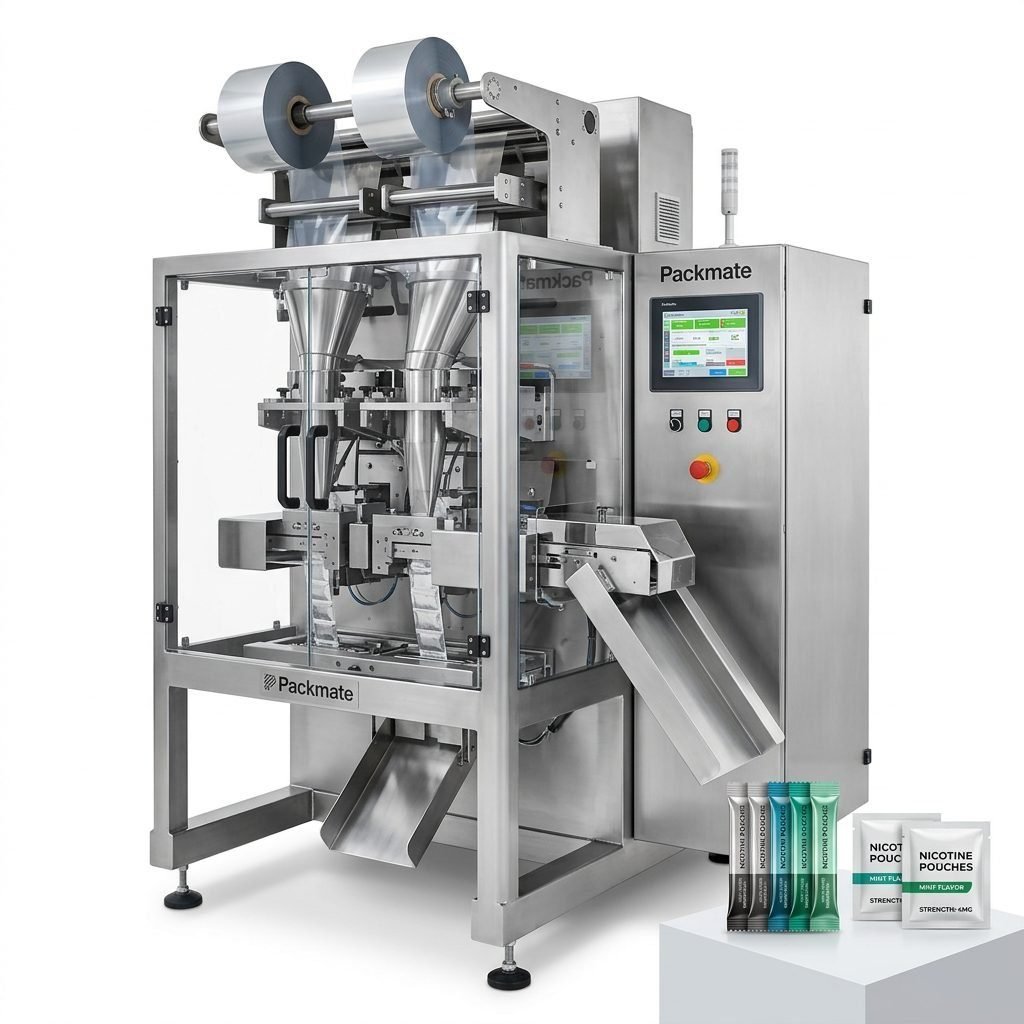
Certain sectors have unique requirements that go beyond general-purpose packaging. The rapid growth of the smokeless tobacco and nicotine pouch industry is a prime example. This market demands extreme precision in filling minute amounts of powder, consistent pouch quality, and high-speed production to be cost-effective.
Specialist manufacturers like SnusMachinery have developed multi-lane systems specifically engineered for these challenges. Their machines often include features like ultra-precise micro-dosing systems, specialized sealing jaws for non-standard pouch materials, and integrated moisture control, which are critical for product stability and consumer experience.
Choosing the Right Machine: Key Considerations
Selecting a multi-lane sachet packing machine is a significant investment. Here are the critical factors to evaluate:
- Product Characteristics: Flowability (for powders/granules), viscosity (for liquids), abrasiveness, and hygroscopicity.
- Output Requirements: Desired bags-per-minute (BPM) and the flexibility to adjust between short and long production runs.
- Packaging Material: Type of laminate (e.g., PET/AL/PE), film thickness, and compatibility with the machine’s sealing technology (e.g., thermal, ultrasonic).
- Level of Automation: Decide between a standalone machine or a fully integrated line with automated feeding, inspection, and cartoning.
- Supplier Capability: Assess the manufacturer’s experience, after-sales support, availability of spare parts, and ability to provide custom OEM solutions if needed.
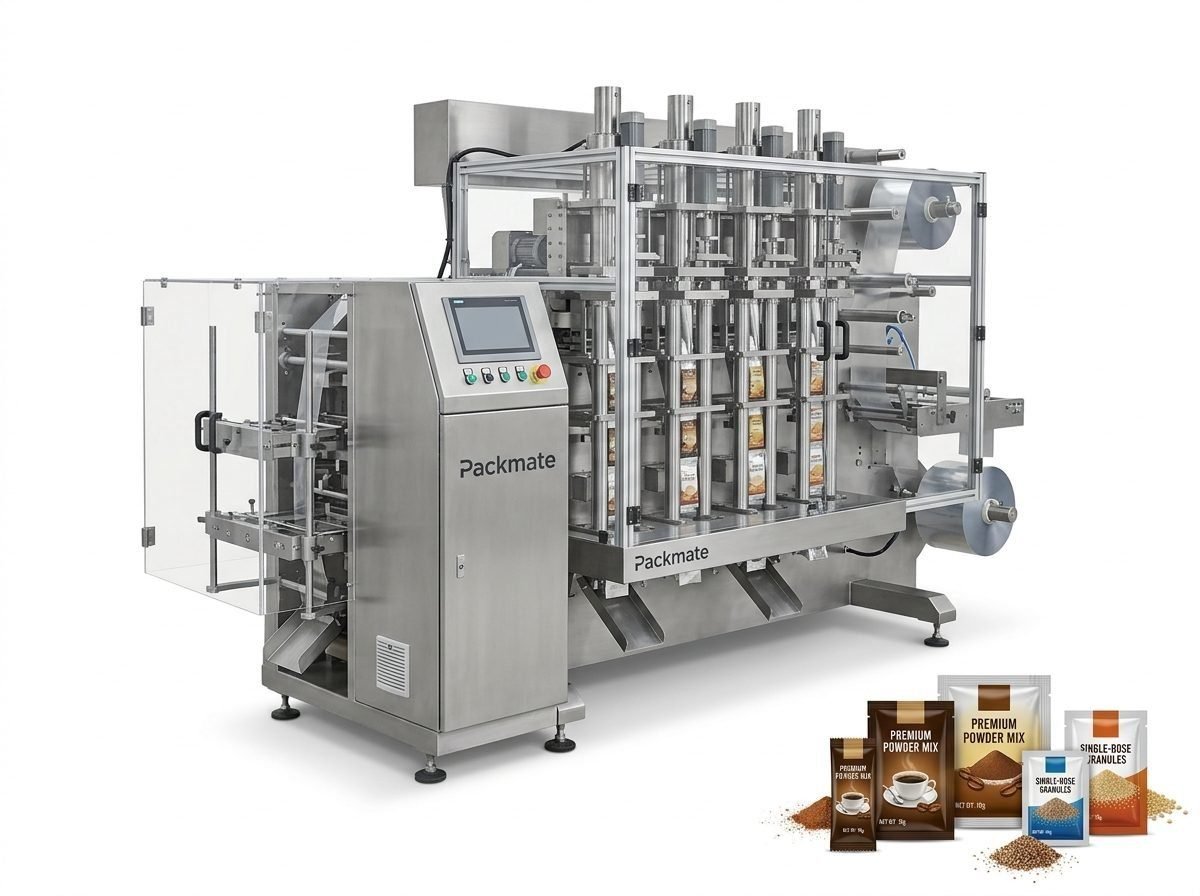
The trend is clear: the future of portion packaging is high-speed, intelligent, and integrated. Multi-lane sachet packing machines are at the forefront of this evolution, enabling manufacturers across the globe to achieve new levels of efficiency, quality, and profitability.
Frequently Asked Questions (FAQs)
1. What is the typical speed range of a multi-lane sachet packing machine?
Speeds vary widely based on the number of lanes, product type, and sachet size. Standard 4-lane machines often achieve 120-200 bags per minute (BPM), while advanced 8-lane or 10-lane systems for dry products can exceed 400 BPM. Liquid filling machines generally operate at slightly lower speeds due to dosing complexity.
2. Can one machine handle both powders and liquids?
Many machines are designed with modular filling systems. By switching the filling head (e.g., from an auger filler for powders to a piston pump for liquids), a single machine platform can often package both. However, it’s crucial to confirm this flexibility and the required changeover time with the manufacturer.
3. How important is after-sales service and technical support?
Extremely important. High-speed automated equipment requires reliable technical support for installation, training, maintenance, and troubleshooting. Choosing a supplier with a strong global service network, like many established Chinese manufacturers, ensures minimal downtime and long-term operational reliability.
4. What are the main differences between a stick pack and a sachet?
The primary difference is the shape and typical use. Stick packs are long, narrow, and upright, ideal for powdered beverages or products mixed with water. Sachets are usually rectangular or square flat packs, used for a wider variety of products like sauces, shampoo, or seasoning. Many multi-lane machines can produce both formats with different forming tools.
5. Are these machines suitable for small-batch or prototype production?
While designed for high volume, modern machines with servo-driven controls offer excellent flexibility. Quick-change parts and recipe storage allow for relatively efficient changeovers between different products, making them viable for medium-sized batches. For very small batches or R&D, working with a supplier who offers customization and prototyping services is advisable.