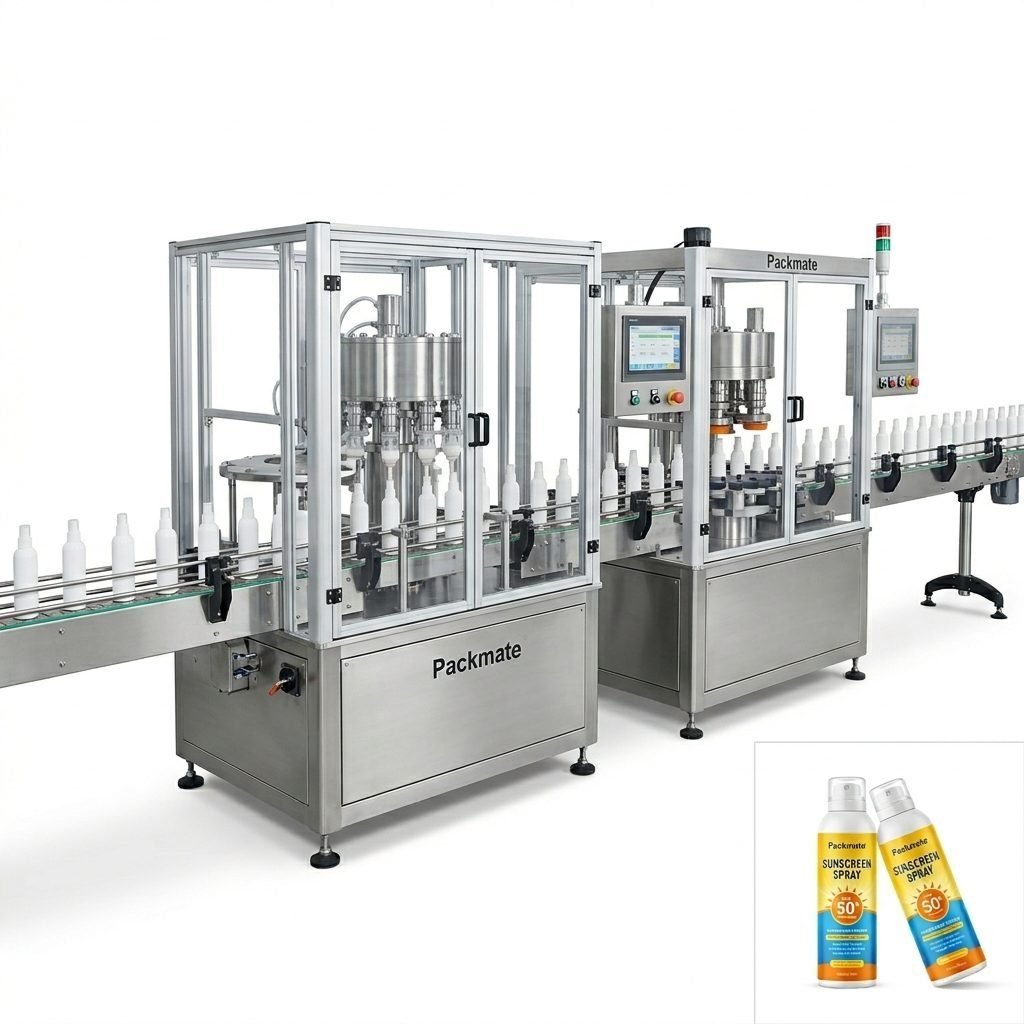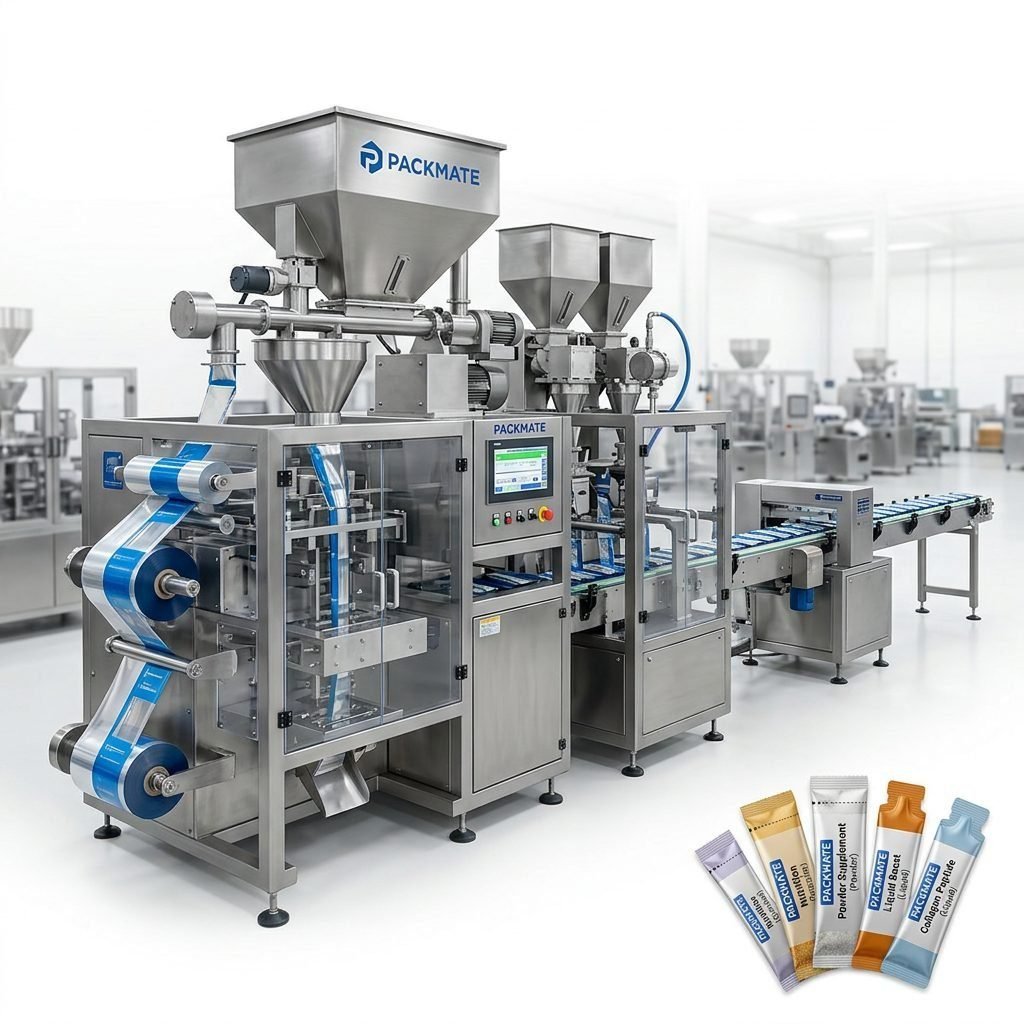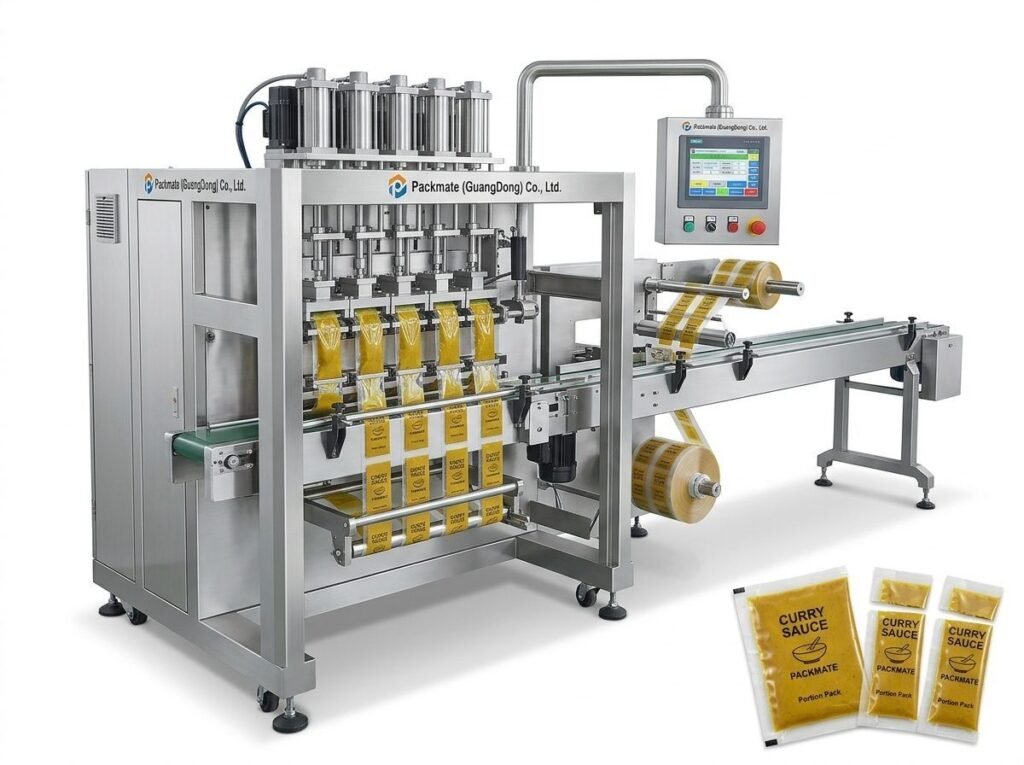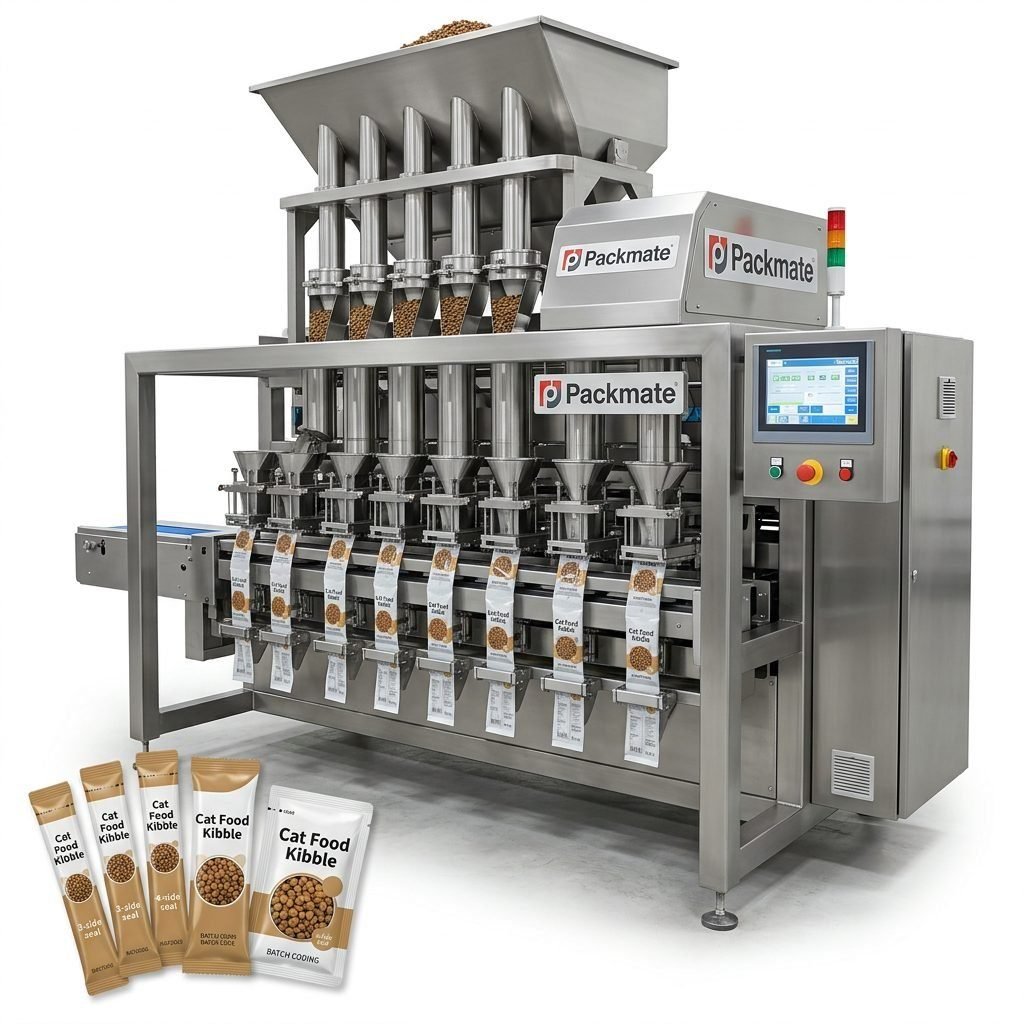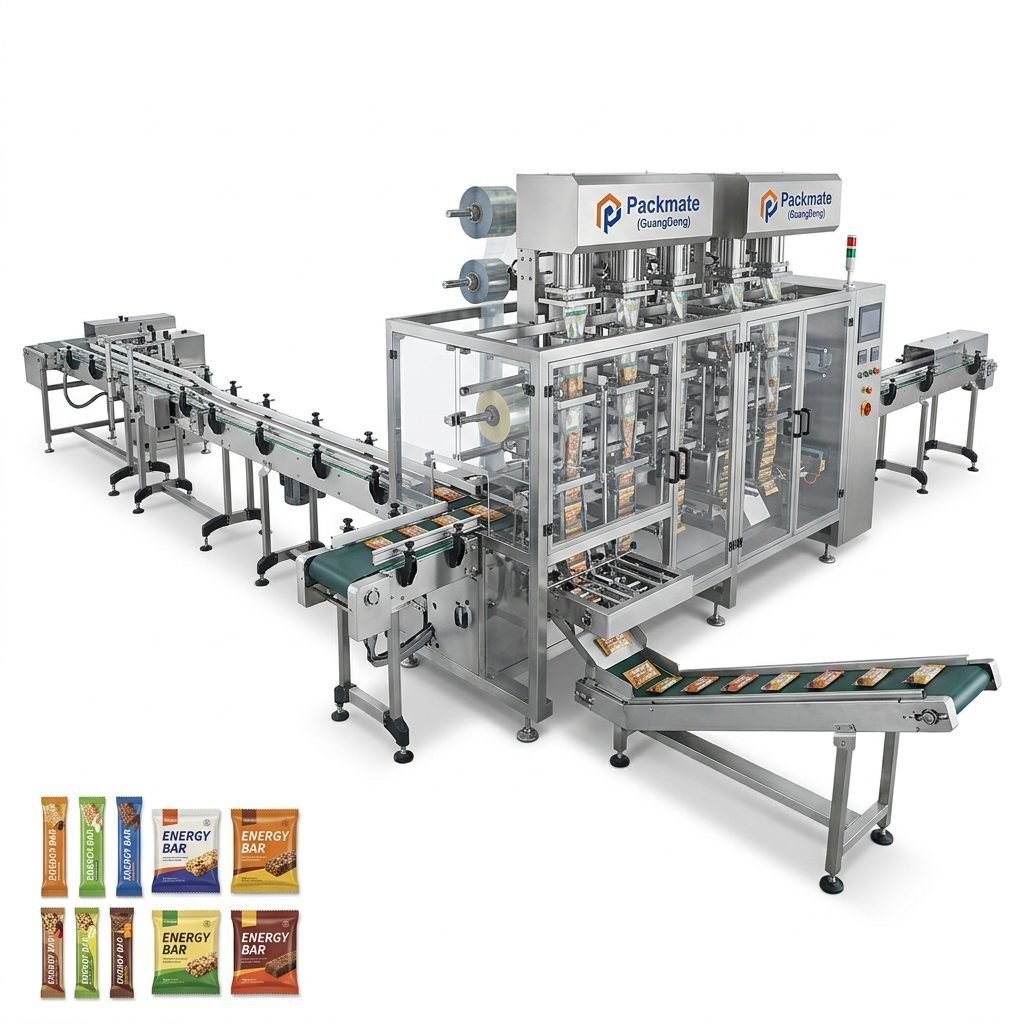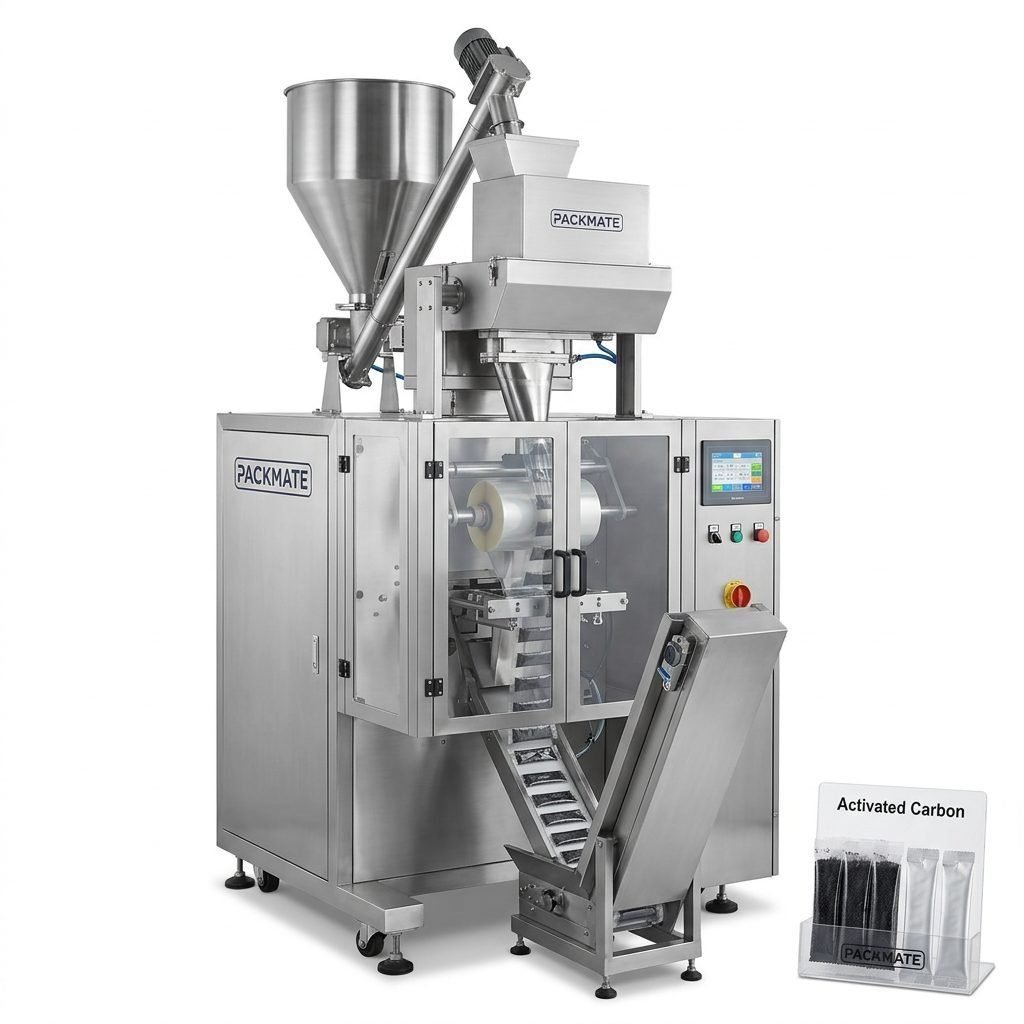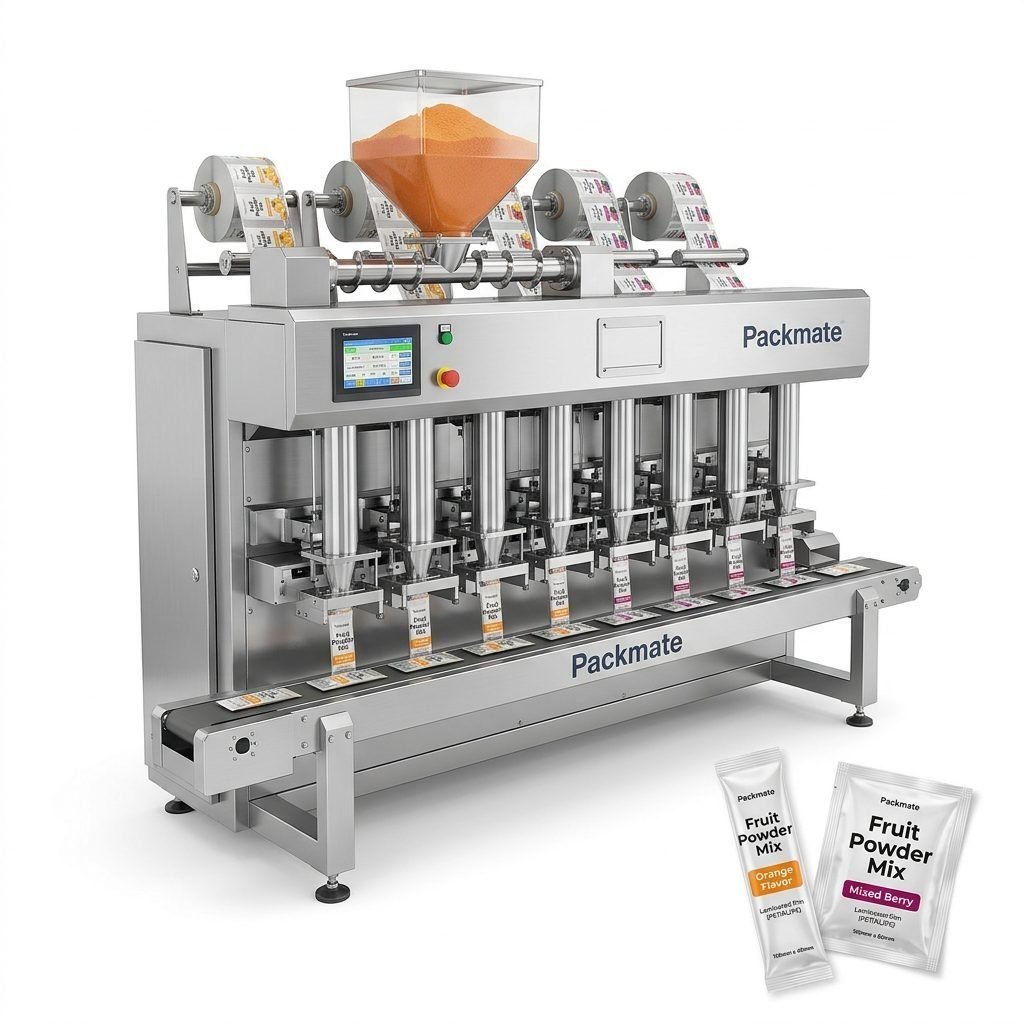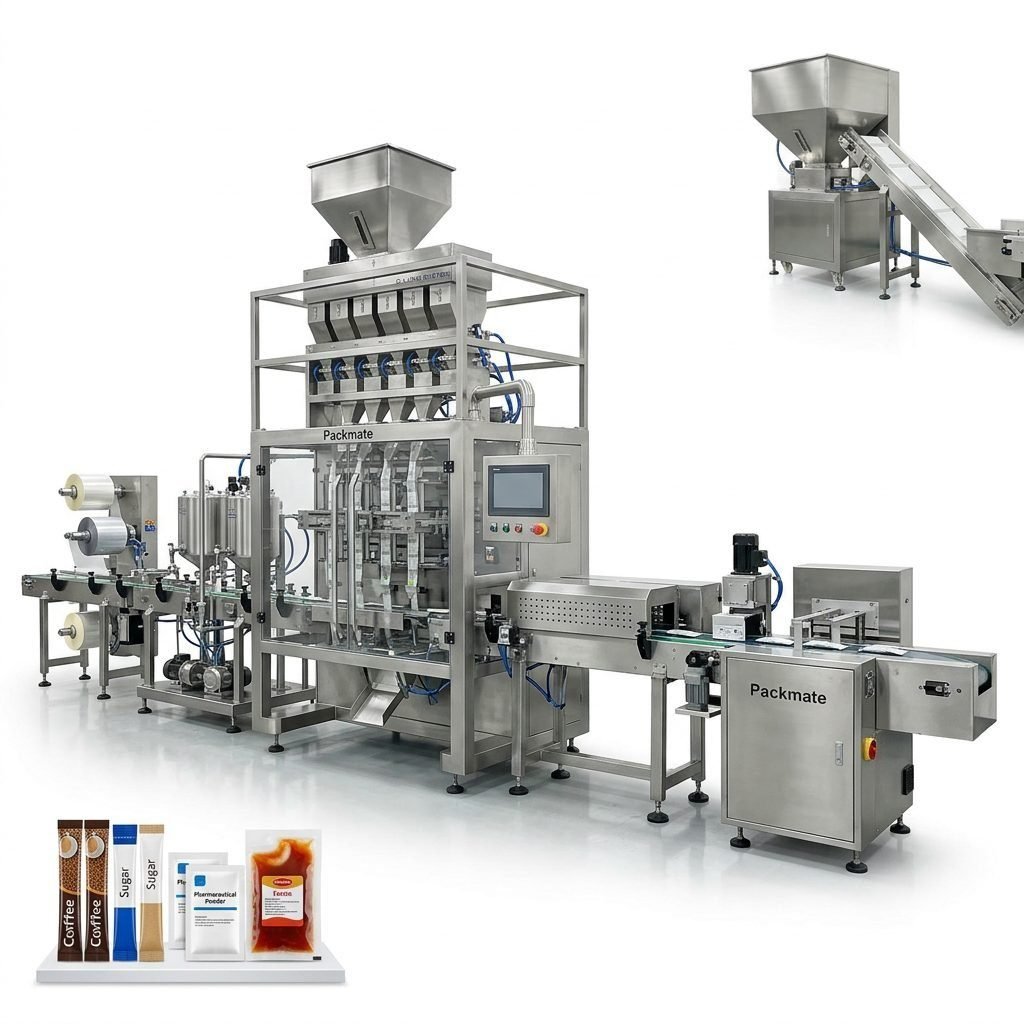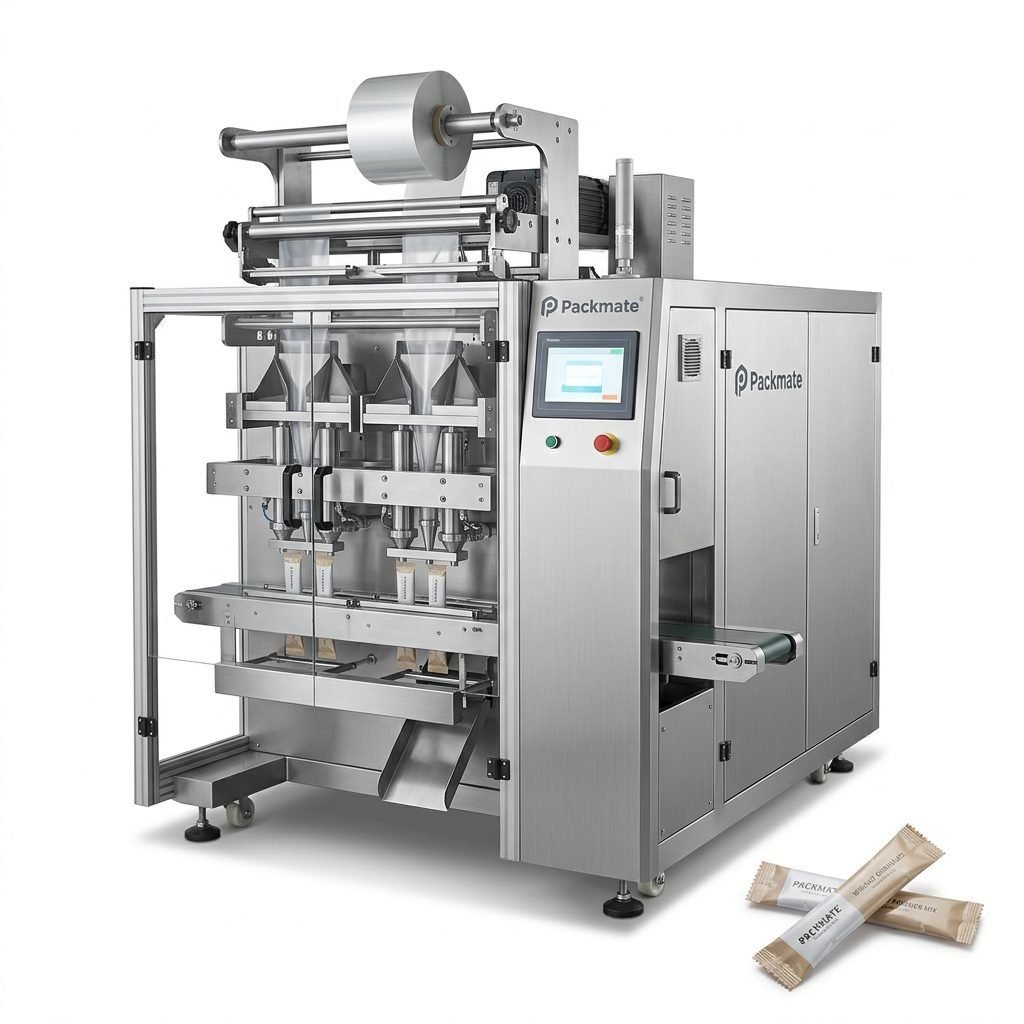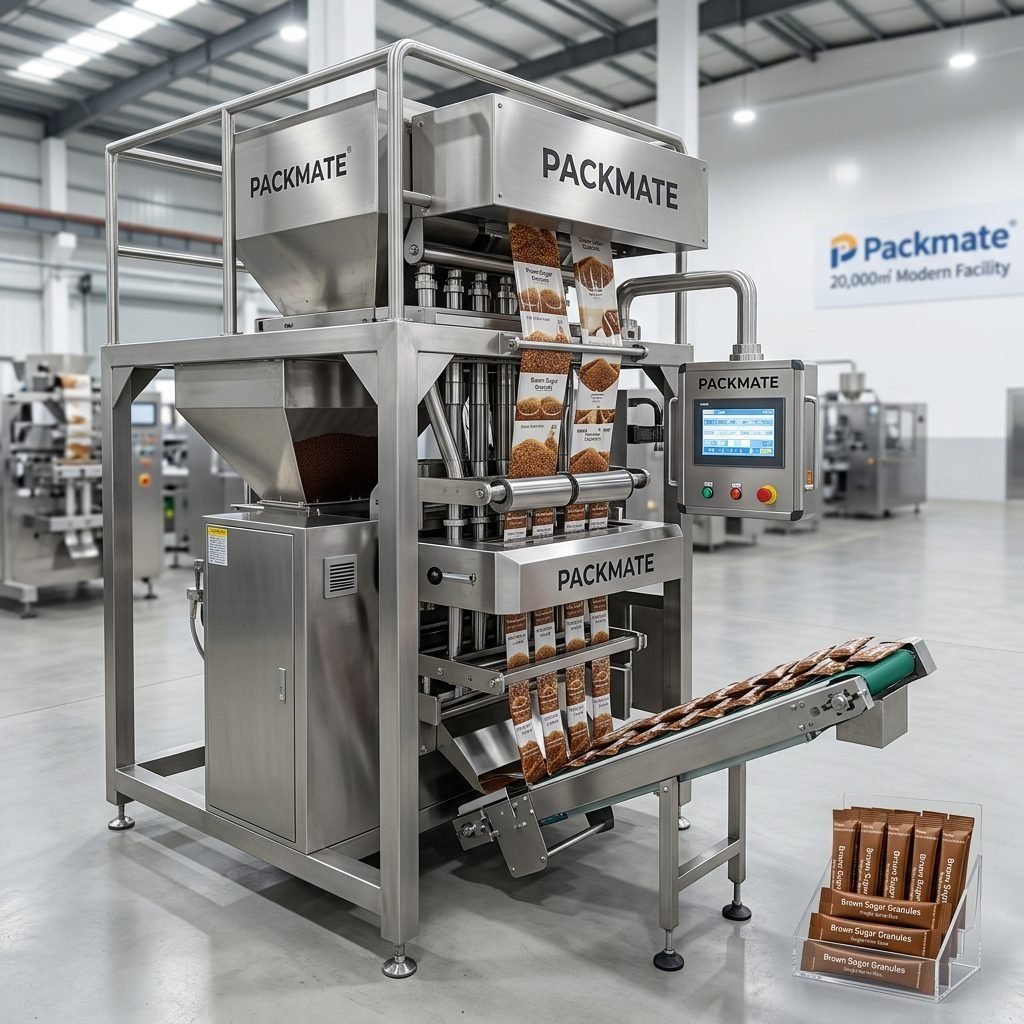
In today’s fast-paced manufacturing landscape, efficiency, consistency, and hygiene are paramount. For producers of granular products—from coffee and sugar to pharmaceuticals and pet food—a well-designed granule packaging production line is not just an advantage; it’s a necessity. This guide provides a comprehensive overview of the types of lines available, their core workflow, and the automation solutions that can transform your packaging operations.
Understanding the Core Components of a Granule Packaging Line
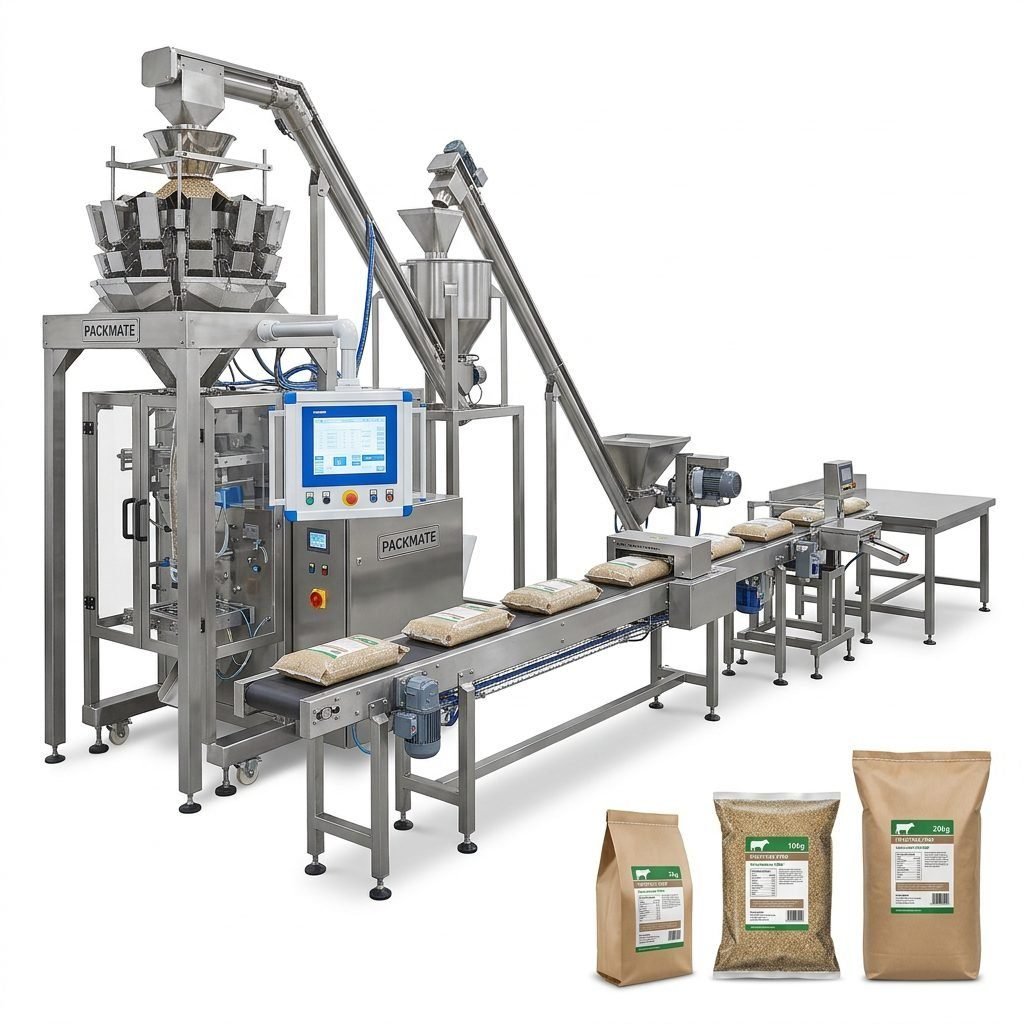
A typical granule packaging production line is a synchronized system of machines, each performing a specific function. While configurations vary, most lines share these fundamental components:
Key Components:
- Feeding & Conveying System: Transfers bulk granules from storage (silos, hoppers) to the packaging machine, often using screw conveyors, bucket elevators, or vibratory feeders.
- Weighing & Dosing System: The heart of accuracy. This can be volumetric (cup fillers) or gravimetric (multi-head weighers, linear scales) to ensure each package contains the precise product weight.
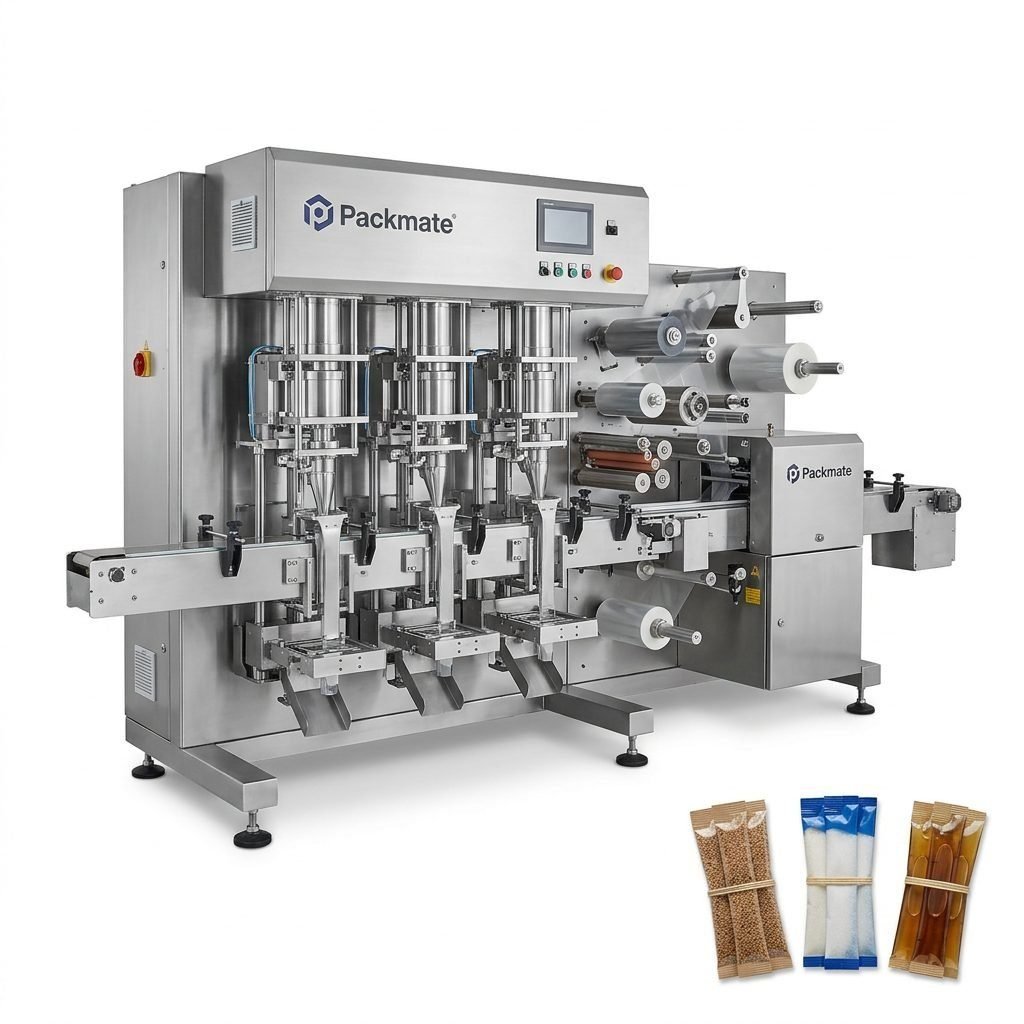
- Form-Fill-Seal (FFS) Machine: Creates the package from a roll of film, fills it with product, and seals it. Common types include Vertical Form-Fill-Seal (VFFS) machines for pillow pouches and stick pack/sachet machines.
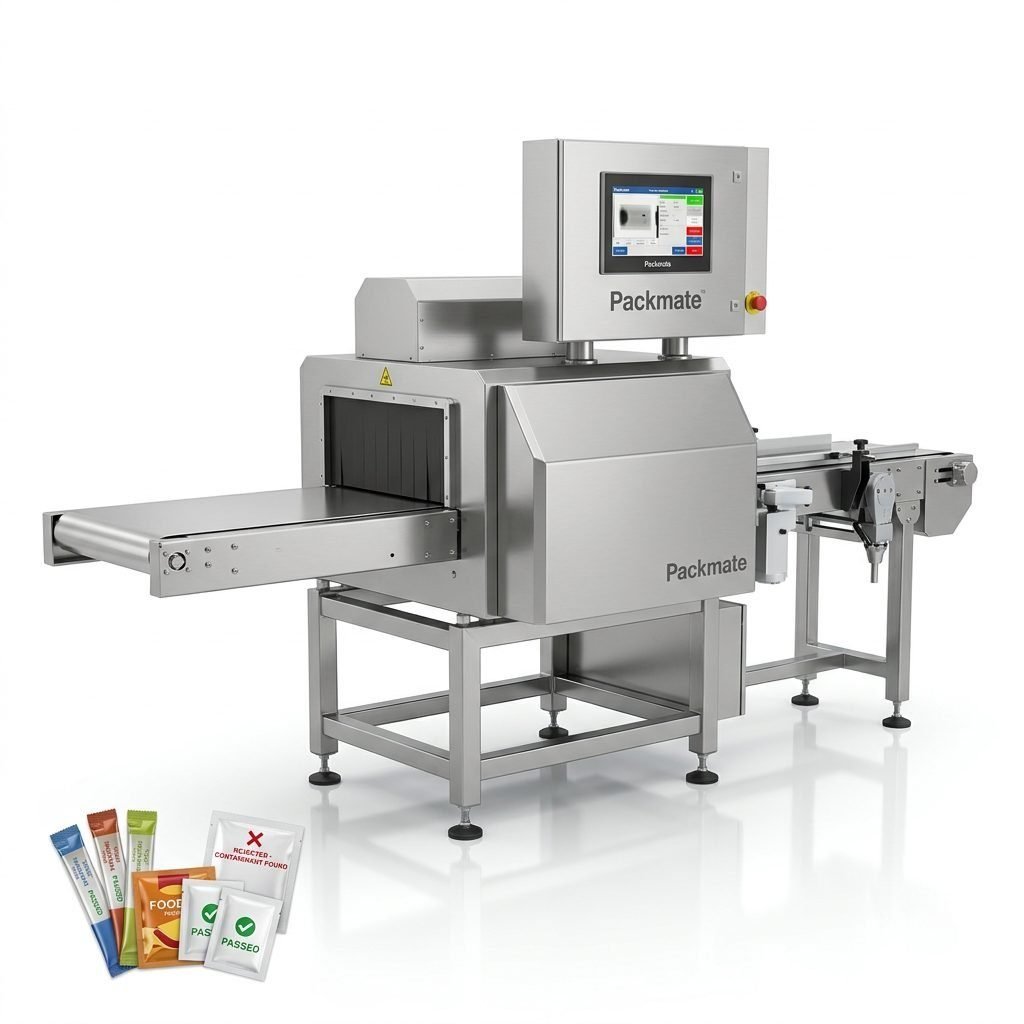
- Inspection & Checkweighing: Ensures product quality and compliance. Systems detect under/overweight packs, metal contaminants, and seal integrity.
- Secondary Packaging: Groups individual pouches into boxes, cartons, or display trays. This includes cartoners, case packers, and shrink wrappers.
- End-of-Line Automation: Includes palletizers and stretch wrappers for efficient storage and shipping.
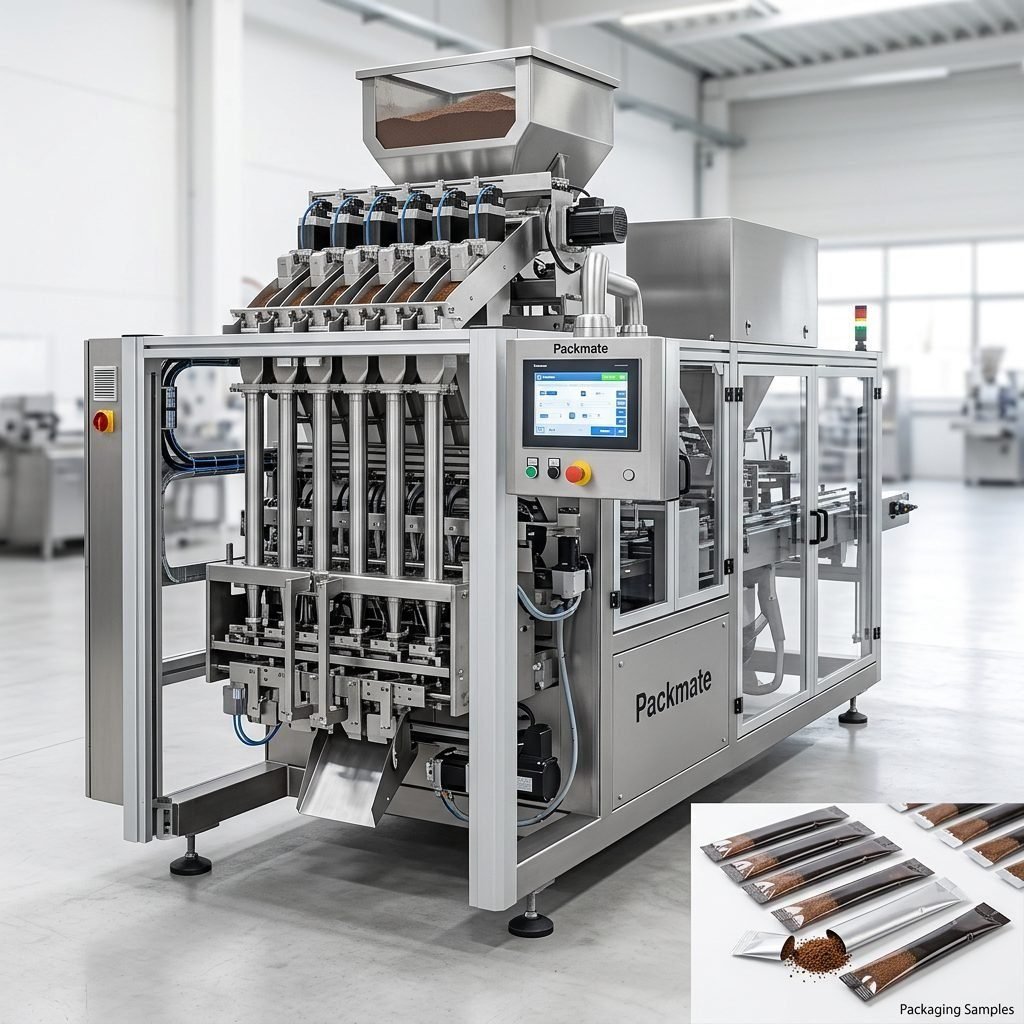
Primary Types of Granule Packaging Production Lines
The choice of packaging line depends heavily on the product format, required speed, and end-user application. Here are the most common types:
| Line Type | Primary Output | Typical Applications | Key Advantage |
|---|---|---|---|
| Stick Pack Line | Long, slender single-serve pouches | Instant coffee, drink mixes, sugar, supplements | High-speed, multi-lane production; excellent for on-the-go consumption |
| Sachet/Pouch Line | Small to medium flat pouches | Seasonings, sauces (powder), pharmaceuticals, tea, condiments | Versatile size range; ideal for samples and single-use portions |
| Vertical Bagging (VFFS) Line | Stand-up pouches, pillow bags | Pet food, rice, beans, snacks, granular chemicals | High efficiency for larger retail-sized bags; flexible bag styles |
| Bulk Bagging Line | Large bags (5kg – 50kg+) | Animal feed, fertilizer, construction materials, industrial ingredients | Designed for high-volume, industrial-scale packaging |
For companies seeking a complete solution from a single supplier, turnkey providers like Ludyway and PacklineOEM specialize in integrating these components into seamless, high-performance systems.
The Standard Workflow: From Bulk Granules to Finished Case
The journey of granules through a packaging line is a marvel of coordinated automation. Here’s a step-by-step breakdown of the typical workflow:
1. Product Intake & Feeding
Bulk granules are transferred from storage via controlled feeders (screw, vibratory) to a central hopper above the packaging machine, ensuring a consistent supply.
2. Precise Weighing & Dosing
This critical stage determines accuracy. Multi-head weighers or linear scales measure exact portions, while volumetric cup fillers offer a simpler, high-speed alternative for less critical weights.
3. Bag Forming, Filling & Sealing
Packaging film is unwound and formed into a tube (VFFS) or individual pouches (stick/sachet). The measured dose is dropped in, and the bag is heat-sealed, creating an airtight, hygienic package.
4. Quality Inspection
Every package passes through checkweighers to reject under/overfills. Metal detectors or X-ray systems identify contaminants, and vision systems inspect seal integrity and print quality.
5. Secondary & Tertiary Packaging
Individual pouches are collated and loaded into cartons or boxes. Filled cartons are then sealed, labeled, and grouped into cases. Finally, cases are palletized and stretch-wrapped for shipment.
The Power of Automation: Key Solutions and Benefits
Modern lines leverage advanced automation to maximize output, minimize waste, and ensure safety. Key solutions include:
Robotic Palletizing: Replaces manual, strenuous labor with consistent, high-speed robotic arms that stack cases or bags onto pallets with precision.
Integrated PLC & HMI Control: A central Programmable Logic Controller (PLC) and Human-Machine Interface (HMI) panel allow operators to monitor the entire line, adjust parameters, and diagnose issues from a single station.
Smart Feedback Systems: Checkweighers and metal detectors can be linked to the filler, automatically adjusting the dose if a weight trend is detected or stopping the line upon contamination.
Automated Changeover: Advanced systems feature quick-release mechanisms and recipe storage on the HMI, drastically reducing downtime when switching between different product bag sizes or types.
Data Tracking & OEE Monitoring: Modern lines collect data on speed, yield, downtime causes, and Overall Equipment Effectiveness (OEE), providing invaluable insights for continuous improvement.
For manufacturers with unique product characteristics or non-standard packaging formats, partnering with a specialist in customization, such as PackingMachineOEM, is crucial for developing an automated line that fits exact requirements.
Choosing the Right Partner: Key Considerations
Selecting a supplier for your granule packaging line is a strategic decision. Beyond the machine specifications, consider these factors:
- Application Expertise: Does the supplier have proven experience with your specific product (e.g., hygroscopic powders, abrasive granules, food-grade vs. pharmaceutical standards)? Specialists like SnusMachinery offer deep knowledge in niche segments like nicotine pouches.
- Scalability & Flexibility: Can the line be easily upgraded or reconfigured for future products or higher speeds?
- Integration Capability: Does the supplier offer a true turnkey solution, seamlessly integrating feeding, weighing, FFS, and inspection systems? Companies like Packmate Machinery focus on providing these complete, ready-to-run lines.
- After-Sales Support: Reliable technical support, readily available spare parts, and operator training are essential for minimizing downtime.
- Compliance & Standards: Ensure the equipment meets all relevant safety and hygiene standards for your target market (e.g., CE, FDA, GMP).
Frequently Asked Questions (FAQs)
What is the typical output speed of a granule packaging line?
Speed varies widely. A single-lane stick pack machine may run 60-120 bags/minute, while a multi-lane (e.g., 8-lane) system can exceed 800 bags/minute. VFFS lines for larger bags typically range from 20 to 120 bags per minute.
How do I choose between a volumetric filler and a multi-head weigher?
Volumetric fillers (cup fillers) are cost-effective and fast, best for uniform, free-flowing granules where ±1-2% accuracy is acceptable. Multi-head weighers offer precision (±0.1-1g) for high-value products or strict weight regulations but are a larger investment.
What film materials are commonly used for granule packaging?
Common structures include laminates of PET/PE, OPP/CPP, or PET/AL/PE for better barrier properties (moisture, light, oxygen). The choice depends on product sensitivity and shelf-life requirements.
Can one line handle multiple different granule products?
Yes, with proper design. Features like easy-changeover tooling, CIP (Clean-in-Place) systems, and recipe storage on the HMI allow lines to run different products, though a full wash-down is often required between runs to prevent cross-contamination.
What are the main maintenance requirements?
Regular daily cleaning, lubrication of moving parts, inspection of seals and cutting blades, and calibration of scales and checkweighers are essential. A proactive preventive maintenance schedule is key to avoiding unplanned downtime.