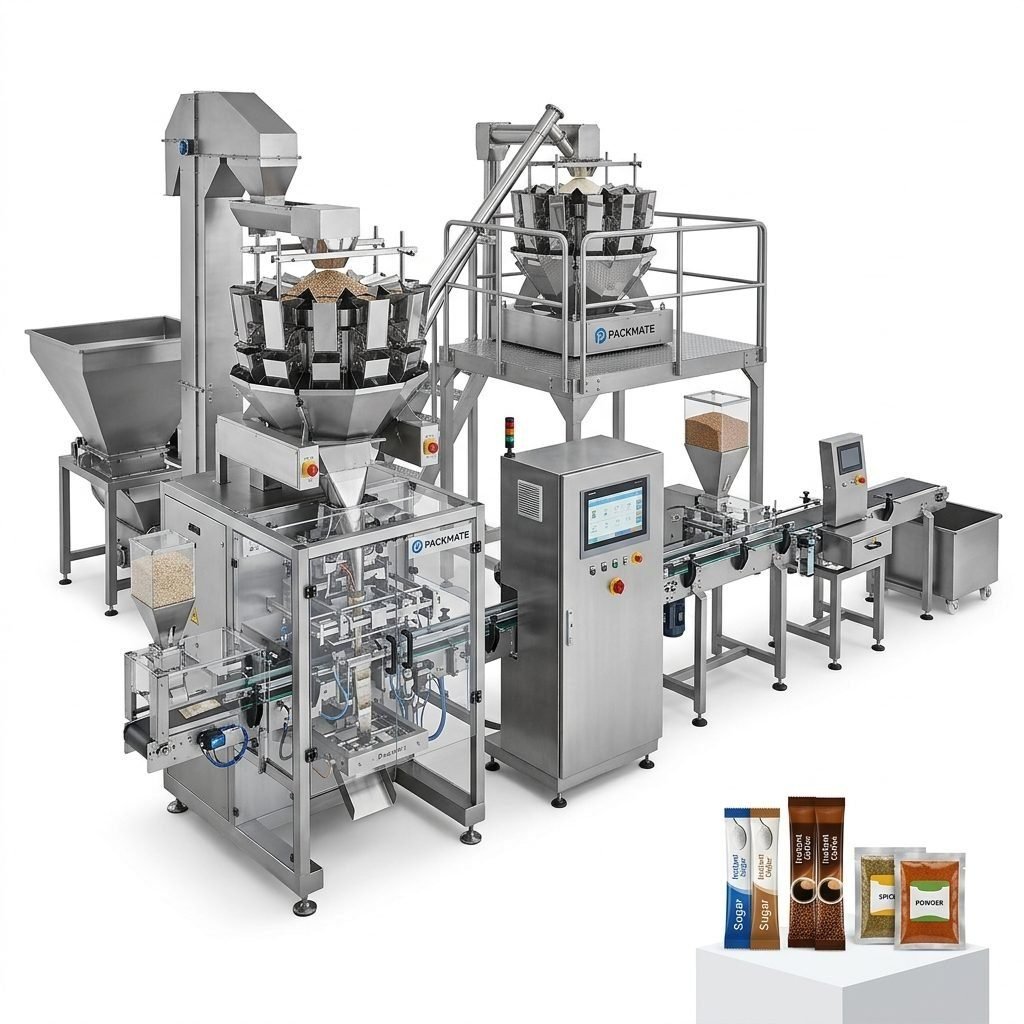
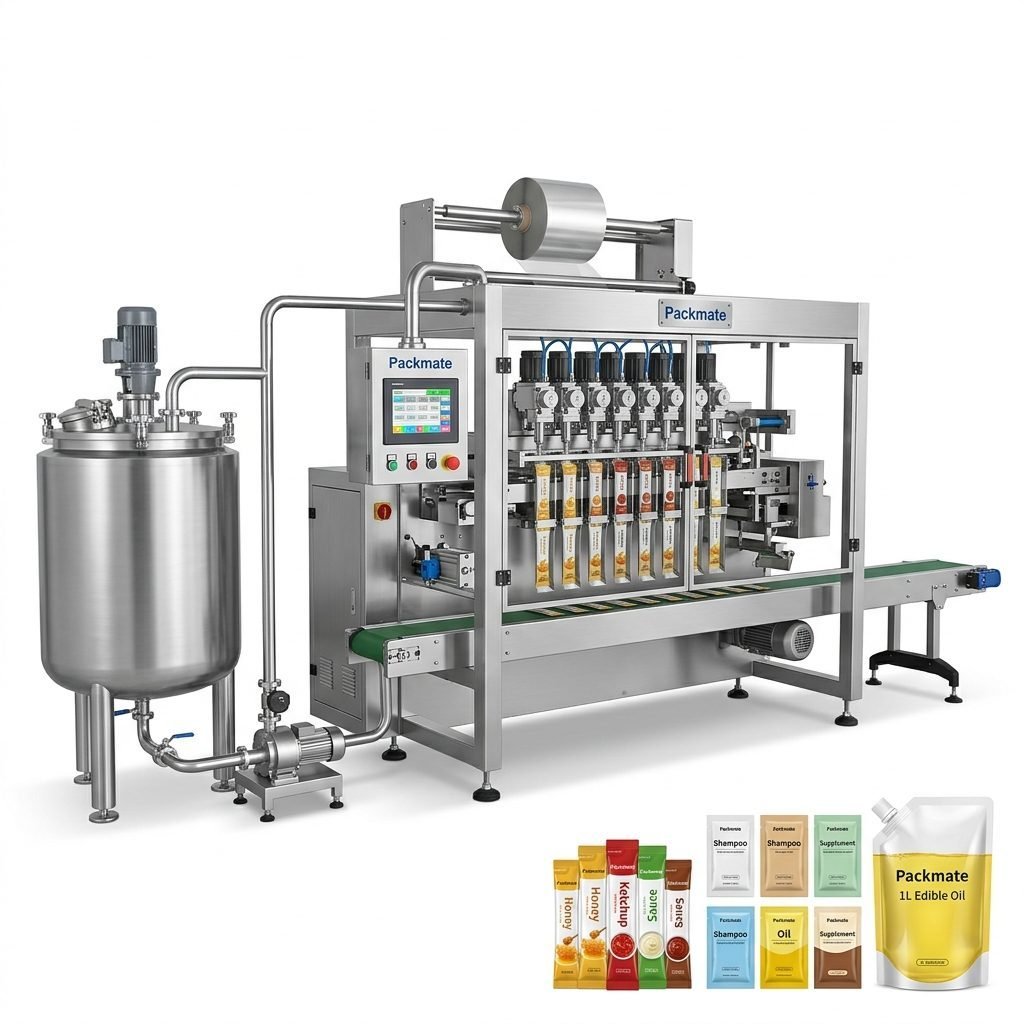
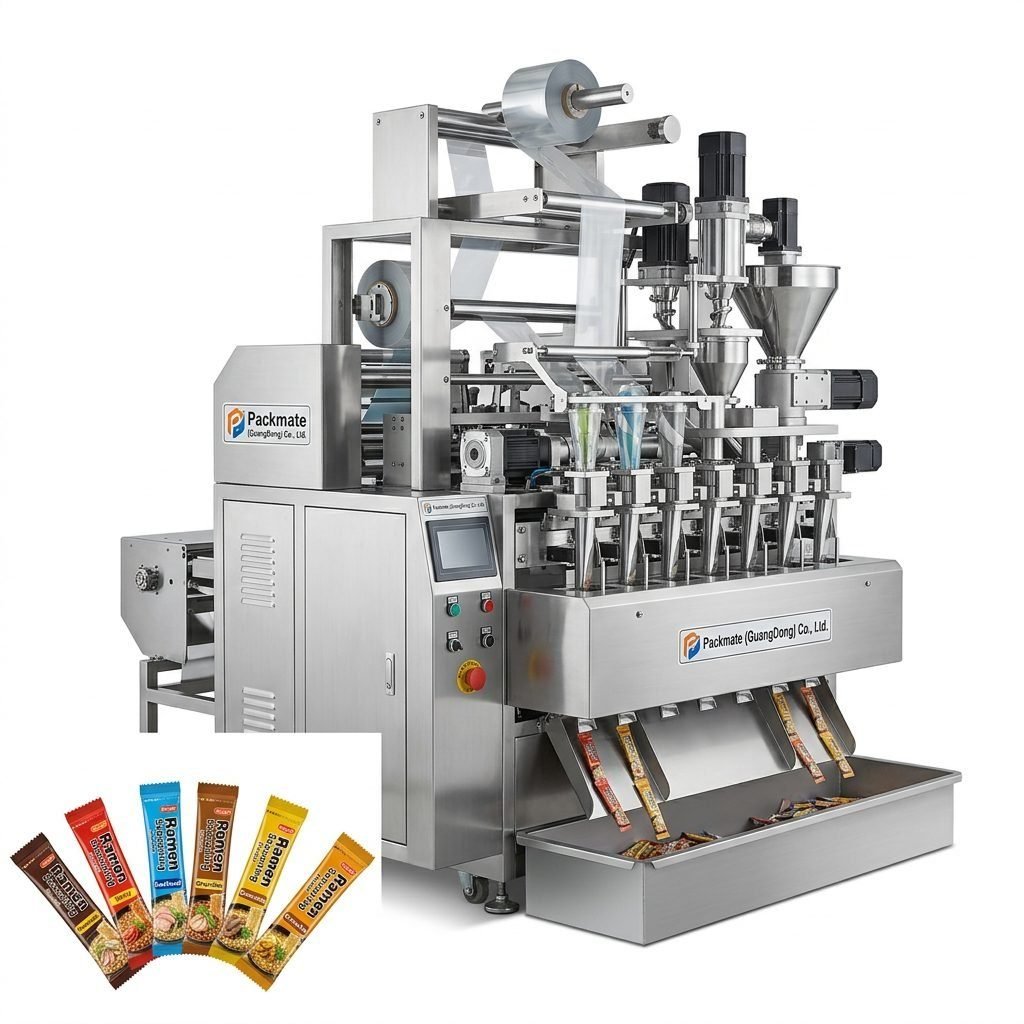
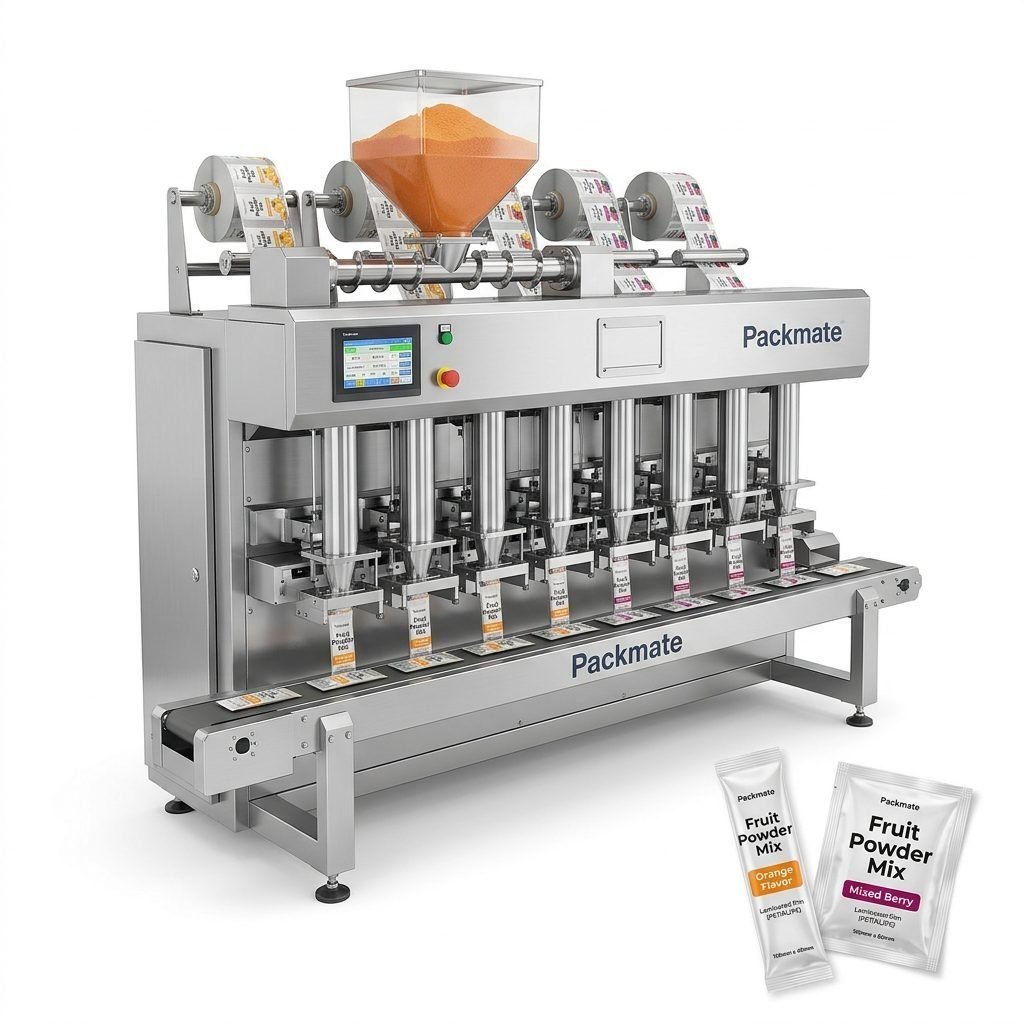
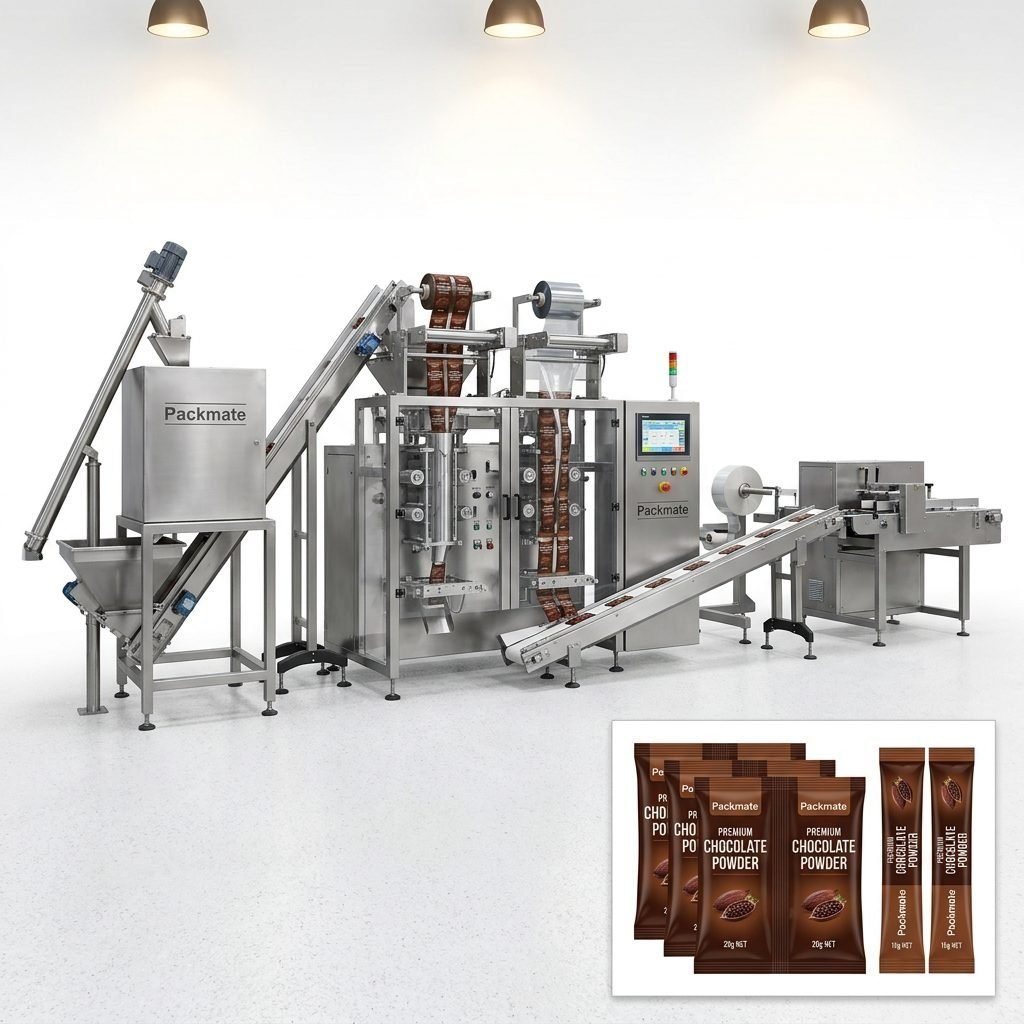
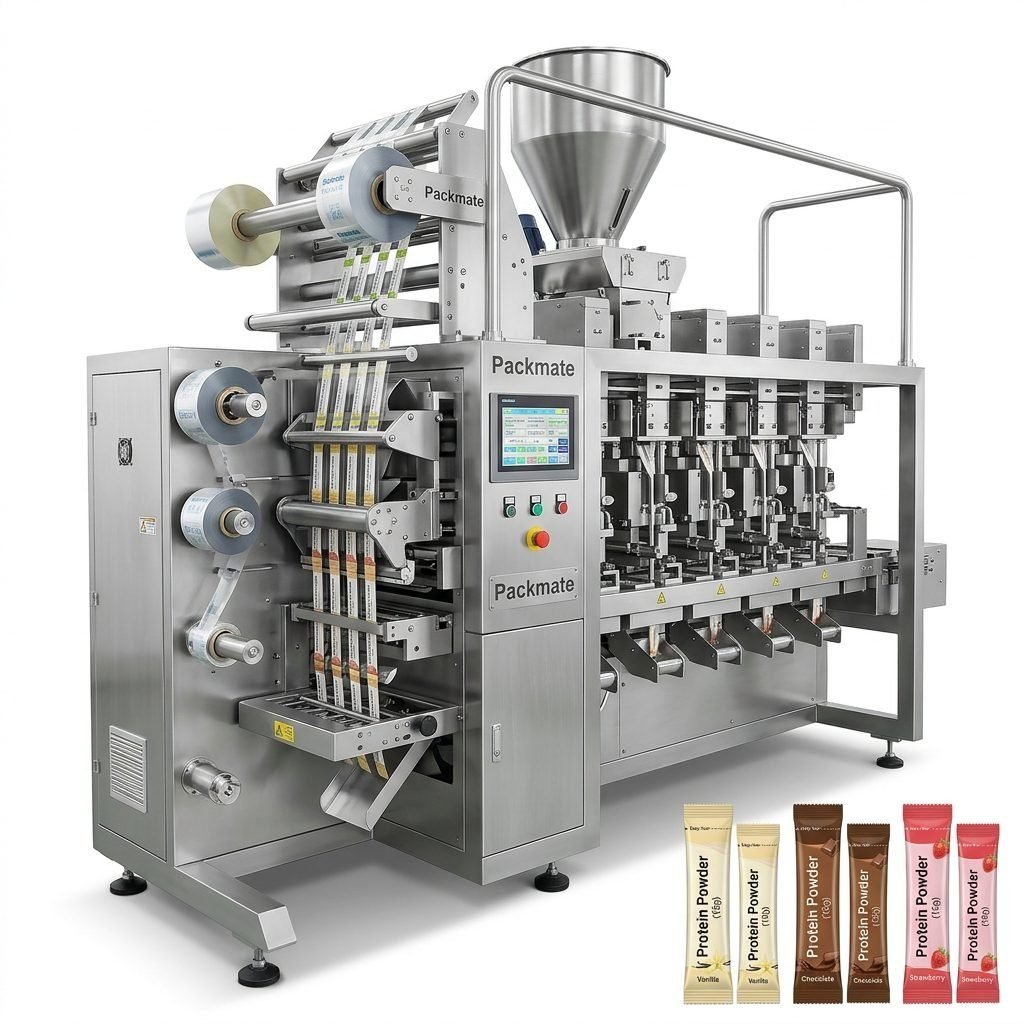
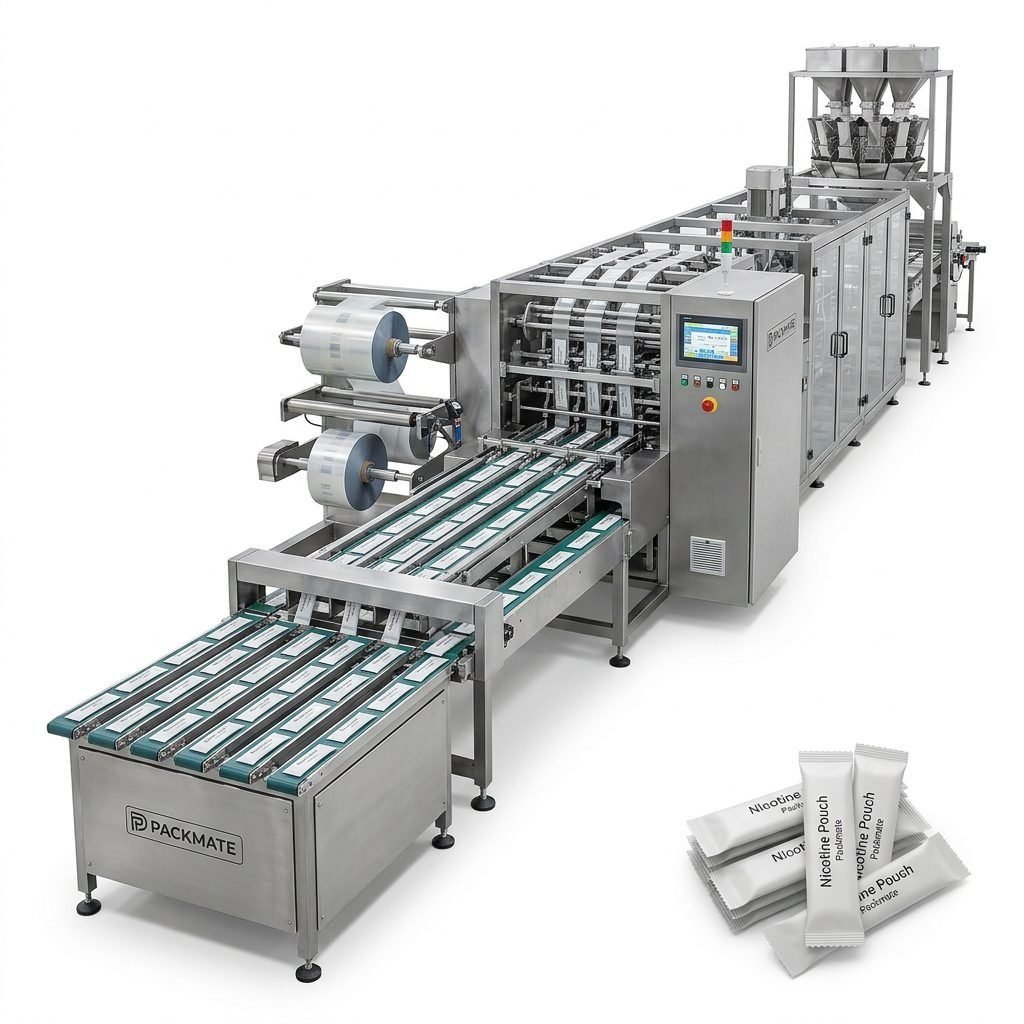
Indonesia’s manufacturing and FMCG sectors are experiencing rapid growth, driving strong demand for reliable and efficient packaging automation. For business owners, production managers, and procurement professionals across the archipelago—from Jakarta’s industrial hubs to Surabaya’s processing plants—finding the right packaging machine manufacturer is a critical decision that impacts productivity, product quality, and long-term operational costs. This guide provides a practical framework for sourcing trustworthy partners, whether you are expanding a food processing line in West Java, setting up a pharmaceutical unit in Central Java, or launching a new consumer goods brand in Sumatra.
Key Considerations for Indonesian Buyers
When sourcing packaging machinery for the Indonesian market, several local factors must be considered. Power supply stability, humidity levels, and the availability of technical support are paramount. Machines must often be robust enough to handle varying conditions. Furthermore, understanding import regulations, customs duties, and the need for local service partners is essential for a smooth procurement and installation process.
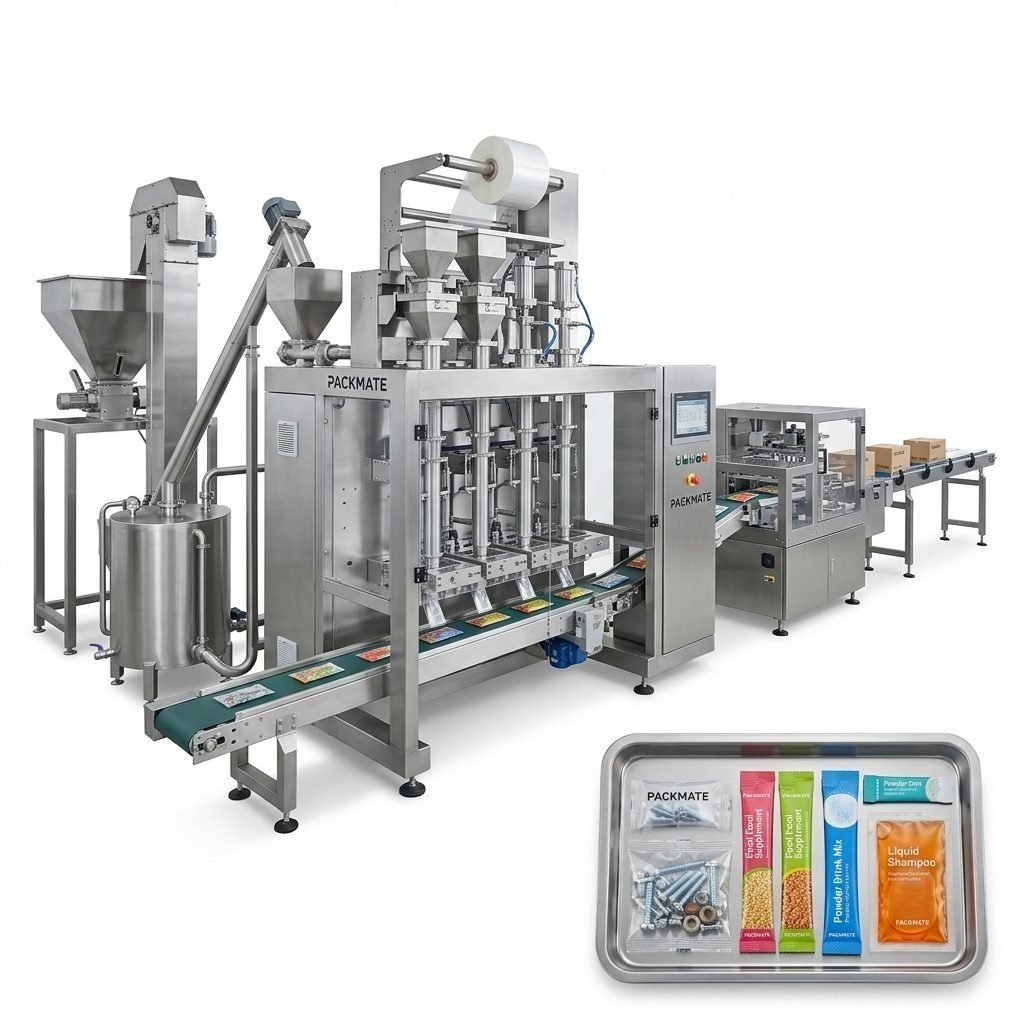
1. Define Your Packaging Requirements Clearly
Before contacting any manufacturer, have a detailed specification list. This should include:
- Product Type: Are you packaging powders (like instant coffee or spices), granules (snacks, seeds), liquids (sauces, oils), or pastes?
- Packaging Format: Do you need stick packs, sachets, pouches, or bulk bags?
- Desired Output Speed: Target bags per minute (BPM) for your production shift.
- Factory Space & Layout: Available floor space and preferred line configuration.
- Future Scalability: Plan for potential increases in production volume.
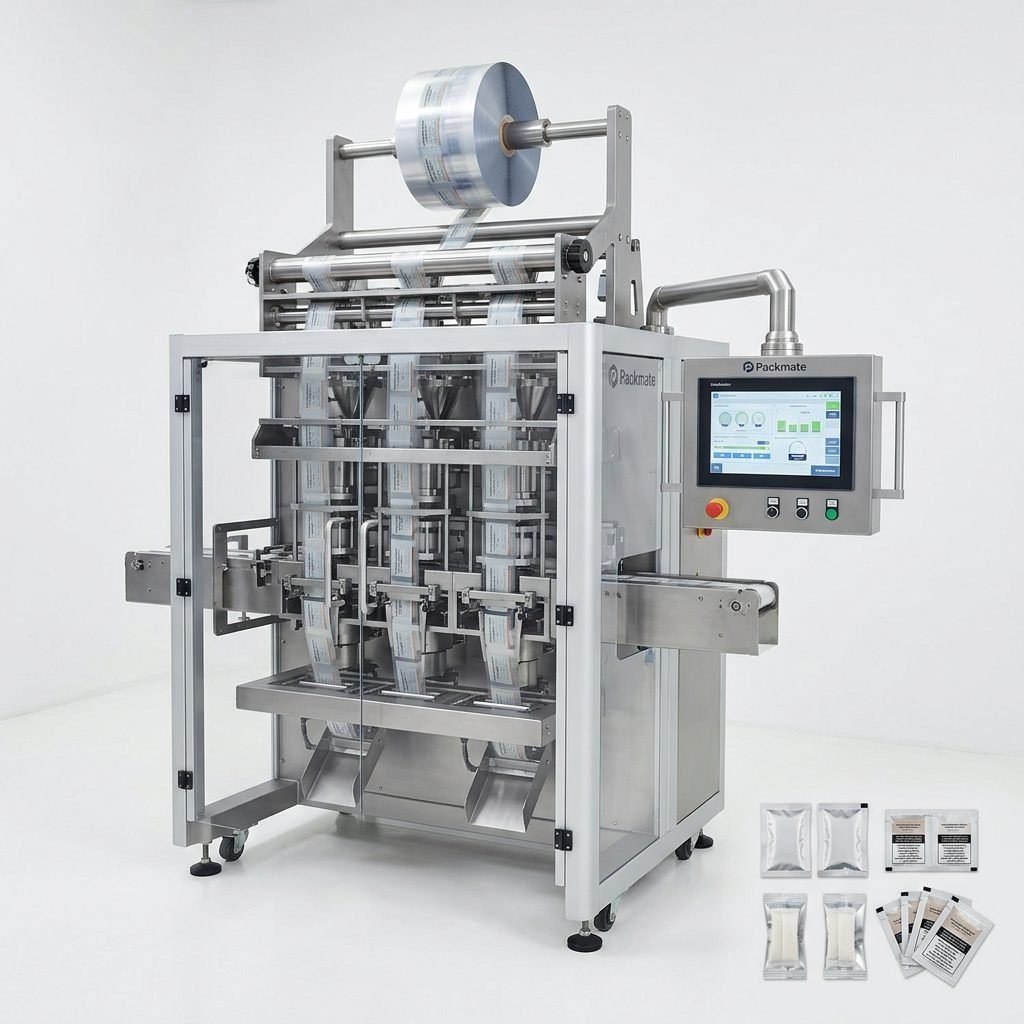
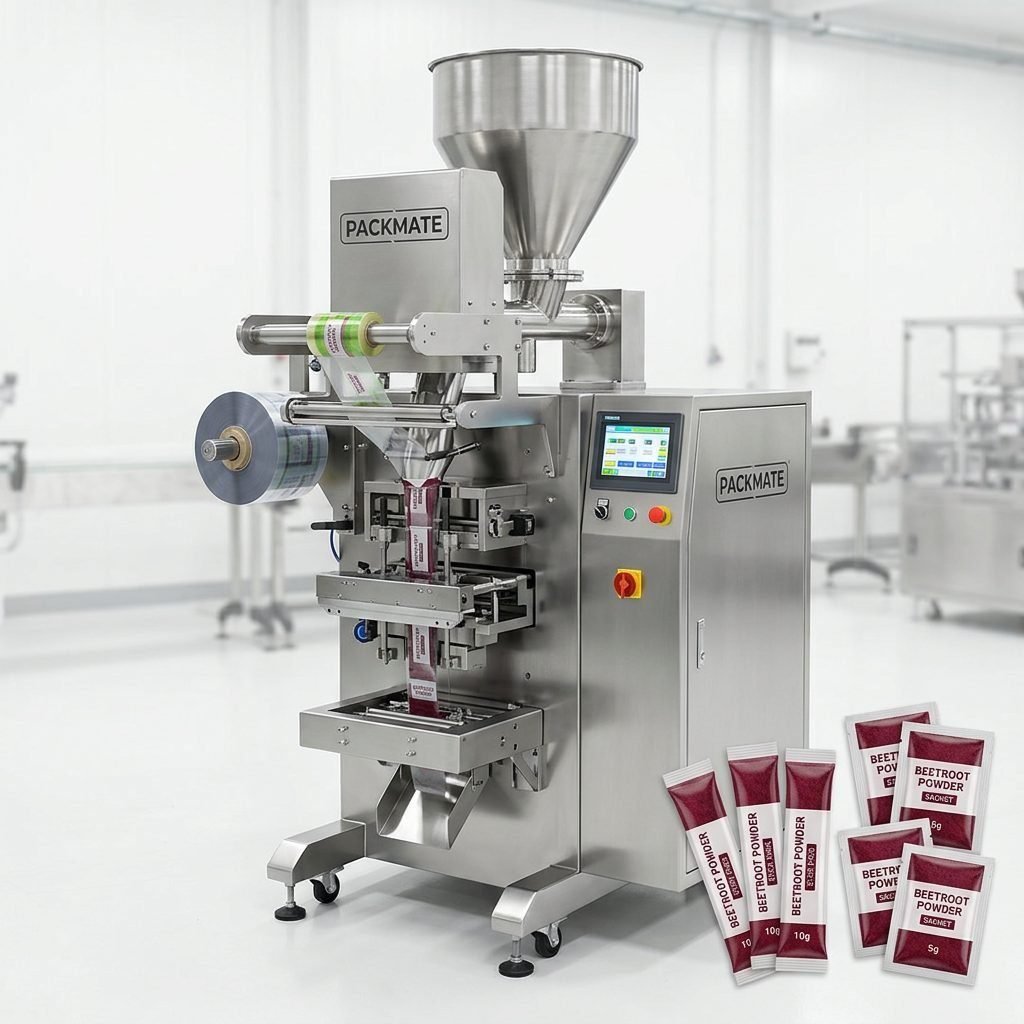
This clarity helps manufacturers like Ludyway or Packmate Machinery provide accurate quotations and suitable machine recommendations from the start, saving valuable time.
2. Research Manufacturer Credentials and Experience
Prioritize manufacturers with a proven track record. Key credentials to verify include:
| Aspect to Check | Why It Matters |
|---|---|
| Company History & Stability | Long-standing companies (e.g., 30+ years like many listed) often have refined manufacturing processes and reliable after-sales support. |
| Export Experience | Manufacturers experienced in exporting to Southeast Asia will understand shipping, documentation, and regional support needs. |
| Industry-Specific Expertise | A manufacturer focused on food-grade or pharmaceutical standards is crucial for compliance and product safety. |
| Factory Size & Capacity | A sizable manufacturing facility (e.g., 20,000+ sqm) indicates strong production capability and quality control infrastructure. |
3. Evaluate Technical Support and After-Sales Service
For Indonesian operations, accessible technical support is non-negotiable. Inquire about:
- Local Agent or Partner: Does the manufacturer have a technical service partner in Indonesia or nearby Singapore/Malaysia?
- Remote Support Capability: Availability of online diagnostics and video call support.
- Spare Parts Policy: Lead time for critical spare parts and whether a local inventory is maintained.
- Training Provision: On-site training for your operators and maintenance staff during installation.
Companies with a strong export focus, such as PacklineOEM, typically have structured international support protocols to minimize downtime for overseas clients.
4. Assess Customization and Integration Capability
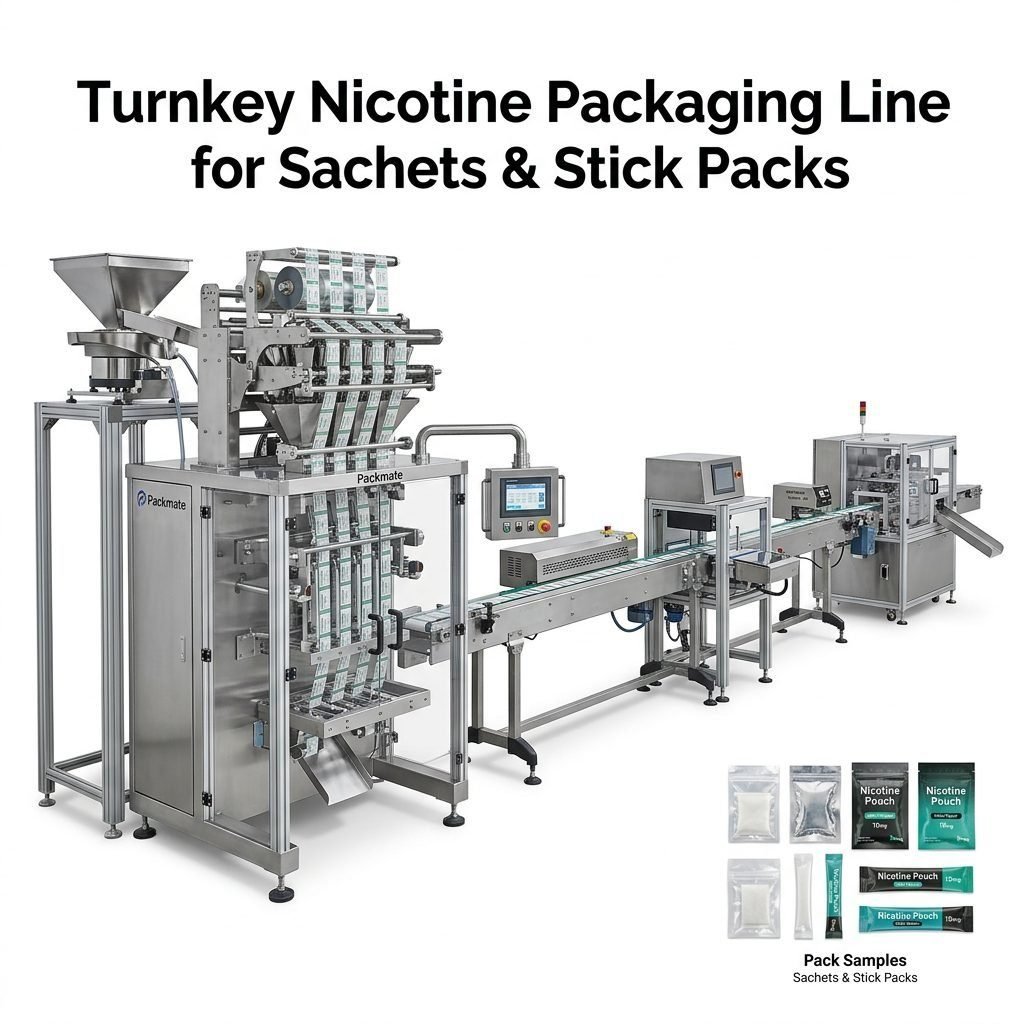
Off-the-shelf machines may not suit specific products like unique local snacks, traditional herbal powders (jamu), or viscous sauces. Manufacturers with strong R&D and customization abilities are valuable. Discuss your specific needs regarding bag materials, dosing accuracy, and integration with existing upstream/downstream equipment. For specialized applications like nicotine pouch packaging, a niche supplier like SnusMachinery can offer critical application-specific expertise.
5. Request and Analyze Quotations Thoroughly
A comprehensive quotation should be more than just a price list. Scrutinize it for:
- Detailed machine specifications and performance guarantees.
- Clear breakdown of costs (machine, spare parts kit, shipping, insurance, installation).
- Delivery timeline and payment terms (e.g., TT, LC).
- Warranty period and what it covers.
Comparing quotes from different manufacturers, such as PackingMachineOEM and others, on these detailed points provides a true cost-of-ownership picture, not just the initial investment.
Due Diligence: Site Visits and Reference Checks
Whenever feasible, visiting the manufacturer’s factory in China is highly recommended. This allows you to inspect build quality, assembly processes, and testing procedures firsthand. If a visit isn’t possible, request a live virtual tour. Additionally, ask for contact details of existing clients in similar industries or regions. Speaking directly with a current user in Malaysia or the Philippines, for example, can provide unbiased insights into machine performance and supplier reliability.
Navigating Logistics and Importation
Work closely with your chosen manufacturer and a reliable freight forwarder to manage sea freight from China to major Indonesian ports like Tanjung Priok (Jakarta) or Tanjung Perak (Surabaya). Ensure all documentation—commercial invoice, packing list, bill of lading, certificate of origin, and machine manuals—is accurate and complete to prevent customs clearance delays. The manufacturer should provide full support in preparing these export documents.
Common Questions (FAQ)
What is the typical lead time for a packaging machine from China to Indonesia?
Lead time varies from 30 to 90 days after order confirmation, depending on machine complexity (standard vs. customized) and the manufacturer’s production schedule. Shipping and customs clearance can add another 2-4 weeks.
How can I ensure the machine meets Indonesian electrical standards?
Reputable manufacturers can configure machines to operate on Indonesia’s common power supply (220V/380V, 50Hz). Always specify your factory’s voltage and phase requirements during the ordering process.
Is local technical support available after installation?
This varies by supplier. Many top exporters have regional service partners or can dispatch engineers from China. Clarify the support structure, response time, and associated costs before purchase.
Can I get a machine for packaging both powder and granules?
Yes, many multi-purpose vertical form-fill-seal (VFFS) machines are adaptable. However, significant product changeovers might require adjustments or different feeding systems. Discuss your product range in detail with the supplier.
What are the key advantages of sourcing from a specialized turnkey line provider?
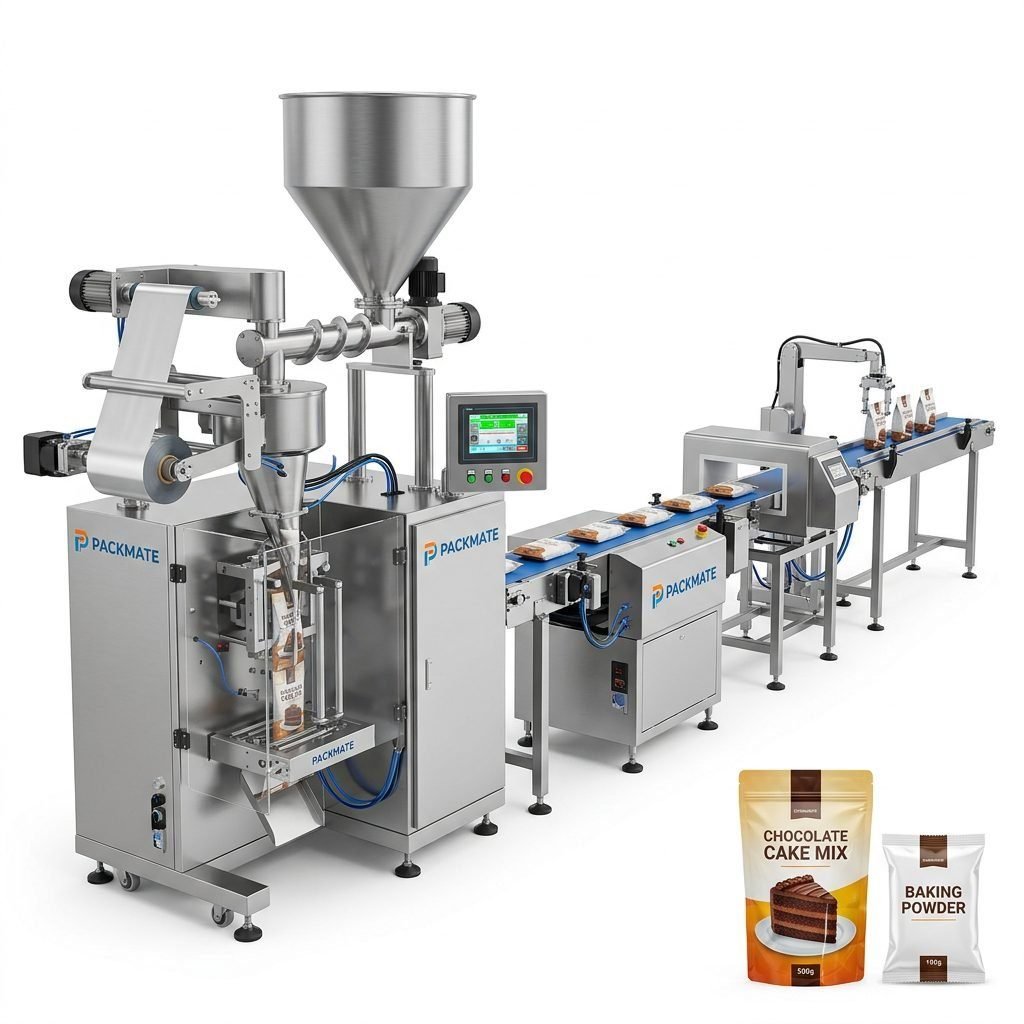
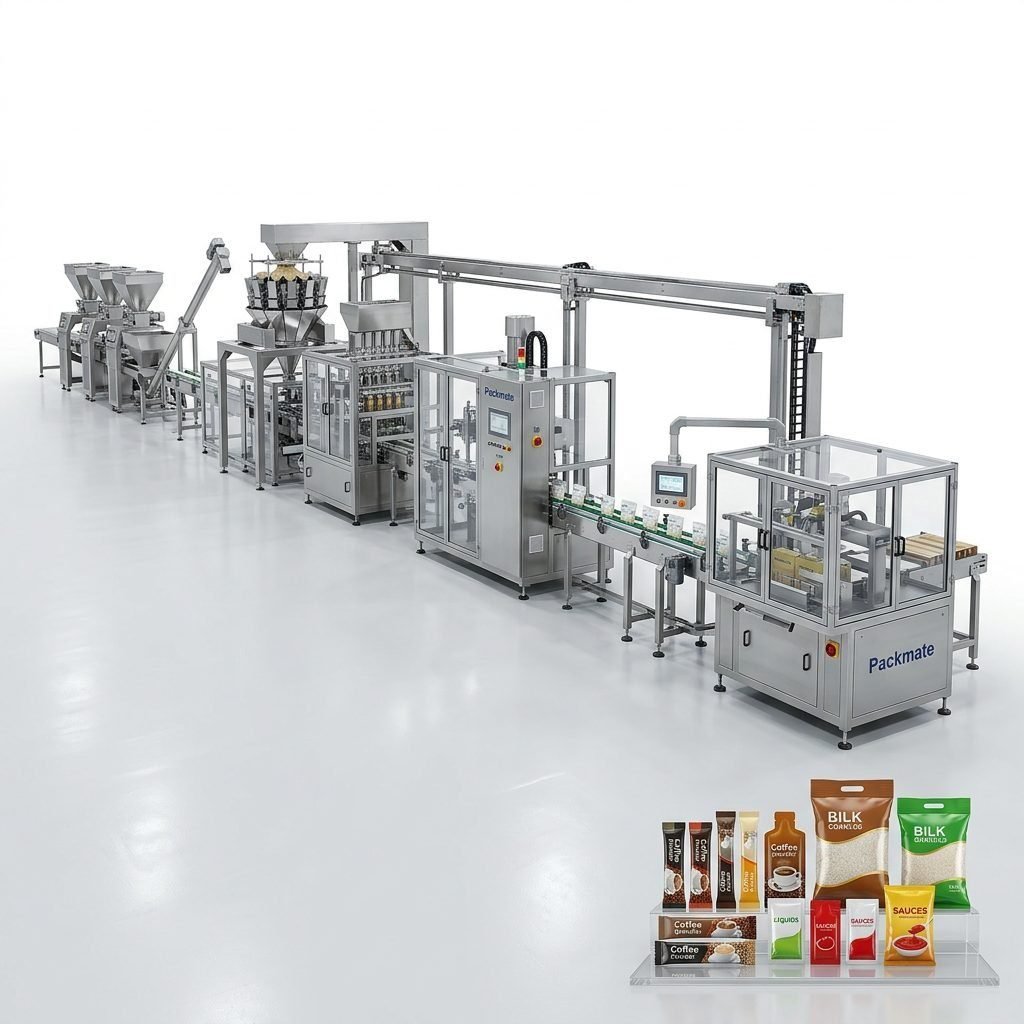
Providers like PacklineOEM focus on integrated systems. Their main advantage is single-point responsibility for the entire line’s compatibility and performance, reducing interface issues between different machines from different suppliers.