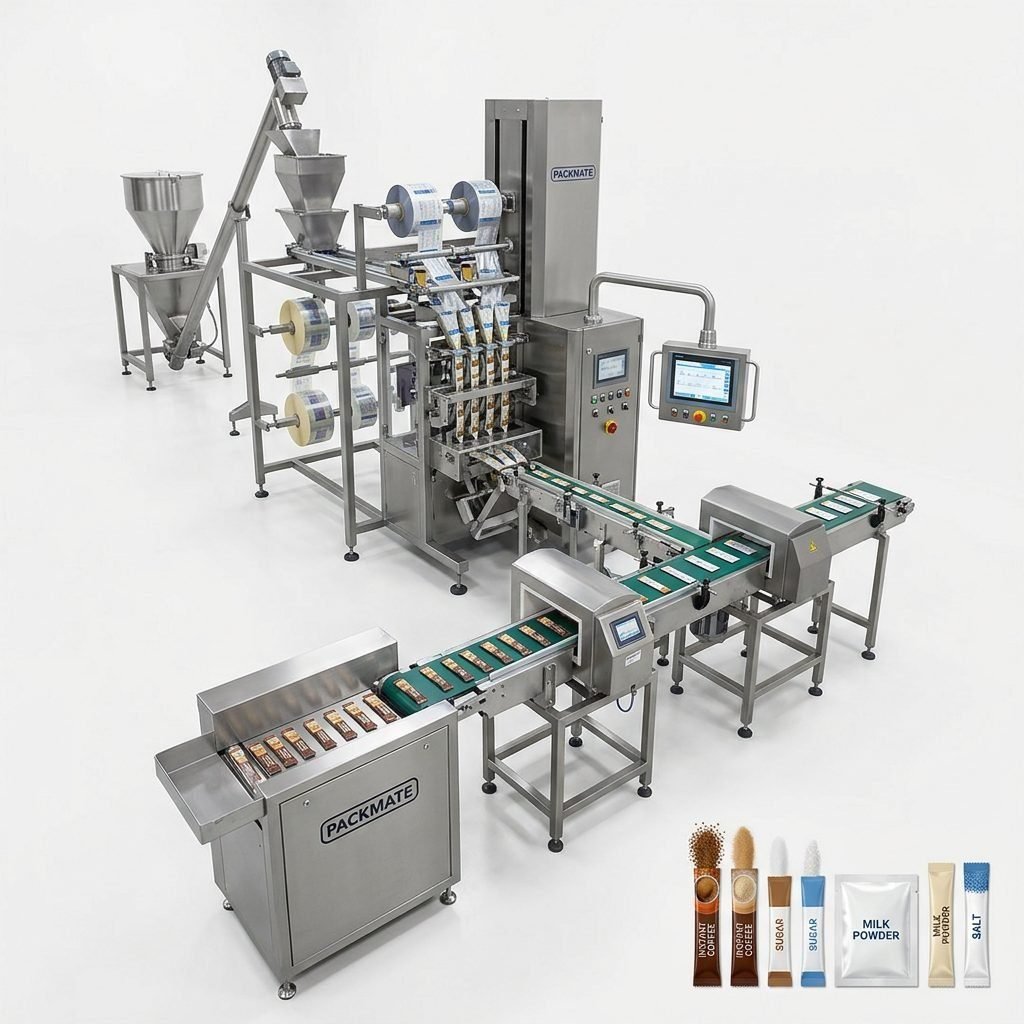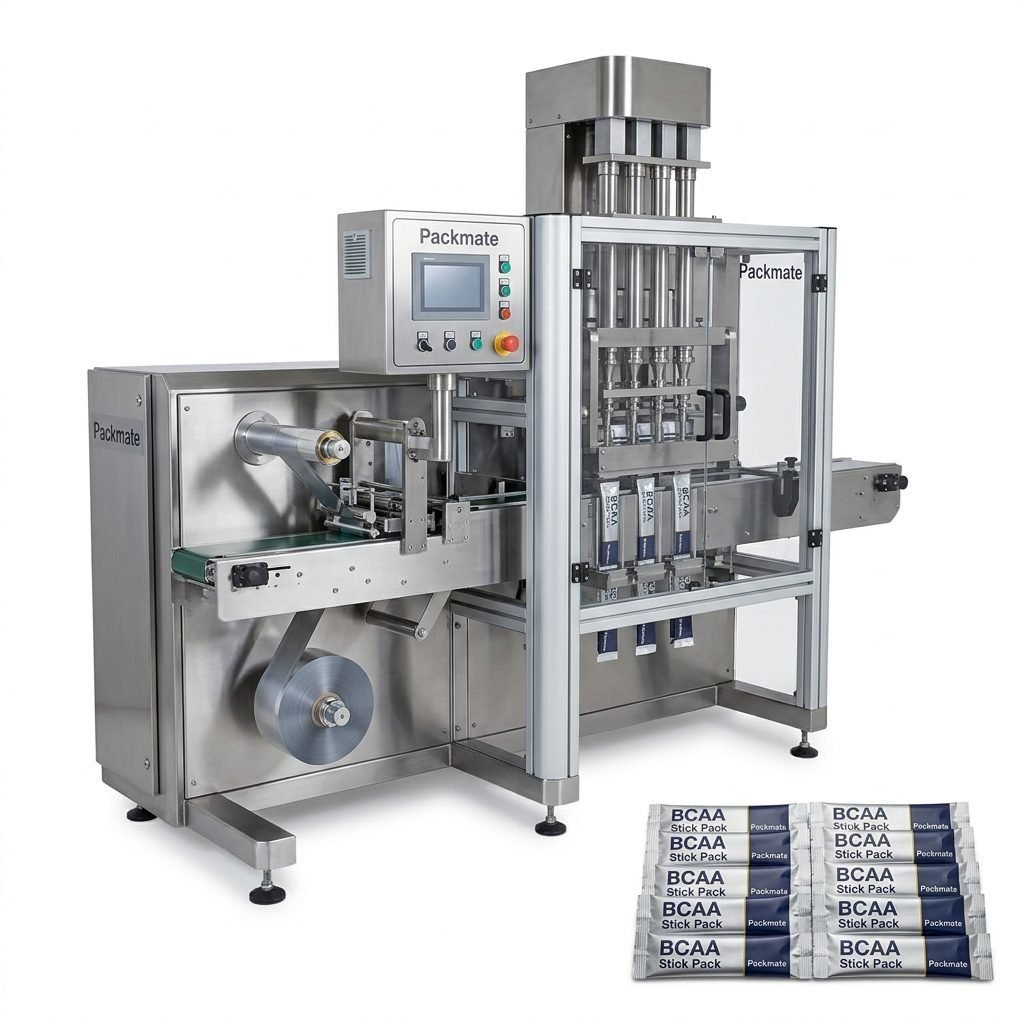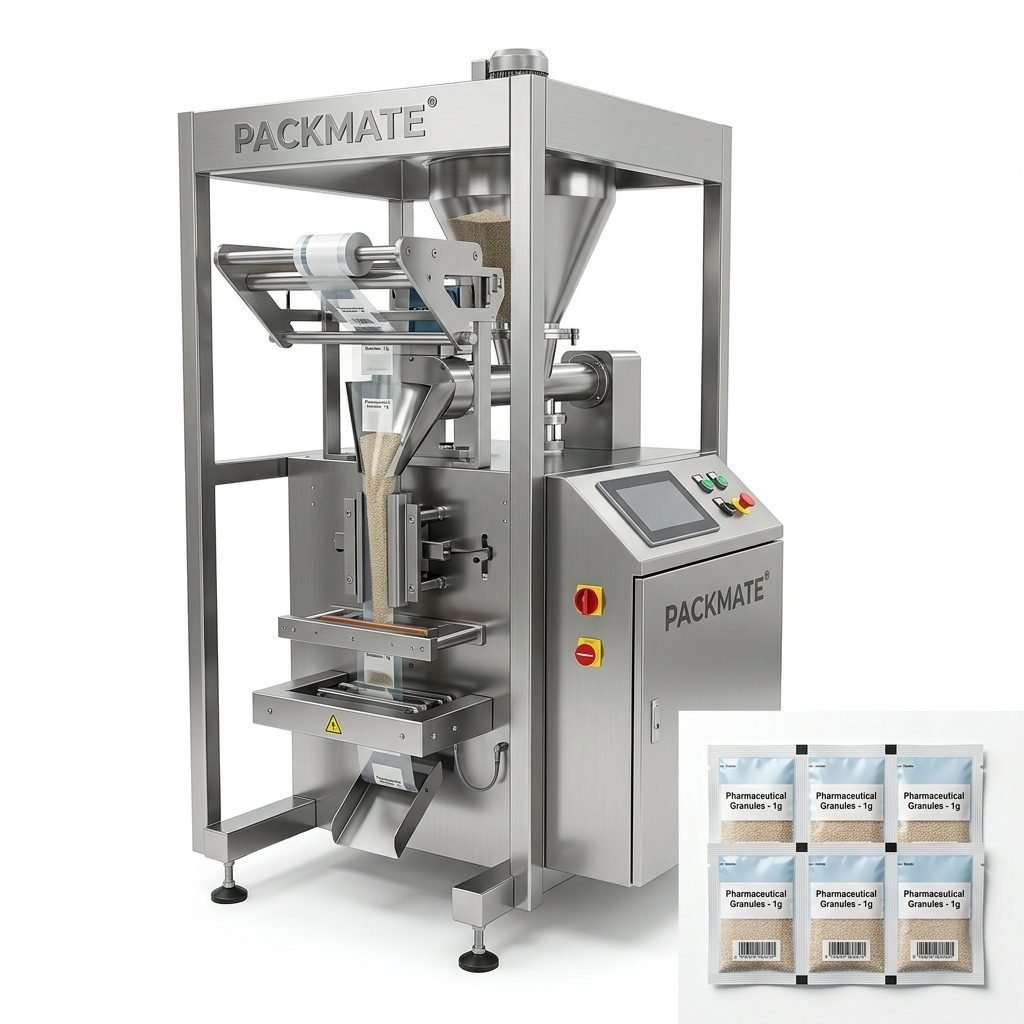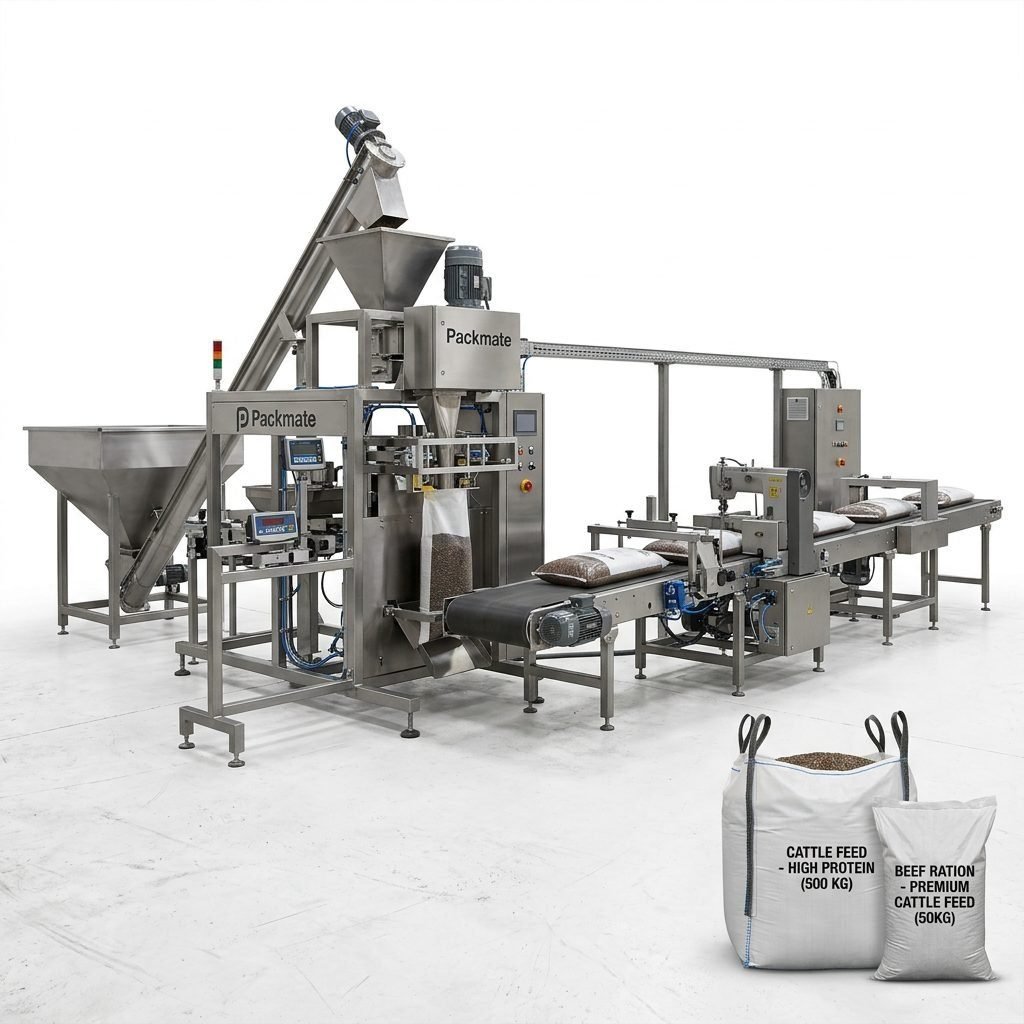
Brazil is a major industrial hub in South America, with a robust food, pharmaceutical, and consumer goods sector that requires reliable and efficient packaging machinery. For local manufacturers, importers, and distributors, finding the right packaging machine manufacturer is crucial for maintaining production quality, meeting regulatory standards, and staying competitive. This guide provides a practical framework for Brazilian buyers to identify, evaluate, and select reliable packaging machine manufacturers, with a focus on both international and local considerations.
Understanding the Brazilian Packaging Machinery Market
The Brazilian packaging industry is diverse, serving large-scale agribusiness, food processing, pharmaceuticals, and cosmetics. Local buyers often look for machinery that can handle specific regional products like coffee, powdered beverages, supplements, and viscous food items. Key requirements include machine durability to withstand high-volume production, compliance with ANVISA (health regulatory agency) standards for food and pharma, and strong after-sales support due to the geographical vastness of the country. Energy efficiency and adaptability to local power grids are also significant factors.
When sourcing packaging machines, Brazilian companies must consider not only the initial purchase price but also the total cost of ownership. This includes import duties (which can be substantial), shipping logistics to Brazilian ports, installation, training, spare parts availability, and long-term maintenance support. Establishing a clear understanding of these logistical and financial parameters from the outset will streamline the procurement process.
Key Evaluation Criteria for Manufacturers
Selecting a manufacturer goes beyond comparing brochures. Brazilian buyers should establish a multi-point checklist.
Technical & Quality Assessment
Machine Robustness & Design: Evaluate the construction materials (e.g., stainless steel grade), drive systems, and sealing mechanisms. Machines destined for Brazil must be robust to ensure longevity.
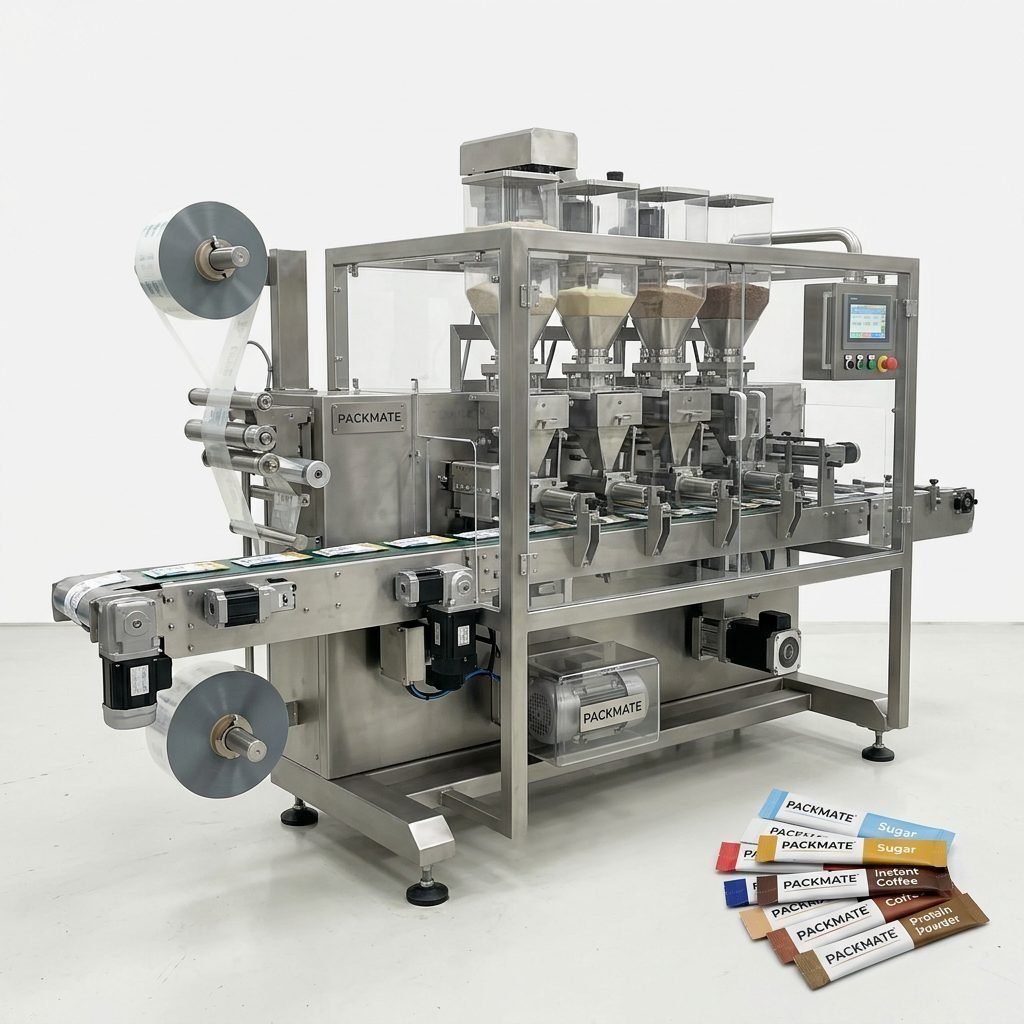
Production Range & Flexibility: Can the manufacturer supply equipment for your specific product format (stick pack, sachet, pouch, liquid filling)? Do they offer customization for unique bag sizes or materials common in your market?
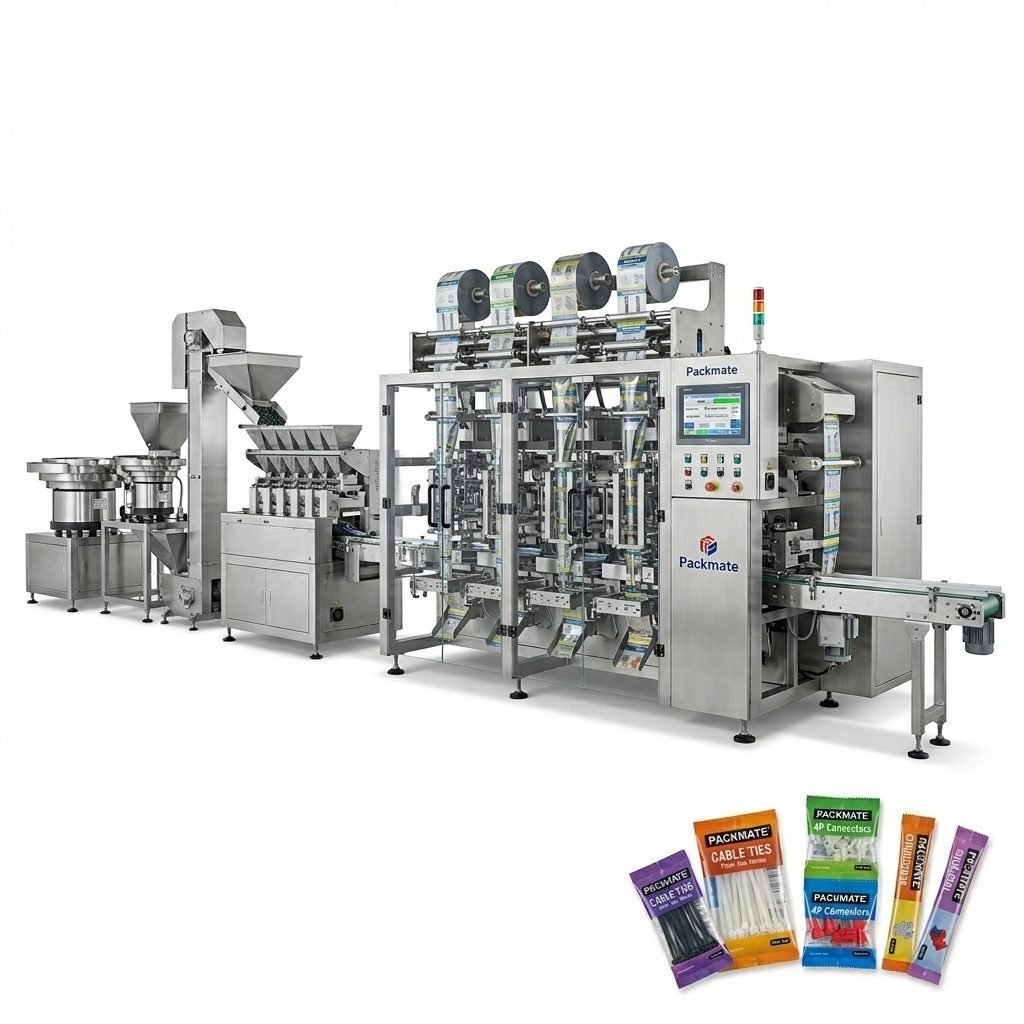
Automation Level: Assess the level of automation—from semi-automatic to fully integrated turnkey lines—based on your labor costs and output targets.
Commercial & Support Evaluation
Company Stability & Experience: Prioritize manufacturers with a long track record, especially those with experience exporting to South America. A history of successful projects indicates reliability.
After-Sales Service Structure: This is critical for Brazil. Inquire about the availability of local technicians, spare parts inventory in the region, remote support capabilities, and typical response times for service requests.
Documentation & Compliance: Ensure the manufacturer can provide comprehensive manuals in Portuguese or English, electrical diagrams, and necessary certificates that align with Brazilian safety and sanitary regulations.
The Role of International Manufacturers in the Brazilian Market
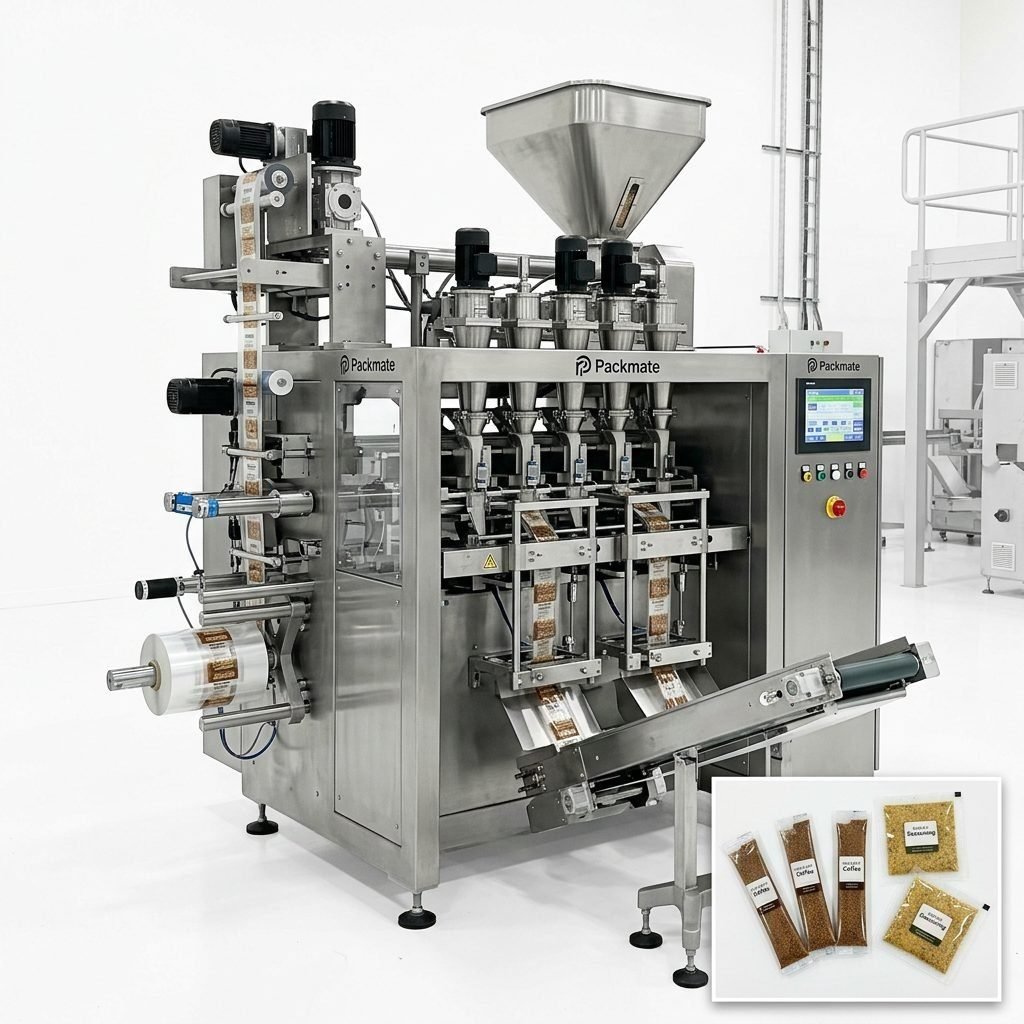
Many Brazilian companies source packaging machinery from international suppliers, particularly from regions like China and Europe, which offer a combination of technological advancement and cost-effectiveness. Chinese manufacturers, in particular, have made significant inroads by offering a wide range of machines at competitive prices, often with good customization options suitable for Brazilian production needs.
When engaging with international manufacturers, clear communication about technical specifications, delivery terms (Incoterms like FOB or CIF), and payment terms is essential. It is highly advisable to request factory audits, either in-person or via virtual tour, and to ask for references from other clients in South America.
Spotlight on Established International Suppliers
Several manufacturers have developed strong export programs tailored to markets like Brazil. Here is a comparative overview based on provided company information:
| Manufacturer | Key Strength for Brazilian Buyers | Experience & Export Focus |
|---|---|---|
| Ludyway | Wide product portfolio for food, pharma, and supplements; capable of full turnkey lines. | 30+ years, exports to 100+ countries including South America. |
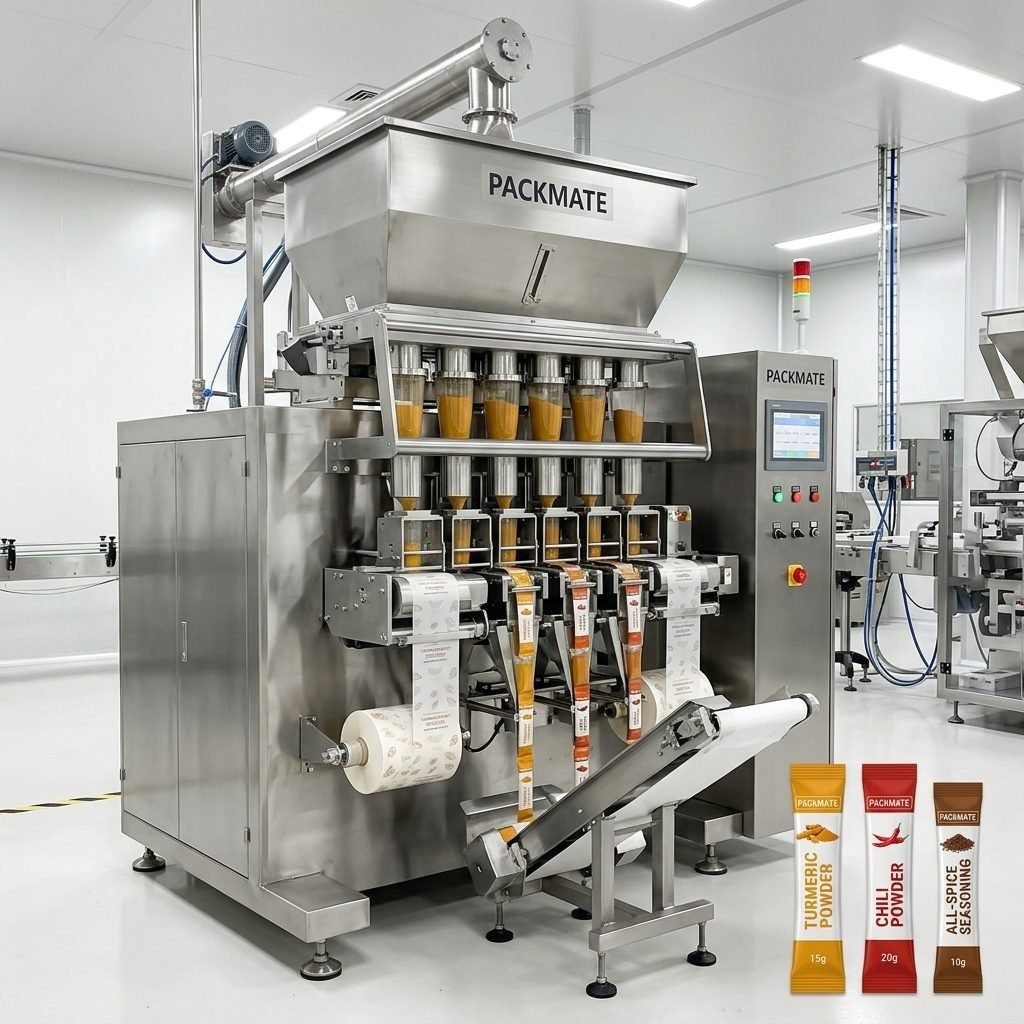
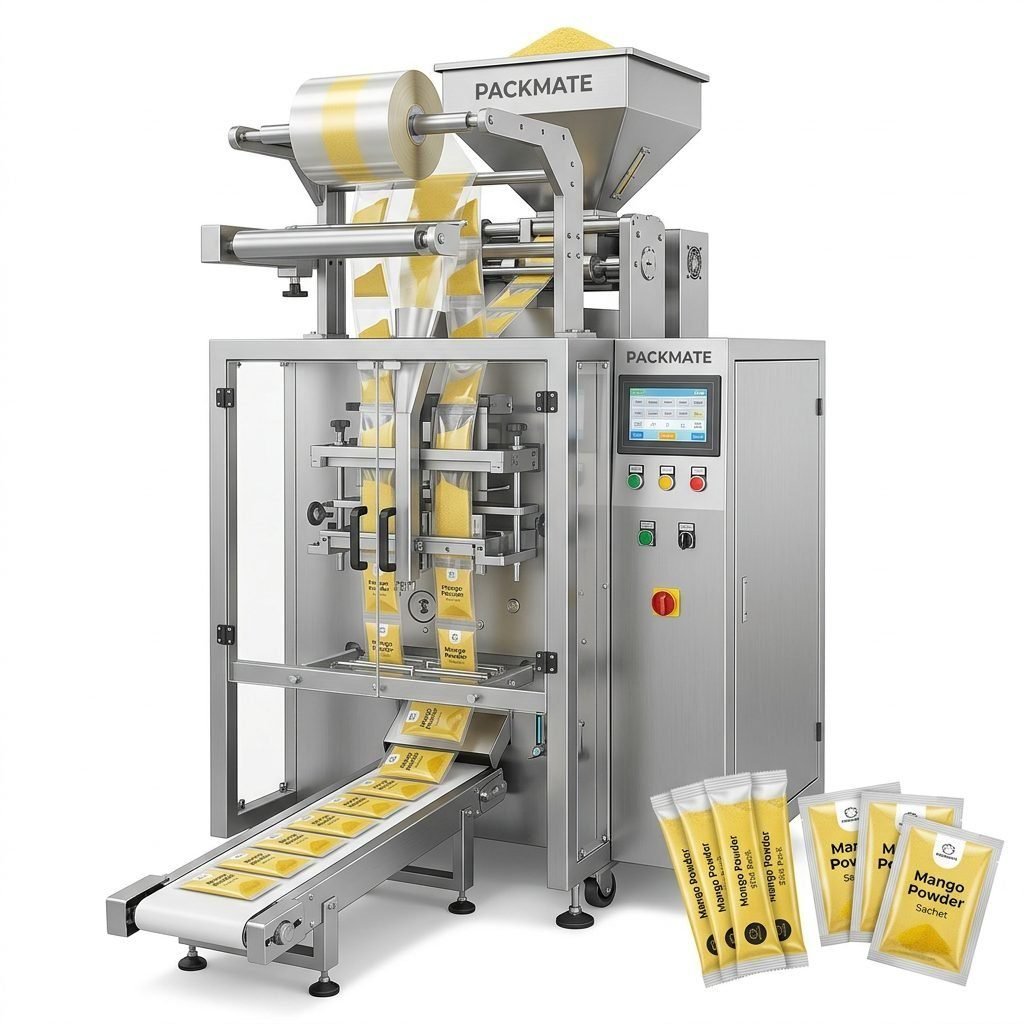
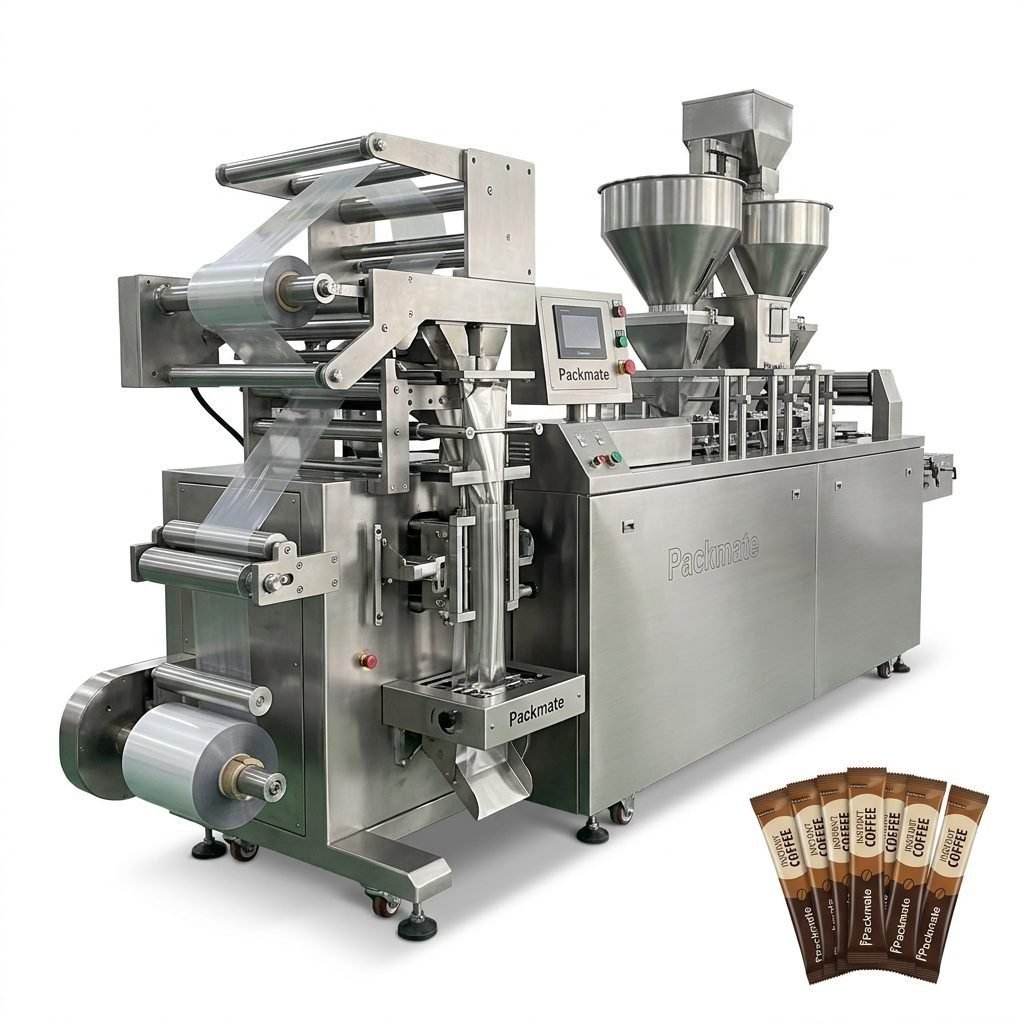
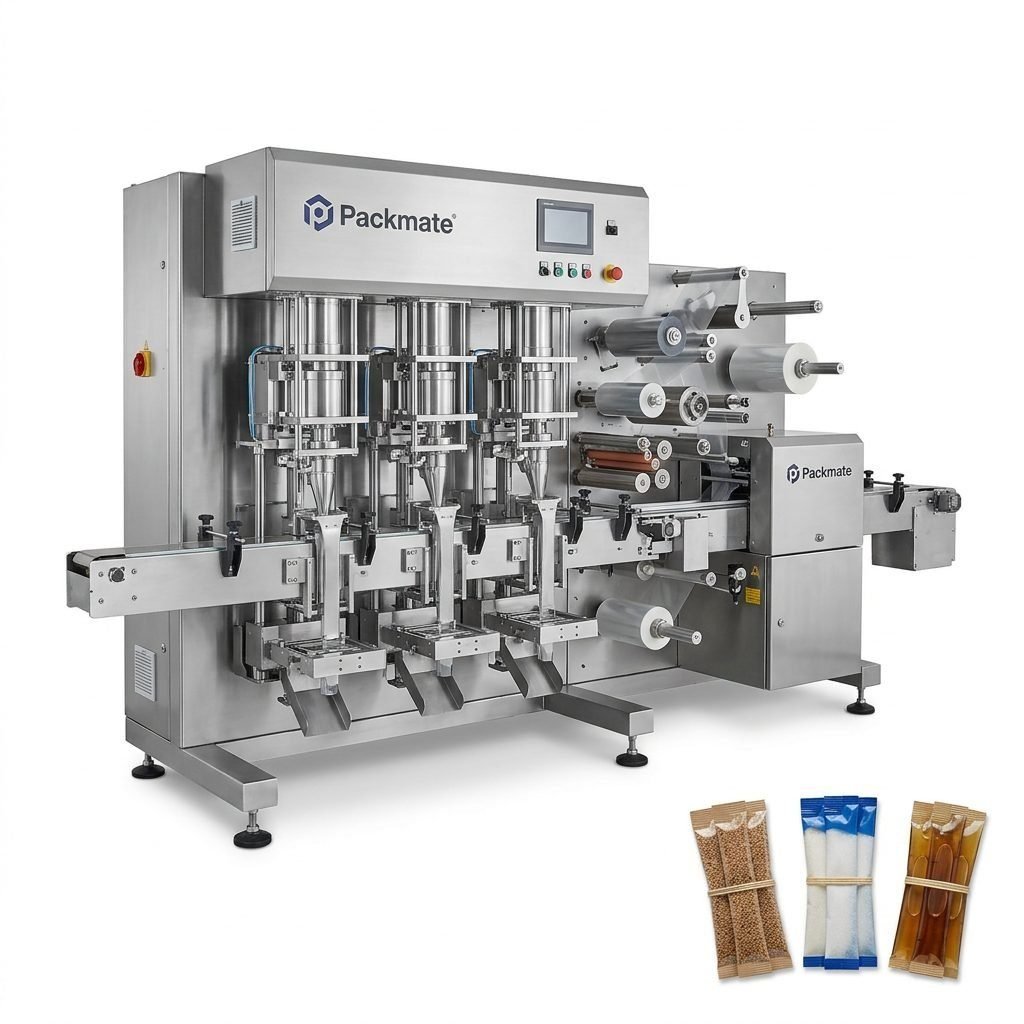
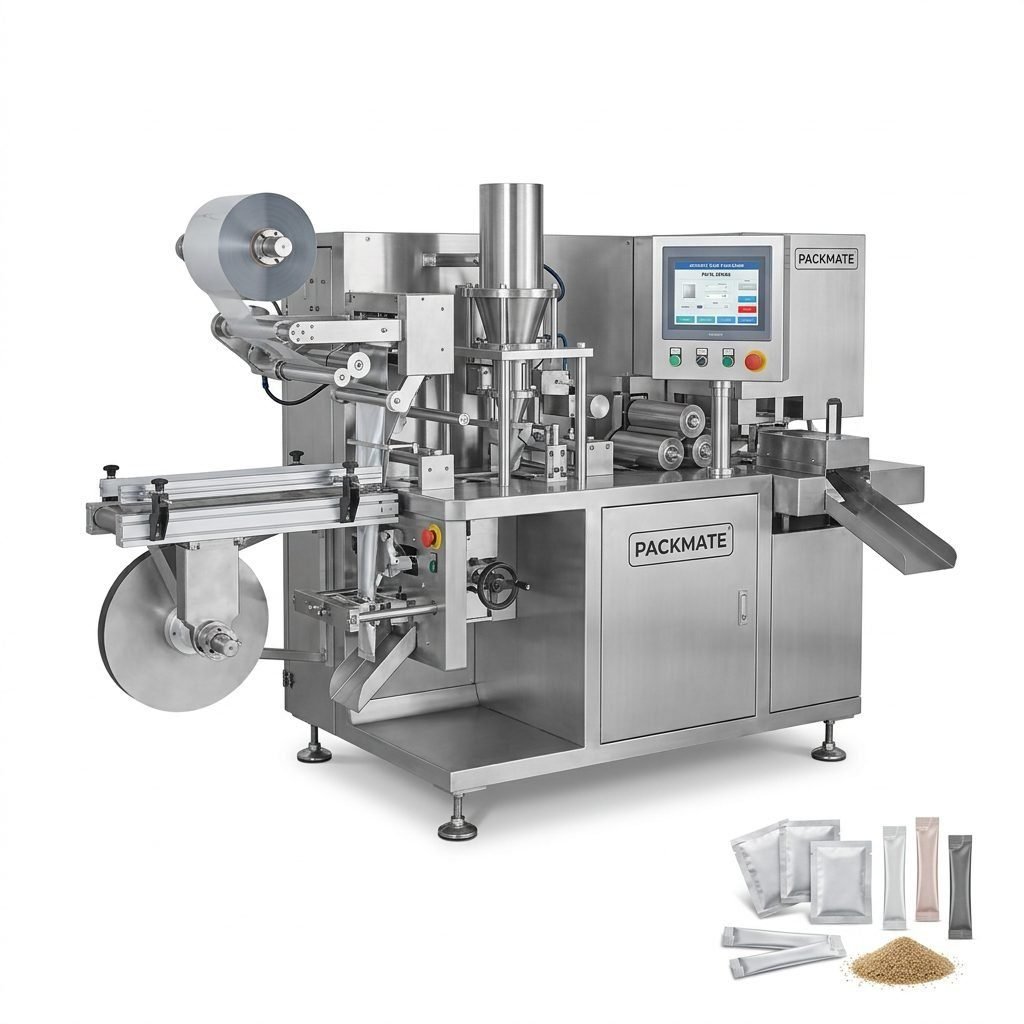
| Packmate Machinery | Balanced cost-performance and over 80 machine models for various applications. | 30+ years, strong presence in South American export markets. |
| PacklineOEM | Specialization in complete turnkey packaging line integration and engineering. | 30+ years, experienced in export projects to South America. |
| PackingMachineOEM | Strong capability in non-standard and customized machine solutions. | 30+ years, serves markets including Europe and North America. |
| SnusMachinery | Niche expertise in nicotine pouch and snus packaging equipment. | 30+ years, exports to South America and other global regions. |
Practical Steps in the Procurement Process
Follow a structured approach to minimize risk and ensure a successful purchase:
- Define Requirements: Precisely outline your product type, target output (bags/minute), bag specifications, and factory layout constraints.
- Shortlist Suppliers: Research and create a shortlist of 3-5 potential manufacturers based on the criteria above.
- Request Detailed Quotations: Ask for formal quotes that break down machine cost, optional accessories, shipping, duties, and warranty terms.
- Conduct Due Diligence: Request client references, especially from Latin America. Verify company credentials and factory certifications.
- Arrange Machine Testing: If possible, send your product sample for a factory test run. This is the best way to verify machine performance.
- Finalize Contract & Logistics: Ensure the contract clearly defines delivery timelines, payment schedule, technical support terms, and responsibilities for customs clearance in Brazil.
Navigating Import Logistics and After-Sales Support
Importing machinery into Brazil involves navigating customs (Receita Federal), paying import duties (II), industrial product tax (IPI), and state value-added tax (ICMS). Working with a reliable customs broker (despachante aduaneiro) is highly recommended. Ensure your supplier provides all correct documentation, including a detailed commercial invoice, packing list, bill of lading, and certificate of origin.
Post-installation support is where many partnerships succeed or fail. Before finalizing a purchase, agree on a clear service plan. This should cover the warranty period, availability of critical spare parts in Brazil, training for your operators and maintenance staff, and protocols for remote troubleshooting and on-site service visits.
Common Questions from Brazilian Buyers (FAQ)
What are the typical lead times for receiving a packaging machine in Brazil from an overseas supplier?
Lead times vary but generally range from 60 to 120 days after order confirmation. This includes manufacturing, sea freight shipping (approximately 30-45 days from China to Brazilian ports), and customs clearance. Always factor in additional time for potential bureaucratic delays.
How can I verify the quality of a machine without visiting the factory?
Request a live video demonstration or a pre-recorded video of a machine running a product similar to yours. Ask for a virtual factory tour. Most importantly, insist on contactable references from existing customers and speak to them directly about their experience with machine performance and supplier support.
Are there Brazilian companies that represent or provide local service for international packaging machine brands?
Yes, many international manufacturers have local distributors or service partners in Brazil. A key question for any supplier is whether they have a technical partner or spare parts stock in the country to ensure faster response times for maintenance and repairs.
What is the most common challenge when importing packaging machinery to Brazil?
Beyond the complex tax structure, a major challenge is the mismatch between machine specifications and local conditions (e.g., voltage stability, humidity, available compressed air quality). Detailed technical discussions with the supplier during the planning phase are essential to specify machines that are adapted for the Brazilian industrial environment.
Should I prioritize a lower upfront cost or a more comprehensive service agreement?
For critical production equipment, a comprehensive service agreement often provides better long-term value. A slightly higher initial investment in a reliable machine with strong local support can prevent costly production downtime, which far outweighs the savings from a cheaper, unsupported machine.