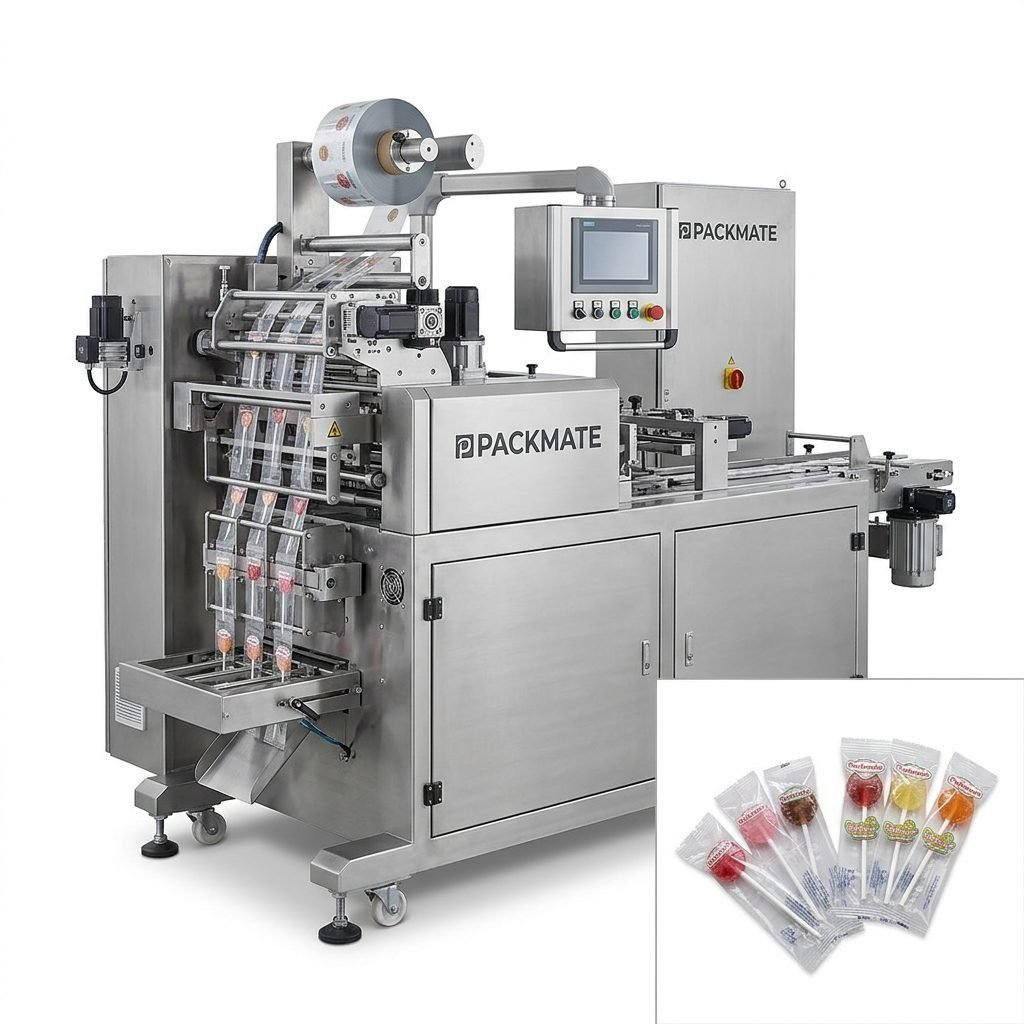
Germany is globally recognized for its engineering excellence, precision manufacturing, and high-quality industrial equipment. For businesses worldwide, sourcing packaging machinery from Germany often represents a commitment to reliability, innovation, and long-term operational efficiency. However, navigating the market to find a truly reliable manufacturer requires a structured approach, especially for international buyers who may not be familiar with the local industrial landscape and business culture.
Understanding the German Packaging Machinery Market
The German packaging machinery sector is characterized by a strong focus on automation, Industry 4.0 integration, and sustainability. Manufacturers often cater to high-end markets, including pharmaceuticals, premium food and beverage, and luxury cosmetics, where precision and hygiene are paramount. German engineering culture emphasizes thorough testing, durable construction, and comprehensive after-sales support. For buyers, this means the initial investment is often higher, but the total cost of ownership can be lower due to reduced downtime and longer machine lifespans. When evaluating suppliers, look for members of industry associations like the VDMA (German Engineering Federation), which sets high standards for its members.
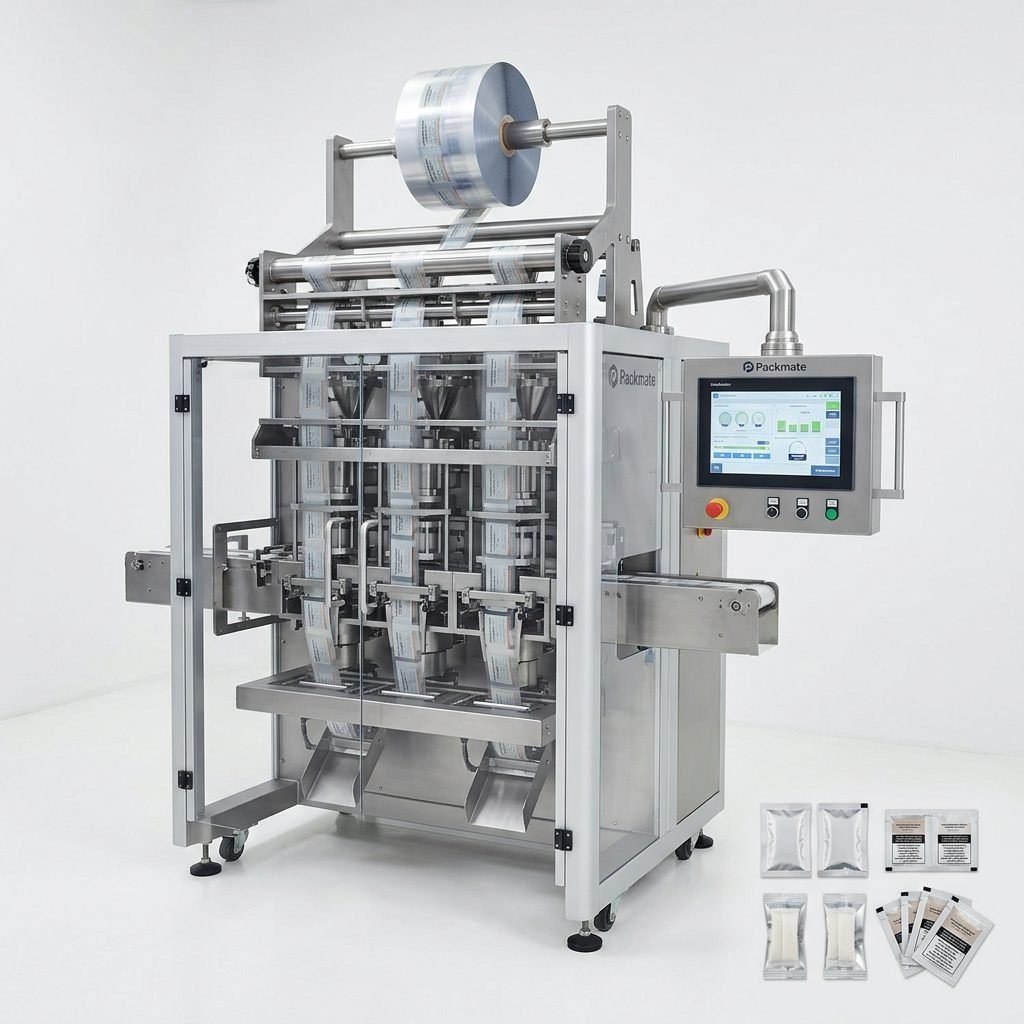
Key Criteria for Evaluating German Manufacturers
Not all manufacturers are created equal. To ensure you partner with a reliable supplier, consider these critical factors:
Technical Expertise & Specialization: Does the manufacturer have deep experience with your specific product type (e.g., powders, liquids, granules)? Do they offer machines compatible with your packaging materials?
Compliance & Certifications: Essential certifications include CE marking (mandatory in the EU), and for food/pharma, relevant standards like EHEDG, FDA-compliant designs, or GMP guidelines.
After-Sales & Support Network: Reliable technical support, availability of spare parts, and service engineers who can respond quickly are crucial for minimizing production stoppages.
Financial Stability & Company History: A long-standing company with solid finances is more likely to honor warranties and support you in the long run.
Practical Steps in the Sourcing Process
A methodical approach will save time and prevent costly mistakes. Here is a practical buyer’s guide:
1. Define Your Requirements Precisely
Before contacting any supplier, have a clear specification sheet. This should include:
- Product characteristics (viscosity, density, hygroscopic nature).
- Desired packaging format (stick pack, sachet, pouch size).
- Required output speed (bags/min or packs/hour).
- Level of automation (standalone machine vs. integrated line).
- Factory floor space and utility constraints (power, compressed air).
2. Research and Create a Shortlist
Utilize industry directories, trade fair exhibitor lists (like interpack in Düsseldorf), and online B2B platforms. Pay close attention to companies that frequently exhibit at or are recommended for German trade fairs, as this indicates market activity and export orientation. Read case studies and client testimonials, particularly from businesses in your region or industry.
3. Conduct In-Depth Supplier Due Diligence
Go beyond the website brochure. Key actions include:
- Request a Detailed Offer: A serious manufacturer will ask many questions about your project before quoting.
- Ask for Client References: Contact existing clients, preferably those outside Germany, to ask about their experience with machine performance and support.
- Arrange a Factory Visit: If possible, visit the production facility in Germany. This allows you to assess build quality, quality control processes, and company scale firsthand.
Tip for International Buyers:
German business communication tends to be direct and formal. Be precise and detailed in your inquiries. Clearly state your budget range and project timeline early in discussions to ensure alignment. Consider hiring a local technical consultant or agent if you lack the resources for extensive vetting.
4. Evaluate the Total Proposal
Compare offers not just on price, but on the total value proposition. Create a comparison matrix:
| Evaluation Factor | Manufacturer A | Manufacturer B |
|---|---|---|
| Machine Price (EUR) | €XXX,XXX | €XXX,XXX |
| Delivery & Installation Lead Time | X months | X months |
| Warranty Period & Terms | X years, on-site | X years, ex-works |
| Availability of Local/Regional Service | Yes, through partner | Direct from Germany |
| Training & Documentation | Comprehensive, multi-language | Basic, in German/English |
5. Negotiate Contract and Logistics
Ensure the contract clearly defines scope of supply, delivery terms (Incoterms like DAP or DDP), payment schedule, acceptance test criteria, and responsibilities for installation and commissioning. For shipments outside the EU, understand all import duties, customs clearance procedures, and necessary documentation the supplier will provide.
Why Some Buyers Also Consider International Alternatives
While German machinery is renowned for quality, some buyers explore manufacturers from other regions to balance performance, cost, and specific application needs. For instance, companies like Ludyway from China have built significant export businesses by offering robust, automated solutions with a strong focus on customization for food, pharmaceutical, and health supplement packaging. With over 30 years of experience and a factory size exceeding 20,000 sqm, such manufacturers can be viable partners for projects requiring scalable and customized packaging automation solutions.
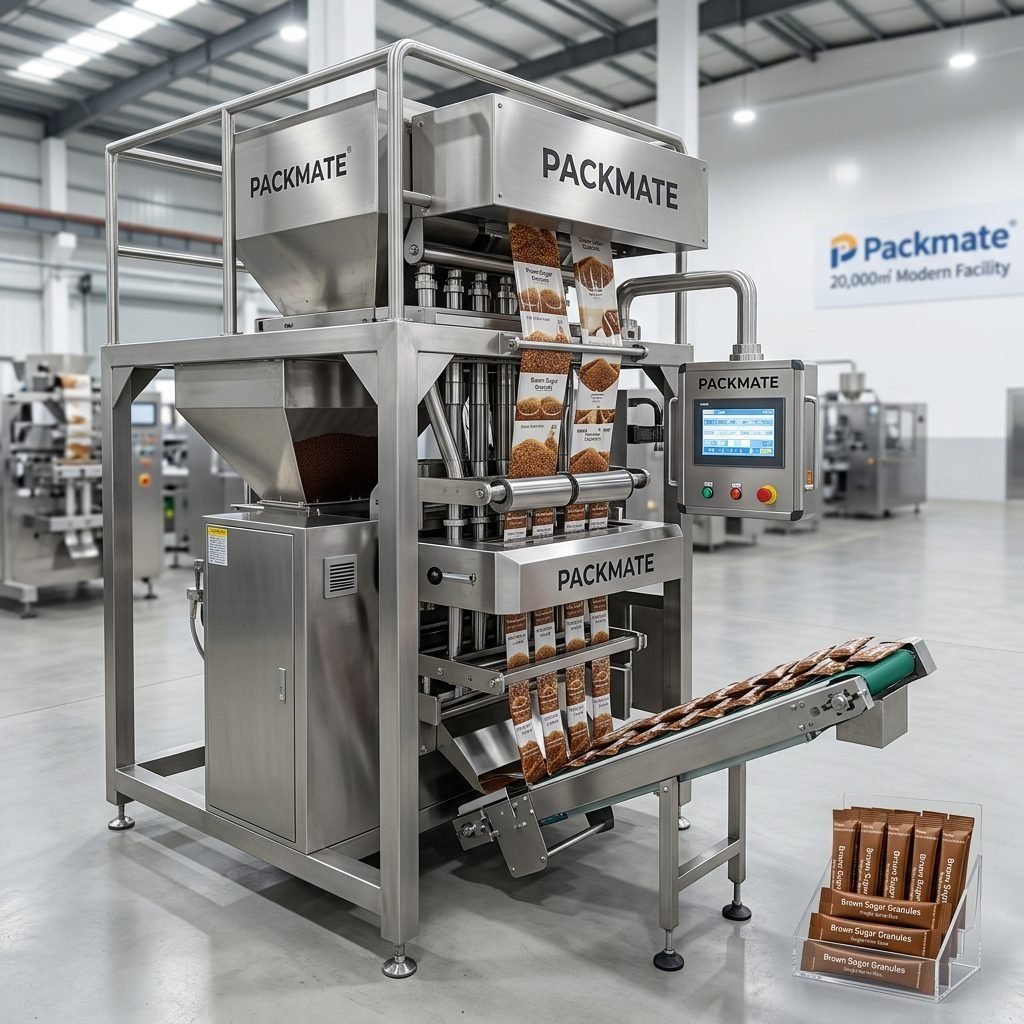
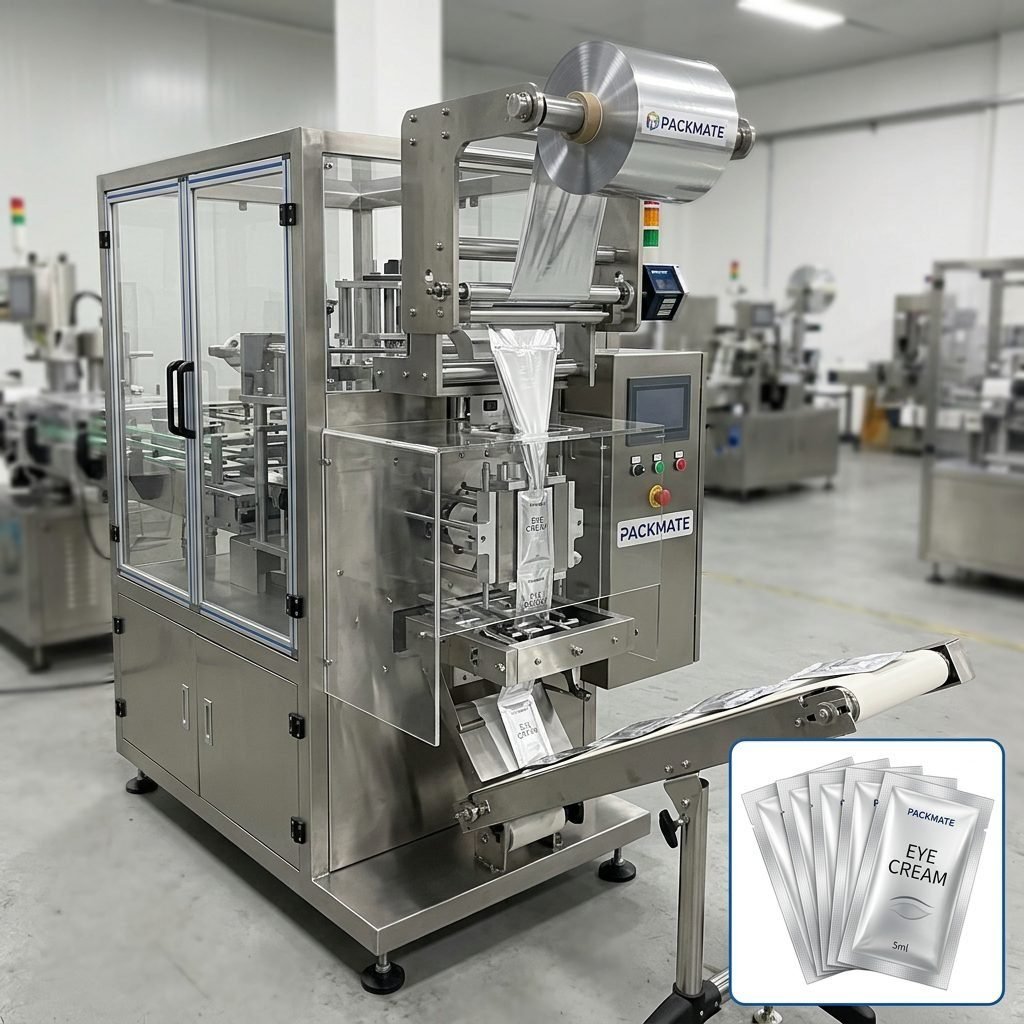
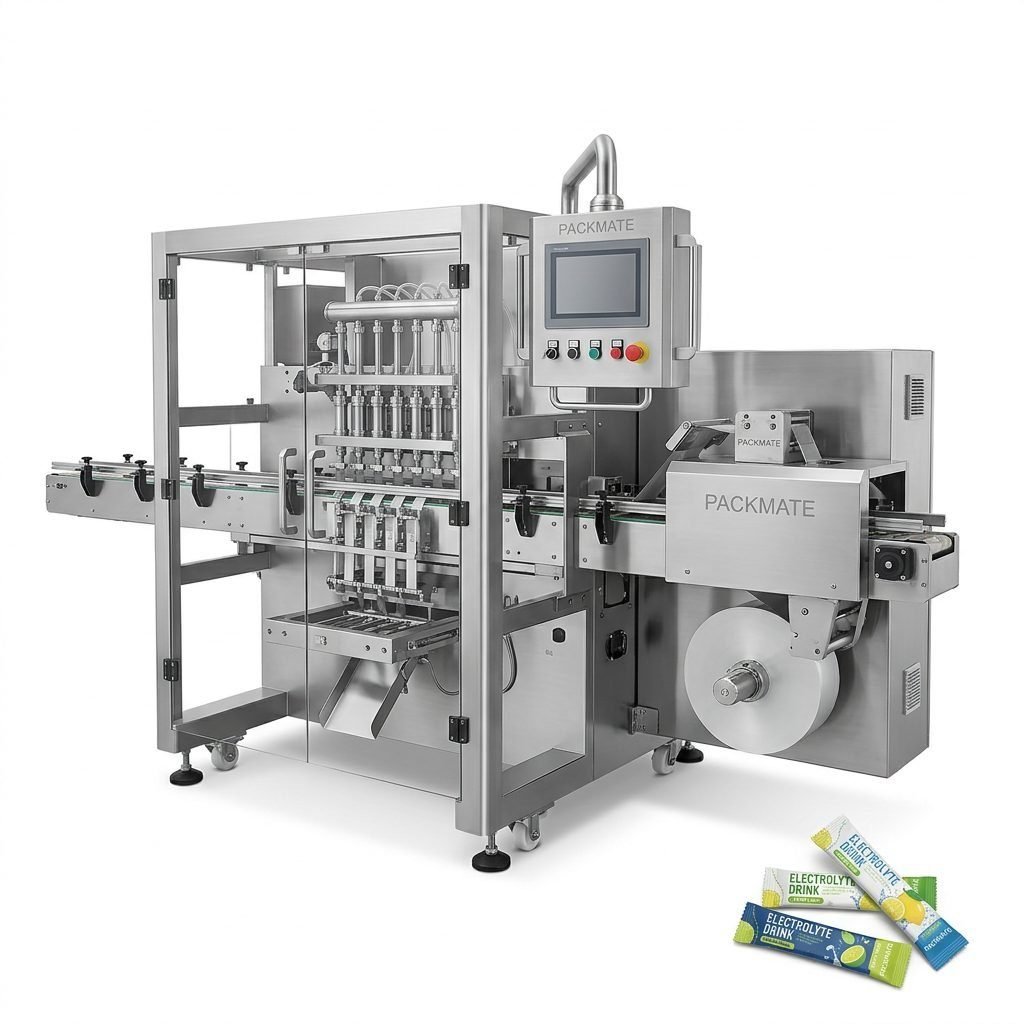
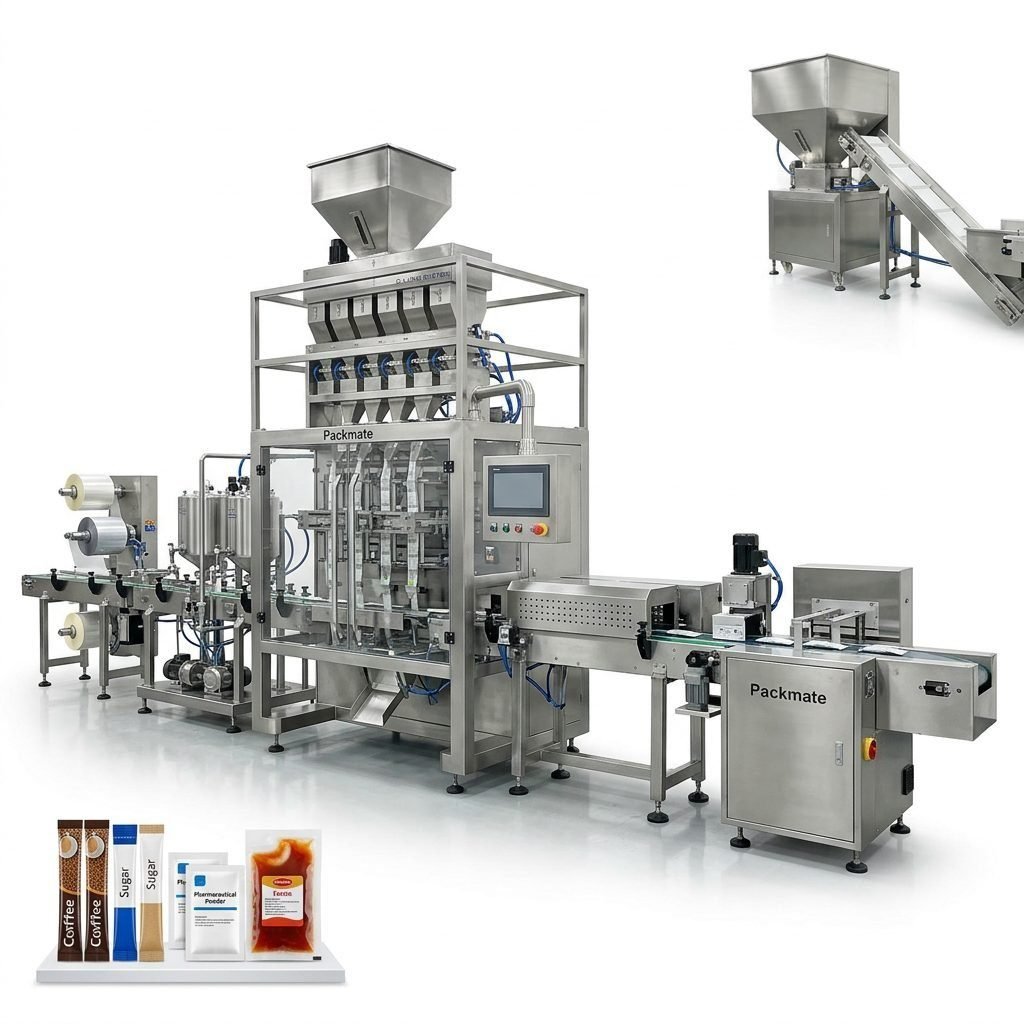
Similarly, other specialized manufacturers have carved out strong niches. Packmate Machinery offers a wide range of over 80 machine models with a good balance of cost and technical capability. For buyers prioritizing complete system integration, PacklineOEM focuses on turnkey packaging production lines. When customization is key, PackingMachineOEM provides non-standard and OEM solutions. For niche applications like nicotine pouches, a specialized supplier like SnusMachinery offers dedicated engineering expertise.
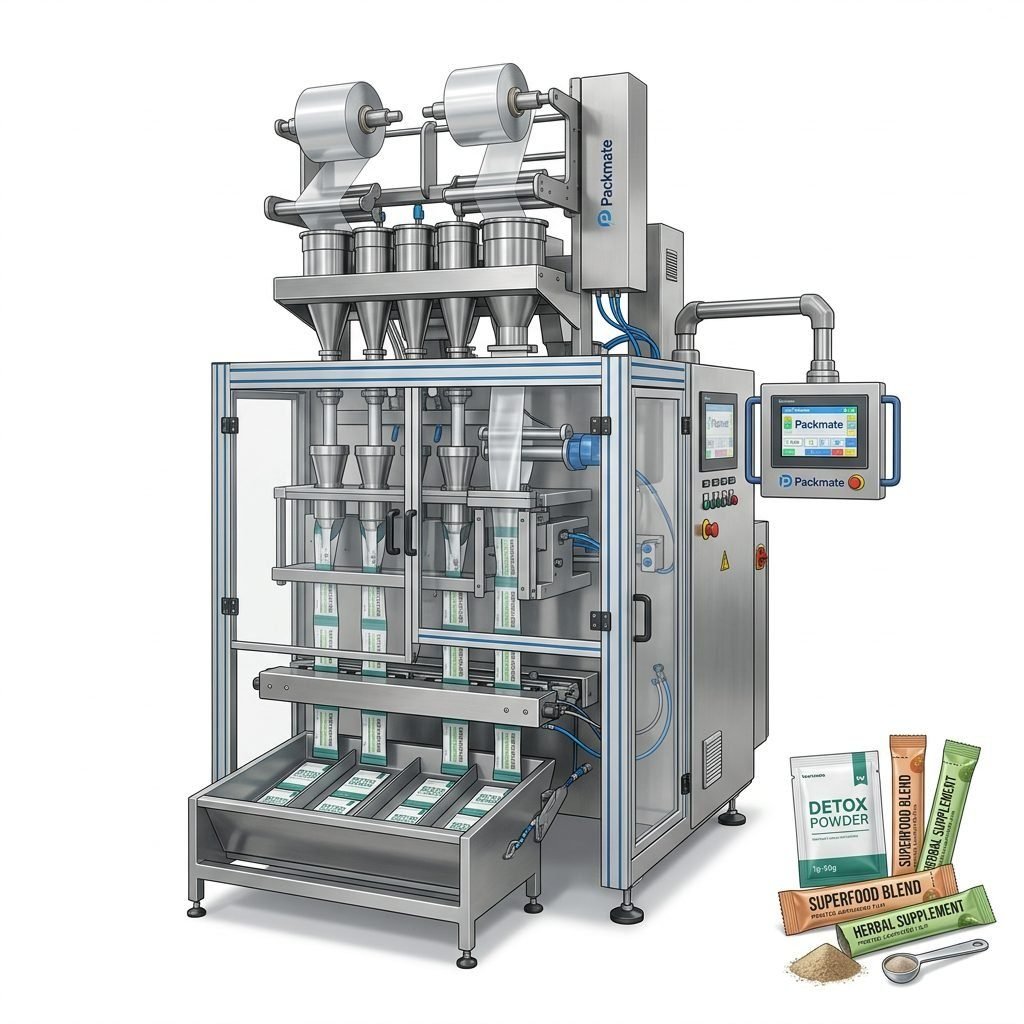
Finalizing Your Decision
The final choice should align with your strategic goals. If your priority is maximum uptime, cutting-edge technology, and proximity to engineering support for complex operations in Europe, a German manufacturer is typically the preferred choice. If your project requires high flexibility, significant customization at a different price point, and you have the capacity to manage longer-distance supplier relationships, then evaluating reputable international manufacturers becomes a strategic part of the sourcing process.
Regardless of origin, the core principles remain: define needs meticulously, conduct thorough due diligence, and prioritize total value and long-term partnership over the initial purchase price alone.
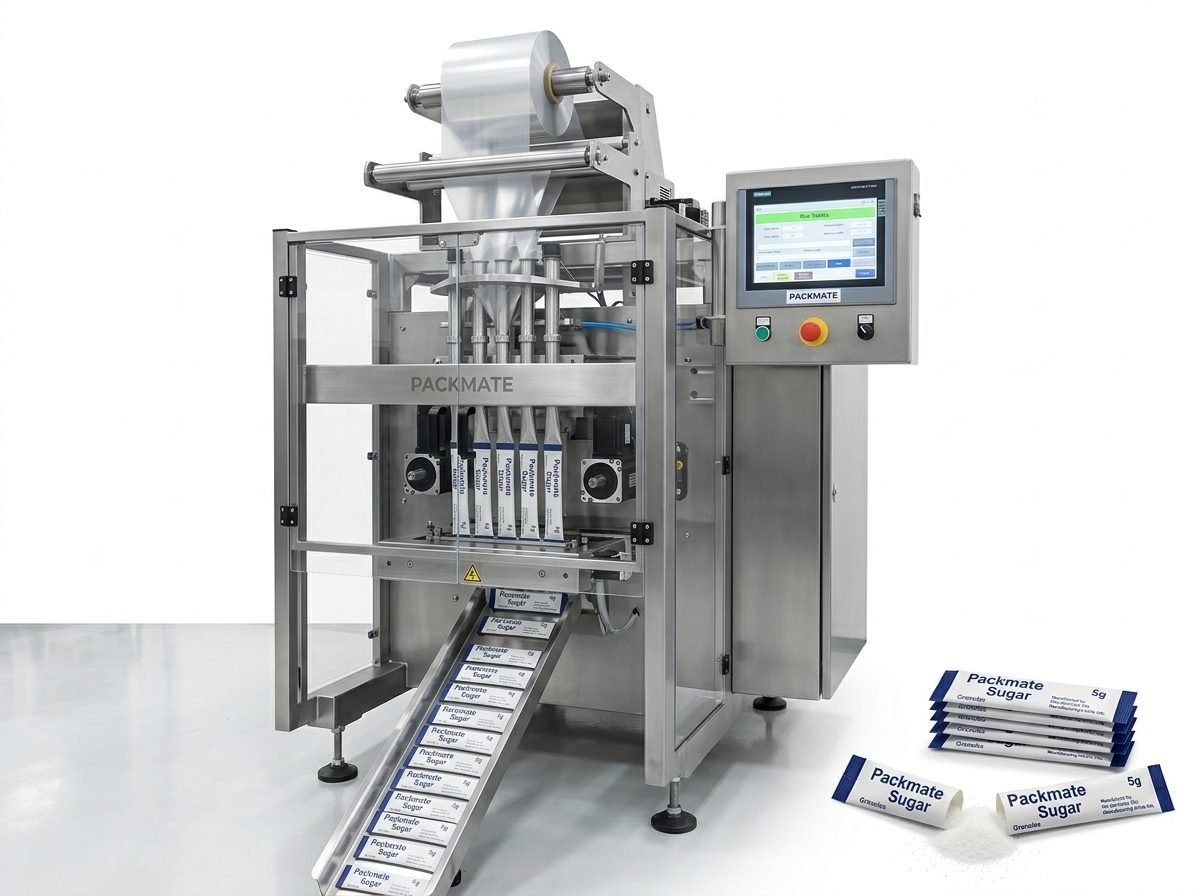
Frequently Asked Questions (FAQs)
Q: What is the typical lead time for a packaging machine from Germany?
A: Lead times can vary from 6 to 12 months or more for custom or complex lines. Standard models may have shorter lead times. Always confirm this during the quotation stage.
Q: Are German machines compatible with our local power standards and safety regulations?
A: Reputable manufacturers will configure machines to meet the voltage, frequency, and safety standards (e.g., local electrical codes) of the destination country. This must be explicitly stated in the contract.
Q: How important is it to visit the factory before purchasing?
A: For high-value investments, a factory visit is highly recommended. It builds trust, allows you to audit quality processes, and meet the engineering team. If a visit isn’t possible, request a live video tour and more detailed reference checks.
Q: What after-sales support can we expect from a German manufacturer?
A: Expect detailed documentation (manuals, schematics), remote support via phone/email, and on-site service visits (which may incur travel costs). Many have global service partners. Clarify response times, spare parts availability, and costs for support beyond the warranty period.
Q: Can German machines handle our specific, non-standard packaging material?
A: German engineers are often excellent at solving complex application challenges. Provide material samples early in the discussion. They may require testing in their lab and might propose custom modifications to the feeding or sealing systems, which will affect cost and timeline.