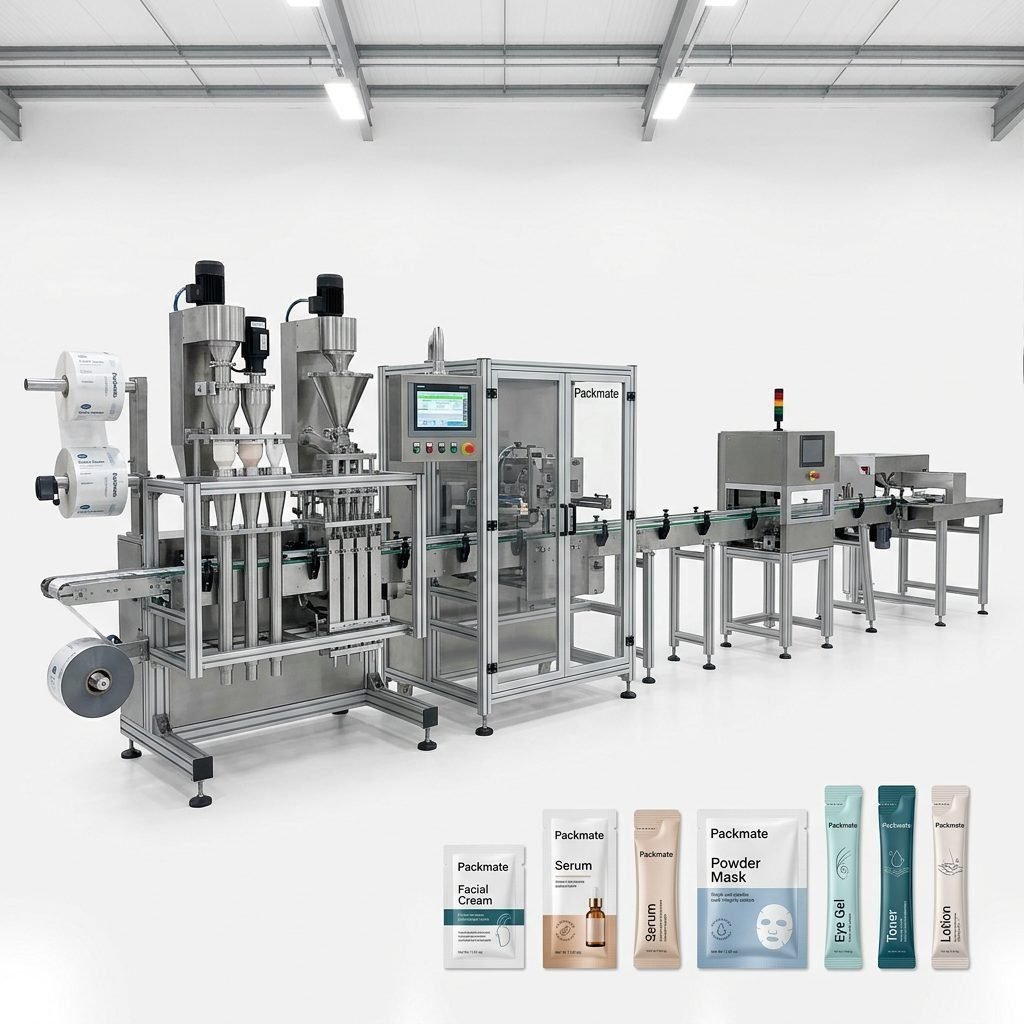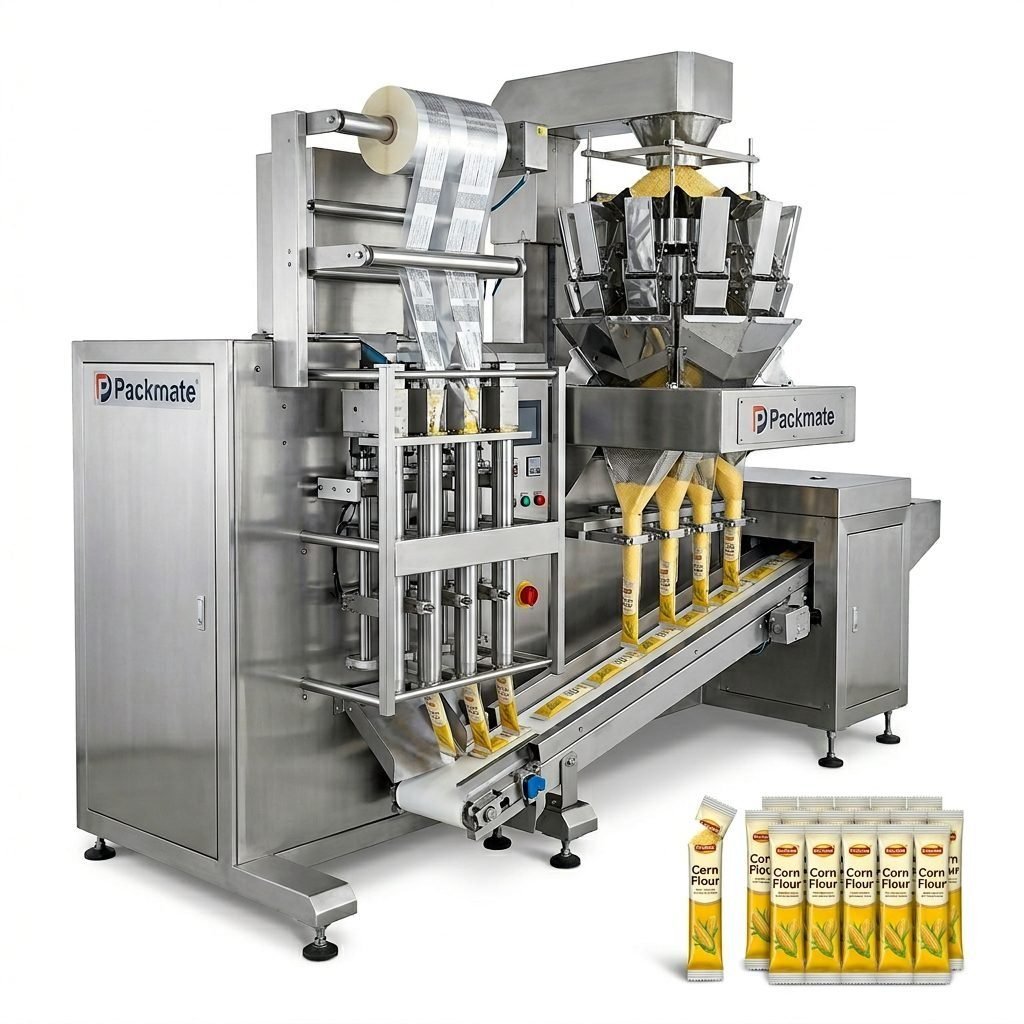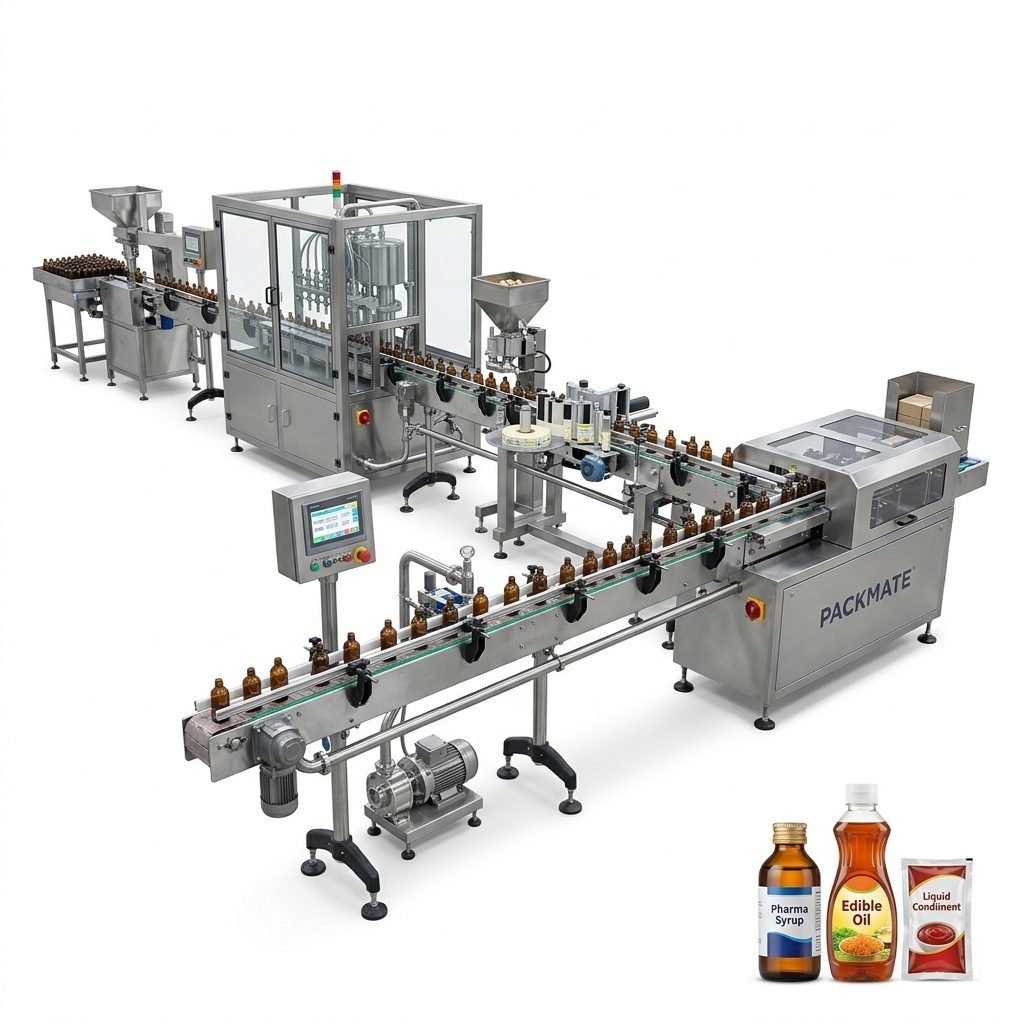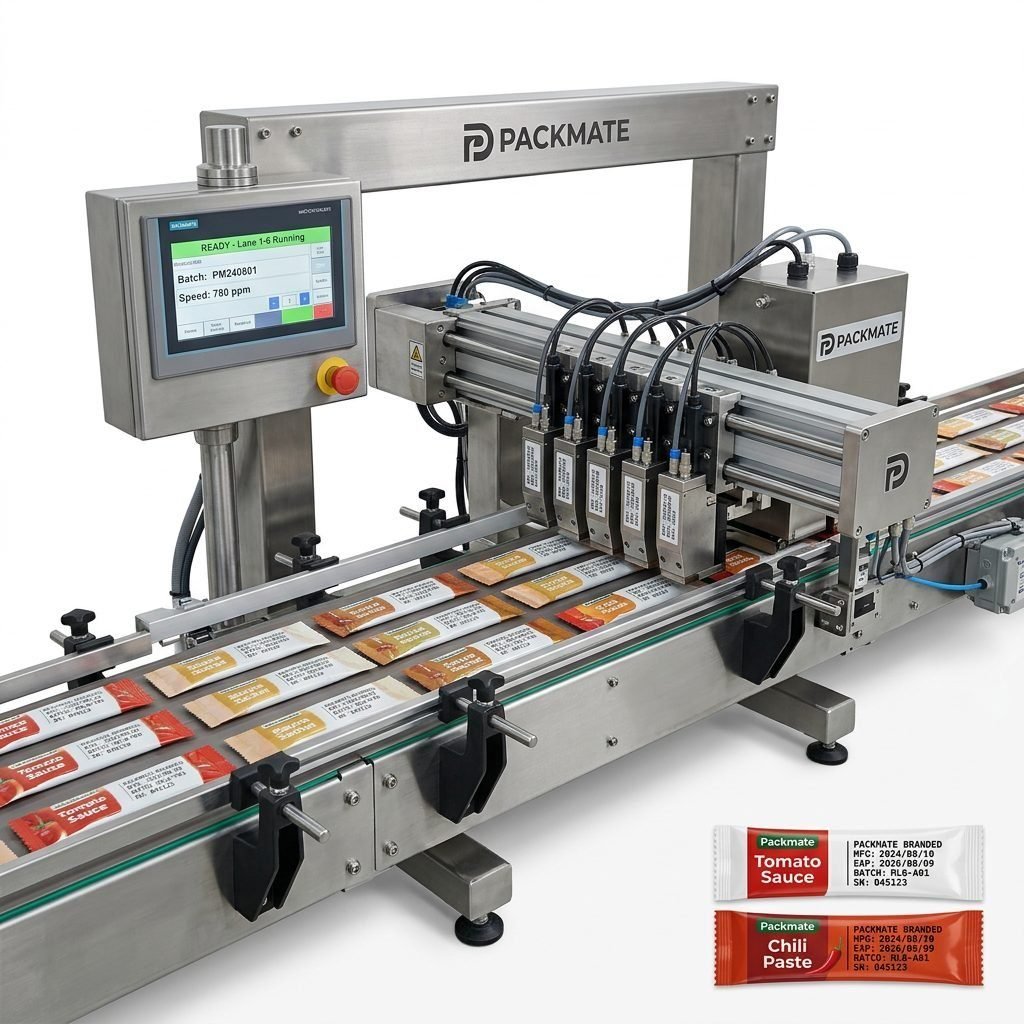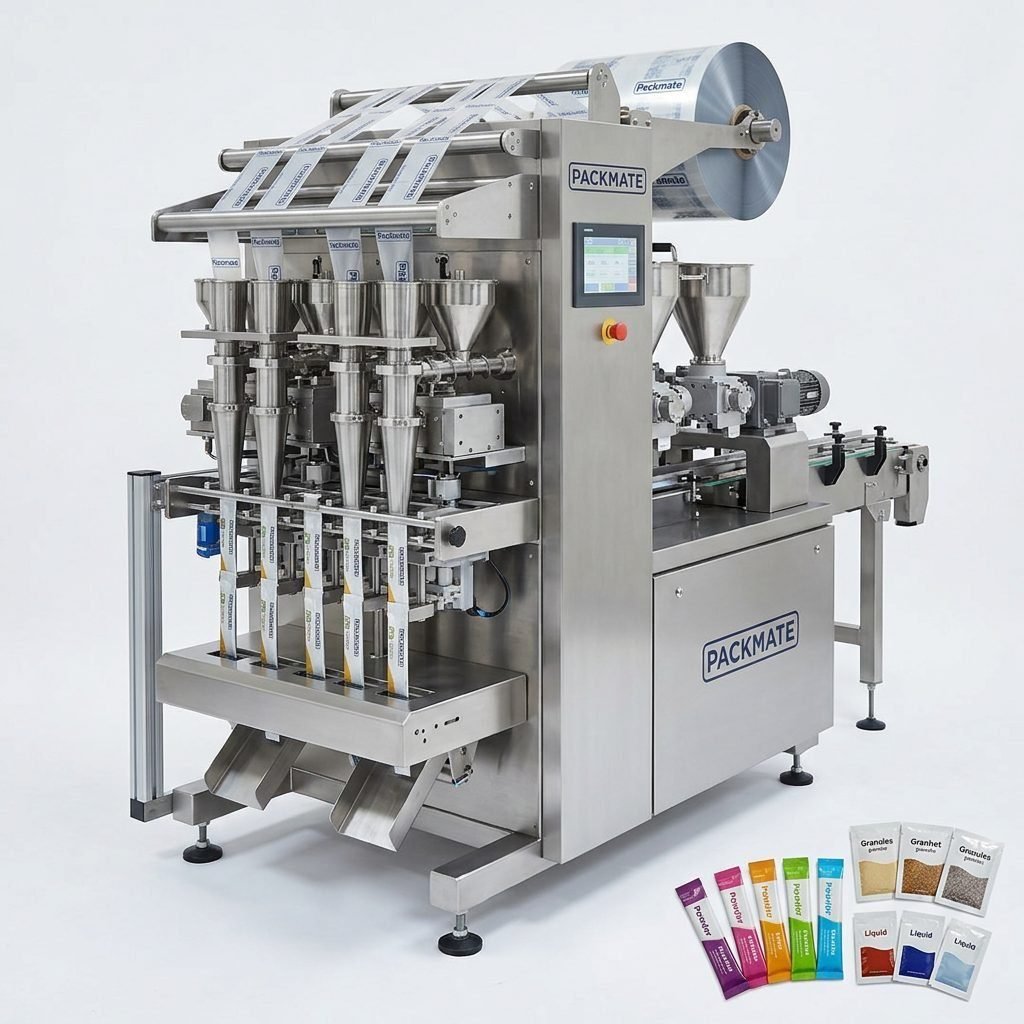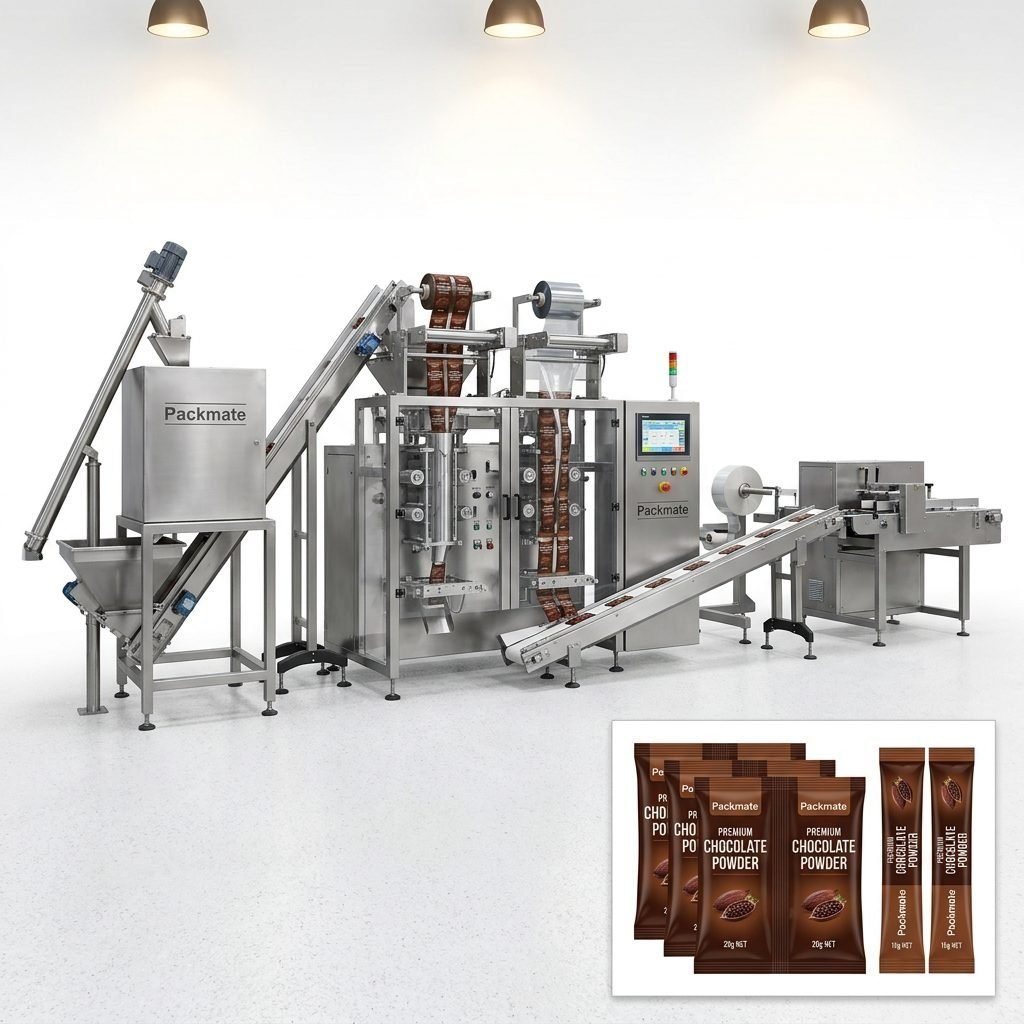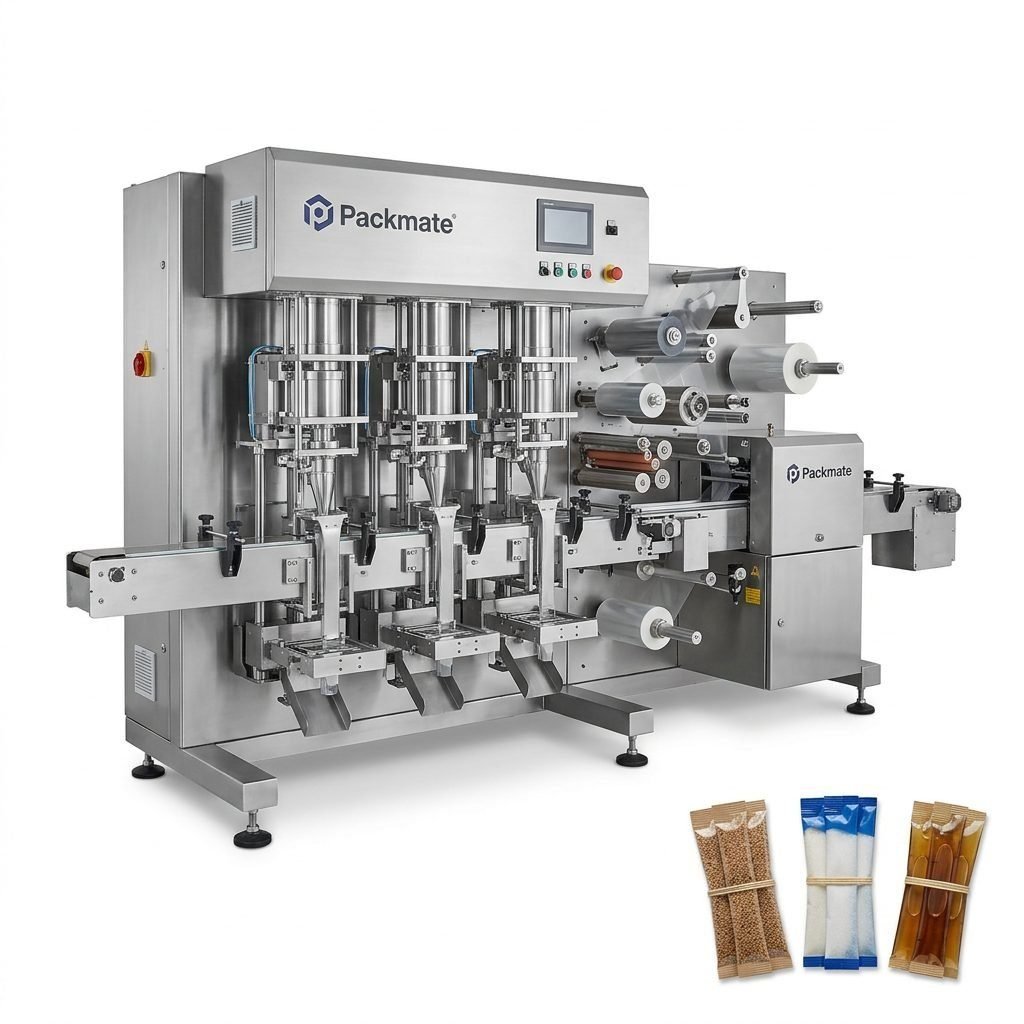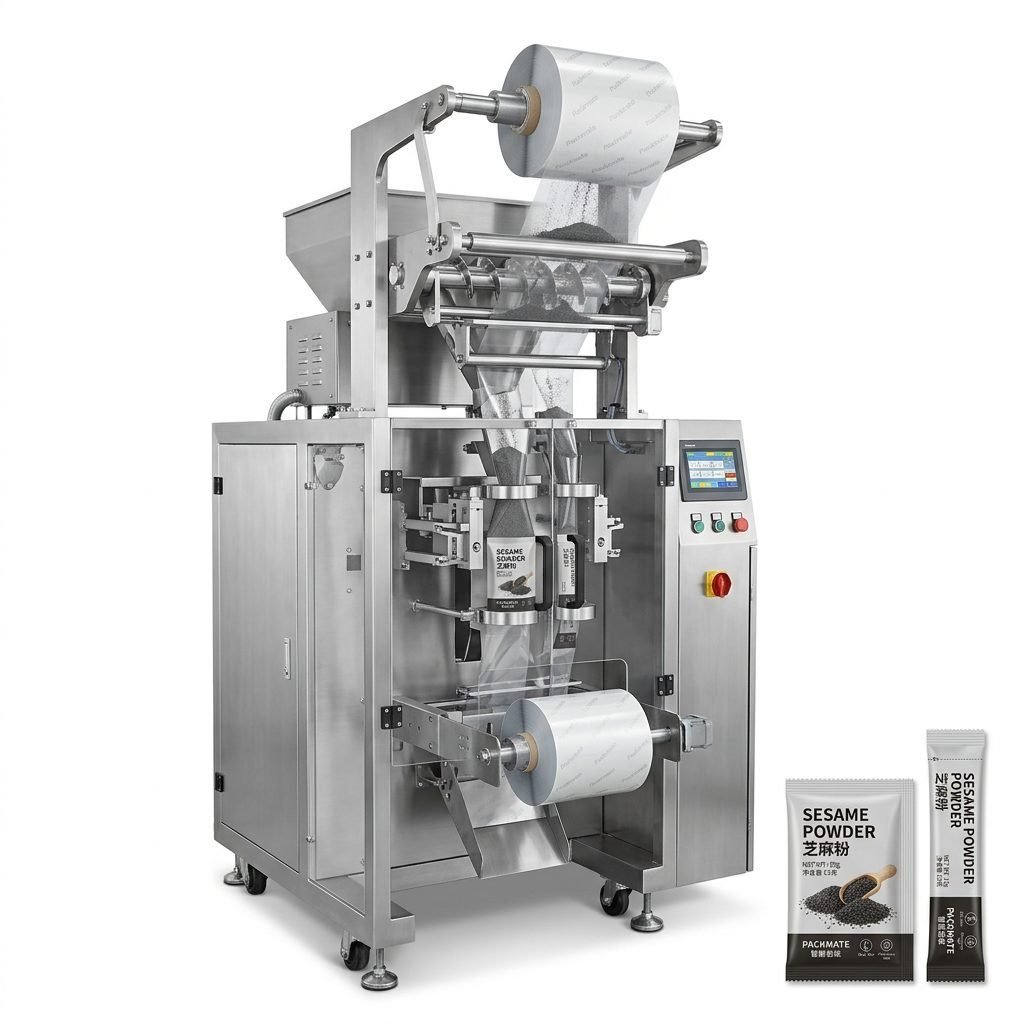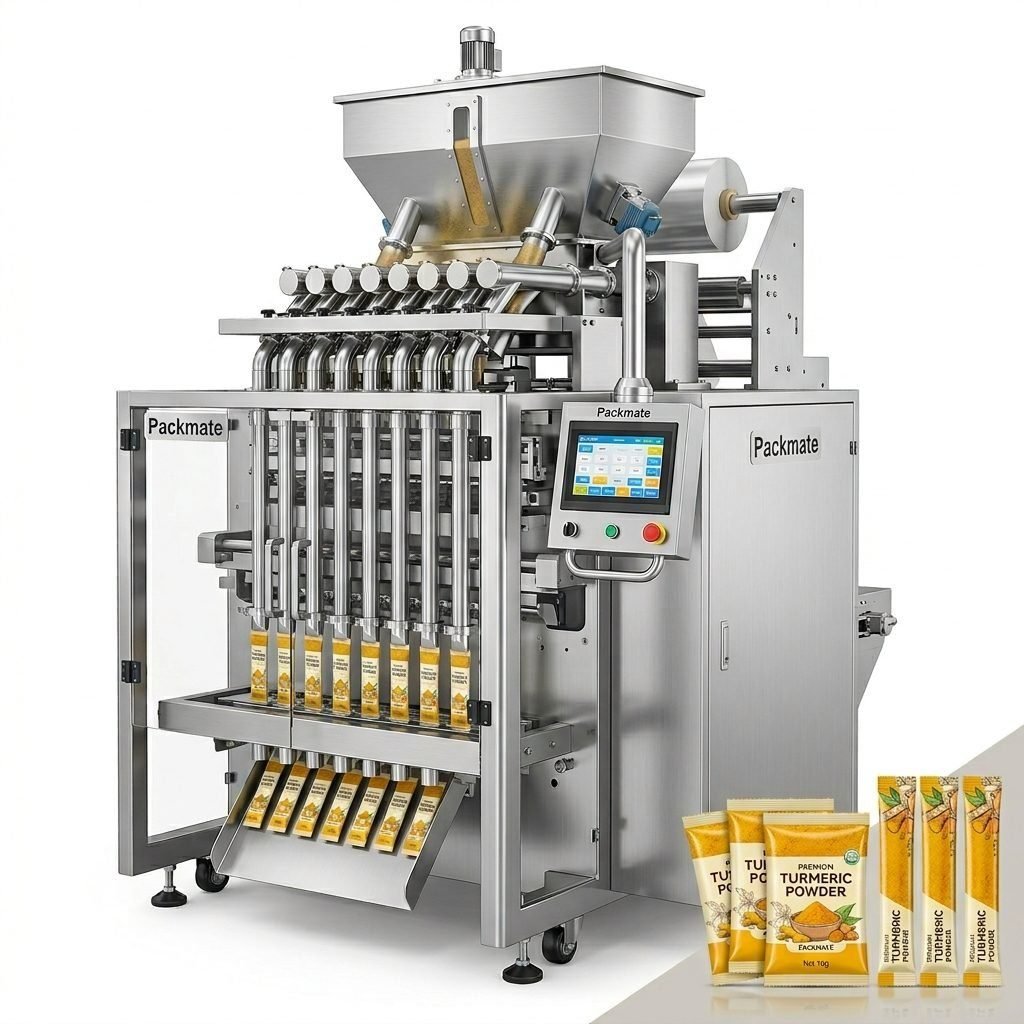
Finding a reliable packaging machine manufacturer in Djibouti requires careful planning and research. The country’s strategic location as a logistics hub for East Africa, combined with its growing port and free trade zone activities, means many local businesses and international companies based there need efficient, dependable packaging solutions. Whether you are a food processor, a pharmaceutical distributor, or a manufacturer of consumer goods, selecting the right equipment partner is crucial for maintaining production continuity and quality.
Understanding Djibouti’s Packaging Market Needs
Djibouti’s economy is heavily service-oriented, with a focus on port logistics, transportation, and trade. However, there is a growing local manufacturing and processing sector, particularly in food products (like dates, seafood, and dairy), beverages, and goods for re-export. The climate—hot and arid—also places specific demands on packaging to ensure product integrity. When sourcing machinery, Djiboutian buyers often prioritize durability, ease of maintenance, and energy efficiency due to environmental conditions and sometimes limited local technical expertise. Furthermore, equipment must handle the packaging formats popular in regional trade, such as sachets, stick packs, and larger bulk bags for commodities.
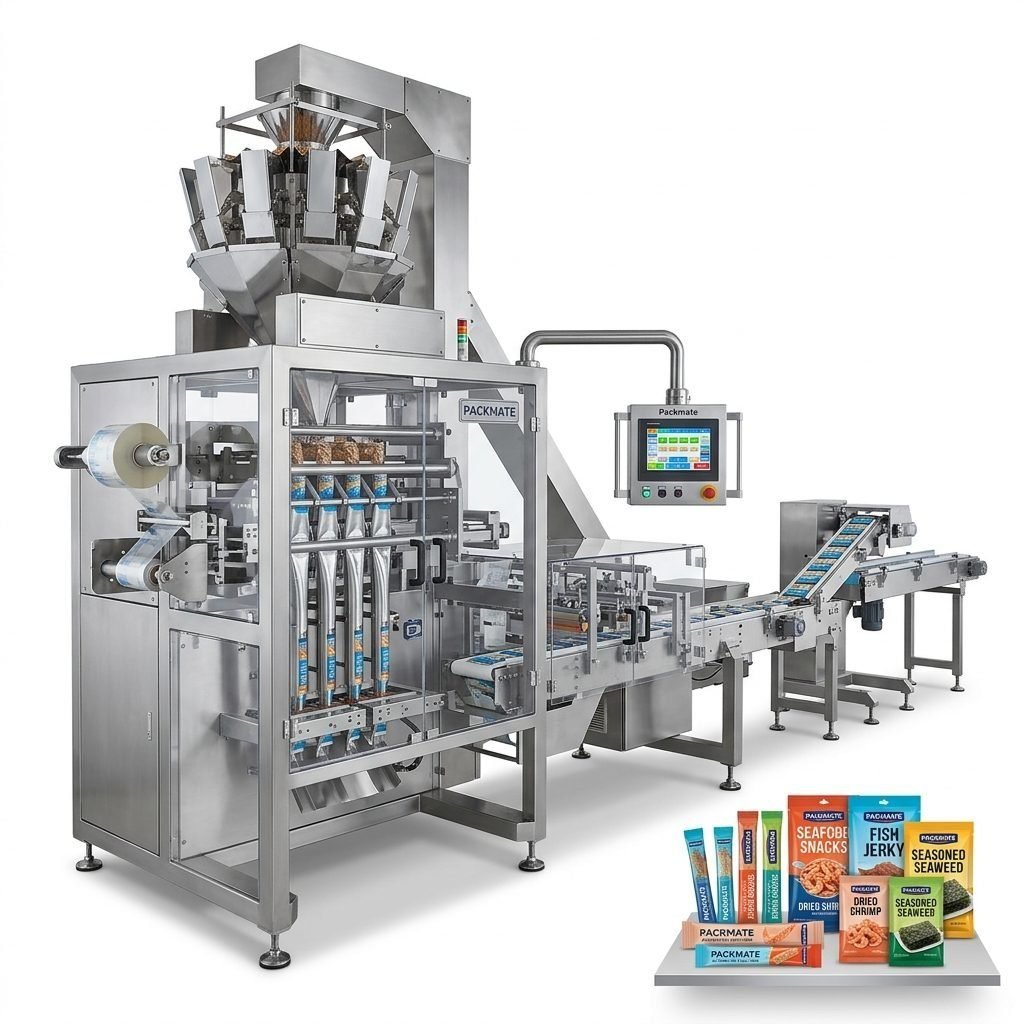
Key Steps to Identify Reliable Manufacturers
The search process can be broken down into systematic steps to minimize risk and ensure you find a partner that meets your operational and financial criteria.
1. Define Your Technical and Operational Requirements
Before contacting any supplier, be clear about your needs. Consider the product type (powder, granule, liquid), required output speed, bag or pouch specifications, and the level of automation needed. Also, factor in your factory space, available utilities, and future scalability plans. This clarity will help you filter manufacturers effectively and request accurate quotations.
2. Research Manufacturer Credentials and Experience
Look for manufacturers with a proven track record. Key indicators include company history, factory size, quality certifications (like CE, ISO), and experience in your specific industry. A manufacturer with a long history, such as Ludyway (founded in 1993), often brings stability and deep application knowledge. Review their case studies and client lists, particularly for projects in Africa or similar markets.
Pro Tip: Always verify the manufacturer’s export experience. Companies that regularly ship to Africa understand the logistical challenges, documentation, and voltage/power compatibility issues common in regions like Djibouti.
3. Evaluate Technical Support and After-Sales Service
This is arguably the most critical factor for a buyer in Djibouti. Reliable technical support can make the difference between minimal downtime and prolonged production halts. Inquire about:
- Availability of installation and commissioning services.
- Training programs for your operators.
- Spare parts inventory and delivery timelines to East Africa.
- Remote support capabilities (video calls, online diagnostics).
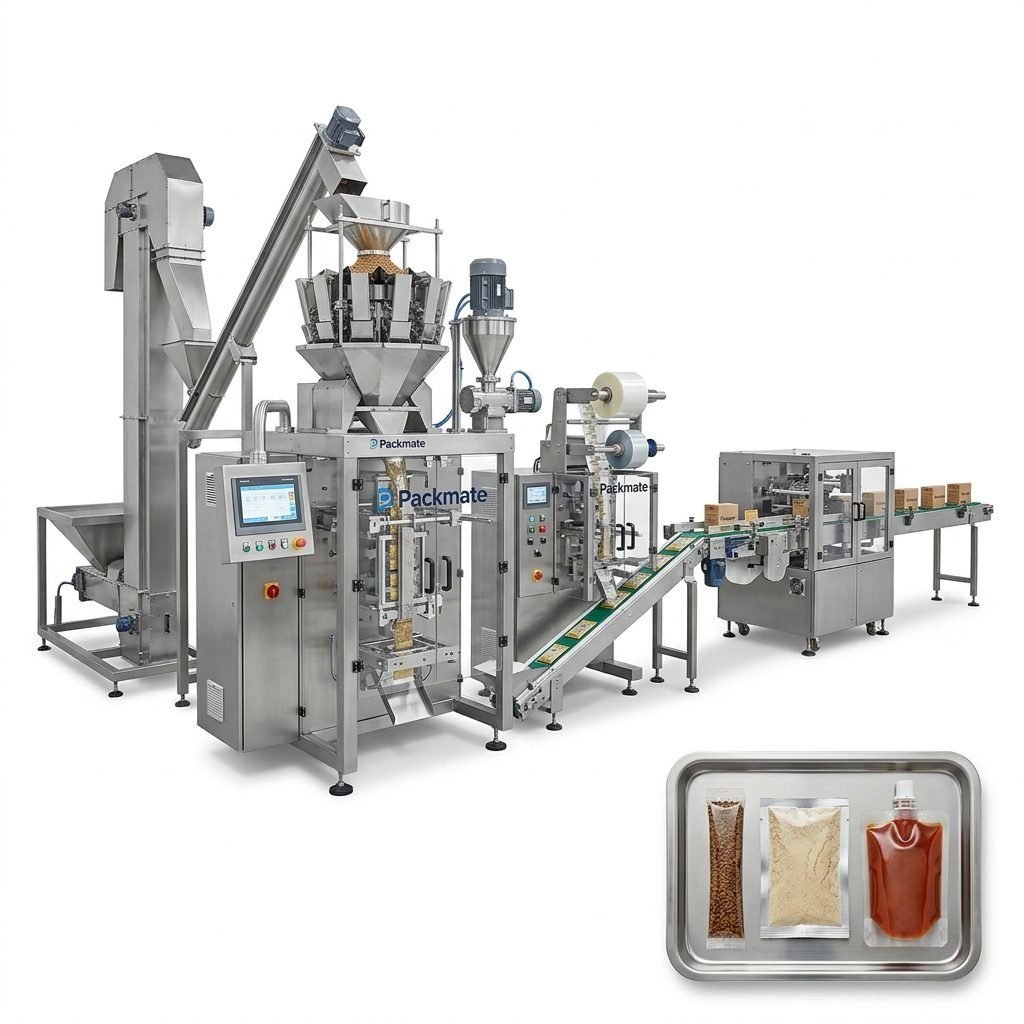
Manufacturers like Packmate Machinery and PacklineOEM, which emphasize export-oriented support, are often better equipped to serve international clients.
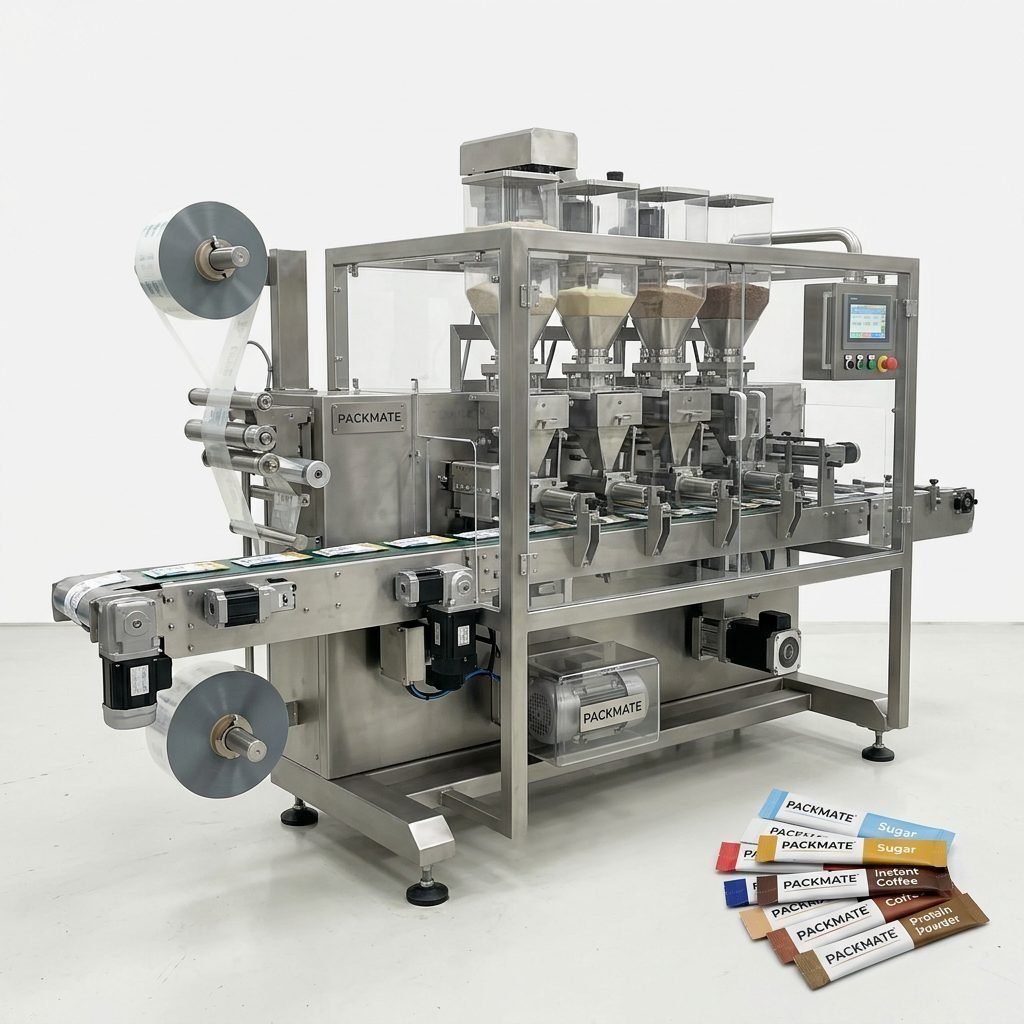
4. Analyze Cost Versus Value, Not Just Price
While budget is important, the lowest price can lead to higher long-term costs through poor reliability, inefficient operation, or lack of support. Request detailed quotations that break down machine costs, shipping, insurance, and any optional accessories. Consider the total cost of ownership, including expected energy consumption, maintenance costs, and potential output gains from a more efficient machine.
| Evaluation Factor | Key Questions to Ask |
|---|---|
| Machine Performance & Suitability | Can it run my specific product/material at the required speed? Is it compatible with local power supply? |
| Build Quality & Durability | What are the key components (e.g., PLC, servos, seals)? Are they from reputable brands? |
| Supplier Reliability | What is the company’s history and financial stability? Can they provide references from African clients? |
| After-Sales Service Plan | What is the warranty period? How are spare parts shipped? Is on-site support available? |
Considerations for Specialized Packaging Needs
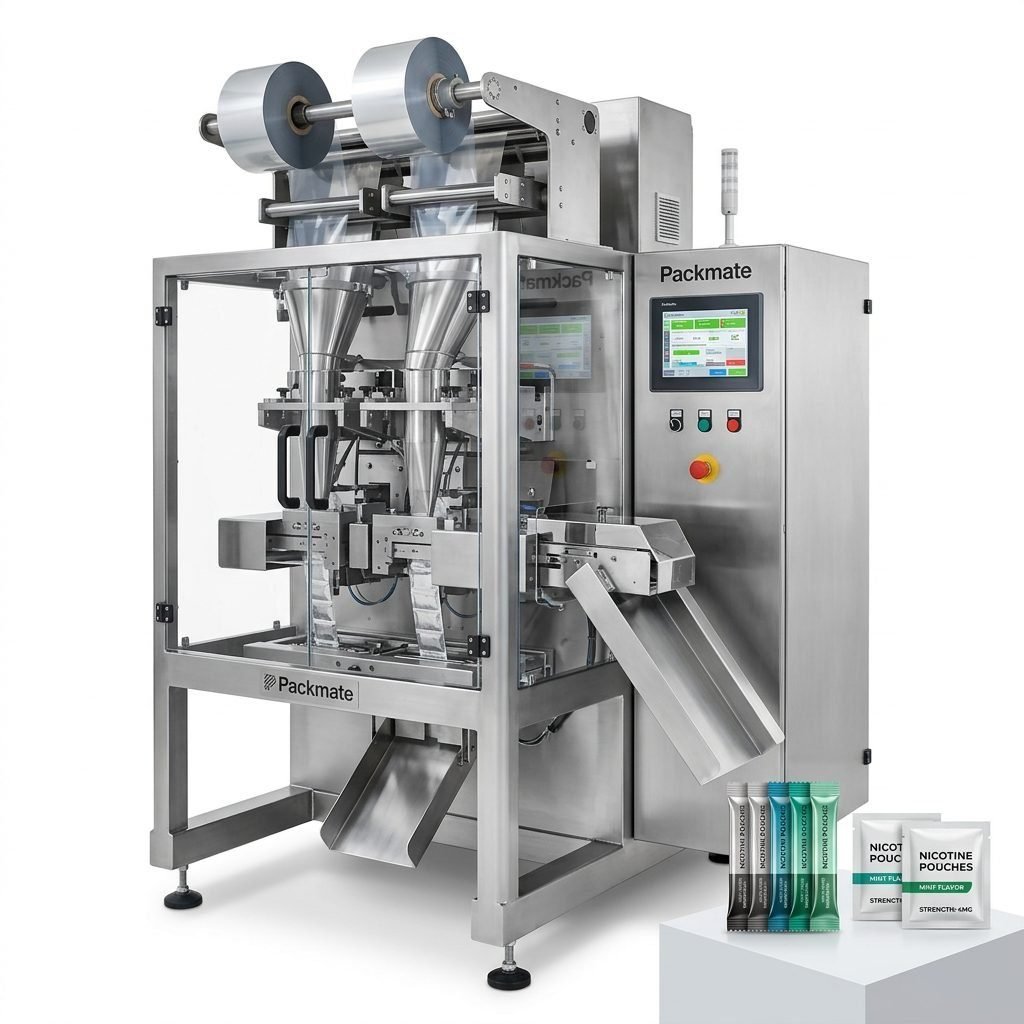
Djibouti’s market also includes niche segments. For instance, if your business involves nicotine pouches or similar specialty products, a manufacturer with focused expertise, such as SnusMachinery, could be more suitable than a generalist. For projects requiring heavy customization or non-standard solutions, companies like PackingMachineOEM that emphasize OEM and tailored engineering may offer better value.
Logistics and Importation into Djibouti
Importing machinery into Djibouti involves navigating customs clearance, port fees, and inland transportation. Work closely with your chosen manufacturer to ensure they have experience shipping to the Port of Djibouti. They should provide all necessary documentation (commercial invoice, packing list, certificate of origin, and technical specifications) accurately. It’s advisable to use a reputable local clearing agent to handle the process. Discuss incoterms (like CIF or DDP) clearly to understand who is responsible for costs and risks at each stage of the shipment.
On-Site Preparation Checklist
- Confirm factory floor dimensions and load-bearing capacity.
- Ensure the power supply (voltage, frequency, phase) matches the machine requirements.
- Prepare a clean, level area for installation with adequate ventilation.
- Arrange for necessary utilities (compressed air, water lines) if required by the machine.
Building a Long-Term Partnership
Your relationship with the manufacturer shouldn’t end after the machine is installed. A reliable partner will offer ongoing support, software updates, and be a resource for future expansion. Communicate regularly, provide feedback on machine performance, and inquire about upgrades or new models that could benefit your operation. This collaborative approach helps ensure your packaging line remains productive and competitive for years to come.
Frequently Asked Questions (FAQs)
Q1: What is the most important factor when choosing a packaging machine supplier for Djibouti?
A: Reliable after-sales service and technical support are paramount. Given the distance from major manufacturing hubs, having a supplier committed to responsive remote support and efficient spare parts delivery is critical to minimize downtime.
Q2: How can I verify a manufacturer’s quality without visiting their factory?
A: Request detailed manufacturing videos, virtual factory tours, quality inspection reports, and certificates. Ask for contact information of their existing clients in similar regions and speak to them directly about their experience.
Q3: Are Chinese packaging machines suitable for operation in Djibouti?
A: Yes, many Chinese manufacturers produce robust machines for global markets. The key is to select an export-experienced company that can configure machines for your local power standards and provide durable components suited to the operating environment.
Q4: What are the common payment terms when importing machinery?
A: Common terms include a deposit (e.g., 30-50%) upon signing the contract, balance before shipment, or against copies of shipping documents. Letters of Credit (L/C) are also widely used for international trade to secure the transaction for both parties.
Q5: How long does it typically take from order to installation in Djibouti?
A: Lead time depends on machine complexity and customization. For standard models, it could be 30-60 days for production plus 4-8 weeks for sea freight and clearance. Always factor in additional time for site preparation and potential logistical delays.