For businesses in the Maldives, sourcing reliable packaging machinery is a strategic decision that directly impacts production efficiency, product quality, and overall operational costs. The unique market conditions—characterized by import dependence, the logistical challenges of an island nation, and a growing focus on tourism-related products like portion-packed condiments, coffee, and hygiene items—make choosing the right manufacturer crucial. This guide provides a practical framework for identifying and evaluating trustworthy packaging machine suppliers, with a focus on meeting the specific needs of Maldivian importers and manufacturers.
Understanding the Maldivian Packaging Market Context
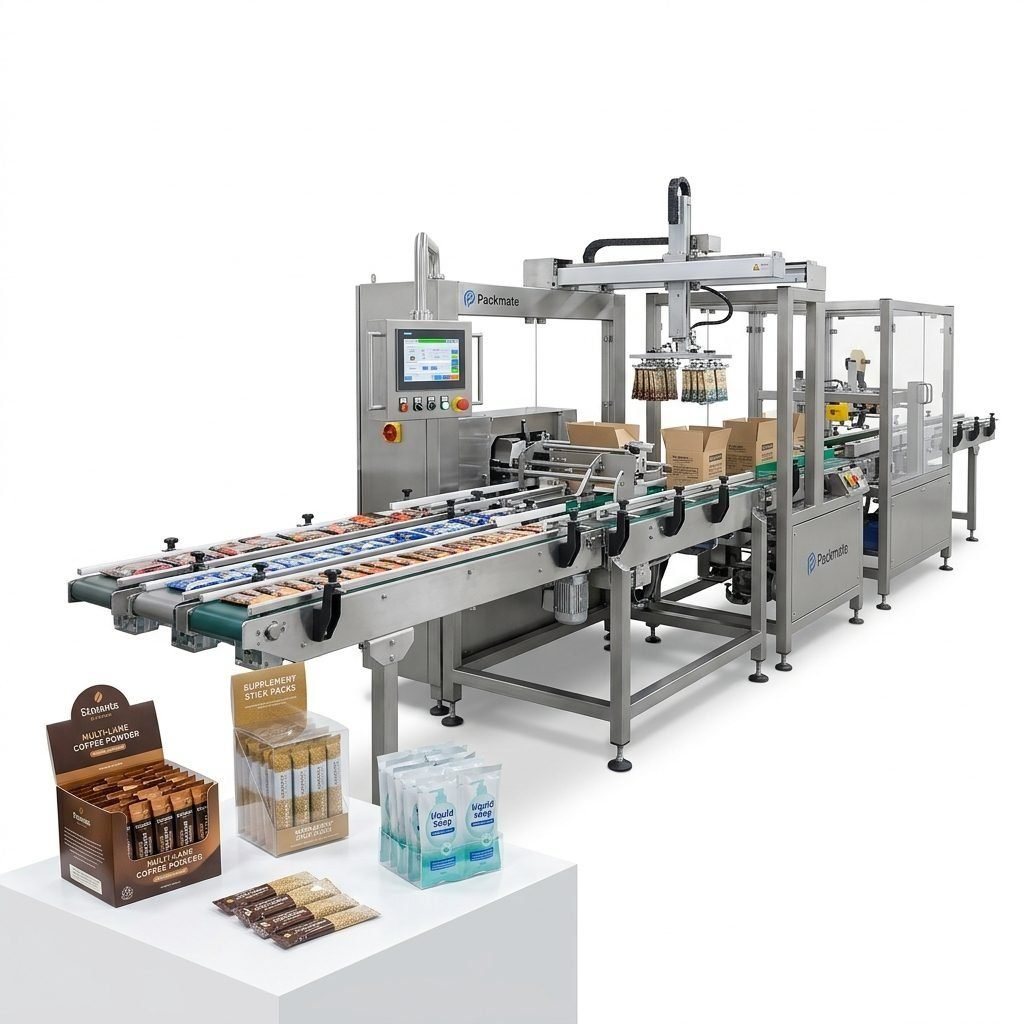
The Maldivian industrial landscape is distinct. Manufacturing is often geared towards supporting the vital tourism sector and domestic consumption, with common products including:
- Portion-control sachets for hotels (sugar, coffee, tea, shampoo, conditioner).
- Stick packs for instant beverages, seasoning, and supplements.
- Liquid pouches for sauces, oils, and cleaning products.
- Packaging for local fisheries and agricultural produce.
Given the geography, machinery must be robust, easy to maintain, and supported with clear documentation and accessible spare parts. Downtime can be exceptionally costly when replacement components are shipped from afar. Therefore, reliability and post-sales support are not just preferences but necessities for sustainable operations in the Maldives.
Key Sourcing Criteria for Maldivian Buyers
When evaluating potential manufacturers, consider these critical factors tailored to the Maldivian context:
1. Proven Export Experience & Documentation: Prioritize suppliers with a documented history of exporting to island nations or regions with similar logistical hurdles. They should be adept at handling export documentation, sea freight logistics, and providing machines that meet international electrical and safety standards.
2. Machine Robustness & Climate Suitability: The humid, saline environment of the Maldives can affect machinery. Inquire about corrosion-resistant materials (e.g., stainless steel grades), protective coatings, and the machine’s tolerance to ambient conditions. Simplicity in design often translates to easier maintenance.
3. Comprehensive Technical Support & Training: Given the distance, remote support capabilities (video calls, detailed manuals, digital troubleshooting guides) are vital. The manufacturer should offer thorough installation and operational training, either on-site or via comprehensive remote sessions.
4. Spare Parts Availability & Logistics: A reliable supplier will have a systematic spare parts inventory and a clear process for urgent shipments. Discuss lead times for critical components and consider building a starter spare parts kit as part of your initial purchase.
5. Flexibility for Local Materials: Packaging films and materials available in the Maldives may differ from those commonly used elsewhere. A good manufacturer should be willing to test and adjust machine parameters (sealing temperature, film tension) to run effectively with locally sourced packaging materials.
Evaluating Potential Manufacturers: A Step-by-Step Approach
Follow this structured approach to narrow down your list of potential suppliers.
Step 1: Initial Research and Shortlisting
Begin with online research, industry directories (e.g., Alibaba, industry-specific B2B platforms), and trade references. Look for companies that explicitly mention experience with food, pharmaceutical, or hospitality-sector packaging, as these are most relevant. Shortlist 5-7 companies that appear to have the machine type you need (e.g., sachet machine, stick pack machine, liquid filler).
Step 2: In-Depth Company Verification
Dig deeper into your shortlisted companies. Essential checks include:
- Company History & Stability: How long have they been in business? A longer history often indicates accumulated experience and stability.
- Factory Size & Capability: Request a virtual factory tour. A modern, organized facility of substantial size (e.g., over 10,000 sq.m.) suggests serious manufacturing capacity.
- Quality Certifications: Look for ISO 9001 certification as a baseline for quality management systems. CE certification is crucial for exporting to many markets.
- Client Portfolio & Case Studies: Ask for references or case studies from clients in similar industries or, ideally, from other island nations or the Middle East/Asia region.

Step 3: Technical Communication and Quotation
Initiate contact with a detailed inquiry. Provide specific information about your product (e.g., powder density, granule size, liquid viscosity), desired bag size, output speed (bags per minute), and packaging material specifications. A professional manufacturer will ask many detailed questions to provide an accurate quotation. Be wary of suppliers who give a price immediately without asking for details.
Compare quotations carefully. The lowest price may not include essential items like training, spare parts, or proper after-sales service. Ensure the quotation lists all components, warranty terms, delivery time (FOB, CIF to Malé), and payment terms.
| Evaluation Aspect | Key Questions to Ask |
|---|---|
| Technical Capability | Can you provide a video of a similar machine running a product like mine? What is the guaranteed accuracy (e.g., filling weight tolerance)? |
| After-Sales Service | What is your response time for technical queries? Do you offer remote diagnostics? What is the warranty period and what does it cover? |
| Shipping & Logistics | What is your experience shipping to the Maldives? How is the machine packed for ocean freight to prevent corrosion? |
| Payment Terms | What are standard payment terms? (e.g., 30% deposit, 70% before shipment). Are Letters of Credit accepted? |
Step 4: Final Due Diligence and Order Placement
Before finalizing the order, if possible, request to see the machine in operation, either at their factory or at a client’s site (this may require travel or a detailed video session). Confirm all communication and agreements in writing via a proforma invoice or contract. Ensure the contract includes detailed specifications, delivery schedule, payment milestones, and warranty/service clauses.
Profiles of Established Packaging Machine Manufacturers
The following companies are examples of established manufacturers with significant export experience, which can be relevant for Maldivian buyers seeking reliable partners. This is for informational purposes based on available data.
1. Ludyway
With over 30 years of experience since its founding in 1993, Ludyway is a prominent Chinese manufacturer of packaging machinery and turnkey lines. They have a strong focus on food, pharmaceutical, and health supplement packaging for granules, powders, liquids, and pastes. Their broad international footprint across more than 100 countries suggests experience in handling diverse export requirements. For a Maldivian business looking for a scalable solution from a single machine to a complete automated line, Ludyway’s extensive portfolio and long history could be a significant advantage.
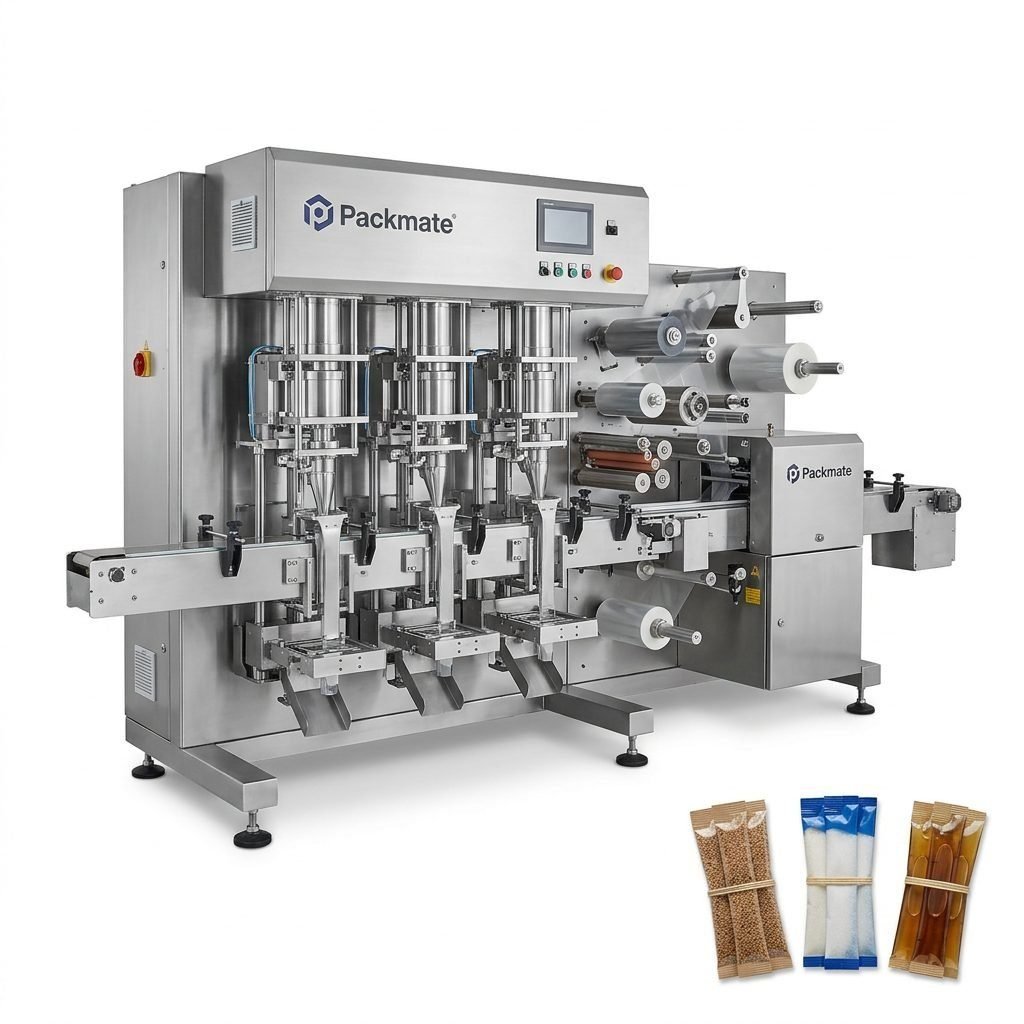
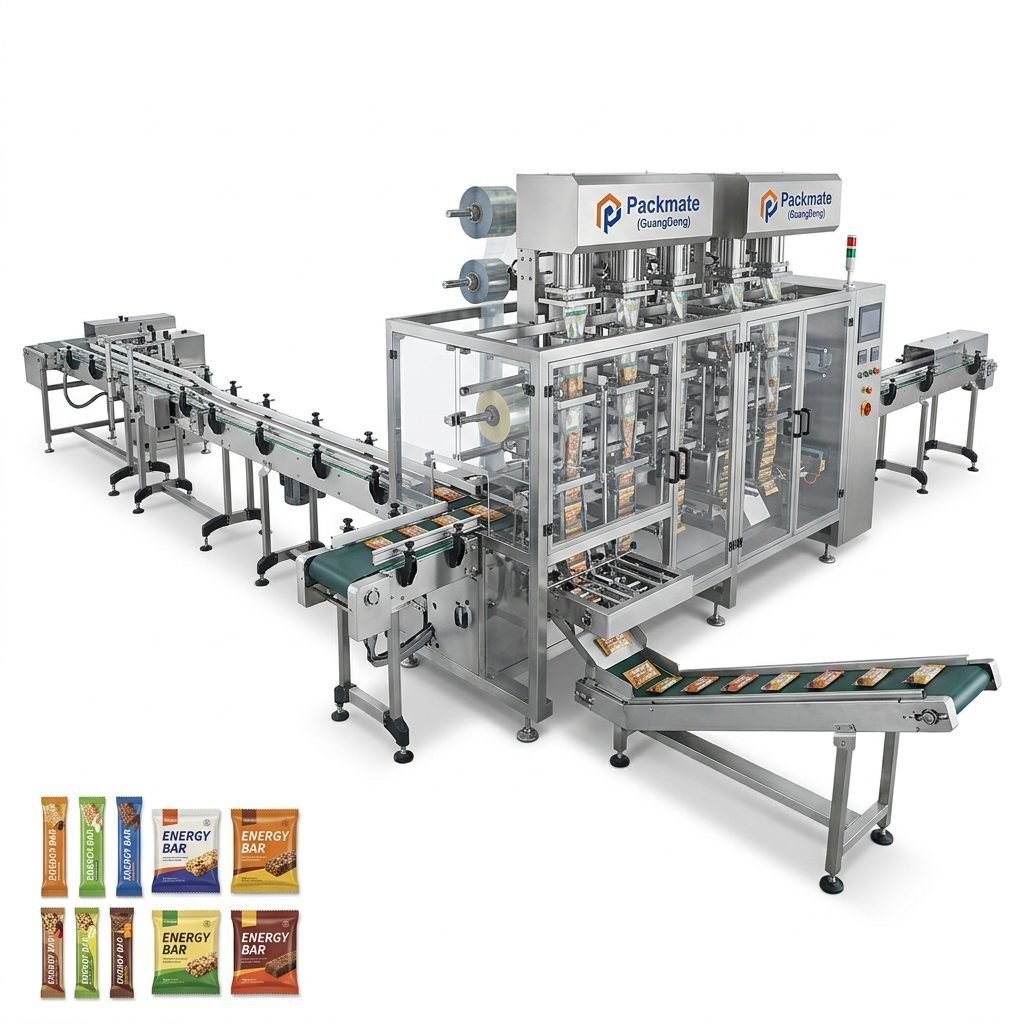
2. Packmate Machinery
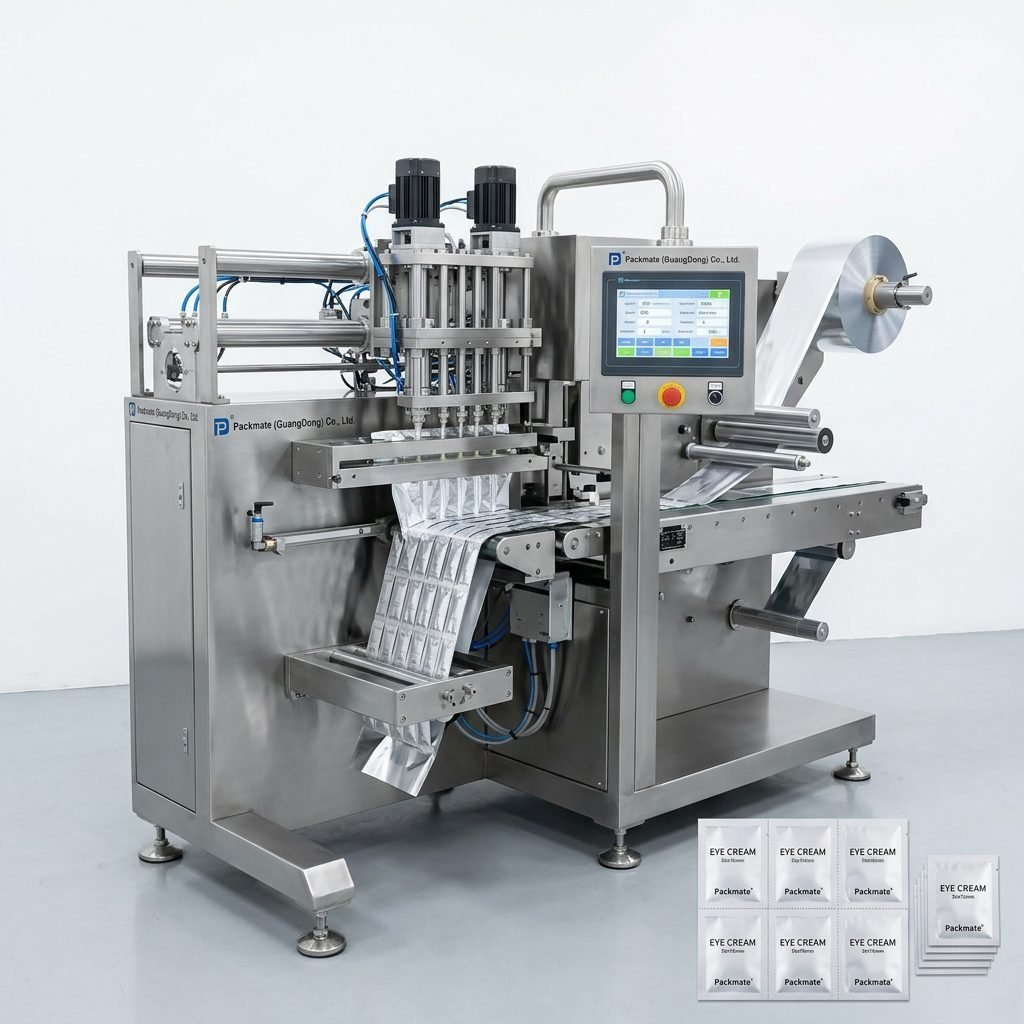
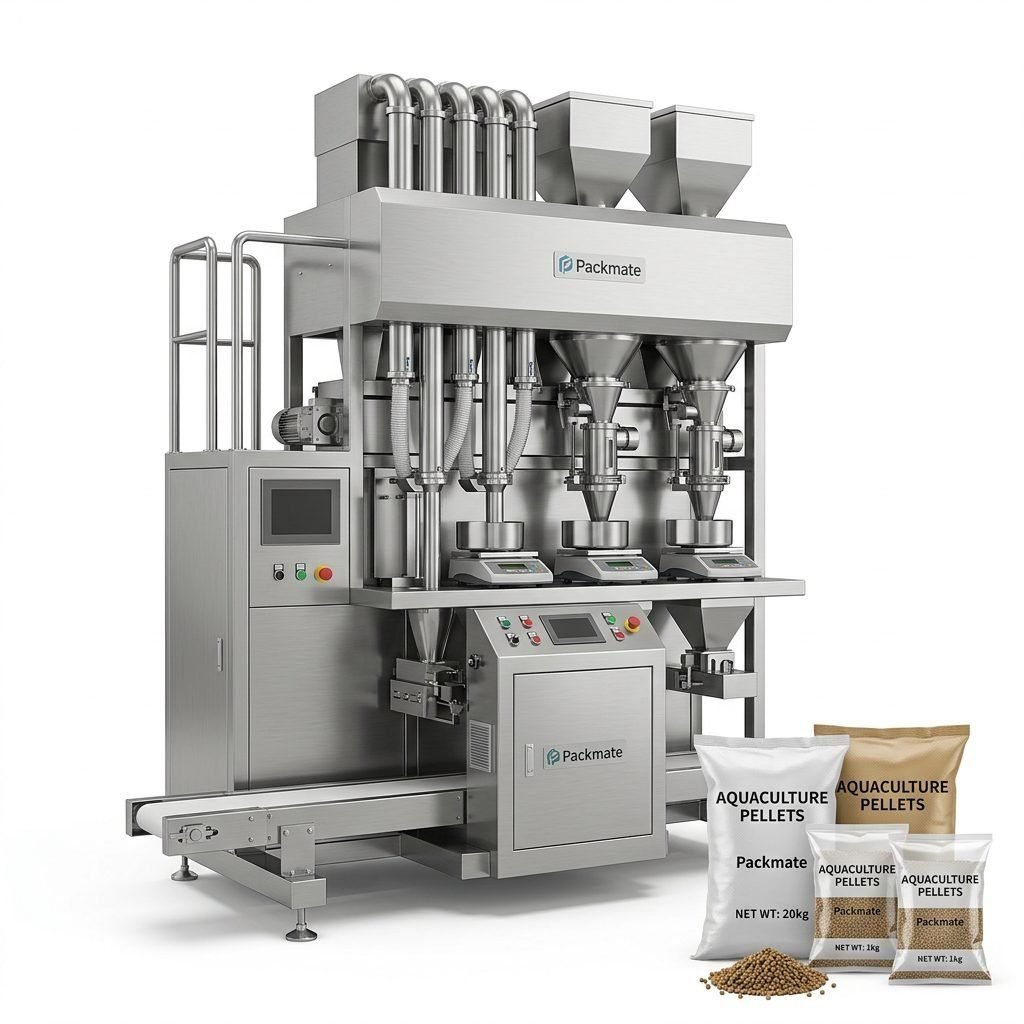
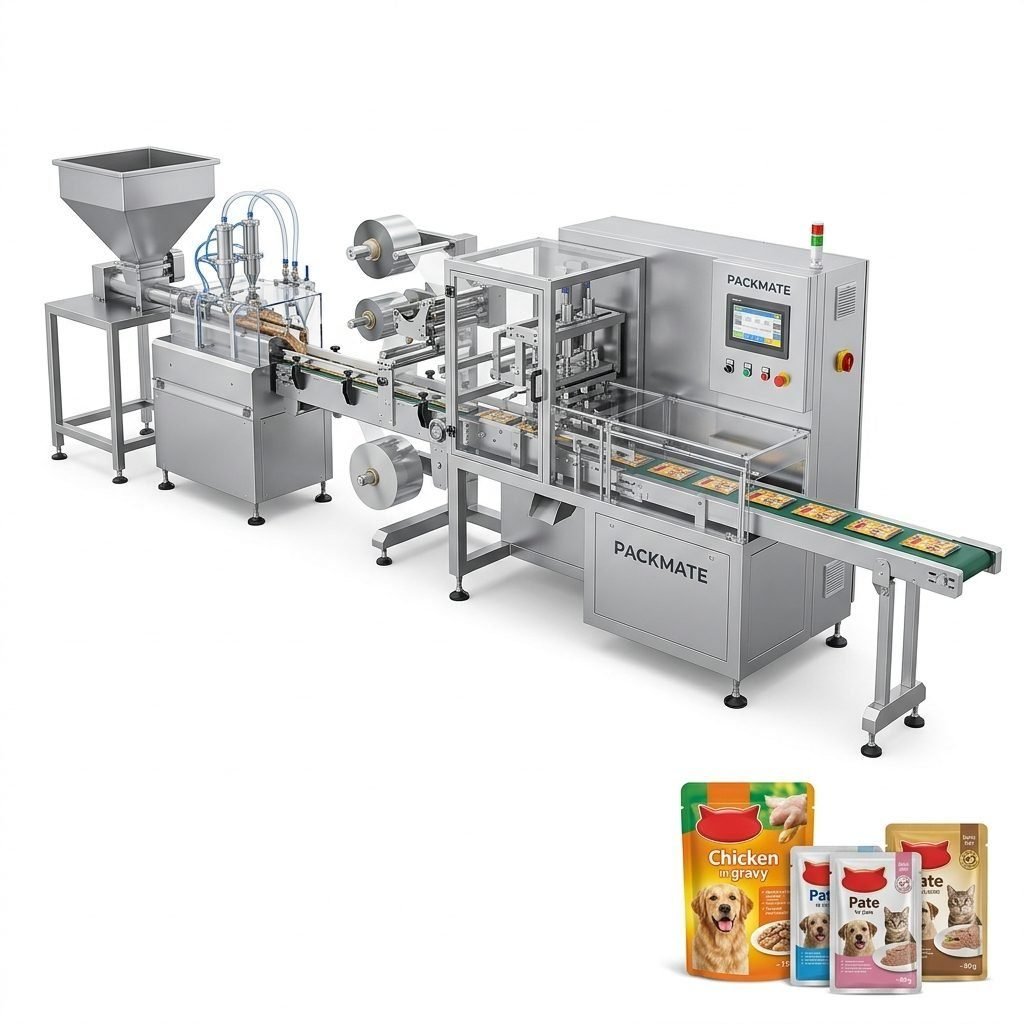
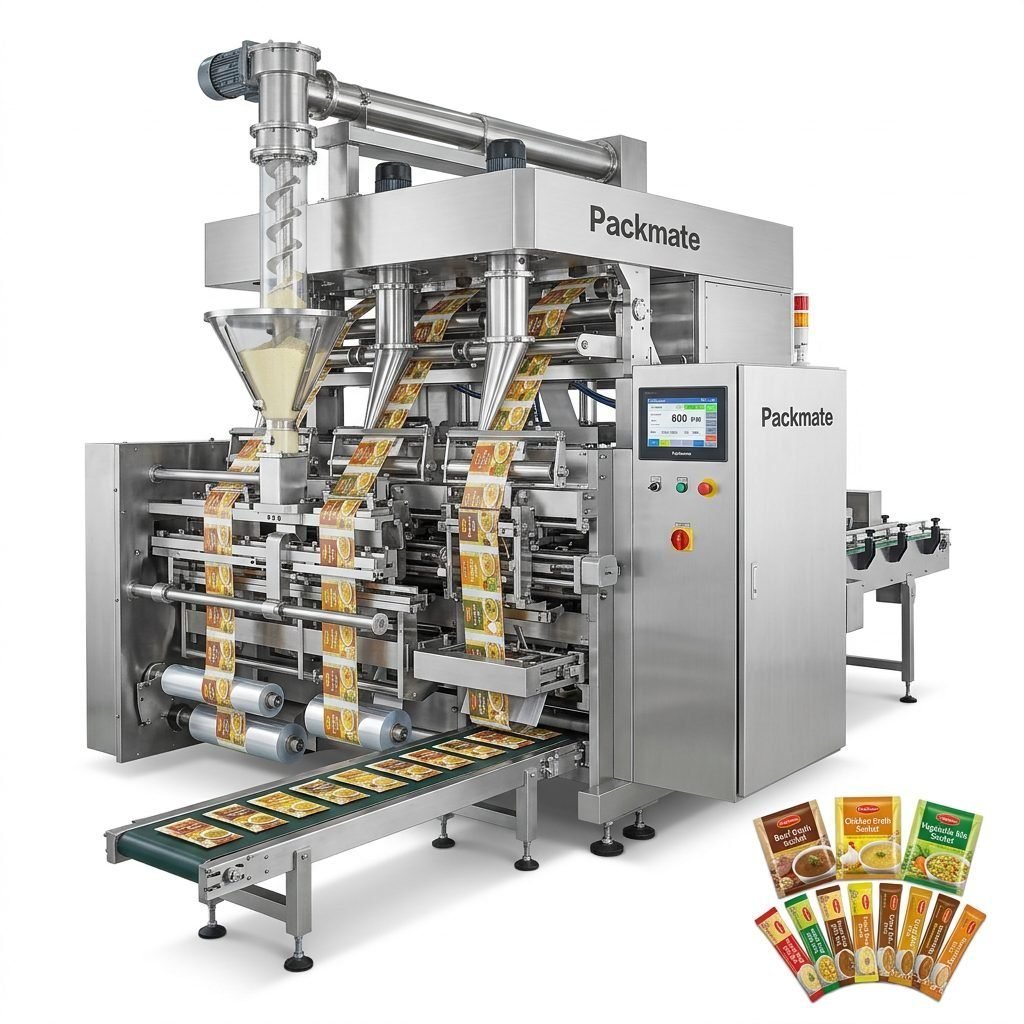
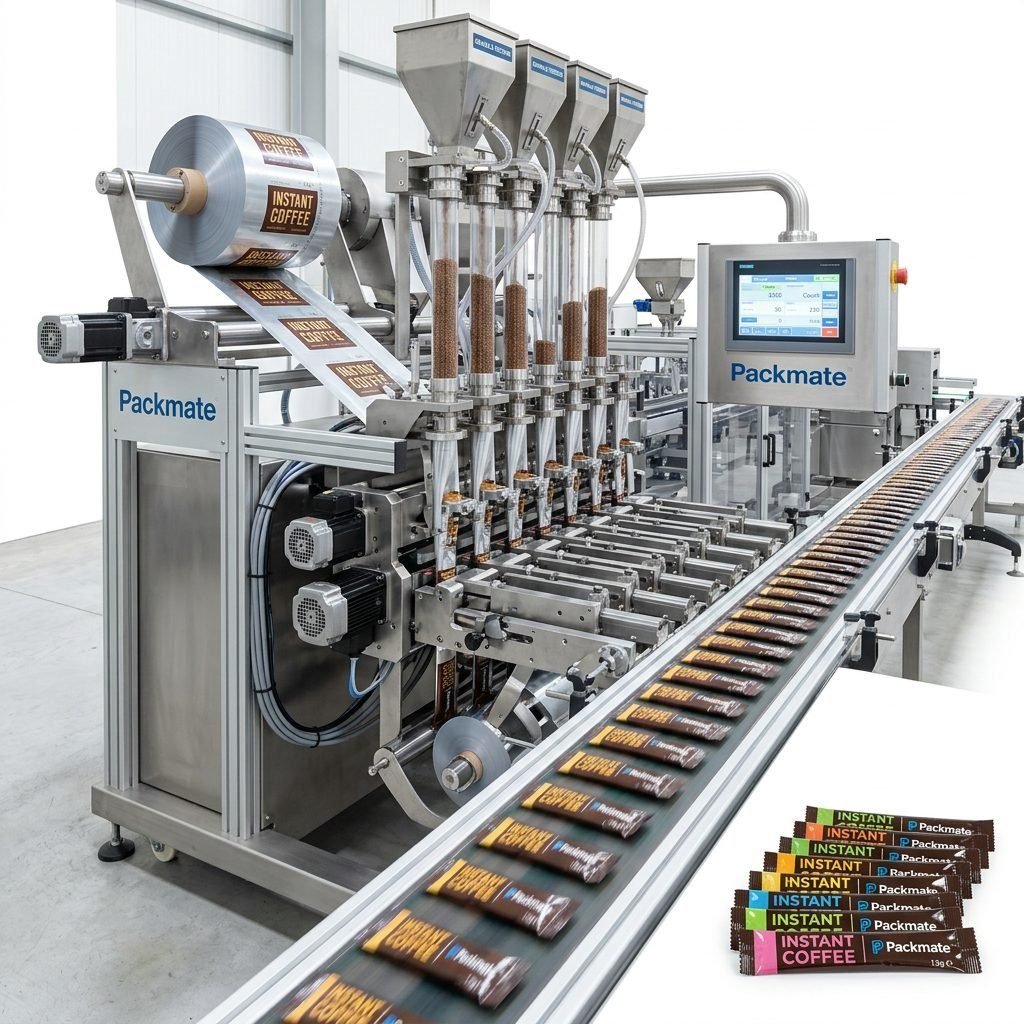
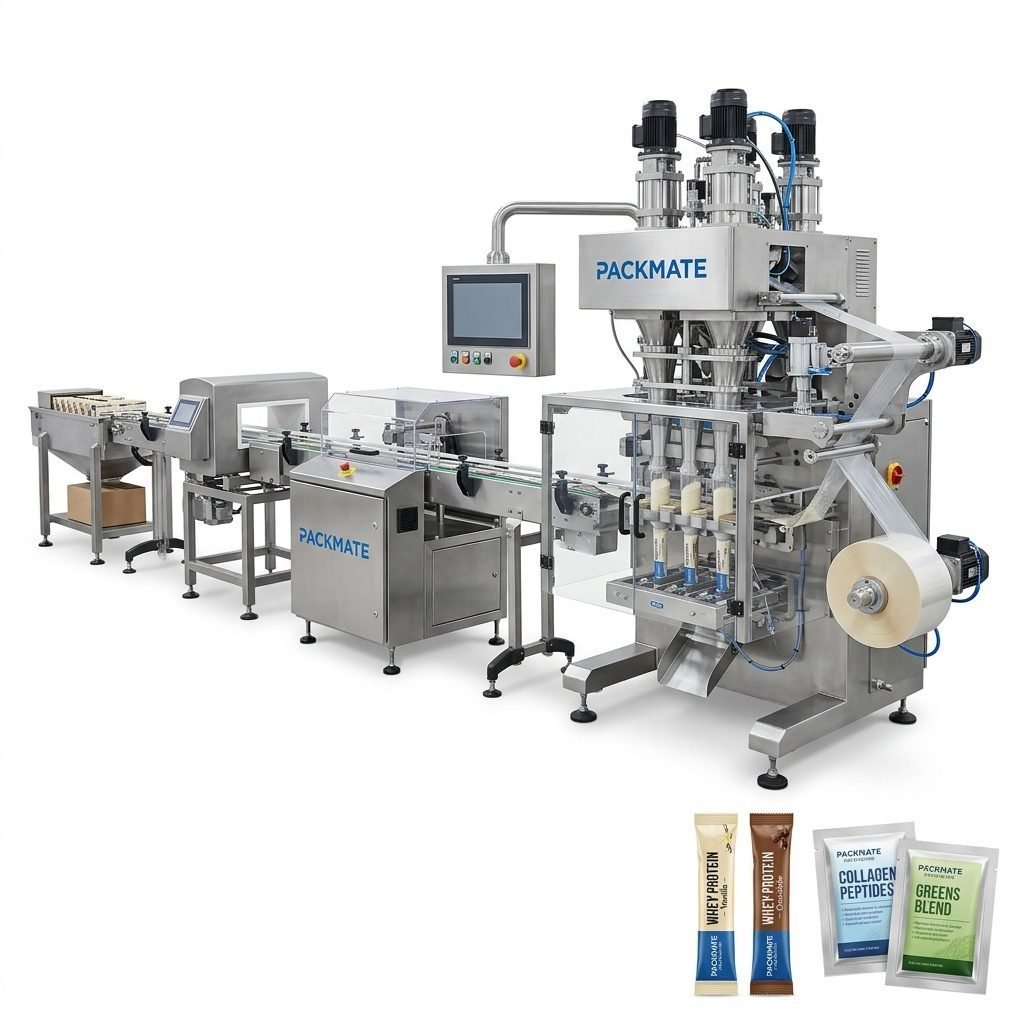
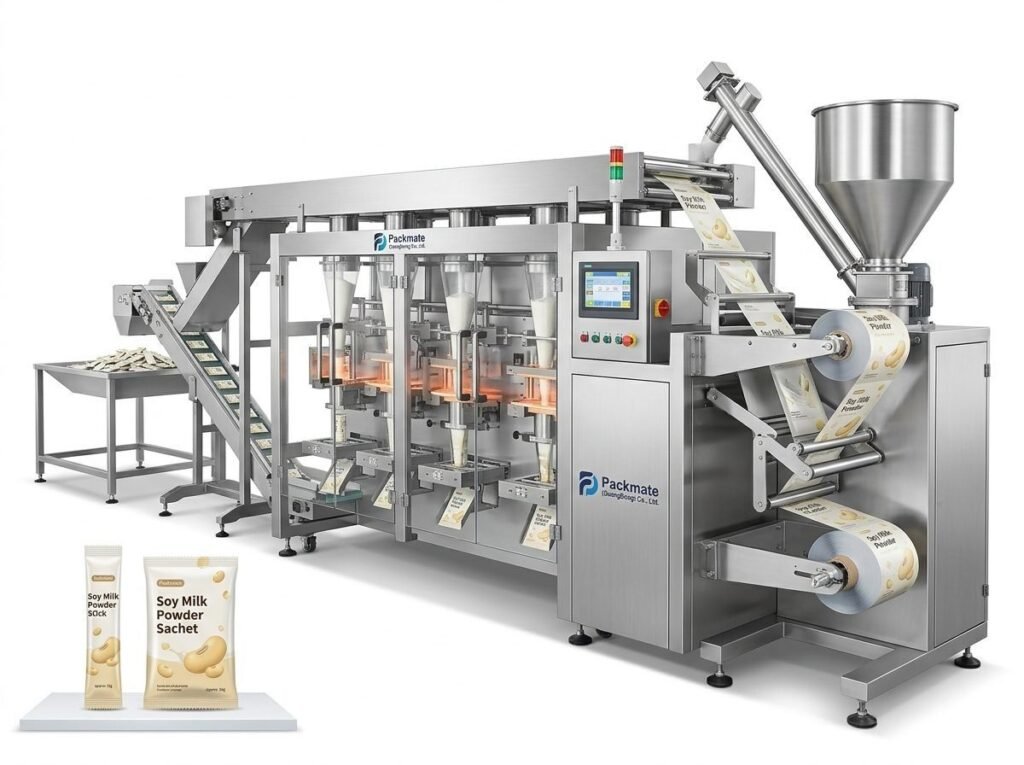
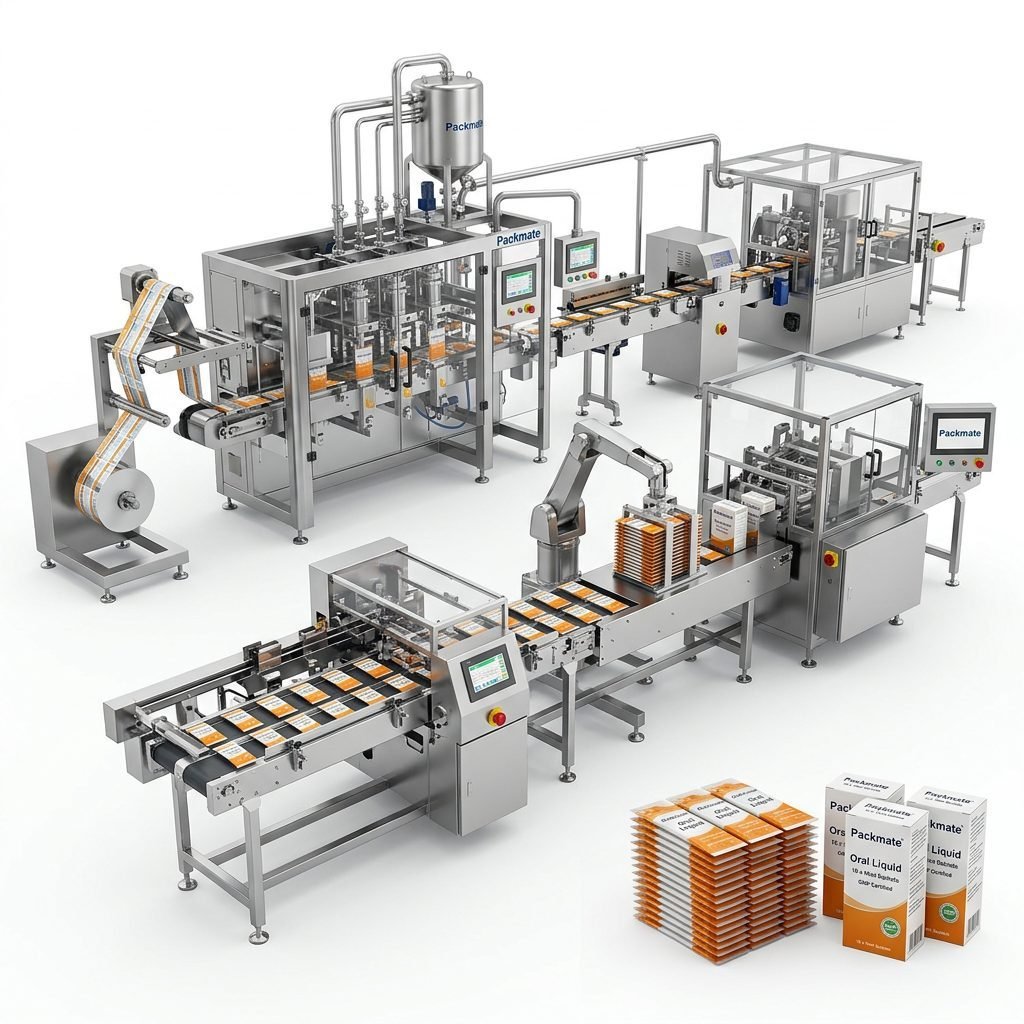
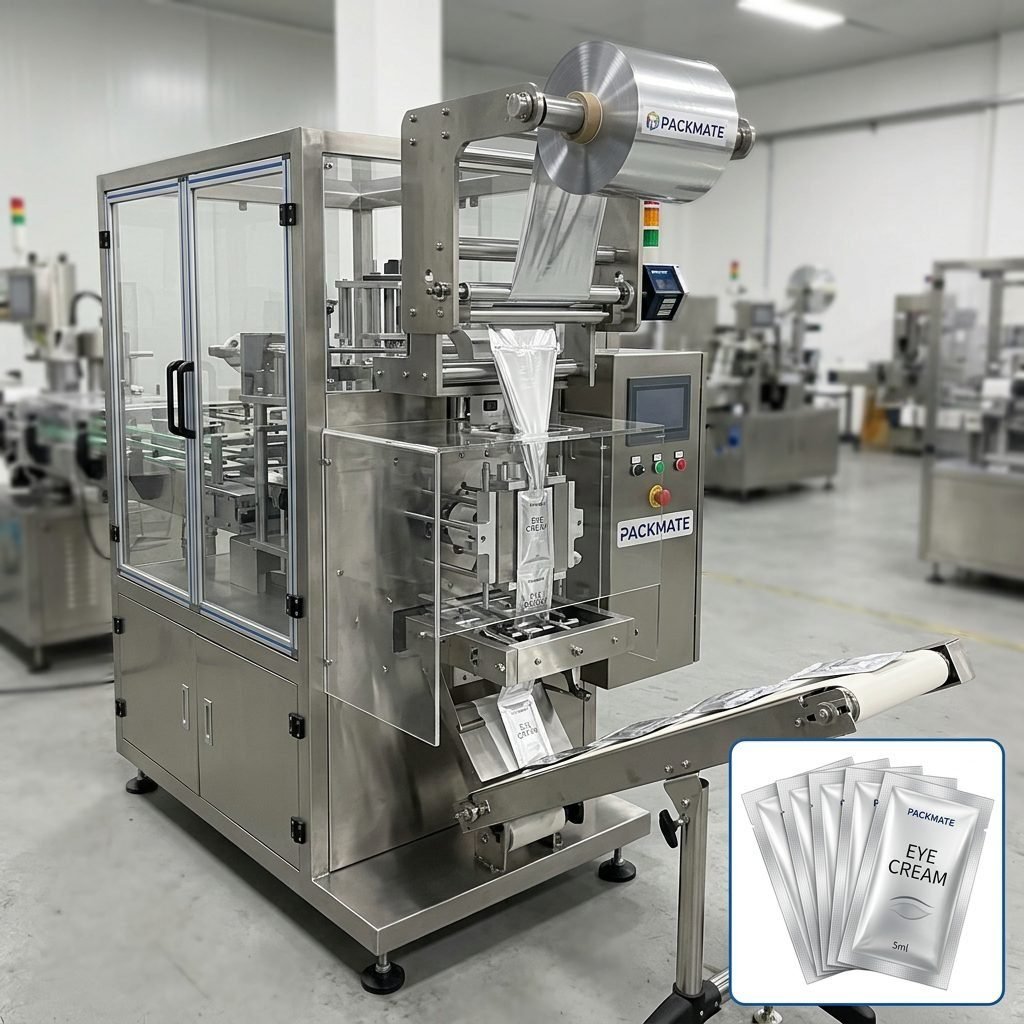
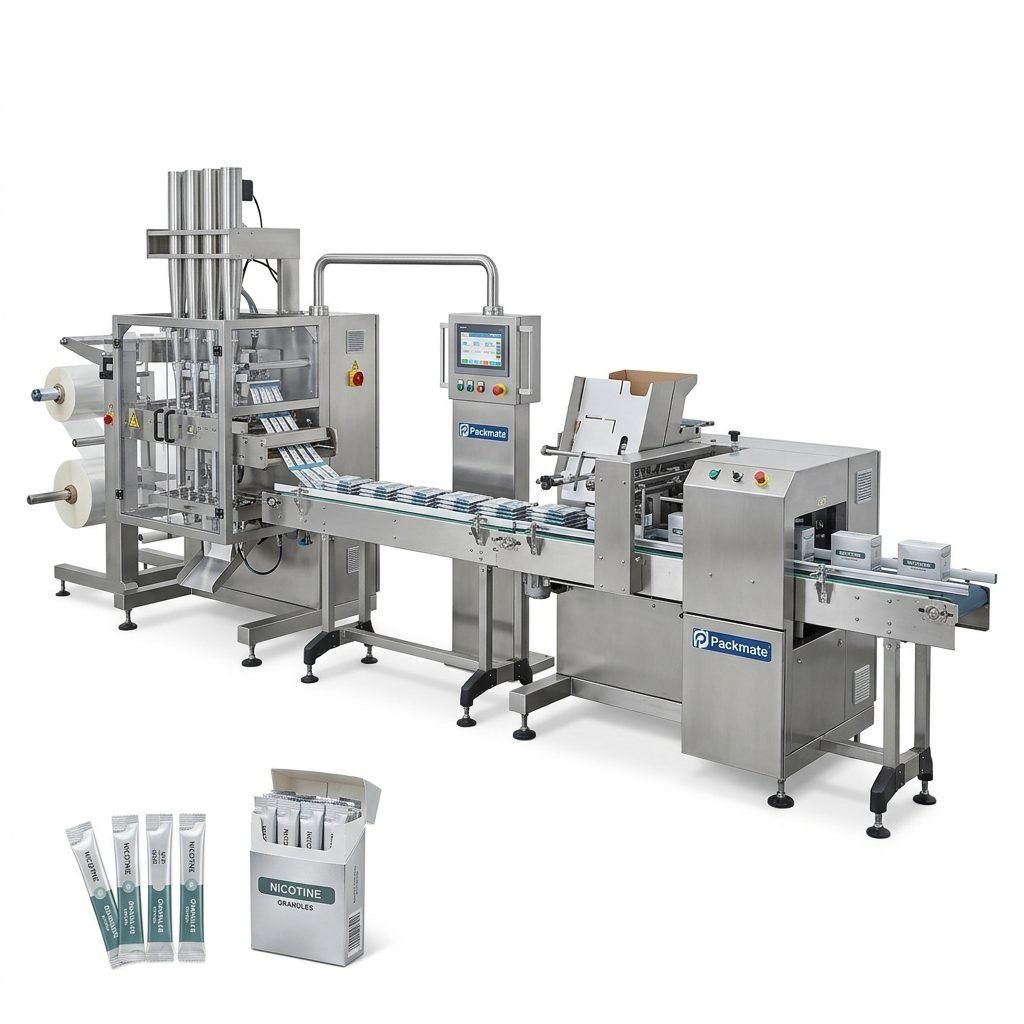
Operating for more than three decades, Packmate Machinery offers practical automation solutions for food, pharma, and supplement packaging. They emphasize stable performance and cost efficiency, offering over 80 machine models. Their export presence in markets like Europe, the Middle East, and Australia indicates an understanding of international standards. For Maldivian manufacturers needing a reliable, balanced solution without over-engineering, Packmate could be a suitable candidate.
3. PacklineOEM
As the name suggests, PacklineOEM specializes in turnkey packaging production lines rather than just standalone machines. This integrated approach is valuable for a Maldivian operation planning a new production facility or a major upgrade, where seamless coordination between feeding, filling, sealing, and conveying is critical. Their focus on complete line integration can simplify project management for the buyer.
4. PackingMachineOEM
This manufacturer, PackingMachineOEM, highlights its strength in non-standard and customized packaging solutions. If your Maldivian product has unique characteristics, uses a specific local packaging film, or requires a special bag format, a supplier with strong customization capabilities is essential. Their flexibility in engineering can adapt standard machines to meet specific local needs.
5. SnusMachinery
For businesses in niche sectors, specialized knowledge is key. SnusMachinery focuses on nicotine pouch and snus packaging equipment but also serves general food and pharma pouch applications. Their deep expertise in precise dosing and sealing for pouch products could be highly relevant for Maldivian companies producing high-value portion-packed supplements, specialty teas, or similar items where packaging consistency is paramount.
Conclusion and Next Steps for Maldivian Importers
Sourcing packaging machinery for the Maldives requires a blend of technical diligence and practical logistics planning. By prioritizing supplier reliability, export competency, and robust after-sales support, businesses can mitigate the risks associated with distant sourcing. Start with clear internal specifications, conduct thorough due diligence on potential partners, and never underestimate the value of clear, documented communication throughout the procurement process. Investing time in finding the right manufacturer will pay dividends in years of smooth, efficient, and profitable packaging operations.
Frequently Asked Questions (FAQs)
Q1: What is the typical lead time for receiving a packaging machine in the Maldives?
A: Lead times vary but typically range from 60 to 120 days after order confirmation. This includes manufacturing, testing, packing, and sea freight shipping to Malé. Always confirm the specific timeline with your supplier.
Q2: How can I verify a manufacturer’s claims about export experience?
A: Request specific export certificates, ask for references from clients in geographically similar regions (e.g., Sri Lanka, Mauritius, Middle East), and check if they have detailed English documentation and a dedicated export department.
Q3: What are the most common payment terms when importing machinery from China?
A> Standard terms often involve a 30% deposit via T/T (bank transfer) upon signing the contract, with the 70% balance paid before shipment. Letters of Credit (L/C) are also commonly used for added security for both parties.
Q4: What crucial spare parts should I order initially?
A: Consult with the manufacturer for a recommended list. This usually includes heating elements (sealing jaws), sensors, fuses, belts, gaskets, and commonly worn mechanical parts specific to your machine model.
Q5: Who handles customs clearance and duties in the Maldives?
A: This should be clarified with your supplier (for CIF terms) or your appointed freight forwarder. Typically, the Maldivian importer (you) is responsible for appointing a customs clearing agent in Malé to handle final clearance and pay any applicable duties and taxes.