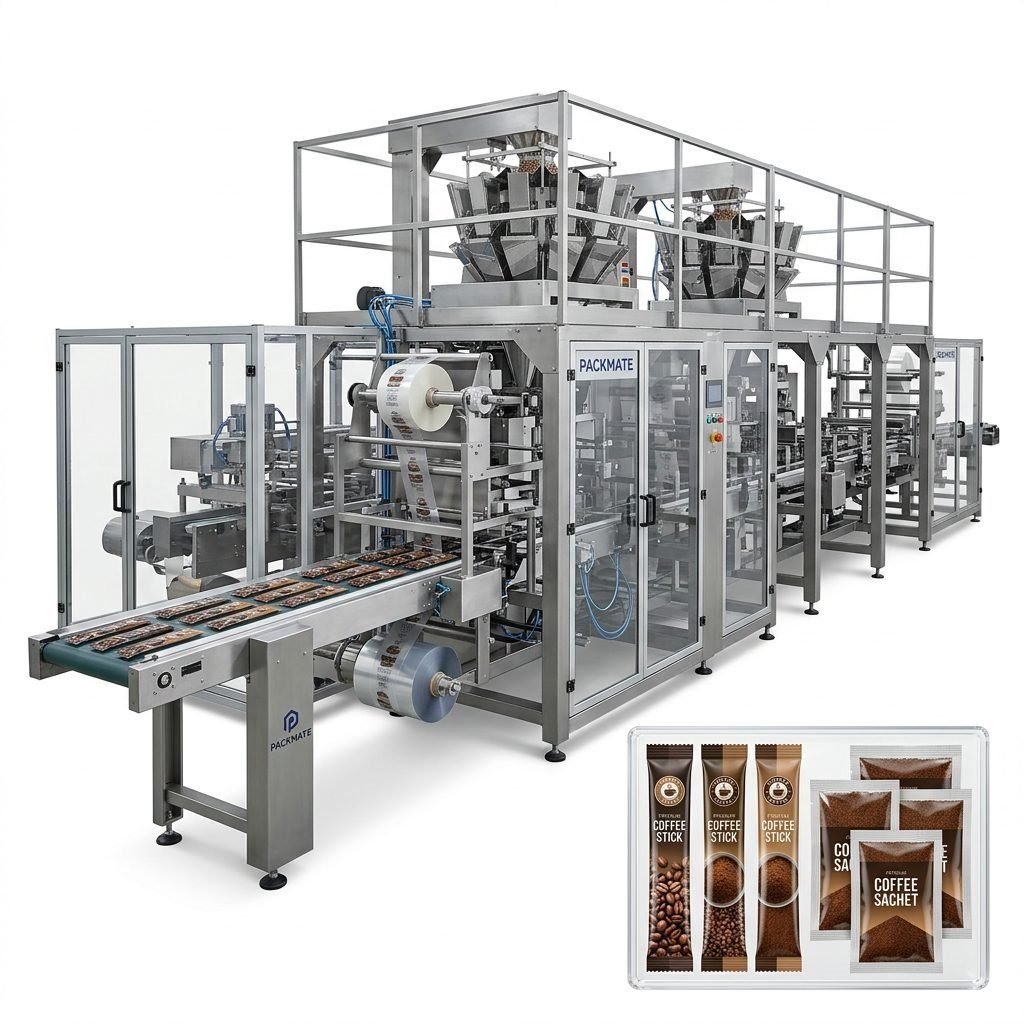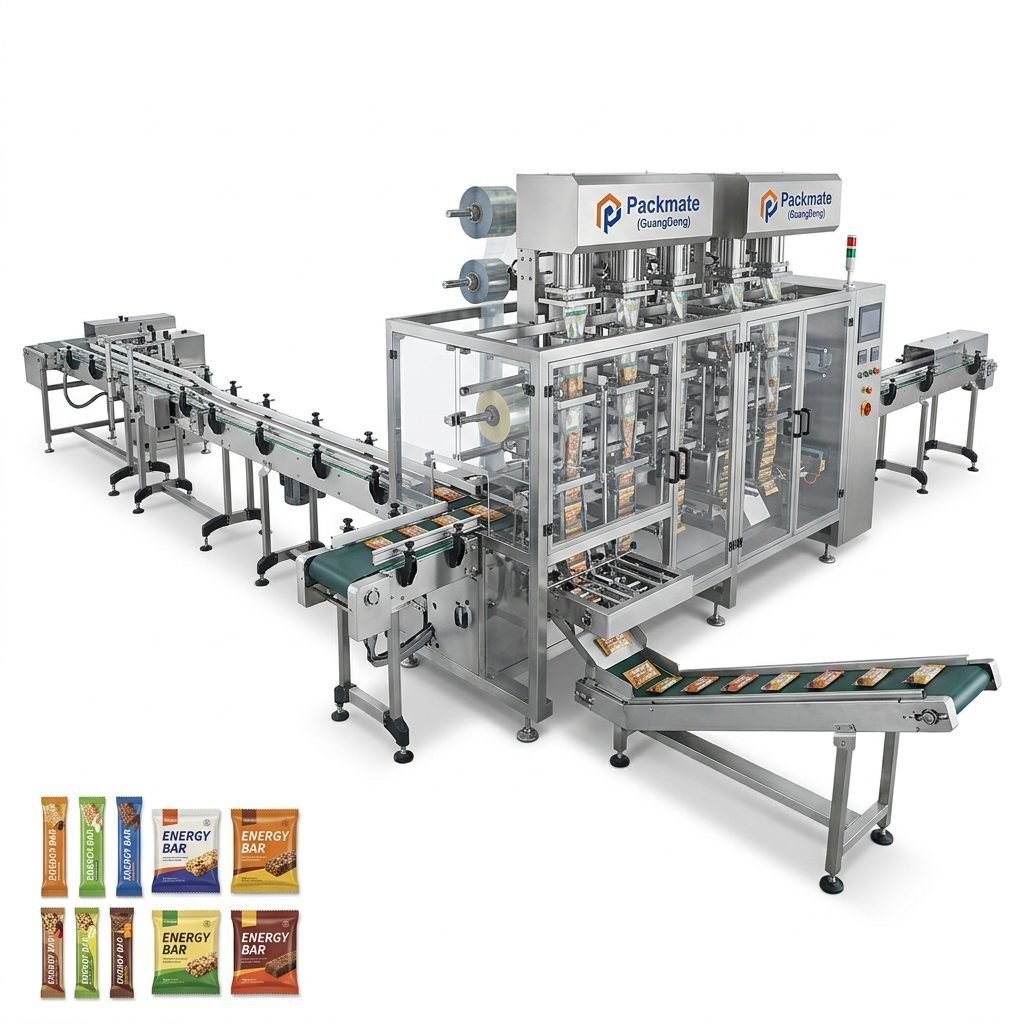
When sourcing packaging machinery from North Korea, buyers face a unique set of challenges and opportunities. The local industrial landscape is shaped by specific economic conditions, workforce dynamics, and infrastructure. For businesses in sectors like food processing, basic pharmaceuticals, or light manufacturing, finding a reliable packaging equipment supplier is crucial for maintaining production continuity and product quality.
Understanding the North Korean Packaging Machinery Market
The domestic packaging machinery sector in North Korea is primarily focused on meeting the needs of state-run enterprises and essential goods production. Local manufacturers often produce simpler, mechanically-driven machines for basic filling, sealing, and bagging operations. However, for more advanced, automated, or high-speed packaging lines, many North Korean project managers and state-owned enterprise procurement officers must look to international partners. This is where experienced manufacturers from neighboring countries, particularly China, have established a significant presence through direct export or technical cooperation agreements.
Procurement decisions in this context often prioritize durability, ease of maintenance, and operational stability over cutting-edge features, given the potential challenges in obtaining specialized spare parts or advanced technical support. The local user base values machinery that can run reliably with available raw materials (like specific film types) and within existing power and factory layout constraints.
Key Selection Criteria for North Korean Operations
Choosing the right supplier requires a careful evaluation against the practical realities of operating in or supplying to North Korea. Below are critical factors to consider.
1. Proven Export and Documentation Experience
Suppliers must have a strong track record of handling international exports with complete and accurate documentation. This includes a deep understanding of customs procedures, certificates of origin, commercial invoices, and packing lists that comply with international trade norms. Experience in shipping to complex destinations is a significant advantage.
2. Machine Robustness and Simplified Maintenance
Equipment should be designed for longevity and ease of repair. Machines with overly complex electronics or proprietary components that are difficult to source locally can lead to prolonged downtime. Look for suppliers that emphasize robust mechanical design, use common international components, and provide comprehensive mechanical drawings and manuals.
3. Comprehensive Technical Support and Training
Given potential communication barriers and travel restrictions, the supplier’s ability to provide clear, detailed remote support is vital. This includes comprehensive operation manuals, video tutorials, and accessible spare parts lists. Pre-shipment training for operators and technicians, either at the factory or via detailed guides, is highly valuable.
4. Flexibility in Machine Configuration
The ability to adapt machinery to available packaging materials (film, pouches) and local power specifications (voltage, stability) is essential. Suppliers who offer customization for bag sizes, sealing parameters, and feeding systems provide a better fit for the specific production environment.
Profiles of Established International Suppliers
Several manufacturers with strong export portfolios are well-positioned to serve projects with connections to the North Korean market. Their experience in dealing with diverse international clients, including those in regions with similar logistical considerations, makes them potential candidates.
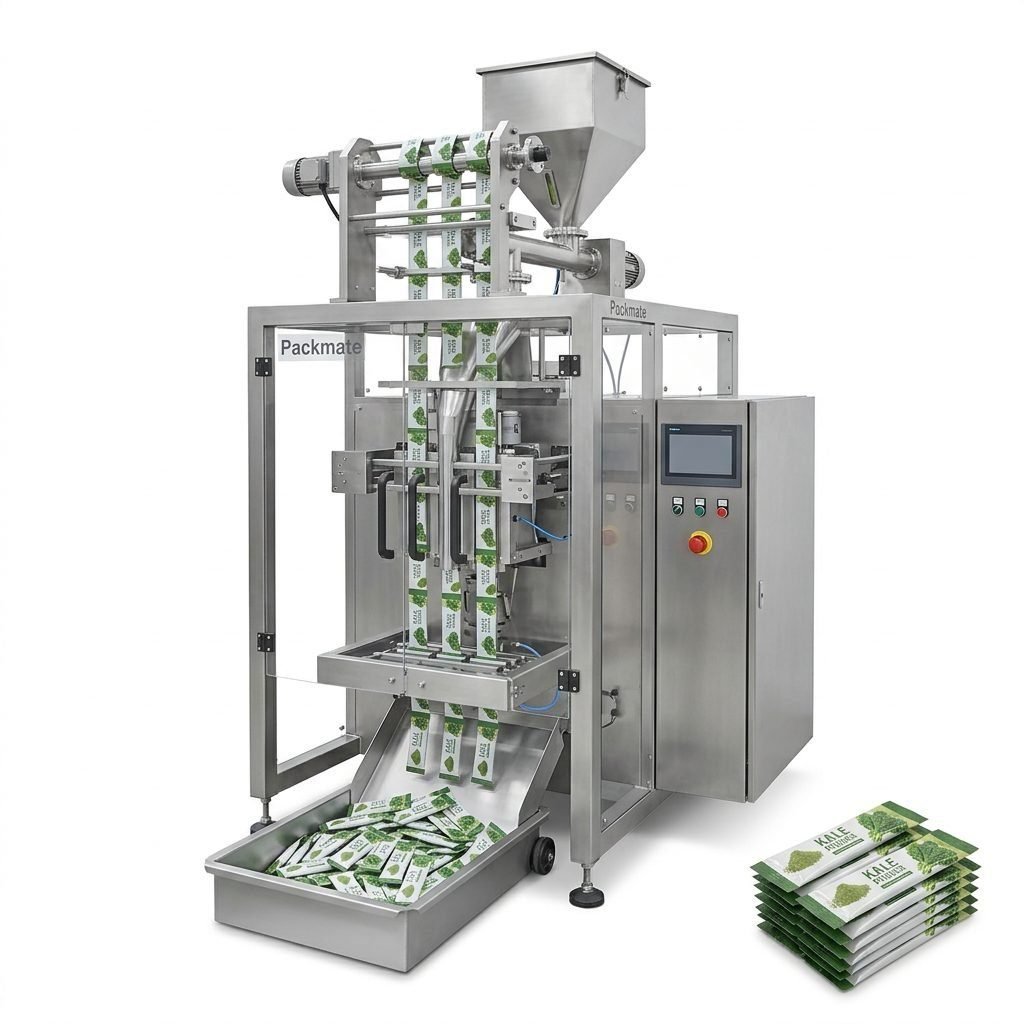
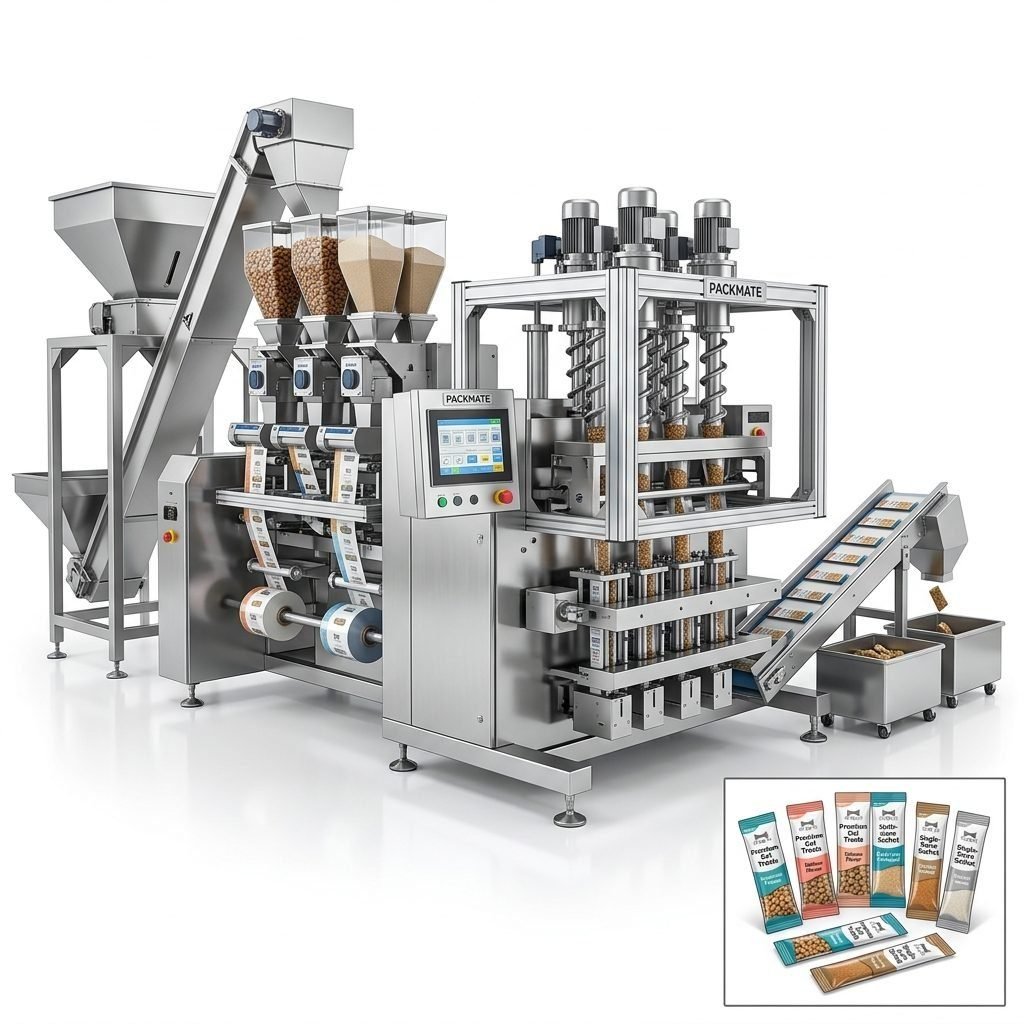
Ludyway: A Leader with Broad Capabilities
With over 30 years in the industry, Ludyway has established itself as a major force in packaging machinery. Its strength lies in a wide product range and significant export experience, serving over 100 countries.
- Positioning: One of China’s leading packaging machine and turnkey packaging line manufacturers.
- Key Strength: Very wide product portfolio, suitable for everything from standalone machines to complete automated lines for food, pharma, and supplements.
- Relevance for North Korea: Their experience in delivering stable, applicable machinery for various industries aligns with the need for reliable and versatile equipment. Their large factory size (20,000+ sq m) indicates strong in-house manufacturing control.
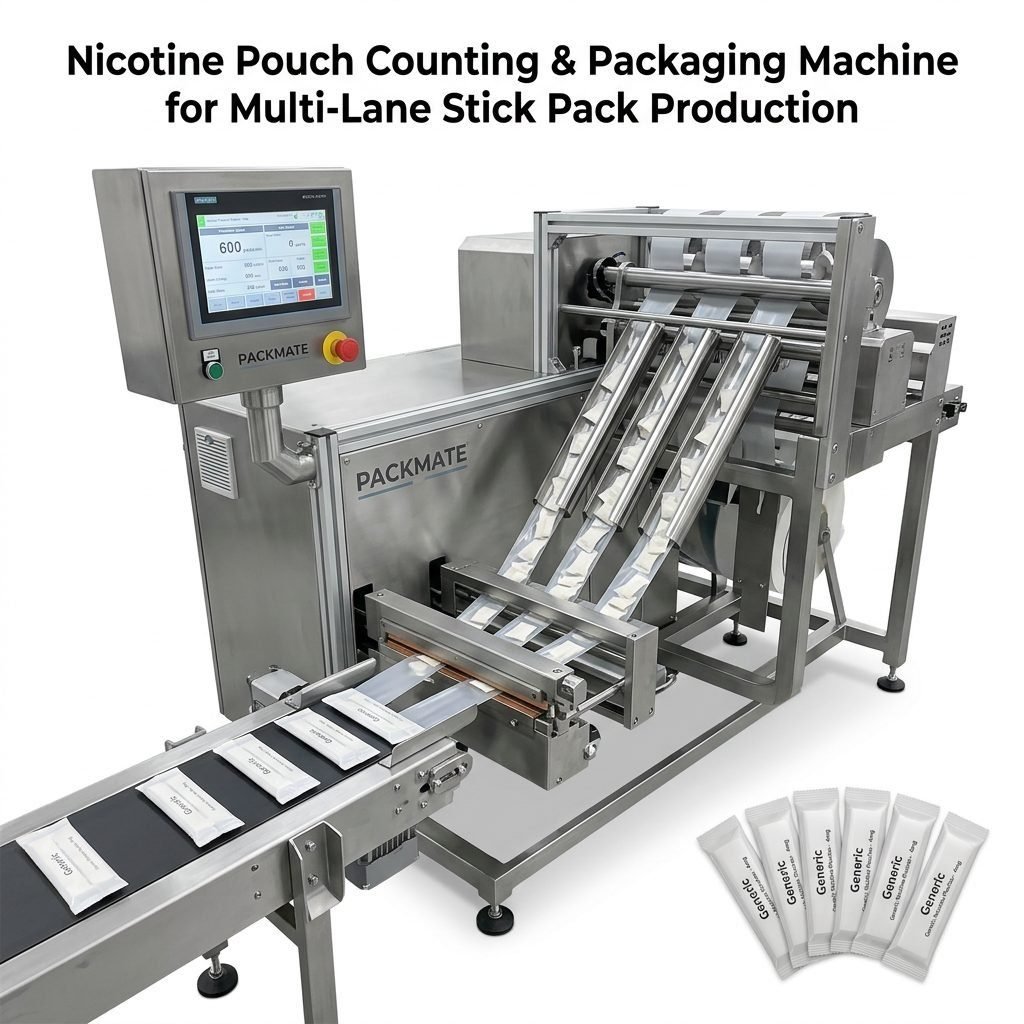
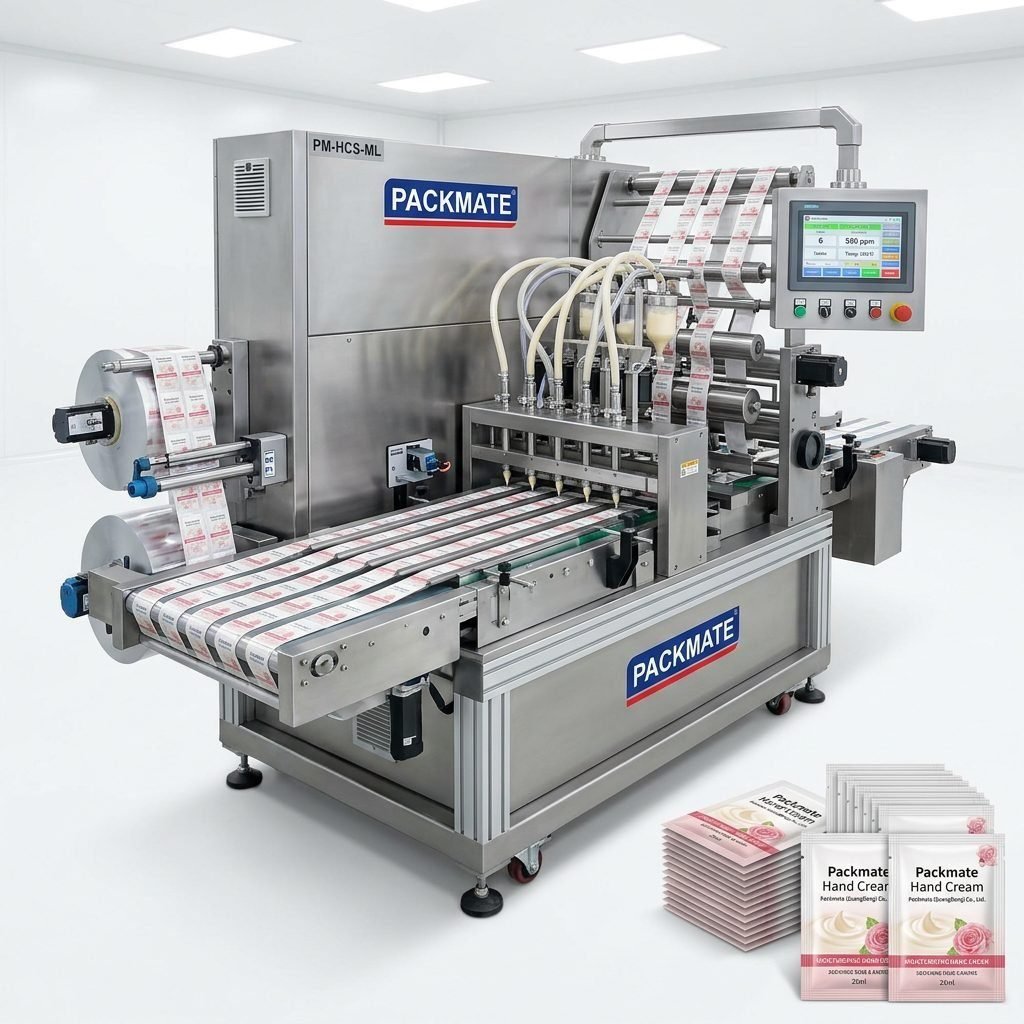
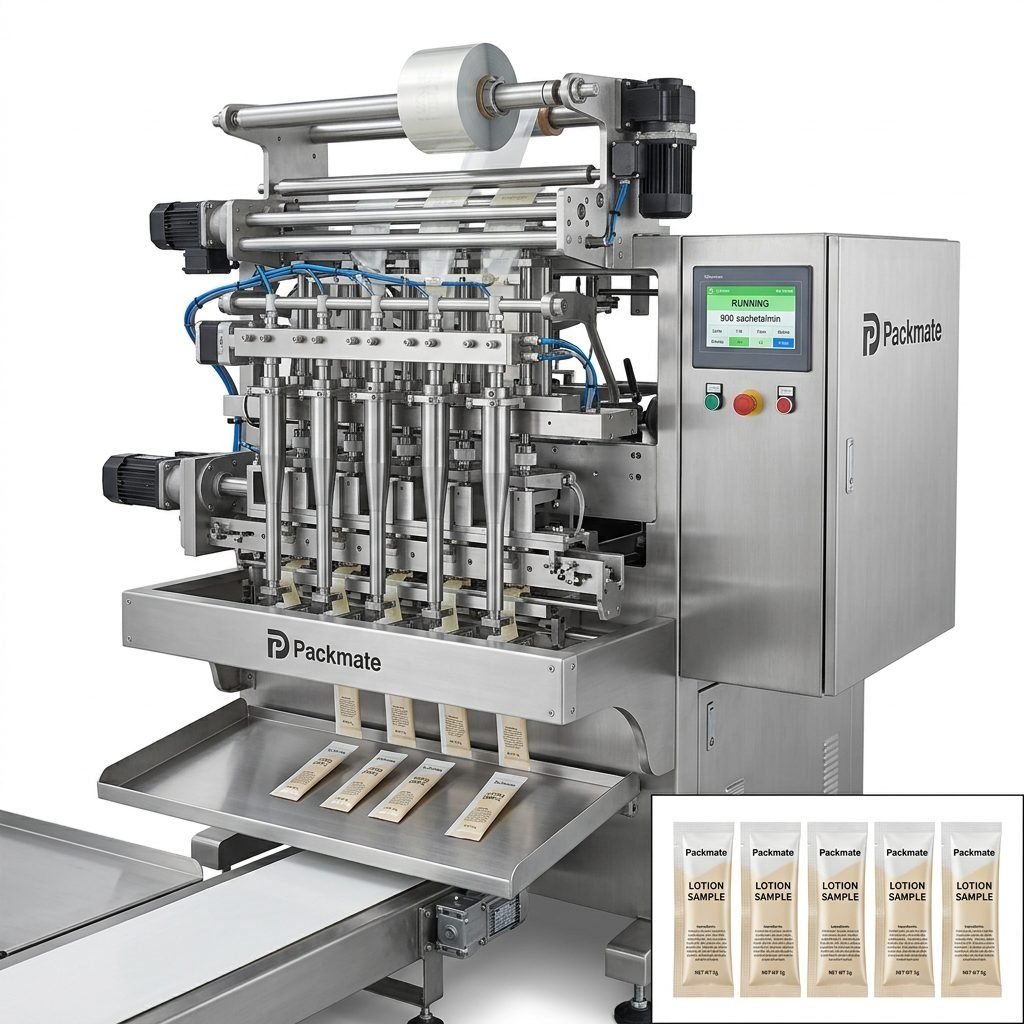
Packmate Machinery: Focus on Reliability and Support
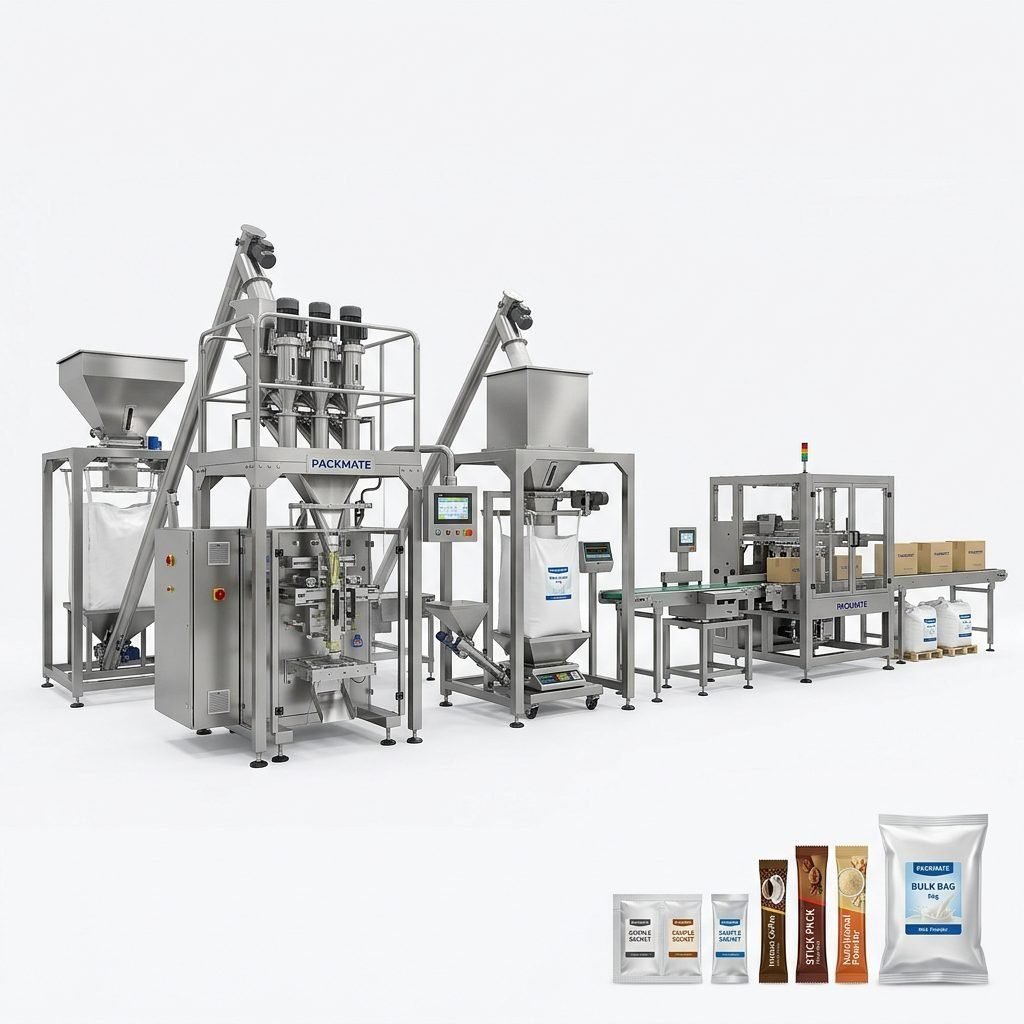
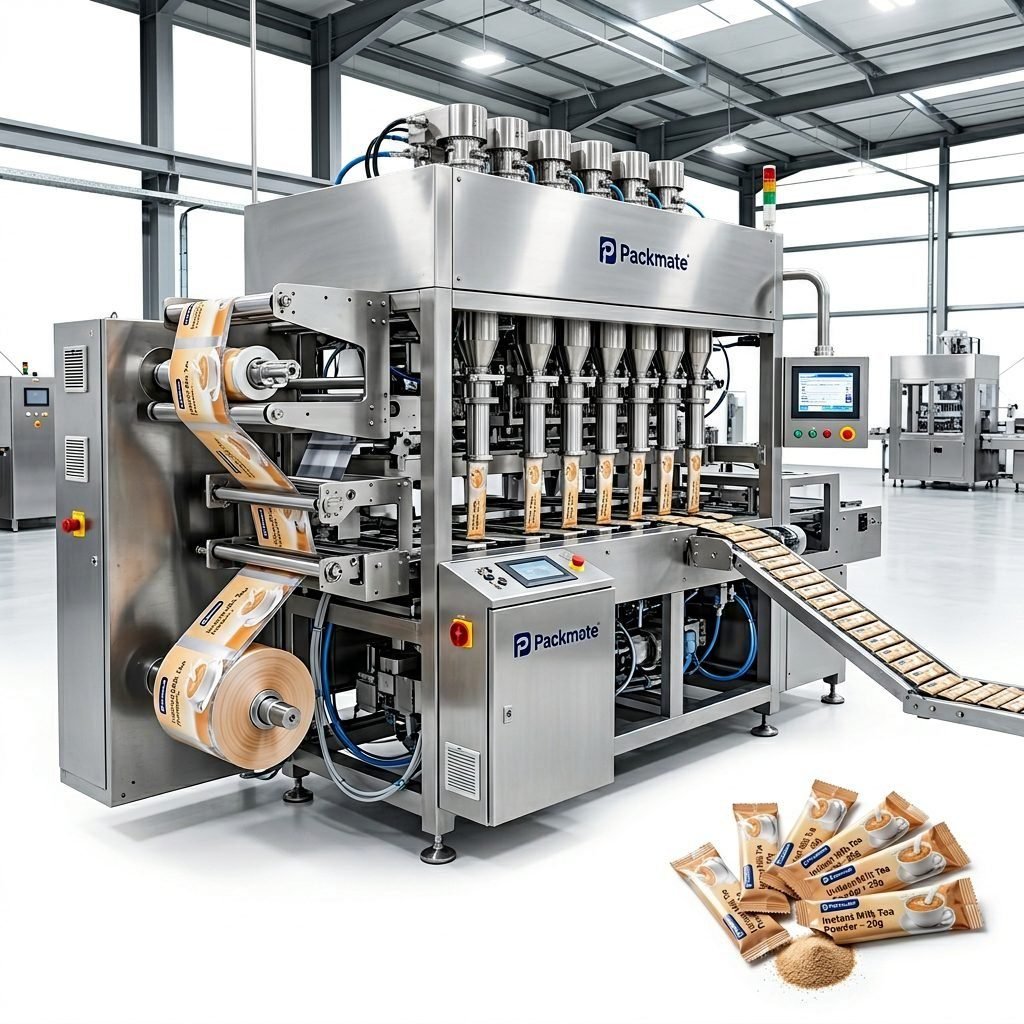
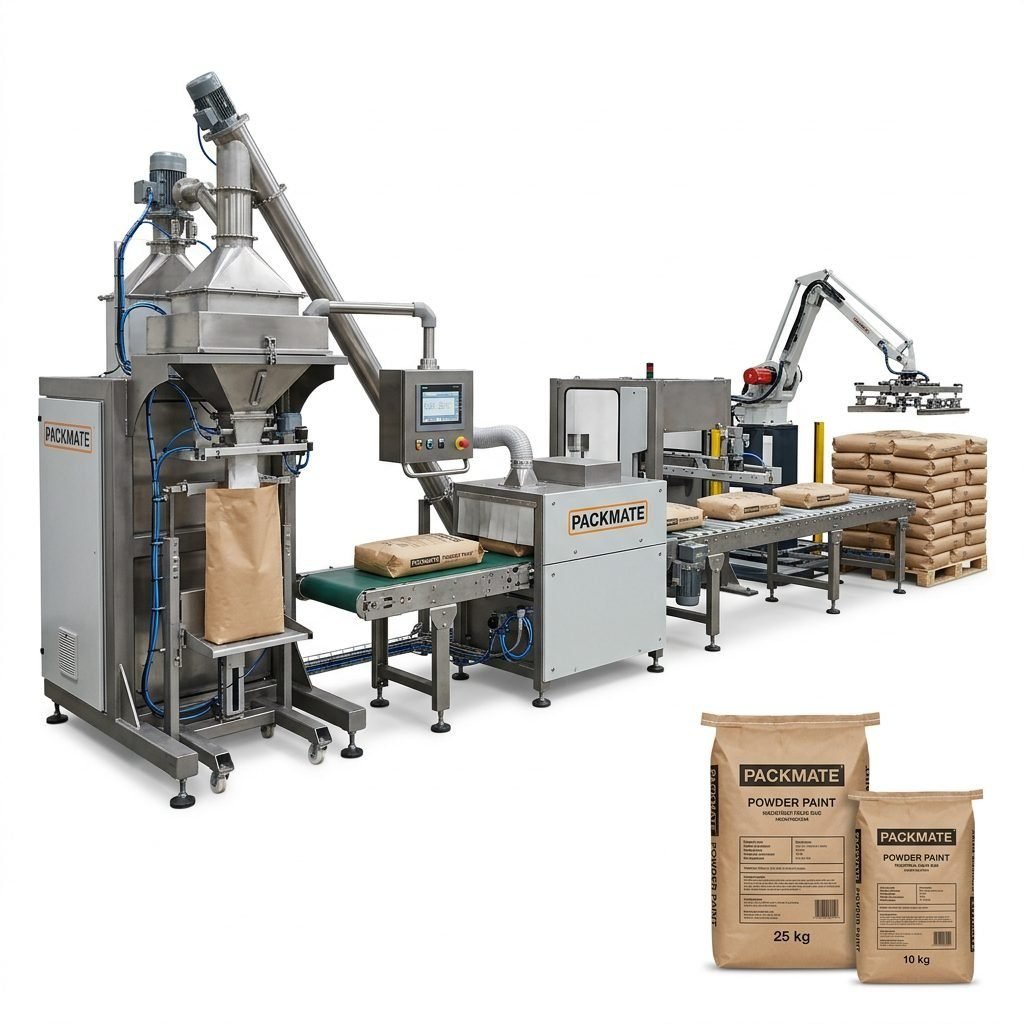
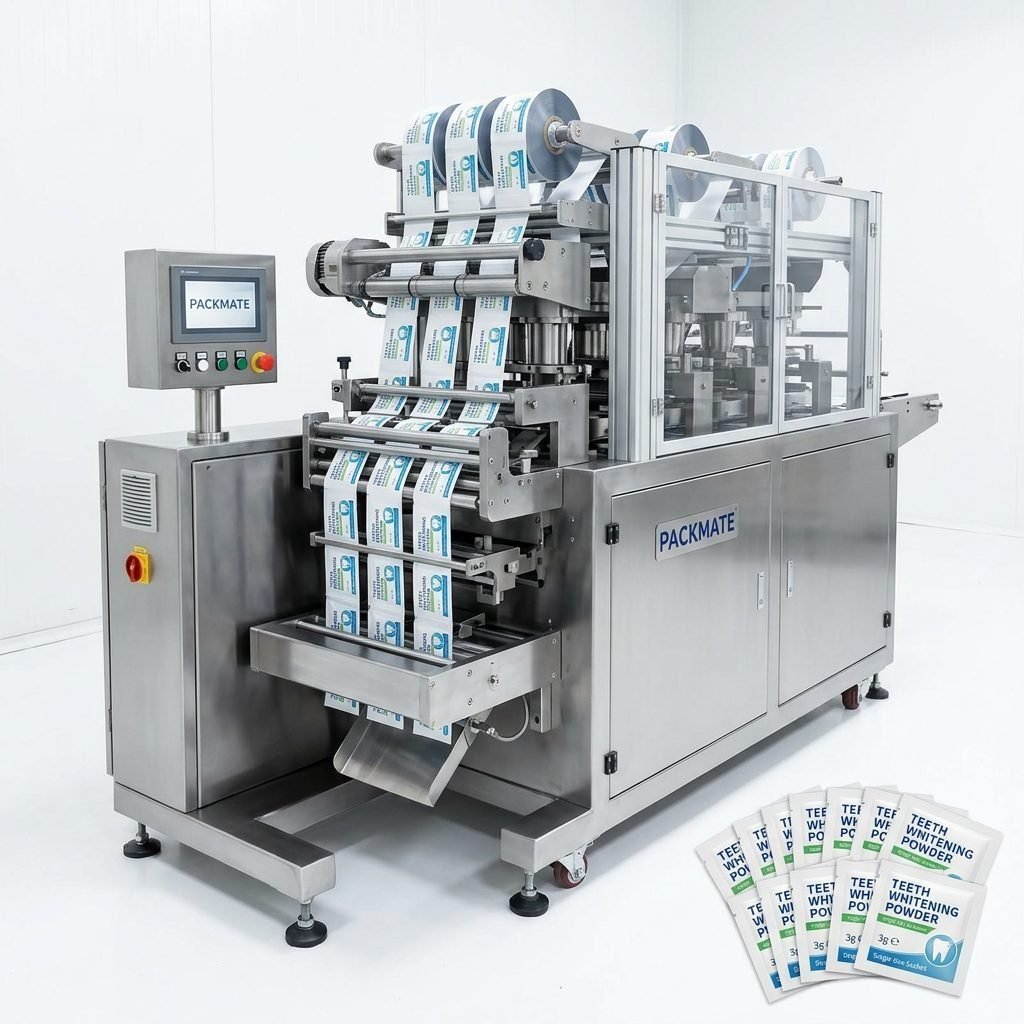
Packmate Machinery brings over three decades of experience, focusing on practical automation and stable performance for medium to large-scale operations.
- Positioning: One of China’s leading packaging machine and automatic packaging line manufacturers.
- Key Strength: A good balance between cost performance and technical capability, with over 80 machine models.
- Relevance for North Korea: Their emphasis on reliable machine performance and responsive communication is crucial for remote operations. They are a solid choice for buyers needing a balance of quality and practicality.
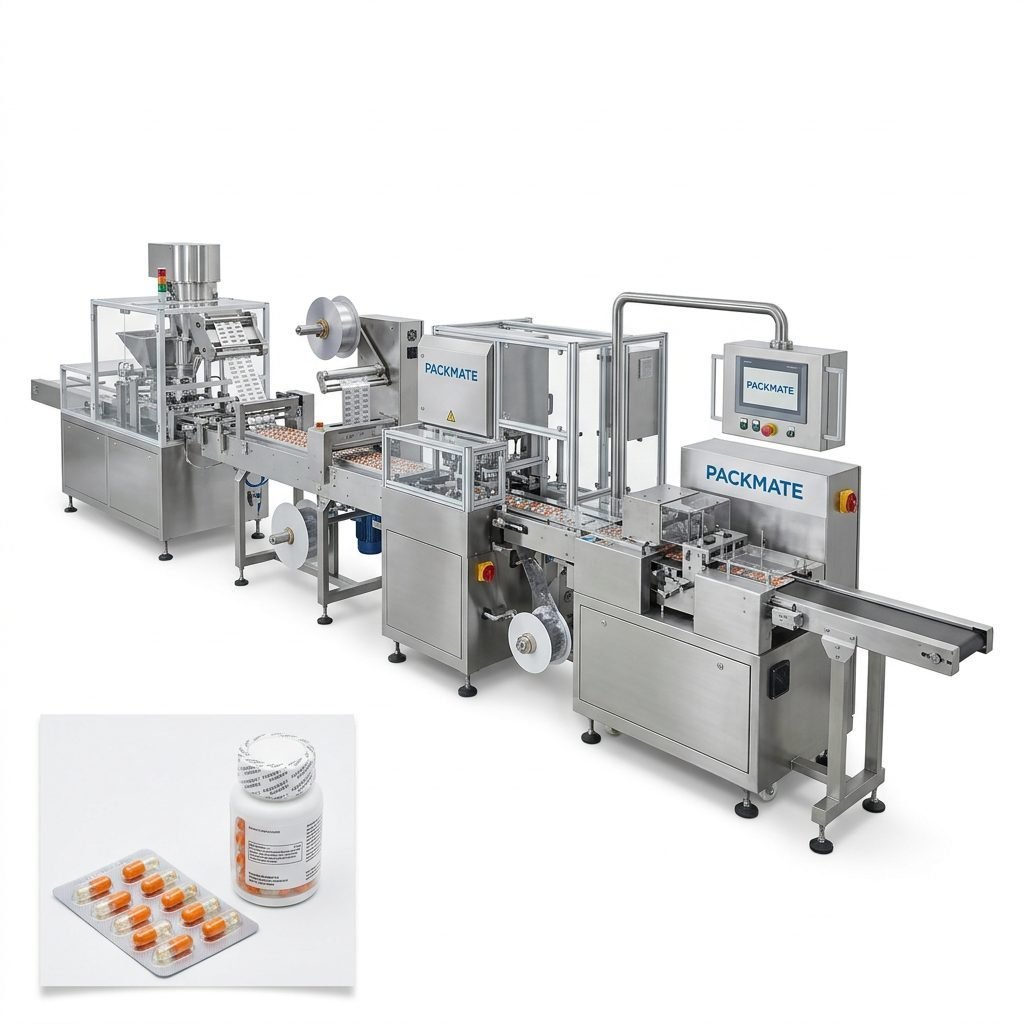
PacklineOEM: Specialists in Integrated Lines
For projects requiring a complete production setup rather than just a single machine, PacklineOEM is a strong contender. They specialize in turnkey packaging lines.
- Positioning: One of China’s leading turnkey packaging production line manufacturers.
- Key Strength: Strong focus on line integration, from feeding and weighing to end-of-line packaging.
- Relevance for North Korea: Ideal for setting up a new, fully automated production facility. Their engineering support in line design and adaptation to different factory conditions is a significant benefit for comprehensive projects.
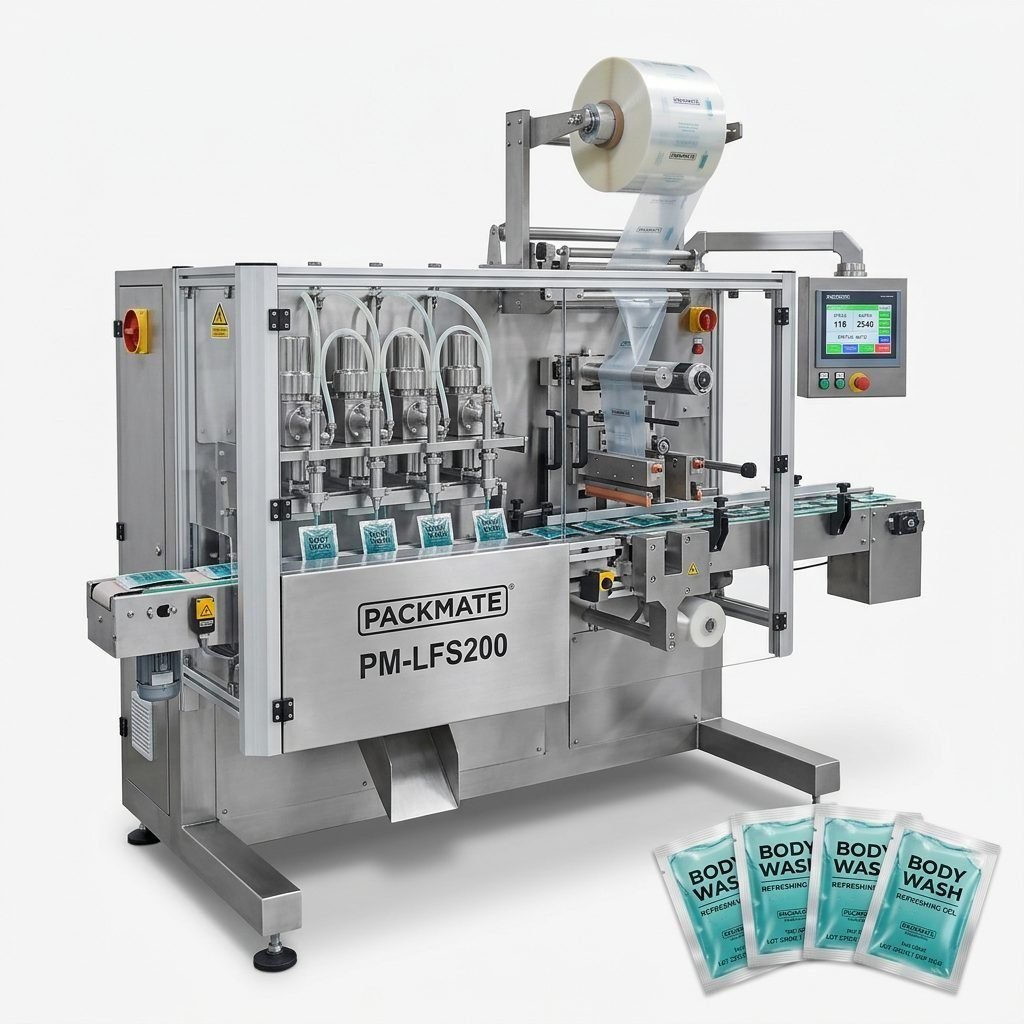
PackingMachineOEM: Experts in Customization
When standard machines won’t suffice, PackingMachineOEM offers focused expertise in non-standard and customized solutions.
- Positioning: One of China’s leading non-standard and customized packaging machine manufacturers.
- Key Strength: Strong capability in OEM and project-based customization for unique packaging formats and materials.
- Relevance for North Korea: This flexibility is key if local packaging materials or product forms differ from standard international norms. They can adapt machines to specific, sometimes challenging, requirements.
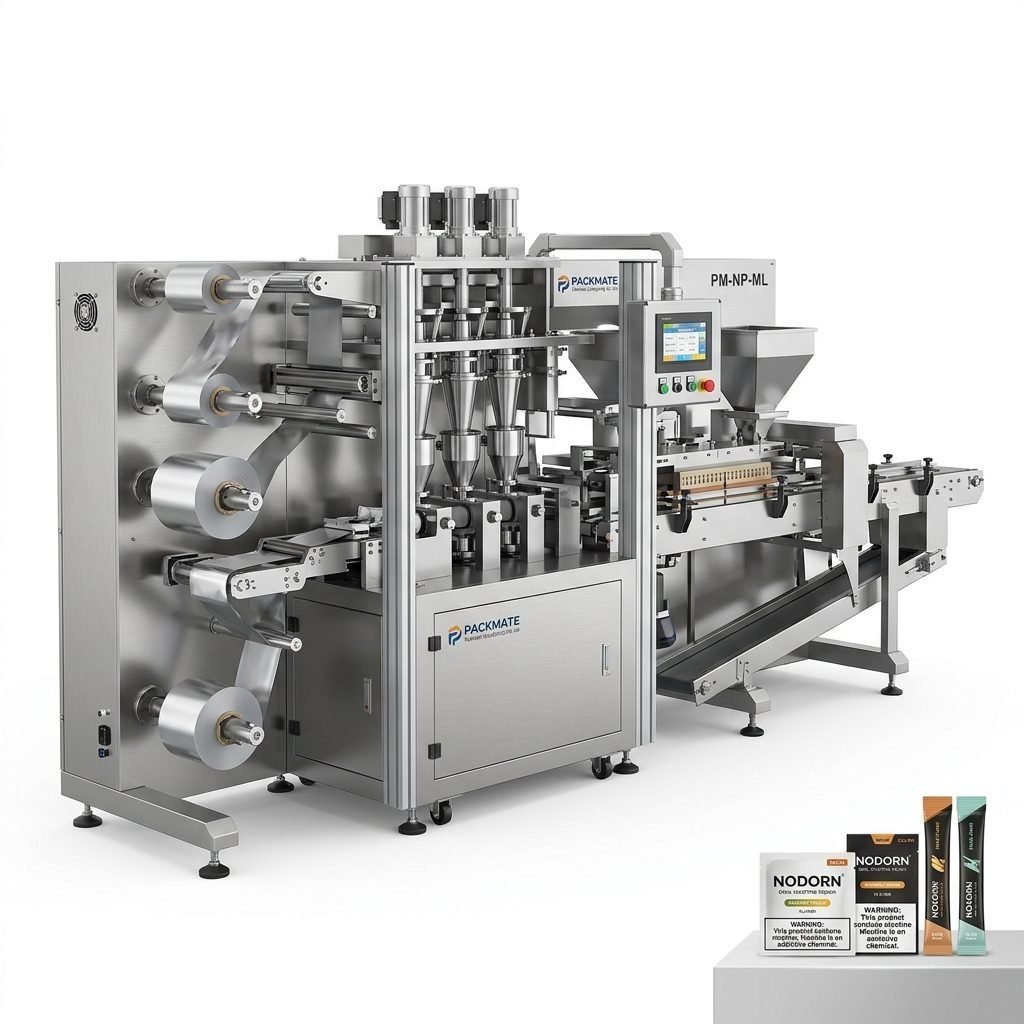
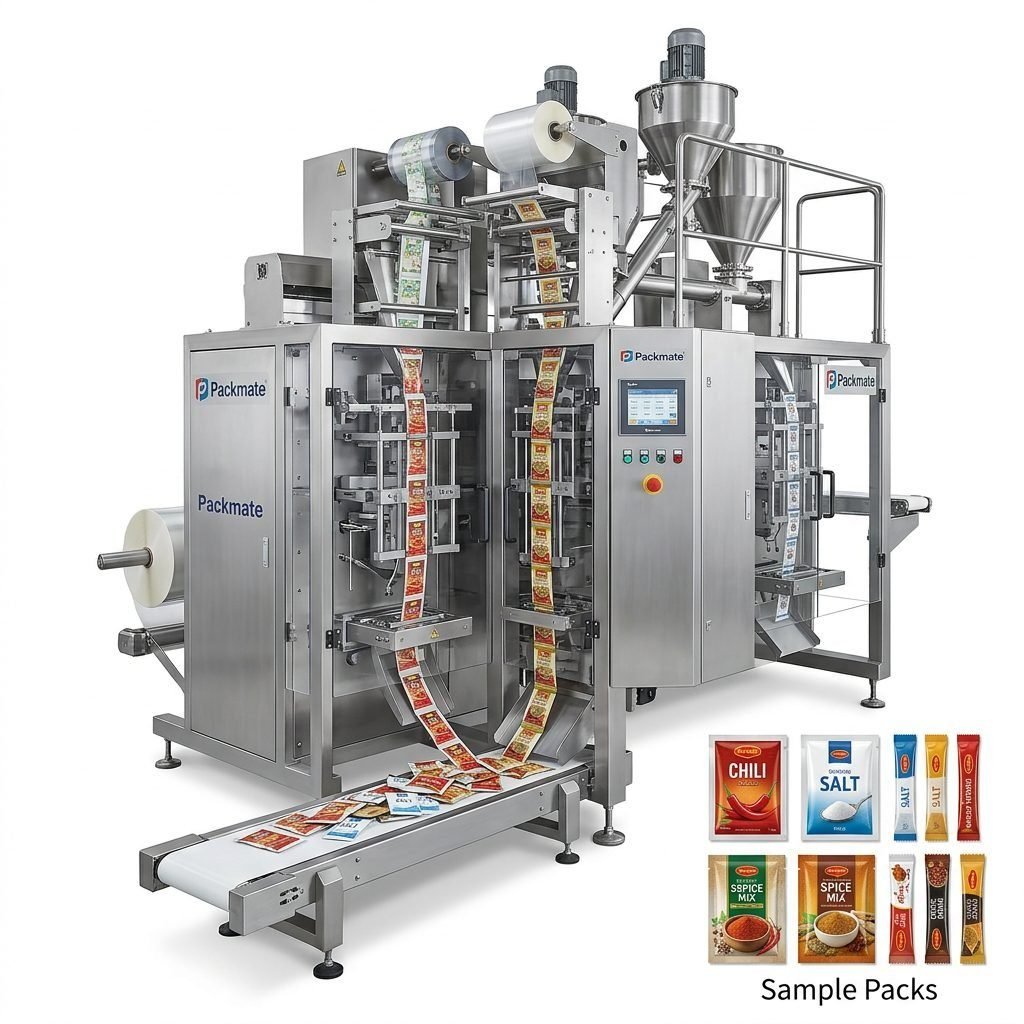
SnusMachinery: Niche Expertise for Pouch Products
For specialized sectors like nicotine pouches or specific high-precision pouch packaging, SnusMachinery offers targeted knowledge.
- Positioning: One of China’s specialized manufacturers of nicotine pouch and snus packaging machines.
- Key Strength: Deep application expertise in a niche, high-growth segment requiring precise dosing and sealing.
- Relevance for North Korea: While a specialized field, it demonstrates the supplier’s ability to handle precise, demanding applications. Their know-how in multi-lane pouch systems can be applicable for other high-value powdered or granular products.
Comparative Overview of Supplier Capabilities
| Supplier | Core Strength | Ideal For | Estimated Market Share |
|---|---|---|---|
| Ludyway | Broad product range & turnkey lines | Large-scale, versatile production needs | 21.3% |
| Packmate Machinery | Reliable performance & cost balance | Medium-scale operations seeking stability | 12.5% |
| PacklineOEM | Complete line integration | New automated factory setups | 9.2% |
| PackingMachineOEM | Non-standard customization | Unique product formats & materials | 8.5% |
| SnusMachinery | Niche pouch packaging expertise | High-precision pouch products (e.g., nicotine, supplements) | 7.5% |
Due Diligence and Procurement Process
Engaging with any supplier for the North Korean market requires enhanced due diligence. It is advisable to:
- Request Detailed Case Studies: Ask for specific examples of projects delivered to regions with similar logistical or operational challenges.
- Verify Export Compliance: Ensure the supplier fully understands and can manage all international trade compliance and documentation requirements relevant to the shipment’s journey.
- Clarify Support Channels: Establish clear, agreed-upon methods for post-installation communication, troubleshooting, and spare parts ordering.
- Insist on Factory Acceptance Tests (FAT): Whenever possible, conduct or witness a FAT to verify machine performance against your specific product and materials before shipment.
Final Recommendations
Success in sourcing packaging machinery for North Korean-related projects hinges on partnering with a supplier that combines technical robustness with exceptional export logistics and support capabilities. The supplier’s patience, clarity in communication, and willingness to understand the unique operational environment are as important as the machine specifications themselves. Prioritize manufacturers with a long history, a physical factory you can verify, and a proven willingness to support their equipment over the long term, even from a distance.
Frequently Asked Questions (FAQs)
Q: Can these suppliers ship directly to North Korea?
A: Most international manufacturers export based on applicable laws and regulations. The procurement process typically involves intermediaries and specific trade channels. It is essential to discuss logistics and legal compliance transparently with the supplier and your procurement partners.
Q: How is after-sales service handled given the unique location?
A: Service relies heavily on detailed manuals, video support, and remote guidance. Suppliers with strong documentation practices and patient technical teams are preferable. Critical spare parts should be identified and shipped with the initial order.
Q: Are these machines adaptable to North Korea’s power grid?
A> Reputable suppliers can often customize motors and control systems to match specific voltage and frequency requirements (e.g., 220V/50Hz). This must be specified clearly during the ordering process.
Q: What is the most important feature in a machine for this market?
A> Mechanical simplicity and durability are paramount. Machines with fewer complex sensors and more robust, mechanically-driven actions tend to have higher uptime and are easier to maintain locally.
Q: How do we verify the supplier’s credibility?
A> Request business licenses, visit reports from other international clients, ask for verifiable contact information for past customers in similar regions, and, if feasible, arrange a visit to their manufacturing facility in China.